Why Visit Santa Teresa Gallura in 2026?
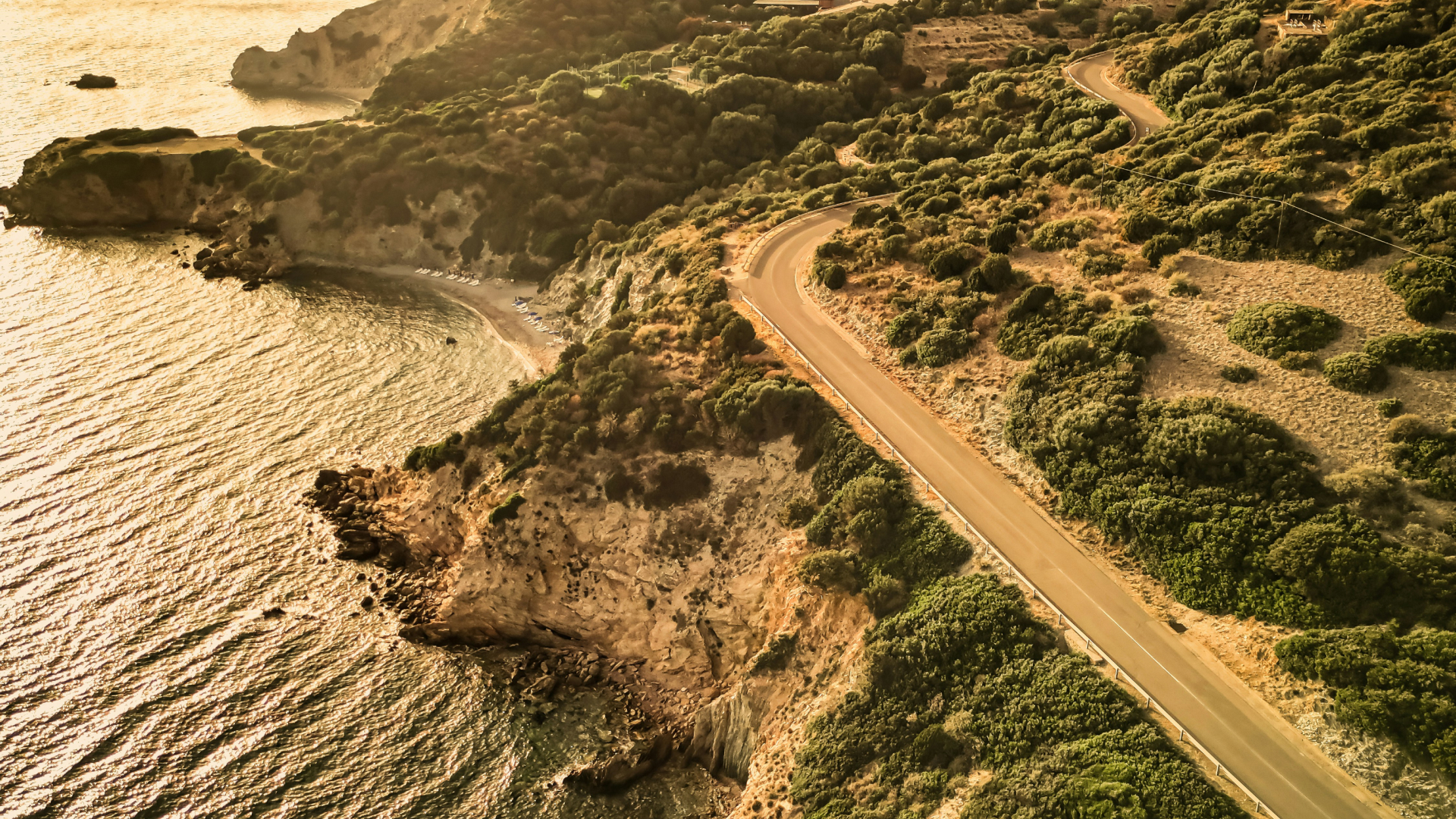
Santa Teresa Gallura sits on the very northern tip of Sardinia, staring straight across the Strait of Bonifacio towards Corsica. It’s a small town – roughly 5,000 residents – but it feels much bigger in summer, when the port fills with sailboats and the historic center comes alive with street music and laughter late into the night.
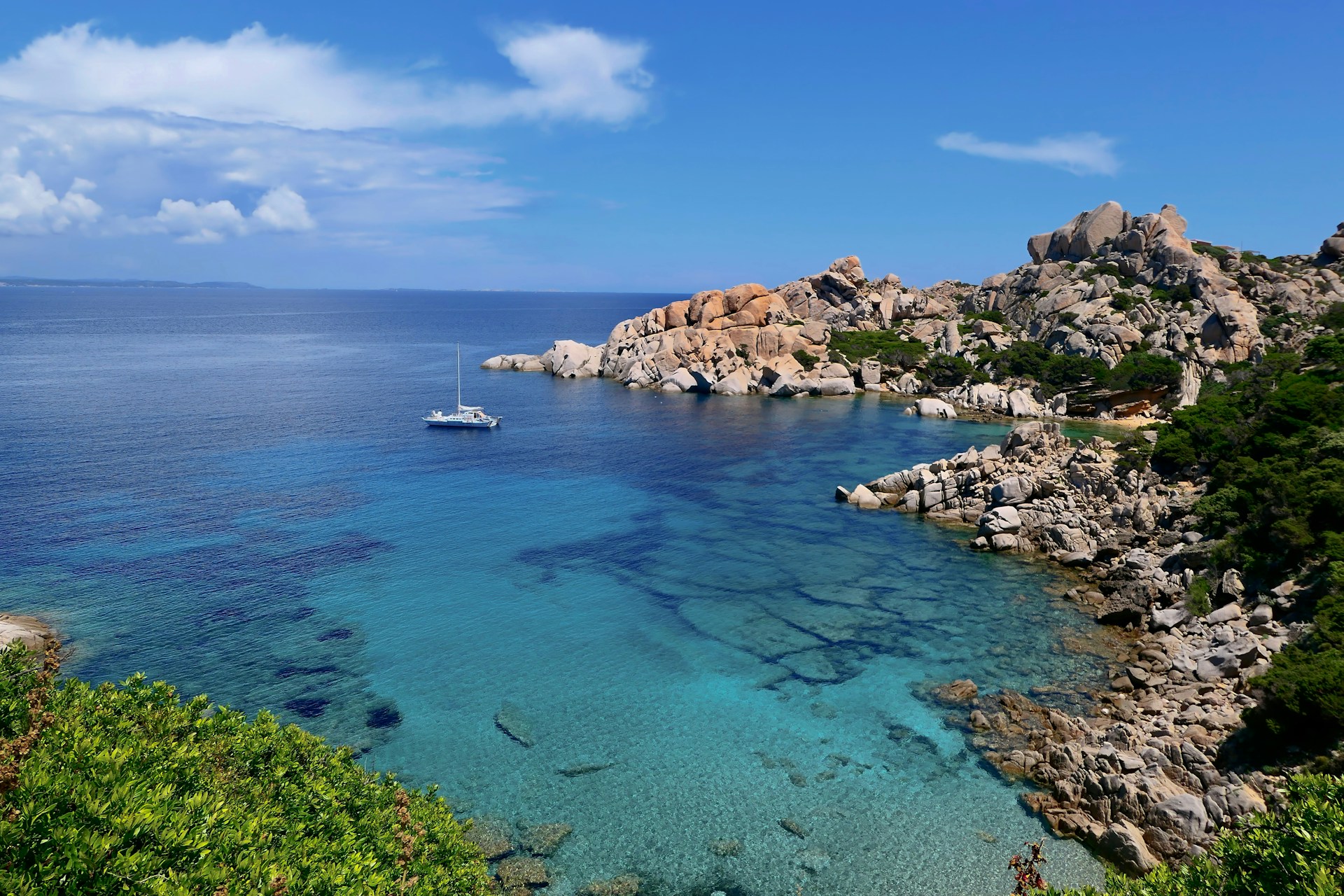
What makes it special isn’t just the scenery (though the beaches are world‑class) – it’s the combination of raw, wild coast, walkable town life, and the feeling that you’re at a crossroads of cultures: Sardinian, Corsican, and broader Mediterranean. You can sunbathe at a Caribbean‑blue beach in the morning, explore a 16th‑century Spanish tower in the afternoon, and dine on ultra‑fresh seafood while listening to Gallurese dialect in the evening.
Reasons to Put Santa Teresa Gallura on Your List
- Iconic beaches like Rena Bianca, Cala Spinosa, and Capo Testa with water so clear you’ll start questioning your life choices for not coming sooner.
- Compact, walkable old town with a relaxed, safe vibe – perfect for families and couples.
- Gateway to Corsica via daily ferries to Bonifacio (you can literally see the Corsican cliffs on a clear day).
- Hiking among mystical granite formations that look like they were carved by giants at Capo Testa and Valle della Luna.
- Authentic Gallurese food – think porcetto (roast suckling pig), zuppa gallurese (hearty bread‑and‑cheese “lasagna”), and just‑caught fish.
- Easy day trips to La Maddalena Archipelago, Costa Smeralda, and tiny rural villages inland.
- Manageable prices compared to some parts of Costa Smeralda, especially if you know where to stay and eat.
In 2026, Santa Teresa Gallura is also doubling down on sustainable tourism: more marked hiking trails, better public bus links in summer, and a push to keep the coastline protected. If you like the idea of a seaside town that still feels human rather than over‑developed, this is your place.
Table of Contents
- Why Visit Santa Teresa Gallura in 2026?
- Quick Overview & Orientation
- 3–5 Day Itineraries for Santa Teresa Gallura
- 20 Must‑See Attractions & Hidden Gems
- Neighborhoods & Areas to Explore
- Local Food & Drink in Santa Teresa Gallura
- Nightlife, Entertainment & Cultural Experiences
- Day Trips from Santa Teresa Gallura
- Events & Festivals in 2026–2027
- Cultural Etiquette & Local Customs
- Practical Travel Tips & Money‑Saving Advice
- Summary & Best Time to Visit
Quick Overview & Orientation
Santa Teresa Gallura is small enough that you can cross the central area on foot in 10–15 minutes, but its surroundings are surprisingly varied: sheltered town beach, wild headlands, hidden coves, and a proper harbor.
Key Areas at a Glance
- Centro Storico (Historic Center): Piazza Vittorio Emanuele I, narrow lanes, restaurants, gelato shops, evening passeggiata (stroll).
- Rena Bianca: Main sandy beach just below town – easy walk, family friendly.
- Capo Testa: Rocky peninsula west of town with lighthouses, coves, and granite formations.
- Porto Turistico: Marina east of town – boats to La Maddalena, diving, sailing.
- Porto di Santa Teresa (Ferry Port): Terminal for ferries to Bonifacio, Corsica.
- Outskirts & countryside: Agriturismi (farm stays), vineyards, rural landscapes dotted with stone stazzi (traditional farmhouses).
If you’re planning 3 days in Santa Teresa Gallura, you can comfortably explore the town, main beaches, and Capo Testa. With 4 or 5 days, you can add La Maddalena, Bonifacio, and some inland villages without rushing.
3–5 Day Itineraries for Santa Teresa Gallura (With Personal Notes)
Below are suggested routes for 3 days, 4 days, and 5 days in Santa Teresa Gallura. I’ve based them on multiple visits – one particularly memorable trip was a 5‑day stay in late September, when the water was still warm but the crowds had thinned. Think of these as flexible frameworks rather than rigid schedules.
3 Day Itinerary for Santa Teresa Gallura
This 3 day itinerary for Santa Teresa Gallura is perfect if you want a mix of beaches, coastal walks, and a taste of local life without rushing. I’ll describe it as I usually do it when I’m showing first‑time friends around.
Day 1: Getting Acquainted – Town, Rena Bianca & Torre di Longonsardo
I like to start my first day gently. After checking into a small B&B near the center (I often stay in a simple guesthouse a five‑minute walk from Piazza Vittorio Emanuele I), I head straight for a coffee and cornetto in the piazza. It’s the best way to tune into the rhythm of the town: kids in school uniforms, fishermen chatting, the slow opening of shop shutters.
Late morning, stroll down the short path to Spiaggia Rena Bianca, the town’s main beach. The first time I saw it in person, I was convinced someone had over‑edited the photos – the sand is almost white, and the sea shifts from milk‑blue near the shore to deep sapphire further out.
- What I usually do: Swim, then walk to the right side of the beach and scramble up the small path towards the viewpoint under Torre di Longonsardo. From here, the whole bay opens up, and you can see Corsica on clear days.
- Family‑friendly: The shallow water and soft sand make Rena Bianca ideal for children. In July–August, lifeguards are usually present.
- Romantic: Come back near sunset; the light over the strait is soft and golden, and the tower is beautifully lit.
In the afternoon, climb up properly to Torre di Longonsardo, the 16th‑century Spanish watchtower guarding the headland.
The tower was built to keep an eye on pirates and foreign ships. Now, you can climb up (when open) for a 360° view that, in my opinion, is one of the must‑see attractions in Santa Teresa Gallura. I still remember one windy April afternoon there: I was almost alone, hair whipping around, watching whitecaps race across the water towards Corsica. It felt like standing at the end of the world.
Evening is for the passeggiata. Locals stroll back and forth through the historic center, stopping for gelato or aperitivo. I usually grab a spritz or a Vermentino wine at a bar just off the main square to avoid the priciest seats, then find a trattoria that does a good zuppa gallurese.
Day 2: Capo Testa & Cala Spinosa – Wild Coasts and Wind‑Carved Rocks
Day two is all about Capo Testa, one of the best places to visit in Santa Teresa Gallura and a highlight of any 3 days in Santa Teresa Gallura. I usually head out early by car or the seasonal shuttle bus, arriving before 9:30 a.m. to beat both the heat and the crowds.
Start with a walk out towards the Capo Testa lighthouse. The path takes you through a landscape that looks like a set from a fantasy film: enormous granite boulders smoothed and twisted by centuries of wind and sea salt. I always end up scrambling off the main trail to sit on some rock with a view of both Sardinia and Corsica.
From there, make your way to Cala Spinosa, a small set of coves tucked under cliffs, reachable by a steep but manageable path.
- Adventurous: The descent can be slippery, so wear proper shoes, not flip‑flops. I’ve seen too many people attempting it in beach sandals and regretting it halfway.
- Snorkeling: Bring a mask; Cala Spinosa has some of the clearest water and plenty of fish near the rocks.
- Timing tip: The sun hits different sides of the cove at different times; morning is best for softer light and fewer people.
There’s not much shade here, so by early afternoon I usually retreat to one of the more spacious beaches near Capo Testa, like Spiaggia Zia Culumba or Spiaggia di Cala di l’Ea, then head back to town by late afternoon.
Dinner that night is often seafood: grilled fish of the day or a bowl of spaghetti ai frutti di mare. I’ve had some of my best seafood dinners in summer when small local fishing boats bring in the catch each morning.
Day 3: Choices – La Maddalena or Bonifacio, plus Evening in Town
On your third day, you can either:
- Take a boat tour to La Maddalena Archipelago (more beaches, more turquoise water), or
- Hop on the ferry to Bonifacio, Corsica, for a cross‑border day trip.
Personally, for a first visit and if the weather is calm, I lean towards La Maddalena. The full‑day tours from Santa Teresa Gallura typically include several swim stops around islets like Spargi and Budelli (famous for its now‑protected pink sand). I still remember a late‑September trip when the boat anchored in a cove where the water was so clear it felt like we were floating in the air.
If you choose Bonifacio, the ferry ride itself is an experience: 50 minutes across the strait, passing dramatic cliffs as you approach Corsica. Wander its medieval citadel, have a French lunch, then sail back in time for a sunset drink in Santa Teresa.
Finish your 3 days in Santa Teresa Gallura with a slow evening in the centro storico – maybe some live music in the square if you’re visiting in summer, or a quiet wine bar if you’re there in shoulder season.
4 Day Itinerary for Santa Teresa Gallura
With 4 days in Santa Teresa Gallura, you can follow the 3‑day plan and add deeper local experiences and some hidden gems inland.
Day 4: Inland Gallura – Villages, Agriturismo Lunch & Nuragic History
On my fourth day, I like to rent a car if I haven’t already and head into the rolling hills south of town. Within 30–40 minutes you’re in a completely different Sardinia: vineyards, cork oak forests, and old stone farmhouses called stazzi.
A favorite route of mine:
- Stop in a small village like Aglientu or Luogosanto for a coffee and a wander.
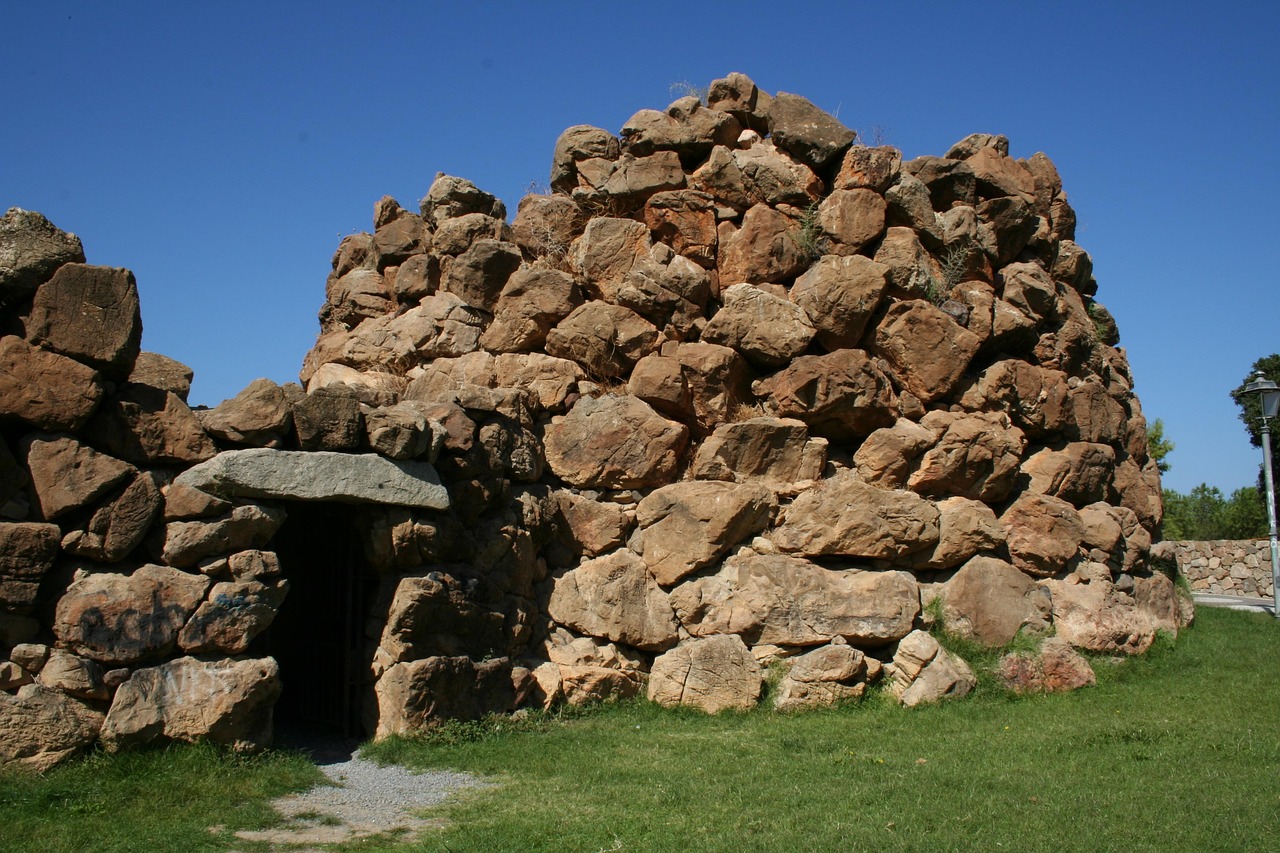
- Visit a nearby Nuragic site (the prehistoric stone towers and settlements dotted across Sardinia).
- Have a long, lazy lunch at an agriturismo, where you can taste hyper‑local Gallurese dishes in a family‑run setting.
One of my most memorable meals was a fixed‑menu agriturismo lunch: antipasti of local cheeses and cured meats, homemade pasta with wild boar ragù, succulent porcetto, and seadas (cheese‑filled pastries with honey) for dessert. It was both delicious and surprisingly good value compared to coastal restaurants.
Back in Santa Teresa Gallura in the late afternoon, I usually go for a stroll down to the harbor to walk off the feast and watch the sunset over the boats.
5 Day Itinerary for Santa Teresa Gallura
If you’re lucky enough to have 5 days in Santa Teresa Gallura, this is where you can really slow down. Follow the 3 or 4 day itinerary for Santa Teresa Gallura, and for the fifth day choose based on your mood: more beaches, more hiking, or more culture.
Day 5 Option 1: Hidden Coves & Relaxed Beach Day
When I need a low‑key day, I pick a less famous beach like Rena di Ponente or Rena di Levante near Capo Testa. These two beaches face opposite directions, so you can pick the one that’s less windy that day (a local trick – ask at your hotel, they always know where the wind is calmer).
Pack a picnic from a local supermarket or deli – pane carasau (thin crispy bread), cheese, olives, and fruit – and just let the day unspool slowly with swimming, reading, and napping. In the late afternoon, I sometimes explore another small cove by following faint paths along the rocks; there are countless little inlets where you might find just a handful of people.
Day 5 Option 2: Hiking in Valle della Luna & Sunset at Capo Testa
If you’re more active, spend your last day hiking around Valle della Luna, a mystical valley of boulders and caves that has long drawn alternative communities and nature‑lovers. I remember a dusk walk there years ago: the rocks glowed pink, and someone was quietly playing guitar in the distance.
The paths are not always perfectly marked, so bring good shoes and plenty of water. Avoid going in the hottest midday sun in high summer. Finish with a sunset at the Capo Testa lighthouse; on clear evenings, the outline of Corsica is sharp against the sky.
That night, say goodbye to Santa Teresa Gallura with a final gelato or glass of Mirto (myrtle liqueur) in the piazza, watching the town wind down.
20 Must‑See Attractions & Hidden Gems in and Around Santa Teresa Gallura
Below are 20 of the best places to visit in Santa Teresa Gallura and its surroundings. Each one includes context, practical info, and a bit of personal experience to help you decide what fits your trip.
1. Spiaggia Rena Bianca
Rena Bianca is the beating heart of Santa Teresa Gallura. It’s the town’s front yard, and it still amazes me how such a perfect beach can be just a short stroll from the main square.
Historically, this bay was used by fishermen and traders for centuries; today it’s more about sun umbrellas and inflatable flamingos, but the curve of the bay and the position of the surrounding cliffs remain the same.
I’ve swum here in all kinds of conditions: glass‑calm June mornings, choppy mistral‑whipped October afternoons, and one surreal December day when the water was too cold to fully swim but the sun was warm enough to sit in a T‑shirt on the sand.
- How to get there: From the centro storico, follow signs downhill (5–10 minutes on foot). Limited parking near the beach in peak season.
- Facilities: Sunbed/umbrella rentals, a beach bar in season, showers, and lifeguards (summer).
- Best time: Early morning or late afternoon in July–August; almost any time in shoulder seasons.
- Tip: Walk to the far left or right edges for slightly more space and better photo angles.
2. Torre di Longonsardo
This massive stone tower is one of the must‑see attractions in Santa Teresa Gallura. Built by the Spanish Crown in the late 16th century, it was part of a chain of coastal defenses against pirates and rival powers.
When I first climbed it, an older local man at the ticket booth told me stories of watching storms roll across the strait as a kid – “Here, you see the weather of two islands,” he said, meaning Sardinia and Corsica. He was right.
- Highlights: 360° views over Rena Bianca, the harbor, and Corsica; excellent photography spot, especially at golden hour.
- Opening: Typically open in high season; shoulder season hours can vary, so check locally in 2026.
- Tip: Combine with a walk along the nearby cliffs; there are small paths where you can escape the crowds.
3. Capo Testa Peninsula & Lighthouse
Capo Testa is where nature shows off. The peninsula was once connected to the mainland by a narrow isthmus (now the road you drive in on). Its granite cliffs were quarried by the Romans; some say stones from here made their way to ancient Rome itself.
Walking out towards the lighthouse, I always feel very small – the wind, the endless sea, the rocks shaped like animals and faces if you squint. I’ve spent hours here just wandering and sitting in silence.
- Activities: Coastal walks, photography, exploring rock formations, watching storms or sunsets.
- Access: 5–10 minutes by car from town; seasonal shuttle in summer; limited parking near the lighthouse.
- Tip: Bring a light jacket even in summer; the wind can be strong.
4. Cala Spinosa
Cala Spinosa is one of those places that look like a screensaver: tiny coves, white pebbles, and crystal water framed by cliffs. It’s more intimate and adventurous than Rena Bianca.
The first time I went, I misjudged the path and ended up sliding on my rear for part of the way down – a reminder to wear proper shoes. Since then, I’ve learned to take it slowly and enjoy the descent as part of the experience.
- Good for: Strong swimmers, snorkelers, couples, and photographers.
- Not ideal for: People with mobility issues, very young children, or anyone uncomfortable with steep paths.
- Tip: No services; bring water, snacks, and a bag to carry your trash back up.
5. Rena di Ponente & Rena di Levante
These twin beaches sit on either side of the narrow strip of land leading to Capo Testa. Locals use them like a natural wind compass: if one side is choppy, the other is often calm.
I’ve spent entire days ping‑ponging between the two: a morning swim on the sheltered side, lunch at one of the kiosks (simple but satisfying panini and salads), then an afternoon nap under an umbrella when the sun gets fierce.
- Family‑friendly: Yes – easy access, relatively shallow water close to shore.
- Tip: Arrive early in July–August; parking fills quickly. In shoulder season, it’s wonderfully relaxed.
6. Valle della Luna (Moon Valley)
Valle della Luna is a hidden gem in Santa Teresa Gallura’s backyard. It’s a valley of smooth boulders and caves that has attracted hippies, artists, and free spirits since the 1960s.
Hiking there feels like stepping into another world. Once, I went at dawn in late September – there was a soft mist in the low areas, and the first rays of sunlight turned the rocks a warm orange. Apart from a few campers, it was completely silent.
- Good for: Hikers, photographers, nature lovers, anyone interested in alternative culture.
- Safety: Paths can be rough; wear sturdy shoes and respect any “no camping” signs or environmental regulations (which have become stricter by 2026 to protect the area).
7. Porto Turistico (Tourist Harbor)
The marina is the modern, nautical side of Santa Teresa Gallura. I like to wander here in the late afternoon, watching crews return from day sails and kids fishing off the docks.
This is also the departure point for many boat tours to La Maddalena and nearby islands, as well as diving excursions. If you’re a sailor, you’ll find charter options and services here.
- Good for: Evening walks, photo ops of boats and the town from below, arranging water‑based activities.
8. Porto di Santa Teresa (Ferry Port to Bonifacio)
From this port, ferries cross the strait to Bonifacio in Corsica. Even if you don’t take the ferry, it’s worth seeing the hustle of trucks, cars, and foot passengers boarding and disembarking.
I’ve done the crossing multiple times, and every time, I end up on deck, camera in hand, as the chalk cliffs of Bonifacio loom larger and the pastel houses appear perched impossibly above the sea.
- Crossing time: About 50 minutes.
- Tip: In high season, book tickets in advance; off‑season, you can often buy same‑day. Always check weather conditions and schedules.
9. Centro Storico & Piazza Vittorio Emanuele I
The historic center is small but full of life: pastel houses with wrought‑iron balconies, narrow lanes that suddenly open into sunny squares, and strings of lights that come alive at night in summer.
Piazza Vittorio Emanuele I is the social heart. I’ve lost count of the evenings I’ve spent there: one summer, I watched a children’s theater performance; another time, a local band played traditional songs while older couples danced on the cobblestones.
- Good for: Evening strolls, people‑watching, aperitivo, casual dining.
- Tip: For slightly lower prices, choose a bar or café on a side street rather than directly on the main square.
10. Chiesa di San Vittorio
This simple church in the center of town is dedicated to Saint Victor. It’s not grand like cathedrals in big Italian cities, but that’s partly its charm: white walls, a modest bell tower, and a quiet interior where you can sit and cool down on hot afternoons.
I once stepped in during a small weekday mass; the mix of Italian and Gallurese dialect, the candles, and the low murmur of prayers were a reminder that Santa Teresa Gallura is a living community, not just a resort town.
11. Spiaggia Santa Reparata
A short drive west of town, Santa Reparata is a pretty bay with clear water and rocky outcrops. I like it as a less crowded alternative to Rena Bianca in peak season.
- Activities: Swimming, snorkeling, paddleboarding.
- Tip: Some areas are rocky underfoot; water shoes can be handy.
12. Spiaggia La Marmorata
La Marmorata is a long sandy beach east of Santa Teresa Gallura, bordered by old hotel complexes and wild stretches. It’s good for those who like space to walk and run along the shore.
I’ve come here on windy days when other beaches felt too exposed; with the right conditions, it’s also a decent spot for windsurfing or kitesurfing.
13. La Maddalena Archipelago (Boat Excursions)
While technically a separate area, La Maddalena Archipelago is such a common day trip from Santa Teresa Gallura that it belongs on this list. This cluster of islands is a national park, protected for its fragile marine ecosystems and unique granite formations.
Boat excursions typically leave in the morning and include several swim stops. On one memorable trip, we anchored near Spargi island; the captain cut the engine, and the sound of cicadas from the shore was louder than any human noise.
- Family‑friendly: Yes, though young children might get tired; bring sun protection and snacks.
- Tip: Ask about group size and itinerary before booking; smaller boats often feel more relaxed.
14. Bonifacio, Corsica (Day Trip)
Bonifacio looks like something out of a painting: a fortified town perched atop sheer limestone cliffs. The contrast between Sardinia’s granite and Corsica’s chalky white rock is striking, and the ferry ride is worth it for the views alone.
I once did a solo day trip in early May. The streets were quiet, and I spent hours wandering the citadel and peering down stairways carved into the cliffs. It felt like stepping sideways into another culture – Italian one morning, French by lunch.
- Documents: Bring your passport or EU ID, as you’re crossing an international border.
- Tip: Reserve at least one crossing time in advance in high season.
15. Nuraghe & Archeological Sites in Inland Gallura
Nuraghi are mysterious stone towers built by the Nuragic civilization between roughly 1800 and 500 BCE. Visiting one gives you a sense of Sardinia’s deep history beyond the beaches.
On a cloudy afternoon, I drove inland to a small Nuragic site surrounded by fields. There were no crowds, just a simple sign and the sound of wind in the grass. Climbing inside the tower’s cool interior felt like entering a time capsule.
- Good for: History buffs, families with older kids, anyone needing a break from the sun.
16. Inland Villages: Luogosanto, Aglientu & Others
Inland Gallura has a different energy: slower, more traditional, and less polished. Villages like Luogosanto and Aglientu have stone houses, quiet piazzas, and churches that host local festivals.
I love stopping in these towns for a coffee at a bar where everyone knows everyone else. If you visit during a festival, you might catch folk dances, processions, and free tastings of local specialties.
17. Local Wineries & Vineyards
Gallura is famous for Vermentino di Gallura, a crisp white wine that pairs perfectly with seafood. Several wineries within driving distance of Santa Teresa Gallura offer tastings and tours.
One late afternoon, I sat on a terrace overlooking rows of vines while the winemaker explained how the granite soil and sea breezes shape the wine’s character. We tasted Vermentino with local cheeses and olives as the sun dipped behind the hills.
- Tip: Always designate a driver or arrange a tour including transport if you plan to taste generously.
18. Diving & Snorkeling Spots
The waters around Santa Teresa Gallura are rich with marine life, thanks to currents in the Strait of Bonifacio. Local dive centers offer trips to underwater rock formations, walls, and even some wrecks.
I’m more of a snorkeler than a diver, but even with just a mask and fins at spots like Cala Spinosa or Santa Reparata, I’ve seen schools of fish darting among the rocks and the occasional octopus slipping into a crevice.
19. Coastal Hiking Trails
Beyond the main beaches, there are numerous informal paths along the coastline. One of my favorites follows the cliffs west of town, providing viewpoints over hidden coves you’ll never see from the road.
These are not always marked like in national parks, so use common sense, don’t get too close to unstable edges, and always carry water.
20. Sunset Viewpoints Above Town
Some of my most peaceful moments in Santa Teresa Gallura have been spent sitting on a bench or low wall above town, watching the sky change color over the strait. You don’t need a specific “Instagram spot” – just wander the streets uphill from Rena Bianca and find your own angle.
Bring a takeaway gelato, find a quiet spot, and let the day fade. It’s a simple pleasure, but it’s these moments that make the town stick in your memory long after you’ve left.
Neighborhoods & Areas of Santa Teresa Gallura
Centro Storico (Historic Center)
The historic center is compact and easy to love: low buildings, pastel facades, small shops, and plenty of restaurants. This is where most visitors stay, and where you’ll likely spend evenings.
I recommend staying here if you don’t have a car – you can walk to Rena Bianca, supermarkets, and the main square. Summer nights bring open‑air concerts and stalls; winter is much quieter, with just a few bars and cafés open.
Porto Turistico & Ferry Port Area
The harbor area feels more modern and functional: marinas, ferry docks, and a few hotels overlooking the water. It’s convenient if you’re catching early ferries or boat tours, but less atmospheric than the old town.
Capo Testa & Surroundings
Around Capo Testa and the isthmus you’ll find holiday homes, small resorts, and campsites. It’s quieter at night and ideal if you want to wake up close to the beaches, but you’ll need a car or rely on limited seasonal buses to reach town.
Rural Gallura Around Santa Teresa
A few kilometers inland, agriturismi and country B&Bs occupy old stazzi farmhouses. I’ve stayed in one where the only sounds at night were crickets and the distant bells of sheep. It’s perfect if you’re looking for calm and don’t mind driving to the beach.
Local Food & Drink in Santa Teresa Gallura
Sardinian cuisine is rustic, flavorful, and tied to the land and sea. In Santa Teresa Gallura, you’ll find a mix of traditional Gallurese dishes and more general Italian seaside fare.
Must‑Try Local Dishes
- Zuppa Gallurese: Layers of bread, cheese, and broth baked into a comforting, almost lasagna‑like dish. I always order this at least once per trip.
- Porcetto: Slow‑roasted suckling pig, often served at agriturismi. The crackling is heavenly.
- Seadas: Fried pastries filled with fresh cheese, drizzled with honey – a perfect dessert.
- Pane Carasau: Thin, crunchy flatbread, often served in baskets before meals.
- Fresh seafood: Grilled fish, frittura mista (mixed fried seafood), octopus salad.
Drinks to Try
- Vermentino di Gallura: Local white wine – crisp, aromatic, ideal with fish.
- Cannonau: Sardinian red wine, robust and often higher in alcohol.
- Mirto: Liqueur made from myrtle berries, served cold after meals.
Eating on a Budget
Santa Teresa Gallura can be as expensive or as affordable as you make it. I often alternate between restaurant dinners and simpler meals.
- Takeaway pizza: Many pizzerias offer slices or whole pizzas to‑go at reasonable prices.
- Supermarkets & bakeries: Great for picnic supplies – bread, cheese, cured meats, fruit.
- Set menus: Some trattorie and agriturismi offer fixed‑price menus that are good value.
Nightlife, Entertainment & Cultural Experiences
Santa Teresa Gallura is not a wild party town like some resorts, but in summer it has a lively, friendly nightlife centered on the piazza and a few bars.
Nightlife
- Piazza evenings: Families, couples, and groups of friends gather for gelato, street performances, and live music.
- Wine bars & cocktail spots: Small venues offer local wines and classic cocktails; some have outdoor seating with sea views.
- Beach bars: Seasonal kiosks near beaches sometimes host sunset DJ sets or live bands.
Cultural Experiences
- Local festivals: Religious and seasonal celebrations with processions, music, and food stalls.
- Traditional music & dance: Occasionally featured at town events and nearby village festivals.
- Markets: Seasonal markets selling crafts, local products, and food are a good way to meet artisans.
Day Trips from Santa Teresa Gallura
La Maddalena Archipelago
A full‑day boat trip to La Maddalena is one of the top things to do in Santa Teresa Gallura if you have 4 or 5 days. Tours typically include lunch, but I always bring extra water and snacks.
Bonifacio, Corsica
You can easily spend 5–6 hours exploring Bonifacio: climb the citadel walls, walk the narrow streets, and take a boat tour of the sea caves if time allows.
Remember you’re entering France – card payments are widely accepted, but having a bit of cash never hurts for small purchases.
Costa Smeralda & Porto Cervo
About 1–1.5 hours’ drive from Santa Teresa Gallura, Costa Smeralda offers a glimpse of Sardinia’s glitzy side: luxury yachts, designer boutiques, and polished marinas.
I like visiting for a day, wandering around Porto Cervo’s marina and then retreating to the quieter north again by evening.
Inland Gallura Villages & Wineries
Combine villages, a Nuragic site, and a winery for a culture‑rich day trip. Start mid‑morning, have a long lunch, and end with a sunset drive back to Santa Teresa Gallura.
Events & Festivals in Santa Teresa Gallura (2026–2027)
Dates can shift slightly each year, but here are typical events expected in 2026–2027. Always check locally closer to your travel dates.
- Summer Music & Cultural Events (June–September 2026): Open‑air concerts, folk performances, film screenings in the main square and along the waterfront.
- Religious Festivals: Processions and masses tied to patron saints, often with food stalls and fireworks.
- Food & Wine Fairs: Occasional events showcasing Gallurese specialties, Vermentino wines, and local products.
- Sports & Regattas: Sailing events and small regattas in the Strait of Bonifacio area, especially in summer.
For 2026 and 2027, the town is also planning expanded cultural programming focused on sustainable tourism and local heritage, including guided walks and educational workshops.
Cultural Etiquette & Local Customs
Santa Teresa Gallura is relaxed and welcoming, but observing local customs will make your stay smoother and more respectful.
- Greetings: A simple “Buongiorno” (morning) or “Buonasera” (evening) when entering shops or cafés is appreciated.
- Dress: Beachwear is for the beach. Cover up (at least a shirt and shorts) in town, shops, and especially churches.
- Dining times: Lunch usually 12:30–14:30; dinner starts around 19:30–20:00. In shoulder season, some places close one day a week.
- Noise: In residential streets, especially late at night, keep voices down; walls can be thin.
- Beach behavior: Take all trash with you, don’t play loud music right next to others, and respect any dune protection signs.
- Tipping: Not obligatory but appreciated; rounding up or leaving 5–10% in restaurants is common when service is good.
Practical Travel Tips & Money‑Saving Advice
Getting Around Santa Teresa Gallura
The center is walkable; you’ll likely only need transport for beaches further out and day trips.
- On foot: Best way to explore the town and Rena Bianca.
- Car rental: Very useful if you want freedom to explore Capo Testa, inland villages, and other beaches. Book early for July–August.
- Buses: Limited local buses, with improved summer schedules expected in 2026; good for Capo Testa and some nearby beaches.
- Taxis: Available but not abundant; agree on fares or check the meter.
Arriving in Santa Teresa Gallura
Most visitors arrive via:
- Olbia Airport (OLB): About 1.5 hours by car; buses connect Olbia to Santa Teresa Gallura, often via Tempio Pausania.
- Alghero Airport (AHO): Around 2.5 hours by car.
- Ferries to Sardinia: From mainland Italy to Olbia, Golfo Aranci, or Porto Torres, then drive or bus to Santa Teresa.
SIM Cards & Connectivity
In 2026, Italy’s main providers (TIM, Vodafone, WindTre, Iliad) all offer tourist‑friendly prepaid SIMs with data. You can buy them in larger towns or at airports; in Santa Teresa Gallura, you’ll find smaller phone shops that can help with top‑ups.
EU citizens can use their plans with roaming; non‑EU visitors should consider a local SIM or eSIM with good Sardinia coverage.
How to Save Money in Santa Teresa Gallura
- Travel in shoulder season: May–June and September–early October offer lower prices and fewer crowds.
- Self‑cater sometimes: Book accommodation with a small kitchen and use supermarkets for breakfasts and some dinners.
- Public beaches: All major beaches have free areas; you don’t have to rent sunbeds.
- House wine: In restaurants, vino della casa is often excellent value.
- Avoid tourist traps: Venture a street or two away from the main square for better prices and often better food.
Visa Requirements & Entry
Italy is part of the Schengen Area.
- EU/EEA/Swiss citizens: Can enter with a national ID card or passport; no visa needed.
- Many non‑EU nationals: May enter visa‑free for short stays (up to 90 days in 180) – check your country’s status and upcoming ETIAS requirements for 2026.
- Others: May need a Schengen visa; apply in advance at the Italian consulate for your region.
Always confirm the latest rules with official sources before traveling, as regulations can change.
Driving, Car Rental & Licenses
Driving gives you the most flexibility to reach hidden gems in Santa Teresa Gallura and beyond.
- License: EU licenses are accepted. Non‑EU visitors should carry an International Driving Permit (IDP) alongside their home license; many rental companies require it.
- Roads: Generally good, but some rural roads are narrow and winding. Drive carefully, especially at night.
- Parking: In town, pay attention to signs and colored lines (blue usually paid, white free, yellow reserved).
Seasons & When to Go
- Summer (July–August): Hottest, busiest, most expensive. Great for nightlife and guaranteed beach weather, but Rena Bianca and popular spots can be crowded.
- Shoulder seasons (May–June & September–early October): My favorite time – warm but not oppressive, sea usually pleasant, prices lower, easier to find parking and restaurant tables.
- Spring (April) & Late Autumn (late October–November): Quiet, cooler; better for hiking and exploring, but some tourist services limited.
- Winter: Very calm, some hotels and restaurants closed; good if you want solitude and stormy sea views, but don’t expect a beach holiday.
For a 3 day itinerary for Santa Teresa Gallura focused on beaches, I’d choose June or September. For 4 or 5 days mixing beaches and hiking, late May or early October can be wonderful.
Summary & Final Recommendations
Santa Teresa Gallura may be small, but it delivers big on experiences: pristine beaches, wild headlands, a friendly historic center, easy access to La Maddalena and Corsica, and a taste of authentic Gallurese culture.
If you’re choosing between a 3 day itinerary for Santa Teresa Gallura and a longer stay, I’d say:
- 3 days in Santa Teresa Gallura: Enough for town, Rena Bianca, Capo Testa, and one major excursion (La Maddalena or Bonifacio).
- 4 days in Santa Teresa Gallura: Adds time for inland villages or extra beach/hiking days.
- 5 days in Santa Teresa Gallura: Ideal if you want to blend relaxation with exploration without rushing.
For most travelers, the best time to visit is late May–June or September–early October, when the weather is warm, the sea inviting, and the town lively but not overwhelmed. Whatever season you choose, take time to wander beyond the obvious, chat with locals, and let the rhythms of this northern Sardinian town seep into your days.
I still find new corners every time I go back, and I suspect you’ll leave already planning your return.