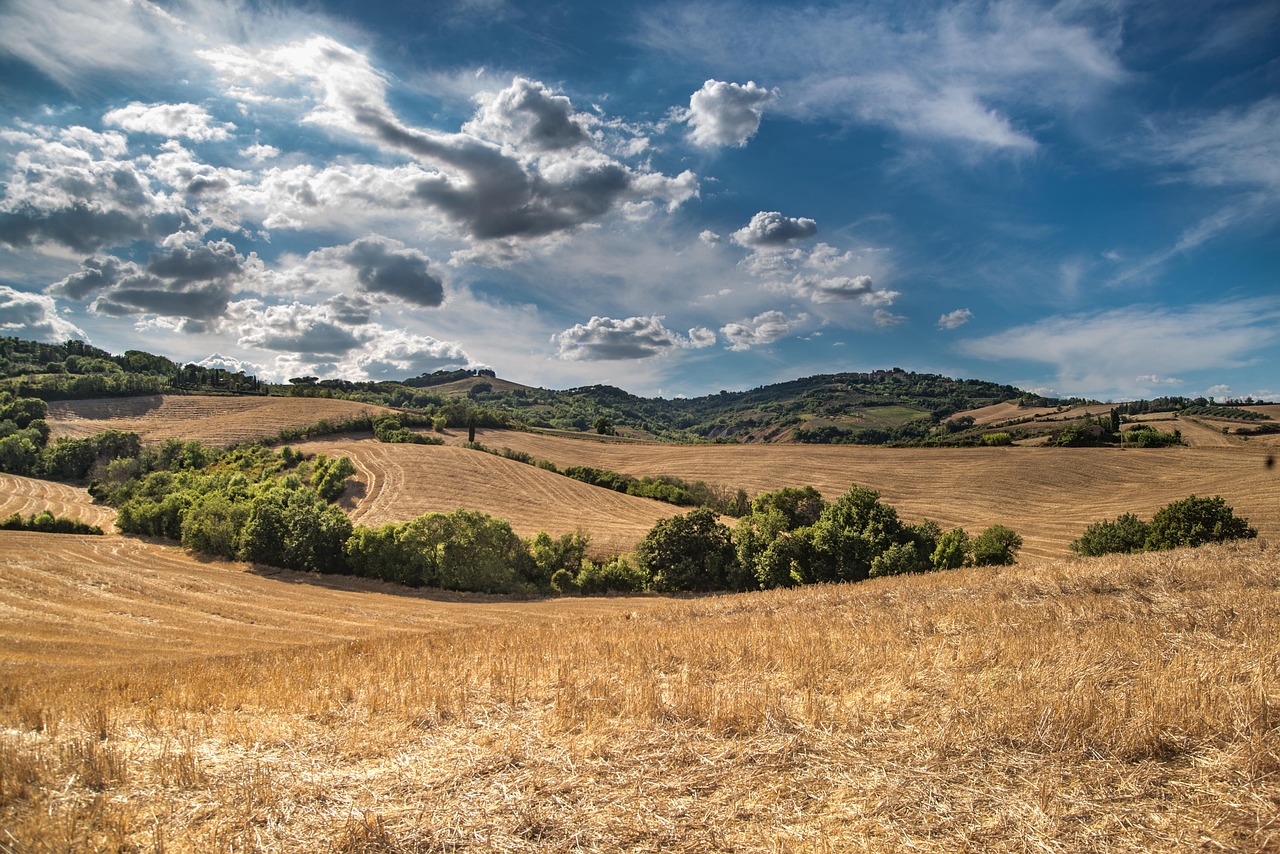
Why Visit Tuscany in 2026?
I’ve been coming back to Tuscany for over a decade, usually in shoulder seasons when the light is soft and the hills are just starting to green or turn gold. Each visit I swear I’ve “done” Tuscany, and each time the region proves me wrong. One year it’s a village wine festival where I end up dancing with strangers in a tiny piazza; another year it’s a sunrise over Val d’Orcia that makes me pull over on a dirt road and simply stare.
Tuscany is not just Florence and a few vineyards. It’s an entire ecosystem of borghi (small historic towns), wild coastline, marble mountains, Renaissance cities, and rolling countryside stitched together by stone farmhouses and cypress-lined lanes. It’s where you can:
- Spend your mornings with Botticelli and Michelangelo in Florence,
- Roll through vineyards in Chianti by afternoon, and
- Finish with fresh seafood and sunset on the Etruscan Coast.
In 2026–2027, Tuscany is especially exciting: more car-free historic centers, better regional train connections, expanded wine and food festivals, and a growing focus on sustainable, slow travel. This travel guide for Tuscany is designed to be the in-depth resource I wish I’d had on my first trip—especially if you’re planning a 4 day itinerary for Tuscany, a full 7 day itinerary for Tuscany, or anything in between.
Table of Contents
- Why Visit Tuscany
- Tuscany at a Glance: Towns, Landscapes & Best Bases
- Suggested Itineraries (4–7 Days in Tuscany)
- 20 Must-See Attractions & Towns (Deep-Dive Guides)
- Local Food in Tuscany & Where to Eat
- Evenings in Tuscany
- Major Events & Festivals 2026–2027
- Best Day Trips from Tuscany
- Cultural Experiences & Local Customs
- Practical Travel Advice for Tuscany
- Summary & Final Recommendations
Tuscany at a Glance: Towns, Valleys & Best Bases
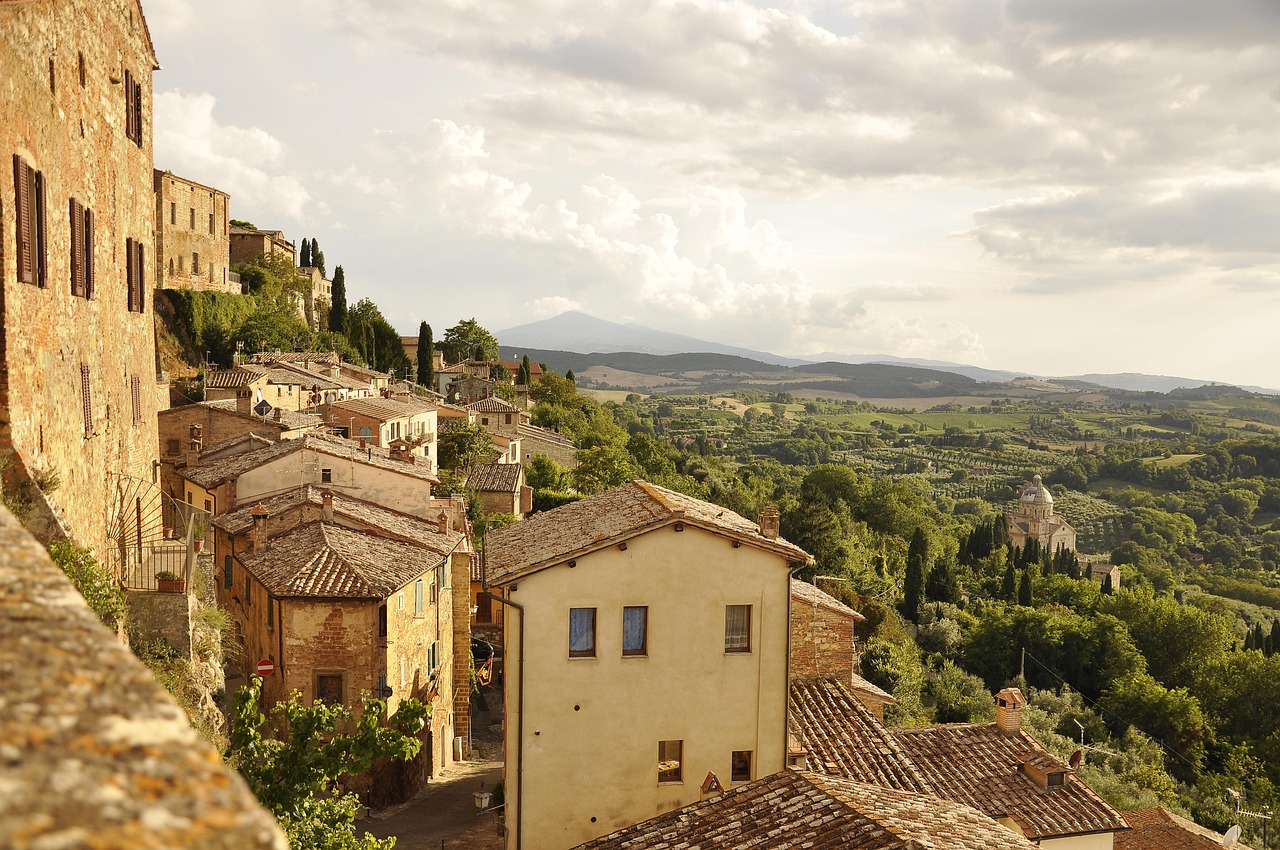
When people say “Tuscany,” they often mean just Florence or Chianti. But the region is a patchwork of distinct areas, each with its own character, food, and pace of life. After many trips, here’s how I think about it—and where I recommend basing yourself.
Florence (Firenze): Renaissance Heart & Urban Base
Best for: Art, museums, first-time visitors, train-based trips, nightlife.
Florence is the obvious starting point and makes a great base for a 4 days in Tuscany trip if you don’t want to rent a car. You can train or bus easily to Pisa, Lucca, Siena, and some Chianti towns. I usually stay in the Oltrarno district (across the Arno), where artisan workshops, small wine bars, and quieter streets feel more local.
Chianti: Vineyards, Wine Roads & Farmhouses
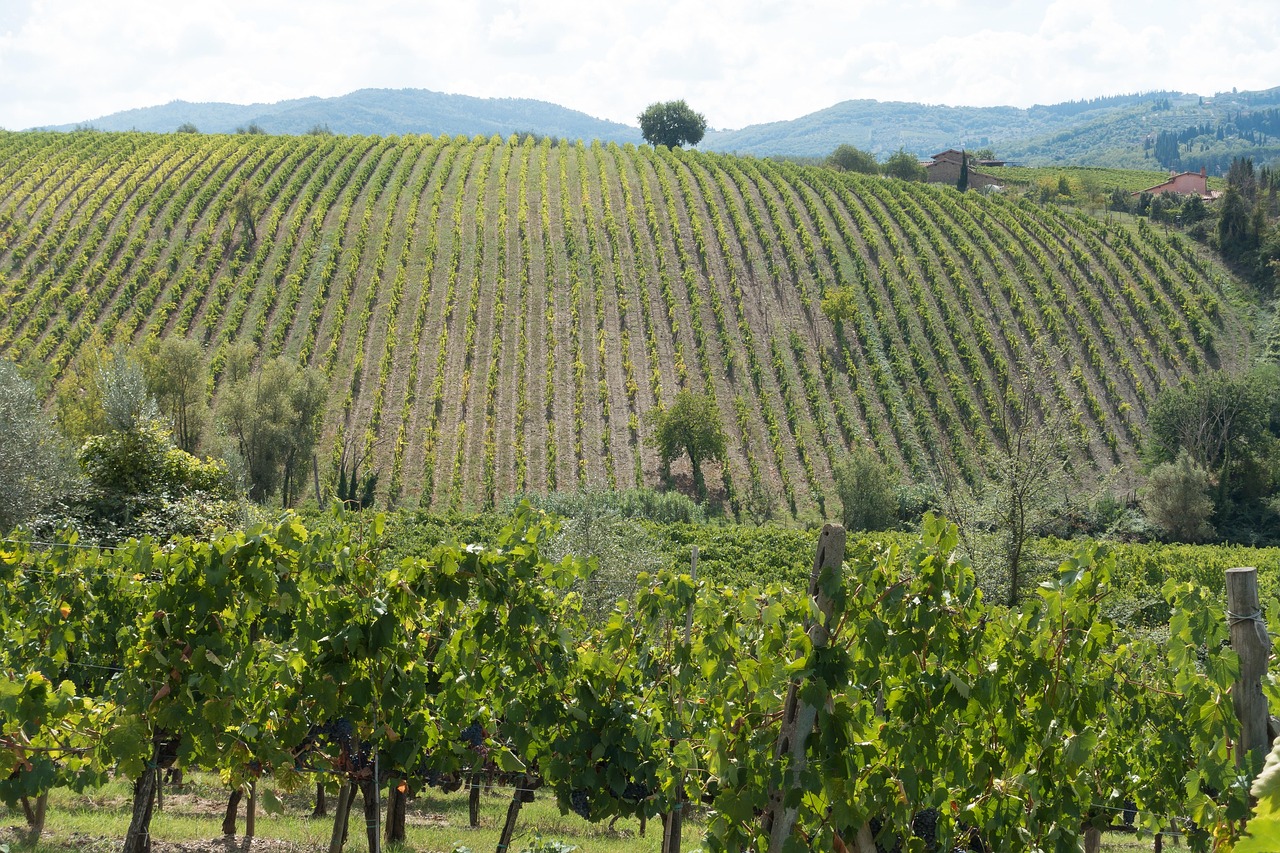
Best for: Wine, agriturismi (farm-stays), slow travel, couples, foodies.
Between Florence and Siena, Chianti is what you imagine when you picture Tuscany: vine-covered hills, cypress-lined drives, old stone farmhouses. Towns like Greve, Panzano, Castellina, and Radda make charming bases. I love staying in an agriturismo here for 3–4 nights, especially on a 5 day itinerary for Tuscany or longer.
Val d’Orcia: Iconic Postcard Tuscany
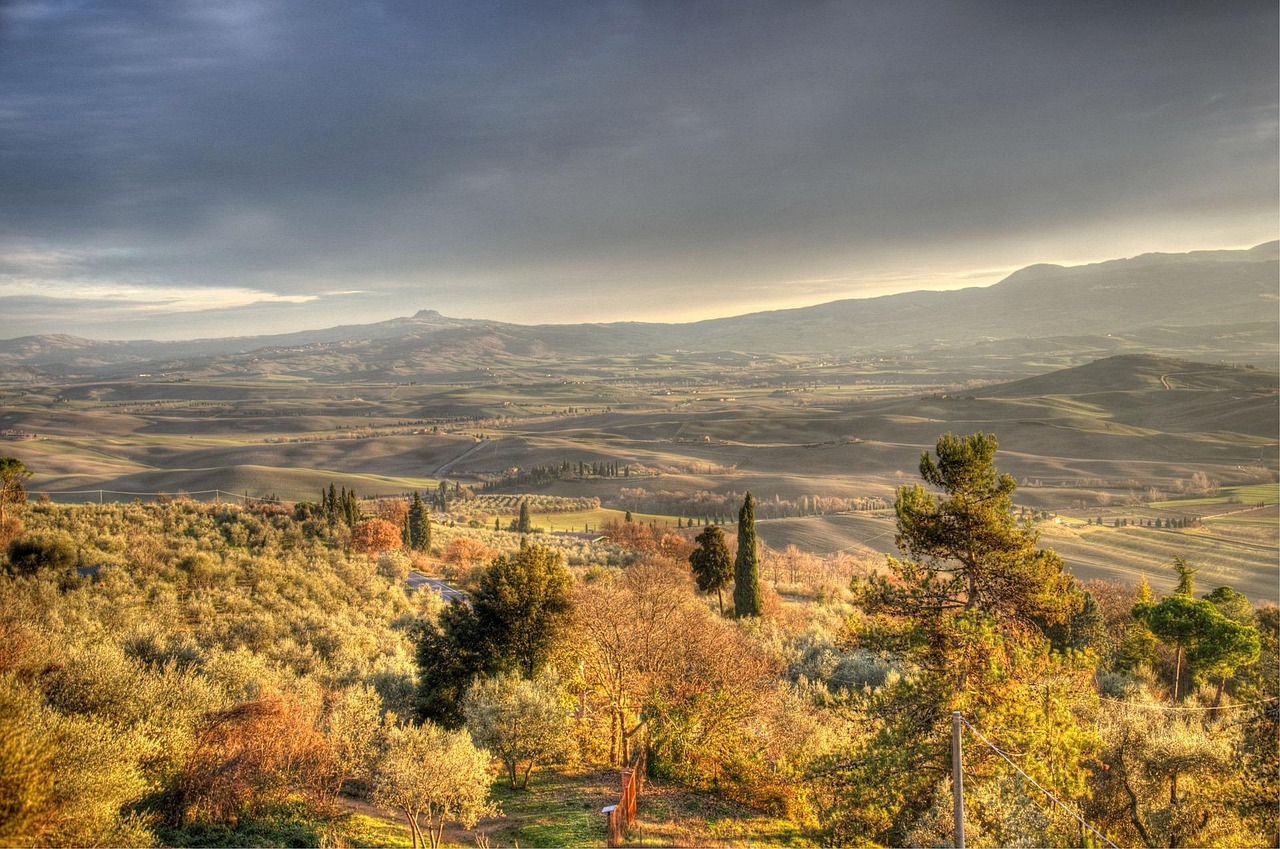
Best for: Romantic escapes, photography, hot springs, wine, small villages.
South of Siena, Val d’Orcia is protected as a UNESCO landscape. Think golden wheat fields, lonely chapels, winding lanes, and towns like Pienza, Montalcino, and Montepulciano. This area is magic at sunrise and sunset. I usually recommend at least 2 nights here on a 7 days in Tuscany trip.
Siena & Central Tuscany: Medieval Powerhouse
Best for: Medieval history, Palio, day trips to hill towns, families.
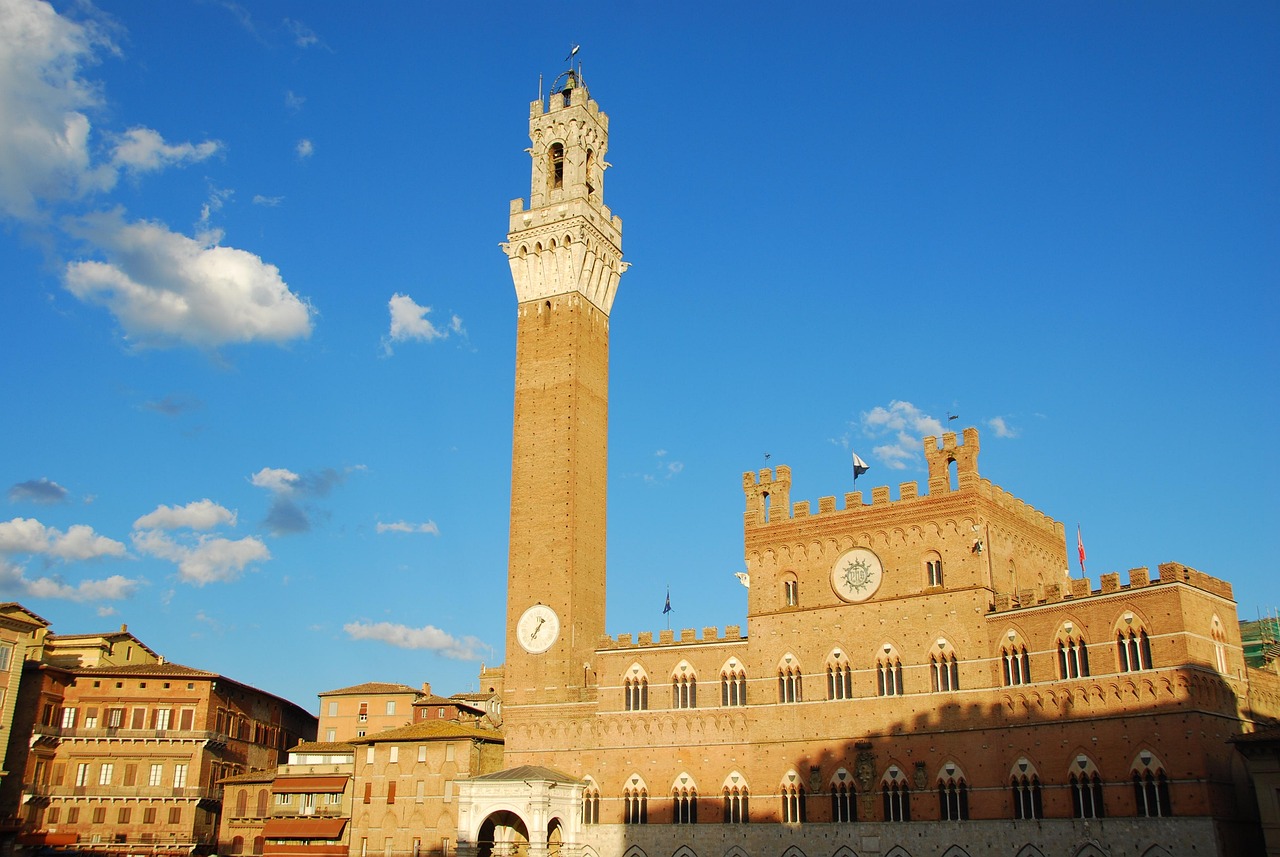
Siena is smaller and more intimate than Florence, with its fan-shaped Piazza del Campo and striped cathedral. It’s an excellent base if you’re more interested in countryside and villages than big-city art museums.
Lucca & Pisa: Walled Charm & Leaning Icon
Best for: Families, cycling, relaxed city life, easy access by train.
Lucca’s intact Renaissance walls—now a leafy pedestrian and bike path—make it one of the most liveable cities in Tuscany. Pisa, meanwhile, is far more than the Leaning Tower if you wander beyond the main square. For a car-free trip, basing in Lucca with day trips to Pisa and the coast works beautifully.
The Tuscan Coast & Islands
Best for: Beach time, families, seafood, summer escapes.
From the pine-fringed beaches of Versilia (near Viareggio and Forte dei Marmi) to the wilder Maremma coast, Tuscany’s seaside is still under the radar for many international visitors. Ferries connect to Elba and other islands for crystal-clear water and hiking.
Where to Base Yourself
- Without a car (4–5 days in Tuscany): Florence or Lucca, with day trips by train/bus.
- With a car (6–7 days in Tuscany): Split time between Florence or Siena and a countryside base (Chianti or Val d’Orcia).
- Family-friendly bases: Lucca, Siena, or a child-friendly agriturismo near San Gimignano or Chianti.
- Romantic bases: Val d’Orcia agriturismo, small boutique hotel in Pienza or Montalcino, or a Chianti vineyard stay.
Suggested Itineraries: 4–7 Days in Tuscany
Below are flexible, story-driven itineraries based on my own trips. Use them as a framework and adjust to your pace. Distances are short, but Tuscany rewards slow travel.
4 Day Itinerary for Tuscany: Florence, Chianti & a Hill Town
If you only have 4 days in Tuscany, focus on Florence and one countryside day. I’ve done this itinerary with friends visiting for the first time; it balances must-see attractions with local experiences.
Day 1 – Florence: First Glimpse of the Renaissance
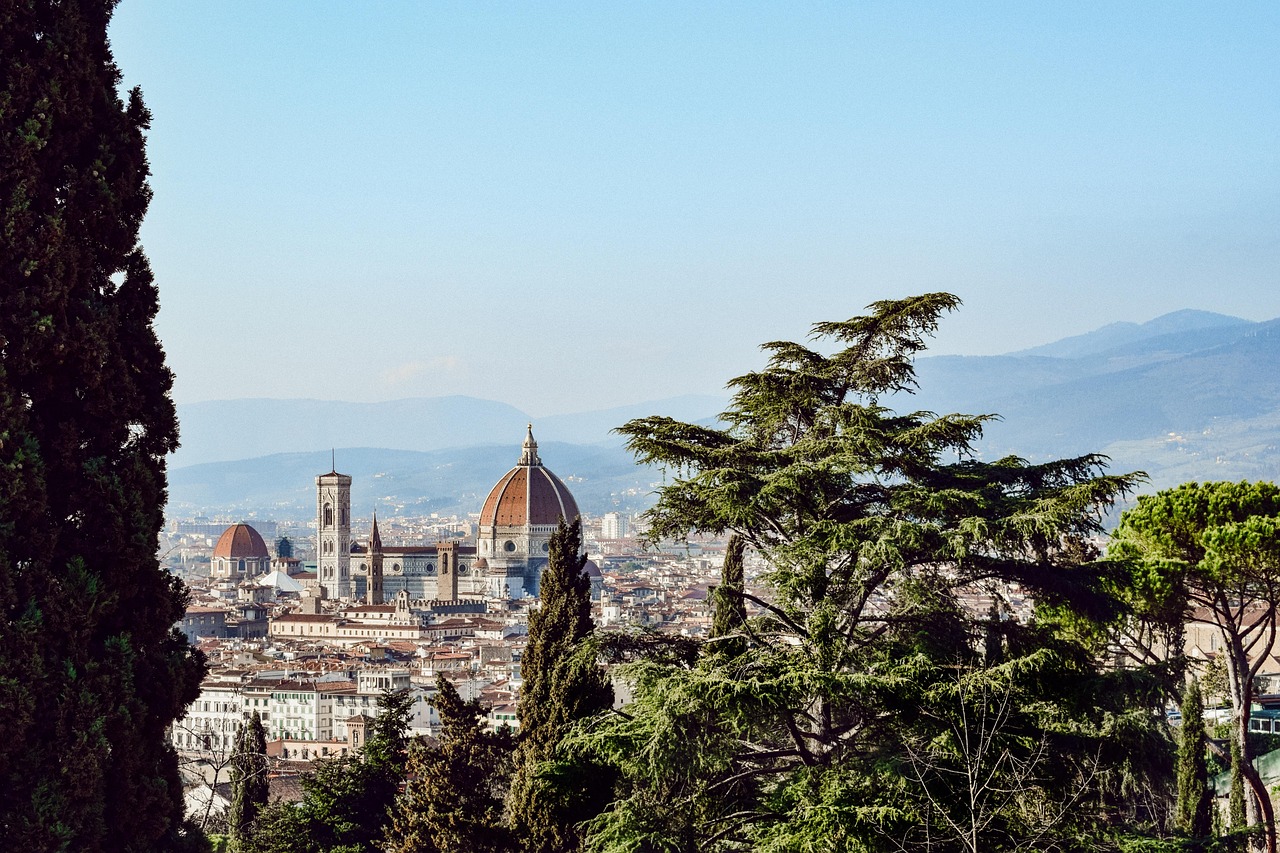
I like to start my first morning in Florence early, before the crowds. Around 7:30 a.m., the streets around the Duomo are still quiet, and you can hear the echo of your footsteps on the stone. Grab a cappuccino and a cornetto at a standing-bar café (locals rarely sit) like one of the small bars along Via dei Servi.
Spend your first few hours simply walking: Duomo exterior, Piazza della Signoria, Ponte Vecchio. I usually save major museum visits for the afternoon. For lunch, slip into a trattoria in the Sant’Ambrogio area or the Oltrarno, away from the main thoroughfares. Try ribollita (Tuscan bread and vegetable soup) or pappa al pomodoro (thick tomato-bread soup).
In the afternoon, book timed entry to the Uffizi Gallery. The first time I visited, I spent too long trying to see everything and ended up exhausted. Now I focus on a few rooms—Botticelli, Leonardo, Michelangelo—and then take breaks by the windows overlooking the Arno.
End the day at Piazzale Michelangelo for sunset. I still remember my first walk up there—stopping halfway, breathless not from the climb but from seeing the whole city burn orange in the evening light. Families, couples, and groups of friends all gather here; buy a gelato from the kiosk and join them.
Day 2 – Florence: Art, Oltrarno & Local Life
On your second day, climb the Duomo’s cupola or the Campanile (bell tower). I prefer the Campanile: fewer crowds, stunning views, no netting at the top. Reserve ahead in 2026, as timed entries are increasingly required to control numbers.
Next, visit the Accademia Gallery to meet Michelangelo’s David. I was surprised the first time I saw him by how human he felt—veins, tension, the sense of movement. Go early or late to avoid the worst of the crowds.
Afternoon is for the Oltrarno, Florence’s “other side” across the river. Wander artisan workshops on Via Maggio and around Santo Spirito, where you can peek into leather studios, goldsmiths, and woodworkers. One of my favorite moments was stumbling into a tiny bookbinding studio and chatting with the owner about how his father taught him the craft.
In the evening, have an aperitivo in Piazza Santo Spirito or a wine bar on Via Santo Spirito. This is where Florence feels most local: kids playing, students chatting on the steps, neighbors greeting each other as they walk their dogs.
Day 3 – Chianti Wine Country
On day three of your 4 day itinerary for Tuscany, head into the countryside. Rent a car in Florence (I recommend picking it up at the airport or outskirts to avoid driving in the ZTL restricted city center) and drive towards Greve in Chianti, about 45 minutes away.
Greve’s central piazza is perfect for a mid-morning coffee and a visit to a historic butcher like Falorni for cured meats and cheeses. From there, follow the winding roads to Panzano in Chianti. The views from the terrace near the church are some of my favorites in the region.
Book a lunch and tasting at a small winery—many require reservations in 2026. I still remember a lunch at a family-run estate near Panzano: we sat at a long wooden table under a pergola, eating pici pasta with ragù, tasting Chianti Classico and olive oil while the owner’s dog napped in the shade.
Afternoon can be more winery visits (go slow!) or a gentle hike between vineyards. Families with kids will appreciate agriturismi that offer pools and space to run around while adults enjoy a glass of wine.
Either stay overnight in Chianti (recommended if you can add a night) or return to Florence in the early evening.
Day 4 – Siena or Pisa & Lucca (Choose Your Favorite)
For your last day, pick based on your interests:
- Siena: Medieval streets, dramatic Piazza del Campo, and a deep dive into Tuscan history.
- Pisa & Lucca: Iconic Leaning Tower paired with Lucca’s relaxed, family-friendly walled town.
If you choose Siena, take an early bus or train from Florence (or drive if you still have the car). Spend the day exploring the cathedral, climbing the Torre del Mangia, and people-watching in the main square.
If you choose Pisa and Lucca, start in Pisa in the morning, visit the Piazza dei Miracoli, then hop a short train to Lucca for an afternoon bike ride along the walls and dinner in one of its cozy trattorias.
5 Day Itinerary for Tuscany: Florence, Chianti & Siena
With 5 days in Tuscany, you can slow down a bit. Combine Florence with Chianti and Siena, or swap Chianti for Lucca if you prefer cities to vineyards.
Use the 4-day plan above as a base, then add:
- Extra Day in Chianti: Stay at an agriturismo, visit Castellina and Radda, enjoy a long countryside dinner under the stars.
- or Extra Day in Siena: Use Siena as a base for nearby hill towns like Monteriggioni and San Gimignano.
One of my favorite 5-day trips was three nights in Florence and two nights in a farmhouse near Castellina, where evenings were just us, crickets, and the glow of the distant town on the hill.
6 Day Itinerary for Tuscany: Florence, Chianti, Siena & San Gimignano
On a 6 days in Tuscany itinerary, you can add another classic hill town and some deeper countryside time. I like:
- 2 nights in Florence
- 2 nights in Chianti
- 2 nights in Siena (with a day trip to San Gimignano)
This split makes driving distances short and lets you experience city evenings, vineyard sunsets, and medieval piazzas after day-trippers have gone.
7 Day Itinerary for Tuscany: Florence to Val d’Orcia
A full 7 day itinerary for Tuscany lets you add the dreamy landscapes of Val d’Orcia. My ideal week-long trip looks like this:
- 2 nights in Florence
- 2 nights in Chianti or Siena
- 3 nights in Val d’Orcia (Pienza, Montalcino, or countryside agriturismo)
On my last 7-day trip, those three nights in Val d’Orcia were the highlight: misty mornings, empty roads, hot springs at twilight, and dinners where the owner came to our table to explain each dish.
20 Must-See Places in Tuscany: Deep-Dive Guides
These are the best places to visit in Tuscany, mixed with some hidden gems in Tuscany. Each subsection reads like a mini travel story with practical details.
1. Florence (Firenze)
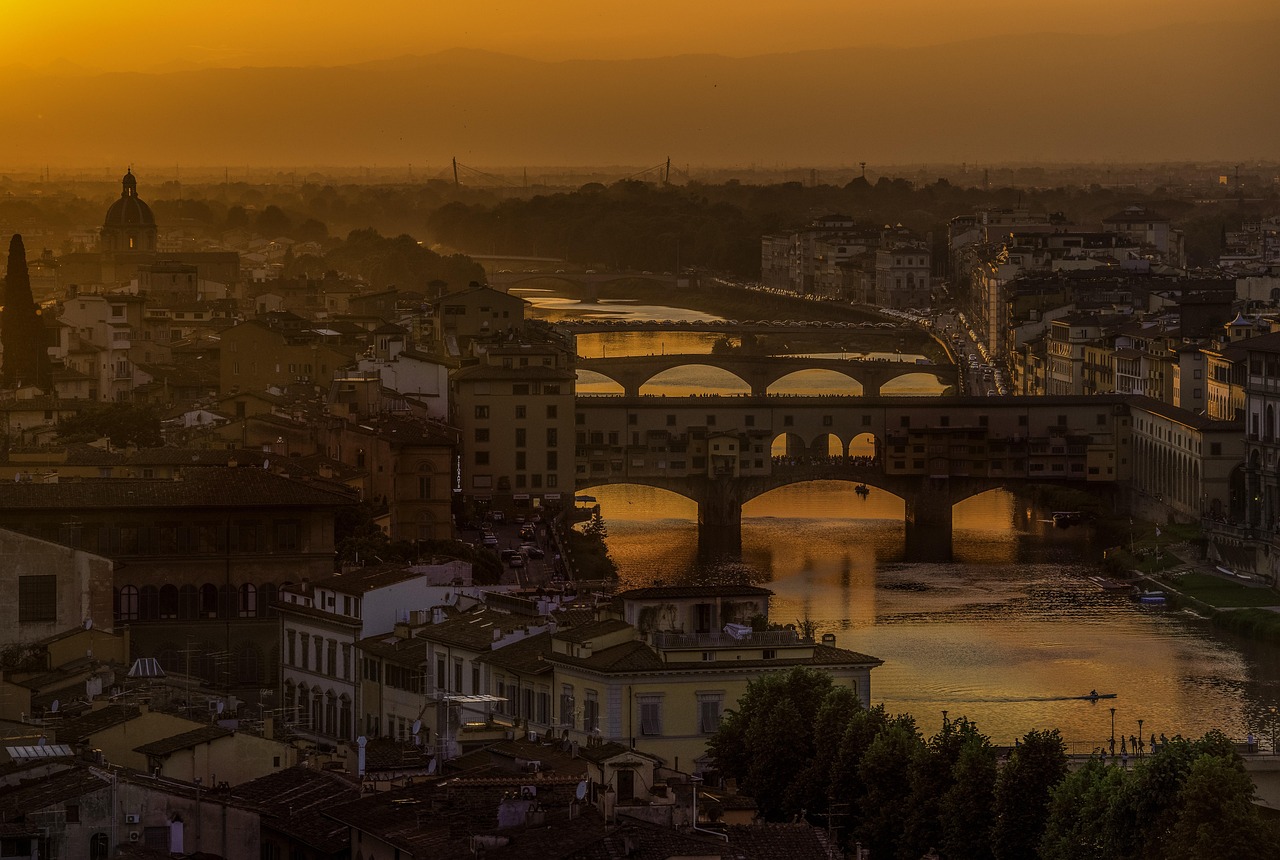
Florence is where I fell in love with Tuscany. My first visit was in late October, when the air was cool enough for a light scarf and the crowds had thinned. I remember emerging from a narrow street into Piazza del Duomo and literally stopping in my tracks at the sight of that massive, striped cathedral.
Highlights & Things to Do:
- Duomo Complex: Cathedral, Baptistery, Cupola, and Campanile. Reserve a combo ticket in advance, especially in 2026 high season.
- Uffizi Gallery: Renaissance masterworks. Book timed entry, ideally late afternoon when groups have thinned.
- Accademia Gallery: Home to Michelangelo’s David—worth the hype.
- Oltrarno & Santo Spirito: Artisan workshops, local bars, and a more authentic feel.
- Boboli Gardens: Green escape with city views, especially nice with kids.
Food & Local Experiences:
Try a lampredotto sandwich from a street stall (tripe, but trust me—rich, comforting, very Florentine). Visit the Mercato Centrale for a crash course in Tuscan ingredients: wheels of pecorino, piles of seasonal produce, and butchers who will happily explain cuts in slow, patient Italian.
Tips: Florence is walkable. In 2026, ZTL (limited traffic zones) are strictly enforced, so park outside the center if you have a car. For families, consider staying near Piazza Santo Spirito or San Niccolò for quieter evenings and playground access.
2. Siena
I usually arrive in Siena by bus from Florence; the approach over rolling hills sets the tone. The first time I walked into Piazza del Campo, the shell-shaped square felt almost like a natural amphitheater carved into the city.
History & Significance: Siena was Florence’s rival in the Middle Ages, and you can still feel that pride in its 17 contrade (districts), each with its own symbol and colors. Twice a year they compete in the Palio, a bareback horse race around the Campo (2 July & 16 August).
Things to Do:
- Climb the Torre del Mangia for sweeping views over terracotta rooftops.
- Visit the Duomo with its striped marble façade and intricate floor mosaics (visible in certain months).
- Explore the Museo dell’Opera and the unfinished “new cathedral” façade for unique city views.
Personal Tip: One of my favorite Siena memories is ducking into a tiny wine bar in a side street off the Campo on a rainy afternoon. The owner poured local Vino Nobile and explained the Palio photos covering the walls—his contrada had just won.
3. San Gimignano
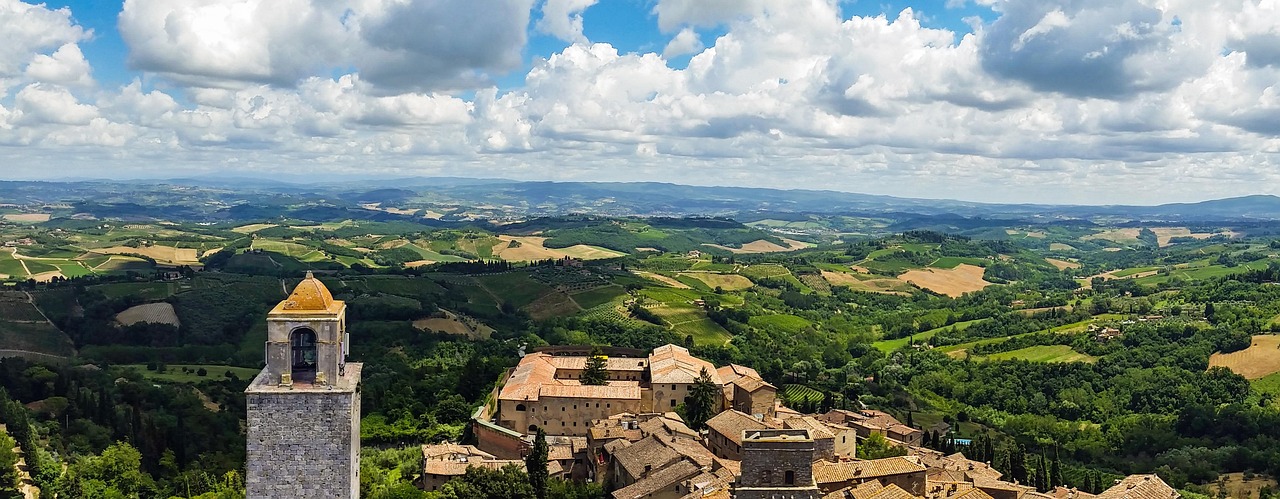
San Gimignano’s skyline of medieval towers looks like something out of a fantasy novel. I first visited on a hot June day; the stone lanes were busy, but stepping up a side alley, I found quiet corners with laundry flapping between windows and cats stretching in the shade.
What It’s Known For: Its 14 surviving towers (there used to be many more), saffron, Vernaccia white wine, and gelato that has literally won world championships.
Things to Do:
- Climb the Torre Grossa for views of vineyards and olive groves.
- Visit the Collegiata (cathedral) for frescoes that feel intimate, almost like storyboards.
- Take a short walk outside the walls at golden hour; the town glows, and day-trippers are gone.
Food Tip: Try a glass of Vernaccia with a plate of local pecorino cheese and honey at a wine bar on a side street rather than in the main square; it’s quieter and often cheaper.
4. Pisa
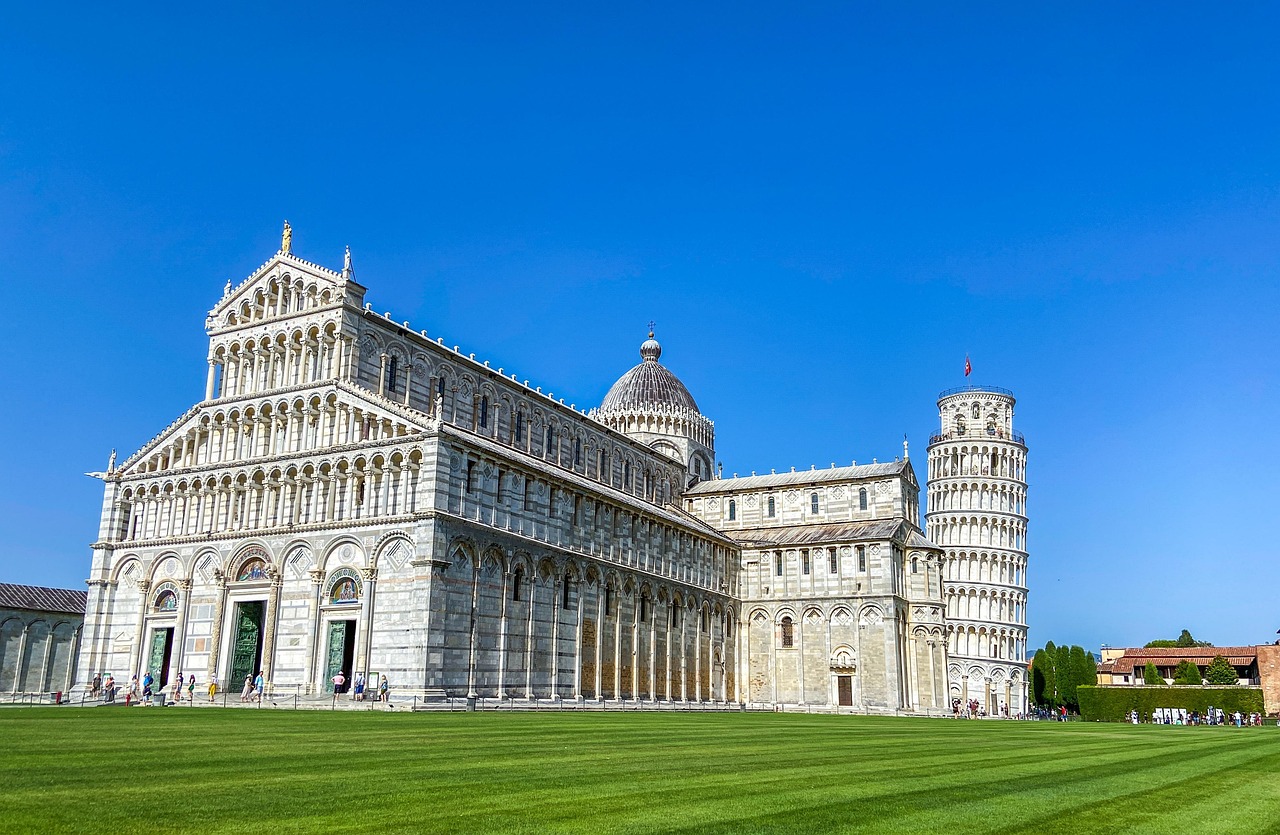
Pisa is more than a selfie with the Leaning Tower (though I’ve done that too, many times, usually trying to line up someone’s “holding up the tower” pose). The Piazza dei Miracoli is genuinely stunning: the white marble of the cathedral and baptistery against a bright green lawn.
Beyond the Tower: Wander along the Arno River, explore the studenty streets near the university, and look for small cafés where locals actually outnumber tourists. Pisa makes an easy half-day stop en route to Lucca or the coast.
Family Tip: Kids love climbing the tower (age/height restrictions apply). Reserve timed tickets well ahead in 2026; they often sell out in high season.
5. Lucca
Lucca is where I go when I want to exhale. The first time I stayed here, I rented a bike and did lazy loops along the tree-lined walls every evening as the sun went down, watching families stroll and elderly couples sit on benches chatting.
Things to Do:
- Rent bikes and ride the Renaissance walls (perfect for kids).
- Climb Torre Guinigi, the tower with oak trees on top.
- Visit Piazza dell’Anfiteatro, an oval piazza built on the site of a Roman amphitheater.
Why It’s a Great Base: Excellent train connections (Florence, Pisa, Viareggio), flat and walkable, with a relaxed vibe. Perfect for a car-free few days.
6. Val d’Orcia (Pienza, Montalcino, Montepulciano)
Val d’Orcia is where Tuscany becomes pure poetry. I still remember my first dawn drive here: mist pooled in the valleys, farmhouses floated like islands, and every turn revealed another Instagram-famous view—only better in person.
Pienza: Small, elegant town known for pecorino cheese and perfect proportions, redesigned in the Renaissance as an “ideal city.” Walk the via dell’Amore and via del Bacio (yes, “street of love” and “street of the kiss”) along the walls at sunset.
Montalcino: Hill town famous for Brunello wine. I once spent an entire rainy afternoon in a tiny enoteca here, tasting Brunello flights while the owner told stories about different vintages and harvests.
Montepulciano: Another lovely wine town, this one known for Vino Nobile. Its steep streets are a workout, but the views and cellars (some carved into the rock) are worth it.
Hot Springs: Nearby Bagno Vignoni and Bagni San Filippo offer thermal waters. Bagno Vignoni’s steaming pool in the main square is unforgettable on a chilly evening, even if you’re just watching from a café.
7. Chianti Region (Greve, Panzano, Castellina, Radda)
Chianti is not a single place but a swath of countryside between Florence and Siena. My happiest Tuscan days have often been here: driving narrow roads that snake between vineyards, stopping spontaneously at small wineries, and returning to a farmhouse for a sunset swim.
Greve: Market town with a triangular piazza, good for stocking up on picnic supplies.
Panzano: Famous for its charismatic butcher, Dario Cecchini, and beautiful valley views.
Castellina & Radda: Smaller, atmospheric hill towns with stone lanes and wine bars overlooking the countryside.
Activities: Wine tastings, vineyard walks, e-bike tours, cooking classes at agriturismi. Many farms welcome kids, with animals and gardens to explore.
8. San Quirico d’Orcia & Bagno Vignoni
San Quirico is one of those villages that rarely makes top-10 lists but quietly charms everyone who stops. I once spent a night here simply because my original plan fell through; it ended up being one of the most peaceful stays of the trip.
Nearby Bagno Vignoni is unique: the main square is dominated by a steaming thermal pool, fed by hot springs used since Roman times. Modern bathing facilities are in nearby spas, but just having an evening drink overlooking the misty water feels dreamlike.
9. Arezzo
Arezzo is one of my favorite hidden gems in Tuscany. Fewer tourists, rich art (Piero della Francesca frescoes), and a lovely main square, Piazza Grande, which hosts a big antiques fair monthly.
I visited during the September Giostra del Saracino, a medieval jousting festival. The whole town was in costume; drums, flags, and trumpets echoed through the streets. Even outside festival days, Arezzo feels refreshingly real and lived-in.
10. Cortona
Perched above the Val di Chiana, Cortona gained fame from “Under the Tuscan Sun,” but it’s still a pleasant, slightly quieter alternative to bigger names. The climb from the parking lot into town is steep, but the reward is sweeping views and mellow piazzas.
I once stayed just outside town in a farmhouse and would walk up each evening for gelato and a stroll, listening to the mix of Italian, English, and German in the air. It’s a good base if you want to dip into both Tuscany and neighboring Umbria.
11. Monteriggioni
Monteriggioni looks exactly like the fortified hill town children draw when asked to imagine a medieval castle: a perfect ring of walls and towers atop a hill. It’s small—you can walk through it in under an hour—but the sense of stepping back in time is palpable.
Come in the late afternoon when tour buses have gone. Have a glass of wine on the square, then walk a stretch of the walls for views over vineyards and olive groves.
12. Volterra
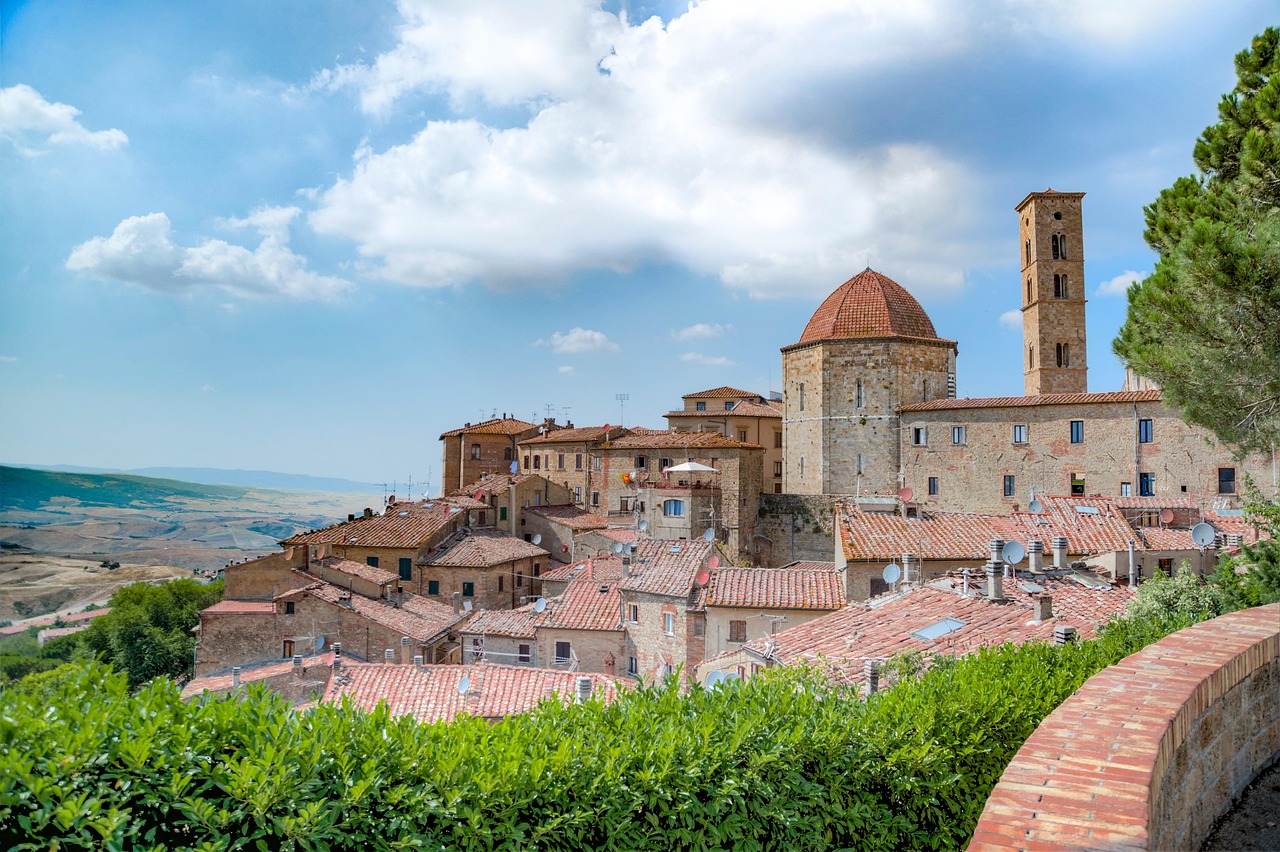
Volterra, with its Etruscan heritage and alabaster workshops, has a slightly wilder, wind-swept feel compared to other towns. The first time I visited, low clouds were racing over the hills and the city walls felt like the edge of the world.
Highlights include the Etruscan Museum, Roman theater ruins, and wandering narrow streets where artisans still carve alabaster by hand. It’s less crowded than San Gimignano and pairs well as a day trip from there or from the coast.
13. Maremma & Southern Coast
Maremma is Tuscany’s wild south: scrubby hills, cowboys (butteri), long sandy beaches, and fewer international visitors. I stayed once near the Parco della Maremma, hiking through pine forests to reach quiet stretches of beach where the only sound was the surf.
Food here leans more toward seafood and robust meat stews, and there’s a strong sense of rural identity. It’s a great add-on for repeat visitors who think they “know” Tuscany.
14. Elba Island
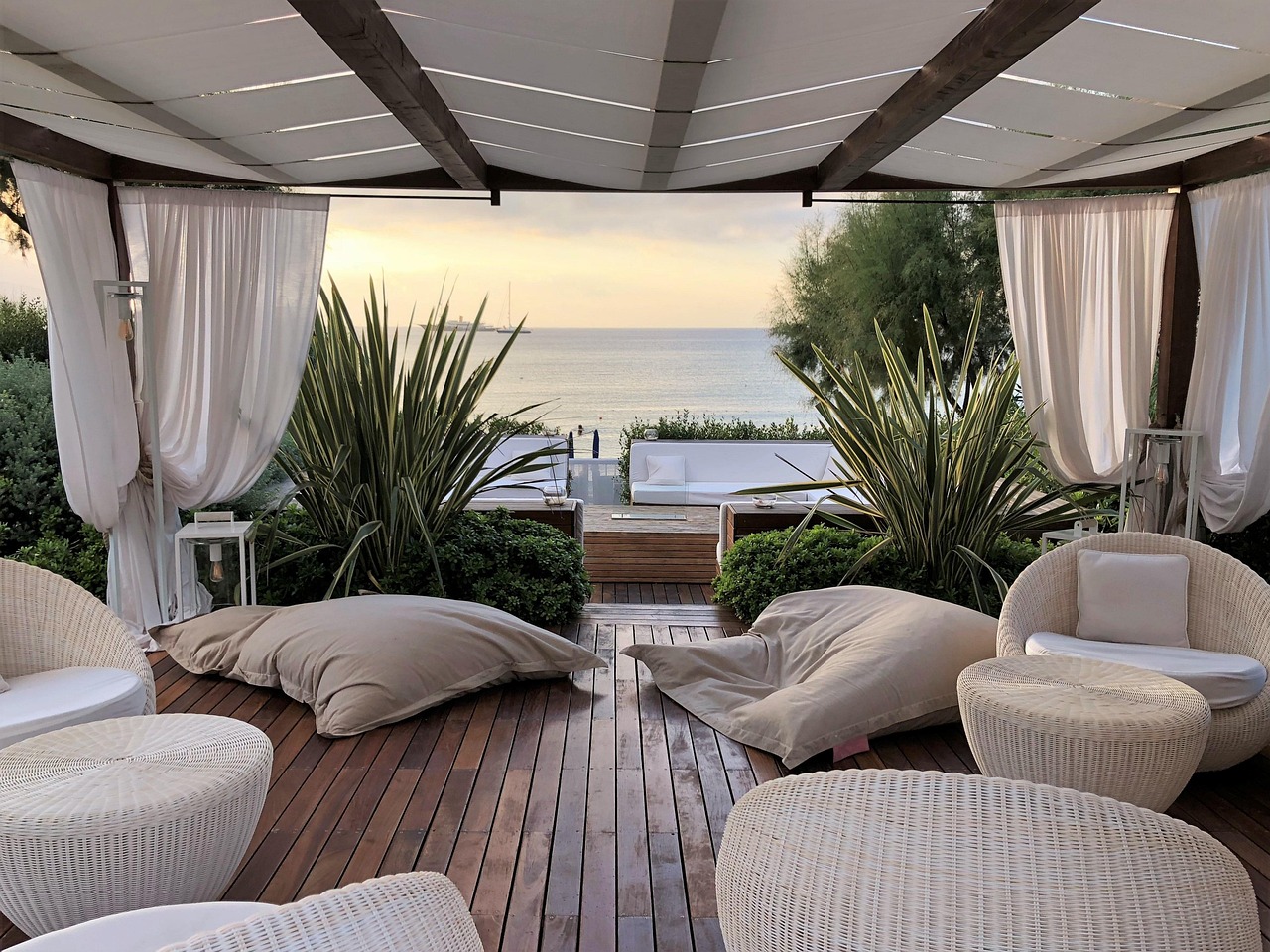
Technically still Tuscany, Elba Island feels like another world: turquoise water, rocky headlands, and little harbors. I took the ferry from Piombino one September; in shoulder season, the island is lively but not crowded.
Elba is perfect for swimming, snorkeling, coastal hikes, and lazy seafood lunches. Families love the shallow beaches; couples love the sunsets over the sea with a glass of local white wine.
15. Carrara Marble Mountains
The first time I saw the Apuan Alps from a distance, I thought they were snow-capped. They weren’t; it was marble. Visiting the Carrara quarries is one of the most unusual experiences in Tuscany—massive white gashes in the mountains, trucks looming like toys against the rock.
Guided tours take you into active quarries, explaining how marble has been extracted since Roman times and shipped all over the world. It’s a great counterpoint to Florence’s polished sculptures: here you see the raw material.
16. Casentino Valley & Sacred Forests
North-east of Arezzo, the Casentino valley is a green, forested region sprinkled with castles and monasteries. It’s ideal for hikers and those seeking spiritual retreats. I spent a rainy weekend here once, staying in a simple inn and hiking between chestnut woods and stone sanctuaries.
The Camaldoli and La Verna monasteries are peaceful places with deep Franciscan history. Even if you’re not religious, the quiet and the forest air are restorative.
17. Montepulciano
Montepulciano clings to a ridge, its streets sloping steeply up to the main square. I always feel like I’ve earned my wine tasting after climbing here. Cellars run deep under the palazzi; some open onto dramatic brick vaults and old oak barrels.
Try a glass of Vino Nobile di Montepulciano with a plate of crostini topped with liver pâté or melted pecorino. For families, the town’s many little shops and gelaterias make the climb more fun.
18. Montalcino
Montalcino, home of Brunello di Montalcino, has a slightly more reserved feel than some other hill towns. Wine is serious business here, but even if you’re not a connoisseur, the fortress, views, and surrounding vineyards are worth the trip.
One of my favorite Montalcino experiences was a late-afternoon tasting on a terrace as fog rolled into the valley below. It felt like being on an island above the clouds.
19. Pienza
Pienza is small but perfectly formed. Designed in the 15th century under Pope Pius II as an “ideal” Renaissance town, its main square and streets line up with almost mathematical grace. I like to arrive in the late afternoon, stroll the walls, and then sit on a bench overlooking the Val d’Orcia as the light fades.
The town smells faintly of cheese thanks to its famous pecorino. Step into a small shop, taste a few ages (fresh, semi-aged, aged), and buy a wedge for your next picnic.
20. Monte Argentario
On the southern coast, Monte Argentario is a rocky promontory connected to the mainland by sandbars. It’s rugged, with small coves, clear water, and winding roads. I drove here once in May—still quiet, with wildflowers along the roadside and almost-empty beaches.
Base in Porto Santo Stefano or Porto Ercole, rent a boat or take small ferries to nearby bays, and enjoy a very different side of Tuscany: seafood, sea breezes, and island views.
Local Food in Tuscany: What to Eat & Where
Tuscan cuisine is humble, seasonal, and deeply tied to the land. The more time I spend here, the more I appreciate the simplicity: great ingredients, minimal fuss.
Signature Dishes by Area
- Florence & Central Tuscany: Bistecca alla fiorentina (massive T-bone steak, always shared), ribollita, pappa al pomodoro, lampredotto sandwiches.
- Siena & Val d’Orcia: Pici (thick hand-rolled pasta) with ragù, cinghiale (wild boar), pecorino cheese (especially Pienza).
- Chianti: Grilled meats, hearty stews, olive oil tastings, Chianti Classico wines.
- Coast & Maremma: Fresh seafood, cacciucco (fish stew, especially in Livorno), bottarga, grilled fish.
Agriturismi, Trattorias & Markets
Agriturismi (farm-stays) are my favorite way to experience Tuscan food. Many grow their own vegetables, press their own olive oil, and produce wine. Dinners are often set menus, eaten at shared tables where you meet other travelers and sometimes the family themselves joins.
Family-run trattorias are where you’ll find handwritten menus, seasonal specials, and recipes passed down through generations. Look for places with short menus and mostly Italian diners.
Local markets (like Florence’s Sant’Ambrogio, Siena’s weekly market, or small village markets) are great for picnic supplies: bread, cheese, cured meats, fruit, and a bottle of local wine.
Evenings in Tuscany: Piazzas, Sunsets & Slow Rhythms
Evenings are when Tuscany really gets under your skin. After the day-trippers leave, hill towns soften; lights come on one by one, and locals reclaim the piazzas.
- Small-town passeggiata: In villages like Pienza or Castellina, join the evening stroll, gelato in hand.
- Sunset viewpoints: Piazzale Michelangelo in Florence, city walls in Lucca, town walls in Pienza, or any random lay-by in Val d’Orcia.
- Summer concerts: Many towns host free or low-cost concerts and open-air cinema. Check posters in the piazza.
- Harvest festivals: In September–October, wine and food festivals pop up everywhere. I once stumbled into a chestnut festival in a tiny Casentino village—roasting fires, music, and endless chestnut-based sweets.
Major Events & Festivals in Tuscany (2026–2027)
Dates can shift slightly each year; always verify closer to your trip, but here’s what to watch for in 2026–2027:
- Carnevale di Viareggio (Feb–Mar 2026 & 2027): Massive parade floats, satirical papier-mâché figures, and seaside festivities.
- Florence’s Scoppio del Carro (Easter Sunday, 2026 & 2027): “Explosion of the cart” fireworks ritual in front of the Duomo.
- Palio di Siena (2 July & 16 Aug 2026 & 2027): Iconic horse race. Book accommodations a year ahead if you want to be in Siena for it.
- Lucca Summer Festival (July 2026 & 2027): Big-name concerts in Lucca’s historic center.
- Wine Harvest (Vendemmia) (Sep–Oct): Many wineries offer harvest experiences; in 2026 more estates are opening to visitors for hands-on days.
Extras: Best Day Trips from Tuscany
Once you’ve settled into Tuscany, you might want to venture slightly further:
- Cinque Terre: Reachable by train from Pisa or Florence (with a change in La Spezia). Long day but doable; better with an overnight.
- Umbria (Perugia, Assisi, Orvieto): A couple of hours by car or train from southern Tuscany bases like Siena or Cortona.
- Bologna & Emilia-Romagna: Fast trains from Florence, ideal for food-focused day trips (balsamic, Parmigiano, cured meats).
Cultural Experiences & Local Customs in Tuscany
Understanding a few local habits makes travel smoother and more respectful.
Eating & Drinking Customs
- Cappuccino is for breakfast: After about 11 a.m., locals switch to espresso. You won’t be refused a cappuccino, but you’ll be pegged as a tourist.
- Coperto: A small per-person cover charge (bread, table setting) on restaurant bills is normal.
- Tipping: Not obligatory; rounding up or leaving a few euros for good service is appreciated.
Social Etiquette
- Greet with a buongiorno (morning/day) or buonasera (evening) when entering shops or cafés.
- Dress modestly when visiting churches (shoulders covered; avoid very short shorts).
- In small villages, keep voices low at night; sound carries and locals live behind those pretty facades.
Cultural Experiences
- Attend a local sagra (food festival) advertised on posters—great for authentic, inexpensive meals.
- Visit artisan workshops in Florence’s Oltrarno or small towns; many are happy to explain their crafts.
- Take a cooking class at an agriturismo to learn dishes like pici or ribollita.
Practical Travel Advice for Tuscany (2026)
Car vs Train vs Bus: Getting Around
Trains: Great for major cities (Florence, Pisa, Lucca, Arezzo, Siena, Grosseto). Comfortable and relatively cheap. For a short 4 day itinerary for Tuscany focused on cities, trains suffice.
Buses: Connect smaller towns and fill gaps trains don’t cover (e.g., Siena–San Gimignano, Siena–Montalcino). Schedules can be sparse on Sundays.
Car: Best for exploring countryside (Chianti, Val d’Orcia, Maremma, Casentino). For 6 days in Tuscany or longer with hill towns on your list, a car makes life much easier.
Driving Realities
- Distances: Florence–Siena ~1–1.5 hours; Siena–Montalcino ~1 hour; Florence–Chianti towns ~45–60 minutes.
- ZTL zones: Historic centers in many towns have restricted traffic with cameras. Fines are automatic if you enter without authorization. Park in signed lots outside the walls and walk in.
- Rental tips: Pick up/drop off at airports or peripheral offices to avoid city ZTL. Book automatic cars early if you don’t drive manual.
Money-Saving Tips
- Travel in shoulder seasons (April–May, late Sep–Oct) for lower prices and milder weather.
- Stay in agriturismi with half-board (breakfast + dinner); great value and fewer restaurant bills.
- Eat your main meal at lunch; many places offer better-value menus.
- Use regional trains instead of high-speed when time allows; they’re cheaper and more scenic.
SIM Cards & Connectivity (2026)
eSIMs: By 2026, most travelers use eSIMs from international providers or Italian carriers (TIM, Vodafone, WINDTRE). They’re easy to buy online before arrival.
Physical SIMs: Available at airport kiosks, phone shops in cities, and some supermarkets. You’ll need ID (passport).
Coverage is generally good, though some rural valleys have patchy reception.
Visa Requirements & Driver’s Licenses
Visas: Tuscany is in Italy, part of the Schengen Area. Many nationalities get 90 days visa-free; others need a Schengen visa. Check current requirements before travel.
Driving licenses: Visitors from outside the EU often need an International Driving Permit (IDP) alongside their home license. Rental agencies may refuse cars without it, especially in 2026 as enforcement increases.
Best Seasons by Activity
- Spring (Apr–May): Wildflowers, green hills, pleasant temps. Great for hiking, city sightseeing, and first-time trips.
- Summer (Jun–Aug): Hot, especially inland. Best for beaches, festivals, and evenings in hill towns. Book air-conditioned places.
- Autumn (Sep–Oct): Wine harvest, olive picking, golden fields. Ideal for wine lovers and photographers.
- Winter (Nov–Mar): Quiet, some rural places close, but cities are atmospheric and less crowded. Good for museum-focused trips.
Summary: Key Takeaways for Planning Your Tuscany Trip
Tuscany is best savored slowly. Whether you have a 4 day itinerary for Tuscany focused on Florence and one countryside day, or a full 7 days in Tuscany to roam from Chianti to Val d’Orcia, the region rewards lingering in piazzas, unhurried meals, and detours down small roads.
- First-time visitors: Combine Florence with either Chianti or Siena, and add a classic hill town like San Gimignano.
- Romantic trips: Prioritize Val d’Orcia and Chianti, sunrise and sunset drives, and agriturismi dinners.
- Families: Base in Lucca, Siena, or a child-friendly farmhouse; mix city days with pool and beach time.
- Best overall seasons: Late April–May and late September–October balance good weather, manageable crowds, and rich seasonal experiences.
Come for the must-see attractions in Tuscany—Florence’s art, Siena’s square, Pisa’s tower—but let the small things hook you: the way sunlight hits an olive tree, an impromptu chat with a winemaker, kids playing soccer in a backstreet piazza. Those are the moments that will bring you back again and again.