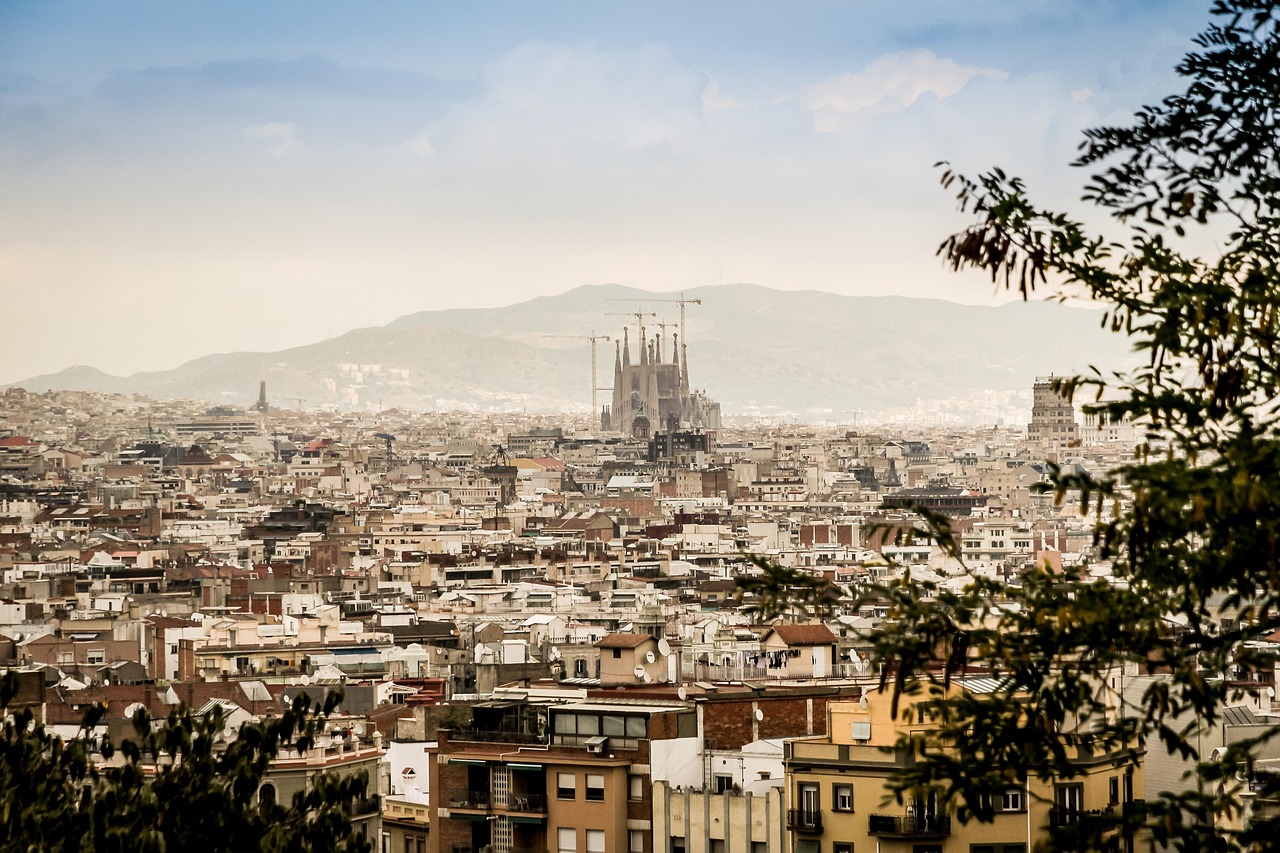
Why Visit Sagrada Familia – And Why It Deserves More Than Just an Hour
I’ve been living in Barcelona for over a decade, and I still catch my breath when I turn the corner from Carrer de Mallorca and that forest of stone spires erupts into view. The Sagrada Familia is not just another “must-see attraction” in Spain; it’s an ongoing experiment in faith, architecture, engineering and patience. It is also, quite literally, a building site you can walk through – a rare chance to see a global icon being finished in real time.
When friends visit, they often plan to “pop in” to the basilica between lunch and the beach. Every time, I nudge them to slow down. With its three monumental facades, vertigo-inducing towers, kaleidoscopic stained glass, workshops, nearby viewpoints, and the lived-in neighborhood that wraps around it, Sagrada Familia can easily fill one, two, even three days if you treat it as the heart of a micro–city break rather than a quick photo stop.
In this 2026 travel guide for Sagrada Familia, I’ll walk you through what it’s really like to visit now, what’s changed in recent years, and how to build the perfect 1 day itinerary for Sagrada Familia or stretch it into 2 days or 3 days in Sagrada Familia’s neighborhood with food, parks, viewpoints and quieter corners that most visitors miss.
Table of Contents
- Why Sagrada Familia is Special in 2026
- Sagrada Familia at a Glance
- Main Areas & Viewpoints Inside Sagrada Familia
- Itineraries: 1, 2 and 3 Days Around Sagrada Familia
- Where to Eat & Drink Around Sagrada Familia
- Sagrada Familia After Dark & Off-Hours
- What’s New in 2026–2027: Events & Milestones
- Nearby Attractions & Easy Day Trips
- Cultural Etiquette & Local Customs
- Practical Travel Advice & Money-Saving Tips
- Tickets, Logistics & How to Visit Sagrada Familia
- Summary & Best Time to Visit Sagrada Familia
Sagrada Familia at a Glance
The Basílica i Temple Expiatori de la Sagrada Família has been under construction since 1882. Gaudí devoted the last 43 years of his life to it, and even in 2026, it’s still evolving. That ongoing transformation is part of the magic: each time I’ve gone back – 2015, 2019, cautiously in 2021, and again in late 2025 – something fundamental had changed: a tower crowned, scaffolding moved, a facade cleaned, a new stained-glass window unveiled.
In practical terms, here’s what you need to know for planning your visit:
- Location: Eixample district of Barcelona, Spain, at the intersection of Carrer de Mallorca and Carrer de Sardenya.
- Type: Active Catholic basilica, UNESCO World Heritage Site, and one of the most visited monuments in Europe.
- Best time to visit: Morning (9:00–11:00) or late afternoon (15:30–18:00) for the light; shoulder seasons (March–May, October–mid-December) for fewer crowds.
- Average time inside: 2–3 hours for a basic visit; 4–5 hours if you include the towers, museum, and detailed exploration.
- Good for: Families, architecture lovers, photographers, couples, solo travelers, and anyone willing to slow down and look closely.
Main Areas & Viewpoints Inside Sagrada Familia
These eight core areas are the backbone of almost every visit. I’ll describe not just what they are, but how it feels to move through them, what to look for, and where to pause.
1. The Main Approach & First Impressions
My favorite way to arrive is on foot, emerging from the rational grid of Eixample into something that feels almost medieval and otherworldly. If you come up from the Sagrada Família metro stop (Lines L2 and L5), take the exit toward Plaça de la Sagrada Família and follow the flow of people. The basilica will appear suddenly, framed by trees and the small lake of the park.
I like to do a slow 360° walk around the outside before going in. It’s a ritual I recommend to everyone: circle clockwise, starting with the Nativity Façade (the most intricate and “Gaudí-esque”), then the Glory Façade construction zone, and finally the stark Passion Façade. This loop takes about 20–30 minutes if you’re just looking, but I usually end up spending closer to an hour because every few meters some new carving pulls you in.
In 2025, one crisp November morning, I stopped at a bench in Plaça de Gaudí (the park facing the Nativity side) with a takeaway cortado from a nearby café. From here, you get that classic reflection shot of the basilica in the pond. It’s also an excellent place to orient yourself: kids can run around, and you can point out the different facades and towers before dealing with tickets and security.
Tips for the approach:
- Arrive 30–45 minutes before your entry slot to allow for security and a slow outside circuit.
- For the iconic wide shot, head to the middle of the lake in Plaça de Gaudí and step slightly to the right – it aligns the spires beautifully.
- If you’re doing detailed photography, bring a wide-angle lens; the basilica is enormous and hemmed in by streets.
2. Nativity Façade & Towers
The Nativity Façade I still remember my first winter visit, standing here just after dawn in January, when the cold keeps the crowds slightly at bay. The low sun lit up the carved stone in warm gold, and for a few minutes everything felt still. If you can manage it, aim for an early-morning slot and start outside on this side. What to look for: Nativity Towers: Of the two tower experiences, this is the more romantic and picturesque. The ascent is by elevator; the descent via a narrow spiral staircase. When I last went up in late 2024, the view toward the Mediterranean was extraordinary – a river of Eixample’s grid flowing down to the sea. It’s not ideal if you have serious vertigo, but the windows are high and fairly enclosed. Practical tips for Nativity Towers:
3. Passion Façade & Towers
On the western side, the Passion Façade is all sharp angles and harsh shadows, designed to evoke the suffering and drama of the Passion. Sculptor Josep Maria Subirachs gave it a controversial modernist feel – elongated figures, stark lines. Locals still argue about it over vermut on Sundays, which says something about how alive this building is in the city’s imagination.
Personally, I love coming here in the late afternoon. The sun rakes across the stone, emphasizing every edge. You can trace the narrative from the Last Supper to the Crucifixion by following the sculptures from left to right; it’s like reading a graphic novel in stone.
Highlights:
- The dramatic Crucifixion scene high above, almost abstract in its brutality.
- The magic square near the Kiss of Judas – add the numbers in any direction; they equal 33.
- The bone-like columns and gaunt, angular faces that feel straight out of a 20th-century expressionist film.
Passion Towers: This side offers powerful views of the Montjuïc hill, the rest of the city, and – crucially – a front-row vantage point to see how the basilica knits into the regular street grid. When I guided my architect cousin up here in 2023, he spent half an hour just photographing the contrast between Gaudí’s organic verticality and Cerdà’s rational plan below.
Tips for Passion Towers:
- Choose this side if you’re more into cityscape photography and want to see the sunset over Barcelona’s rooftops (earlier slots in winter, later in summer).
- Wind can be stronger here; bring a light layer even in warmer months.
4. Glory Façade – The Future Main Entrance
The Glory Façade, on the south side, is the great unfinished story. It’s planned as the grand main entrance, symbolizing the path to God, death, Final Judgment, and glory. For now, it’s a forest of cranes, scaffolding, and partially completed stonework – an honest reminder that this is a living construction site.
When I walk past here with friends, they’re often surprised by how raw it still looks. For me, that tension between vision and reality is part of Sagrada Familia’s soul. In 2026, you’ll see more definition than a few years ago: new sculptural elements, more of the massive steps starting to take shape, and clearer outlines of the future portal.
How to experience it now:
- Walk along Carrer de Mallorca and look up: you’ll see how the Glory towers are rising to join the central tower cluster.
- Pause to imagine the planned monumental staircase descending to the street – and the ongoing controversy about what it means for existing buildings.
- Use this side as a reminder: you’re witnessing a project that spans generations, not a finished museum piece.
5. Interior Nave – The Stone Forest of Light
Stepping inside Sagrada Familia after walking around its dense exterior is like emerging from a tangled forest into a clearing of pure light. Gaudí imagined the interior as a stone forest: columns branching into canopies, dappled light filtering through colored glass. Every time I walk in, I catch myself whispering without realizing it.
Where to enter: Most visitors now enter via the Nativity side. Security is similar to an airport – bags scanned, metal detectors. Once through, take a moment just inside the doors; don’t rush forward. Let your eyes adjust.
On a bright day, the eastern windows bathe the space in cool blues and greens in the morning, while the western windows explode in oranges and reds in the late afternoon. On my last October visit, I timed my entry for 16:00 and spent half an hour just watching the light crawl up the columns. It felt less like visiting a church and more like standing inside a living organism.
Key things to look for:
- The central nave columns: each type of stone corresponds to a different structural role; some are thicker, some thinner, just like trees.
- The ceiling rosettes – look straight up; they’re like stone lace, with subtle variations.
- The organ and choir loft at the back; if you’re lucky and arrive during a short musical rehearsal, the acoustics are extraordinary.
How long to spend: I’d budget at least 45–60 minutes just wandering the nave, side aisles, and transept. Sit down on a pew, change your vantage point, and let the crowds ebb and flow around you. Families often find that kids are surprisingly quiet here, perhaps stunned into silence by the colors.
Photography tip: For the classic interior shot, stand near the center of the nave, facing the apse, and tilt your camera slightly up to capture both the columns and the ceiling. If you come in the afternoon, angle toward the right to capture the warm western windows.
6. Apse, Crypt & Gaudí’s Tomb
The apse behind the altar houses the smaller, more intimate chapels and the entrance to the crypt, where Gaudí is buried. While the nave is all vertical drama, the crypt feels closer to the 19th-century Neo-Gothic roots of the project.
I like to come here last, when my eyes and brain are a bit overstimulated from all that light and height. The crypt has a hushed, almost subterranean feel; masses are still held here, and voices echo differently.
What to notice:
- Gaudí’s tomb, usually decorated with fresh flowers and small notes left by admirers.
- The older stonework that predates the soaring modern nave, giving you a sense of the project’s long evolution.
- The interplay between the active worship space and the tourist flow; remember this is still a functioning church.
Respectful behavior: This area is particularly sensitive: keep voices low, remove hats, and avoid intrusive photography if a service is in progress. Even after years of visiting, I still feel a small shock of humility here: this enormous, world-famous project began as – and remains – an act of religious devotion.
7. Sagrada Familia Museum & Gaudí’s School
Many visitors skip the small museum area under the basilica, but it’s one of my favorite parts, especially on a hot summer afternoon when you’re grateful for the cool air and quieter corners.
Here, you’ll find:
- Plaster models showing Gaudí’s original designs, some painstakingly reconstructed after being damaged in the Civil War.
- Historical photos of the building site, which make you realize just how audacious this all was in the early 20th century.
- Explanations of the geometry behind the forms: hyperboloids, catenary arches, ruled surfaces. It’s like a crash course in organic mathematics.
Next door is Gaudí’s school building, a low, wavy-roofed structure he designed for the workers’ children. It’s easy to overlook, but stepping inside gives you a sense of how Gaudí thought: even a modest school gets curves, light and a human scale.
When I brought a friend with two young kids here in 2022, this was where they perked up again after the “big church.” The mini models and tactile displays helped them connect with what they’d just seen above.
Time needed: 30–45 minutes if you read the panels; longer if you’re into architectural detail. It’s well worth it for a deeper appreciation of what’s happening above ground.
8. The Towers – Climbing to the Best Views
If you can handle heights and narrow staircases, the tower visits are the most exhilarating part of the Sagrada Familia experience. They’re also the most limited in capacity, so they sell out fast.
You choose either Nativity or Passion towers when booking. Both involve:
- An elevator up (no stairs on the way up).
- A walkway between towers, with small windows and occasional balconies.
- A descent via a tight spiral staircase with low walls and a central void – picturesque, but not ideal for anyone with serious vertigo or mobility issues.
The first time I went up, in 2015, I remember clinging to the wall for the first few turns of the staircase; by my third visit, I’d found a rhythm. There are small landings where you can rest and let others pass.
Choosing your tower in 2026:
- Nativity Towers: Best for sea views, softer architecture, and morning light. Feels slightly more enclosed and romantic.
- Passion Towers: Best for cityscape and sunset views toward Montjuïc and the rest of Barcelona; more dramatic and windswept.
Allow at least 60–90 minutes total for the tower, including queuing at the elevator, walking the upper pathways, and descending calmly. This is not something to squeeze in if you’re in a rush to catch a train.
Itineraries: 1, 2 and 3 Days Around Sagrada Familia
Most searches for “1 day itinerary for Sagrada Familia” or “3 day itinerary for Sagrada Familia” assume you’re trying to cover the entire city. Here, I’m doing the opposite: building an itinerary where Sagrada Familia is the anchor, and the surrounding neighborhoods – Eixample, Gràcia, and nearby Gaudí sites – turn it into a self-contained trip.
1 Day in Sagrada Familia: The Essential Experience
If you have just 1 day in Sagrada Familia, this is how I’d structure it based on countless visits with friends and family.
Morning: First Light & The Heart of the Basilica
08:15–09:00 – Arrival & Coffee
I usually meet friends at a small café a couple of blocks away to avoid the worst of the tourist prices directly facing the basilica. Look for something along Carrer de Marina or Carrer de Provença. Grab a café con leche and a croissant or a simple entrepà (sandwich) – you’ll want energy for the morning.
Then walk toward Plaça de Gaudí for your first wide-angle view. Take 10–15 minutes to stroll the park, shoot your photos, and mentally map the three main facades.
09:00–11:30 – Timed Entry & Interior
Book your Sagrada Familia tickets for the 9:00–9:30 slot if possible; it’s quieter and the light is beautiful. Once inside:
- Do a slow pass through the nave, watching how the morning light filters through the cooler windows.
- Spend some time in the chapels and near the altar, but don’t forget to look back toward the entrance for a different perspective.
- Move down the side aisles; the crowds tend to bunch in the center.
On my last November visit, arriving at 9:00 meant we had 20–30 minutes where the nave felt almost contemplative; by 10:30, it filled up considerably.
Late Morning: Museum, School & Exterior Loop
11:30–13:00 – Museum & Gaudí’s School
After the sensory overload of the nave, descend to the museum. This is where you connect the dots: the plaster models help you read the building, and the old photos contextualize what you’ve just seen.
Pop into Gaudí’s school building; it’s a good spot for families to decompress. The wavy roof always makes kids smile – it looks like something drawn in a storybook.
13:00–13:30 – Exterior Loop
Exit and walk the full perimeter if you didn’t already, paying special attention to the Passion Façade. Now that you’ve seen the interior, the exterior narratives make even more sense.
Lunch: Eating Near Sagrada Familia Without the Tourist Traps
13:30–15:00 – Lunch in the Neighborhood
Resist the temptation to sit at the nearest terrace with laminated photos of paella. Walk 5–10 minutes into the grid and you’ll find far better options. A few streets to target (avoid naming specific businesses that may change, but look along these axes):
- Carrer de Provença heading west for bistros and tapas bars with more locals than tours.
- Carrer de València for affordable menu del día (set lunch menus).
- Side streets off Carrer de Sardenya for small Catalan places where workers eat.
Order seasonal dishes: escudella in winter, calçots if you’re here in late winter/early spring, lighter seafood in summer. I still remember a long January lunch of botifarra amb mongetes (sausage with white beans) a few blocks from the basilica – hearty, local, and half the price of anything on the main square.
Afternoon: Tower Experience & Second Look Inside
15:00–17:00 – Tower Visit
Book your tower slot for early afternoon. If you chose the Nativity side, you’ll get softer, angled light over the sea; the Passion side will gradually warm toward sunset.
Take your time up there. Peek through every window; the framing is deliberate. One of my favorite small moments: looking straight down at Plaça de Gaudí and seeing the ant-like movement of visitors where I stood that morning.
17:00–18:00 – Second Pass Through the Nave
After the tower, re-enter the nave if your ticket allows (this can vary; in 2026, check the current policies). The afternoon light will have completely transformed it. On one visit, I sat on the floor against a column by the western side and watched the oranges and reds slowly climb the walls as the sun sank. It felt like a different building than the one I’d seen that morning.
Evening: Golden Hour & Sagrada Familia After Dark
18:00–19:30 – Golden Hour & Blue Hour
Step back outside and return to Plaça de Gaudí and then to the small park on the Passion side, Plaça de la Sagrada Família. As the sun sets behind the city, the stone glows; then the artificial lights snap on and the entire structure floats against the indigo sky.
Couples often linger here – it’s surprisingly romantic despite the crowds, especially in shoulder season when the air is cool. Families with kids can let them burn off the last energy at the playgrounds while adults savor the view.
19:30 onwards – Dinner Nearby or in Gràcia
You can walk 15–20 minutes up toward Gràcia, one of Barcelona’s most charming neighborhoods, or stay closer and find a tapas bar in Eixample. If I’m with first-time visitors, I usually stroll up toward Gràcia, weaving through the smaller streets and letting the basilica slowly slip out of sight behind us – a gentle way to end a day that started with such overwhelming images.
2 Days in Sagrada Familia: Going Deeper
If you have 2 days in Sagrada Familia’s orbit, you can slow down and add nearby Gaudí works, more local food, and some quieter corners.
Day 1: As Above, With More Breathing Room
Use the 1 day itinerary as your Day 1, but stretch it:
- Arrive a bit earlier and linger longer in the parks.
- Spend more time in the museum, reading panels in detail.
- Add a coffee break between the interior and towers.
On one slow May visit, I spent nearly an hour just sketching details of the Nativity Façade from a bench; even if you’re not an artist, bringing a small notebook to draw or jot impressions can change how you look.
Day 2 Morning: Modernist Avenue & Another Perspective
09:00–12:30 – Passeig de Gràcia & Gaudí’s Other Icons
Start at Passeig de Gràcia, easily reached by metro from Sagrada Família. This elegant boulevard shows Gaudí in a more urban, domestic mode. Visit at least one of the big two:
- Casa Batlló – a vibrant, marine-inspired façade and dreamlike interior.
- La Pedrera (Casa Milà) – sculptural stone waves and one of the most beautiful rooftops in Europe.
Seeing these helps you understand Sagrada Familia better; you recognize the same obsessions with light, curves, and nature, but applied to apartment blocks instead of a basilica.
Day 2 Afternoon: Back to Sagrada Familia & Neighborhood Wandering
13:00–15:00 – Lunch & Rest
Have lunch on Passeig de Gràcia or drop down into the grid to find a quieter spot. Then take the metro back to Sagrada Família station.
15:00–17:30 – Return to the Basilica or Just the Outside
If your ticketing budget allows, a second interior visit on a different day and at a different time of day is not overkill – it’s a new experience. Otherwise, stick to the outside and nearby streets:
- Explore Carrer de Sicília and Carrer de Nàpols for local bakeries and bars.
- Spend time people-watching in both parks, noticing how the basilica shapes daily life.
- Hunt for your favorite small detail on the façades; treat it like a scavenger hunt.
Day 2 Evening: Local Bars & Night Views
18:00–22:00 – Tapas, Vermut & Night Stroll
Head into the residential streets just beyond the immediate tourist ring. Look for:
- Small vermut bars with locals standing elbow-to-elbow at the counter.
- Basque pintxos bars where you pick toothpick-topped bites off the bar.
- Traditional bodegas with wine barrels and simple tapas.
After dinner, swing back past the basilica for one last look. On a clear night, the towers pierce the sky like illuminated stalagmites; it’s both surreal and grounding.
3 Days in Sagrada Familia: A Mini City Break Anchored by Gaudí
With 3 days in Sagrada Familia’s area, you can add parks, viewpoints, and slower cultural experiences that deepen your connection to the place.
Day 1 & 2: Core Experiences
Use the 1 day itinerary as Day 1, and the 2 day itinerary as your base. On Day 2, you can swap Passeig de Gràcia for another Gaudí site if you prefer (e.g. Hospital de Sant Pau, which is very close by and often overlooked).
Day 3 Morning: Hospital de Sant Pau – A Hidden Modernist Gem
09:00–12:00 – Recinte Modernista de Sant Pau
Just a 10–15 minute walk from Sagrada Familia lies the Hospital de Sant Pau, a former hospital complex and one of the world’s largest Art Nouveau sites. It’s astonishing how many visitors miss it, considering how close it is.
On a bright spring morning in 2024, I walked there directly from the basilica, and it felt like stepping into a parallel universe of domes, mosaics, and gardens. Designed by Lluís Domènech i Montaner, it’s a masterpiece of Catalan modernisme – colorful tiles, glazed brick, and pavilions linked by underground tunnels.
Why it’s worth your time:
- Far fewer crowds than Sagrada Familia, making it feel contemplative.
- Fascinating history as a working hospital well into the late 20th century.
- Beautiful gardens ideal for families and anyone craving a slower pace.
Day 3 Afternoon: Gràcia & Viewpoints
13:00–17:00 – Gràcia Neighborhood
Walk or take the metro up to Gràcia, once an independent village, now a bohemian neighborhood with narrow streets and cozy squares. It’s my go-to recommendation for those who want to feel a more “everyday” Barcelona after the monumental intensity of Sagrada Familia.
Find a shady terrace on a plaza like Plaça de la Vila de Gràcia or Plaça del Sol, order a menu del día, and watch the rhythms of local life. In August, this area explodes into color for the Festa Major de Gràcia, when streets are decorated with elaborate handmade installations.
Day 3 Late Afternoon & Evening: Park Güell or Hilltop Views
17:00–20:00 – Park Güell (Optional)
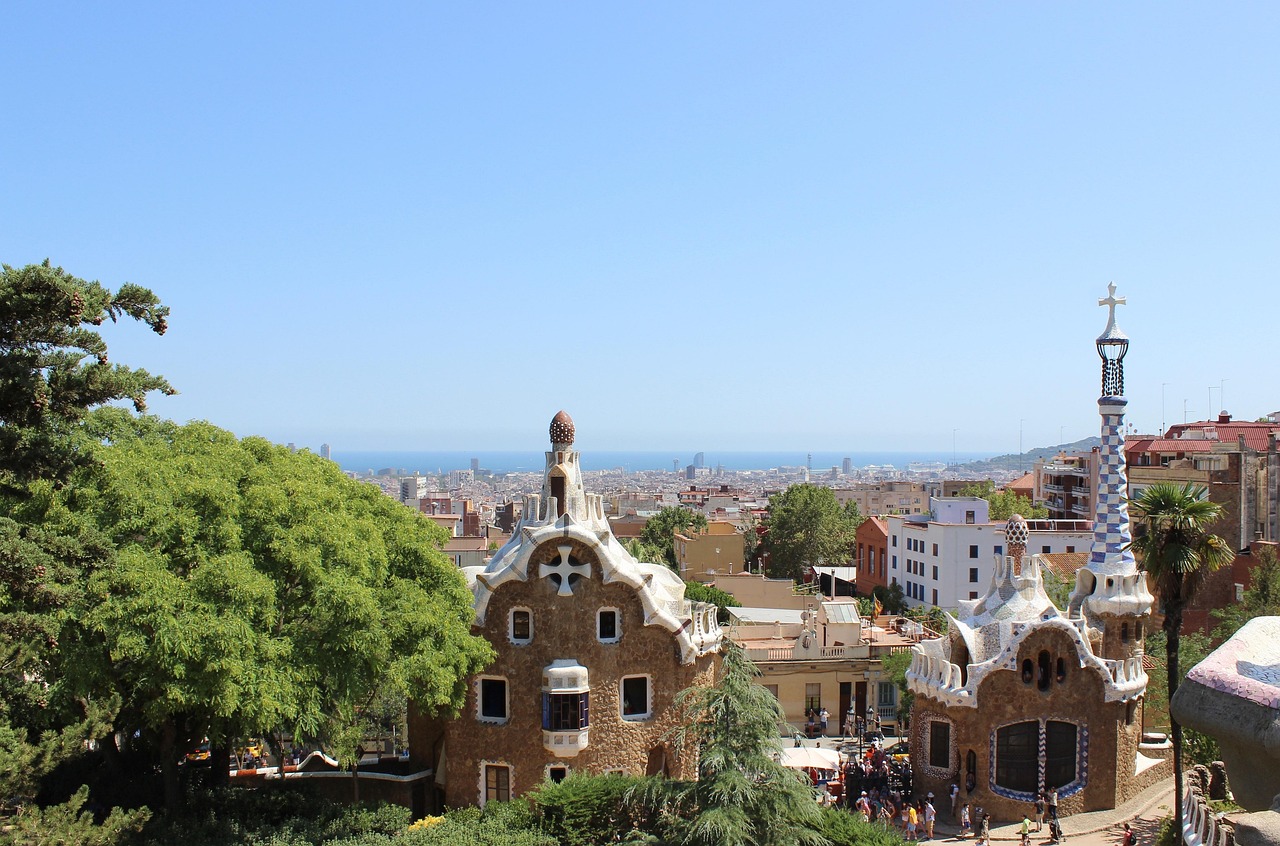
If you want to complete your Gaudí set, head to Park Güell. The monumental zone is ticketed and timed; book ahead. The mosaic benches, gingerbread gatehouses, and hillside views over the city offer a more playful side of Gaudí than the basilica does.
From here, at sunset on a clear day, you can see Sagrada Familia’s spires pricking the skyline – a satisfying way to tie the trip together. Alternately, if you’re tired of crowds, opt for a quieter hilltop viewpoint like Turó de la Rovira (Bunkers del Carmel), though it’s more of a local hangout and requires a bit of a climb.
Where to Eat Around Sagrada Familia
Food around major monuments is almost always a mixed bag, and Sagrada Familia is no exception. The immediate ring around the basilica is dense with tourist-focused spots – not all terrible, but generally overpriced and underwhelming.
How Far to Walk for Better Food
My rule of thumb: walk at least 3–4 blocks away from the main square before sitting down. Head:
- Southwest, deeper into Eixample, along streets like Provença, València, or Rosselló.
- North toward Sant Pau and the residential streets behind it.
What to Eat
- Menu del día: Lunchtime set menus (usually 2–3 courses, bread, and a drink) are the best value.
- Tapas classics: patates braves, bomba, croquetes, grilled calamars.
- Catalan dishes: escalivada (roasted vegetables), trinxat (cabbage and potato), and crema catalana for dessert.
Snacks to Bring Into the Site
You can’t picnic inside the basilica, but you can carry small snacks for before/after:
- Water (reusable bottle; refill at public fountains outside).
- A small pastry or sandwich from a bakery along Carrer de Marina or Carrer de Sardenya.
- A piece of fruit from a local greengrocer; there are several within a 5–10 minute walk.
Where to Stay Nearby
Staying near Sagrada Familia can be surprisingly peaceful at night once the day-trip crowds leave. I often recommend the area to friends who want to be central but not in the middle of the Gothic Quarter chaos.
Pros:
- Easy metro access (L2, L5) to the rest of the city.
- Residential feel with local shops and bakeries.
- The chance to see the basilica in the quiet early morning and late evening.
Cons:
- Prices can be higher for rooms with basilica views.
- The area immediately around the basilica is busy during the day.
Look for accommodation a few blocks away on quieter streets to balance access and calm.
How to Get There Efficiently
The most time-efficient way to reach Sagrada Familia is to use the metro:
- L2 (purple) or L5 (blue) to Sagrada Família station, exits signed for the basilica.
- Allow 10–15 minutes from central hubs like Passeig de Gràcia or Plaça de Catalunya, plus walking.
Avoid taxis at peak times around the basilica; traffic can be slow, and the metro is often faster.
Sagrada Familia After Dark & Off-Hours
One of my favorite secrets is that Sagrada Familia may be most magical outside of opening hours, when you can’t actually go in. Early mornings and evenings belong to the neighbors, dog walkers, joggers, and a smaller number of photographers waiting for the perfect light.
Sunrise & Dawn
Dawn (especially in winter) offers soft, bluish light on the Nativity side. In January 2025, I walked through a thin mist around 7:30 am and found only a handful of people in the park. The basilica loomed quietly, cranes silhouetted, as if the city hadn’t quite woken up yet.
Golden Hour & Blue Hour
As the sun sets behind the city, the Passion side glows, then gradually turns to silhouette. Meanwhile, the Nativity side catches the cooler last light. During blue hour, when the sky turns deep indigo, the illuminated stone looks almost weightless in photos.
Night Lighting & Seasonal Programs
In recent years, the basilica has experimented with light projections and special concerts around major religious and cultural dates (Christmas, Easter, and occasionally big milestones in construction). For 2026–2027, expect:
- Enhanced Christmas illuminations on the Nativity façade.
- Occasional sound-and-light shows tied to classical or choral performances inside.
These events are often free to watch from outside but require advance tickets if they involve interior concerts. Check the basilica’s official calendar for up-to-date schedules.
What’s New in 2026–2027: Events & Milestones
The period around 2026–2027 is especially charged at Sagrada Familia because it aligns with the centenary of Gaudí’s death and a renewed push toward substantial completion of the project.
Major 2026–2027 Highlights
- Ongoing completion of key towers: More of the upper cluster of towers will be finished or near-finished, changing the skyline yet again.
- Centenary-related exhibitions: Expect special exhibitions in the museum area focusing on Gaudí’s life, legacy, and the evolution of the project.
- Enhanced visitor management: Continued refinement of timed-entry systems and digital guides to smooth out peak-hour congestion.
Visiting in 2026–2027 means you’re seeing a historic transition phase: the basilica moving from “perpetually under construction” toward “nearly complete” – a moment future travelers will envy.
Nearby Attractions & Easy Day Trips from Sagrada Familia
While this guide focuses on Sagrada Familia itself, the basilica is a convenient starting point for exploring more of Barcelona and beyond.
Within Walking or Short Metro Distance
- Hospital de Sant Pau: 10–15 minutes on foot; see above.
- Passeig de Gràcia: 10 minutes by metro; Gaudí’s city palaces.
- Parc de la Ciutadella & El Born: 15–20 minutes by metro; greenery, museums, and medieval streets.
Easy Day Trips
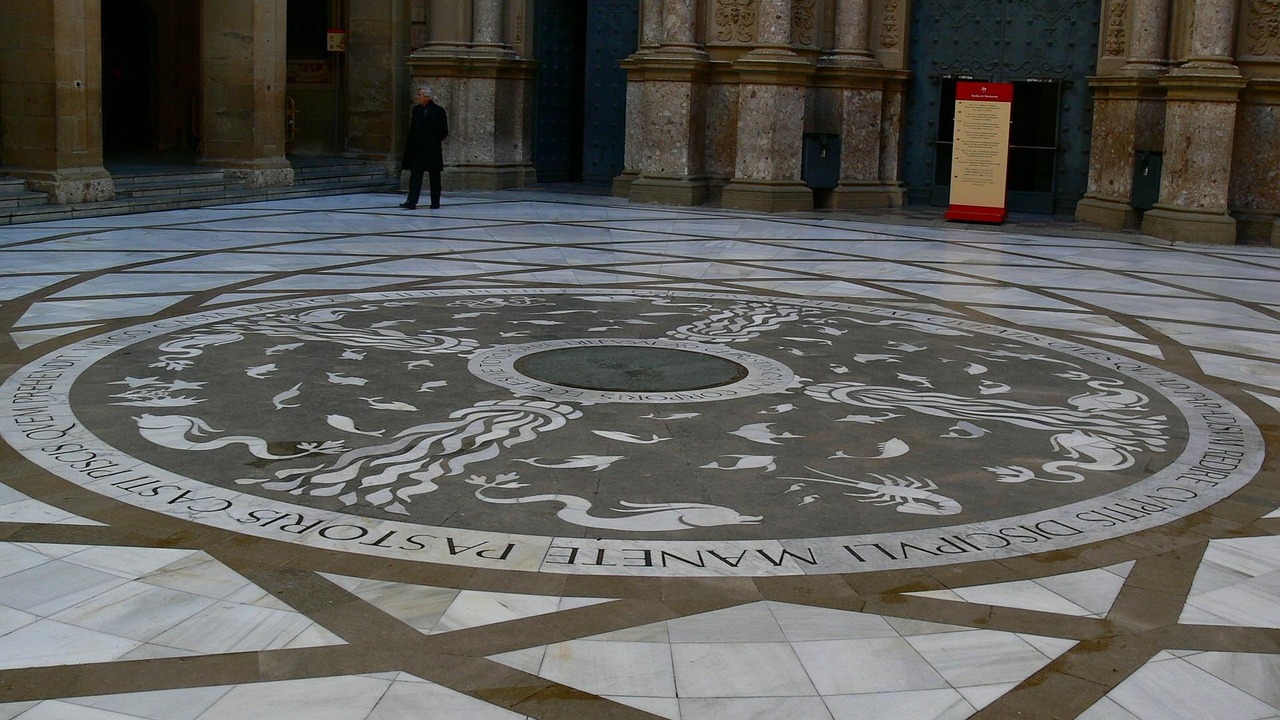
- Montserrat: A dramatic mountain monastery reachable by train and cable car/cremallera from Plaça d’Espanya. Ideal for hikers and those seeking a spiritual echo of Sagrada Familia in a natural setting.
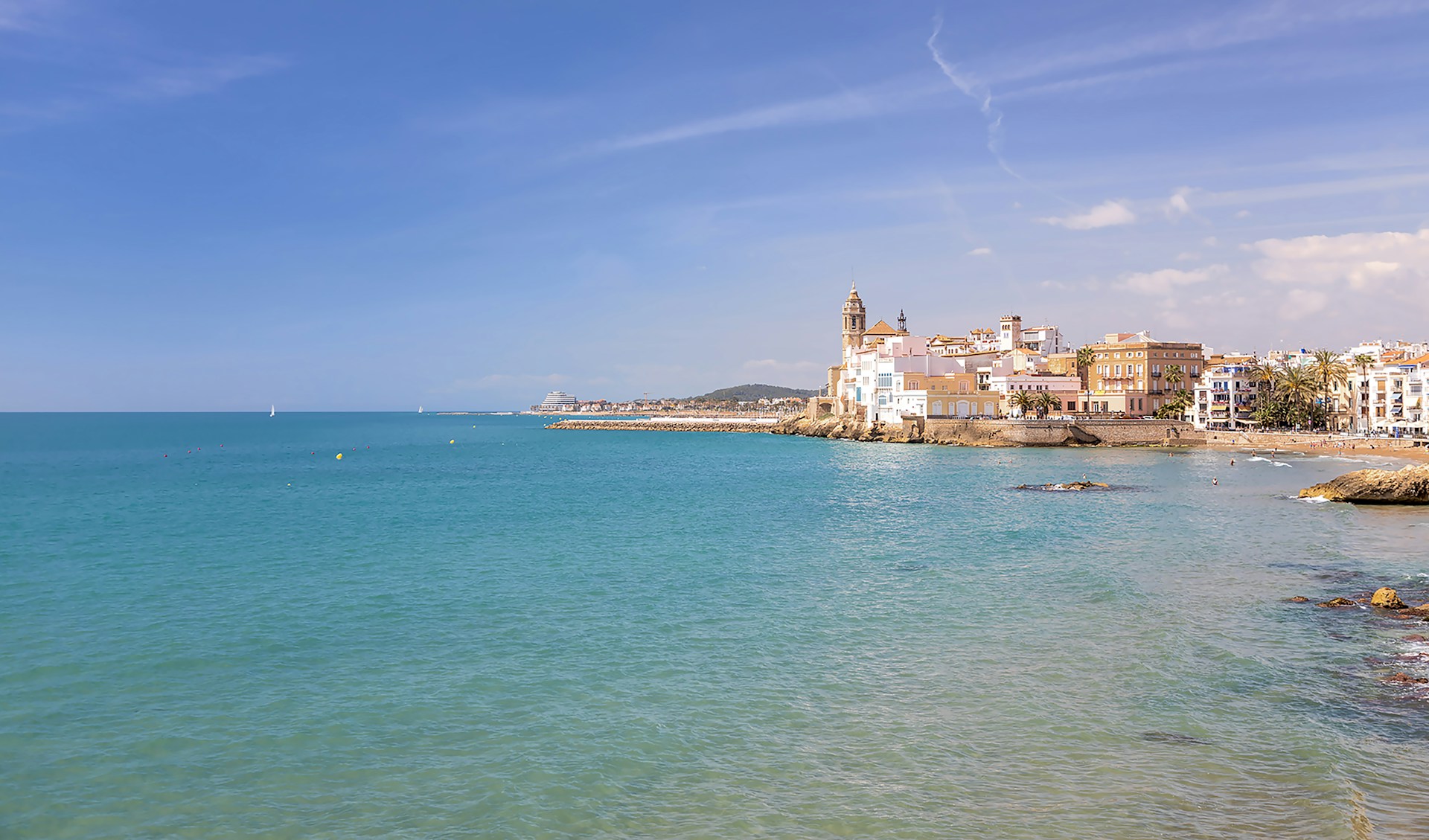
- Sitges: A seaside town with beaches, seafood, and whitewashed streets. Trains leave from Estació de França or Sants, easily reached by metro.
- Colònia Güell: A lesser-known Gaudí site outside the city, featuring a crypt that feels like a smaller, experimental cousin of Sagrada Familia.
Cultural Etiquette & Local Customs at Sagrada Familia
Although it’s one of the busiest tourist sites in Spain, Sagrada Familia is still first and foremost a place of worship. A few guidelines will help you fit in respectfully – and avoid awkward moments.
Dress Code
- Shoulders and knees should be covered – especially if you plan to attend mass.
- Avoid beachwear, very short shorts, or tops that are too revealing.
- Hats off inside the basilica.
Behavior Inside
- Keep voices low; think of it as a working church, not just a museum.
- Follow photography rules; flash and tripods are generally not allowed.
- Respect roped-off areas and signs indicating no entry.
Local Rhythms
Barcelona has its own pace:
- Lunch is typically between 13:30 and 15:30, dinner from 20:30 onwards.
- Sunday is quieter; many shops close, but Sagrada Familia and restaurants stay open.
- A polite bon dia (Catalan) or buenos días (Spanish) goes a long way in small shops and cafés.
Practical Travel Advice & Money-Saving Tips
Getting Around
Public transport: The metro is your best friend. Buy a T-casual or other integrated pass depending on stay length. Sagrada Família station (L2, L5) is directly beneath the basilica.
On foot: Distances in central Barcelona are walkable; Sagrada Familia to Passeig de Gràcia is about 20–25 minutes.
Car rental: Not recommended for city exploration; parking is expensive and traffic is dense. Rent a car only if you’re heading out of town.
Saving Money
- Book Sagrada Familia tickets directly from the official site to avoid markups.
- Choose a guided audio tour rather than a full guided group if you’re on a budget; it still adds depth.
- Eat your main meal at lunchtime with a menu del día instead of splurging at dinner.
SIM Cards & Connectivity
At Barcelona Airport and around major metro stations, you’ll find kiosks selling prepaid SIMs from local providers. Look for data-focused plans; coverage in the city is excellent. Alternatively, eSIM options are widely available if your phone supports them.
Visa & Driving License Requirements
Spain is part of the Schengen Area. Depending on your nationality, you may need a Schengen visa; check up-to-date requirements before travel. For those renting a car for day trips, an EU driving license is valid; non-EU visitors may need an International Driving Permit alongside their national license.
Best Seasons & Weather
- Spring (March–May): Mild weather, good light, moderate crowds – excellent for photography and walking.
- Summer (June–August): Hot, busier, extended opening hours; book tickets well in advance.
- Autumn (September–November): Warm early on, cooler later; beautiful low sun angles in the nave.
- Winter (December–February): Cool to chilly, fewer crowds; Christmas illuminations add magic.
Sagrada Familia Tickets, Opening Hours & Logistics
Ticket Types
Ticket options evolve, but typically include:
- Basic Entry: Access to the basilica interior and museum.
- Entry + Audio Guide: Recommended if you want context without joining a group.
- Entry + Guided Tour: Small-group tours at set times; good for first-time visitors.
- Entry + Towers: Limited availability; must choose Nativity or Passion.
Timed Entry & When Tickets Sell Out
Timed entry is strictly enforced; turn up outside your slot and you may be refused. In high season, popular times and tower tickets often sell out days or even weeks ahead, especially for weekends and holidays.
Reserve as soon as your travel dates are firm, particularly if you’re planning a 1 day itinerary for Sagrada Familia and have limited flexibility.
Opening Hours
Hours can vary slightly by season and special events, but generally:
- Morning: from around 9:00
- Closing: between 18:00 and 20:00 depending on the time of year
Check the official website for precise Sagrada Familia opening hours in 2026 before your visit.
Security & Queues
Security screening is similar to an airport: bag scans and metal detectors. Lines move fairly quickly, but in peak season you should still:
- Arrive 30 minutes before your time slot.
- Bring only small bags; large backpacks may be restricted.
- Avoid carrying prohibited items (sharp objects, large tripods, etc.).
Accessibility
The basilica interior and museum are generally wheelchair accessible via ramps and elevators. The towers are not recommended for those with mobility issues due to narrow staircases. If you have specific needs, contact the basilica in advance for the latest accessibility information.
Photography Restrictions
- Photography is allowed for personal use inside, but no flash or tripods.
- During religious services, photography may be restricted.
- Commercial photography requires prior permission.
Summary & Final Recommendations
Sagrada Familia is one of those rare places that justifies the hype – but only if you give it time. Whether you’re crafting a 1 day itinerary for Sagrada Familia or stretching to a 3 day itinerary centered on Gaudí’s masterpiece and its surrounding neighborhoods, the key is to slow down.
Key takeaways:
- Book early: Timed tickets – especially with tower access – sell out quickly, particularly in summer and around holidays.
- Choose your moment: For light and crowds, early morning or late afternoon in spring or autumn is ideal.
- Walk the whole perimeter: The three facades tell complementary parts of a story; don’t just stand in one spot.
- Balance inside and outside: Combine the overwhelming interior with quieter moments in nearby parks and streets.
- Eat like a local: Step a few blocks away from the basilica for better food and prices.
As a local who still finds new details on every visit, I can say that Sagrada Familia rewards repeat encounters. Go once for the bucket list. Go again – at a different time of day, in a different season – to see how the light, the stone, and the city’s life around it keep changing. In 2026–2027, with construction entering its final chapters, there’s no better moment to witness this extraordinary building becoming what Gaudí imagined over a century ago.
Plan ahead, look up often, and leave room in your day just to stand, stare and feel small. That’s where the real magic of Sagrada Familia lives.