Why Visit São Paulo in 2026
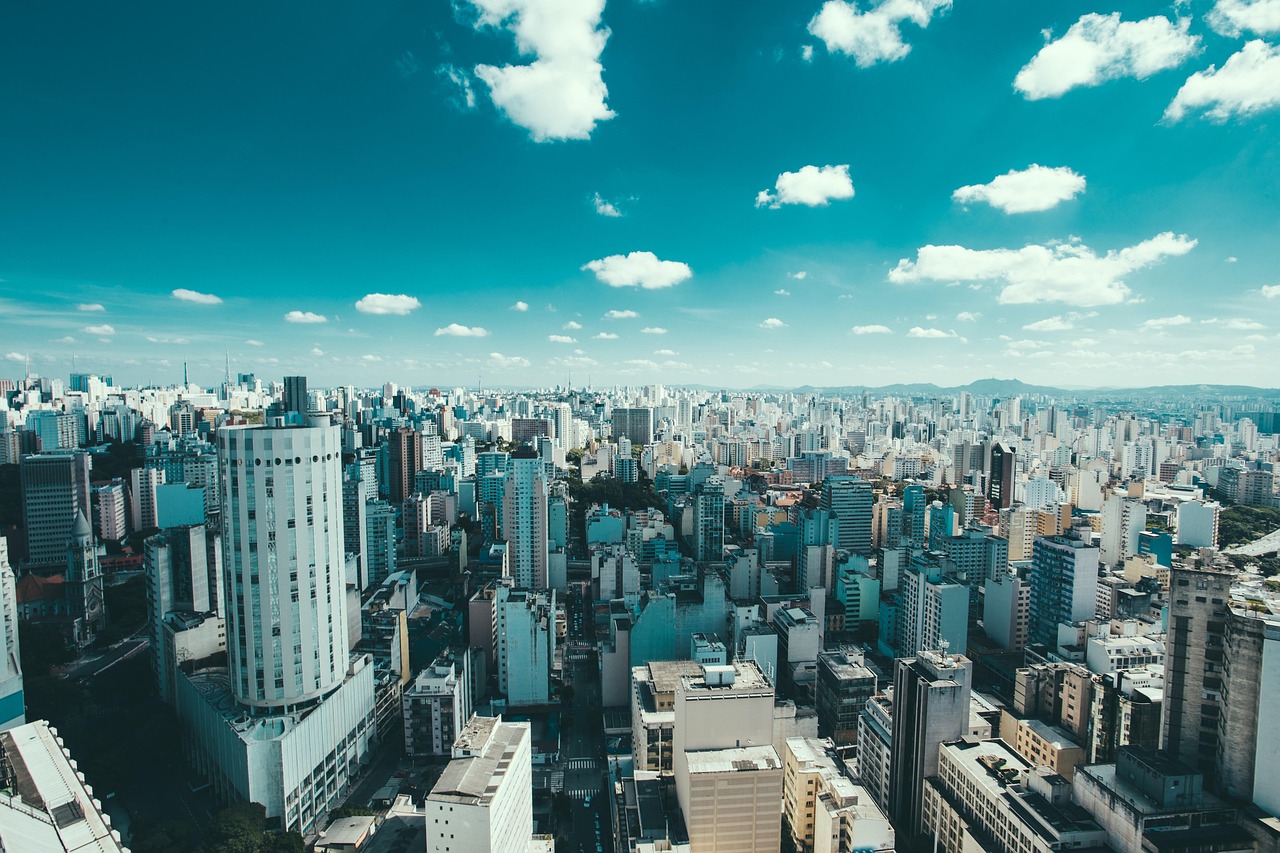
I was born in the interior of São Paulo state and moved to the city for university. I’ve left and come back more times than I can count, but every time I land, that dense skyline – endless high-rises, pockets of green, and the orange evening light – still hits me in the chest. São Paulo isn’t love at first sight; it’s a slow burn. But if you give it 3–5 days, it’ll quietly become one of your favorite cities on earth.
São Paulo is often skipped in favor of Rio, but in 2026 it’s finally claiming the spotlight it deserves. This is Brazil’s beating heart: 20+ million people in the metro area, more than 60 nationalities, and food from literally everywhere. It’s where you come not for beaches, but for culture, art, architecture, nightlife, and some of the best dining on the planet.
Come to São Paulo if you want:
- World-class dining – from Michelin-starred temples to street-side pastel stands and legendary pizza.
- Deep culture – museums, cutting-edge galleries, live samba, and underground rock in the same weekend.
- Endless neighborhoods – each with its own vibe: Japanese, Italian, bohemian, ultra-modern, and everything in between.
- Real Brazilian life – this isn’t a resort city; it’s where Brazilians live, work, party, and create.
In this travel guide for São Paulo 2026, I’ll walk you through detailed 3, 4, and 5 day itineraries, share hidden gems in São Paulo, break down neighborhoods, food, nightlife, and give you all the practical travel tips for São Paulo you need to feel confident and safe here.
Table of Contents
- Why Visit São Paulo
- Suggested Itineraries (3–5 Days in São Paulo)
- Top 20 Must-See Attractions in São Paulo (Deep Dive)
- Best Neighborhoods & Areas to Explore
- Local Food in São Paulo: What & Where to Eat
- Nightlife, Music & Cultural Experiences
- Best Day Trips from São Paulo
- Cultural Etiquette & Local Customs
- Practical Travel Advice for São Paulo
- What’s New & Upcoming in 2026–2027
- Summary & Best Time to Visit São Paulo
Suggested Itineraries: 3–5 Days in São Paulo
I’ve structured these itineraries based on how I normally host friends from abroad. You can mix and match depending on whether you want more museums, food, or nightlife. Every day blends must-see attractions in São Paulo with hidden gems and real local life.
3 Day Itinerary for São Paulo (Perfect First Visit)
If you only have 3 days in São Paulo, focus on the city’s “greatest hits”: Avenida Paulista, Ibirapuera Park, historic downtown, and one or two nightlife hubs. Here’s a compact plan I’ve used often when friends say, “I’ve only got a long weekend – what are the things to do in São Paulo I can’t miss?”
Day 1 – Paulista Avenue, MASP & Jardins
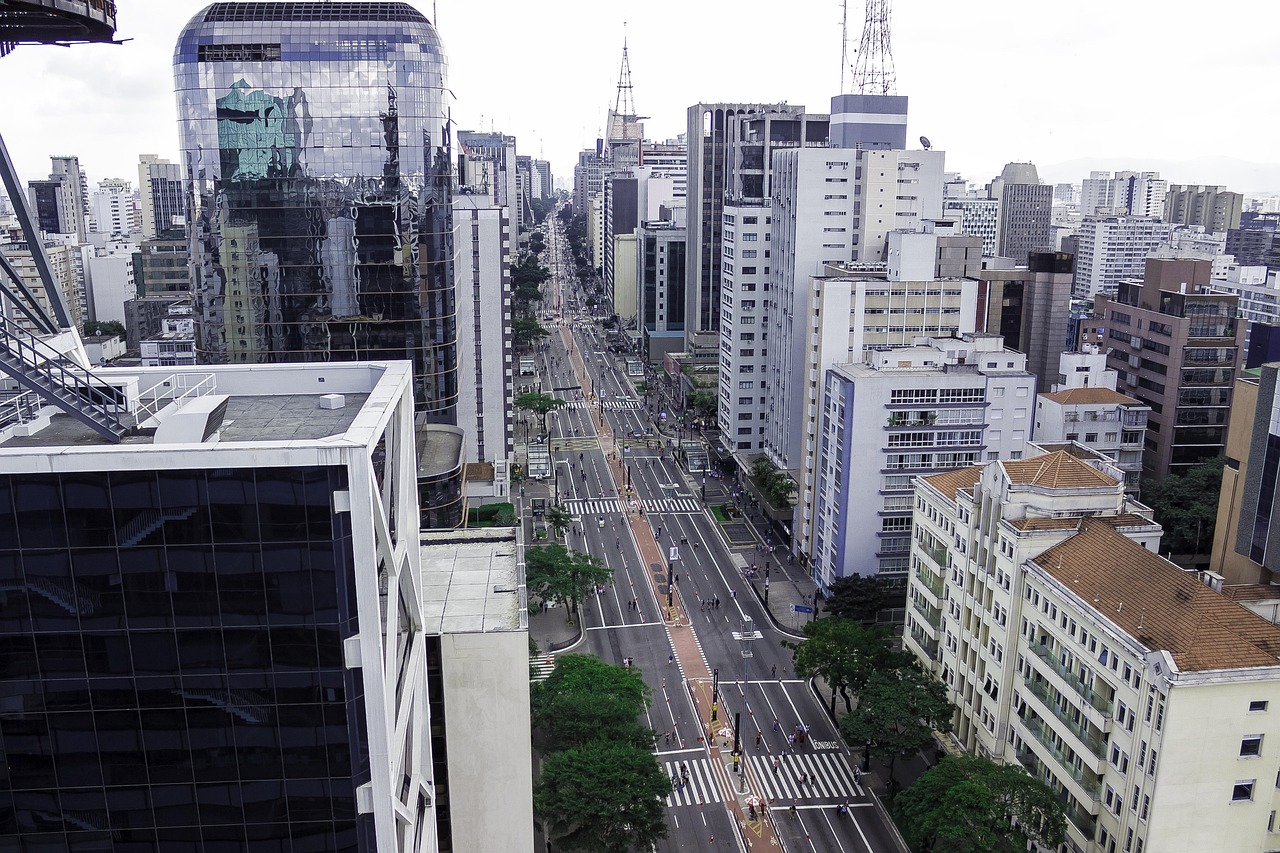
I like starting visitors on Avenida Paulista, our financial and cultural artery. It’s where you’ll instantly feel São Paulo’s intensity: people of every style walking fast, street musicians, skyscrapers, and some of the city’s best museums.
- Morning: Walk along Avenida Paulista, visit MASP (Museu de Arte de São Paulo), and grab coffee at a local café.
- Lunch: Eat at a por quilo (pay-by-weight) restaurant – easy, affordable, and very local.
- Afternoon: Wander through Jardins, window-shop on Rua Oscar Freire, and stop at a bakery for a sweet treat.
- Evening: Dinner and drinks in Consolação or Baixo Augusta for a first taste of nightlife.
Day 2 – Historic Downtown & Vila Madalena
Day two is about history, architecture, and street art. I usually join friends downtown in the morning when it’s busy but not yet overwhelming.
- Morning: Pateo do Collegio, Catedral da Sé, and a coffee at the historic Centro cafés.
- Lunch: Mercadão (Municipal Market) – try the iconic mortadella sandwich.
- Afternoon: Head to Beco do Batman in Vila Madalena for street art and galleries.
- Evening: Bar-hopping and live music in Vila Madalena.
Day 3 – Ibirapuera Park & Liberdade
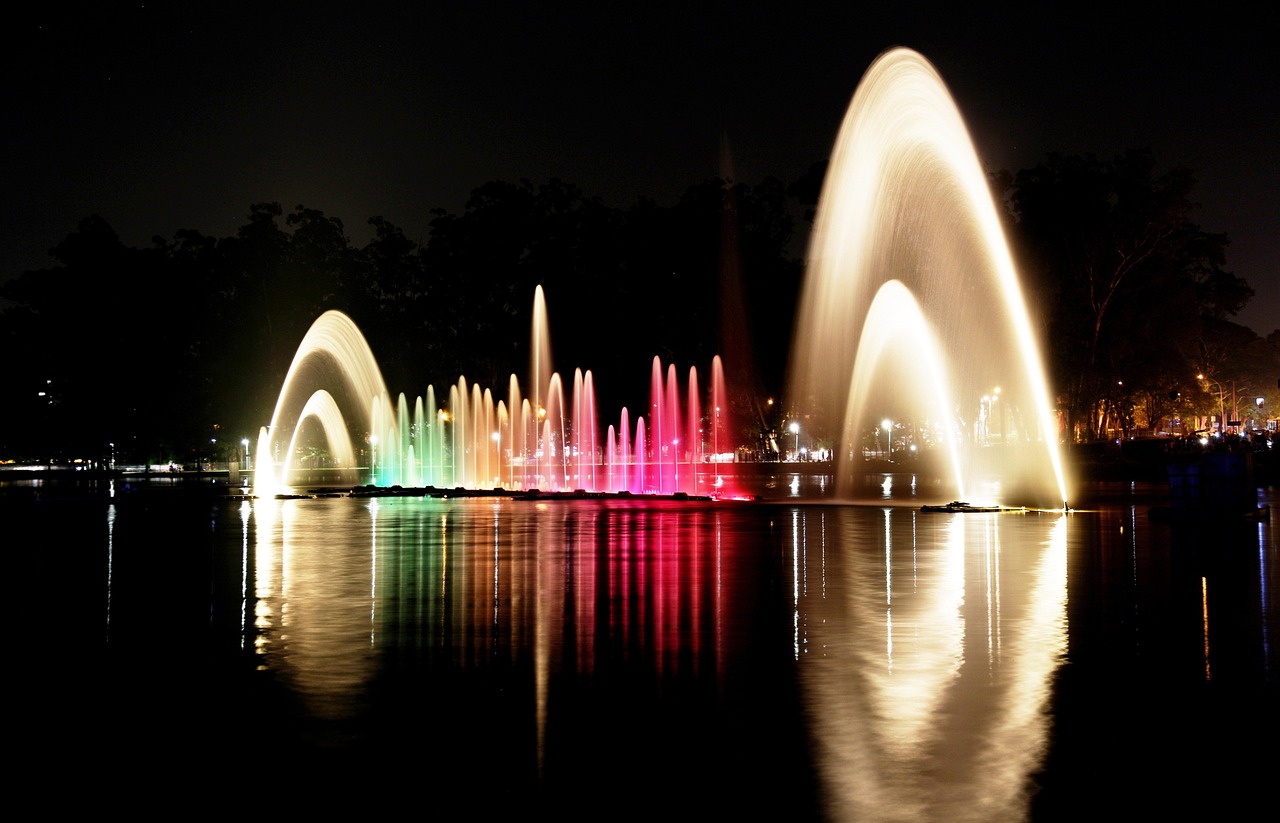
On your last day, you slow down in green spaces and dive into São Paulo’s Japanese heritage.
- Morning: Stroll or bike through Parque Ibirapuera, visit at least one museum there.
- Lunch: Picnic in the park or nearby café.
- Afternoon: Explore Liberdade – Asian groceries, gift shops, and temples.
- Evening: Japanese-Brazilian dinner and a relaxed drink back near your hotel.
4 Day Itinerary for São Paulo
With 4 days in São Paulo, you can add a deeper cultural layer: more museums, a football (soccer) stadium, or a food-focused neighborhood.
- Day 1–3: Follow the 3-day itinerary above.
- Day 4: Choose between:
- Football & Immigration: Museu do Futebol + Museu da Imigração and dinner in Mooca.
- Modern Architecture & Shopping: Faria Lima area, Pinheiros food hall, and sunset drinks on a rooftop bar.
5 Day Itinerary for São Paulo
A 5 day itinerary for São Paulo lets you experience the city at a more relaxed rhythm and even sneak in a short day trip.
- Days 1–4: Follow the 4-day itinerary.
- Day 5 – Options:
- Day trip to Embu das Artes (artsy colonial town, great for souvenirs).
- Day trip to Santos (beachfront city and port, easy train+bus combo).
- Or: a slow “locals’ day” exploring Pinheiros, Vila Mariana, or Moema cafés and parks.
Below, I’ll go into detailed, story-style breakdowns of the city’s 20+ main attractions, with tips, history, and what I personally love about each.
Top 20 Must-See Attractions in São Paulo (Deep Dive)
This section is your long-form reference to the best places to visit in São Paulo. Mix and match based on your interests; you don’t need to see them all in one trip.
1. Avenida Paulista
I still remember the first Sunday they closed Avenida Paulista to cars. I walked out of the Consolação metro station and the whole avenue felt like a festival: kids on scooters, couples dancing forró on the asphalt, street performers banging drums under glass towers. Since then, whenever someone visits, I try to bring them on a Sunday – it’s the easiest way to fall for São Paulo.
Why it’s special: Paulista is the city compressed into a single avenue: museums, banks, shopping malls, bookstores, food courts, and buskers. On weekdays it’s frenetic; on Sundays it becomes one of the most family-friendly stretches of urban space in Brazil.
What to do:
- Start at MASP (the iconic museum with the red “floating” building).
- Walk toward Conjunto Nacional for bookstores and coffee.
- Detour into Parque Trianon, a tiny patch of Atlantic forest wedged between skyscrapers.
- End near the Japan House and Sesc Paulista, where you can often catch free exhibitions.
How to get there: Multiple metro lines – Consolação, Paulista, Trianon-Masp, and Brigadeiro stations all drop you along the avenue.
Personal tip: If you’re doing a 3 day itinerary for São Paulo, block at least half a day here on a Sunday. Grab a coconut water from a street vendor and just walk – you’ll understand the city’s rhythm in an afternoon.
2. MASP – Museu de Arte de São Paulo
MASP is the red building on Paulista that you’ve probably seen in every São Paulo skyline photo. The first time I visited as a broke student, I spent hours going up and down the galleries and then just sat under the building watching skateboarders and protesters share the same space. That mix of high art and everyday life is very São Paulo.
History & significance: Opened in 1968 and designed by architect Lina Bo Bardi, MASP was revolutionary for its “floating” glass galleries suspended on red beams. It houses one of the most important collections of Western art in the Southern Hemisphere, alongside Brazilian modernists and rotating contemporary exhibitions.
What to see:
- The permanent collection with works by Van Gogh, Renoir, and Portinari mounted on glass easels.
- Temporary exhibitions – often provocative and socially engaged.
- The open space under the building, which becomes a fair, meeting point, or protest ground depending on the day.
Practical info: Check current ticket prices and free-entry days on MASP’s website. Lines can be long on weekends; arrive early or late afternoon.
Personal tip: Combine MASP with a walk through Parque Trianon right across the street. It’s a magical contrast: world-class art one minute, tropical forest air the next.
3. Ibirapuera Park (Parque Ibirapuera)
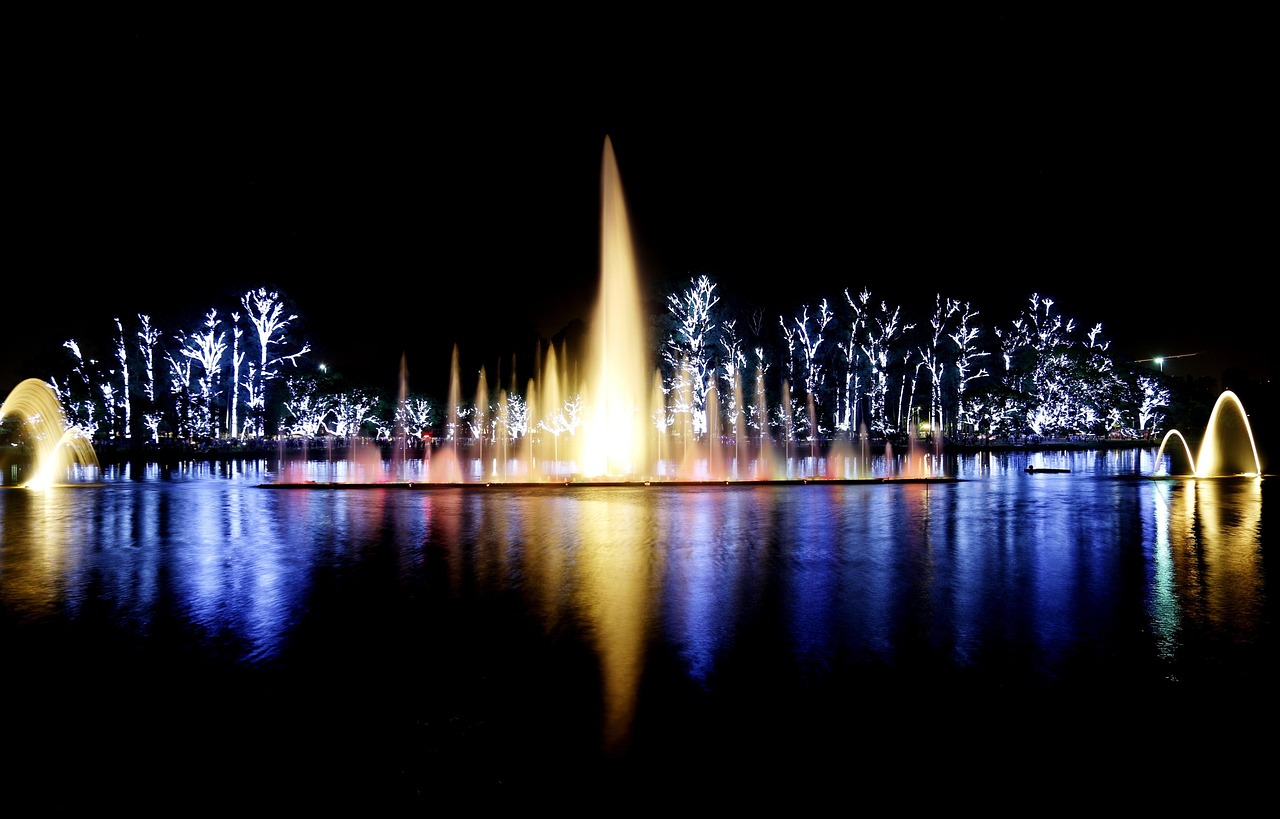
When São Paulo starts to feel too intense (and it will), I head to Parque Ibirapuera. I’ve run laps around its lake, picnicked with friends under the trees, and once got caught in a summer storm that turned the whole sky electric pink over the skyline.
Why it’s special: Designed in part by Oscar Niemeyer and landscape architect Burle Marx, Ibirapuera is our answer to Central Park – except with more skateboards, coconut water stands, and spontaneous capoeira circles.
Things to do:
- Walk or bike the circuit around the main lake for classic skyline views.
- Visit the Afro Brasil Museum – an essential stop for understanding Brazilian culture.
- Check out the Oca and Bienal Pavilion for art and design exhibitions.
- Catch sunset near the lake; locals gather and it feels like a communal exhale.
Family-friendly: Absolutely – there are playgrounds, open lawns, and plenty of space to run. On weekends, you’ll see families with bikes and picnic blankets everywhere.
How to get there: Easiest via taxi or ride-hailing apps; nearest metro is AACD-Servidor or Paraiso with a bit of a walk or short bus ride.
Personal tip: On Saturdays, I often grab pastries from a nearby bakery and make a slow morning of it. For a 4 day itinerary for São Paulo, consider two shorter visits to the park rather than rushing it in one afternoon.
4. Historic Center (Centro Histórico)
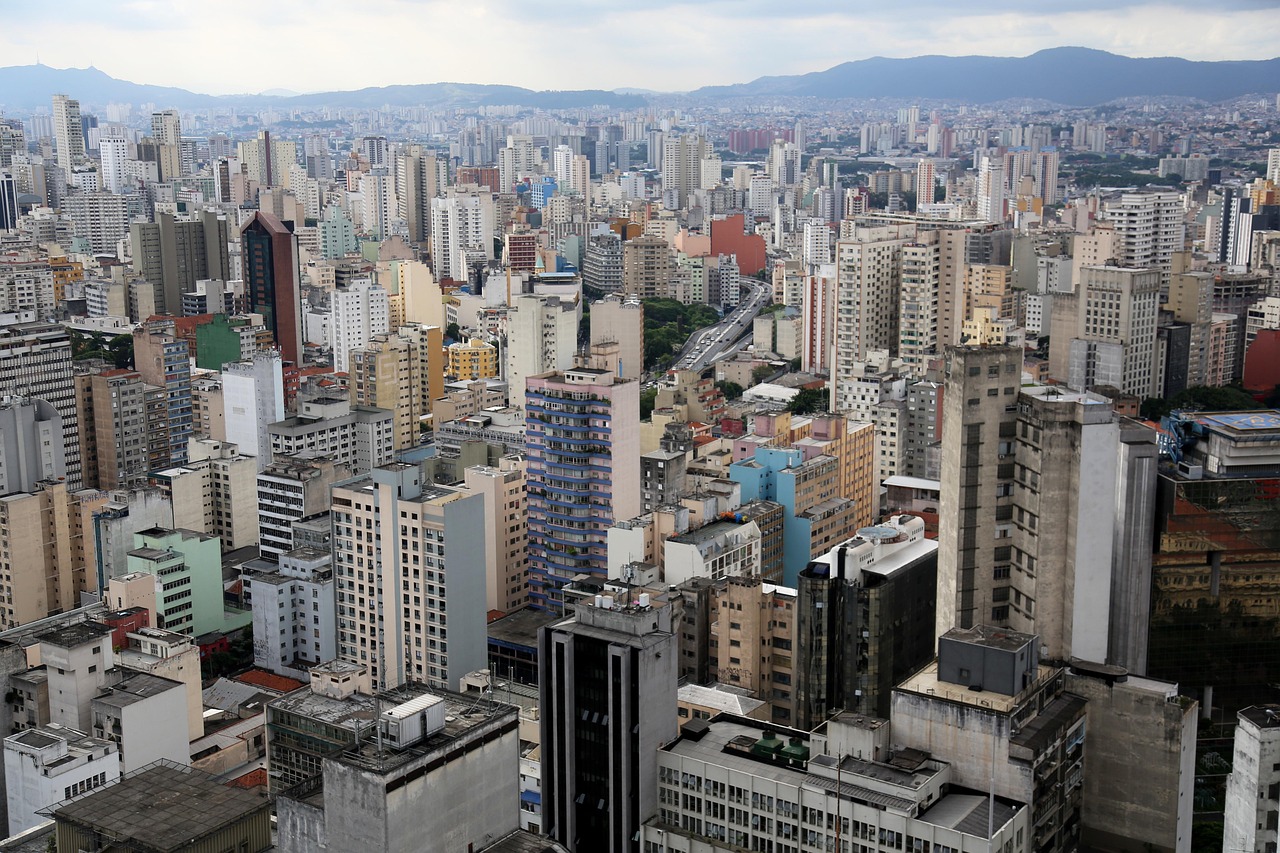
The Historic Center is where the city began. I’ll be honest: it can feel chaotic and a bit rough around the edges, but walking these streets with an open mind and basic street smarts is one of the most rewarding cultural experiences in São Paulo.
Main sights:
- Pateo do Collegio – the site of the city’s founding in 1554.
- Catedral da Sé – a neo-Gothic cathedral dominating Praça da Sé.
- Mosteiro de São Bento – peaceful monastery with occasional Gregorian chant masses.
- Martinelli Building – one of the city’s first skyscrapers, sometimes open for rooftop visits.
How I explore it: I like to join a walking tour in the morning. It adds context and makes navigating the dense streets easier. After the tour, I usually peel off for a coffee at Café Girondino or a pastel at one of the traditional snack bars.
Safety note: Keep valuables out of sight, avoid flashing your phone, and stay in busier areas. I usually avoid the narrow alleys near Luz Station after dark.
Personal tip: If you’re into photography, try to visit on a weekday when the streets are busy – the mix of old façades, street vendors, and business suits tells the story of São Paulo better than any museum.
5. Municipal Market (Mercadão)
I’ve lost count of how many times I’ve taken friends to the Municipal Market. Every visit ends the same way: someone groaning happily over a giant mortadella sandwich, another buying way too many exotic fruits.
What it is: A historic market hall with stained glass windows, packed with fruit stalls, spice vendors, cured meats, and small eateries. It’s touristy, yes – but also genuinely beloved by locals and restaurant chefs.
Must-try foods:
- Sanduíche de mortadela – massive mortadella sandwich, often enough for two.
- Pastel de bacalhau – codfish pastel, crispy and filling.
- Fresh fruit tastings – ask vendors before accepting samples; there’s an unspoken expectation you’ll buy something.
Best time: Late morning on a weekday. Saturdays can be packed, especially around lunch.
Personal tip: Split one mortadella sandwich between two people, then share a pastel. That way you still have room to try sweets and fruit. From here, it’s a short walk to the Historic Center, so combine the two in a single day.
6. Liberdade – São Paulo’s Japanese & Asian District
My Liberdade routine hasn’t changed in years: I exit the metro, walk under the red lantern street lamps, browse manga and stationery, then queue for ramen or sushi. It’s comforting, chaotic, and completely unique.
Why visit: Liberdade started as a Japanese community in the early 20th century and is now a broader Asian hub with Japanese, Korean, and Chinese businesses. You’ll find supermarkets, gift shops, bubble tea, karaoke bars, and some of the best casual Asian food in the city.
What to do:
- Walk along Rua Galvão Bueno and side streets for shops and snacks.
- Visit on weekends for the street fair – crafts, street food, and crowds.
- Check out Asian supermarkets for unique snacks and ingredients.
Family-friendly: Kids usually love the lanterns, snacks, and colorful stores – but keep an eye in busy areas.
Personal tip: For a romantic evening, I like to come on a weekday night when it’s less crowded, have sushi at a quieter spot off the main street, then end with dessert or bubble tea.
7. Vila Madalena & Beco do Batman
Vila Madalena is where I go when I want to feel like I’m in a smaller, artsy city inside the megacity. Hilly streets, graffiti everywhere, small galleries, and bars that spill onto the sidewalks.
Beco do Batman: This alley turned open-air graffiti gallery is now world-famous. I’ve seen it change constantly over the years; murals are painted over and reborn in new forms every few months.
What to do:
- Walk through Beco do Batman early in the morning to avoid crowds and get the best photos.
- Explore side streets for independent boutiques and galleries.
- Come back at night for bars, live music, and a lively but laid-back nightlife scene.
Personal tip: Combine Vila Madalena with Pinheiros in the same day – start with art and cafés in Vila Madalena, then walk downhill to Pinheiros for a food hall dinner and cocktails.
8. Pinheiros & Largo da Batata
Pinheiros is where many of my friends actually live, and it’s my go-to recommendation for people who want a neighborhood that feels local but still central and safe.
Why it’s great: Great restaurants, craft beer bars, food markets, and easy metro access. You can spend an entire day café-hopping, browsing design shops, and ending with a rooftop drink.
Highlights:
- Mercado de Pinheiros – a smaller, more local market hall with great food stalls.
- Trendy restaurants along Rua dos Pinheiros and nearby streets.
- Largo da Batata – urban square often used for concerts and cultural events.
Personal tip: If you’re a foodie, base yourself in Pinheiros or nearby. For a 5 day itinerary for São Paulo, dedicate an unstructured day here just to eat and wander.
9. Pinacoteca do Estado & Jardim da Luz
The Pinacoteca is my favorite art museum in São Paulo. I go as much for the building as for the collection; the brick, open courtyards, and soft natural light make it feel like a sanctuary in the middle of downtown.
What it is: One of Brazil’s most important museums for Brazilian art, housed in a beautifully renovated 19th-century building.
What to see:
- Brazilian painting and sculpture from the 19th century to contemporary works.
- Rotating exhibitions that often highlight underrepresented voices in Brazilian art.
- The adjacent Jardim da Luz, a park with sculptures and quiet corners.
Safety note: The streets immediately around Luz Station can be sketchy; arrive and leave by taxi/app or stay aware if walking.
Personal tip: There’s a café inside with a lovely view – perfect for a mid-day break on a museum-heavy day.
10. Museu do Futebol (Football Museum)
I’m not a huge football fanatic, but even I got goosebumps walking through the Football Museum. The sound design alone – crowd chants, radio narrations of legendary goals – makes you feel like you’re inside Brazil’s collective memory.
Location: Under the stands of the historic Pacaembu Stadium.
Why visit:
- Immersive exhibits about Brazilian football history, players, and iconic World Cup moments.
- Interactive games for kids and adults.
- A deeper understanding of why football is almost a religion here.
Family-friendly: Very – kids love the interactive parts.
Personal tip: Even if you’re not into sports, this is one of the best cultural experiences in São Paulo because football is woven into daily life here.
11. Centro Cultural Banco do Brasil (CCBB)
CCBB is where I go when I want a reliably good exhibition without spending a fortune. It’s also a perfect rainy-day activity downtown.
What it is: A cultural center housed in a beautifully restored early-20th-century bank building. It hosts exhibitions, film screenings, theater, and workshops.
Why go:
- Free or very cheap entry to world-class exhibitions.
- Stunning architecture and a calm interior compared to the busy streets outside.
- Central location, easy to combine with the Historic Center walk.
Personal tip: Check their programming online before your trip. Some exhibitions get lines; going on weekdays or early in the day helps.
12. Bixiga (Italian São Paulo)
Bixiga is where São Paulo’s Italian soul lives. My first time there, I ended up in a tiny cantina where the owner treated us like long-lost cousins, pouring wine into jelly glasses and insisting we try his grandmother’s polenta recipe.
Why visit:
- Traditional Italian cantinas with checkered tablecloths and huge portions.
- The Sunday antiques fair on Praça Dom Orione.
- The Our Lady of Achiropita festival in August – one of the city’s biggest street festivals.
Personal tip: Come hungry for dinner and order something involving polenta or homemade pasta. For couples, this is a simple but very romantic night out.
13. Mooca – Old Industrial & Italian Roots
Mooca feels like “old São Paulo”: brick warehouses, Italian bakeries, and football club flags hanging from balconies. I have friends from Mooca who treat it almost like a separate country, and after enough pizza nights there, I get why.
Why go:
- Some of the best traditional pizza in the city.
- The Museu da Imigração (Immigration Museum) nearby in Brás.
- A neighborhood vibe that’s proud, loud, and authentic.
Personal tip: Mooca is more of an evening destination for food than a daytime sightseeing area. If you’re doing a deep-dive 5 day itinerary for São Paulo, add a Mooca pizza night.
14. Museu da Imigração (Immigration Museum)
Every time I walk through the Immigration Museum, I’m struck by how many journeys converged to build São Paulo: Italians, Japanese, Portuguese, Syrians, Lebanese, Bolivians, and many more.
What it is: Housed in the old immigrant hostel, the museum tells the story of immigration to São Paulo and Brazil through photos, objects, and personal stories.
Why it matters: It gives context to all the neighborhoods you’ll explore – from Liberdade to Mooca and beyond.
Personal tip: Pair this with a food-focused walk around Brás or Mooca to taste the living legacy of that immigration history.
15. Catedral da Sé & Praça da Sé
The Catedral da Sé is impressive from afar, but my favorite way to experience it is to step inside on a hot day and feel the sudden cool shade, echoing footsteps, and quiet murmurs of prayer.
Highlights:
- Neo-Gothic architecture with stained glass windows.
- The crypt, where several important Brazilian figures are buried.
- Praça da Sé, which marks the “zero kilometer” of São Paulo.
Safety note: The square can attract pickpockets; be discreet with phones and cameras.
Personal tip: Visit as part of a broader Historic Center stroll rather than a standalone trip.
16. Minhocão (Elevated Highway Turned Public Space)
The first time I walked on the Minhocão on a Sunday, I felt like I’d stumbled into a secret club: kids biking, couples holding hands, street artists painting huge murals on nearby buildings. It’s a concrete symbol of the city trying to reclaim space from cars.
What it is: An elevated highway (officially “Elevado Presidente João Goulart”) closed to cars on evenings and Sundays, used by pedestrians, runners, and cyclists. The surrounding buildings are covered in murals.
Why go:
- Urban photography and street art.
- Local vibe – very few tourists, lots of residents.
- Unique view of São Paulo’s dense mid-rise neighborhoods.
Personal tip: Come around golden hour on a Sunday, then head to a nearby bar or restaurant in Santa Cecília or Vila Buarque after sunset.
17. Faria Lima & Modern Business District
Avenida Faria Lima is São Paulo’s sleek, glass-and-steel side. I come here when I want to impress friends with the city’s futuristic skyline – especially at night, when the buildings are lit up and the bike lane is full of commuters in suits and sneakers.
Why visit:
- Modern architecture and corporate towers.
- Upscale shopping malls like Shopping Iguatemi.
- Trendy bars and restaurants favored by the finance and tech crowd.
Personal tip: This area is less about “sights” and more about feeling the pace of modern São Paulo. Ideal for rooftop drinks on a clear evening.
18. Rooftop Views & Mirantes
São Paulo’s magic really clicks when you see how far it stretches. I still get quiet at rooftop viewpoints, no matter how many times I’ve been up.
Popular viewpoints:
- Farol Santander – observation deck and cultural center in a historic skyscraper.
- Sesc Paulista rooftop – free, with a beautiful view of Paulista Avenue.
- Several hotel rooftop bars (check access rules; some require reservations).
Romantic: Sunset or night views from a rooftop are one of the most romantic things to do in São Paulo – pair with drinks or dessert.
Personal tip: For budget travelers, Sesc Paulista is the best free city view – just bring an ID to enter.
19. CEAGESP Flower & Produce Market
A friend dragged me out of bed at 4 a.m. once to see the CEAGESP flower market. I forgave her as soon as I saw endless corridors of flowers under harsh industrial lights, vendors shouting prices, and florists loading vans – it felt like a secret city inside the city.
Why visit:
- Massive wholesale flower and produce market – very local, very alive.
- Great for photographers and early risers.
- Seasonal food events (like winter’s famous shrimp and fish festival) hosted on-site.
Personal tip: This is a more “advanced” attraction – best if you have extra time and like offbeat experiences. Go with a local if you can.
20. Street Fairs (Feiras Livres & Antique Markets)
Some of my favorite weekends in São Paulo are built around street fairs: eating pastel from a plastic plate, squeezing between fruit stalls, and hunting for vintage treasures.
Don’t miss:
- Feira da Benedito Calixto (Pinheiros, Saturdays) – antiques, crafts, vinyl, and live chorinho music.
- Feira da Liberdade (Liberdade, weekends) – crafts and street food.
- Neighborhood feiras livres – traditional fruit and veg street markets that pop up on set weekdays.
Personal tip: Always eat a pastel and drink caldo de cana (fresh sugarcane juice) at a feira livre. It’s the most classic São Paulo street snack combo.
Neighborhoods & Areas to Explore
São Paulo is really a cluster of small cities stitched together. For a smart 3–5 day itinerary for São Paulo, it helps to understand the main neighborhoods and what they’re good for.
Paulista & Jardins
Safe, central, and walkable. Great for first-time visitors.
- Best for: Museums, shopping, first-timers, families, short stays.
- Vibe: Business by day, relaxed but upscale by night.
- Stay here if: You want easy metro access and classic sights at your doorstep.
Pinheiros & Vila Madalena
Trendy, creative, and full of bars, cafés, and galleries.
- Best for: Foodies, nightlife, younger travelers, digital nomads.
- Vibe: Bohemian with a touch of gentrification; lively at night.
- Stay here if: You want to walk to bars and restaurants every night.
Centro (Downtown)
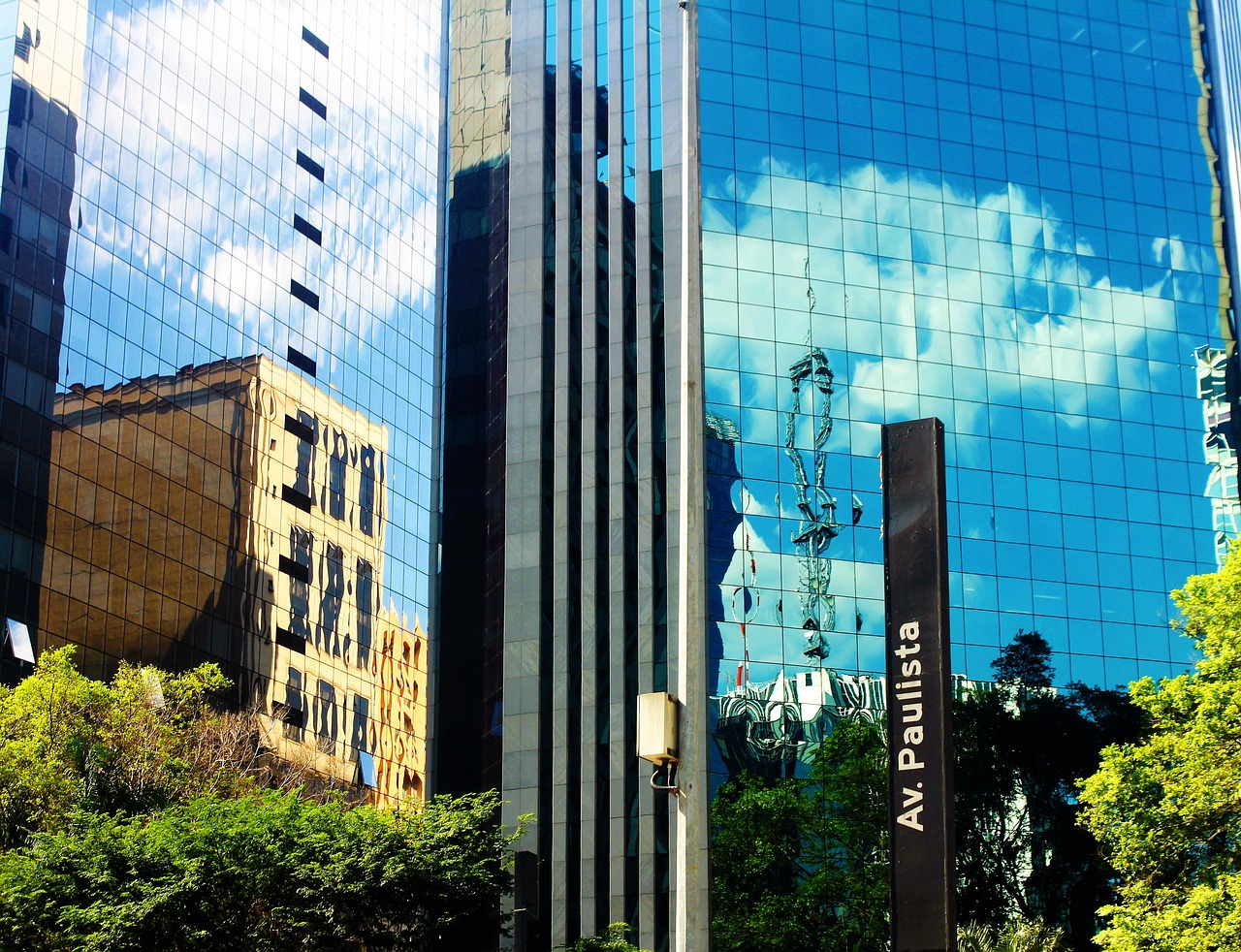
Historic, intense, and architecturally rich – but not for everyone.
- Best for: History buffs, budget travelers, urban explorers.
- Vibe: Busy, chaotic, mixed-income, can feel gritty.
- Stay here if: You’re used to big cities and comfortable with urban edges.
Moema & Vila Mariana
Leafy, residential, and relatively calm, but still close to major sights.
- Best for: Families, longer stays, quieter trips.
- Vibe: Residential towers, neighborhood eateries, close to Ibirapuera.
- Stay here if: You prefer peace and don’t mind short taxi rides to nightlife.
Local Food in São Paulo: What & Where to Eat
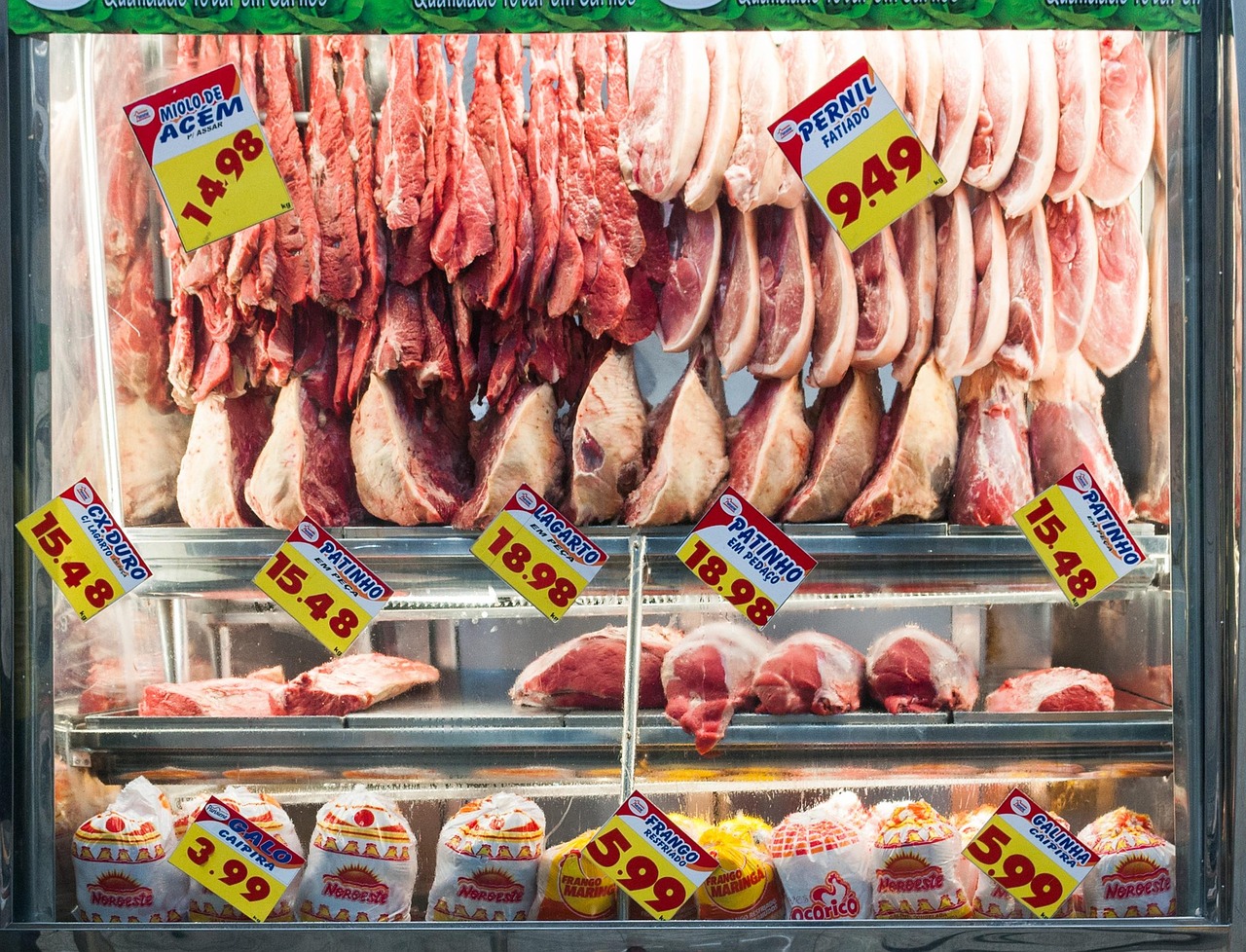
If you only remember one thing from this São Paulo travel guide, let it be this: you could spend an entire week here doing nothing but eating and still barely scratch the surface.
Must-Try Dishes
- Feijoada: Black bean stew with pork, served with rice, farofa, and orange slices. Best on Saturdays.
- Virado à Paulista: A São Paulo classic plate with beans, rice, plantain, pork chop, and fried egg.
- Pastel & Caldo de Cana: Deep-fried pastry with various fillings + sugarcane juice, found at street markets.
- Pão de Queijo: Cheesy bread balls, perfect breakfast or snack.
- Pizza: São Paulo-style – thin crust, often eaten with knife and fork, famous citywide.
Where I Actually Eat (Real Recommendations)
Names change frequently, but here are the types of places I gravitate to:
- Por quilo buffets near Paulista and in business areas – cheap and varied.
- Small botecos (bars) in Pinheiros and Vila Madalena for snacks and drinks.
- Traditional cantinas in Bixiga and Mooca for Italian-Brazilian comfort food.
- Japanese spots in Liberdade that are slightly off the main street for better value.
Saving Money on Food
- Eat main meals at por quilo or lunch specials (prato feito) – great value.
- Try bakeries (padarias) for breakfast and light dinners – sandwiches, pastries, juices.
- Street markets (feiras) are perfect for fresh fruit and a cheap pastel lunch.
Nightlife, Entertainment & Cultural Experiences
São Paulo doesn’t really sleep. I’ve had nights that started with samba and ended with electronic music at sunrise – all without leaving a 5-kilometer radius.
Where to Go Out
- Vila Madalena: Bars, live music, relaxed street vibe. Great for groups and casual nights.
- Baixo Augusta (Consolação region): Edgier, with alternative clubs and LGBTQ+ friendly venues.
- Pinheiros: Craft beer bars, cocktail lounges, and more refined-but-casual spots.
Cultural Experiences
- Live Samba: Small samba clubs where locals dance in tight circles – go with a local if you can.
- Theater & Dance: Check programming at venues like Sesc units and major theaters.
- Street Carnival (Carnaval de Rua): In February, street blocs take over neighborhoods – chaotic but unforgettable.
Romantic Ideas
- Rooftop drink at sunset followed by dinner in Jardins.
- Evening walk around Ibirapuera’s lit pathways and a quiet dessert stop afterwards.
- Jazz or bossa nova night in a small club (ask locals for current favorites).
Best Day Trips from São Paulo
Embu das Artes
An arts-and-crafts town about an hour from São Paulo. I go when I need a slower pace and some hand-made ceramics or paintings to brighten my apartment.
- What to do: Browse artisans’ stalls, eat at local restaurants, stroll cobbled streets.
- How to get there: Bus from São Paulo or ride-hailing/taxi (splitting among friends makes it affordable).
Santos
Port city with a long beachfront, about 1.5–2 hours away. Not the most spectacular Brazilian beach, but a nice contrast to the concrete jungle.
- What to do: Walk the beachfront garden, visit the coffee museum, have lunch with sea views.
- How to get there: Frequent buses from Jabaquara bus terminal.
Campos do Jordão (Long Day or Overnight)
Mountain town with a “Swiss” aesthetic, cooler climate, and lots of winter tourism. Best as an overnight trip rather than a strict day trip.
Cultural Etiquette & Local Customs in São Paulo
Paulistanos (residents of São Paulo) are generally direct, busy, but warm once you break the ice. A few guidelines will help you blend in.
- Greetings: A handshake is standard; among friends, one cheek kiss is common. Follow the other person’s lead.
- Punctuality: More relaxed than in Northern Europe or Japan, but business meetings do expect relative punctuality.
- Dress: Casual but neat in most places. People in São Paulo love black and smart-casual looks.
- Language: Portuguese is the norm; younger people in central areas often speak some English, but don’t count on it everywhere.
- Safety etiquette: Don’t flash jewelry or phones; locals are discreet with valuables and often use crossbody bags.
- Lines & ordering: Take a number when given; at bakeries, order at the counter, pay at the cashier, then collect – watch others for the pattern.
Practical Travel Advice for São Paulo (2026)
How to Get Around
- Metro: Fast, relatively safe, and expanding. Great for major sights along Paulista, downtown, and some neighborhoods.
- Buses: Extensive but can be confusing if you don’t speak Portuguese; use apps like Google Maps.
- Ride-hailing: Widely used and often cheaper than taxis, especially at night.
- Walking: Fine in central, well-off neighborhoods by day; be more cautious at night or in isolated areas.
- Car rental: Not recommended for short stays due to traffic and parking; better for longer trips outside the city.
Money-Saving Tips
- Use por quilo buffets and lunch deals.
- Buy a rechargeable Bilhete Único card for public transport.
- Stay in well-connected neighborhoods to reduce transport costs.
- Take advantage of free days at museums (often midweek or monthly).
SIM Cards & Connectivity
- Major providers: Vivo, Claro, TIM.
- Purchase at official stores in malls or at the airport; bring your passport.
- eSIMs from international providers are increasingly convenient for short trips.
Visa & Entry Requirements (2026)
Visa requirements vary by nationality and can change. As of 2026, many travelers from the EU, UK, and some other regions can enter Brazil visa-free for short stays, while some nationalities (including certain North American and Asian countries) may need an e-visa or traditional visa.
- Check your specific requirements on Brazil’s official consular websites before booking.
- Passport should be valid for at least 6 months beyond your travel dates.
Driving & Foreign Licenses
- Most visitors can drive with their home country license plus an International Driving Permit (IDP) for short stays (up to 180 days), but check current rules.
- City traffic can be intense, and parking is often paid or limited.
Best Seasons for Different Activities
- Summer (Dec–Feb): Hot, humid, afternoon storms. Great for nightlife and outdoor events; prepare for rain.
- Autumn (Mar–May): Mild, pleasant; my favorite time for sightseeing and walking itineraries.
- Winter (Jun–Aug): Cool and drier; perfect for museums, food, and rooftop bars. São Paulo-style “winter” is usually mild.
- Spring (Sep–Nov): Warming up, occasional rain; good all-round season.
Hidden Safety Tips Locals Actually Use
- Keep your phone out of sight when walking near busy streets or bus windows.
- Use ATMs inside malls or banks, not on the street.
- At night, use ride-hailing apps rather than walking long distances, especially in unfamiliar areas.
- Ask hotel staff which nearby streets to avoid after dark – micro-safety varies by block.
What’s New & Upcoming in São Paulo (2026–2027)
São Paulo’s cultural calendar is always packed, but 2026–2027 looks particularly exciting.
- São Paulo International Film Festival (Mostra) – Usually in October; expect international guests and screenings across the city.
- Virada Cultural – A 24-hour citywide cultural marathon with free concerts, theater, and street performances (dates vary, typically mid-year).
- 2026–2027 Museum Renovations & New Spaces: Several smaller galleries and cultural centers continue to open in Pinheiros and Barra Funda, making them even more interesting for art lovers.
- Music & Tech Festivals: Electronic music, design, and tech conferences are increasingly choosing São Paulo – check event listings closer to your travel dates.
Summary & Final Recommendations
São Paulo isn’t a city you “do” in a checklist; it’s a city you experience through long walks, late dinners, and unexpected conversations. But if you’re trying to plan logically:
- Best time to visit: March–May and August–November for comfortable weather and fewer storms.
- For 3 days in São Paulo: Focus on Paulista, Ibirapuera, Historic Center, Liberdade, and one nightlife area.
- For 4 days in São Paulo: Add the Football Museum, Pinacoteca, or a food-focused neighborhood like Pinheiros.
- For 5 days in São Paulo: Add a day trip (Embu das Artes or Santos) or a slow “local” day exploring markets and fairs.
If you come with curiosity and a bit of flexibility, São Paulo will reward you with some of the most memorable food, art, and city energy you’ve ever felt. And you’ll probably leave, like I always do, already planning your next visit.