Why Visit Albuquerque, USA?
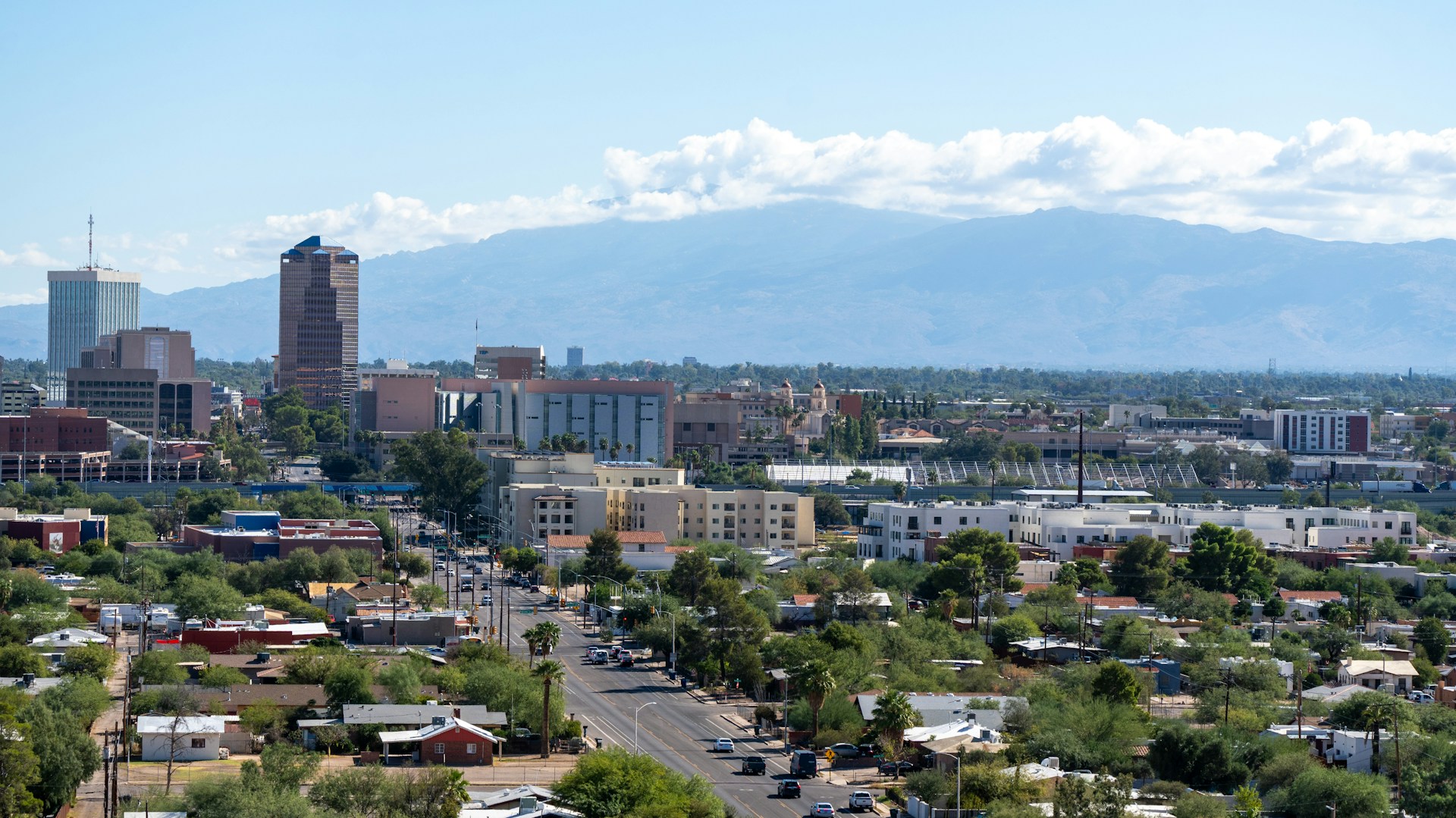
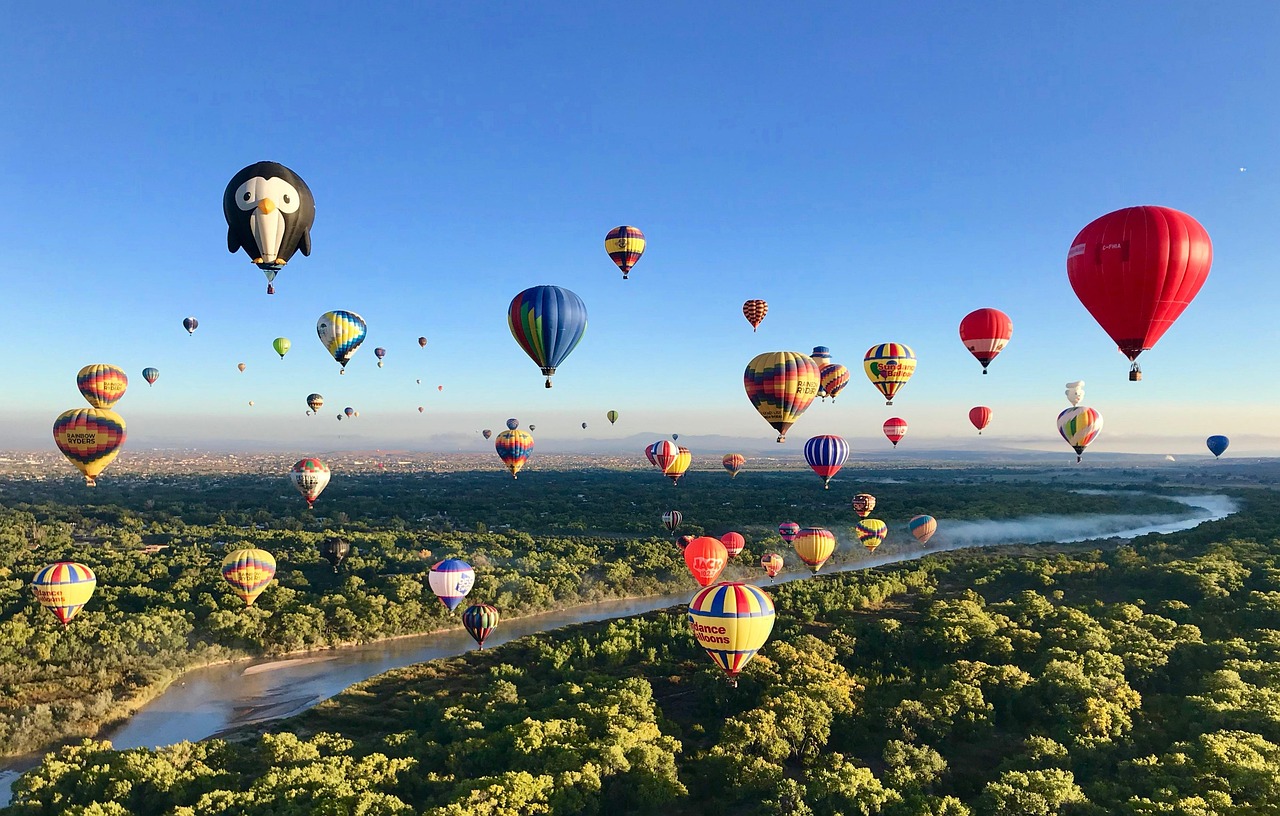
Albuquerque is one of those cities that quietly gets under your skin. The first time I drove into town, the Sandia Mountains were glowing watermelon-pink in the sunset (locals call this the “Sandia glow”), hot air balloons floated over the Rio Grande, and the air smelled faintly of piñon smoke and roasted chile. It felt like stepping into a painting and a small town at the same time—only this “small town” has half a million people, world-class museums, and a food scene that will absolutely ruin you for bland salsa forever.
What makes Albuquerque special isn’t just the famous International Balloon Fiesta or the Instagram-ready adobe architecture. It’s the rhythm of daily life: early morning hikes in the foothills, green chile on everything, sunsets that stop traffic, and a community that blends Native American, Hispanic, and Anglo cultures into something uniquely New Mexican.
In this long-form travel guide (written as if we’re planning your trip together over coffee), I’ll walk you through:
- How to plan 3, 4, or 5 days in Albuquerque with detailed, story-style itineraries
- 20+ major attractions with deep dives, history, and my personal tips
- Neighborhood-by-neighborhood breakdown so you know where to wander
- The best local food in Albuquerque—including where locals actually eat
- Hidden gems in Albuquerque you won’t find in most lists
- Travel tips for Albuquerque: transport, safety, budget, SIM cards, visas
- Cultural experiences and local customs so you’re a respectful guest
- Major events for 2026–2027 and when to visit
Whether you have a 3 day itinerary for Albuquerque or you’re planning 5 days in Albuquerque, you’ll find enough here to mix and match and make the city your own.
Albuquerque at a Glance (2026 Overview)
As of 2026, Albuquerque is in an interesting moment: still under-the-radar compared to Santa Fe, but increasingly on the map for digital nomads, food travelers, and outdoor lovers. The city has leaned into its strengths—sunshine, culture, and space—while keeping prices relatively reasonable for the U.S.
- Population: Around 560,000 in the city; about 920,000 in the metro area.
- Altitude: ~5,300 ft (1,615 m). You’ll feel it if you’re coming from sea level.
- Climate: High desert. Dry, sunny, four distinct seasons. Big temperature swings between day and night.
- Vibe: Relaxed, artsy, outdoorsy, slightly scruffy in places but deeply genuine.
Major 2026–2027 Events & What’s New
- Albuquerque International Balloon Fiesta (2026 & 2027): Early October, the city’s defining event. Book months ahead.
- ABQ Art & Light Festival (pilot expanded 2026): A growing fall festival featuring projection art on Old Town facades and along Route 66.
- Rail Trail Phase 1 (expected 2026–2027): The city is converting old rail corridors into a walkable/bikeable art-and-history trail connecting Downtown, Rail Yards, and Barelas.
I’ll weave the most important 2026–2027 updates into the attraction sections so you know what to expect on the ground.
Suggested Itineraries: 3, 4 & 5 Days in Albuquerque
To make this guide practical for you, I’ve built it around real-world itineraries. I’ve tested versions of these on friends and family—from my parents (slow walkers, early sleepers) to an adventure-obsessed couple who wanted every sunset spot I could throw at them.
You can treat these as a 3 day itinerary for Albuquerque, or extend them into 4 days in Albuquerque or even a full 5 day itinerary for Albuquerque by adding optional side trips and slower mornings.
3 Day Itinerary for Albuquerque (Classic Highlights)
This is ideal if you’re here for a long weekend and want the must-see attractions in Albuquerque without burning out. Think Old Town, Sandia Peak, and some neighborhood wandering.
Day 1: Old Town Roots & Rio Grande Sunsets
Your first day is about grounding yourself in the history and rhythm of the city.
- Morning: Stroll Old Town Plaza, visit San Felipe de Neri Church, browse galleries and museums (especially the Albuquerque Museum).
- Lunch: Try a New Mexican combo plate with green chile at a family-run spot near the plaza.
- Afternoon: Head to the Indian Pueblo Cultural Center for an intro to Pueblo cultures.
- Evening: Walk or bike along the Bosque Trail by the Rio Grande, catch sunset at Tingley Beach.
Day 2: Sandia Peak, Scenic Views & Route 66 Neon
- Morning: Ride the Sandia Peak Tramway, do an easy ridge walk at the top.
- Lunch: Eat at the mountaintop café or picnic with a view.
- Afternoon: Explore Nob Hill along Central Ave (Route 66): vintage neon, indie shops, coffee.
- Evening: Craft beer crawl or mezcal cocktails, then a casual dinner in Nob Hill.
Day 3: Museums, Science & Local Life
- Morning: Choose between ABQ BioPark (zoo, aquarium, and botanical garden) or the National Museum of Nuclear Science & History.
- Lunch: Food trucks or a local diner for a classic green chile cheeseburger.
- Afternoon: Wander Downtown & Barelas, visit the Rail Yards Market (if it’s a Sunday) or local galleries.
- Evening: Sunset from a West Mesa overlook, then dinner in the Sawmill District.
4 Day Itinerary for Albuquerque (Add Art & Adventure)
With 4 days in Albuquerque, you can slow down and add more art, more hikes, or an evening at a local performance.
Follow the 3-day plan above, then add:
Day 4: Petroglyphs & Foothills
- Morning: Hike at Petroglyph National Monument among ancient rock carvings.
- Lunch: Head to the Westside for tacos or a green chile-smothered burrito.
- Afternoon: Explore the Foothills Trail System at the base of the Sandias for mellow desert hiking.
- Evening: Live music at a local brewery or a performance at Popejoy Hall or the .
5 Day Itinerary for Albuquerque (Deep Dive & Day Trips)
With 5 days in Albuquerque, you can really sink into the place. Follow the 4-day itinerary, then add:
Day 5: Day Trip or Deep Neighborhood Exploration
- Option A – Day Trip: Visit Acoma Pueblo (Sky City), Jemez Springs, or Madrid on the Turquoise Trail.
- Option B – Stay Local: Spend more time in South Valley acequia trails, check out lesser-known museums, and linger in cafés and breweries.
Below, I’ll expand on each day with a more story-like, immersive version as we go through the main attractions and neighborhoods.
20+ Must-See Attractions in Albuquerque (Deep Dive with Personal Notes)
Here’s where we go beyond a list of “things to do in Albuquerque” and into what it actually feels like to be there. I’ll cover at least 20 attractions, with history, context, and my own take on what makes each one special, including which are best for families, couples, or solo adventurers.
1. Old Town Albuquerque
Best for: First-timers, history lovers, slow strollers, families, photographers.
I like to start every first-time visit in Old Town. The plaza has been the heart of Albuquerque since 1706, when the city was founded as a Spanish colonial outpost. Even now in 2026, the square feels more like a small village than a major city center: adobe buildings, covered portals, and a constant background hum of Spanish, English, and the occasional busker playing guitar.
On my last trip in late 2025, I arrived just as the morning light was hitting the white façade of San Felipe de Neri Church. A local man in a cowboy hat was selling turquoise jewelry under the portal—he told me his family had been doing this for three generations. We chatted about the drought, the Balloon Fiesta crowds, and which chile he prefers (green, if you’re wondering).
What to Do
- San Felipe de Neri Church: Step inside for a quiet moment; it’s one of the oldest surviving buildings in the city.
- Albuquerque Museum (just off the plaza): A must for understanding local art and history; great rotating exhibits in 2026 on Route 66 and contemporary Native art.
- Shop galleries & boutiques: Look for local ceramics, retablos (devotional art), and genuine Native-made jewelry (always ask about tribal affiliation).
- Seasonal events: In December, the plaza glows with luminarias; in summer, there are often free concerts.
Food & Drink Nearby
Within a few blocks you’ll find classic New Mexican restaurants, cafés for espresso and pastries, and a growing cluster of spots in the nearby Sawmill District, which I’ll cover later. I often grab a mid-morning coffee and sit on a bench people-watching, letting jet lag or altitude catch up with me gently.
Tips
- Timing: Arrive before 10 am to avoid crowds and heat in summer.
- Parking: Paid lots around the plaza; I usually park once here and walk for a few hours.
- Souvenir tip: If you’re buying Native art, look for the Indian Arts and Crafts Act compliance statement or buy directly from artists under the portals.
2. Sandia Peak Tramway & Crest
Best for: Families, couples, photographers, hikers, sunset chasers.
Riding the Sandia Peak Tramway is non-negotiable in a solid travel guide for Albuquerque. The tram glides 2.7 miles up the west face of the Sandia Mountains, lifting you from desert scrub to alpine forest in about 15 minutes.
The first time I rode it, I made the rookie mistake of going up at midday in July. It was still beautiful, but the real magic is in the late afternoon, when the city starts to glow and long shadows stretch across the mesa. On a clear day, you can see nearly 11,000 square miles from the top—half of New Mexico, it feels like.
What to Do at the Top
- Short walks: Follow the marked trails along the crest for big views with minimal effort.
- Longer hikes: In summer and fall, there are trail connections into the Cibola National Forest; always check conditions.
- Winter fun: When snow cooperates, the small ski area on the east side spins a few lifts—more of a novelty than a destination resort, but fun if you’re here anyway.
Practical Tips
- Altitude: The top is over 10,000 ft (3,048 m); walk slowly if you’re coming from sea level.
- Weather: It can be 20–30°F cooler than in the city. Bring layers, even in summer.
- Sunset strategy: Book a late-afternoon tram up and plan to take one of the last trams down. Check the 2026 schedule and buy tickets online during peak seasons.
3. ABQ BioPark: Zoo, Aquarium & Botanical Garden
Best for: Families, nature lovers, easy-going days.
The ABQ BioPark is actually a cluster of attractions along the Rio Grande: a zoo, an aquarium, and a botanical garden. On one of my slower trips, I spent an entire day here with friends and their two kids, bouncing between penguins, desert plants, and a surprisingly hypnotic jellyfish tank.
Highlights
- Botanical Garden: My favorite part—especially the desert conservatory and the whimsical children’s garden.
- Aquarium: Small but well curated; the shark tank tunnel is always a hit.
- Zoo: Well-shaded, with a focus on conservation. Check 2026 renovation updates, as some exhibits have been in flux.
Logistics
- Location: Near Old Town and Tingley Beach.
- Getting around: There used to be a train connecting sections; check for current status in 2026, as it’s been in upgrade mode.
- Tip: Go early in summer; animals are more active and temperatures manageable.
4. Indian Pueblo Cultural Center
Best for: Cultural understanding, families, respectful travelers.
If you only visit one museum-like space in Albuquerque, make it the Indian Pueblo Cultural Center. It’s owned and operated by the 19 Pueblos of New Mexico and does a remarkable job of presenting Native cultures as living, present, and evolving—not as artifacts of the past.
On a Sunday afternoon in spring, I watched a dance group from one of the Pueblos perform in the courtyard. Parents snapped photos on their phones, grandparents watched from the shade, and the MC explained the significance of each dance. It felt like being invited into someone’s living room, not a staged performance.
What to See
- Core exhibits: History, art, and contemporary life of the Pueblo peoples.
- Special exhibits (2026–2027): Look out for rotating shows on modern Pueblo artists and designers.
- Restaurant: Excellent Pueblo and New Mexican dishes—try the oven bread, stews, and their takes on fry bread.
Etiquette
- Photos: Always follow posted signs and verbal instructions regarding photography, especially during dances.
- Questions: Staff are happy to answer thoughtful questions; avoid treating them like exhibits.
5. Petroglyph National Monument
Best for: Hikers, history buffs, photographers, families with older kids.
On the city’s West Mesa, Petroglyph National Monument protects tens of thousands of rock carvings etched into volcanic basalt by Native peoples and early Spanish settlers. The first time I hiked here, a light wind was pushing tumbleweeds across the trail and I had the entire arroyo to myself. Every few steps, another petroglyph: spirals, birds, figures whose meanings are known only to their creators.
Key Trails
- Boca Negra Canyon: Short, steep-ish trail with great bang-for-buck views and easily seen petroglyphs.
- Piedras Marcadas Canyon: Flatter, longer, and quieter—my favorite for a contemplative walk.
Tips
- Respect the site: These are sacred cultural resources. Never touch or climb on petroglyphs.
- Season: Best in fall, winter, and spring. Summer midday heat can be intense and there’s little shade.
- Water: Bring more than you think; the desert is dry even when it’s cool.
6. Nob Hill & Route 66
Best for: Nightlife, dining, walking, architecture fans.
Whenever I want to feel Albuquerque’s contemporary pulse, I end up in Nob Hill. Straddling old Route 66 (Central Avenue), the neighborhood mixes 1940s motels, mid-century neon, and modern infill development.
I’ve spent countless evenings here: starting with a pour-over at a third-wave coffee shop, drifting into a bookstore, and ending the night with tacos and local craft beer under glowing neon motel signs.
What to Look For
- Route 66 architecture: Classic motor lodges, Googie-style signage, and restored neon.
- Shops: Indie boutiques, local art, vintage stores, and quirky gift shops.
- Food: Some of the best gastropubs, ramen, and fusion New Mexican spots in town.
Safety & Practicalities
- Walkability: Very walkable; just be cautious late at night on side streets like you would in any city.
- Parking: Street parking can be tight on weekends; arrive earlier in the evening.
7. Albuquerque Museum
Best for: Art & history lovers, families, educators.
Just a few minutes’ walk from Old Town Plaza, the Albuquerque Museum is the city’s cultural anchor. The modern architecture contrasts beautifully with the adobe around it, and the sculpture garden is a quiet place to sit and regroup.
Last fall, I spent a rainy afternoon wandering through an exhibit on the evolution of Route 66 signage, followed by a gallery of contemporary New Mexican painters whose work captured the same stormy sky I’d just walked under.
Don’t Miss
- Permanent collection: Regional art, Spanish colonial pieces, and exhibits on Albuquerque’s growth.
- Outdoor sculpture garden: Free and open even when the museum is closed.
- Special exhibits (2026): Check the schedule; 2026 features a planned show on “Architecture of the High Desert.”
8. Balloon Fiesta Park & Balloon Museum
Best for: Families, photographers, bucket-list travelers.
In early October, the normally quiet Balloon Fiesta Park transforms into one of the most surreal scenes on Earth: hundreds of hot air balloons lifting off at dawn, the sky filling with color as the sun rises over the Sandias. The Albuquerque International Balloon Fiesta is the city’s calling card for a reason.
I’ve attended three times now. Every time, I swear I’ll sleep in and skip at least one dawn session; every time, my alarm goes off at 4 am and FOMO propels me out of bed and into the cold.
During Balloon Fiesta (2026 & 2027)
- Mass Ascension: Arrive by 4:30–5 am. Dress in layers; it’s colder than you expect.
- Glow events: Evening “Balloon Glows” where tethered balloons light up against the dark sky.
- Booking: Reserve accommodation at least 6–9 months ahead for 2026–2027 dates.
Off-Season
The Anderson-Abruzzo Albuquerque International Balloon Museum sits at the park’s edge and is worth a visit year-round. Interactive exhibits explain the science and history of ballooning; kids love it, but I’ve happily geeked out there solo too.
9. Rio Grande Nature Center State Park & Bosque
Best for: Birders, walkers, families, quiet time.
When I need a break from city energy, I head to the Rio Grande Nature Center State Park on the west bank of the river. Within minutes, the noise fades and you’re surrounded by cottonwoods, wetlands, and the faint call of cranes or geese depending on the season.
What to Do
- Visitor center: A beautiful, low-slung concrete and timber building that opens onto bird viewing blinds.
- Bosque trails: Easy, flat paths along the river under tall cottonwoods.
- Birding: Winter is prime time when sandhill cranes and geese overwinter in the area.
Tip
This is a perfect add-on to a morning in Old Town or the BioPark. Bring a light jacket; it’s often cooler and shadier than the rest of the city.
10. National Museum of Nuclear Science & History
Best for: Science nerds, history buffs, older kids and teens.
Albuquerque’s history is deeply entangled with science and the atomic age. The National Museum of Nuclear Science & History doesn’t shy away from that complexity, covering everything from the Manhattan Project to nuclear medicine.
I expected it to be dry; instead, I found myself absorbed for hours, especially in the sections on Cold War culture and the ethics of nuclear weapons. Outside, a field of airplanes and missiles gives the place a surreal, almost movie-set feel.
Highlights
- Manhattan Project exhibits: Context for nearby Los Alamos and Trinity Site (farther afield day trip possible on limited open days).
- Pop culture: 1950s ads, toys, and propaganda about “the atomic future.”
- Outdoor exhibits: Retired aircraft and missiles you can walk around.
11. KiMo Theatre
Best for: Architecture lovers, theater-goers, photographers.
The KiMo Theatre on Central Avenue downtown is one of Albuquerque’s signature architectural gems: a Pueblo Deco masterpiece blending Art Deco with Native motifs. At night, its neon marquee glows like something out of a 1930s postcard.
I’ve seen a mix of events here—local film festivals, concerts, even a storytelling night. But even if you don’t catch a show, it’s worth stopping to admire the façade and peeking inside if it’s open.
Tips
- Tickets: Check the latest schedule; 2026 includes more touring indie films and local performances as the city leans into the arts.
- Photo opp: Best photographed at blue hour when the neon pops but the sky still has color.
12. Sawmill District & Sawmill Market
Best for: Foodies, groups, casual evenings.
Just north of Old Town, the former industrial Sawmill District has transformed into one of the city’s coolest mixed-use areas. The star of the show is Sawmill Market, a food hall housed in a converted lumber warehouse.
One rainy afternoon, I camped out here for hours with my laptop, grazing from stall to stall: first espresso, then tacos, then a slice of wood-fired pizza, and finally a local cider.
What to Expect
- Food stalls: New Mexican, Asian fusion, pizza, oysters, bakeries, coffee, and bars.
- Design: Industrial-chic architecture, art installations, and lots of communal seating.
- Nearby: New boutique hotels and apartments, making this a lively area day and night.
13. Downtown, Barelas & the Rail Yards
Best for: Urban explorers, photographers, market-lovers.
Downtown Albuquerque has a gritty, evolving energy. Head south across the tracks into Barelas, one of the city’s oldest neighborhoods, and you’ll hit the hulking Rail Yards, a former locomotive repair facility with soaring steel-and-glass sheds.
On Sundays (spring through fall), the Rail Yards Market fills the space with vendors selling everything from soap to salsa. My favorite memory here is watching a local band play cumbia while kids danced in front of century-old train machinery.
2026–2027 Changes
- The city’s Rail Trail project is slowly knitting together Downtown and Barelas with bike and pedestrian paths, murals, and lighting. Expect more art and easier walking routes in 2026–2027.
Tips
- Timing: Visit the Rail Yards on a Sunday morning for the market; explore Downtown and Barelas the rest of the day.
- Etiquette: Barelas is a working-class neighborhood; be respectful, ask before photographing people or private homes.
14. University of New Mexico (UNM) Campus & Duck Pond
Best for: Architecture fans, students-at-heart, budget-conscious travelers.
The UNM campus is surprisingly beautiful, with Pueblo Revival architecture, sculptures, and tree-lined walks. The Duck Pond is a student favorite: on any given afternoon, you’ll see people napping, reading, or tossing crumbs to ducks.
I like wandering through campus as a reset between heavier sightseeing days. There are inexpensive cafés, student-priced meals, and several small galleries that often feature cutting-edge work.
15. Sandia Foothills Open Space
Best for: Hikers, trail runners, sunrise/sunset lovers.
The Sandia Foothills on the city’s east side are crisscrossed by a network of trails accessing low-elevation desert terrain. It’s where many locals go after work to hike, run, or mountain bike.
One January evening, I watched the sun drop behind the West Mesa while the mountains turned pink; coyotes howled somewhere in the distance. Fifteen minutes later, I was back in my car heading to dinner. That’s Albuquerque in a nutshell—wildness right next to everyday life.
Trailheads
- Embudo, Elena Gallegos, and Copper: Popular starting points with varying difficulty levels.
Tips
- Start early or late: Avoid midday in summer.
- Rattlesnakes: They’re part of the ecosystem; watch where you step, especially in warmer months.
16. South Valley & Acequia Trails
Best for: Slow travel, cyclists, cultural explorers.
South of the city center, the South Valley feels almost rural: small farms, acequias (irrigation ditches), and roadside stands selling chile and produce. This is an older, more agricultural Albuquerque that many visitors never see.
A local friend once lent me a bike, and we spent a morning riding shaded lanes along the ditches, passing horses, fields of corn, and adobe homes. We stopped for breakfast burritos at a tiny market that didn’t seem to have an official name but absolutely had the best tortillas of my trip.
17. West Central & Route 66 Motels
Best for: Road-trippers, photographers, Americana fans.
Head west on Central Avenue and you’ll follow historic Route 66 past vintage motels, roadside diners, and some very photogenic neon.
On one 2024 trip, I spent an entire evening just chasing signs: a glowing cowboy here, a retro script there. Some motels have seen better days; others are being restored as boutique stays. Together, they tell the story of America’s love affair with the road.
As always, stay aware of your surroundings at night and stick to well-lit areas.
18. Volcanoes Day Use Area & West Mesa Views
Best for: Sunset watchers, hikers, photographers.
On the city’s west edge, the Volcanoes Day Use Area offers easy trails up and around extinct cinder cones. From here, you get an incredible perspective of the whole city spread out along the river beneath the Sandias.
I like to come here for sunset, when the skyline and mountain range light up. On clear days, the twilight lasts forever.
19. Casa Rondeña Winery & North Valley
Best for: Couples, relaxed afternoons, wine lovers.
In the leafy North Valley, Casa Rondeña Winery feels like a little European escape with a New Mexican twist. Vines climb over adobe-inspired structures and arches, and the tasting room looks out over rows of grapes.
I once spent a lazy Sunday afternoon here with a book, sipping a glass of their red blend while a local musician played guitar under the portico. It’s a lovely romantic stop or a chill interlude between more active days.
20. Explora Science Center & Children’s Museum
Best for: Families with kids, curious adults.
If you’re traveling with children, Explora will likely be their favorite stop. It’s a hands-on science center where kids can build, splash, test, and learn through play. As an adult, I still find it fun—especially the exhibits about light and water.
It’s conveniently located near Old Town and the other museums, so you can easily divide and conquer if half your group wants art and the other half wants science.
More Notable Spots (Quick Hits)
- Anderson-Abruzzo Balloon Museum: For ballooning history and views over the park.
- Turquoise Museum: Small but fascinating look at turquoise mining and jewelry.
- Popejoy Hall: Main performing arts venue for touring shows and orchestras.
Neighborhoods & Areas to Explore in Albuquerque
Albuquerque is a city of distinct pockets. To really feel it, think in terms of neighborhoods, not just attractions.
Old Town & Sawmill
Vibe: Historic, walkable, artsy, family-friendly.
Base yourself here if you want to be close to museums, the BioPark, and easy dining, with a bit of charm thrown in.
Nob Hill & UNM Area
Vibe: Young, energetic, café-rich, good for nightlife.
This is where I usually stay when I’m in town without a car: easy bus routes, lots of food and coffee, and walkable streets.
Downtown & Barelas
Vibe: Urban, transitional, arts and government buildings, historic pockets.
Great for a night out, markets, and architecture, but pick your lodging carefully and check recent reviews.
North Valley & Corrales Adjacent
Vibe: Leafy, semi-rural, river-adjacent, relaxed.
Good for B&Bs, wineries, and slower-paced stays. Lovely if you have a car.
South Valley
Vibe: Agricultural, local, under-visited.
Come here for acequia walks, markets, and a sense of the region’s farming roots.
East Side & Foothills
Vibe: Suburban, outdoorsy, easy access to hiking.
Stay here if hiking is your priority and you want quiet at night.
Local Food in Albuquerque: What & Where to Eat
New Mexican cuisine is the heartbeat of Albuquerque. It’s not Tex-Mex, and it’s not generic “Mexican food”—it’s its own tradition, built around red and green chile, corn, beans, and local meats.
Must-Try Dishes
- Green chile cheeseburger: A classic. Spicy, smoky, addictive.
- Enchiladas (stacked or rolled): Often served Christmas-style (both red and green chile).
- Breakfast burritos: Potatoes, eggs, cheese, chile—perfect before a hike.
- Posole & carne adovada: Hominy stew and pork marinated in red chile.
- Sopaipillas: Puffy fried bread, often served with honey.
Where I Actually Eat (Local-ish Favorites)
Names change over time, but here are the kinds of places I seek out on each trip:
- Old-school New Mexican diners: For giant plates of chile-smothered everything at reasonable prices.
- Modern New Mexican spots in Nob Hill: For elevated takes on classics and good cocktails.
- Food halls & markets (like Sawmill Market): Great if your group can’t agree on one cuisine.
Drinks
- Craft beer: Albuquerque’s microbrewery scene is huge; try a flight in Nob Hill or Downtown.
- Cider & wine: Local wineries and cider houses are popping up, especially in the North Valley.
- Non-alcoholic: Horchata, aguas frescas, and good local coffee roasters.
Money-Saving Food Tips
- Lunch specials: Many New Mexican restaurants do cheaper lunch plates than dinner.
- Portions: They’re big. Share plates or take leftovers—hotel fridges are your friend.
- Markets: Grab picnic supplies at local grocery chains or farmers’ markets for budget-friendly meals.
Nightlife, Entertainment & Cultural Experiences in Albuquerque
Nightlife Zones
- Nob Hill: Bars, breweries, cocktail lounges, and live music—good mix of students and locals.
- Downtown: Clubs, performance venues, and theaters like the KiMo.
- Sawmill & Old Town: More low-key: tasting rooms, wine bars, and patios.
Cultural Experiences
- Native dances & events: At the Indian Pueblo Cultural Center and during local feast days (research ahead; some are private).
- Gallery walks: Monthly arts nights in Nob Hill and Downtown feature local artists and live music.
- Performing arts: Check Popejoy Hall and local theater companies for 2026–2027 shows.
Family-Friendly Evenings
- Isotopes baseball game: Minor league games with a fun, casual vibe.
- BioPark after-hours events: Occasionally offer special night openings—check the 2026 calendar.
Day Trips & Nearby Attractions from Albuquerque
Acoma Pueblo (Sky City)
About 1–1.5 hours west, Acoma Pueblo sits atop a dramatic mesa. Guided tours share the history of one of the oldest continuously inhabited communities in North America. It’s a profound cultural visit—go with respect and follow all photography rules.
Santa Fe
Just about an hour north, Santa Fe is an easy day trip for art, museums, and a different take on New Mexican cuisine. The Rail Runner commuter train connects the two cities on certain schedules—fun if you want to skip driving.
Jemez Springs & Valles Caldera
Head northwest through red rock canyons to Jemez Springs for hot springs, hiking, and small-town charm; continue to Valles Caldera National Preserve for a massive volcanic caldera and wildlife viewing.
Turquoise Trail & Madrid
Take Highway 14 (the Turquoise Trail) toward Santa Fe, stopping in Madrid, a onetime ghost town turned art enclave, full of galleries and quirky shops.
Cultural Etiquette & Local Customs in Albuquerque
Albuquerque’s culture is a blend of Native American, Hispanic, and Anglo influences. A few guidelines will help you be a respectful visitor.
Respect for Native Communities
- Photography: Always ask before photographing people; follow posted rules at Pueblos and cultural sites.
- Sacred sites: Some places are off-limits to non-tribal members; never wander into restricted areas.
- Feast days & dances: These are religious observances, not shows. Dress modestly and behave quietly and respectfully.
Everyday Customs
- “Red or green?”: Servers will ask which chile you want. “Christmas” means both.
- Time: The pace is a bit slower than big coastal cities. Don’t expect hyper-rushed service everywhere.
- Greetings: Friendly but not intrusive; a simple hello, buenos días, or thanks goes a long way.
Outdoor Ethics
- Leave No Trace: Stay on trails, pack out trash, and never remove artifacts or pottery sherds.
- Wildlife: Don’t feed animals; give snakes and coyotes space.
Practical Travel Advice for Albuquerque (2026)
Getting Around
- Car rental: Easiest way to explore fully, especially for day trips and hiking.
- Public transit: City buses cover major corridors like Central; good for budget travelers, but slower.
- Rideshares & taxis: Widely available in core areas.
- Biking: Decent bike paths along the Rio Grande and some new 2026–2027 projects through the Rail Trail.
Altitude & Weather
- Altitude: At ~5,300 ft, you may feel short of breath or tired at first. Drink more water than usual and take it easy on day one.
- Sun: Intense year-round. Wear sunscreen, sunglasses, and hats even in winter.
- Temperature swings: Mornings and evenings can be chilly even when afternoons are hot.
Money-Saving Tips
- Lodging: Prices spike during Balloon Fiesta (October). Visit in shoulder seasons (April–May, late September) for better deals.
- City passes & combos: Occasionally available for museums—check tourism sites for 2026 offerings.
- Happy hours: Many restaurants and breweries offer food and drink specials in late afternoon.
SIM Cards & Connectivity
- eSIMs: For international visitors, eSIM plans (Airalo, Holafly, etc.) work well across the U.S.
- Physical SIMs: Major carriers (AT&T, Verizon, T-Mobile) sell prepaid SIMs at big-box stores and malls.
- Coverage: Excellent in the city, spotty in remote day-trip areas—download offline maps.
Visa Requirements & Driving
- Visas: Depends on your nationality. Many travelers use the U.S. Visa Waiver Program (ESTA) for trips under 90 days. Check official U.S. government sites well before travel.
- Foreign driver’s licenses: Generally accepted if valid and in English; an International Driving Permit is recommended if your license is in another language.
- Driving culture: Fairly relaxed but watch for sudden lane changes on I-25 and I-40 interchanges.
Safety
- General: Albuquerque has some property crime; keep valuables out of sight in your car and lock doors.
- Night: Stick to busier streets in Downtown and some parts of Central after dark.
- Outdoors: Tell someone your plans for longer hikes and keep an eye on weather, especially in monsoon season (late summer thunderstorms).
When to Visit Albuquerque & Final Takeaways
Best Seasons for Different Activities
- Spring (March–May): Mild temps, great for hiking and city wandering. Occasional wind. Wildflowers in some areas.
- Summer (June–August): Hot afternoons but low humidity. Start activities early or late; good time for high-elevation hikes and indoor museums midday.
- Fall (September–November): Ideal overall. Crisp mornings, colorful cottonwoods along the Rio Grande, and of course the Balloon Fiesta in early October.
- Winter (December–February): Cold nights, mild days, occasional snow. Quiet, atmospheric, and great for low-season prices.
Summary: Why Albuquerque Belongs on Your List
Albuquerque isn’t a city of headline-grabbing spectacles (Balloon Fiesta aside). It’s a place that rewards slow mornings with green chile and coffee, spontaneous detours down acequia paths, and evenings watching the Sandias turn pink. It’s big enough to keep you busy for 3, 4, or 5 days in Albuquerque, but small enough that you’ll start recognizing the same mountains in every view.
If you’re looking for a destination with must-see attractions, genuine cultural experiences, memorable local food, and plenty of hidden gems—all wrapped in year-round sunshine—Albuquerque quietly over-delivers.
Come for a long weekend, or stay a week and add day trips. Just don’t be surprised if, like me, you find yourself planning your next visit before you’ve even left.