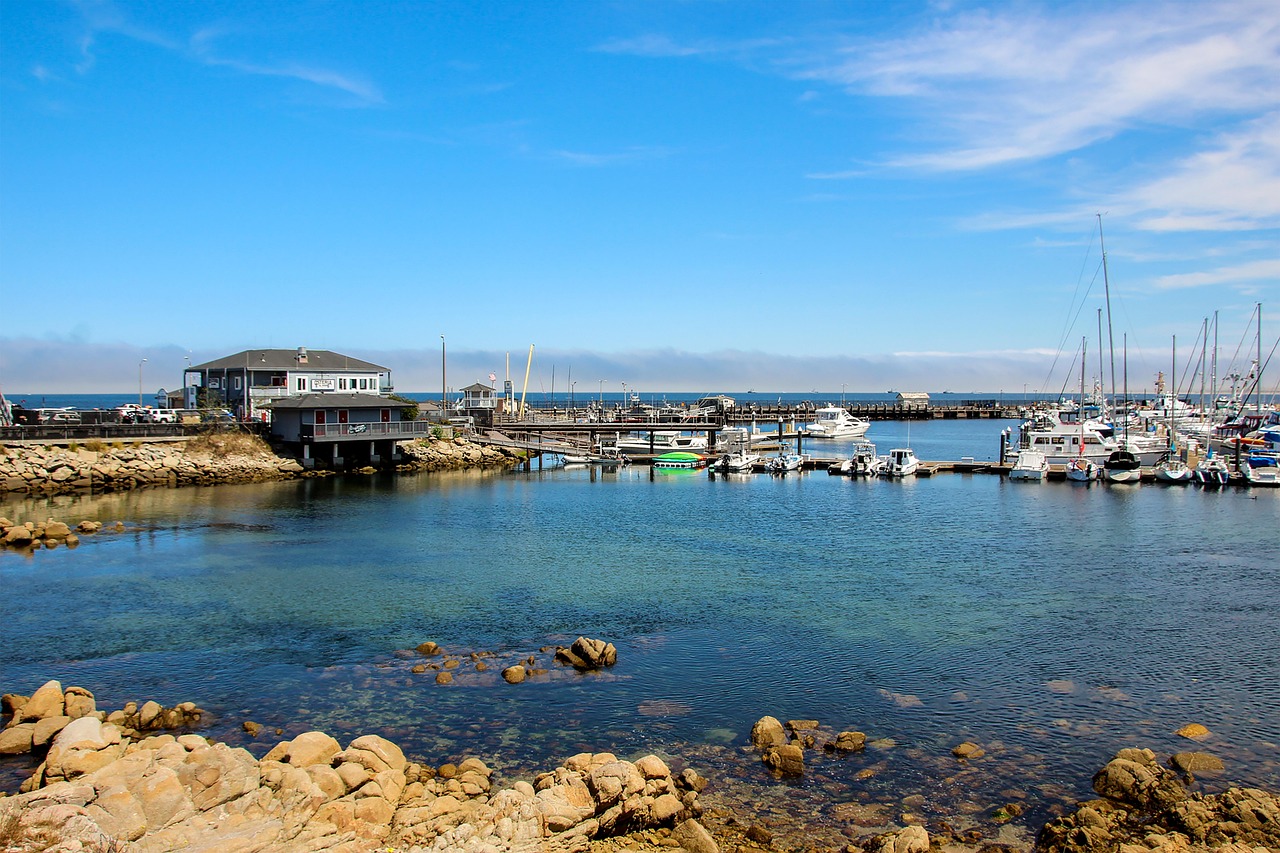
Why Visit Monterey in 2026?
Monterey is one of those rare coastal towns that somehow balances small-town charm with world-class attractions. It’s where you can watch sea otters play in the kelp beds at breakfast, walk through a living underwater forest at lunch, sip wine with ocean views in the afternoon, and end the day with a foggy sunset that looks like it’s been painted just for you.
I’ve been visiting Monterey regularly for over a decade, and I still find new corners, new trails, and new local cafés every time. In 2026, Monterey feels especially alive: the food scene is more creative, the Monterey Bay Aquarium continues to expand its conservation work, and the city is investing more in bike paths, coastal access, and cultural events.
This guide is written as both a practical travel guide for Monterey and a personal field notebook. I’ll walk you through a detailed 3–5 day itinerary for Monterey, spotlight at least 20 of the must-see attractions in Monterey, and share the little tricks locals use to dodge crowds, find parking, and still have money left over for that second clam chowder bread bowl.
Table of Contents
- Why Visit Monterey in 2026
- Monterey at a Glance
- Monterey Neighborhoods & Areas to Explore
- Top 20+ Must-See Attractions in Monterey
- Suggested Itineraries (3, 4 & 5 Days in Monterey)
- Local Food in Monterey: What & Where to Eat
- Nightlife, Entertainment & Cultural Experiences in Monterey
- Major Events & Festivals (2026–2027)
- Best Day Trips & Nearby Destinations
- Cultural Etiquette & Local Customs
- Practical Travel Tips for Monterey
- Summary & Best Time to Visit Monterey
Monterey at a Glance
Monterey sits on California’s rugged central coast, about two hours south of San Francisco and an hour north of Big Sur. Once the capital of Spanish and Mexican Alta California and later the sardine-canning capital of the world, it’s now better known for its marine life, historic adobe buildings, and laid-back coastal lifestyle.
- Perfect for: Families, couples, nature lovers, photographers, foodies, and anyone who wants a slower-paced coastal escape.
- Top experiences: Monterey Bay Aquarium, Cannery Row, 17-Mile Drive, whale watching, kayaking with otters, wine tasting, coastal hikes, historic walking tours.
- Ideal trip length: 3–5 days in Monterey is perfect for most first-time visitors.
Monterey Neighborhoods & Areas to Explore
1. Cannery Row
Once a row of noisy sardine canneries (immortalized by John Steinbeck), Cannery Row is now Monterey’s most famous waterfront strip, lined with hotels, restaurants, tasting rooms, and the Monterey Bay Aquarium. It’s touristy, yes, but the views and the history make it worth the time. I usually start early in the morning here before the day-trippers arrive.
2. Old Monterey & Downtown
Old Monterey is the city’s historic heart, centered around Alvarado Street and a grid of quiet lanes filled with adobes, small shops, and local eateries. This is where you feel Monterey’s past most strongly—from Spanish colonial days to the early American era. It’s also where you’ll find some of the best budget-friendly food and more local nightlife.
3. Fisherman’s Wharf & Waterfront
Colorful, a bit kitschy, but undeniably fun. Old Fisherman’s Wharf is great for families and first-time visitors: clam chowder samples, whale-watching boats, sea lions barking below the pier. I come here for early-morning harbor views and sunset strolls when the crowds thin out.
4. Pacific Grove (Technically Next Door, But Feels Like One City)
Pacific Grove is Monterey’s quieter, charming neighbor—Victorian houses, tide pools, and one of the most beautiful coastal walks in California. You can walk or bike from Cannery Row into Pacific Grove along the ocean in about 20–30 minutes, and you absolutely should.
5. Carmel-by-the-Sea & Carmel Highlands
Carmel is technically a separate town, but it’s part of almost every Monterey trip. Fairy-tale cottages, art galleries, an absurdly gorgeous beach, and world-class restaurants. I’ll cover it in the day trips and itineraries because, realistically, you’ll spend at least a day here during your 3 or 4 days in Monterey.
6. Pebble Beach & 17-Mile Drive
Gated, scenic, and iconic, 17-Mile Drive winds through forest and coastline, with famous golf courses and the Lone Cypress. It’s part nature drive, part real-estate fantasy tour. I tend to go later in the afternoon when the tour buses have thinned and the light turns golden.
20+ Must-See Attractions in Monterey (With Local Insights)
Below are detailed mini-guides to the best places to visit in Monterey. I’ve organized them roughly from most famous to more hidden gems. Each could anchor part of a day in your 3 day itinerary for Monterey or longer stays.
1. Monterey Bay Aquarium
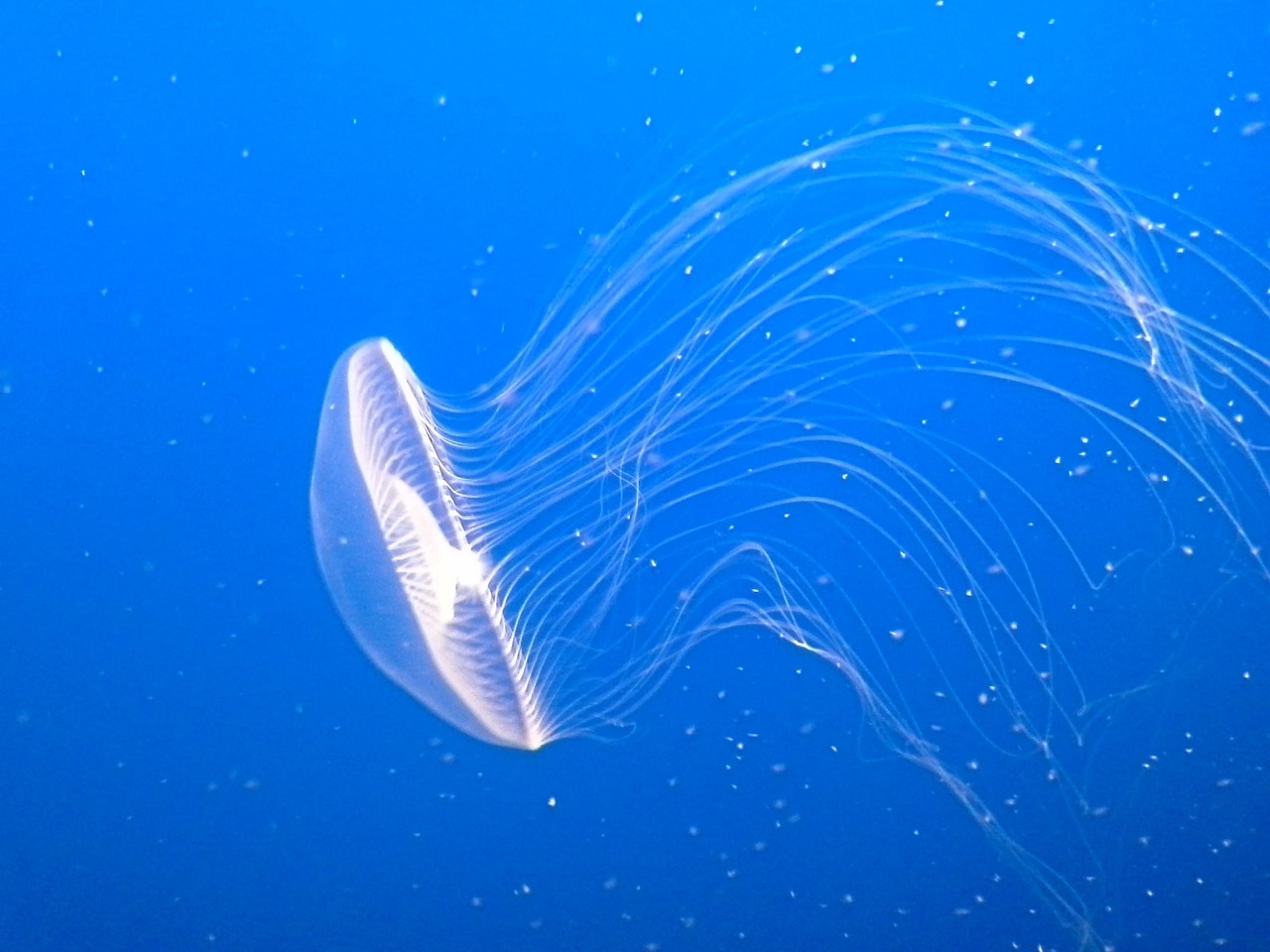
If you see only one attraction in Monterey, make it this. The Monterey Bay Aquarium is less like a typical aquarium and more like a cathedral of the sea. Every time I walk through the doors, the first thing I do is head straight to the giant kelp forest tank—I’ve visited in different seasons and times of day, and the light filtering through the swaying kelp never looks the same twice.
History & significance: Opened in 1984 on the site of a former cannery, the Aquarium helped transform Cannery Row from industrial decline into a conservation-focused destination. It’s been a leader in marine research and responsible tourism ever since, especially around sea otter rehabilitation and sustainable seafood.
What to see: Don’t rush. Give yourself at least half a day.
- Kelp Forest: Three stories tall, mesmerizing. I like to stand here for at least 10–15 minutes just watching leopard sharks and sardines swirl through the kelp.
- Open Sea exhibit: A vast blue wall of tuna, rays, and schooling fish that feels like staring into infinity.
- Sea otters: Monterey’s unofficial mascots. Go right at feeding time; check the schedule when you enter.
- Touch pools: Perfect for kids (and adults) who want to feel sea stars and anemones.
Personal tip: I like to book the earliest time slot, arrive right when they open, and head straight to the back decks overlooking the bay. From here I’ve seen wild otters rafting in the kelp, harbor seals, and even humpback whales spouting in the distance.
Food: The café is surprisingly good and focuses on sustainable seafood. If you want to save money, bring a snack and have a picnic later along the coastal trail.
2. Cannery Row
Cannery Row can feel crowded and commercial, but if you look past the T-shirt shops, there’s a fascinating blend of history and coastal scenery. I like to walk it early in the morning before the shops open, when the only sounds are waves and gulls.
History: Once packed with sardine canneries, this area boomed in the early 20th century and then collapsed when the fisheries declined. John Steinbeck’s “Cannery Row” captured the grit and soul of that era. Today, you’ll still see preserved cannery buildings converted into hotels, restaurants, and galleries.
Things to do:
- Walk the Monterey Bay Coastal Recreation Trail that parallels Cannery Row—my favorite way to experience it, away from traffic.
- Pop into small historical plaques and exhibits that explain the cannery machinery and sardine history.
- Visit the small beaches and rocky coves between buildings; these are great spots to watch otters and harbor seals.
Local tip: For a more authentic feel, walk one block inland from the main strip—suddenly it’s quieter, more residential, and you’ll find smaller, local cafés instead of chain restaurants.
3. Old Fisherman’s Wharf
I still remember my first wharf visit as a kid—clam chowder samples in tiny paper cups from every restaurant, sea lions barking under the planks, and the smell of grilled garlic and butter in the air. It hasn’t changed much, and that’s part of the charm.
What to do:
- Stroll the pier, sample chowder, and watch for sea lions below.
- Book a whale-watching tour (more on that below).
- Head to the end of the wharf at sunset for one of my favorite free views in Monterey.
Budget tip: Chowder prices vary wildly. Walk the whole pier first, taste a few samples, and then pick a place that feels right. If you’re on a tight budget, share one large bread bowl between two and fill up later on tacos in Old Monterey.
4. Monterey Bay Coastal Recreation Trail
This paved path follows the old railroad line from Castroville through Monterey and into Pacific Grove. I’ve biked and walked this trail in sun, fog, and drizzle—it’s beautiful in all conditions. For many locals, this is the real heart of Monterey life.
Best section: For visitors, the stretch from Fisherman’s Wharf to Lovers Point in Pacific Grove is ideal—flat, scenic, and easy to access, with plenty of benches and viewpoints.
Rentals: Bike and e-bike rentals are available near Fisherman’s Wharf and Cannery Row. If you’re doing 3 days in Monterey, dedicate at least a morning to biking this trail.
5. Monterey Bay Whale Watching
Monterey Bay is one of the best places in the world for year-round whale watching thanks to its deep submarine canyon. I’ve gone out in winter, spring, and fall—each season offers different sightings.
What you might see:
- Winter–early spring: Gray whale migration, sometimes with calves.
- Spring–fall: Humpbacks (my favorite, for their acrobatics), dolphins, and occasionally blue whales.
Local tip: Morning tours are usually less windy and choppy. If you get seasick, take motion sickness meds 30–60 minutes before boarding, eat a light snack, and stay on the open deck where you can see the horizon.
6. Lovers Point Park & Beach (Pacific Grove)
Lovers Point is where I go when I need to remember why I love this coastline. A curve of sandy beach, rocky outcrops, cypress trees bent by the wind, and calm waters that are popular with early-morning swimmers and kayakers.
What to do: Swim (if you’re brave), rent a kayak, or just spread a picnic blanket and watch the world go by. At sunrise, the light breaks directly over the water; I’ve sat here with coffee, wrapped in a jacket, listening to the sound of small waves and laughter from locals who swim daily, year-round.
7. 17-Mile Drive & The Lone Cypress
17-Mile Drive is one of those rare drives that actually lives up to the hype. You pay a gate fee (unless you bike or walk in) and then follow a signed loop past wind-shaped cypress trees, crashing surf, and some of the most storied golf courses on earth.
Must-stops:
- The Lone Cypress: Iconic, photogenic, and often busy—but worth it. I’ve visited in fog and in bright sun; both moods are magical.
- Spanish Bay: A great place to walk along the boardwalk and watch surfers.
- Bird Rock: Sea birds, sea lions, and a reminder that the real residents of this coastline aren’t human.
Timing tip: Late afternoon heading toward sunset is my favorite—less glare for photos, softer light, and the chance to end with dinner in Carmel or at a Pebble Beach restaurant if your budget allows.
8. Carmel Beach & Scenic Road
Carmel Beach is a sweeping crescent of white sand framed by cypress trees and storybook homes. On clear evenings, the sunsets here are almost too perfect—silhouettes of surfers, dogs sprinting along the shore, bonfires flickering (in designated areas).
Scenic Road: A one-way lane that runs along the bluff above the beach. I like to walk it in the late afternoon: on one side, mansions and gardens; on the other, the Pacific constantly changing color.
9. Old Monterey Historic Walking Area
When I want to step away from the crowds, I wander Old Monterey’s adobe-lined streets. This is where you feel the layers of history—Spanish, Mexican, and early American—through architecture rather than museum plaques.
Highlights:
- Custom House: The oldest government building in California, where the American flag was first raised in 1846.
- Monterey State Historic Park: A collection of adobes and historical buildings spread around the downtown area.
- Colton Hall: Where California’s first constitution was drafted.
Local tip: Stop by the Pacific House Museum for a quick orientation, then pick up a self-guided walking map. I’ve done the loop in both 45-minute and 3-hour versions, depending on how many cafés I stop at.
10. Royal Presidio Chapel (San Carlos Cathedral)
This is the oldest continuously operating parish and the first stone church in California. Even if you’re not particularly religious, the quiet courtyard and thick adobe walls have a peaceful gravity to them.
I once ducked in here on a cold, misty afternoon just to warm up and ended up staying nearly an hour, reading the informational panels and listening to the echo of footsteps from a small group of visitors.
11. Carmel Mission Basilica
Officially Mission San Carlos Borromeo de Carmelo, this 18th-century mission is one of the most beautiful and historically significant in California. It’s also where Father Junípero Serra is buried.
Why visit: The mission grounds are serene—bougainvillea, fountains, thick adobe walls. The small museum gives context to the Spanish mission system and its complex legacy. I recommend pairing a visit here with a few hours in Carmel-by-the-Sea for a culturally rich day.
12. Pacific Grove Tide Pools
When the tide is low, the rocky coastline between Lovers Point and Asilomar reveals a miniature world—starfish (sea stars), anemones, hermit crabs, tiny fish darting between rocks.
I’ve come here with kids, with friends, and alone with a camera. It’s always different. Just remember to step carefully and never remove creatures from the pools.
13. Asilomar State Beach & Boardwalk
Asilomar is wilder than Carmel Beach and less crowded than Lovers Point. Windswept dunes, boardwalks through coastal vegetation, and surf that roars rather than whispers. This is my go-to for long contemplative walks when the fog rolls in.
14. Monterey Museum of Art & Pacific Street Adobes
Small but thoughtfully curated, the Monterey Museum of Art focuses on California artists and photography. It pairs well with an afternoon exploring the historic adobes along Pacific Street.
On one visit, I stumbled into a temporary exhibit on local landscape painters and then walked outside seeing the light and cypress silhouettes differently—that’s when you know a museum has done its job.
15. Garrapata State Park (On the Way to Big Sur)
Garrapata is often overlooked by visitors rushing to Big Sur, but it’s one of my absolute favorite coastal hikes near Monterey. Cliffside trails, wildflowers in spring, dramatic surf—this is the wild Central Coast at its best.
Local tip: Parking is along the highway shoulders; go early on weekends. Stay far from cliff edges; erosion is real here.
16. Point Lobos State Natural Reserve
If Monterey Bay is the city’s blue heart, Point Lobos is its wild soul. Just south of Carmel, this reserve offers some of the most breathtaking coastal scenery in California—turquoise coves, twisted Monterey cypress trees, sea lion colonies, and, if you’re lucky, whales passing offshore.
I’ve hiked Point Lobos in dense fog and in blazing sun; both are unforgettable. Cypress Grove Trail, Sea Lion Point, and China Cove (when open) are musts.
17. Dennis the Menace Playground & El Estero Park
For families, this creative playground is a lifesaver. Slides, bridges, climbing structures, and a lake with paddleboats nearby at El Estero Park. I’ve watched kids here burn off aquarium energy while parents sip coffee on a bench with a view of the lagoon.
18. Old Monterey Farmers Market
Held on Tuesday evenings on Alvarado Street, this is where Monterey really feels like a community rather than just a tourist town. Food stalls, local produce, live music, and people greeting each other by name.
It’s one of my favorite ways to eat affordably in Monterey: grab a mix of street food (tacos, dumplings, crepes), find a curb or bench, and people-watch.
19. Monterey & Carmel Wine Tasting Rooms
The Monterey region produces excellent pinot noir and chardonnay, thanks to cool coastal influences. You don’t need to drive far into the valleys; there are multiple tasting rooms right in Cannery Row, Carmel, and Carmel Valley Village.
I like to pick one afternoon in a longer 4 or 5 day itinerary for Monterey to slowly wander between tasting rooms, alternating wine with snacks and lots of water.
20. Monarch Butterfly Sanctuary (Seasonal)
From roughly late October through February, Pacific Grove hosts overwintering monarch butterflies in a small grove of eucalyptus and pine trees. On cold mornings, they cluster together like living leaves. It’s a quiet, almost reverent place—people whisper, cameras click, and the air smells like eucalyptus.
21. A Few Hidden Gems & Local Favorites
San Carlos Beach Park
Right next to the Coast Guard pier near Cannery Row, this small park is a favorite launching spot for scuba divers and kayakers. I like to come here at dusk: divers emerging from the water, lights flickering on along the coast, otters rolling in the kelp just offshore.
Harbor & Wharf #2
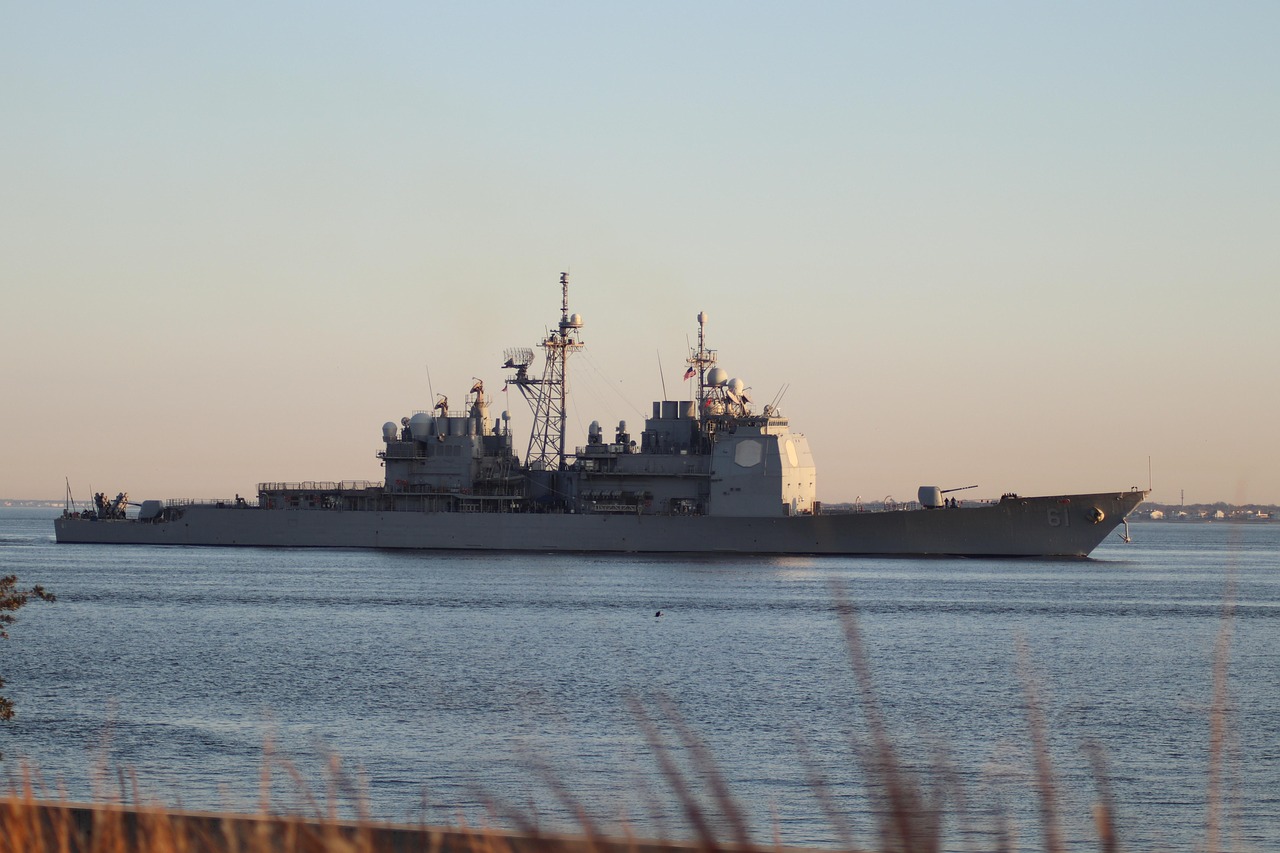
Walk past Fisherman’s Wharf toward the municipal wharf and you’ll find a working harbor—fishing boats, stacks of crab pots, and far fewer tourists. It’s a great place to photograph reflections at sunrise and to remember that Monterey is still a living fishing town.
Art Galleries of Carmel-by-the-Sea
If you enjoy art, set aside a couple of hours to wander Carmel’s galleries. From contemporary photography to classic coastal landscapes, it’s a visual feast. I tend to dip into a gallery, then back out into the salty air, then into another—no strict plan, just following what catches my eye.
Suggested Itineraries: 3, 4 & 5 Days in Monterey
These itineraries are written as if I’m walking you through my own favorite way to structure 3–5 days in Monterey in 2026. Mix and match based on your interests.
3 Day Itinerary for Monterey
Three days is enough to experience Monterey’s essentials: the Aquarium, Cannery Row, the historic downtown, and at least a taste of Carmel and Pacific Grove.
Day 1: Cannery Row, Aquarium & Coastal Trail
On my ideal first day in Monterey, I wake early, especially if I’m staying near Cannery Row. The air is cool, often wrapped in a soft fog that smells like kelp and salt. I grab a takeaway coffee from a small café just off the main strip and walk the Coastal Trail before most people are awake.
I start at San Carlos Beach Park and head north toward the Aquarium. There are usually a few divers suiting up, early-morning joggers, and the occasional otter floating on its back, cracking open breakfast. The trail is flat and easy, but I still move slowly—partly to savor the views, partly because the photo stops are endless.
By the time the Monterey Bay Aquarium opens, I’m standing in line with a handful of other early birds. I always book my tickets online ahead of time; in 2026, timed entry is still recommended, especially on weekends and holidays. Inside, I make a beeline for the kelp forest, then loop through the exhibits in a loose flow rather than a rigid route, stopping whenever something pulls me in. It usually does.
By late morning, I’m ready for a break. If I’m splurging, I’ll have lunch at the Aquarium café, picking something with local seafood. If I’m watching my budget, I leave via the main exit and grab a sandwich or burrito from a less touristy spot a few blocks inland, then find a bench along the coast for a picnic.
The afternoon is for Cannery Row. I walk the length of it once, letting myself be a tourist—peeking into shops, reading the historical plaques, imagining the noise and smell when this strip was all about sardines. Then I retreat a block or two up the hill where the residential streets are quieter. From some corners, you can still look down toward the ocean framed by old cannery buildings.
As the sun tilts lower, I rent a bike or e-bike for a couple of hours and ride the Coastal Trail toward Pacific Grove, turning around at Lovers Point. The light on the water in the late afternoon is something I never tire of: silver when it’s foggy, deep blue when it’s clear, all of it beautiful.
Dinner is usually back in Old Monterey, where prices are friendlier and the vibe is more local. I’ll talk more about specific restaurants below, but for tonight, imagine a cozy spot on or near Alvarado Street—maybe fish tacos, maybe a simple pasta, definitely something warm and satisfying after a full day of walking.
Day 2: Old Monterey History, Fisherman’s Wharf & Whale Watching
On my second day, I shift the focus from sea life to human history. I start in Old Monterey, usually with breakfast at a local café along one of the side streets. Then I head toward Colton Hall and the Monterey State Historic Park adobes.
There’s something grounding about walking these streets early, before the day fully wakes up. The adobes are simple, thick-walled, and close to the sidewalk. I wander from the Custom House near the waterfront up through Pacific House, Larkin House, Stevenson House, and others if they’re open. In 2026, the park continues to offer self-guided walking maps and occasional docent-led tours—check the schedule if you want more structured storytelling.
By late morning, I’m ready to feel the water again, so I walk down to Old Fisherman’s Wharf. Here’s where your day pivots to adventure: it’s time for whale watching. I try to book a morning or midday tour because conditions are often calmer and visibility better, but afternoon trips can also be great.
Once the boat pulls away from the harbor, Monterey shrinks into a cluster of buildings behind you and the bay opens up. I usually start the trip excited, then shift into a sort of meditative state as I watch the horizon, scanning for spouts. The first time a humpback breaches or a pod of dolphins races alongside the bow, the entire boat erupts in shouts and camera clicks. Even after several trips, I still get a bit giddy.
Back on shore, I like to decompress with a slow stroll along the waterfront. Sometimes I sit on a bench near the start of the Coastal Trail and just watch the play of light on the water. If it’s a Tuesday, I time things so I can swing by the Old Monterey Farmers Market in the late afternoon and graze on street food for an informal dinner.
If it’s not a market day, dinner might be near the wharf—a seafood place with harbor views—or again in Old Monterey where you’ll find better deals and more locals. Either way, it’s a day that feels full without being frenetic: history, harbor, open ocean, and a community evening in town.
Day 3: Pacific Grove, Lovers Point & Carmel-by-the-Sea
The third day is for the neighbors: Pacific Grove and Carmel-by-the-Sea. You can do this with a car, but one of my favorite memories is doing most of it on foot and by bus, moving at the slower rhythm of the coastline.
I start by walking or biking the Coastal Trail from Cannery Row into Pacific Grove, watching the scenery shift from busy hotels to quieter coves. At Lovers Point, I often stop for a second breakfast or coffee and then wander out onto the rocks to watch kayakers and early swimmers.
From Lovers Point, I continue on foot along the rocky shoreline toward Asilomar State Beach. This stretch is packed with tide pools when the tide is low; I’ve lost hours here crouching over tiny worlds of anemones and crabs. If the weather is cool and foggy (which it often is), the dunes feel mysterious and almost otherworldly.
By midday, I hop back toward Monterey and then south to Carmel-by-the-Sea. If I’m driving, it’s a quick trip; if I’m using public transport, I time it with the Monterey–Salinas Transit buses that run between downtown Monterey and Carmel.
In Carmel, I spend the afternoon wandering: up and down Ocean Avenue, ducking into art galleries, window-shopping at boutiques, and occasionally treating myself to a fancy pastry or coffee. I walk down to Carmel Beach and stroll along Scenic Road, watching dogs chase frisbees and surfers catch waves.
If I have the time and energy, I might swing by the Carmel Mission Basilica before it closes—its golden light in late afternoon is particularly beautiful. Then I head back into town for an early dinner at one of Carmel’s many excellent restaurants.
As night falls and I make my way back to Monterey, I always feel like I’ve had a complete coastal experience: one day centered on the Aquarium and Cannery Row, one on history and the bay, and one on neighboring towns and wild coastline.
4 Day Itinerary for Monterey
With 4 days in Monterey, you can keep the 3-day structure above and add a full day for Big Sur or a deeper dive into hiking and nature.
Day 4: Point Lobos & Garrapata – Big Sur Teaser
On my fourth day, I like to lean into the wild side of the Central Coast. I get an early start and drive (or bus, if schedules align) south toward Point Lobos State Natural Reserve. Parking can fill quickly on weekends, so the earlier you arrive, the better.
I pack water, snacks, and a light jacket—it can be chilly even in summer with the wind off the water. Then I hit a loop of trails: Cypress Grove for the otherworldly cypress trees, Sea Lion Point for views of barking sea lions on offshore rocks, and one of the quieter trails like North Shore when I want to escape the crowds.
I often end up sitting on a bench somewhere along the cliffs just listening: waves crashing, seabirds calling, distant barks from seals. It’s a soundscape that stays with you long after you leave.
After a few hours at Point Lobos, I continue south to Garrapata State Park. Depending on energy, I either do a short coastal hike from the pullouts near the bluffs or head inland on the Garrapata Canyon Trail where redwoods offer shade and the air smells like damp earth and bay leaves.
By late afternoon, I turn back toward Monterey, usually stopping in Carmel or Pacific Grove for an early dinner. It’s a physically fuller day, but it balances beautifully with the more urban and family-focused days earlier in the trip.
5 Day Itinerary for Monterey
With 5 days in Monterey, you can slow your pace and really savor the region. Keep the 4-day plan, and add one more day focused on relaxation, wine, or family-friendly activities.
Day 5 Option A: Carmel Valley Wine & Relaxation
If you love wine and warm inland sunshine, this is your day. I head out to Carmel Valley Village, about 25–30 minutes from Monterey. The climate shifts quickly—often cooler and foggy in Monterey, warm and sunny in the valley.
Here, I park the car and walk between tasting rooms, sampling Monterey County wines and chatting with winemakers and staff. Many rooms are relaxed and unpretentious; it’s easy to learn a lot in a short time if you’re curious.
Lunch might be at a small café with a patio, followed by a lazy afternoon reading or napping under a tree in a nearby park. It’s the perfect counterpoint to the brisk coastal days.
Day 5 Option B: Family Day – Dennis the Menace Park, Beach Time & Aquarium Return
For families, I’d dedicate this extra day to slower kid-focused fun. Start at Dennis the Menace Playground—let the kids climb and run while adults enjoy coffee on a bench. Then rent paddleboats on the lake at El Estero Park if you’re up for it.
After a picnic lunch or casual meal nearby, pick a beach—San Carlos Beach for convenient access, Del Monte Beach for softer sand and more space—and let the day unfold with sandcastles, tide-pooling, and maybe a return visit to a favorite Aquarium exhibit if you bought a membership or multi-day pass.
Day 5 Option C: 17-Mile Drive & Pebble Beach
If you haven’t yet done 17-Mile Drive, this is a perfect capstone day. Drive the loop slowly, stopping at viewpoints, watching golfers at Pebble Beach, and imagining what it would be like to live in one of the mansions tucked into the forest.
End with a drink or early dinner at one of the Pebble Beach resorts if your budget can handle it—or circle back to Pacific Grove for a more modest but equally satisfying meal with sunset views.
Local Food in Monterey: What & Where to Eat
What to Try
- Clam chowder in a sourdough bread bowl: Yes, it’s touristy. Also yes, it’s delicious on a cool, foggy day.
- Fresh local seafood: Dungeness crab (in season), sand dabs, calamari, and seasonal catch-of-the-day.
- Mexican food: Monterey has excellent taquerias and family-run Mexican restaurants, especially away from the main tourist areas.
- Farmers market produce: Strawberries, stone fruit, leafy greens, and artichokes from the Salinas Valley and nearby farms.
- Craft beer & local wine: Small breweries and tasting rooms showcase the region’s flavors.
Where I Actually Eat (And How I Save Money)
In Cannery Row and on the Wharf, menus cater heavily to tourists, and prices reflect that. I’ll sometimes splurge for the view, but most of my regular meals happen in Old Monterey or quieter neighborhoods where portions are generous and prices more reasonable.
My money-saving strategy:
- Big breakfast or brunch, lighter lunch (picnic or market snacks), then a solid early dinner.
- Mix one or two “view meals” with several local, no-frills spots.
- Shop once at a grocery store for fruit, yogurt, and snacks to keep in my room if I have a mini-fridge.
Specific restaurant names change, but the pattern holds: look one or two blocks off the main strip, peek in to see if locals are eating there, and check for daily specials or happy hours.
Nightlife, Entertainment & Cultural Experiences in Monterey
Monterey is not a wild party city, but it has a mellow, enjoyable nightlife scene.
- Old Monterey bars & pubs: Craft beer, live music, and sports on TV. Alvarado Street gets pleasantly lively on weekends.
- Wine bars: Intimate spots perfect for a romantic evening, especially in Carmel.
- Live music: Check local listings for jazz or acoustic sets in small venues and hotel lounges.
- Theater & performances: The Golden State Theatre and local playhouses host concerts, film events, and stage productions throughout the year.
For cultural experiences, look out for walking tours focused on history or Steinbeck, gallery openings in Carmel, and community events like outdoor concerts in summer.
Major Events & Festivals in Monterey (2026–2027)
Monterey’s calendar is packed with annual events. Dates can shift slightly year to year; always confirm closer to your trip, but here’s what to expect in 2026–2027:
- Monterey Jazz Festival (September 2026 & 2027): One of the world’s longest-running jazz festivals, drawing top talent. Book accommodation early; the city gets busy.
- Monterey Car Week & Pebble Beach Concours d’Elegance (August 2026 & 2027): Paradise for car enthusiasts, chaos for last-minute hotel hunters. If you’re not into cars, avoid these dates or embrace the spectacle.
- Monterey Bay Whale Festival (Winter 2026–2027): Family-friendly events celebrating the bay’s marine life, often with special tours and educational programs.
- Pacific Grove Good Old Days Festival (Spring): Small-town parade, crafts, and music.
- Fourth of July on the Wharf & in Old Monterey: Parades, picnics, and fireworks (subject to fire safety regulations).
Best Day Trips & Nearby Attractions
Big Sur (Extended Version)
If you have time and a car, extend your Point Lobos/Garrapata day into a full Big Sur road trip: Bixby Bridge, Pfeiffer Big Sur State Park, Nepenthe for lunch with a view, and Pfeiffer Beach if conditions allow. Start early, drive slowly, and keep an eye on road closure updates (winter storms can affect Highway 1).
Santa Cruz
About an hour north, Santa Cruz offers a classic beach boardwalk, surf culture, and a more bohemian vibe. It’s a fun contrast to Monterey’s calmer, more historic feel.
Salinas & Steinbeck Country
Head inland to Salinas to visit the National Steinbeck Center and see the agricultural backbone of the region. Fields of lettuce and artichokes stretch to the horizon; it’s an eye-opening complement to Monterey’s tourist-friendly waterfront.
Cultural Etiquette & Local Customs in Monterey
Monterey is relaxed and friendly, but there are a few unspoken rules and customs that help you blend in and show respect.
- Respect wildlife: This is huge. Stay back from otters, seals, and sea lions; use zoom lenses; never feed wildlife. Locals are proud of the bay’s conservation status.
- Stay on marked trails: Especially in dune areas and sensitive coastal habitats. It’s about erosion and protecting plants and animals.
- Tip service workers: 15–20% is standard for restaurants if service is good.
- Beach fires: Only where and when permitted; always check current rules. Clean up thoroughly afterward.
- Noise: Many neighborhoods are quiet by 10–11 pm. Keep music and voices down in residential areas at night.
- Recycling: You’ll see separate bins for trash and recycling; use them correctly where possible.
Practical Travel Tips for Monterey (2026 Edition)
Getting To & Around Monterey
By air: Monterey Regional Airport (MRY) has flights from several West Coast hubs. Alternatively, fly into San Jose (SJC) or San Francisco (SFO) and drive (about 1.5–2.5 hours).
By car: Highway 1 from the north is the scenic route; Highway 101 is usually faster.
Public transport: Monterey–Salinas Transit (MST) buses link major areas: Cannery Row, Old Monterey, Pacific Grove, Carmel, and Carmel Valley. It’s workable if you’re patient and plan around schedules.
Car rental: Very useful if you plan to explore Big Sur, Carmel Valley, or do flexible day trips. Parking in Cannery Row and near the Wharf can be tight and metered; Old Monterey has more options.
Bikes & walking: Within Monterey, Pacific Grove, and parts of Carmel, you can do a lot on foot and by bike, especially along the Coastal Trail.
Saving Money in Monterey
- Visit in shoulder seasons (late winter, early spring, or fall) for better rates.
- Stay slightly inland or in budget motels in Old Monterey rather than on Cannery Row.
- Use the Old Monterey Farmers Market and grocery stores for some meals.
- Take advantage of free or low-cost activities: Coastal Trail, beaches, tide-pooling, historic walking areas.
- Check for combo tickets or memberships if you plan to visit the Aquarium more than once.
Mobile & SIM Card Options (For International Visitors)
In 2026, most U.S. carriers offer eSIMs and prepaid plans suitable for short stays.
- eSIM: Many visitors activate an eSIM (e.g., from major carriers or travel eSIM providers) before arrival for data and calls.
- Physical SIM: Available at major airports, big-box stores, or carrier shops in larger nearby cities (San Jose, San Francisco). Monterey itself has carrier stores but fewer options at the airport.
- Coverage: Generally good in town. Expect patchy or no signal in some Big Sur stretches.
Visa Requirements & Driving
Visas: Requirements depend on your nationality. Many visitors use the U.S. Visa Waiver Program (ESTA) for short stays; others need a tourist visa. Check official U.S. government websites well before your trip.
Foreign driver’s licenses: Many foreign licenses are accepted for short-term car rental, but some rental agencies prefer or require an International Driving Permit (IDP) in addition to your home license. Confirm with your rental company in advance.
Best Seasons for Different Activities
- Spring (March–May): Wildflowers at Point Lobos and Garrapata, fewer crowds, variable weather (sun and fog). Great for hiking and photography.
- Summer (June–August): Peak season. Surprisingly cool and foggy many mornings (“June gloom”), but pleasant overall. Best for families and beach time, though water is always chilly.
- Fall (September–November): Often the sunniest and warmest weather with fewer crowds after Labor Day. Excellent for whale watching (especially humpbacks), hiking, and events like Jazz Festival and Car Week.
- Winter (December–February): Quiet, atmospheric, with storms that can make the coast dramatic. Gray whale migration, monarch butterflies in Pacific Grove, and lower hotel rates (aside from holidays and specific events).
Hidden Tips Only Regular Visitors Tend to Know
- Start early: Foggy mornings may not look Instagram-perfect, but they’re magical and uncrowded. By the time crowds arrive, you’ve already had hours of peaceful exploration.
- Layer up: Even in August, you might need a jacket. Dress in layers you can add or shed as sun and fog battle it out.
- Watch for parking time limits: Especially downtown and near Cannery Row. Fines add up faster than a café breakfast.
- Use the Coastal Trail as your backbone: It links many major sights; think of it as your pedestrian highway.
- Check ocean conditions: Before kayaking, surfing, or even tide-pooling. Swells and tides change quickly.
Summary & Final Recommendations
Monterey is one of those places that works beautifully whether you have 3 days in Monterey or a full week. With three days, focus on the Aquarium, Cannery Row, Old Monterey, Pacific Grove, and a taste of Carmel. With 4 or 5 days in Monterey, you can add Point Lobos, Garrapata, Carmel Valley wine, 17-Mile Drive, and more time just to sit on a bench and watch otters roll in the kelp.
For most travelers, the best time to visit Monterey is late spring or fall—shoulder seasons with fewer crowds, often better weather, and more flexibility on accommodation. But every season has its reward: winter whales and monarchs, spring wildflowers, summer family energy, and autumn clarity.
However you structure your 3, 4, or 5 day itinerary for Monterey, leave a little space in your schedule. The magic here often appears in the in-between moments: a foggy morning walk on the Coastal Trail, a chance otter sighting from a random bench, a conversation with a local barista about the day’s surf conditions. Those are the memories that will bring you back to this stretch of California coast, again and again.