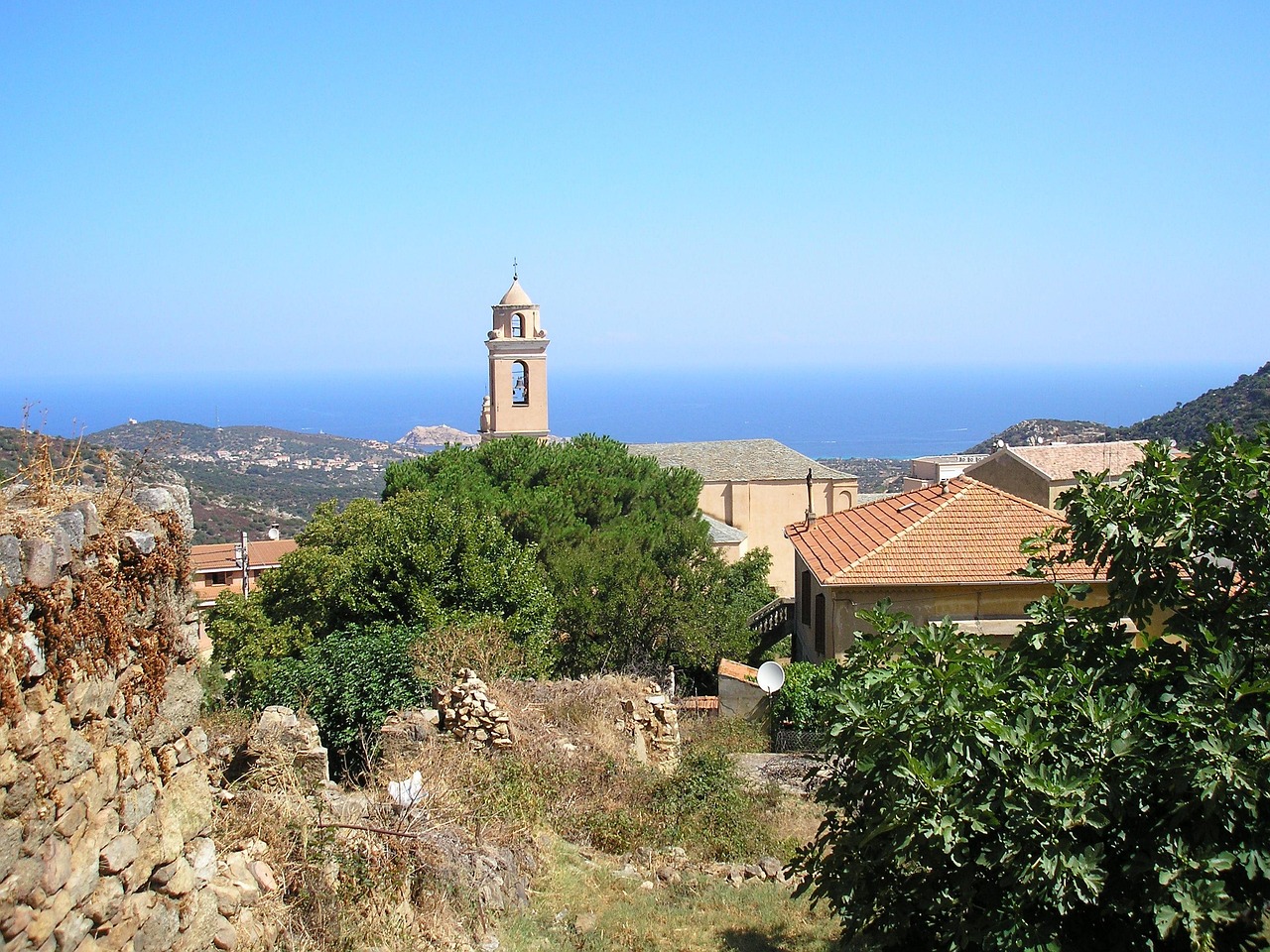
Why Visit Balagne in 2026
Balagne is the part of Corsica that sneaks under your skin. Wedged between the Mediterranean and the jagged Corsican mountains, it’s a landscape of terraced olive groves, luminous beaches, and villages that cling to the hills like they’ve been there forever—because they almost have. Locals call it the “Jardin de la Corse”, the Garden of Corsica, and once you’ve followed a twisting road through the maquis at golden hour, you understand why.
My first trip here was in late September a dozen years ago, when the grape harvest was in full swing and the sea was still warm. Since then I’ve returned in almost every season—winter storms in Île-Rousse, spring flowers above Pigna, midsummer swims at Bodri, autumn chestnut festivals in the hinterland. Balagne is one of those rare regions that feel intensely local yet are easy to explore, especially if you love slow travel, coastal hikes, small-town piazzas, and long lunches.
This 2026 travel guide to Balagne is deliberately detailed and personal. I’ll walk you through the main towns, sub-areas, and landscapes; share a fully fleshed-out 4–7 day itinerary with stories from my own days on the road; and offer practical travel advice for getting around, saving money, and navigating local customs. Whether you’re planning 4 days in Balagne or a leisurely week, you’ll find enough here to build your own perfect trip.
Table of Contents
- Why Visit Balagne
- Balagne at a Glance
- Where to Base Yourself
- 4–7 Day Itineraries for Balagne (with personal daily stories)
- 18 Key Towns, Villages & Landscapes of Balagne
- Regional Cuisine & Where to Eat
- Evenings in Balagne
- Events & Festivals 2026–2027
- Day Trips from Balagne
- Cultural Etiquette & Local Customs
- Practical Travel Tips for Balagne
- Summary & Final Recommendations
Balagne at a Glance
Balagne stretches along Corsica’s northwestern coast, roughly between the citadel town of Calvi in the west and the red-roofed harbor of L’Île-Rousse in the east, and inland up into the first folds of the Corsican mountains. It’s a mosaic of:
- Coastal hubs: Calvi and L’Île-Rousse are the main gateways, each with ports, beaches, and enough infrastructure for families, couples, and solo travelers.
- Hilltop villages: Pigna, Sant’Antonino, Aregno, Lumio, and others form a necklace of stone villages with terraced olive groves and sweeping sea views.
- Wine country & valleys: Reginu valley, Figarella valley, and the hinterland around Feliceto and Speloncato are home to vineyards, chestnut forests, and easy hikes.
- Wild beaches & coast: Bodri, Ghjunchitu, Ostriconi, and remote coves west of Calvi are some of Corsica’s loveliest stretches of sand and rock.
The region is compact—Calvi to L’Île-Rousse is under 30 minutes by car—yet the change in mood from coast to hilltop can feel dramatic. This is what makes Balagne ideal for a 4 day itinerary or a full 7 days in Balagne: you spend less time in transit and more time living.
Where to Base Yourself in Balagne
On my earliest trips, I made the mistake of hopping accommodations every night. These days, I recommend choosing one primary base and—if you’re here longer than 5 days—adding a two-night stay in a different part of Balagne for variety.
- Calvi – Best base for first-timers, couples, and those without a car. Lively old town, long sandy beach, train station, and boat trips. Good for 4 days in Balagne if you want to balance beach and culture.
- L’Île-Rousse – Slightly quieter and more low-key than Calvi, with a beautiful town beach and good access to inland villages. My preferred base for families and slow travelers.
- Hilltop villages (e.g., Pigna, Sant’Antonino, Lumio) – Romantic, atmospheric, and a bit more isolated. Perfect for couples or anyone seeking quiet nights under a big sky. A car is essential.
- Rural stays (Feliceto, Speloncato, Reginu valley) – For food and wine lovers who enjoy agriturismi, farm stays, and hiking right out the door.
Balagne Itineraries: 4–7 Days of Coastal Villages, Wine, and Sea
The itineraries below are written the way I actually move through Balagne: a blend of must-see attractions, small detours, and lazy pauses for coffee or swims. You can compress or stretch them depending on whether you have a 4 day itinerary for Balagne or a full 7 day itinerary for Balagne.
4 Day Itinerary for Balagne: Essentials of Coast and Villages
Think of 4 days in Balagne as the “greatest hits” album: you’ll see the major towns, a couple of hilltop villages, and at least one wild beach. This is based on my most recent 4-day sprint in late May 2026, when the maquis smelled of cistus and the sea had just turned swimmable.
Day 1 – Arrival in Calvi & First Taste of the Citadel
I landed in Calvi just before noon on a bright, windy day—the kind where the citadel looks almost painted against the sky. If you arrive by plane, the airport is 10 minutes from town; by ferry, you’ll dock right beside the marina. Either way, the compactness is a blessing after travel.
Morning / Early Afternoon: Settle into Calvi
- Check-in: Drop your bags at your hotel or apartment near the marina or in the lower town. For first-timers, I like staying within a 10-minute walk of the beach and train station—ideal if you’re doing Balagne without a car.
- Orientation stroll: Walk along the marina, where fishing boats and sleek yachts share the same mirror of water. The terrace cafés here are touristy but great for people-watching.
- Beach break: Calvi’s main beach runs for nearly 5 km—a gentle arc of sand backed by pines. I usually walk far enough east to get a quieter stretch, then slip into the water to wash off the travel fatigue.
Late Afternoon: Climb to the Citadel
As the sun softens, head up to the 15th-century citadel, the defining landmark of Calvi. The climb is short but steep along cobbled lanes. Inside the walls, you’ll find:
- Église Saint-Jean-Baptiste – A luminous baroque church with a cool, incense-scented interior.
- Ramparts viewpoints – My favorite is the corner above the harbor, where the mountains fall into the sea and, on clear days, you can sometimes see as far as the distant coastlines.
- Maison natale de Christophe Colomb (purported birthplace of Columbus) – A small curiosity, more symbol than museum, but worth a quick look.
On my last visit, a busker was playing Corsican polyphonic songs under the ramparts; his voice ricocheted off the stone like a private concert for the sea.
Evening: Dinner with a View
- Book a table at a citadel restaurant with a terrace over the bay. Expect local food in Balagne: grilled fish, veal with olives, and fiadone (Corsican lemon ricotta cake).
- After dinner, stroll back down through the old streets. Calvi’s nightlife is gentle: a few wine bars, some live music, and the sound of waves just beyond.
Family tip: With kids, keep the first day simple: beach time, early dinner on the marina, and an ice cream on the promenade.
Day 2 – Hilltop Villages: Lumio, Sant’Antonino & Pigna
This is the day that usually converts first-time visitors into Balagne devotees. The hilltop villages are the region’s soul: stone alleys, vaulted passages, and tiny squares where old men still play cards in the shade.
Morning: Calvi to Lumio (by car or village train)
- By car: Drive east out of Calvi along the coastal road (D81). In about 15 minutes, you’ll see Lumio perched above the bay, its ochre houses catching the light.
- Without a car: In season, the little coastal train (U Trinichellu) runs between Calvi and L’Île-Rousse. Get off at Lumio station and either hike up (steep but rewarding) or arrange a taxi.
In Lumio, I like to start with a coffee at the small square overlooking the sea. From here, pathways lead through the village to viewpoints of the abandoned hamlet of Occi above—a short but steep hike that rewards you with a 360-degree panorama.
Midday: Sant’Antonino – One of France’s Most Beautiful Villages
From Lumio, drive inland toward Sant’Antonino, often listed among the “Plus Beaux Villages de France.” The last stretch of road winds upward; parking is at the base of the village (no cars inside).
- Wander the maze-like alleys that loop and spiral up to the top of the village.
- Stop at small artisan shops selling honey, olive oil, and canistrelli (crisp Corsican biscuits).
- Climb to the highest viewpoint, where the Balagne plain and sea spread out in a patchwork of green and blue. I’ve stood here at mid-day, sunset, and under stars; each time, it feels like a different village.
Lunch: There are a few simple restaurants here; I usually opt for a terrace with salads, charcuterie, and local goat cheese.
Afternoon & Evening: Pigna – Music, Crafts & Blue Shutters
Pigna is my personal favorite village in Balagne—an artists’ village with cobalt blue shutters, stone houses, and a strong musical tradition.
- Park at the base and wander up through the pedestrian-only streets.
- Visit ateliers selling ceramics, instruments, and local crafts—prices aren’t always low, but the work is authentic.
- Pop into the Auditorium de Pigna, a beautiful wooden concert hall that hosts Corsican polyphonic music and world music performances, especially in summer.
I still remember a summer evening concert in 2024: three voices in tight harmony, no microphones, the wooden walls amplifying each breath. In 2026, the auditorium’s program is especially strong, with a focus on young Corsican artists and a festival of Mediterranean music in July.
Dinner: Stay in Pigna for an early dinner. A couple of small restaurants with terraces overlook the valley and the sea beyond—this is one of the most romantic dinner settings in Balagne.
Romantic tip: Time dinner so you’re having dessert as the lights of the coast come on. The drive back to Calvi in the dark is winding but magical.
Day 3 – L’Île-Rousse & the White-Sand Beaches of Bodri and Ghjunchitu
Morning: Train or Drive to L’Île-Rousse
On my last 4-day stay, I took the early coastal train from Calvi to L’Île-Rousse. The ride is slow and scenic, with views of coves and beaches that make you itch to jump off at every stop.
- In L’Île-Rousse, start with a stroll through the central square, Place Paoli, under the plane trees. This is one of my favorite small-town piazzas anywhere: locals reading newspapers, kids weaving around café tables, the smell of coffee and fresh bread.
- Visit the covered market just off the square for cheeses, cured meats, honey, and seasonal fruits.
Late Morning: The Red Islands & Lighthouse
Walk out along the causeway to the red granite islets that give L’Île-Rousse its name. It’s an easy climb up to the Phare de la Pietra, a white lighthouse with wide views back over the town and along the coast. In strong winds, the spray can reach the path—a reminder that this coast can be wild even on sunny days.
Afternoon: Bodri & Ghjunchitu Beaches
From L’Île-Rousse, hop back on the train or drive west to Bodri and Ghjunchitu (often spelled Giunchetu). These twin beaches are the stuff of postcards: white sand, turquoise water, and a backdrop of scrub and low hills.
- Bodri – Slightly more accessible with a short walk from the train stop or paid parking. In shoulder season, I’ve had half the beach almost to myself.
- Ghjunchitu – A little wilder and quieter, with crystalline water perfect for snorkeling on calm days.
Pack a picnic lunch from the market in L’Île-Rousse: bread, cheese, tomatoes, fruit, and a bottle of chilled local rosé if you’re not driving. I can’t count how many afternoons I’ve lost track of time here, reading in the shade of a parasol as kids build elaborate sand fortresses nearby.
Evening: Back to Calvi or Stay in L’Île-Rousse
If you’re checking out L’Île-Rousse as a potential base for a future trip, linger for dinner in town: seafood by the harbor or pizza on the square, then watch locals play pétanque until late.
Day 4 – Figarella Valley, Forest Walks & Farewell to Balagne
On your last day, taste Balagne’s more rugged, inland side.
Morning: Drive into the Figarella Valley
From Calvi, head inland toward the Figarella Valley, following signs for Montegrosso and Zilia. Within 15–20 minutes, the coast recedes and you’re in a world of vineyards, olive groves, and granite peaks.
- Stop at a wine estate for a morning tasting. Many domaines are family-run; call ahead or check opening hours, as times shift outside high season.
- Continue up into the forest trails above the valley. There are easy walks along rivers where families picnic and brave souls swim in icy natural pools.
Afternoon: Lunch in a Mountain Village
Depending on your route, have lunch in a small village like Zilia or Montegrosso, where menus lean hearty: civet de sanglier (wild boar stew), brocciu cheese omelettes, and thick slices of country bread.
Departure
Time your descent back to Calvi for your onward flight or ferry. If you’re staying one more night, indulge in a final swim at Calvi beach and a last glass of Balagne wine on the marina.
Travel tip: For a 4 day itinerary for Balagne in high summer, consider swapping Day 4’s hike for another beach day if temperatures soar; do the inland explorations in the cooler hours.
5 Day Itinerary for Balagne: Adding Rural Flavors
With 5 days in Balagne, I like to keep the first 4 days as above and add a night or two inland. This “5 day itinerary for Balagne” is based on a trip I took in October 2025 during the early chestnut harvest.
Days 1–3: Follow Days 1–3 of the 4-day itinerary (Calvi, villages, L’Île-Rousse & beaches).
Day 4 – Reginu Valley & Feliceto: Wine, Olives & Slow Roads
Morning: Move Base to a Rural Stay
Check out of Calvi and drive (or take a taxi) into the Reginu Valley, a patchwork of vineyards and olive groves between L’Île-Rousse and the interior mountains.
- Book a night at an agriturismo or rural inn near Feliceto. Many have pools with views and serve dinners made from their own gardens and orchards.
Midday: Wine Tasting in the AOC Calvi Zone
The Reginu valley is part of the AOC Calvi wine appellation. I’ve had excellent tastings at small domaines here, where the winemaker might pause in mid-sentence to wave at a cousin driving by with a tractor.
- Sample white and rosé blends of Vermentino and Niellucciu—perfect with seafood.
- Ask about organic and biodynamic producers; several have emerged in the last few years, and 2026 sees new vintages hitting their stride.
Afternoon: Walks & Feliceto Village
Spend the afternoon walking between vineyards or exploring Feliceto, a quiet village with narrow streets and glimpses of the sea far below.
In October 2025, I watched a farmer beat the branches of his olive trees with a stick, olives falling into nets like small black rain. He offered me a handful of just-cured olives to taste—bitter, intense, unforgettable.
Evening: Farmhouse Dinner
Eat at your agriturismo if possible. Expect a fixed menu with seasonal dishes: pumpkin soup, roasted kid goat, local cheeses, homemade fig jam. These meals are often the highlight for anyone interested in local food in Balagne.
Day 5 – Speloncato & Return to the Coast
Morning: Speloncato – A Perched Marvel
After breakfast, drive up to Speloncato, one of Balagne’s most dramatic perched villages. The road curls upward through chestnut forests; in autumn, the air smells faintly of smoke and damp leaves.
- Explore the labyrinth of alleys, stairways, and vaults that knit the village together.
- Visit the church and its square, where the view drops away toward the sea.
Afternoon: Back to L’Île-Rousse or Calvi
Drop back to the coast for a final night, choosing either L’Île-Rousse (quieter, more local) or Calvi (if you have an early flight). Spend the late afternoon on the beach and enjoy one more Balagne sunset.
6 Day Itinerary for Balagne: Adding Wild Coast & Hikes
With 6 days in Balagne, you can add some adventure: coastal hikes, wild beaches, and maybe a boat trip. This “6 day itinerary for Balagne” builds on the 5-day plan with more time for things to do in Balagne beyond the obvious.
Days 1–5: Follow the 5-day itinerary above.
Day 6 – Ostriconi & Desert des Agriates
Morning: Drive to Ostriconi
From L’Île-Rousse, drive east toward Bastia along the N197 until you reach Ostriconi, one of the wildest beaches on this stretch of coast. The parking is above, with a path that zigzags down through scrub and sand dunes.
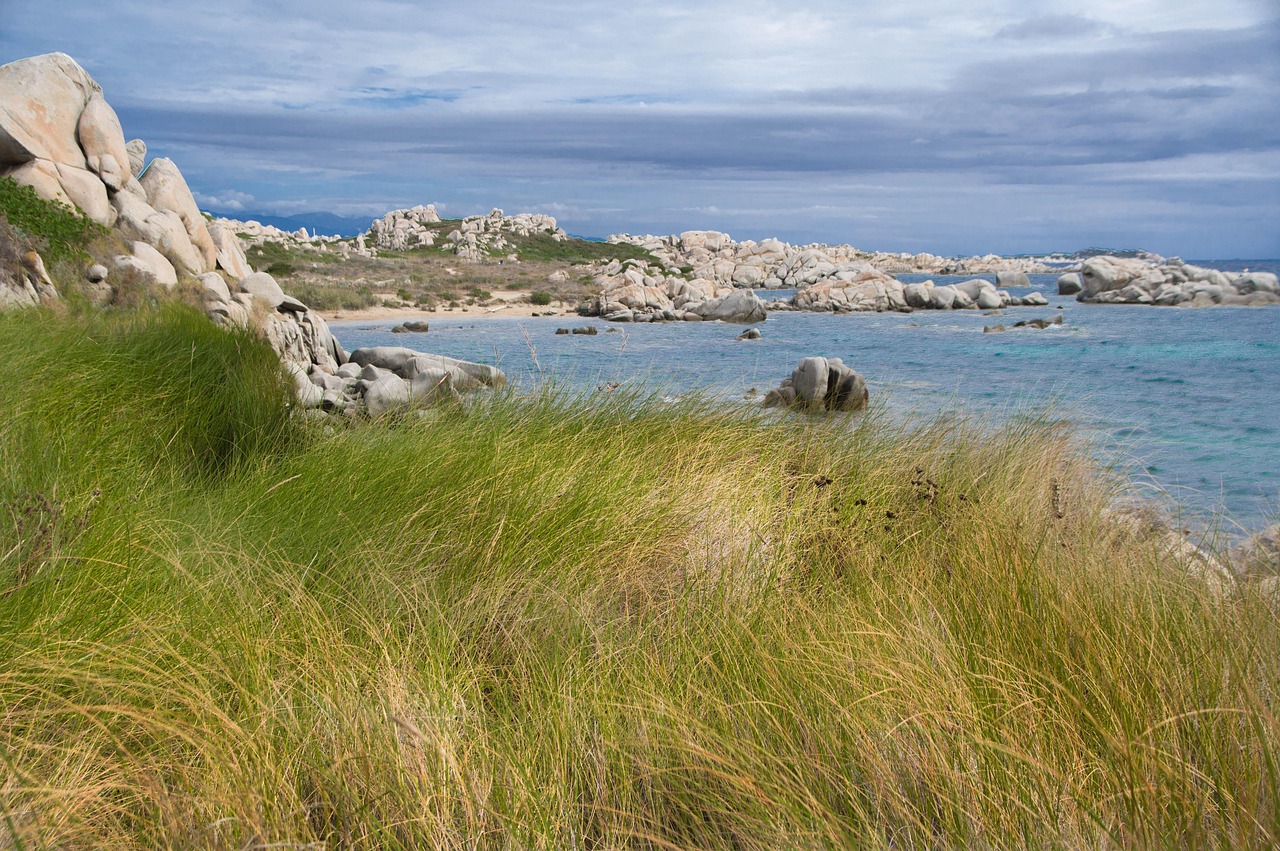
From the first overlook, Ostriconi looks almost unreal: a broad crescent of pale sand, a river snaking behind, low hills framing everything. I’ve visited in August (busy but still beautiful) and in April (almost empty, with dramatic waves); both times, the feeling of space is immense.
Midday: Beach and Short Hikes
- Swim on calm days, or simply walk along the shore and watch the play of light on the water.
- For hikers, continue along the coastal path toward the Desert des Agriates, a protected area of scrubland and secret coves.
Afternoon: Optional Boat Trip from Calvi
If you prefer to stay closer to Balagne’s heart, drive back and take a boat trip from Calvi along the coast—sunset cruises in 2026 often include a glass of local wine and commentary on the coastline’s geology and history.
Adventure tip: For a more active 6 days in Balagne, swap one of the village days for a longer hike in the mountains above the Reginu or Figarella valleys.
7 Day Itinerary for Balagne: A Full Week of Sea, Villages & Valleys
A 7 day itinerary for Balagne is where the region really opens up. You can slow down, repeat your favorite beaches, and add deeper cultural experiences like music, crafts, and rural festivals.
Days 1–6: Follow the 6-day itinerary above.
Day 7 – Slow Day & Hidden Gems
Morning: Market & Coffee
Spend your final morning at whichever weekly local market aligns with your day: Calvi and L’Île-Rousse both have regular markets with seasonal produce, cheeses, and crafts. Markets are ideal places for cultural experiences in Balagne—the banter, the greetings, the rhythm of local life.
Midday: Hidden Beaches or Secret Chapel
- Ask locals for a less-known cove near Calvi or Lumio. There are several small pebbly beaches accessible by short, unmarked paths—nothing dangerous, just not signposted.
- Or, visit a small rural chapel with frescoes in the hills; again, your host or a café owner is your best guide.
Afternoon & Evening: Do-Over Time
Use your last hours to return somewhere you loved: a particular café in Pigna, Bodri beach, the citadel ramparts at sunset. My own ritual is a late-afternoon swim followed by a glass of muscat on a terrace, notebook in hand, scribbling out next year’s return.
18 Key Towns, Villages & Landscapes of Balagne
The following sub-sections dive into at least 18 of Balagne’s main towns, sub-areas, and landscapes, each with history, significance, and personal notes. These are the best places to visit in Balagne whether you’re on a short break or a longer stay.
1. Calvi – Gateway Citadel & Beachfront Town
Character: Lively port town, long sandy beach, historical citadel, nightlife.
Why go: Calvi is the natural starting point for many trips to Balagne: it has an airport, a ferry port, and enough restaurants and shops to make life easy without feeling too big. The old citadel, with its Genoese walls and twisting alleys, anchors the town physically and historically.
History in brief: Calvi was a Genoese stronghold for centuries, and its citadel bears the coat of arms of the Republic of Genoa. It claims (contentiously) to be the birthplace of Christopher Columbus. In World War II, the area around Calvi saw resistance activity; remnants of bunkers still dot the coast.
My experience: I’ve stayed in Calvi in all seasons. In July and August, it hums with life: music festivals, late-night bars, kids licking ice creams at midnight. In March, I’ve walked the almost-empty beach under grey skies, the citadel looming quiet and introspective. Both moods suit it.
What to do:
- Stroll the citadel ramparts at sunset.
- Swim or paddleboard along the main beach.
- Take a boat trip along the coast or to the Scandola Reserve (most departures are in high season).
- Enjoy an evening of Corsican music in one of the smaller bars.
Best for: First-time visitors, couples, families, travelers without a car.
2. L’Île-Rousse – Red Rocks & Gentle Town Life
Character: Compact seaside town, red granite islets, local markets, relaxed vibe.
History in brief: Founded only in the 18th century by Pasquale Paoli, L’Île-Rousse was intended as a Corsican-controlled port that would bypass Genoese-dominated harbors. Its grid-like streets and central square reflect its planned nature.
My experience: L’Île-Rousse is where I go when I want to live like a local: buying olives and greens at the market, having coffee on Place Paoli, walking to the lighthouse in the late afternoon. It feels more “small town Corsica” than Calvi, though in August it’s just as lively.
What to do:
- Morning coffee and people-watching on Place Paoli.
- Walk to the Pietra lighthouse for views over the town and red rocks.
- Swim at the town beach or nearby Caruchettu beach.
Best for: Families, slow travelers, as a base for exploring inland villages and beaches.
3. Pigna – Artists’ Village & Music Hub
Character: Rehabilitated stone village, arts and crafts, strong musical tradition.
History & significance: Pigna was carefully restored in the 1960s and 70s as a center for traditional Corsican arts and music. The village’s concert hall and crafts workshops helped revive polyphonic singing and artisanal work in the region.
Personal note: My most vivid Balagne memory is still that summer concert in Pigna: locals and visitors squeezed together on wooden benches, the air hot and still, then the first polyphonic chord cracking the silence.
Best for: Cultural experiences, romantic evening dinners, music lovers.
4. Sant’Antonino – The Eagle’s Nest
Character: Perched village, 360-degree views, stone alleys, artisan shops.
History: Sant’Antonino dates back to around the 9th century and grew as a defensive stronghold. Its circular layout and narrow lanes once made it easier to defend against raiders.
My experience: It always feels a bit like walking into a medieval stage set. One evening in 2023, I watched a thunderstorm roll in from the sea; lightning lit up the terraces below like a momentary x-ray of the landscape.
Best for: View seekers, photographers, couples.
5. Lumio & Occi – Balcony over the Bay
Character: Balcony village, golden stone houses, hike to an abandoned hamlet.
Highlights:
- Cafés with broad views over the bay to Calvi.
- Hike to Occi, an abandoned stone village rewilded by time, now a favorite for sunset picnics.
Best for: Short hikes, sunset lovers, those wanting quieter village stays near the coast.
6. Aregno & its Romanesque Church
Character: Agricultural village, orchards, Romanesque heritage.
Highlight: The Église de la Trinité et de San Giovanni, just outside Aregno, is a 12th-century Romanesque church built of polychrome stone—green, white, and black blocks in striking patterns. I stumbled on it by accident on my second trip, following a sign from the main road; since then, I’ve returned with every first-time visitor.
Best for: Architecture buffs, photographers, calm rural atmosphere.
7. Feliceto – Vines, Olive Trees & Quiet Nights
Character: Small village surrounded by vineyards and olive groves, rural inns.
My experience: Feliceto is where I finally slowed down enough to hear Balagne breathe. No crowds, just the sound of wind in the olive trees and clinking glasses at dinner on a farmhouse terrace.
Best for: Food and wine enthusiasts, rural stays, those wanting to disconnect.
8. Speloncato – Stone Labyrinth in the Sky
Character: Dramatic perch, complex alleys and arches, sweeping panoramas.
Tip: Wear good shoes; the alleys can be steep and irregular. Bring a camera and time to get lost in the stone maze.
Best for: Explorers, photographers, travelers interested in traditional architecture.
9. Reginu Valley – The Garden Heart of Balagne
Character: Fertile valley lined with vineyards, olive groves, and small villages.
Significance: This is the agricultural heart of Balagne; much of the region’s wine and olive oil comes from here.
Best for: Scenic drives, tastings, gentle walks.
10. Figarella Valley – Rivers, Pools & Forests
Character: Mountain valley with rivers, natural pools, and shaded hikes.
My experience: On a hot June afternoon in 2022, I followed a local’s directions down a barely marked path to a series of clear rock pools. The water was cold enough to make me gasp; dragonflies skimmed the surface, and somewhere, unseen, a goat bell clinked.
Best for: Families with older kids, hikers, anyone needing a break from the sun.
11. Bodri Beach – White Sand & Turquoise Water
Character: Wide crescent of sand, clear shallows, low scrub behind.
Tip: Arrive early in high season for easier parking and quieter sand. In spring and autumn, bring a light windbreaker; breezes can be cool even when the sun is warm.
Best for: Classic beach days, families, swimmers.
12. Ghjunchitu (Giunchetu) – Slightly Wilder Sister Beach
Character: A touch wilder than Bodri, with slightly fewer people and a sense of space.
Best for: Those wanting a less-developed feel within easy reach of L’Île-Rousse.
13. Ostriconi – Gateway to the Desert des Agriates
Character: Wild beach, river mouth, dunes, and sweeping views of semi-desert hills.
Tip: The wind can be strong here; check sea conditions before swimming, especially with children.
Best for: Adventurous beachgoers, photographers, hikers.
14. Balagne’s Mountain Fringe – Toward the Niolo
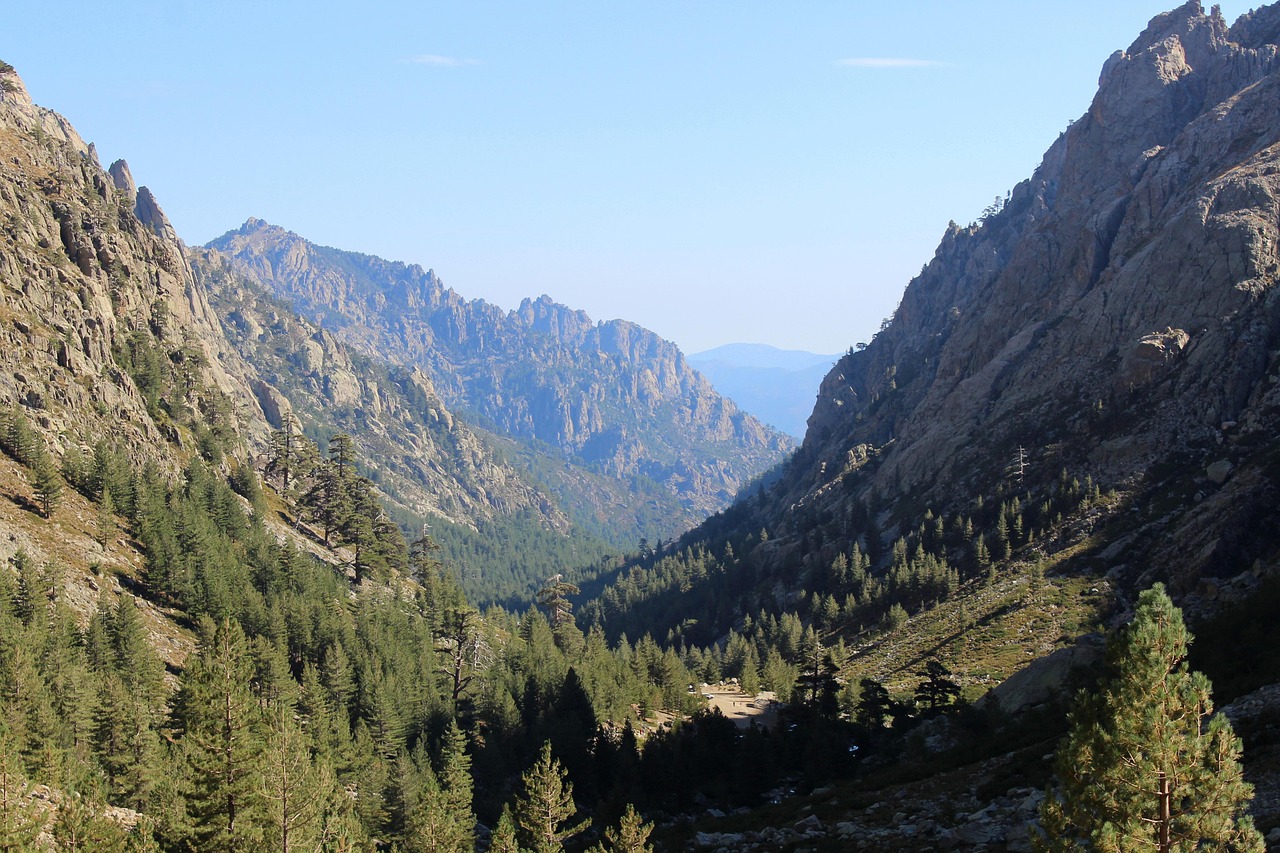
Character: Rising ridgelines, chestnut forests, gateways to serious hiking country.
Best for: Hikers, autumn visitors chasing chestnut festivals and fall color.
15. Montegrosso – Cluster of Hamlets with a View
Character: Small hamlets (like Montemaggiore) perched above the Figarella valley.
Best for: Those who enjoy unhurried village life and big skies.
16. Zilia – Springs & Mountain Backdrop
Character: Quiet village known for its mineral water source, with hiking access.
Best for: Walkers, those seeking peaceful rural stays.
17. Algajola – Small Fortified Seaside Village
Character: Miniature seaside town with a small fort, a pleasant beach, and several restaurants.
My experience: I often stop here for lunch when riding the coastal train: hop off, eat grilled fish by the tiny harbor, then catch the next train.
Best for: Low-key beach days, train-based explorations between Calvi and L’Île-Rousse.
18. Desert des Agriates (Edge of Balagne) – Protected Coastal Wilderness
Character: Vast protected area of scrubland and rocky coves between Balagne and Saint-Florent.
Relevance to Balagne: While technically beyond Balagne’s strict borders, it forms part of many visitors’ mental map of the region and is a popular day trip from L’Île-Rousse or Ostriconi.
Best for: Hikers, boat trips, those looking for one of Corsica’s most pristine coasts.
Regional Cuisine & Where to Eat in Balagne
Balagne’s cuisine is rooted in the land: chestnuts, olives, citrus, lamb and goat from the hills, and fish from the sea. Over the years, I’ve learned that menus change subtly from village to village, and that the best meals are often in modest-looking inns or agriturismi.
Signature Dishes by Sub-Area
- Coastal towns (Calvi, L’Île-Rousse, Algajola)
- Grilled fish and seafood platters.
- Stuffed mussels (moules farcies).
- Spaghetti with sea urchin in season.
- Hilltop villages (Pigna, Sant’Antonino, Lumio)
- Goat and lamb dishes, often roasted or stewed.
- Brocciu (fresh sheep/goat cheese) omelettes.
- Fig and walnut desserts.
- Inland valleys (Reginu, Figarella, Feliceto, Speloncato)
- Civet de sanglier (wild boar stew).
- Chestnut-based dishes: polenta-like side dishes, cakes.
- Charcuterie cured in mountain air.
Where to Taste Local Food in Balagne
Agriturismi & Farm Stays
In the Reginu valley and around Feliceto and Speloncato, agriturismi offer set menus featuring their own produce: garden vegetables, house olive oil, wines, and often home-raised meat. Book ahead, especially in July–August.
Family-Run Inns & Trattoria-Style Restaurants
In villages like Pigna, Sant’Antonino, and Algajola, family-run restaurants serve generous plates of regional classics. One rainy night in Sant’Antonino, a nonna insisted I try her chestnut cake “even if you are full”—a command, not a suggestion.
Local Markets
- Calvi market – Mix of produce, cheeses, and some crafts.
- L’Île-Rousse covered market – My favorite for daily shopping: local cheeses, cured meats, olives, tapenades, honey, and seasonal fruit.
Money-saving tip: For longer stays, shop markets and cook some meals yourself; splurge on a few special dinners. Over a week, this balances costs without sacrificing experiences.
Evenings in Balagne
Balagne after dark is more about glow than glare. Nightlife here is a mix of seaside promenades, village festivals, and quiet terraces.
- Small-town piazzas – Place Paoli in L’Île-Rousse and the lower town squares of Calvi are evening living rooms, with kids playing late and older residents nursing a pastis.
- Harvest festivals – In autumn, villages inland celebrate chestnuts, wine, and olives with stalls, music, and communal meals.
- Local concerts – Pigna’s auditorium and churches in Calvi and various villages host polyphonic concerts and classical recitals.
- Sunset viewpoints – Citadel ramparts in Calvi, the lighthouse at L’Île-Rousse, terraces in Lumio and Sant’Antonino.
In high summer, evenings stretch late with music spilling from bars in Calvi’s marina and occasional open-air events in L’Île-Rousse. In shoulder seasons, expect quieter nights, perfect for long dinners and early starts.
Events & Festivals in Balagne 2026–2027
Festivals shift slightly each year, but the following are typical and expected to run in 2026–2027 (dates approximate; confirm closer to travel):
- Calvi on the Rocks (Calvi, early July 2026) – Electronic and indie music festival on the beach and at venues around Calvi. Busy, youthful, with late-night parties.
- Festival de Musique de Calvi (Calvi, late June 2026) – Classical and world music concerts, often in the citadel.
- Rencontres Musicales de Pigna (Pigna, July–August 2026) – Program of concerts focusing on Corsican polyphony and Mediterranean traditions.
- Village Fêtes & Patron Saints’ Days (throughout Balagne, summer 2026–2027) – Each village has its own celebration with processions, communal meals, and dancing.
- Chestnut Festivals (Festas di a Castagna, inland Balagne, October–November 2026) – Celebrations of the chestnut harvest with food stalls, music, and craft markets.
Day Trips from Balagne
Balagne makes a great base for exploring further afield in Corsica.
- Desert des Agriates & Saleccia Beach
- From L’Île-Rousse: drive or join a tour to Saint-Florent, then take a 4x4 track or boat to the legendary beach of Saleccia.
- Practical tip: Bring water, sun protection, and snacks; facilities are minimal.
- Corte & Restonica Valley
- From Calvi or L’Île-Rousse, drive (about 1.5–2 hours) into the interior to the historic town of Corte, then continue up the Restonica Valley for hikes and river swims.
- Cap Corse (from Bastia)
- More ambitious as a day trip; better as an overnight, but doable if you’re based in eastern Balagne and start early.
Cultural Etiquette & Local Customs in Balagne
Balagne is welcoming, but like anywhere, it has its rhythms and unspoken rules.
- Greetings – A simple “Bonjour” (morning/day) or “Bonsoir” (evening) when entering shops or cafés is essential and appreciated. If you speak some French, use it.
- Language – French is the main language; Corsican (corsu) is also spoken. Don’t assume Italian will be understood, though many people know some.
- Respect for local identity – Corsicans are proud of their culture and history. Avoid joking about separatism or politics unless you know people well.
- Churches & religious events – Dress modestly when entering churches; cover shoulders and avoid swimwear. During village processions, step aside and watch respectfully.
- Meal times – Lunch is typically 12:30–14:00; dinner starts around 19:30–20:30. In smaller villages, restaurants may close outside those hours.
- Driving & villages – Go slow through villages, avoid honking, and be patient on narrow roads; locals know the curves but appreciate caution.
Practical Travel Tips for Balagne (2026–2027)
Getting There & Around
By Air
- Calvi-Sainte-Catherine Airport – Closest airport, with seasonal flights from major French and some European cities.
- Bastia Airport – Larger, about 1.5–2 hours’ drive from L’Île-Rousse.
By Ferry
- Ferries connect Calvi and L’Île-Rousse with mainland ports like Nice, Toulon, and Marseille, and with Italian ports in high season.
Car vs Train vs Bus
- Car rental
- Best way to explore multiple villages, valleys, and hidden beaches.
- Pick up at Calvi airport or Bastia if starting there.
- Foreign driver’s licenses are generally accepted; if outside the EU, an International Driving Permit is recommended.
- Parking in historic centers is limited; use marked lots outside and walk in.
- Train (U Trinichellu)
- Charming narrow-gauge train linking Calvi – Algajola – L’Île-Rousse and beyond.
- Great for beach-hopping and seeing the coast without driving.
- Bus
- Limited services connect major towns and some villages; schedules are sparse, especially off-season.
Driving Distances in Balagne
- Calvi – L’Île-Rousse: ~25–30 min
- L’Île-Rousse – Feliceto: ~25–30 min
- Calvi – Lumio: ~15 min
- Calvi – Pigna: ~35–40 min
- L’Île-Rousse – Ostriconi: ~25–30 min
Best Seasons for Balagne
- Spring (April–June) – Wildflowers, cooler temperatures, ideal for hiking and sightseeing; sea warms up progressively.
- Summer (July–August) – Beach season, lively festivals, busiest and hottest period.
- Autumn (September–November) – Warm sea (especially September), harvest time, chestnut festivals inland, quieter coasts.
- Winter (December–March) – Very quiet, some hotels and restaurants closed, moody seas and empty beaches; better for contemplative travelers than first-timers.
SIM Cards & Connectivity
Balagne is well covered by French mobile networks. For EU travelers, roaming usually applies. Non-EU visitors can:
- Buy a prepaid French SIM (e.g., Orange, SFR, Bouygues) at airports or major towns.
- Use eSIM options from international providers if your phone supports it.
Visa Requirements (2026)
Corsica is part of France and thus the EU/Schengen area.
- EU/EEA/Swiss citizens: ID card or passport, no visa.
- Other nationalities: check current Schengen visa requirements; many countries have 90-day visa-free arrangements.
Money-Saving Tips for a Multi-Day Trip
- Travel in May–June or September–early October for lower accommodation prices and milder weather.
- Stay in one base (e.g., L’Île-Rousse) and do day trips; moving accommodations too often can increase costs and stress.
- Use markets and bakeries for breakfast and picnics; save restaurant meals for dinners.
- Share rental cars between friends or family; public transit alone can be limiting outside the coast.
Summary & Final Recommendations
Balagne is not a place you “do”; it’s a place you inhabit for a while. Whether you follow a 4 day itinerary for Balagne focused on Calvi and the classic hilltop villages, stretch to a 5 day itinerary adding rural wine country, or savor a full 7 days in Balagne with hikes, wild beaches, and concerts, you’ll find a region that balances accessibility with authenticity.
Key takeaways:
- Best bases: Calvi for first-timers and non-drivers; L’Île-Rousse for families and slow travel; hilltop or rural stays for romance and food-focused trips.
- Must-see attractions in Balagne: Calvi citadel, L’Île-Rousse lighthouse and square, Pigna and Sant’Antonino, Bodri/Ghjunchitu, at least one inland valley (Reginu or Figarella).
- Hidden gems in Balagne: Occi above Lumio, Feliceto’s rural inns, Speloncato’s stone maze, Ostriconi’s vast wild beach, tiny rural chapels with frescoes.
- Best seasons: May–June and September–early October for a balanced experience; July–August for festivals and full-on summer; spring and autumn for hikers and food lovers.
Above all, leave space in your schedule. Some of my best Balagne days have been the ones where I abandoned plans to follow a side road, linger in a village café, or watch one more sunset from a familiar terrace. This is a region that rewards unhurried curiosity, and in 2026 it remains one of the most compelling corners of France to explore at human speed.