Why Visit Scandola Nature Reserve?
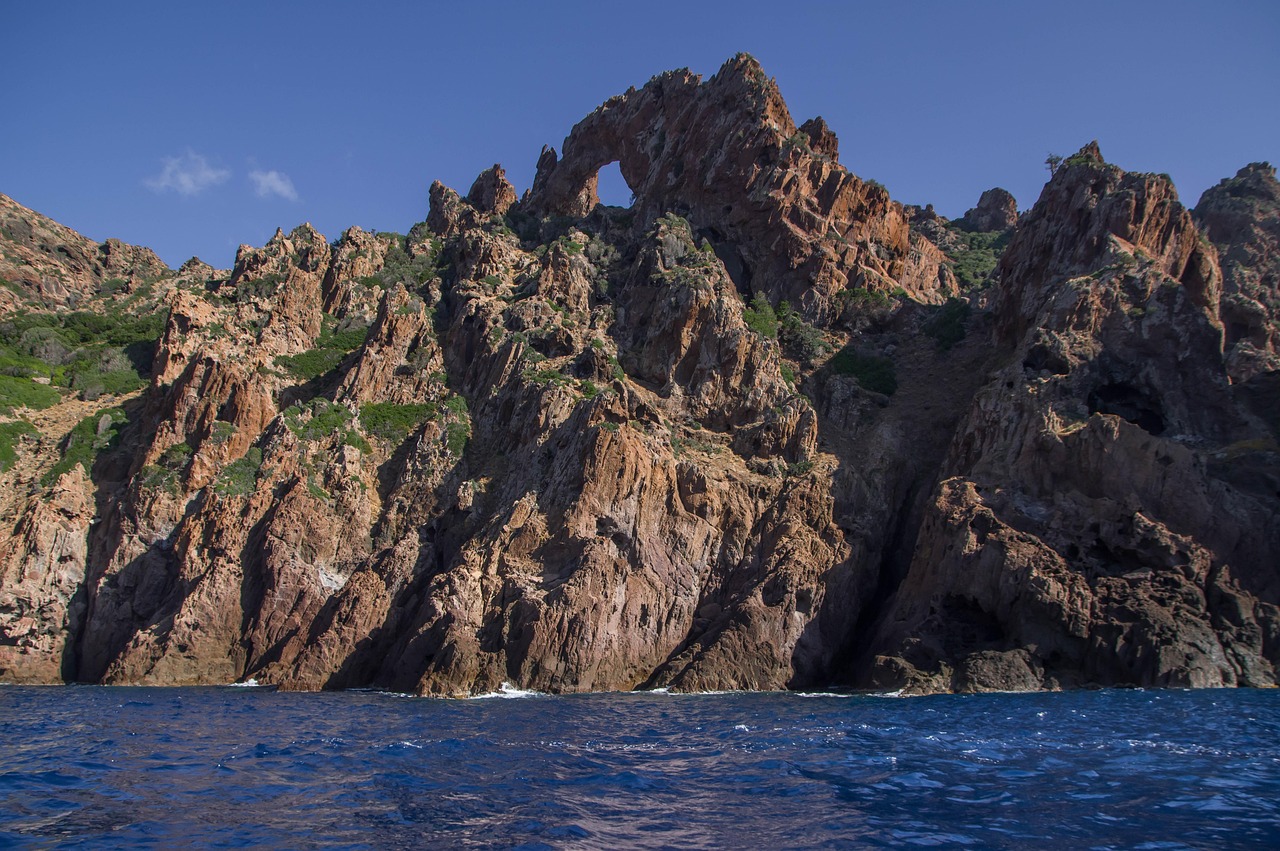
If you ask people in Corsica which corner of the island feels most sacred, many will quietly say: Scandola. Even after years of living between Ajaccio and the west coast, I still catch my breath every time the boat noses around the red porphyry cliffs and the reserve suddenly opens up like a stone cathedral over the sea.
Scandola Nature Reserve (Réserve Naturelle de Scandola) is a UNESCO World Heritage Site, a fiercely protected marine and terrestrial sanctuary on Corsica’s wild northwest coast between Porto, Galéria, and the Gulf of Girolata. There are no roads into the core of the reserve, no souvenir stands, no beachfront bars. You arrive by boat or on foot, or not at all. That’s precisely why it feels so otherworldly.
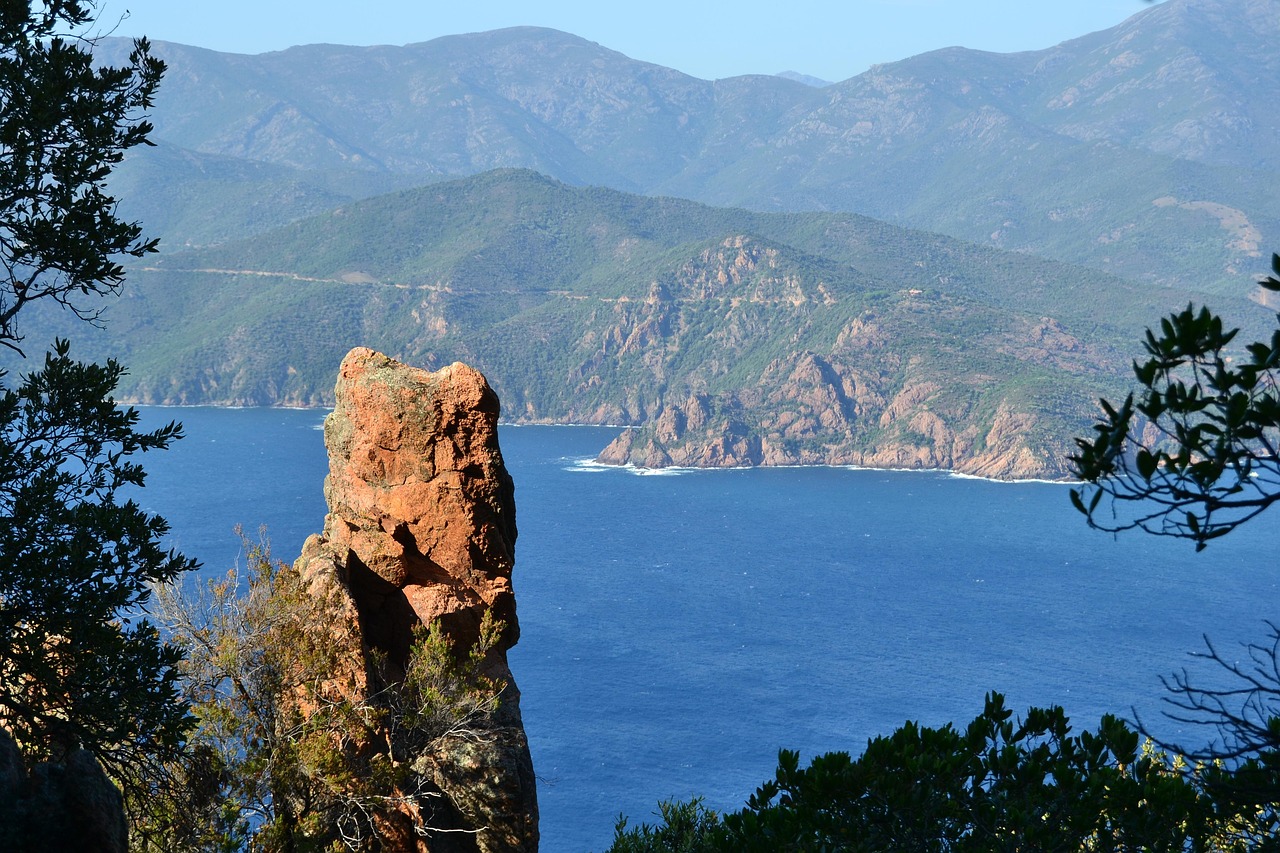
What makes Scandola special isn’t just the iconic red cliffs plunging straight into aquamarine water. It’s the combination of volcanic geology, shockingly clear seas, nesting ospreys, and a near-absence of human noise. The reserve is shared between rugged coastal mountains, hidden coves, sea caves, and a maze of inlets where dolphins sometimes escort local fishing boats home at dusk.
As a local guide, I’ve visited Scandola in every season that regulations allow, from February squalls to late-September glassy calm. I’ve watched shy kids become fearless snorkelers in a single afternoon, seen couples get engaged off the bow at sunset, and led older travelers who swore they “weren’t boat people” and then spent the entire cruise grinning like teenagers.
This long-form travel guide for 2026 is written for travelers who want more than a quick cruise photo. I’ll walk you through the best things to do in Scandola Nature Reserve, must-see attractions, hidden gems, local food around the reserve, cultural experiences in the nearby villages, and practical travel tips – including detailed 3 day, 4 day, and 5 day itineraries.
Table of Contents
- Why Visit Scandola Nature Reserve?
- Essential Overview of Scandola Nature Reserve
- Key Zones, Trails, and Viewpoints (15 Detailed Areas)
- Suggested Itineraries: 3, 4, and 5 Days in Scandola Nature Reserve
- Gateway Towns: Porto, Galéria, Girolata & Beyond
- Where to Eat: Local Food in and Around Scandola
- Where to Stay: Lodges, Rooms, and Campgrounds
- After-Dark & Quiet Experiences
- Day Trips & Nearby Attractions
- Cultural Etiquette & Local Customs
- Practical Logistics & Travel Advice for 2026–2027
- Events & What’s New in 2026–2027
- Hidden Tips: Saving Money, SIM Cards, Transport, Visas
- Summary & Best Seasons to Visit
Essential Overview of Scandola Nature Reserve
Created in 1975, Scandola Nature Reserve protects both land and sea: some 1,900 hectares of rugged peninsula and islands, plus about 1,000 hectares of marine reserve. It is part of the UNESCO-listed “Gulf of Porto: Calanche of Piana, Gulf of Girolata, Scandola Reserve” World Heritage Site.
There are three core ideas to understand before planning your 3 day itinerary or 5 day itinerary for Scandola Nature Reserve:
- 1. It’s primarily a boat destination. There are no roads into the heart of the reserve. You see the iconic cliffs, caves, and sea stacks by boat from Porto, Galéria, or Calvi, or by kayaking on the fringes.
- 2. Land access is extremely limited. Hiking is mostly along the edges (especially around Girolata and from the Col de la Croix) with strict rules to protect nesting birds and fragile plants.
- 3. It’s about the whole coastline, not just a single “spot.” Think of Scandola as a continuous, evolving landscape: red organ pipes, basalt dykes, arches, and turquoise coves that change every few minutes as you move along.
Most visitors see Scandola on a half-day cruise. That’s fine if your time is tight. But if you can give it 3–5 days, basing yourself in Porto or Galéria, you can mix boat trips, short hikes, swims, snorkel sessions, and quiet evenings into a deeper experience.
Key Zones, Trails & Viewpoints in and Around Scandola (15 Detailed Areas)
Below are the main zones and experiences that, together, make up the best places to visit in Scandola Nature Reserve. I’ve grouped them by how you’re likely to encounter them: by boat, by foot, or from nearby viewpoints. Each sub-section reads like a small chapter from my notebook, with practical travel tips for Scandola along the way.
1. The Western Scandola Cliffs & Punta Palazzu
My first clear memory of Scandola is of a morning in late May, 2017, when the captain cut the engine just off Punta Palazzu. The sun had just climbed over the spine of Corsica, catching the western cliffs in honey-gold light. The rock glowed so intensely it looked almost fake, like someone had turned up the saturation on the whole coastline.
Punta Palazzu is a bold, jagged headland marking the western flank of the reserve. It’s one of the must-see attractions in Scandola Nature Reserve, and almost every boat tour will linger here. The cliffs drop sheer into water so clear that, on calm days, you can see schools of fish cruising over the seagrass meadows far below.
What to look for:
- Columnar formations – These are volcanic “organ pipes,” vertical columns of red porphyry that seem to buzz with heat even when the air is cool.
- Nesting birds – Look high up for the silhouettes of cormorants and, if you’re lucky, an osprey circling lazily above.
- Color gradients in the water – From sapphire to jade, the marine reserve is a living color chart for blues and greens.
How to experience it: You’ll usually approach from Porto (about 1.5–2 hours each way on standard tours). I prefer the early morning departures in shoulder season (late April–early June, or late September) when the sea is calmer and the light is softer.
Family-friendly? Yes, with caveats. Young kids often love the drama of the cliffs, but it can be a long outing (3–4 hours). Bring snacks, a light jacket, and a hat that can be tied down—this coastline is famously windy.
Practical tip: Sit on the port side (left) when leaving Porto to have the best view of the cliffs on the outbound journey. I still remember one August trip where the entire right side of the boat craned over us for photos while we sat smugly with an unobstructed panorama.
2. The Sea Caves & Arches of Scandola
On my third trip into Scandola, in September 2022, the sea was so calm the captain grinned and said, “On va jouer un peu” – we’re going to play a bit. He nosed the boat into a narrow cleft in the rock, and suddenly we were in a cool, echoing tunnel, the water reflecting wavering light up onto the ceiling. Everyone fell silent.
The sea caves and arches are some of the most photographed features in Scandola. They’re also where you most appreciate how alive the rock is, sculpted by wind and waves into shapes that feel almost architectural.
Main highlights:
- Grottes semi-submergées – Semi-submerged caves where the captain may edge in, depending on swell and regulations that season.
- Narrow arches – Some small boats pass right beneath natural bridges of rock; others hover just outside for photos.
- Basalt dykes – Black “veins” in the red cliffs, remnants of ancient volcanic activity.
Best time: Mornings on calm days. In 2025 and again in early 2026, I’ve noticed local operators are more conservative about entering caves if there’s any swell, out of both safety and environmental caution.
Photographer’s tip: Set your camera or phone to a slightly higher ISO before entering caves; the contrast between bright sea and dark rock can trick automatic settings. I’ve salvaged many cave shots this way.
Accessibility: Boat only, but you don’t need to be physically fit beyond being able to step on and off a vessel. If you’re prone to seasickness, take preventative medication about 30–45 minutes before departure.
3. Punta Muchillina & the Northern Headlands
Punta Muchillina is the northern sentinel of Scandola, facing toward Galéria and the wilder, less-trafficked side of the reserve. My first approach from the north was on a small semi-rigid boat out of Galéria in June 2021, skimming across a silver morning sea, with barely another craft in sight.
Here, the cliffs feel slightly less theatrical but more intimate. There are smaller coves, more visible birdlife, and a sense that you’re at the edge of something still largely untouched.
Why it’s special:
- Quieter than the western sector – Fewer big tour boats, especially outside July–August.
- Marine life – On two separate trips I watched pods of dolphins hunting near Punta Muchillina; local skippers say sightings here are fairly common in late spring.
- Connection to Galéria – Many of the best small-group eco-tours depart from Galéria and explore this northern fringe.
Who will love it: Travelers who prefer a more low-key, nature-focused experience over the wow-factor of the towering western cliffs. It’s also a good choice if you’re basing your 3 days in Scandola Nature Reserve in Galéria rather than Porto.
Tip: Ask about snorkeling stops on tours from Galéria; the northern reserves often have calmer, clearer water ideal for beginner snorkelers and families.
4. The Girolata Gulf & Village Approach
Girolata is not technically inside Scandola, but it’s intimately linked to the reserve and part of the same UNESCO coastal ensemble. You can’t drive there. You either hike in or arrive by boat. Every time I see its little cluster of houses appear, sheltered under the Genoese fort, I feel like I’m stepping into a secret held just a little apart from the rest of Corsica.
The Gulf: A wide, calm bay east of the reserve proper, often used as a lunch or swimming stop on boat tours. The contrast with Scandola’s sheer cliffs is striking: here you have gentle slopes, a sandy inlet, and the warm, human scale of a tiny settlement.
The Village: In summer, Girolata can feel busier than its isolation suggests, with day-trippers filling the terraces. In shoulder seasons, it returns to a sleepy hamlet with a handful of residents and the soft clink of boat rigging.
What to do:
- Swim or snorkel – The bay is usually calmer than the open reserve; I often send less confident swimmers here for their first dip.
- Lunch on the terrace – Simple grilled fish, salads, and Corsican charcuterie taste better with your feet in the sand.
- Short walk to the fort – A 10–15 minute stroll gives you a lovely vantage back over the gulf.
Personal note: In October 2023, I spent a night in Girolata – something I recommend if you can secure a room. After the last boat left, the village went hushed. I walked down to the shore and watched stars bloom above Scandola’s silhouette to the west. That feeling of being suspended between sea and reserve is one of my favorite Corsican memories.
5. Sentier du Facteur (The Mailman’s Trail) to Girolata
The Sentier du Facteur is a classic coastal path and one of the best things to do near Scandola if you want a land-based adventure that doesn’t require advanced hiking skills. Named after the postman who once walked this route to deliver mail to Girolata, it traverses wild maquis, dips down to hidden coves, and offers repeated balcony views toward the reserve.
Trail basics (as of 2026):
- Start: Col de la Croix (on the D81 road between Porto and Galéria)
- Distance: ~7 km one way to Girolata (14 km return if you walk back)
- Difficulty: Moderate – rolling ups and downs, some rocky sections, no technical exposure
- Time: 2–3 hours each way, depending on pace and photo stops
I’ve walked this trail at least six times, most recently in April 2026. In spring, it’s pure sensory overload: cistus and broom flowers, wild thyme underfoot, the sea flashing between gaps in the scrub. One late April afternoon, I rounded a bend and almost bumped into a herd of goats, bells tinkling, a young shepherd trailing behind with a transistor radio tucked under his arm.
Highlights along the trail:
- Panoramas toward Scandola – On clear days, you can make out the red bastions of the reserve in the distance.
- Tuara beach detour – A short path leads to a secluded pebble cove, perfect for a picnic and swim.
- Approach into Girolata – Dropping down into the village on foot feels like entering a small world through a back door.
Tips for hikers:
- Season: Best from April–early June and late September–October. July–August can be brutally hot; start at dawn if you must hike then.
- Logistics: Many travelers walk in and take a boat out (or vice versa). In my view, walking in and boating out is more satisfying, ending the day with a cruise along the coast.
- Water & sun: There’s almost no shade. In 2025, I saw too many under-prepared hikers; carry at least 1.5–2L of water per person and a sun hat.
6. Capu Seninu & the High Cliff Vistas
Capu Seninu is one of the great capes of Corsica, forming the southern gateway to the Scandola-–Girolata coastal system. On maps, it looks like a clenched fist punching into the sea. In person, it’s a vertiginous wall of red rock that seems to lean over the water.
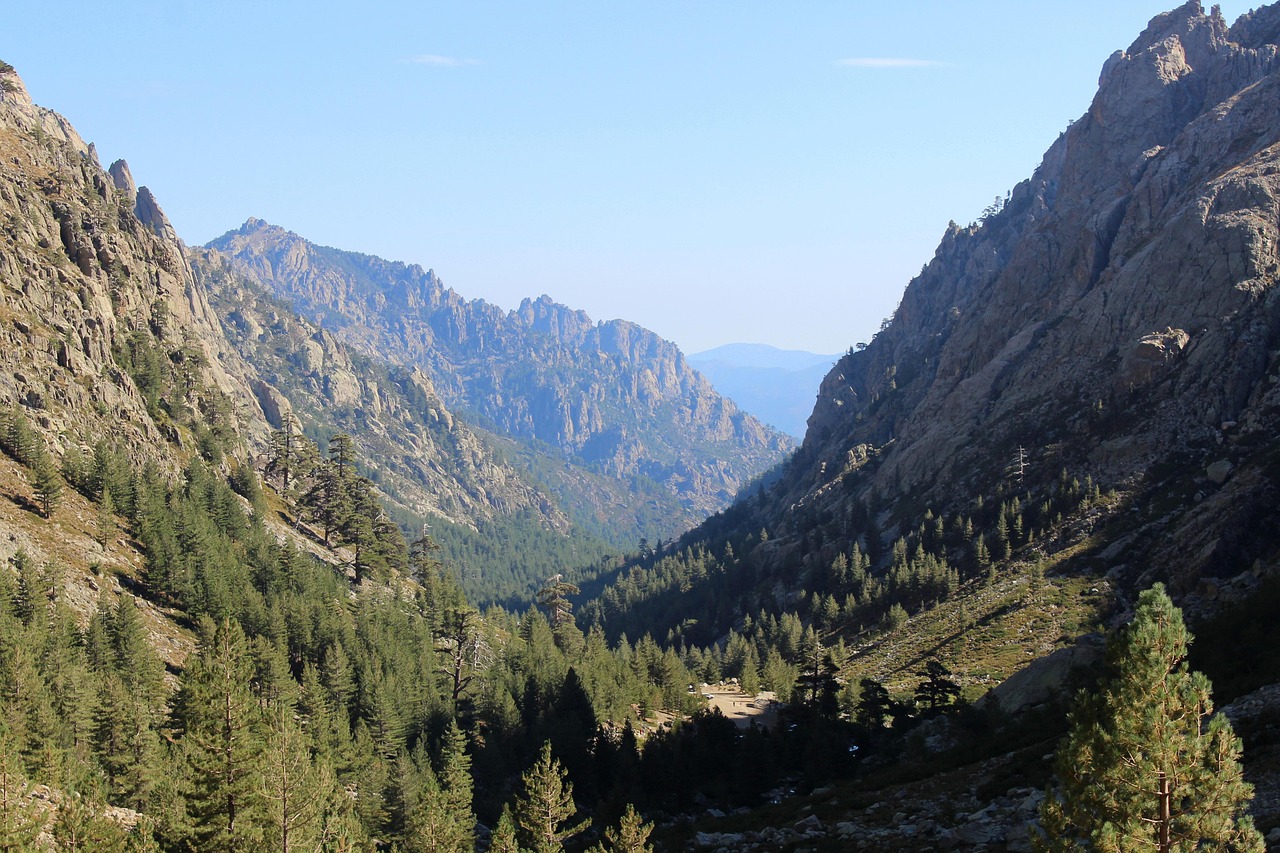
Most visitors see Capu Seninu from the sea, but the more intrepid can approach from above via rugged trails in the area of Piana and Ota/Evisa. Over the years I’ve done both; each perspective tells a different story.
By boat: You’ll usually pass under Capu Seninu en route between Porto and Scandola. The scale is astonishing. I still remember a July 2019 trip when a small sailing yacht passed below; from our vantage, it looked like a toy boat against a fortress wall.
By land (experienced hikers): There are unmarked or semi-marked paths used by local shepherds and a few adventurous hikers, but these are not beginner-friendly and require good navigation skills and respect for private land and protected zones. I only recommend them with a local mountain guide.
Why it matters: Capu Seninu is where you truly feel the tectonic drama that created this coastline. It’s also an important reference point for understanding how Scandola connects northward to Girolata and southward to the Calanche de Piana.
Tip: From the scenic pullouts on the D81 between Porto and Piana, you can catch distant views of Capu Seninu at sunset. I often stop here with a thermos of coffee in spring or autumn; the sky behind the cape turns a soft lavender while the sea darkens to ink.
7. Marine Reserve Snorkel Zones (Outer Fringe)
Strict regulations mean you can’t just anchor anywhere and jump in within the core of Scandola. However, several licensed operators in Porto and Galéria offer eco-conscious snorkeling tours on the fringes of the marine reserve, where you can experience the underwater world without harming it.
On a glassy August morning in 2020, I joined one of these tours from Galéria. We stopped outside the no-entry zone, where the skipper gave a detailed briefing on not touching anything, staying off the seagrass, and keeping fins under control. Then we slid into water as clear as air.
What you might see:
- Posidonia seagrass meadows – the “lungs” of the Mediterranean
- Colorful wrasses, bream, and damselfish
- Occasional groupers (if you’re lucky)
- Octopus, hiding in rock crevices
Family-friendly? Yes, for kids comfortable in the water. Operators usually provide floatation vests and sometimes transparent-bottom boards for non-swimmers.
Gear: Most tours provide masks, snorkels, and fins. If you have a sensitive face, bring your own mask for better comfort. In May and October, I wear a shorty wetsuit; in July–August, a swimsuit is usually enough.
Responsible travel tip: Avoid using regular sunscreen before swimming; many brands harm marine life. Use a reef-safe, mineral-based sunscreen and apply it well in advance so it can absorb, or better yet, use a rash guard for sun protection.
8. The Porto–Scandola Coastal Cruise Corridor
Between Porto and the entrance to Scandola lies a stretch of coast that’s easy to overlook on maps but unforgettable in person. Over dozens of cruises, this “corridor” has become one of my favorite parts of the journey.
Landscape: Less sheer than the reserve itself but still spectacular: terraced hillsides, isolated stone houses (often abandoned), and abrupt ravines spilling down to the sea. In spring, waterfalls appear after heavy rains.
Why it’s worth your attention:
- Context – You see how Scandola fits into the broader topography of Corsica’s west coast.
- Light – Early morning and late afternoon cruises bathe this stretch in warm, angled light that’s perfect for photography.
- Wildlife – I’ve seen dolphins, tuna schools, and seabirds hunting here more often than inside the reserve itself.
I like to stand near the bow and watch how the villages of Porto and Ota recede into the blue haze behind us. On one October trip, storm clouds piled up over the central mountains while the coast remained sunlit – a classic Corsican weather drama that made the whole seascape feel cinematic.
Tip: When comparing boat tours for your 3 day or 4 day itinerary for Scandola Nature Reserve, ask how fast they transit this section. Slower, more interpretive cruises may cost a bit more but give you time to appreciate the corridor instead of racing through it.
9. Calanche de Piana & the D81 Scenic Drive
Again, not technically inside Scandola, but the Calanche de Piana is its spiritual sister: a surreal landscape of eroded red rock towers, pinnacles, and windows just south of Porto, best explored along the D81 road between Piana and Porto.
I can’t count how many times I’ve driven this stretch. In 2024, I did it four times in a single week guiding different families, and each time the light hit the rock differently. One evening, as we pulled into a layby, a group of wild mouflon (Corsican mountain sheep) picked their way across a ridge above us, perfectly silhouetted against the orange sky.
Highlights:
- Roadside viewpoints with plunging views to the sea and distant glimpses toward Scandola
- Short walking paths into the rock formations (e.g., the “heart” of Piana)
- Sunset photography – the rock turns a deep, almost bloody red
Driving tips:
- The road is narrow and winding with sheer drops. Take your time and use the official pullouts for photos.
- In July–August, traffic can be heavy at sunset. In those months, I often go at sunrise instead; you’ll have the place nearly to yourself.
For many travelers, this drive plus a Scandola cruise form the visual high points of their 3 days in Scandola Nature Reserve and its surroundings.
10. Porto Marina & Genoese Tower
Porto is the main southern gateway town for Scandola, and its marina is where many itineraries anchor. But don’t treat it as just a launch point. The Genoese tower looming above the harbor offers one of the simplest and most satisfying viewpoints in the region.
Climbing the tower: A short, steep walk from the marina (10–15 minutes) brings you up to the base of the 16th-century tower, built to watch for Barbary pirate raids. For a small fee, you can enter and climb to the top.
The view: To the north, the coastline curves away toward Scandola; to the south, you see Capu d’Orto and the Calanche de Piana. At sunset, the entire amphitheater of mountains glows.
One June evening in 2025, I watched a thunderstorm roll inland from this tower. Lightning forked over the high peaks while, below, the marina lights flickered to life. The juxtaposition of wild nature and small human harbor summed up Porto’s character for me: a frontier town between mountain and sea.
Family-friendly: Yes, though small children will need supervision on the tower stairs and ramparts.
11. Galéria Estuary & Coastal Walks
On the northern side of Scandola, the quiet village of Galéria sits where the Fango River meets the sea. The estuary and adjacent beaches form a low-key but rewarding zone to explore, especially if you’re planning 4 days in Scandola Nature Reserve and want a change of pace from cliffs and boats.
What to do:
- Walk along the estuary – Gentle paths follow the lagoon and beach, with birdlife and mountain views.
- Kayak the Fango – Upstream, the river runs through a UNESCO Biosphere Reserve, with emerald pools and overhanging trees.
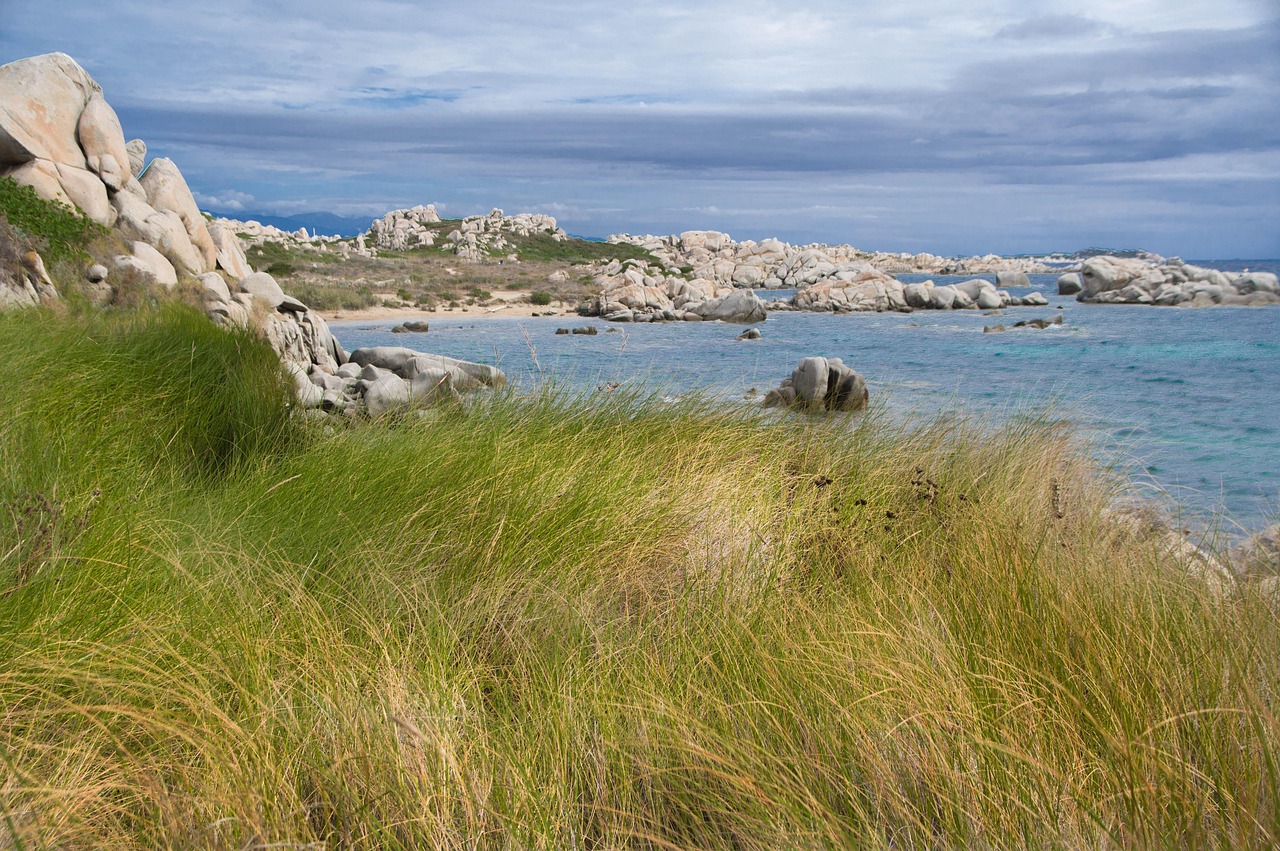
- Swim from the beach – Pebbly but pleasant, with views back toward Punta Muchillina.
I spent a mellow afternoon here in September 2023, after a morning boat trip along the northern edge of Scandola. While the village napped through the heat, I rented a kayak and paddled gently along the estuary, watching mullet flicker just under the surface.
Tip: Galéria is an excellent base if you want a quieter, more nature-focused stay than Porto. It’s particularly nice for families with younger children who need calm water and simple walks.
12. Girolata Fort & Hilltop Promontory
The Genoese fort of Girolata, perched on a small promontory, is one of those landmarks that anchors the whole landscape. Every time I approach by boat or on foot, I feel a little tug of anticipation seeing it appear.
History: Built in the 16th century, like Porto’s tower, the fort was part of the coastal defense system against raids. Today, it’s mostly a picturesque ruin and viewpoint, but its presence reminds you that this coast has always been both coveted and dangerous.
Short walk: From the village, a 10-minute walk up a dirt path brings you to the fort. The view back over the bay and out toward Scandola is worth every step.
On a calm April morning in 2026, I sat on the low wall by the fort with a takeaway coffee from the village. The sea was a sheet of glass, the only sound the distant hum of a fisherman’s outboard. I remember thinking that, if I had to choose one place to illustrate “Mediterranean tranquility,” this might be it.
Photography tip: The best light is early morning (before the village wakes up fully) or late afternoon when the sun slips behind the hills and softens the contrast.
13. Monte Seninu Viewpoints (Backcountry Approach)
There’s a class of traveler – and I am sometimes one of them – who always wants to see the sea from above. For those willing to go a bit off the beaten path, the area around Monte Seninu and the high ridge between Porto and Girolata offers some of the most astonishing aerial vistas of the Scandola coastline.
Important caveat: Many of these trails are unmarked or poorly marked, cross private grazing lands, and flirt with the boundaries of protected zones. I strongly recommend going with a certified mountain guide based in Porto or Piana if you want to explore them.
The reward: On a clear day, you can trace the entire curve of the coast from Capu Seninu past Scandola to Punta Muchillina and beyond, with the high spine of Corsica’s mountains behind you. The red cliffs, from this height, look almost delicate, like the frayed edge of a tapestry.
I did such a hike in May 2022 with a local guide, Pierre, who grew up in Ota. We spent most of the ascent in mist, doubting we’d see anything. Then, as we reached a saddle, the fog shredded away, and Scandola appeared below us in full sun, hanging between cloud and sea. We both laughed out loud at the sheer luck of it.
Who it’s for: Strong hikers with a taste for quiet, remote paths and a willingness to hire a guide. Not recommended for casual walkers or those uncomfortable with steep, rocky terrain.
14. Gulf of Porto Beaches & Swim Spots
While Scandola itself is more cliffs than beaches, the Gulf of Porto offers several good spots to swim, paddle, or just sprawl with a book between excursions.
Porto Beach: A wide pebble beach at the mouth of the river, just below the Genoese tower. In summer, it’s busy but rarely packed to the point of discomfort. The water is clear, if sometimes brisk.
Arone Beach (further south): A long sandy beach accessible by car from Piana, about 30–40 minutes from Porto. On my last visit in June 2025, it was the perfect post-hike reward: soft sand, gentle waves, simple beach restaurants grilling fish.
For families planning 3 days in Scandola Nature Reserve, I often suggest a rhythm of one big outing (boat or hike) plus one relaxed beach session per day. It keeps everyone happy and sun-tired without burning out.
Tip: Bring water shoes if you’re tender-footed; many west-coast Corsican beaches, including Porto, are pebbly rather than sandy.
15. Sunset & Stargazing Pullouts along the D81
One of my personal hidden gems in Scandola’s orbit isn’t a trail or a beach, but a series of humble road pullouts along the D81 between Porto and the Col de la Croix. From these modest gravel bays, you can watch the sun sink behind Scandola and, later, the stars spill across the sky.
Why I love them:
- Simplicity – No tickets, no schedules, just you, the sky, and the outline of the reserve.
- Dark skies – Outside peak season and moonlit nights, this stretch enjoys relatively low light pollution.
- Accessibility – Ideal for travelers who can’t or don’t want to hike at night.
On an unusually clear night in October 2022, I pulled into one of these laybys after a late dinner in Porto. The Milky Way was clearly visible, arching over the dark bulk of Capu Seninu. A fox darted across the road as I left – a reminder that the night here still belongs mostly to non-human residents.
Tip: Bring a light jacket (even in summer) and a small headlamp for safety if you step away from your car. Please keep noise down; sound carries far in the still night air, and there are often a few other quiet stargazers nearby.
Suggested Itineraries: 3, 4, and 5 Days in Scandola Nature Reserve
These itineraries are based on trips I’ve taken with friends, family, and clients over the past several years. They’re flexible blueprints rather than rigid schedules, designed to help you choose the best things to do in Scandola Nature Reserve according to how many days you have.
3 Day Itinerary for Scandola Nature Reserve
This 3 day itinerary for Scandola Nature Reserve assumes you’re based in Porto with a rental car, arriving the evening before Day 1 and leaving the morning after Day 3. It balances the must-see attractions in Scandola with enough downtime that you don’t feel rushed.
Day 1 – Porto, Tower Views & Calanche de Piana
I like to start gently, letting people arrive, exhale, and tune into the rhythm of the coast before the more intense excitements of Scandola itself.
Morning: Arrive in Porto or wake up from your first night. Grab breakfast at a café near the marina – I usually opt for a simple café crème and a croissant, sometimes a slice of fiadone (Corsican cheesecake) if I’m hungry.
Stroll the harbor, check in with boat operators to confirm your Scandola cruise for Day 2, and take note of departure times and any weather-related caveats. In 2025 and 2026, operators have become more cautious about wind forecasts; it’s wise to schedule your Scandola trip early in your stay so you can shift days if necessary.
Late Morning: Porto Tower
- Walk up to the Genoese tower (10–15 minutes from the marina).
- Visit the interior and climb to the top for panoramic photos.
- Use this vantage to get your mental map of the region: Scandola to the north, Calanche to the south.
On a sunny morning in May 2024, I brought my parents up here on their first Corsican trip. They’re not big hikers, but the tower gave them that “wow” feeling without any strenuous effort. My father spent 20 minutes happily tracing imaginary routes along the ridgelines with his finger.
Lunch: Eat at one of the simple harbor-side restaurants. Try a salad with brocciu (a fresh Corsican cheese, in season) or grilled loup de mer (sea bass) if you’re feeling indulgent.
Afternoon: Calanche de Piana Scenic Drive & Short Walks
Drive south on the D81 toward Piana, entering the Calanche zone within about 15–20 minutes. Park at signed pullouts and explore short trails leading into the rock formations.
Good options:
- A 20–30 minute out-and-back into the “heart” of the Calanche (ask locally for exact trailhead, as signage shifts).
- Simple roadside stops for photography and views down to the sea.
Family-friendly? Yes. The short walks can be tailored to stamina; kids often enjoy clambering on rocks (within reason).
Evening: Either return to Porto for dinner or continue to Piana village for a meal and then back. In 2023, I had a memorable dinner in Piana of wild boar stew (civet de sanglier) on a terrace overlooking the coast, then drove back to Porto in the lingering twilight.
Back in Porto, consider a short stroll to the beach to watch stars emerging over the gulf.
Day 2 – Full Scandola Cruise & Girolata
This is the heart of your 3 days in Scandola Nature Reserve: a long, immersive boat trip.
Morning: Depart for Scandola
- Choose an early departure (8:30–9:00) if possible for calmer seas and fewer crowds.
- Sit on the left side of the boat leaving Porto for better views of the cliffs on the outbound leg.
- Bring water, sun protection, and a light windbreaker; weather can change quickly.
The journey out takes you along the coastal corridor, past Capu Seninu, and into the reserve itself. As the cliffs rise and the rock glows redder, there’s usually a subtle hush that falls over the boat. Even people intent on selfies tend to fall quiet for a while.
Midday: Exploring Scandola’s Core
Your skipper will thread among the cliffs, caves, and arches, giving commentary in French (and often English or Italian). Don’t be shy about asking questions; local captains carry decades of stories about weather, wildlife, and life along this coast.
On a July 2022 trip, our captain pointed out a small hollow in the cliff where an osprey nest had been active for years. We watched, binoculars in hand, as the adult brought in a fish, accompanied by the high, piercing calls of the chicks.
Lunch & Swim: Girolata
Most full-day cruises stop in Girolata for 1.5–2 hours. Use this time to:
- Swim from the beach – the water is usually calmer than in the open reserve.
- Have lunch at a beachside restaurant – grilled fish, salads, and Corsican charcuterie are staples.
- Walk up to the fort for a quick view.
In September 2021, I watched a French family’s two youngsters, initially timid about the sea, end up squealing with delight as they jumped over gentle waves here. For family travelers, this stop can be where kids fall in love with the Mediterranean.
Afternoon: Return Cruise to Porto
The return journey often follows a similar route or a slightly different line, depending on wind and swell. Sit on the opposite side of the boat to see new angles. This is when I tend to put my camera away and just watch light and shadow slide across the rock.
Evening: Back in Porto, treat yourself to a relaxed dinner. If you’re a seafood lover and your budget allows, this is the night to splurge: order local langouste (spiny lobster) or a whole grilled fish. If you’re watching costs, opt for a pizzeria or crêperie—there are several solid options near the marina.
Day 3 – Sentier du Facteur Hike & Beach Time
For your final full day, step away from engines and move at walking pace along the coast.
Morning: Hike to Girolata via Sentier du Facteur
- Drive to the Col de la Croix and park in the signed area.
- Start walking early (by 8:00–8:30) to avoid the worst heat, especially from June to September.
- Carry at least 1.5–2L of water, a hat, and sunscreen.
You’ll follow a well-trodden path with constant sea views. About halfway, a detour leads down to Tuara beach—a wild cove where I’ve spent many happy picnics. On my last spring hike here, I shared the beach with exactly four other people and a very confident seagull who clearly believed we owed him some of our sandwich.
Midday: Girolata
Arrive in Girolata late morning or around noon. If you’ve already visited by boat, it’s still a different feeling arriving on foot. Have a light lunch (I like simple panini with local ham and cheese) and a coffee or Cap Corse aperitif if you’re not hiking back.
Option A: Hike back to your car (for strong, heat-tolerant walkers).
Option B: Take an afternoon boat back to Porto (book ahead or check times; in high season there are several daily).
I often choose Option B when guiding, to give people a “multi-modal” experience and avoid doing the same path twice. In June 2023, we timed it so we walked in under blue skies and returned by boat under gathering storm clouds—a dramatic double view of the coast.
Late Afternoon & Evening: Recover with a swim at Porto beach, then enjoy a final dinner overlooking the gulf. If your schedule allows, walk down to the shore after dark and listen: waves, distant conversations, sometimes the faint thrum of a boat engine heading out for night fishing.
4 Day Itinerary for Scandola Nature Reserve
With 4 days in Scandola Nature Reserve and its surroundings, you can slow down, add a snorkeling outing, and perhaps explore the quieter northern side around Galéria.
Use the 3 day itinerary as a base and add:
Day 4 – Northern Perspective from Galéria
Morning: Transfer to Galéria
Drive the D81 north from Porto toward Galéria (about 1–1.5 hours, depending on stops). The road crosses the Col de la Croix and then drops toward the Fango valley and the sea.
Late Morning: Galéria Estuary Walk
- Stroll along the lagoon and beach.
- Have a coffee in the village and confirm afternoon boat/snorkeling arrangements.
Afternoon: Small-Group Marine Tour & Snorkeling
Book a semi-rigid or small boat excursion from Galéria focusing on the northern edges of Scandola and nearby snorkel spots. These tours often feel more intimate and nature-focused than the larger cruises from Porto.
On an August 2020 trip, our skipper cut the engine near Punta Muchillina and we floated in near-silence while a pod of dolphins surfaced in the distance. They never came particularly close, but just watching them in that quiet water was enough.
Evening: Stay the night in Galéria (there are a few small hotels and guesthouses) or drive back to Porto if you prefer one base. I like to stay; the night here is particularly still, with the sound of the river and sea mingling beyond the village.
5 Day Itinerary for Scandola Nature Reserve
With 5 days in Scandola Nature Reserve and its environs, you can incorporate a proper mountain day, additional beach time, and more cultural experiences in the villages.
Build on the 4 day plan and add:
Day 5 – Mountain & River Contrast (Evisa & Fango Valley)
Morning: Drive to Evisa
From Porto, drive inland toward the mountain village of Evisa (about 1 hour). The road climbs through chestnut forests, a welcome change after days of sun and salt.
Late Morning: Short Hike or Village Stroll
- Explore local trails in the Aïtone forest (waterfalls, shaded paths), or
- Simply wander the village, visiting the church and small cafés.
I’ve brought many “sea-focused” travelers up here who end up surprised by how much they love the mountains. Corsica’s identity is as much alpine as maritime, and this day helps round out your sense of place.
Afternoon: Fango River Pools
On the way back toward Galéria or Porto, stop at designated access points along the Fango River. Here you can swim in clear, cool pools under arching trees, a perfect counterpoint to the warm sea.
On a scorching July day in 2022, we spent two blissful hours alternating between sun-warmed rocks and chilly river dips. The kids on that trip later said it was their favorite part of the whole week – even more than the boat rides.
Evening: Return to your base, have a final leisurely dinner, and toast the reserve with a glass of muscat or local red wine.
Gateway Towns & Bases
Choosing where to base yourself is one of the most important travel tips for Scandola Nature Reserve. Each gateway has a distinct feel:
Porto
Best for: First-time visitors, families, travelers without a car, those wanting many boat options.
Porto is small but lively in high season, with multiple boat companies, restaurants, and a range of accommodation from campsites to mid-range hotels.
Galéria
Best for: Quieter stays, nature lovers, snorkelers, those who prefer small-group tours.
Galéria has a more low-key, village feel, with simple lodging and easy access to the Fango valley and northern Scandola edge.
Girolata
Best for: Romantic getaways, hikers, travelers wanting a “car-free” experience.
Limited accommodation and access by foot or boat only. Staying overnight here is magical but logistically more complex: book well ahead.
Calvi & Piana
Both are further afield but can serve as bases if you’re combining Scandola with a broader Corsica trip. Calvi offers more urban comforts; Piana offers dramatic landscapes and proximity to the Calanche.
Where to Eat: Local Food in and Around Scandola Nature Reserve
You won’t find restaurants inside Scandola itself, but the surrounding villages have plenty of characterful spots. Here’s how I tend to eat my way around the reserve.
In Porto
- Harbor-side grills: Simple, fresh fish – ask what’s local that day. Grilled denti or loup de mer with lemon and olive oil is hard to beat.
- Pizzerias & crêperies: Budget-friendly options for families and groups; good for casual evenings after long days out.
- Ice cream kiosks: Try chestnut (châtaigne) flavor, a nod to Corsica’s mountain orchards.
Money-saving tip: Many mid-range hotels include a generous breakfast. I often make this my main morning meal, then have a picnic lunch (bread, cheese, charcuterie, fruit) assembled from local grocery shops or markets, saving restaurant meals for evenings.
In Girolata
Beachfront taverns serve:
- Grilled fish or calamari
- Salads with goat cheese and local ham
- Panini and simpler snacks for hikers
In 2024, I had a lovely plate of beignets de fromage (cheese fritters) here with a cold Pietra (Corsican chestnut beer) after hiking in. The combination of sea breeze and salty, hot fritters was dangerously addictive.
In Galéria
Expect low-key, family-run restaurants, often mixing Corsican staples (charcuterie, brocciu-based dishes in season, wild boar) with simple seafood and pizzas. Reserve for dinner in July–August.
Local Specialties to Try
- Charcuterie: Coppa, lonzu, and figatellu (in winter)
- Cheeses: Brocciu (fresh), tomme and aged goat/sheep cheeses
- Seafood: Grilled fish, langouste (spiny lobster – a splurge), mussels in season
- Desserts: Fiadone (cheesecake), chestnut cake, lemon sorbet
- Drinks: Pietra beer, Cap Corse aperitif, Corsican red and rosé wines (Patrimonio, Ajaccio, Calvi appellations)
Where to Stay: Campgrounds, Lodges & Guesthouses
Scandola itself has no accommodation; you’ll stay in nearby towns.
Porto
- Budget: Campsites on the edges of town, basic rooms in older hotels.
- Mid-range: Family-run hotels with sea or mountain views; some have pools – useful in peak summer.
- Upper mid-range: A few more stylish properties with terraces overlooking the gulf.
Galéria
Smaller selection: a handful of modest hotels, B&Bs, and self-catering apartments. Good for longer, quieter stays.
Girolata
Very limited rooms and small guesthouses. Book many months ahead for July–August and well in advance for shoulder seasons. Staying here is a treat but not essential for enjoying Scandola.
Money-Saving Tips
- Travel in May–June or September–early October for lower rates and fewer crowds.
- Choose self-catering apartments if you’re a group or family; cooking some meals saves significantly.
- Book boat tours as simple outings rather than expensive “package” deals through intermediaries when possible; walk the marina and compare offers.
After-Dark & Quiet Experiences Around Scandola
There’s no nightlife in the reserve, of course. But evenings around Scandola have their own, quieter magic.
Stargazing & Night Skies
The west coast around Porto and the D81 enjoys relatively dark skies, especially outside July–August or away from full moon. Look up from Porto beach, D81 pullouts, or Girolata’s shore after the last boat leaves.
Ranger Talks & Local Guides
Occasionally in high season, park authorities and local associations organize talks (often in French) about the reserve’s ecology and geology, sometimes in Porto or Galéria. Check local tourist offices in 2026 for schedules.
Sunrise & Sunset Viewpoints
- Sunrise: Porto beach, Girolata bay, Galéria estuary.
- Sunset: D81 laybys near the Calanche; Porto tower; road above Galéria looking west.
One of my favorite rituals at the end of a guiding day is to grab a coffee or a quiet drink and watch the last light fade off Capu Seninu, knowing that beyond, Scandola is settling into its nightly solitude.
Day Trips & Nearby Attractions
If you have extra time beyond your 3–5 day itinerary, consider:
- Calvi: A charming town with a citadel, beaches, and many restaurants. About 2–2.5 hours’ drive from Porto via the coast and inland routes.
- Cargèse: Greek-influenced village with twin churches and nice coastal walks, south of Piana.
- Spelunca Gorge (near Ota): Classic gorge hike with old stone bridges, accessible from Porto by car.
- Ajaccio: The island’s capital, further south, good as a start/end point for a longer trip.
From a practical standpoint, I advise grouping Scandola with at least one of these zones if you’re doing a broader Corsica circuit. It makes rental car logistics and ferry/flight timings more efficient.
Cultural Etiquette & Local Customs
Corsica is French, but it’s also distinctly Corsican. Around Scandola, you’ll encounter a mix of French visitors, international travelers, and locals who often speak Corsican among themselves.
Basic Courtesies
- Greetings: Always say Bonjour (daytime) or Bonsoir (evening) when entering shops, restaurants, or speaking to staff. It makes a big difference.
- Language: Many people speak some English, but starting in French is appreciated. A few words of Corsican – Bonghjornu (hello), Grazie (thank you) – are welcomed.
- Quiet in nature: Locals value the tranquility of the coast. Keep voices low on trails and boats, especially when wildlife is present.
On Boats & Beaches
- Follow crew instructions promptly – they know the sea here intimately.
- Don’t play loud music on beaches or in natural areas; it’s frowned upon.
- Topless sunbathing is common on many French beaches but less so in smaller villages; observe what locals are doing.
Environmental Respect
Scandola is heavily protected. Do not take rocks, shells, or plants. Do not attempt to land in prohibited coves or disembark from boats in the reserve except where clearly permitted. As one boat captain told a guest in 2023, gently but firmly, “On est ici chez les poissons, pas chez nous” – here, we are in the fishes’ home, not ours.
Practical Logistics & Travel Advice for 2026–2027
Access, Fees & Permits
Access: By boat from Porto, Galéria, Calvi, and occasionally other ports; by foot to Girolata via Sentier du Facteur; by guided hiking in adjacent zones.
Entrance fees: There’s no gate fee to “enter” Scandola, but boat tours pay concession or mooring fees built into your ticket price. Expect around €45–€80 per adult for standard tours in 2026, depending on duration and boat size.
Permits: Individual travelers don’t need special permits for standard activities. Commercial operators must be licensed. If you’re planning a private charter or specialized activity (e.g., scientific diving), check with park authorities well in advance.
Seasonal Considerations
- Best for boat trips: May–early October, with July–August busiest.
- Best for hiking: April–June and late September–October.
- Wildflowers: April–May.
- Warmest swimming: Late June–September.
- Best for stargazing: Shoulder seasons and winter, new-moon periods.
Weather & Sea Conditions
The west coast is exposed to wind, especially the mistral and libeccio. Even in high summer, trips can be canceled or shortened. In 2025, for instance, a strong mistral blew for three consecutive days in July, grounding many boats. Build flexibility into your plan: schedule your Scandola cruise for your first full day, so you can shift if necessary.
Wildlife & Safety
There are no large land predators here. You may encounter:
- Marine life: Jellyfish at times – ask locals about current conditions before swimming.
- Goats & livestock: On trails like Sentier du Facteur; give them space.
- Snakes: Mostly non-venomous; they avoid humans. Keep an eye on where you step in rocky or grassy areas.
Leave No Trace basics: Pack out all trash, stay on marked trails, don’t pick plants, and never feed wildlife.
What to Pack
- Light layers (nights can be cool even in summer)
- Windbreaker for boat trips
- Sunhat, sunglasses, high-SPF sunscreen (reef-safe for swimming)
- Sturdy walking shoes or hiking sandals
- Water shoes for pebble beaches if desired
- Reusable water bottle
- Dry bag for boat trips (for camera, phone, valuables)
- Small daypack for hikes
Connectivity & Cell Coverage
Mobile coverage in Porto and Galéria is decent on major French networks (Orange, SFR, Bouygues), with 4G/5G increasingly common by 2026. As soon as you head into the reserve by boat, coverage drops out or becomes patchy. Assume you’ll be offline during cruises and some hikes – which is part of the charm.
Events & What’s New in 2026–2027
Scandola itself doesn’t host festivals, but regional events and evolving management policies can affect your trip.
Management & Conservation Updates (2026)
- Authorities continue to refine anchoring and access rules to protect seagrass meadows. Expect stricter enforcement of no-anchoring zones around sensitive coves.
- Some operators are introducing more electric or hybrid propulsion in 2026–2027, reducing noise and emissions. If sustainability matters to you, ask about this when choosing a tour.
Nearby Festivals (2026–2027)
- Calvi on the Rocks (Calvi, early July): A major music festival combining beach parties and electronic music. Not in Scandola, but can affect accommodation availability and atmosphere along the northwest coast.
- Local village fêtes: Porto, Piana, and Galéria often host summer fêtes with music, food, and fireworks. Dates vary; check local posters and tourist offices on arrival.
Summary & Best Seasons to Visit Scandola Nature Reserve
Scandola Nature Reserve is not a single viewpoint or “must-tick” attraction; it’s a living coastline that reveals itself gradually: first as a distant red line on the horizon, then as towering cliffs, echoing caves, gliding birds, and finally as a memory of color and quiet that stays with you long after you’ve left.
Key takeaways:
- Base yourself in Porto or Galéria for 3–5 days to truly experience the area.
- Plan at least one full boat trip into Scandola, plus coastal hiking (Sentier du Facteur) and time in the Calanche de Piana.
- Mix popular must-see attractions with quieter moments: a sunrise on Porto beach, a river swim in the Fango, a sunset stop on the D81.
- Respect the reserve’s fragile ecology by choosing responsible operators and following Leave No Trace principles.
Best seasons:
- Late April–June: Ideal balance of good weather, wildflowers, active wildlife, and manageable crowds. My personal favorite window.
- September–early October: Warm sea, softer light, fewer visitors, great for swimming and hiking (watch for autumn storms).
- July–August: Livelier atmosphere, very warm sea but high heat, crowds, and prices. Good if you love summer buzz and plan ahead.
After years of visiting, guiding, and simply sitting quietly along its edges, I still feel a small thrill every time a Scandola boat ticket prints with today’s date. Whether you have 3 days in Scandola Nature Reserve or a full 5 day itinerary, come with an open schedule, a respectful heart, and a good hat – and let the reserve work its slow, volcanic spell.