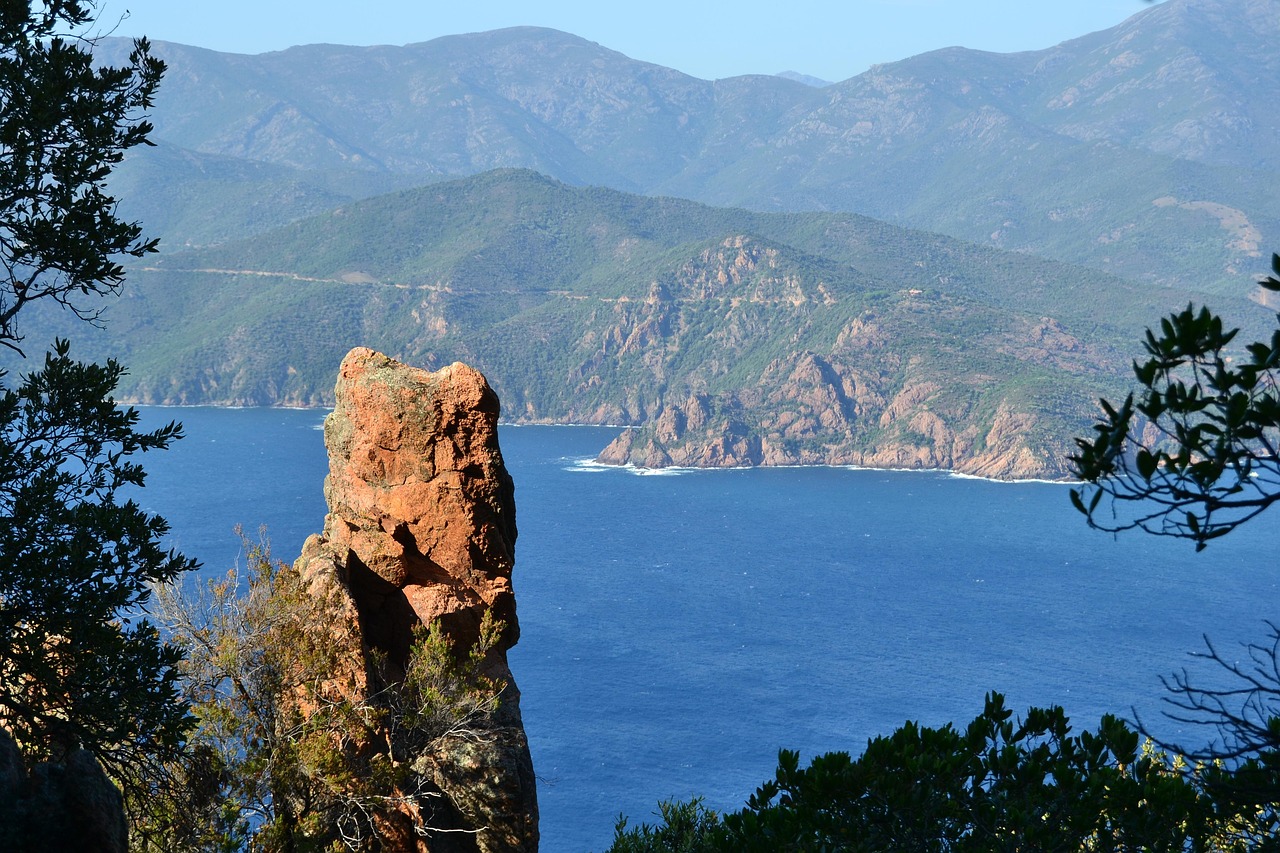
Why Visit the Calanques de Piana?
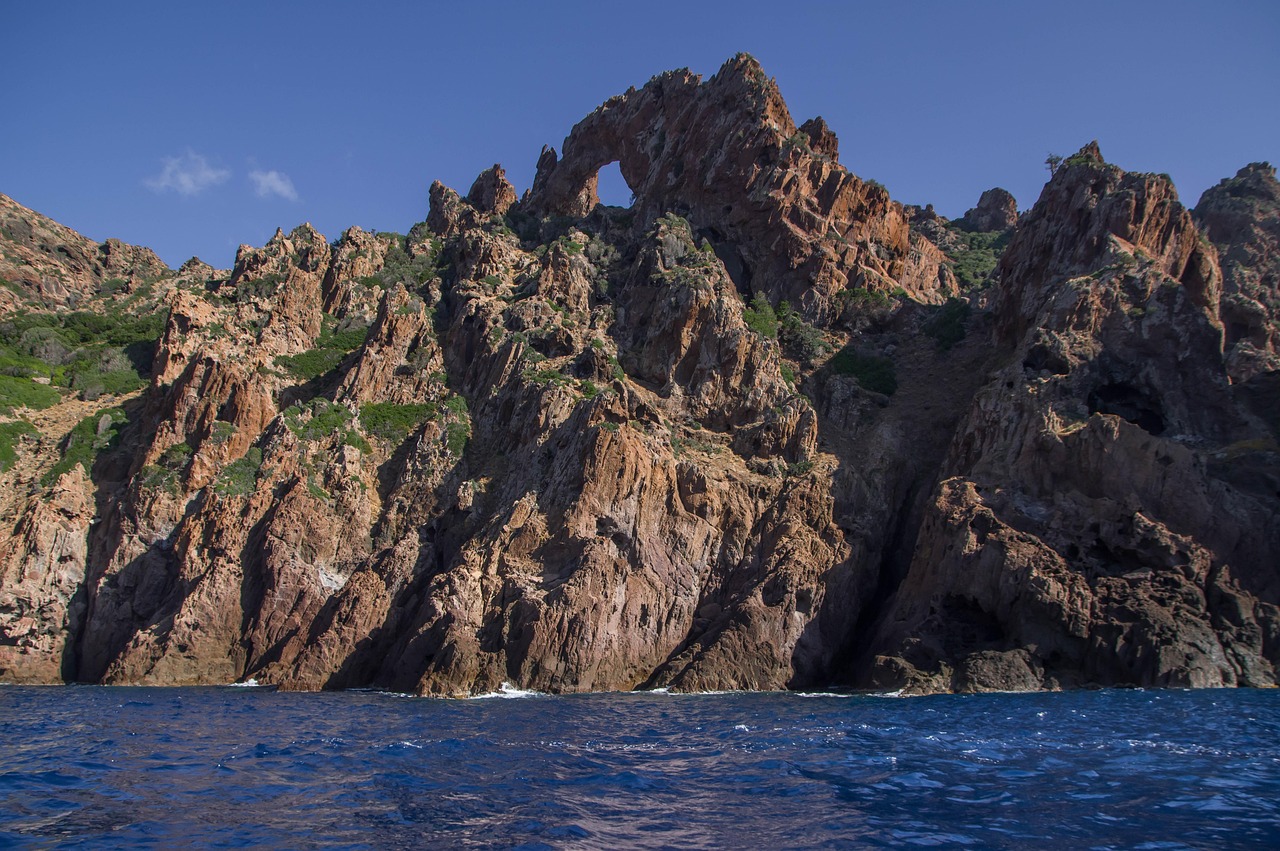
Every time I drive the coastal road between Porto and Piana, I tell myself not to stop at the same lay-bys again. And every time, I fail. The Calanques de Piana have that kind of pull: those improbable red porphyry cliffs, twisted by time into arches, needles and cathedrals; the dark blue sea, sometimes glassy, sometimes raging; and the smell of hot maquis herbs dripping into the air. It is, quite simply, one of the most beautiful coastal landscapes in Europe.
In 2026, the Calanques de Piana remain blessedly resistant to over-organization. There are no turnstiles, no ticket booths at the cliff’s edge. You can still pull over, step out of your car, and be face-to-face with a sheer drop into the sea. That rawness is exactly why you should come, but it’s also why you need a careful, detailed travel guide for Calanques de Piana: to make the most of limited time, to know where the real paths are, and to avoid the worst of the traffic and crowds.
This guide is rooted in a series of visits, the latest in early 2026, in every season from blindingly bright August afternoons to quiet November mornings when the only sounds were goats and distant waves. I’ve hiked the classic Capo Rosso trail in the heat and seen sunset from a rented kayak with my arms shaking from the paddle back. I’ve also nursed a coffee for two hours on Piana’s tiny main square watching locals play cards while the cliffs slowly shifted from terracotta to ink.
Whether you’re planning a 1 day itinerary for Calanques de Piana, stretching to 2 days in Calanques de Piana, or indulging in a full 3 day itinerary for Calanques de Piana, this 2026 guide will walk you through must-see attractions in Calanques de Piana, lesser-known corners, cultural experiences, local customs, and practical travel advice. Families, couples, hikers, photographers, and easygoing road trippers can all find their version of magic here.
Table of Contents
- Why Visit the Calanques de Piana?
- Orientation: Understanding the Calanques & the Region
- Main Highlights & Viewpoints
- Suggested Itineraries (1–3 Days)
- In-Depth: 8 Key Sections & Adjacent Sites
- Eating Around the Calanques: Restaurants & Picnics
- Where to Stay & How to Get There
- Calanques de Piana After Dark & Off-Hours
- Day Trips & Nearby Attractions
- Culture, Etiquette & Local Customs
- Practical Travel Tips & Logistics (2026–2027)
- Events & What’s New in 2026–2027
- Summary & Final Recommendations
Orientation: How the Calanques de Piana Fit Together
The Calanques de Piana sit on Corsica’s west coast, roughly halfway between Ajaccio and Calvi. They form a UNESCO World Heritage-listed landscape together with the Scandola Nature Reserve and the Gulf of Porto. When people say “Calanques de Piana,” they usually mean three interconnected experiences:
- The cliff road (D81) between Piana and Porto, with its famous rock formations and roadside lookouts.
- The coastal water-level view of the calanques from a boat or kayak, looking up at the red walls.
- The inland hikes and promontories like Capo Rosso, which frame the calanques from above.
Most visitors base themselves in either Piana (quiet, perched village with views) or Porto (small resort hamlet at sea level with more boat tours). I tend to split my time: nights in Piana for the air and silence; afternoons down in Porto for boat trips and swims.
Think of the area as a rough triangle:
- Piana village at the top of the triangle, set back from the cliffs.
- The D81 road running from Piana down through the heart of the calanques to Porto.
- Porto marina at sea level, departure point for boat trips along the calanques and to Scandola.
Within this triangle are specific named viewpoints and short walks. In the sections below, we’ll walk through the most important ones, including the parts of the Calanques de Piana you actually walk through, the paths to reach the best views, and how much time to allocate.
Main Highlights & Viewpoints: The Must-See Attractions in Calanques de Piana
If you’re short on time, here are the best places to visit in Calanques de Piana, the ones I’d prioritize for any 1 day itinerary for Calanques de Piana:
- Route des Calanques (D81 scenic drive) – the classic cliffside road between Piana and Porto.
- Tête de Chien (“Dog’s Head”) – iconic rock formation, best at golden hour.
- Heart-shaped rock viewpoint – a natural “heart” in the cliffs, a favorite for couples.
- Boat tour from Porto – to see the calanques from below, plus grottos and sea caves.
- Capo Rosso hike – for serious legwork and far-reaching views (better if you have 2 days in Calanques de Piana or more).
- Arche de Piana rock arch – a short walk off the road, good with kids.
- Piana village & church square – for a quiet, lived-in Corsican atmosphere.
- Plage d’Arone – beautiful beach with views back towards the cliffs.
Itineraries: 1–3 Days in Calanques de Piana
I’ve experimented with every possible schedule here: rushed day trips, slow three-day stays, a whole week once while working remotely. These suggested itineraries for 1 day, 2 days, and 3 days in Calanques de Piana are based on what I’ve found actually works in practice—including where you’ll want to linger, where kids tend to melt down, and when the light is worth planning around.
1 Day Itinerary for Calanques de Piana: The Essentials
If you only have 1 day in Calanques de Piana, your mission is to combine the iconic cliff road with a boat perspective, and still leave room to breathe.
Morning: Approaching via the D81 – The First Encounter
On my most recent 1 day itinerary for Calanques de Piana in spring 2026, I set off early from Ajaccio. Leaving before 7:00 meant I reached the first bends of the D81 above Piana just as the light turned warm but before tour buses started to appear.
As you approach Piana from the south, the road snakes through pine forests and then suddenly the trees open up and you’re on a balcony above the sea. The Calanques don’t reveal themselves all at once: first a single red needle, then a whole amphitheater of rock. Stop at the first safe pull-out you find (don’t be tempted by tiny unmarked spaces right on blind bends).
Plan 1–1.5 hours between Piana and Porto to really experience the Route des Calanques properly. That includes stops at:
- Tête de Chien viewpoint – you’ll recognize the jutting rock that looks like a dog’s profile. The “official” lookout is small and often full of photographers; I usually walk 3–4 minutes along the road on foot to find a quieter angle where you can hear goats’ bells from the slopes above.
- Heart-shaped rock – there’s no big sign; you’re looking for a small lay-by on the seaward side, often with 2–3 cars and people peering through the gap in the rocks. From the right angle, the eroded rock frames the sea as a perfect heart. It’s romantic but also surprisingly moving at sunrise or sunset when the light transforms the blue inside the “heart.”
On a family trip in 2025, I learned how easily kids get car-sick here. If you’re traveling with children, break the drive into mini-stretches: 10–15 minutes of curves, then a pause to look out, drink water, and let them clamber carefully over the rocks (hand-in-hand, as there are no fences in many spots).
Late Morning: Porto & Boat Tour into the Calanques
By late morning, roll down into Porto. The marina is small: a cluster of restaurants, boat kiosks, and the old Genoese tower on the promontory. This is where you’ll board a boat to see the Calanques de Piana from the water—a non-negotiable part of any serious travel guide for Calanques de Piana.
For a 1 day itinerary, I recommend:
- Booking a 1.5–2 hour boat trip that focuses specifically on the Calanques rather than the longer combined tours with Scandola. Ask for routes that include grotto visits and slow navigation under the cliffs.
- Choosing smaller boats (12-person semi-rigid or similar) if you’re okay with a bit of spray; they can nose into narrow passages where larger boats can’t go.
In 2026, most companies still operate flexible schedules in high season, with departures every 30–60 minutes from mid-morning to late afternoon. In July–August, I strongly advise booking online the day before—boats can sell out for the best time windows.
Once you’re underway, you see why the boat perspective is essential. From below, the cliffs lean over you, and you can trace the layering and fractures in the red rock. My favorite moment comes when the captain cuts the engine inside a narrow inlet; the echo of dripping water and distant waves feels almost like a cathedral. Bring a light jacket—even in summer, the wind can be cool once you’re moving.
Afternoon: Swim, Stroll, or Quick Hike
Back in Porto around 14:00–15:00, you’ll have choices depending on energy levels:
- Easy option (families, relaxed travelers): Grab gelato near the marina, then walk to the pebble beach east of the river mouth. From here you have direct views back towards the calanques. The water gets deep quickly but is clear and refreshing.
- Moderate option: Climb up to the Genoese tower (short, steep path, roughly 15–20 minutes). The view back over Porto, the gulf, and the start of the calanques is superb. On my last visit, I lingered up there for a full hour, just watching the shadow of the cliffs lengthen across the water.
Evening: Sunset Drive Back Through the Calanques
The light in late afternoon and early evening is the reason photographers and romantics obsess over the Calanques de Piana. The rock warms from orange to deep red, and the sea shifts from cobalt to indigo.
Time your departure from Porto so you’re re-entering the calanques on the D81 roughly 45–60 minutes before sunset. Drive slowly, stopping at a couple of different pullouts—don’t feel compelled to go back to the exact ones you used in the morning. The dog’s head that looked ordinary at 10:00 becomes sculptural at 19:30.
End the day with dinner in Piana village if you’re staying there, or continue on towards Ajaccio or Calvi if you must move on. I always recommend at least one night in Piana; sitting on a terrace above the cliffs after dark, with only the sound of cicadas, is a memory that stays with you.
2 Day Itinerary for Calanques de Piana: Adding Depth
With 2 days in Calanques de Piana, you can still hit the must-see attractions while adding one substantial hike and a bit of quiet exploration. I’ll outline how I spent a recent 2-night stay in late September 2025.
Day 1: Classic Road & Boat Combination (As Above)
Use the 1 day itinerary structure for your first day. But because you’ve got an extra night, you can slow down: longer photo stops along the D81, a slightly later boat tour when crowds thin, and perhaps a lazy drink in Porto before heading up to Piana for the night.
Day 2 Morning: Capo Rosso – The Peninsula Above the Sea
On my second morning, I woke in Piana to that particular kind of silence you only get in small Corsican villages: roosters, a dog barking once, the distant clank of a coffee cup from someone’s kitchen. After a quick espresso and croissant at the bar by the church, I drove out towards Capo Rosso, about 15–20 minutes away.
The Capo Rosso hike is a demanding half-day outing and one of the best things to do in Calanques de Piana for active travelers. There’s a small parking area at the trailhead; in high season, arrive before 9:00 to find a space and avoid the worst heat.
The trail first traverses low maquis scrub—cistus, rosemary, and juniper—then climbs steadily. You’re walking along a long promontory that thrusts into the sea, with vast views back to the calanques and the Gulf of Porto. The final section up to the Genoese tower is steeper and more exposed; I’ve seen plenty of hikers, especially families, choose to stop just below, where the views are already extraordinary.
- Time: 3–4.5 hours round trip, depending on pace and how many photo stops you squeeze in.
- Difficulty: Moderate to strenuous (heat is the main challenge).
- Family-friendly? With older children who are used to hiking, yes; with small kids, I’d recommend turning back before the last rocky climb.
I always bring at least 1.5 liters of water per person, a hat, and good trail shoes. On a 2024 summer hike, I met a couple attempting it in flip-flops at 11:30 with a single small water bottle—don’t be them. In 2026, the local authorities have posted more signage about heat risks, but there’s still no water or shade structures along the way.
Day 2 Afternoon: Plage d’Arone – Beach Time with a View
After the dry heat of Capo Rosso, nothing feels better than the first plunge into the sea at Plage d’Arone. From the Capo Rosso area, you backtrack a little, then take the road down towards the beach (the drive is beautiful in itself, with glimpses back towards the calanques).
Plage d’Arone is a wide, gently curving sandy beach with a big-sky feeling. There are a few beach restaurants and bars, but it never feels overbuilt. On one memorably clear October afternoon, I swam out alongside a local fisherman setting his nets and turned back to see the red cliffs of the Piana region glowing above the dark green of the maquis. It’s one of those perspective shifts: you’re no longer looking at the calanques head-on but from the side, understanding how they fit into the larger coastal geography.
Families will appreciate the soft sand and shallow entry; couples might gravitate to the quieter far ends of the beach. I like to bring a simple picnic—cheese, bread, charcuterie from Piana’s village shops—and then treat myself to a coffee or aperitif at one of the beach bars as the sun drops.
3 Day Itinerary for Calanques de Piana: Slow, Layered, and Immersive
With 3 days in Calanques de Piana, you can go beyond the obvious: explore less-visited trails, discover small chapels and agricultural hamlets, and build in true downtime. Here’s a 3 day itinerary for Calanques de Piana based on a long stay I did in spring 2026 while updating this travel guide.
Day 1: The “Postcard” Calanques
Follow the classic 1 day itinerary but give yourself permission to linger. Consider:
- Taking a slightly longer boat trip that includes a short section of the Scandola Reserve (while still prioritizing time in the calanques).
- Stopping in Piana’s village square for a drink before or after the road portion, watching village life go by.
Day 2: Capo Rosso & Plage d’Arone (As in the 2-Day Plan)
Use the second day as described in the 2 day itinerary: Capo Rosso in the morning, Plage d’Arone in the afternoon. Wrap up with a relaxed dinner in Piana—this is often when people start to feel they’re “living” in the village rather than just passing through.
Day 3 Morning: Hidden Trails & Inland Hamlets
On your third day, leave the coast for a few hours and head slightly inland. Above Piana are networks of old mule paths and quiet hamlets where life moves at a very different pace than down at Porto’s marina.
One of my favorite routes, which I’ve walked in every season, is a loop trail starting near Piana and heading towards an old shepherd’s path that looks back over the calanques from an unusual angle. It’s not as dramatic as Capo Rosso, but it’s incredibly peaceful—more birdsong than car noise, more chestnut trees than tourists.
You can also drive a short way inland to small villages where you’ll find no souvenir shops, just a bar-tabac, a church, and maybe a weekly market. This is where you’ll see the Corsican rhythm of life: men playing cards, elderly women exchanging gossip outside the épicerie, kids on scooters.
Day 3 Afternoon: Kayaking or Snorkeling Along the Cliffs
Back on the coast in the afternoon, consider renting a kayak from Porto if conditions are calm (check the forecast and heed local advice). Paddling along the base of the cliffs is far more intimate than a boat tour: you can tuck into tiny rocky coves, pull up on small pebble beaches, and stay silently still as fish dart under your hull.
On a June 2025 evening paddle, I stopped in a shaded cove and floated on my back, listening to nothing but the subtle trickle of water from the rock. When a cormorant suddenly surfaced beside me, both of us startled, then went back to ignoring each other. That’s the kind of moment you only get when you slow down to 3 days in Calanques de Piana or more.
Alternatively, bring a mask and snorkel (or rent locally). The underwater world here isn’t as flamboyant as tropical reefs, but the combination of sea-grass meadows, rocky ledges, and clear water makes for lovely, meditative swims.
Evening of Day 3: Blue-Hour Walk & Farewell Dinner
On your last evening, stroll Piana’s back lanes as blue hour falls. The village is small enough that you can wander without a map, discovering small religious shrines set into walls and glimpses of the sea between houses. I often end at the church square, where the bell tolls the hour and kids play until it’s truly dark.
This is when I like to mentally replay the past three days—each viewpoint and path, each small conversation with locals—cementing the landscape into memory.
In-Depth: 8 Key Sections, Viewpoints & Adjacent Sites
To move beyond a surface-level travel guide for Calanques de Piana, we need to look more closely at the specific “rooms” and passages of this natural cathedral. Here are eight major areas, each with its own character, history, and practical travel tips.
1. Route des Calanques (D81): The Cliffside Traverse
The D81 between Piana and Porto is the artery of the calanques. Built in the early 20th century, it clings improbably to the cliffs, threading through tunnels and notches carved directly into the red rock. Before this road, locals navigated older, steeper paths on foot or by mule, and Porto’s connection to the rest of Corsica was slow and unreliable.
What you actually experience: You’re driving (or cycling, if you’re brave and fit) along a narrow, twisting route with intermittent lay-bys and no continuous guardrail. In several sections, the cliff rises vertically on one side and drops away just as steeply on the other. The sense of exposure is thrilling but can be intimidating for nervous drivers.
Key sections and what to look for:
- The upper approach from Piana: Wider curves, more forgiving sightlines. Great for your first stops to acclimate.
- The “galleries” (tunnels): Short, roughly hewn passages through the rock where the roadbuilders had no other option. As you emerge from each, the view seems to reset, revealing new angles of the cliffs.
- The tightest bends near mid-section: This is where buses and campervans can cause brief standstills. Patience is non-negotiable here.
How long to spend: Allow 45–60 minutes bare minimum for a one-way traverse with a couple of quick photo stops; 1.5 hours or more if you want to properly absorb the landscape.
My driving tip: On my first trip in 2018, I was overcautious and hugged the inside so much that I missed half the seaward views. Now, I still drive carefully, but I accept that the road is designed to be driven at a steady, slow pace. Use your gears; don’t ride the brakes constantly. If someone is pushing behind you, pull into the next lay-by and let them pass instead of stressing yourself.
In 2026, discussions continue about traffic management and potential timed entry for peak summer days, but nothing has been formalized yet. Do check local news or your accommodation, especially if you’re visiting in August, as pilot schemes could be tested.
2. Tête de Chien Viewpoint: The Watchful Dog
The Tête de Chien—literally, “dog’s head”—is one of the most famous individual rock formations in the Calanques de Piana. From the right angle, the profile of a dog’s snout and brow is unmistakable, jutting out over the sea as if keeping watch.
History & lore: Locals will tell you different stories: some say it’s a guardian spirit of the calanques, others laugh it off as tourists’ imagination. What’s certain is that this formation has been a navigation landmark for generations of sailors, long before Instagram.
How to visit: There’s a small parking area and a classic viewpoint, but it often feels crowded. On a late summer evening in 2025, I parked a bit further up and walked down the road on foot, hugging the inside cliff wall, until I found a quieter vantage point a few bends away. From there, the dog’s head felt less like a photo-op and more like a natural sentinel.
Best time: Late afternoon into golden hour. The low sun sculpts the “face” with shadows, making the profile stand out dramatically against the sea.
Photography tip: Bring a mid-range zoom lens (around 70–200mm equivalent) if you’re serious about capturing the shape without distortion. A wider lens is perfect for including road and cliffs for scale.
3. The Heart-Shaped Rock: Romance in the Cliffs
The heart-shaped rock is a natural window in the cliffs that, from the right vantage point, frames a slice of sea and sky as a perfect heart. It’s become a favorite for proposals, anniversary photos, and couples generally trying not to look too self-conscious as they pose.
I first stumbled on it by accident in 2019, long before I realized how famous it was online. I pulled over because the light looked interesting, then followed a small cluster of people towards the edge. When I stood in the “correct” spot and saw the heart form, it was genuinely surprising—a little visual joke from the landscape.
How to visit: There’s no big sign; you’re relying on GPS pins, guidebooks, or the telltale cluster of cars and people. From the lay-by, it’s a very short, easy walk to the viewpoint, though the ground is uneven and there is exposure, so keep tight hold of young children and avoid going too close to the edge.
Time needed: 10–20 minutes is enough to enjoy the view, snap your photos, and simply sit for a moment. I like to go in the early morning when the light is softer and there are fewer people jostling for the “perfect” angle.
Romantic note: If you’re planning a proposal here, consider off-peak times (shoulder season, weekdays, or very early/late in the day). I’ve witnessed awkward near-misses when three couples tried to propose in the same 20-minute span.
4. Boat Tours & Grottos: Inside the Calanques
Standing on the cliffs looking down is spectacular, but being on the water inside the calanques is something else entirely. The rock walls shoot straight up from the sea; small caves and tunnels reveal themselves as you approach; the water shifts from turquoise to ink depending on depth and light.
History & protection: This coastline has long been a refuge for marine life and seabirds. In recent decades, local regulations have tightened to protect the ecosystem: speed limits near cliffs, bans on approaching certain nesting islands, and restrictions on how many boats can enter particular grottos at once.
What the tour is like: On my most recent trip in May 2026, I took a late-afternoon semi-rigid boat tour from Porto. We skimmed over the open water, then slowed as we entered the calanques. The captain pointed out formations: a rocky “cathedral,” a narrow arch, a collapsed cave where you could see the sky through a circular opening above.
Twice, he cut the engine and let us drift silently. In one sea cave, the ceiling wept mineral-rich water, leaving delicate lines on the rock. In another, the water was so clear you could see the ripple of sand 8–10 meters below.
Practical tips:
- Bring a light waterproof jacket or windbreaker—even in summer, the apparent temperature drops once you’re moving.
- If you’re prone to seasickness, opt for a larger, more stable boat and sit towards the center rather than the bow.
- In shoulder seasons, tours may be canceled for rough seas; always have a backup plan and check in with your operator the morning of your booking.
Time required: 1.5–3 hours depending on itinerary. Longer trips may combine the Calanques de Piana with the Scandola Reserve and Girolata; these are wonderful if you have the time and budget.
5. Capo Rosso: The Watchtower of the West Coast
Capo Rosso is a long rocky promontory that sprouts into the Mediterranean like a pointing finger. At its tip sits a 16th-century Genoese watchtower, part of a chain of coastal defenses built when pirate raids were an ever-present threat.
Historical backdrop: In the late Middle Ages and Renaissance, North African corsairs regularly attacked Corsican coasts, seizing goods and people. The Genoese, who ruled Corsica at the time, built dozens of towers to provide early warning. The one at Capo Rosso is particularly dramatic, perched high above the sea with 360-degree surveillance potential.
The hike experience: My first time up to the tower was in late April, after a night of rain. The air was clean, the maquis pungent, and the trail was damp but manageable. I shared the whole route with only a handful of locals and one German couple. The second time, in August, was more crowded and far hotter—proof that timing matters here.
The walk is a gradual, then steeper ascent. You cross open slopes, pass occasional wind-twisted trees, and eventually start to see the tower looming above. The final stretch involves scrambling over rocky steps; hands are occasionally useful for balance.
What to look for:
- Wildflowers in spring, especially cistus and rockrose staining the hillsides pink and white.
- Birds of prey circling on thermals; I’ve often seen peregrine falcons and occasionally ospreys.
- The changing perspective on the calanques as you climb; they slowly shift from vertical walls to part of a broader mountainous coastline.
At the top: The view from near the tower is one of the most complete panoramas of this section of Corsica. On clear days, you can see far north along the coast, out into the Gulf of Porto, and south towards Ajaccio’s distant bay.
Time & safety: 3–4.5 hours round trip. Avoid midday in high summer; start very early or go late afternoon, but ensure enough time to descend in full light. Bring plenty of water and sun protection.
6. Piana Village: White Houses Above Red Cliffs
Piana itself is often treated as just a place to sleep, but it’s worth at least half a day of unhurried exploration. Perched at around 400 meters above sea level, the village is a cluster of pale houses, tile roofs, and narrow lanes anchored around a handsome Baroque church.
History: Piana developed as an inland refuge from the exposed coast, where raids and storms made life precarious. Its wealth came from agriculture and transhumance—moving livestock between coastal and inland pastures with the seasons. Many families here still maintain ties to both the sea and the hills.
What to do:
- Sit on the church square terrace with a coffee or glass of Corsican rosé, watching the light on the distant cliffs.
- Wander side streets to find small chapels and shrines, often with offerings of flowers or candles.
- Visit the local épiceries and bakeries for picnic supplies: brocciu cheese (in season), fig jam, lonzu (cured pork loin), and canistrelli biscuits.
Over the years, I’ve had some of my most meaningful conversations here: with a retired teacher explaining the local Corsican dialect, with a bar owner lamenting the changes tourism brings, with a young couple who had just moved back to Piana after years on the mainland. The village is small but layered; give it time.
7. Plage d’Arone: The Nearby Escape
We’ve already touched on Plage d’Arone as part of the 2 and 3 day itineraries, but it deserves its own slot as one of the best places to visit in Calanques de Piana’s orbit for pure relaxation.
Setting: Unlike the rugged, vertical intensity of the calanques themselves, Arone is open and horizontal: a broad bay of sand, framed by low, rounded hills and scattered villas. Yet it’s still close enough that you feel part of the Piana landscape—especially when you look back from the water and glimpse hints of red cliffs beyond the headlands.
Activities:
- Swimming and sunbathing (obvious, but deservedly popular).
- Stand-up paddleboarding on calm days—rentals are sometimes available in high season.
- Easy coastal walks at either end of the bay, good for stretching legs without committing to a full hike.
Food & drink: Several beach restaurants open from late spring through early autumn, serving everything from simple salads and grilled fish to pizzas. My favorite memories here involve long, lazy lunches with bare feet in the sand, then an espresso sipped slowly as the afternoon heat softens.
8. Porto & the Genoese Tower: Gateway to the Gulf
Porto is not a traditional “village” in the way Piana is; it’s more of a seafront hamlet that has grown around the harbor and the Genoese tower. Yet it plays a crucial role: this is where you connect with the sea, embark on boat tours, and feel the full expanse of the Gulf of Porto.
Genoese tower history: Built in the 16th century, the tower was part of the same defensive network as Capo Rosso’s. Its squat, solid form is typical of these structures: thick walls, narrow openings, and a commanding view over the harbor and approaches.
Visiting today:
- A short but steep path leads from the marina area up to the tower. It’s eminently doable for most visitors; just take it slowly if you’re not used to inclines.
- From the top, you have a classic postcard view: the river mouth, beach, harbor, and, in the distance, the start of the calanques.
In the evenings, especially in summer, Porto’s waterfront hums: families strolling with ice creams, couples debating which boat trip to book for the next day, kids squealing as they run along the promenade. It’s more overtly touristic than Piana, but after a day on the cliffs, the conviviality can be welcome.
Eating Around the Calanques: Where & What to Eat
Food in and around the Calanques de Piana is classic west-coast Corsican: simple, robust, and shaped by both sea and mountains. You’ll find grilled fish alongside wild boar stew, chestnut flour cakes alongside citrusy seafood salads.
Where Locals Actually Eat (Beyond the Immediate Tourist Traps)
In peak season, the strip of restaurants directly on Porto’s marina can feel like a conveyor belt. Some are perfectly fine; a few are forgettable. When I want something a bit more personal and less crowded, I head either slightly back from the water in Porto or up in Piana village.
- Piana village: The restaurants clustered around and just off the main square offer the best combination of view and authenticity. You’ll see locals mixing with visitors, especially outside high season. I’ve had memorable plates of civet de sanglier (wild boar stew) here, rich with red wine and herbs, and simple grilled fish that tasted of the sea.
- Backstreets of Porto: One or two places a row or two back from the waterfront do excellent set menus focused on seasonal ingredients. Ask your accommodation for current favorites; ownership and quality can change.
What to Order
- From the sea: Grilled denti (dentex), sars (sea bream), or loup (sea bass) are common, often priced by weight. Mussels and other shellfish may be available depending on the day’s catch.
- From the land: Charcuterie corse (cured meats), especially prisuttu (ham) and lonzu; lamb stews; occasional veal dishes.
- Cheeses: Brocciu (fresh sheep’s cheese) in season, as well as aged tommes. Try them with fig jam or chestnut honey.
- Desserts: Chestnut flour cakes, fiadone (a baked cheesecake-like dessert made with brocciu), canistrelli biscuits with wine.
Picnic Strategy for the Calanques
Because many of the best viewpoints and hiking routes don’t have services, bringing your own food is wise.
- Stock up in Piana’s épiceries and bakeries in the morning: bread, cheese, cured meats, fruit, and plenty of water.
- A simple picnic at a roadside viewpoint or half-way up Capo Rosso can be more memorable than a sit-down restaurant meal.
- Always pack out all trash, including biodegradable scraps; the ecosystem here is fragile and wild animals can become dependent on human food.
Where to Stay & How to Get There
Choosing your base and figuring out transport can make or break your time in the Calanques. Here’s how I usually approach it.
Where to Stay
- Piana: Ideal if you value quiet evenings, village atmosphere, and easy access to the road viewpoints. Many small hotels and guesthouses have balconies with sea and cliff views. I like staying here when I’m focused on hiking and photography.
- Porto: Better if you plan multiple boat trips or prefer being right by the water. More accommodation options in various budgets, including simple apartments. Evenings are livelier.
I often split my stay—two nights in Piana, one in Porto, or vice versa—especially on longer trips. For a tight 1 day itinerary for Calanques de Piana, I’d lean towards sleeping in Piana so you can do sunrise or sunset easily on the D81.
How to Get There Without Wasting Time
By car: The simplest and most flexible option. From Ajaccio, it’s about 1.5–2 hours to Piana; from Calvi, roughly 2–2.5 hours via the coast. The roads are winding but well-maintained.
Car rental tips:
- Book early for summer 2026–2027; supply can be tight in Corsica.
- Compact cars are easier to maneuver and park along the D81.
- Foreign driving licenses (including most non-EU) are generally accepted if in Latin script; an International Driving Permit is recommended but not always required—check current regulations before travel.
By public transport: It is technically possible but inconvenient. Seasonal buses run along some coastal routes, but frequencies are low and not necessarily aligned with the best times to be in the calanques. If you must rely on buses, consider basing in Porto and using boat trips plus short walks from there, accepting you’ll miss some road viewpoints.
Calanques de Piana After Dark & Off-Hours
The Calanques de Piana change character dramatically with the light. Planning your visit around time-of-day windows can be even more important than plotting exact stops.
Sunrise
Sunrise in the calanques is often quiet, with very little traffic on the D81. In spring and autumn, I love parking at a mid-section lay-by and watching the first light creep down the cliffs. The rock glows less intensely than at sunset but with a softer, more introspective feel.
Golden Hour & Sunset
Golden hour—the hour before sunset—is when the cliffs truly earn their reputation. The angularity of the rock becomes sculptural; every fissure casts a shadow. For photographers and romantics, this is non-negotiable.
My routine in Piana is to have an early, light dinner, then drive out 30–40 minutes before sunset, stopping at one or two favorite viewpoints. I always pack a light sweater; even in summer, the air cools quickly once the sun dips.
Blue Hour & After Dark
Once the sun is fully set, the cliffs fade into silhouette. The road becomes more demanding: no street lighting, sharp bends, occasional animals. Unless you’re very confident, I don’t recommend exploring new viewpoints in the dark. Instead, be settled for the night in Piana or Porto, walking familiar, lit paths.
As of 2026, there are no regular sound-and-light shows or organized night-time programs in the calanques themselves—partly to protect wildlife. Occasionally, small cultural events (concerts, outdoor film screenings) take place in Piana or Porto; check local posters and tourism boards when you arrive.
Day Trips & Nearby Attractions
Once you’ve absorbed the Calanques de Piana proper, there are several exceptional day trips and nearby attractions worth considering.
Scandola Nature Reserve & Girolata
Many boat tours from Porto continue north to the Scandola Nature Reserve, a UNESCO-listed marine and terrestrial protected area with even stricter regulations than the calanques. The coastline here is wilder and less developed, with strange, contorted red formations and bird colonies.
The tiny, boat-access-only hamlet of Girolata is a highlight: a cluster of stone houses, a small beach, and a timeless feeling. On a 2023 trip, I ate grilled fish at a simple seaside restaurant while watching cows wander onto the sand—the kind of surreal mix that feels very Corsican.
Inland to the Spelunca Gorge & Evisa
A short drive inland brings you to the Spelunca Gorge and the mountain village of Evisa. The gorge offers beautiful river walks and old stone bridges; Evisa is lovely for chestnut groves and cooler air in summer.
Practical tip: If you’re in the calanques for 3 days or more and crave a change from the sea, this makes an excellent half-day or full-day outing, especially in hot weather.
Cultural Experiences, Etiquette & Local Customs
Corsica is French, but it’s also distinctly itself. Understanding a few local customs will deepen your experience of the Calanques de Piana and surroundings.
Language & Identity
French is the main language, but you’ll also hear Corsican (corsu), especially among older generations and in village settings. Learning a few words—buonghjornu (hello), grazie (thank you)—is appreciated and often sparks smiles.
Etiquette
- Greetings: A simple “Bonjour” upon entering shops, cafes, and even some public spaces is important. Failing to greet can be seen as rude.
- Respect for quiet: In Piana especially, evenings can be very quiet. Keep noise levels down after 22:00 in village streets.
- Dress: Casual is fine almost everywhere, but cover up when entering churches. On trails, sensible footwear is both practical and a sign you’re not treating the landscape like a theme park.
Cultural Experiences in Calanques de Piana & Nearby
While the calanques themselves are more about nature than formal culture, you can connect with local traditions through:
- Village festivals: Piana and nearby villages hold occasional fêtes patronales (patron saint festivals) with processions, music, and communal meals.
- Food markets: Small weekly markets in villages inland from Piana feature local cheeses, cured meats, honey, and crafts.
- Music: Polyphonic Corsican singing is a powerful, haunting tradition. Keep an eye out for concerts, especially during summer festivals in the region.
Practical Travel Tips & Logistics (2026–2027)
Tickets, Entry & Opening Hours
Calanques de Piana themselves: There is no gate, no ticket, and no official opening hours for the cliffs and road. Access is free and continuous, subject only to road closures in extreme weather or for maintenance.
Boat tours:
- Operators in Porto set their own pricing and schedules; in 2026, expect around €30–€60 per adult for shorter tours, more for extended itineraries.
- Advance reservations are recommended in July–August and on holiday weekends. Book 1–2 days ahead if possible.
- Cancellation policies vary; check weather-related clauses.
Genoese towers & other sites: Some towers have small entry fees and limited hours; others are view-only from outside. Check local signage.
Peak Hours & How to Avoid Them
The D81 can be busy in high season, especially mid-morning and mid-afternoon when bus tours and day-trippers converge.
- For a calmer experience, target before 9:00 or after 17:30 for the road viewpoints.
- Boat tours are often fullest late morning and early afternoon; early or late departures are more relaxed.
Safety, Dress Code & Photography
Safety: The main hazards here are natural: steep drops, loose stones, heat, and traffic on the narrow road.
- Keep a safe distance from cliff edges; there are few barriers.
- On trails, wear proper closed shoes with grip—no flip-flops.
- Hydrate generously; heatstroke is a real risk in summer, especially on Capo Rosso.
Photography: There are no general photography restrictions outdoors. As always, be respectful of private property and avoid obstructing the road when parking for scenic shots.
Accessibility
The rugged terrain means that full accessibility is limited, but:
- Some roadside viewpoints on the D81 allow you to enjoy dramatic scenery without walking far from the car.
- Larger, more stable tourist boats can accommodate some mobility constraints—check with operators in advance.
- Paved areas in Porto and Piana centers are manageable with care; some slopes and cobbles exist.
Money-Saving Strategies
- Visit in shoulder season (May–June, September–October) when accommodation prices are lower and crowds thinner.
- Self-cater some meals using local shops and markets; restaurant prices climb in high season.
- Combine multiple viewpoints in a single drive rather than going back and forth unnecessarily—saves both fuel and time.
SIM Cards & Connectivity
Mobile coverage along the D81 can be patchy; you may lose signal in some cliff sections. In Piana and Porto, 4G (and increasingly 5G) is available with major French carriers.
- For foreign visitors, eSIMs for France and the EU are an easy option; otherwise, prepaid physical SIMs are available in larger Corsican towns like Ajaccio and Calvi.
- Many hotels and guesthouses offer reliable Wi-Fi; some restaurants do too, though not all advertise it.
Visa Requirements
Corsica is part of France and the Schengen Area. Visa requirements for Calanques de Piana are thus the same as for mainland France.
- EU/EEA/Swiss citizens: free movement, no visa required.
- Many other nationalities (e.g., UK, US, Canada, Australia) can enter visa-free for short stays (up to 90 days in 180), subject to evolving ETIAS requirements—check current regulations for 2026–2027.
- Others may need a Schengen visa; apply via French consulates in advance.
Best Time to Visit Calanques de Piana
Spring (April–June): My personal favorite. Wildflowers, pleasant temperatures, and generally fewer crowds. Ideal for hiking and photography.
Summer (July–August): Hot, busy, but buzzing. Best for beach and sea-based activities; early mornings and evenings are key for the calanques themselves.
Autumn (September–October): Another sweet spot. Sea still warm from summer, softer light, calmer traffic.
Winter (November–March): Quiet, with some services reduced or closed. Great if you want solitude and don’t mind occasional rough weather; boat tours may be limited.
Events & What’s New for 2026–2027
For 2026–2027, a few developments and events are worth noting when planning your trip to the Calanques de Piana:
- Ongoing environmental initiatives: Local authorities and community groups continue to work on erosion control along popular trails and improved signage about fire risk and waste management. Expect more information boards and possibly trial shuttle services or parking management in peak months.
- Summer cultural festivals nearby: While not specific to the calanques, summer festivals in Ajaccio, Calvi, and inland villages often feature Corsican music, food, and crafts. Many visitors combine a few days in Calanques de Piana with attendance at these events.
- Boat tour modernization: Several operators are gradually upgrading fleets to more fuel-efficient or hybrid boats, reflecting growing awareness of marine environmental impact.
Always check up-to-date information with local tourist offices in Piana and Porto before your 2026–2027 visit; small but important changes (parking regulations, trail closures, new shuttles) can affect your planning.
Summary & Final Recommendations
The Calanques de Piana are not a single viewpoint or a quick roadside stop; they’re a whole experience made up of winding roads, shifting light, and layers of rock and history. Whether you opt for a 1 day itinerary for Calanques de Piana, stretch to a 2 day itinerary for Calanques de Piana, or immerse yourself in a full 3 days in Calanques de Piana, the key is to balance perspectives:
- From above: Driving and stopping along the D81, hiking inland ridges like Capo Rosso.
- From below: Boat tours, kayaking, and swims under the cliffs.
- From within local life: Sitting in Piana’s square, talking to shopkeepers, eating in places where menus change with the season.
For most travelers, the best time to visit Calanques de Piana is late spring or early autumn, when you can hike comfortably, the sea is inviting, and crowds are manageable. Summer brings a lively, sun-drenched energy, while winter offers solitude and introspection for those willing to accept fewer services.
As someone who keeps returning year after year, my final travel advice for Calanques de Piana is simple: leave a little unplanned time. A spare hour to follow a side path that catches your eye, a late afternoon to watch one more sunset from a new lay-by, a morning to nurse a coffee in Piana instead of rushing off. The calanques reward those who match their pace to the slow work of geology and light.
If you do that—whether in one day or three—you won’t just “see” the Calanques de Piana. You’ll feel them.