Why Visit Cap Corse?
Cap Corse is the wild, slender finger of land that points north from the rest of Corsica, a peninsula of steep ridges, terraced vineyards, and tiny stone villages clinging improbably to cliffs. Even in 2026, as Corsica’s south fills with summer crowds, Cap Corse still feels like a place you earn—by driving its hairpin roads, learning the names on its wine labels, and letting your pace sync with the wind and waves.
I keep coming back because Cap Corse offers a rare mix: dramatic coastal drives, authentic working villages, honest food, and a sense that everyday life still matters more than tourism. In the same afternoon you can swim in a turquoise cove, sip muscat in a 400-year-old cellar, and share a bench with old men arguing in Corsican about football and fig trees.
Whether you’re planning a 4 day itinerary for Cap Corse or stretching to 7 days in Cap Corse, this peninsula rewards time and curiosity. This travel guide for Cap Corse is built from multiple trips—spring wildflower seasons, blazing August weeks, quiet autumn harvests—and is meant to be used, not just admired. Fold it metaphorically, scribble on it, and let it steer you to both the must-see attractions in Cap Corse and the small, human moments you’ll remember longest.
Cap Corse at a Glance
Cap Corse is often described as “Corsica in miniature”: a narrow 40 km-long peninsula north of Bastia, with a mountainous spine dividing a wild, windy west coast from a gentler, vineyard-laced east. The villages are small, the roads dramatic, and the rewards big if you’re patient.
- Best bases: Erbalunga (charming, central, village feel), Macinaggio (beachy and good for hiking), Centuri (for seafood and sunsets), Nonza (dramatic and photogenic, though vertical).
- Known for: Patrimonio wines, muscat, Genoese watchtowers, black pebble and wild sand beaches, cliff-top villages, coastal hikes (especially the Sentier des Douaniers), and slow, deeply local life.
- Best seasons: April–June for wildflowers and hiking; September–October for grape harvest and warm seas; July–August for full-on beach weather and festivals (but also traffic).
- Transport: Car is king. Buses are sparse, trains do not run on the peninsula itself. Plan to pick up a rental in Bastia.
Suggested Itineraries: 4–7 Days in Cap Corse
Below are flexible itineraries based on trips I’ve done in 2023–2025 and refined for 2026. They all assume you arrive via Bastia and rent a car there. You can easily adapt them into a 4 day itinerary for Cap Corse, 5 day itinerary for Cap Corse, 6 day itinerary for Cap Corse, or 7 day itinerary for Cap Corse depending on your time and appetite for driving.
4 Day Itinerary for Cap Corse (Tasters & Highlights)
This 4 day itinerary is ideal if you want the signature things to do in Cap Corse without diving too deep. It’s the route I used when I brought my family (including a very skeptical teenager) in late May 2024: enough beaches and pizza for them, enough wine and villages for me.
Day 1 – Bastia to Erbalunga & Sisco: First Taste of the East Coast
Morning: Arrival in Bastia & coastal drive
Land in Bastia or arrive by ferry. Pick up your rental car at Bastia’s port or airport—book ahead for 2026 summer; availability is tightening. Within 20 minutes you’re on the D80, the road that hugs Cap Corse’s east coast. The city falls away quickly; the sea moves closer; the first terraced hills appear.
I like to stop at the small lookout just before Erbalunga: you see the village’s peninsula jutting into the sea, pastel houses clustered around a ruined Genoese tower. It’s the view that always tells me I’m “back on the Cap.”
Midday: Erbalunga
Park in the public lot at the entrance to the village (parking inside is limited and tight), and walk in. The harbor is tiny but perfect: fishing boats, stone arches, kids jumping off rocks.
- Lunch: Try a terrace on the harbor for a simple salade de poulpe (octopus salad) and a glass of Patrimonio blanc. Prices are a bit higher here than inland but worth it for the view.
- Family-friendly: The sheltered rock platforms just beyond the tower are good for a first dip. Water shoes help with the rocks.
- Romantic: Grab a gelato from the main square and wander the narrow alleys; they’re absurdly photogenic in late morning light.
Afternoon: Sisco Valley
Continue north a short 10–15 minutes to Sisco. Here the road narrows between sea and mountains. Turn inland to explore the Sisco valley: hamlets stacked above olive groves, small chapels, lazy cats on walls.
On a spring visit, I spent an hour talking to a retired schoolteacher who was pruning his fig tree; he sent me off with a bag of last season’s dried figs “for the road.” Inland Sisco feels like real village life, not a stage set.
Evening: Overnight in Erbalunga or Sisco
For a 4 days in Cap Corse trip, I suggest basing in Erbalunga this first night. You’ll have a choice of small hotels and apartments, and you can walk to dinner. Book a table outdoors and linger. Locals eat late; if you show up at 7:30 pm you’ll likely have the terrace to yourself for a while.
Day 2 – East Coast to Macinaggio & Barcaggio: Beaches & Coastal Walks
Morning: Drive Erbalunga–Macinaggio
Follow the D80 north. Allow 1–1.5 hours with photo stops. You’ll pass:
- More of Sisco’s beaches (pebbly, quiet, local).
- Small coves like Pietracorbara—stop if the sea is calm.
- Tomino, perched above Macinaggio, which I often detour to for a balcony view of the port.
Check into your accommodation in Macinaggio—this is a practical base with supermarkets, bakeries, and several small hotels and apartments.
Midday & Afternoon: Sentier des Douaniers or Boat to Barcaggio
Macinaggio is the launch point for one of the best cultural experiences in Cap Corse: the old customs officers’ path (Sentier des Douaniers) along the northern tip of the peninsula.
- Option 1 – Hike to Barcaggio: 3–4 hours one-way, moderate, exposed (bring sun protection and water). Kids 8+ who like walking usually manage fine. The path threads past white-sand coves and maquis-scented hills. Swim breaks are mandatory.
- Option 2 – Boat to Barcaggio: In summer, small boats shuttle between Macinaggio and Barcaggio. It’s the lazy route and great with younger children or on a very hot day.
Barcaggio itself is a tiny, sandy village with cows sometimes wandering the beach. There’s usually a simple beach bar open in season; I once ate grilled sardines here while a mistral blew spray sideways across the bay.
Evening: Back to Macinaggio
Return by boat or on the path (if you have the legs). Have dinner at the marina: moules marinières or grilled fish, and a cold Pietra beer or Cap Corse apéritif. Macinaggio evenings are relaxed and unpretentious—fishermen, families, a few hikers comparing sunburns.
Day 3 – Across the Spine: Rogliano, Moulin Mattei & Centuri-Port
Morning: Rogliano & the high villages
Before cutting across to the wild west coast, drive up into Rogliano’s hamlets (especially Bettolacce and Vignale). This is where Cap Corse’s old noble houses and Americanos villas (built by Corsicans who emigrated to the Americas and came back wealthy) peek out from chestnut trees.
Stone stairways, small squares, lizards sunning on roof tiles—this is quiet, contemplative Cap Corse. Expect to see more cats than tourists.
Midday: Moulin Mattei
From the col (Col de la Serra), park and walk 10–15 minutes up to the restored windmill, Moulin Mattei. The view from here, on a clear day, is the one you’ll show your friends: both coasts, the ridgeline, sometimes even the Tuscan islands.
On my last autumn visit, the wind at the top was fierce enough to steal my hat; hold on to anything not attached. But the light—sharp, silvery—made the sea look like hammered metal. It’s a must-see attraction in Cap Corse, even on a shorter stay.
Afternoon & Evening: Centuri-Port
Drop down the winding road to Centuri, one of the most beautiful fishing villages in France. The tiny harbor is lined with pastel houses and seafood restaurants.
- Lunch: Order lobster if your budget allows; Centuri is famous for it. Otherwise, any grilled catch of the day is usually excellent.
- Hidden gem: Walk the short coastal path west of the port for sea views and quiet rocks for sunbathing.
- Romantic: Stay overnight in a harbor-front room; the sunset here is copper and purple, with boats clinking softly below.
Day 4 – West Coast Drive, Nonza & Patrimonio, Then Back to Bastia
Morning: Centuri–Nonza on the West Coast Corniche
The drive from Centuri to Nonza is one of the most thrilling things to do in Cap Corse. The road clings to cliffs above a wild sea; traffic is light but you’ll want to stop often. Allow 2–3 hours with photo and coffee stops.
Nonza appears suddenly: a cluster of houses on a rocky promontory above a long, dark-pebble beach. Park at the entrance and walk up into the village.
- Climb to the Paoline tower for a sweeping view of the beach and coastline.
- Have a coffee in the village square under the plane trees; this is one of my favorite small-town piazzas in France.
Afternoon: Patrimonio & wine tasting
From Nonza, continue south 20–25 minutes to Patrimonio, the wine heart of Cap Corse. The vineyards roll down gentle hills; cellar doors are often just marked with a family name and a small sign.
Stop at one or two domaines (many are open for drop-in tastings in 2026, but phone ahead if you can). Taste Niellucciu reds, Vermentinu whites, and Muscat. Buy a bottle for later—you’ll miss these wines at home.
Evening: Return to Bastia
From Patrimonio it’s 20–30 minutes back to Bastia by a straightforward road. If you have time, wander Bastia’s old port and citadel for a final Corsican dinner before heading onward.
In four days you’ll have skimmed the surface of Cap Corse: east and west coasts, a hike, a viewpoint, a wine village, and that particular, slightly windblown serenity that lingers long after you’ve left.
5 Day Itinerary for Cap Corse (Deeper Villages & Slower Meals)
A 5 day itinerary for Cap Corse lets you slow down—add another village base, linger at markets, and sneak in a second coastal walk. Think of it as the “I might come back next year” version.
You can use the 4-day plan above and add:
- An extra night in Centuri or a night in Nonza.
- More time inland in Ogliastro and Canari.
- A relaxed day in Patrimonio with a long vineyard lunch.
I like to spend Day 5 in Patrimonio & Saint-Florent (even though Saint-Florent is technically just off the Cap, it’s a natural extension), combining wine tasting, a swim at Saleccia or Lotu, and a final aperitivo in Bastia.
6 Day Itinerary for Cap Corse (Hikers & Food Lovers)
With 6 days in Cap Corse, you can base in three spots: Erbalunga (or Sisco), Macinaggio, and Centuri (or Nonza). Add:
- A second day on the Sentier des Douaniers (maybe the Macinaggio–Tamarone–Santa Maria loop).
- A full inland day exploring Pino, Barrettali, and the Serra ridge.
- More in-depth meals: an agriturismo dinner in the hills, a picnic with products from village markets.
On my last 6-day trip, I devoted an entire day to wandering Pino’s terraces and talking to a family who still dries chestnuts the old way. That kind of encounter only happens when you give the place enough time.
7 Day Itinerary for Cap Corse (Full Immersion)
A 7 day itinerary for Cap Corse is the sweet spot if you want to feel, just a little, like a temporary local. You can structure it as:
- Days 1–2: Bastia, Erbalunga, Sisco.
- Days 3–4: Macinaggio, Barcaggio, Rogliano, and the northern hikes.
- Days 5–6: Centuri, Pino, Barrettali, the west coast corniche.
- Day 7: Nonza, Patrimonio, and Bastia farewell.
In the detailed town and landscape sections below, you’ll find enough detail to build each day out to your own interests—whether those are family-friendly beaches, romantic viewpoints, or more adventurous hikes and drives.
Towns, Villages & Landscapes of Cap Corse: 18 Places to Know
Cap Corse is really a patchwork of micro-worlds: each valley, each coastal notch with its own character, specialties, and rhythms. Below are 18 of the most important towns, sub-areas, and landscapes, described as I’ve experienced them over the years.
1. Bastia: Gateway to the Cap
While not technically on the peninsula, Bastia is the practical entry point for almost any travel guide for Cap Corse. It’s a gritty, lived-in port city with a baroque heart and a slightly theatrical old port.
I like to spend at least half a day here before or after the Cap:
- Terra Vecchia & the old port: Pastel facades, leaning houses, and cafés clinging to the quayside.
- Citadel & gardens: A stroll up here gives you a sense of how the city once watched the sea for invaders—foreshadowing all those Genoese towers you’ll see along the Cap.
- Market (Place du Marché): Morning stalls selling cheeses, charcuterie, figs, and wines from the peninsula.
For your first Cap Corse breakfast, join the locals at a café on the square: order a café allongé and a still-warm fiadone (Corsican cheesecake) if you’re lucky.
2. Erbalunga: Postcard Harbor & Easy Base
Erbalunga is where I often start my Cap Corse itineraries, especially for couples and first-timers. It’s small, walkable, and pretty without feeling precious. Medieval alleys loop between tall, narrow houses; everything seems to lead back to the little harbor and its ruined tower.
History & significance: Erbalunga was once an important commercial port, its ships sailing to Italy and beyond. Today its economy leans on tourism, but the fishing boats are real, and you’ll see nets drying on the quayside in the morning.
What to do:
- Swim off the rocks east of the tower in calm weather.
- Walk the short coastal path south for quieter sunbathing spots.
- Catch small concerts or summer festivals in the square—posters appear on the notice boards in June.
Food: Several harbor-front restaurants specialize in fish; they’re not cheap but portions are generous. There’s also a good pizzeria on the main square that saved us when we arrived with two ravenous children one August afternoon.
Why base here: If you’re nervous about driving narrow roads at night, Erbalunga’s walkability and choice of dining make it a strong base for the east coast, especially on a 4 day itinerary for Cap Corse.
3. Sisco & Its Valley: Everyday Cap Corse
Sisco stretches from a pebbly coastline up a green valley dotted with hamlets. It’s more linear than compact; you don’t “arrive” in a single village center so much as feel the shift from seaside to hillside.
Why it matters: Sisco shows how people actually live on the Cap—commuting to Bastia, tending small plots, running modest seaside bars in summer. It’s good for travelers who want a quieter, more budget-friendly base than Erbalunga.
Things to do:
- Swim or picnic on Sisco’s long pebble beach—rarely crowded except on August Sundays.
- Drive inland to explore the hamlets: the road is narrow but paved, with old stone houses and chapels scattered among olive trees.
- Look for simple auberges offering fixed-price menus—hearty, unpretentious, and often better value than the coast.
On a March visit, I watched clouds roll in over the ridge while locals sipped coffee under the awning of a roadside bar, discussing the upcoming chestnut pruning. Life moves at a different tempo here.
4. Pietracorbara: Long Beach & Family-Friendly Stays
Pietracorbara is known for one of the peninsula’s better sandy beaches: a wide, shallow bay with a backdrop of mountains. For families with small children, this can be a lifesaver—gentler waves, easy parking, and space to run.
In July 2025, I spent an afternoon here with friends and their two kids; we set up under the tamarisk trees, took turns snorkeling along the rocks, and refueled at a simple beach bar with beignets au brocciu (sweet cheese fritters).
Inland: The village rises in tiers up the valley, with old stone houses and remnants of terraced agriculture. A few guesthouses offer a more rural, quiet stay than the seafront.
5. Santa Severa & Surroundings: Crossroads of the Cap
Santa Severa is less a town than a crossroads: the junction where the east-coast D80 meets the road (D81) crossing the ridge to the west. It’s practical rather than beautiful, but I mention it because you’ll likely pass through, and it’s a good place for fuel, a supermarket stop, or a quick coffee.
Just north and south, small coves and stretches of coast hide simple campsites and rental cabins—popular with French families who return year after year.
6. Macinaggio: Marina, Beaches & Northern Trailhead
Macinaggio feels a bit like a frontier town—the last proper port before the northern tip. Its marina is lined with cafés, grocery stores, and ticket booths for boat trips to Barcaggio and the northern coves.
What it’s known for:
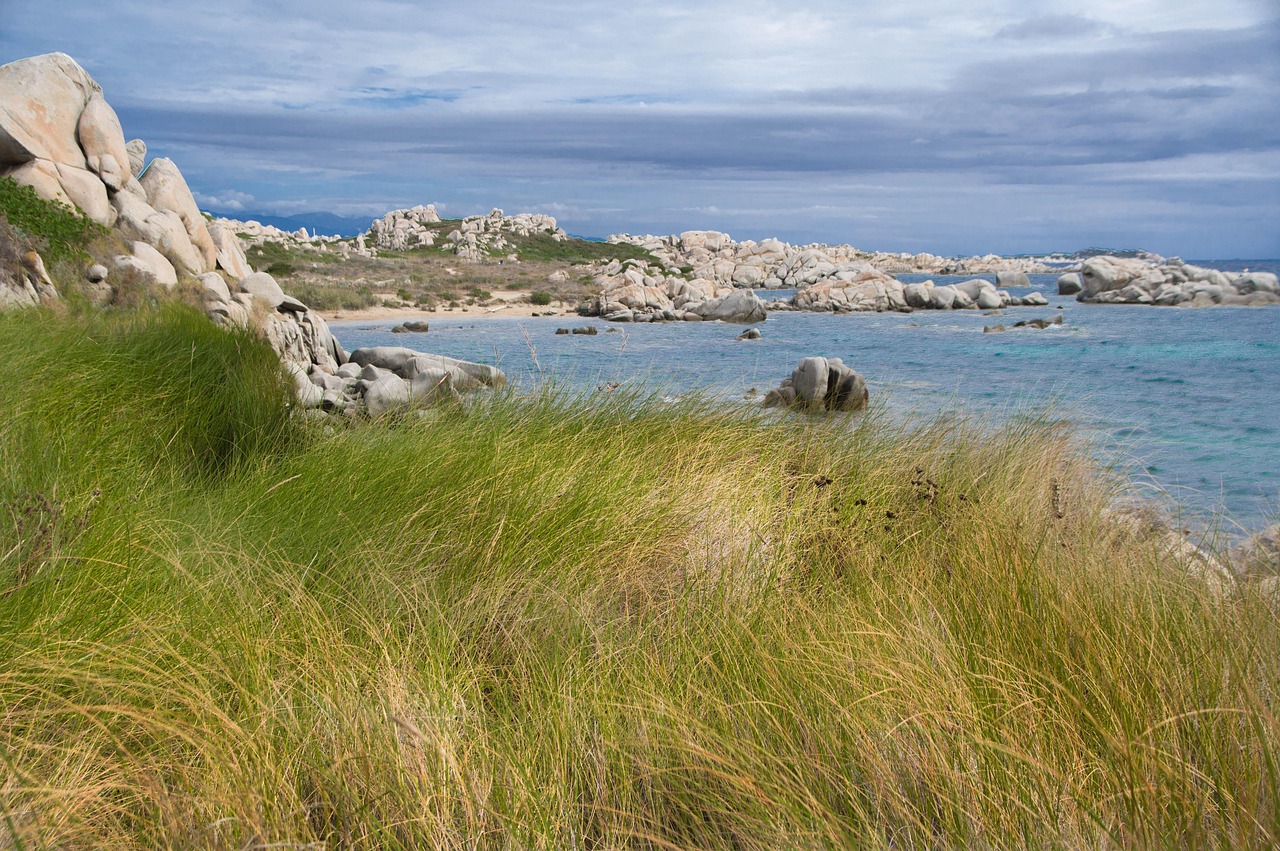
- Sentier des Douaniers: This customs path hugs the coastline from Macinaggio to Centuri (in stages). The Macinaggio–Barcaggio section is the most popular, with lagoons, dunes, and translucent water.
- Beaches: Tamarone beach, a short drive or walk north, is a favorite—wild, backed by low scrub, with turquoise shallows.
- Boating: In high season, small boats take you to otherwise unreachable coves and return later in the day.
Personal tip: On a hot June day, I like to hike early to Tamarone, swim, and then retreat to one of the marina cafés for a late lunch and a cold Cap Corse Mattei (the local bittersweet apéritif). The mix of hikers, boaters, and locals makes for excellent people-watching.
7. Rogliano & Its Hamlets: Villas, Views & Memory
Rogliano isn’t a single village but a cluster of hamlets—Vignale, Bettolacce, etc.—scattered across a hillside above Macinaggio. It was historically a seat of local nobility, and you can still see grander houses amid the more modest dwellings.
Walking here feels like moving through layers of history: stone stairways polished by centuries of feet, family chapels, shuttered houses of emigrants who never returned.
Things to do:
- Wander the lanes with no fixed route; the best views come by surprise between houses.
- Visit the church of Sant’Agnellu, with its commanding position above the valley.
- Look for small plaques commemorating Resistance activity in WWII—Rogliano was a center of anti-fascist organization.
On a late-September walk, I sat on a stone wall eating a fig that had fallen from a roadside tree, listening to the distant hum of a tractor and the occasional bark of a dog. Rogliano is for unhurried afternoons.
8. Barcaggio & the Northern Tip: Sand, Cows & Wind
Barcaggio feels like the end of the world, or at least the end of Corsica. A sandy bay, low houses, a small marina, and often a few cows ambling along the shore as if they own it (which, in a way, they do).
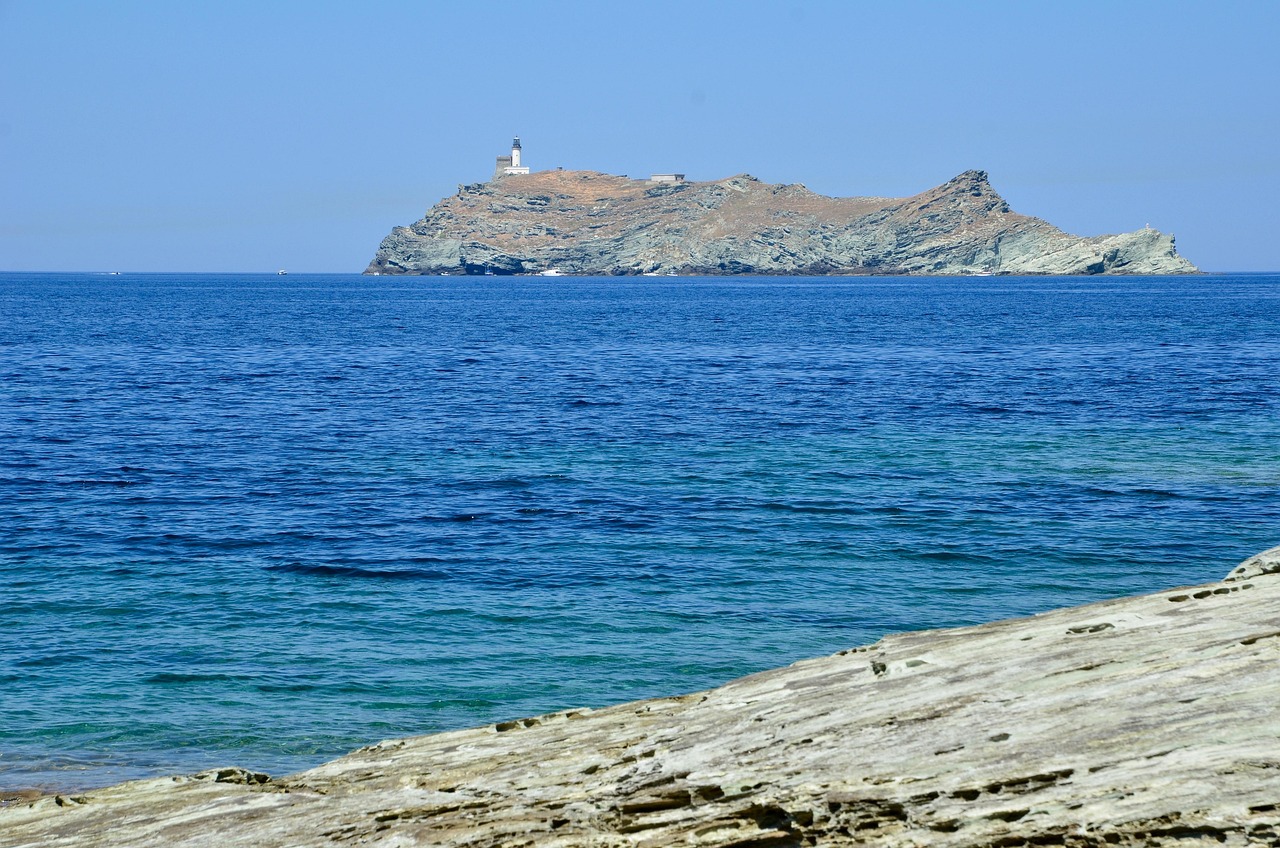
Landscape: Dunes, lagoons, and the silhouette of the Giraglia islet with its lighthouse offshore. The light here can be extraordinary—on one October evening the sky layered itself in pink and orange bands while the wind whipped the sand into ghostly veils.
Activities:
- Family-friendly beach time; the bay is relatively shallow.
- Short hikes up to nearby Genoese towers and viewpoints.
- Birdwatching around the lagoons in spring and autumn.
There are only a couple of places to eat, mostly open in summer. Bring snacks and water off-season.
9. Centuri-Port: Lobster Capital & Sunset Stage
Centuri-Port’s small basin, ringed by old houses and terraces, is one of those “how is this place still so quiet?” spots. Even in August, it feels more like a village that happens to attract visitors than a resort.
History & fame: Centuri built its reputation on lobster fishing, and you’ll still see live specimens in tanks outside restaurants. The village’s boats and warehouses speak to a long maritime history.
Food: Yes, it’s touristy to order lobster here. Do it anyway at least once if your budget permits. Ask for it simply grilled with olive oil and lemon; the texture is firmer and more flavorful than many Atlantic lobsters I’ve had.
Hidden gems:
- A tiny chapel on the hill above the port, with a bench perfect for evening contemplation.
- Rocky inlets west of the port, reached by short footpaths, where you can swim alone even in high season.
One August night, a local band set up spontaneously on the quay. Children danced, older folks sang along to Corsican standards, and the line between tourist and resident blurred nicely. If you see a notice for a concert, change your plans and stay.
10. Pino: Terrace Village Above the Sea
Pino hangs above the west-coast road, surrounded by old terraces etched into the hillside. Many are overgrown now, but you can still imagine the chestnut and olive trees that once fed the valley.
It’s a village of stone staircases, quiet squares, and houses with grand facades fading gracefully. On my last visit, an elderly man insisted I take a look inside the communal bread oven building the village association was restoring—“so you’ll remember that we were more than an empty postcard.”
Why stop:
- For an inland break from the hairpin coastal road.
- To walk old mule paths that knit together the hamlets.
- To feel the melancholy beauty of a place that has lost population but not dignity.
11. Barrettali: Green Valley & Stone Bridges
Barrettali’s valley runs inland from the west coast, greener and more lush than you might expect after the stark cliffs. There are chestnut groves, gardens, and small stone bridges over streams that trickle even in summer.
Activities:
- Short hikes between hamlets; some old paths are marked, others you find by asking locals.
- In spring, wildflower walks—irises and cistus bloom in profusion.
- Visiting small chapels with fresco fragments and simple altars.
I once spent a morning here with a local hunter who pointed out wild boar tracks and the best places to gather chestnuts in autumn—most of which, he stressed, belonged to someone. Always ask before foraging.
12. Ogliastro: Balconies Over the Sea
Ogliastro is a scatter of houses and hamlets perched above the west-coast road, with balconies that seem to hover over the sea. It’s not a place of big sights, but of small, quiet moments.
Why visit: If you’re on a 6 day itinerary for Cap Corse or longer and want a day of “just wandering,” Ogliastro and its neighbors (like Canari) are perfect. Park, walk, get a coffee in a bar where you’ll be the only outsider, and let the view do the rest.
On a clear winter day in 2025, I watched the sun set behind a line of clouds far out at sea; the horizon turned a deep indigo, and the only sounds were a distant dog and the wind in the eaves.
13. Canari: Bell Tower & Panoramas
Canari is small but perfectly positioned, its baroque bell tower standing sentry above the west coast. The church of Sainte-Marie sits on a terrace with a view that, in the late afternoon, glows gold.
Cultural note: Canari has been home to summer music events, including the “Nuits de la Guitare” offshoots in some years (check 2026 schedules). Even if no concert is on, it’s worth stopping for the view and the sense of being suspended between sea and sky.
14. Nonza: Dramatic Perch & Black Beach
Nonza is arguably the most photographed village in Cap Corse—and with reason. It perches on a rocky spur high above a long, dark-pebble beach, topped by a square tower and fronted by a small square under plane trees.
History: The Paoline tower was part of Corsican resistance to Genoese rule; the village’s tight alleys still carry that sense of defiance somehow.
What to do:
- Climb to the tower for a 360-degree view.
- Have a drink in the square; the bar here has been a constant in my trips, serving cold beer, wine, and simple snacks.
- Descend (if your knees allow) the long staircase to the beach; people often write giant messages in white stones on the dark pebbles, visible from above.
Tip: Nonza can be busy around midday in high season with day-trippers. For a more intimate feel, come early or later in the afternoon, and avoid parking right in the center; use the marked lots on the approach.
15. Patrimonio: Wine Heart of the Cap
Patrimonio is both a village and an appellation: the name on some of Corsica’s best wine labels. Gentle hills, limestone soils, and sea breezes combine to produce structured reds and aromatic whites that are finally getting the international attention they deserve.
Visiting wineries: Most domaines are family-run. In 2026, many accept casual visitors, but for a better experience, call or email ahead—especially if you’re interested in a tour or speak little French. Tasting is usually free or low-cost if you buy a bottle.
Signature grapes:
- Niellucciu: The backbone of reds—related to Sangiovese, but here with a distinctly Corsican character.
- Vermentinu: Fresh, aromatic whites that pair perfectly with Cap Corse’s seafood.
- Muscat: Sweet but often beautifully balanced; try it chilled as an apéritif or with dessert.
On a harvest-season visit in October 2024, I stood at the edge of a vineyard at dusk, watching pickers laugh and shout in Corsican and French while the last crates of grapes came in. If you can time your 5 day itinerary for Cap Corse to catch harvest (late September–early October), do it.
16. Luri Valley: Chestnuts, Col & Rural Life
The Luri valley cuts straight across the peninsula, from Santa Severa on the east coast up to the Col de Sainte-Lucie and down again toward the west. It’s a spine of sorts, with chestnut woods and scattered hamlets.
Highlights:
- The climb to the col for views across both sides of the Cap.
- Small producers making honey, charcuterie, and cheese—look for hand-painted signs along the road.
- Old bread ovens and communal buildings slowly being restored by local associations.
In July, the valley hosts local festivals and communal meals; it’s one of the best places to experience village life if you speak a bit of French and aren’t shy about sitting down at long tables with strangers.
17. Tomino & Santa Maria: Balconies Above Macinaggio
High above Macinaggio, Tomino and the nearby hamlets of Santa Maria form a kind of balcony over the sea. From up here, the marina looks toy-sized, and the Sentier des Douaniers traces the coastline like a ribbon.
Why go: For the view, first and foremost, and for the sense of being just a few kilometers from the bustle of Macinaggio but in a totally different world. On a hazy summer evening, I watched the sun set behind distant storm clouds while a neighbor watered his vegetable garden and chatted about this year’s tomato crop.
18. Serra Ridge & High Cap Corse: The Wild Backbone
The Serra ridge runs like a spine down the peninsula, reaching 1,300 meters at Monte Stello. It’s the least visited part of Cap Corse but also one of the most rewarding for hikers and those seeking adventure.
Hiking: The ascent of Monte Stello is a demanding but non-technical hike (allow 6–7 hours roundtrip from the usual trailheads). The views at the top—both coasts, Bastia, the Tuscan islands—are jaw-dropping. Only attempt it in good weather and avoid the hottest months unless you start very early.
On a clear day in May 2023, I reached the summit just as thin clouds drifted in from the sea, casting moving shadows over the peninsula. It’s one of my most vivid memories of Cap Corse: the sense of seeing the whole finger of land at once, tiny villages clinging to its flanks like barnacles.
Regional Cuisine: Local Food in Cap Corse & Where to Taste It
Food in Cap Corse is a dialogue between sea and mountains: fish and shellfish on the coast; chestnuts, charcuterie, and cheeses inland. The best meals I’ve had here haven’t been fancy—they’ve been patient, local, and tied to the seasons.
Seafood & Coastal Specialties
- Centuri: Lobster, langoustines, and fresh fish—grilled simply.
- Macinaggio & Erbalunga: Octopus salad, fried anchovies, spaghetti aux fruits de mer generously loaded with local shellfish.
- Hidden tip: Ask what came in aujourd’hui (today). Many menus list a generic “fish of the day,” but servers will happily tell you the species and preparation if you show interest.
Mountain Flavors: Charcuterie, Chestnuts & Cheeses
- Charcuterie: Look for coppa, lonzu, and prisuttu (ham) from small producers in Luri, Barrettali, and Pino valleys.
- Cheeses: Fresh brocciu (in season) in omelettes and fritters; aged sheep and goat cheeses with a glass of Patrimonio red.
- Chestnuts: In autumn, chestnut soups, cakes, and breads appear on menus. I still dream about a chestnut and wild boar stew I had in a tiny Luri auberge one rainy October night.
Where to Eat: Agriturismi & Family-Run Spots
Cap Corse isn’t full of polished “farm-stays” like parts of Tuscany, but scattered through the valleys are small agriturismi and country inns offering set menus built around their own produce.
- Luri & Barrettali valleys: Look for hand-painted signs on the roadside advertising table d’hôtes or ferme-auberge. Reservations are essential; they often prepare just enough for booked guests.
- Patrimonio: Some wineries host occasional food-and-wine evenings in summer 2026; check their websites or social media.
- Budget tip: At lunch, seek out bakeries and small groceries selling sandwiches stuffed with local cheese and charcuterie; pair them with tomatoes and fruit from village markets for a picnic.
Markets & Local Products
- Bastia: The morning market is your best one-stop shop before driving onto the Cap—stock up on olive oil, cured meats, cheeses, and fruit.
- Erbalunga & Macinaggio: Seasonal smaller markets appear in summer (check posters and tourist offices in 2026 for days).
- What to buy: Cap Corse Mattei apéritif, honey (especially miel de châtaignier—chestnut honey), jams, and bottles of Patrimonio wine to take home (wrap them well if you’re flying).
Evenings in Cap Corse: Piazzas, Sunsets & Quiet Rhythms
Nightlife on Cap Corse is about conversation, not clubs. The peninsula’s magic intensifies at dusk: cicadas fade, swallows loop over rooftops, and the sky slowly loses its color over the sea.
Small-Town Piazzas & Harbors
- Nonza: The village square under plane trees is one of my favorite evening spots. Order a glass of wine, watch children on bikes, and listen to snippets of Corsican, French, and Italian around you.
- Erbalunga: The harbor lights reflect in the water; couples stroll the alleys; musicians sometimes set up impromptu performances in July and August.
- Centuri-Port: Dinner terraces buzzing; the last light catching the masts in the basin.
- Macinaggio: Marina promenades with ice cream in hand—very family-friendly.
Sunset Viewpoints
- Moulin Mattei: Spectacular but often windy—bring a jacket even in summer.
- West coast lay-bys between Pino and Nonza: Pull over safely, turn off the engine, and watch the sky deepen.
- Tomino & Santa Maria: Overlooking Macinaggio, with the sky reflecting in the marina below.
Seasonal Celebrations & Festivals
In 2026–2027, look for:
- Village fêtes: Each village has its own patron saint day, often marked with processions, open-air masses, and communal meals. Posters appear weeks in advance; if you’re lucky enough to be around, go—it’s one of the best cultural experiences in Cap Corse.
- Music events: In summer 2026, expect small concerts in Erbalunga, Patrimonio, and Canari. These range from Corsican polyphony to jazz and guitar nights.
- Wine & food fairs: Patrimonio and surrounding villages host tastings and gastronomy weekends around harvest season.
Cultural Experiences, Local Customs & Etiquette
Understanding Corsican Identity
Cap Corse is French, but it’s also deeply Corsican, with its own language, history of resistance, and sometimes prickly pride. This isn’t a stage-set island; it’s a place where local politics and identity matter.
- Language: You’ll hear French and Corsican (corsu). A few words in French go a long way: bonjour (good day), bonsoir (good evening), s’il vous plaît (please), merci (thank you).
- Greetings: Always say hello when entering a shop, bar, or small restaurant; silence is considered rude.
- Photography: Ask before photographing people, especially in small villages and at religious events.
Restaurant & Market Etiquette
- Reservations: For dinner in popular coastal villages in July–August 2026, reserve a day or two ahead. Inland, reservations for agriturismi are essential.
- Timing: Lunch typically 12:30–2 pm; dinner from 7:30 or 8 pm. Many kitchens close between lunch and dinner.
- Tipping: Service is included, but rounding up or leaving 5–10% for good service is appreciated.
- Markets: Don’t handle produce yourself unless invited; point or ask instead. Vendors are generally happy to let you taste cheese or charcuterie before buying.
Driving & Village Life
- Speed: Roads are narrow and often have animals (goats, cows) on them. Drive slowly in and around villages—children play by the road, and locals know the curves better than you do.
- Noise: Keep noise down late at night, especially if staying in historic centers; sound carries in stone villages.
- Respect for land: Don’t walk into cultivated terraces or pick fruit from private trees; much of what looks “wild” is still someone’s property.
What’s New: Events & Changes in 2026–2027
Cap Corse changes slowly, but a few trends and events are worth noting for 2026–2027:
- Improved trail signage: Local authorities have been gradually improving waymarking on hiking paths, especially around the Serra ridge and in the Luri and Barrettali valleys. In 2026, expect clearer signs and updated maps at trailheads.
- Wine tourism in Patrimonio: Several domaines are expanding their visitor offerings—look for new tasting rooms, evening events, and the occasional food truck or pop-up bistro among the vines.
- Summer music & culture: Small-scale festivals in Patrimonio, Erbalunga, and Canari are scheduled to continue with more emphasis on Corsican polyphonic singing and acoustic concerts. Check local tourism offices in spring 2026 for dates.
- Environmental initiatives: There’s growing attention to dune protection around Barcaggio and Tamarone; expect clearer signage asking you to stick to marked paths and designated parking areas.
Day Trips from Cap Corse
Saint-Florent & the Agriates Desert
Saint-Florent, just west of Patrimonio, makes an excellent day trip from the southern Cap. It’s a cheerful port town with a promenade, a citadel, and boats heading to the legendary beaches of the Agriates: Saleccia and Lotu.
- From Patrimonio: 15–20 minute drive.
- What to do: Boat trip to beaches, swim, return for an ice cream and stroll.
Inland Bastia & Nebbio Villages
If you’re based in Erbalunga or Sisco and want a break from the coast, drive inland from Bastia toward the Nebbio region: rolling hills, small villages like Oletta, and more wineries.
Sea Days from Macinaggio & Centuri
- Macinaggio: Boat trips to remote coves along the northern coast, with snorkeling and swimming.
- Centuri: Occasional boat excursions along the rugged west coast—ask at the marina.
Practical Travel Advice for Cap Corse (2026)
Getting There & Around
Arrival:
- By air: Fly into Bastia-Poretta Airport, then rent a car (30–40 minutes to Erbalunga).
- By ferry: Ferries from mainland France and Italy arrive in Bastia port—you can bring your car or rent one on arrival.
Car Rental & Driving:
- Do you need a car? For any multi-town 4–7 day itinerary in Cap Corse, yes. Public transport is too sparse for flexible exploring.
- Licenses: EU licenses are valid. Most other nationalities can drive with their home license; an International Driving Permit is recommended and sometimes requested by rental companies.
- Roads: The D80 and D81 corniches are narrow and winding but paved. Drive slowly, use pullouts to let faster locals pass, and avoid night driving on unknown stretches if you’re nervous.
- Distances: Bastia–Erbalunga ~20 minutes; Erbalunga–Macinaggio ~1–1.5 hours; Macinaggio–Centuri via north and ridge ~1.5–2 hours; Centuri–Nonza ~1.5–2 hours.
Parking:
- Use marked lots at village entrances (Erbalunga, Nonza, Macinaggio); old centers are often pedestrian or very tight.
- Never block access to fields or private driveways—farmers need those tracks at all hours.
Public Transport
There are limited buses from Bastia up the east coast as far as Macinaggio, but frequencies are low and often seasonal. There are no trains on the peninsula itself. If you absolutely can’t drive, base in one or two well-connected villages (Erbalunga, Macinaggio) and rely on buses, taxis, and walking—but your range will be limited.
SIM Cards & Connectivity
- Coverage: 4G (and increasingly 5G) is good around Bastia and major villages, patchy in deep valleys and along wild west-coast stretches.
- SIM options: Buy a French SIM from Orange, SFR, or Bouygues in Bastia; you’ll need ID. eSIM options are increasingly common in 2026 and often easier if your phone supports them.
- Wi-Fi: Most hotels, guesthouses, and many rentals offer Wi-Fi, but speeds can vary.
Money-Saving Tips
- Travel in shoulder seasons: April–June and September–October offer lower prices and softer light.
- Self-cater: Book apartments with kitchens, shop at markets and supermarkets, and cook simple dinners a few nights.
- Picnics: Turn market hauls into lunches on beaches or at viewpoints; some of my best meals have been bread, cheese, tomatoes, and fruit eaten in the shade of an old tower.
- Wine: Buy bottles at wineries or supermarkets, not by the glass at bars, if you’re on a budget.
Visas & Entry Requirements
- Cap Corse is part of France and the EU. Schengen rules apply.
- EU/EEA/Swiss citizens can enter with an ID card or passport.
- Many other nationalities (including UK, US, Canada, Australia, etc.) can enter visa-free for short stays; check the latest Schengen regulations for 2026, including any ETIAS requirements.
- Ensure your passport is valid for at least 3–6 months beyond your intended departure and has blank pages.
When to Go: Seasons & Activities
- Spring (April–June): Ideal for hiking and touring. Wildflowers cover the hillsides, temperatures are mild, and traffic is light. Some smaller businesses may still be ramping up in April.
- Summer (July–August): Hot, busy on main roads and beaches, but still calmer than southern Corsica. Best for beach days, evening festivals, and swimming. Book accommodation and car well in advance for 2026.
- Autumn (September–October): My favorite time. Warm sea, grape harvest in Patrimonio, softer light, and fewer people. Occasional storms add drama to the west coast.
- Winter (November–March): Quiet, with many tourist services closed, but rewarding for those seeking solitude and moody landscapes. Some restaurants and hotels remain open in larger villages and Bastia.
Summary & Final Recommendations
Cap Corse is not a place of big-ticket attractions and slick resorts; it’s a peninsula of small gestures and strong characters. The best things to do in Cap Corse often involve simple acts: driving a road slowly, lingering at a village café, walking an old coastal path, sharing a bottle of Patrimonio under the stars.
For a first visit, I recommend at least a 4 days in Cap Corse plan; if you can stretch to a 6 or 7 day itinerary for Cap Corse, you’ll feel the rhythm of the place more deeply. Base yourself in two or three villages—one on the east coast, one on the west, perhaps one inland—and build your days around a mix of:
- Iconic spots like Erbalunga, Macinaggio, Barcaggio, Centuri, Nonza, and Patrimonio.
- Hidden gems in Pino, Barrettali, Ogliastro, Canari, and the Luri valley.
- Cultural experiences: village fêtes, winery visits, small concerts, and markets.
- Simple pleasures: swims in quiet coves, picnics with local food, sunsets from roadside viewpoints.
In the end, what ties Cap Corse together isn’t a single monument or attraction but a feeling: of being on the edge of things, where the land narrows, the wind speaks, and life is lived at a scale that still makes sense. Come with time, curiosity, and respect, and the peninsula will reward you richly.