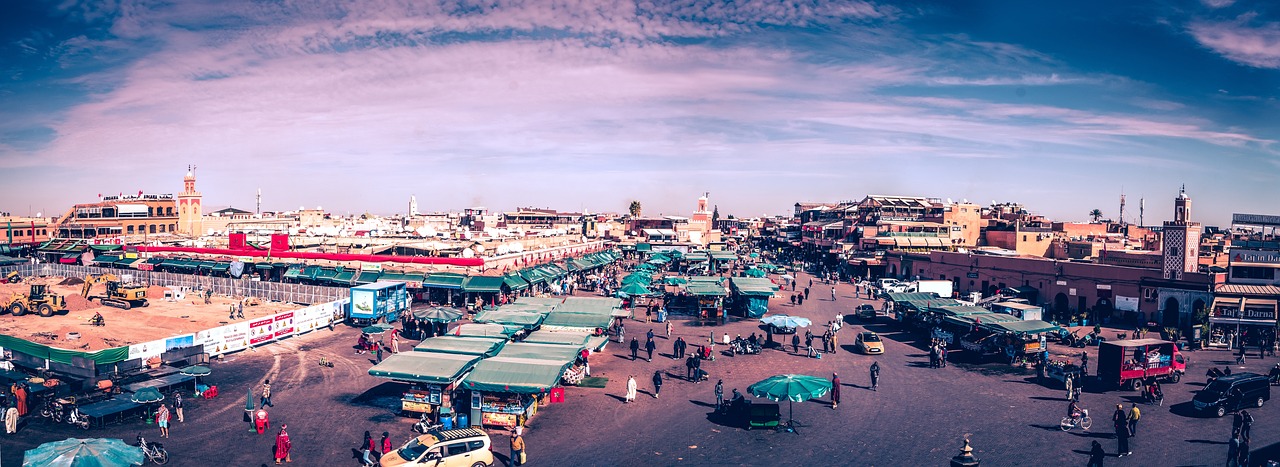
Why Visit Marrakesh in 2026
I keep coming back to Marrakesh. I first arrived solo in my early twenties, wide-eyed and overwhelmed, and I’ve returned almost every year since—sometimes as a guide, sometimes just to get lost in its terracotta maze again. Marrakesh is a place that refuses to be just another “stop” on your itinerary; it gets under your skin.
In 2026, Marrakesh is in a particularly interesting moment. Many historic sites damaged in the 2023 earthquake have been carefully restored, the food scene has grown more creative without losing its soul, and there’s a renewed focus on sustainable, locally run experiences. You’ll feel that energy as you wander from ancient medina alleys to sleek rooftop terraces with views of the Atlas Mountains.
What makes Marrakesh special isn’t just the things to do, but the way those experiences overlap: sipping mint tea on a riad rooftop while the call to prayer echoes across the city; haggling in the souks and then escaping to a tranquil garden; riding a camel at sunset and finishing the night at a jazz bar in Guéliz.
Whether you have 3 days in Marrakesh or plan a full 5 day itinerary for Marrakesh, this guide will walk you through the must-see attractions in Marrakesh, the hidden gems in Marrakesh, and the local food in Marrakesh that you absolutely shouldn’t miss—woven together with personal stories and practical travel tips for Marrakesh.
Table of Contents
- Why Visit Marrakesh
- Neighborhoods & Areas of Marrakesh
- 20+ Major Attractions & Personal Stories
- Recommended Itineraries (3, 4 & 5 Days in Marrakesh)
- Local Food in Marrakesh & Where to Eat
- Cultural Etiquette & Local Customs
- Nightlife, Entertainment & Cultural Experiences
- Day Trips & Excursions from Marrakesh
- Practical Travel Advice for Marrakesh (2026–2027)
- Events & Festivals 2026–2027
- Summary & Best Time to Visit Marrakesh
Marrakesh Neighborhoods & Where to Base Yourself
1. The Medina (Old City)
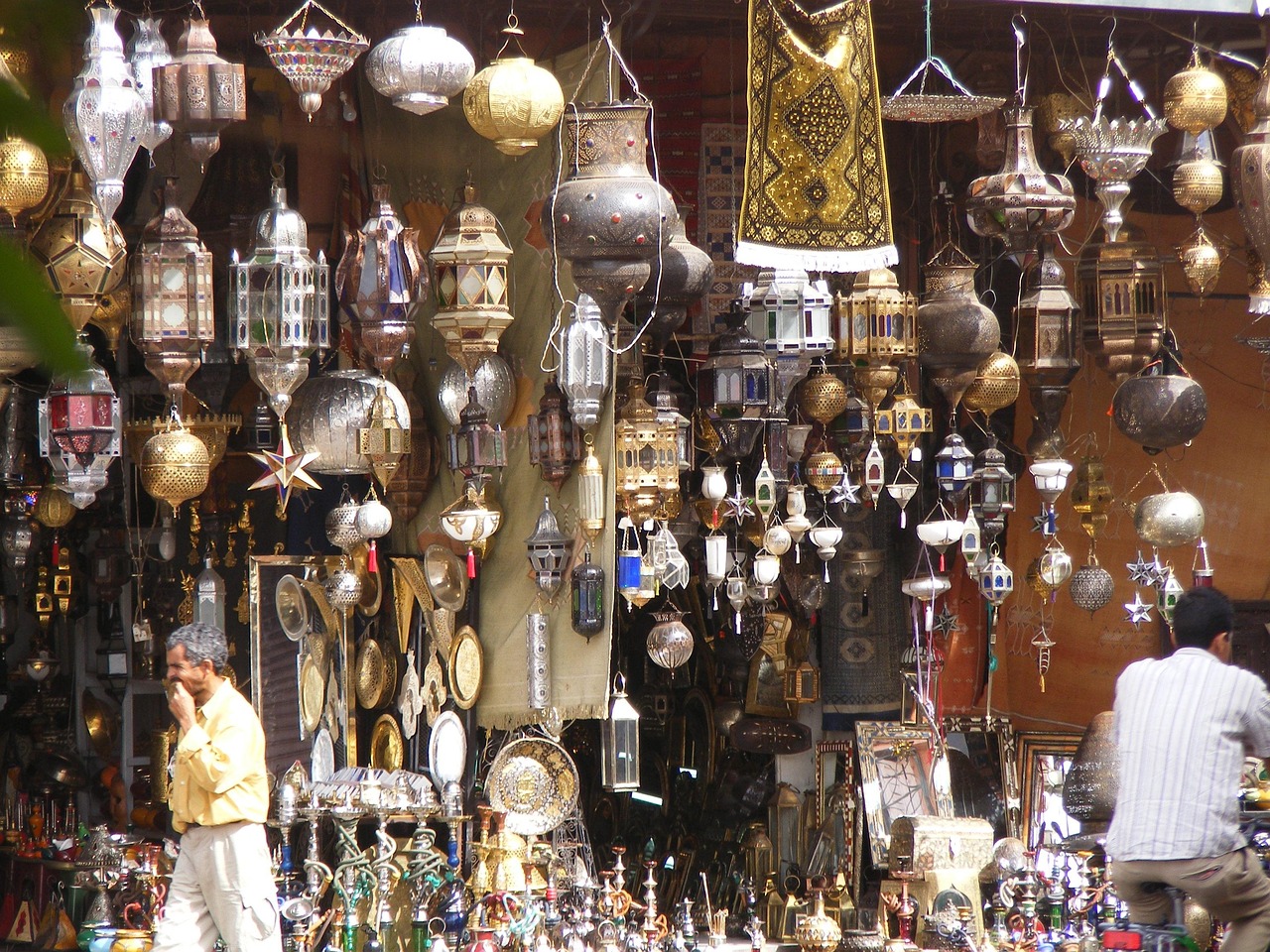
The walled medina is the Marrakesh you’ve probably dreamed about: narrow alleys, carved wooden doors, and scooters zipping past donkeys. I almost always stay here at least a couple of nights because it’s the best way to feel the pulse of the city, especially if you only have 3 days in Marrakesh.
The medina is divided into countless micro-neighborhoods, each centered around a small square or mosque. Near Jemaa el-Fna it’s lively, intense, and noisy well into the night; further north, near the Ben Youssef Madrasa, it becomes more residential and calmer.
2. Guéliz (The New Town)
Guéliz is “new” Marrakesh: wide boulevards, galleries, concept stores, and cocktail bars. When I need a break from the medina’s intensity, I stay in Guéliz for a night or two. It’s perfect if you prefer a more modern, walkable neighborhood with easy taxi access and a bit of nightlife.
3. Hivernage
Hivernage is where you’ll find many of the city’s large hotels, luxury resorts, and some high-end clubs. Think palm-lined avenues, pool bars, and sunsets with a DJ set. It’s great if you want resort comfort but still be a short taxi ride from the medina.
4. Palmeraie
The Palmeraie is a vast palm oasis on the city’s edge dotted with villas, boutique hotels, and camel-riding outfits. I recommend it if you’re planning a longer stay (4–5 days in Marrakesh) and want to mix city time with poolside relaxation.
5. Sidi Ghanem & Creative Zones
Sidi Ghanem is Marrakesh’s industrial-chic design district. It’s a bit out of the way, but worth it if you’re into interiors, furniture, and concept stores. I usually combine it with a lunch stop and a lazy afternoon browsing showrooms.
20+ Major Attractions in Marrakesh (With Personal Stories & Tips)
Below are the best places to visit in Marrakesh, from iconic highlights to quieter corners. Each mini “sub-article” blends history, significance, and my experiences—so you can decide what to prioritize for your own 3, 4, or 5 day itinerary for Marrakesh.
1. Jemaa el-Fna: The Beating Heart of Marrakesh
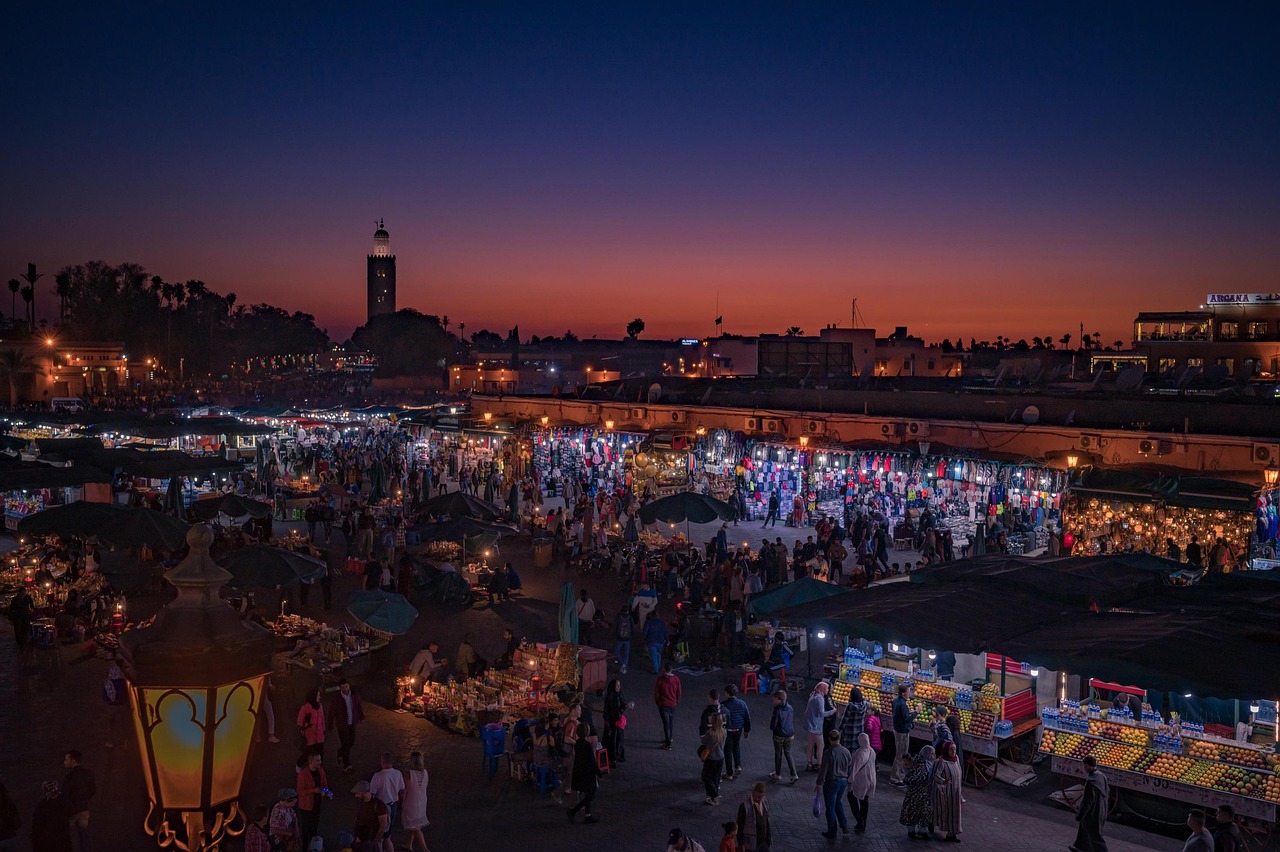
Why it matters: The central square of Marrakesh’s medina and a UNESCO-listed cultural space, Jemaa el-Fna is more performance than place. By day it’s busy; by night it’s electric.
My experience: I still remember my first evening here: the square unfolding in layers—orange juice stalls in the foreground, smoke rising from food stands, and beyond that, a swirl of drummers, storytellers, henna artists, and snake charmers. Now, I return at least once every trip, but I’ve learned where to stand and when to go.
Best time to visit: Arrive around sunset. Find a rooftop café on the square’s edge (I often choose a modest one rather than the famous terraces; they’re cheaper and less crowded), order mint tea, and watch the transformation from above before going down into the chaos.
Family-friendly? Yes, but hold hands and keep kids close after dark. It’s loud and crowded.
Romantic? Surprisingly, yes—if you watch from a rooftop, away from the touts.
Food tip: The big grill stands (numbered) are touristy but fun. For a more local feel, look for stalls with many Moroccans eating, and always glance at how clean the plates and grills look.
Advice: Photos of performers usually require a tip—have small coins ready. Avoid the caged monkeys and snake handling if you’re concerned about animal welfare; I personally walk past those quickly.
2. Bahia Palace: Painted Ceilings & Quiet Courtyards
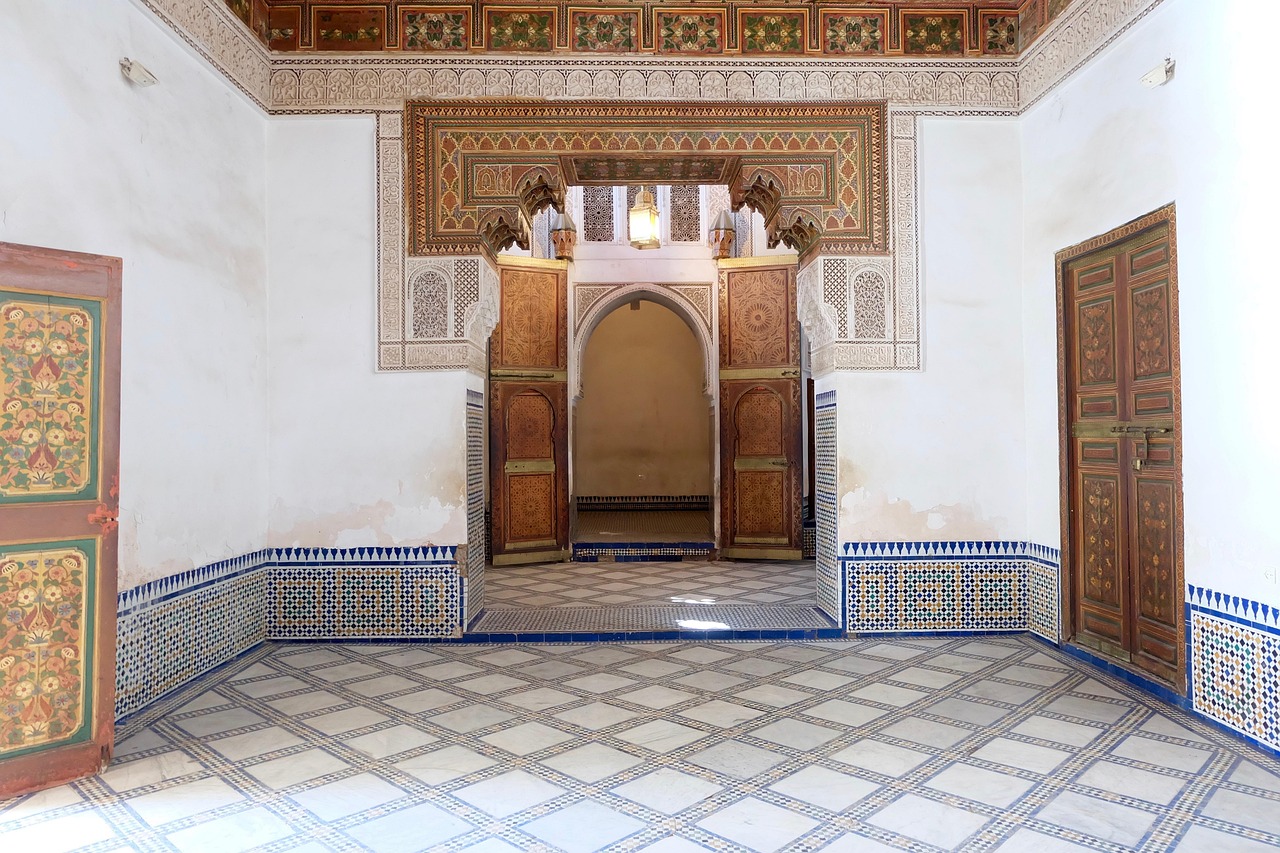
History: Built in the late 19th century for Grand Vizier Si Moussa and later expanded for his son, Bahia Palace was designed to be the most beautiful palace of its time—“Bahia” meaning “brilliance.”
My visits: I’ve visited Bahia more times than I can count—at different hours, in different seasons. My favorite memory is arriving right at opening time on a cool January morning; the mosaics were still damp from overnight cleaning, and sunlight slowly moved across the columns as if the palace was waking up.
What to look for: Don’t rush. Sit in the main courtyard and really look up: the painted wooden ceilings are masterpieces. The more time you give yourself here, the more details you notice.
Best time: Go early (opening) or late afternoon to avoid tour bus crowds. If you have only 3 days in Marrakesh, pair Bahia in the morning with the nearby Jewish Quarter (Mellah).
3. Koutoubia Mosque: Marrakesh’s Iconic Minaret
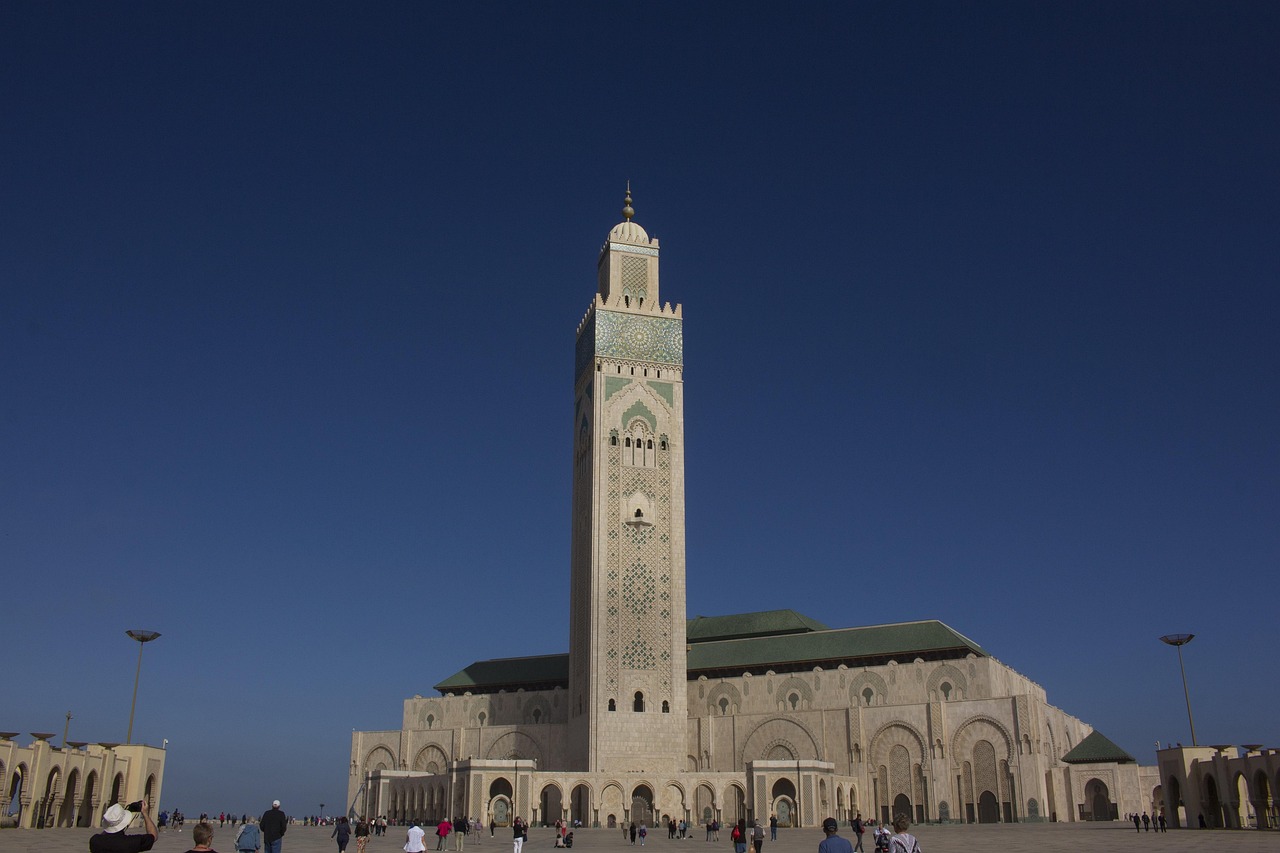
Why it’s iconic: The 12th-century Koutoubia Mosque is Marrakesh’s main landmark, its minaret visible from much of the city. Non-Muslims cannot enter the prayer hall, but the exterior and gardens are stunning.
My ritual: I like to walk from Jemaa el-Fna to Koutoubia just before the sunset call to prayer. Standing in the gardens, hearing the adhan echo across the city, is one of those quietly powerful Marrakesh moments.
Photography tip: The best photos I’ve taken were from the small park to the west of the mosque, where you can frame the minaret with fountains and orange trees.
4. Ben Youssef Madrasa: Geometric Perfection
History: This former Quranic school, founded in the 14th century and rebuilt in the 16th, is one of the largest and most beautiful madrasas in North Africa. Closed for restoration for several years, it fully reopened recently with careful preservation.
My experience: The first time I came here after the renovation, I arrived early and ended up in the courtyard almost alone. I remember running my hand along the carved stucco and cedar, thinking about the students who studied here centuries ago.
Don’t miss: The small, simple student cells upstairs. Peek out the tiny windows for a different perspective of the courtyard below.
5. Saadian Tombs: Hidden for Centuries
History: These tombs date back to the late 16th century and were sealed up for centuries, rediscovered only in 1917 by aerial photography. Inside, members of the Saadian dynasty rest beneath incredibly ornate ceilings and zellige tiles.
My tip: It gets cramped. Go around opening time or late afternoon. When lines form to see the famous “Tomb of the Three Niches,” be patient; step in, look up, and don’t rush your few seconds of wonder.
6. El Badi Palace: Evocative Ruins & Storks
History: Once a lavish palace of Sultan Ahmad al-Mansur in the late 16th century, El Badi was later stripped for materials, leaving a vast skeleton of courtyards, sunken gardens, and ramparts.
My experience: I love climbing up to the walls for views over the city and watching the storks nesting on ruined towers. On a spring visit, the combination of blue sky, red stone, and white storks felt almost surreal.
7. Jardin Majorelle & Yves Saint Laurent Museum
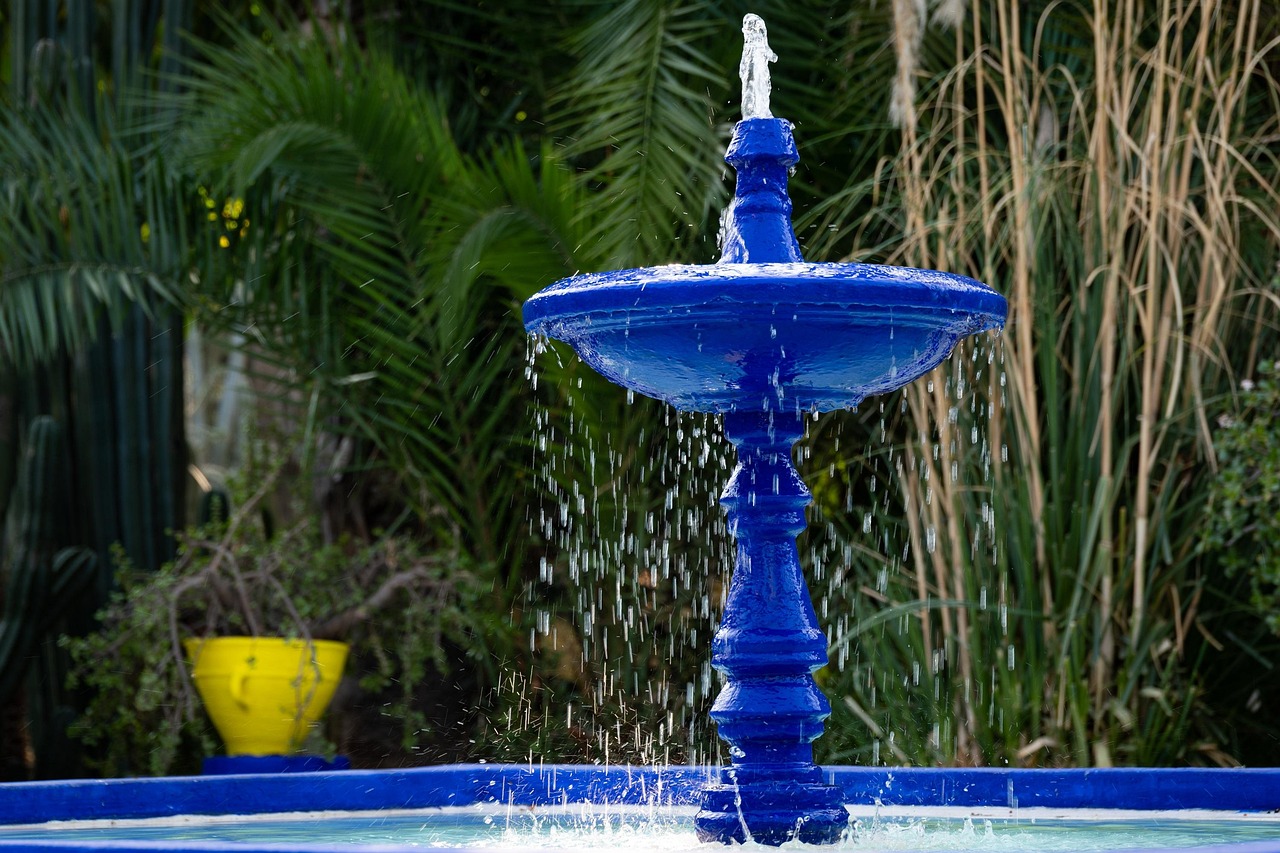
History: Created by French painter Jacques Majorelle in the 1920s and later saved and restored by Yves Saint Laurent and Pierre Bergé, Jardin Majorelle is a cobalt-blue oasis of cacti and bamboo.
My ritual: I usually book a timed ticket online (a must in 2026; queues can be long). After wandering the gardens, I linger at the café for a fresh orange juice in the shade. The attached YSL Museum is small but beautifully curated, and I recommend it even if you’re not a fashion buff.
Tip: Combine Majorelle with a stroll through nearby Guéliz to contrast old and new Marrakesh in one morning or afternoon.
8. Le Jardin Secret: A Quiet Medina Escape
Why go: Tucked inside the medina, Le Jardin Secret is a restored historic riad complex with two gardens (Islamic and exotic), water features, and a small tower you can climb for views.
My experience: On hot afternoons, this is where I escape the souk noise. I’ll wander the paths, then order a mint lemonade at the café and write notes for my guidebook under the shade of a tree.
9. The Medina Souks: A Labyrinth of Crafts
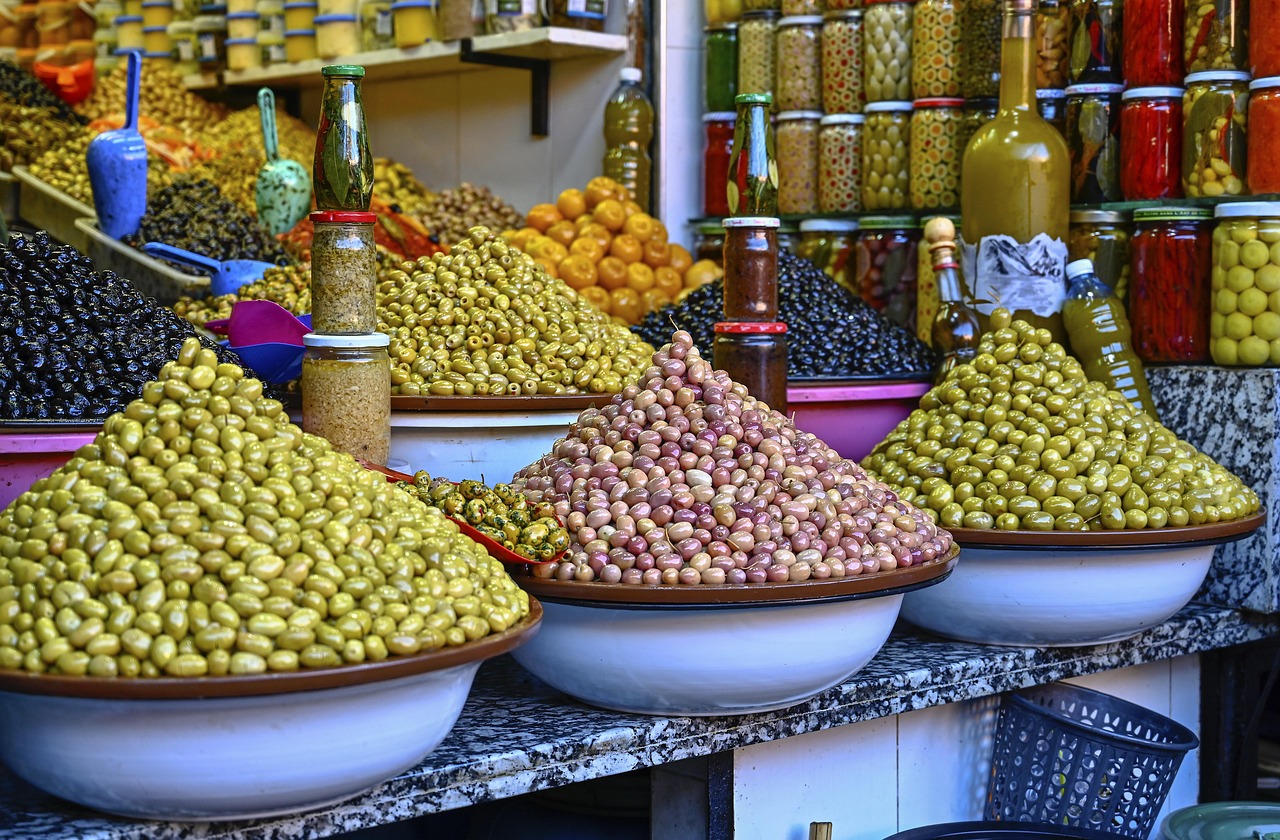
What they are: The souks are Marrakesh’s traditional markets: a labyrinth of stalls selling everything from spices and lanterns to leather slippers and carpets. This is one of the essential things to do in Marrakesh.
My experience: I still get lost, and I’ve been coming here for years. Some of my favorite mornings in Marrakesh are spent following my curiosity—turning into alleyways because I hear hammering or catch a glimpse of a workshop.
Haggling tips: Start around half the first price, stay friendly, and don’t feel obliged to buy. When I genuinely don’t want something, I smile and say “La, shukran” (no, thank you) and keep walking.
10. Dar El Bacha – Musée des Confluences
Why it’s special: A beautifully restored palace-turned-museum, Dar El Bacha showcases Moroccan craftsmanship and rotating exhibitions on cultural exchange. The architecture alone is worth the visit.
My tip: Visit mid-morning, then treat yourself to coffee at the renowned Bacha Coffee on-site. It’s pricey by local standards but a lovely indulgence.
11. The Mellah (Jewish Quarter) & Slat Al Azama Synagogue
History: The Mellah was Marrakesh’s historic Jewish Quarter, and although the community is now small, traces remain in street names, synagogues, and the old Jewish cemetery.
My experience: I once joined an elderly local on a bench here who began telling me stories of his childhood in a mix of French and Darija. That conversation made the Mellah one of my most poignant stops in the city.
12. Marrakesh Museum & Almoravid Koubba
Why visit: Housed in a 19th-century palace, the Marrakesh Museum mixes traditional architecture with exhibitions. Nearby, the Almoravid Koubba is one of the city’s oldest Islamic monuments.
Tip: Combine this with Ben Youssef Madrasa and a wander through the northern medina for a full cultural morning.
13. Agafay Desert: Stony Horizons & Sunset Dinners
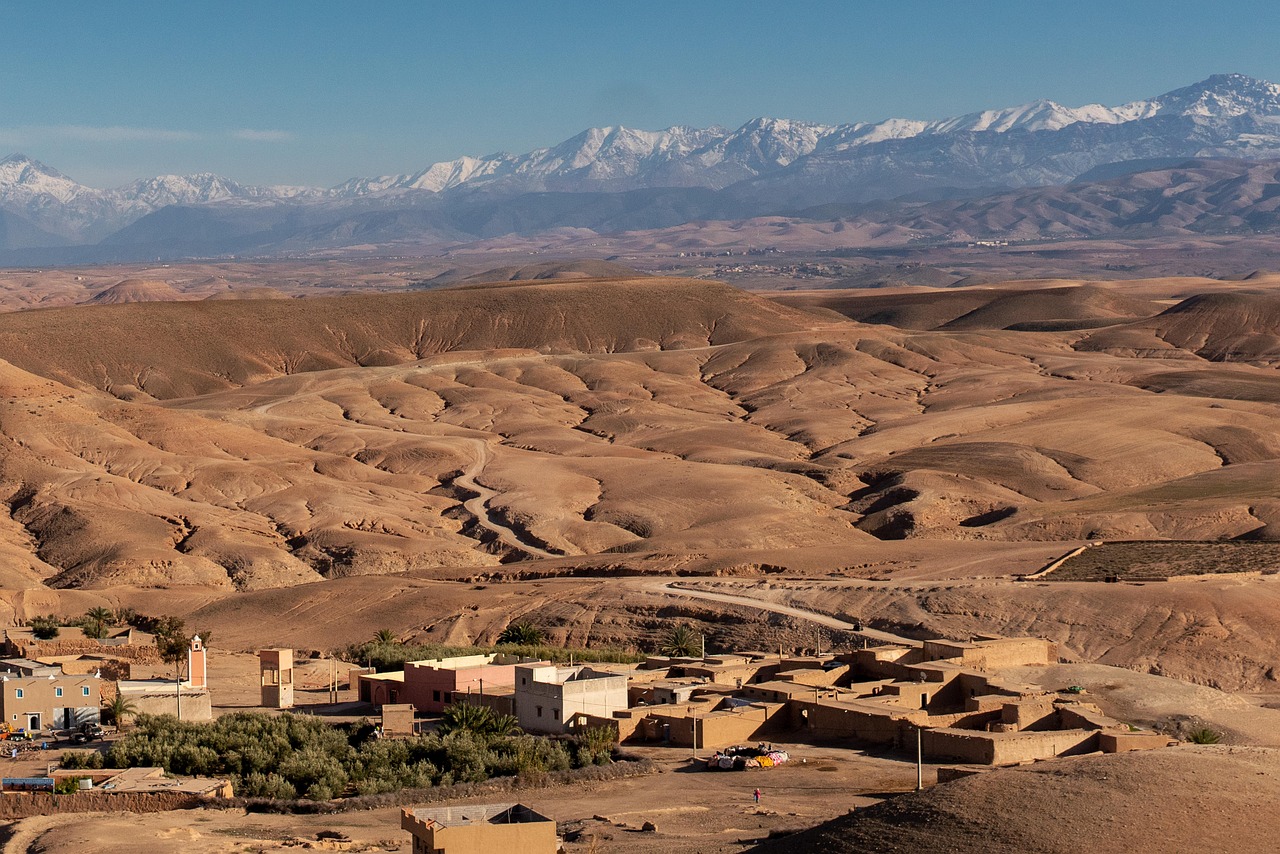
What it is: Not a sand desert like the Sahara, but a rocky, moon-like landscape just 30–45 minutes from Marrakesh. Agafay has become popular for sunset camel rides, quad biking, and glamping camps.
My experience: My favorite Agafay evening was in late autumn: we quad-biked at golden hour, then sat down to a candlelit dinner as the stars came out and Marrakesh’s lights glowed faintly on the horizon.
14. Atlas Mountains & Ourika Valley (Day Trip)
Why go: If you have 4 or 5 days in Marrakesh, escape the city for a day in the Atlas Mountains. Ourika Valley is the most popular, but there are quieter valleys and Berber villages.
My experience: I’ve hiked here in every season—spring wildflowers are my favorite. Sitting in a riverside café with my feet in the water, eating tajine cooked over charcoal, is one of my go-to resets when city life gets intense.
15. Menara Gardens: Olive Groves & Atlas Views
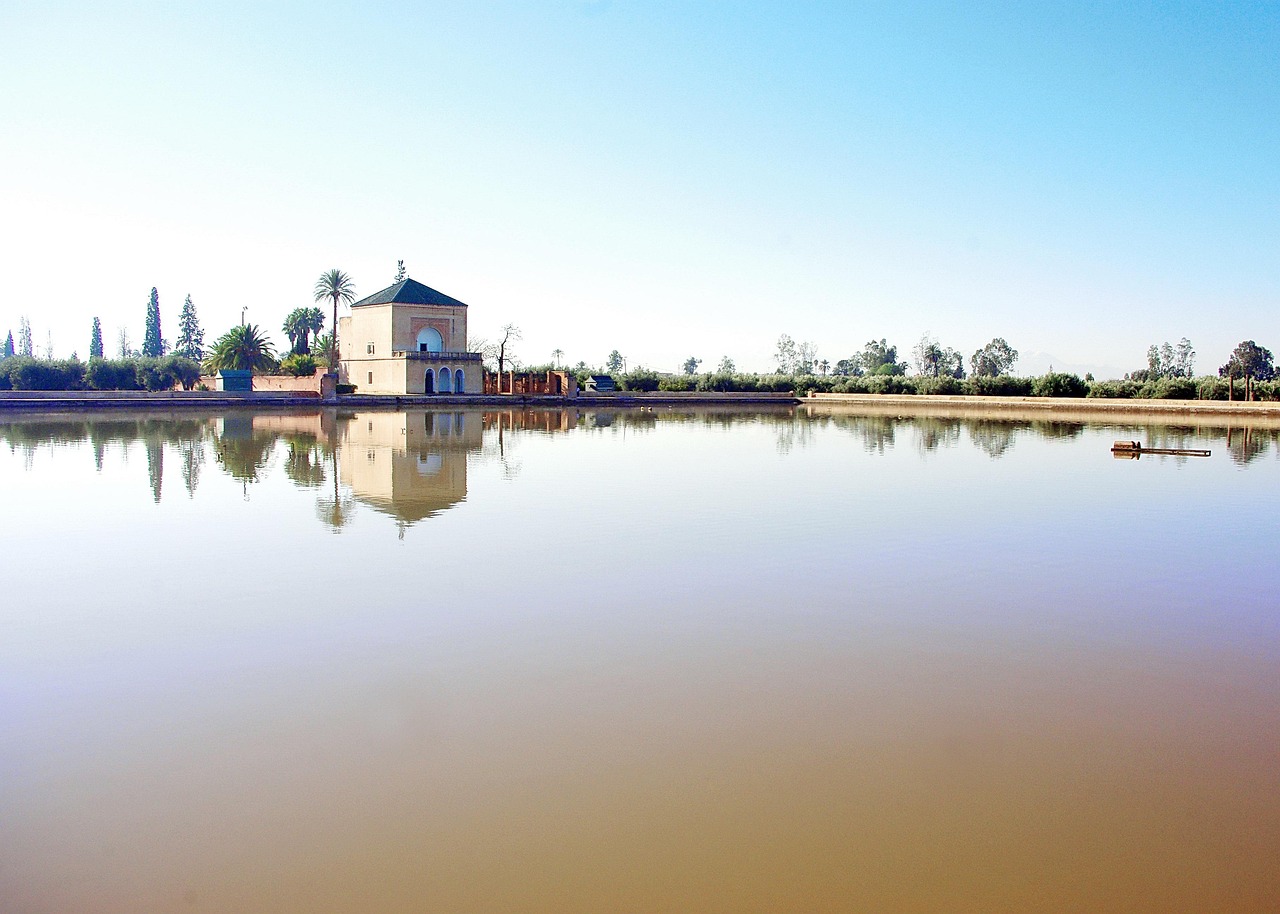
History: Dating back to the 12th century, the Menara Gardens feature a large reflective basin and pavilion surrounded by olive groves.
My tip: The best time is late afternoon on a clear day, when the Atlas Mountains appear behind the pavilion. It’s a favorite spot for local families and couples.
16. Yves Saint Laurent Museum
Why it’s worth it: Even non-fashion lovers appreciate this museum’s architecture and curation. It explores YSL’s relationship with Marrakesh and shows how the city’s light and colors influenced his work.
17. Cyber Park Arsat Moulay Abdeslam
What it is: A centrally located park with free Wi-Fi, fountains, and shady paths. It’s not a “must-see” attraction, but if you’re nearby and need calm, this is a nice green pause.
My routine: I sometimes bring a sandwich here for a quiet lunch between meetings or walks, using the Wi-Fi to catch up on messages.
18. Marrakesh Tanneries
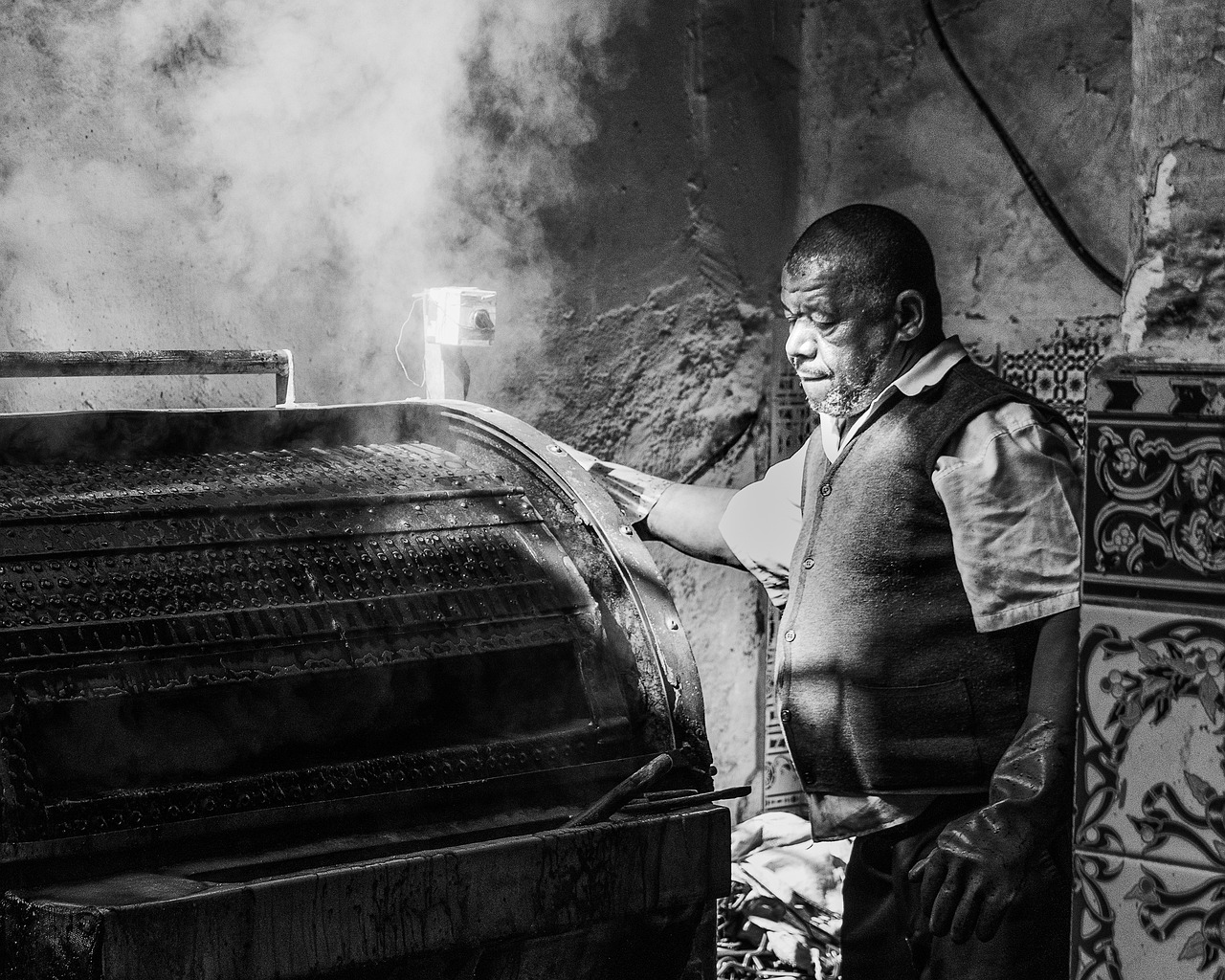
What they are: Traditional leather tanneries where hides are processed in stone vats. They’re less photogenic than Fez’s famous tanneries but still fascinating.
My advice: Go with realistic expectations. It smells, it’s gritty, and there will be pressure to tip and buy leather. I visit occasionally with friends who are curious, but I don’t consider it essential for short stays.
19. Camel Rides in the Palmeraie
Family-friendly: Yes—most kids love this. It’s one of the more touristy things to do in Marrakesh, but it’s fun in small doses.
My tip: Choose an operator who looks after the animals well—camels with padded saddles, water available, and no obvious signs of neglect.
20. Riad Rooftops & Hammams: The Slow Side of Marrakesh
Why they matter: Staying in a riad—a traditional house built around a courtyard—is one of the most essential cultural experiences in Marrakesh. Pair it with a traditional hammam (bathhouse) visit, and you’ve tapped into the city’s slower rhythm.
My ritual: I like to schedule a hammam session on my second day, after I’ve done a lot of walking. Emerging scrubbed, oiled, and slightly dazed onto a rooftop terrace as the sun sets is peak Marrakesh.
3, 4 & 5 Day Itineraries for Marrakesh (With Personal Stories)
Below I’ll outline how I personally structure a 3 day itinerary for Marrakesh, then how I expand it into 4 days in Marrakesh and a slower 5 day itinerary for Marrakesh. I’ll keep this concise but practical so you can adapt it to your pace.
3 Days in Marrakesh: Essential Highlights
Day 1 – First Taste of the Medina
- Morning: Check into your riad in the medina. Take a orientation walk with your host or a local guide; this saves time and confusion.
- Late Morning: Visit Ben Youssef Madrasa and the nearby Marrakesh Museum and Almoravid Koubba.
- Lunch: Eat in a simple medina restaurant—try chicken tajine with preserved lemons.
- Afternoon: Dive into the medina souks. Focus on one or two areas (like the dyers’ souk or metalworkers) rather than trying to see everything.
- Sunset & Evening: Head to a rooftop overlooking Jemaa el-Fna for sunset, then descend into the square for dinner at a food stall.
My story: I like spending the first evening mostly observing, not shopping. The sounds and lights are intense; let your senses adjust.
Day 2 – Palaces, Mellah & Gardens
- Morning: Visit Bahia Palace and the Saadian Tombs, then walk into the Mellah and the Jewish cemetery.
- Lunch: Try a small local eatery in the Mellah—grilled meats and salads are common.
- Afternoon: Taxi to Jardin Majorelle and the YSL Museum.
- Evening: Dinner in Guéliz or back in the medina; consider a hammam session if you’re tired.
Day 3 – Choose Your Adventure
- Option A (Culture): Dar El Bacha, Le Jardin Secret, more souk time, and a cooking class.
- Option B (Nature): Half-day to Agafay Desert for camel or quad biking, back for a final dinner.
- Option C (Relax): Riad rooftop, hammam, slow wandering, and café-hopping.
4 Days in Marrakesh: Adding Depth
For a 4 day itinerary for Marrakesh, keep the 3-day structure and add:
- A full day trip to the Atlas Mountains (Ourika Valley or Imlil).
- Or, split: half-day Agafay + more time in Guéliz (galleries, cafés, nightlife).
My recommendation: If it’s your first time and you’re not coming back to Morocco soon, choose the Atlas Mountains for that extra day.
5 Days in Marrakesh: Slow, Immersive City Break
A 5 day itinerary for Marrakesh lets you balance must-see attractions in Marrakesh with genuine downtime and hidden gems in Marrakesh.
- Days 1–3: Follow the 3-day plan.
- Day 4: Atlas Mountains day trip (or Essaouira if you don’t mind a longer drive).
- Day 5: Explore creative districts like Sidi Ghanem, spend time in Cyber Park, or revisit your favorite medina spots. End with a memorable rooftop dinner.
My habit: On Day 5 I usually schedule almost nothing. Marrakesh rewards unstructured wandering.
Local Food in Marrakesh & Where to Eat
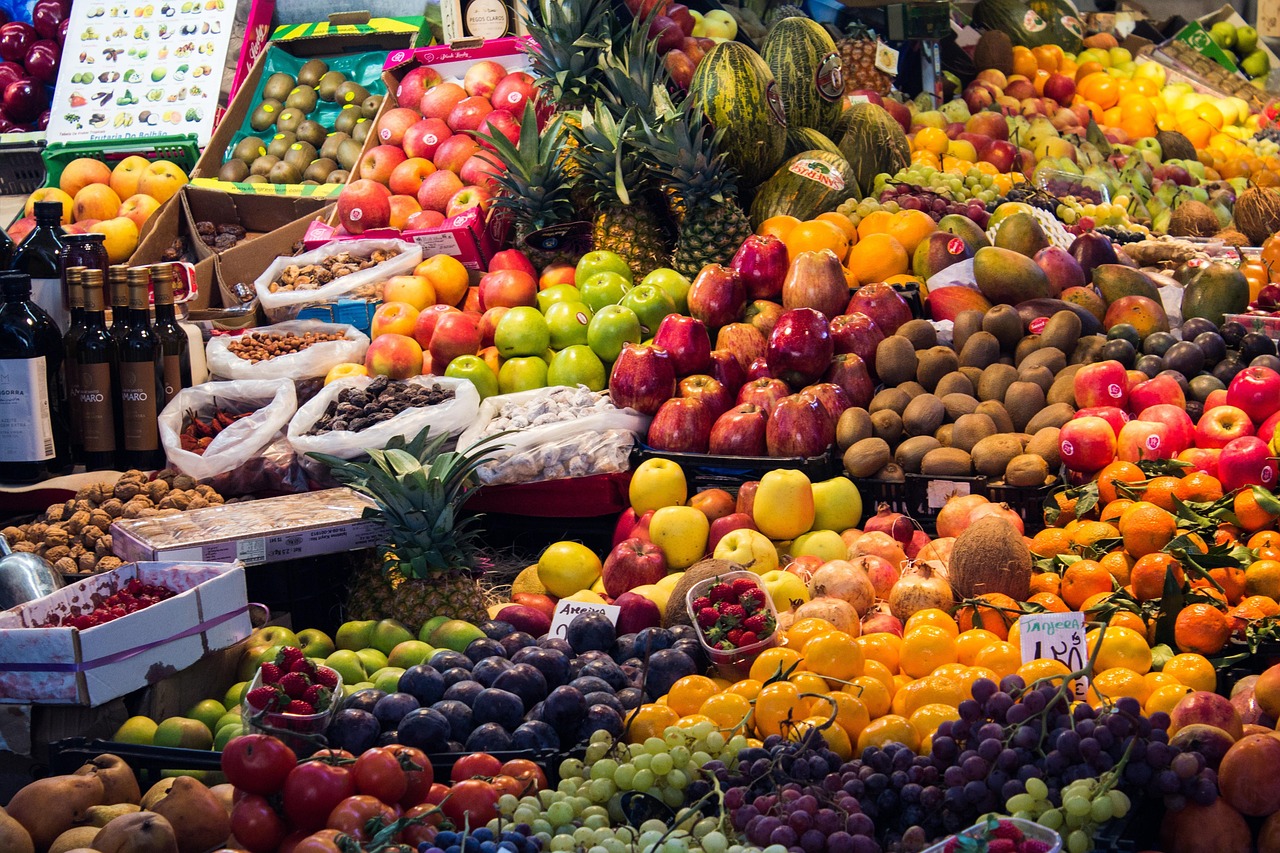
What to Eat
- Tajine: Slow-cooked stew in a conical clay pot—try lamb with prunes or chicken with lemon and olives.
- Couscous: Traditionally eaten on Fridays; look for couscous with seven vegetables.
- Tanjia: A Marrakesh specialty—meat cooked slowly in clay jars in embers. Rich and deeply flavored.
- Harira: Tomato-based soup with lentils and chickpeas, often eaten to break the fast in Ramadan but served year-round.
- Pastilla (B’stilla): Sweet-salty pie with pigeon or chicken, almonds, and powdered sugar.
- Street snacks: Sfenj (Moroccan doughnuts), msemen (layered pancakes), grilled corn, snail soup.
- Drinks: Mint tea, fresh orange juice, avocado juice with almonds, local wines (where served).
Where to Eat (Personal Picks)
Names change, but these general types of places stay consistent. Ask your riad for current favorites in 2026.
- Simple medina eateries: Great for budget travelers; tajines, brochettes, and salads for a few euros.
- Rooftop restaurants near Jemaa el-Fna: Come for the view; food ranges from okay to excellent, so check recent reviews.
- Modern bistros in Guéliz: Moroccan-French fusion, good vegetarian options, and sometimes natural wines.
- Street food in Jemaa el-Fna: Go where the crowds are locals; check how fresh the bread and salads look.
Saving Money on Food
For budget-conscious travelers wondering how to save in Marrakesh:
- Eat your main meal at lunch—many places have set menus that are cheaper than dinner.
- Buy fruit, bread, and olives from small shops and create your own light meals.
- Avoid drinking alcohol at every meal; it adds up quickly and is often heavily taxed.
Cultural Etiquette & Local Customs in Marrakesh
Dress & Behavior
- Dress modestly: Shoulders and knees covered are appreciated, especially in the medina and religious sites.
- Public affection: Keep it low-key. Hand-holding is fine; intense kissing in public is frowned upon.
- Ask before photographing people: Many will agree if you ask politely and tip a small amount.
Social Customs
- Greetings: A simple “Salam alaykum” (peace be upon you) is appreciated.
- Right hand: Use your right hand for eating, paying, and giving or receiving items.
- Haggling: It’s expected in souks; keep it friendly and don’t negotiate if you’re not genuinely interested.
Religion & Ramadan
Islam shapes daily life. In Ramadan (dates change each year), many people fast from dawn to sunset. As a visitor, you’re not required to fast, but it’s respectful not to eat or drink conspicuously in front of fasting staff in small, local places.
Nightlife, Entertainment & Cultural Experiences
Types of Nights Out
- Rooftop dinners: My favorite way to end the day—tajine, live traditional music, and the city glowing below.
- Guéliz bars: Wine bars, cocktail lounges, and occasional live music; more relaxed and mixed-gender than you might expect.
- Hivernage clubs: Big hotel clubs with DJs, bottle service, and dressed-up crowds.
Cultural Experiences
- Gnawa music performances in riads or cultural centers.
- Storytelling and traditional music around Jemaa el-Fna (evenings).
- Cooking classes in traditional homes—one of the best cultural experiences in Marrakesh you can have.
Day Trips & Nearby Attractions from Marrakesh
Atlas Mountains & Berber Villages
- Ourika Valley: Easiest and most popular; riverside cafés and gentle hikes.
- Imlil & Toubkal area: For more serious hiking and mountain views.
Agafay Desert
As mentioned above: great for sunset excursions if you don’t have time for the Sahara.
Essaouira (Long Day or Overnight)
About 2.5–3 hours away, Essaouira is a breezy coastal town. I personally recommend staying overnight if you can, but some travelers do it as a very long day trip.
Practical Travel Advice for Marrakesh (2026–2027)
Getting Around
- On foot: The medina is walkable but confusing; expect to get lost and allow extra time.
- Petits taxis: Small beige taxis handle most short trips; insist on the meter or agree a fare beforehand.
- Airport transfers: Pre-arrange with your riad; medina addresses are tricky to find alone.
- Car rental: Not necessary for Marrakesh itself and more hassle than it’s worth inside the city.
SIM Cards & Connectivity
- Buy a local SIM (Maroc Telecom, Orange, Inwi) at the airport or city shops with your passport.
- Data packages are inexpensive; in 2026 expect competitive tourist bundles.
Money & Budget Tips
- Currency: Moroccan dirham (MAD). It’s a closed currency—exchange what you need and keep receipts if you want to exchange back.
- ATMs: Widely available in the new town and at some medina entrances.
- Bargaining: Normal in markets and with taxis (if no meter); not done in supermarkets or fixed-price shops.
Visa Requirements & Driver’s License
- Many nationalities receive visa-free entry for short stays (often up to 90 days); always check the latest rules before traveling.
- An international driver’s license plus your home license is generally recommended if you plan to rent a car for day trips.
Safety & Common Scams
- Overall safety: Marrakesh is generally safe, but pickpocketing can occur in crowds.
- Fake guides: Men offering to “show you the way” in the medina may demand high tips—decline politely unless you agree on a price first.
- Overcharging: Always confirm taxi fares or insist on the meter; check restaurant bills for unexpected extras.
Best Seasons & Weather
- Spring (March–May): Ideal—mild temperatures, flowers, Atlas hikes are lovely.
- Autumn (September–November): Also excellent—warm days, cooler nights.
- Summer (June–August): Very hot; plan early morning and late evening activities, midday breaks in air-conditioned spaces or by a pool.
- Winter (December–February): Cool to cold at night; medina rooms can feel chilly, but days are often sunny. Atlas Mountains may have snow.
Hidden Tips I Give My Friends
- Carry a paper map of the medina; GPS often struggles in narrow alleys.
- Always have small change for tipping and small purchases.
- Choose a few key landmarks near your riad (a mosque, a gate, a square) to help you navigate back home.
- Book major attractions like Jardin Majorelle and popular restaurants in advance for 2026’s busy seasons.
Events & Festivals in Marrakesh 2026–2027
Exact programming changes each year, but here are recurring highlights typically happening around these periods (always confirm dates closer to your trip):
- Marrakesh International Film Festival (MIFF): Usually late autumn or early winter—red carpets, screenings, and industry events.
- Awaln’Art Festival: A festival of street arts and performance, often in spring, bringing contemporary creativity into public spaces.
- Ramadan: Moves earlier each year; in 2026 it is expected to fall roughly in late February–March (check exact dates). Visiting during Ramadan offers a unique cultural experience with special evening meals (iftar) and a different daily rhythm.
- Eid al-Fitr & Eid al-Adha: Important religious holidays; some shops close or operate limited hours.
Summary: Key Takeaways & Best Time to Visit Marrakesh
Marrakesh is intense, beautiful, and layered. If you only have 3 days in Marrakesh, focus on the must-see attractions: Jemaa el-Fna, the souks, Bahia Palace, Saadian Tombs, Ben Youssef Madrasa, and at least one garden like Majorelle. For 4 days in Marrakesh, add a day trip to the Atlas Mountains or Agafay Desert. With 5 days in Marrakesh, slow down, revisit your favorite places, and explore creative districts and quieter gardens.
For most travelers, the best time to visit Marrakesh is in spring (March–May) and autumn (September–November), when the weather is mild enough to explore comfortably. Summer can still work if you plan around the heat, and winter offers blue skies, fewer crowds, and snow-capped Atlas views.
Come curious, give yourself time to wander, respect local customs and cultural etiquette, and use this travel guide for Marrakesh as a flexible map rather than a strict checklist. The city’s real magic lies in the moments you don’t plan.