Why Visit Cape Town in 2026
Cape Town is one of those cities that gets under your skin. The first time I flew in, the plane banked over Table Bay at sunrise and the whole city glowed beneath Table Mountain like a film set. By my third trip, I’d stopped trying to “see everything” and started to simply live here for a while: grabbing a coffee in Gardens, watching the light change on Lion’s Head, sharing braai smoke and stories with locals in the Southern Suburbs.
If you’re planning 3 days in Cape Town, 4 days in Cape Town or even 5 days in Cape Town, this guide will help you decide what to prioritize, how to move around like a local, and where to find the city’s quieter, more soulful corners.
What makes Cape Town special is the constant tug-of-war between elements: mountain vs. sea, Atlantic vs. Indian Ocean, old vs. new South Africa. You can hike a world-famous peak in the morning, sip award-winning wine by afternoon, and end the day with live jazz in a Victorian-era neighborhood that’s now a hub of contemporary African culture.
In 2026–2027, Cape Town’s travel scene is buzzing with new food markets, revived heritage buildings, and a strong push toward sustainable tourism. The city is polishing itself up ahead of several major events, yet it still retains that slightly wild, salt-worn edge that long-time visitors (like me) fall in love with.
In this long-form travel guide for Cape Town, I’ll walk you through:
- Detailed 3–5 day itineraries with personal stories and timing tips
- At least 20 must-see attractions in Cape Town with in-depth, first-hand style descriptions
- The best places to visit in Cape Town plus lesser-known hidden gems in Cape Town
- Where to find the most authentic local food in Cape Town
- Cultural experiences in Cape Town and local customs you should know
- Up-to-date travel advice for Cape Town for 2026–2027: safety, money-saving tricks, SIM cards, visas, and more
Table of Contents
- Why Visit Cape Town in 2026
- 3–5 Day Itineraries for Cape Town
- Top 20+ Must-See Attractions in Cape Town
- Neighborhoods & Areas to Explore
- Local Food & Drink in Cape Town
- Nightlife, Entertainment & Cultural Experiences
- Best Day Trips from Cape Town
- Major Events & Festivals 2026–2027
- Cultural Etiquette & Local Customs
- Practical Travel Advice for Cape Town
- Summary & Final Recommendations
3–5 Day Itineraries for Cape Town
Before diving deep into each attraction, here’s how I’d structure your time depending on whether you have 3 days in Cape Town, 4 days in Cape Town, or 5 days in Cape Town. Then, in later sections, I’ll unpack each place with full stories, history and tips.
Suggested 3 Day Itinerary for Cape Town
If you only have 3 days in Cape Town, you’ll want to focus on the icons, plus a taste of local life. Here’s a high-level look (I’ll go deeper later):
- Day 1: Table Mountain, V&A Waterfront, sunset in Sea Point
- Day 2: Cape Peninsula (Chapman’s Peak, Cape Point, Boulders Beach), evening in Kalk Bay or Muizenberg
- Day 3: Bo-Kaap & City Bowl, Zeitz MOCAA, Camps Bay sunset
This is a classic 3 day itinerary for Cape Town that gives you mountain, sea, culture, and food, with minimal backtracking.
Suggested 4 Day Itinerary for Cape Town
With 4 days in Cape Town, you can slow down a bit and add the Winelands or a dedicated culture day:
- Day 1: Table Mountain, Company’s Garden, Long Street & Bree Street
- Day 2: Cape Peninsula road trip (full day)
- Day 3: Robben Island, V&A Waterfront, Sea Point Promenade
- Day 4: Constantia or Stellenbosch Winelands + Kirstenbosch Gardens
This 4 day itinerary for Cape Town works well for couples and families who want a balance of nature and history.
Suggested 5 Day Itinerary for Cape Town
With 5 days in Cape Town, you can really dig in. My favorite 5 day itinerary for Cape Town looks like this:
- Day 1: Table Mountain hike or cableway, Bo-Kaap walk, evening in De Waterkant
- Day 2: Cape Peninsula (Chapman’s Peak, Cape Point, Boulders Beach, Kalk Bay)
- Day 3: Robben Island, V&A Waterfront, sunset in Camps Bay
- Day 4: Stellenbosch/Franschhoek Winelands, evening back in the city (Gardens or Kloof Street)
- Day 5: Kirstenbosch, Woodstock & Salt River street art, Observatory or Woodstock markets
Throughout this guide I’ll weave in personal experiences from different trips where I followed variations of these plans: what worked, what I’d change, and how to tailor them to your style—family-friendly, romantic escapes, or full-on adventure.
Top 20+ Must-See Attractions in Cape Town (With Personal Stories & Tips)
Below are more than 20 of the best places to visit in Cape Town. Each subsection reads like a mini-article: history, why it matters, what I did there, and how to fit it into your own itinerary.
1. Table Mountain
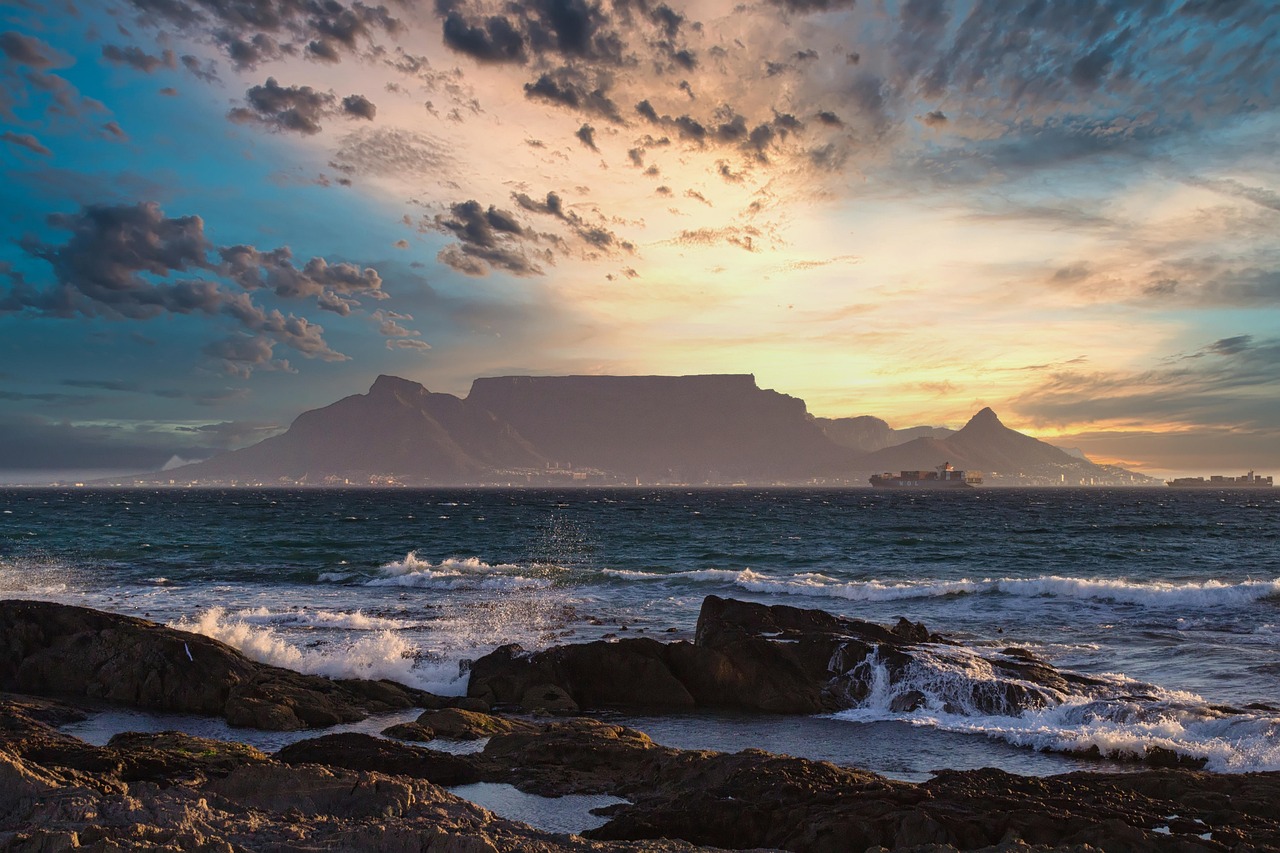
Table Mountain is the anchor of any travel guide for Cape Town. No matter how many times I return, that flat-topped giant still surprises me. My first visit was on a clear April morning; by my third, I’d already learned the hard way that Cape Town’s weather has a sense of humor.
History & Significance: Table Mountain, part of a national park and one of the New7Wonders of Nature, is older than the Himalayas. For centuries it’s been a navigation landmark and a spiritual site. The Khoisan people regarded it as a sacred place long before the Dutch arrived in the 1600s. Today it frames almost every postcard and social media shot of the city.
My Experience: I’ve been up both ways: once by the revolving cable car with a family group (including a very enthusiastic 6-year-old) and twice on foot via Platteklip Gorge and the gentler Pipe Track-combo. On the hike, I started just after sunrise to avoid the midday heat and the crowds. The gorge is steep but straightforward: relentless stone steps, fynbos on either side, and the city shrinking below. The moment you crest the top and see the Atlantic stretching away is pure magic.
The cableway days were different. I went late afternoon, aiming for golden hour. The revolving floor of the cable car gives everyone a 360° view of City Bowl, Lion’s Head, and the Twelve Apostles. On top, I walked the circular paths, spotting dassies (rock hyraxes) sunning themselves and reading the interpretive signs about the mountain’s unique fynbos vegetation.
Family-Friendly, Romantic, Adventurous?
- Family-friendly: Take the cable car, stick to the marked paths at the top, and bring a light jacket—kids love the revolving floor and the dassies.
- Romantic: Go up for sunset, then catch the city lights on the way down. Just book a clear-weather afternoon.
- Adventurous: Hike up via Platteklip or one of the longer routes (with a guide if you’re inexperienced).
Practical Tips (2026):
- Booking: In 2026 you can (and should) book online timed tickets for the cableway, especially in summer (Dec–Mar).
- Weather: The “tablecloth” cloud can roll in quickly; if the top is hidden, wait for a clearer day. Check the official Table Mountain Aerial Cableway website’s live updates.
- Safety: If hiking, start early, bring 1.5–2L of water per person, a hat, sunscreen, and don’t hike alone if you’re not experienced. Stick to known routes.
- Best season: Late summer/autumn (Feb–Apr) gives the most stable weather for both hiking and cableway.
2. Robben Island
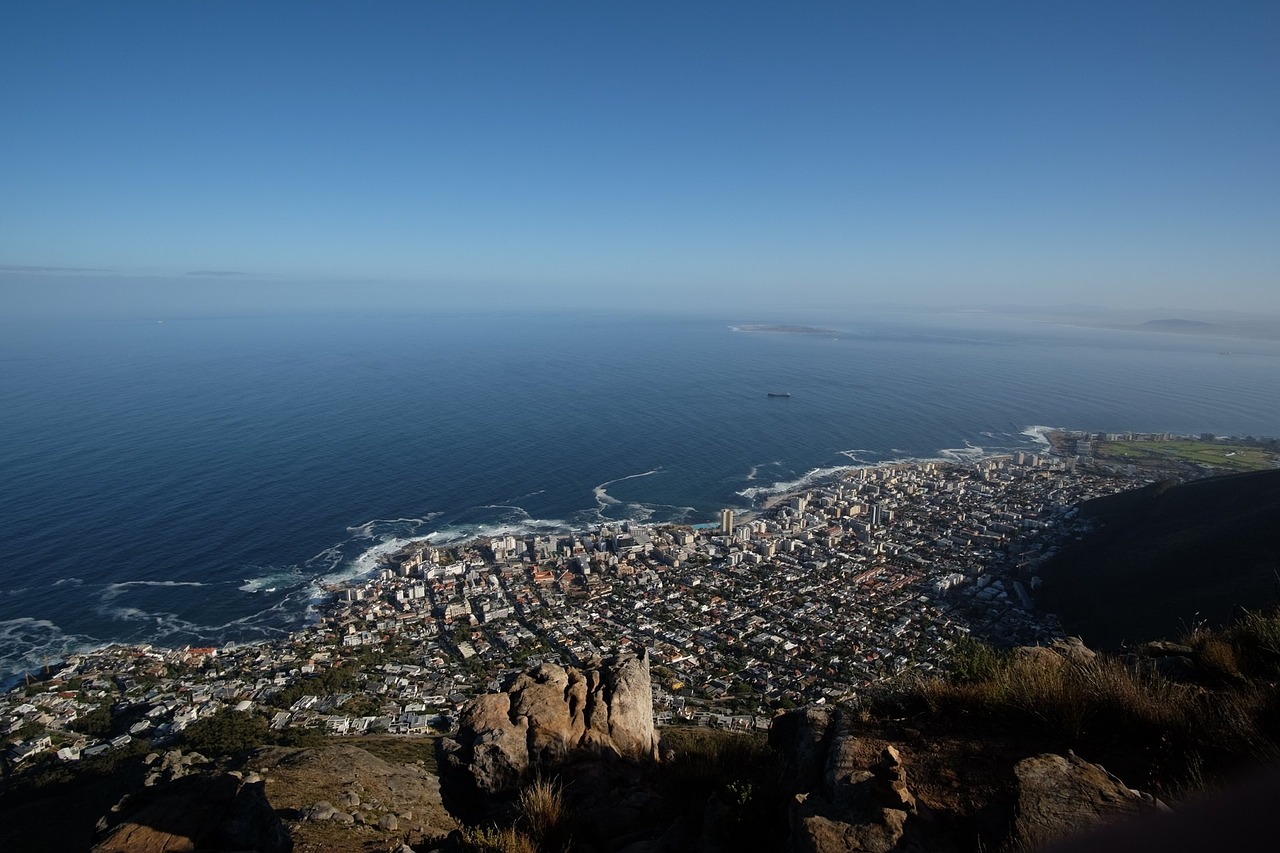
Robben Island is one of the most powerful cultural experiences in Cape Town. The first time I went, the ferry ride out across Table Bay was sunny and calm, but the mood on board was quiet. Everyone seemed to sense we were heading somewhere heavy.
History & Significance: For over 400 years, Robben Island has been a place of banishment and imprisonment, most famously during the apartheid era when Nelson Mandela and many political prisoners were held here. The island is now a UNESCO World Heritage Site, preserved as a stark reminder of South Africa’s struggle for democracy.
My Experience: The tour is led partly by former political prisoners. On my visit, our guide described his daily routine in the prison, then pointed out his old cell. There’s a moment when you stand outside Mandela’s tiny cell and look through the bars—photos don’t prepare you for how small it is. I remember the silence in our group; even the kids were quiet, sensing this was important.
After the prison section, a bus circles the island, stopping at viewpoints with sweeping vistas back to Cape Town. The city looks so beautiful from here, it’s hard not to think about what it meant to be imprisoned within sight of that freedom.
Family-Friendly, Romantic, Adventurous?
- Family-friendly: Yes, especially for older kids/teens; it’s a moving history lesson.
- Romantic: Not in the classic sense, but it’s meaningful to share this visit with someone close.
- Adventurous: More contemplative than adventurous; the ferry can be choppy in winter.
Practical Tips (2026):
- Booking: Reserve tickets at least a few days ahead in high season; morning sailings are less affected by afternoon winds.
- Timing: Allow 3.5–4 hours including the ferry; don’t book anything tight right afterward.
- What to bring: Light jacket (even in summer), hat, water, and your curiosity—this is a place to ask questions.
3. V&A Waterfront
The V&A Waterfront is the city’s tourist heart: busy, polished, and undeniably fun. On my first visit, I was suspicious—it felt too “mall-like”. But by my second trip, I’d discovered the quieter corners, the working harbor details, and the unbeatable views of Table Mountain reflected in the marina.
What It Is: A redeveloped historic harbor and dockyard that now houses restaurants, shops, food markets, museums, and hotels, while still functioning as an active port. You’ll likely pass through here more than once, especially if you’re doing Robben Island or boat trips.
My Experience: I usually come here late afternoon: wander the Watershed for local design, grab a coffee at a waterside café, then stroll over to the V&A Food Market or the newer food halls for dinner. One evening, I watched a spontaneous marimba performance near the amphitheater that had kids dancing and tourists filming while the mountain turned pink behind them.
Another favorite moment was taking a short harbor cruise at golden hour. It’s touristy, yes, but seeing the skyline and stadium from the water with a glass of South African wine in hand is a pretty great introduction to the city.
Family-Friendly, Romantic, Adventurous?
- Family-friendly: Absolutely—there’s a small aquarium (Two Oceans Aquarium), playgrounds, boat rides, and plenty of ice cream.
- Romantic: Waterfront dinners with mountain views, sunset harbor cruises, and the lit-up wheel at night.
- Adventurous: Launch pad for boat trips, helicopter flips, and sometimes kayaking tours.
Tips: Prices are higher here than in local neighborhoods, but you can still eat affordably at the food market. If you’re saving money, use the Waterfront for atmosphere and one or two meals, not every dinner.
4. Bo-Kaap
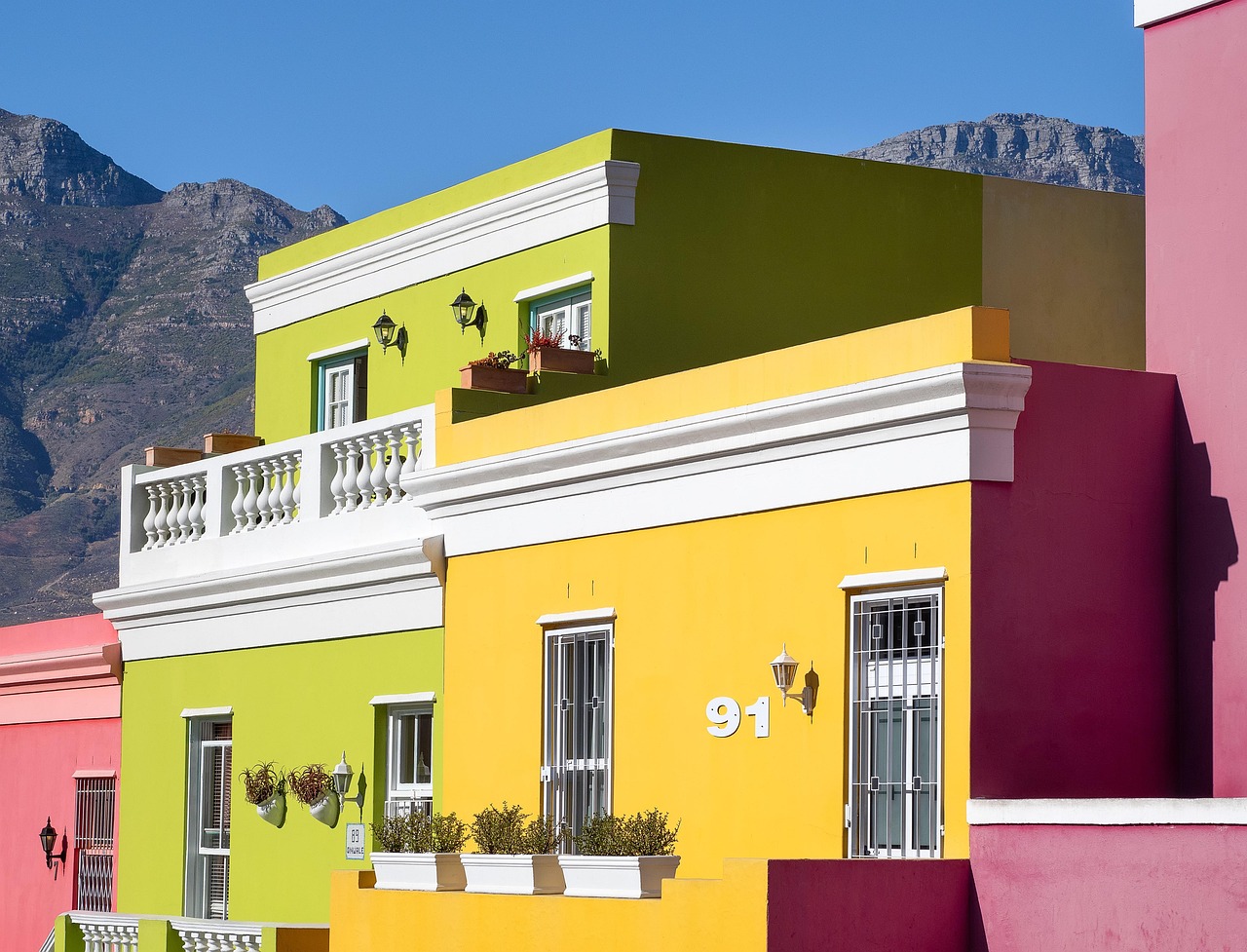
Bo-Kaap is one of the most photographed neighborhoods in Cape Town, thanks to its candy-colored houses and steep cobbled streets. But it’s also a living, breathing community with a complex history, and in 2026 there’s a growing push from locals to make sure visitors engage respectfully.
History & Culture: Formerly known as the Malay Quarter, Bo-Kaap is home to a large Cape Muslim community descended from enslaved people brought from Southeast Asia, East Africa, and other regions by the Dutch. The bright house colors are often linked to post-apartheid celebration and identity, and the area is known for its mosques, call to prayer, and stunning views of the city.
My Experience: My favorite morning in Bo-Kaap started with the smell of spices. I’d booked a Cape Malay cooking class with a local family. We made samoosas, denningvleis (a slow-cooked lamb dish), and sweet koesisters. Between stirring pots and folding pastry, my host told stories about fasting during Ramadan, Eid celebrations, and the pressures of gentrification.
After the class, I wandered the lanes with my camera. I asked permission when photographing people, avoided peering into doorways, and stepped aside when residents were coming or going. Cape Town has plenty of pretty spots; this one deserves extra care.
Family-Friendly, Romantic, Adventurous?
- Family-friendly: Kids love the colors and the food; consider a guided walking tour to contextualize things.
- Romantic: Combine with a sunset drink in nearby De Waterkant for a picture-perfect city evening.
- Adventurous: More cultural than adventurous; the adventure is in conversation and food.
Tips: Visit in the morning for softer light and fewer crowds. Dress modestly out of respect for the Muslim community, especially on Fridays. A guided tour by a local resident adds real depth.
5. Camps Bay Beach

If Cape Town had a postcard beach, Camps Bay would be it: white sand, turquoise water, palm trees, and the Twelve Apostles rising behind. It’s also where I go when friends visit and say, “Show me the fancy side of town.”
My Experience: I’ve done Camps Bay two ways: the “see and be seen” summer afternoon with sundowners at a beachfront bar, and the quieter winter stroll when the restaurants are calmer, the air is crisp, and the waves crash harder. In January, it’s busy—families, Instagrammers, vendors—but still beautiful. I normally skip swimming here (the water is properly cold) and instead walk along the shore, then cross the road for a seafood platter or a simple coffee with a view.
One particularly memorable evening, I packed a simple picnic from a supermarket (rotisserie chicken, local cheese, fresh bread, and fruit) and sat on the grass near the tidal pool. It cost a fraction of a restaurant meal and the sunset was the same.
Family-Friendly, Romantic, Adventurous?
- Family-friendly: The tidal pool is safer for kids than the open ocean; bring umbrellas and plenty of sunscreen.
- Romantic: Sunset cocktails or a beach picnic are hard to beat.
- Adventurous: Great as a post-hike reward after Lion’s Head or the Pipe Track.
Tips: Parking is tight on hot weekends; arrive early or use a ride-hailing app. For a slightly less hectic feel, walk to nearby Glen Beach.
6. Kirstenbosch National Botanical Garden
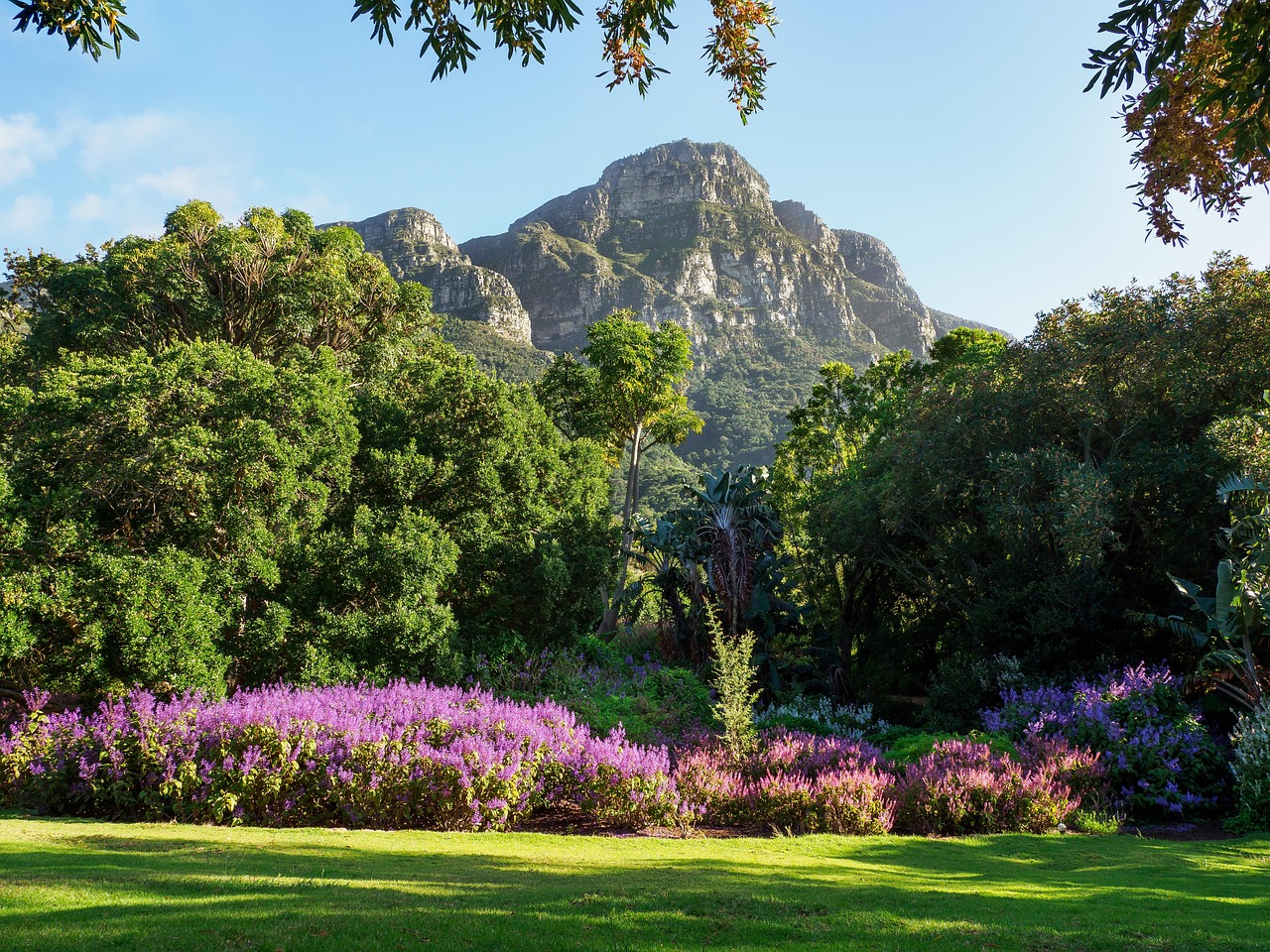
Kirstenbosch is my personal happy place in Cape Town. Tucked against the eastern slopes of Table Mountain, it’s one of the most beautiful botanical gardens in the world, and I say that as someone who usually prefers wild landscapes to manicured ones.
History & Significance: Established in 1913 to preserve South Africa’s unique flora, Kirstenbosch focuses on indigenous plants, especially the fynbos of the Cape Floral Kingdom. It’s now part of a UNESCO World Heritage Site.
My Experience: On my second trip to Cape Town, I spent almost an entire day here. I started with a slow wander through the protea garden, where giant king proteas and pincushions bloom in surreal shapes. Then I walked the “Boomslang” canopy walkway—a sinuous wooden path elevated above the trees, with Table Mountain looming behind.
I brought a picnic blanket and a simple lunch from a nearby supermarket. At one point, a group of school kids started a spontaneous choir practice under a tree. Their harmonies drifted across the lawn as people read books, napped, and just soaked in the green. It felt like the city’s living room.
Family-Friendly, Romantic, Adventurous?
- Family-friendly: Huge lawns for kids to run on, safe paths, and lots of birds; bring a ball and snacks.
- Romantic: Very—especially at sunset concerts in summer or a quiet weekday picnic.
- Adventurous: Several hiking routes start here and head up Table Mountain for more experienced walkers.
Tips: Go in the morning before the heat builds, especially in summer. If you’re here on a Sunday in summer, check for the famous open-air concerts (book ahead)—a quintessential Cape Town evening.
7. Cape Point & Cape of Good Hope

A full day on the Cape Peninsula is non-negotiable in any 3 or 4 day itinerary for Cape Town. This wild, wind-battered corner feels like the edge of the world, and technically it’s where the warm Agulhas and cold Benguela currents meet (the exact point is debated, but you’ll feel the elemental clash here).
My Experience: I’ve driven Chapman’s Peak Drive and down to Cape Point three times now, and it never gets old. The first time, we stopped at every single viewpoint, giddy with the drama of the cliffs. At the Cape of Good Hope sign, we joined the queue of tourists taking photos, but my favorite part was actually scrambling up the short path above the sign to a quieter viewpoint where the Atlantic pounded below.
At Cape Point itself, I walked up to the old lighthouse (there’s also a funicular if you’re tired or with kids). From the top, you can see sheer cliffs dropping into foam and seabirds wheeling in the wind. On a later visit, I took one of the longer walking trails along the coast; we hardly saw anyone, and baboons watched us from the rocks.
Family-Friendly, Romantic, Adventurous?
- Family-friendly: Yes, but keep food hidden from baboons and stay on paths; kids enjoy the funicular and the “end of the world” feeling.
- Romantic: Combine with a seafood lunch in Simon’s Town or Kalk Bay and a sunset stop on Chapman’s Peak.
- Adventurous: Opt for the longer hikes (with enough water and good shoes); the wind can be intense.
Tips: Start early and drive clockwise: Hout Bay & Chapman’s Peak in the morning light, then Cape Point, then Boulders Beach penguins, ending with coffee or dinner in Kalk Bay. Watch out for baboons—they’re smart and very interested in your snacks.
8. Boulders Beach Penguin Colony
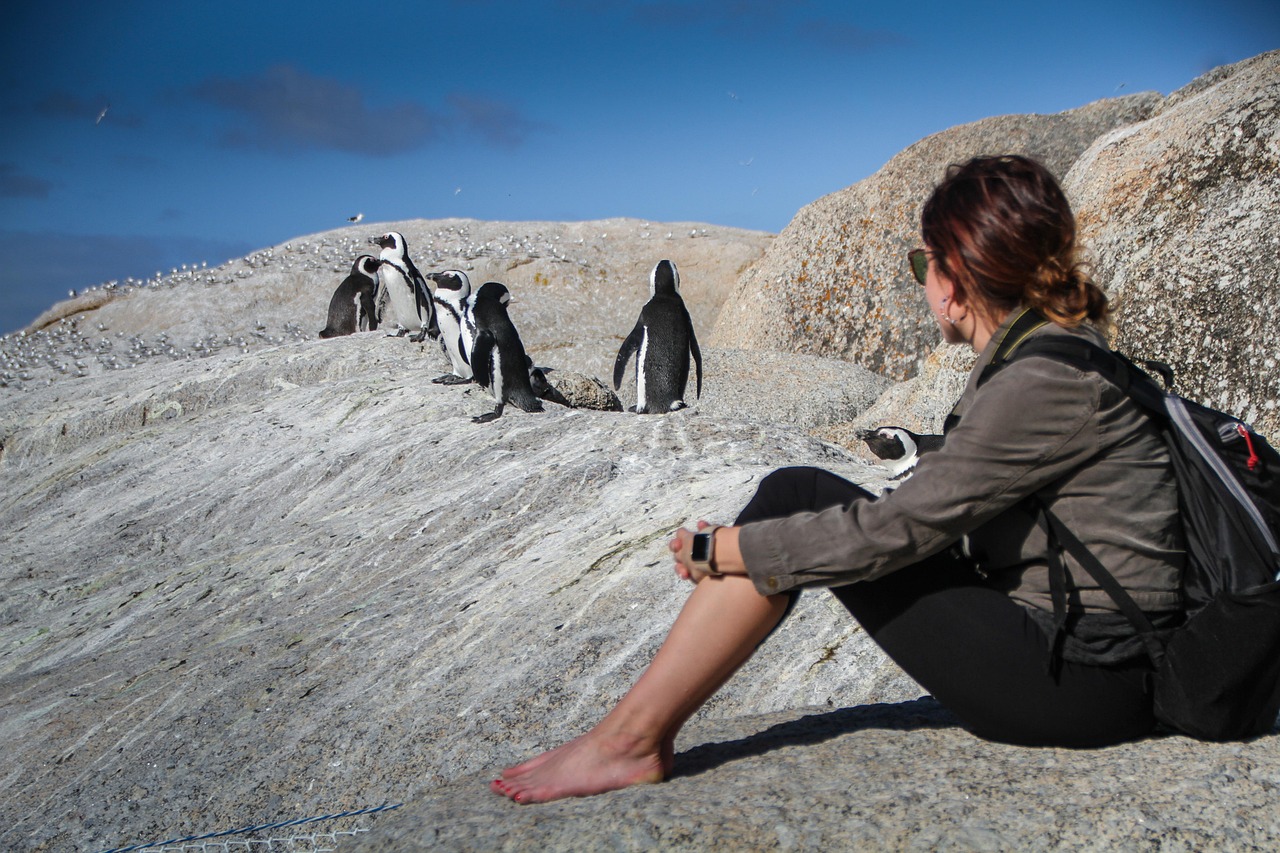
If there’s one experience that delights everyone—from kids to jaded business travelers—it’s the African penguins at Boulders Beach near Simon’s Town.
My Experience: I’ve visited Boulders twice, both times in the late afternoon when the crowds thin. The boardwalks take you past nesting sites and down to viewing platforms where penguins waddle, argue, and preen just meters away. Their braying call (they sound like donkeys) is unexpectedly loud and hilarious.
On my second visit, I paid the extra fee to access the small enclosed beach itself. Floating in the chilly, clear water while a curious penguin swam past my legs felt like a scene from a nature documentary. I kept my distance, of course—this is their home, and we’re the guests.
Family-Friendly, Romantic, Adventurous?
- Family-friendly: Absolutely—kids adore this; keep them from chasing or trying to touch the birds.
- Romantic: Surprisingly, yes; combine with a scenic drive and a shared cone of soft-serve on the nearby beachfront.
- Adventurous: Kayaking tours from Simon’s Town often include penguin sightings from the water.
Tips: Visit early morning or late afternoon to avoid cruise ship crowds. Bring a swimsuit, towel, and reef-safe sunscreen if you plan to swim.
9. Lion’s Head
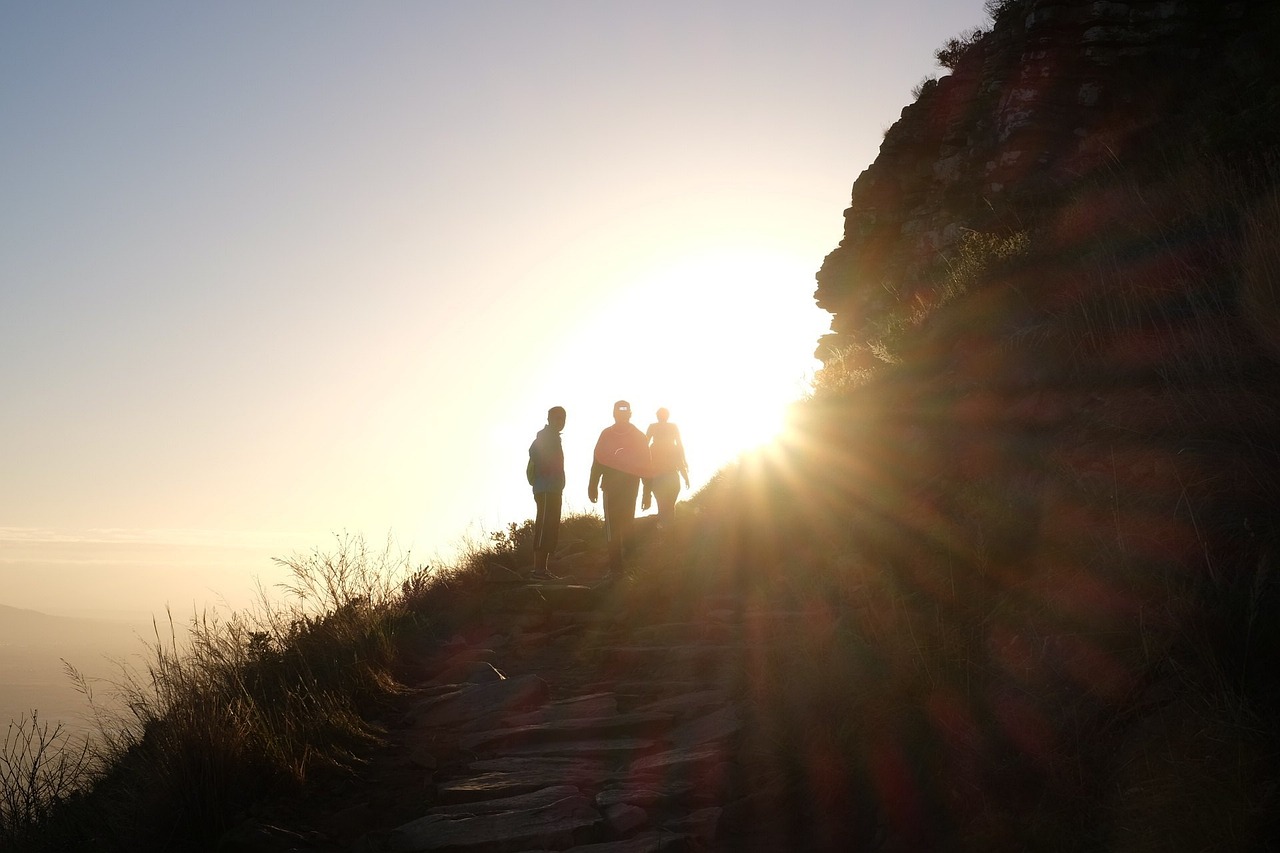
Lion’s Head is the hike I recommend if you only do one. It’s shorter and less punishing than Table Mountain but offers 360° views that feel like a reward far beyond the effort. I’ve climbed it three times: at sunrise, midday, and once for a full-moon hike with locals (officially not encouraged now for safety reasons; if you do any night hike, go in a guided group).
My Experience: The sunrise outing was my favorite. We started in the dark with headlamps, city lights sparkling below. As we zigzagged around the hill, the first pink streaks appeared over the distant Winelands. Near the top, there are two options: a slightly exposed section with chains and ladders, and an easier path that skirts around. I’ve done both; if you’re not comfortable with heights, take the easier path.
At the summit, we sat on rocks with flasks of coffee as the sun broke over the Hottentots-Holland range and lit up Table Mountain opposite us. Below, Camps Bay and Sea Point curved around the coastline. It’s one of those views that rearranges your sense of scale.
Family-Friendly, Romantic, Adventurous?
- Family-friendly: Fit older kids and teens usually love this, but avoid the chains route with younger children.
- Romantic: Sunrise or sunset picnics at the top are popular (just descend before dark if you’re not with a group).
- Adventurous: Trail runners and paragliders love Lion’s Head; you’ll see parachutes dotting the sky on good days.
Tips: Start early in summer to avoid the heat and crowds. Bring at least 1L of water and good shoes. Don’t leave valuables in your car at the trailhead.
10. Clifton Beaches
Clifton’s four small coves—1st through 4th Beach—are where Capetonians go to sunbathe when they want a little shelter from the wind. Each has its own personality; I’ve gradually gravitated to 2nd and 3rd for a balance of atmosphere and space.
My Experience: My first Clifton afternoon, I arrived unprepared: no beach umbrella, no idea that you have to descend quite a few steps, and no mental readiness for just how cold the Atlantic is here. I lasted about 30 seconds in the water before retreating to the sand and watching bronzed locals play beach volleyball like it was nothing.
Next time, I came armed with a sarong, snacks, and a light jacket for when the wind picked up. I rented a beach umbrella from one of the informal vendors (negotiate politely) and spent hours people-watching, reading, and occasionally dipping toes in the turquoise water.
Tips: 4th Beach is often the busiest and most social; 1st has a slightly quieter, more local vibe. Bring everything you need—there are no big facilities right on the sand, and the stairs back up are a workout.
11. Company’s Garden & City Bowl Museums
Right in the middle of downtown lies the Company’s Garden, originally planted by the Dutch East India Company in the 17th century to provision ships. Today it’s a green lung surrounded by key museums and government buildings—a perfect starting point for history buffs.
My Experience: On a slightly overcast morning, I strolled past squirrels (too accustomed to being fed), old oak trees, and rose beds to the Iziko South African Museum and Planetarium. Later, I stepped into the Iziko Slave Lodge at the lower end of the garden—one of the most sobering museums I’ve visited in the city, documenting the history of slavery at the Cape.
After a couple of intense hours, I retreated to a bench in the garden to digest both my thoughts and a takeaway coffee. Office workers ate lunch on the lawns, kids fed pigeons, and the city hummed softly around us.
Tips: Combine the gardens with a visit to the nearby District Six Museum (a short taxi ride away) for a deeper understanding of forced removals under apartheid. Weekdays are livelier; weekends are quieter but some museums may have shorter hours.
12. District Six Museum
District Six Museum is a must for anyone interested in South Africa’s recent history—and honestly, it should be everyone. It tells the story of a vibrant, multi-ethnic inner-city neighborhood that was declared a “white area” under apartheid, resulting in the forced removal of over 60,000 residents.
My Experience: I visited on a rainy afternoon and joined a guided tour led by a former resident. He pointed to aerial photographs on the floor, showing streets that no longer exist, and shared memories of neighbors, corner shops, and jazz clubs. At one point, he paused by a display of household objects recovered from demolished homes and went quiet. The room followed.
It’s not a large museum, but it’s packed with personal stories, handwritten notes, and maps that bring the tragedy of forced removals to life. I left feeling heavy but grateful—this is the kind of context that transforms a holiday into a deeper journey.
Tips: Try to join a guided tour rather than wandering alone; the human stories make all the difference. Allow at least 1.5–2 hours. Combine with the Company’s Garden or a Bo-Kaap visit for a powerful half-day of historical exploration.
13. Woodstock & Salt River Street Art
Woodstock is where Cape Town’s creative, gritty, and rapidly changing side is on full display. Old warehouses now house design studios, craft breweries, and food markets, while nearby Salt River’s walls have become a canvas for artists from around the world.
My Experience: I joined a guided street art walk one sunny morning. Our guide knew many of the artists personally and explained the stories and politics behind each mural: commentaries on land, identity, the environment, and everyday life. It’s more than just colorful walls—it’s a living conversation.
Afterward, I grabbed lunch at the Old Biscuit Mill (particularly buzzing on Saturdays during the Neighbourgoods Market) and sampled biltong, artisanal bread, and some of the best coffee I’ve had in the city.
Tips: Go with a reputable guide, especially if you’re unfamiliar with the area. Saturdays are livelier but more crowded. Bring cash or a card with tap payments; many small vendors are now cashless.
14. Sea Point Promenade
Sea Point Promenade is daily life Cape Town in motion: joggers, dog walkers, families pushing strollers, teenagers on skateboards, and older couples strolling hand-in-hand along the Atlantic.
My Experience: On each visit to Cape Town, I’ve made a habit of walking or running this promenade at least once. One evening, I rented a bicycle from a small kiosk and pedaled from Mouille Point’s lighthouse all the way towards Bantry Bay as the sun sank into the ocean. The light on Lion’s Head was peach-colored, kids played in the public outdoor gym, and food trucks started to appear with everything from coffee to gourmet hot dogs.
Another time, I joined friends for an early morning dip in the Sea Point Pavilion Pools—stunning oceanside public pools with serious lap swimmers and splashing kids side by side.
Tips: This is one of the safest feeling public spaces in the city, especially during daylight and early evening, but still keep normal city awareness. It’s perfect for a budget-friendly afternoon: buy a takeaway coffee or ice cream and enjoy million-dollar views for almost nothing.
15. Muizenberg Beach & Surfer’s Corner
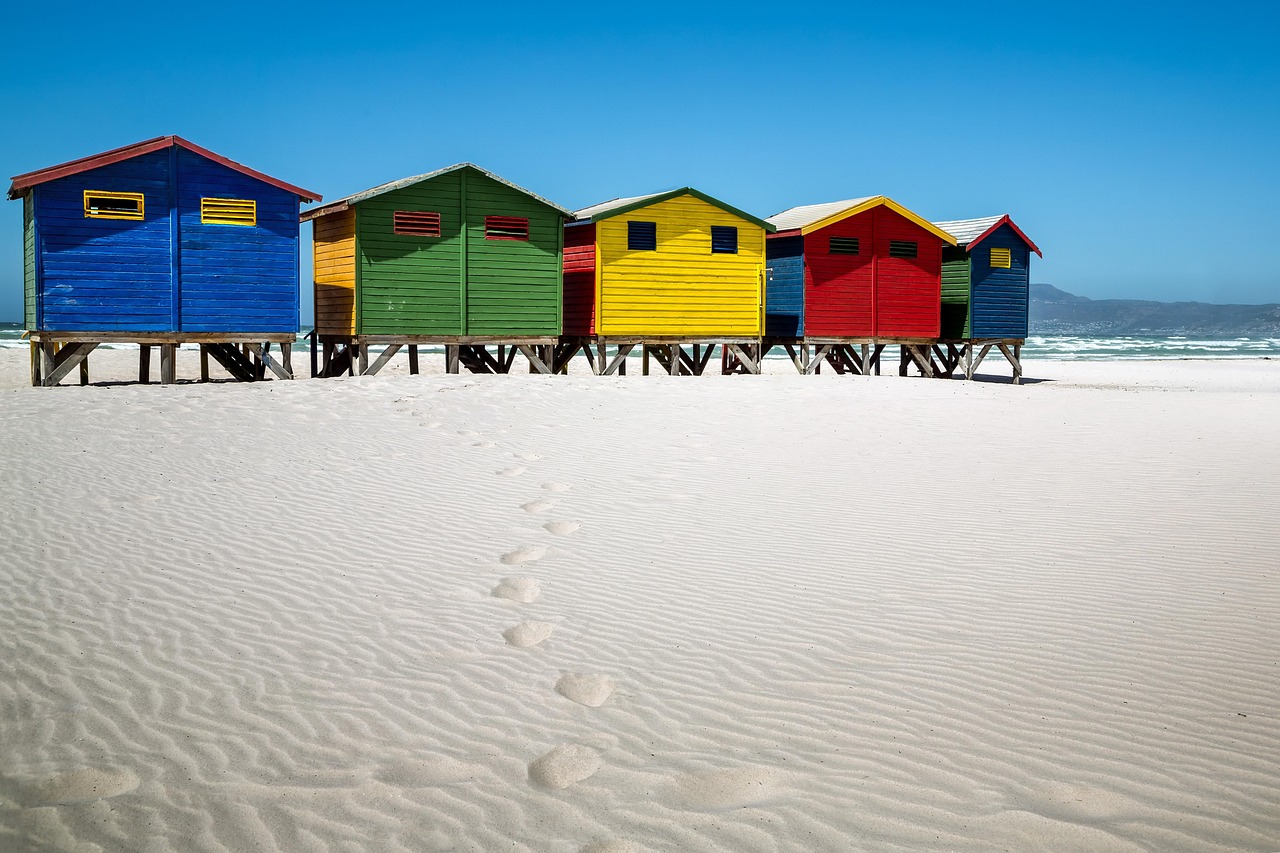
Those iconic colorful beach huts you see in Cape Town brochures? That’s Muizenberg. It’s on the False Bay side, with slightly warmer water and a long, gently sloping beach that’s perfect for beginner surfers.
My Experience: I learned to surf (or tried to) here. I rented a board and wetsuit from one of the many surf shops lining Surfer’s Corner and took a 90-minute beginner lesson. The instructors were patient, the waves forgiving, and even though I spent more time falling than riding, I came out of the water buzzing.
Later, I grabbed a coffee from a local roastery and watched more graceful surfers carve up the waves. Families built sandcastles, dogs chased frisbees, and the colorful huts made every photo look like a postcard.
Tips: The sea here can have strong currents; always heed local advice and swim between lifeguard flags. For a full day, pair Muizenberg with Kalk Bay’s cafés and antique shops.
16. Kalk Bay
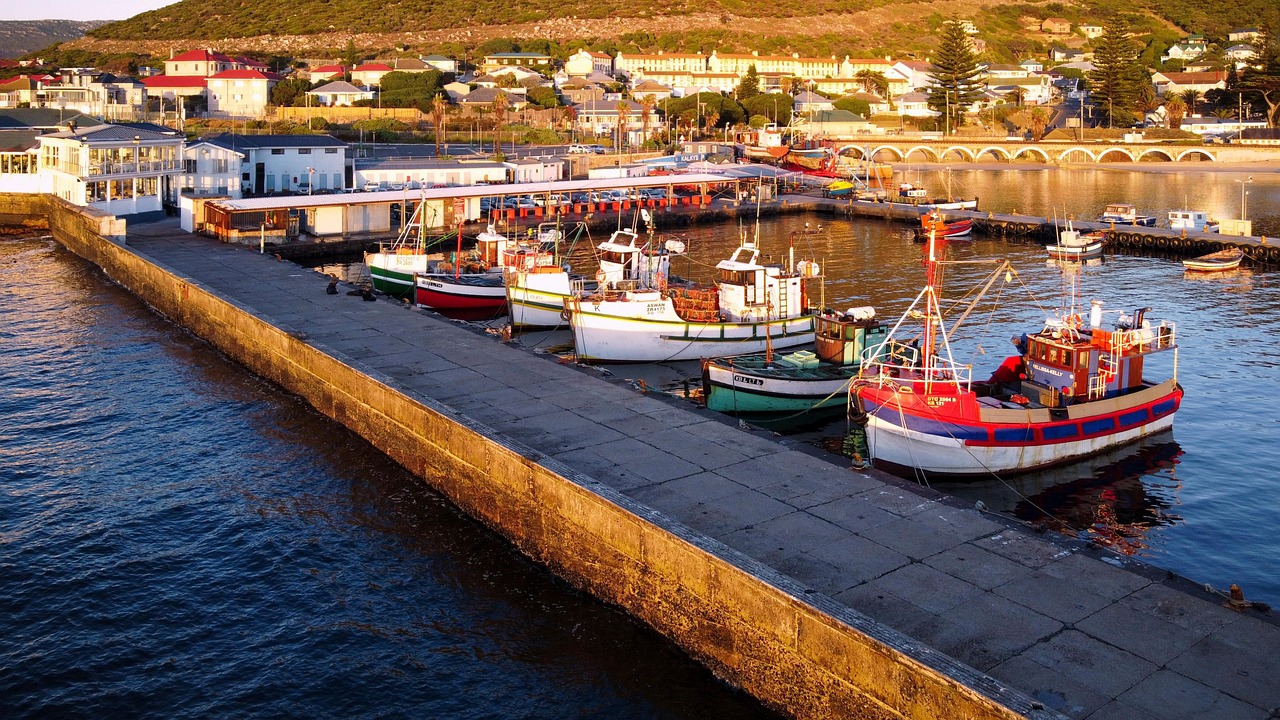
Kalk Bay is one of my favorite hidden gems in Cape Town that’s slowly becoming less hidden. A former fishing village turned bohemian suburb, it has just the right mix of working harbor, indie shops, and excellent food.
My Experience: I’ve spent lazy afternoons here wandering from bookstore to vintage shop, then down to the small harbor where seals harass fishers for scraps. One lunch stands out: a plate of fresh hake and chips eaten on a bench overlooking the water, wrapped in paper and far cheaper than the fancy seafood restaurants in town.
On another visit, I swam in the small tidal pool while kids jumped off the pier. The water felt softer than the Atlantic side, and the views across False Bay toward the distant mountains are calming.
Tips: Combine Kalk Bay with Muizenberg and Boulders in a False Bay day. Parking is limited; consider the train from the city (running improvements are ongoing through 2026, so check schedules) or a rideshare. For couples, evening dinners here by candlelight are wonderfully romantic.
17. Constantia Winelands
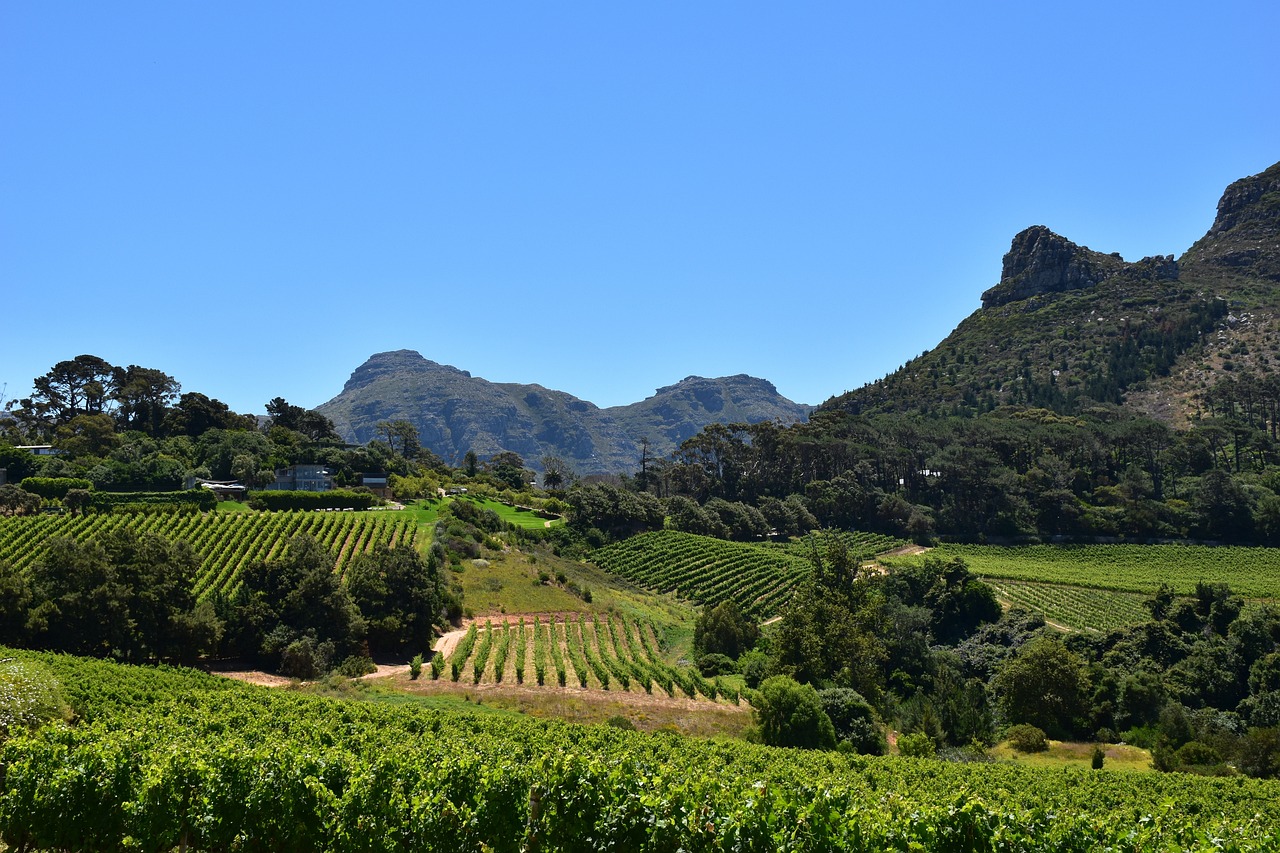
When people think of South African wine, they often picture Stellenbosch or Franschhoek. But Constantia is right on Cape Town’s doorstep and claims to be the oldest wine-producing region in the Southern Hemisphere.
My Experience: On a breezy autumn day, I hopped between a few Constantia wine estates using a combination of ride-hailing and old-fashioned walking. At Groot Constantia, I toured the historic manor house and cellars, then tasted a flight of wines under giant trees, with vineyards rolling away toward the mountains.
At another estate, I lingered over a long lunch: cheese boards, charcuterie, and a crisp sauvignon blanc. The atmosphere here is more relaxed than in some “showy” wine regions—locals come with kids, grandparents, and dogs, turning lawn spaces into weekend gatherings.
Tips: If you’re short on time, Constantia is easier than Stellenbosch (15–25 minutes’ drive from many city neighborhoods). Designate a driver or use a rideshare—South Africa’s drinking and driving laws are strict, and rightly so.
18. Stellenbosch & Franschhoek Winelands
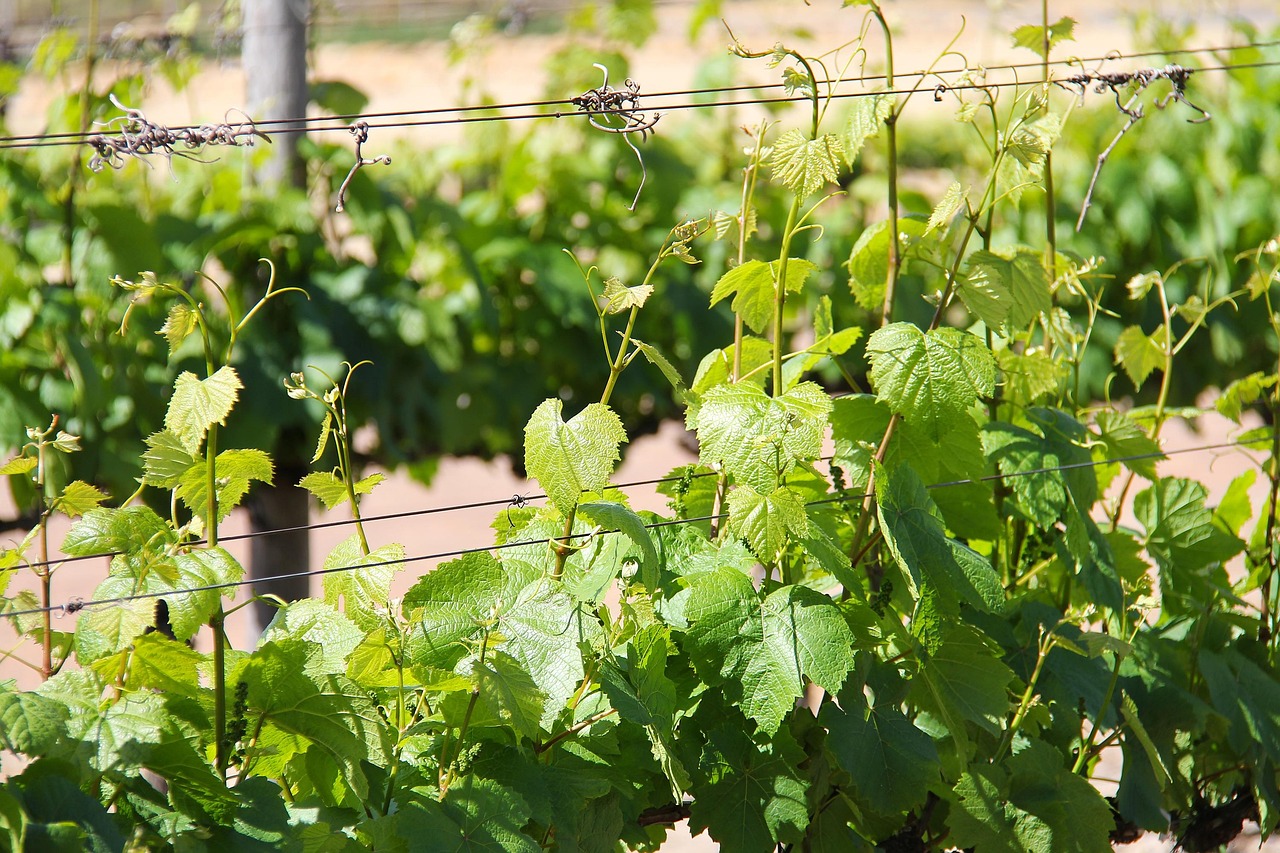
For a full-day escape, the Stellenbosch and Franschhoek Winelands are hard to beat: rolling vineyards, Cape Dutch architecture, and some of the best restaurants in the country. If you have 4 or 5 days in Cape Town, add at least one day out here.
My Experience: I’ve done the Winelands twice: once on a guided small-group tour, and once by renting a car with friends. The tour was simpler—no one had to drive, and the route was curated with tastings at three estates and free time in Franschhoek village. The self-drive trip gave us freedom to linger where we liked and detour down pretty side roads.
One highlight was the Franschhoek Wine Tram—a hop-on, hop-off tram and bus combination that loops between estates. Sipping a glass of chenin blanc while rattling past vineyards felt both indulgent and slightly surreal.
Tips: Book a wine tram line that matches the estates you’re most interested in; they each have slightly different focuses (views, heritage, boutique wineries). Lunch reservations are essential at popular estates, especially on weekends and during 2026’s peak events calendar.
19. Signal Hill & Noon Gun
Signal Hill is often overlooked in favor of Table Mountain and Lion’s Head, but it’s one of the easiest viewpoints to reach by car and offers spectacular sunsets over the Atlantic.
My Experience: I’ve driven up here with takeaway coffees more than once to watch the city switch from day to night. Locals park along the roadside, unpack snacks, and sit on blankets as the sky turns gold, then orange, then deep blue. On one visit, a spontaneous group of musicians started playing guitar and singing; by the end, we were all quietly humming along.
At noon on weekdays and Saturdays, the historic Noon Gun is fired from nearby Signal Hill, a tradition dating back to the 1800s when it was used to signal ships in the harbor. The first time I heard it, I nearly spilled my coffee; now I listen for that daily boom when I’m in the city.
Tips: Arrive at least 45–60 minutes before sunset on clear days; space fills quickly. Don’t leave valuables visible in your car. For a more structured experience, some paragliding flights launch from Signal Hill and land on the Sea Point side—book with a reputable operator.
20. Two Oceans Aquarium
The Two Oceans Aquarium at the V&A Waterfront is one of the most engaging family attractions in Cape Town, but I’ve enjoyed it just as much as an adult traveling without kids.
My Experience: I ducked in on a windy afternoon when hiking plans were blown out (literally). Inside, I wandered past kelp forests, shark tanks, and smaller exhibits with seahorses and quirky local species. The displays emphasize conservation and the unique marine life where the Atlantic and Indian Oceans meet.
Feeding times at the predator exhibit draw crowds, but I loved the more meditative jellyfish room, with their slow, alien dances lit in soft colors. It’s a nice way to learn about the coast you’ve been driving and swimming along.
Tips: Perfect for a bad-weather day or when kids need a break from beaches. Combo tickets with certain boat trips or attractions are sometimes available in 2026—check online bundles to save money.
21. Chapman’s Peak Drive
Chapman’s Peak is less an “attraction” and more an experience: a cliff-hugging toll road between Hout Bay and Noordhoek that’s often called one of the most scenic drives in the world. Having driven it at least five times now, I’m inclined to agree.
My Experience: On my first drive, I stopped at every viewpoint, giddy like everyone else. On subsequent trips, I’ve chosen one or two favorite lay-bys to linger at. One late afternoon, I parked, sat on a low wall with a takeaway coffee, and watched surfers catch perfect peelers in the distance as the sun dropped behind the horizon.
Tips: Check online or with locals to ensure the road is open—rockfall sometimes closes sections for maintenance. There’s a small toll for cars; keep some cash or a card handy. Drive slowly and let faster locals pass; you’ll want to savor the views anyway.
Neighborhoods & Areas to Explore in Cape Town
City Bowl (CBD, Gardens, Tamboerskloof)
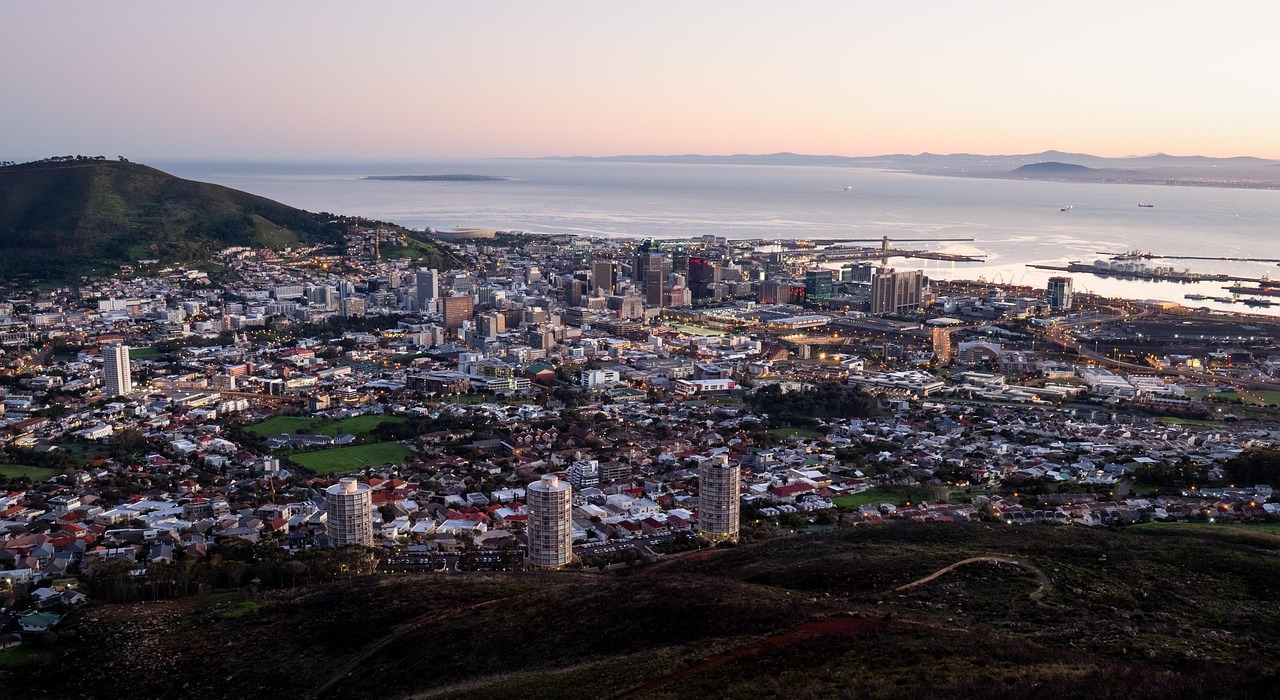
The City Bowl is the central valley between Table Mountain and the harbor, home to the CBD, Gardens, and Tamboerskloof. This is where old meets new: Victorian facades, sleek glass offices, street markets, and rooftop bars.
Why I Like Staying Here: On my last two visits, I based myself in Gardens, within walking distance of Kloof Street’s cafés and the Company’s Garden. It felt local but central, with easy Uber access to the Waterfront, Bo-Kaap, and Table Mountain.
De Waterkant & Green Point
De Waterkant is a chic, village-like neighborhood on the slope between the CBD and Green Point, known for its pastel houses, cobbled streets, and LGBTQ+-friendly nightlife. Green Point, just below it, is more residential, anchored by the stadium and park.
My Experience: I’ve spent evenings here hopping between small bars and restaurants tucked into restored cottages. It’s a great area for couples or solo travelers looking for a social but not rowdy base.
Sea Point, Bantry Bay & Fresnaye
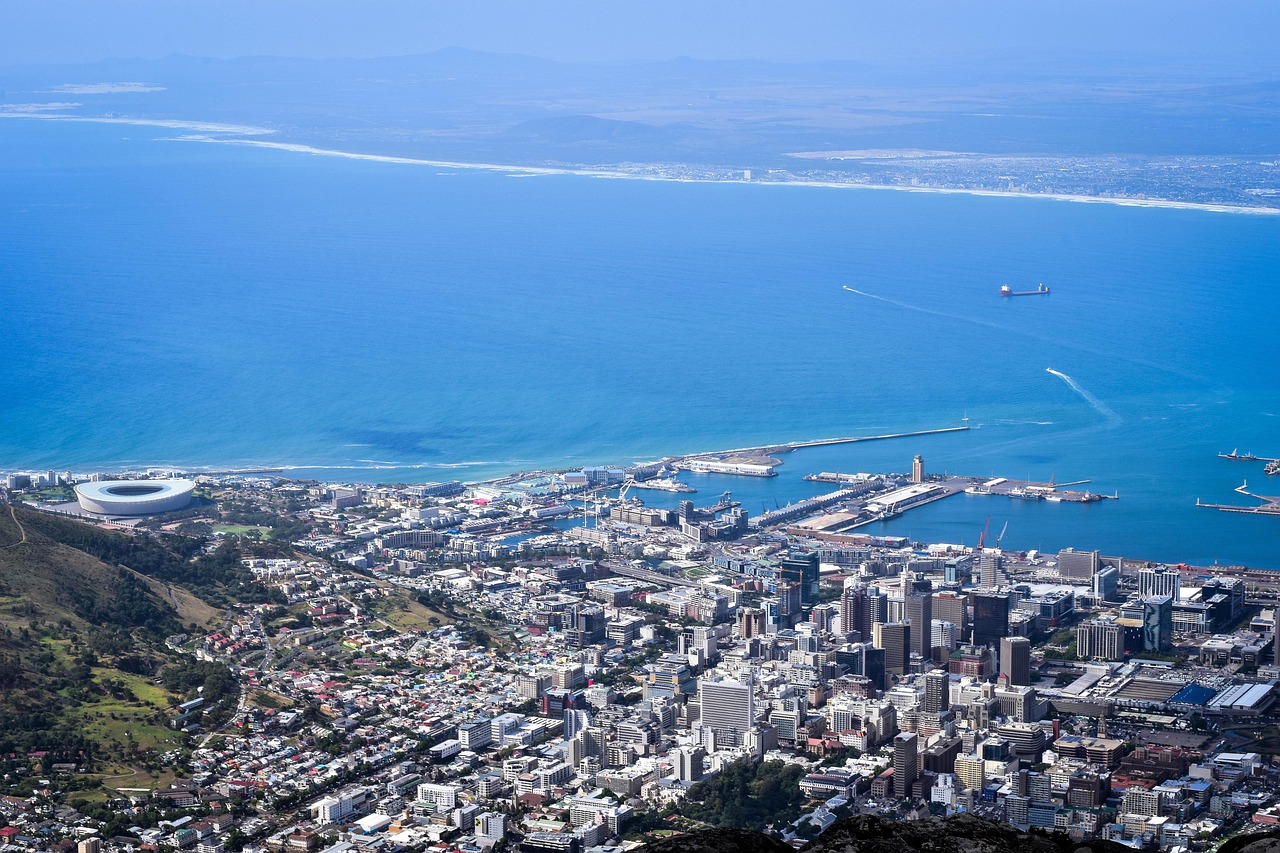
These Atlantic Seaboard suburbs hug the coastline from Green Point to Clifton. Sea Point is lively and relatively affordable; Bantry Bay and Fresnaye are more upscale and sheltered from the wind.
Why Stay Here: When I wanted easy access to the promenade for daily runs and close proximity to Clifton/Camps Bay, I chose a Sea Point guesthouse. Street life here is active but feels safe by big-city standards, especially during the day and early evening.
Camps Bay & Bakoven
Camps Bay is glamorous, with beach clubs, upscale restaurants, and beautiful villas perched on the hillside. Bakoven, just beyond, is quieter, with small coves and boulders.
My Experience: I’ve never stayed in Camps Bay (my budget and its hotel rates don’t quite align), but I come for sunsets and occasional splurge dinners. If you’re planning a romantic or honeymoon-style trip and have the budget, this area is a dreamy base.
Southern Suburbs (Observatory, Rondebosch, Newlands)
The Southern Suburbs stretch from studenty Observatory and Mowbray to leafy Newlands and Constantia. They’re greener, more residential, and less touristy, with mountain views and easy access to Kirstenbosch.
My Experience: I’ve stayed in Observatory twice when traveling on a tighter budget. It’s got a boho, slightly scruffy feel, with second-hand bookshops, vegan cafés, and a younger crowd. Newlands, by contrast, feels more established, with rugby stadiums, tree-lined streets, and excellent restaurants.
False Bay Suburbs (Muizenberg, Kalk Bay, Fish Hoek, Simon’s Town)
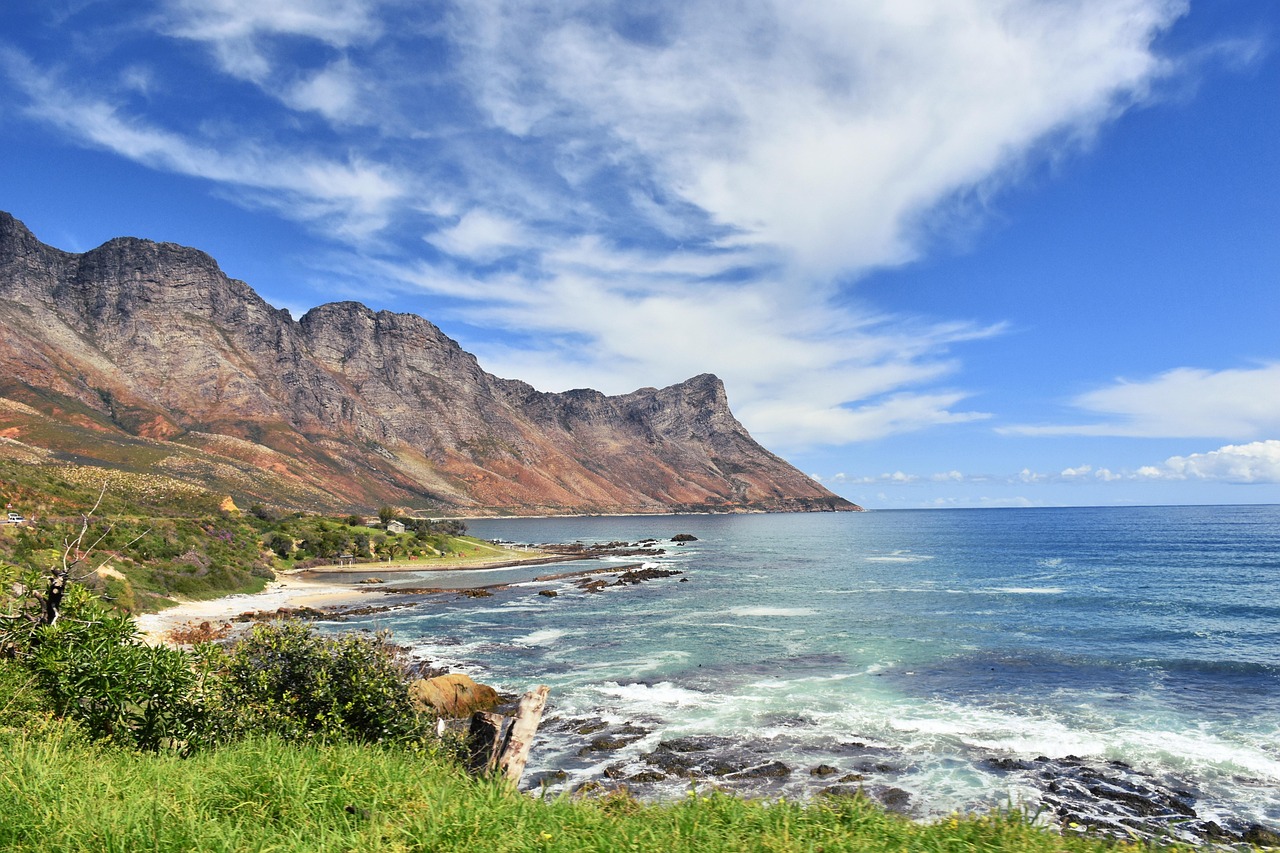
These seaside towns along False Bay are both day-trip destinations and appealing bases if you prefer a quieter, small-town feel and don’t mind commuting into the city for major sights.
My Experience: I once rented a small apartment in Muizenberg for a week, using the city as a backdrop while I surfed, wrote, and explored at a slower pace. Mornings were about waves; afternoons, about cafés and trains into town if I felt like it.
Woodstock & Salt River
As mentioned earlier, Woodstock is an evolving area: part creative hub, part industrial, part residential. It’s great for day visits—markets, street art, breweries—but I don’t usually recommend it as a first-time base for solo travelers unfamiliar with the city’s dynamics. Visit by day, with purpose, and you’ll see a fascinating slice of Cape Town’s present.
Local Food & Drink in Cape Town

Cape Town is one of my favorite food cities. Every trip, I leave with a longer list of places I didn’t get to try. The best way to experience local food in Cape Town is to mix traditional dishes with new-wave African cuisine and fresh seafood.
What to Eat
- Braai (barbecue): This is more than food; it’s a social ritual. Look for local braai joints or join a township braai tour.
- Cape Malay dishes: Think fragrant curries, bobotie (spiced minced meat with an egg custard topping), denningvleis, and sweet, syrupy koesisters.
- Gatsby: A monstrous sandwich stuffed with steak or polony, chips, and more; share one between two or three people.
- Bunny chow: Hollowed bread loaf filled with curry, originating in Durban but loved here too.
- Fresh seafood: Hake and chips, line fish, calamari, snoek (especially smoked or braaied).
- Biltong & droëwors: Dried, spiced meat—perfect hiking snacks.
- Rooibos tea & Cape wines: Don’t leave without trying both.
Favorite Food Spots from My Trips
(Names may shift by 2026, but these types of places and areas are reliable.)
- V&A Food Market & Watershed: Great for sampling many things at once in a casual setting.
- Bo-Kaap home cooking classes: For Cape Malay cuisine with stories.
- Kloof Street & Bree Street: Packed with contemporary bistros, tapas bars, and cocktail spots.
- Hout Bay & Kalk Bay harbors: Affordable fish and chips with sea views.
- Neighbourgoods-style markets (Old Biscuit Mill, Oranjezicht City Farm Market): Locally grown produce, artisanal food, and a social vibe.
Saving Money on Food
On one extended stay, I kept a tight budget. I mixed self-catering (buying fresh produce and bread at local supermarkets) with street food and markets. Lunch specials are often better value than dinner at the same restaurant, so I’d eat my main meal mid-day and keep dinner simple: a supermarket salad, local cheese, or leftover braai.
Nightlife, Entertainment & Cultural Experiences
Cape Town’s nightlife ranges from sophisticated wine bars to laid-back beach sundowners and energetic clubs. But some of the best cultural experiences in Cape Town also happen at night: live jazz, theater, and open-air concerts.
Nightlife Areas
- Long Street: Backpacker bars, clubs, and late-night food. Fun but can be rowdy; watch your belongings.
- Bree Street & Loop Street: Trendier cocktail bars, wine bars, and small restaurants; my personal favorite nightlife strip.
- De Waterkant: Chic lounges, LGBTQ+-friendly clubs and bars.
- Camps Bay: Upscale beach bars and restaurants with sea views.
Cultural Nights
- Live Jazz: Cape Town has a strong jazz tradition; look for small venues in the City Bowl and Observatory.
- Theatre & Dance: Check programs at Artscape Theatre Centre and Baxter Theatre.
- Summer Concerts at Kirstenbosch: Pack a picnic and listen to local and international acts under the stars.
Some of my most memorable evenings were simple: watching the sky turn violet from the Sea Point Promenade, then ducking into a neighborhood spot for a plate of pasta and a glass of local red. You don’t always need a big night out; Cape Town’s magic often lies in the in-between moments.
Best Day Trips from Cape Town
Beyond the immediate city, there are several easy day trips worth adding if you have more than 3 days in Cape Town.
Cape Peninsula (Hout Bay, Chapman’s Peak, Cape Point, Boulders, Kalk Bay)
As described earlier, this is the ultimate full-day loop and arguably the most essential day trip.
Winelands (Stellenbosch, Franschhoek, Paarl)
Plan a full day with 2–3 estates, a long lunch, and maybe the Franschhoek Wine Tram to keep things safe and easy.
West Coast (Bloubergstrand, West Coast National Park)
For that classic postcard shot of Table Mountain across the bay, head to Bloubergstrand. In spring (Aug–Sep), wildflowers in the West Coast National Park can be spectacular.
Hermanus & Whale Coast
During whale season (roughly July–November), Hermanus is a world-class land-based whale watching spot. It’s a longer day trip but worth it if you’re in Cape Town at the right time.
Major Events & Festivals in Cape Town (2026–2027)
Exact schedules change year to year, but based on recurring patterns and announcements for 2026–2027, here are key events to watch:
- Cape Town Minstrel Carnival (Kaapse Klopse): Early January parades through the city with music, costumes, and history.
- Cape Town International Jazz Festival: Usually March/April, bringing local and global jazz acts.
- Cape Town Pride: Late February/early March, centered around De Waterkant and the City Bowl.
- Two Oceans Marathon: Around Easter, with runners tackling one of the world’s most scenic routes.
- Harvest & Wine Festivals: Feb–April across the Winelands.
- Summer Concerts at Kirstenbosch: November–March series of weekend music events.
For 2026–2027, the city is also emphasizing sustainable tourism initiatives—expect more car-free events, green markets, and community-based tourism options in townships and historically marginalized areas (always choose ethical, community-led operators).
Cultural Etiquette & Local Customs
Understanding local customs in Cape Town will make your trip smoother and your interactions richer.
- Greetings: A friendly “Howzit?” or “How are you?” goes a long way. People often shake hands; close friends may hug.
- Time: “Now-now” and “just now” are flexible concepts—don’t expect German precision. Tours and official services are generally punctual; social meetups, less so.
- Tipping: Around 10–15% in restaurants if service isn’t included. Tip car guards and petrol attendants a small amount (5–10 rand) if you can.
- Photography: Ask before photographing people, especially in Bo-Kaap, townships, or religious spaces. Respect “no photos” signs.
- Dress: Beachwear is for beaches and pools, not malls or city streets. In religious or traditional spaces, dress modestly.
- Braai Culture: If invited to a braai (barbecue), bring drinks or a side dish as a contribution. It’s about community as much as food.
- Conversation: South Africans are candid about politics and history, but listen more than you speak at first; experiences vary widely.
Practical Travel Advice for Cape Town (2026)
When to Visit & Seasons
- Summer (Dec–Feb): Hot, dry, busy. Best for beaches, outdoor dining, long evenings. Also peak prices and crowds.
- Autumn (Mar–May): My favorite: warm days, fewer crowds, stable weather for hiking and a classic 3 or 4 day itinerary for Cape Town.
- Winter (Jun–Aug): Cooler, wetter, but also green and dramatic. Great for culture, food, and whale watching trips along the coast.
- Spring (Sep–Nov): Wildflowers on the West Coast, still-changeable weather, rising temperatures.
Getting Around
- Ride-hailing apps: Uber and Bolt are widely used and my primary choice at night and for cross-city trips.
- MyCiTi buses: The city’s BRT system serves the airport, CBD, and some suburbs; reliable in main corridors.
- Car rental: Best for flexibility, especially for day trips and if you’re visiting for 4–5 days or more. Roads are generally good; drive on the left.
- Walking: Great in compact areas (CBD, Sea Point Promenade, Waterfront) during the day. At night, I stick to well-lit, busier streets or use a ride-hailing app.
SIM Cards & Connectivity
In 2026, eSIMs are more common, but physical SIMs from providers like Vodacom, MTN, and Telkom are widely available at the airport and malls. Bring your passport for registration. I typically buy a data-heavy package and rely on Wi-Fi in accommodations for backups.
Money & Saving Tips
- Cards (especially contactless) are widely accepted; keep some cash for tips, markets, and smaller vendors.
- Eat your main meal at lunch when specials are cheaper, then go lighter at dinner.
- Use supermarkets for picnic supplies and breakfasts; splurge selectively on standout dinners or wine tastings.
- Many of the best things to do in Cape Town (hikes, beaches, promenades) are free.
Safety
Cape Town has real inequality and crime issues, but with situational awareness and some common-sense precautions, most visitors have trouble-free trips.
- Avoid walking with your phone in your hand in quiet or dimly lit areas; keep valuables out of sight.
- Use taxis or ride-hailing at night, especially if you don’t know the area.
- Ask locals or your accommodation which streets/areas to avoid after dark; advice is usually specific and practical.
- On hikes, don’t go alone on remote trails; join a group or guide, and stick to popular routes.
Visa & Entry Requirements (General)
Visa rules depend on your nationality. Many travelers from Europe, North America, and parts of Asia receive visa-free entry for 30–90 days, but always check the latest information from the South African Department of Home Affairs before flying.
Driving & Licenses
Foreign driver’s licenses in English are generally accepted; if your license is in another language or not in Roman script, carry an International Driving Permit as well. Seat belts are mandatory, and zero-tolerance drinking and driving enforcement is increasing in 2026—use a designated driver or rideshare after wine tastings.
Summary & Final Recommendations
Cape Town is a city you don’t just “do” in a checklist sense; you feel it in your legs after a Lion’s Head climb, in your taste buds after a Cape Malay curry, and in your heart after standing on Robben Island or in District Six Museum.
If you’re planning:
- 3 days in Cape Town: Focus on Table Mountain, the V&A Waterfront/Robben Island, Bo-Kaap, and a condensed Cape Peninsula loop.
- 4 days in Cape Town: Add Kirstenbosch and either Constantia or a culture-heavy day with museums and Woodstock.
- 5 days in Cape Town: You can comfortably include the Winelands, more beaches, and off-the-beaten-path neighborhoods like Kalk Bay and Observatory.
The best time to visit Cape Town depends on your priorities. For most travelers, March to May hits the sweet spot: pleasant weather, fewer crowds, and great conditions for hiking, wine, and city wandering. Summer (Dec–Feb) is peak energy—with long days, festivals, and buzzing beaches—while winter (Jun–Aug) rewards those who don’t mind some rain with lower prices, cozy food and wine experiences, and dramatic seas.
Whichever season you choose, come prepared to be flexible; the mountain makes its own weather, and the city its own rhythm. Leave space in your itinerary to sit on a promenade bench, linger in a café, or follow a local’s recommendation down an unexpected side street. That’s where the real Cape Town tends to show up.