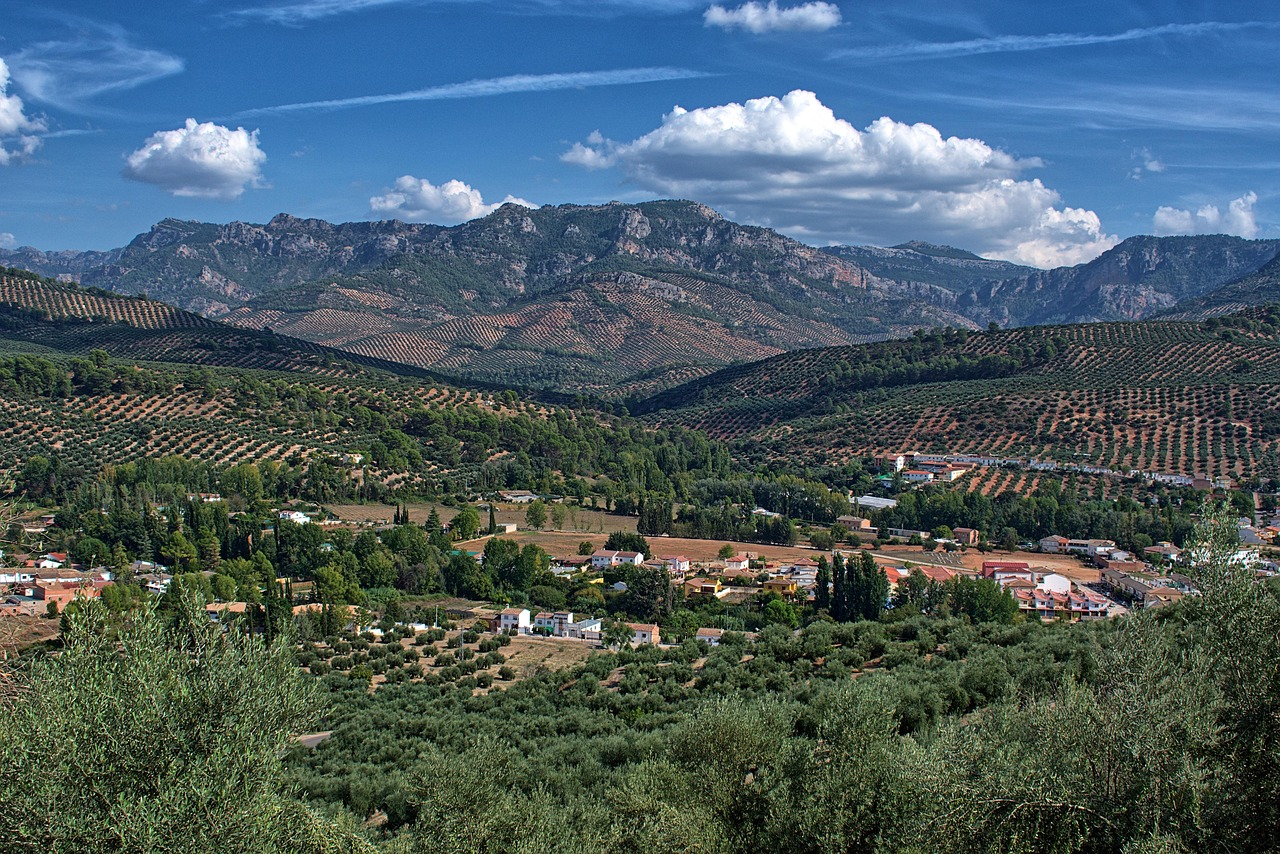
Why Visit Andalusia in 2026
Andalusia is the Spain that lives in most people’s imagination: Moorish palaces glowing at sunset, lazy lunches that slide into midnight conversations, flamenco echoing down cobbled lanes, and endless horizons of olive groves and sea. But if you only picture Seville’s Giralda or Granada’s Alhambra, you’re missing what makes this region so addictive.
I’ve been returning to Andalusia regularly since my early twenties, and in the last five years alone I’ve spent months here each spring and autumn. In 2026 the region feels particularly alive: new wine bars in Jerez, reimagined flamenco venues in Seville, better train connections, and a growing movement of small, family-run stays in the countryside that make slow travel easier than ever.
What keeps drawing me back isn’t just the famous attractions; it’s the rhythm of life. Children playing in plazas at midnight. Farmers selling oranges from the back of a van. Fishermen in Cádiz chatting over coffee after dawn. Andalusia rewards those who linger, whether you have 4 days in Andalusia or a full week to follow a 7 day itinerary for Andalusia through cities, sierras, and sea.
This 2026 travel guide for Andalusia is unapologetically opinionated and personal. It’s built for travelers who want more than a checklist of must-see attractions in Andalusia—those who want to understand the place, feel its history underfoot, and eat where locals actually go.
Andalusia at a Glance
Andalusia (Andalucía) sprawls across Spain’s sun-baked south, from the Atlantic swells of Cádiz to the Mediterranean coves of Almería and the snowy peaks of the Sierra Nevada. It’s both Spain’s second-largest region and one of its most diverse: surf beaches, desert, alpine hiking, wetlands, and the sort of countryside where time feels suspended.
For travelers planning 4 days in Andalusia or a 5 day itinerary for Andalusia, the hardest part is choosing. The good news is that trains, buses, and highways knit the major hubs together, so you can feasibly combine Seville, Córdoba, Granada, and the coast in a week if you move efficiently. With 6 days in Andalusia or more, you can add the white villages, the sherry triangle, or wild stretches of Atlantic coast.
What ties it all together? A centuries-deep layering of cultures—Phoenician, Roman, Moorish, Jewish, Christian—visible in everything from place names to recipes. And an easy sociability: Andalusians live outdoors, in plazas and bars and along riverfronts, which means you’re never far from authentic cultural experiences in Andalusia just by sitting down and watching life unfold.
4–7 Day Itineraries for Andalusia
Below are narrative, boots-on-the-ground itineraries I’ve actually followed in the last couple of years, updated with 2026 logistics. Use them as blueprints and tweak based on your interests.
4 Day Itinerary for Andalusia: Cities, Flamenco, and a Taste of the Past
This 4 day itinerary for Andalusia is ideal for first-timers who want the greatest hits without feeling rushed. I last followed this loop in late October—warm days, cool evenings, and fewer crowds.
Day 1 – Seville: First Glimpse of the South
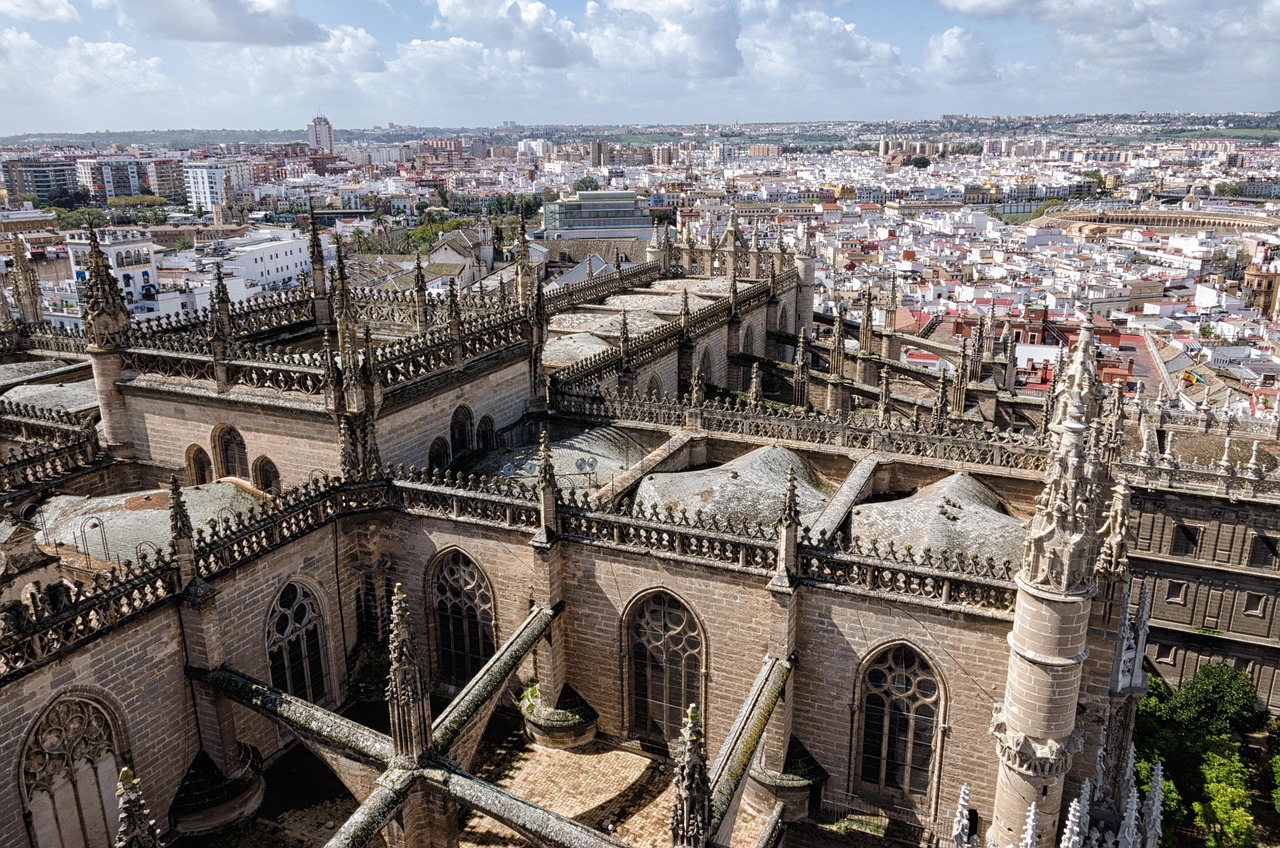
I usually arrive in Seville groggy from a connection in Madrid, but the walk from Santa Justa station into the old town never fails to wake me up. Orange trees, tram bells, the faint clatter of coffee cups—it’s the most welcoming of landings.
Drop your bags at your hotel in Santa Cruz or El Arenal (walkable to everything), then start with the heavy hitters:
- Seville Cathedral & La Giralda: Book a timed ticket in advance for 10:00–11:00 to beat tour groups. The climb up La Giralda’s ramps (not stairs) is surprisingly gentle, and the rooftop view sets the stage for your entire trip.
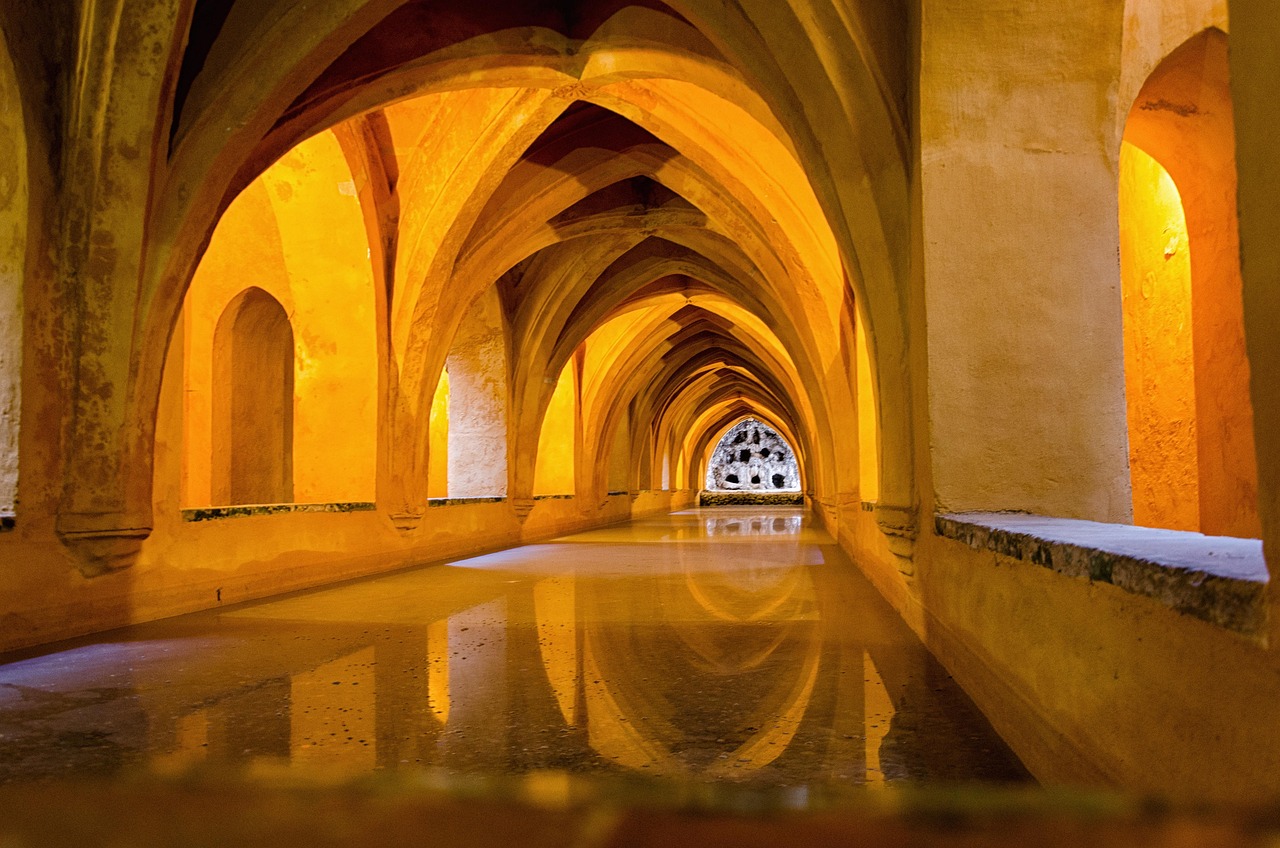
- Real Alcázar: In 2026, afternoon slots (around 15:00) are marginally quieter. I always linger in the gardens, where peacocks patrol tiled fountains—this is where the layers of Islamic and Christian history really click.
For lunch, I like to wander into the Triana neighborhood across the river. The Mercado de Triana is my go-to for a casual meal: order a plate of salmorejo and some fried fish, then sit at a tall table watching locals do their shopping.
Afternoon is for getting pleasantly lost in Santa Cruz’s narrow lanes. Skip the touristy flamenco bars for now; instead, find a café terrace and simply watch the city slide towards evening.
Evening flamenco: For a first flamenco experience that isn’t a cheesy dinner show, I often recommend a small tablao in Triana or the Museo del Baile Flamenco. Book ahead for a 20:30 show, have a pre-show vermut in a nearby bar, then end with tapas: espinacas con garbanzos, grilled prawns, and a glass of manzanilla sherry.
Tip: If you’re tired from travel, don’t plan an early start the next day. Andalusia rewards late nights; lean into it.
Day 2 – Córdoba: Courtyards and the Mesmerizing Mezquita
On my last trip, I caught the 09:00 AVANT train from Seville to Córdoba—about 45 minutes, comfortable, and much less stressful than driving into Córdoba’s historic maze. With only one day, head straight for the Mezquita-Catedral.
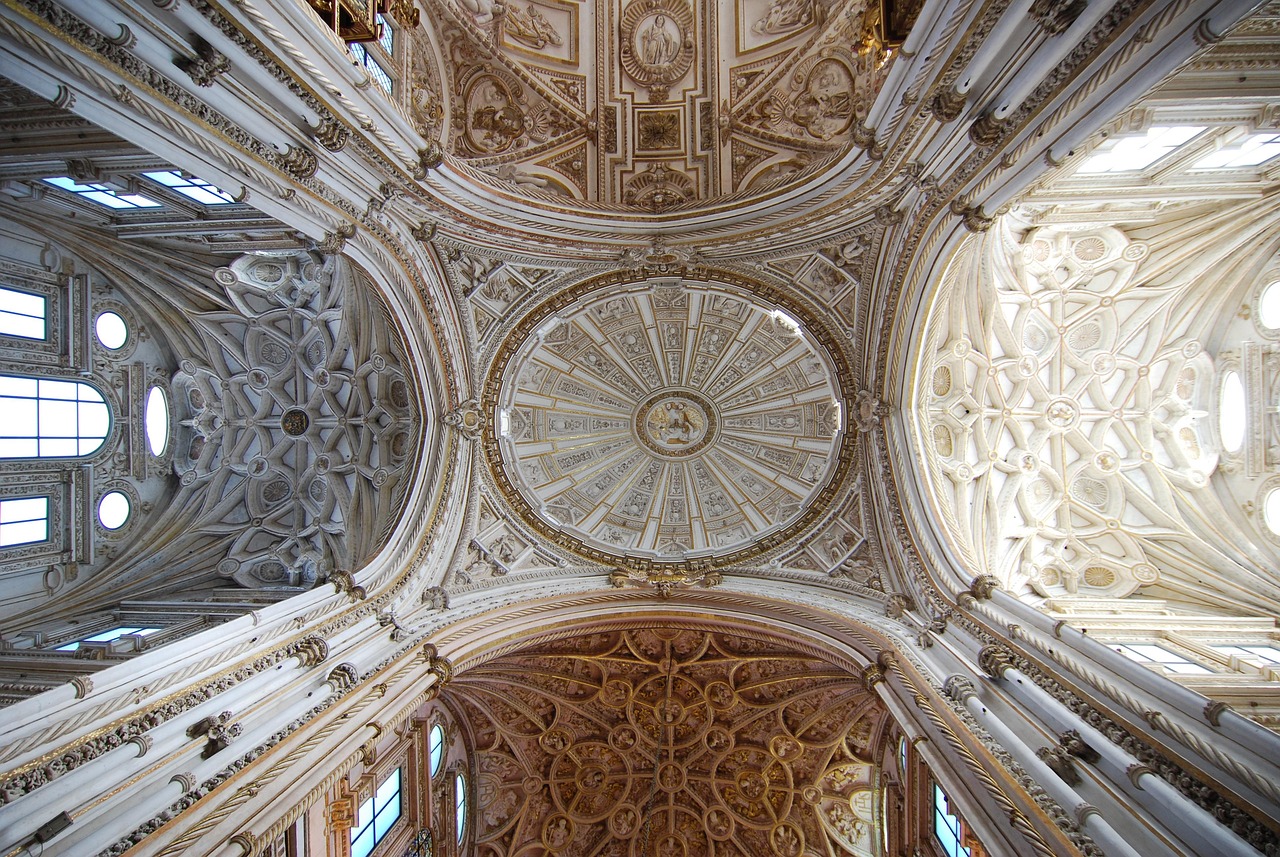
By 10:00, you can usually slip inside with manageable crowds. The forest of red-and-white arches still stops me in my tracks, even after multiple visits. Find a quiet corner, sit on a bench, and stay longer than you think you “need.” This is one of the great religious spaces of Europe, and rushing it is a shame.
Afterwards, I like to cross the Roman Bridge for a different view back onto the old city, then work my way into the Jewish Quarter for lunch: look for small taverns with chalkboard menus and locals eating salmorejo so thick the spoon stands upright.
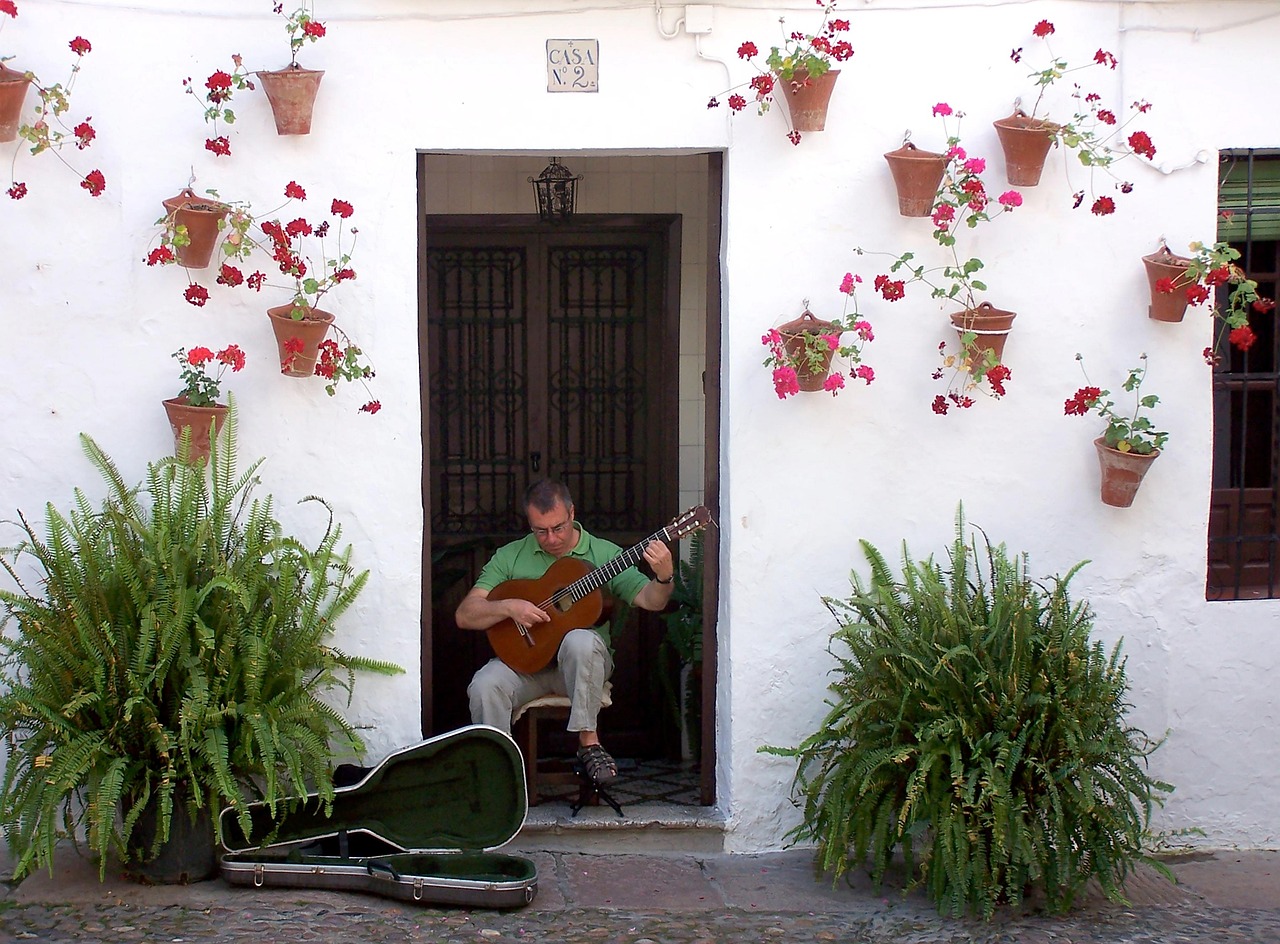
In the afternoon, explore Córdoba’s patios. Even outside the famous May Patio Festival, many houses around San Basilio open their flower-filled courtyards for a small fee. I once spent a rainy afternoon drifting from patio to patio under a sea of geraniums; it felt like stepping into a private world.
Catch an early evening train back to Seville. Have dinner somewhere away from the cathedral—Alameda or Feria are my favorite areas for slightly more local vibes. Order montaditos (small sandwiches) and a cold beer, and toast to a day well used.
Day 3 – Granada: The Alhambra and Albaicín
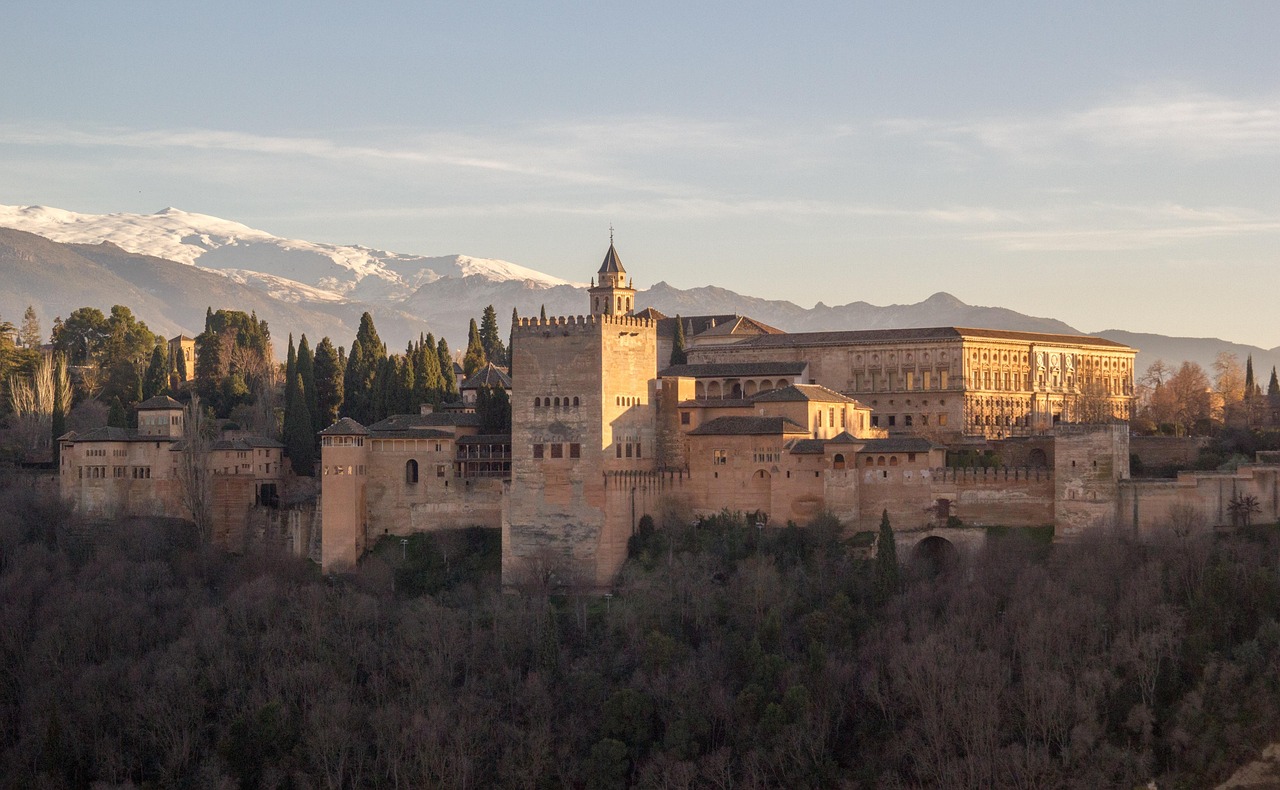
For this leg, I generally prefer to catch the early train or bus from Seville to Granada (around 3 hours). Check into a hotel either near Plaza Nueva (central) or in the lower Albaicín if you don’t mind some hills.
Alhambra booking is non-negotiable: in 2026, demand remains intense. Reserve a Generalife + Nasrid Palaces ticket weeks (sometimes months) in advance, ideally with a late afternoon Nasrid entry for dreamier light and (slightly) fewer crowds.
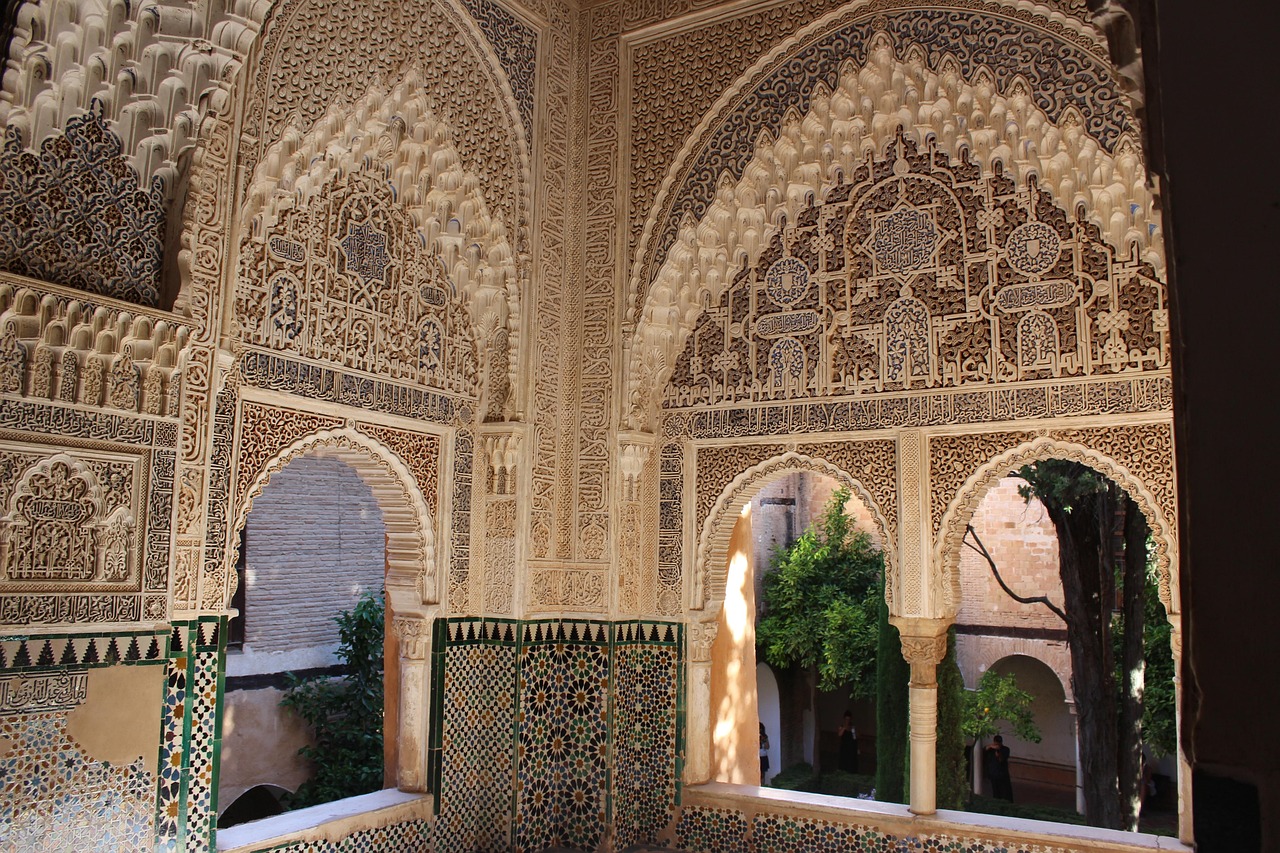
I like to spend at least four unrushed hours up here. Don’t rush from photo op to photo op; sit in the Patio de los Leones until the details of the stucco and the sound of water really sink in. The Alhambra is a must-see attraction in Andalusia, but you can still experience it quietly if you resist the urge to hurry.
Walk back down through the woods into the city, then head into the Albaicín as afternoon turns gold. Climb gradually towards the Mirador de San Nicolás for the classic view across the rooftops to the Alhambra backed by the Sierra Nevada. Yes, it’s busy. Yes, it’s worth it—especially if you stay as the crowd thins and the palace lights flicker on.
Dinner in Granada can still come with free tapas: order a drink and see what arrives. I have a favorite little bar near Calle Elvira where the bartender remembers me by my accent and gives me extra olives; you’ll find your own version if you wander a bit away from the main drag.
Day 4 – Granada’s Local Life & Departure
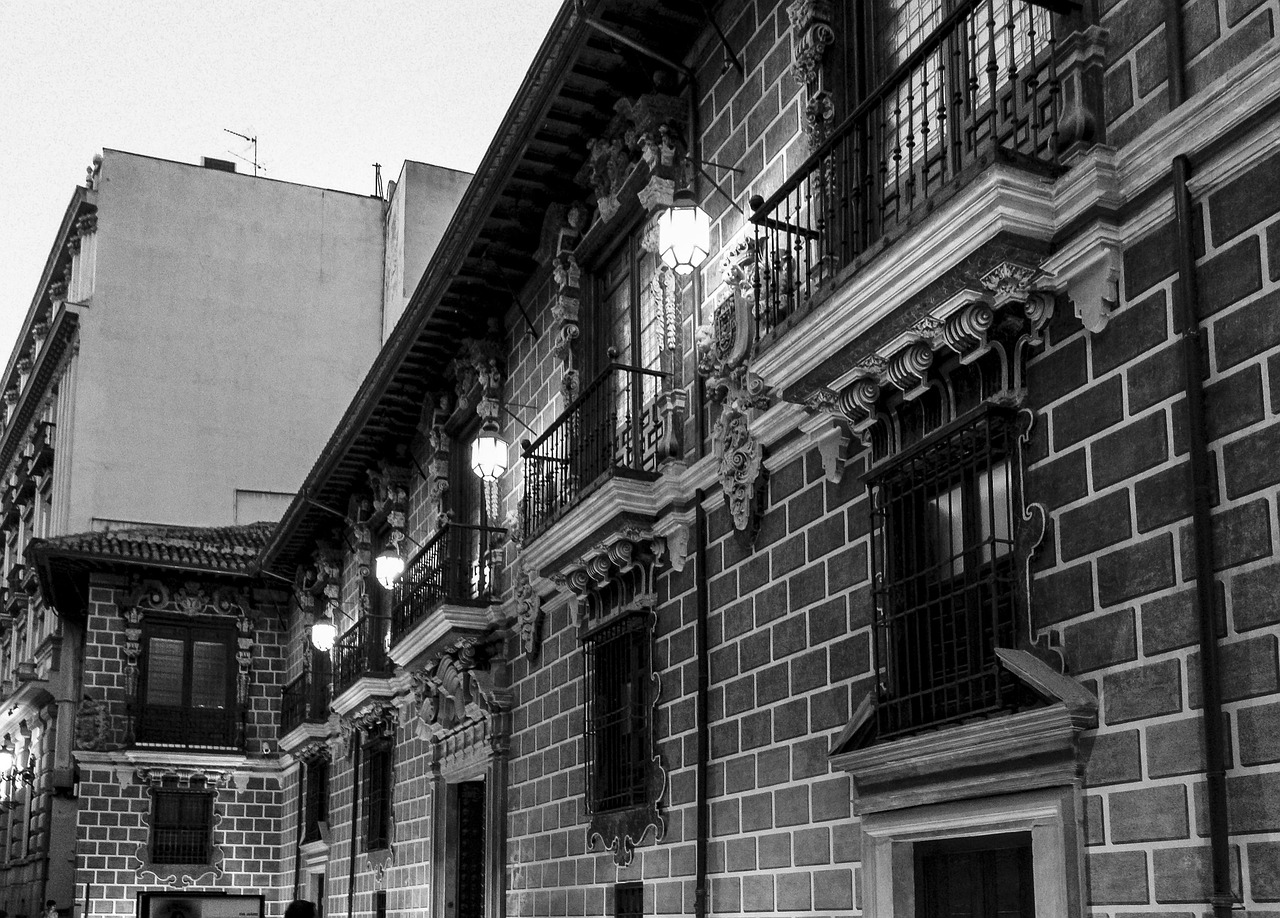
On your last day, slow down. Start with coffee in Plaza Bib-Rambla watching the flower stalls open. Then stroll through the Cathedral and Royal Chapel; the latter, where the Catholic Monarchs are buried, is one of the most quietly powerful sites in the city.
If you’re up for a gentle hike and have a late train or flight, taxi or bus up to the Sacromonte quarter and follow one of the trails that loop along the hillside, with wide views back to the Alhambra. Families will find this manageable; couples will find it romantic; solo travelers will love the feeling of escaping the city while still being so close.
Head back, collect your bags, and either continue on to Málaga for a flight out or back to Seville depending on your route. Four days is barely a taste, but it’s enough to plant the seed. Most people I know who follow this 4 day itinerary for Andalusia end up returning for longer.
5 Day Itinerary for Andalusia: Cities and a First Glimpse of the Coast
Add a day and you can breathe a little. This 5 day itinerary for Andalusia follows the same arc as above but folds in Málaga and the sea.
Days 1–3: Follow the Seville–Córdoba–Granada pattern above, but with slightly slower mornings and more time in neighborhood bars.
Day 4 – Granada to Málaga: From Palaces to the Port
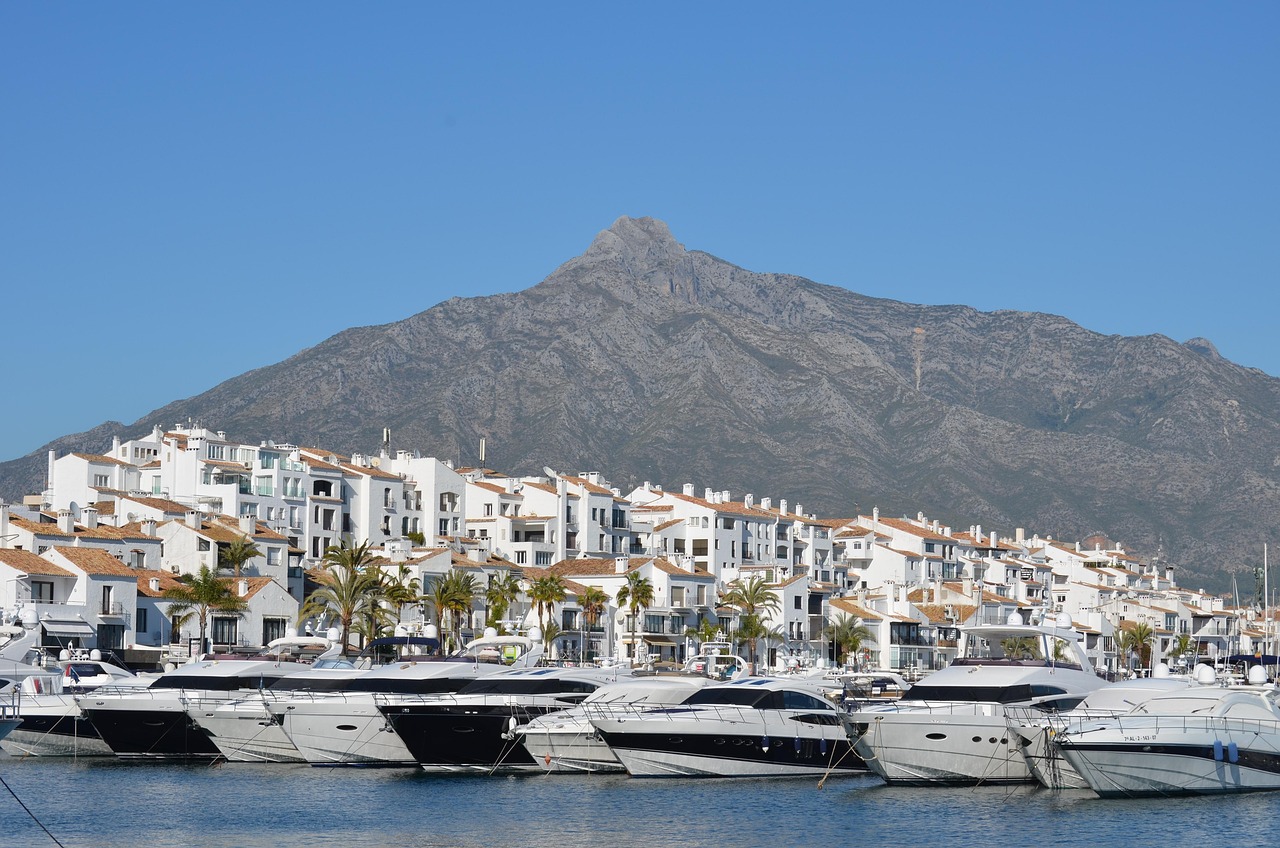
I like to leave Granada mid-morning by bus or train and be in Málaga by lunchtime. Drop your bags near the historic center; Málaga is flat and walkable, a relief after Granada’s hills.
First stop for me is always the Atarazanas Market. I’ve lost count of how many meals I’ve had standing at the seafood stalls here, but my order rarely changes: grilled sardines, a plate of local olives, and a glass of crisp white from nearby Ronda.
Spend the afternoon between the Picasso Museum (Málaga is his birthplace) and the Alcazaba, the Moorish fortress that overlooks the city. The Alcazaba is like a mini Alhambra without the stress of timed entry—gardens, views, and ancient walls where local teenagers come to gossip.
By late afternoon, wander down to the Muelle Uno waterfront promenade. Families cycle, couples stroll hand in hand, and cruise passengers lick ice cream. It’s touristy but strangely pleasant, especially at sunset when the sky turns watercolor shades over the cranes and masts.
Day 5 – Beach Morning & Old Town Farewell
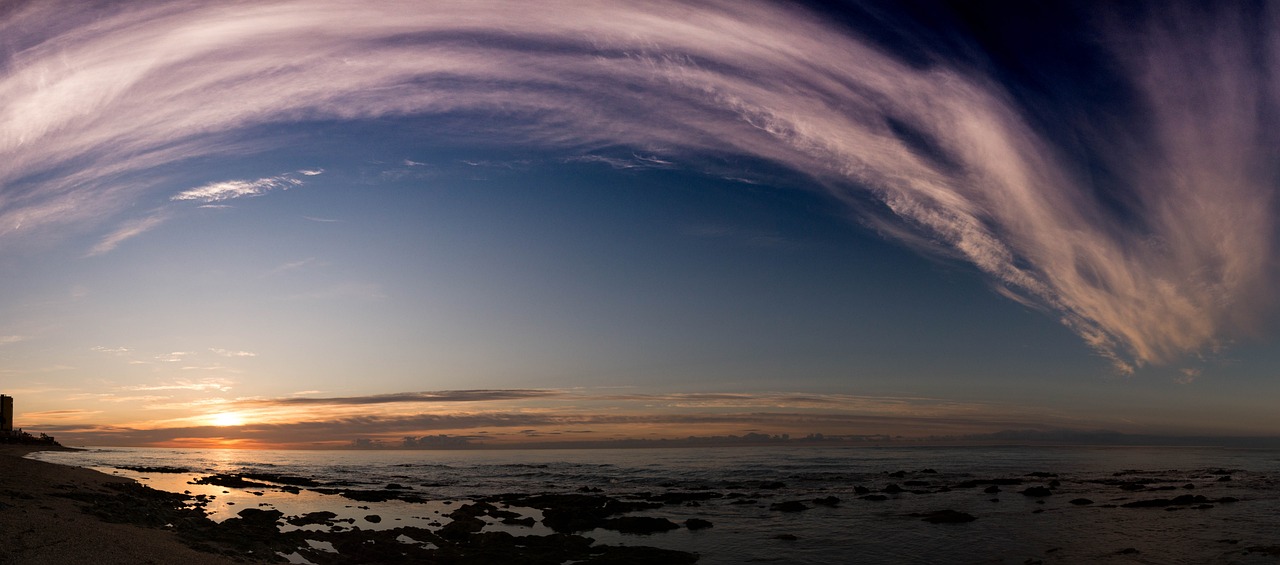
With one more morning, you can taste Málaga’s beach culture. I like to walk east along the promenade to the Pedas Alegría / El Palo area, where locals still dominate the sand. Have espetos—sardines skewered and grilled over open coals on the beach—for lunch. It’s messy, smoky, and one of the simplest joys of coastal Andalusia.
Back in town, wander the narrow lanes of the historic center for last-minute gifts, then collect your bags and head to the airport or train station. This 5 days in Andalusia route gives you cities, mountains, and sea without ever feeling like you’re only on transport.
6 Day Itinerary for Andalusia: White Villages and Wine
With 6 days in Andalusia, you can add the countryside that locals escape to on weekends: the serrated sierras, whitewashed villages, and the sherry triangle.
Days 1–3: Seville and Córdoba as above, but sleep one more night in Seville to avoid too many hotel changes.
Day 4 – Seville to Jerez de la Frontera: Into Sherry Country
The morning train from Seville to Jerez is about an hour. Jerez is one of my favorite mid-sized Andalusian cities: elegant, slightly faded, and deeply tied to horses, flamenco, and sherry (jerez).
Drop your bags near the old town and walk straight to a bodega visit. I usually recommend one big, historic producer (for context) and a smaller, family-run place (for character). You’ll learn the difference between fino, amontillado, oloroso, and sweet Pedro Ximénez—and, more importantly, how locals actually drink them (hint: chilled, in small glasses, with salty snacks).
Afternoon is for wandering: the Alcázar of Jerez is underrated, and the plazas around the Catedral are perfect for café-hopping. If you’re a horse lover or traveling with children, check schedules at the Royal Andalusian School of Equestrian Art—the “dancing horses” show is touristy but performed with real pride.
In the evening, seek out a local peña flamenca (flamenco club). Performances here are rawer and more intimate than in the big city tablaos; I’ve spent nights in Jerez where a planned one-hour show turned into three as friends joined in. Expect late hours and goosebumps.
Day 5 – Jerez to the White Villages (Ronda or Arcos de la Frontera)
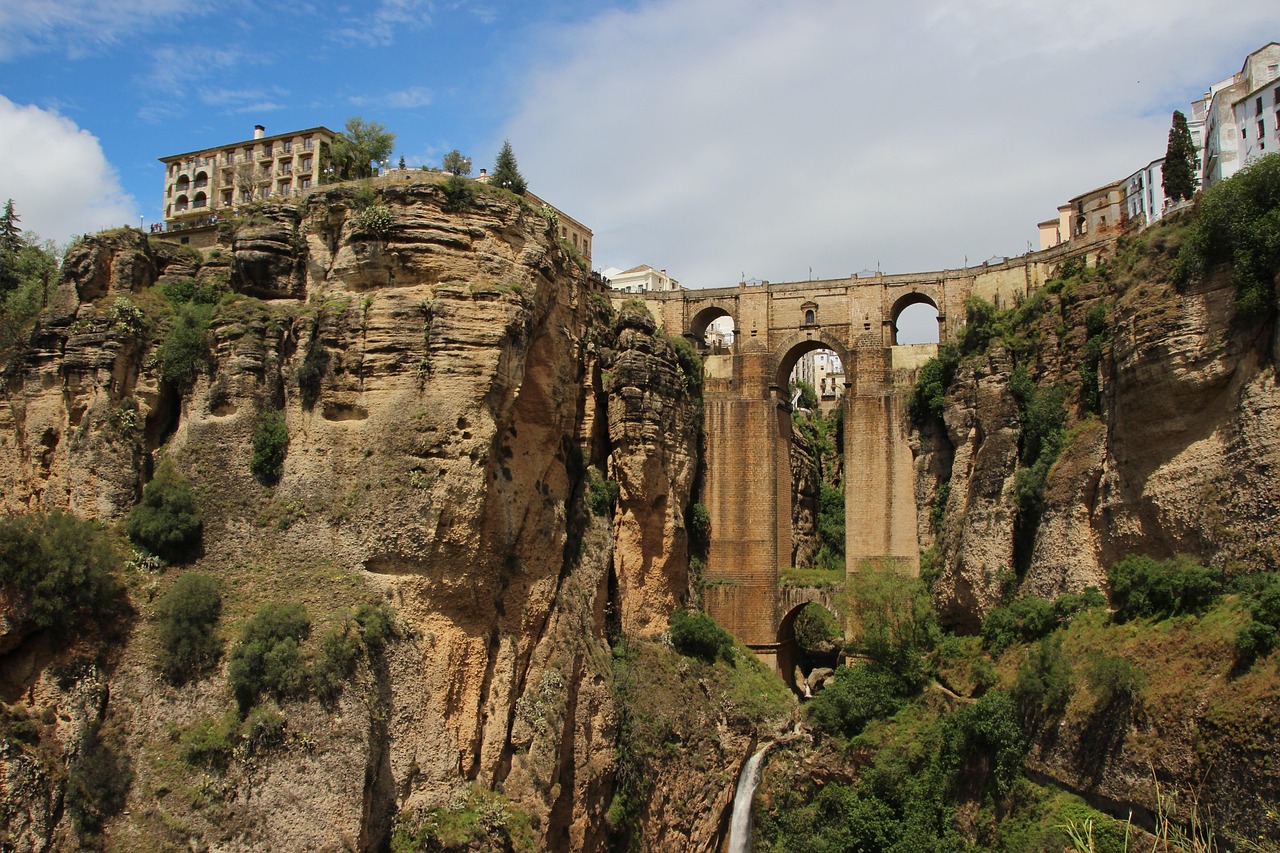
Here a car becomes useful. Pick up a rental on the edge of Jerez (to avoid city traffic) and drive up into the Pueblos Blancos. Two classic bases:
- Arcos de la Frontera: Closer to Jerez, dramatically perched on a cliff, with a quieter, village feel.
- Ronda: Bigger, more touristed but undeniably spectacular, with its iconic Puente Nuevo bridge over the gorge.
I often choose Arcos for peace. Park your car in the lower town and take a shuttle or taxi up; navigating the old streets with a larger vehicle is not for the faint-hearted. Spend the afternoon wandering cobbled lanes, popping into small churches, and lingering at miradores with sweeping views over the Guadalete valley.
Dinner here is simple and satisfying: venao (venison) in season, hearty stews on cool nights, local cheeses and wines. The sky is dark enough that stars feel within reach; I’ve had some of my quietest, most restorative nights in Andalusia in villages like this.
Day 6 – White Village Wandering & Drive to Málaga or Seville
Use your final day to drive a loop through a few other white villages—Zahara de la Sierra with its turquoise reservoir, Grazalema tucked under high peaks—before heading on to Málaga (for a flight) or back to Seville. This is a wonderful day for families who like scenic drives and short walks, couples searching for photogenic corners, or anyone needing a break from big-city stimuli.
7 Day Itinerary for Andalusia: Cities, Sierras, and Two Seas
A 7 day itinerary for Andalusia is where the region really opens up. You can follow the 6-day arc and add one of two flavors:
- Option A – Atlantic Coast & Cádiz: For breezy, bohemian beach vibes.
- Option B – Alpujarra & Sierra Nevada: For mountain villages and hiking.
Option A: Add Cádiz and the Costa de la Luz
After Jerez (Day 4 above), take the 40-minute train to Cádiz. The historic center sits almost entirely surrounded by sea; on windy days, waves slam the old stone walls and spray the promenade.
Spend a night here wandering the tangle of lanes, climbing the Tavira Tower for rooftop views, and eating fish so fresh it practically jumps from your plate. In 2026, Cádiz’s food scene is thriving, with tiny neo-taverns doing modern takes on fried pescaíto.
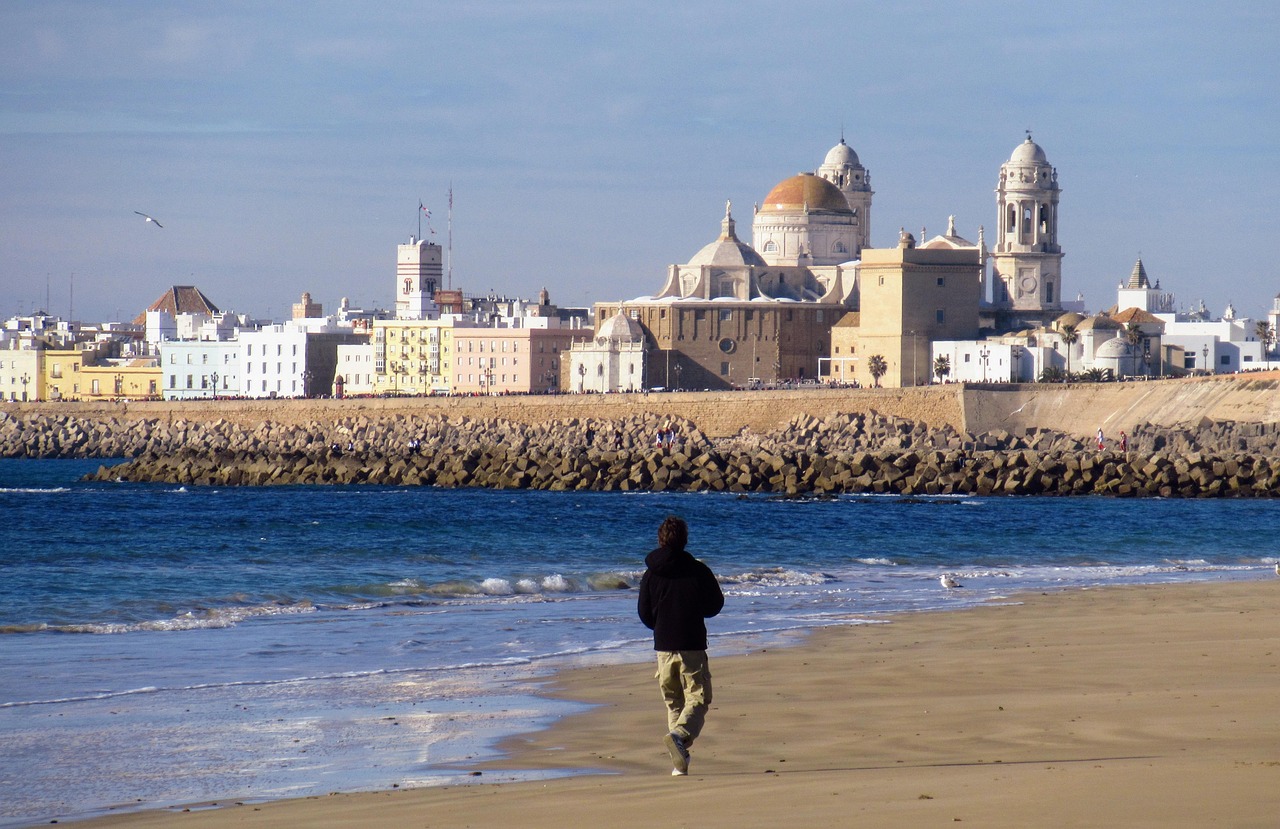
Next day, rent a car or use buses to explore the Costa de la Luz—windy, wild beaches like Bolonia (with Roman ruins) and surfy El Palmar. I’ve happily lost full days here doing very little: morning swims, long seafood lunches in simple chiringuitos, and dune walks at sunset.
Loop back via Jerez to drop the car and take a late train to Seville or Málaga, depending on your departure.
Option B: Add the Alpujarra & Sierra Nevada
From Granada (Day 3 above), head by bus or car into the Alpujarra mountains, where white villages cling to the southern slopes of the Sierra Nevada. My usual base is either Bubión or Capileira; both are high enough for cool nights even in summer.
You don’t need to be a hardcore hiker to enjoy this area. There are gentle paths between villages, chestnut forests, and terraced fields criss-crossed by old irrigation channels called acequias. It’s a deeply soothing landscape, perfect for couples or solo travelers needing headspace.
After a night or two (if you can steal it from elsewhere in the week), return to Granada and on to Málaga or Seville for departure. If you’re a winter traveler, note that in 2026–2027, Sierra Nevada’s ski season is expected to run roughly December to March, snow permitting.
Best Places to Visit in Andalusia: 18 Towns, Sub-areas & Landscapes
Below is a deeper dive into the places that shape most travel guides for Andalusia. I’ve revisited each at least twice in the last decade; what follows is part history, part practical advice, part love letter.
1. Seville (Sevilla): The Beating Heart
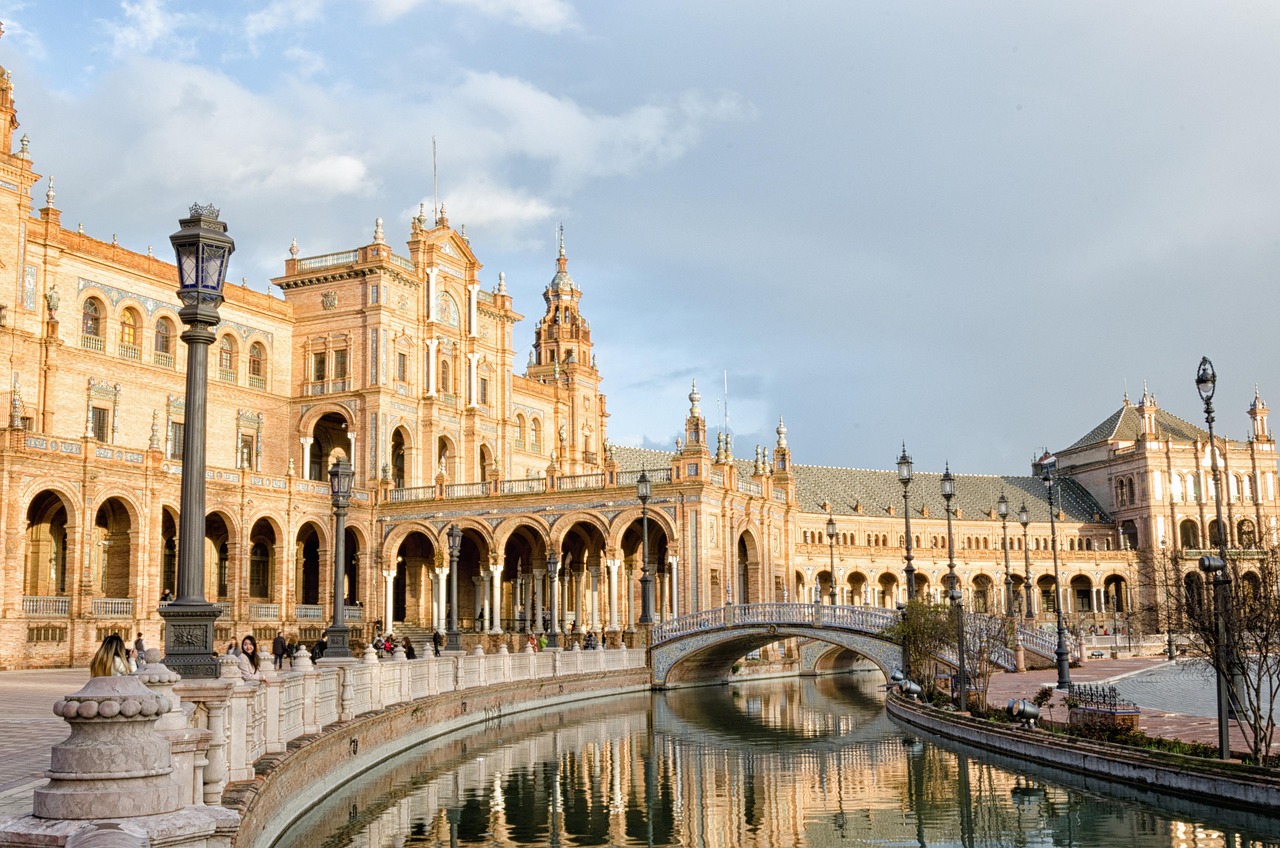
Seville is where I always tell first-timers to start. It’s the region’s largest city, but its historic center is compact enough to explore on foot. It’s also a perfect base for 3–4 nights if you’re planning 4 days in Andalusia and want to minimize hotel changes.
History & character: Once one of the richest cities in Europe thanks to New World trade, Seville poured its wealth into churches, palaces, and plazas. You feel it in the size of the Cathedral, the grandeur of Plaza de España, and the sheer number of baroque facades hiding down side streets.
I like to divide Seville into experiences:
- Monumental Seville: The Cathedral, La Giralda, the Alcázar, and the Archivo de Indias form a UNESCO cluster. See them, but don’t let them become the entire story.
- Neighborhood Seville: Triana for ceramics and flamenco, Alameda for nightlife, Feria for markets and everyday tapas.
- River Seville: The Guadalquivir is the city’s spine; sunset strolls along its banks are one of my favorite free things to do in Andalusia.
Food: Seville is a tapas town. My personal rule of thumb: avoid anywhere with laminated photo menus or someone outside touting. Instead, slip into crowded bars where the floor is sprinkled with napkins and shrimp shells. Stand at the counter if you can; it’s more fun and you’ll eat better.
Best as: Main base (3–4 nights). Excellent for couples, culture-lovers, and anyone craving nightlife. With kids, look for apartments near a playground and remember that dinner happens late; embrace flexible bedtimes.
2. Granada: Palaces, Poetry, and Mountain Light
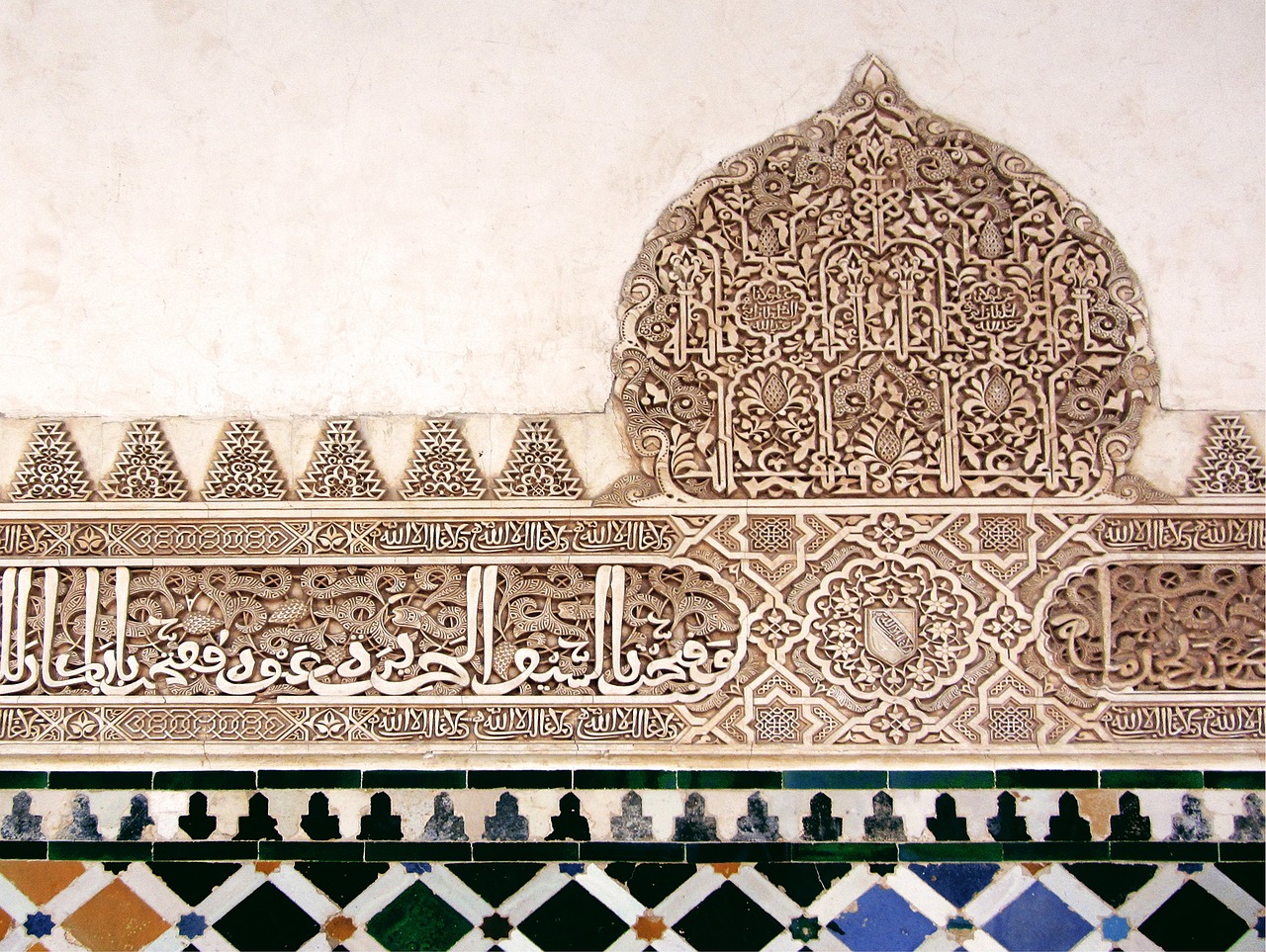
Granada is smaller than Seville but emotionally enormous. It has a scruffier edge, a big student population, and that rare combination of mountain views and layered history that gets under your skin.
History & significance: The last Muslim kingdom in Iberia fell here in 1492, leaving behind the Alhambra complex—palaces, fortifications, and gardens that remain one of the most extraordinary examples of Islamic art in Europe. The city also nurtured the poet Federico García Lorca; his legacy runs like an undercurrent.
I always try to stay at least two nights, ideally three, to allow a full day for the Alhambra, one for the Albaicín and Sacromonte, and one for simply being in the city. Tapas culture is alive and well: order a drink, see what free bite arrives, and only then decide if you need more.
Best as: 2–3-night base. Great for romantics, history buffs, and winter travelers who want to combine city life with snow in the Sierra Nevada.
3. Córdoba: A Forest of Arches and a Thousand Patios
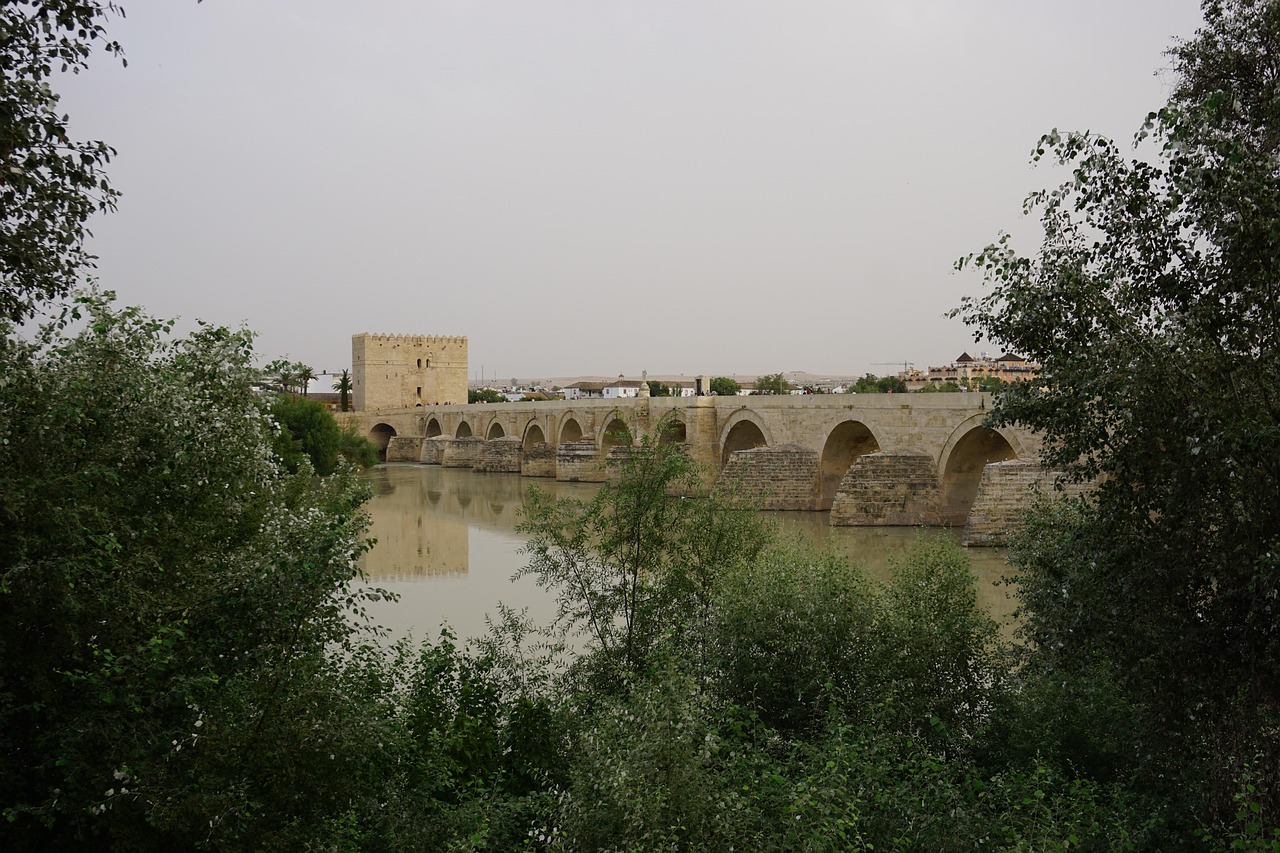
Córdoba is both easy and profound. Its compact center makes it perfect for a day trip from Seville, but if you stay overnight, you experience a completely different city—one where locals reclaim the streets after the day-trippers leave.
History & significance: In the 10th century, Córdoba was one of Europe’s greatest cities, capital of the Umayyad Caliphate of Córdoba. The Mezquita is the clearest expression of that power, but you also catch glimpses in the tiny synagogue, the remains of Arab baths, and the street layout of the old Jewish quarter.
The city’s patios—flower-filled courtyards hidden behind plain doors—are a UNESCO-recognized tradition. The Patio Festival each May is deservedly famous, but many patios open year-round now; look for small signs on doors and be ready with a few coins.
Best as: Long day trip or 1–2-night stay. Ideal for culture and architecture lovers; very manageable with children thanks to flat streets and plenty of shade.
4. Málaga: More Than an Airport City
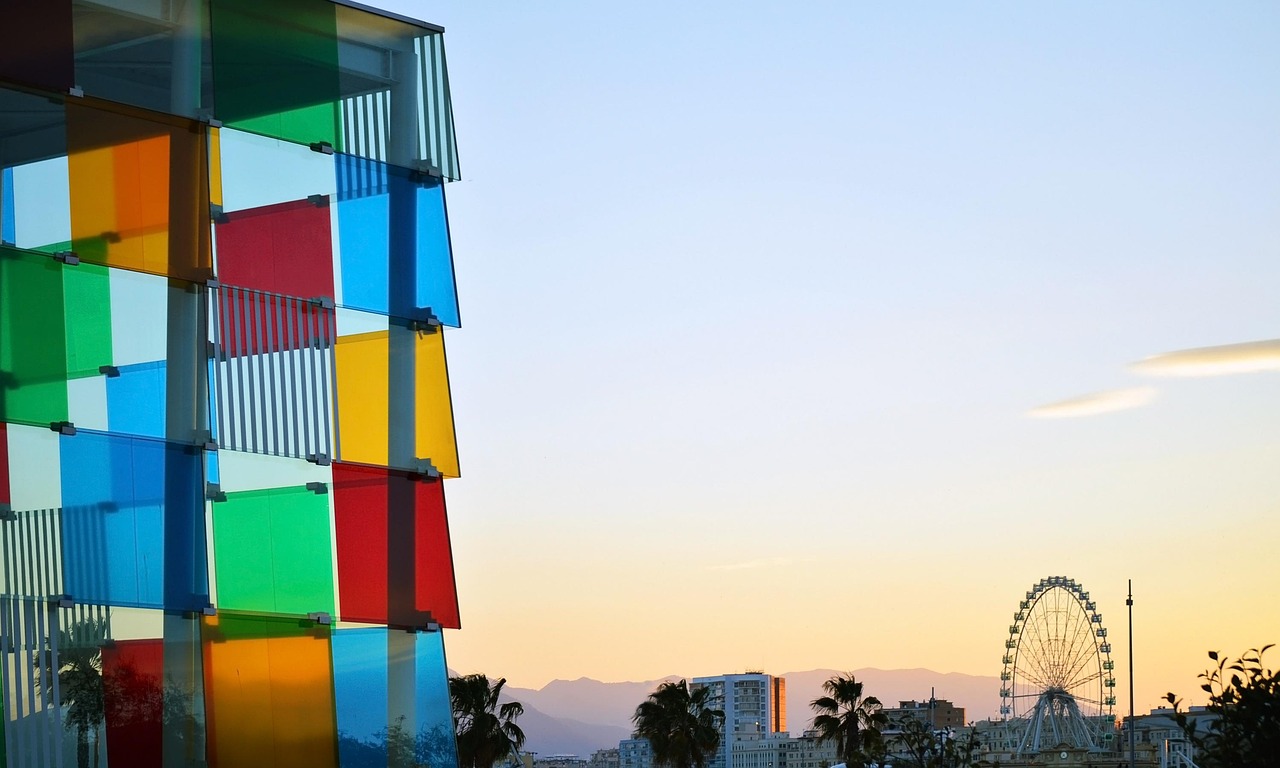
Málaga used to be a place I only passed through, but over the last decade it has evolved into one of my favorite short-stay cities in Spain. There’s a confidence here now, a sense that it knows it’s more than just a gateway to the Costa del Sol.
Art & culture: Beyond the Picasso Museum, Málaga has a Pompidou outpost, a Carmen Thyssen museum, and a lively street art scene in the Soho district. The Alcazaba and Gibralfaro castle give you your Moorish-fortress fix without the planning stress of the Alhambra.
Food: The Atarazanas Market is a must for seafood and people-watching. I also love the proliferation of small wine bars showcasing local producers from the Málaga and Ronda hills.
Best as: Start/finish base for flights, 1–2-night stay. Great with kids (beach + city) and for anyone who wants coastal vibes without a resort bubble.
5. Ronda: Drama on the Edge
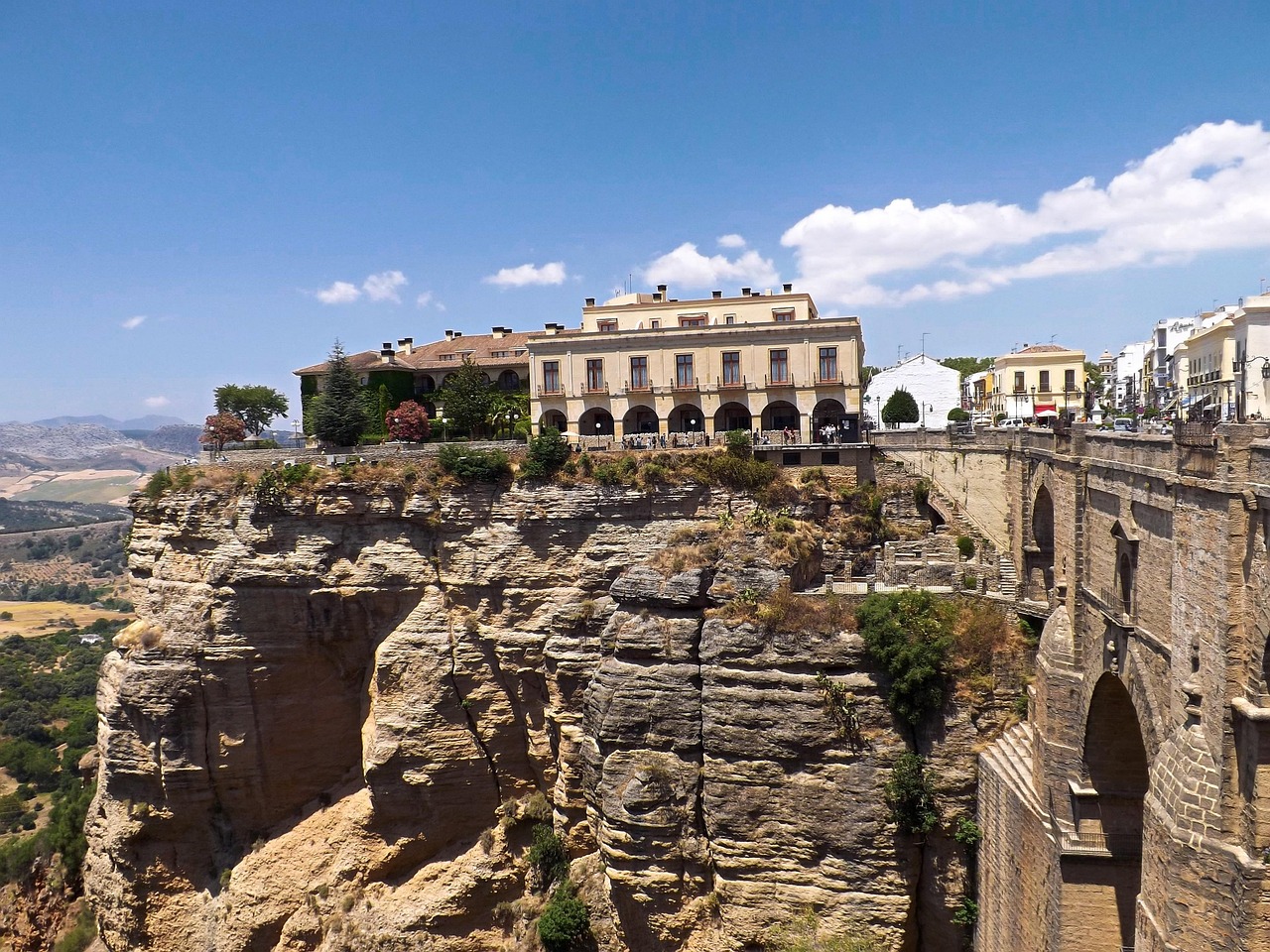
Ronda is all drama: a deep gorge cleaving the town in two, a bridge that looks almost impossible, and views that seem staged for romance novels. It’s busy by day but calms beautifully at night.
History & significance: One of Spain’s oldest bullrings sits here, and Ronda looms large in the romantic traveler lore of the 18th and 19th centuries, when bandits roamed these hills and foreign writers waxed lyrical about them.
I like to stay on the quieter, older side of town and walk the paths that drop below the Puente Nuevo for alternative angles on the bridge. Sunset from the Alameda del Tajo park is a ritual: locals strolling, kids on scooters, couples claiming benches.
Best as: 1–2-night stay; also works as a day trip if you’re short on time. Couples love it; drivers will find getting here from Málaga or Seville a scenic pleasure.
6. Pueblos Blancos: The White Village Belt
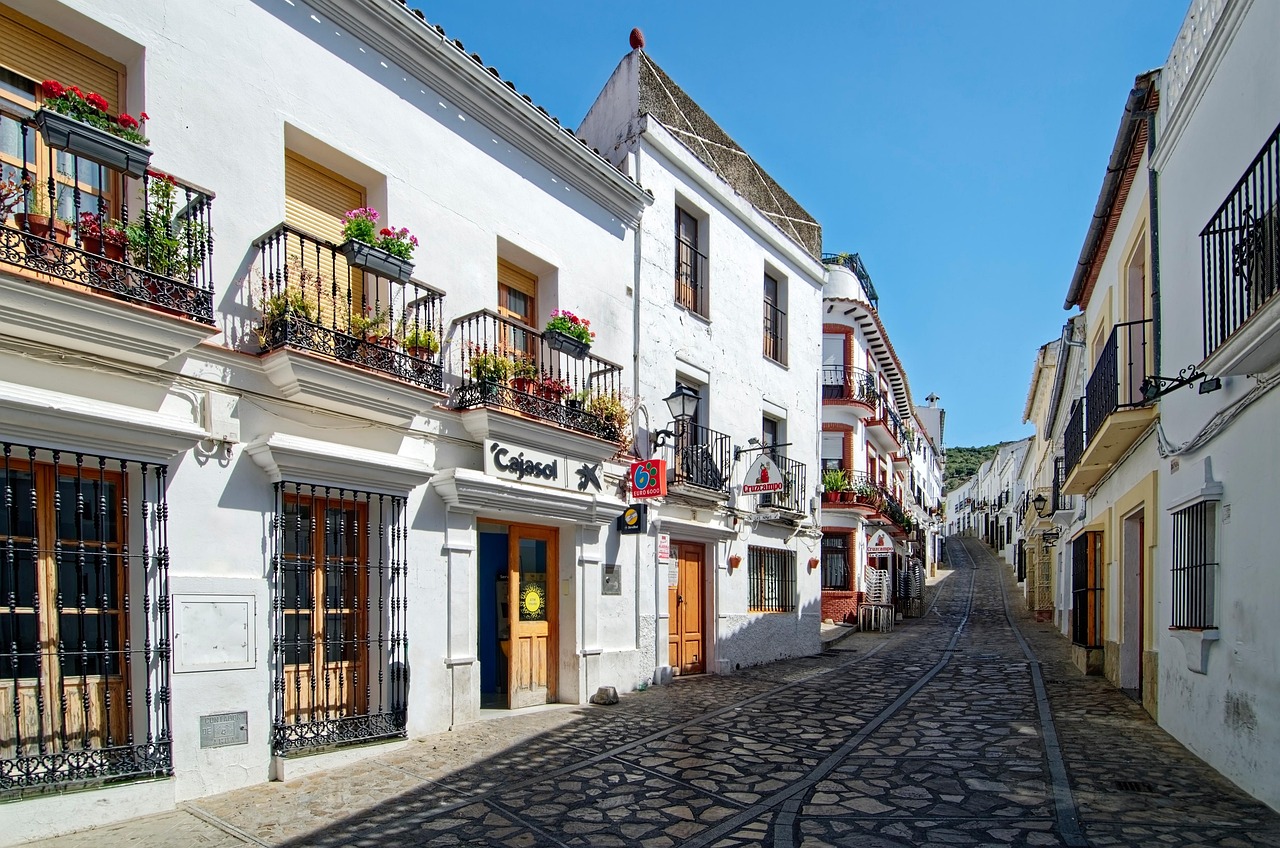
The Pueblos Blancos (white villages) aren’t one place but a scattering of them across the Sierra de Grazalema and beyond. Think whitewashed houses, red tiles, church towers, and surrounding hills of cork oak and olive.
My usual approach is to pick one or two as bases—Arcos de la Frontera for dramatic clifftop views, Zahara de la Sierra for water and hiking, Grazalema for greenery—then day-trip to others.
Activities: Short hikes, scenic drives, long lunches. This is where a rental car shines; buses exist but are sparse. I’ve had some of my most memorable meals here in unpretentious bars where the day’s menu is whatever the owner’s mother felt like cooking.
Best as: 2–3-day countryside interlude between cities. Suits hikers, photographers, and anyone burned out on museums.
7. Costa de la Luz: Atlantic Light and Wind
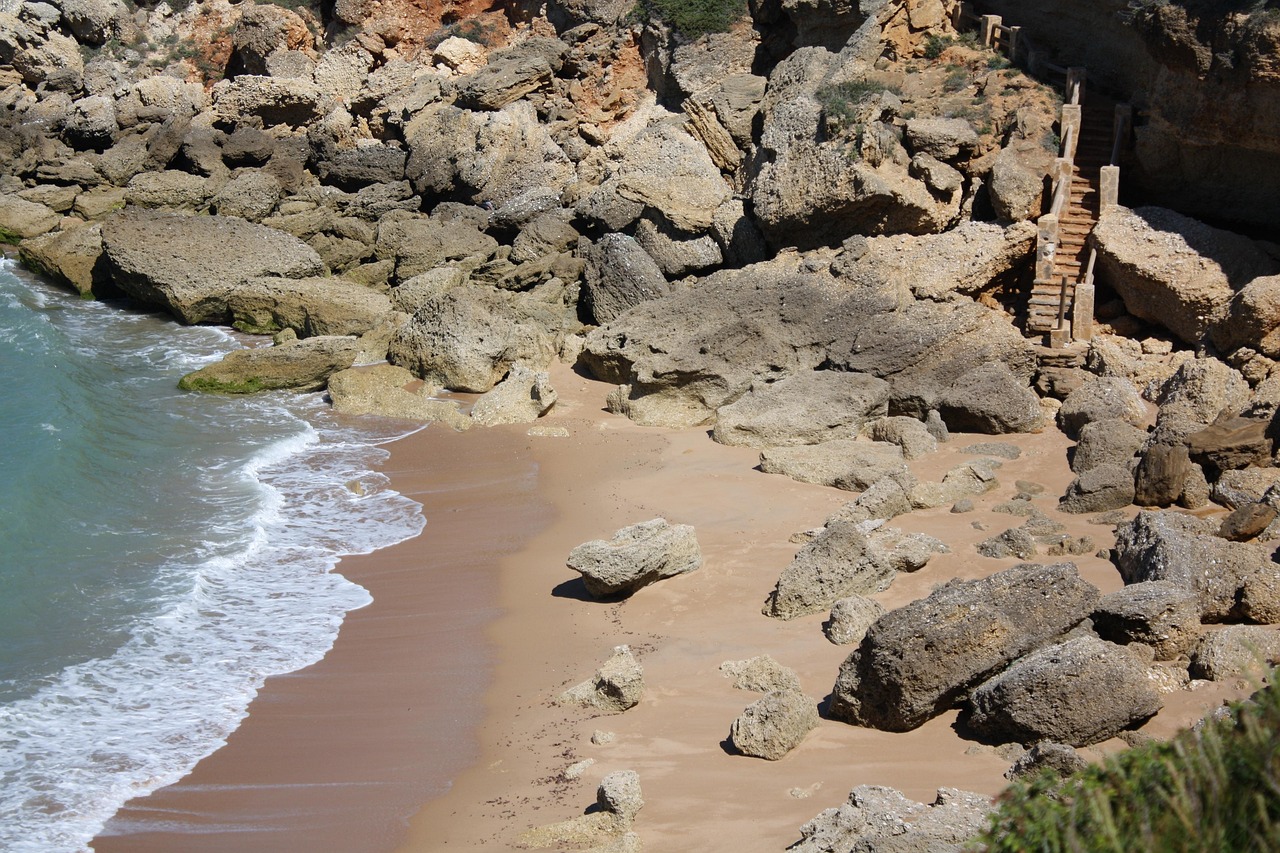
The Costa de la Luz is the wilder, windier cousin of the Costa del Sol. Stretching from Tarifa past Cádiz up towards Huelva, it faces the Atlantic, which means bigger waves, broader beaches, and often a refreshing breeze.
Highlights:
- Tarifa: Europe’s wind and kite-surfing capital, with a Moorish old town and views to Morocco.
- Bolonia: A sweeping bay with a giant dune and the Roman ruins of Baelo Claudia.
- El Palmar & Zahora: Laid-back beach hamlets with sunset chiringuitos and a surfy vibe.
I come here to reset. Days fall into a rhythm of swims, walks, and seafood. You feel the elements more intensely here than on the Mediterranean side.
Best as: 3–4-day beach break, especially May–June and September–October. Families, surfers, and anyone allergic to high-rise resorts will be happy.
8. Costa del Sol: Beyond the Stereotypes
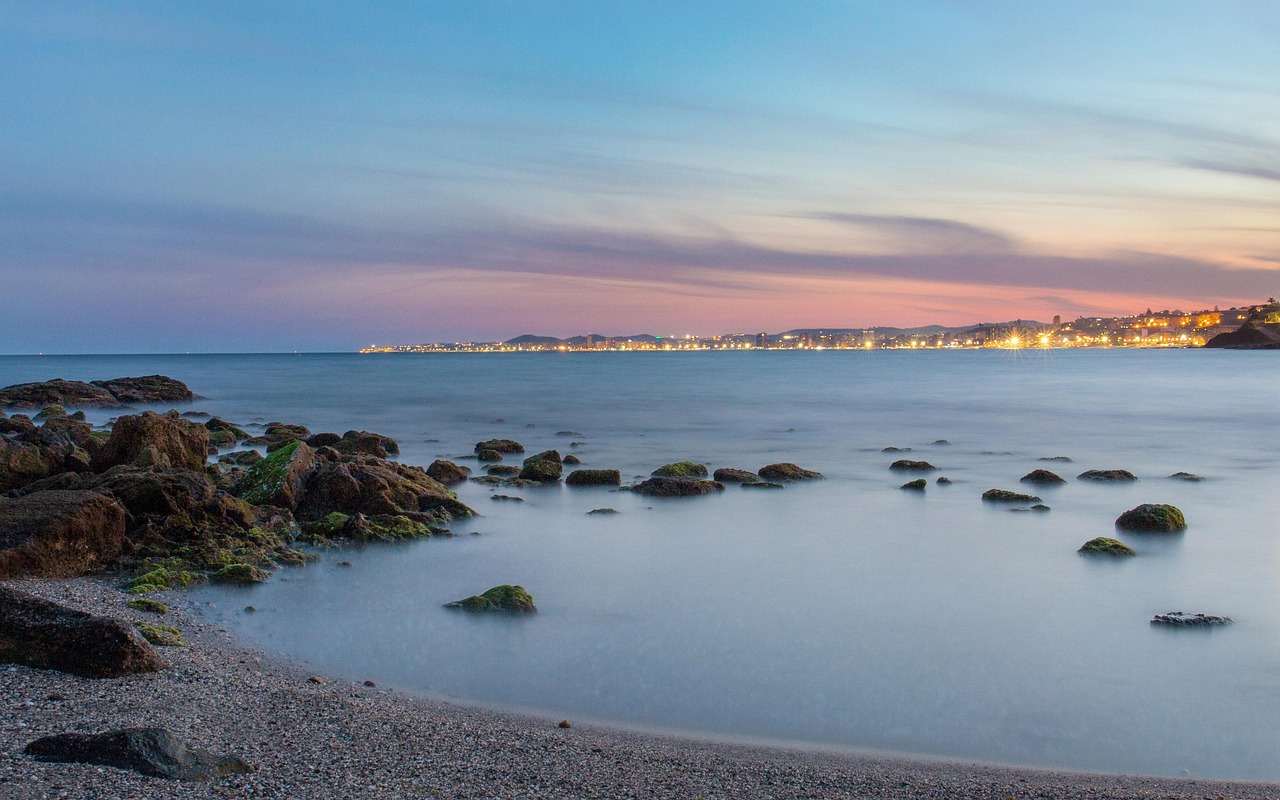
The Costa del Sol has a reputation for overdevelopment, and in places it’s justified. But between the high-rises are pockets of charm—fishing barrios, old-town cores, and hill villages behind the coast.
Where I actually like:
- Nerja: Still touristy but with pretty coves and access to the Nerja Caves.
- Estepona: A pleasant old town with flower-filled streets and a long promenade.
- Mijas Pueblo: Inland hill village that’s busy by day but can be atmospheric in the evenings.
Use the Costa del Sol strategically: as a base for day trips (to Ronda, Málaga, white villages) or as a decompression zone at the end of a more intense cultural itinerary.
Best as: Base for beach plus day trips; best with a car if you want to explore beyond your immediate town.
9. La Alpujarra: White Villages Under Snowy Peaks
The Alpujarra is what I recommend to anyone who says, “I want mountains but I’m not a hardcore trekker.” Terraced fields, chestnut and almond trees, and villages that still show their Berber architectural roots.
Villages:
- Pampaneira: Lower, busier, full of craft shops.
- Bubión: Quieter, my usual choice.
- Capileira: Highest of the three, a good base for hikes.
Life here runs at a different pace. I love mornings when fog sits low in the valley and you can hear goats’ bells from across the ravine. Evenings tend to be early and quiet; this is not nightlife country.
Best as: 2–3 days between Granada and the coast for walkers, writers, and anyone needing to unplug.
10. Sierra Nevada: High Country
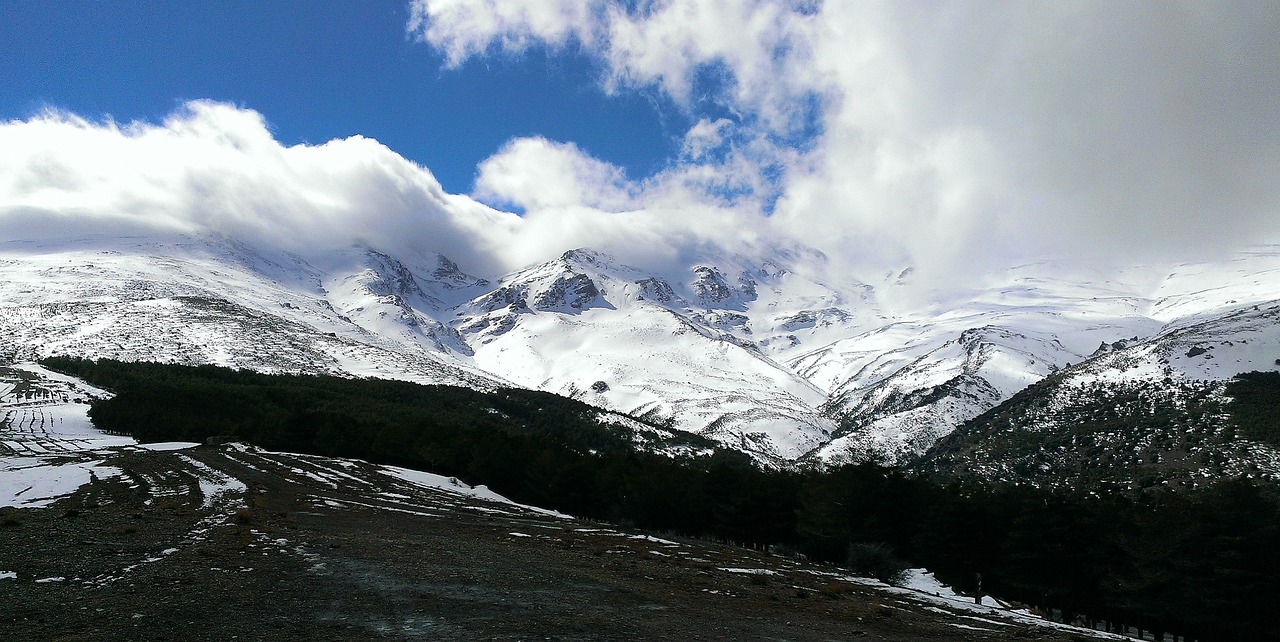
The Sierra Nevada range rises abruptly behind Granada, offering both Spain’s most southerly ski resort and high-altitude hiking. I’ve had trips here where I skied in the morning and ate lunch outdoors in Granada in a T-shirt.
Winter: The Pradollano ski resort is family-friendly, if not as charming as Alpine villages. Snow reliability has become more variable, but 2026–2027 is projected to have reasonable conditions from December to March.
Summer: Well-marked trails, including routes up to Pico Veleta and Mulhacén (with permits and planning). The light up here feels harsh and pure; bring sun protection even in shoulder seasons.
Best as: Day trip or overnight from Granada for active travelers.
11. Cádiz: The Ancient City of Light
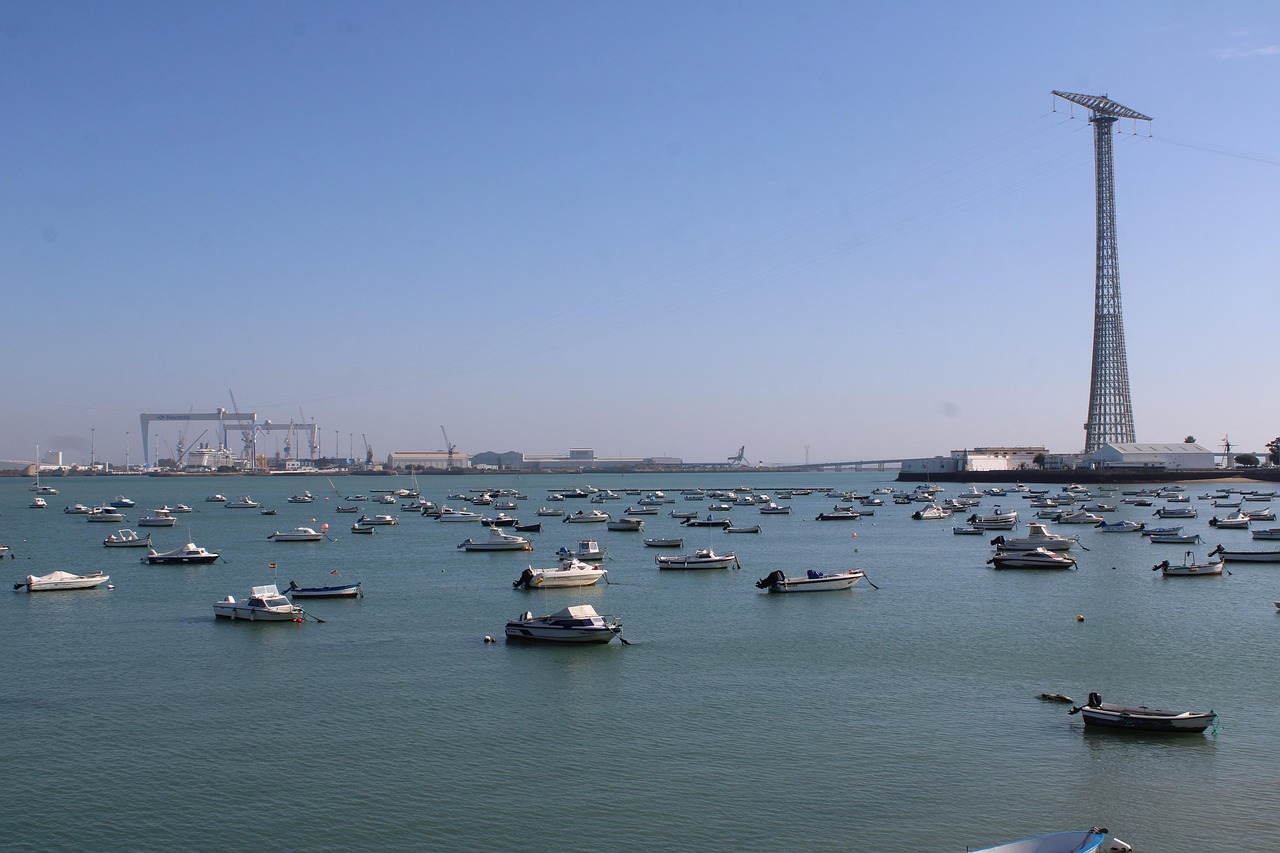
Cádiz claims to be one of the oldest continuously inhabited cities in Western Europe, and you feel that depth in its tight street grid and layered architecture. But emotionally it reads as light and sea.
Walk the entire perimeter of the old town along the seawall, stopping at tiny parks and viewpoints. Climb the Tavira Tower for a camera obscura demonstration that kids love and adults secretly enjoy as much.
La Caleta Beach is the city’s urban playground: after-school swims, old men chatting on benches, sunset guitar circles. Grab a paper cone of fried fish from a freiduría and eat it walking; it’s one of the great simple local foods in Andalusia.
Best as: 1–2-night stay; combines well with Jerez and Costa de la Luz.
12. Jerez de la Frontera: Sherry, Horses, and Deep Flamenco
Jerez often sits in the shadow of Seville and Cádiz, but for those interested in cultural experiences in Andalusia, it’s essential.
Sherry: A visit to a bodega is non-negotiable. I’ve had some of my most illuminating conversations about Andalusian identity in the cool darkness of aging cellars, talking with cellar masters about climate change, changing tastes, and why locals still drink fino at 11:00 with olives.
Flamenco: This is one of the cradles of flamenco; performances can feel less packaged. Look for small venues and peñas rather than big stage shows.
Best as: 1–2-night stay; perfect for food and wine lovers.
13. Doñana National Park & Wetlands
Doñana is a vast wetland and dune system at the mouth of the Guadalquivir, one of Europe’s most important bird habitats. It’s also one of the more complex areas to visit: access is restricted to protect fragile ecosystems.
Guided 4x4 tours from Sanlúcar de Barrameda, El Rocío, or Matalascañas are the usual way in. Birders come in winter and spring, when migratory species abound. Even if you’re not an avid birder, the landscapes—mirror-like lagoons, cork oak, and endless sand—are haunting.
Best as: Day trip with guide; essential for nature lovers.
14. Sierra de Cazorla, Segura y Las Villas: Wild Green Heart
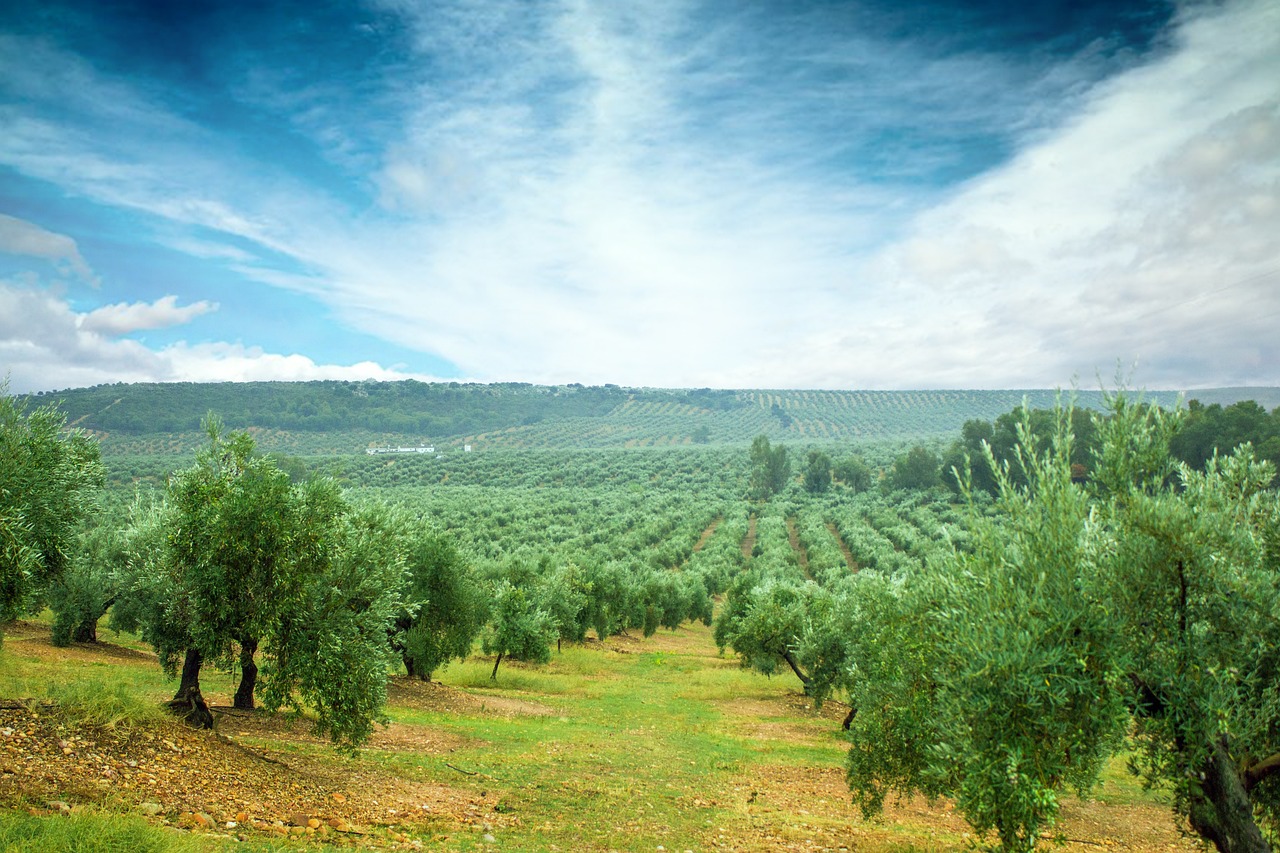
Inland Jaén province is olive country, but the Sierra de Cazorla is a surprise: a vast protected area of mountains, rivers, and pine forests. It feels a world away from the Alhambra queues.
Base in Cazorla town or one of the rural guesthouses and spend days walking, spotting deer and ibex, and picnicking by clear rivers. It’s an excellent stop for families who like the outdoors or for anyone on a long Spain road trip needing a green break.
Best as: 2–3-day nature retreat, especially in spring and autumn.
15. Úbeda & Baeza: Renaissance Twins in Olive Country
Úbeda and Baeza are UNESCO-listed Renaissance towns perched above endless seas of olive trees. They’re not on most quick itineraries, which is part of their charm.
Walk their honey-colored squares and streets, duck into cool churches, and learn about olive oil at local mills. I once spent an afternoon here tasting oils with a producer who spoke about varieties with the same reverence some reserve for wine.
Best as: Overnight stop on a longer inland route; heaven for architecture and food lovers.
16. Huelva Coast & Columbine Sites
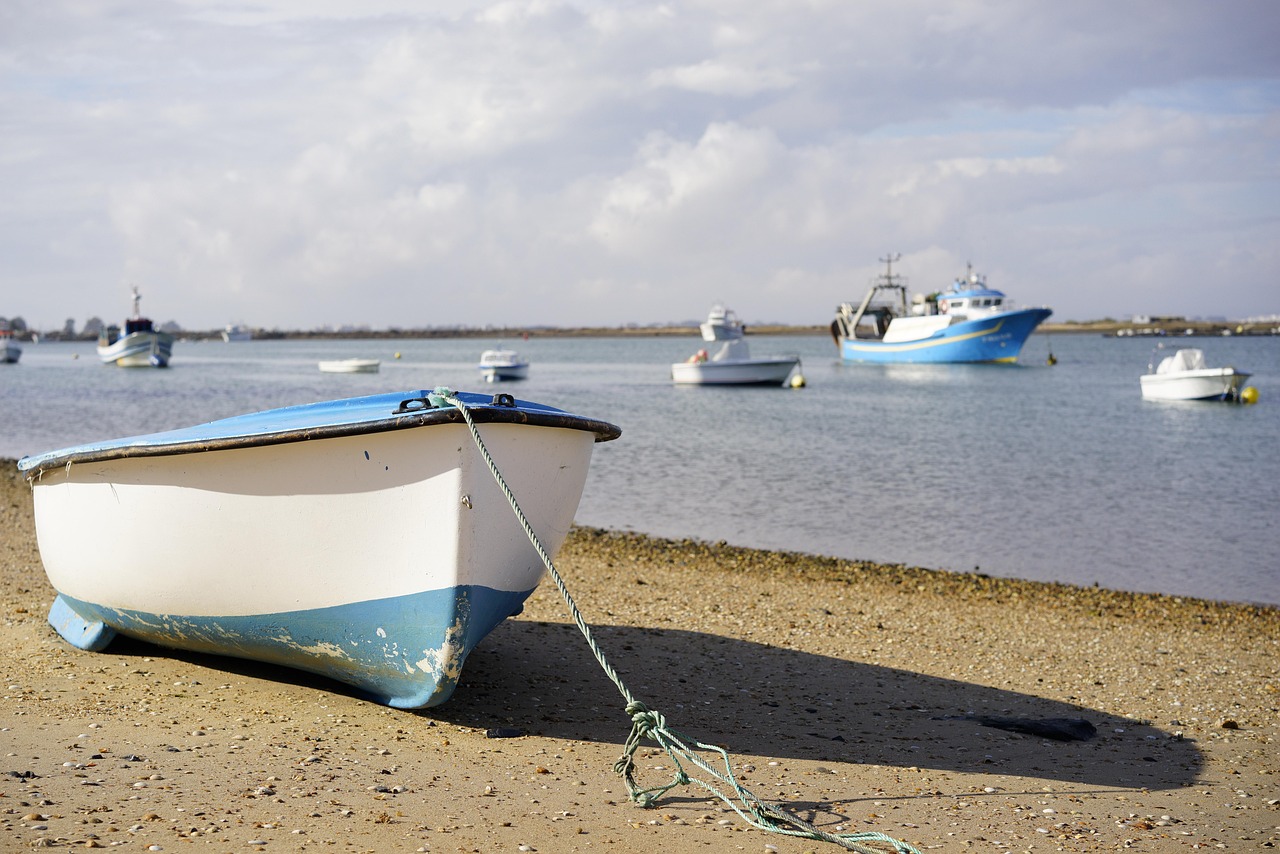
Huelva province is one of Andalusia’s quieter corners. The beaches are long and low-key, with pine-backed dunes. Inland, the Lugares Colombinos (Columbine sites) mark towns linked to Columbus’s voyages, like Palos de la Frontera and Moguer.
While not “musts” on a first visit, they add depth if you’re exploring the west, especially combined with Doñana and the Costa de la Luz.
Best as: Add-on for history buffs or those seeking very quiet beaches.
17. Almería & Cabo de Gata: Desert by the Sea
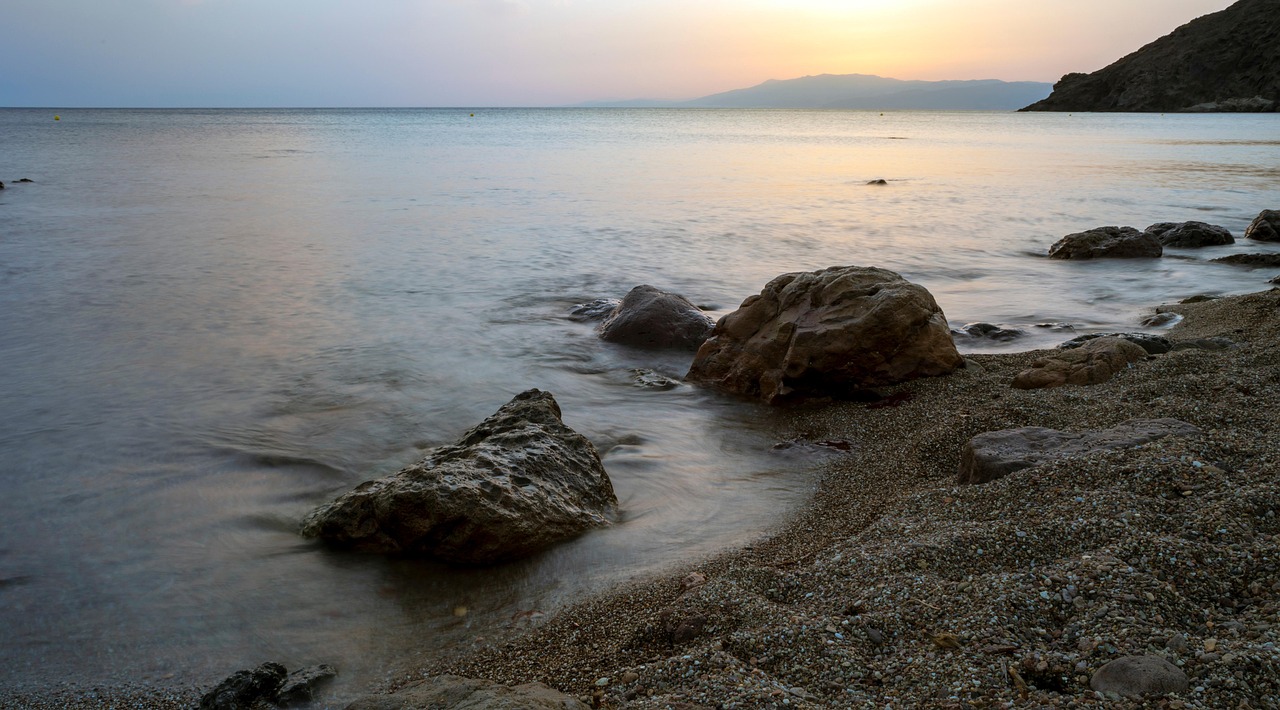
On Andalusia’s far eastern edge, Cabo de Gata-Níjar Natural Park feels almost otherworldly: volcanic cliffs, clear coves, and an arid landscape that’s hosted countless film shoots.
Bases like San José or Las Negras make car-free stays possible, but having a vehicle opens up more beaches and viewpoints. This is one of my favorite winter refuges: mild temperatures, empty trails, and that stark desert beauty.
Best as: 3–4-day stay for hikers, swimmers, and those drawn to quieter coasts.
18. Jaén & the Olive Sea
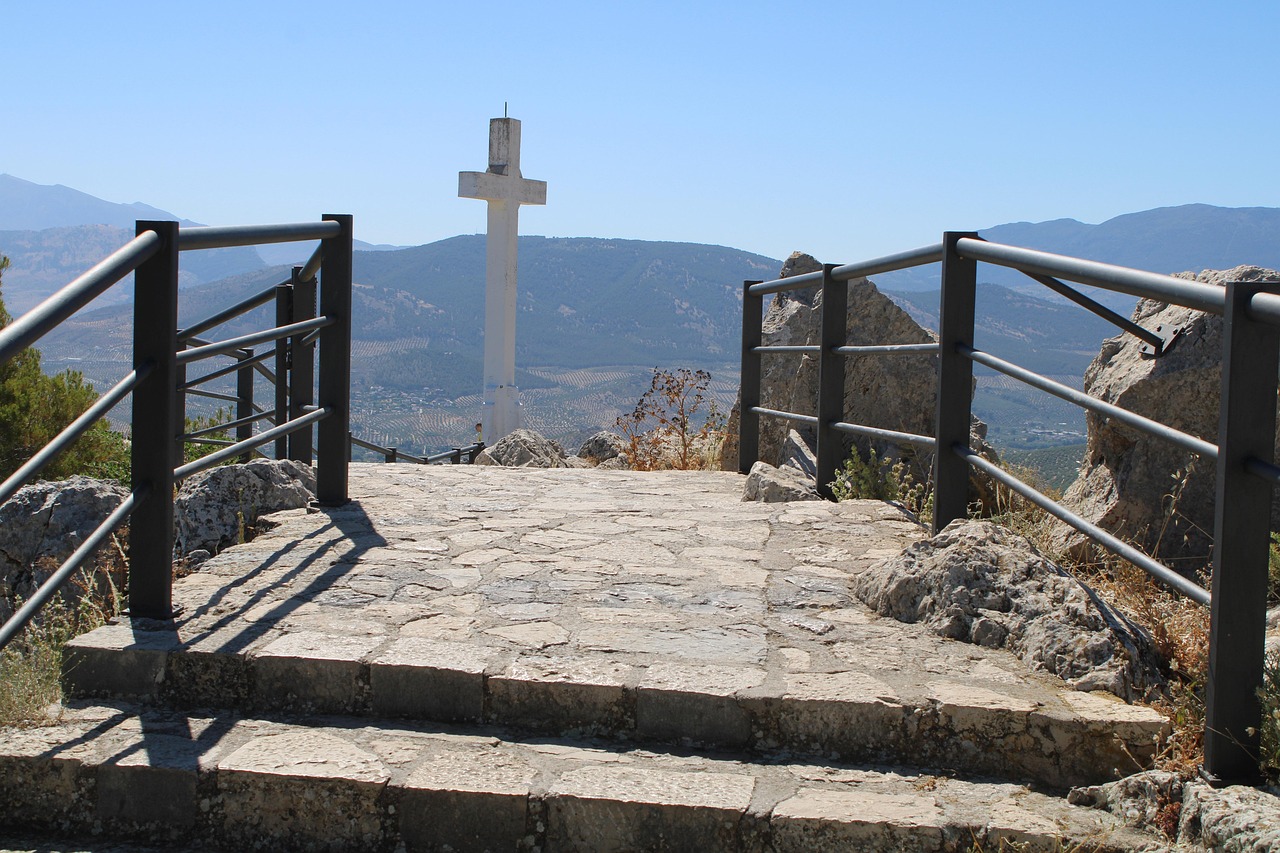
Jaén city is often bypassed, but its hilltop castle and massive cathedral are impressive, and the views over the “sea of olives” are unforgettable.
This is the heart of Spain’s olive oil industry. If you care about food, a visit to a modern mill during harvest (roughly November–January) can be revelatory: the smell of fresh-pressed oil, the clatter of machinery, and the pride of producers whose families have been in this business for generations.
Best as: Overnight stop between Granada and Úbeda/Baeza or Cazorla.
Local Food in Andalusia & Where to Taste It
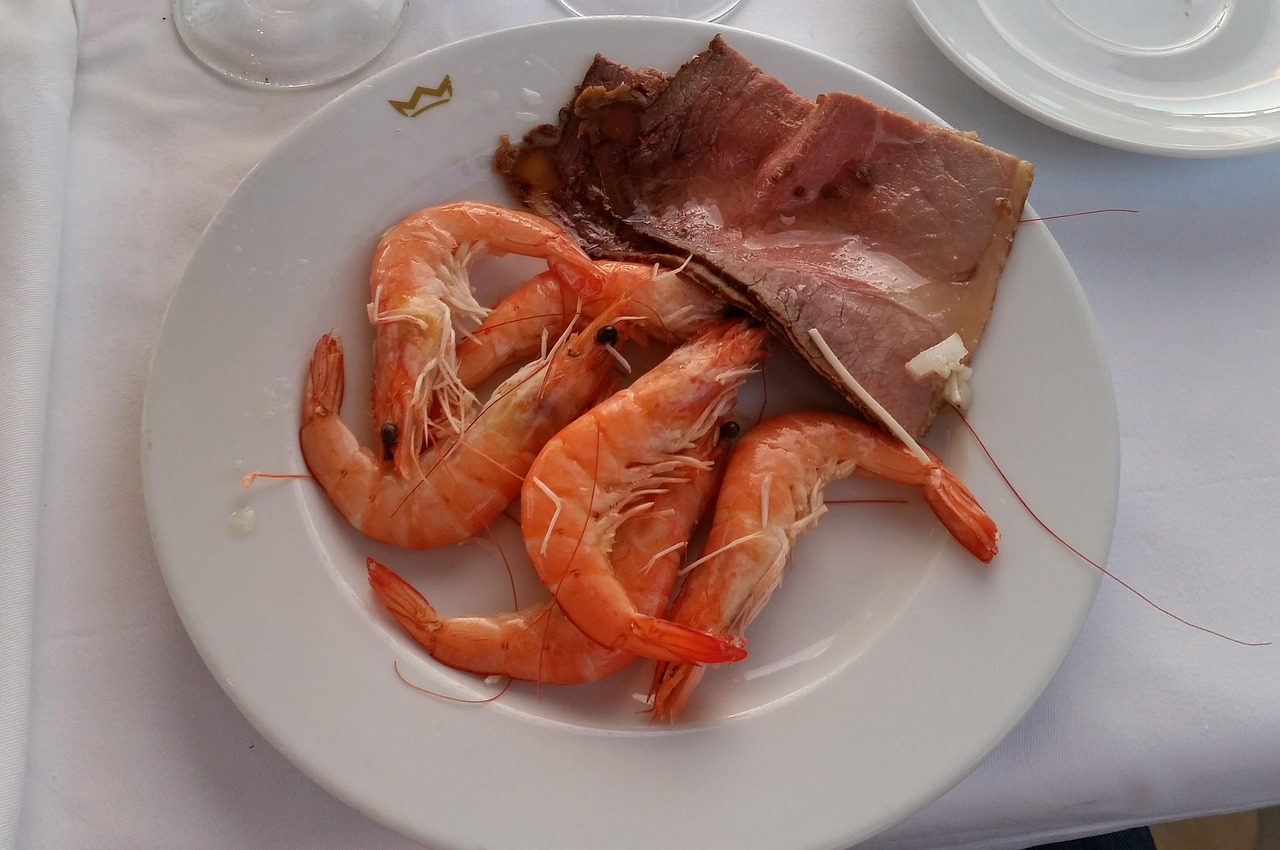
Andalusian cuisine is simple, seasonal, and deeply tied to landscape—olive oil from Jaén, seafood from Cádiz and Málaga, hams from the Sierra, wines from Jerez and Montilla-Moriles.
Signature Dishes by Sub-area
- Seville & Córdoba: Salmorejo (thick cold tomato soup), flamenquín (ham-wrapped pork), espinacas con garbanzos (spinach and chickpeas).
- Granada & Alpujarra: Plato alpujarreño (potatoes, chorizo, morcilla, egg), hearty stews, and mountain-cured hams.
- Cádiz & Costa de la Luz: Fried fish (pescaíto frito), tortillitas de camarones (shrimp fritters), tuna from almadraba traps.
- Jerez & Sherry Triangle: Tapas built for sherry: olives, anchovies, papas aliñás (dressed potatoes), stews with sherry reductions.
- Jaén & Inland: Dishes showcasing olive oil: pipirrana (tomato-pepper-onion salad), ajo blanco (almond-garlic soup) in some areas.
Agriturismi, Farm-stays, and Family-run Inns
While “agriturismo” is an Italian term, the concept exists here in cortijos (farmhouses) and casas rurales. I’ve had some of my best meals in the Pueblos Blancos and Alpujarra in tiny inns where dinner is whatever the owner is cooking that night: garden vegetables, local cheese, and slow-cooked meats.
Ask your host where they eat on their day off; that’s how you find the places that don’t need English menus to stay full.
Markets Worth Planning Around
- Seville – Mercado de Feria & Triana Market: Everyday life plus tapas stalls.
- Málaga – Atarazanas: A must for seafood and local produce.
- Granada – San Agustín Market: Good for picnic supplies and a look at local products.
Saving Money on Food
To stretch your budget over a multi-town trip:
- Make lunch your main meal; many places offer menús del día (set menus) at good value.
- In Granada and some smaller cities, lean into free tapas with drinks; you’ll often be full after a couple of rounds.
- Shop markets for breakfast and snacks; yogurt, fruit, and pastries can easily substitute for pricey hotel breakfasts.
Evenings in Andalusia: After the Heat
Evenings are when Andalusia comes into its own. In summer and early autumn, life shifts later to dodge the midday heat. A few patterns I’ve come to love:
- Small-town plazas: In places like Arcos, Ronda, or Úbeda, kids play soccer until late while grandparents sit and watch. It’s family-friendly, free entertainment.
- Sunset viewpoints: Mirador de San Nicolás in Granada, riverfronts in Seville and Córdoba, castle walls in Jaén and Arcos.
- Local concerts & ferias: Summer brings open-air concerts and town fairs. Even the smallest village might stage a flamenco night or brass band performance.
- Harvest festivals: Late summer and autumn see grape and olive harvest celebrations; 2026 is expected to continue a trend of small, local food festivals, especially in wine and olive towns.
If you’re traveling with children, don’t worry about the late hours. Andalusian kids are out in strollers at midnight during ferias; sleep schedules become flexible by necessity.
Major Events & Festivals in Andalusia 2026–2027
Dates shift slightly each year, so always confirm closer to travel, but here’s what to watch for in 2026–2027:
- Semana Santa (Holy Week): Late March or early April 2026. Seville, Málaga, Córdoba, and Granada all have moving, elaborate processions. Book accommodation months in advance.
- Feria de Abril, Seville: Typically two weeks after Easter. In 2026, expect mid–late April. A whirlwind of dancing, horse parades, and late nights.
- Patios de Córdoba Festival: Usually first half of May. Patios open with competitions and music.
- Cádiz Carnival: February 2027. One of Europe’s great carnivals, with witty satirical songs and elaborate costumes.
- Granada International Music and Dance Festival: Early summer 2026, with concerts and performances in historic venues including the Alhambra.
- Local ferias: Every town has one; check municipal websites for 2026 dates once spring schedules are posted.
Day Trips & Nearby Attractions from Andalusian Bases
From Seville
- Córdoba: Fast train, ideal day trip.
- Jerez & Cádiz: Train combo (Jerez 1 hour, Cádiz ~1.5 hours).
- Doñana (Sanlúcar/El Rocío): Car or guided tour.
From Málaga
- Ronda: Scenic train or car (1.5–2 hours).
- Nerja & Frigiliana: Bus or car east along the coast.
- Granada: Bus/train ~1.5 hours; long day but doable.
From Granada
- Alpujarra villages: Bus or car into the mountains.
- Sierra Nevada ski/hike: Bus to Pradollano or trailheads.
Cultural Etiquette & Local Customs in Andalusia
Understanding a few local norms goes a long way towards smoother, more respectful travel.
- Greetings: A simple “Buenos días” (morning) or “Buenas tardes/noches” (afternoon/evening) when entering shops or cafés is appreciated.
- Meal times: Lunch 14:00–16:00; dinner rarely before 20:30. In touristy areas you’ll find earlier options, but expect quieter rooms.
- Dress: Casual is fine, but cover shoulders and knees when visiting churches, and avoid beachwear away from the beach.
- Noise: Andalusians are exuberant; bars can be loud. But residential streets expect quiet late at night; avoid loud conversations under apartment windows at 02:00.
- Tipping: Not obligatory, but rounding up or leaving 5–10% for good service is welcome.
- Flamenco etiquette: In serious venues, avoid flash photography and loud talking during performances. Save applause for the end of songs or obvious climaxes.
- Religious events: During Semana Santa and other processions, be respectful—don’t push into processions for photos, and keep voices low.
Practical Travel Advice for Andalusia
How to Get Around: Car vs Train vs Bus
Trains: Excellent between major cities: Seville–Córdoba–Málaga–Granada–Madrid. For a city-focused itinerary of 4–5 days in Andalusia, you don’t need a car.
Buses: Fill in gaps where trains don’t reach—white villages, Alpujarra, some coastal spots.
Car rental: Ideal for Pueblos Blancos, Alpujarra, Cabo de Gata, and the Costa de la Luz. I usually pick up and drop off at city-edge or airport locations to avoid navigating old-town streets.
Driving Distances Between Key Towns
- Seville – Córdoba: ~1.5 hours
- Seville – Granada: ~2.5–3 hours
- Seville – Cádiz: ~1.5 hours
- Málaga – Granada: ~1.5 hours
- Málaga – Ronda: ~1.5–2 hours (winding but scenic)
- Granada – Alpujarra (Capileira): ~1.5 hours
Parking in Historic Centers
Many old towns have restricted zones (casco histórico) with cameras. Don’t drive in without knowing where you’re allowed; fines are mailed later. Use public garages just outside centers and walk in; hotels often provide maps to avoid prohibited streets.
SIM Cards & Connectivity
For 2026, eSIM options from Spanish providers (Movistar, Orange, Vodafone) and international eSIM services are widespread. Physical SIMs are also easy to buy at airports, phone shops, and some supermarkets; bring your passport. Coverage is generally good, with some dead zones in deep mountain valleys.
Visa Requirements & Driving Licenses
Andalusia follows Spain’s and the EU’s Schengen rules. Many nationalities get 90 days visa-free within 180 days, but always check current regulations with official sources before travel.
Driving: EU licenses are accepted. Many non-EU licenses are valid, but an International Driving Permit (IDP) is recommended and sometimes required by rental companies. Carry your passport when driving.
Money-Saving Tips Over a Multi-town Trip
- Use trains for intercity hops and pick up a car only for countryside segments.
- Mix city hotels with rural guesthouses; the latter often include hearty breakfasts and occasional dinners.
- Travel in shoulder seasons (March–May, late Sept–early Nov) for lower prices and milder weather.
- Book big-ticket sights (Alhambra, Alcázar, Mezquita) directly on official sites to avoid markups.
Best Seasons by Activity
- Spring (March–May): Ideal for cities, wildflowers, and moderate hiking. Semana Santa and ferias bring crowds and higher prices but unforgettable atmosphere.
- Summer (June–August): Best for beach (Costa de la Luz, Cabo de Gata, Costa del Sol). Inland cities can be brutally hot (40°C+); consider early/late sightseeing and siestas.
- Autumn (Sept–Nov): Excellent all-round. Wine harvests, olive harvest beginning, warm seas, and thinning crowds.
- Winter (Dec–Feb): Quiet cities, potential rain, but atmospheric. Best for Sierra Nevada skiing, Cabo de Gata hiking, and crowd-free Alhambra visits.
Hidden Tips from the Road
- Book Alhambra and Seville Alcázar as soon as your dates are fixed; plan the rest of your route around those tickets if needed.
- When possible, stay at least two nights per base; constant packing and unpacking eats into your experience.
- Carry a light scarf or pashmina; useful for sun, modesty in churches, and cool evenings.
- In summer, plan outdoorsy activities for early morning and 19:00 onward; accept that afternoons are for shade, museums, or naps.
- For popular restaurants, especially in Seville and Granada, reserve for dinner but wing it for lunch.
Summary & Final Recommendations
Andalusia is large and layered; there is no single “right” itinerary. But a few truths have held across my years of coming back:
- For 4 days in Andalusia, focus on Seville plus one or two cities (Córdoba and Granada). Don’t chase the coast unless it’s non-negotiable.
- For a 5 day itinerary for Andalusia, add Málaga and the sea, or linger longer in Granada with a side trip to the Alpujarra.
- With 6 days in Andalusia, bring in the Pueblos Blancos or Jerez and Cádiz for wine and Atlantic light.
- A 7 day itinerary for Andalusia lets you sample both city and countryside, one or two coasts, and at least one smaller, less touristed town.
If you can, aim for late April–May or late September–October: the sweet spots when the light is gentle, the heat bearable, and local life in full swing. But whenever you come, give yourself permission to slow down. Sit in plazas, linger over coffee, watch children play, and let the region’s rhythm rewire your sense of time.
Andalusia rewards those who stay curious and unhurried. Come for the palaces and beaches; stay—or come back—for the evenings in small-town squares, the conversations over sherry, and the feeling, walking home along a jasmine-lined street, that you’ve tapped into something enduring and deeply human.