Why Visit Nerja? What Makes It Special
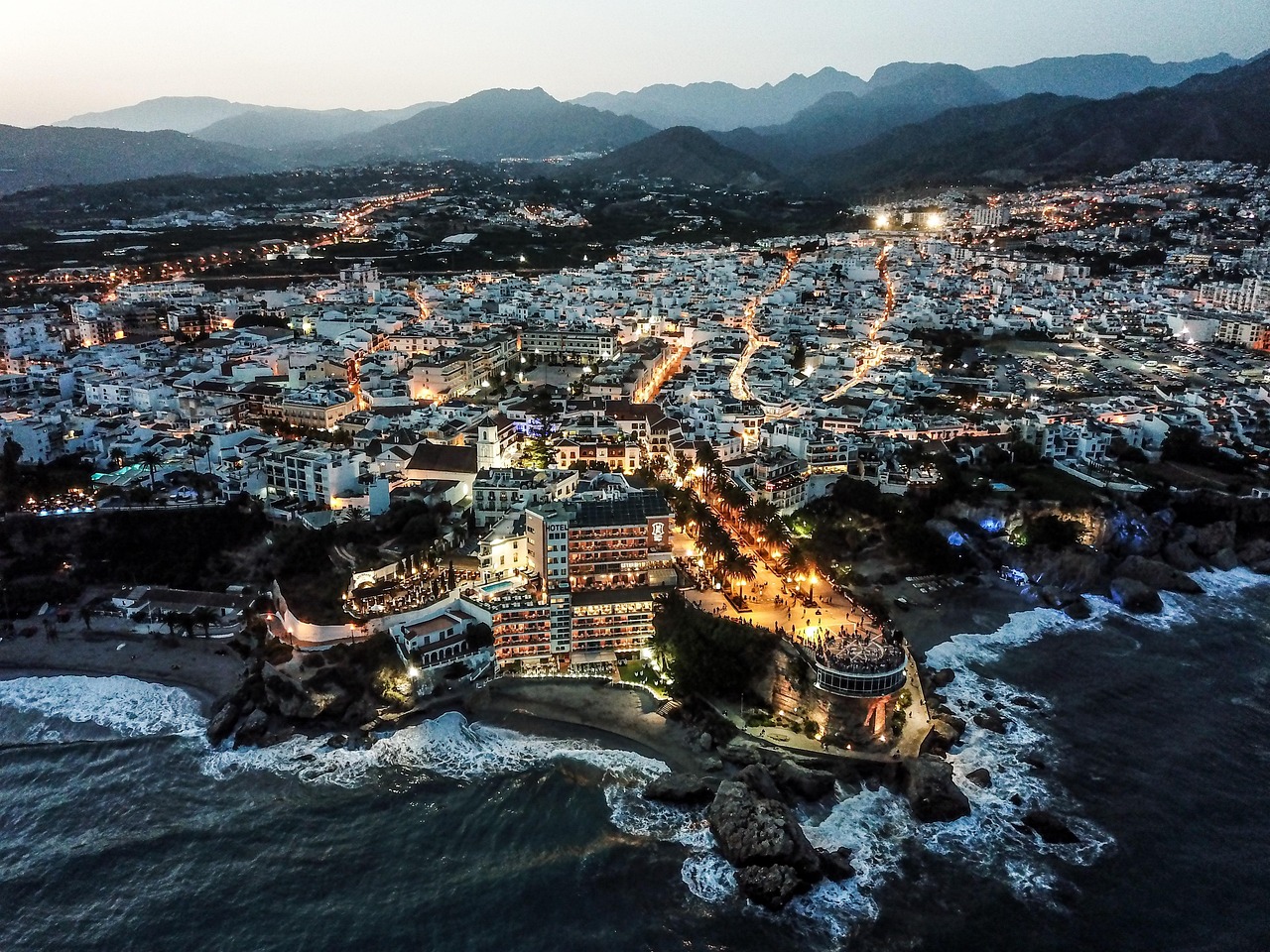
Every time I arrive in Nerja, the first thing I do is walk straight to the Balcón de Europa. I lean over the railings, let the Mediterranean breeze hit my face, and watch the curve of the cliffs drop into impossibly blue water. Even after years of visiting and later living nearby, that view still catches my breath.
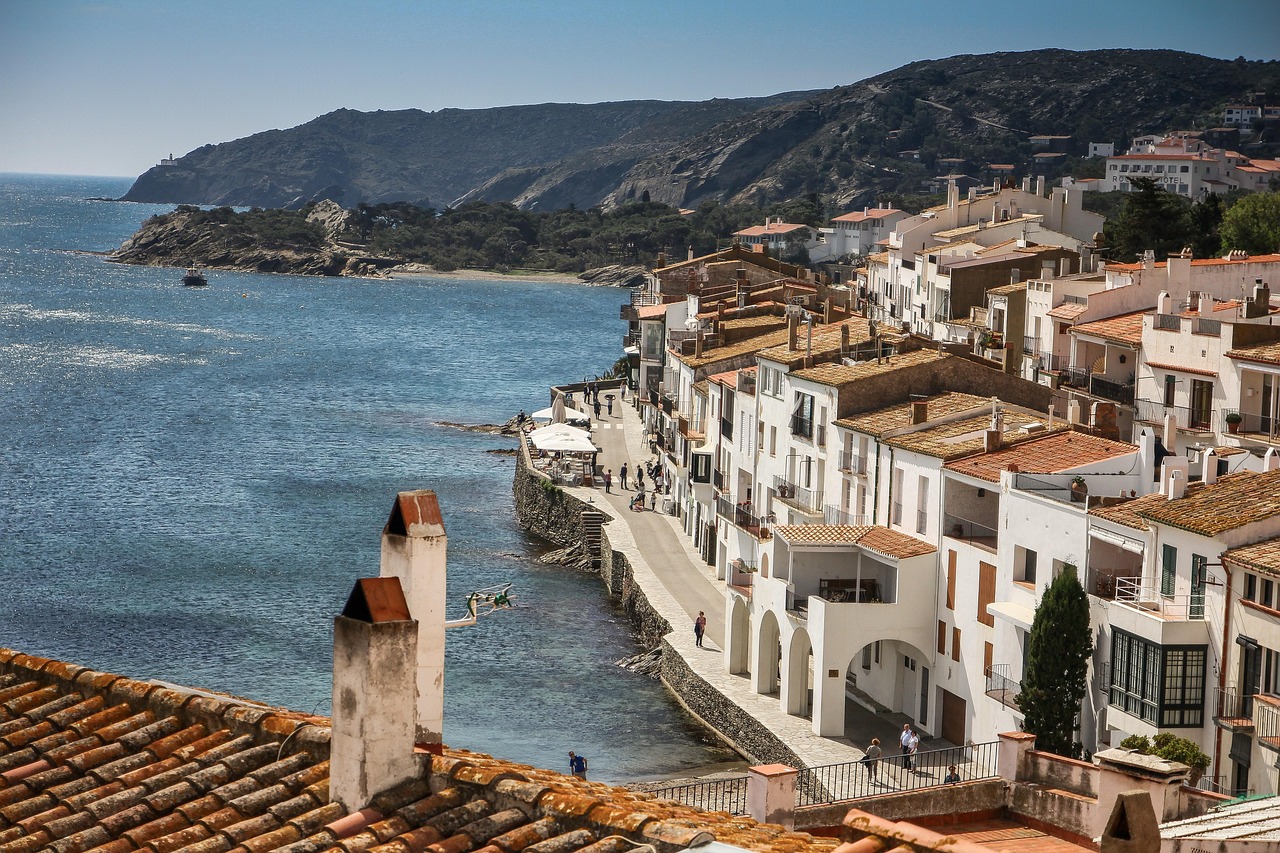
Nerja is a whitewashed coastal town on Spain’s Costa del Sol, but it feels worlds away from the high-rise resorts of Torremolinos or Benalmádena. Here, you get a human-scale old town, palm-lined promenades, tucked-away coves, and mountain trails that start practically at your doorstep. You can swim, hike, eat grilled sardines on the beach, and end the day with flamenco and tapas in an old stone courtyard.
This guide is written as if we were planning your trip together over coffee. I’ve woven in my own experiences from multiple stays between 2016 and 2026—long weekends that turned into weeks, repeat visits with friends, solo hikes into the ravines, and lazy beach days with family. I’ll show you the must-see attractions in Nerja and the little places where you’ll mostly hear Spanish, not English or German.
Whether you’re planning a 3 day itinerary for Nerja, stretching it to 4 days in Nerja, or going all-in with a 5 day itinerary for Nerja, this travel guide will give you everything you need: where to stay, how to get around, the best places to visit in Nerja, the most authentic local food in Nerja, and the small hidden gems in Nerja that don’t always make it into glossy brochures.
Table of Contents
- Why Visit Nerja?
- Nerja at a Glance (2026)
- Neighbourhoods & Areas of Nerja
- 20+ Must-See Attractions in Nerja
- 3, 4, and 5 Day Itineraries for Nerja
- Local Food & Drink in Nerja
- Nightlife, Entertainment & Cultural Experiences
- Best Day Trips from Nerja
- Local Customs & Cultural Etiquette
- Practical Travel Advice for Nerja (Money, SIM, Transport, Visas)
- When to Visit Nerja & Seasonal Tips
- Summary & Final Recommendations
Nerja at a Glance (2026)
Nerja sits on the eastern edge of the Costa del Sol in Málaga province, Andalusia. Behind it rise the rugged Sierras de Tejeda, Almijara y Alhama mountains; in front, the Mediterranean. It’s about a 45–60 minute drive from Málaga city and its airport.
Population-wise, Nerja is small—around 20,000 permanent residents—but that swells in summer. It has a sizeable mix of locals, Spanish second-home owners, and expats from the UK, Scandinavia, Germany, and beyond. Despite this, the town center retains a distinctly Andalusian feel.
What’s new in 2026?
- The coastal walkway connecting sections of the Nerja coastline has been gradually improved, with better signage and lighting between Burriana and Carabeillo.
- The Nerja Caves (Cuevas de Nerja) have new multilingual audio guides and updated lighting designed to better protect the formations.
- There’s a growing focus on eco-conscious tourism: several local operators now offer small-group hiking, kayaking, and e-bike tours with a sustainability focus.
Major Events in Nerja (2026–2027):
- Carnival of Nerja (Carnaval de Nerja) – February 2026 & 2027: parades, costumes, and the famous “Entierro del Boquerón” (burial of the anchovy).
- Holy Week (Semana Santa) – March/April every year: solemn processions through the old town.
- Nerja Caves International Music and Dance Festival – usually July: classical and flamenco performances inside or near the caves (book well ahead).
- San Juan – Night of 23 June: bonfires and midnight swims on the beaches.
- Feria de Nerja – around 8–12 October: fairground rides, music, dancing, processions.
Neighbourhoods & Areas of Nerja to Explore
1. Nerja Old Town (Casco Antiguo)
This is where you’ll probably spend most of your time. Whitewashed houses, narrow lanes, flower-filled balconies, and tapas bars spilling onto small squares. I love wandering from Calle Pintada down towards the sea, letting myself get lost until I suddenly emerge at the Balcón.
It’s ideal if you want to stay within walking distance of everything—beaches, restaurants, nightlife, and bus connections.
2. Balcón de Europa & Central Waterfront
The Balcón is Nerja’s central viewpoint and social heart. Around it are ice cream parlors, street performers, and some of the busiest cafes. Down below, you can walk to Playa de Calahonda and Playa El Salón.
3. Burriana Beach (Playa de Burriana) Area
A 10–20 minute downhill walk from the old town, Burriana is one of Nerja’s main beach zones. The promenade is lined with chiringuitos (beach restaurants), apartments, and small hotels. I often stay up in the old town and wander down to Burriana for a lazy beach day.
4. Parador & Carabeillo
Near the Parador de Nerja hotel, you’ll find quieter low-rise residential streets, good midrange accommodation, and access to Playa Carabeillo and Playa Carabeo. It’s an excellent compromise between beach access and old-town charm.
5. Torrecilla & Western Beaches
On the other side of town, the Torrecilla area has a slightly more modern, resort feel but still low-rise. Playa Torrecilla is wide and family friendly, and there’s an easy coastal walk towards El Chucho and El Playazo.
6. Countryside & Frigiliana Side
North of Nerja, the land rises into hills and then mountains. Here you’ll find rural villas, citrus groves, and the road up to the beautiful village of Frigiliana. If you’re staying longer or want peace and mountain views, a rural stay up here is magical.
20+ Must-See Attractions in Nerja (with Personal Notes & Tips)
Below are the must-see attractions in Nerja, from headline sights to quieter corners. I’ve included history, what it feels like to be there, and practical tips drawn from multiple visits.
1. Balcón de Europa
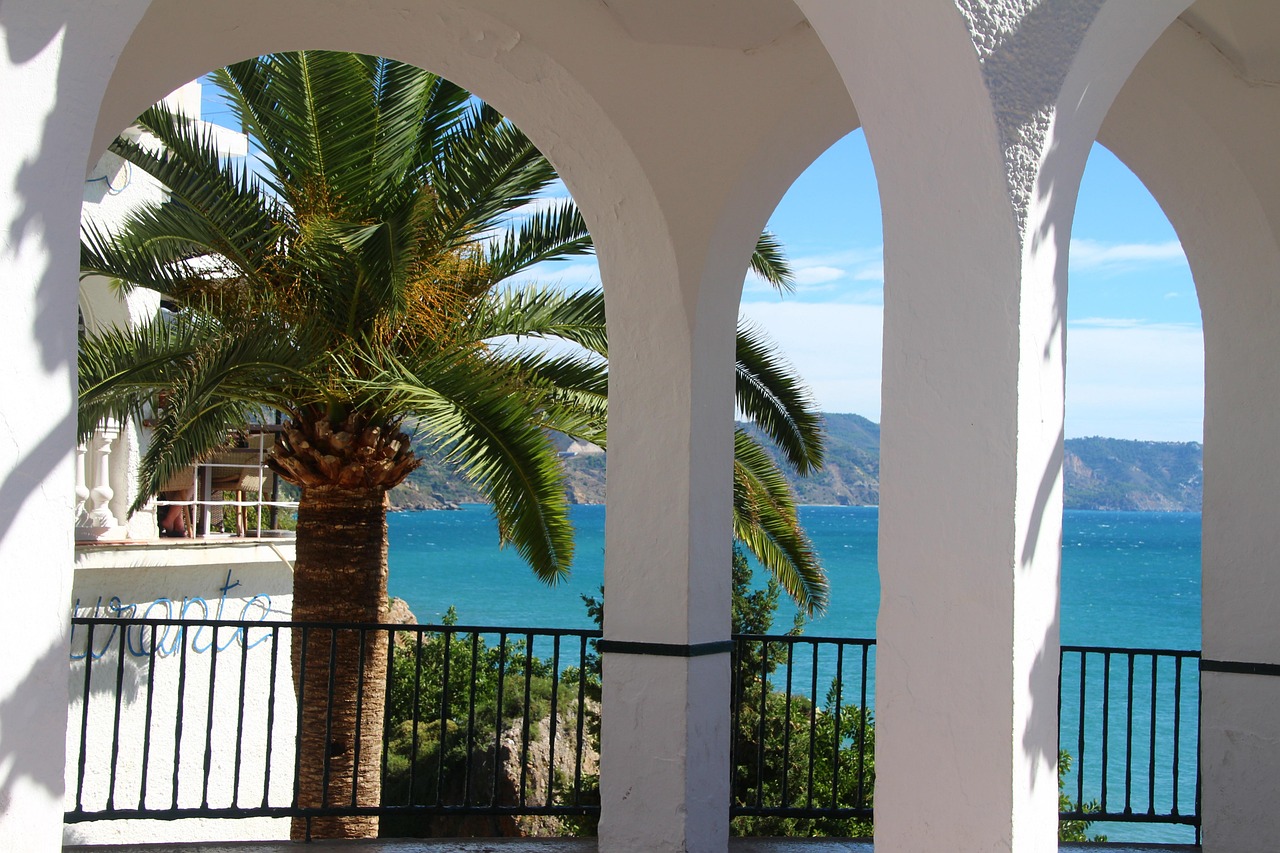
The Balcón de Europa is Nerja’s famous viewpoint, a palm-lined promenade that juts out over the sea with cliffs and coves on either side. The name comes from King Alfonso XII, who visited in 1885 after an earthquake and reportedly declared, “This is the Balcony of Europe.”
My ritual: sunrise on the Balcón, coffee in hand. In winter, you might share the space with just a few locals walking dogs. In summer evenings, it’s a different story—buskers playing guitar, kids chasing bubbles, couples taking in the night view.
What to do:
- Walk the railings from end to end, taking in views of Calahonda and El Salón beaches.
- Visit the small San Salvador church nearby and sit for a moment inside.
- People-watch from a café terrace on Plaza Balcón de Europa.
Practical tips: The Balcón is flat and accessible; good for strollers and wheelchairs. If you want photos without crowds, come early morning or around sunset in shoulder seasons (April–May, late September–October).
Family-friendly? Very. Kids love the open space and the street performers.
Romantic? Absolutely—especially around golden hour, when the sea glows soft blue and pink.
2. Cuevas de Nerja (Nerja Caves)
The Nerja Caves are one of Spain’s great natural wonders: a vast underground world of stalactites and stalagmites discovered by local boys in 1959. There’s evidence of human presence dating back more than 20,000 years, and some chambers are cathedral-like in scale.
I’ve been three times—once in peak summer, once in low season, and once for a concert. The first time, I underestimated how moving it would be. The sheer size of the main hall, with its 32-meter-high central column, feels almost otherworldly.
What to expect:
- A well-marked route with new audio guides (2026 update) in multiple languages.
- Cool, humid air—bring a light layer even in summer.
- Occasional special events like the International Music and Dance Festival.
Getting there: About 3 km from the town center, in Maro. You can take a local bus from Nerja bus station, join a guided excursion, or walk/drive (parking on-site). I like walking one way via Maro village and getting the bus back.
Tips: Buy tickets online in advance in high season. If anyone in your group has mobility issues, check the latest accessibility info as there are steps and uneven surfaces.
3. Playa de Burriana
Burriana Beach is Nerja’s best-known and most fully equipped beach. It’s wide, sandy (mixed with small stones near the water), and lined with restaurants, cafes, and water sports kiosks.
I’ve spent whole days here doing very little beyond swimming, reading, and wandering up the promenade for food. The atmosphere is lively but not out-of-control—families, groups of friends, locals, and visitors all sharing the space.
Things to do:
- Rent a sunbed and umbrella for the day (or just bring a towel and set up on the sand).
- Try espeto de sardinas (sardines grilled on skewers over open coals) at a beachfront chiringuito.
- Rent kayaks or stand-up paddleboards to explore the coastline towards Maro.
Getting there: From the old town, it’s a downhill walk of 10–20 minutes via Calle Carabeo and the steps near Mirador del Bendito or down Calle Filipinas. Remember it’s uphill coming back. Taxis are easy to find if you don’t fancy the climb in the heat.
4. Frigiliana (Day Trip from Nerja)
Just 7 km inland from Nerja, Frigiliana is one of Andalusia’s most beautiful white villages. Cobbled lanes, Moorish-style architecture, and viewpoints over the sugarcane fields and sea.
I usually go early in the day, before the heat builds. My favorite routine: coffee on the lower square, then a slow wander up into the old Moorish quarter, stopping to read the ceramic plaques that tell the history of the village.
Highlights:
- Wandering the Barribarto (old quarter) with its stepped streets and white houses.
- Sampling local miel de caña (sugar cane syrup) and regional wines.
- Visiting small craft shops and galleries.
Getting there: Frequent buses run from Nerja bus station (about 15–20 minutes). Driving is easy, but parking can be tight in high season.
5. Maro Village & Cliffs
Maro is a smaller village just east of Nerja, officially part of the municipality but with its own quiet character. It’s surrounded by agricultural land and sits above the Acantilados de Maro-Cerro Gordo natural area.
When I want a break from the busier beaches, I head to Maro. A coffee in the main square, then a walk down towards the sea and the dramatic cliffs.
6. Acantilados de Maro-Cerro Gordo Natural Area
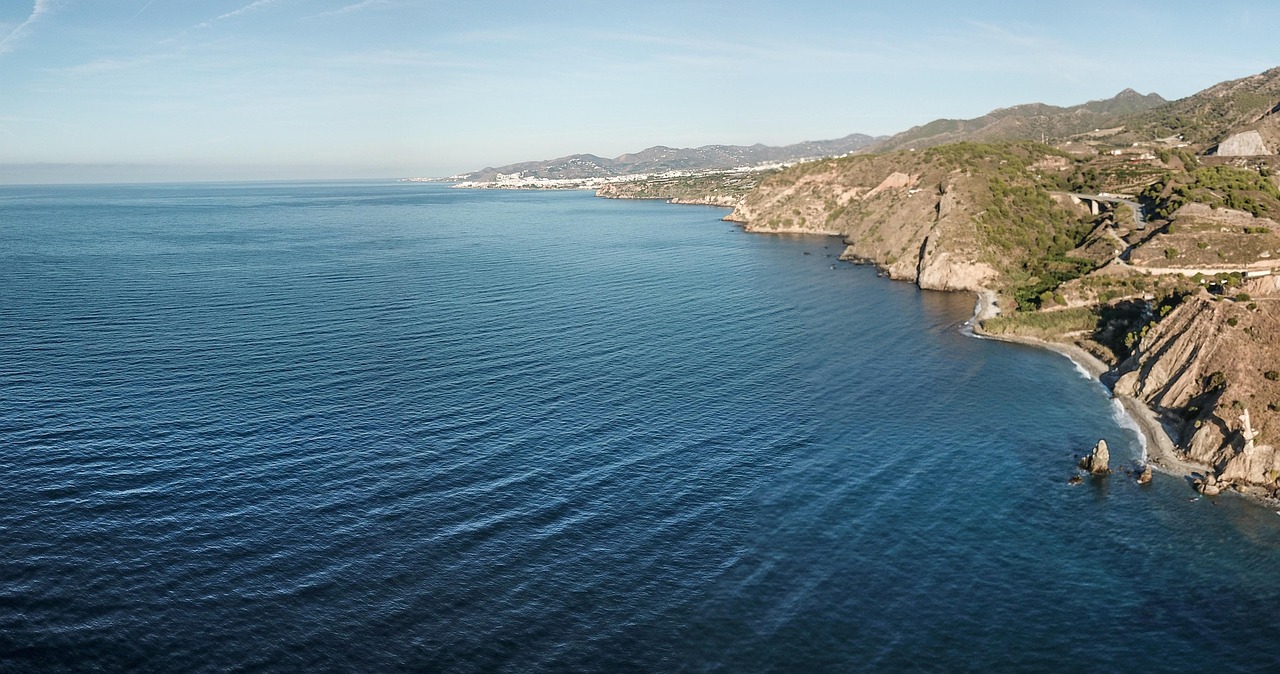
This protected stretch of coastline between Nerja and La Herradura is a paradise of cliffs, hidden coves, and clear water. It’s one of the best spots for kayaking, snorkeling, and quiet beach time.
I’ve joined a couple of kayak tours from Burriana that head into this area—paddling under rock arches, stopping at tiny beaches accessible only from the sea, and sometimes spotting fish in the turquoise shallows.
Activities:
- Guided kayak trips (morning is usually calmer and less crowded).
- Snorkeling in clear water (bring your own mask for best quality).
- Hiking along the cliff-top paths for epic views.
7. Río Chíllar Hike
The Río Chíllar hike is one of my favorite adventurous things to do in Nerja. You literally walk in the river, following the shallow stream up through a gorge, passing small waterfalls and natural pools.
It’s best in late spring and early autumn when water levels are manageable but there’s still flow. Wear old trainers or sturdy water shoes; flip-flops are a bad idea. I usually pack a simple picnic and stop at one of the wider pools to cool off and eat.
Tips:
- Start early to avoid midday heat and crowds.
- Bring sunscreen, a hat, and at least 1.5–2 liters of water per person.
- Check current conditions locally; heavy rain can make the route unsafe.
8. Playa El Playazo
El Playazo is a long, more rustic beach stretching west of Nerja towards the Río Seco. It’s less built up and retains a slightly wild feel.
I like walking here from Torrecilla area in the late afternoon, when the sun is getting lower. There are a few beach bars but far fewer than Burriana, and you can usually find plenty of space even in summer.
9. Playa Torrecilla
Playa Torrecilla is a broad, urban beach west of the Balcón. It’s very convenient if you’re staying in that part of town—easy access, promenade, and plenty of bars and restaurants just behind.
On windy days with bigger waves, it can be fun to watch the surf here. Families like it because there’s space and it’s close to facilities.
10. Playa Carabeo & Playa Carabeillo
These smaller coves tucked below the Parador and Calle Carabeo are among my personal favorites. They feel more intimate than Burriana or Torrecilla, with high cliffs behind and clear water.
The downside: access is via fairly steep steps. The upside: once you’re down, it feels like you’ve found your own sheltered pocket of the Mediterranean.
11. Playa de Calahonda & Playa El Salón
These are the beaches directly beneath the Balcón de Europa. Calahonda is the small cove you see in so many Nerja postcards, with boats pulled up on the sand and a rocky headland.
I often pop down for a quick dip in the late afternoon, then head back up to the Balcón for a pre-dinner drink.
12. Iglesia El Salvador
This 17th–18th century church sits just off the Balcón. White on the outside, warm and ornate inside, it’s a quiet counterpoint to the bustling promenade.
If you’re in Nerja during Semana Santa (Holy Week), you’ll see processions starting or ending here—floats, candles, traditional robes, and solemn music. It’s one of the most important cultural experiences in Nerja.
13. Museo de Nerja
The Museo de Nerja is a small but well-done museum that explains the area’s history, from prehistoric cave dwellers to modern tourism. It’s a good complement to the caves themselves.
On one rainy winter day, I spent over an hour here, happy to be inside and learning more about the place I thought I already knew. The exhibits on the discovery of the caves are particularly interesting.
14. Plaza de España & Old Sugar Factory History
Plaza de España is a modern square just behind the Balcón, built over an underground parking area. It’s spacious and often used for events. Nearby, information panels talk about Nerja’s history of sugar cane cultivation and the old sugar factory that once dominated the area.
15. El Barrio Tapas Streets
Off the main tourist drag of Calle Pintada, streets like Calle Cristo and Calle Antonio Millón have clusters of tapas bars and modest local restaurants. This is where I often end up for casual dinners—standing at the bar with a small plate and a caña (small beer) or tinto de verano.
16. Parador Gardens & Cliff Walk
The Parador de Nerja is a state-run hotel sitting on a clifftop with manicured gardens and elevators down to the beach. Even if you’re not staying there, the area around the Parador has lovely viewpoints and a calm, residential feel.
I like walking along Calle Carabeo and Calle Prolongación Hernando de Carabeo, pausing at small miradores that peek down onto the coves below.
17. Old Fishermen’s Quarter by El Salón
The low houses near the path down to El Salón beach hint at Nerja’s fishing past. It’s easy to overlook them as you head for the sea, but it’s worth slowing down and imagining the village before tourism, when the town’s life revolved around the boats and the sugar cane fields.
18. La Caleta de Maro
La Caleta de Maro is a small, pebbly cove east of Maro, often sought out by travelers looking for a quieter, more natural beach. Access is via a path down from the road; it’s not the easiest with lots of gear, but the setting is beautiful.
I’ve come here in shoulder season and shared the cove with just a few others—perfect for reading and listening to the waves on the stones.
19. Calle Carabeo & Secret Stairways
Calle Carabeo is one of Nerja’s prettiest streets, running along the cliff edge above several of the coves. Look for small side alleys and stairways leading to viewpoints or down to the beaches.
On one of my first visits, I accidentally found a tiny mirador at the end of a narrow passage, just big enough for two people. We sat there for half an hour, watching the waves and feeling like we’d found our own private balcony.
20. Nerja Weekly Market (Mercadillo)
Nerja’s weekly market, usually held on Tuesday mornings up near the sports fields, is a mix of clothes, household goods, fresh produce, and random treasures.
I like coming here for fruit, vegetables, olives, and nuts—cheaper than many supermarkets and often better quality. It’s also a fun slice of local life: grandmothers bargaining, kids trailing along, stallholders gossiping.
Tip: Bring cash and a reusable bag, and arrive on the earlier side to avoid the midday sun.
21. Festival & Feria Grounds
During October’s Feria de Nerja, an area near the town center transforms with rides, casetas (tent-like bars), music stages, and food stands. Even if you’re not usually a fair person, it’s worth experiencing one evening—music, dancing, and families out late together.
22. Nerja Sports Centre & Local Life
Near the market area, the sports center and athletics track are hubs of local activity. If you run, the promenade is lovely, but joining locals at the track around sunset—especially in shoulder season—gives a more everyday feel of Nerja life beyond the beaches.
3, 4, and 5 Day Itineraries for Nerja (With Personal Stories)
Below are flexible itineraries you can adapt. They’re structured so that your 3 days in Nerja cover the highlights, 4 days in Nerja lets you add depth, and a 5 day itinerary for Nerja brings in more hiking, hidden gems, and slower local experiences.
3 Day Itinerary for Nerja
This plan is ideal if you have a long weekend. I’ll describe it the way I experienced it on a trip in late May, when the town felt lively but not yet full-on summer busy.
Day 1: Arrival, Old Town & Balcón de Europa
I arrived around midday from Málaga, slightly bleary from an early flight but immediately woken up by the white glare of Nerja’s streets. After dropping my bag at a small guesthouse near Calle Pintada, I did what I always do: walked down towards the sea.
Morning & Early Afternoon:
- Stroll through the old town, getting your bearings along Calle Pintada and its side streets.
- Head to the Balcón de Europa and simply stay there a while—walk to the end, look both ways, take in the cliffs and coves. This is why you came.
- Duck into Iglesia El Salvador for a moment of quiet.
For lunch, I like grabbing something casual around Plaza Cavana or one of the streets just behind the Balcón—perhaps a simple plato combinado (mixed plate) or a salad with local tomatoes and tuna.
Late Afternoon:
- Walk down the path to Playa de Calahonda for your first swim.
- Alternatively, cross to Playa El Salón, a touch wider and with a slightly different vibe.
- Wander back up in time for sunset at the Balcón—don’t skip this on your first day.
Evening (Tapas Intro):
For your first night, I suggest a tapas “crawl” around the El Barrio streets. On my last 3-day visit, I started on Calle Cristo and simply followed my nose, stopping wherever looked busy with locals:
- Order a small beer (caña) or house wine and see what tapas comes included (in Nerja, some places still offer a small tapa with your drink).
- Sample classics: tortilla española, albóndigas (meatballs), boquerones (anchovies), and local cheeses.
Walk home under the orange glow of the old town street lamps and get some rest—tomorrow is your big beach and caves day.
Day 2: Nerja Caves & Burriana Beach
On this day, you combine two of the must-see attractions in Nerja: the Cuevas de Nerja and Playa de Burriana. I usually start with the caves, then reward myself with a lazy afternoon on the sand.
Morning: Cuevas de Nerja
- Have breakfast in the old town—coffee and a tostada with tomato, olive oil, and ham.
- Head to the Nerja bus station or a nearby stop for the short ride to the caves in Maro (or take a taxi if you’re in a group).
- Explore the caves using the new audio guide (give yourself at least 1.5 hours).
If you’re up for it and it’s not too hot, walk into Maro village afterwards for a coffee or early lunch. The small square is peaceful, with locals chatting under the shade trees.
Afternoon: Burriana Beach
- Return to Nerja and walk or taxi down to Playa de Burriana.
- Settle in for a few hours of swimming, sunbathing, and people-watching.
- Try a water activity if you’re feeling energetic—kayaking or paddleboarding towards the cliffs.
For lunch, I usually eat right on the beach. There are several chiringuitos where you can enjoy a plate of paella (be prepared to wait a bit; good paella is not instant) or a fish platter to share.
Evening:
Walk back up via the Mirador del Bendito for a last look at the sea, then shower and head out for a more sit-down dinner in the old town—maybe on a terrace above street level, where you can look down on the evening bustle.
Day 3: Frigiliana & Hidden Corners of Nerja
On your last day of this 3 day itinerary for Nerja, you’ll visit nearby Frigiliana and then enjoy a slower afternoon exploring parts of Nerja you might have missed.
Morning: Frigiliana Village
- Catch a morning bus from Nerja to Frigiliana.
- Wander the old quarter, following your curiosity up and down the steps.
- Stop at viewpoints over the valley and sea.
- Try a mid-morning snack or early lunch—goat cheese, local wine, and a dish with miel de caña if you like a touch of sweetness.
Afternoon: Calle Carabeo & Small Coves
- Back in Nerja, walk along Calle Carabeo, peeking down side alleys.
- Choose one of the smaller coves—Playa Carabeo or Carabeillo—for a last swim.
- Visit the Museo de Nerja if you didn’t manage it earlier.
Evening: Farewell Walk & Dinner
On my last evening, I like to do a slow loop: from the Balcón to Torrecilla, along the seafront, then back through the old streets, stopping somewhere that feels right for a final dinner. If you haven’t tried it yet, order a tinto de verano (red wine with lemon soda) instead of sangria—it’s what locals actually drink in summer.
4 Day Itinerary for Nerja
With 4 days in Nerja, you can keep the 3-day structure and add a more active or nature-focused day.
Day 4 Option A: Río Chíllar Hike (Adventure)
On one spring visit, I dedicated my fourth day to the Río Chíllar. I started early, around 8 a.m., with a small backpack, water shoes, and a packed sandwich. The first part is on a track, but soon you’re literally walking in the shallow river, cool water around your ankles.
The sound of the water bouncing off the rocks, birds calling from the cliffs, sunlight filtering into the gorge—it’s the antidote to any stress you brought with you. I stopped at a wider section where other walkers were resting, had my picnic, then turned back before the afternoon heat really kicked in.
After the hike: Treat yourself to a lazy late afternoon at a beach or on a terrace in town. Your legs will thank you.
Day 4 Option B: Maro & Cliff Coast (Romantic/Nature)
If you prefer less hiking and more coastal scenery, use your fourth day to explore the Maro–Cerro Gordo area more fully.
- Bus or taxi to Maro village and wander.
- Walk or taxi closer to the cliffs and find a path down to one of the smaller coves (like La Caleta de Maro), if conditions permit.
- Alternatively, join a longer kayak tour from Burriana that explores this protected coastline in depth.
The cliffs and hidden beaches here are among the most beautiful on the Costa del Sol, and seeing them up close really deepens your sense of the region beyond Nerja’s town center.
5 Day Itinerary for Nerja
With 5 days in Nerja, you can truly slow down. I’ve used a 5 day itinerary for Nerja as a reset more than once—balancing work and relaxation, using the town as a base.
Day 5: Slow Nerja, Markets & Local Life
On your fifth day, resist the urge to “tick off” anything. Instead, lean into local rhythms:
- Visit the weekly market (if it falls on your day) for fruit, nuts, olives, and maybe a cheap beach towel or hat.
- Have a long, late lunch at a more local-feeling restaurant away from the main squares—ask your host for their favorite spot.
- Spend a couple of hours reading in the shade at a square or by a quieter beach.
- In the early evening, walk from the Balcón towards Torrecilla and on to El Playazo. Watch the sky change color over the long, open beach.
On my last 5-day stay, this “nothing” day ended up being my favorite: no checklist, just moving slowly and saying yes to whatever felt right in the moment.
Local Food & Drink in Nerja
One of the biggest joys of Nerja is eating your way through simple, honest Andalusian food with sea views. Here’s what to look for and how to eat well without overspending.
What to Eat: Essential Dishes
- Espeto de sardinas – Sardines skewered and grilled over open coals on the beach. Best eaten with your hands, a squeeze of lemon, and a cold beer.
- Boquerones fritos – Fried anchovies, crisp and light.
- Pescaito frito – Mixed fried fish; great for sharing.
- Paella – Rice dish with seafood, meat, or both. In busy places it’s often made in batches—ask when the next one is ready.
- Ensalada malagueña – Potato, orange, cod, and onion salad typical of the province.
- Gazpacho / Salmorejo – Cold tomato-based soups perfect for hot days.
- Tortilla española – Thick potato omelette.
What to Drink
- Tinto de verano – Red wine mixed with lemon soda; lighter than sangria.
- Local Málaga wines – Often sweet, but there are dry options too.
- Caña – Small draft beer, perfect in the heat.
- Café solo / cortado / con leche – Black, with a dash of milk, or with more milk.
Where to Eat: Types of Places
I won’t list specific restaurant names that might change quickly, but I’ll give you patterns I use:
- Chiringuitos on Burriana & Torrecilla – For espeto, paella, and fried fish. Look for busy but not chaotic places where you see families and older locals.
- Tapas bars around Calle Cristo & Antonio Millón – For an evening of small plates, often cheaper and more local-feeling than the main squares.
- Cafés near Plaza Cavana / Plaza de España – Great for people-watching and coffee or a light lunch.
- Bakeries & small supermarkets – For picnic supplies if you’re hiking Río Chíllar or heading to a more remote cove.
Saving Money on Food
Over multiple visits, I’ve learned a few tricks for eating well in Nerja without blowing the budget:
- Look for menú del día (set lunch menus) on weekdays—often 2–3 courses and a drink at a good price.
- Do a tapas-style dinner a couple of nights instead of a full three-course meal.
- Buy breakfast basics from supermarkets and have coffee and toast on your balcony if you have one.
- Share large plates like paella or fish platters between two or more people.
Nightlife, Entertainment & Cultural Experiences in Nerja
Evening Atmosphere
Nerja’s nightlife is lively but not as wild as some other Costa del Sol towns. Think: late dinners, busy tapas bars, some music bars, and a handful of places that stay open late for dancing.
Types of Nightlife
- Tapas & wine evenings – My favorite way to spend a night; it feels social but relaxed.
- Cocktail bars near the Balcón – For a drink with sea views.
- Music bars and small clubs – Along a few central streets, catering to a mix of locals and visitors.
- Beach bars at sunset – Especially on Burriana and Torrecilla, lovely for a pre-dinner drink.
Cultural Experiences in Nerja
- Flamenco shows – Some restaurants and bars host regular flamenco performances. Even the more tourist-oriented ones can be powerful; watch the dancers’ footwork and the intense expressions.
- Semana Santa processions – If you’re here at Easter, this is essential. Be respectful: dress modestly and speak quietly.
- Nerja Caves Festival – Summer concerts and dance performances in or near the caves, combining culture with an unforgettable setting.
- Local ferias and fiestas – Nerja’s October feria, San Juan in June, Carnival in February—all excellent windows into cultural experiences in Nerja.
Best Day Trips & Nearby Attractions from Nerja
Málaga City
About an hour away by bus or car, Málaga is a vibrant city with a historic center, cathedral, Alcazaba fortress, Picasso Museum, and a lively port area. It makes a great contrast to Nerja’s small-town feel.
Granada & The Alhambra
A longer day trip but absolutely possible: head to Granada to visit the Alhambra palace complex and wander the Albaicín district. Book Alhambra tickets well in advance; in 2026 it remains one of Spain’s most in-demand sights.
Frigiliana (Revisited)
Even if you visit once as part of your Nerja days, you might find yourself drawn back—particularly if you’re staying longer than 5 days.
La Herradura & Almuñécar
To the east, these coastal towns have their own charms: La Herradura’s horseshoe-shaped bay and Almuñécar’s castle and old town. Buses and driving are straightforward from Nerja.
Local Customs & Cultural Etiquette in Nerja
Daily Rhythm
Andalusia runs on a slightly different clock:
- Lunch – Often 2–4 p.m.
- Siesta – Smaller shops may close roughly 2–5 p.m.
- Dinner – Locals often eat from 9 p.m. onwards, especially in summer.
Don’t be surprised if streets feel sleepy in the mid-afternoon and busy again late at night.
Basic Etiquette
- Greet with “hola” or “buenos días/tardes” when entering small shops or cafes.
- Quiet respect in churches and during religious events.
- Dress is generally relaxed, but avoid going into shops or restaurants in just swimwear.
- Tipping is not mandatory but appreciated—round up or leave 5–10% in restaurants if service was good.
Language
Spanish is the main language, with English widely understood in tourist areas. Learning a few words—por favor, gracias, la cuenta, por favor—goes a long way.
Practical Travel Advice for Nerja (2026)
Getting To & Around Nerja
From Málaga Airport
- Bus: Usually one change in Málaga city; total around 1.5–2 hours.
- Car: About 45–60 minutes via the A-7 motorway.
- Taxi/private transfer: Convenient if you have luggage or kids; rates vary.
Within Nerja
- On foot – The town is compact; walking covers most needs.
- Local buses – Connect Nerja with Frigiliana, Maro, and some nearby areas.
- Taxis – Readily available at central stands and by phone.
- Car rental – Useful if you’re doing multiple day trips or staying in the countryside. Parking in the old town can be tight in high season; consider public car parks.
SIM Cards & Connectivity
In 2026, options include:
- EU visitors – Many EU phone plans still include roaming in Spain at domestic rates; check with your provider.
- eSIMs – Several travel eSIMs offer data packages you can activate before arrival.
- Local SIM – Buy from major providers (Movistar, Orange, Vodafone) or multi-brand phone shops in Málaga or Nerja. You’ll need your passport.
Money & Costs
Currency is the euro (€). Cards are widely accepted, but I always carry some cash for small purchases, markets, and beach bars.
- ATMs – Plenty in town, but watch for dynamic currency conversion offers—always choose to be charged in euros.
- Budget travelers – Can survive on picnic lunches, self-catering breakfasts, and tapas dinners quite comfortably.
- Midrange – Expect to pay a bit more on the seafront and right by the Balcón; prices often drop just a couple of streets back.
Visas & Entry Requirements
Nerja is in Spain, a Schengen Area country. Requirements can change, so always check official sources, but as of 2026:
- EU/EEA/Swiss citizens – Can enter and stay with valid ID.
- Many other nationalities – Short stays (up to 90 days in any 180-day period) may be visa-free but will likely require travel authorization (like ETIAS-style systems) as they come fully online—check before traveling.
- Others – May need a Schengen visa; apply at a Spanish consulate in advance.
Driving & Licenses
Foreign driving licenses are often accepted, particularly EU ones, but:
- Check if you need an International Driving Permit (IDP) alongside your home license—many non-EU visitors do.
- Observe local speed limits and parking rules; fines are enforced.
- In the old town, streets are narrow and often one-way; driving can be stressful if you’re not used to it.
Safety & Health
- Nerja is generally safe; normal common-sense precautions against petty theft apply.
- Use sun protection year-round; the Mediterranean sun can be deceptively strong, especially in spring.
- Tap water is generally drinkable; many locals drink it, but if you’re sensitive, you can opt for filtered or bottled water.
Hidden Tips to Make Your Trip Smoother
- Shoulder seasons (late April–June, late September–October) are ideal: warm seas, fewer crowds, and slightly lower prices.
- For quiet sunrise photos, head to the Balcón early; you might share it with just a few other early risers.
- Ask your accommodation host where they go for tapas or a menu del día—they often send you to places just a little off the main tourist track.
- On very hot days, flip your schedule: beach or pool in the morning, siesta after lunch, then exploring and dinner later in the day.
When to Visit Nerja & What Each Season Offers
Spring (March–May)
My personal favorite. Wildflowers in the hills, comfortable temperatures for hiking and exploring, and the sea warming up enough for braver swimmers by late spring. 3 days in Nerja at this time feels full but not rushed.
Summer (June–August)
Hot, sunny, and busy, especially from mid-July to late August. Perfect if your priority is beach time and nightlife. Book accommodation and Nerja Caves tickets well in advance. A 4 day itinerary for Nerja in summer gives you time for a couple of early-morning adventures before retreating to the shade.
Autumn (September–November)
September and early October are glorious—sea still warm, crowds thinning. The October Feria de Nerja adds a festive air. November is cooler but still usually milder than much of Europe.
Winter (December–February)
Quiet, cooler (especially at night), but often with clear, sunny days. It’s more of a time for walking, long lunches in the sun, and side trips to Málaga or Granada. Some beach services reduce hours, but the town never fully shuts down.
Summary & Final Recommendations
Nerja is one of those places that balances a lot of things at once: dramatic coastal scenery, a walkable and charming old town, family-friendly beaches, romantic viewpoints, and enough adventure in the surrounding mountains and rivers to keep active travelers happy.
For most visitors, a 3 day itinerary for Nerja is enough to fall in love with the town—Balcón de Europa, Burriana Beach, Nerja Caves, and Frigiliana. If you can stretch to 4 days in Nerja, add the Río Chíllar hike or a deeper exploration of the Maro cliffs. With 5 days in Nerja, you can slow down, slip into the local rhythm, and maybe even forget what day it is.
Whatever your schedule, make sure you:
- See the Balcón at different times of day.
- Eat grilled sardines on the beach at least once.
- Spend unhurried time in a small cove, just listening to the waves.
- Venture inland, even if only for a few hours—to Frigiliana, Maro, or the start of a mountain trail.
And above all, give yourself permission not to see everything. Nerja rewards those who slow down, wander side streets, and stay long enough for the bartender to recognize them on their second or third night. That’s when you stop being just a visitor and start feeling a little bit like a temporary local.