Why Visit Setenil de las Bodegas? What Makes It Special
Every time I drive the last winding kilometers into Setenil de las Bodegas and the first white houses appear tucked beneath the hulking overhangs of rock, I have the same thought: this place shouldn’t exist, yet here it is. After a dozen visits between 2017 and early 2026, Setenil still feels improbable and slightly magical.
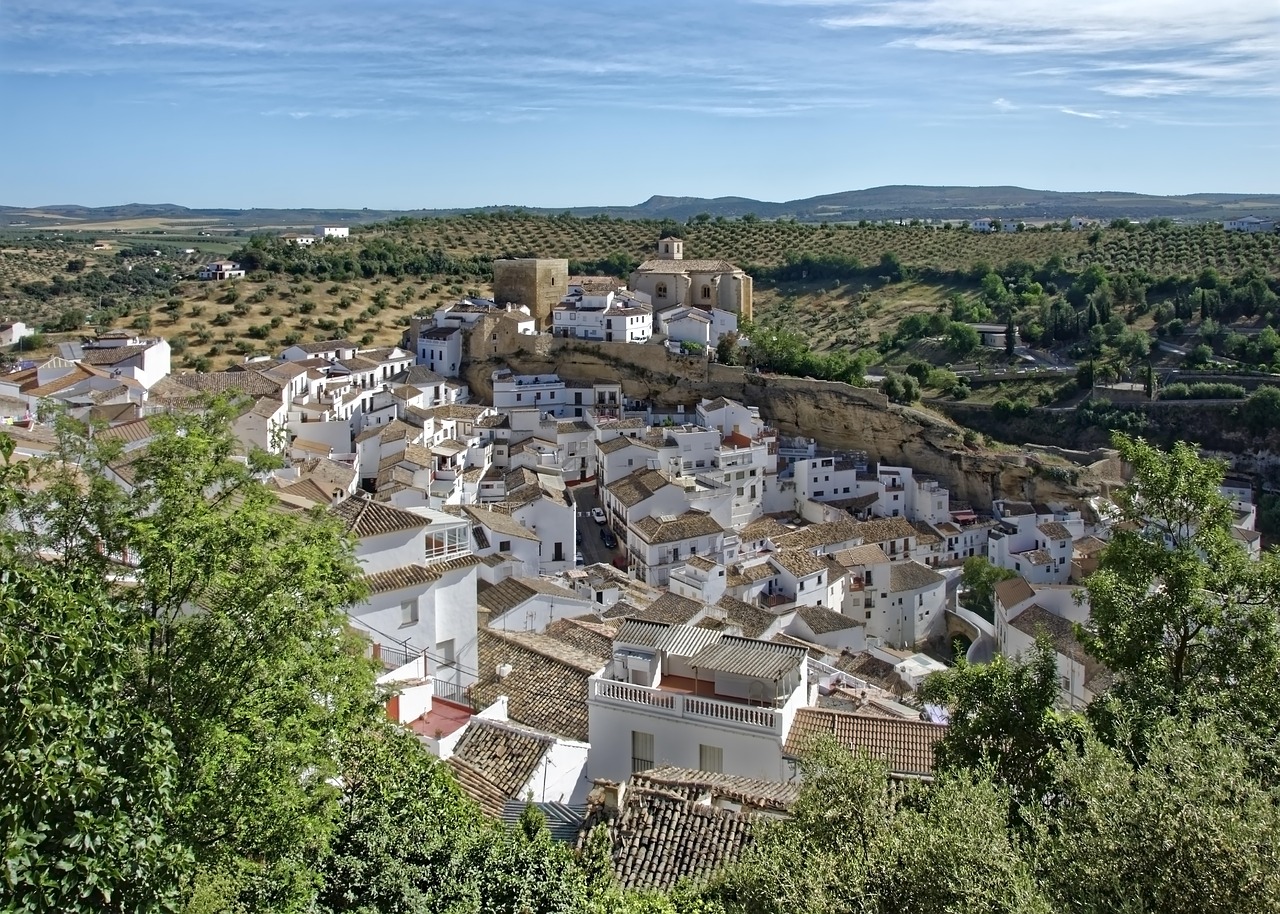
Setenil de las Bodegas is a small Andalusian village in the province of Cádiz, famous for its houses literally built into the cliffs. Instead of sitting on top of the rock like most “pueblos blancos”, Setenil burrows under it. Streets like Calle Cuevas del Sol and Calle Cuevas de la Sombra are lined with whitewashed facades on one side and raw rock on the other, forming a natural stone ceiling over bars, bakeries, and living rooms.
What makes Setenil such a compelling destination is the balance it strikes between spectacle and everyday life. Yes, it’s cinematic and increasingly popular on social media, but it’s also a working village where children race up impossibly steep alleys, neighbors shout greetings across balconies, and locals still gather for a late-morning beer under the rock.
For travelers wondering how to visit Setenil de las Bodegas, this guide dives into the details: a realistic 1 day itinerary for Setenil de las Bodegas, slow and immersive 2 and 3 day itineraries, the best places to visit in Setenil de las Bodegas, where locals actually eat, how to time your visit for golden-hour photos under the cliffs, and the nuances of local customs in Setenil de las Bodegas that will help you feel more like a guest than a tourist.
Table of Contents
- Why Visit Setenil de las Bodegas?
- 1–3 Day Itineraries for Setenil de las Bodegas
- Main Attractions & Viewpoints
- Eating & Drinking in Setenil de las Bodegas
- Setenil After Dark & Off-Hours Magic
- Cultural Etiquette & Local Customs
- Events & Festivals 2026–2027
- Practical Travel Advice & Logistics
- Day Trips from Setenil de las Bodegas
- Hidden Tips & Money-Saving Hacks
- Summary & Best Time to Visit
1–3 Day Itineraries for Setenil de las Bodegas
Below I’ve laid out three ways to experience Setenil de las Bodegas: a 1 day itinerary for those darting through on a larger Andalusia loop, a 2 day itinerary for travelers who want to linger over long meals and quiet viewpoints, and a 3 day itinerary that folds in countryside walks and nearby villages.
Day 1 – Essential Setenil: Under the Rock
My most recent “Day 1” in Setenil was in March 2026, arriving just after 9:30 a.m. from Ronda. The air was crisp, the cliffs still half in shadow, and only a handful of delivery vans were rattling through the lower streets.
Morning: Arriving & First Look at the Rock Streets
If you’re doing 1 day in Setenil de las Bodegas, arrive by 9–10 a.m. You’ll sidestep the mid-day bus tours and catch the village while it’s waking up.
- Parking: Easiest is the parking area just above town on the road coming from Ronda or Olvera. From there, walk down into the center (10–15 minutes). Avoid trying to drive into the narrow rock streets.
- First impressions: Walk down towards Plaza de Andalucía, then follow the signs to Calle Cuevas del Sol. You’ll hear the river before you see it, then suddenly the street opens up and there it is: a row of bars and houses pressed up under a massive rock overhang.
I like to start on the sunny side of the river, which is why you head first to Calle Cuevas del Sol. In the cooler months, the sunlight here is precious; locals instinctively seek it out for their morning coffee.
Breakfast Under the Rock
Grab a table at one of the cafés along Calle Cuevas del Sol. Over the years I’ve gravitated to the bars slightly away from the central choke point, where you can still hear the river and chatter but aren’t in every photo.
- Order: a tostada (toasted bread) with local olive oil and tomato, plus a café con leche or cortado. If they have homemade churros on (especially weekends), it’s worth the indulgence.
- Timing tip: Breakfast 9:30–10:30 a.m. feels local; after 11 a.m. the selfie-sticks arrive.
Late Morning: Exploring Calle Cuevas del Sol & Calle Cuevas de la Sombra
These two streets are must-see attractions in Setenil de las Bodegas. They run roughly parallel along the Rio Trejo and form the heart of the rock-dwelling quarter.
Calle Cuevas del Sol – Sunlit Rock Arcades
Calle Cuevas del Sol is the iconic image you’ve probably seen: white façades on one side, the river on the other, and above, a vast slab of stone. In 2026, there are a few more souvenir stands than when I first came in 2017, but the essence is the same: locals sipping cervezas under the rock, kids zig-zagging between tables, dogs asleep in doorways.
What to look for:
- The way the house roofs disappear directly into the rock, with no visible gap.
- Old wooden doors set deep into the cliff, some leading to caves that used to be bodegas (wine cellars) – hence the village’s name.
- Small details: hand-painted tiles, potted geraniums, and the subtle curve of the street following the river’s bend.
Personal tip: Walk the entire length both ways. On one March visit, I ducked into a tiny grocery at the far end and ended up chatting with the owner about the winter floods; he pulled aside a plastic curtain to show me the rock “ceiling” blackened with damp. Setenil is beautiful, but it’s also a village constantly negotiating with nature.
Calle Cuevas de la Sombra – The Shadow Street
Cross one of the small bridges to the opposite side of the river and step into Calle Cuevas de la Sombra – literally “Street of the Shade”. Here the overhang is deeper; at mid-day, you walk in a cool half-light even under the summer sun.
The first time I walked this street, it felt almost cave-like – the temperature dropped a few degrees, and the chatter from the sunny bars across the water turned muffled, echoing off the rock.
What to do here:
- Study the exposed rock ceiling – you can see the layers and striations of the ancient sandstone.
- Pop into the small bars and shops tucked further in; they’re less photographed and more relaxed than those on the sunny side.
- Look for old black-and-white photos on the walls showing the street before tourism took off; it gives perspective on how much (and how little) has changed.
Photography tip: Late morning (11 a.m.–noon) is ideal here – enough natural light to capture the nuance of the rock, but still a strong contrast with the bright river and opposite hillside. A wide-angle lens or phone’s ultra-wide mode helps convey the scale.
Lunch: Tapas by the River
For a 1 day itinerary for Setenil de las Bodegas, I recommend staying near the river for lunch – you’ll want the energy for the uphill walks later. In 2026, there’s a healthy mix of traditional bars and more contemporary tapas spots.
- What to order: local chorizo in wine, croquetas caseras, fried aubergine with honey, and a salad with goat cheese. Setenil is meat-forward, but vegetarian tapas are possible if you’re clear.
- Family-friendly: Most places happily do simple grilled chicken, fries, and tortilla for picky eaters.
- Romantic corner: If you can, snag a table right against the river railing; the sound of the water plus the shade of the rock makes it surprisingly intimate even mid-day.
Afternoon: Climbing Up to the Castle & Viewpoints
After lunch, it’s time to climb. Setenil’s charm isn’t only at river level; it’s in the way the village rises in layers up the hillside, with sudden viewpoints opening over the canyon.
Castillo de Setenil – The Old Fortress & Tower
The Castillo de Setenil is a remnant of the Moorish fortress that once guarded this stretch of the Guadalporcún valley. It’s modest as castles go – a tower, some walls, a small courtyard – but the views are worth every step.
How to get there: From the river, follow signs uphill. The streets are steep, narrow, and sometimes feel like you’re walking through someone’s backyard. That’s normal here. It’s 10–15 minutes up, more if you stop to photograph doorways (which I always do).
Tickets & opening hours (2026):
- Entry is inexpensive; you can usually buy tickets on the spot at the small kiosk or via the local tourism office site.
- Typical hours: roughly 10:00–18:00, shorter in winter. Avoid arriving close to siesta (14:00–17:00) when hours can be irregular.
Inside the castle:
- Climb the tower for a 360° view: white houses spilling down the ravine, olive groves stretching into the distance, and the rock streets like pale scars along the canyon.
- Look for interpretive panels (in Spanish and often English) explaining the siege history; Setenil held out against Christian forces until 1484, making it one of the last Muslim strongholds in the region.
Personal moment: One late afternoon in early spring, I was alone on the tower as the bells from the Iglesia de la Encarnación began to ring. The sound bounced between the cliffs in a kind of slow echo. It was the first time I really felt how defensible this position must have been – a high stone outpost above a naturally fortified ravine.
Iglesia de la Encarnación & Upper Quarter
From the castle, it’s a short walk to the Iglesia de la Encarnación, a church that stands on the foundations of an earlier mosque. Architecturally, it’s not as flamboyant as some Andalusian churches, but its position is everything: perched above the village, looking down over the rock streets.
What to notice:
- The blend of late Gothic and Renaissance elements.
- The simple, almost severe interior that contrasts with the drama of the rock below.
- Small devotional shrines and tiles outside, where locals leave flowers.
This upper quarter is a good place to wander without a plan. Streets twist around each other, occasionally resolving into small squares or sudden glimpses of the canyon. I once followed an elderly woman’s directions to a “better” viewpoint, only to be led to her sister’s doorstep, where I was handed a slice of homemade torta de aceite and invited to sit for ten minutes. Setenil’s hospitality is often quiet and spontaneous like that.
Late Afternoon: Miradores & Coffee Break
Miradores – Best Viewpoints over Setenil
There are several signed miradores (viewpoints) around the upper part of town. My favorites for a 1 day itinerary are those that give you both the white houses and the rocky overhangs in one frame.
What to look for:
- Views where you can see both Calle Cuevas del Sol and Calle Cuevas de la Sombra snaking along the river.
- The contrast between the smooth white walls and the jagged cliff edges.
- Beyond the village, the patchwork of olive groves, vineyards, and fields – a reminder that Setenil is part of a much larger rural landscape.
Golden hour: For photographers, the last hour before sunset is pure gold. The cliffs catch the low light and glow amber; house walls turn soft cream instead of bright white. Plan to be at a mirador around this time if you can.
Evening: Early Dinner & Blue Hour Walk
Andalusians eat late, but Setenil, being small, can be quieter in the deep night than cities. For 1 day in Setenil de las Bodegas, I recommend an earlier dinner (around 20:00–21:00) so you can still wander afterwards.
Return to the river level and pick a restaurant with a view up to the cliffs. Try:
- Rabo de toro (oxtail stew) – rich, slow-cooked, and perfect on cooler nights.
- Grilled local pork or lamb chops.
- Seasonal vegetables – asparagus in spring, grilled peppers in summer.
After dinner, take a slow walk along both rock streets again. At blue hour, when the sky turns deep cobalt and the first streetlights click on, Setenil feels like a film set. Some bars remain lively, but many day visitors depart by 19:00–20:00, leaving a hushed, local rhythm in their wake.
Day 2 – Viewpoints, History & Quiet Corners
If you have 2 days in Setenil de las Bodegas, your second day is about depth rather than coverage: rewalking your favorite routes at different times of day, exploring quieter residential districts, and giving yourself space to linger without the pressure of “seeing it all”.
Slow Morning: Markets & Residential Streets
On my last 2-day stay, I started Day 2 by skipping the rock streets entirely until late morning. Instead, I wandered the more ordinary parts of Setenil: bakeries where people still greet each other by name, hardware stores spilling into the street, older men fiercely debating football outside a bar.
If you’re here on a market day (this shifts slightly year to year; check with your accommodation or the town hall), stroll the stalls for:
- Local olive oil in unlabelled plastic bottles – not pretty, but often excellent.
- Seasonal fruit: figs in late summer, oranges in winter, cherries in late spring.
- Cured meats and cheeses – ask for a taste before buying.
Late Morning: Churches, Backstreets & Hidden Miradores
Use late morning to seek out the less photographed viewpoints. I often pick a steep lane I haven’t tried before and simply follow it up until it dead-ends into a terrace or a small square. From up here, you can peer down into the canyon and see the rock streets from above like a miniature model.
Family-friendly idea: Turn it into a gentle “treasure hunt” for kids: find three different colored doors, count how many cats you see on balconies, or spot the smallest car squeezed into an alley.
Afternoon: Historical Context & Local Stories
Setenil’s name likely comes from “Septem nihil” (seven times nothing), a reference – some say – to the seven failed attempts by Christian forces to take the town from the Moors. Whether the etymology is precise or not, the narrative fits the terrain: this ravine was easy to defend and hard to conquer.
In recent years, small interpretive panels and QR codes have appeared around town, telling pieces of the history: how the caves were used for wine storage (giving the “de las Bodegas” part of the name), how early residents exploited the rock’s natural insulation, and how the village weathered floods and economic downturns.
On one visit, I met an elderly man in a bar who remembered when the first tourists started appearing in larger numbers in the 1990s. “At first we thought they were lost,” he laughed, “Who would come here on purpose?” By 2026, Setenil is firmly on the pueblos blancos trail, but it still retains its idiosyncratic rhythm.
Evening: Sunset from the Upper Edges
Use your second evening to catch sunset from a different vantage point than Day 1. Some of the best views are slightly outside the dense core, where you can see the entire village clinging to the ravine’s curve.
Pack a light jacket even in summer; breezes pick up at the exposed viewpoints as the sun drops. Couples often linger here, sharing a bottle of local wine or simply sitting on the low walls watching the lights come on house by house.
Day 3 – Countryside, Slow Food & Nearby Villages
Three days is a generous amount of time in a village this size, but it’s ideal if you like to travel slowly, mix in a bit of walking or cycling, and explore beyond the core. A 3 day itinerary for Setenil de las Bodegas lets you fold in rural landscapes and neighboring pueblos blancos without feeling rushed.
Morning: Countryside Walks & Olive Groves
Walks around Setenil – Olive Groves & Quiet Lanes
Early on Day 3, I like to head out of town on foot. Within 15–20 minutes, you’re among fields and groves, with Setenil’s white cluster receding behind you. Ask your host or the tourist office for one of the marked circular routes; they usually take 1.5–3 hours and are suitable for reasonably fit adults and older children.
What you’ll see:
- Olive groves and small vineyards, sometimes with farmers at work in the cooler hours.
- Old stone walls, abandoned farm buildings, and occasional shepherds with their flocks.
- Distant views back towards Setenil, where you can really appreciate how unusual its ravine setting is.
Practical tips:
- Wear proper walking shoes; paths can be rocky and dusty.
- Bring water, sun protection, and a hat – even spring and autumn sun can be fierce.
- Greet farmers and locals you pass with a simple “Buenos días” or “Buenas”.
Afternoon: Long Lunch & Local Products
Back in Setenil, reward yourself with a leisurely lunch. By Day 3, you’ll likely have a favorite bar or restaurant. Sit inside a cave-like interior for a change – the natural rock walls keep things cool and the acoustics make conversations feel intimate.
Ask specifically for local products from Setenil and the surrounding Sierra de Cádiz: goat cheese, olive oil, cured pork products, and seasonal vegetables. This is as much a cultural experience in Setenil de las Bodegas as any viewpoint; food here is deeply tied to land and season.
Late Afternoon: Short Excursion to a Nearby Pueblo Blanco
If you have a car, use the late afternoon to visit one of the other best places to visit near Setenil de las Bodegas:
- Ronda (about 30 minutes by car): Famous gorge, historic bullring, big-city vibe compared to Setenil. Very touristy but still magnificent.
- Olvera (about 25 minutes): Sleepier, with a stunning church-and-castle combo on the hilltop and access to the Vía Verde de la Sierra rail trail for cycling.
- Zahara de la Sierra (about 45 minutes): Hilltop village above a turquoise reservoir – perfect for dramatic photos and short hikes.
Return to Setenil for one last evening stroll under the rock; by now, you’ll start to recognize a few faces and bars, which is always the sign of a good slow stay.
Main Attractions & Viewpoints in Setenil de las Bodegas
Beyond the itineraries, here are the key things to do in Setenil de las Bodegas, each with a bit more depth, history, and practical detail.
1. Rio Trejo Riverbanks & Bridges
The Rio Trejo is more a stream than a river, but it’s the reason Setenil exists. It carved the ravine, undercut the rock, and gave villagers a place to tuck their houses.
Where to walk:
- Follow the river through the main rock streets, crossing multiple small bridges. Each crossing gives a new angle on the rock overhangs.
- Look for quieter stretches downriver where ducks paddle between reeds; here you get a more pastoral feel.
How long to spend: 30–60 minutes for a leisurely river-level loop with photo stops. Families can easily stretch this into a full morning with ice cream and café breaks.
2. Rock-Integrated Houses & Cave Interiors
Many houses in Setenil are not caves in the purest sense – they’re more like façades built against the rock, with the cliff forming the back wall and roof. Step into a bar or shop that extends deep into the rock and you’ll feel the temperature shift; even in August, it can be almost chilly a few meters in.
What to look for:
- Arched brick or stone transitions where built structure meets natural rock.
- Moisture marks (and sometimes small ferns) on the rock, evidence of how the stone “breathes”.
- Thick walls and small windows designed to regulate temperature.
Locals will tell you: in summer, no air conditioning needed; in winter, it can be bone-cold. The rock is generous but also demanding.
3. Plaza de Andalucía & Everyday Life
Setenil’s main square is small by city standards but big in village life. This is where kids ride bikes in circles, older men hold court at tables, and the town’s more formal events spill out.
Spend 20–30 minutes here at different times of day if you can. Morning brings errands, midday is sleepy, late afternoon is social, and evening can see small concerts or gatherings, especially in summer.
4. Secondary Streets & Staircases
Some of my favorite moments in Setenil happen in the seemingly unremarkable lanes: a flight of steps lined with potted plants, a sudden gap revealing a slice of cliff, a cat sunning itself on a roof.
How long to spend: At least an hour of aimless wandering. Don’t worry too much about getting lost; everything eventually slopes back down to the river or up towards the church and castle.
Eating & Drinking in Setenil de las Bodegas
Setenil’s food scene is shaped by its geography: it’s rural, meat-centric, and proudly Andalusian, with a few lighter, more contemporary touches emerging as younger chefs return home from stints in Málaga or Seville.
What to Eat – Local Specialties
- Chorizo al vino: Local chorizo simmered in red wine – rich, punchy, perfect with bread.
- Rabo de toro: Slow-cooked oxtail stew, gelatinous and deeply savory.
- Pluma or secreto ibérico: Cuts of Iberian pork, grilled simply with salt.
- Migas: Fried breadcrumbs with garlic, peppers, and often chorizo or pancetta – hearty peasant food, especially in cooler months.
- Queso de cabra: Goat cheese from the Sierra de Cádiz, often served baked with honey.
- Seasonal vegetables: Asparagus, artichokes, peppers, tomatoes – ask for the day’s specials.
Where Locals Actually Go
Locals certainly frequent the rock streets, but many also head slightly uphill or away from the most photographed stretches, especially on weekends.
Ask around for a bar “de toda la vida” – the old-timers’ places usually have the best ensaladilla rusa and simple stews. These are the bars where the television is always on, the wine is poured generously, and the menu is short and handwritten.
Eating with Kids, Couples & Groups
- Family-friendly: Tapas culture is perfect for families – lots of small plates to sample and share. Most kitchens can do plain grilled meat or fish on request.
- Romantic: Book a cave-like interior or a river-view table for dinner; candlelight plus the rock ceiling is hard to beat.
- Groups: Reserve ahead for larger groups, especially on weekends and during local festivals. Tables fill fast.
What to Bring with You
- Water bottle – refill at your accommodation; tap water is generally safe but check locally.
- A small snack if you’re planning long walks or have kids who get hungry before Spanish mealtimes.
- In summer, a light scarf or shawl for cool cave interiors if you’re sensitive to temperature changes.
Setenil After Dark & Off-Hours
Setenil transforms as the sun dips. The rock overhangs, dramatic by day, become theatrical – lit from below by warm yellow streetlights, with the sky turning indigo above.
Best Times of Day
- Golden hour: The last hour before sunset. Cliff faces glow, shadows deepen, and photos are at their most flattering. Ideal for the upper viewpoints.
- Blue hour: 15–30 minutes after sunset. The sky turns a saturated blue and the village lights twinkle; excellent for tripod photography along the river.
- Early morning: Quiet, with locals opening shutters and delivery vans rattling through; great if you like to see a place before the crowds.
Night Walks & Evening Programs
There are occasional noches culturales (cultural nights) with music or small performances in the square, especially in summer. Check posters in town or ask the tourist office for current listings in 2026–2027.
Even when nothing formal is on, a slow post-dinner loop under the rock is a must. The acoustics change at night – laughter carries differently, and the river sounds louder. It’s a subtle, sensory shift that’s hard to capture in photos but unforgettable in person.
Cultural Etiquette & Local Customs in Setenil de las Bodegas
Setenil is small, proud, and friendly. A bit of cultural awareness goes a long way towards a smoother, more respectful stay.
Greetings & Social Norms
- Say “Buenos días” (morning) or “Buenas tardes” (afternoon/evening) when entering shops and small bars.
- People are generally happy to help with directions; even if you don’t speak Spanish, a smile and a “Por favor” soften any request.
- In bars, it’s fine to linger over a single drink, but order at least something if you’re occupying a table under the rock.
Siesta & Opening Hours
Many small businesses still close for a midday break (roughly 14:00–17:00). Restaurants keep kitchen hours more aligned with Spanish eating times: lunches often start around 13:30–14:00, dinners around 20:00–21:00.
Religious Sites & Behavior
- Dress modestly (shoulders covered, no beachwear) when entering churches.
- Keep voices low and avoid flash photography during services.
Photography & Privacy
Setenil’s streets are narrow and intimate; it can be easy to inadvertently photograph through windows or into open doorways.
- Aim your camera away from interiors unless you’ve asked permission.
- Be especially considerate when photographing children or elderly residents; a nod and “¿Puedo?” (may I?) goes a long way.
Events & Festivals in Setenil de las Bodegas (2026–2027)
Like most Andalusian villages, Setenil’s calendar is punctuated by religious and cultural festivities. Exact dates shift year by year (especially for Easter-related events), but here’s what to expect in 2026–2027:
Semana Santa (Holy Week)
Processions wind through the steep streets, candles flickering under the rock. Even if you’re not religious, the combination of music, incense, and cliff acoustics is powerful. Dress respectfully and give processional routes plenty of space.
Feria & Local Fiestas
Setenil’s feria typically falls in late spring or early summer, with fairground rides, music, and dancing. Expect later nights, louder streets, and a buoyant mood. Book accommodation early for 2026 and 2027 if your dates overlap.
Food & Cultural Events
Occasional ferias gastronómicas (food fairs) and cultural weekends bring extra stalls and tastings to the rock streets. Check the municipality’s website or social channels closer to your dates for specific 2026–2027 announcements.
Practical Travel Advice for Setenil de las Bodegas
How to Get to Setenil de las Bodegas
Setenil is tucked in the hills between Ronda and Olvera. Public transport exists but is limited; most visitors arrive by car.
By Car
- From Ronda: Around 30 minutes via winding but well-maintained roads.
- From Málaga: Roughly 1.5–2 hours, often via Ronda.
- From Seville: About 2–2.5 hours depending on route.
Foreign drivers licenses are generally accepted; if you’re from outside the EU, an International Driving Permit is recommended (and sometimes required) to accompany your license.
By Public Transport
There are occasional regional buses connecting Setenil with nearby hubs (often Ronda or Ronda’s surrounding villages), but schedules are sparse and not ideal for tight itineraries. If you’re relying on buses, plan carefully and allow extra margin.
Getting Around Setenil
- On foot: The only realistic way to explore the core. Expect steep slopes, steps, and some uneven surfaces.
- Accessibility: River-level rock streets are relatively flat, but reaching the castle, church, and upper viewpoints can be challenging for those with mobility issues.
Tickets, Reservations & Opening Hours
Setenil is not a ticket-heavy destination. Most of the village is free to wander.
- Castle & some viewpoints: Small entrance fee, pay on site; reservations rarely needed.
- Restaurants: Reserve for dinner on weekends, and during major events or high summer (July–August).
- Peak hours to avoid: 11:00–15:00 on weekends and high season afternoons, when day-trip buses from Ronda and the Costa del Sol arrive.
SIM Cards & Connectivity
Spain has good mobile coverage, and Setenil is no exception, though signals can bounce in the ravine.
- Pick up a Spanish SIM (e.g., Orange, Movistar, Vodafone) in a larger town like Ronda, or use an eSIM if your phone supports it.
- Many bars and accommodations offer free Wi-Fi; speeds are usually adequate for normal use.
Money & Costs
Setenil is generally more affordable than big cities, though rock-front tables are priced for their views.
- Carry some cash; small bars and shops may not accept cards or have card minimums.
- To save money, eat your main meal at lunchtime (menus del día can be good value) and opt for lighter tapas in the evening.
Safety & Security
Setenil feels very safe. As always, keep basic precautions: don’t leave valuables in parked cars, especially in obvious tourist parking areas, and watch your footing on steep or damp streets.
Visa Requirements
Setenil is in Spain, thus part of the Schengen Area. Visa requirements depend on your nationality:
- EU/EEA/Swiss citizens can enter visa-free with ID or passport.
- Many other nationalities have 90-day visa-free access within a 180-day period; check current Schengen regulations for your passport.
- Always verify up-to-date rules before travel, as they can change.
Best Time to Visit Setenil de las Bodegas
- Spring (March–May): Ideal temperatures, green countryside, wildflowers, and Easter festivities. My personal favorite time.
- Early Summer (June): Warm but not yet scorching; longer evenings.
- High Summer (July–August): Hot, especially on exposed upper streets. Rock streets stay cooler, but midday walking can be draining.
- Autumn (September–October): Warm days, cooler nights, harvest vibes.
- Winter (November–February): Quiet, some businesses may have reduced hours; can be damp and chilly under the rock, but atmospheric and crowd-free.
Day Trips & Nearby Attractions from Setenil de las Bodegas
Ronda
A dramatic town only about 30 minutes away by car. Visit the Puente Nuevo spanning the gorge, explore the old town, and return to Setenil for a quieter night.
Olvera & Vía Verde de la Sierra
Olvera’s skyline – church and castle together – is one of the most photogenic in Andalusia. The nearby Vía Verde offers flat cycling and walking routes along a converted rail line, with viaducts and tunnels.
Grazalema & Sierra de Grazalema Natural Park
For more serious hiking, head to the Sierra de Grazalema, about an hour’s drive. Limestone peaks, cork oak forests, and some of Spain’s highest rainfall make for lush landscapes.
Hidden Tips & Money-Saving Advice for Setenil de las Bodegas
Timing & Crowds
- For a quieter experience, stay overnight instead of day-tripping. The hours before 10:00 and after 19:00 are when Setenil feels most itself.
- If you must day-trip from Ronda or the coast, start early; aim to arrive by 9:30–10:00.
Photography Tips
- Bring a wide-angle lens or use your phone’s ultra-wide setting for rock ceilings.
- Use the bridges as vantage points to capture both rock streets in one frame.
- Return to favorite spots at different times of day; the cliffs change personality with the light.
Saving Money
- Stay in a simple guesthouse or casa rural rather than the most obviously located rock-side rooms – you’ll often find better value just a short walk uphill.
- Eat where the menu isn’t translated into five languages; usually a sign of more local pricing and cooking.
Summary & Final Recommendations
Setenil de las Bodegas is small enough to explore in a day and intriguing enough to justify three. Its must-see attractions – the rock streets of Calle Cuevas del Sol and Calle Cuevas de la Sombra, the castle, the upper viewpoints – are striking, but the village’s real charm lies in the quieter moments: coffee under a low rock ceiling; a cat stretched in a sunbeam on a steep stair; the echo of church bells off ancient stone.
For most travelers, the sweet spot is a 2 day itinerary for Setenil de las Bodegas: one day to do the obvious sights and a second to repeat them more slowly, wander new alleys, and sit longer at tables. If you have three days, fold in countryside walks and a nearby village or two.
Best time to visit Setenil de las Bodegas: Spring (March–May) and autumn (September–October) offer the most pleasant temperatures, lushest landscapes, and liveliest but not overwhelming atmosphere. Summer is hotter and busier but still manageable with early starts and long siestas under the rock. Winter is atmospheric and quiet, ideal if you prefer empty streets and don’t mind bundling up.
However long you stay, let Setenil be what it is: a village that just happens to live under a cliff. Walk slowly, look up often, and allow yourself time to simply sit and listen as the river and rock carry the sounds of daily life around you.