Why Visit Tarragona?
If Barcelona is the extrovert of Catalonia, Tarragona is its thoughtful, sun-soaked sibling who still knows how to have a very good time. Perched on a golden curve of the Mediterranean, Tarragona blends Roman ruins, sandy beaches, lively plazas, and unfussy local food in a way that feels both historic and wonderfully relaxed.
I’ve been coming to Tarragona regularly since my early twenties—long weekends, random winter escapes, even a few months working remotely from the Part Alta (Old Town). Every time I return, I’m reminded why I keep choosing it over more famous coastal cities: it’s less crowded, more affordable, and still very much lived-in by locals.
In 2026, Tarragona is hitting a sweet spot: excellent train connections, a growing food scene, more attention to its UNESCO Roman heritage, and yet it still feels like a place where your barista might remember your coffee order by your third day.
This travel guide is designed to help you plan a 3, 4, or 5 day itinerary for Tarragona, whether you’re a couple looking for something more romantic than resort-y, a family needing beaches plus culture, or a solo traveler chasing history, sea views, and good vermut.
Table of Contents
- Why Visit Tarragona in 2026
- Neighborhoods & Areas to Explore
- Top 20 Must-See Attractions in Tarragona
- 3–5 Day Itineraries for Tarragona
- Local Food & Drink: What and Where to Eat
- Nightlife, Entertainment & Cultural Experiences
- Day Trips from Tarragona
- Local Customs & Cultural Etiquette
- Practical Travel Tips for Tarragona
- What’s New & Major Events 2026–2027
- Summary & Best Time to Visit Tarragona
Neighborhoods & Areas to Explore in Tarragona
Part Alta (Old Town)
The Part Alta is Tarragona’s medieval heart and my favorite area to stay. Think narrow stone lanes, bits of Roman wall popping up between shops, laundry fluttering above your head, and cafes spilling into tiny plazas.
At night, locals drift between wine bars and tapas spots around Plaça de la Font and Plaça del Fòrum. If you want to wake up steps from Roman ruins and atmospheric streets, this is your base.
New Town & Rambla Nova
The “Eixample” of Tarragona, centered around the elegant Rambla Nova, is where modern life flows: shops, offices, bars, and the famous balcony overlooking the sea.
El Serrallo (Fishermen’s Quarter)
Down by the port, El Serrallo is all about seafood and tradition. Colorful low-rise buildings, boats bobbing in the harbor, and locals chatting over grilled fish at long outdoor tables. It still feels like a real fishing neighborhood.
Platja del Miracle & Beachfront
Below the city, you’ll find Platja del Miracle, Tarragona’s city beach, stretching out with golden sand and views back up to the Old Town. Further along the coast are quieter beaches and rocky coves.
Outskirts & Roman Sites
Some of the most important Roman ruins—like the Aqüeducte de les Ferreres (Pont del Diable) and the Necropolis—lie just outside the dense center, reachable by bus, car, or a longer walk.
Top 20 Must-See Attractions in Tarragona (with Local-Style Insights)
Below are twenty of the best places to visit in Tarragona, blending iconic must-sees with a few hidden gems. I’ll weave these into the sample itineraries later, but here’s a deeper look at each first.
1. Tarragona Roman Amphitheatre
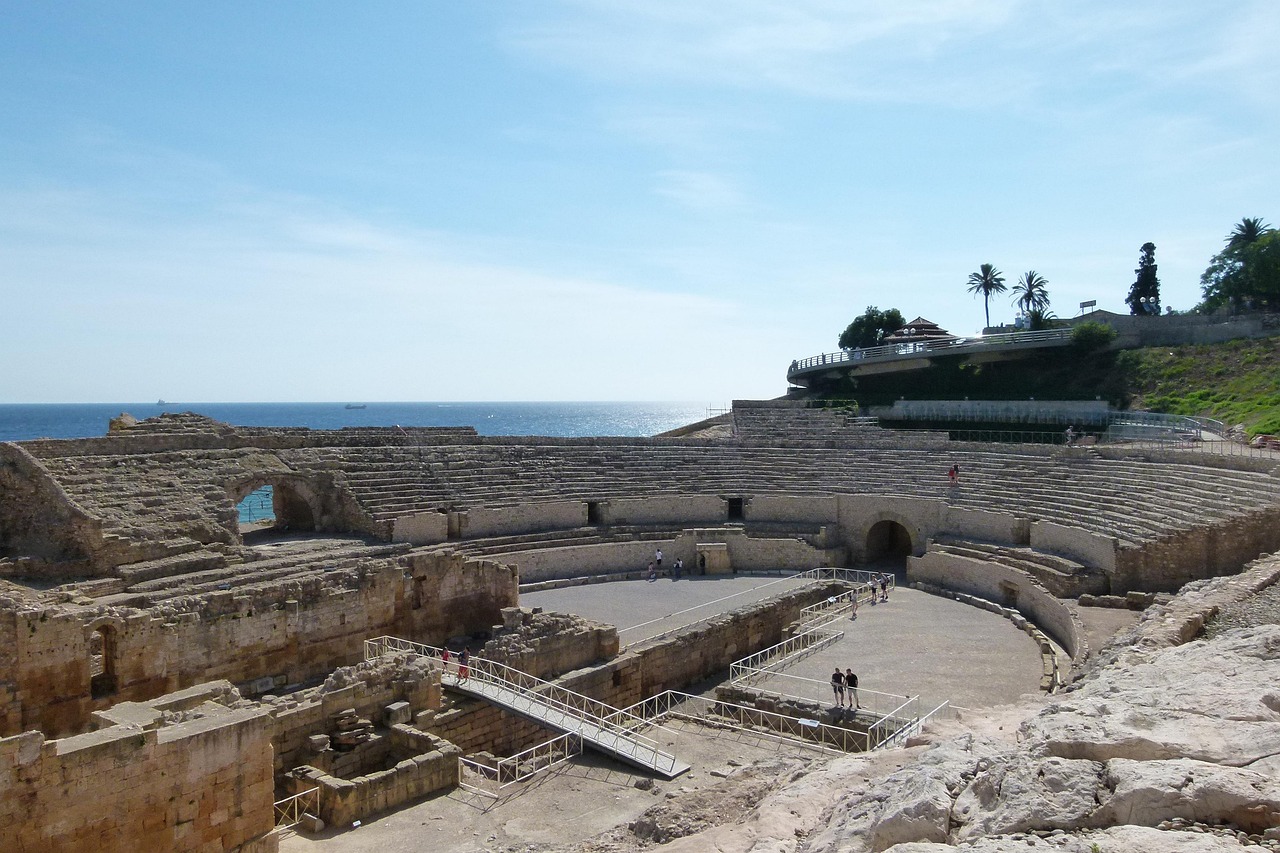
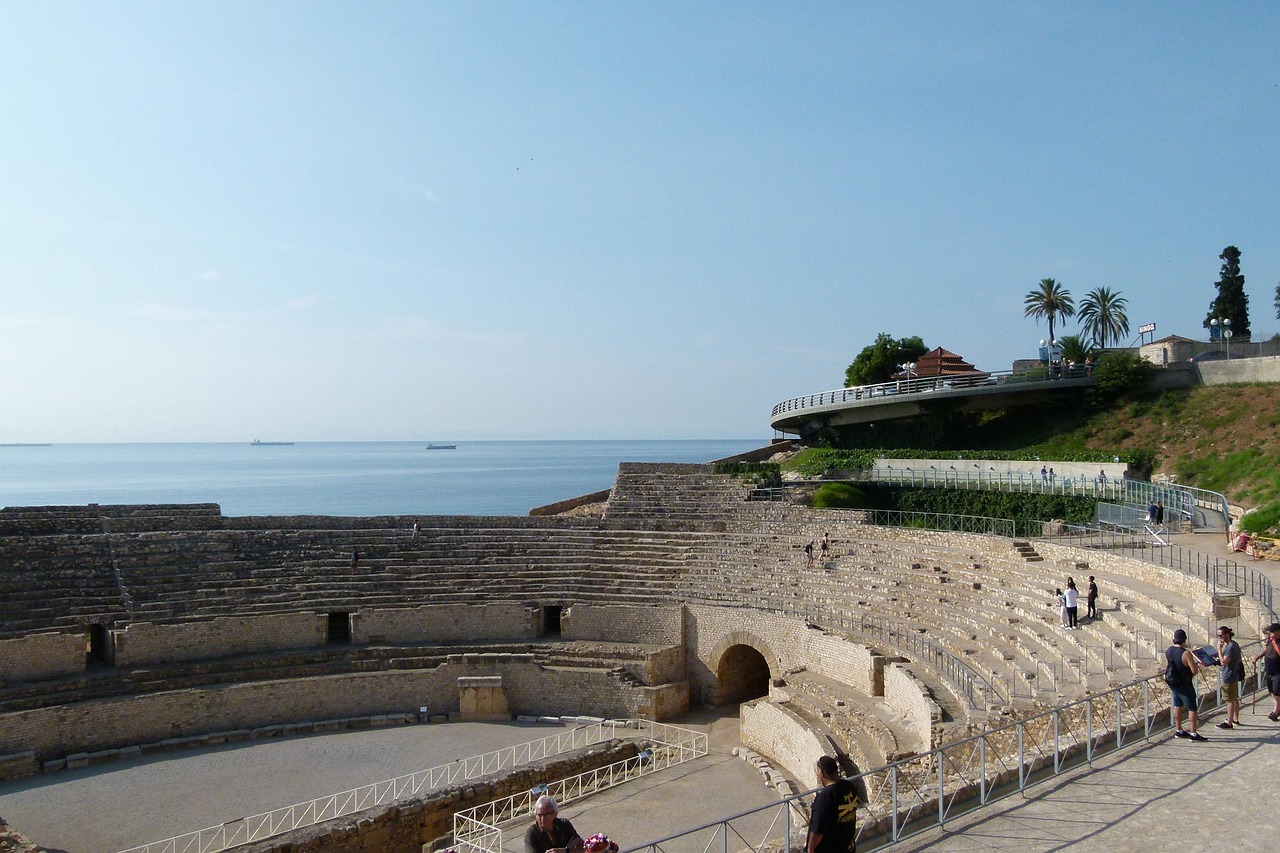
The Roman Amphitheatre is the image you’ll see on most postcards: a 2nd-century arena dramatically perched above the sea. The first time I walked down from the Part Alta at golden hour, the amphitheatre glowing while the Mediterranean shimmered behind it, I immediately understood why Tarragona doesn’t need a skyline of skyscrapers—it has this.
History & significance: Built in the 2nd century AD, it seated around 14,000 spectators who came to watch gladiatorial battles and public executions. Later, a Visigothic church and then a medieval church were built inside its walls, remnants of which you can still see.
My experience: I like to visit twice if I can: once in the late morning with a guide (or audio guide) to really understand the site, and once again near sunset to just sit and feel the space. One November visit, I sat nearly alone on the stone steps listening to the waves and imagining the roar of a Roman crowd.
Tips for visitors:
- Best time: Early morning or late afternoon to avoid heat and harsh light. In summer, midday here is an oven.
- Tickets: Usually included in combined tickets with other Roman sites; check current offers at the tourist office.
- Photography: The classic shot is from above on the coastal path or from the Balcó del Mediterrani.
- Family-friendly? Very—kids love running around the arena floor, but watch little ones near edges and stairs.
How to get there: From Rambla Nova, stroll down towards the sea; it’s a 10–15 minute walk. You’ll pass the Balcó del Mediterrani with one of the best city views.
2. Tarragona Cathedral & Cloister (Catedral de Santa Tecla)
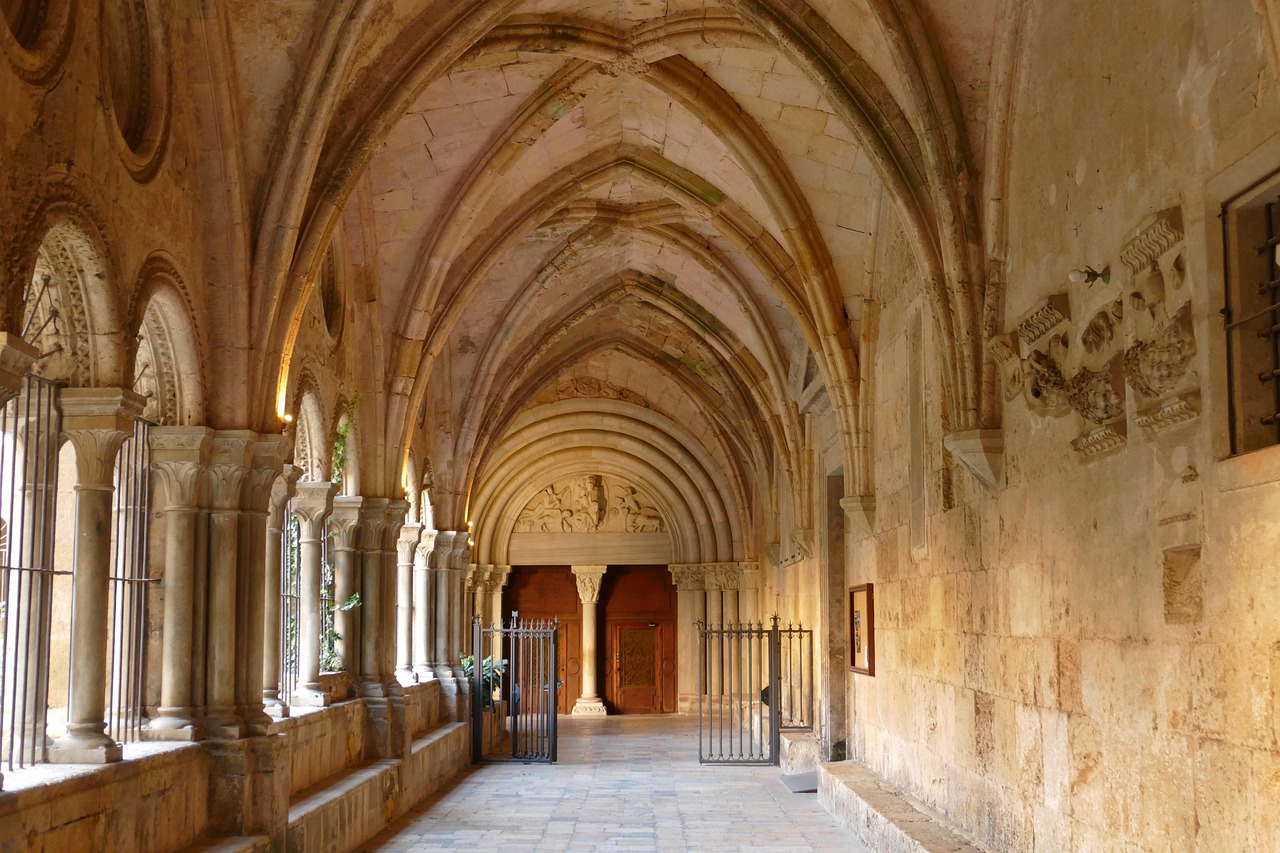
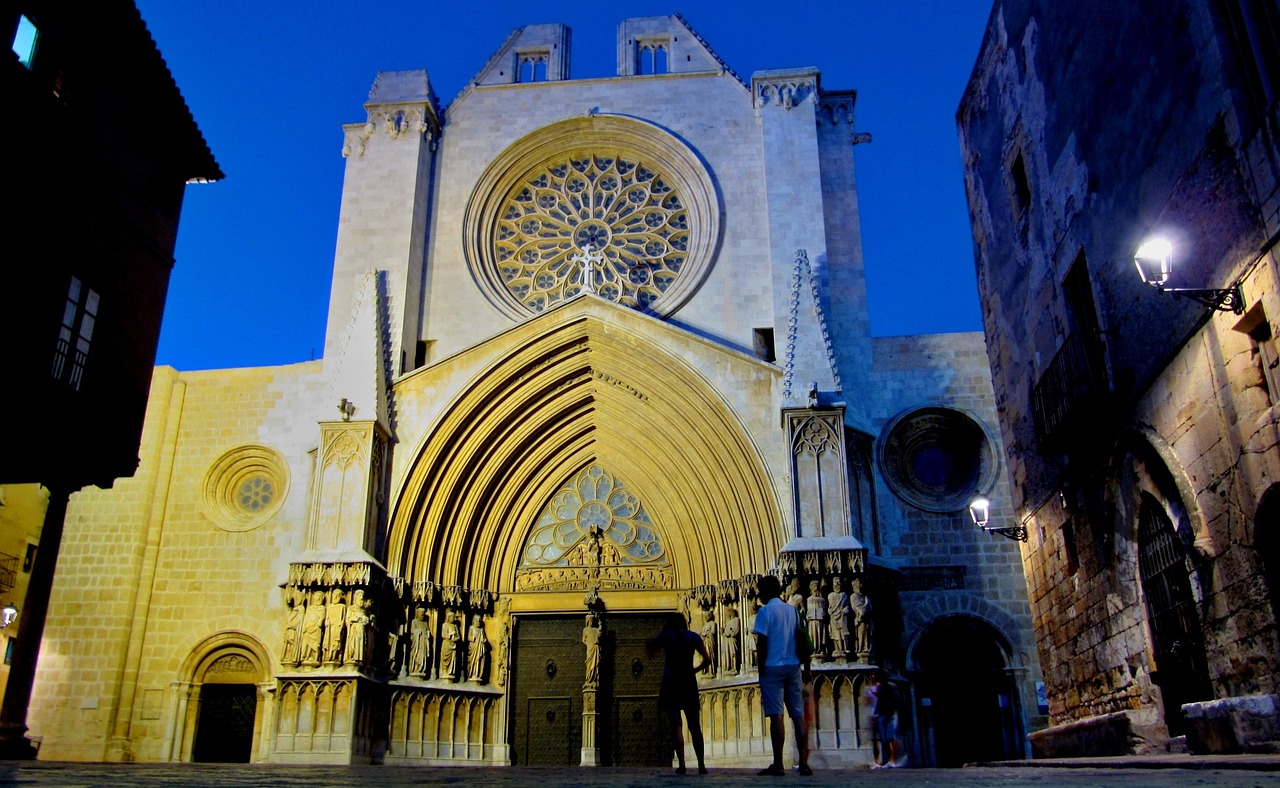
Rising above the Part Alta, the Cathedral of Tarragona is a beautiful mix of Romanesque and Gothic styles, built on the site of a Roman temple. The climb up through the Old Town streets, with the façade slowly revealing itself, is half the magic.
History & details: Construction began in the 12th century on what had been a Roman temple to Jupiter, then a Visigothic church, then a mosque. The cloister is one of my favorite quiet corners in the city—arcades, carved capitals, and a peaceful garden.
My experience: I always pay to enter the cloister; it’s worth it. One rainy March afternoon, I ducked inside to escape a sudden downpour and ended up staying over an hour, wandering among stone lions and listening to the rain in the courtyard. In 2024 I finally climbed the bell tower—highly recommended for panoramic views of rooftops, sea, and surrounding hills.
Tips:
- Dress code: Respectful clothing (shoulders covered) is appreciated; a light scarf in your bag is handy.
- Best time: Late morning or just before closing; evenings in summer often have special events or concerts (check schedules).
- Romantic? Very—especially at dusk when the steps in front of the cathedral are softly lit and couples linger on the stairs.
3. Roman Circus & Praetorium Tower (Circ Romà i Pretori)
The Roman Circus is where chariot races once thundered through the city. Today, parts of it lie hidden beneath modern buildings, making a visit here feel almost like a backstage pass to the city’s Roman skeleton.
What to see: You’ll explore underground corridors, remains of seating, and climb the Praetorium Tower for some of the best 360° views in Tarragona. The rooftop is one of my top “wow” spots to show first-timers.
My experience: The first time I descended into the tunnels, the temperature dropped and so did the noise from the city—it suddenly felt like stepping back 2,000 years. I’ve taken friends with kids here; the tunnels are always a hit with imaginative minds.
Tips:
- Combined ticket: Often sold as a package with the Amphitheatre and other Roman sites—great value.
- Accessibility: Expect stairs and uneven surfaces; not ideal for those with mobility issues.
- Best light: Late afternoon from the tower for photos of the cathedral and the sea.
4. Balcó del Mediterrani
At the end of Rambla Nova, the Balcó del Mediterrani is where everyone eventually ends up. It’s a wide viewpoint with wrought-iron railings, overlooking the train tracks, Platja del Miracle, and the amphitheatre.
Local tradition: There’s a saying: “Toca ferro!” (“Touch the iron!”). Locals rub the iron railings for good luck, and I’ve made it a ritual: each arrival and departure from Tarragona, I come here, rest my hands on the cool iron, and take one long look at the sea.
Best times:
- Sunrise: Soft light over the water, very few people.
- Evening paseo: This is prime time; families, couples, everyone strolling.
Family & romantic factor: Fantastic for both. I’ve seen grandparents pointing out the passing trains to toddlers and, two steps away, couples sharing a quiet moment leaning on the railing.
5. Rambla Nova
Rambla Nova is Tarragona’s main promenade and social artery. It stretches from the Pl. Imperial Tàrraco down to the Balcó, lined with trees, terraces, and shops.
In the evenings, it turns into a passeig—locals walk up and down, catch up with friends, and window-shop. This is where I usually start or end my nights in Tarragona.
Don’t miss: Look for the Monument als Castellers, a sculpture of human towers that capture one of Catalonia’s most striking traditions.
6. El Serrallo (Fishermen’s Quarter)
If you love seafood and real-deal neighborhoods, El Serrallo is non-negotiable. It’s where the fishing boats dock and where you’ll find some of the best local food in Tarragona.
My experience: One September evening, a friend from Tarragona dragged me down here insisting, “You haven’t really eaten in Tarragona until you’ve had suquet de peix in Serrallo.” We ended up at a simple, family-run place, and the fish stew was one of those meals you remember years later—rich, saffron-scented broth, potatoes, perfectly cooked fish.
What to eat:
- Graellada de peix i marisc: Mixed grilled fish & seafood platter.
- Suquet de peix: Traditional Catalan fish stew.
- Arrossejat: Local rice dish, similar to paella but with its own twist.
Tips: Come for a late lunch (around 2 pm) to see the neighborhood buzz. Check the blackboards—places usually highlight the day’s catch.
7. Platja del Miracle
Platja del Miracle is Tarragona’s main city beach: long, sandy, and framed by the city above. It’s not the most “wild” or picturesque stretch of coastline in Catalonia, but the convenience is unbeatable—10 minutes from the center and you’re swimming in the Mediterranean.
My routine: On longer stays, I’d often work from a café in the Part Alta in the morning, then wander down here after lunch for a quick swim and a nap under an umbrella. It’s also a nice evening walk when the heat drops.
Family factor: Great for kids—shallow entry, lifeguards in season, and chiringuitos (beach bars) for snacks and ice cream.
8. Pont del Diable (Les Ferreres Aqueduct)
The Pont del Diable (Devil’s Bridge) is a remarkably well-preserved Roman aqueduct just outside Tarragona, spanning a small valley with elegant stone arches.
My experience: One mild February morning, I took a local bus out, then walked the last stretch through pine-scented paths. Standing on top of the aqueduct, with birdsong all around and hardly anyone else in sight, it felt worlds away from the city—even though it’s only a short trip.
Tips:
- How to get there: Short drive or local bus from Tarragona (ask at the tourist office for current routes).
- Footwear: Wear proper shoes; you’ll be walking on uneven paths and stones.
- Best time: Morning, especially in summer, before it gets too hot.
Adventurous? Mildly. Walking on top of the aqueduct is not for the very faint of heart, but it’s not extreme either. Great mini-adventure close to town.
9. Roman Walls (Muralles de Tarragona)
Tarragona’s ancient Roman walls still partly encircle the Part Alta. Walking along the ramparts, you can see how the city’s layers stack: Roman stones below, medieval modifications above, modern life beyond.
My experience: On my first visit back in 2016, I walked the walls at sunset and watched the city turn golden. By my third trip, I’d fallen into the habit of using the wall walk as a kind of reset—whenever I felt overwhelmed, I’d go up there and let the views calm me down.
Tips:
- Entry: Usually ticketed but inexpensive; often included in site passes.
- Views: Great angles on the cathedral and rooftops.
10. Plaça de la Font
Plaça de la Font sits just below the cathedral, lined with restaurants and the Town Hall. It’s one of Tarragona’s main social hubs and a perfect place for people-watching.
My experience: I’ve lost count of how many evenings I’ve spent nursing a vermut or a glass of local white wine here. During Santa Tecla (the big local festival), the square is absolutely packed with events and human towers—it’s chaos in the best way.
Food tip: The quality of restaurants varies; look where locals are sitting and avoid the very touristy set menus if you want something more authentic.
11. Plaça del Fòrum
A smaller, cozier square in the Part Alta, Plaça del Fòrum sits on top of what was once the Roman forum. You can still see blocks of ancient stone integrated into the walls.
Why I love it: This is where I usually go for dinner when I want a slightly quieter, more intimate vibe than Plaça de la Font. Terraces spill out, fairy lights twinkle, and it feels like a tucked-away world.
12. Miracle Beachfront & Train Viewpoint Area
Just below the Balcó del Mediterrani and Rambla Nova lies the area where the train line threads between city and sea. It’s an iconic view: amphitheatre, beach, tracks, and the Mediterranean stretching away.
My experience: On one of my “slow days,” I took a book, walked the coastal path, and ended up spending hours just watching the interplay of trains, waves, and people on the sand. If you’re into train photography plus sea views, this is your spot.
13. National Archaeological Museum of Tarragona
The National Archaeological Museum of Tarragona (MNAT) is the best place to understand the city’s Roman past in context: mosaics, sculptures, inscriptions, everyday objects.
My experience: I’m not always a “museum person,” but Tarragona’s felt manageable and meaningful. One rainy January day, I wandered slowly through, then emerged with a totally different appreciation for the city—suddenly the random bits of columns and statues made more sense.
Tip: Combine with visits to the circus and amphitheatre; together they provide a full Roman narrative.
14. Early Christian Necropolis
A bit off the usual tourist path, the Early Christian Necropolis is a large burial site dating between the 3rd and 5th centuries. It’s a fascinating window into early Christian communities in the region.
My experience: I visited on my third trip, curious but not expecting much, and ended up staying far longer than planned. The explanations are clear, and the site itself is surprisingly atmospheric—a good stop for history lovers.
Tips: Check opening hours; they can be more limited than major sites. Easy to combine with exploring the newer parts of the city.
15. Arc de Berà
About 20 km outside Tarragona along the ancient Via Augusta stands the Arc de Berà, a Roman triumphal arch built in the time of Augustus.
Why go: It’s not essential for a short city-only break, but if you have a car or are doing a wider Costa Daurada trip, it’s a lovely quick stop that drives home the reach of Roman Tarraco.
My experience: I once stopped here en route to a winery visit—standing by the roadside with this 2,000-year-old stone arch felt surreal in a very “Europe” way.
16. Pont del Diable Eco-Historical Park
Beyond the aqueduct itself, the surrounding park and forest make for a gentle nature escape, with walking paths and picnic spots.
My experience: On a spring afternoon, I brought a simple picnic (bread, cheese, olives, and a small bottle of local wine) and spent a few hours under the pines after exploring the aqueduct. It’s a slow, restorative side of Tarragona most visitors skip.
17. Port of Tarragona & Marina
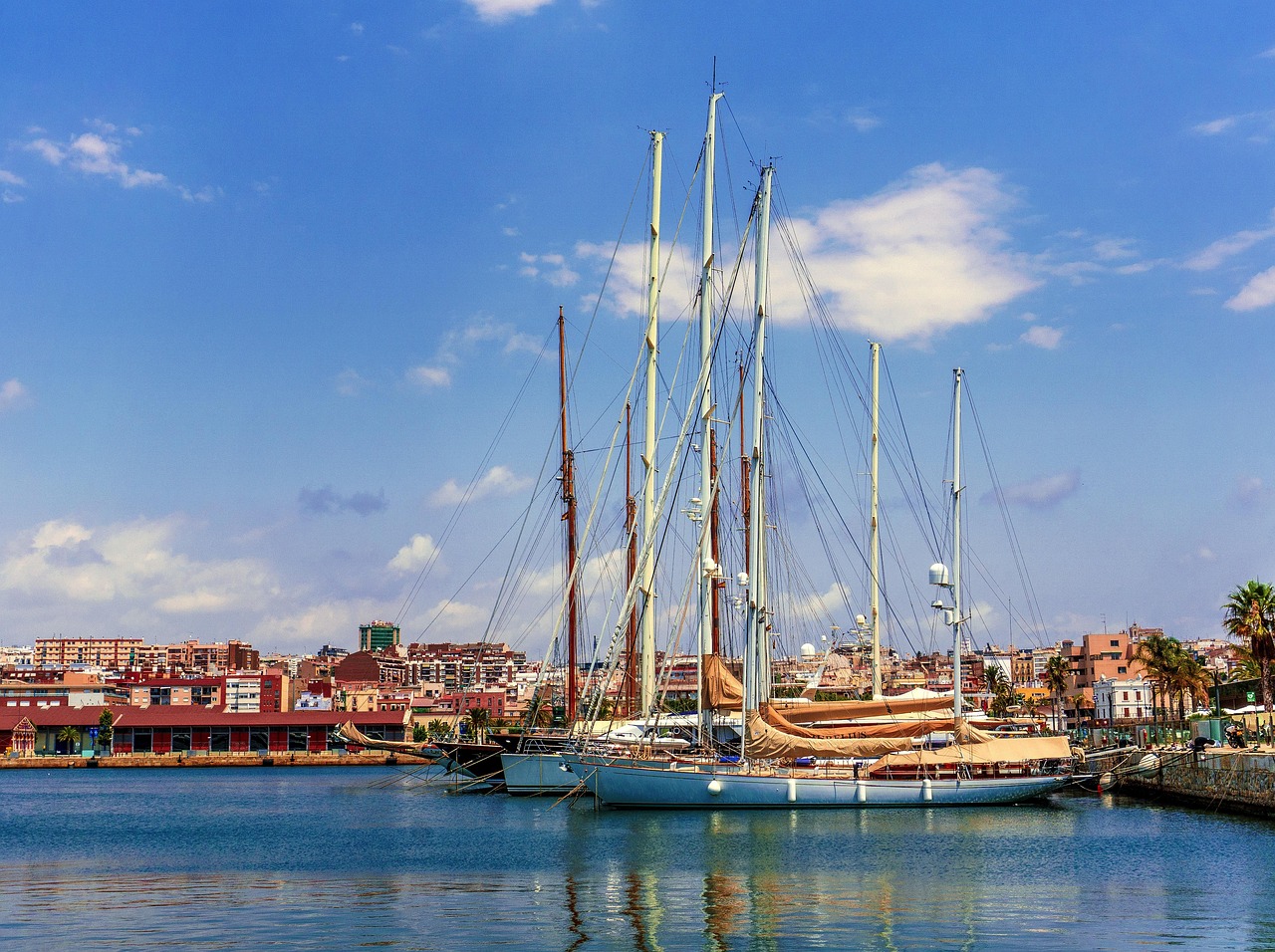
The Port of Tarragona is both a working commercial port and a leisure marina area. The contrast—cargo ships in the distance, small sailboats near the restaurants—adds to the city’s character.
What to do: Stroll the promenade, grab ice cream, or have a drink at sunset watching the reflections on the water.
18. Plaça del Rei & Roman Colonial Forum Area
Plaça del Rei is another Old Town square steeped in history, near the remains of the Roman colonial forum. It feels more local and less tourist-trodden than the big squares.
My experience: I often wander through here on my way between sites, lingering when there’s live music or a small market. It’s one of those quietly beautiful corners that make Tarragona so livable.
19. Medieval Lanes of the Part Alta
Not a single attraction, but the network of medieval lanes in the Part Alta deserves its own mention. Many visitors rush from cathedral to forum to walls and miss the simple pleasure of getting lost here.
My experience: One of my best Tarragona evenings involved nothing more than wandering these streets without Google Maps, turning wherever looked interesting, and stopping whenever a bar or gallery caught my eye.
20. Castellers Practice & Performances
Not a “place” but a cultural experience, the castellers (human tower builders) are central to Tarragona’s identity. Watching a colla (team) rehearse or perform is unforgettable.
My experience: I first saw castellers during the Santa Tecla festival, when teams build towers in front of the cathedral. The silence as the top child (the anxaneta) climbs up, the collective breath as they raise an arm—it’s goosebumps every time.
How to see them: In 2026, local groups still hold open rehearsals; ask at the tourist office or check posters around town. Performances cluster around festivals like Santa Tecla (September) and other local celebrations.
3–5 Days in Tarragona: Detailed Itineraries with Personal Stories
Below are sample itineraries for 3, 4, and 5 days in Tarragona. Think of them as frameworks you can adapt, mixing must-see attractions in Tarragona with hidden gems, local food, and slow moments.
3 Day Itinerary for Tarragona
This is ideal if you want to hit the highlights without rushing too much: a mix of Roman history, Old Town charm, and beach time.
Day 1: Roman Tarragona & Sea Views
I usually treat my first day in Tarragona as an orientation: get a sense of the city’s shape, soak up the big views, and dive straight into its Roman core.
Morning: Rambla Nova & Balcó del Mediterrani
After dropping my bag at a guesthouse in the Part Alta, I walk down to Rambla Nova for a slow coffee. My ritual spot is a café halfway down the Rambla, with outdoor seating perfect for people-watching.
From there, I wander towards the Balcó del Mediterrani. I always pause, touch the iron railing for luck, and take in the amphitheatre, trains, and Platja del Miracle below.
Practical tip: If you’re arriving from Barcelona by train, you can easily walk up from the station to Rambla Nova in about 15–20 minutes, even with a wheeled suitcase (though it’s a bit uphill).
Late Morning–Afternoon: Roman Amphitheatre & Circus
Next, I head down to the Roman Amphitheatre. Get the combined ticket that also covers the Roman Circus & Praetorium. Spend at least an hour at the amphitheatre wandering the stands and the arena floor.
When I visited in May 2025 with friends, we lingered so long at the amphitheatre that we had to rush a bit through the circus afterward—don’t do that. Give yourself time for both.
From the amphitheatre, there’s a short walk uphill to the circus entrance. Don’t miss climbing up the Praetorium Tower—the views over the cathedral and rooftops help you instantly map the city in your mind.
Lunch idea: On my last trip I grabbed a simple menu del dia (set lunch) at a small place near Plaça del Rei—3 courses, bread, and wine for under what a single main dish would cost in central Barcelona. Look for chalkboard menus.
Late Afternoon: Stroll the Part Alta
With the Roman introductions done, wander the Part Alta: peek into alleyways, find the remaining chunks of Roman wall, and circle back to Plaça del Fòrum for a coffee or vermut.
Hidden gem: I like ducking into small artisan shops here—ceramics, local design, and handprinted postcards instead of mass souvenirs.
Evening: Dinner on Plaça de la Font
For the first night, I almost always end up on Plaça de la Font. It’s lively without being wild, and there are plenty of terraces to choose from.
What to order: Share a few tapas—patates braves, grilled cuttlefish (sepia a la planxa), croquettes—and a chilled bottle of local white wine from the DO Tarragona region.
After dinner, walk back up towards the cathedral. The façade lit up at night is quietly spectacular.
Day 2: Cathedral, Roman Walls & Beach Time
Morning: Cathedral & Cloister
Start with the Tarragona Cathedral before the crowds arrive. The steps leading up feel almost like a ceremonial approach; I like to stop halfway and look back down at the city.
Inside, take your time with the chapels and then head to the cloister. If you’re at all into photography, this place is a dream—arches, light, and shadow. I often sit on a bench here for a while, letting the cool stone and quiet sink in.
Late Morning: Roman Walls Walk
From the cathedral, make your way to the access points for the Roman walls. Walk the ramparts, reading the panels about how the city evolved. The views out to the modern neighborhoods show just how Tarragona has grown beyond its ancient core.
Family tip: My friends’ kids loved playing “spot the oldest stone” along the walls—simple games make history more tangible for little ones.
Lunch: Part Alta or Rambla Nova
For lunch, I sometimes go to a taverna-style place in the Part Alta for hearty Catalan dishes: botifarra amb mongetes (sausage with white beans), truita de patates (potato omelet), grilled vegetables with romesco sauce.
Alternatively, drop down to Rambla Nova for something lighter and more contemporary—there are newer spots doing creative tapas and fusion dishes.
Afternoon: Platja del Miracle
Time for the beach. Walk or take the small local bus down to Platja del Miracle. In summer, I bring just a towel, sunscreen, and a paperback. In shoulder seasons (May–June, September–October), the beach is much quieter but still warm enough to laze around.
Practical tip: Watch your belongings like in any urban beach, but Tarragona is generally calmer than bigger cities.
Evening: Tapas Crawl in the Part Alta
Back in the Old Town, I like doing a mini tapas crawl instead of a single big dinner. Two or three different bars, one or two plates in each. It’s a great way to sample different versions of classics and feel the neighborhood’s rhythm.
End the night with a digestif—maybe a local ratafia (herbal liqueur) or just a simple herbal tea if you’ve overdone it on food.
Day 3: El Serrallo & Optional Aqueduct or Museum
Morning: Choice – Aqueduct or Archaeological Museum
If you’re more of an outdoor/adventure person, use the morning to visit the Pont del Diable aqueduct and surrounding park. Head out early, walk the paths, and savor the contrast between ancient stone and forest.
If you’re more of a history/culture person, spend the morning at the National Archaeological Museum and, if time allows, the Early Christian Necropolis.
My take: I’ve done both on separate trips; if you only have 3 days in Tarragona and want balance, I slightly lean towards the aqueduct for something different.
Lunch & Afternoon: El Serrallo
Head down to El Serrallo for a late lunch. Choose a place with fresh fish on display and a busy terrace. Order suquet de peix or a fish rice dish, and don’t rush—this is a meal to linger over.
After lunch, walk along the harbor, watch the fishing boats, and maybe grab an ice cream or coffee at the marina area. The whole afternoon has a slightly slower, saltier pace than the city center.
Evening: Last Walk & Balcó Farewell
For your final evening, I like to return to the Balcó del Mediterrani around sunset. Touch the iron railings again, say your silent thanks, and watch the sky change color.
Depending on energy levels, either have a light dinner (some pintxos at a bar off Rambla Nova) or just a drink—maybe local vermut on ice, with an orange slice and an olive—and toast to your three days in Tarragona.
4 Day Itinerary for Tarragona
With 4 days in Tarragona, you can keep the 3-day itinerary as a base and add more depth: extra Roman sites, a bit of nature, and more time to simply sit in plazas and feel the city.
Day 4: Necropolis, New Town & Hidden Corners
Morning: Early Christian Necropolis
Head to the Early Christian Necropolis in the morning. It’s peaceful and usually not crowded, which makes it easier to absorb the information and atmosphere.
My experience: On a quiet weekday morning, I found myself reading every panel and imagining the lives behind the names and symbols—much more affecting than I expected.
Late Morning–Lunch: Explore the New Town
From there, drift back through the newer neighborhoods. You’ll see more everyday life: kids coming out of schools, locals doing errands, real-estate agencies with prices that make big-city dwellers sigh.
Grab lunch at a neighborhood bar where the menu might not be translated—use your phone or take a chance. Some of my best meals in Tarragona have been random finds like this: huge salads, grilled meats, simple stews.
Afternoon: Café Hopping & Shopping
Use the afternoon for café hopping and light shopping. Rambla Nova and the surrounding streets have clothing stores, bookstores, and small boutiques. If you want local edible souvenirs, look for:
- Romesco sauce in jars
- Local olive oil
- Vermut from Catalan producers
Evening: Hidden Bars in the Part Alta
On your extra night, dig a little deeper into the Old Town bar scene. There are tiny wine bars and cozy spots with craft beer tucked into side streets—ask your host or a bartender for current favorites, as places do change.
This is a good night to catch live music if it’s on—small jazz or acoustic sets pop up, especially on weekends.
5 Day Itinerary for Tarragona
With 5 days in Tarragona, you can treat the city as a base and add a proper day trip or two, without sacrificing lazy mornings and long lunches.
Day 4: Pont del Diable & Forest Picnic (If Not Done Already)
If you haven’t yet been to the Pont del Diable, dedicate this day to it. Bring picnic supplies from a local market—bread, cheese, cured meats, fruit—and spend not just an hour, but most of the day wandering the park and relaxing.
My experience: The day I gave myself permission to “do nothing” here ended up being one of my favorite Tarragona days: reading under pines, walking short loops, returning to the aqueduct to see how the light shifted.
Day 5: Optional Day Trip or Deep Dive in Tarragona
For your fifth day, you have two excellent options:
- Option A: Day trip to nearby attractions (see the Day Trips section below)—for example, Roman sites in nearby towns, wineries, or charming coastal villages.
- Option B: Deep dive—use the day to revisit your favorite Tarragona spots, explore more backstreets, or simply plant yourself at a café with a book.
Personally, I often choose Option B. By day 5, Tarragona feels familiar, and there’s something very satisfying about living like a local for a day: doing laundry, buying produce at the market, scribbling notes in a journal on Plaça del Fòrum.
Local Food & Drink in Tarragona
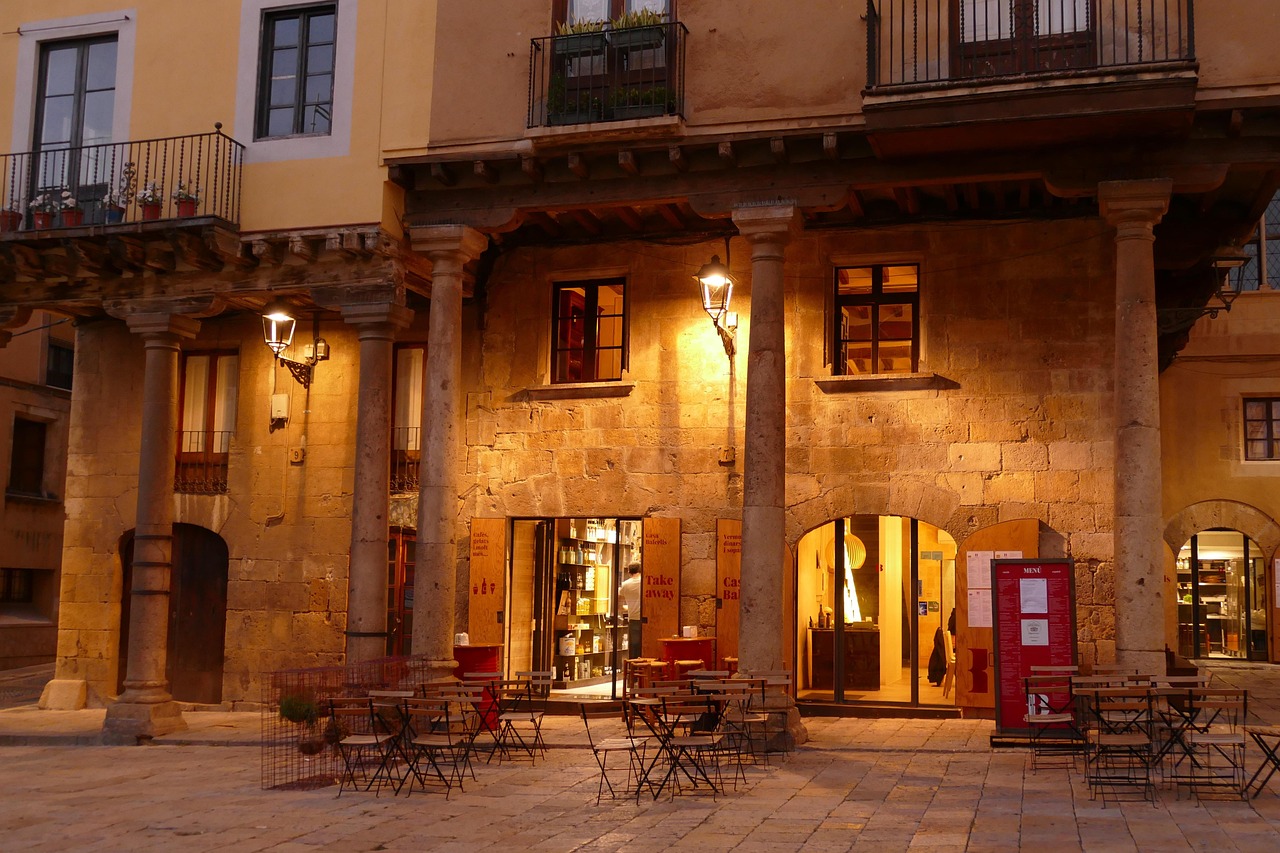
The local food in Tarragona is hearty, coastal, and proudly Catalan. There’s a strong emphasis on seafood, rice dishes, grilled meats, and seasonal vegetables, always with plenty of olive oil and garlic.
Must-Try Dishes
- Romesco Sauce: Tarragona’s star. Made from roasted peppers, tomatoes, almonds/hazelnuts, garlic, and olive oil. Traditionally served with grilled calçots (spring onions) in winter but also with fish and vegetables.
- Suquet de Peix: Rich fish stew with potatoes and saffron, often served in Serrallo.
- Arrossejat: Rice dish with fish broth, sometimes with noodles (fideus rossejats), similar in spirit to paella but local in style.
- Calçots with Romesco: In season (roughly January–March), grilled green onions dipped in romesco—messy, social, and fantastic.
- Botifarra amb Mongetes: Grilled Catalan sausage with white beans—simple and satisfying.
- Pa amb Tomàquet: Bread rubbed with tomato, garlic, olive oil, and salt—served with almost everything.
Drinks
- Vermut: Catalan-style vermouth on tap, usually served over ice with an orange slice and an olive—classic pre-lunch drink.
- Local Wines: DO Tarragona and neighboring DOs (like Priorat and Montsant) produce excellent reds and whites.
- Cava: Catalan sparkling wine, perfect with seafood and celebrations.
Where to Eat (Types of Places & Money-Saving Tips)
I’m not listing specific restaurant names (they change often), but here are the types of places I seek out in Tarragona and how I use them to save money:
- Menu del Dia Spots: At lunchtime on weekdays, look for “Menú del dia” signs. For a fixed price, you get 2–3 courses, bread, drink, and coffee or dessert. I’ve eaten very well this way for under what a single main would cost in more touristy cities.
- Bodegas & Vermuterias: Small wine and vermut bars often serve excellent cold tapas (anchovies, olives, cheese, cured meats) at very reasonable prices.
- Neighborhood Bars (New Town): Away from the main squares, you’ll find bars with generous portions and lower prices. I sometimes have my “big meal” of the day here at lunch, then just snack in the evening.
- Markets & Supermarkets: Pick up picnic supplies—especially on days when you’re heading to the beach or Pont del Diable. Fresh fruit and baked goods are inexpensive and good quality.
Nightlife, Entertainment & Cultural Experiences in Tarragona
Tarragona’s nightlife is more cozy and sociable than wild. Expect plazas buzzing until late, wine bars, a few clubs, and lots of outdoor seating in summer.
Evening & Nightlife Options
- Plaza Evenings: Start with a drink on Plaça de la Font or Plaça del Fòrum. This is where you see families, couples, and groups of friends overlapping.
- Wine & Craft Beer Bars: The Part Alta has several small bars specializing in local wines and craft beers. Great for conversation and tastings.
- Late Bars & Clubs: For dancing and later nights, look more towards the New Town and port area; ask locals what’s currently good, as venues can change names and styles.
Cultural Experiences
- Castellers: As mentioned, human tower performances around festivals—powerful and very Catalan.
- Festivals: Santa Tecla (September) is the big one, with parades, giants (gegants), and fireworks.
- Concerts & Theatre: Keep an eye on posters and the city’s cultural agenda; summer often brings open-air concerts.
Romantic Ideas
For a romantic evening:
- Sunset at the Balcó del Mediterrani, then dinner in the Part Alta.
- Late-night walk through the medieval streets, ending with dessert and cava at a small bar.
- Early evening glass of wine with sea views from a terrace overlooking Platja del Miracle.
Day Trips & Nearby Attractions from Tarragona
With 5 days in Tarragona or more, it’s worth exploring the surrounding region. Here are a few classic options:
1. Coastal Villages of the Costa Daurada
South and north of Tarragona, the Costa Daurada offers smaller seaside towns with calmer vibes. Think long sandy beaches, promenades, and family-friendly atmospheres.
How to get there: Short regional train rides along the coast; check timetables at the station.
2. Wine Country (DO Tarragona, DO Montsant, DOQ Priorat)
Winery visits make for excellent day trips if you have a car or book a tour. Priorat and Montsant, a bit further inland, are especially known for robust reds.
Tip: Designate a driver or use organized tours to fully enjoy tastings.
3. Other Roman Sites in the Region
Scattered around are more traces of Roman Tarraco: villas, smaller arches, and road segments. If you’re a serious Roman history lover, it’s worth planning a themed day.
Local Customs & Cultural Etiquette in Tarragona
Tarragona is relaxed, but a few local customs will help you fit in and avoid awkward moments.
Language
Tarragona is in Catalonia, so you’ll hear Catalan and Spanish (Castellano). Most people are bilingual. Using a few Catalan words is appreciated:
- Bon dia – Good day
- Si us plau – Please
- Gràcies – Thank you
If you speak Spanish, that’s totally fine; locals will often switch seamlessly.
Meal Times
- Lunch: 1:30–3:30 pm (peak around 2–3 pm)
- Dinner: From 8:30 pm onward; many kitchens don’t open before 8
Don’t be surprised if restaurants feel “late” compared to northern Europe or North America. Embrace it.
Tipping
Tipping is appreciated but not obligatory. Rounding up or leaving 5–10% in restaurants with table service is common if service was good. For bars and cafés, leaving small coins is nice but not required.
Dress & Church Etiquette
Casual but neat clothing is standard. For churches like the cathedral, cover shoulders and avoid beachwear. Keep voices low inside.
Personal Space & Noise
Spaniards and Catalans are generally sociable and not shy about animated conversation, but they also appreciate basic courtesy. Avoid loud phone calls in quiet cafés or on public transport.
Local Identity
Many residents identify strongly as Catalan. Avoid making sweeping political statements about Catalonia unless you know the person and context well. Show curiosity and respect if the topic comes up.
Practical Travel Tips for Tarragona (2026)
Getting To & Around Tarragona
Arriving
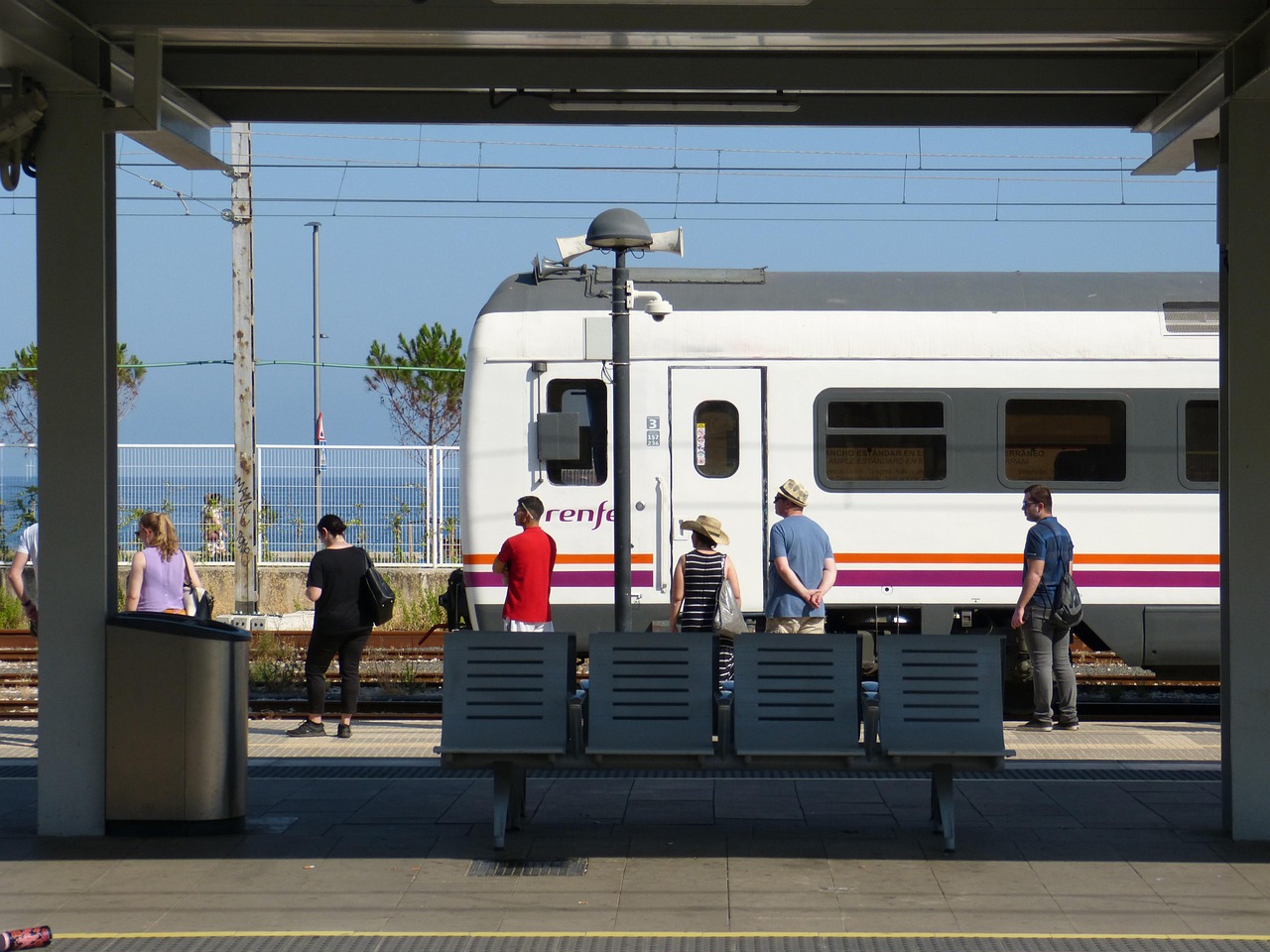
- By Train: Frequent regional and long-distance trains from Barcelona and other cities. The main station is close to the center.
- By Bus: Buses connect Tarragona with nearby towns and Barcelona airport.
- By Car: Easy via main highways; parking in or near the Old Town can be tricky—look for public car parks on the edges and walk in.
Getting Around the City
- On Foot: The center, Part Alta, and Rambla Nova are very walkable—this is how I get around 90% of the time.
- Local Buses: Handy for reaching the aqueduct, some beaches, and outlying neighborhoods.
- Taxis & Ride-Hailing: Available but not always as ubiquitous as in big cities. Useful at night or with luggage.
- Car Rental: Not needed to enjoy the city itself, but useful if you plan multiple day trips into the countryside.
Money-Saving Tips
- Travel off-peak: May–early June and late September–October have lower prices and milder weather.
- Use menu del dia: Make lunch your main meal to take advantage of set menus.
- Buy combined tickets: For Roman sites; cheaper than paying individually.
- Self-cater breakfasts: Stay in an apartment or guesthouse with access to a fridge; buy yogurt, fruit, and bread from the supermarket.
- Walk instead of taxi: Distances in the center are short; you’ll discover more by walking.
SIM Cards & Connectivity (2026)
By 2026, eSIMs and roaming deals make connectivity easier than ever.
- EU Travelers: Many EU plans still include roaming in Spain—check before you go.
- Non-EU Travelers: Buy a prepaid SIM or eSIM from major providers (Movistar, Vodafone, Orange) at airports, phone shops, or online. Expect good 4G/5G coverage in Tarragona.
- Wi-Fi: Widely available in hotels, many cafés, and public spaces.
Visa Requirements & Driving Licenses
Visa: Spain is part of the Schengen Area. Many nationalities can enter visa-free for short stays (usually up to 90 days in a 180-day period). Always check the latest requirements from official sources before traveling; rules can change.
Driving Licenses: EU/EEA licenses are generally valid. Visitors from other countries may need an International Driving Permit (IDP) alongside their home license—verify before renting a car.
Best Seasons & Weather
- Spring (April–June): My personal favorite. Mild to warm, blooming countryside, fewer crowds.
- Summer (July–August): Hot and busier, especially beaches. Great for swimming and festivals, but plan midday breaks.
- Autumn (September–October): Warm sea, pleasant days, and Santa Tecla festival in September.
- Winter (November–March): Quieter, cooler, but often sunny. Some beach bars and smaller places may reduce hours, but the city remains very livable.
Safety & Health
- Safety: Tarragona feels safe and relaxed. Use normal city precautions: keep an eye on bags in crowded areas and on the beach.
- Healthcare: Spain has good healthcare facilities. EU citizens with EHIC/GHIC and travelers with insurance are well-covered; always carry your documentation.
- Heat: In summer, respect the midday sun—stay hydrated, wear sunscreen, and take siestas like the locals.
Hidden Local Tips
- Morning Coffee Culture: Bars double as coffee spots. Don’t hesitate to step into a “bar” early in the day; you’ll see locals having espresso and a small pastry.
- Siesta Hours: Some small shops and businesses close for a few hours in the afternoon, especially outside peak season. Plan shopping for mornings or late afternoons.
- Festival Crowds: During major festivals like Santa Tecla, book accommodation well in advance and expect noisy nights—join the fun rather than fighting it.
- Ask Locals: People in Tarragona are generally friendly and proud of their city. Ask for restaurant tips in your accommodation or at cafés; you’ll often get better suggestions than any list online.
What’s New in 2026–2027: Events & Travel Scene in Tarragona
In 2026, Tarragona continues to lean into its identity as a Roman heritage and coastal culture hub. While exact event details may shift, here’s what travelers can generally expect for 2026–2027:
Recurring Major Events
- Santa Tecla Festival (September each year): Multi-day celebrations with parades, fireworks, castellers, concerts, and street parties. If you’re planning 3–5 days in Tarragona in late September, build your itinerary around this.
- Holy Week (Semana Santa): Religious processions through the Old Town—solemn, atmospheric, and photogenic.
- Castellers Competitions & Exhibitions: Regular events featuring human towers; dates vary but cluster in warmer months.
- Summer Concerts & Open-Air Cinema: Check the city’s cultural calendar for music and film events in plazas and near the sea.
Travel Scene Trends (2026–2027)
- More Sustainable Tourism: There’s increasing emphasis on respecting heritage sites, using public transport, and supporting local businesses.
- Digital Nomad-Friendly: By 2026, more cafés and accommodations offer strong Wi-Fi and work-friendly spaces. I’ve personally done remote work weeks here comfortably.
- Roman Heritage Branding: Expect more guided tours, themed events, and interactive experiences around Roman Tarraco.
Summary & Final Recommendations
Tarragona rewards travelers who like a balance of history, sea, food, and everyday life. It’s a place where you can spend the morning in a 2,000-year-old amphitheatre, lunch on fresh fish in a working port, nap on the beach, and end the day in a medieval square with a glass of vermut.
Key Takeaways
- Best for: Couples, families, history buffs, and slow travelers who prefer character over crowds.
- Ideal trip length: A 3 day itinerary for Tarragona covers the essentials; 4 days in Tarragona adds depth; 5 days in Tarragona lets you blend in and explore beyond the city.
- Must-see attractions in Tarragona: Roman Amphitheatre, Cathedral & cloister, Roman Circus & Praetorium, Balcó del Mediterrani, El Serrallo, Roman walls.
- Hidden gems in Tarragona: Early Christian Necropolis, Pont del Diable park, small bars in the Part Alta, everyday cafés in the New Town.
Best Time to Visit Tarragona
- For beaches & swimming: Late May–September (July–August hottest and busiest).
- For festivals & culture: September (Santa Tecla) and spring holidays.
- For budget & quiet: November–March (excluding Christmas/New Year), with the understanding that some seasonal spots may be closed.
Whether you’re here for 3 days in Tarragona or stretching to a 5 day itinerary for Tarragona, my main advice is simple: slow down. Sit in the plazas, walk the lanes without a plan, talk to locals, and let this coastal Roman city show you its layers—stone by stone, plate by plate, sunset by sunset.