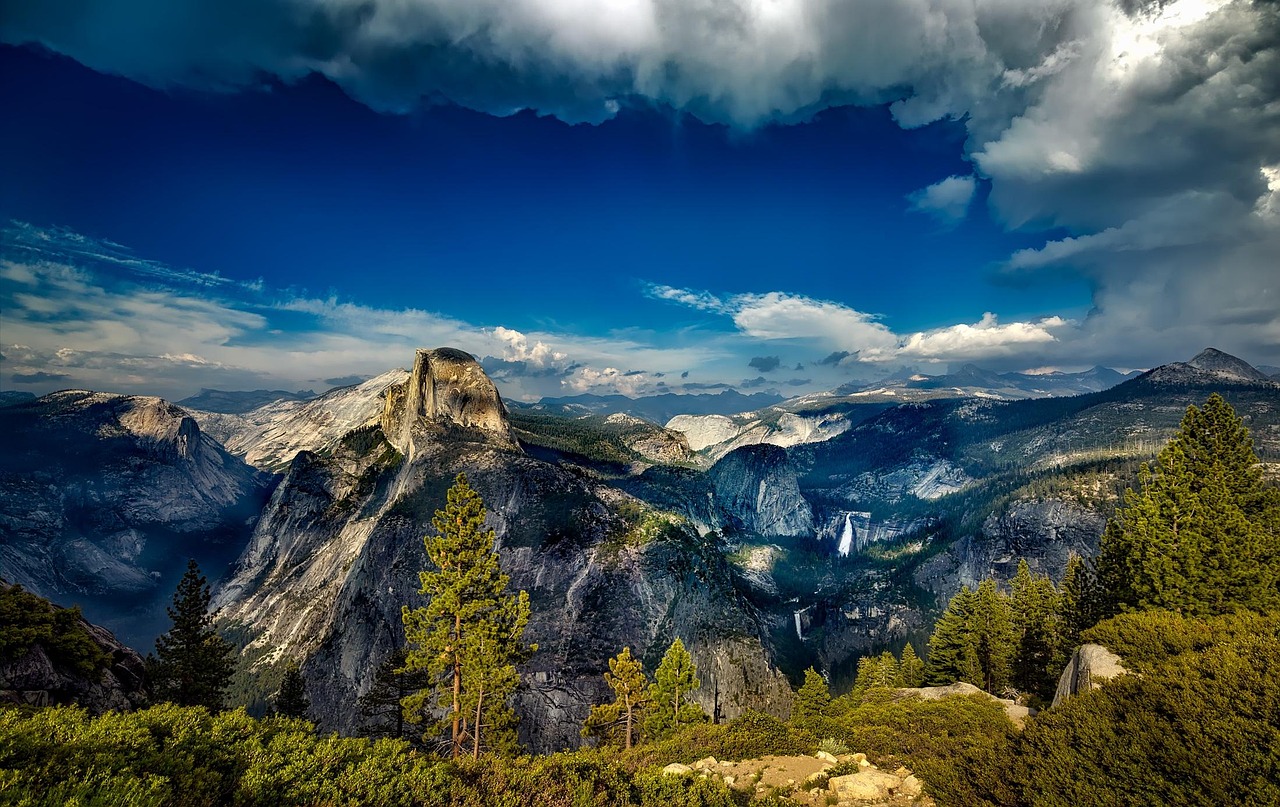
Why Visit Yosemite in 2026
Every time I drive through the Arch Rock Entrance and that first granite wall rises above the Merced River, I get the same flutter in my chest I felt on my very first visit years ago. Yosemite is one of those rare places that really is as jaw-dropping as the postcards – and yet, if you give it time, it also becomes surprisingly intimate and personal.
In 2026, Yosemite is as iconic as ever: the sheer face of El Capitan, Bridalveil Fall catching the afternoon light, Half Dome glowing pink at sunset, and those quiet, pine-scented meadows at dawn where mule deer graze like they own the place (they kind of do). But it’s also a living, changing park with new shuttle systems, updated reservation rules, and evolving programs that can make or break your trip if you don’t plan ahead.
I’ve spent dozens of nights in and around Yosemite – in all seasons, from snowshoeing in January to chasing wildflowers in April and sweating my way up to Clouds Rest in August. This 2026 travel guide pulls together everything I wish I’d known on those early trips: realistic 3–5 day itineraries, the best places to eat on a budget, where to find a quiet sunrise even in July, and how to navigate the sometimes-confusing reservation systems without losing your mind.
Whether you have 3 days in Yosemite or a full 5 day itinerary for Yosemite, this guide is written as if we’re planning your trip together at my kitchen table – with honest pros and cons for each area, and plenty of “if you only do one thing…” recommendations.
Table of Contents
- Why Yosemite in 2026
- Yosemite at a Glance
- Key Zones & Regions Inside Yosemite
- Gateway Towns & Basing Yourself
- 20 Must-See Attractions in Yosemite (Deep-Dive)
- Itineraries: 3, 4 & 5 Days in Yosemite
- Where to Eat: Local Food in & Around Yosemite
- After-Dark & Quiet Experiences
- Day Trips & Nearby Attractions
- Cultural Etiquette & Local Customs
- Practical Logistics & Travel Advice for Yosemite
- What’s New & Events 2026–2027
- Final Summary & Best Seasons to Visit
Yosemite at a Glance
Yosemite National Park sits on the western slope of California’s Sierra Nevada, about 4 hours from San Francisco and 5–6 from Los Angeles. It’s famous for its carved glacial valley, towering granite monoliths, waterfalls, giant sequoias, and high-country lakes and domes.
Yet most visitors only see a tiny fraction of it – usually Yosemite Valley and maybe Glacier Point. This guide will help you go deeper, without needing to be a hardcore backpacker.
- Best for: Hiking, photography, rock climbing, waterfalls, family trips, romantic getaways, high-country lakes, stargazing.
- Ideal trip length: 3–5 days in Yosemite (this is the sweet spot for a first visit).
- Seasons:
- Spring (April–June): Peak waterfalls, lush meadows, some high-country still snowed in.
- Summer (July–August): All roads open, warm, crowded, best for high-country hikes and backpacking.
- Fall (Sept–Oct): Fewer crowds, crisp air, some fall color, lower waterfalls.
- Winter (Nov–March): Snow, skiing at Badger Pass, quiet Valley, magical scenes, but many roads closed.
Key Zones & Trail Systems Inside Yosemite
Yosemite Valley
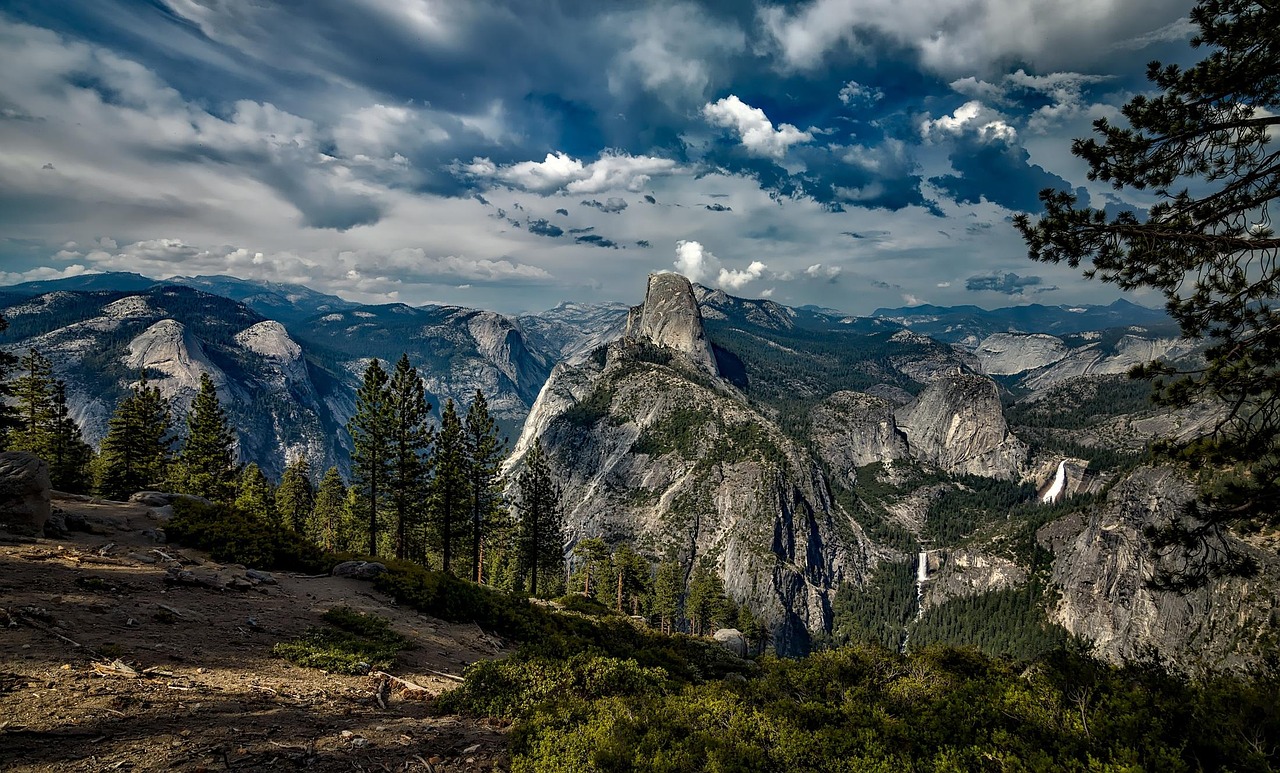
Yosemite Valley is the park’s beating heart – and where most 3 day itineraries for Yosemite naturally focus. This is where you’ll find El Capitan, Half Dome, Yosemite Falls, and most of the historic lodges.
- Landscape: Deep glacial valley, sheer granite walls, meadows, the Merced River.
- Known for: Iconic views, waterfalls, easy loop hikes, climbing scene, classic photos.
- Best for: First-time visitors, families, sunrise/sunset photography, short walks.
- Accessibility: Park shuttles, paved paths, bike rentals, plenty of “drive-up” viewpoints.
Glacier Point Road & Sentinel Dome Area
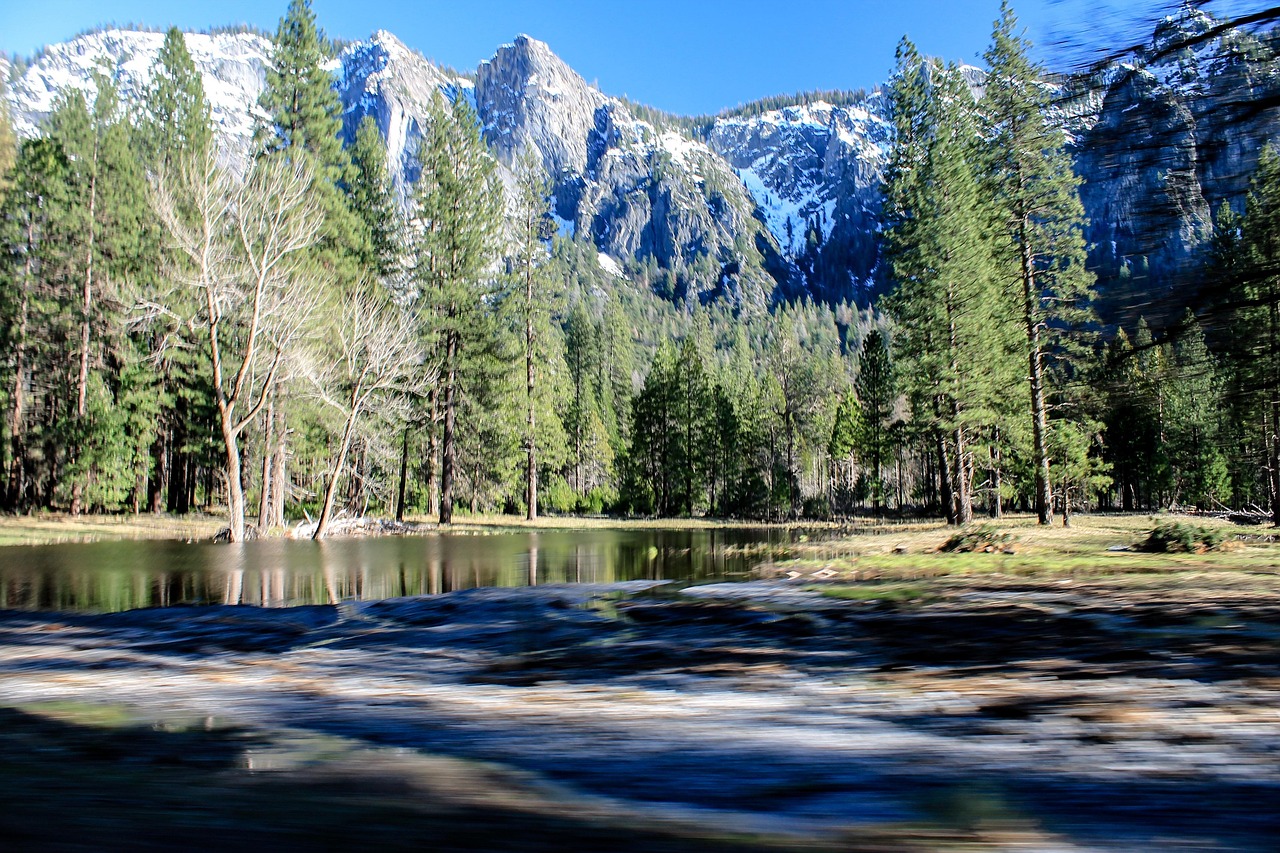
Glacier Point Road climbs out of the Valley to some of the park’s most ridiculous overlooks. Standing at Glacier Point at sunset, with Half Dome right there and Nevada Fall thundering in the distance, is one of those life-list travel moments.
- Landscape: High rim of Yosemite Valley, broad views, mixed forest, granite domes.
- Known for: Glacier Point overlook, Sentinel Dome, Taft Point, 4-Mile Trail.
- Best for: Sunset views, moderate hikes, dramatic drop-offs (if you like heights).
Tuolumne Meadows & Tioga Road (High Country)
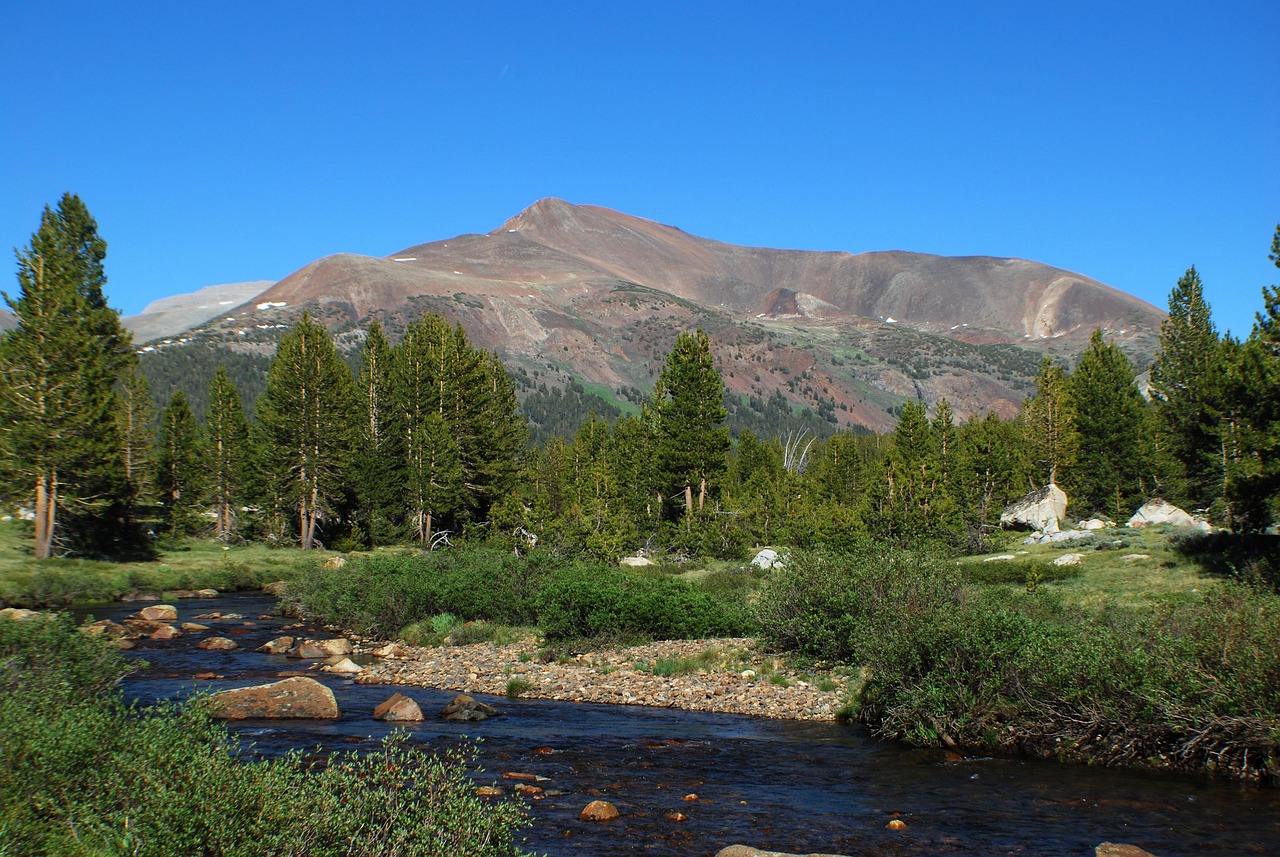
Tioga Road runs east–west across the park (seasonally), passing granite domes, sparkling lakes, and rolling meadows at around 8,500–10,000 ft. Tuolumne Meadows feels like a completely different park – wide-open, airy, and far less crowded than the Valley in summer.
- Landscape: Subalpine meadows, domes, high passes, alpine lakes.
- Known for: Tuolumne Meadows, Tenaya Lake, Olmsted Point, Cathedral Lakes, Lembert Dome.
- Best for: Summer hiking, wildflowers (July), backpacking, escaping Valley crowds.
Mariposa Grove & the Giant Sequoias
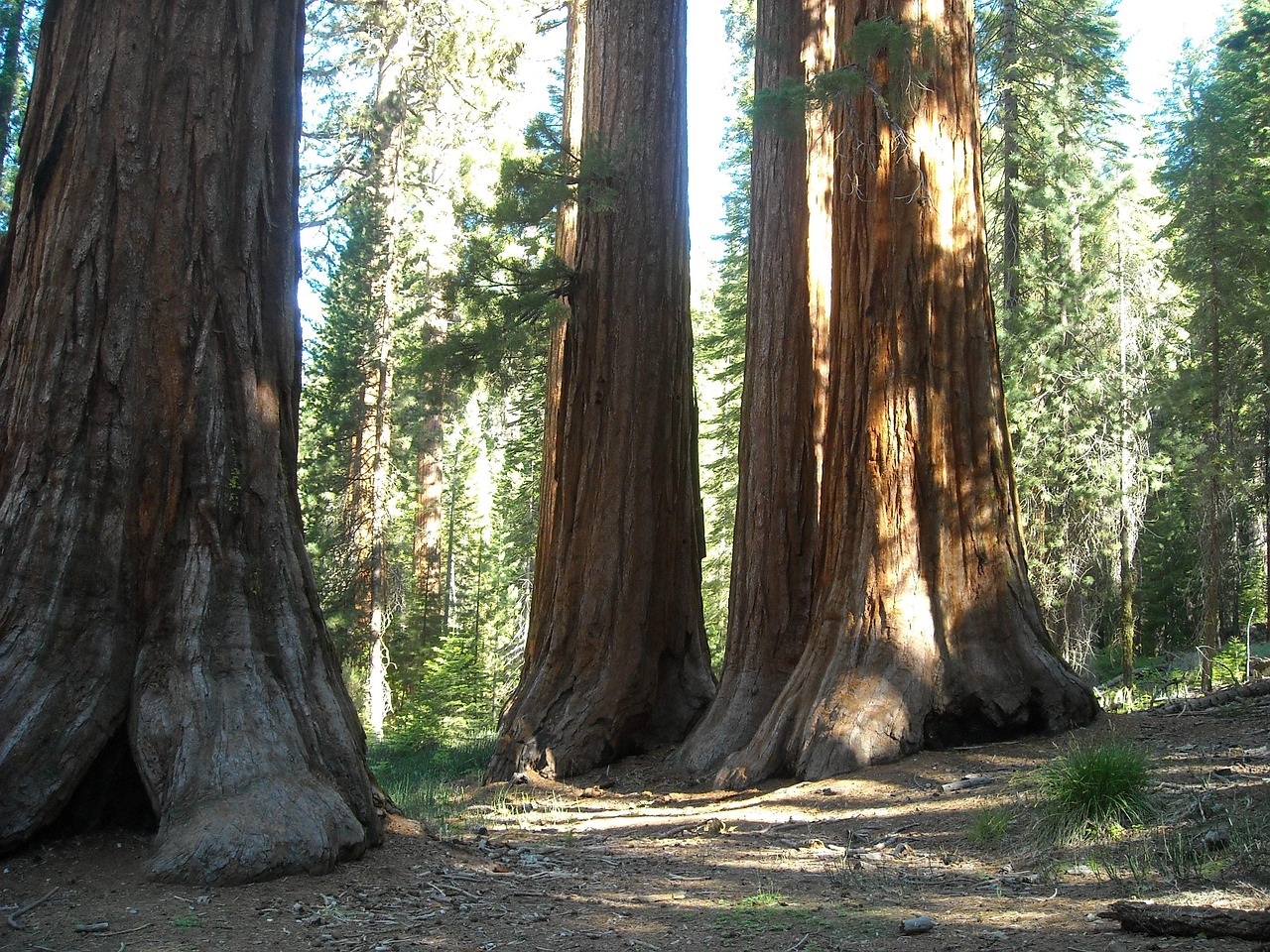
On the park’s south end, Mariposa Grove protects hundreds of giant sequoias: trees so big that standing at their base makes you feel like a kid again. I always bring first-time visitors here – it grounds the trip with something ancient and still.
- Landscape: Dense conifer forest with groves of giant sequoias.
- Best for: Families, slower walks, those who want a “wow” without a huge hike.
Hetch Hetchy
Often overlooked, Hetch Hetchy is a quieter corner with its own sheer granite walls and reservoir. In spring, the trails along the reservoir are waterfall-packed.
- Landscape: Reservoir ringed by cliffs, waterfalls in spring, chaparral and forest.
- Best for: Shoulder-season hiking, less-crowded day trips, wildflower walks.
Gateway Towns: Where to Base Around Yosemite
Most people don’t stay inside the park (limited rooms, higher prices, and reservations vanish months ahead). Knowing the gateway towns makes it easier to build a realistic 4 day itinerary for Yosemite or longer.
Yosemite West, Yosemite Valley Lodges & Curry Village
If you can snag lodging inside the park, do it. I’ve stayed at Curry Village in both canvas tents and cabins; waking up and walking straight out to the Mist Trail without getting in a car is priceless, especially for sunrise starts.
- Best for: Short trips (3–4 days), sunrise/sunset lovers, people who hate driving.
- Downside: Pricey, books fast, limited food options at night.
El Portal (Highway 140)
Just outside the Arch Rock Entrance, El Portal is the closest “down-valley” base. I like staying here when I want reasonable prices but still quick access into the Valley (about 25 minutes).
Mariposa (Highway 140)
A cute Gold Rush town about 1 hour from Yosemite Valley, with more restaurants and a small but fun main street. Good if you’re driving up from San Francisco and want that mix of “real town” and park access.
Oakhurst & Fish Camp (Highway 41)
Ideal if you’re entering from Fresno or LA. Oakhurst has big-box conveniences, while Fish Camp is closer and more woodsy (and right by the park boundary).
Groveland (Highway 120 West)
Groveland has more of an old-West feel, and is handy for access to both Yosemite Valley and the high country via Big Oak Flat Entrance.
Lee Vining & Eastern Sierra (Highway 120 East – Tioga Pass)
In summer and early fall, staying in Lee Vining opens up an entirely different approach, with Mono Lake, the Eastern Sierra, and quick access to Tuolumne Meadows. I love doing a one-way traverse: enter from the west, exit over Tioga Pass to Lee Vining.
20 Must-See Attractions in Yosemite (Deep-Dive)
Below are twenty of the best places to visit in Yosemite, each with enough detail to help you decide which to prioritize in your own Yosemite itinerary. I’ve visited each of these multiple times in different seasons – and each has its own personality.
1. Yosemite Valley: The Iconic Heart
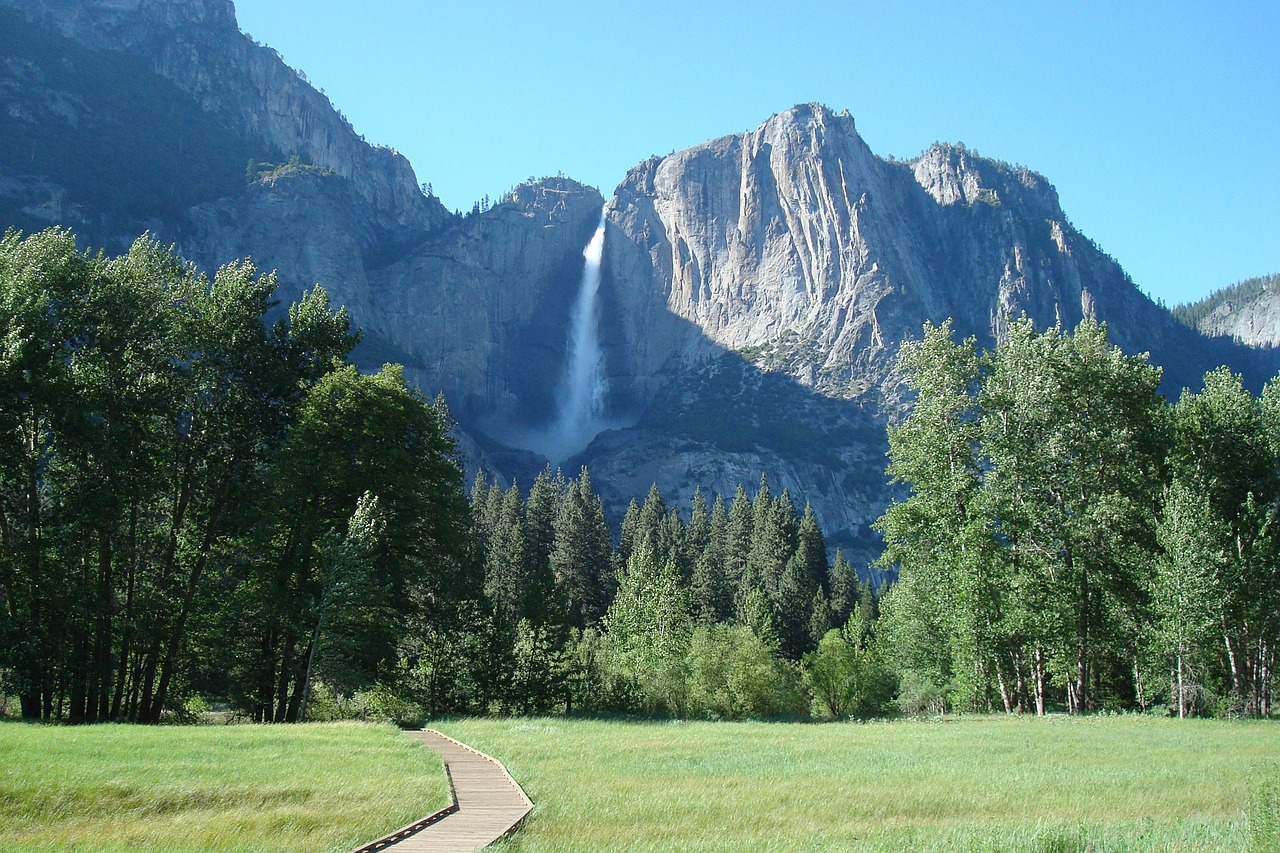
My first Yosemite sunrise was on the Valley floor in late May. Mist rose off the Merced, Yosemite Falls roared in the distance, and there was this soft, golden light on the meadow grasses. I remember thinking, “I get why people cross oceans to stand right here.”
What It Is: A 7-mile-long glacial valley lined with granite walls, waterfalls, and meadows. The main developed area of the park with lodging, stores, visitor centers, and trailheads.
Essential Experiences:
- Walk or bike the Valley Loop paths from Yosemite Village to El Capitan Meadow.
- Stroll Cook’s Meadow Loop at sunset – a short, flat, family-friendly loop.
- Float down the Merced River in summer (with your own inflatable or rented raft, when water levels allow).
My Tip: If you’re here for only 3 days in Yosemite, dedicate at least 1.5 of them to the Valley: a big hike plus an unhurried afternoon exploring the meadows and river.
Getting There: All year via Highway 140 and 41 (weather allowing); 120 West usually closes in heavy snow but reopens by late spring.
2. Tunnel View: The Classic Postcard
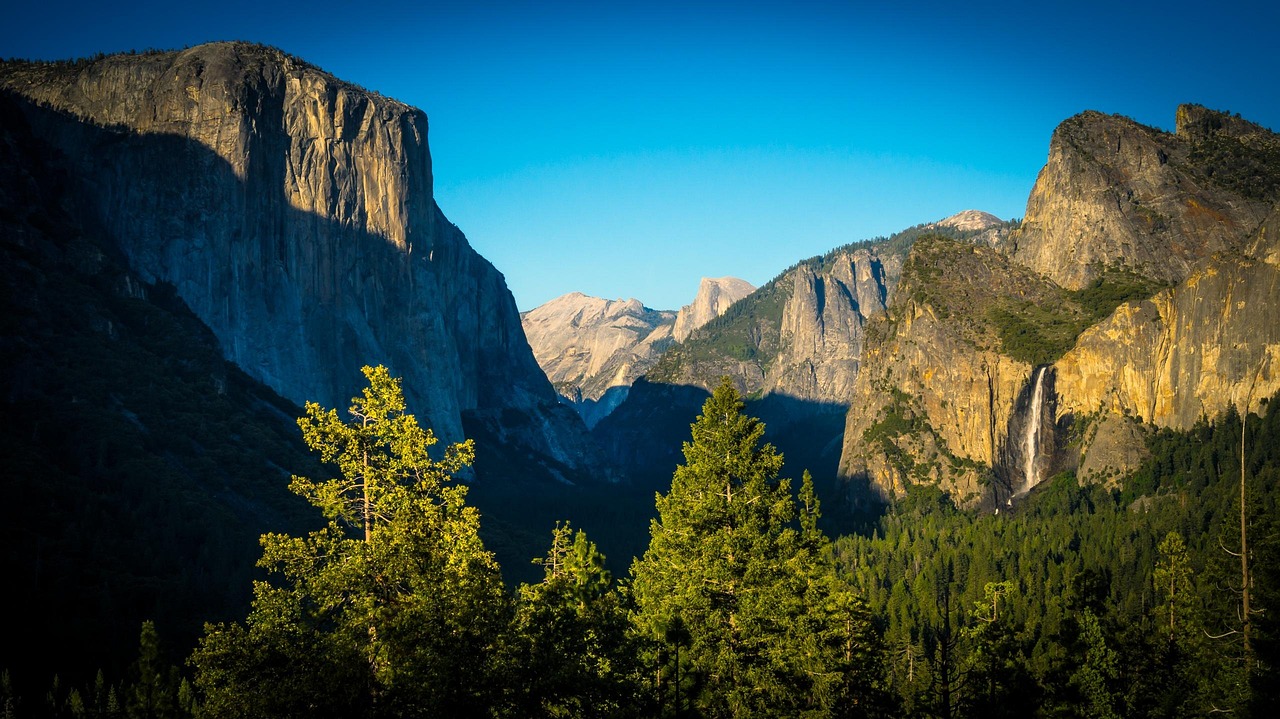
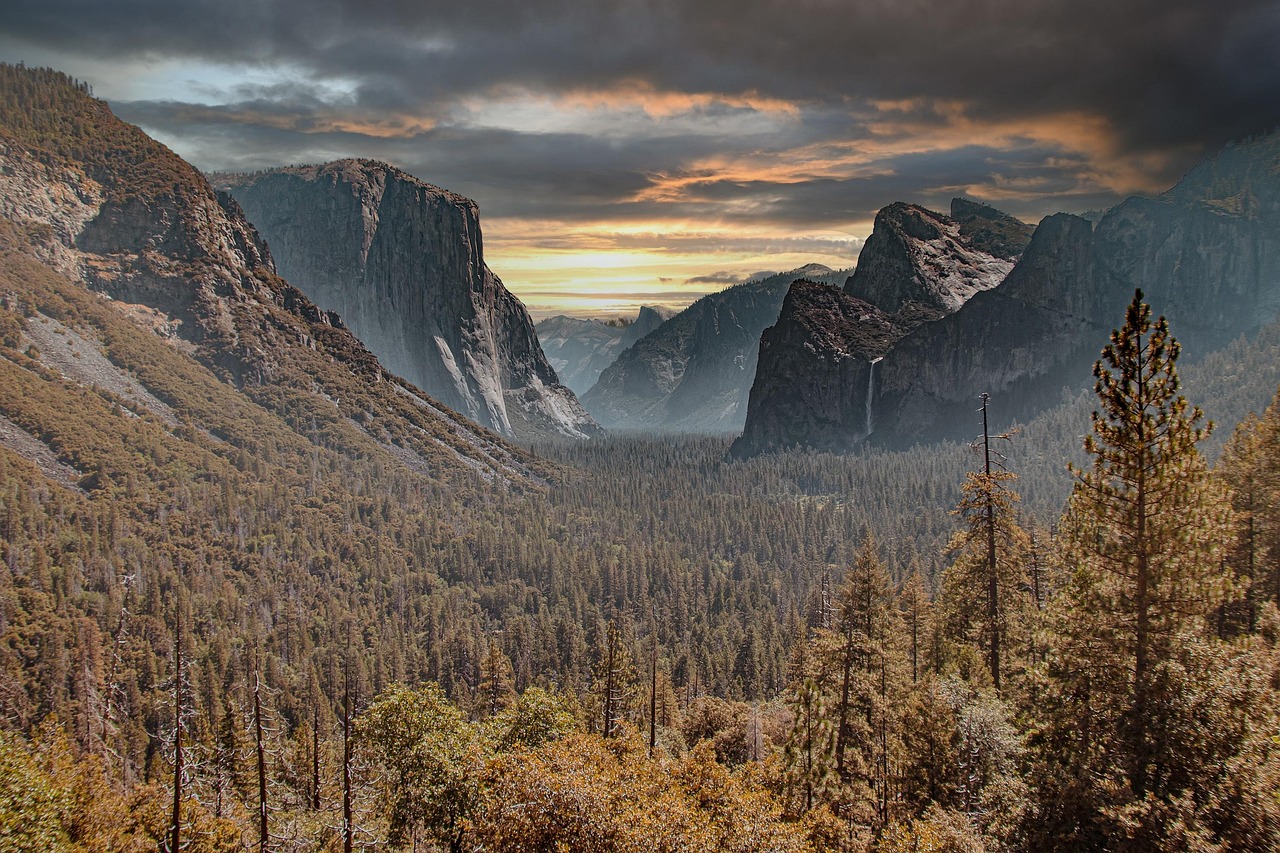
If you’ve seen one picture of Yosemite, it was probably shot from Tunnel View. The first time I drove out of the Wawona Tunnel and pulled into the overlook, I actually laughed out loud – it looked too perfect to be real.
What You See: El Capitan on your left, Bridalveil Fall on your right, and Half Dome framed in the distance, with the Valley floor stretched below.
Best Time: Late afternoon into sunset. In winter, storms rolling through can make for dramatic clouds and god rays.
Tip: It gets crowded. For a slightly quieter experience, park at Tunnel View, take your photos, then hike the short but steep Artist Point trail for a similar view with far fewer people.
3. El Capitan & El Capitan Meadow
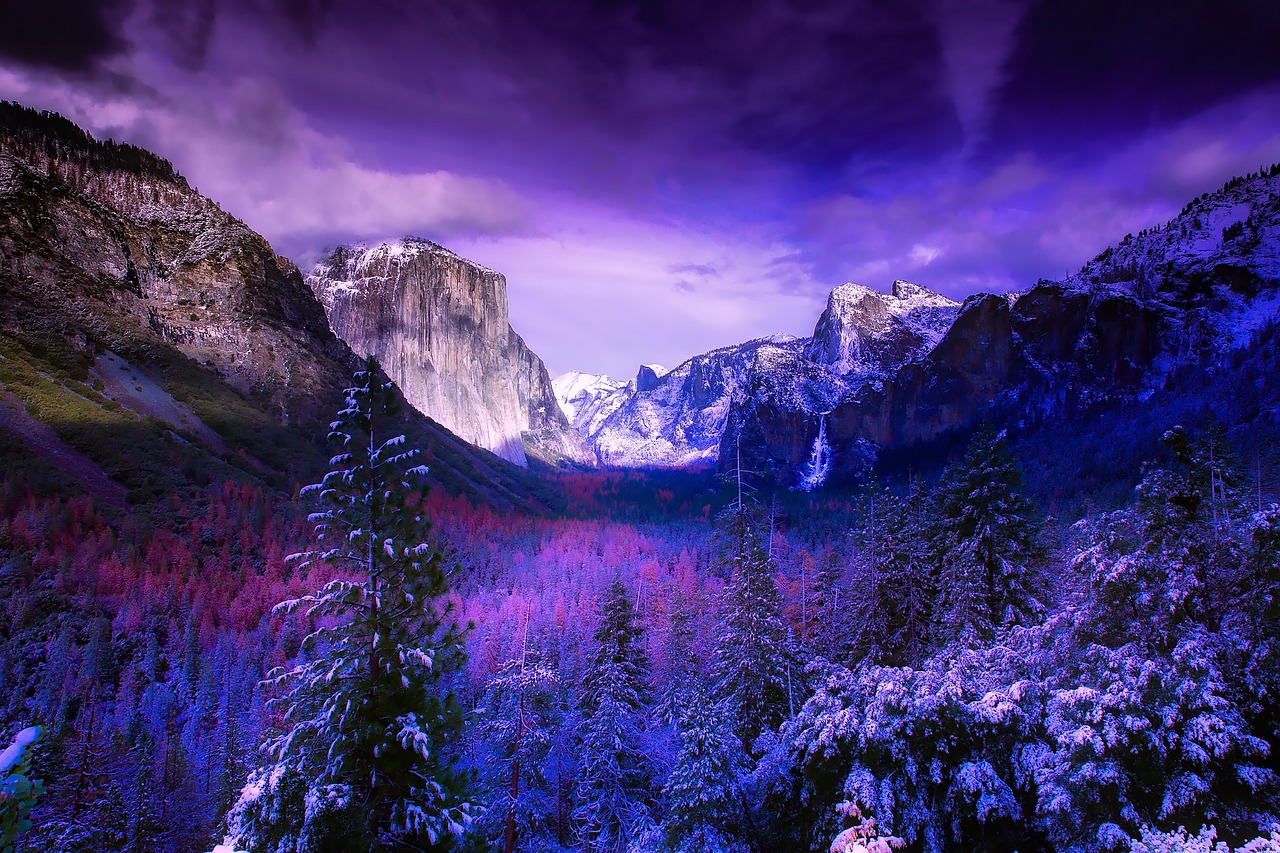
El Cap is the world’s most famous big wall, a 3,000-foot sheer granite face that glows honey-gold in late afternoon. I love coming here after a busy day – just to lie in the meadow and watch the last light climb the wall.
History: Long revered by the Ahwahneechee people, El Capitan (from the Spanish “The Captain”) became a climbing Mecca in the mid-20th century. Today, climbers scale it in everything from record-setting hours to week-long pushes.
What to Do:
- Walk into El Cap Meadow, lie down, and use binoculars to spot climbers (they look like colorful specks).
- Stop at El Capitan Picnic Area for riverside views and a quieter feel.
Tip: Come at twilight with a headlamp. Sometimes you can spot climbers’ tiny camp lights dotting the wall – a constellation on stone.
4. Half Dome (Viewpoints & Hike)
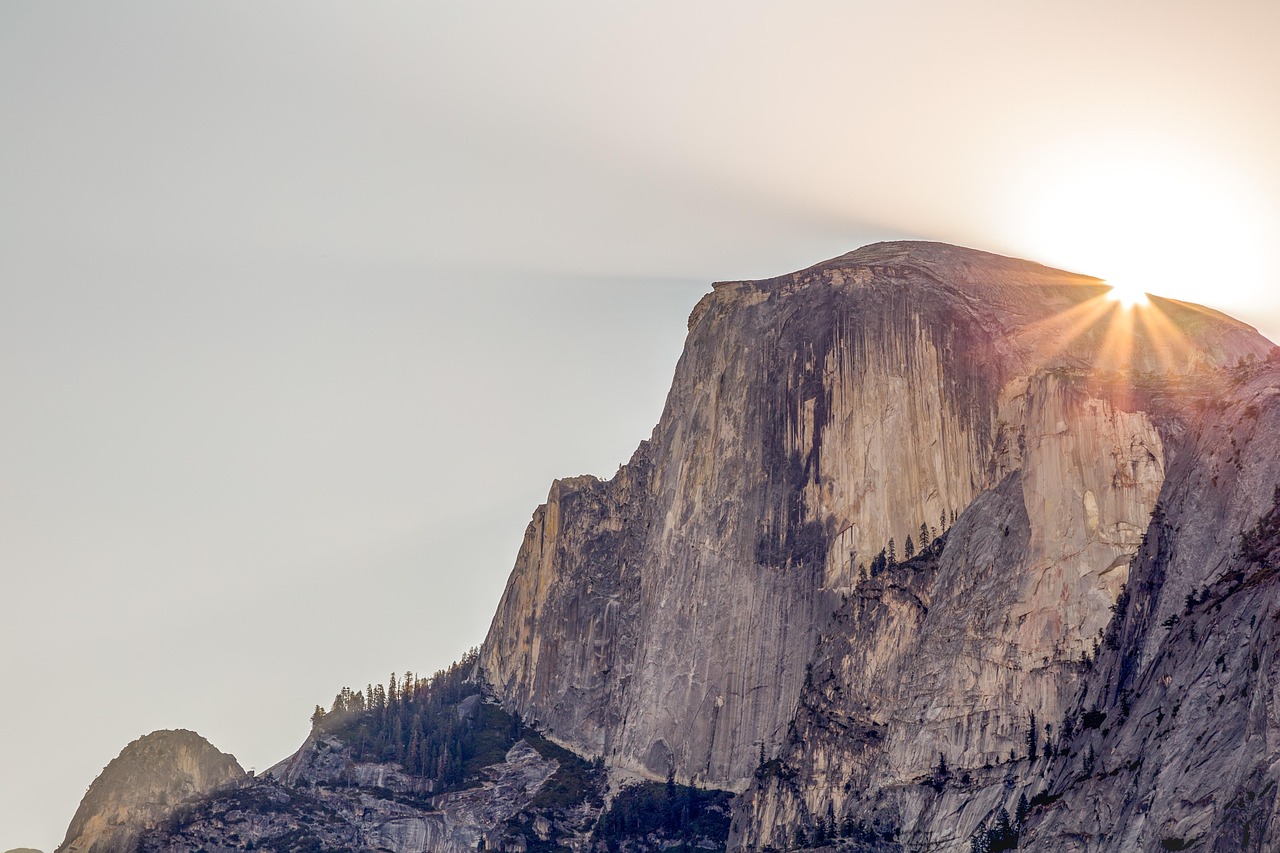
Half Dome is the park’s signature profile. I’ve never met anyone who didn’t immediately recognize its shape. Seeing it from the Valley is impressive; standing on top of it after a long day’s hike is something else entirely.
Ways to Experience Half Dome:
- From Glacier Point: Impossibly close, with Nevada and Vernal Falls cascading to the right.
- From the Valley: Best from Sentinel Bridge at sunset, when it glows pink.
- By Hiking It: The cable route is a strenuous 14–16 mile round trip with 4,800 ft of gain.
Permits: To hike to the summit via cables, you need a Half Dome permit (lottery system, currently run through Recreation.gov, typically opening in March for the season; day-of lotteries sometimes available). Check current rules in 2026 before planning your trip.
My Experience: The first time I summited Half Dome, we started before dawn from Happy Isles, headlamps bobbing in the dark. We hit the cables early, before they felt like a conga line. Looking back toward the Valley, with ten miles of granite and forest below, was one of the most surreal views I’ve ever earned.
5. Yosemite Falls
Yosemite Falls is one of the tallest waterfalls in North America, dropping in three stages for a total of 2,425 feet. In good snow years, it roars so loudly you can hear it from across the Valley.
Ways to Experience:
- Lower Yosemite Fall Trail: Very easy loop (about 1 mile), stroller-friendly, perfect for families.
- Yosemite Falls Trail: Brutal but rewarding hike to the rim (7.6 miles round trip, 2,700 ft of gain). The switchbacks seem endless, but Upper Fall viewpoints are unforgettable.
Seasonality: Peak flow April–June. By late summer, the fall can slow to a trickle in dry years.
Tip: In spring, plan a morning here when the spray creates rainbows. In winter, icy “snow cones” form at the base of Upper Fall – a unique sight.
6. Mist Trail to Vernal & Nevada Falls
If I could pick just one hike to introduce someone to Yosemite, it would be the Mist Trail. It packs in everything: roaring water, granite staircases, rainbows in the spray, and sweeping views.
The Route: Starts at Happy Isles, climbs along the Merced River, then steepens toward Vernal Fall via stone steps. You can stop at the bridge (easy), the top of Vernal (moderate), or continue on to Nevada Fall (harder, 5.4–6 miles round trip depending on loop).
My Story: One June morning, we started at 6 a.m. and had much of the lower trail to ourselves. By the time we reached the famous misty steps, the sun was just hitting the spray. We were soaked – jackets dripping – but grinning. By 10 a.m., the trail was a slow-moving river of people. Go early.
Tips:
- Wear shoes with good traction; the granite gets slick.
- Bring a light rain shell or poncho in spring/early summer.
- Consider returning via the John Muir Trail from Nevada Fall for wider, more open views and less knee-pounding.
7. Glacier Point
Glacier Point is, in my opinion, the single best “drive-up” viewpoint in Yosemite. From here, you look almost eye-level at Half Dome, with Vernal and Nevada Falls down the canyon and the Valley floor 3,000 feet below.
Access: Via Glacier Point Road, usually open late May through October, depending on snow. In some years, road construction and shuttle-only access have been in place; check 2026 conditions.
My Favorite Time: Sunset. I like to arrive an hour early, walk the short paths to the different railings, and watch as the light slides across the Valley. On really clear nights, stargazing from here feels unreal.
8. Sentinel Dome & Taft Point
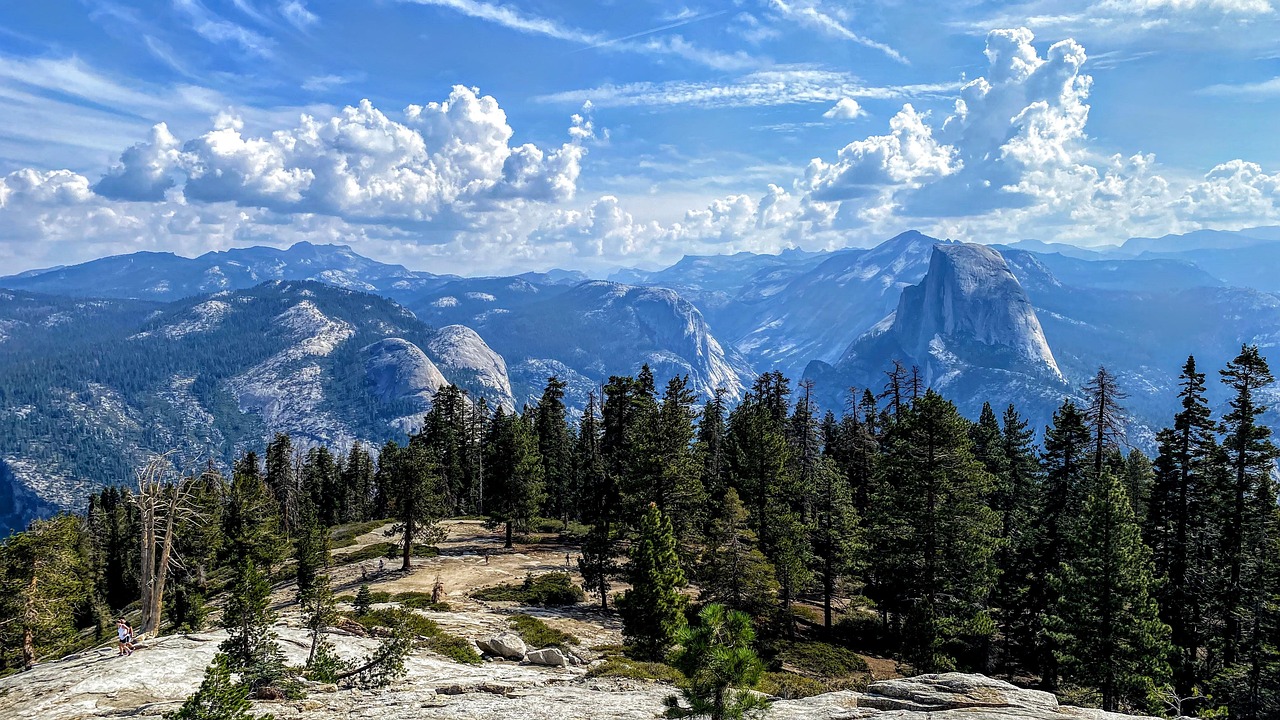
Sentinel Dome and Taft Point are like Glacier Point’s wilder siblings – reached by short hikes rather than just a parking lot. I try to do at least one of these on every summer trip.
Sentinel Dome: Gentle 2.2-mile round-trip hike to a rounded dome with full 360° views: Half Dome, Yosemite Valley, the Clark Range, and beyond. Great for sunset if you’re comfortable descending in the dusk.
Taft Point: About 2.3 miles round trip through forest to dramatic fissures and sheer drop-offs. There’s a guardrail at the main viewpoint, but many side spots are fully exposed. Not ideal for those with vertigo or little kids who like to run.
Loop Option: A 5–6 mile loop connects Sentinel Dome and Taft Point, giving you both in one hike. This is a perfect half-day in a 4 day itinerary for Yosemite.
9. Mariposa Grove of Giant Sequoias
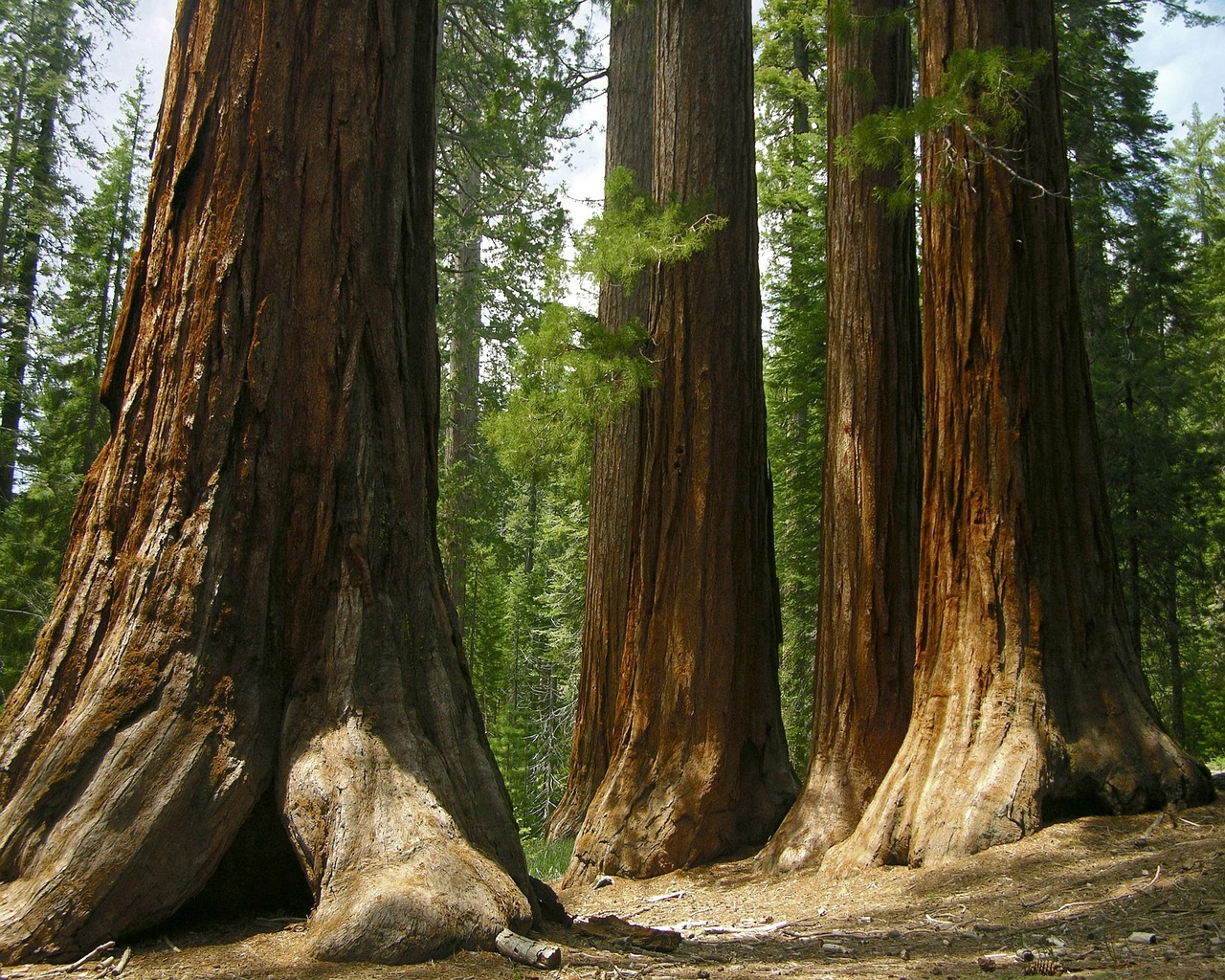
The first time I walked among the giant sequoias here, it was snowing lightly. The flakes barely made it through the canopy, and everything was so quiet I could hear them land. It’s one of my favorite winter memories in the park.
Highlights:
- Big Trees Loop: Easy, accessible loop with interpretive signs.
- Grizzly Giant & Tunnel Tree: Classic mid-distance route (about 2 miles).
- Mariposa Grove Trail: Longer loop options (up to 7 miles) for those wanting quieter paths.
Access: Park near the South Entrance and take the free shuttle (when running) or hike up the access road if shuttles are not in service. In winter, access may involve snowshoes or traction devices.
10. Tuolumne Meadows
At around 8,600 ft, Tuolumne Meadows feels like you’ve stepped onto the roof of Yosemite. Broad, grassy meadows, the winding Tuolumne River, and domes rising all around – it’s the complete opposite of Yosemite Valley’s steep walls.
Favorite Walks:
- Stroll along the Tuolumne River near the campground and visitor center.
- Hike up Lembert Dome for a relatively short but steep climb to an expansive view.
Season: Typically late June–October, depending on snow. Nights get cold even in August.
11. Tenaya Lake
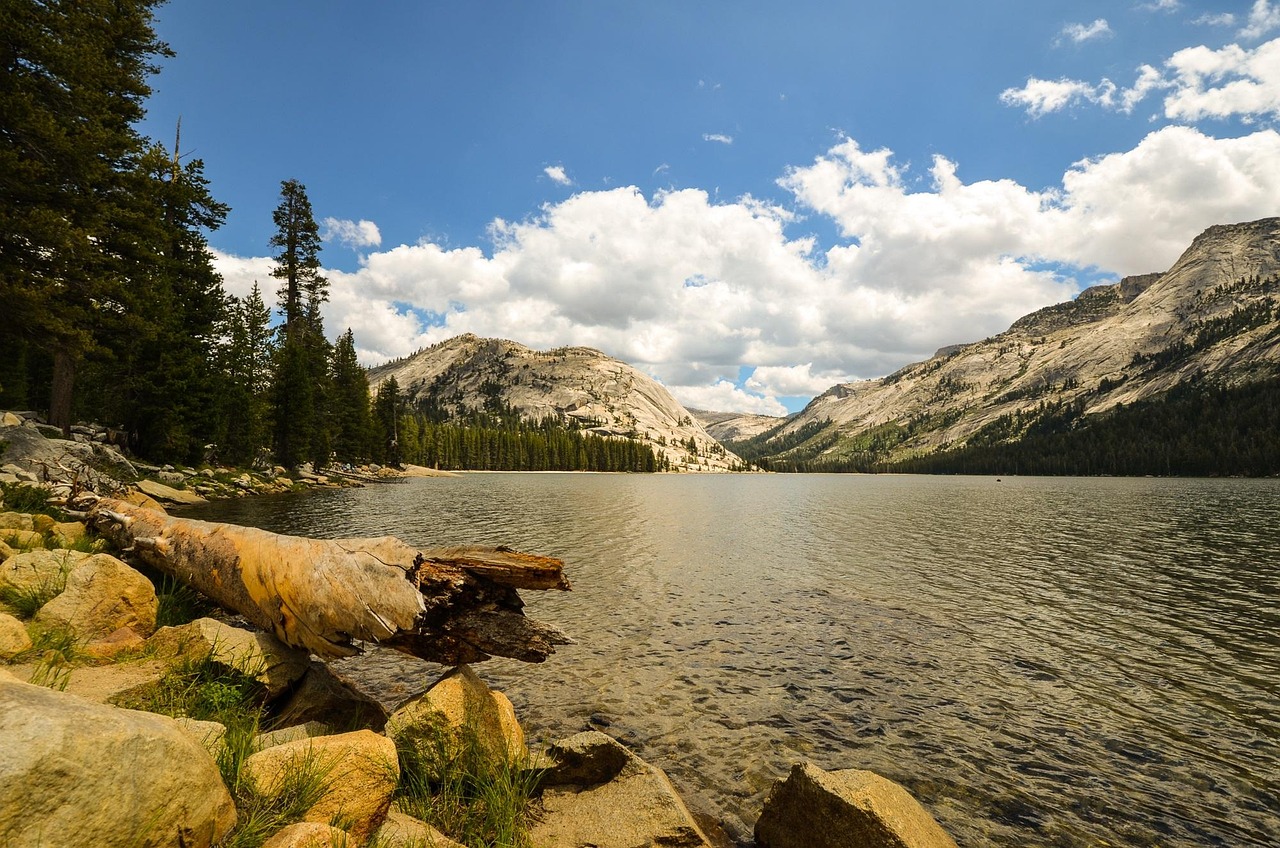
Tenaya Lake is my go-to picnic stop when driving Tioga Road. Wide granite slabs slope into clear blue water, and domes rise all around. On calm mornings, the reflections are pure magic.
What to Do: Swim (if you’re brave; it’s chilly), paddle, picnic, or take the easy trail along parts of the shoreline. Families love the gentle sandy areas; photographers love the backdrops.
Tip: Sunrise or early morning is usually quiet and mirror-smooth. Afternoons can bring wind and choppy water.
12. Olmsted Point
Olmsted Point gives you a different angle on Half Dome, from the north. It’s also a place where you can see how glaciers carved the granite into these flowing shapes.
My Favorite Trick: Walk the short path away from the parking lot and scramble onto the smooth domes. You’ll leave 90% of the other visitors behind within 5 minutes.
13. Cathedral Lakes
Cathedral Lakes is one of the most rewarding moderate hikes off Tioga Road. I’ve done this trail in both mid-July wildflower season and crisp September light – both are stunning.
Hike Details: About 7–8 miles round trip to both Upper and Lower Cathedral Lakes, with moderate elevation gain. You’ll pass through forest and meadows before reaching glassy lakes framed by Cathedral Peak.
Best Time: Late July–September for snow-free trails. Afternoon thunderstorms are possible in summer; an early start is smart.
14. Mirror Lake / Mirror Meadow
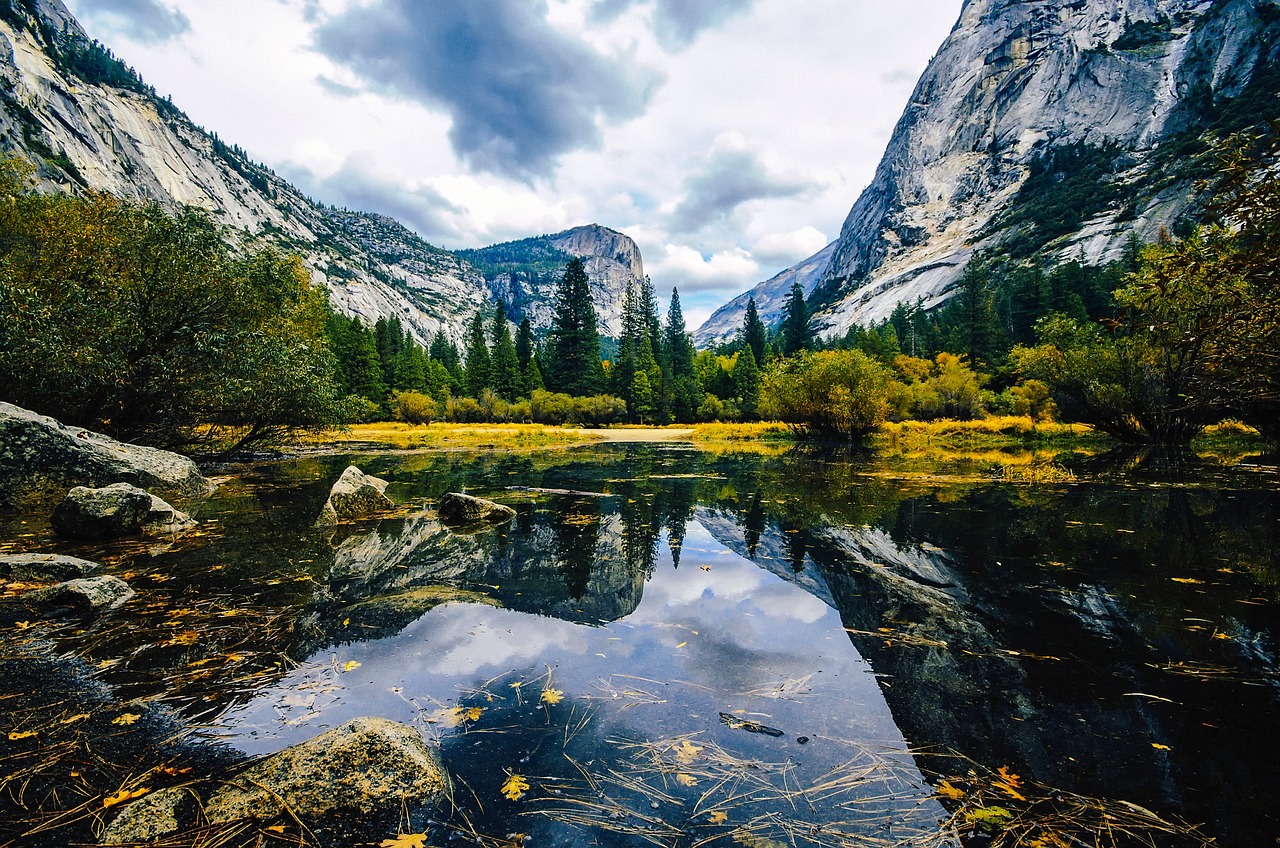
Mirror Lake isn’t as dramatic as some of Yosemite’s bigger attractions, but I have a soft spot for it – especially in spring. It’s an easy-ish walk from the Valley floor, and the reflections of Half Dome and the surrounding cliffs are beautiful when the water level is good.
Tip: It’s more of a seasonal pond/meadow nowadays than a true lake, particularly later in summer, but the loop trail offers quieter corners of the Valley, great for families or a relaxed afternoon on a longer stay (4–5 days in Yosemite).
15. Bridalveil Fall
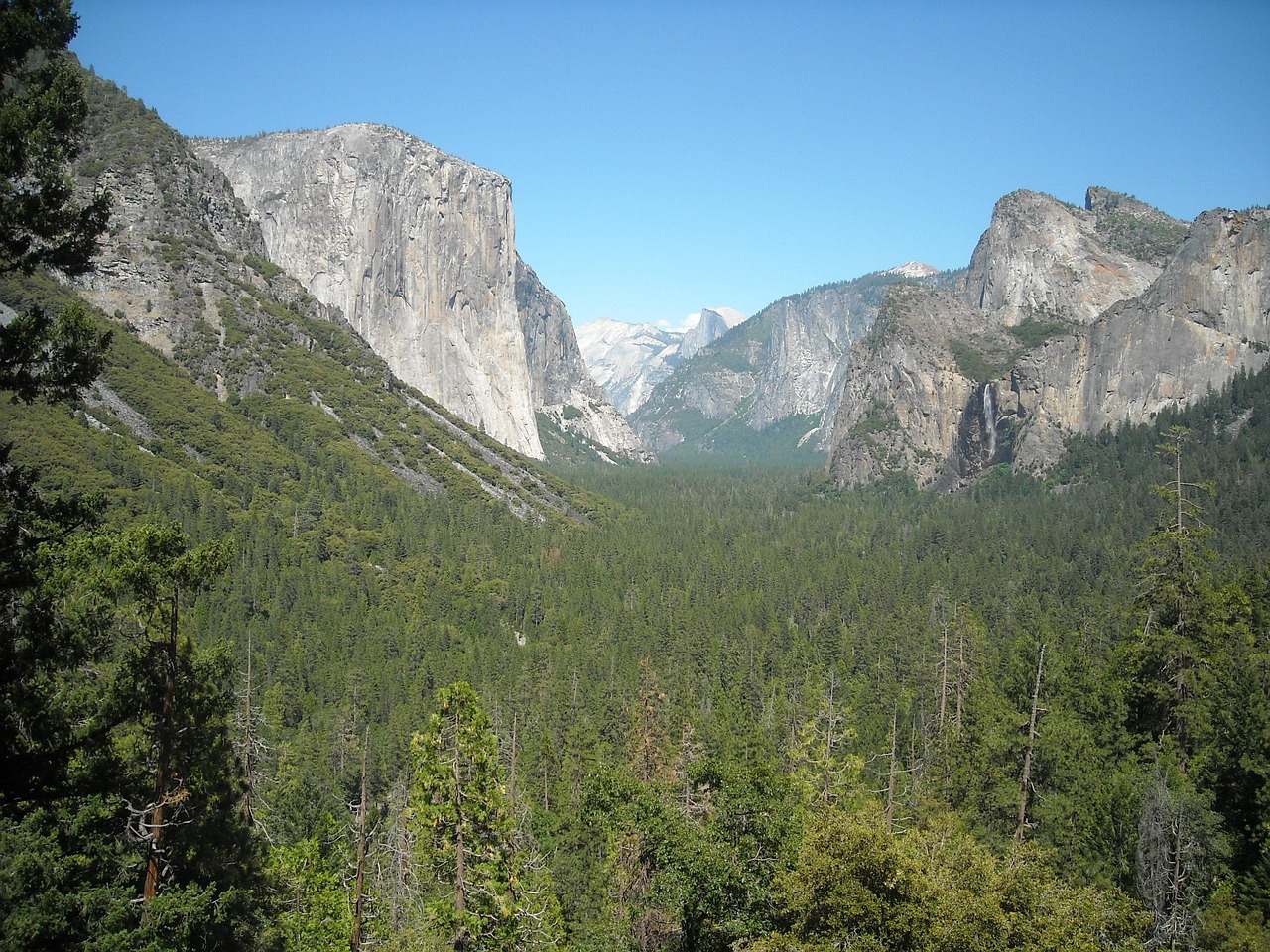
Bridalveil Fall is often the first major waterfall people see as they enter the Valley from Tunnel View. In spring, its plume blows in the wind, catching rainbows.
Trail: Short, mostly paved path from the parking lot to the base viewpoint. Family-friendly, though the spray can make things slick.
Note for 2026: There have been ongoing trail and viewpoint improvements in recent years; check for any active construction or closures before your visit.
16. Hetch Hetchy Reservoir & Wapama Falls Trail
Hetch Hetchy is a bit of a local secret. It’s not truly “hidden,” but because it’s separate from the main Valley, far fewer people go. On one April hike to Wapama Falls, we saw more lizards than humans.
Wapama Falls Trail: About 5.5 miles round trip along the reservoir’s edge, with multiple waterfalls in spring. The spray at Wapama can be intense when flows are high.
Access: Via a separate entrance on the park’s northwest side. The road has limited hours (gate lock times), so check daily schedules.
17. Valley View
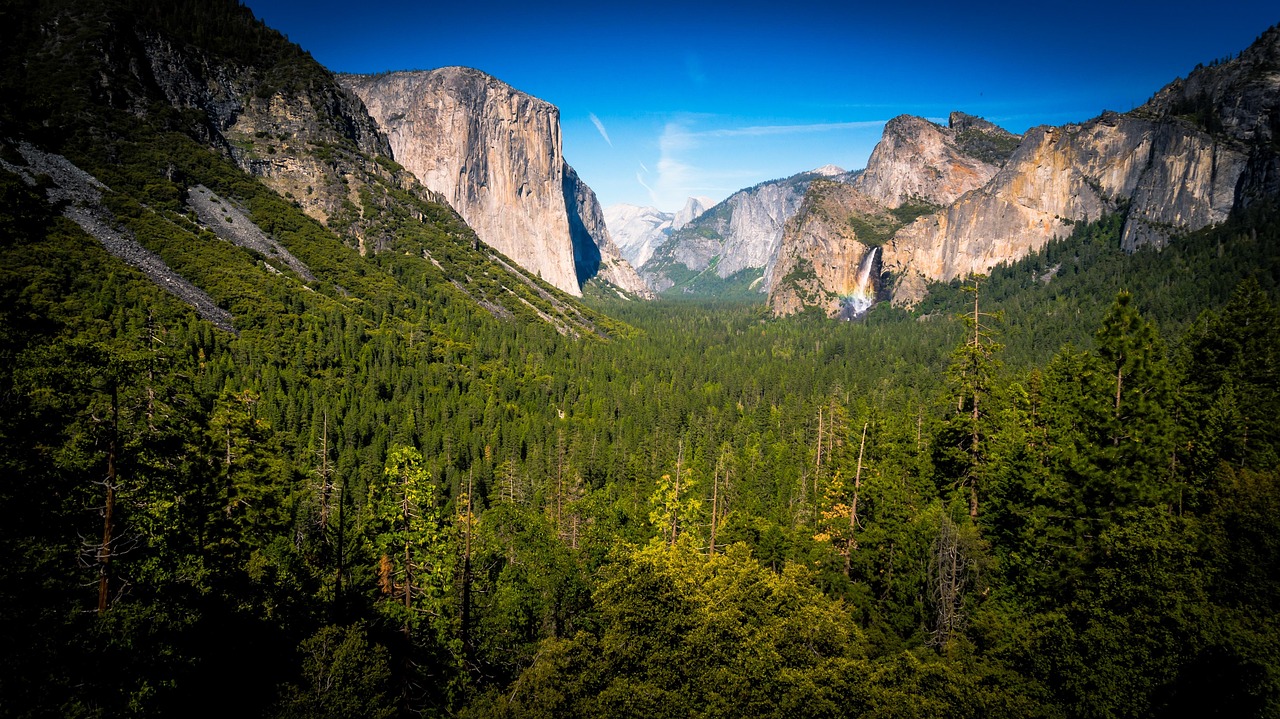
Valley View is my favorite quick-stop photo spot in Yosemite Valley. On the way out toward 140, you can pull over and see the Merced River gliding past with El Capitan and Cathedral Rocks rising above.
Best For: Late afternoon and sunset photos, especially if you like water reflections. Great quick stop at the end of a long Valley day.
18. Four-Mile Trail
The Four-Mile Trail is a strenuous classic: it climbs from the Valley floor near Sentinel Beach all the way to Glacier Point, gaining roughly 3,200 ft in about 4.8 miles. It’s more like 4.8 “Yosemite miles” – each one feels longer than normal.
Why Do It: As you climb, the view just keeps expanding: first Yosemite Falls from the side, then El Capitan in full, then Half Dome and the whole Valley. It’s like watching a time-lapse of your day in real-time.
Logistics: In summer, some people arrange a one-way hike by using the shuttle system or a second car at the top. Check 2026 shuttle schedules if you plan this. The trail can be extremely hot in summer; I prefer spring or fall.
19. Clouds Rest
Clouds Rest is, in my opinion, the single best summit view in Yosemite for experienced hikers who don’t want to tackle Half Dome’s cables. The ridge near the top is airy but not technical, and the 360° panorama includes Half Dome, Tenaya Canyon, and mile after mile of granite.
Route: Commonly done as a long day hike from the Sunrise Lakes trailhead off Tioga Road (about 12–14 miles round trip with significant elevation gain). Not recommended for those with strong fear of heights or limited fitness.
My Experience: We started before sunrise one August day, and by the time we reached the final ridge, clouds were building to the east. We kept a close eye on the sky – this is not where you want to be in a thunderstorm. We tagged the summit, took a few quick photos, and retreated back below treeline as rumbling started in the distance. Lesson: monitor weather, especially in monsoon season.
20. Badger Pass Ski Area & Winter Trails
Yosemite in winter feels like a secret version of the park. Badger Pass (one of the oldest ski areas in California) is small and family-oriented, with downhill runs, tubing, and extensive cross-country ski and snowshoe trails.
Why Go: If your image of Yosemite is all summer granite and waterfalls, seeing it under snow is a revelation. I’ve snowshoed out toward Dewey Point on bluebird days when the Valley was crowded and brown – totally different world.
Season: Typically December–March, depending on snow. Check 2026 operations and any shuttle requirements from Yosemite Valley.
Itineraries: 3, 4 & 5 Days in Yosemite (with Personal Notes)
Below are flexible frameworks rather than rigid schedules. Mix and match based on your interests, fitness, and time of year. I’ll focus narrative detail on the longer stays, since many people use a 4 day itinerary for Yosemite or a 5 day itinerary for Yosemite as a base and condense from there for 3 days.
3 Days in Yosemite: Highlights-Only, No Regrets
For 3 days in Yosemite, you’ll mostly stay in the Valley and on Glacier Point Road (if open). Here’s my go-to structure:
- Day 1: Arrive, Yosemite Valley overview – Tunnel View, Bridalveil Fall, Yosemite Falls, sunset at Cook’s Meadow or Valley View.
- Day 2: Big hike – Mist Trail to Vernal & Nevada Falls or Yosemite Falls Trail. Afternoon relaxing by the Merced or renting bikes.
- Day 3: Glacier Point Road – Glacier Point, Sentinel Dome or Taft Point hike; exit via Tunnel View stop.
If Glacier Point Road is closed (early season or winter), replace Day 3 with Mariposa Grove or Mirror Lake plus extra Valley time.
4 Days in Yosemite: Classic Plus a Little Breathing Room
A 4 day itinerary for Yosemite lets you do the must-see attractions and still have a day that feels more relaxed. One of my favorite trips was a 4-night stay in Curry Village tents in June: we had two big hike days, one “viewpoints and wandering” day, and one high-country day on Tioga Road.
Suggested structure:
- Day 1: Valley arrival & orientation, light walks.
- Day 2: Mist Trail or Yosemite Falls Trail.
- Day 3: Glacier Point Road – viewpoints and short hikes.
- Day 4: Tioga Road (if open) – Tuolumne Meadows & Tenaya Lake, or Mariposa Grove / Hetch Hetchy as alternatives.
5 Days in Yosemite: My Ideal First-Timer Trip
A 5 day itinerary for Yosemite is where the park starts to feel less like a checklist and more like a place you’re actually living in for a bit. Here’s how I often structure 5 days when I’m showing friends around:
Day 1: Arrival & First Look at the Valley
I usually time arrival so that we hit Tunnel View in the late afternoon. It sets the tone for the entire trip.
- Midday: Arrive via your chosen entrance, check into lodging (Valley, El Portal, etc.). Grab a quick bite at Degnan’s or the Village Grill if you’re in the Valley.
- Afternoon:
- Stop at Tunnel View for the classic panorama.
- Walk the Bridalveil Fall trail (if open) – short, good leg-stretcher after the drive.
- Continue into Yosemite Valley, orient yourself: visitor center, Ansel Adams Gallery, general store.
- Evening:
- Stroll the Cook’s Meadow Loop for sunset. Half Dome often blushes pink; Yosemite Falls booms in spring.
- Dinner at Yosemite Valley Lodge’s Base Camp Eatery (casual) or The Ahwahnee Dining Room (if you want a splurge and have a reservation).
Personal Note: I try not to over-schedule Day 1. People are usually tired from travel, and the Valley is overwhelming in the best way. Wandering without a clock the first evening is part of the magic.
Day 2: Mist Trail & Valley Meander
This is your first big hiking day. I always choose between Mist Trail and Yosemite Falls Trail based on group energy and fear-of-heights levels. Mist Trail wins most of the time.
- Early Morning:
- Catch the first shuttle to Happy Isles trailhead if you’re staying in the Valley.
- Start hiking by 7 a.m. if possible, especially May–September.
- Hike Option A: Vernal & Nevada Falls via Mist Trail
You’ll pass the Vernal Fall Footbridge (first big viewpoint), then decide whether to continue up the misty steps to the top of Vernal and beyond. If you go all the way to Nevada Fall and loop back via the John Muir Trail, it’s a solid half- to full-day adventure.
- Hike Option B: Lower Mist Trail Only (for families or low-energy days): go to the bridge or the base of Vernal and back.
- Afternoon:
- Picnic lunch by the Merced or at one of the Valley picnic areas.
- Rent bikes and cruise the Valley Loop paths.
- Optional: Short walk to Lower Yosemite Fall if you still have energy.
- Evening:
- Sunset at Sentinel Bridge (classic Half Dome reflection shot).
- Check the ranger schedule for an evening talk or amphitheater program – these are fun, free cultural experiences in Yosemite.
Day 3: Glacier Point Road – Big Views & Domes
On my last 5-day trip, Day 3 was our “wow, we’re really here” day. We packed sandwiches, left early, and spent the whole day on Glacier Point Road.
- Morning:
- Drive Glacier Point Road (if open) straight to Glacier Point. Spend time at all the railings, soak it in.
- Late Morning / Early Afternoon:
- Hike to Sentinel Dome – bring lunch and eat on top if the weather is calm.
- Optionally, extend to Taft Point or do the full Sentinel–Taft loop (if heights don’t bother you).
- Afternoon:
- Return to Glacier Point for a more relaxed session of photography, reading, or just sitting on the stone walls and people-watching.
- Sunset: Either stay for sunset at Glacier Point (stunning) or head back to the Valley and catch sunset at Valley View on your way to dinner.
Note: If Glacier Point Road is closed in 2026 when you visit, replace this day with Mariposa Grove plus extra Valley exploration, or tackle Yosemite Falls Trail if you haven’t yet.
Day 4: Tioga Road High Country or Mariposa Grove
Day 4 is when I like to change the vibe and head for the high country.
- If Tioga Road is Open:
- Drive to Tuolumne Meadows, stopping at Olmsted Point and Tenaya Lake en route.
- Choose a hike: Lembert Dome, Cathedral Lakes, or a mellow meadow wander.
- If Tioga Road is Closed:
- Spend half a day at Mariposa Grove among the giant sequoias.
- Optionally add Wawona Meadow Loop or time at the historic Wawona Hotel.
Evening: Back in the Valley or your gateway town, find a local spot for dinner (see Where to Eat), then head out for stargazing or a quiet riverside walk.
Day 5: Flex & Hidden Gems
Day 5 is your “whatever you loved most, do it again – or go find a hidden gem” day.
- Sleep in or catch a last sunrise at Cook’s Meadow or Tunnel View.
- Walk to Mirror Lake, especially in spring or early summer.
- Explore Hetch Hetchy if you want somewhere quieter, or revisit a favorite spot in the Valley with less pressure.
On my last 5-day trip, we used Day 5 to revisit the Mist Trail but only to the Vernal Fall overlook, then spent the afternoon reading by the Merced and eating ice cream from the general store – slow travel at its best.
Where to Eat in & Around Yosemite
Yosemite isn’t a foodie destination in the usual sense, but there are solid options and a few standouts if you know where to look. I also strongly recommend bringing a cooler and some groceries; it’s one of the best ways to save money and eat well.
In-Park Dining
- The Ahwahnee Dining Room (Yosemite Valley): Historic, grand, and pricey. Great for a special dinner or brunch. I like coming here once per trip for the atmosphere alone – but make reservations, especially in summer.
- Yosemite Valley Lodge – Base Camp Eatery: Reliable cafeteria-style food; burgers, salads, pastas. Good for families and quick dinners after a long hike.
- Curry Village Pizza Deck & Pavilion: Casual pizza and beers; atmosphere more than cuisine, but it hits the spot after a big day.
- Degnan’s Kitchen: Sandwiches, coffee, and grab-and-go items near Yosemite Village. Handy lunch stop.
General Stores & Picnic Spots
The general stores in Yosemite Valley and Tuolumne Meadows carry basics: bread, cheese, fruit, snacks, camping food. Prices are higher than outside the park but still far cheaper than eating every meal out.
My Budget Strategy: I usually stock up in Mariposa or Oakhurst (full grocery stores) on my way in, then use the in-park stores for top-ups. Breakfasts and most lunches become DIY picnics; dinners I mix between cooking/simple meals and one or two restaurant nights.
Favorite Picnic Spots: El Cap Meadow, Cathedral Beach, along the Merced near Swinging Bridge, and Tenaya Lake’s granite slabs.
Gateway Town Restaurants (Standouts)
- Mariposa: A handful of local cafés and grills; good for a pre- or post-trip sit-down meal and groceries.
- Oakhurst: More chain options plus some local Mexican and BBQ joints. Great for stocking up at supermarkets.
- Groveland: Classic small-town vibe with a couple of lively bars and restaurants – a fun overnight before entering the park.
- Lee Vining: Tiny town but surprisingly good eats in summer; great as part of an east-side extension to your Yosemite itinerary.
After-Dark & Quieter Experiences in Yosemite
Some of my most vivid Yosemite memories happened after most visitors had gone back to their rooms: watching the stars appear one by one over Half Dome, listening to the river in near-silence, or attending a ranger talk under the pines.
Stargazing
- Best Spots: Glacier Point (when open), Tunnel View pullouts (carefully), open meadows in Yosemite Valley, and Tioga Road trailheads away from lights.
- Dark-Sky Feel: Yosemite isn’t technically a designated dark-sky park yet, but many areas have excellent night skies, especially away from Valley lighting.
Ranger Talks & Campfire Programs
In peak season, ranger programs are held most evenings in Yosemite Valley, Wawona, and Tuolumne Meadows (check the current schedule at visitor centers). Topics range from geology and wildlife to Indigenous history and stargazing. These are some of the best cultural experiences in Yosemite – and they’re free.
Sunrise & Sunset Rituals
- Best Sunrise: Cook’s Meadow, Sentinel Bridge, or Tunnel View.
- Best Sunset: Glacier Point, Valley View, Tunnel View, or Sentinel Bridge.
I like to pick one “sunrise day” per trip and actually commit to it. Coffee in a thermos, layers, and a promise to myself that I’ll nap later – it’s always worth it.
Day Trips & Nearby Attractions from Yosemite
If you have a longer stay (5+ days) or are doing a broader California road trip, there are several worthwhile side trips within a few hours of Yosemite.
- Mono Lake & Lee Vining: Accessible via Tioga Pass (summer/fall). Otherworldly tufa towers, great birdlife, and Eastern Sierra vistas. I like to pair this with a Tioga Road day, ending with sunset at Mono Lake.
- Bodie State Historic Park: A well-preserved ghost town north of Mono Lake. Great if you love history and photography.
- Sequoia & Kings Canyon National Parks: South of Yosemite; ideal if you’re on a longer Sierra circuit and want even more giant trees and deep canyons.
- Gold Country Towns: Mariposa, Jamestown, Sonora – fun for a slower day, antique stores, and a different slice of California history.
Cultural Etiquette & Local Customs in Yosemite
Yosemite is both a global bucket-list destination and a profoundly important place for Indigenous communities and Californians. A few norms and customs help keep it special.
- Respect for Indigenous History: Yosemite is the ancestral homeland of the Ahwahneechee and other Southern Sierra Miwuk people. Take time to read interpretive signs, visit cultural exhibits at the visitor center, and approach rock art or culturally significant areas with quiet respect. Do not touch or deface any cultural resources.
- Quiet Hours: In campgrounds and lodging areas, quiet hours are strictly enforced (usually 10 p.m.–6 a.m.). Sound carries surprisingly far in the Valley; late-night parties are not appreciated.
- Trail Etiquette: Uphill hikers have the right of way. Step to the side for faster groups. Don’t play music on speakers – headphones only. Greet rangers and offer a quick “hi” to passing hikers; there’s a shared-camaraderie culture on the trails.
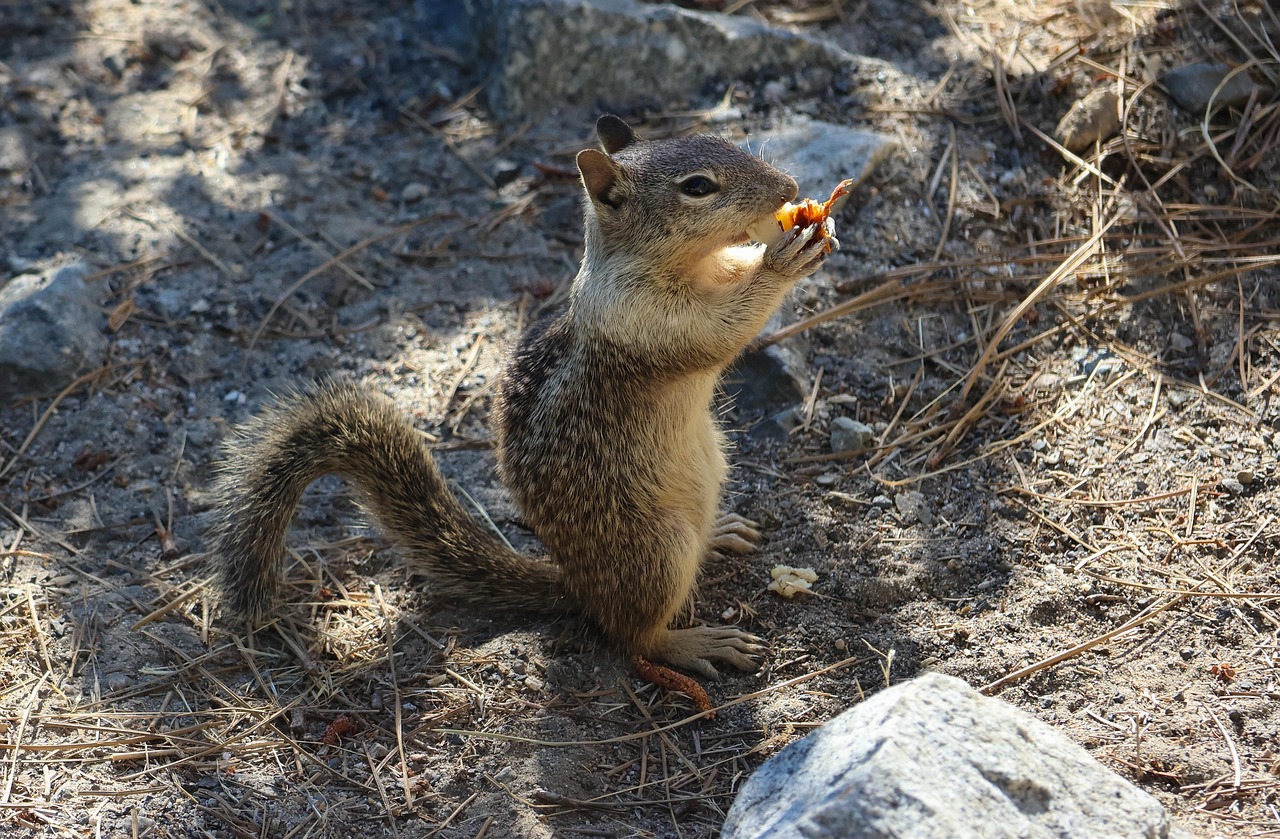
- Wildlife Etiquette: Never feed animals. Keep your distance from bears, deer, and coyotes. Locals get particularly frustrated when visitors crowd animals for photos.
Practical Logistics & Travel Advice for Yosemite (2026)
Entrance Fees & Passes
Expect an entrance fee per vehicle (valid 7 days). If you’re visiting multiple U.S. national parks within a year, the America the Beautiful Annual Pass is usually worth it. Buy online in advance or at the gate.
Reservations, Permits & Timed Entry
In recent years, Yosemite has experimented with peak-season reservation systems (day-use reservations, full-day or afternoon entry passes). For 2026, check:
- Official Yosemite National Park website for current reservation requirements.
- Recreation.gov for campground bookings and special permits (Half Dome, wilderness/backcountry permits).
Book lodging and popular campgrounds months in advance, especially for summer and holiday weekends.
Getting Around: Shuttles, Driving & Parking Strategy
Park Shuttles: Yosemite Valley has a free shuttle network connecting lodges, campgrounds, visitor center, and main trailheads (Happy Isles, Mirror Lake, etc.). In busy months, use these; parking lots fill early.
Driving Tips:
- Arrive early (before 8 a.m.) for popular trailheads in peak season.
- Once you have a parking spot in the Valley, leave the car and use shuttles or bikes.
- Expect winding mountain roads; build in extra time, especially when entering/exiting at dawn or dusk with potential wildlife on the road.
Where to Stay: Lodges, Cabins & Campgrounds
- Inside the Park: The Ahwahnee, Yosemite Valley Lodge, Curry Village (tents & cabins), Housekeeping Camp, Wawona Hotel, High Sierra Camps (when operating). These book far in advance.
- Campgrounds: Upper/Lower/North Pines, Camp 4 (walk-in), Wawona, Hodgdon Meadow, Tuolumne Meadows (seasonal), and others. Most require reservations; a few may have limited first-come options depending on year.
- Outside the Park: Motels, cabins, and Airbnbs in El Portal, Mariposa, Oakhurst, Fish Camp, Groveland, and Lee Vining.
Saving Money
- Camp or stay in basic motels outside the park instead of in-park lodges.
- Bring a cooler and do simple meals; treat restaurant dinners as occasional splurges.
- Borrow or rent gear (bear canisters, stoves) instead of buying everything if you’re a first-time backpacker.
Cell Coverage & Connectivity
Cell service is spotty. Expect some coverage in parts of Yosemite Valley near lodges and the visitor center, and patchier service in gateway towns. High country, Glacier Point Road, and Hetch Hetchy often have little to no signal.
Tip: Download offline maps (Google Maps and/or Gaia/AllTrails) before you enter the park. For backcountry trips, don’t rely solely on your phone; carry a paper map and compass.
SIM Cards & Connectivity for International Visitors
Buy a U.S. SIM card or eSIM in major cities (San Francisco, LA) before heading to Yosemite. Look for plans with good nationwide coverage (AT&T, Verizon, T-Mobile). In the park itself, coverage is limited regardless of carrier.
Driving & Visas for International Visitors
- Visa: Check current U.S. entry requirements for your nationality (ESTA for many countries, traditional visa for others).
- Foreign Driver’s Licenses: Typically accepted if in English; otherwise carry an International Driving Permit (IDP) plus your home license.
- Car Rental: Book early for summer; pick up in major cities. Request snow-capable vehicles in winter (or at least chains if required).
Weather, Seasons & What to Pack
Spring: Cool mornings, warm afternoons, wet trails near waterfalls. Pack layers, waterproof jacket, and possibly microspikes if visiting in early spring.
Summer: Hot in the Valley, mild to cool in the high country. Sun protection, plenty of water capacity (2–3 liters per person), and breathable clothing are essential.
Fall: Variable – can be summer-like or quite chilly. Layers again are key.
Winter: Snow in most areas above the Valley, icy roads and trails. Warm layers, waterproof boots, traction devices for shoes, and possibly snowshoes for off-plowed trails.
Altitude Considerations
Yosemite Valley sits at about 4,000 ft (1,200 m), Tuolumne Meadows around 8,600 ft (2,600 m). Most healthy people adjust fine, but if you’re coming straight from sea level, take your first high-country day gently, drink lots of water, and listen to your body.
Wildlife Safety
- Bears: Black bears are common. Use bear-proof lockers and canisters; never store food in your car overnight. If you see a bear, keep your distance and never feed or approach it.
- Other Animals: Deer, coyotes, and smaller critters like marmots and squirrels may look tame but can bite and transmit disease. Observe from afar.
- Snakes: Rattlesnakes exist in some lower, warmer areas. Watch where you step and don’t put hands into rock crevices or tall grass without looking.
Leave No Trace Basics
- Stay on established trails; don’t shortcut switchbacks.
- Pack out all trash, including food scraps and tissues.
- Use toilets where provided; if not, follow proper backcountry sanitation practices (cat holes at least 6–8 inches deep, 200 ft from water, trails, and camps).
- Do not carve into trees or rocks, and leave natural objects where you find them.
What’s New in 2026 & Upcoming Events (2026–2027)
Park operations change year to year, but here are the types of things to watch for in 2026–2027 as you plan your Yosemite trip:
- Reservation Systems: Check if day-use reservations are required in peak season for 2026; details are usually announced several months in advance.
- Road & Trail Projects: Occasional closures or construction on Glacier Point Road, Tioga Road, or popular trailheads. Confirm status just before your trip.
- Seasonal Festivals & Programs:
- Photography workshops and star parties (often in summer/early fall).
- Winter festivals and ski events around Badger Pass (subject to snow).
- Special ranger-led programs during anniversaries or themed weeks.
Because specific dates and events change year to year, always verify with the official Yosemite National Park calendar as your travel dates approach.
Summary: Key Takeaways & Best Seasons for Visiting Yosemite
Yosemite rewards both the checklist visitor and the wanderer. You can drive in, see Tunnel View, El Capitan, and Yosemite Falls in a whirlwind 3 day itinerary for Yosemite and still be deeply moved. Or you can spend 4–5 days in Yosemite, watching the way the light shifts in one meadow over multiple mornings, and come away feeling like you’ve lived somewhere – not just passed through.
- Best for Waterfalls: Late April–June.
- Best for High-Country Hiking (Tioga Road & Tuolumne): July–September.
- Best for Fewer Crowds & Crisp Air: September–October.
- Best for Snow & Quiet Valley Scenes: December–March.
If this is your first visit and you can choose your dates, I’d aim for late May to mid-June (waterfalls at their best, Glacier Point Road often open) or mid-September (fewer people, generally stable weather, great high-country hiking).
However you shape your trip – a tight 3 days in Yosemite or a lingering 5 day itinerary for Yosemite – give yourself at least one unstructured afternoon to just sit by the Merced, watch the shadows move across the cliffs, and let the place sink in. That’s where Yosemite stops being a postcard and starts becoming a memory you’ll carry for years.