Why Visit Buenos Aires in 2026
Buenos Aires has this way of getting under your skin. It’s not just the tango, the steaks, or the European-style boulevards; it’s the attitude. Porteños (locals) complain about their city constantly, yet fiercely love it. That contrast is exactly what makes Buenos Aires so compelling: elegant but gritty, nostalgic but restless, chaotic yet strangely comforting when you learn its rhythm.
I’ve been coming here for over a decade, and every visit feels like meeting an old friend who has a new story. In 2026, Buenos Aires is buzzing again: new cafes in once-sleepy barrios, renovated cultural centers, street art tours, and a packed calendar of festivals and fútbol matches. Prices are still relatively favorable for many international visitors, which means you can eat well, see world-class performances, and stay in stylish apartments without destroying your budget.
Whether you have 3 days in Buenos Aires, 4 days in Buenos Aires, or a full 5 days in Buenos Aires, this travel guide for Buenos Aires will help you build a rich, layered experience: must-see attractions in Buenos Aires, local food in Buenos Aires, cultural experiences, hidden gems, and practical travel tips for Buenos Aires that I’ve learned the hard way (usually involving late-night buses and overcooked milanesas).
Table of Contents
- Why Visit Buenos Aires
- Neighborhoods at a Glance
- Suggested Itineraries (3–5 Days in Buenos Aires)
- 20+ Must-See Attractions in Buenos Aires
- Local Food & Drink: Eating Your Way Through BA
- Nightlife, Tango & Cultural Experiences
- What’s New: Events & Festivals 2026–2027
- Best Day Trips from Buenos Aires
- Cultural Etiquette & Local Customs
- Practical Travel Advice for Buenos Aires
- Summary & Best Time to Visit Buenos Aires
Buenos Aires Neighborhoods: Where the City’s Personality Lives
Buenos Aires is a city of barrios, each with its own personality. Understanding them helps you decide where to stay and what to prioritize if you only have a few days.
Microcentro & San Nicolás
This is the downtown core: the Obelisco, the big avenues, the office towers, and some of the city’s best theater. It’s bustling by day, quieter at night. Great if you like to be central and don’t mind the noise.
San Telmo
San Telmo is my personal weakness: cobblestones, antique shops, crumbling mansions with leafy patios, and tango in the plazas. It’s bohemian, slightly rough around the edges, and full of character. Perfect if you want that old-world Buenos Aires feeling.
La Boca & Barracas
La Boca is where tango and fútbol (Boca Juniors) are religion. Touristy around Caminito, but the bright colors and street art are irresistible, especially on a first visit. Barracas, just south, is quieter, with impressive murals and old industrial architecture.
Palermo (Soho, Hollywood, Chico)
Palermo is the trendy heart of modern Buenos Aires. Palermo Soho is all boutiques, brunch, bars, and leafy streets; Palermo Hollywood is where you’ll find many restaurants and nightlife; Palermo Chico is upscale and close to parks and museums. If it’s your first time and you like to go out, start here.
Recoleta
Recoleta is elegant and Parisian in feel: Belle Époque buildings, wide sidewalks, museums, and the famous cemetery. Great for central, safe, walkable stays with easy access to major sights.
Belgrano & Núñez
More residential and local, with leafy streets, old mansions, and a fantastic Chinatown. If you want to see how middle- and upper-middle-class porteños really live, spend a half-day here.
Villa Crespo, Almagro & Boedo
These are the more “real” neighborhoods I retreat to when Palermo feels too polished. Old-school cafes, local tango clubs (milongas), football culture, and great value dining. Ideal if you’ve been to BA before or want to escape the tourist bubble.
Suggested Itineraries: 3–5 Days in Buenos Aires
These itineraries mix the classic best places to visit in Buenos Aires with hidden gems and local experiences. You can compress or expand them depending on whether you have 3, 4, or 5 days in Buenos Aires.
3 Day Itinerary for Buenos Aires: The Essential Highlights
If you only have 3 days in Buenos Aires, you’ll want to focus on the core historic areas and a taste of tango, steak, and local life. Here’s how I usually guide friends on their first, whirlwind visit.
Day 1: Historic Center, Plaza de Mayo & San Telmo
I like to start early in Microcentro, when the city is waking up and the cafés are full of people having medialunas and café con leche.
- Morning: Plaza de Mayo, Casa Rosada & Avenida de Mayo
Grab a coffee at a traditional café along Avenida de Mayo, then walk toward Plaza de Mayo, the city’s political heart.
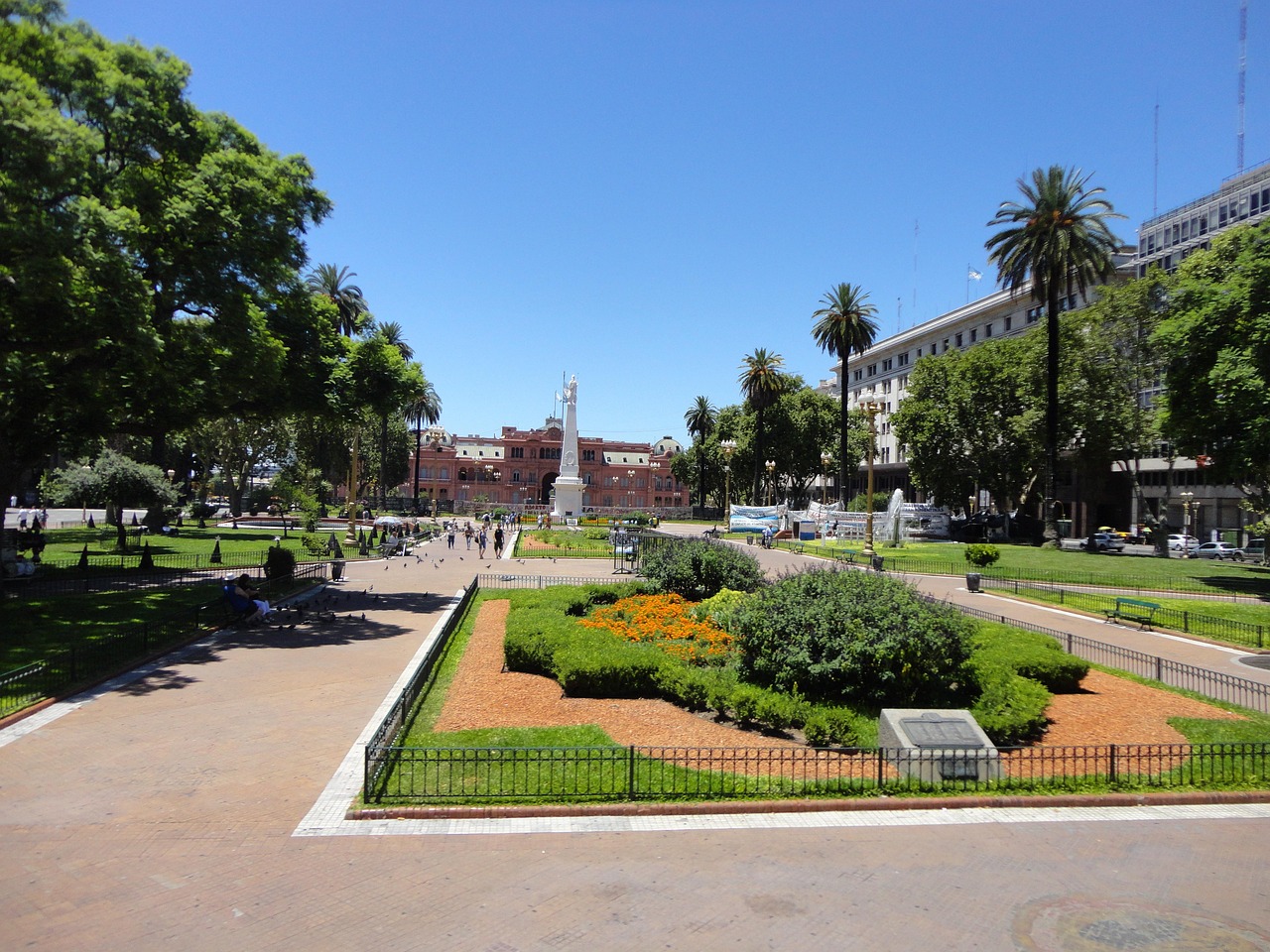
On my first visit, I joined the free tour of Casa Rosada (you must book in advance online). Standing on the balcony where presidents have addressed the nation felt surreal, especially with the pink façade glowing in the morning light.
- Visit Casa Rosada (consider the museum underneath for historical context).
- Step into the Metropolitan Cathedral, where Pope Francis used to preside as archbishop.
- Walk the length of Avenida de Mayo to Congreso to appreciate the early 20th-century architecture.
Tip: Wear comfortable shoes. Distances look small on the map, but the avenues are wide and you’ll want to wander.
- Lunch in San Telmo
From Plaza de Mayo, it’s a short walk to San Telmo. I usually cut through small streets to feel the shift from governmental grandeur to bohemian charm.
Head to Mercado de San Telmo, where you can grab empanadas, choripán, or fresh pasta. One of my go-tos is a tiny stall near the center of the market selling piping-hot, baked empanadas salteñas. Eat standing up among locals doing their weekly shopping; it’s a great way to feel the pulse of the neighborhood.
- Afternoon: San Telmo’s Streets & Antique Shops
Wander Defensa Street, duck into antique shops, and peek into the old Pasaje de la Defensa, a traditional house turned gallery and shop complex. If it’s Sunday, the San Telmo Fair stretches all the way from Plaza de Mayo to Plaza Dorrego, with antiques, artisans, and street performers. It’s touristy but genuinely fun.
- Evening: Casual Tango & Parrilla
For your first tango experience, I like starting with a laid-back milonga (social dance) rather than a big show. In San Telmo, spots like small neighborhood clubs often have beginner classes followed by social dancing.
Dinner can be at a classic parrilla (steakhouse) nearby. Order a bife de chorizo (sirloin), papas fritas, and a bottle of Malbec to share. Don’t over-order: Argentine portions are generous, and you’ll want room for flan or panqueques de dulce de leche.
Day 2: La Boca, Puerto Madero & Costanera Sur
- Morning: La Boca & Caminito
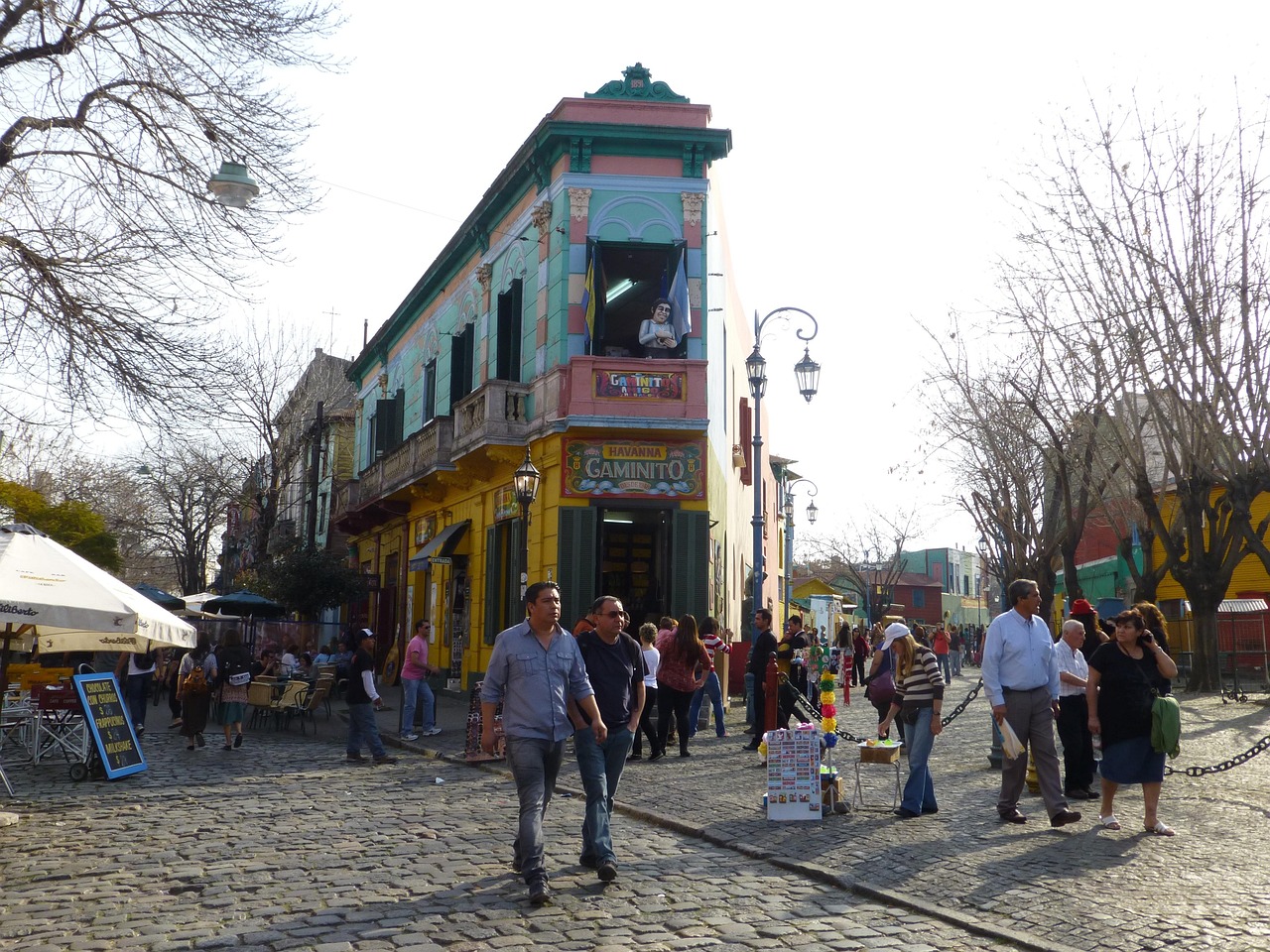
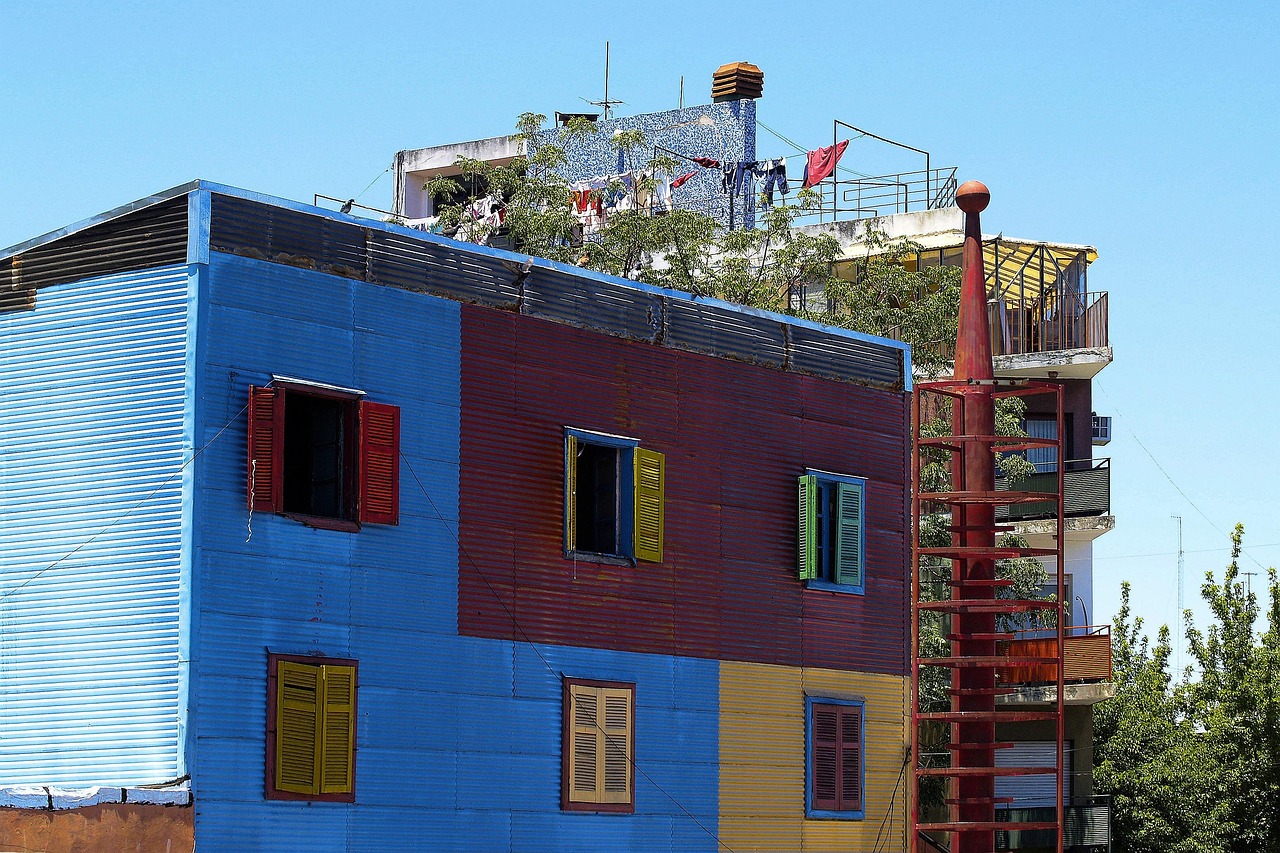
Start in La Boca, ideally by taxi or rideshare for safety and convenience. Caminito, with its colorful conventillos (tenement houses), feels like walking into a painting. It is touristy, but I’ve watched countless visitors’ faces light up here. Street tango shows, souvenir vendors, and art galleries line the cobbled lanes.
I like to grab a coffee at a café overlooking Caminito and just watch the performance of life: dancers twirling, kids chasing pigeons, football jerseys everywhere.
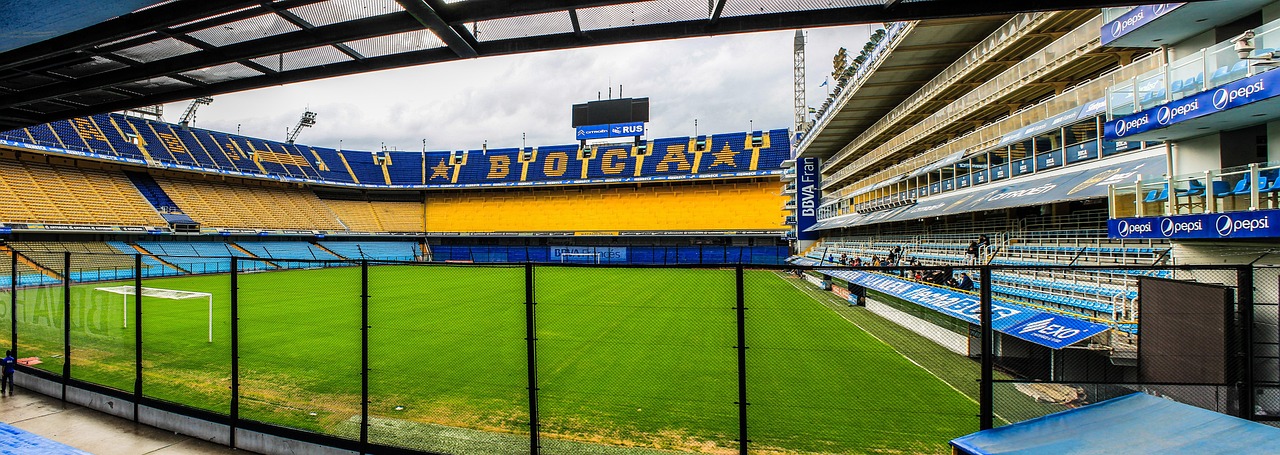
Nearby, the La Bombonera stadium, home of Boca Juniors, is a pilgrimage for football fans. The museum gives you a sense of how deeply fútbol runs in Argentine identity. On match days, the atmosphere in the barrio is electric—if you’re adventurous and with a trusted guide, a match here is unforgettable.
- Lunch: Puerto Madero
From La Boca, head up to Puerto Madero. I still remember the first time I walked along its docks—the red brick warehouses converted into upscale restaurants and offices, the sleek Puente de la Mujer bridge, and the contrast with the historic center behind it.
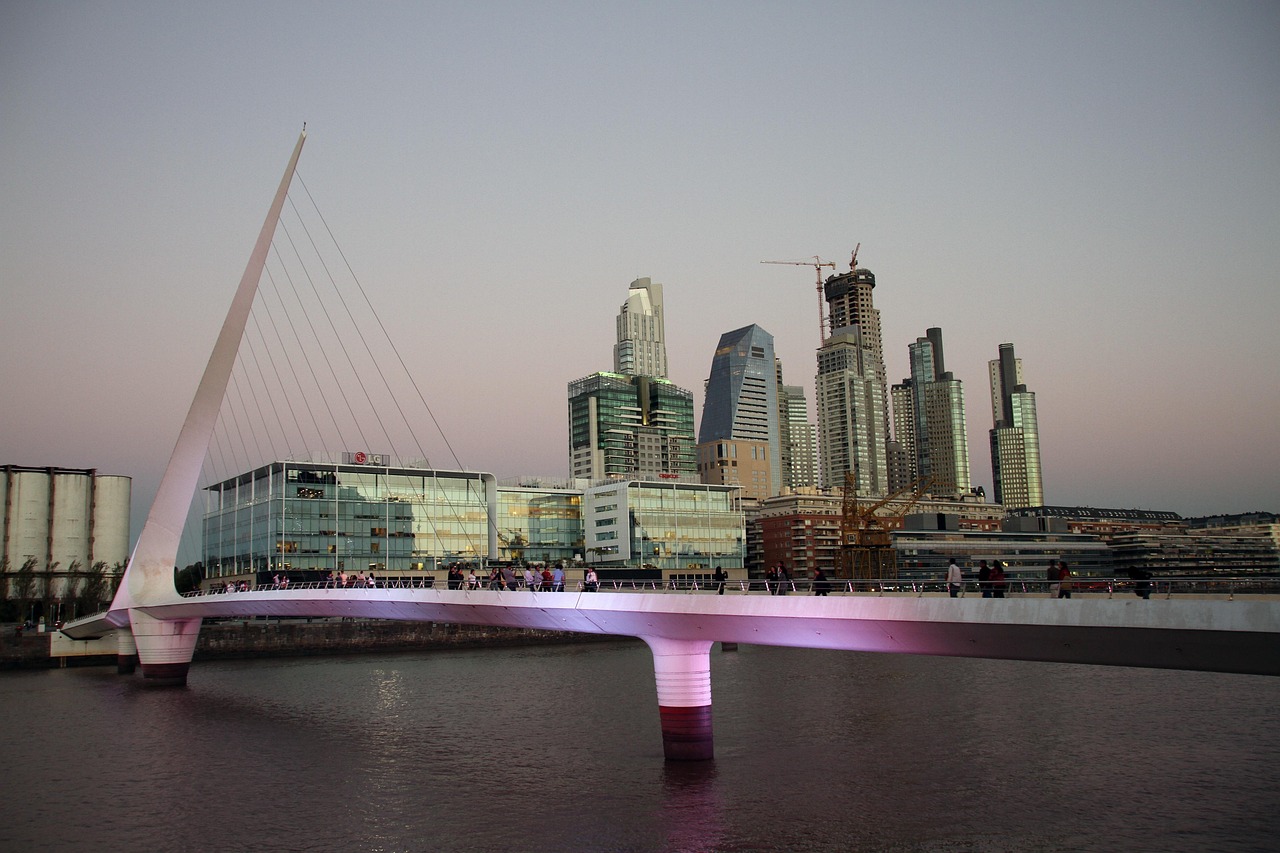
This is a good spot for a leisurely lunch along the water. You’ll find everything from all-you-can-eat parrillas to smart modern bistros. It’s more expensive than San Telmo or Almagro, but the setting is lovely.
- Afternoon: Reserva Ecológica Costanera Sur
Just behind Puerto Madero lies one of Buenos Aires’ best hidden gems: the Reserva Ecológica Costanera Sur. This huge nature reserve along the river is a favorite for runners, cyclists, and birdwatchers.
On my last trip, I rented a bike and pedaled through the trails, stopping at viewpoints where the city skyline rises behind reeds and wetlands. It’s a peaceful antidote to downtown chaos, especially around golden hour.
On your way out, grab a classic choripán from one of the parrilla stands along the old Costanera. It’s smoky, messy, and perfect.
- Evening: Drinks in San Telmo or Recoleta
For a relaxed evening, I like a glass of wine in San Telmo’s Plaza Dorrego area or a cocktail at one of Recoleta’s more refined bars. This is a good night to go easy if you’re still adjusting to porteño late-night culture.
Day 3: Recoleta & Palermo
- Morning: Recoleta Cemetery & Plaza Francia
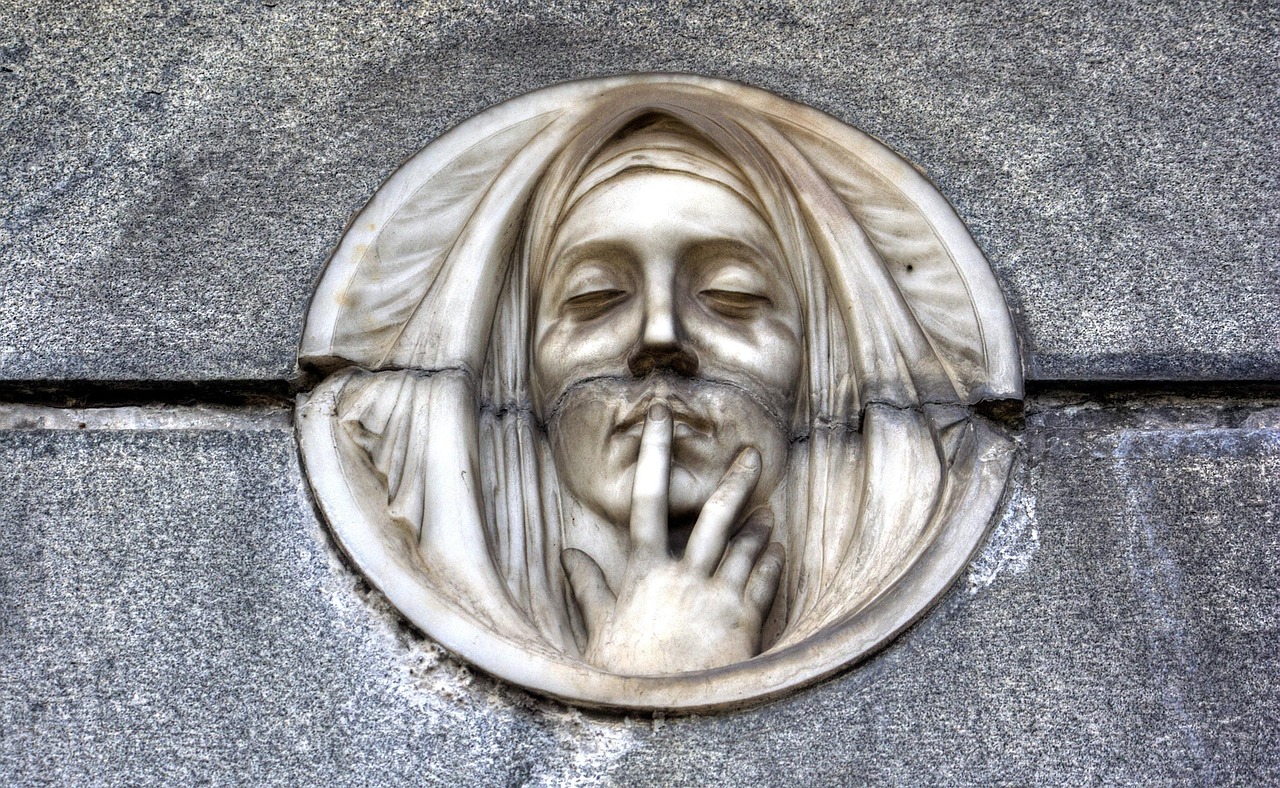
Even on my fifth visit, the Recoleta Cemetery still amazed me. It’s like a miniature city of mausoleums and statues, where Argentina’s elite and famous (including Eva Perón) rest. The play of light and shadow between marble angels makes for haunting photos.
Take your time to wander; you don’t need a guide, but a basic map or audio guide helps you understand the stories behind the names.
Afterwards, stroll around Plaza Francia and the Recoleta Cultural Center, and, if it’s a weekend, browse the artisan fair. I often grab a coffee and sit on the grass, listening to buskers.
- Afternoon: Museums & Palermo Parks
Walk or take a quick bus or taxi toward Palermo. On the way, you can stop at the MALBA (Latin American Art Museum of Buenos Aires) or the National Museum of Fine Arts, both excellent and well-curated.
Then, head into the green lung of the city: the Palermo Parks, including the Rosedal (Rose Garden), Japanese Garden, and expansive lawns perfect for picnics.
One of my favorite BA memories is renting a paddleboat on the lake near the Rosedal and lazing under the plane trees on a mild spring day. It’s a lovely, family-friendly way to see another side of the city.
- Evening: Palermo Soho Night Out
End your 3 day itinerary for Buenos Aires in Palermo Soho. Start with a casual dinner at a modern parrilla or a pizza al molde spot, then hop between bars. Porteños head out late, so don’t be surprised if places are still quiet at 9 pm and packed at midnight.
If you want to see tango in a more polished format, this is a good night to book a tango show plus dinner in any of the reputable venues. It’s touristy but can be deeply moving if you’ve never seen tango live.
4 Day Itinerary for Buenos Aires: Beyond the Basics
With 4 days in Buenos Aires, you can dig deeper into neighborhoods and add more cultural experiences.
Day 4: Belgrano, Chinatown & River Plate
I like to spend my extra day up in the north of the city, where life feels less hurried and more residential.
- Morning: Belgrano’s Barrancas & Historic Core
Start at Barrancas de Belgrano, a leafy park where locals walk their dogs, teens practice music, and older couples share mate on benches. On weekends, you might catch live music or tango under the gazebo.
Walk through the Belgrano R area to admire elegant houses and quieter streets. It’s a side of the city many tourists miss.
- Lunch: Barrio Chino (Chinatown)
Heading down toward the train tracks, you’ll find Barrio Chino, the city’s small but lively Chinatown. I often come here to stock up on Asian ingredients and then stay for dumplings or ramen.
It’s a nice break from steak-heavy meals. Try a bubble tea or pick up snacks for later.
- Afternoon: River Plate Stadium & Riverfront
From Belgrano, it’s easy to reach the Monumental Stadium, home to River Plate and the Argentine national team. The stadium area has seen upgrades in the run-up to major football events, and tours give you a sense of Argentina’s intense football culture.
Afterwards, stroll toward the river in Costanera Norte. It’s not a beach, but locals come to run, cycle, and sit by the water. In summer evenings, the food trucks and bars are lively.
- Evening: Low-Key Dinner Back in Palermo or Recoleta
After a day of exploring, I usually opt for a relaxed dinner in Palermo Hollywood or Recoleta—maybe a wine bar with good small plates or a neighborhood bodegón (traditional eatery).
5 Day Itinerary for Buenos Aires: Living Like a Local
With 5 days in Buenos Aires, you can slow down and add in some true hidden gems in Buenos Aires, plus a day trip if you wish.
Day 5 Option A: Almagro, Villa Crespo & Underground Tango
This is the day when I show friends the Buenos Aires I fell in love with: less polished, deeply local, and full of music.
- Morning: Almagro’s Cafés & Murals
Start in Almagro, a tango heartland. Drop into a century-old café with marble tables and wooden chairs, where the waiters still wear white shirts and vests. Order a café con leche and medialunas; linger as you watch the neighborhood’s morning routine.
Walk the streets to discover colorful murals and little mom-and-pop shops. This is a great place to practice your Spanish at small bakeries and verdulerías (produce shops).
- Afternoon: Villa Crespo’s Shops & Breweries
Head over to Villa Crespo, Palermo’s more down-to-earth neighbor. I love this area for its mix of outlet stores, indie boutiques, and laid-back bars. You can pick up well-priced leather goods or local designer clothes while avoiding Palermo’s higher prices.
In recent years, a craft beer scene has grown here. If you like trying local brews, this is your spot.
- Evening: Authentic Milonga (Tango Club)
End your 5 day itinerary for Buenos Aires with a real milonga. Places in Almagro and Boedo often have beginner classes followed by social dancing. The atmosphere is welcoming, if you respect the codes: watch, listen, and join when invited.
The first time I went, I was terrified of stepping on someone’s feet, but the community was surprisingly patient. Even if you don’t dance, just watching couples glide across the floor is unforgettable.
Day 5 Option B: Day Trip to Tigre & the Paraná Delta
If you prefer to escape the city, use your fifth day to visit Tigre, a relaxed town on the Paraná Delta, about an hour away by train or boat.
Take the train from Retiro to Tigre (or a boat from Puerto Madero) and spend the day wandering the riverside promenade, visiting the Museo de Arte Tigre, and taking a boat ride through the canals where locals have weekend houses on stilts.
On my last trip, I packed a picnic and spent hours watching life on the water: kids jumping off docks, delivery boats bringing groceries to island homes, and parrots screeching in the trees.
20+ Must-See Attractions in Buenos Aires (With Local Stories & Tips)
These are the best places to visit in Buenos Aires, each with history, atmosphere, and a bit of my own experience. I’ll group them roughly from iconic to more offbeat.
1. Obelisco & Avenida 9 de Julio
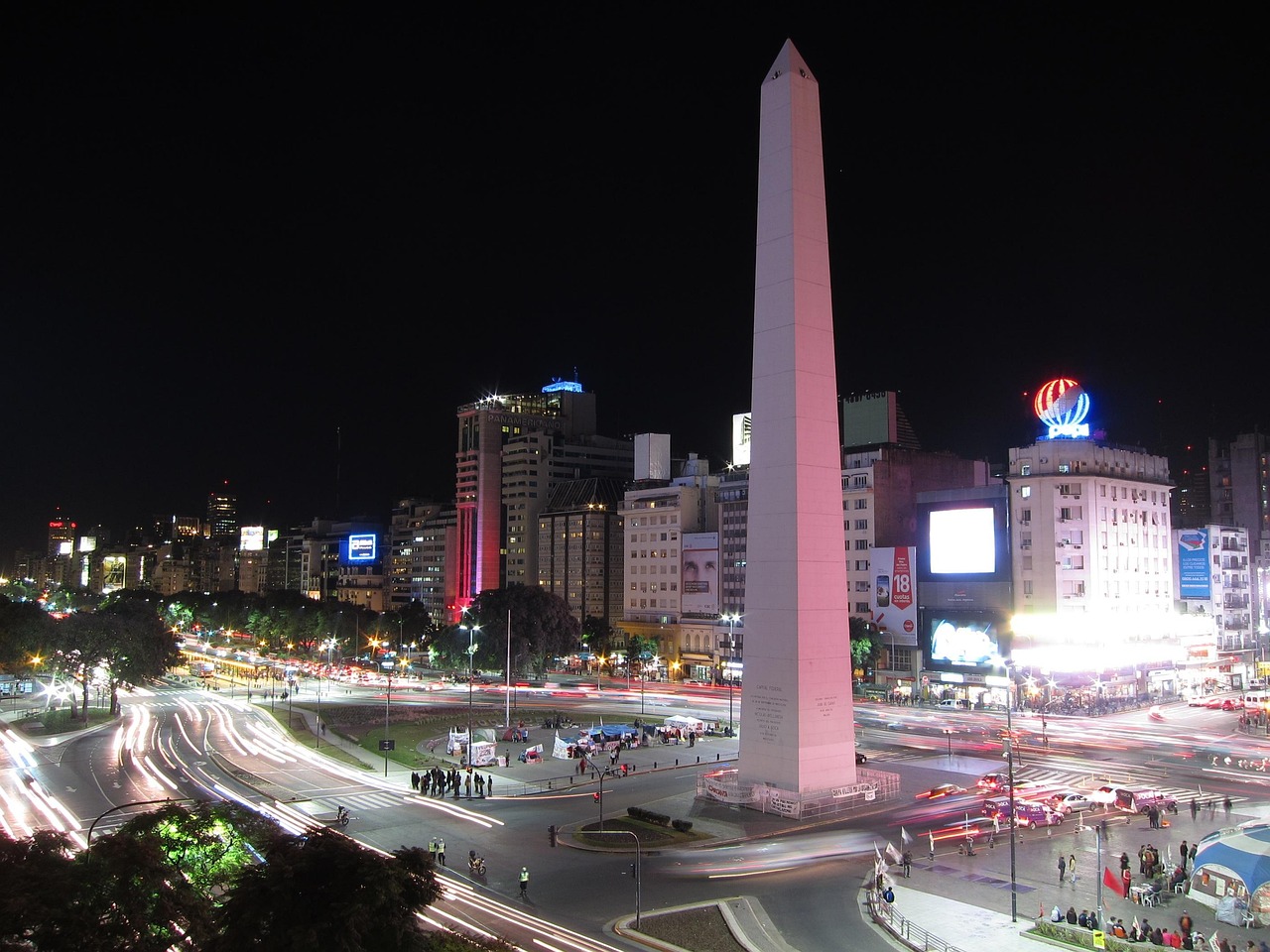
The Obelisco, rising from the middle of Avenida 9 de Julio, is Buenos Aires’ most instantly recognizable landmark. Built in 1936 to commemorate the city’s 400th anniversary, it stands at the intersection of BA’s main arteries. The first time I saw it was from a bus window at sunset, when the whole avenue glowed orange and the traffic swarm felt almost choreographed.
Walk around the Obelisco and look in all directions: you’ll see billboards, theaters along Avenida Corrientes, and the famous “BA” plant sculpture. It’s chaotic but exhilarating.
Tips:
- Best photo light is early morning or late afternoon.
- Combine a stop here with a stroll down Avenida Corrientes for bookstores, pizza, and theaters.
- Watch your belongings—this is a busy area with typical big-city petty theft risks.
2. Plaza de Mayo & Casa Rosada
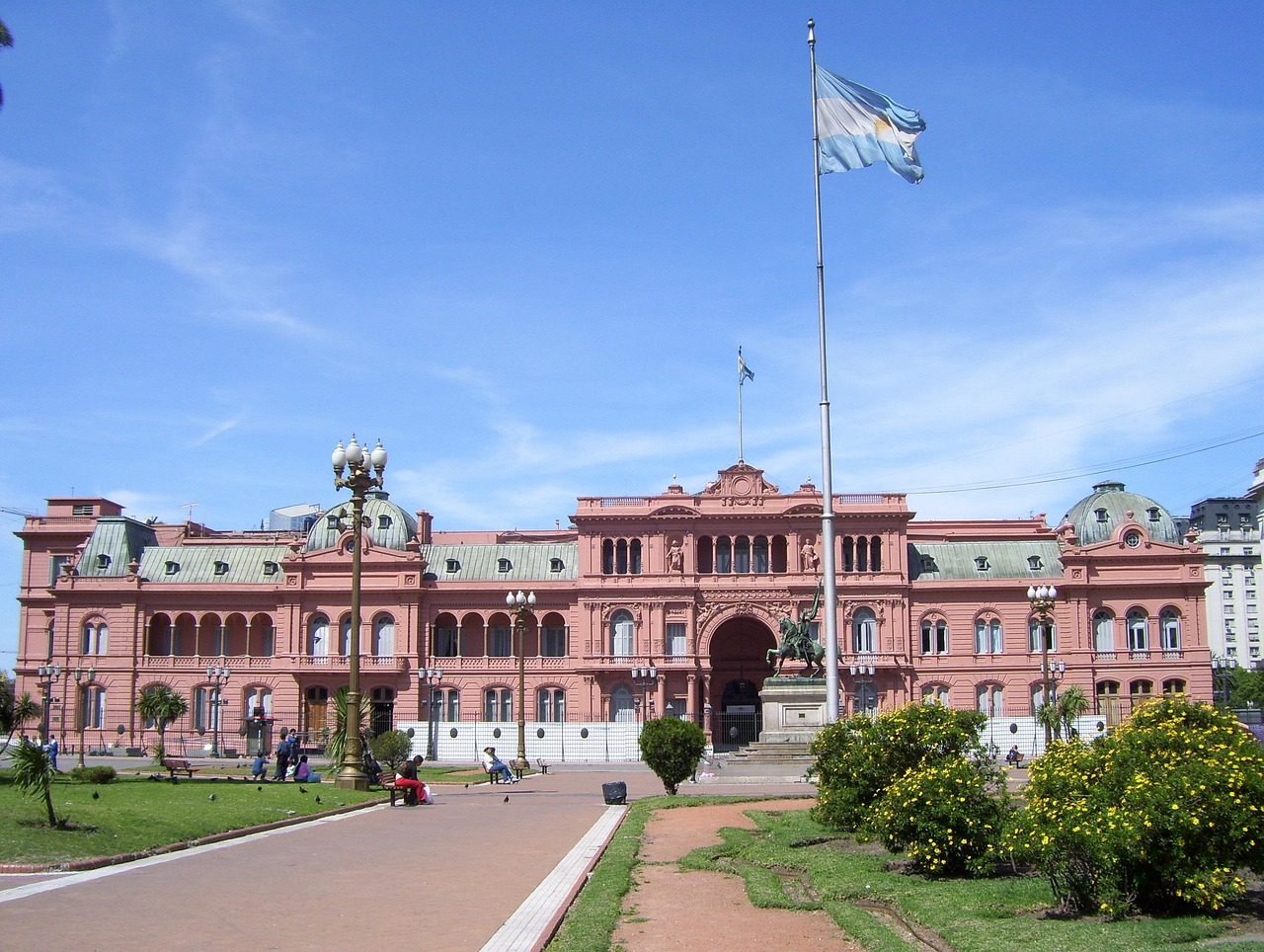
Plaza de Mayo is the political heart of the country, ringed by the Casa Rosada (presidential palace), the Cabildo, and the Cathedral. I’ll never forget standing here during a Thursday demonstration by the Mothers of the Plaza de Mayo, who have marched since the dictatorship years demanding justice for their missing children. It’s a reminder that Buenos Aires’ beauty is layered with complex history.
Tour the Casa Rosada museum to see old presidential offices and artifacts. If you plan ahead and book online, you can join a free guided tour of the palace itself.
Tips:
- Security is tight; follow instructions around government buildings.
- Allow time to sit on a bench and people-watch—this square is a stage for protests, celebrations, and daily life.
3. San Telmo Barrio & Mercado de San Telmo
San Telmo feels like stepping back in time. Balconies drip with plants, old street lamps cast pools of light at night, and tango music leaks from open windows. The first apartment I rented here had a creaky elevator and a courtyard full of stray cats—a perfect match for the neighborhood’s slightly faded grandeur.
The Mercado de San Telmo is my go-to for lunch and people-watching. Inside the iron-and-glass market, you’ll find produce stalls, antique corners, and hip new food stands. It’s where the old and the new Buenos Aires meet.
Tips:
- Sunday is the famous street fair; it’s crowded but fun.
- Weekdays offer a more relaxed, local feel inside the market.
- Keep an eye on camera and phone in crowds.
4. La Boca & Caminito
La Boca’s bright houses and corrugated iron façades come from its history as a working-class port neighborhood, where immigrants used leftover ship paint to color their homes. Caminito, now a pedestrian street and open-air museum, celebrates that heritage.
My first time there, I walked slowly, watching tango couples perform on the sidewalks, kids kicking footballs against graffiti-covered walls, and artists selling everything from serious canvases to kitschy Maradona portraits.
Tips:
- Stick to the touristic area around Caminito; don’t wander deep into residential streets with valuables.
- Visit in daylight; mornings are calmer, afternoons busier.
- Combine with a stadium or football culture tour if you’re a fan.
5. Recoleta Cemetery
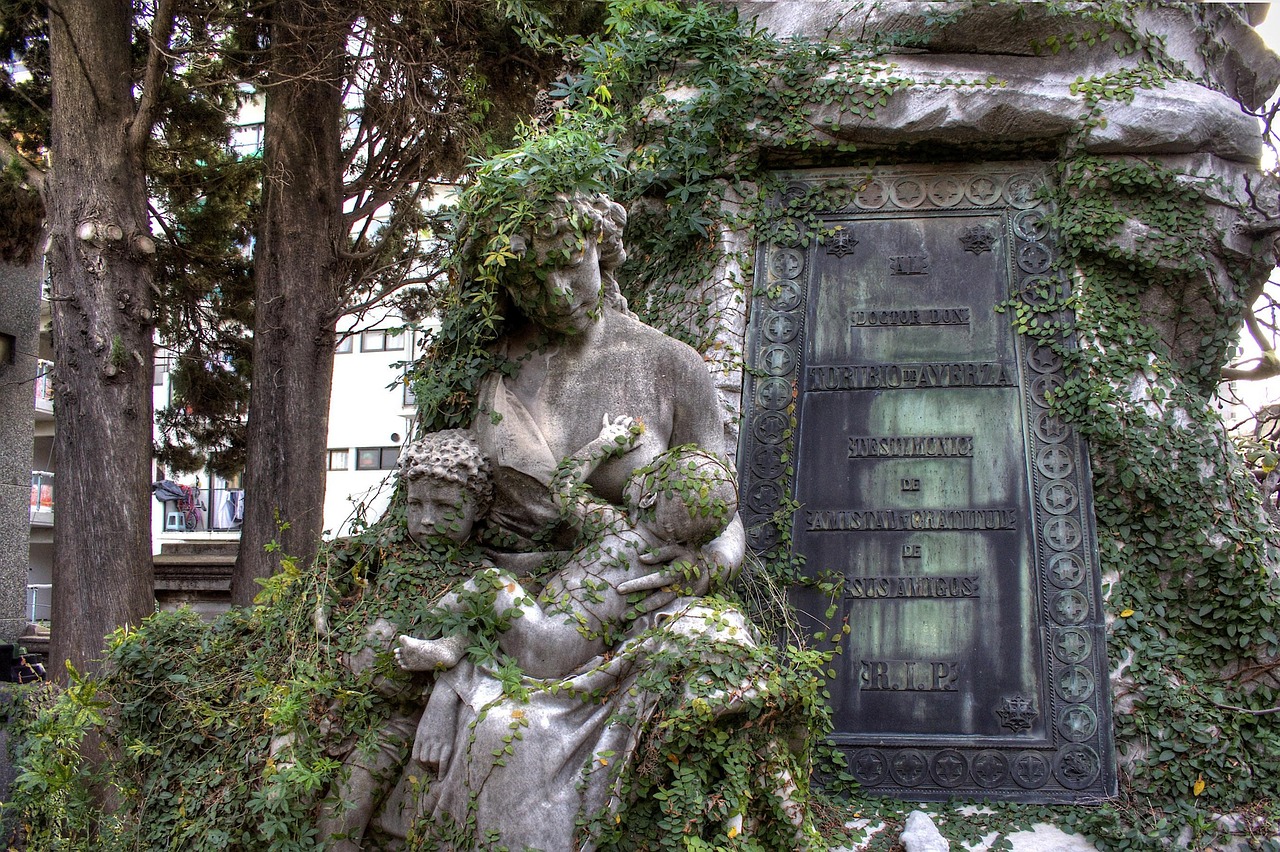
The Recoleta Cemetery is one of the most beautiful necropolises in the world, a labyrinth of mausoleums, angels, and marble columns. I’ve visited in bright midday sun and on overcast autumn days; both bring out different moods in the stone.
While Eva Perón’s grave draws most visitors, I like to wander aimlessly, reading names and dates, imagining the stories behind them. Cats patrol the alleys, napping on warm steps like they own the place (they kind of do).
Tips:
- Go early to avoid crowds and tour groups.
- Bring a map or use your phone to find key graves.
- Combine with Recoleta’s museums and cafés for a full day.
6. Palermo Parks & El Rosedal
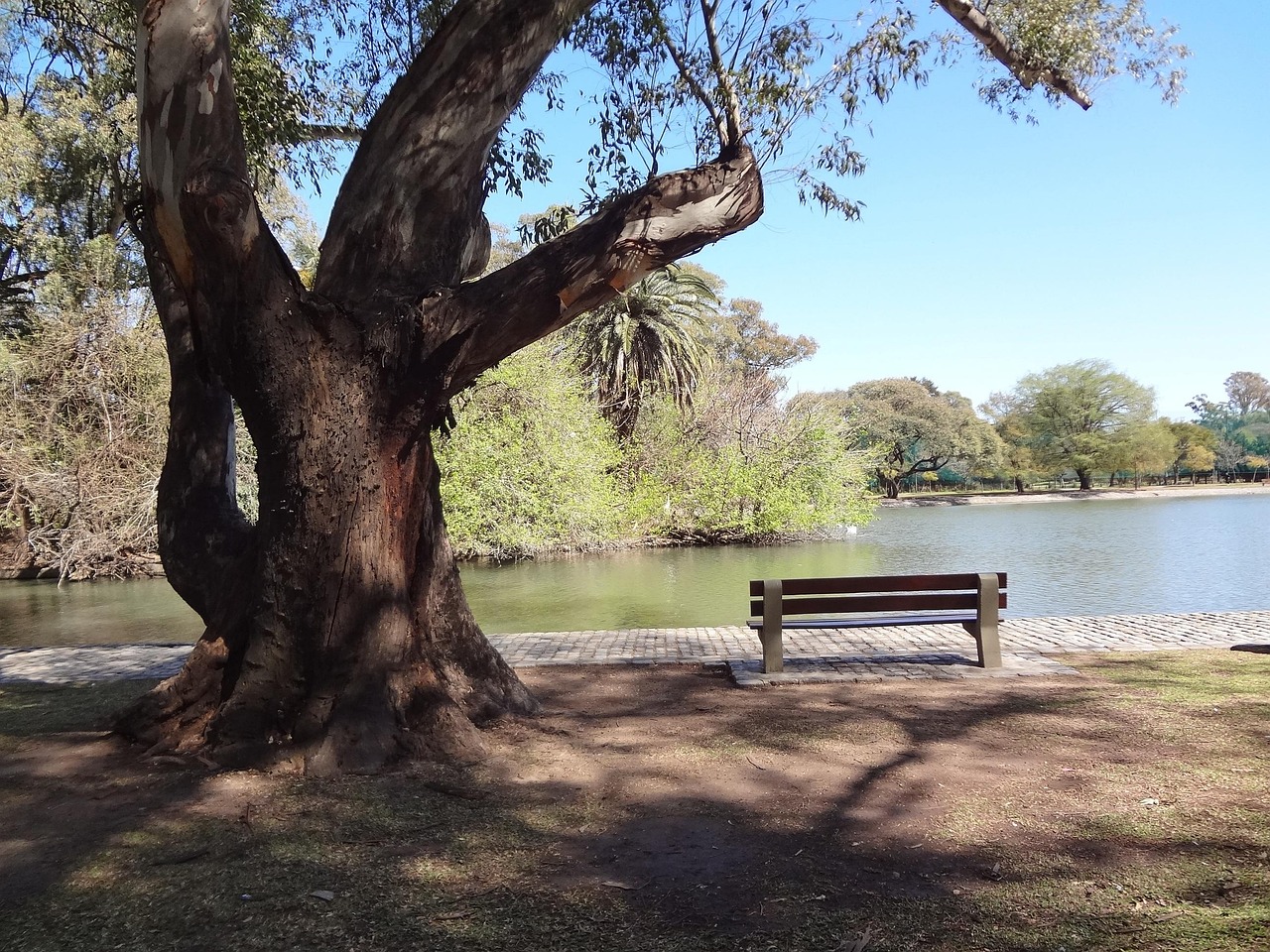
On weekends, half the city seems to converge on the Palermo Parks—running, biking, picnicking, or just lying in the grass. The Rosedal (Rose Garden) is a meticulously landscaped oasis surrounded by a small lake, with thousands of roses blooming in spring and summer.
One of my favorite BA rituals is buying a choripán from a street stand and finding a shady spot to eat it while watching rowboats glide across the water.
Tips:
- Great for families: playgrounds, open spaces, and rental bikes.
- Rent a paddleboat or bike on weekends; weekdays are calmer.
- Pair with the Japanese Garden or Planetarium nearby.
7. MALBA (Latin American Art Museum)
The MALBA is my go-to when I need a dose of creativity. Its collection features major Latin American artists like Frida Kahlo and Tarsila do Amaral, alongside contemporary works. The building itself is airy and calm, the kind of place you can easily spend three hours without realizing.
I like to end a visit with coffee in the on-site café, flipping through the museum shop’s design books and prints.
Tips:
- Check for special exhibitions; they often host cutting-edge shows.
- Many museums have discounted or free days; check schedules in advance.
8. Teatro Colón
Walking into Teatro Colón for the first time took my breath away. The golden balconies, red velvet seats, and ornate ceiling make it one of the world’s great opera houses. Even if you can’t catch a performance, the guided tour is absolutely worth it.
I once splurged on a last-minute ticket for a ballet performance and ended up in a high balcony seat; the sound and view were still incredible, and I felt part of something grand and timeless.
Tips:
- Book tours ahead in high season; they can sell out.
- Check for same-day discounted tickets at the box office.
9. Puerto Madero & Puente de la Mujer
Puerto Madero showcases the city’s modern side: renovated docks, glass towers, and sleek restaurants. The iconic Puente de la Mujer, designed by Santiago Calatrava, arcs gracefully over the water, especially beautiful when lit at night.
On evenings when I need a long walk to clear my head, I often end up here, watching the reflections of skyscrapers ripple on the docks.
Tips:
- Combine with the nearby ecological reserve for a full day.
- Restaurants here are pricier; consider coming for a drink and view.
10. Mercado de San Telmo
Though already mentioned, the Mercado de San Telmo deserves its own place on the list of things to do in Buenos Aires. It’s a living, breathing organism: butchers shouting orders, baristas pulling espresso, tourists photographing colorful fruit stands, hipster sandwich shops vying with old empanada stalls.
Once, during a torrential summer downpour, I got stranded inside for over an hour. I ended up chatting with a produce vendor about inflation and football while sipping a freshly squeezed orange juice. It’s that kind of place.
11. Palermo Soho
Palermo Soho is where Buenos Aires shows off its creative side: street art, boutiques, design stores, third-wave coffee shops, and an endless supply of brunch spots. If you like browsing independent designers and people-watching from café terraces, you could spend an entire day here without noticing.
One of my favorite rituals is grabbing an iced latte, then wandering the backstreets photographing murals and doorways. It’s romantic, vibrant, and great for solo travelers who want to feel safe and occupied.
12. Palermo Hollywood
Separated from Soho by a rail line, Palermo Hollywood is slightly more low-key by day and very lively at night. Production companies once clustered here, hence the name; now it’s all about restaurants and bars.
It’s one of my favorite dinner neighborhoods: from contemporary parrillas to Peruvian cevicherías and vegetarian spots, you can eat extremely well here without always paying “fine dining” prices.
13. Japanese Garden (Jardín Japonés)
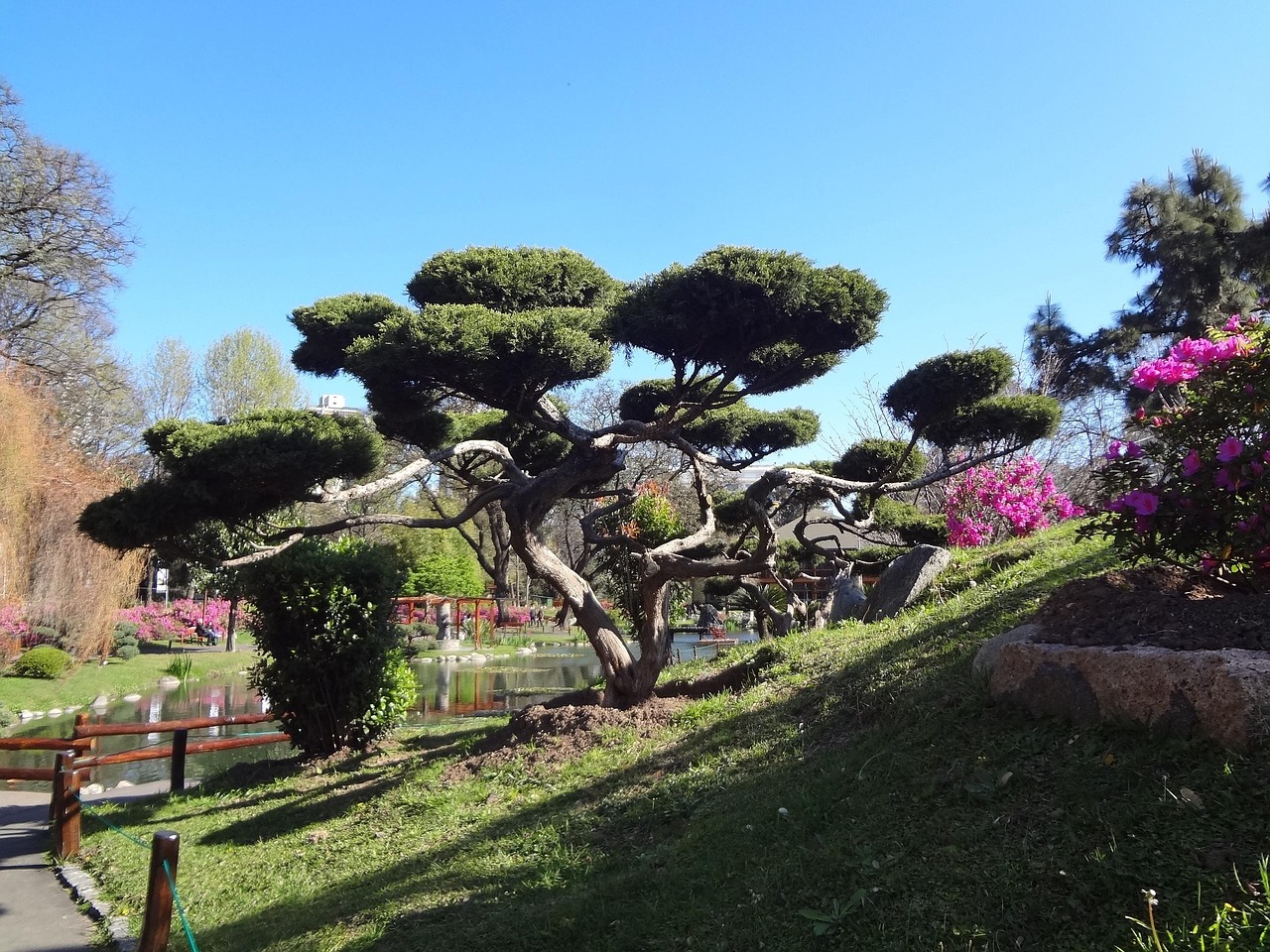
The Japanese Garden is a calm, manicured pocket of serenity. Bridges, koi ponds, and carefully pruned trees create a sense of order that contrasts with Buenos Aires’ usual hectic energy.
On a hot summer afternoon, I once escaped here with a book and lost track of time until closing. Families wander, couples take photos on the bridges, and the café serves Japanese-inspired snacks.
14. Café Tortoni
Café Tortoni, founded in 1858, is the city’s most famous café. Yes, it’s touristy, and yes, there’s often a line, but stepping inside is still worth it: stained glass, wood paneling, marble tables, and an old-world atmosphere where time seems to slow.
I once spent a rainy afternoon here nursing a hot chocolate and churros while writing postcards—cliché, maybe, but perfect.
Tip: For a more local vibe, try other historic cafés like Café Las Violetas in Almagro on another day.
15. El Ateneo Grand Splendid
Consistently ranked among the world’s most beautiful bookstores, El Ateneo Grand Splendid occupies a former theater. The stage is now a café, the boxes hold shelves of books, and the frescoed ceiling hovers above it all.
Even if you don’t read Spanish, come here. I like to find a seat in one of the old theater boxes and just soak in the view.
16. Costanera Sur Ecological Reserve
The Reserva Ecológica Costanera Sur is one of the city’s best nature escapes: kilometers of trails through wetlands and scrub, with the skyline visible in the distance. Joggers, cyclists, families, and birdwatchers all share the paths.
My favorite time is late afternoon on a weekday, when it’s quiet and the light is soft. I bring a simple picnic and sit on a bench by the water, feeling a thousand miles from the Obelisco.
17. Belgrano’s Historic Quarter
Belgrano isn’t typically on short itineraries, but its old quarter around Juramento and Cabildo has a charming church, plaza, and a cluster of cafés and shops. On weekends, the plaza fills with artisan stalls and kids playing.
I like coming here when I need a break from the tourist track: it’s local, relaxed, and lovely for a slow wander.
18. Almagro & Boedo: Tango’s Soul
Almagro and Boedo are where tango still feels like a living neighborhood tradition, not just a show. Old social clubs host milongas; bars display photos of legendary singers and dancers on the walls.
One of my favorite evenings in Buenos Aires was at a small, locals-only milonga here, where a woman in her seventies out-danced everyone on the floor. It was humbling and beautiful.
19. Street Art in Colegiales, Palermo & Barracas
Buenos Aires is one of the street art capitals of South America. Huge murals cover walls in Palermo, Colegiales, and especially Barracas, where entire buildings become canvases.
I once joined a guided street art bike tour, which was a fantastic way to understand the politics, humor, and social commentary behind the images. Even if you go solo, you’ll stumble across pieces everywhere.
20. Tigre & the Paraná Delta (Day Trip)
Technically just outside the city, Tigre is a must-see attraction if you have time for a day trip. The beautiful Museo de Arte Tigre sits along the river in an ornate building, and boat rides take you into a world of wooden docks, water taxis, and weekend houses hidden among trees.
It’s family-friendly, romantic at sunset, and a refreshing change of pace from the city’s intensity.
Local Food in Buenos Aires: What & Where to Eat
Argentine food is hearty, comforting, and built around excellent beef, but Buenos Aires also offers Italian-inspired pastas, amazing ice cream, and a growing plant-based scene. Here’s how I like to eat my way through the city.
Must-Try Dishes
- Asado / Parrilla: Grilled meats (bife de chorizo, vacío, entraña), sausages (chorizo, morcilla), and provoleta (grilled provolone cheese).
- Empanadas: Baked or fried pastries filled with beef, chicken, ham and cheese, or spinach.
- Milanesa: Breaded meat cutlet, often served with mashed potatoes or in a sandwich.
- Fugazzeta & Pizza al molde: Thick-crust pizzas loaded with cheese and onions—very different from Italian pizza.
- Helado: Argentine gelato, often with dulce de leche variations.
- Medialunas: Sweet croissants, perfect for breakfast.
Where I Actually Eat (By Neighborhood)
San Telmo: Great for traditional parrillas and bodegones. Look for busy places filled with locals, not just tourists. I often go for empanadas and house wine here; it’s easy on the wallet.
Palermo Soho/Hollywood: More modern and international options: creative burgers, sushi, vegetarian, and fusion. Brunch culture is strong; budget a bit more here.
Almagro & Boedo: Excellent value bodegones with giant milanesas and homemade pastas. Portions are big enough to share—ideal if you’re saving money.
Belgrano & Barrio Chino: Asian food cravings? This is where I go for dumplings, ramen, and Chinese-Argentine dishes.
Saving Money on Food
- Eat your main meal at lunch; many restaurants offer fixed-price menus.
- Share dishes—portions are large.
- Street food (choripán, bondiola sandwiches) around parks and Costanera is filling and cheap.
- Self-cater breakfast from supermarkets and splurge on dinners.
Drinks
- Mate: Herbal infusion shared socially; you’ll see people drinking it everywhere.
- Malbec & other wines: Excellent quality at reasonable prices.
- Fernet con Coca: Bitter digestif mixed with cola, beloved by locals.
- Cervezas artesanales: Craft beers are popular in Palermo and Villa Crespo.
Nightlife, Tango & Cultural Experiences in Buenos Aires
Buenos Aires comes alive at night. Dinners start late, bars get busy around midnight, and clubs don’t fill until 2 am. As a non-night-owl, I’ve learned to pace myself—but the energy is contagious.
Tango: From Shows to Milongas
Tango shows: Polished, theatrical, and designed for visitors. They’re a good introduction to the dance’s drama and technique. Many include dinner; I prefer just the show, then dinner elsewhere.
Milongas: Social dance events where locals dance. Some are beginner-friendly with pre-milonga classes. Respect the codes (like the cabeceo, an invitation by eye contact) and dress smart-casual.
Nightlife Areas
- Palermo Soho/Hollywood: Bars, speakeasies, craft beer, clubs. Great for bar-hopping.
- San Telmo: More relaxed, bohemian vibes with live music bars.
- Microcentro & Corrientes: Theaters, live shows, and late-night pizza.
Cultural Experiences
- Football matches (Boca, River, or local teams) with a reputable guide.
- Live music—rock nacional, folklore, jazz—in small venues across the city.
- Contemporary art spaces and cultural centers in Recoleta and Palermo.
What’s New: Major Events & Festivals in 2026–2027
Buenos Aires in 2026–2027 is packed with events that can enrich your trip if you time it right.
Annual Highlights (Typical Dates)
- Buenos Aires Tango Festival & World Cup (August): Citywide tango classes, shows, and competitions.
- Buenos Aires International Book Fair (April–May): Major literary event at La Rural in Palermo.
- BAFICI Film Festival (Autumn): Independent film festival with screenings across the city.
- Carnaval (February/March): Neighborhood murga parades and street parties.
- Fashion & Design Fairs: Pop up regularly in Palermo and Recoleta.
Exact 2026–2027 dates shift annually; check closer to your trip to align your 3 day, 4 day, or 5 day itinerary for Buenos Aires with festivals you’re interested in.
Best Day Trips from Buenos Aires
Tigre & the Paraná Delta
As described above, Tigre is one of my favorite escapes: boat rides, riverside walks, and the feeling of being far from the city without going very far at all.
Colonia del Sacramento, Uruguay
A short ferry ride across the Río de la Plata takes you to this charming UNESCO-listed town with cobblestone streets and colonial buildings. It’s romantic and relaxed—ideal if you want to add another country to your trip.
Pampas Estancias (Ranches)
Several estancias near Buenos Aires offer day visits with horseback riding, asado lunches, and folklore shows. It’s touristy but can be fun, especially with family or as a romantic escape.
Cultural Etiquette & Local Customs in Buenos Aires
Understanding local customs in Buenos Aires makes your trip smoother and your interactions richer.
Greetings & Personal Space
- Standard greeting is a single kiss on the cheek, even between men and women who just met in social settings.
- Handshakes are common in formal or business situations.
- Porteños stand and speak closer than many Northern Europeans or North Americans are used to.
Time & Punctuality
- Dinner typically starts around 9 pm; 7 pm is considered early.
- Being 10–15 minutes late is socially acceptable in many informal contexts.
Dining Etiquette
- It’s common to share dishes or order multiple cuts of meat for the table.
- Service can be slower than you might expect; it’s not rudeness, it’s the rhythm.
- Leave a 10% tip in cash at sit-down restaurants when service is good.
Money & Safety
- Don’t flash expensive jewelry or large cameras in crowded areas.
- Use crossbody bags and keep phones out of back pockets.
- ATMs can run out of cash on weekends; plan ahead.
Conversation Topics
Porteños love to talk politics, football, and economics. These can be passionate conversations; listen more than you lecture, and you’ll learn a lot.
Practical Travel Advice for Buenos Aires (2026 Edition)
Getting Around: Public Transport & Taxis
- Subte (Metro): Fast, cheap, and straightforward. Great for main corridors.
- Buses (Colectivos): Extensive network; you’ll need a SUBE card to pay fares.
- Taxis & Ride-hailing: Reasonably priced. Use official apps or radio taxis; avoid unmarked cars.
- Walking: Many neighborhoods are walkable; watch for uneven sidewalks.
SIM Cards & Connectivity
In 2026, it’s simple to stay connected:
- Local providers (like Claro, Movistar, Personal) offer prepaid SIMs at kiosks and official stores.
- You’ll need your passport to register.
- eSIM options are increasingly available for travelers—check with your home carrier or international eSIM providers.
Money, Costs & Saving
Argentina’s economy is famously volatile, so prices in pesos change frequently. For many foreign visitors, Buenos Aires in 2026 still offers good value.
- Bring a backup credit/debit card; occasional fraud and card issues happen.
- Card payments are widely accepted in mid-range and high-end places; small shops may prefer cash.
- Use ATMs in banks or malls for better security.
Visas & Entry Requirements
Visa requirements depend on your nationality:
- Many citizens of the EU, UK, US, Canada, Australia, and others can enter visa-free for tourism for limited stays.
- Always check the official Argentine consulate or government site for the latest rules before traveling.
Driving & Car Rental
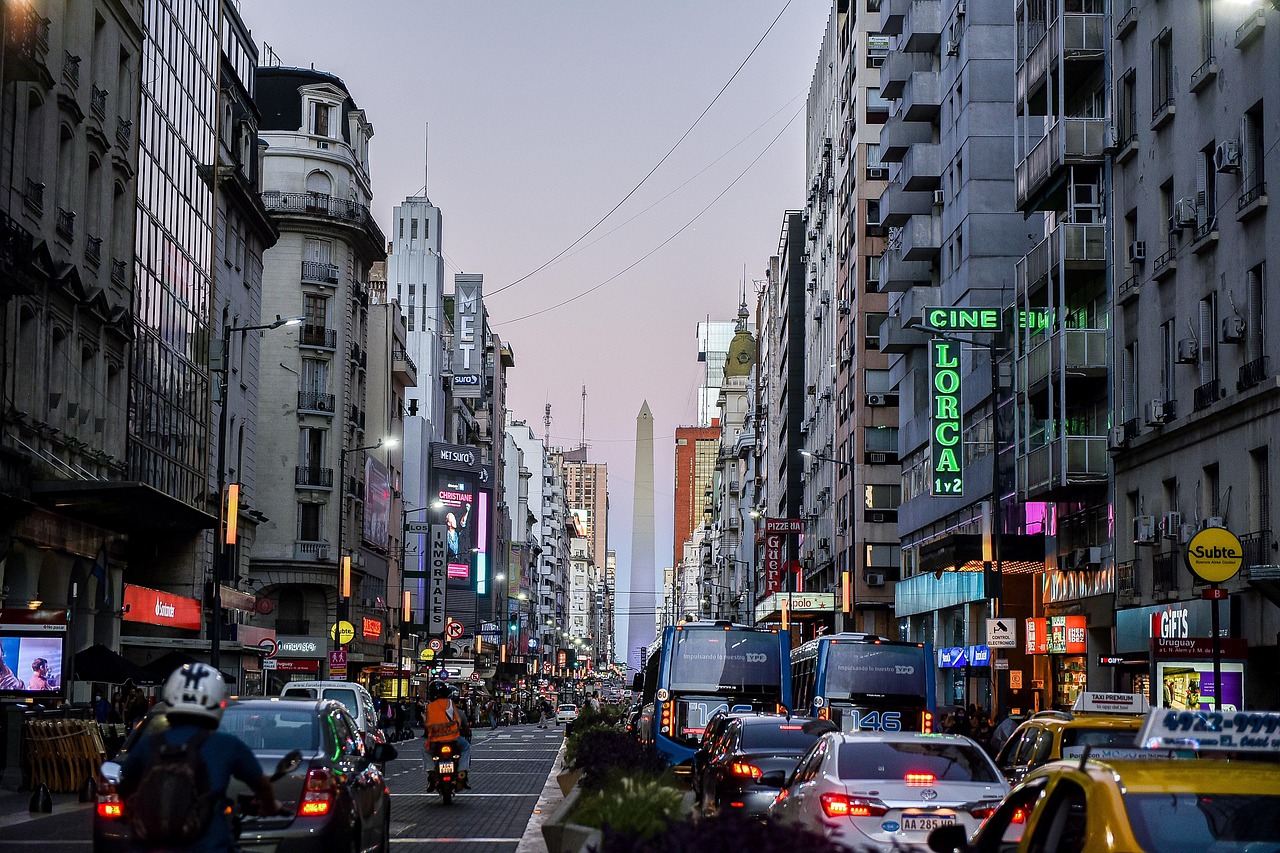
I rarely recommend renting a car in Buenos Aires itself: traffic is intense, parking is challenging, and public transport works well for visitors.
- Foreign driver’s licenses are generally accepted for short-term rentals; some companies may request an International Driving Permit, so bring one if possible.
- Consider renting only for day trips outside the city (like the Pampas) rather than for your full stay.
Best Seasons & Weather
- Spring (September–November): My favorite time—mild temperatures, jacaranda trees in bloom, perfect for walking tours and outdoor cafés.
- Summer (December–February): Hot and humid, especially in January. Good for nightlife and late dinners; plan midday museum or siesta breaks.
- Autumn (March–May): Pleasant, with colorful leaves in parks; great for sightseeing and a 3–5 day itinerary.
- Winter (June–August): Cool, occasionally damp, but rarely freezing. Good for cultural experiences, museums, and tango indoors.
Hidden Tips from Years of Visits
- Carry a small pack of tissues and hand sanitizer; some bathrooms lack supplies.
- Keep a photocopy or digital copy of your passport separate from the original.
- Learn a few Spanish phrases; even basic effort is appreciated.
- If you’re sensitive to noise, pack earplugs—porteños love late-night conversations.
- Plan your days with a long midday break in summer; treat the city like a Mediterranean one.
Summary: Making the Most of Buenos Aires
Buenos Aires rewards curiosity and unhurried exploration. There are clear must-see attractions in Buenos Aires—the Obelisco, Plaza de Mayo, Recoleta Cemetery, San Telmo, La Boca, Palermo’s parks—but the real magic is in the in-between moments: a late-night conversation in a café, a spontaneous street performance, a shared mate in a park.
Whether you craft a 3 day itinerary for Buenos Aires focused on highlights, stretch to 4 days in Buenos Aires to add neighborhoods like Belgrano and Almagro, or savor a full 5 day itinerary for Buenos Aires with day trips and milongas, you’ll leave with more stories than you expected.
Best Time to Visit Buenos Aires
For most travelers, the sweet spots are:
- Spring (September–November): Comfortable weather, outdoor life in full swing, perfect for walking-heavy itineraries.
- Autumn (March–May): Mild temperatures, fewer crowds than summer, and beautiful parks.
Summer is great if you love heat and nightlife; winter suits museum lovers and budget-conscious travelers.
However long you stay, let Buenos Aires set the tempo: sleep a little later, dine later, walk more, talk longer. The city opens up when you move at its pace—and that’s when you’ll understand why so many of us keep coming back.