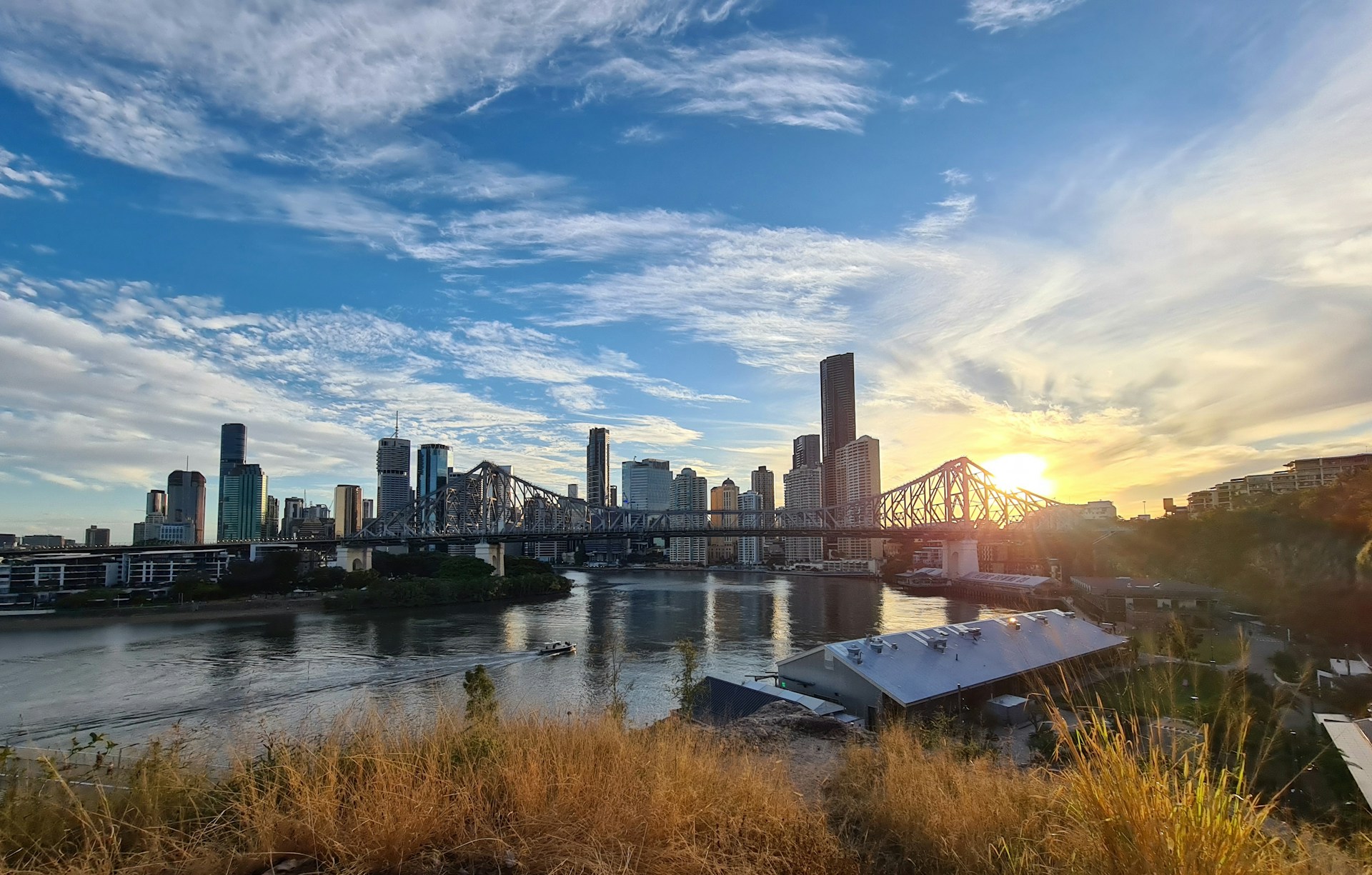
Why Visit Brisbane in 2026?
Brisbane is the kind of city that sneaks up on you. Sydney dazzles, Melbourne intellectualizes, but Brisbane… Brisbane smiles, hands you an iced latte, and invites you down to the river for sunset.
I’ve lived in and around Brisbane on and off for over a decade, and I still catch myself stopping mid-commute to just stare at the skyline reflected in the river, or to listen to a busker under the fairy-lit trees in South Bank. It has the energy of a city that’s finally sure of itself: creative, outdoorsy, and quietly confident.
In 2026, Brisbane is in full “glow-up” mode. With the 2032 Olympic Games on the horizon, infrastructure is improving, new precincts are opening, and the city’s food and bar scene feels like it levels up every few months. Yet it still holds onto that relaxed, subtropical charm and the kind of warmth—literal and emotional—you rarely find in big cities.
This travel guide is written like I’d plan a trip for a good friend: where I’d actually send you, what I’d warn you about, and how I’d help you squeeze the most out of 3 days in Brisbane, 4 days in Brisbane, or even 5 days in Brisbane. You’ll find detailed day-by-day itineraries, must-see attractions, local food in Brisbane, hidden gems, and honest travel tips for Brisbane, all wrapped in personal stories from my own visits.
Whether you’re here for a romantic long weekend, a family adventure, or a solo city escape, Brisbane is ready for you—with sunshine.
Table of Contents
- Why Visit Brisbane in 2026?
- Brisbane at a Glance
- Top 20 Must-See Attractions in Brisbane
- Suggested Itineraries (3–5 Days in Brisbane)
- Brisbane’s Best Neighbourhoods & Districts
- Local Food & Drink in Brisbane
- Nightlife, Entertainment & Cultural Experiences
- Best Day Trips from Brisbane
- Cultural Etiquette & Local Customs
- Practical Travel Advice for Brisbane
- Major Events in 2026–2027
- Summary & Best Time to Visit Brisbane
Brisbane at a Glance
Brisbane is the capital of Queensland, straddling the winding Brisbane River about an hour’s drive from both the Gold Coast and the Sunshine Coast. Think year-round warm weather, subtropical greenery, and a skyline that has grown noticeably taller over the last decade.
- Population: Approx. 2.8 million (metro)
- Climate: Subtropical – hot, humid summers; mild, dry winters
- Best for: Outdoor lovers, foodies, families, and anyone who likes cities that don’t take themselves too seriously
- Airport: Brisbane Airport (BNE), ~20–30 minutes from the CBD
- Good bases: CBD, South Bank, Fortitude Valley, New Farm, West End, Kangaroo Point
Top 20 Must-See Attractions & Experiences in Brisbane
These are the places I keep going back to—sometimes for the views, sometimes for the food, sometimes just for the feeling. Each one gets its own mini-guide below so you know exactly how to make the most of your visit.
1. South Bank Parklands & Streets Beach
If you only have 3 days in Brisbane, South Bank is where you start. It’s Brisbane’s living room—lush parklands, a man-made lagoon, restaurants spilling onto the river, all framed by the city skyline.
I still remember one sticky summer afternoon when I wandered down to South Bank “just for a walk” and ended up staying for five hours. I floated in Streets Beach, sipped a cold beer with my feet in the sand, then watched the city light up from a picnic rug. That’s South Bank’s magic: it pulls you in and makes it very hard to leave.
What to Do
- Cool off at Streets Beach: This free, lifeguard-patrolled lagoon is perfect for families and anyone melting in the summer heat. There’s a sandy beach, shallow kids’ areas, and deeper sections for proper swims.
- Stroll the Arbour: A walkway draped in vibrant pink bougainvillea that feels like stepping into a tropical tunnel.
- Picnic on the lawns: Grab takeaway from one of the riverfront spots and claim a patch of grass at sunset.
- Wheel of Brisbane: For a bird’s-eye view of the CBD and river, especially pretty at night.
Food & Drink Nearby
South Bank can be touristy, but you can still eat well:
- River Quay: A cluster of slightly upmarket restaurants with absolute river frontage—great for date nights.
- Little Big House (Grey St): A Queenslander-style pub in a heritage house, good for relaxed drinks.
- Ahmet’s Turkish Restaurant: Fun atmosphere, share plates, and belly dancing on busy nights.
How to Get There
Take the train to South Bank or South Brisbane stations, or hop on a CityCat ferry to South Bank terminal. From the CBD, it’s a 10–15 minute walk across the Victoria or Kurilpa Bridges.
Tips
- Come early or late: Streets Beach is packed on summer weekends midday. Mornings and late afternoons are calmer.
- Pack a towel and swimmers: Even if you think you won’t swim, the lagoon will tempt you.
- Family-friendly: Absolutely. There are playgrounds, shaded areas, and safe swimming zones.
2. Story Bridge & Kangaroo Point Cliffs
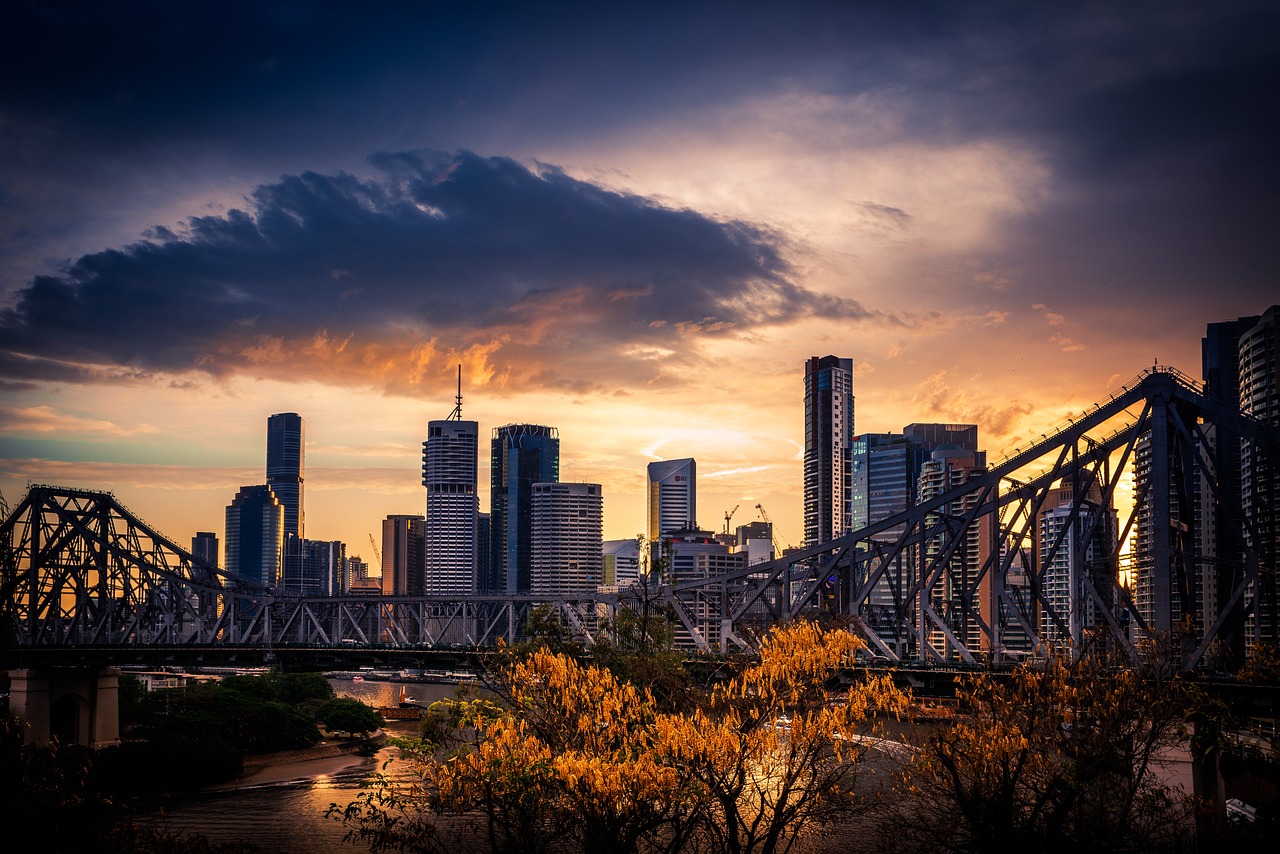
The Story Bridge is Brisbane’s icon—an Art Deco steel bridge that glows purple, blue, or gold at night depending on events. I’ve driven over it more times than I can count, but the best experiences have always been on foot or from the cliffs across the river.
What to Do
- Story Bridge Adventure Climb: A guided climb to the top for 360° views—unforgettable at sunset. It’s pricey, but if you’re into city views, it’s the splurge I recommend.
- Picnic at Kangaroo Point Cliffs: I love coming here with takeaway fish and chips, watching rock climbers scale the lit-up cliffs as the city sparkles across the river.
- Walk the riverside paths: There’s a lovely walk/cycle path at the base of the cliffs and under the bridge.
Food & Drink Nearby
- Joey’s: A cliff-top bar and restaurant with one of the best skyline views – perfect for sunset drinks.
- The Story Bridge Hotel (Kangaroo Point side): Classic pub under the bridge, good for a casual meal and a beer.
How to Get There
From the CBD, it’s a 20–25 minute riverside walk, or you can catch a ferry to Kangaroo Point or Holman Street terminals. Buses from the city also stop nearby.
Tips
- Best photo spot: The Kangaroo Point Cliffs top walkway at blue hour, just after sunset.
- Budget version of the bridge climb: Walk across the pedestrian path on the Story Bridge—it’s free and still gives great views.
- Romantic? Very. Bring a picnic rug to the cliffs and you’re set.
3. City Botanic Gardens
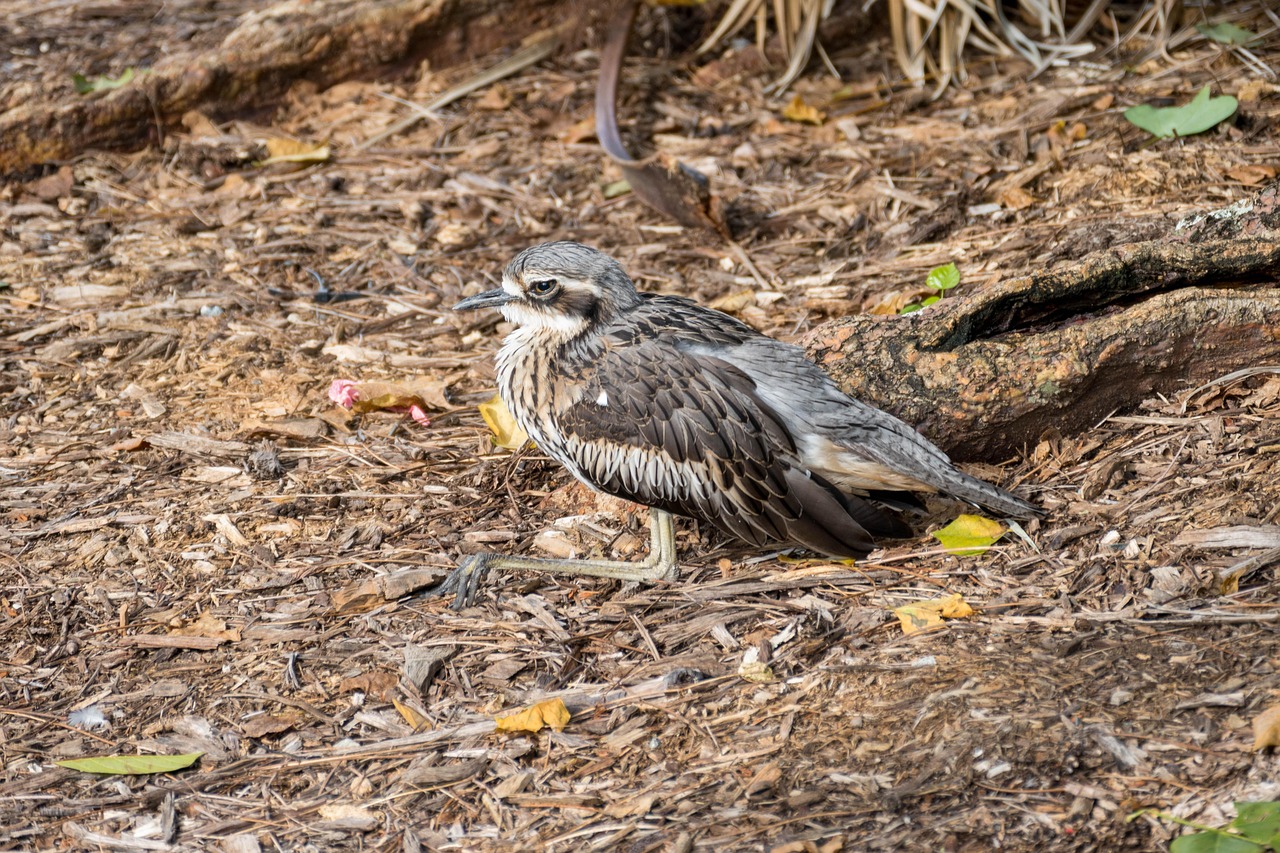
When the summer humidity gets too much, I escape into the City Botanic Gardens. Tucked at the eastern edge of the CBD, this riverside oasis is where joggers, office workers, and ibis birds all peacefully coexist.
What to Do
- Wander shaded paths: Giant fig trees, palms, bamboo groves – it feels a world away from the nearby skyscrapers.
- Join a free guided walk: The council often runs morning walks explaining the plant life and history (check current schedules).
- Relax by the river: I like sitting near the river’s edge watching CityCats glide past.
History & Significance
These are Brisbane’s original botanic gardens, dating back to the mid-1800s. They’ve survived floods, cyclones, and changing city plans, and remain one of the green hearts of the CBD.
Tips
- Time of day: Early morning is beautiful, especially in the warmer months.
- Mozzies: Bring insect repellent around dusk, especially in summer.
- Family-friendly: Yes, with open lawns for kids to run around.
4. QAGOMA – Queensland Art Gallery & Gallery of Modern Art
Whenever the weather turns moody—or I just need a creativity hit—I head to QAGOMA. Split across two buildings on the South Bank cultural precinct, it’s the cultural soul of the city.
What to See
- QAG (Queensland Art Gallery): Australian and international works, including Indigenous art and classic pieces.
- GOMA (Gallery of Modern Art): Bold, contemporary installations. I still remember walking into a darkened room filled with glowing, suspended lights—one of those exhibits that stays with you.
- Kids’ sections: GOMA often has interactive spaces where kids can create and play.
Cost & Practicalities
General admission is usually free, with paid entry for special exhibitions. Lockers and a café are available.
Tips
- Rainy day saviour: Perfect for when the weather isn’t cooperating.
- Check exhibitions: In 2026, expect major exhibitions tied to the growing Olympic cultural build-up.
- Combine with: South Bank, State Library, and a walk along the river.
5. South Bank Cultural Precinct (QPAC, State Library & Museum)
Just behind QAGOMA lies Brisbane’s cultural brain: QPAC (Queensland Performing Arts Centre), the State Library, and the Queensland Museum. I’ve lost entire days here without meaning to.
What to Do
- Catch a show at QPAC: Musicals, ballet, theatre, comedy. I once watched a touring Broadway show here and was stunned by how good the acoustics were.
- Queensland Museum: Dinosaurs, natural history, and exhibitions about Queensland’s past—great for kids.
- State Library: Quiet reading nooks, exhibitions, and sometimes live talks.
Tips
- Book ahead: Popular shows at QPAC can sell out weeks in advance.
- Family-friendly: Very—especially the museum.
- Budget: Library and many museum sections are free; shows vary in price.
6. Brisbane River & CityCat Ferries
I’m convinced the best way to understand Brisbane is from the water. The CityCat ferries double as both public transport and a cheap sightseeing cruise.
What to Do
- Ride from Northshore Hamilton to UQ St Lucia: This full run takes you past riverfront mansions, the CBD skyline, South Bank, and leafy university suburbs.
- Hop-on, hop-off exploring: Use the ferry as your main mode of transport for a day—jump off at New Farm, South Bank, Kangaroo Point, and the CBD.
Personal Tip
On one of my favourite evenings, I hopped on a CityCat right before sunset with no real plan, rode it to the end of the line, then came back in the dark as the city lit up. The fare was a fraction of a tourist cruise and the views were the same.
Tips
- Use a go card or contactless: It’s cheaper than paper tickets.
- Best seats: The front outdoor section for unobstructed views.
- Family-friendly: Kids love the boat ride.
7. Mount Coot-tha Lookout & Botanic Gardens
Whenever friends visit, my default first stop is Mount Coot-tha Lookout. It’s the classic postcard view: the entire city spread out below, framed by bushland.
What to Do
- Lookout: Come at sunrise or sunset for the best light. There’s a café and restaurant on-site.
- Mount Coot-tha Botanic Gardens: At the base of the mountain, these are larger and more diverse than the City Botanic Gardens, with Japanese gardens, tropical domes, and native plant sections.
- Walking trails: Plenty of bushwalks ranging from short strolls to longer hikes.
How to Get There
About 15–20 minutes’ drive from the CBD. Buses also run from the city to the botanic gardens; from there, you can hike up or catch a rideshare to the lookout.
Tips
- Photography: Bring a zoom lens if you want detailed skyline shots.
- Combine with: A visit to nearby Paddington or Toowong for cafes and boutiques.
- Family-friendly: Yes, especially the gardens.
8. Lone Pine Koala Sanctuary
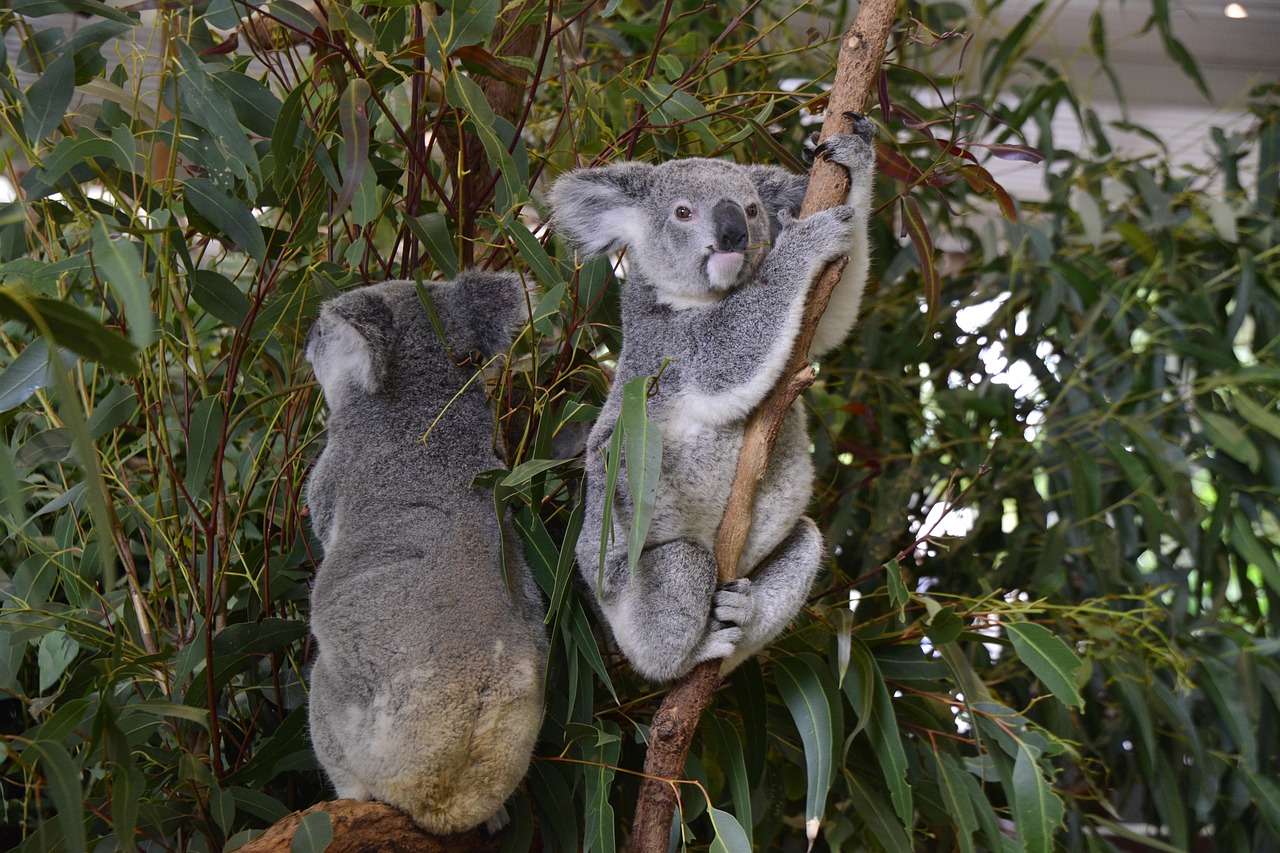
If you’re looking for quintessentially Australian wildlife experiences, Lone Pine Koala Sanctuary is the place. It’s one of the world’s oldest and largest koala sanctuaries, and the first place I ever saw a platypus up close.
What to Do
- Koala encounters: You can get up close, and in some sessions hold a koala (regulations can change—check current rules).
- Kangaroo feeding: Walk through the open kangaroo fields and feed them special pellets.
- Bird of prey shows & farm demos: Daily presentations that are more educational than cheesy.
How to Get There
About 20 minutes’ drive southwest of the CBD. There are also river cruises from the city that take you directly to the sanctuary—scenic and convenient.
Tips
- Arrive early: To avoid bus crowds and get cooler temperatures for the animals.
- Eco-awareness: Treat it as a sanctuary, not a zoo; follow all staff instructions around animal interactions.
- Family highlight: Most kids (and adults) rank this as a trip favourite.
9. New Farm Park & Brisbane Powerhouse
On lazy weekends, New Farm Park is where Brisbane goes to sprawl. It’s a huge riverside park ringed by fig trees, with a rose garden, playground, and barbecues. Next door, the Brisbane Powerhouse hosts theatre, comedy, and art within a converted power station.
What to Do
- Picnic under the fig trees: The jacarandas explode in purple around October–November—bring a picnic rug.
- Playground: One of the city’s best, shaded and spacious.
- Powerhouse shows: Check what’s on; I’ve caught great comedy here during the Brisbane Comedy Festival.
- Riverside stroll: Walk along the riverwalk towards Teneriffe.
How to Get There
Catch a CityCat to New Farm Park terminal or bus from the CBD. It’s also a lovely flat cycle from the city.
Tips
- Weekends: It’s busy but still enjoyable—arrive earlier for parking.
- Romantic: Sunset drinks at the Powerhouse bar overlooking the river are hard to beat.
10. Fortitude Valley – Nightlife & Chinatown
Locals simply call it “The Valley.” It’s Brisbane’s nightlife epicentre: bars in heritage buildings, rooftop cocktail spots, live music venues, and a small but lively Chinatown.
Why I Like It
I’ve had wildly different nights here: mellow evenings sipping natural wine in a quiet bar, sweaty gigs in tiny venues, and once, accidentally ending up at a late-night karaoke bar with new friends from a hostel. The Valley can be whatever kind of night you’re looking for—if you choose wisely.
What to Do
- Chinatown Mall: Great for affordable Asian meals—dumplings, hot pot, Chinese bakeries.
- Rooftop bars: Places like Eleven Rooftop or Cielo for skyline views and cocktails.
- Live music: Valley venues often host local bands and DJs.
Tips
- Noise & crowds: Weekends can be rowdy; if that’s not your scene, stick to early evenings or quieter side streets.
- Transport: Use rideshare or trains at night, especially if you’re not familiar with the area.
11. West End – Bohemian Brisbane
West End is where Brisbane’s creative, alternative heart beats loudest. It’s full of vintage shops, second-hand bookstores, Greek bakeries, vegan cafes, and quiet residential streets hidden behind the main drag of Boundary Street.
What to Do
- Boundary Street: Wander, snack, and people-watch from a pavement table.
- Davies Park Markets (Saturday mornings): Fresh produce, street food, and live music under the fig trees.
- Riverside walks: The riverfront here is quieter than South Bank.
Personal Note
I once spent a full rainy day in West End drifting between cafés, reading in a bookshop, and eating my way along the street. It’s that kind of neighbourhood—perfect for slow days.
12. Howard Smith Wharves
Nestled under the Story Bridge, Howard Smith Wharves is one of Brisbane’s coolest newer precincts: a riverside stretch of restaurants, bars, and a brewery, all beneath the cliffs.
What to Do
- Felons Brewing Co: Local craft beer, pizzas, and beer garden tables right on the river.
- Rooftop and riverfront bars: Ideal for sunset drinks with a view of the bridge.
- Riverside walk: Connects to the city’s Riverwalk path for scenic strolls.
Tips
- Book ahead: Popular restaurants fill up quickly on weekends.
- Family-friendly: Earlier in the day, yes; evenings skew more adult.
13. Roma Street Parkland
Roma Street Parkland is one of those places that visitors often miss, despite being right by the city. It’s a beautifully landscaped park with themed gardens, lakes, and city views.
Why Go
I come here when I need greenery but don’t have time to leave the CBD. It feels surprisingly serene, especially around the lake and hillside gardens.
Tips
- Access: A short walk from Roma Street Station.
- Picnic-friendly: Bring snacks; there are barbecues and lawns.
- Free guided tours: Often available via the council.
14. Queensland Museum & Sciencentre
Part of the South Bank cultural precinct, the Queensland Museum is a must for families and anyone curious about the state’s wildlife and history.
What to See
- Dinosaur exhibits: Always a hit with kids.
- Sciencentre (SparkLab): Hands-on science exhibits—perfect for curious children.
- Queensland stories: Exhibits on floods, First Nations cultures, and local history.
15. Kangaroo Point Cliffs – Climbing & Adventure
Beyond the views, Kangaroo Point Cliffs are Brisbane’s accessible adventure playground. I once did a twilight abseiling session here: leaning back over the lit-up cliffs with the city shimmering across the river is something I’ll never forget.
What to Do
- Rock climbing & abseiling: Several outdoor adventure companies run guided sessions suitable for beginners.
- Walk or cycle: The riverside paths at the base are flat and scenic.
- Sunrise yoga or jog: Locals use the area as a giant outdoor gym.
16. The Riverwalk – CBD to New Farm
The Brisbane Riverwalk is a floating pedestrian and cycle pathway that hugs the river between the CBD and New Farm. It’s one of my favourite city walks.
Why I Love It
On cool winter mornings, I like to grab a takeaway coffee in the CBD and wander the Riverwalk to New Farm Park. You get uninterrupted river views, city glimpses, and a peek into some seriously enviable riverfront apartments.
17. UQ St Lucia Campus
Even if you’re not a student, the University of Queensland’s St Lucia campus is worth a wander. It’s like a mini-city of sandstone cloisters, lakes, and jacaranda-lined paths.
Highlights
- Great Court: Ornate sandstone buildings with carved details.
- Lakes & riverside paths: Very peaceful, especially outside of exam season.
- Cafés: Student-priced coffee and snacks.
How to Get There
Catch a CityCat to UQ St Lucia terminal or a bus from the CBD. It’s a scenic journey either way.
18. Eat Street Northshore
Imagine a maze of shipping containers turned into food stalls, live music, fairy lights, and river views. That’s Eat Street Northshore, one of Brisbane’s most fun evening experiences.
What to Expect
- Food from everywhere: Ramen, bao, doughnut towers, wood-fired pizza, loaded fries, and more.
- Live music: Different acts across multiple stages.
- Family-friendly: Kids run around happily; there’s plenty of casual seating.
Tips
- Opening days: Typically weekends and some evenings—check current schedule.
- Transport: Buses run from the CBD; there’s parking onsite (paid).
- Cashless: Many stalls are card-only these days.
19. Brisbane’s Architecture – Old & New
Brisbane’s architecture is a fascinating mix: glass-and-steel towers, riverside walkways, and traditional timber “Queenslander” houses perched on stilts. Take time to look up as you wander.
Where to See It
- CBD: Heritage buildings like City Hall in King George Square, the Treasury Building, and old arcades alongside modern skyscrapers.
- New Farm & Paddington: Streets lined with classic Queenslander houses, often beautifully restored.
- South Bank & Kurilpa Bridge: Contemporary design and striking pedestrian bridges.
20. Street Art & Laneways
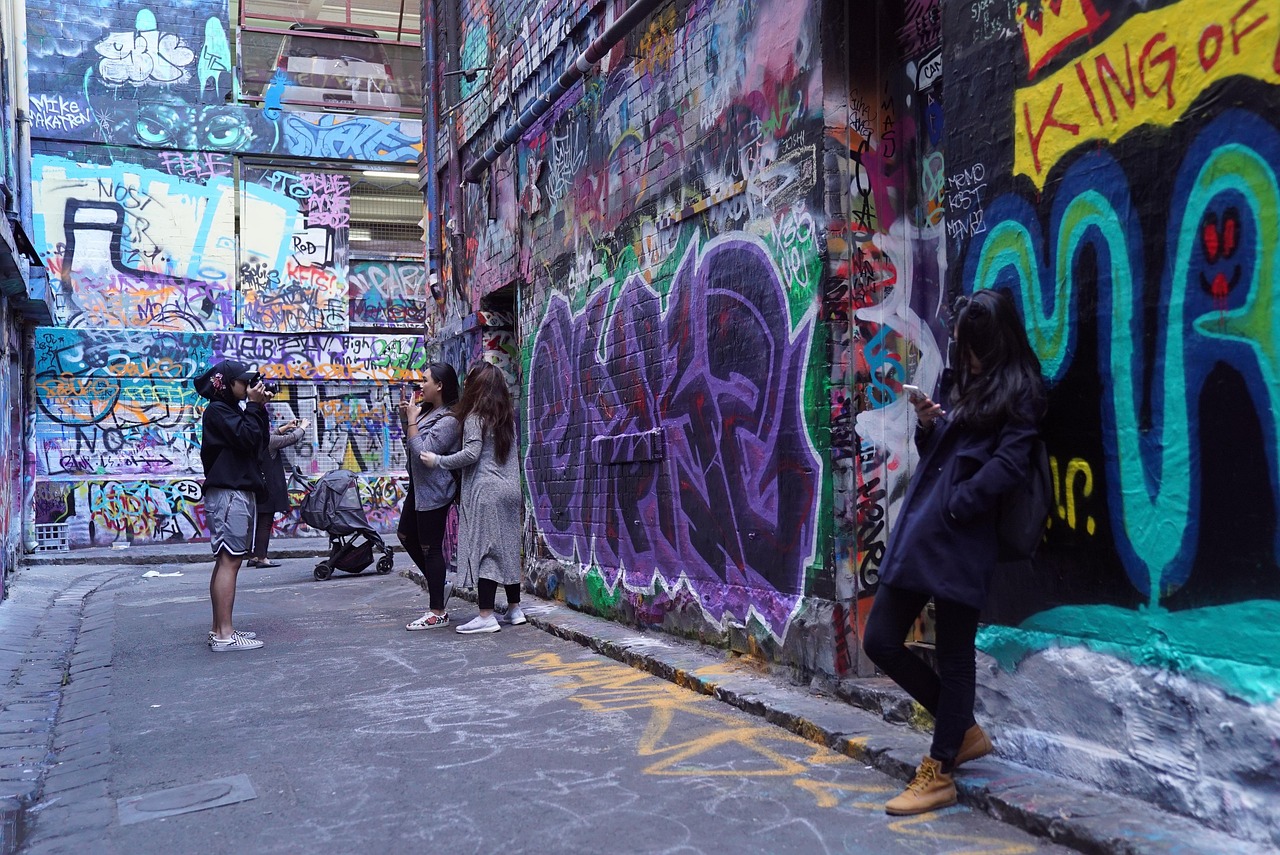
Brisbane’s laneways and walls are increasingly covered in murals and street art, especially around Fortitude Valley, West End, and parts of the CBD.
How to Explore
- Fortitude Valley backstreets: Wander near Winn Lane and Bakery Lane.
- West End: Look for murals off Boundary Street and side roads.
- Guided tours: Local operators sometimes run street art walks—great for context and hidden pieces.
Suggested Itineraries: 3–5 Days in Brisbane
Whether you have 3 days in Brisbane, 4 days in Brisbane, or 5 days in Brisbane, here’s how I’d structure your trip. Each day is a mix of iconic sights, local favourites, and practical travel tips for Brisbane.
3 Day Itinerary for Brisbane – Classic Highlights
If you’re short on time, this 3 day itinerary for Brisbane hits the essentials: South Bank, the river, city views, and wildlife.
Day 1: South Bank, City Walks & Night Views
Morning: Arrive and drop your bags at your accommodation near the CBD or South Bank. Head straight to South Bank Parklands. Walk the Arbour, dip your toes in Streets Beach, and grab a late breakfast or early lunch along Little Stanley Street. I like starting with something light—maybe avocado toast and a flat white at a café overlooking the park—so you’ve got energy but don’t feel sluggish.
Afternoon: Cross the river via the Victoria Bridge into the CBD. Wander through the City Botanic Gardens, then loop back into the city to see Queen Street Mall, City Hall, and some of the heritage arcades. If the heat kicks in, duck into a café – the laneways off Queen Street have a few hidden spots with excellent espresso.
Evening: Head up to Howard Smith Wharves for dinner. Book a table or just grab casual food from Felons Brewing and sit outside by the river. Time your arrival for sunset and watch the Story Bridge light up. If you still have energy, walk a stretch of the riverside path before heading back.
Family-friendly? Yes – South Bank and the gardens are ideal with kids.
Day 2: Wildlife & Mount Coot-tha Views
Morning: Make your way to the Lone Pine Koala Sanctuary. If you want a scenic route, join one of the river cruises that depart from the CBD and take you directly there. Spend a few hours meeting koalas, feeding kangaroos, and exploring the sanctuary. It’s one of those places where you can really feel the kids (and adults) light up.
Afternoon: Return to the city and, after a short rest, head to Mount Coot-tha Lookout. If you’re up for a bit of activity, visit the Mount Coot-tha Botanic Gardens first, then either hike or drive up to the lookout. Aim to arrive at least 30–45 minutes before sunset.
Evening: Watch the sun dip behind the city, then have dinner either at the lookout restaurant or back down in Paddington, where you’ll find plenty of cosy pubs and restaurants in converted Queenslander houses.
Romantic? Very. Mount Coot-tha at sunset is a classic date spot.
Day 3: Culture & Neighbourhood Hopping
Morning: Dive into the South Bank cultural precinct. Start with QAGOMA, then wander through the State Library and the Queensland Museum. Pick one or two to explore more deeply depending on your interests and how much time you have.
Afternoon: Catch a CityCat to New Farm Park. Walk the Riverwalk, explore the park, and drop into the Brisbane Powerhouse if there’s an exhibition or daytime event on. If it’s a Saturday, you might instead head to West End’s Davies Park Markets.
Evening: For your final night, choose your vibe:
- Relaxed: Dinner in West End—Greek, Vietnamese, vegan, and more.
- Nightlife: Head to Fortitude Valley for rooftop bars and live music.
4 Day Itinerary for Brisbane – Deeper Dive
If you have 4 days in Brisbane, follow the 3-day plan and add this extra day for more local flavour and slower exploring.
Day 4: West End, UQ & Sunset at Kangaroo Point
Morning: Start in West End with a leisurely brunch. Boundary Street is your best bet—pick a café with outdoor seating and soak up the atmosphere. Afterward, browse vintage shops, small galleries, and bookshops.
Afternoon: Catch a bus or CityCat to UQ St Lucia. Wander the campus, especially the Great Court and lakes. Grab an affordable coffee from a student café and pretend you’re a local for an hour.
Late afternoon & evening: Make your way to Kangaroo Point Cliffs. If you’re up for adventure, book a climbing or abseiling session. Otherwise, pack a picnic or grab takeaway from a nearby spot and claim a patch of grass on the cliff-top. Watch the city shift from blue sky to golden hour to glittering night.
This extra day turns your visit from “I saw Brisbane” into “I felt Brisbane.”
5 Day Itinerary for Brisbane – With a Day Trip
With 5 days in Brisbane, you can enjoy a full city experience plus a taste of the surrounding region. In addition to the 4-day itinerary, add:
Day 5: Day Trip – Choose Your Adventure
Pick one based on your style:
- Moreton Island / Tangalooma: For snorkelling shipwrecks, sand tobogganing, and (in season) wild dolphin-feeding experiences.
- North Stradbroke Island (Minjerribah): Beautiful beaches, coastal walks, and a slower island pace.
- Sunshine Coast Hinterland: Rainforest walks, waterfalls, and cute towns like Montville and Maleny.
- Gold Coast: Surf beaches and theme parks within about an hour’s drive or train/bus combo.
I tend to recommend Moreton Island if you want something unique and adventure-filled, or North Stradbroke Island for a more chilled, nature-focused day.
Brisbane’s Best Neighbourhoods & Areas to Explore
Brisbane CBD
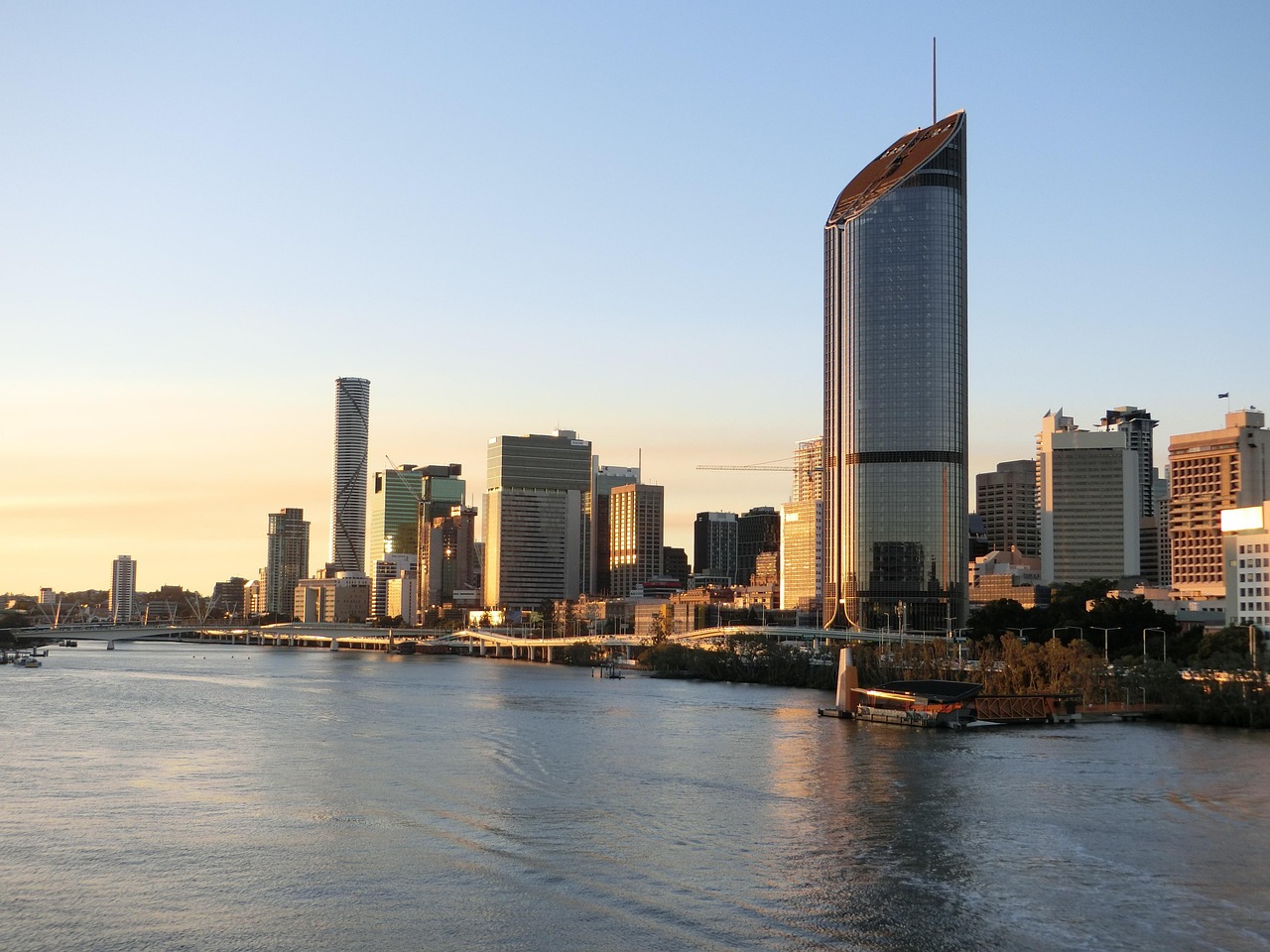
The CBD is compact and walkable, wedged into a bend of the river. It’s a mix of shopping, offices, and pockets of history.
Highlights
- Queen Street Mall: Main shopping strip.
- King George Square & City Hall: Heritage architecture and events.
- Eagle Street Pier area: Riverfront dining and views (undergoing changes and upgrades ahead of the Olympics—2026–2027 will see new venues opening).
- City Botanic Gardens: At the CBD’s eastern edge.
Best for: Central accommodation, easy transport, first-time visitors.
South Bank & South Brisbane
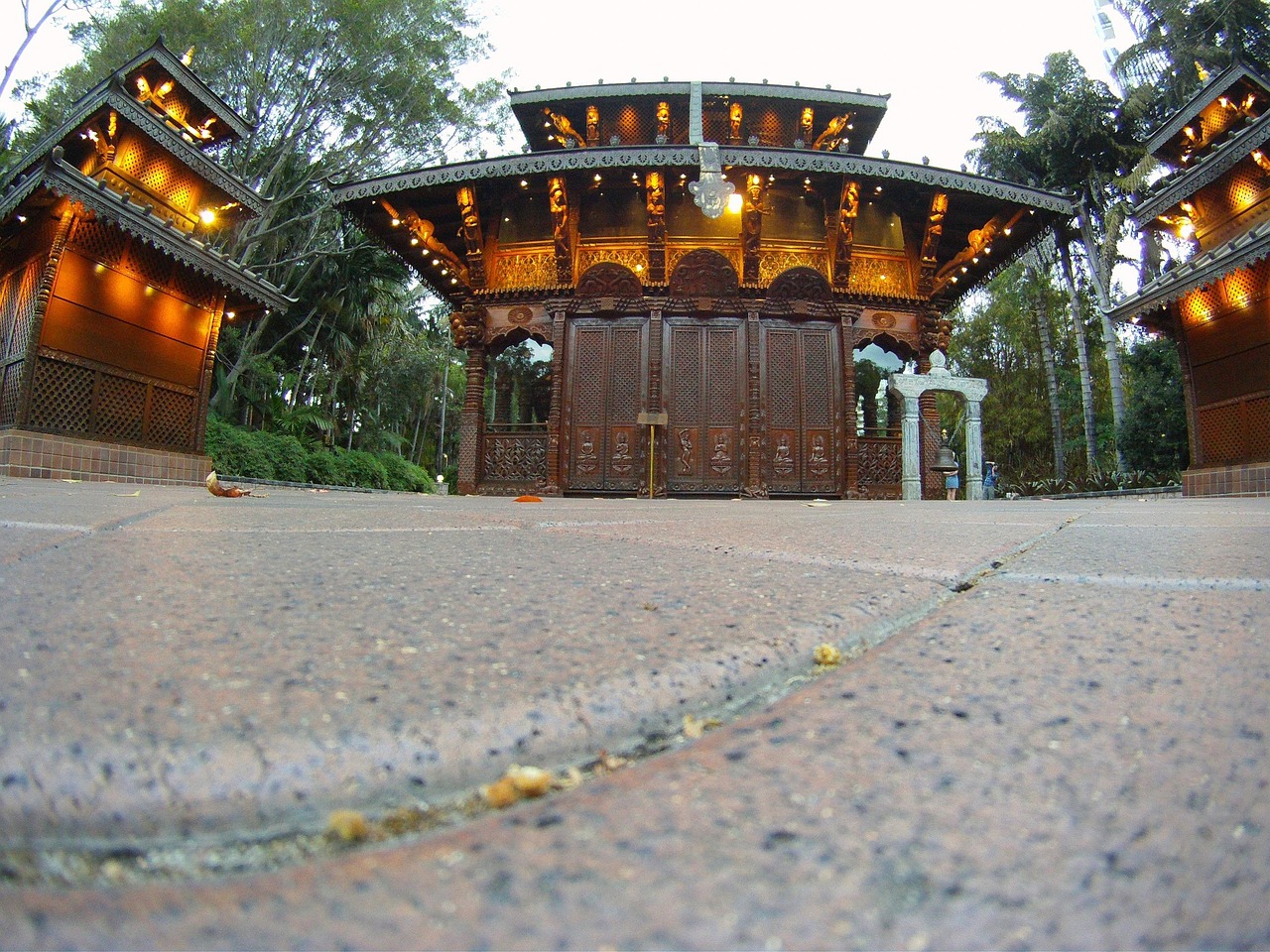
Across the river from the CBD, South Bank and South Brisbane blend parklands, cultural institutions, and dense apartment living.
Stay here if: You want to be close to the river, museums, and dining, with a slightly more relaxed feel than the CBD.
Fortitude Valley & Newstead
Fortitude Valley is nightlife and music; Newstead is converted warehouses, breweries, and riverfront apartments.
Don’t Miss
- James Street: Upmarket boutiques, design stores, and cafés.
- Newstead breweries: Craft beer, casual eats, and a young local crowd.
New Farm & Teneriffe
Leafy, river-hugging suburbs with a mix of historic woolstores, luxury apartments, and relaxed cafes.
Good for: Morning walks, boutique stays, and feeling like you live here rather than just visiting.
West End
Bohemian, diverse, and full of personality. Great for vegetarian/vegan food, live music, and markets.
Paddington & Red Hill
Hilly, charming suburbs west of the CBD, known for timber Queenslander houses, antique stores, and boutique shopping.
Perfect for: An afternoon of café-hopping and vintage hunting.
Kangaroo Point
Riverside suburb dominated by cliffs, parks, and some of the best city views. Good for runs, picnics, and adventure sports.
Local Food & Drink in Brisbane
Brisbane’s food scene has grown up. You’ll find everything from cheap eats in Chinatown to destination restaurants and riverside breweries.
What to Eat in Brisbane
- Seafood: Queensland prawns, local fish, and Moreton Bay bugs (a type of slipper lobster).
- Modern Australian: Seasonal dishes that highlight local produce—expect fresh, vibrant plates.
- Asian influences: Excellent Vietnamese, Japanese, Chinese, Korean, and Thai options across the city.
- Café culture: Brisbane takes its coffee seriously; brunch is almost a civic duty.
Where to Eat – Personal Favourites by Area
South Bank: Great for river views; look along River Quay for a splurge meal, or Little Stanley Street for more casual options.
West End: Boundary Street and its side streets are ideal for everything from Greek bakeries to vegan cafes and pho joints.
Fortitude Valley / James Street: Trendy restaurants and bars in a compact, walkable area.
Eat Street Northshore: When you can’t choose what you want—have a bit of everything.
Drinks & Nightlife
Craft beer: Felons at Howard Smith Wharves, Newstead Brewing, and other local breweries are always buzzing.
Cocktails: Rooftop bars in the Valley and CBD, plus riverside spots with Story Bridge views.
Wine bars: Scattered across New Farm, the Valley, and the CBD—great for quieter nights.
Saving Money on Food
- Lunch specials: Many city restaurants have cheaper lunch menus.
- Food courts & markets: Chinatown Mall, West End markets, and CBD food courts offer affordable meals.
- Self-catering: Stay somewhere with a kitchenette; supermarkets like Coles and Woolworths are easy to find.
Nightlife, Entertainment & Cultural Experiences
Nightlife
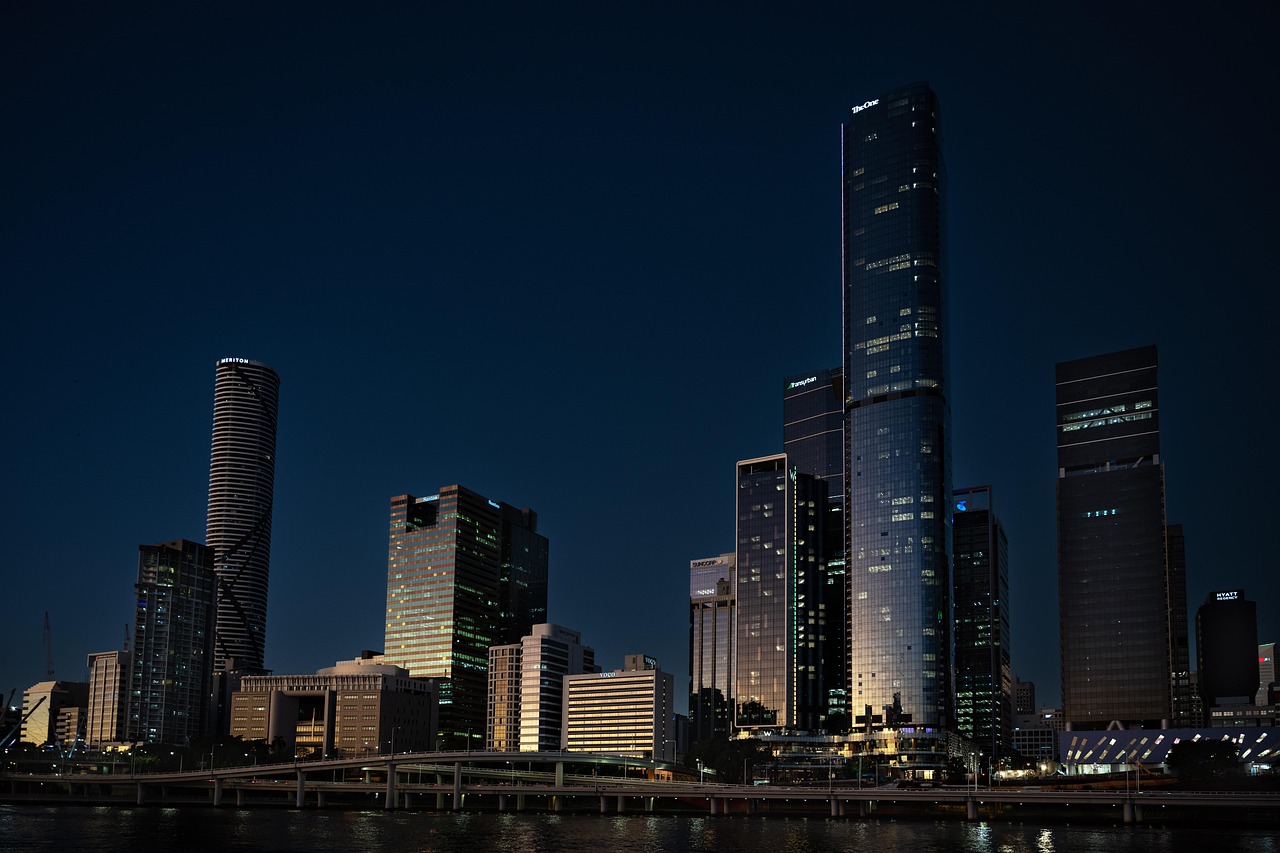
Fortitude Valley: Clubs, live music, rooftop bars, and late-night eats. Great if you want energy; less so if you dislike crowds.
Howard Smith Wharves: Scenic riverfront drinks, more relaxed earlier in the night, busier as it gets later.
West End: Smaller bars and pubs, popular with locals and students.
Cultural Experiences in Brisbane
- QPAC performances: Ballet, theatre, opera, musicals – check schedules ahead.
- First Nations art & stories: Look for Indigenous art at QAGOMA and independent galleries; join cultural tours or talks when available.
- Festivals: Events like Brisbane Festival (September), Brisbane Comedy Festival, and various multicultural festivals light up the year.
Best Day Trips from Brisbane
Moreton Island & Tangalooma
Highlights: Snorkelling the shipwrecks, sandboarding huge dunes, clear-blue water, and seasonal wild dolphin experiences at Tangalooma Island Resort.
Getting there: Ferry from the Port of Brisbane or from the Tangalooma wharf (tour packages available).
North Stradbroke Island (Minjerribah)
Highlights: Gorge Walk with whale and dolphin spotting (in season), beaches, freshwater lakes, and quiet coastal villages.
Getting there: Drive or train/bus to Cleveland, then ferry to Dunwich. Buses run on the island, or bring a car.
Sunshine Coast Hinterland
Highlights: Glass House Mountains, rainforest walks, waterfalls, and charming hill towns like Montville and Maleny with views back towards the coast.
Getting there: About 1.5 hours’ drive north; best with a car.
Gold Coast
Highlights: Surf beaches, theme parks (Movie World, Sea World, etc.), and a very different vibe to Brisbane—glitzier and more high-rise.
Getting there: Train from Brisbane to Helensvale or Varsity Lakes, then tram/bus connections; or drive in about an hour.
Cultural Etiquette & Local Customs in Brisbane
Brisbane is relaxed and friendly, but there are still a few cultural norms worth knowing.
- Greetings: A simple “Hi” or “G’day” and a smile go a long way. First names are used quickly, even in semi-formal settings.
- Tipping: Not mandatory, but appreciated for good service (around 10% at restaurants if you’re happy with everything).
- Queueing: Australians queue politely—don’t push in, especially at bus stops and bars.
- Indigenous respect: Brisbane sits on the lands of the Turrbal and Yuggera peoples. Acknowledge Country when it’s mentioned at events, and approach First Nations stories with respect.
- Dress code: Casual. Shorts and T-shirts are fine most places, but bring something slightly smarter for upscale restaurants and theatre shows.
- Beach & sun etiquette: Wear sunscreen and drink water—locals take sun safety seriously. Topless sunbathing is not common on city beaches.
- Alcohol: No drinking in most public places unless signed otherwise (e.g., designated picnic areas). ID is required for bar entry, even if you look well over 18.
Practical Travel Advice for Brisbane
When to Visit & Weather
- Summer (Dec–Feb): Hot, humid, with afternoon storms. Great for beaches and pools, but be prepared for heat.
- Autumn (Mar–May): Warm days, cooler nights—my favourite time for city exploring and day trips.
- Winter (Jun–Aug): Mild and dry. Locals wear coats; visitors from colder countries wear T-shirts. Perfect for walking and outdoor activities.
- Spring (Sep–Nov): Warming up, jacarandas in bloom, lots of events. Can feel summery by November.
Getting Around Brisbane
Public transport: Buses, trains, and ferries are integrated. Use a go card or contactless payment for cheaper fares (tap on and off).
CityCat ferries: Scenic and practical along the river.
Walking & cycling: The inner city is quite walkable, with good riverside paths. E-scooters and bikes are available via app in many areas.
Car rental: Handy for day trips to the coasts and hinterland. Driving is on the left; traffic can be busy at peak hours but is manageable.
SIM Cards & Connectivity
- Major providers: Telstra, Optus, Vodafone.
- Where to buy: Airport kiosks, supermarkets, convenience stores, and phone shops in the CBD.
- eSIM: Increasingly common—check if your device supports it before arrival.
Money & Costs
Currency: Australian Dollar (AUD).
Cards: Contactless cards and mobile payments are widely accepted; cash is less common but still useful for some small vendors and markets.
Typical prices (approx.):
- Coffee: AUD $4–$6
- Café breakfast: AUD $18–$30
- Casual dinner: AUD $25–$40 per person (excluding drinks)
- Beer in a bar: AUD $8–$12
Where to Stay & How to Save
Best areas to stay: CBD, South Bank, Fortitude Valley, New Farm, West End.
Budget tips:
- Look for apartment-style hotels with kitchenettes to self-cater some meals.
- Stay slightly outside the CBD (e.g., West End, Kangaroo Point) for better value, but near good transport.
- Book early for peak times like school holidays and major events.
Visa Requirements & Driving
Visa: Most international visitors need a visa or electronic travel authority to enter Australia. Check the official Australian government website for up-to-date requirements well before your trip.
Driving licences: Many foreign licences are accepted for visitors; if your licence is not in English, you may need an International Driving Permit plus your original licence. Always confirm current rules before you arrive.
Road rules: Drive on the left; seatbelts required; strict drink-driving laws.
Safety & Health
- General safety: Brisbane is fairly safe, but use common sense, especially at night around nightlife hubs.
- Sun & heat: Use SPF 30+ sunscreen, wear hats, and drink plenty of water.
- Swimming: Only swim at patrolled beaches and follow lifeguard flags and signage.
- Wildlife: In the city, it’s mostly birds, lizards, and possums. In bush and beach areas, follow local guidance about marine stingers and other hazards.
Major Events & What’s New in 2026–2027
Brisbane is steadily ramping up for the 2032 Olympics, and 2026–2027 will see continued upgrades and new openings, especially around transport and riverfront precincts. While exact lineups change yearly, here are some recurring events and trends to watch for:
- Brisbane Festival (September): City-wide arts and light installations, including river-based shows and performances at QPAC and the Powerhouse.
- Riverfire: A huge fireworks and aerial display over the Brisbane River, usually marking the start or end of Brisbane Festival.
- Brisbane Comedy Festival: Stand-up acts from Australia and beyond, usually anchored at the Brisbane Powerhouse.
- Sporting events: Rugby league (NRL), rugby union, AFL, and cricket matches across the year at Suncorp Stadium and the Gabba.
- New precincts and upgrades: Ongoing redevelopment of riverfront areas and transport improvements in the lead-up to the Olympics, opening fresh dining, shopping, and cultural spaces between 2026–2027.
Summary & Final Recommendations
Brisbane doesn’t try to overwhelm you; it invites you in. With this travel guide for Brisbane, you can shape a trip that matches your pace—whether you’ve got 3 days in Brisbane, 4 days in Brisbane, or 5 days in Brisbane.
Don’t miss: South Bank, a ferry ride on the river, Mount Coot-tha lookout, the cultural precinct, and at least one neighbourhood beyond the CBD like West End or New Farm. If you can, add a day trip to Moreton or Stradbroke Island.
Best time to visit: For most travellers, autumn (March–May) and winter (June–August) are ideal—mild weather, blue skies, and perfect conditions for walking, riverfront dining, and day trips. Spring (September–November) is also wonderful, especially with jacarandas blooming and festival season in full swing. Summer is hot and humid, but if you love the tropics and plan to spend time by the water, it can still be a great option.
Come with comfortable walking shoes, sun protection, and an open schedule that leaves room for serendipity—an extra coffee by the river, a spontaneous ferry ride, or a sunset you weren’t expecting. That’s where Brisbane really shines.