Why Visit Bora Bora? What Makes This Island So Special
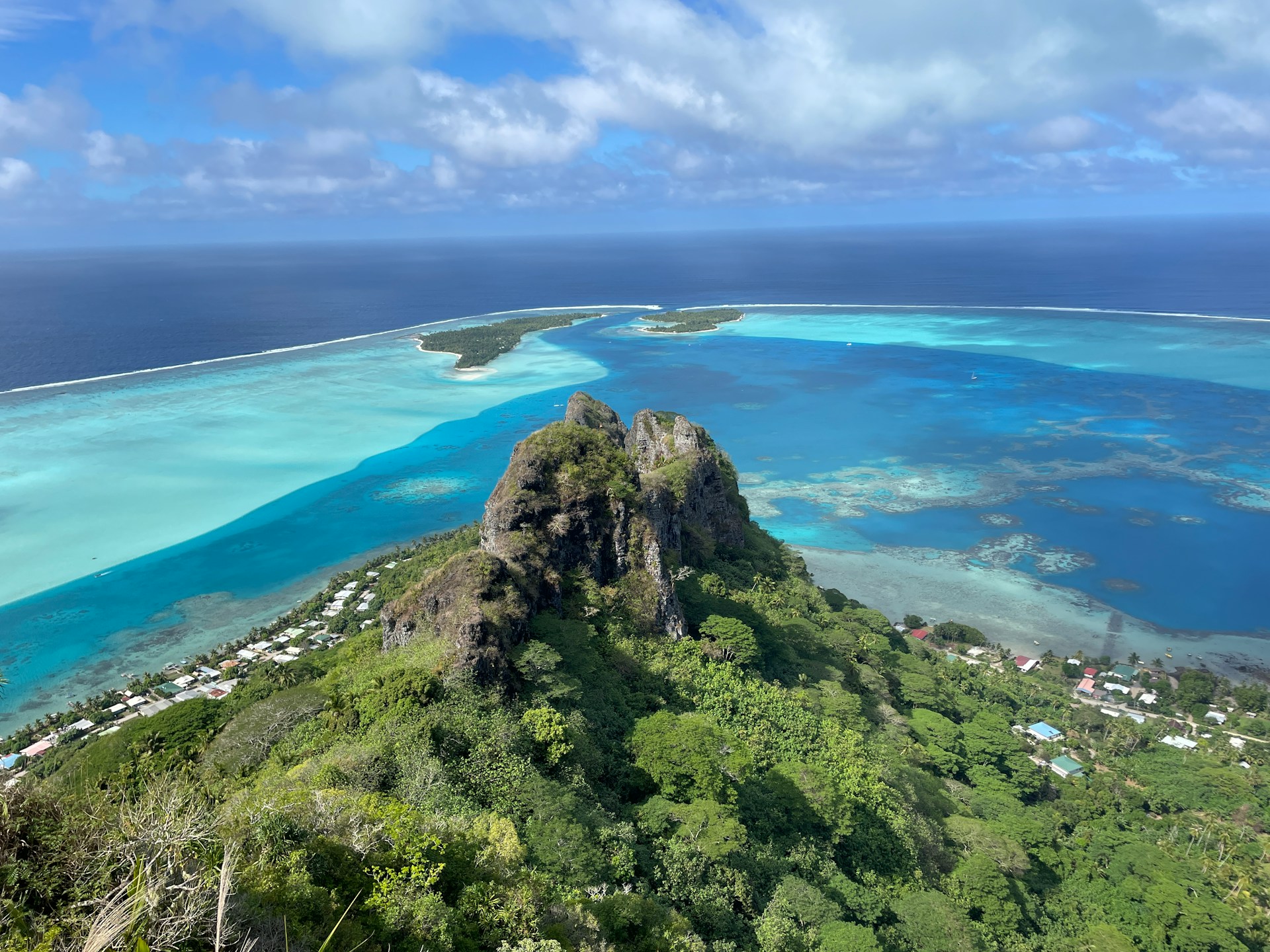
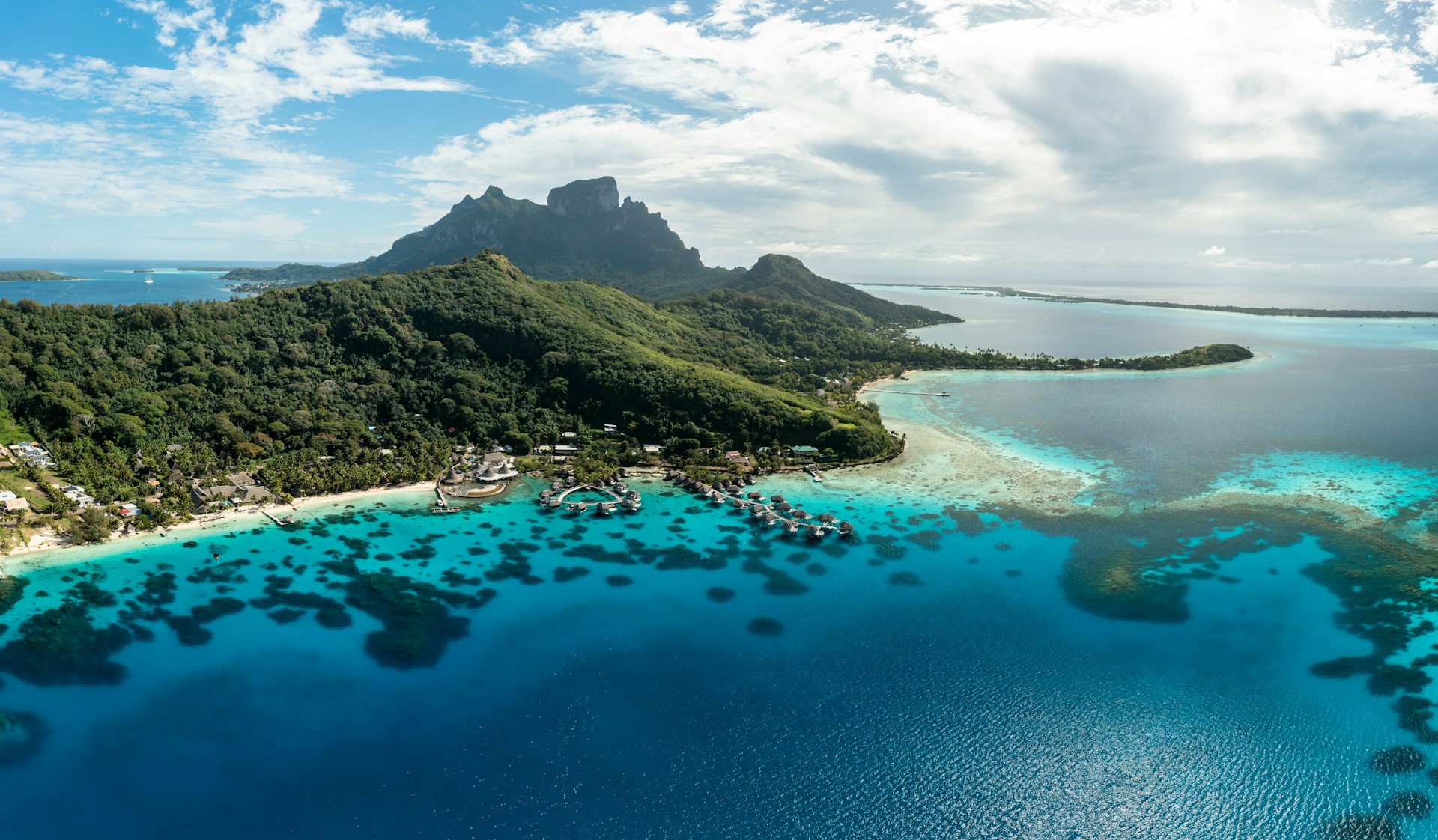
Every time my plane dips below the clouds and that electric turquoise lagoon appears, I forget to breathe for a second. Bora Bora may be small – a single volcanic island ringed by sand-fringed motus (islets) – but it’s the kind of place that rearranges your idea of what “beautiful” means.
On my first visit, I came for the clichés: overwater bungalows, honeymoon sunsets, the famous “bluest lagoon in the world.” I stayed for very different reasons: the warmth of the maohi (Polynesian) people, the laughter during a backyard barbecue on the motu, the quiet of paddling a kayak at sunrise while Mount Otemanu turned purple and gold above me.
Bora Bora in 2026 is more than a dream honeymoon destination. It’s:
- A world-class lagoon playground for snorkelers, divers, paddleboarders, and anyone who loves being in or on the water.
- A gentle introduction to Polynesian culture – dance, music, tattoos, food, and language – wrapped in luxury or enjoyed on a surprisingly reasonable budget if you know how.
- A flexible destination where you can do everything (shark dives, 4x4 safaris, jet skis) or almost nothing (lagoon, book, coconut in hand) and still feel like you used your time well.
- An excellent base for 3–5 day itineraries: a classic honeymoon, a family escape, or a once-in-a-lifetime trip paired with other Society Islands like Moorea or Tahiti.
This 2026 travel guide for Bora Bora is built from multiple trips – the first on a backpacker’s budget, the last in an overwater bungalow I splurged on for my 35th birthday. I’ll walk you through things to do in Bora Bora, must-see attractions, hidden gems, local food, and cultural experiences, plus detailed 3, 4, and 5 day itineraries with personal stories and practical tips.
Table of Contents
- Why Visit Bora Bora
- Bora Bora at a Glance (2026)
- Islands, Motus & Areas to Explore
- 20+ Must-See Attractions & Hidden Gems
- Perfect 3, 4 & 5 Day Itineraries
- Local Food & Drinks in Bora Bora
- Nightlife, Entertainment & Cultural Experiences
- Day Trips & Nearby Islands
- Cultural Etiquette & Local Customs
- Practical Travel Tips & Money-Saving Hacks
- When to Visit Bora Bora (Best Seasons & Weather)
- What’s New in 2026–2027: Events & Island Updates
- Summary & Final Recommendations
Bora Bora at a Glance (2026)
Bora Bora is part of the Society Islands in French Polynesia, about 50 minutes by domestic flight from Tahiti (Papeete). The main island is dominated by the jagged green peaks of Mount Otemanu and Mount Pahia, encircled by a calm lagoon and protective coral reef. Most of the famous resorts sit on the outer motus, with their overwater bungalows facing back towards Otemanu.
Despite the global hype, Bora Bora is tiny: about 30 km of coastal road ring the main island. That compactness is a blessing – you can understand the whole place in a few days, yet still find pockets of quiet that feel like your own.
Islands, Districts & Areas of Bora Bora
Think of Bora Bora as a main island with “neighborhoods” plus a ring of motus, each with its own personality.
Main Island Areas
- Vaitape – The “downtown” of Bora Bora. Ferry dock, banks, small shops, grocery stores, food trucks, and some of the island’s most affordable eats. This is where I always stock up on snacks and catch up with local friends.
- Matira Point & Matira Beach – South of Vaitape. The only long public beach on the main island and one of the most beautiful in French Polynesia. Lined with small pensions, a few resorts, casual restaurants, and beach bars. Great base if you want to stay on the main island.
- Anau & Faanui – Sleepier east and north coasts with villages, small family-run guesthouses, and access to some of the best lagoon tours and coral gardens. If you want “local Bora Bora,” stay here.
The Motus (Outer Islets)
- Motu Piti Aau – Home to several luxury resorts with long strings of overwater bungalows facing Otemanu. Feels remote and resort-centric, but the views are pure fantasy.
- Motu Toopua – West of the main island, with terraced bungalows climbing the hillside. I stayed here on my second trip and loved watching the sunset over the open ocean.
- Motu Tapu – Often marketed as “the most photographed isle in the South Pacific.” Uninhabited, used for day trips, private lunches, and weddings.
- Smaller private motus – Scattered around the lagoon, many used by tour operators for BBQ lunches, cultural demos, and snorkeling stops.
20+ Must-See Attractions & Hidden Gems in Bora Bora
Below are the best places to visit in Bora Bora, from iconic postcard spots to local corners I’ve fallen in love with over multiple trips. Each subsection reads like a mini-article with personal notes and practical advice.
1. Mount Otemanu: The Iconic Peak of Bora Bora
Every photo you’ve seen of Bora Bora probably has Mount Otemanu in it – a jagged volcanic spire that rises 727 meters straight out of the lagoon. It’s the island’s compass: you’ll find yourself orienting your entire day by where Otemanu sits in the sky.
You can’t summit Otemanu (the rock is too unstable), but you can get close on 4x4 tours and boat trips. My favorite memory is from a sunrise kayak: the mountain was just a dark silhouette at first, then slowly turned green as the sun lit up the slopes and birds started circling the cliffs.
How to experience it:
- By lagoon – Any lagoon tour will give you multiple angles; the classic honeymoon photo is from an overwater bungalow on Motu Piti Aau.
- 4x4 viewpoint tours – Tour companies drive you up steep dirt tracks to military lookout points with sweeping views over the island and reef. Wear good sandals; the ground can be rough and hot.
- Helicopter tours – A splurge, but unforgettable. I did this once for a story and still get goosebumps thinking about the crater and the patchwork of blues in the lagoon.
Tips:
- For the best photos, aim for early morning or late afternoon when the light is softer.
- If clouds hug the peak in the morning, don’t panic – they often clear by midday.
2. Matira Beach: Bora Bora’s Public Postcard
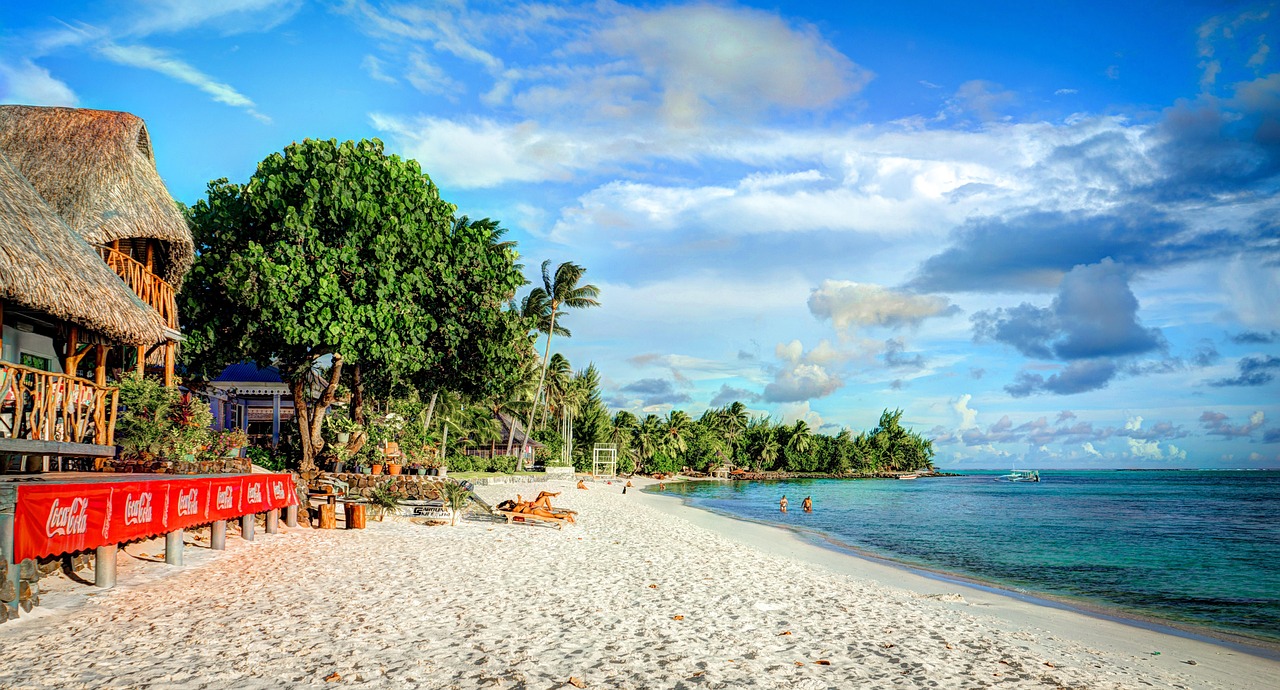
Matira Beach is the heart of everyday Bora Bora life. It’s where local kids splash after school, where couples toast the sunset with Hinano beers, and where I go whenever I crave sand under my feet instead of a resort deck.
The beach arcs around a shallow, brilliantly clear lagoon. On my last trip, I spent an entire day here doing almost nothing: reading under a palm, wading out to waist-deep water, chatting with a local grandmother who was teaching her grandson to swim.
Why it’s special:
- It’s public and free, unlike most resort beaches.
- The lagoon is shallow and calm, perfect for families and timid swimmers.
- There are small snack stands and food trucks nearby, so you can eat well without resort prices.
What to do:
- Rent a kayak or paddleboard from a beach vendor and paddle along the coast.
- Walk out onto the sandspit at low tide; it feels like standing in the middle of the lagoon.
- Stay for sunset – Matira faces west and the colors are outrageous.
Money-saving tip: Buy snacks and drinks at the supermarket in Vaitape, then bring them to the beach for a budget-friendly picnic. Just be sure to pack out your trash.
3. Coral Gardens (Jardin de Corail): Snorkeling in a Natural Aquarium
On my second visit to Bora Bora, I spent so long at the Coral Gardens that my fingers pruned and my guide started laughing that I’d grown gills. It’s a shallow snorkel spot near a small motu on the eastern side of the lagoon, sheltered from waves and current.
The coral here forms canyons you can float through, populated by clouds of butterflyfish, parrotfish, and occasionally a curious ray. The water is so clear it’s disorienting – like swimming in air.
How to visit:
- Most lagoon tours include a stop at the Coral Gardens.
- If you’re staying on a nearby motu, your hotel may offer free shuttles or kayaks you can use to reach it with a guide.
Tips:
- Wear a rashguard instead of slathering on sunscreen; chemicals harm the coral.
- Bring a simple underwater camera – this is one of the most photogenic spots in the lagoon.
- Go in the morning for the calmest conditions and the best visibility.
5. Bora Bora Lagoonarium: Natural Pools & Family-Friendly Fun
The Lagoonarium sits on a private motu with natural seawater enclosures and open-lagoon areas, making it ideal for families or first-time snorkelers who want a bit more structure and safety.
I visited with a friend and her two kids. While we took turns drifting in the deeper water, the little ones happily watched fish swarming around the shallow pools, squealing every time a ray flapped past.
Highlights:
- Guided snorkeling sessions in protected areas.
- Demonstrations about traditional Polynesian fishing and coconut husking.
- A typical Polynesian lunch on the motu (often included in full-day tours).
Best for: Families, non-swimmers, and anyone who feels nervous in open water but still wants to see marine life.
6. Matira Point: Sunsets & Simple Pleasures
Walk past the main stretch of Matira Beach and you’ll reach Matira Point, where the road narrows and the lagoon wraps almost completely around you. It’s one of the best free sunset spots on the island.
I like to come here just before golden hour with a pareo (sarong) and a small picnic from the nearby store. The water turns glassy, boats drift by on their way home, and the sky puts on a show that feels more intimate than the resort version.
Tip: If you’re planning photos, arrive at least 30–40 minutes before sunset to scout your spot; the light just before sunset is often even prettier than the moment the sun disappears.
7. Vaitape Town: Everyday Life & Affordable Eats
Vaitape is where Bora Bora feels like a real place instead of a screensaver. On market days, women sell fruit and homemade snacks, fishermen unload their catch, and schoolkids weave through the crowd on bikes.
Whenever I land at the airport motu, I take the free boat to Vaitape, stash my suitcase at my guesthouse, and walk the main street to stretch my legs.
What to do:
- Browse small shops for pareos, vanilla, and locally made crafts.
- Visit the church (especially on Sunday mornings, when the singing is goosebump-inducing).
- Eat at a roulotte (food truck) – some of the best budget meals on the island.
Money-saving tip: Stock up at the Super U or Chin Lee supermarkets on water, fruit, snacks, and even simple picnic ingredients. This is how I keep my daily food spending under control when I’m not on a full-board package.
8. 4x4 Island Tour & WWII Gun Emplacements
One of the most surprising sides of Bora Bora is its World War II history. The U.S. used the island as a supply base, and several artillery guns still sit on the hills overlooking the lagoon.
I joined a 4x4 tour on a drizzly morning, bouncing up muddy tracks as our guide told stories about American soldiers and how the base changed local life. At each lookout, the clouds parted just enough to reveal strips of intense turquoise below.
Why go:
- Incredible panoramic views you can’t get from sea level.
- Insight into Bora Bora’s recent history.
- A chance to see the island’s lush interior and small villages.
Tips:
- Wear clothes you don’t mind getting dusty or muddy.
- Bring cash to buy fruit or crafts at small stands you may stop at along the way.
9. Mount Pahia Hike: For Experienced Hikers Only
If you want a proper workout with your views, Mount Pahia is the main hikeable peak on Bora Bora. It’s not for casual strollers – the path is steep, sometimes slippery, and occasionally requires scrambling with ropes.
I did this hike with a local guide who had been walking the trail since childhood. We started at dawn to avoid the heat, ascending through ferns and wild hibiscus until the lagoon looked like a patchwork quilt far below.
Important:
- Do not attempt this hike without a guide. Trails are not well marked, and conditions change quickly after rain.
- Wear proper hiking shoes, bring at least 1.5–2 L of water per person, and start early.
Best for: Fit, experienced hikers who want a different perspective on the island beyond the lagoon.
10. Motu Tapu: Private-Island Perfection
Motu Tapu is a small, photogenic islet often used for private lunches, elopements, and luxury day trips. I visited as part of a lagoon tour where we had the island to ourselves for two hours – just our group, a grill, and a fringe of palm trees.
What makes it special:
- A wide sandbar with lagoon on both sides.
- Views back towards Otemanu that look like a movie backdrop.
- Peace and quiet compared to busier motu lunch stops.
Tip: This is a great spot for proposal photos or special-occasion shoots. If you’re planning something romantic, ask your tour operator if they can arrange a more private timing.
11. Parasailing Over the Lagoon
On my third trip to Bora Bora, I finally caved and tried parasailing. I’m not a heights person, but drifting high above the lagoon, dangling from a parachute, turned out to be far more peaceful than terrifying.
From above, you can see the whole island: reef passes, shallow sandbars, strings of overwater villas, and the dark blue drop-off beyond the reef.
Best for: Couples and families with older kids (most companies have age/weight limits). This is a good way to get thrilling views without the cost of a helicopter.
12. Jet Ski Circumnavigation of the Island
One of the most fun mornings I’ve had in Bora Bora was on a jet ski tour that looped around the entire island. We bounced over small swells, stopped at tiny sandbars only visible at low tide, and visited a family motu for fresh coconut.
What to know:
- You can usually ride solo or tandem; riding together saves money and is less intimidating for beginners.
- Guides manage speed by group ability – my first time we went gently; the second, with a more experienced crew, we flew.
Tip: Wear sunglasses with a strap; the glare from the water can be intense, and you don’t want them flying off.
13. Scuba Diving the Outer Reef
Bora Bora isn’t just about shallow snorkeling. Its outer reef and passes offer excellent diving, especially for encounters with sharks, rays, and occasionally manta rays.
On one dive at Anau, we hovered along a coral slope watching a squadron of eagle rays cruise by in formation. Another day at the Tapu site, we knelt on the sandy bottom while lemon sharks circled at a respectful distance.
Dive highlights:
- Anau – Known for rays (seasonal mantas).
- Tapu – Shark encounters.
- White Valley – Pelagics in blue water, for advanced divers.
Tip: If you’re newly certified or want to try diving, Bora Bora’s calm lagoon is perfect for intro dives.
14. Glass-Bottom Boat Tours: Underwater Views Without Getting Wet
If you or a family member doesn’t like snorkeling, a glass-bottom boat is the gentlest way to see Bora Bora’s marine life. I took my parents on one when they visited, and my mom – who never swims – still talks about the moment a ray glided right under our feet.
Best for: Non-swimmers, elderly travelers, or anyone who wants a low-effort, high-reward taste of the lagoon.
15. Polynesian Dinner & Dance Shows
On one of my earliest nights in Bora Bora, I sat cross-legged on the sand as drums began to pound and dancers emerged from the shadows, hips and hands telling stories older than the resort that hosted us.
Polynesian dinner shows combine buffet or set-menu meals with traditional dance (’ori Tahiti), music, and sometimes fire dancing. They can be touristy, but they’re also a vivid, joyful introduction to local culture.
Tips:
- Ask if the dancers are from a local conservatory or community troupe; some resorts support cultural schools.
- Bring a light layer – nights on the motu can get breezy after rain.
16. Turtle Conservation Centers
Several resorts partner with marine biologists to run turtle sanctuaries, rescuing injured turtles and raising awareness about conservation. I visited one center where rehabilitating turtles cruised slowly around a protected lagoon area, waiting to be strong enough for release.
Why go:
- Learn about the challenges facing marine life in French Polynesia.
- Support conservation with your visit and donations.
- Great educational stop for kids and adults alike.
17. Sunday Service at a Local Church
Even if you’re not religious, attending a Sunday service in Bora Bora is a powerful cultural experience. The singing – in Tahitian and French – rolls through the open windows and out over the lagoon.
I sat at the back one Sunday in Vaitape, listening as voices layered in harmonies I didn’t understand but felt deep in my chest. Afterward, several women greeted me with shy smiles and a warm “Ia ora na.”
Etiquette:
- Dress modestly: shoulders covered, skirts/shorts to the knee.
- Ask before taking photos, and avoid shooting during prayer.
18. Artisan Markets & Black Pearl Shops
French Polynesia is famous for its black pearls, which range from affordable loose pearls to jaw-dropping high-end jewelry. In Vaitape and near some resorts, you’ll find small shops and craft markets selling pearls, carved wood, and hand-painted pareos.
On my last trip, I spent an hour chatting with a pareo artist who showed me how she sets her dyes in the sun. I left with a sarong that still smells faintly of ocean breeze when I open my closet back home.
Shopping tips:
- Ask for certificates of authenticity for high-end pearls.
- Don’t be afraid to compare prices across a few shops.
- For more affordable souvenirs, focus on textiles and small crafts.
19. Sunset Cruise with Live Ukulele
Gliding across the lagoon on a sunset cruise with a local playing ukulele is about as romantic as Bora Bora gets. I did this once with a group of friends and once with a partner; both times, the combination of soft music, shifting sky colors, and the silhouette of Otemanu was pure magic.
Best for: Couples, honeymooners, and small groups. Some cruises include champagne or cocktails; others are BYO.
Perfect 3, 4 & 5 Day Itineraries for Bora Bora (With Personal Stories)
Below I’ll outline how to spend 3 days in Bora Bora, plus expanded options for 4 days in Bora Bora and 5 days in Bora Bora. I’ll focus most detail on a 5-day plan, which you can easily trim to 3 or 4 days depending on your schedule.
Day 1: Arrival, First Lagoon Glimpse & Matira Magic
Every Bora Bora trip begins the same way: that first jaw-dropping view from the plane window, followed by a breezy boat ride across the lagoon from the airport motu. On my last visit, I landed just after 10 a.m., eyes glued to the shifting blues outside.
Depending on where you’re staying, your first day should be simple and gentle – let your body adjust and your mind catch up to the fact that you’re actually here.
Morning: Arrival & Check-In
After you land, you’ll either:
- Take your resort’s private boat directly to the motu (if you’re staying overwater), or
- Take the free Air Tahiti shuttle boat to Vaitape if you’re staying on the main island.
On my budget trip, I hopped the shuttle to Vaitape, wheeled my suitcase a few minutes to a small pension where the owner greeted me with a flower lei and a glass of cold juice. We went over a hand-drawn map of the island at the kitchen table, planning my week.
Midday: First Swim at Matira Beach
Once you’ve dropped your bags:
- Grab your swimsuit, a light towel, reef-safe sunscreen, and sandals.
- Head straight to Matira Beach by hotel shuttle, local bus, bike, or taxi.
I still remember the first time I waded into Matira’s water: it was like stepping into bathwater tinted with blue food coloring. I floated on my back, watching palm fronds sway overhead, feeling travel stress evaporate.
Spend a few hours here just being in the lagoon – no agenda yet. If you’re hungry, snack on a sandwich or poisson cru (marinated raw fish) from a nearby snack bar.
Afternoon: Practical Errands in Vaitape
Before island time fully takes over, use the rest of the afternoon to:
- Visit a supermarket in Vaitape for water, snacks, fruit, and any forgotten toiletries.
- Pick up a local SIM card if your provider doesn’t offer good roaming (more details later).
- Confirm your tours for the next days (lagoon trip, 4x4, etc.).
I like to do this on Day 1 so I can relax knowing the logistics are set.
Evening: Sunset at Matira Point & Casual Dinner
Head back to Matira Point for your first Bora Bora sunset. Bring a pareo to sit on and maybe a chilled drink from the supermarket.
When the last pink fades from the sky, choose a casual dinner nearby – perhaps a beachside snack bar or a roulotte back in Vaitape. On my first night, I ate grilled mahi-mahi at a tiny spot where the owner’s kids took my order and then ran back to their homework.
Early night: Jet lag and sun can hit hard. Sleep well; tomorrow we hit the lagoon.
Day 2: Full Lagoon Day – Sharks, Rays & Coral Gardens
If you only have 3 days in Bora Bora, make this your core day. It packs in the quintessential experiences: sharks, rays, snorkeling, motu lunch, and those cinematic Otemanu views.
Morning: Shark & Ray Snorkeling
Most full-day lagoon tours pick you up between 8–9 a.m. directly from your hotel dock or the nearest pick-up point. You’ll likely join a small group on an outrigger canoe or speedboat.
Our first stop was a shallow area where blacktip reef sharks circled the boat. My heart did its usual flip, but once in the water, their grace was mesmerizing. Rays glided up like underwater birds, brushing past my legs softly.
Tips:
- Bring your own mask and snorkel if you have them; rental gear is fine but personal gear is more comfortable.
- If you’re nervous, tell your guide – they’re used to it and will stick close.
Late Morning: Coral Gardens Snorkeling
Next, your boat will likely head to the Coral Gardens. The water here is shallower and calmer, a good counterpoint to the shark site. I like to take this segment slowly, drifting along coral channels and watching fish behavior instead of racing around.
On one trip, our guide dove down and coaxed a moray eel out of its hole (from a safe distance), pointing it out with a grin. Another time, a school of neon-blue fish flickered around my mask like glitter.
Midday: Motu Lunch & Cultural Demonstrations
By now, you’ll be ready for food. Boats often pull up to a small motu with simple picnic tables under palm trees. You might find:
- Grilled fish, chicken, or steak.
- Poisson cru, rice, taro, and breadfruit.
- Fresh fruit platters and sometimes coconut cake.
Guides usually demonstrate coconut husking, show you how to tie a pareo, or explain aspects of local life. One of my favorite memories is watching a shy teenage guide totally light up while showing us how to scrape coconut for milk, his hands moving with the ease of long practice.
Afternoon: Leisurely Cruise & Swimming Stops
In the afternoon, tours often meander back along the lagoon, stopping at additional swimming spots or sandbars. Lie back on the bow, let the wind dry your skin, and memorize the shapes of the mountains – you’ll miss them later.
Evening: Quiet Night In or Simple Dinner Out
After a full day of sun and saltwater, you’ll be pleasantly exhausted. This is a good night to:
- Enjoy your resort’s included dinner if you’re on a meal plan, or
- Head to a nearby simple restaurant for grilled fish and a cold Hinano.
If you’re up for it, a short stroll under the stars is the perfect end to the day; Bora Bora’s sky, away from city lights, is full of constellations you may not see from home.
Day 3: Island Interior, Viewpoints & Cultural Evening
For a 3 day itinerary for Bora Bora, Day 3 is your chance to see the island from above and immerse yourself in its culture. If you’re staying longer, this day still fits perfectly into a 4 day itinerary for Bora Bora or a 5 day itinerary for Bora Bora.
Morning: 4x4 Island Tour & WWII History
After breakfast, join a 4x4 safari around the island. The trucks are open-air, with bench seats and roll bars. You’ll rumble up steep tracks to:
- Old U.S. gun emplacements with views towards the reef.
- Lookout points over Matira and the outer motus.
- Small agricultural plots where locals grow vanilla, bananas, and breadfruit.
Our guide on my last trip was a born storyteller. He pointed out where his grandparents’ house once stood, explained how roads were built during the war, and shared candid thoughts on how tourism has changed the island.
Midday: Local Lunch in Vaitape or at a Snack
Back in Vaitape, I like to seek out a snack (small local eatery) for lunch. A typical meal might be:
- Poisson cru with coconut milk.
- Grilled tuna steak with rice.
- Chao men (local-style chow mein) – a budget-friendly favorite.
This is one of the best ways to try local food in Bora Bora without breaking the bank.
Afternoon: Beach Time or Light Hike
Use the afternoon depending on your energy level:
- Relaxed option: Return to Matira for swimming and reading under a tree.
- Active option: Ask your guesthouse or hotel about a short local hike to a modest viewpoint (not Pahia/Otemanu). These are usually 1–2 hours, with lovely views and less risk.
Evening: Polynesian Dinner Show
For your last evening (if you’re on a 3 day itinerary) or as a cultural highlight in a longer stay, book a Polynesian dinner and dance show. Many resorts host these 1–2 times per week; some independent restaurants on the main island also offer them.
On my first show, I was pulled from the audience to join a group dance. I stumbled through the hip movements, laughing as the dancer next to me gently corrected my posture. It was a reminder that culture here is something lived and shared, not just performed.
This evening is also a good time to buy any last-minute souvenirs – pareos, vanilla, or a small piece of jewelry – if you’re leaving the next day.
Day 4: Free Day, Adventure Choices & Romantic Sunset
If you have 4 days in Bora Bora, Day 4 is your “choose your own adventure” day. By now, you’ve seen the lagoon’s main highlights and the island’s interior; it’s time to lean into whatever you enjoy most.
Option A: Jet Ski Circumnavigation
Book a morning jet ski tour that circles the entire island. It’s thrilling but manageable for beginners, and you’ll see hidden motus and reef sections you wouldn’t otherwise pass.
On one lap, we stopped at a sandbar so bright it was almost blinding, then at a family motu where our guide’s brother cracked coconuts for us. We practiced grating coconut flesh the traditional way and tasted the sweetest, coldest coconut water I’ve ever had.
Option B: Intro or Certified Scuba Diving
If you’re curious about diving, schedule an introductory dive in the lagoon. Certified divers can head to the outer reef for more advanced sites.
On my last visit, I did a relaxed lagoon dive with a newly certified friend – shallow depth, tons of fish, and no pressure to go deep. It was the perfect confidence-building experience.
Option C: Spa & Relaxation Day
Sometimes the best thing to do in Bora Bora is nothing at all. Many resorts have world-class spas, often perched over the water or in lush gardens.
I scheduled a traditional Polynesian massage on a stormy afternoon once. As rain pattered on the roof and waves lapped below, the therapist used monoi oil and slow, grounding strokes. I walked out feeling like I’d shed a year’s worth of stress.
Afternoon: Free Time & Photography Walk
Spend the afternoon:
- Walking or biking a section of the coastal road for photos of everyday life.
- Shopping for any remaining gifts or souvenirs in Vaitape.
- Simply napping in a hammock or on your bungalow deck.
Evening: Sunset Cruise
As the day cools, head out on a sunset cruise. Many include live music – a local playing ukulele or guitar, sometimes singing old Tahitian songs.
On my favorite cruise, we drifted near a sandbar as the sky turned orange, then pink, then a deep indigo. Couples clinked glasses, and even our captain fell quiet for a minute, just watching.
Day 5: Hidden Gems, Last Swims & Farewell to the Lagoon
For a 5 day itinerary for Bora Bora, Day 5 is a gentle finale – time to revisit your favorite spots and squeeze in anything you’ve missed.
Morning: Return to Your Favorite Spot
Ask yourself: which place made you happiest this week?
- If it was Matira Beach, go back early before crowds arrive and savor a quiet swim.
- If it was a particular motu, see if your hotel can arrange a quick morning visit or paddle.
- If it was a viewpoint, walk or drive back for a final look.
I often spend my last morning on a kayak, paddling just far enough into the lagoon to feel alone with the mountain and the water.
Midday: Last-Minute Shopping & Lunch
Back in Vaitape or near your hotel, pick up:
- Vanilla pods for cooking back home.
- A pareo or small carving as a tangible memory.
- Snacks for your flight (airport options are limited and pricey).
Have a final plate of poisson cru or grilled fish; I always linger over this meal, already nostalgic.
Afternoon: Check-Out & Airport Boat Ride
Check out with enough time to enjoy the boat transfer back to the airport. Many people see it as just transit, but I treat it as my last mini-cruise. Stand at the back of the boat, watch Otemanu recede, and promise yourself you’ll be back someday.
Local Food & Drinks in Bora Bora
Food in Bora Bora blends French, Polynesian, and Asian influences. Even on a budget, you can eat very well if you know where to look.
Must-Try Dishes
- Poisson cru à la Tahitienne – Raw tuna marinated in lime juice and coconut milk with cucumber, tomato, and onion. I eat this almost daily when I’m on the islands.
- Grilled lagoon fish – Mahi-mahi, tuna, or parrotfish, often served with rice and vanilla sauce.
- Fafaru (for the brave) – Fermented fish specialty; extremely pungent. Try it only with someone who knows how to prepare it correctly.
- Chao men – Local take on chow mein, hearty and affordable.
- Po’e – Sweet pudding made from banana, papaya, or pumpkin, mixed with starch and served with coconut milk.
Drinks
- Hinano beer – Iconic local lager, light and perfect for the heat.
- Fresh coconut – Often sold at roadside stands or motu lunches.
- Rum-based cocktails – Particularly those using local fruits and vanilla.
Where to Eat (Types of Places)
Instead of listing specific venues (which can change quickly), here are the categories I rely on:
- Roulottes (food trucks) – In Vaitape and sometimes near Matira. Great for steaks, grilled fish, and chao men at reasonable prices.
- Snacks – Simple local eateries; look for ones full of residents, not just tourists.
- Mid-range restaurants – Around Matira and Vaitape, offering French-Polynesian fusion, pizza, burgers, and fish.
- Resort restaurants – High quality but pricey; ideal for a special-occasion dinner with a view.
Money-Saving Food Tips
- Book accommodation with breakfast included when possible.
- Make lunch your main restaurant meal and eat lighter/cheaper at dinner (supermarket picnic or snack).
- Buy fruit, yogurt, and snacks in Vaitape and keep them in your room fridge.
Nightlife, Entertainment & Cultural Experiences
Bora Bora isn’t a clubbing destination; nightlife here is soft and starlit rather than loud and neon. Still, there’s plenty to do after dark.
Low-Key Nightlife
- Beach bars at Matira – Great for sunset cocktails and casual music.
- Resort bars – Some host live bands or DJs a few nights a week.
- Roulottes – Open late, with a lively, local atmosphere.
Cultural Experiences
- Dance and music shows at resorts or local venues.
- Workshops on pareo-tying, coconut preparation, or tattoo symbolism.
- Visits to local homes or motus through community-based tourism projects (ask your guesthouse for recommendations).
Day Trips & Nearby Attractions from Bora Bora
Bora Bora is often paired with other Society Islands. While most require separate flights rather than true “day trips,” you can plan them before or after Bora Bora as part of a wider itinerary.
Nearby Islands to Combine with Bora Bora
- Tahiti – International gateway, waterfalls, black sand beaches, vibrant market in Papeete.
- Moorea – Jaw-dropping bays, lush mountains, great hiking and snorkeling; my favorite “active” island.
- Huahine, Raiatea, Taha’a – Quieter, more traditional vibe; vanilla plantations and archaeological sites.
Within Bora Bora: Mini Day Trips
- Circle-island bike ride – Rent a bike or scooter and take a full day to loop the coastal road, stopping for swims and photos.
- Private motu picnic – Arrange through your accommodation for a quieter alternative to big group tours.
Cultural Etiquette & Local Customs in Bora Bora
French Polynesians are warm and welcoming, but like anywhere, there are unspoken rules that make interactions smoother.
Greetings & Language
- Say “Ia ora na” (yo-rah-nah) for hello and “Māuruuru” (mah-roo-roo) for thank you.
- People also speak French; English is widely understood in tourism settings.
Dress & Behavior
- Swimwear is fine on beaches and at pools, but cover up in towns, shops, and churches (a pareo over your swimsuit is perfect).
- Public displays of affection are tolerated but keep it modest, especially in villages and at religious sites.
- Always ask before photographing people, especially children and elders.
Respect for the Environment
- Use reef-safe sunscreen and avoid touching coral or standing on it.
- Don’t take coral, shells with creatures inside, or sand as souvenirs.
- Follow your guide’s instructions around marine life; never chase or grab animals.
Tipping
Tipping is not traditionally expected in French Polynesia, but in 2026 it’s increasingly common in high-end resorts and with tour guides. If service was excellent, a small tip is appreciated but not obligatory.
Practical Travel Tips & Money-Saving Advice for Bora Bora
Getting There
- Fly into Papeete (PPT) in Tahiti, then take a domestic flight (about 50 minutes) to Bora Bora.
- Book domestic flights early in peak seasons; seats can sell out.
Getting Around Bora Bora
- Boat shuttles – From airport to Vaitape or directly to motu resorts.
- Hotel shuttles – Many motu resorts offer shuttles to the main island on a schedule (sometimes with a fee).
- Buses – Limited circle-island service; check with your accommodation.
- Scooters & bikes – My favorite way to explore the main island. Rent from Vaitape or Matira.
- Car rental – Available but often unnecessary unless you have mobility issues or a very active schedule.
Visa Requirements & Driving Licenses
- French Polynesia is an overseas collectivity of France. Many nationalities (including EU, UK, US, Canada, Australia, New Zealand, and others) can enter visa-free for short stays (typically up to 90 days) – always check up-to-date rules before travel.
- Driving is on the right-hand side.
- Most travelers can use their foreign driver’s license for short stays. An International Driving Permit is recommended if your license is not in French or English.
Money & Costs
- Currency is the CFP Franc (XPF).
- Credit cards widely accepted at resorts and larger businesses; small shops and snacks may prefer cash.
- ATMs available in Vaitape; plan ahead if staying on a motu with no access to town.
SIM Cards & Connectivity
- Local providers (e.g., Vini, Vodafone) sell prepaid SIMs in Tahiti and sometimes in Bora Bora.
- Coverage is generally good around the main island and motus, but speeds can vary.
- Many resorts offer Wi-Fi, sometimes with data caps or fees for higher speeds.
Health & Safety
- Tap water in many resorts and guesthouses is safe; ask your host. Otherwise, stick to bottled.
- Bring any specific medications you need; local pharmacies are limited but competent.
- Sunscreen, a hat, and light long-sleeve clothing are essential; the sun is intense.
Hidden Money-Saving Tips
- Stay on the main island rather than a motu resort if you’re on a budget – you’ll save on both nightly rates and food.
- Book a mix of organized tours and free days at the beach to avoid over-spending.
- Consider coming in the shoulder seasons for better rates and fewer crowds.
Best Time to Visit Bora Bora
Bora Bora is warm year-round, but there are distinct wet and dry seasons that affect prices, crowds, and conditions.
Dry Season (May–October)
- Weather: Cooler, drier, with pleasant breezes.
- Best for: Honeymoons, outdoor activities, clearer water for diving and snorkeling.
- Downside: Highest prices and busiest resorts, especially June–August.
Wet Season (November–April)
- Weather: Warmer and more humid, with heavier but often brief showers.
- Best for: Lower prices, fewer crowds, lush landscapes.
- Downside: Greater chance of rain and occasional storms; water can be slightly less clear after heavy rain.
Shoulder Seasons (May–June, September–early November)
- My favorite times: a balance of good weather, decent prices, and slightly fewer people.
What’s New in Bora Bora in 2026–2027: Events & Island Updates
As of 2026, Bora Bora continues to balance high-end tourism with cultural preservation and environmental initiatives.
Recurring Events & Festivals
- Heiva i Bora Bora (June–July) – Part of the wider Heiva celebrations across French Polynesia. Expect traditional dance competitions, canoe races, stone lifting, and other cultural events. If your trip overlaps, don’t miss it.
- Va’a (outrigger canoe) races – Local and regional races throughout the year, with a concentration around the dry season.
Trends & Changes in 2026
- More focus on sustainable tourism: eco-certifications for resorts, reef-friendly sunscreen campaigns, and expanded marine protection zones.
- Growth in community-based tours – visits to family motus, guided hikes, and cultural workshops led by residents.
- Incremental infrastructure improvements on the main island, including better road maintenance and updated marina facilities in Vaitape.
Summary & Final Recommendations
Bora Bora’s reputation as a once-in-a-lifetime paradise is well-earned, but it’s not just for honeymooners or luxury travelers. With some planning, you can tailor your stay – whether 3, 4, or 5 days in Bora Bora – to match your budget, interests, and travel style.
- For the classic 3 day itinerary for Bora Bora, focus on: a full lagoon tour (sharks, rays, Coral Gardens), Matira Beach time, a 4x4 island tour, and one cultural evening.
- For a 4 day itinerary for Bora Bora, add: either jet skiing, diving, or a spa/relaxation day, plus a sunset cruise.
- For a 5 day itinerary for Bora Bora, give yourself space: repeat your favorite spots, explore hidden beaches by bike, and spend unstructured time simply floating in the lagoon.
When planning your dates, aim for the dry or shoulder seasons (May–October, with May–June and September–October being ideal) for the best balance of weather and prices. Combine your visit with other islands if you have time, but don’t underestimate how satisfying a focused Bora Bora stay can be.
Above all, remember that Bora Bora’s magic isn’t just in its blue lagoon or overwater bungalows. It’s in the smiles of the people who live here, the rhythm of drums on a Heiva night, the taste of lime and coconut on fresh fish, and that quiet moment on your last day when you look back at Mount Otemanu and know that a piece of you will always belong to this little speck of volcanic rock in the middle of the Pacific.