Why Visit Nadi, Fiji in 2026
Nadi is the warm handshake that welcomes you to Fiji. It’s the place where your plane first dips over turquoise reefs, where the scent of frangipani hits you as soon as you step onto the tarmac, and where strangers are still likely to call you “sister” or “brother” within minutes of meeting you.
I’ve been coming back to Nadi for years, and every visit reminds me why this small, scruffy‑around‑the‑edges town is one of the South Pacific’s most lovable gateways. Yes, it’s the transport hub for the Mamanuca and Yasawa islands. But if you only rush through Nadi, you miss the heart of everyday Fijian life: crowded market stalls, kids in neatly pressed school uniforms, the call of the kava bowl in the evenings, and sunsets that turn the Sabeto Valley into molten gold.
In 2026, Nadi is buzzing more than ever. New waterfront developments sit comfortably alongside old wooden shopfronts; eco‑tours into the highlands are growing; and cultural festivals are becoming more visitor‑friendly while staying deeply local. Whether you have 3 days in Nadi or a full 5 day itinerary for Nadi, it’s absolutely worth slowing down here before (or instead of) heading to the islands.
This travel guide for Nadi is based on my own repeat visits and the kind of tips locals hand you over a plate of kokoda. I’ll walk you through must‑see attractions in Nadi, hidden gems, cultural experiences, local customs, food, nightlife, and detailed 3, 4, and 5 day itineraries that mix iconic places with simple, authentic moments.
Table of Contents
- Why Visit Nadi, Fiji
- Nadi at a Glance
- Neighborhoods & Areas of Nadi
- Top 20+ Attractions & Experiences in Nadi
- Suggested Itineraries: 3, 4 & 5 Days in Nadi
- Local Food & Drink in Nadi
- Cultural Etiquette & Local Customs
- Nightlife, Entertainment & Cultural Experiences
- Day Trips & Nearby Destinations
- Practical Travel Tips for Nadi (Money, SIMs, Transport, Visas)
- Best Time to Visit Nadi
- What’s New & Upcoming Events 2026–2027
- Summary & Final Recommendations
Nadi at a Glance
Nadi (pronounced “Nan‑di”) sits on the western side of Viti Levu, Fiji’s main island. It’s home to Nadi International Airport, so almost every visitor passes through at some point. The town itself is small, stretched along the Queens Road with side streets leading to the market, the Sri Siva Subramaniya Temple, and residential pockets.
What makes Nadi special isn’t jaw‑dropping skyline architecture or endless museums; it’s the blend of Fijian, Indo‑Fijian, and islander cultures, the easy access to both beaches and mountains, and the way life spills into the streets—music, food, and friendly gossip included.
- Population: Around 50,000 in the wider area
- Vibe: Lively, a bit chaotic, friendly, low‑rise
- Perfect for: First‑time Fiji visitors, families, couples, backpackers, and anyone wanting a mix of culture and nature
- Ideal stay: 3–5 days in Nadi before or after the islands
Neighborhoods & Areas to Explore in Nadi
Nadi Town Centre
This is the bustling heart: low‑rise concrete buildings, sari shops, hardware stores, travel agencies, tiny curry houses, and the central market. It’s not polished, but it’s wonderfully real. I usually base myself within a short taxi ride of town to come here for markets, temples, and cheap, tasty food.
Martintar & Namaka
Between the airport and town, Martintar and Namaka form Nadi’s dining and nightlife strip. Think roadside bars, cafes, bakeries, mid‑range hotels, and the kind of restaurants locals actually go to. This is a great area to stay if you want easy access to both the airport and town, plus more evening options.
Wailoaloa Beach
Wailoaloa is backpacker central—wide black‑sand beach, simple beach bars, mid‑range resorts, hostels, nightly happy hours, and live music. It’s my go‑to for sunset walks and lazy first or last nights in Fiji. Don’t expect pristine white sand; do expect atmosphere.
Denarau Island
Just 15–20 minutes from Nadi town, Denarau is an artificial island framed by marinas, golf greens, and large international resorts. It’s polished, family‑friendly, and easy. Many day cruises to the Mamanucas depart from here. I like to pop over for a marina stroll or dinner even when I’m staying elsewhere.
Sabeto Valley & Inland Villages
About 20–30 minutes inland from Nadi, the Sabeto Valley tumbles with lush hills, farms, and rivers. Here you’ll find the Garden of the Sleeping Giant, Sabeto Hot Springs, and several local villages offering cultural visits. This is where I go when I need green after too many beach days.
Top Attractions & Experiences in Nadi
Below are over twenty of the best places to visit in Nadi and its surroundings. I’ve structured these like short sub‑articles: what they are, why they matter, my personal experiences, and practical tips.
1. Port Denarau Marina
Why go: Denarau Marina is the jump‑off point to the Mamanuca and Yasawa islands, but it’s also a pleasant destination in its own right—boardwalk restaurants, yacht‑spotting, small shops, and evening live music.
My experience: My very first time in Nadi, I came to Denarau only to catch an island ferry, racing past the cafes with a backpack half‑open. On a later trip, I gave myself time to wander. I watched kids lick melting ice cream as the sun sank behind moored catamarans, and ended up lingering over kokoda at a waterfront restaurant longer than planned, listening to a trio playing Fijian classics.
What to do:
- Stroll the marina boardwalk at sunset.
- Browse boutiques for resort wear and handicrafts (prices are higher than in Nadi town, but quality can be good).
- Join a sunset cruise or day trip to the Mamanuca islands.
- Enjoy a cocktail while a band or meke (traditional dance) group performs.
Tips: Denarau is pricier than town. For budget eating, grab snacks before you come. Ferries to the islands leave early; if you’re staying in Nadi, allow 30–40 minutes for taxi plus check‑in.
2. Garden of the Sleeping Giant
Why go: Tucked into the foothills of the Sabeto Mountains, this garden was once actor Raymond Burr’s private orchid collection. Today, it’s one of the loveliest, most peaceful spots near Nadi—shady forest paths, lily ponds, and orchids glowing in the filtered light.
My experience: I’ve visited in both the wet and dry seasons. On my last visit, late afternoon in July, the air was cool and damp, and mist hugged the mountain ridges above us. I wandered almost alone through the orchid houses, their colors so intense they looked unreal. At the end, I sat on the deck with a complimentary glass of tropical juice, watching the light fade over the valley.
What to do:
- Walk the shaded jungle trail to the lookout; it’s short but can be muddy.
- Photograph the orchids and giant ferns—go slow, there are details everywhere.
- Relax with a drink at the garden’s bar area after your walk.
Tips: Wear sturdy sandals or shoes; the path gets slippery. Come in the morning or late afternoon to avoid the midday heat. Combine this with Sabeto Hot Springs, which are a short drive away.
3. Sabeto Mud Pools & Hot Springs
Why go: It’s one of the most fun, low‑key activities near Nadi: slathering yourself in warm mud, letting it dry and crack, then easing into hot spring pools to soak it off while green hills rise around you.
My experience: The first time I went, I hesitated at the edge of the mud pool, watching kids gleefully hurl mud at each other. Within minutes I was laughing too, my legs coated in grey clay. Locals helped smear my back, and we swapped stories while the mud dried. In the hot pools, I fell into an easy conversation with a family from Suva on a weekend break.
What to do:
- Follow the simple ritual: mud on, dry in the sun, rinse in warm pools.
- Book a massage afterward in one of the simple huts—basic but relaxing.
- Chat with the staff and stallholders; they’re happy to explain local traditions.
Tips: Wear an old swimsuit—you’ll never get all the mud out. Bring a towel and a change of clothes. Entry fees are modest but bring cash. Don’t wear jewelry in the mud.
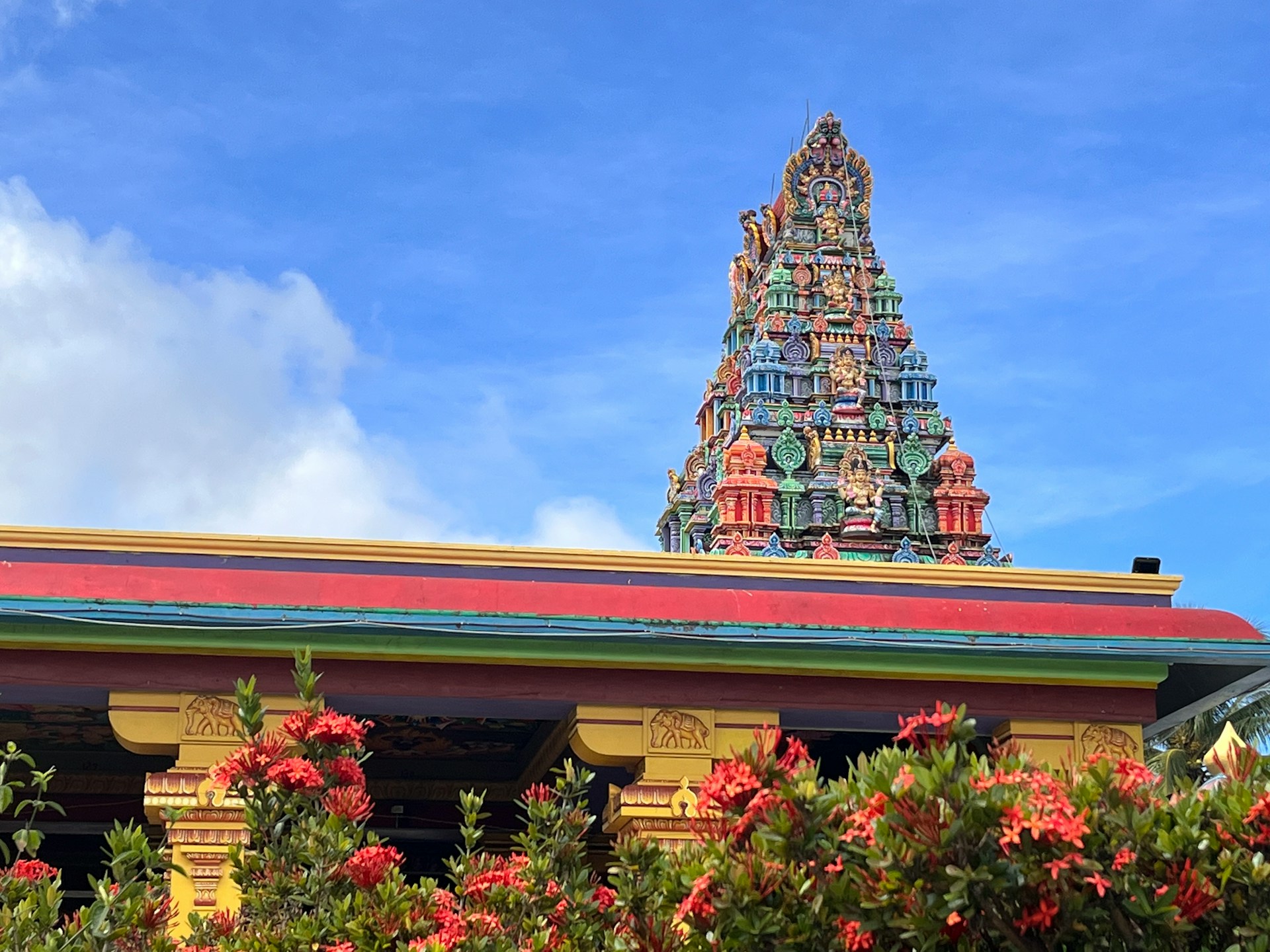
4. Sri Siva Subramaniya Temple
Why go: This vividly painted Hindu temple at the edge of Nadi town is one of the largest in the Southern Hemisphere. Its Dravidian architecture—tiered gopurams covered in carved deities—is a direct link to South India and the Indo‑Fijian community’s heritage.
My experience: I like to come early, just after sunrise, when the town is still drowsy. The temple’s colors glow softly in the morning light. On my most recent visit, a priest invited me to sit quietly at the back while a small puja (prayer) unfolded—bells ringing, incense curling upward, chants rising. It felt both intimate and deeply rooted.
What to do:
- Walk the perimeter slowly, noticing the detail on each deity.
- Step inside respectfully (no photos inside sanctum) and observe worship rituals.
- Learn about Indo‑Fijian history, either with a guide or by chatting afterward outside.
Tips: Dress modestly (shoulders and knees covered). Remove shoes before entering; there’s a small fee for camera use outside. It’s an easy walk from central Nadi town—combine with the market.
5. Nadi Municipal Market
Why go: If you want to feel the pulse of Nadi, come to the market. It’s noisy, colorful, and wonderfully human—towering piles of taro, strings of kava roots, chili pyramids, and aunties selling hot roti parcels from the edges.
My experience: I rarely leave without a bag of fresh pineapple and a conversation. Once, a vendor noticed my confusion over a bundle of leafy greens and gave me a quick cooking lesson on the spot, complete with a scribbled recipe for rourou (taro leaf in coconut cream).
What to do:
- Browse fruit and veg and try something unfamiliar—bele, ota (ferns), or custard apples.
- Check out the kava section and learn how yaqona is prepared.
- Grab cheap snacks: samosas, roti rolls, and curry pies.
Tips: Morning is best, especially Friday and Saturday when it’s busiest. Ask before taking close‑up photos of people. Prices are generally fair; bargaining is modest and friendly if at all.
6. Wailoaloa Beach
Why go: Long, dark‑sand beach, casual bars, and some of the best sunsets in Nadi. Wailoaloa is perfect for day one in your 3 day itinerary for Nadi—easy, low‑pressure, and social.
My experience: My favorite memory is a spontaneous volleyball game at sunset. A group of travelers and local staff started batting a ball around near the tide line; by the time the sky went orange‑pink, we had a full‑blown beach match and a small cheering squad from the bar. Later, we sat in the sand with cold beers while a guitarist played island reggae behind us.
What to do:
- Walk the length of the beach at low tide.
- Join in beach volleyball or just watch from a beanbag.
- Listen to live music in the evenings and catch fire‑dance shows at some hostels.
Tips: Swimming is fine but the water can be murkier than on offshore islands. Bring insect repellent for dusk. It’s a 10–15 minute taxi from town or the airport.
7. Nadi Bay & Coastal Views
Why go: The coastline between Nadi town and Denarau offers glimpses of everyday life—fishing boats, mangroves, kids splashing in shallow water. It’s not a manicured promenade, but that’s exactly why I like it.
My experience: One hazy afternoon, I sat on a low sea wall with a takeaway curry, watching a father teach his son to paddle a narrow fiberglass canoe. Every few minutes, the boy wobbled and grabbed the sides, then broke into giggles. It was an ordinary moment—perfect in its simplicity.
8. Sabeto River & Valley Villages
Why go: The Sabeto River area is ideal if you want soft adventure and real Fijian village life—kayaking, gentle hikes, and cultural visits hosted by local communities.
My experience: On a guided visit, we were welcomed into a village hall with a kava ceremony. I remember the way the headman’s jokes rippled through the room, even across language barriers. Later, we walked to the river for a cooling dip. Kids showed off their best cannonballs while my group floated in the current, the late afternoon sun turning the water copper.
Tips: Always go with a reputable guide or with someone who has arranged the visit; villages are not tourist attractions but living communities. Dress modestly and bring a small sevusevu (kava gift) if not included in your tour.
9. Self‑Guided Nadi Town Walk
Why go: Nadi’s low‑rise architecture—concrete arcades, wooden balconies, colorful shop fronts—won’t win global design awards, but walking the streets is the quickest way to feel the town’s character.
My experience: I like to weave a loop: market, temple, back streets, then end at a bakery. On one walk, I ducked into a tiny Indian sweet shop to escape a rain shower; an elderly man insisted I try a piece of fresh jalebi “on the house” and told me about Nadi in the 1970s.
10. Denarau Golf & Racquet Club
Why go: For golfers, this 18‑hole championship course offers palm‑fringed fairways, water hazards, and sea breezes. Even as a non‑golfer, I’ve enjoyed the open greenery as a contrast to town.
Tips: Dress codes apply; book tee times in advance in high season. Families can enjoy mini‑golf and casual dining on site.
11. Jet Ski & Island Hopping from Nadi
Why go: For adrenaline lovers, jet ski safaris from Wailoaloa or Denarau zip you across Nadi Bay to small sand cays and reefs. It’s one of the most exhilarating ways to see the coastline.
My experience: I joined a two‑hour guided ride out to a sandbar. At one point we cut the engines, and there was this incredible hush—just water lapping and distant birds. The skyline of Nadi and the Sleeping Giant range looked tiny on the horizon.
12. Cloud 9 Floating Bar (Popular Day Trip)
Why go: Technically out in the Mamanuca islands, but many visitors book it as a day excursion from Nadi. It’s a two‑level floating bar and pizzeria anchored over a turquoise reef—swim, snorkel, sunbathe, and sip cocktails.
Tips: Book ahead in peak months. Bring reef‑safe sunscreen. Families are welcome during the day, but it has more of a party vibe in the afternoon.
13. Nadi Handicraft & Souvenir Market
Why go: Behind the main street, this cluster of stalls sells wooden carvings, woven mats, sulus (sarongs), and shells. It’s tourist‑oriented but still a fun browse.
My experience: I’ve bought more sulus here than I care to admit. One stallholder patiently showed me three different ways to tie one as a dress, laughing at my clumsy attempts.
Tips: Prices are negotiable; bargain with a smile. For the most authentic crafts, check where and by whom they’re made.
14. Sunday Church Service
Why go: Attending a Sunday service—whether Methodist, Catholic, or another denomination—is less about religion and more about hearing soul‑stirring Fijian harmonies and experiencing a cornerstone of local life.
My experience: A friend invited me to a small church near Sabeto. I understood only fragments of the sermon, but the singing gave me goosebumps. Afterward, everyone insisted I stay for tea and homemade pastries.
Tips: Dress modestly; ask your accommodation to help connect you with a local congregation. Don’t take photos during the service unless explicitly invited.
15. Cultural Centres & Meke Shows
Why go: Several resorts and cultural venues around Nadi host evening meke performances (dance, song, storytelling) and lovo (underground oven feasts). While some are staged for visitors, they’re often performed by local villages.
My experience: One of my favorite meke nights was actually at a mid‑range Wailoaloa resort, where staff’s families came in to dance. After the show, the performers stayed to chat, and the kids showed us their favorite TikTok moves alongside traditional steps.
16. Sleeping Giant Zipline & Rainforest Adventure
Why go: For adventurous travelers and families, the ziplines in the Sleeping Giant area offer fast, fun runs through rainforest canopy with swimming holes below.
Tips: Wear closed shoes. Weight and age limits apply; check before booking. Combine with the nearby garden or mud pools for a full day out.
17. Namaka Farmers’ Market
Why go: Smaller and more local than Nadi’s central market, Namaka is where many residents do their weekly shop. You’ll see fewer souvenirs, more real life.
My experience: I came on a Saturday morning and ended up in a long chat with a woman selling homemade chili chutneys. She insisted I taste them all, then gave me a small jar “for the road” when I couldn’t decide which to buy.
18. Denarau Boardwalk & Resort Architecture
Why go: While Nadi is mostly low‑rise, Denarau’s resorts showcase contemporary tropical architecture—wide verandas, high thatched roofs, and indoor‑outdoor lobbies that frame the sea. It’s worth a wander even if you’re not staying here.
19. Inland Waterfalls & Swimming Holes
Why go: Several small waterfalls and natural pools hide in the hills around Nadi, often accessible only with local guides. They make for refreshing day trips in the hot months.
Tips: Conditions vary with rainfall. Ask locally about safety. Always go with a guide who has permission from the landowners.
20. Nadi Sunset Cruises
Why go: Watching the sun sink behind the Mamanuca islands from the deck of a small boat is one of the most romantic and family‑friendly things to do in Nadi. Many cruises include snacks, drinks, and sometimes onboard performances.
My experience: On one cruise, clouds threatened a washout. Instead, they created a spectacular layered sky—charcoal, pink, and gold—reflected in perfectly calm water. The crew turned down the music for a few minutes so we could just listen to the ocean.
21. Kava (Yaqona) Tasting Experience
Why go: Kava is central to Fijian social and ceremonial life. Joining a small, respectful kava circle—at a village visit, cultural center, or even your guesthouse—is a cultural experience in Nadi you shouldn’t miss.
My experience: At a Wailoaloa hostel, staff invited guests to sit around a wooden tanoa (kava bowl). They explained how the root is pounded and strained, then poured into small cups called bilo. We clapped once before drinking, three times after, and slowly that familiar tongue‑tingling numbness set in. Conversations got softer, stories longer.
Tips: Kava is mildly sedative; avoid mixing with alcohol. Don’t rush the ceremony—this is about connection, not just the drink.
Suggested Itineraries: 3, 4 & 5 Days in Nadi
Whether you’re planning 3 days in Nadi or stretching to a full 5 day itinerary for Nadi, these suggestions blend iconic sights with hidden gems and breathing room. I’ll outline a rich version here; you can easily trim or expand based on your pace.
3 Day Itinerary for Nadi
Day 1 – Arrive, Wailoaloa Sunset & Easy Town Wanders
Morning: Land at Nadi International Airport, swap some cash or use the ATM, and grab a local SIM (details later). I usually check into a guesthouse at Wailoaloa or a mid‑range hotel in Martintar—close enough to everything but relaxed.
Drop your bags, shower off the plane, then head into Nadi town for a gentle orientation:
- Visit the Municipal Market for fresh fruit and a wandering lunch (roti parcels, samosas).
- Walk to the Sri Siva Subramaniya Temple, taking your time with the details.
- Loop back via side streets, peeking into sari shops and electronics stores—this is everyday Nadi.
Afternoon: Head back to your accommodation for a quick rest. Jet lag hits early here if you’ve flown overnight. Around 4–5 p.m., take a taxi to Wailoaloa Beach.
Walk the shoreline, grab a cold beer or fresh juice at a beach bar, and watch the sky change color. If it’s a weekend, you’ll likely find live music or a fire dance show. This is a perfect, low‑pressure start to your travel guide for Nadi experience.
Evening: Dine at a Wailoaloa or Martintar restaurant—maybe a simple fish curry or grilled wahoo. If you’re up for it, join a kava circle at your hostel or bar; otherwise, call it an early night.
Day 2 – Sabeto Valley: Sleeping Giant, Mud Pools & Village Life
Morning: After breakfast, arrange a taxi or tour to Garden of the Sleeping Giant. Spend a couple of unrushed hours wandering the orchid houses and forest paths. Pause often—this is a place that rewards slowness.
Afternoon: Continue to the Sabeto Mud Pools & Hot Springs. Don’t be shy about getting muddy; everyone looks ridiculous together. After soaking, enjoy a simple lunch on site (often BBQ or local snacks) or at a nearby roadside cafe.
On the way back, if you’ve arranged it, stop at a local village for a short, respectful visit: a kava welcome, a look at the church or school, and a chance to buy handmade crafts directly from families.
Evening: Return to Nadi, shower off the day, and treat yourself to dinner at a Denarau restaurant overlooking the marina. If you’re a family, kids will love watching the boats and lights; couples might opt for a romantic table on the edge of the boardwalk.
Day 3 – Denarau, Island Taster & Last‑Minute Wanders
Morning: For your final day, choose your flavor:
- Soft option (family or relaxed): Spend the morning at Port Denarau, browsing, snacking, and maybe taking a short harbor cruise.
- Adventurous: Book a jet ski safari or day trip to a nearby island or Cloud 9.
Afternoon: Return to Nadi, do a bit of last‑minute shopping at the Handicraft Market, and grab a final cup of Fijian coffee or local ice cream in town.
Evening: If you’re flying out late, enjoy one more Wailoaloa sunset. If you’re staying on in Fiji and moving to the islands, use this time to organize ferry tickets and pack—Nadi has all the little things you might have forgotten.
4 Day Itinerary for Nadi
With 4 days in Nadi, you can slow down a bit and add either more culture or more adventure.
Day 4 Options – Choose Your Own Adventure
Option A: Cultural Deep Dive
- Join a guided market and food tour of Nadi and Namaka, tasting local snacks and learning about Indo‑Fijian and iTaukei (Indigenous) ingredients.
- Visit a local school or community project (responsibly, via an organized partner).
- End with an evening meke & lovo dinner show at a resort or cultural center.
Option B: Adventure & Nature
- Head to a zipline park in the Sleeping Giant area for a half day of flying through the canopy.
- Cool off in a nearby waterfall or swimming hole with a local guide.
- Return to town for a hearty curry dinner and a relaxed drink in Martintar.
5 Day Itinerary for Nadi
With 5 days in Nadi, you can treat the town as a base—adding a full offshore island day and time to just be.
Day 5 – Full Island Day Trip & Last‑Night Celebration
Morning to Afternoon: Book a full‑day cruise from Denarau to the Mamanuca islands. Options range from family‑friendly sand cay picnics to snorkel‑heavy sailboats and party cruises. You’ll get that postcard‑perfect white sand and neon‑blue water, then return to your comfortable Nadi base at night.
Evening: For your final night:
- Splurge on a sunset dinner cruise if you haven’t already, or
- Have a long, laid‑back dinner at your favorite spot from the week, followed by a last stroll on Wailoaloa Beach or Denarau boardwalk.
Local Food & Drink in Nadi
What to Eat: Must‑Try Local Dishes
- Kokoda: Fiji’s version of ceviche—raw fish marinated in lime, mixed with coconut cream, onion, chili, and tomato. Creamy, bright, and perfect with a cold beer.
- Lovo: Meat, fish, and root vegetables slow‑cooked in an underground oven, often for celebrations or special buffet nights.
- Curry & Roti: Thanks to the Indo‑Fijian community, Nadi has excellent curries—fish, goat, chicken, or veggie—served with roti or rice.
- Palusami / Rourou: Taro leaves baked or simmered in coconut cream—rich, comforting, vegetarian‑friendly.
- Kava (Yaqona): A traditional drink made from the kava root, mildly sedative and earthy in taste.
Where to Eat in & Around Nadi
Restaurants change names and owners often, but as of 2026, here are some types of places and areas I return to:
- In Nadi Town: Small Indian eateries with plastic chairs and big flavors. I look for where taxi drivers eat—always a good sign for value.
- Martintar/Namaka: A cluster of mid‑range restaurants serving Indo‑Fijian, Chinese, and Western dishes. Great for casual dinners.
- Wailoaloa Beach: Beachfront bars and cafes doing grilled fish, burgers, and occasionally surprisingly good kokoda.
- Denarau: Higher‑end marina restaurants with international menus, perfect for a romantic date or family treat night.
Saving Money on Food
To stretch your budget:
- Eat where locals eat—markets, small curry houses, and bakeries.
- Buy fruit at the market for breakfasts and snacks.
- Look for lunch specials in town; many places offer cheaper midday sets than dinner.
Cultural Etiquette & Local Customs in Nadi
Nadi is friendly and relaxed, but there are some important customs to know—especially if you visit villages or take part in cultural experiences.
General Etiquette
- Greetings: A simple “Bula!” goes a long way. Smile, make eye contact.
- Dress: In town and resorts, shorts and T‑shirts are fine. For temples, churches, and villages, cover shoulders and knees; a sulu (sarong) is perfect.
- Shoes: Remove shoes before entering homes and some traditional buildings.
In Villages
- Always ask permission before entering or taking photos.
- Don’t wear hats inside the village—it’s considered disrespectful.
- A sevusevu (gift of kava) is customary; your guide will usually arrange this.
Kava Etiquette
- When offered a bilo (cup), clap once, say “Bula!”, and drink in one go if you can.
- Clap three times after finishing and say “Vinaka” (thank you).
- If you don’t want more, put your hand over your cup politely when it’s coming around.
Nightlife, Entertainment & Cultural Experiences
Nadi’s nightlife is casual and centered around Wailoaloa, Martintar, and Denarau.
Wailoaloa Beach Nights
- Backpacker bars with happy hours, live bands, and occasional themed parties.
- Family‑friendly early evenings—kids play in the sand while parents enjoy sundowners.
Martintar & Namaka
- Local bars and sports pubs where you can watch rugby with a lively crowd.
- More low‑key than Wailoaloa, popular with locals after work.
Denarau Evenings
- Larger resort bars with professional bands and occasional meke shows.
- Perfect for date nights—cocktails, a marina stroll, and dessert.
Day Trips & Nearby Destinations from Nadi
Mamanuca Islands
White sand, turquoise lagoons, and excellent snorkeling just 30–90 minutes from Denarau by boat. Ideal for families, couples, and first‑time Fiji visitors.
Yasawa Islands (Long Day or Overnight)
Farther than the Mamanucas and better as an overnight or multi‑day trip, but you’ll still depart from Nadi/Denarau. Rugged, dramatic islands with fewer crowds.
Coral Coast
About 1.5–2 hours by bus or car from Nadi, the Coral Coast offers coastal villages, resorts, and more snorkeling. Great if you have extra days and want a change of scene without flying.
Practical Travel Tips for Nadi
Money & Costs
The local currency is the Fijian dollar (FJD). ATMs are easy to find in Nadi town, Namaka, the airport, and Denarau. Cards are accepted at most hotels and larger restaurants; smaller places and markets are cash‑only.
SIM Cards & Connectivity
- Providers: Vodafone and Digicel are the main operators.
- Where to buy: Both have kiosks at Nadi Airport arrivals and shops in town.
- Plans: Tourist data packages are reasonably priced; 7‑ and 14‑day options are common in 2026.
Getting Around Nadi
- Taxis: Plentiful and relatively cheap. Always ask for the meter or agree a price before starting.
- Buses: Local yellow buses run along Queens Road between Nadi town, Namaka, and beyond. They’re very affordable but not always on a strict schedule.
- Car Rental: Available at the airport and in town. Great if you plan to explore inland and along the Coral Coast.
Driving & Licenses
Fiji drives on the left. In 2026, most visitors can use their valid foreign driver’s license for short stays; some nationalities may need an International Driving Permit (IDP), so check before you travel. Roads around Nadi, Denarau, and the Coral Coast are generally sealed and in fair condition, but inland roads can be rough or unsealed.
Visas
Many nationalities receive visa‑free entry or a visa on arrival for short tourist stays (often up to 4 months), but rules can change. Always verify with the official Fijian immigration website or your local embassy before your trip.
Health & Safety
- Tap water in most hotels and restaurants in Nadi is generally safe, but if you have a sensitive stomach, stick to bottled or filtered water.
- Use reef‑safe sunscreen and reapply often; the sun is intense even on cloudy days.
- Petty theft exists but violent crime is rare. Normal city common sense applies.
Saving Money in Nadi
- Stay in guesthouses or mid‑range hotels slightly out of Denarau.
- Eat more meals in town or at markets instead of only at resorts.
- Use local buses for short journeys when you’re not in a rush.
- Book activities in person through local operators when possible.
Best Time to Visit Nadi
Nadi has a tropical maritime climate—warm year‑round, with a wetter and a drier season.
- May–October (Dry Season): Cooler, less humid, and generally sunnier. Ideal for most visitors, especially families and couples. Peak season for must‑see attractions in Nadi and the islands.
- November–April (Wet Season): Hotter, more humid, with afternoon showers and the possibility of cyclones. Fewer crowds and often better deals, but keep flexible plans.
For 3–5 day itineraries: If you’re building a 3 or 4 day itinerary for Nadi focused on outdoor activities, target June–September. For budget travelers planning 5 days in Nadi, shoulder months like April and November can balance price and weather.
What’s New in 2026 & Upcoming Events 2026–2027
As of 2026, Nadi continues to shape itself as Fiji’s cultural and adventure gateway. Some notable trends and events:
- Eco‑Focused Tours: More small operators in the Sabeto Valley and inland areas are offering low‑impact hikes, village stays, and farm visits, emphasizing community partnerships.
- Nadi Bula Festival (Annual): Typically held mid‑year, with parades, music, food stalls, and cultural performances. If your dates line up in 2026–2027, it’s worth planning your 3 or 4 day itinerary for Nadi around at least one festival evening.
- Religious & Cultural Celebrations: Indo‑Fijian festivals like Diwali and Holi bring extra color to Nadi’s streets and temples; exact dates shift each year based on the calendar.
Check local tourism boards or your accommodation in Nadi for up‑to‑date event dates as your trip approaches.
Summary & Final Recommendations
Nadi isn’t a polished resort bubble; it’s a living, breathing town that happens to sit between mountains, mangroves, and some of the world’s most beautiful islands. That’s exactly why I keep returning.
- Must‑see attractions in Nadi: Garden of the Sleeping Giant, Sabeto Mud Pools, Sri Siva Subramaniya Temple, Nadi Market, Wailoaloa Beach, and Denarau Marina.
- For 3 days in Nadi: Focus on town, Sabeto Valley, and one Denarau or short island experience.
- For 4–5 days in Nadi: Add cultural tours, ziplines or waterfalls, and a full island day trip.
- Best seasons: May–October for reliably good weather; April and November for fewer crowds and better deals.
- Essentials: Learn a few Fijian words, respect local customs in villages and temples, and leave time for unplanned conversations—they’re often the highlight.
However you design your travel guide for Nadi—3 day itinerary, 4 day itinerary, or a leisurely 5 day itinerary—let yourself slow down. Sit at the market with a slice of pineapple, watch kids play rugby on a dusty field, and say “Bula” to the person next to you. That’s where Nadi’s real magic lives.