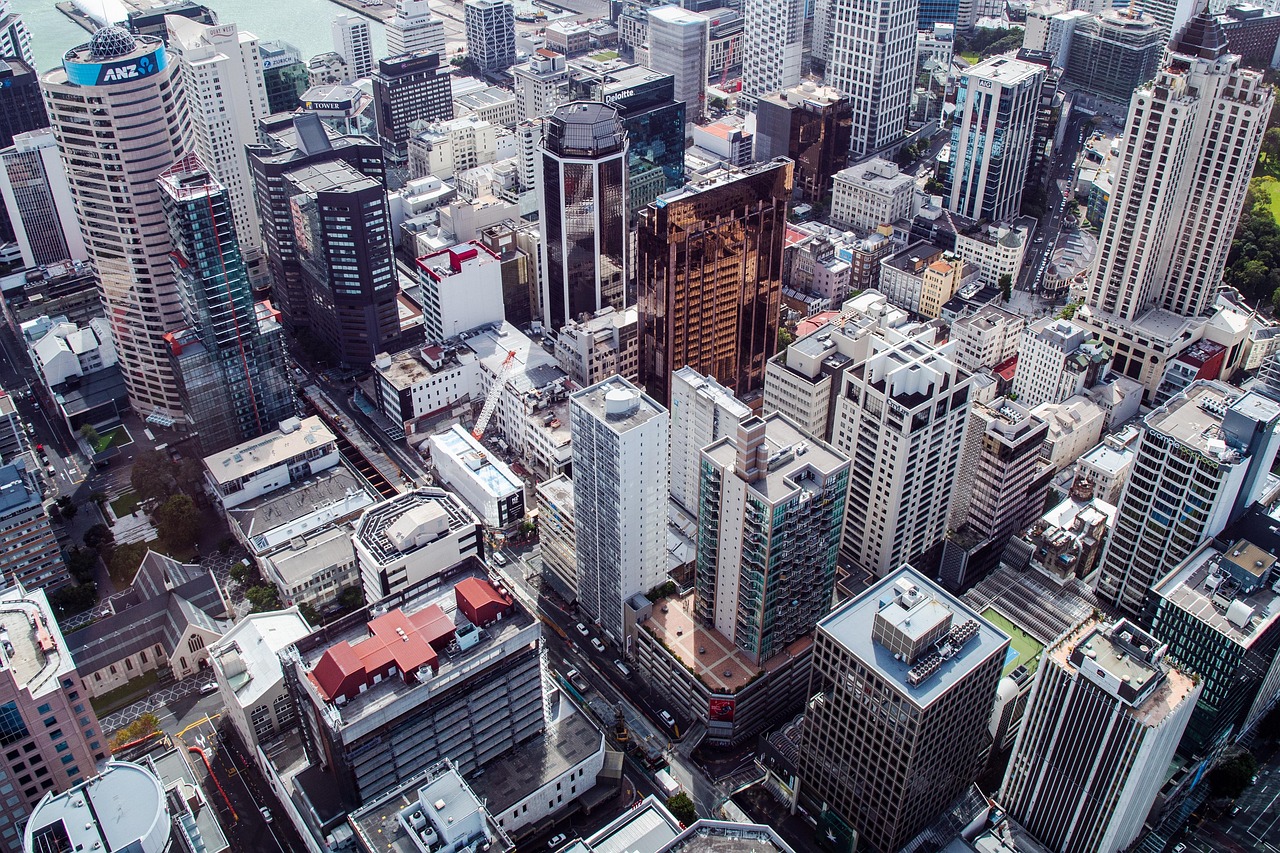
Why Visit Auckland? What Makes the City of Sails Special
Auckland is one of those rare cities where you can sip a flat white in a laneway café at 9 a.m., hike a volcanic crater by 11, swim at a wild black-sand surf beach in the afternoon, and finish the day with harbour-side cocktails and world-class food. It’s urban but outdoorsy, cosmopolitan but laid-back, and—if you know where to look—packed with character.
I’ve visited Auckland more times than I can count, usually staying a week or two at a time, and I still find new corners every trip. It’s the mix that hooks me: Māori and Pacific culture woven into everyday life; a harbour that feels like an extension of the city; neighbourhoods that each have their own personality; and food that reflects the entire Pacific Rim on a single plate.
This 2026 travel guide is written as if I’m planning your trip for you: detailed 3–5 day itineraries, deep dives into at least 20 of the must-see attractions in Auckland, plus the real hidden gems I recommend to friends. I’ll walk you through what it’s actually like to visit—how to get there, what to eat nearby, when to go, and how to avoid common mistakes.
Table of Contents
- Why Visit Auckland in 2026
- Auckland at a Glance
- 20+ Must-See Attractions & Experiences
- Suggested Itineraries (3, 4 & 5 Days in Auckland)
- Best Neighbourhoods & Areas to Explore
- Local Food in Auckland & Where to Eat
- Nightlife, Entertainment & Cultural Experiences
- Best Day Trips from Auckland
- Cultural Etiquette & Local Customs
- Practical Travel Tips for Auckland (Money, SIMs, Transport, Visas)
- When to Visit Auckland & 2026–2027 Events
- Summary & Final Recommendations
Auckland at a Glance
Auckland (Tāmaki Makaurau in te reo Māori) is New Zealand’s largest city, wrapped around two harbours and built on a field of dormant volcanoes. About a third of the country’s population lives here, and you feel that scale in the skyline—but the beaches, islands, and green spaces mean you’re rarely more than 30–40 minutes from nature.
- Population: ~1.7 million
- Region: North Island, New Zealand
- Known for: Harbours, volcanoes, multicultural food, sailing, wine islands, surf beaches
- Best for: Outdoor lovers, foodies, families, couples, first-time New Zealand visitors
- Ideal stay: 3–5 days in Auckland (with an extra day or two for side trips if you can)
20+ Must-See Attractions & Things to Do in Auckland (With Personal Notes)
These are the places I keep coming back to, the ones I insist visitors see at least a handful of, even on a short 3 day itinerary for Auckland.
1. Sky Tower & Auckland CBD: The Classic First View
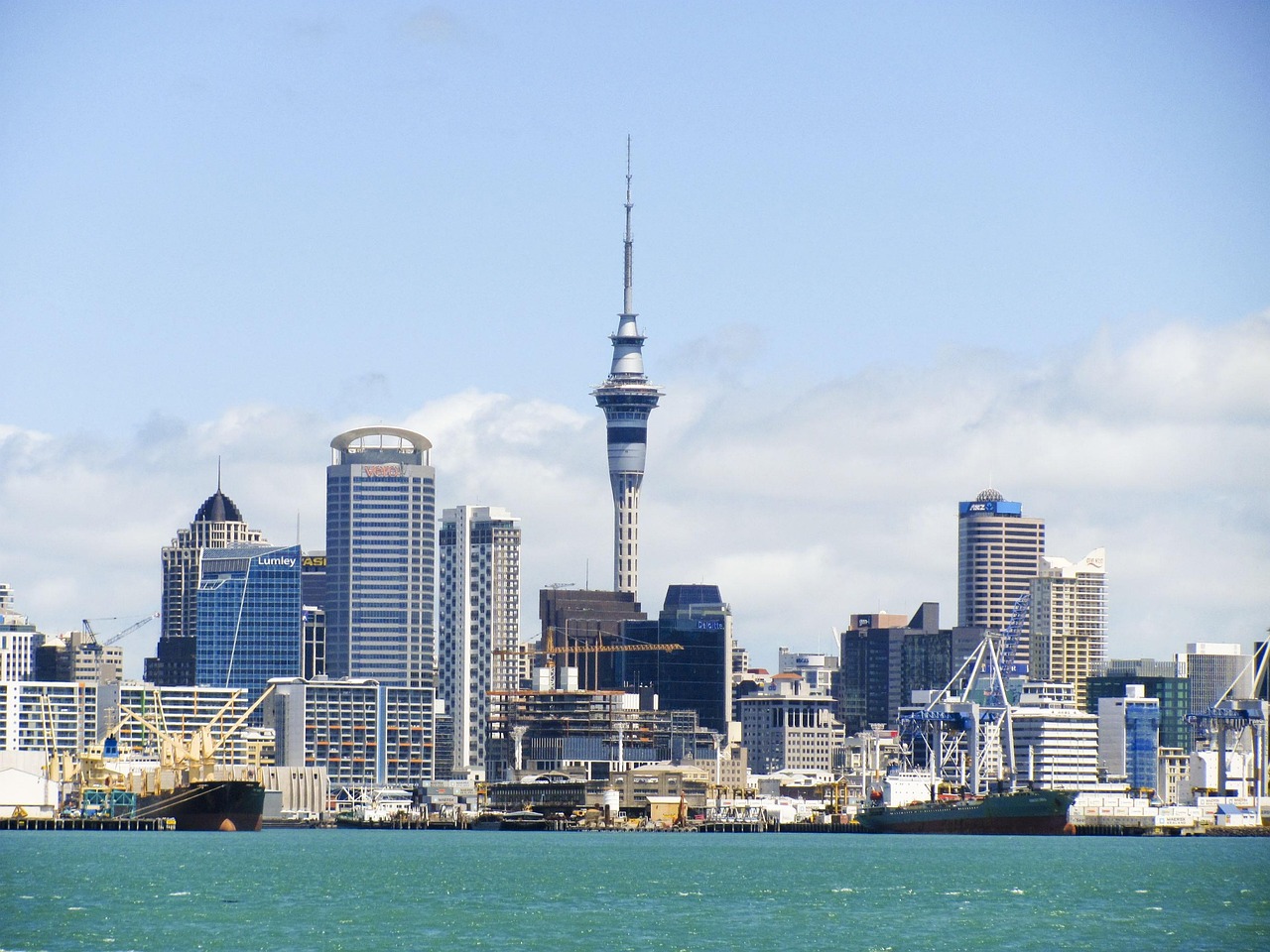
Even as someone who normally avoids tourist traps, I still take people up the Sky Tower. It’s the best quick orientation to Auckland and anchors almost every skyline view you’ll see.
The first time I went up was on a blustery spring afternoon. Clouds were racing over the harbour, rain sweeping across the suburbs in visible curtains. Watching the weather move across the city from 220+ metres up was hypnotic—and very Auckland. Four seasons in one day isn’t a joke here.
What to Do at Sky Tower
- Observation decks: Multiple levels with 360° views—spot Rangitoto, the Waitematā Harbour, the bridge, and all those volcanic cones.
- SkyWalk & SkyJump: If you’re adventurous, you can walk around the exterior ledge in a harness or do a controlled jump. I’ve only watched friends do it so far, but they swear it’s one of the most memorable adventurous things to do in Auckland.
- Dinner with a view: The revolving restaurant is pricey but if you’re celebrating something special, sunset up here is seriously romantic.
Practical Tips
- Getting there: In the CBD (city centre); easy walk from most downtown hotels or Britomart transport hub.
- Best time: Clear late afternoon into sunset. On a 3 days in Auckland whirlwind, I usually slot this in on Day 1 to beat jet lag.
- Money saver: Book online combos (often paired with other attractions) and check for off-peak pricing.
2. Viaduct Harbour & Wynyard Quarter: Waterfront Wandering
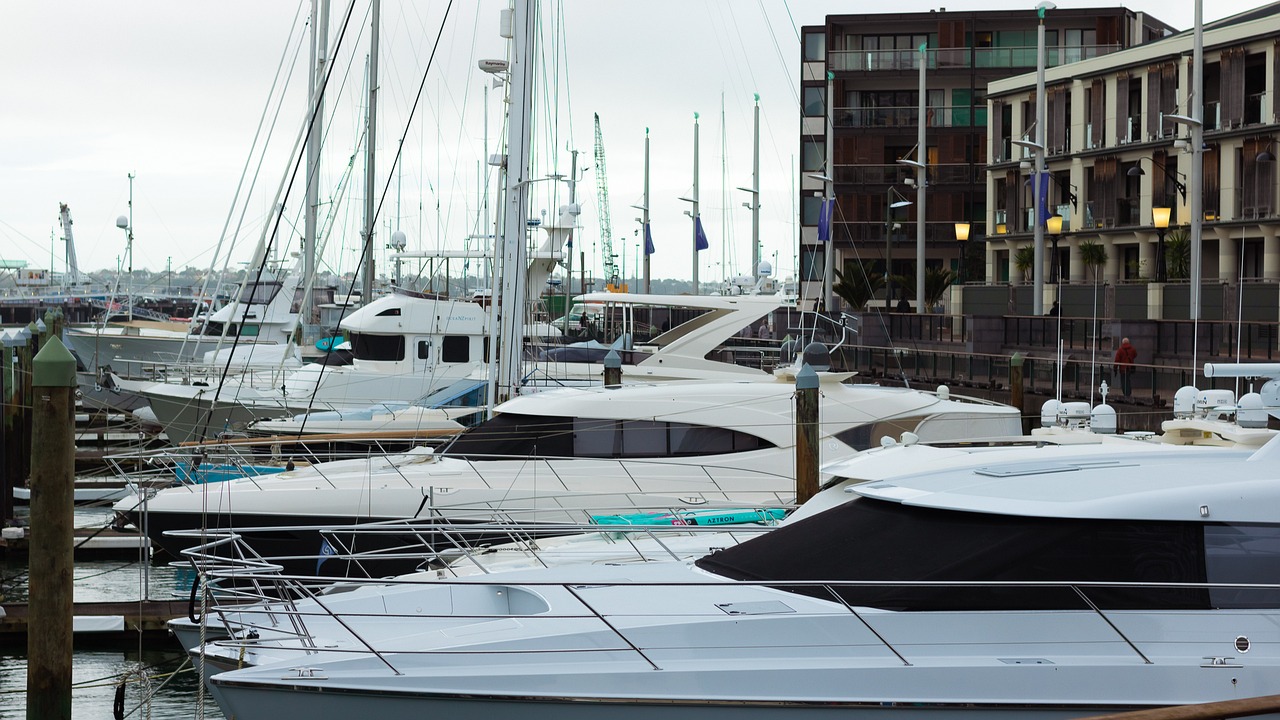
If you want to understand why Auckland is called the City of Sails, wander the Viaduct Harbour and Wynyard Quarter. I always come here on my first evening; it’s where the city, the harbour, and the skyline meet.
On one of my last trips, I ended up sitting on a beanbag at Silo Park’s open-air cinema, watching a film with the Sky Tower glowing behind us and the smell of fish and chips drifting over from the food trucks. It felt like the city showing off—in a relaxed, very Kiwi way.
Highlights
- Boardwalks & marinas: Great for sunset walks. You’ll see superyachts, classic sailboats, and locals out for a stroll.
- Silo Park: Repurposed industrial silos turned into an art and events space—check for night markets and outdoor movies in summer.
- Restaurants & bars: From casual fish & chips to high-end seafood with harbour views. Perfect for date nights and celebratory dinners.
Practical Tips
- Best time: Late afternoon to evening; combine with a harbour cruise.
- Family friendly: Kids love the playgrounds, fountains, and watching boats. There are usually gelato spots nearby.
3. Waiheke Island: Vineyards, Beaches, and Holiday Vibes
If you only have 4 days in Auckland, I’d still urge you to give one to Waiheke Island. It’s a short ferry from downtown, but it feels like a proper escape: rolling vineyards, golden beaches, olive groves, and a pace of life that slows your pulse within an hour.
One of my standout days in Auckland was a mid-week solo trip to Waiheke. I hopped between vineyards on the local bus, lingered over a long lunch looking out at the Hauraki Gulf, then swam at Onetangi Beach until the sun dipped. I caught the twilight ferry back with sandy feet and a phone full of sunset photos.
What to Do on Waiheke
- Wine tasting: Mudbrick, Cable Bay, and Tantalus are favourites for scenery and food. Book tastings in advance on weekends.
- Beaches: Oneroa (close to the ferry), Palm Beach (family friendly), and Onetangi (long and lovely).
- Walks: Coastal tracks, headlands, and short hikes through bush with sea views.
Practical Tips
- Getting there: 35–40 min ferry from downtown Auckland (Fullers is the main operator).
- Getting around: Public buses, taxis, e-bikes, or rental cars. In summer, book vehicles ahead.
- Money saver: Pack snacks/picnic items; Waiheke can be pricier than the mainland.
- Romantic factor: Exceptionally high—ideal for proposals, anniversaries, or just pretending you live in a vineyard.
4. Rangitoto Island: Auckland’s Newest Volcano
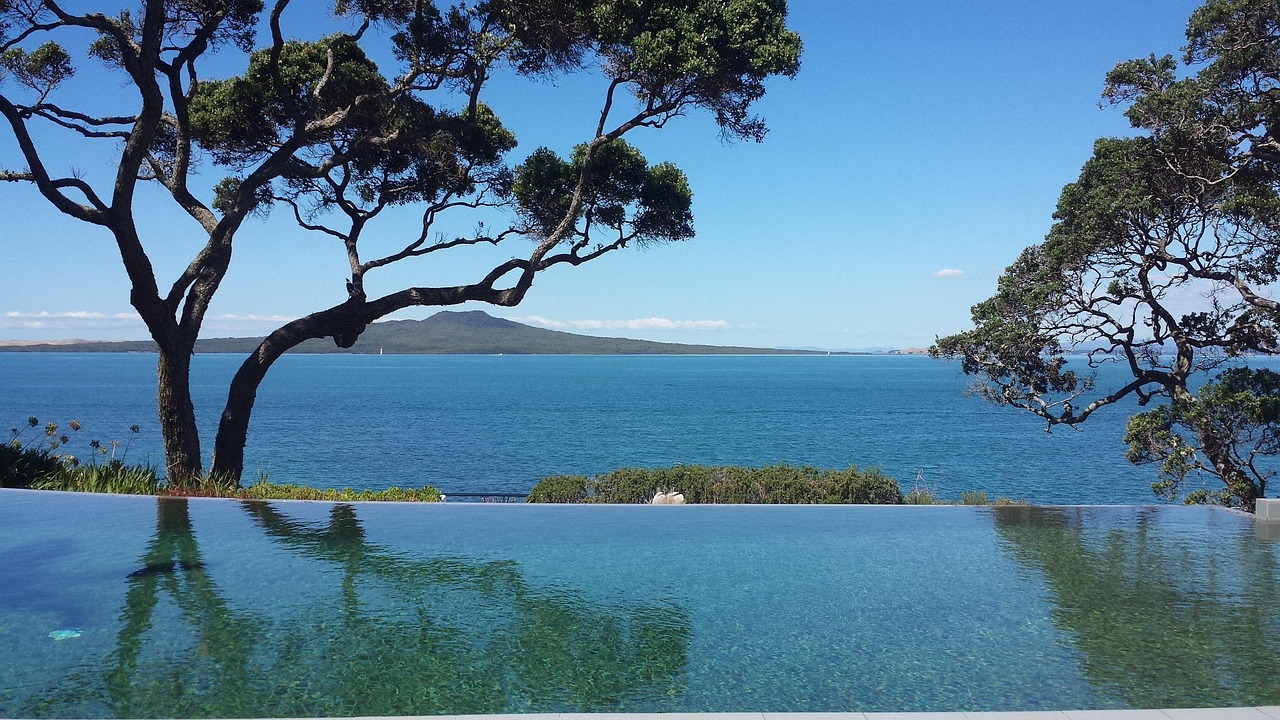
Rangitoto is that perfectly conical island you’ll see in almost every postcard of Auckland. It’s a volcanic island that popped out of the sea about 600 years ago, and climbing it is one of my favourite active things to do when I need to blow the cobwebs away.
I’ve done the summit walk three times now, each in different weather. The best was a crisp winter morning: clear air, not too hot, and nearly empty trails. The path weaves through lava fields and pōhutukawa forest, and from the top you get a panoramic view back over the city and the Hauraki Gulf.
What to Expect
- Summit Track: About 1 hour each way on a well-formed trail, moderate fitness.
- Lava caves: Short side trail—bring a small torch or phone light.
- No shops: The island is pest-free conservation land, so you must bring all your food and water.
Practical Tips
- Getting there: Ferry from downtown (check seasonal schedules).
- Weather: It can be brutally hot in summer with little shade—hat, sunscreen, and plenty of water are non-negotiable.
- Family friendly: Active families with hiking experience will be fine; just pace it and bring snacks.
5. Auckland War Memorial Museum & Auckland Domain
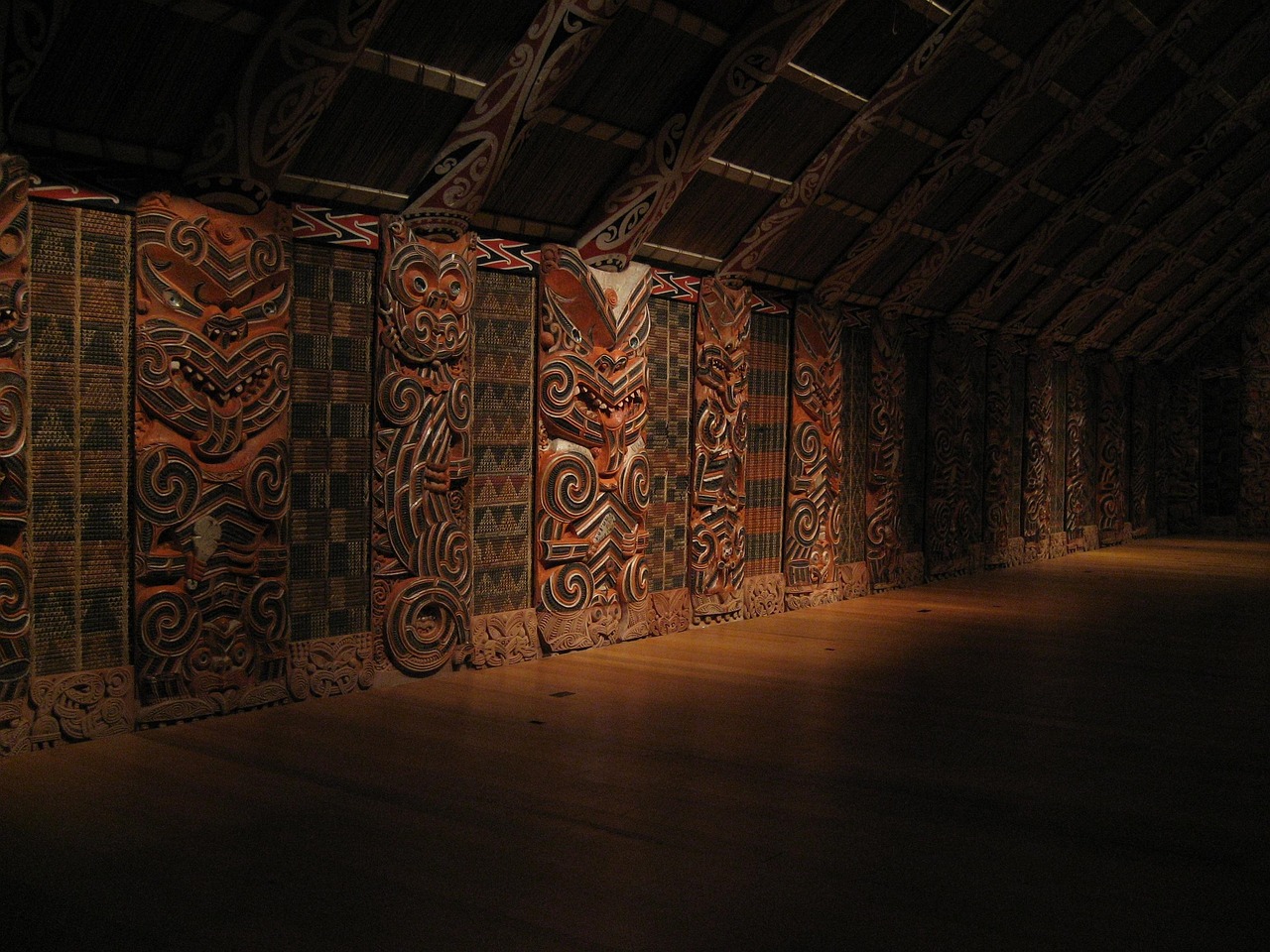
The Auckland War Memorial Museum is far more than a military museum. It’s my go-to when the weather turns or when I want to reconnect with the deeper story of this place: Māori treasures, Pacific Island heritage, natural history, and the sobering realities of war.
The building itself is striking—a neoclassical structure perched on a hill in the Auckland Domain, with columns and steps that glow at golden hour. I still remember my first visit as a backpacker, standing in front of the Māori war canoe (waka) and realising how much of New Zealand’s story I didn’t know.
Highlights
- Māori and Pacific galleries: Carvings, meeting houses, and taonga (treasures) that give important context to local culture.
- Volcano exhibit: An interactive room that simulates an eruption in Auckland’s harbour—kids (and adults) love it.
- War memorial: Quiet, contemplative spaces that are deeply respected by locals.
Practical Tips
- Time needed: 2–4 hours depending on your interest level.
- Getting there: 20–25 min walk or short bus/ride-share from the CBD.
- Combine with: A stroll around the Domain’s gardens or the Wintergardens (small but lovely glasshouses—great for photos).
6. Maungawhau / Mount Eden: Crater Views Over the City
Mount Eden is my favourite quick-viewpoint hike in Auckland. It’s close to the city but feels surprisingly peaceful, especially if you go early. The main draw is the perfect grassy crater at the summit, with 360° views over the skyline and out to the harbours.
On my last trip, I walked up just after sunrise. The city was still rubbing its eyes; runners and dog walkers nodded hello in that unspoken Kiwi way. From the top, the Sky Tower was catching the first light and Rangitoto hovered in the distance like a shadow.
Practical Tips
- Getting there: Bus or train to Mount Eden village, then a 20–30 minute walk up. Vehicle access to the top is restricted to preserve the site.
- Respect: This is a sacred Māori site (maunga). Stay on marked paths; don’t walk into the crater.
- Best time: Early morning or late afternoon; midday can be hot and harsh for photos.
7. Maungakiekie / One Tree Hill & Cornwall Park
One Tree Hill is another of Auckland’s iconic volcanic cones, set within the sprawling greenery of Cornwall Park. It’s where I go when I want a longer urban walk with lots of trees, sheep (yes, sheep), and history.
I’ve spent lazy Sundays here with friends, wandering up to the obelisk, then sprawling on the grass with takeaway coffees. In spring the park is full of lambs and blossoms; in autumn, the leaves put on a show.
Highlights
- Summit walk: Gentle incline, paved most of the way, with big-sky views over both harbours.
- Cornwall Park: Tree-lined avenues, picnic spots, and grazing animals—a reminder that Auckland is still very connected to the land.
- Stardome Observatory: At the base of the hill, with planetarium shows that are perfect for families or astronomy geeks.
8. Mission Bay & Eastern Bays: City Beaches & Ice Cream
When locals talk about “going for a drive along the waterfront,” they usually mean Tamaki Drive out to Mission Bay and the eastern bays. It’s a classic Auckland outing and the easiest way to get some beach time without leaving the city.
I’ve had everything here from wind-whipped winter walks to scorching summer afternoons when the grassy slope is crowded with picnics. My routine: walk the promenade, swim if it’s warm enough, then grab fish & chips or gelato and sit on the grass facing Rangitoto.
Practical Tips
- Getting there: Bus or car along Tamaki Drive (10–20 mins from CBD depending on traffic).
- Family friendly: Absolutely—playgrounds, shallow swimming, lots of food options.
- Combine with: A stop at Kelly Tarlton’s SEA LIFE Aquarium on the way.
9. Piha Beach & the Waitākere Ranges: Wild West Coast Drama
When I want to show people the wilder side of Auckland, I drive them to the West Coast, usually Piha Beach. The black volcanic sand, pounding surf, and rugged cliffs feel like a different world from the CBD, even though it’s only about an hour away.
My first Piha trip was on a stormy day: huge waves, wind blasting sand against our legs, and Lion Rock standing solid in the middle of it all. We climbed partway up for the view and watched surfers who were far braver than I’ll ever be.
What to Know
- Swimming: The surf is powerful. Always swim between the flags and heed the lifeguards.
- Walks: Look for local tracks into the Waitākere Ranges (check current kauri dieback closures).
- Sun & sand: The black sand gets very hot—jandals (flip-flops) are a must in summer.
10. Ponsonby: Boutiques, Bars & Beautiful Villas
Ponsonby is where I stay when I want a neighbourhood that’s both lively and walkable. It’s all about restored villas, leafy side streets, and Ponsonby Road itself—a long strip of cafés, bars, and boutiques.
I’ve lost entire afternoons here hopping between brunch spots and design stores, punctuated by coffee stops and people-watching. At night, the bars come alive, but it rarely feels too rowdy—more chic than chaotic.
Why Visit
- Food: Some of the best local food in Auckland for brunch, shared plates, and modern Kiwi cooking.
- Shopping: Independent fashion, homewares, and New Zealand designers.
- Architecture: Charming wooden villas and leafy streets that are very “old Auckland.”
11. Karangahape Road (K Road): Creative, Queer & Gritty-Cool
K Road has changed a lot over the years, but it remains Auckland’s most eclectic strip: vintage shops, art galleries, LGBTQ+ bars, late-night eateries, and some grit among the gloss. When I want to see the city’s creative side, I head here.
One of my favourite evenings in recent years involved an early dinner at a tiny dumpling spot, a gig in a basement bar, and then a slow walk back past neon-lit shopfronts and murals.
What to Do
- Vintage shopping: Great for clothing, records, and quirky finds.
- Street art: Duck down side streets and laneways for murals and paste-ups.
- Nightlife: Some of the city’s most inclusive and interesting bars and clubs.
12. Takaparawhau / Bastion Point & Michael Joseph Savage Memorial
Bastion Point is one of those places that quietly combines scenic beauty with deep historical importance. The headland offers sweeping views back to the city and out to Rangitoto, but it’s also a site of significant Māori protest and land rights history.
I first came here on a gloomy afternoon, with low clouds and a stiff wind. The memorial’s clean lines, formal gardens, and the story behind the land added a sober layer to the otherwise pretty view.
Practical Tips
- Getting there: Along Tamaki Drive, not far from Mission Bay—walkable if you’re up for a longer stroll or a short drive.
- Good for: Quiet reflection, photography, combining with a waterfront bike ride.
13. SEA LIFE Kelly Tarlton’s Aquarium
Kelly Tarlton’s is built into old sewage storage tanks (yes, really) beneath Tamaki Drive, transformed into an underwater world. It’s a bit of an Auckland institution and ideal for families or drizzly days.
I visited with friends and their young kids a few summers ago. Watching them squeal as stingrays floated overhead in the tunnel was the highlight; for me, it was the Antarctic section with penguins and the historical displays about early explorers.
Good to Know
- Location: Between the CBD and Mission Bay; shuttle buses sometimes run from central city.
- Time needed: 2–3 hours.
- Tip: Book tickets online to skip lines and sometimes save a few dollars.
14. Auckland Art Gallery Toi o Tāmaki
The Auckland Art Gallery is as beautiful outside as in, with a mix of historic and contemporary architecture and a soaring wooden canopy that feels like standing under a forest.
On my last visit, I spent most of my time in the New Zealand art collections—seeing the landscapes and stories I’d encountered on the road reflected through local artists’ eyes. It’s a calm, contemplative space a stone’s throw from the often-busy CBD.
Highlights
- New Zealand works: From colonial art to contemporary Māori and Pacific artists.
- Free entry: General admission is usually free, with charges for special exhibitions.
- Location: Near Albert Park—lovely for a post-gallery stroll.
15. Auckland Domain Wintergardens
The Wintergardens are one of my favourite small-scale attractions. Two elegant glasshouses—one cool, one warm—plus a fernery and formal pond. It’s not huge, but it’s incredibly photogenic and peaceful.
On a drizzly autumn day, I ducked in here to escape a sudden downpour and ended up spending nearly an hour taking close-up photos of orchids and tropical leaves beaded with raindrops.
16. Devonport & North Shore Bays
Devonport is a short ferry hop from downtown but feels like a charming seaside town, with Victorian villas, bookshops, cafés, and two small volcanic cones.
I love coming over in the late afternoon: coffee and a browse in the shops, walk up Mount Victoria or North Head for classic skyline views, then a sunset ferry back as the city lights come on.
Highlights
- Mount Victoria: Quick walk up for sweeping harbour views.
- North Head: Old military tunnels, gun emplacements, and more great views.
- Beaches: Small but sweet, good for a paddle on a calm day.
17. Auckland Harbour Bridge & Westhaven Marina
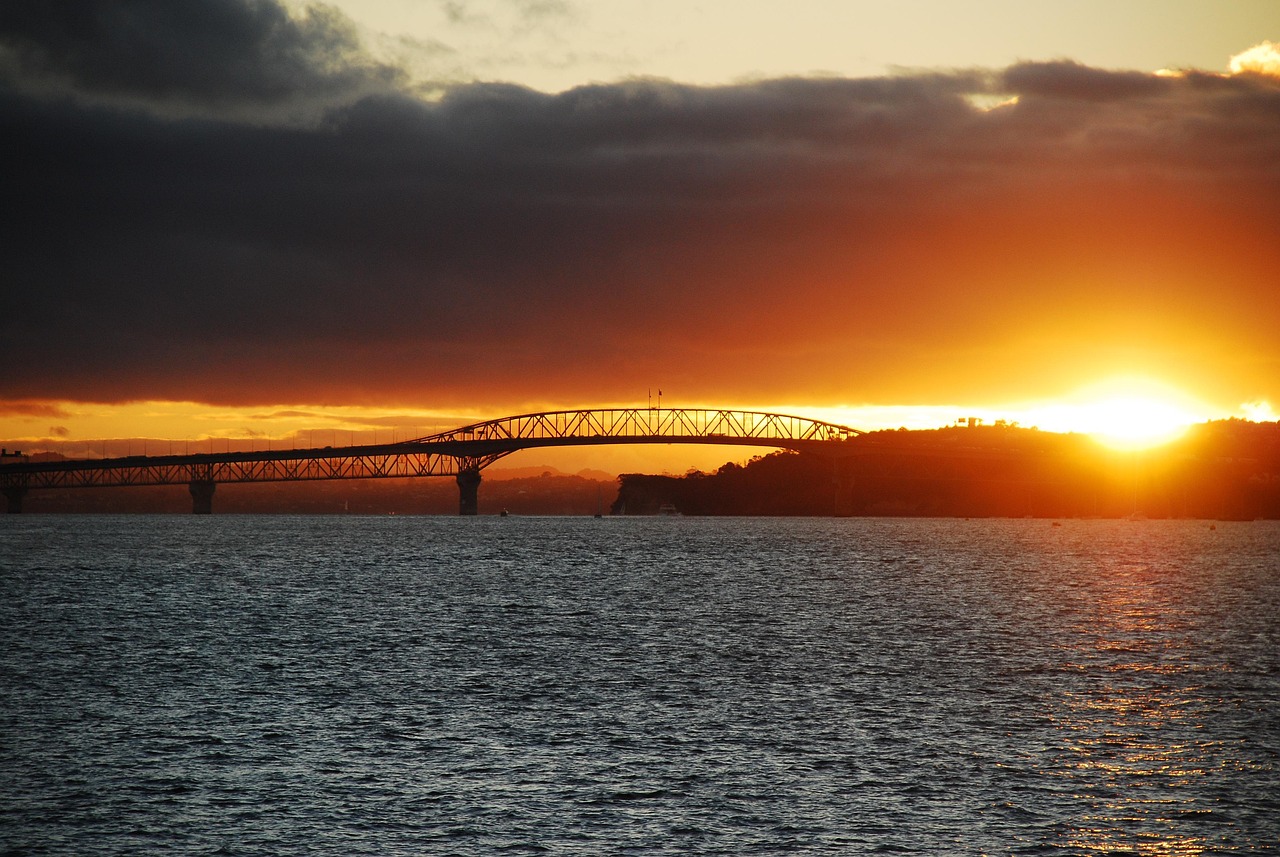
The Auckland Harbour Bridge isn’t just a piece of infrastructure—it’s part of the city’s identity. You’ll cross it if you’re staying on the North Shore, but for a closer look head to Westhaven Marina, where hundreds of yachts bob beneath it.
On one particularly clear evening, I walked the boardwalk here as the last light faded behind the bridge and the Sky Tower lit up. It’s one of my favourite low-key skyline viewpoints.
Adrenaline-seekers can also do bridge climbs and even bungy jumps off the bridge with licensed operators.
18. Silo Park & Wynyard’s Industrial Chic
Silo Park is a clever reuse of old industrial silos, now surrounded by restaurants, public spaces, and art. I’ve come here for everything from summer food truck markets to quiet afternoon reading sessions on the steps.
Keep an eye out for projections on the silos, art installations, and events—especially in the warmer months.
19. Hunua Ranges & Waterfalls (Greater Auckland Region)
If you have time and a car, the Hunua Ranges southeast of the city offer lush bush, waterfalls, and hiking trails. Hunua Falls is the star: a graceful cascade into a fern-framed pool.
I drove out here on a weekday once and shared the falls with only a handful of other people—a rare feeling of solitude so close to a major city.
20. Hobbiton & Waitomo (Popular but Not Technically in Auckland)
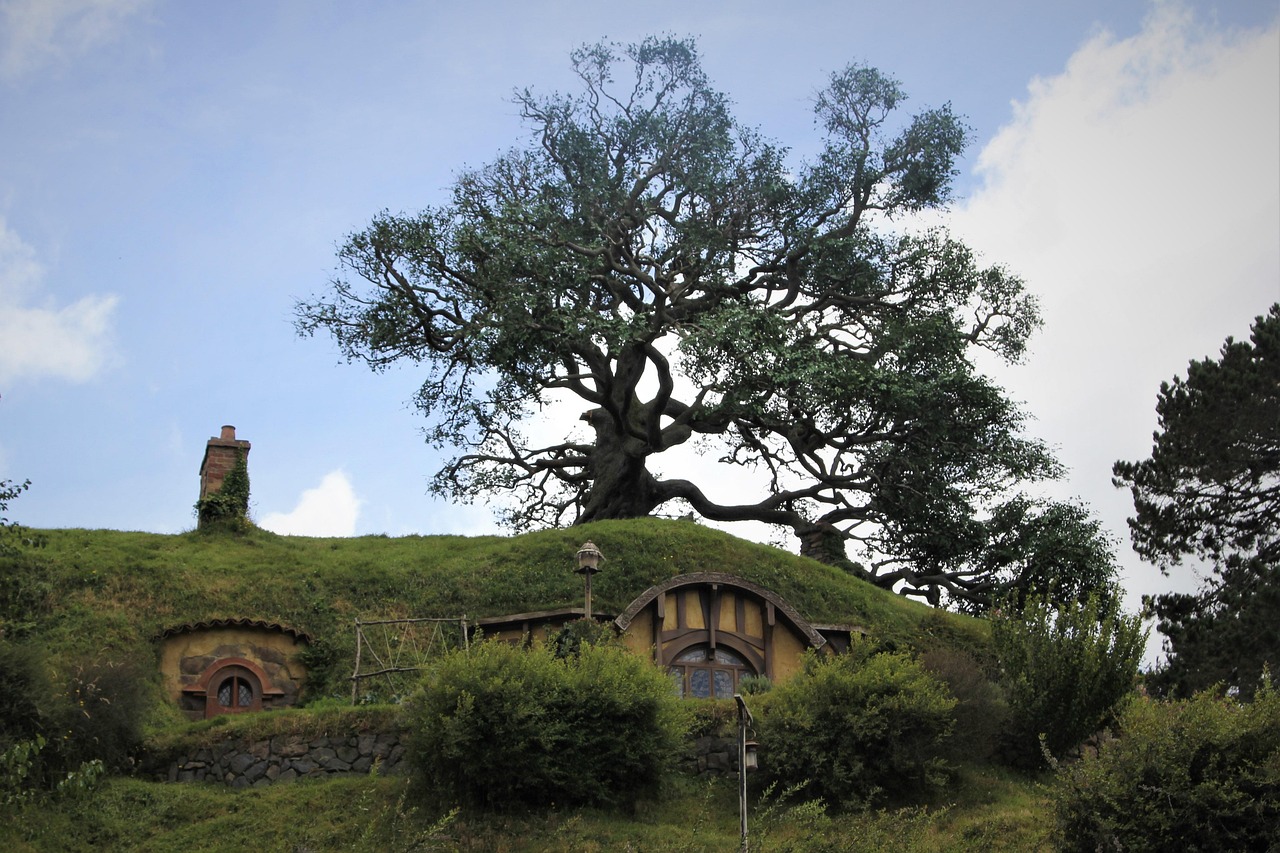
While not in Auckland proper, Hobbiton and the Waitomo Glowworm Caves are two of the most popular day trips often marketed from Auckland. Personally, I think they’re better done as part of a longer North Island road trip, but if you’re a big Lord of the Rings fan or short on time, organised tours can whisk you there and back in a very long—but memorable—day.
Suggested Itineraries: 3, 4 & 5 Days in Auckland
Here’s how I’d structure your time, based on how long you have. Each day mixes famous sights, hidden gems in Auckland, and local experiences. I’ll write from my own experience as if I’m taking you along.
3 Days in Auckland: Classic Highlights with a Local Twist
Day 1: CBD, Sky Tower & Waterfront Orientation
Whenever I’m helping friends plan 3 days in Auckland, we start central. You’re probably a bit jet-lagged, so I keep Day 1 walkable and flexible.
We meet mid-morning near Britomart, Auckland’s slick transport hub turned shopping and dining precinct. After a coffee at one of the specialty cafés (this city takes coffee seriously), we wander up through Queen Street, ducking into laneways and arcades.
I’ll point out how the architecture shifts: older stone buildings, glassy towers, and the odd quirky façade. We swing by Auckland Art Gallery and Albert Park—a nice green breather in the middle of it all.
By mid-afternoon, we head to the Sky Tower. Booking a late-afternoon timeslot means you can see the city in daylight, watch the sunset, and catch the lights switching on. I always suggest people take their time here; walk the full circle a few times, use the binoculars, and let the city layout sink in.
Dinner is down at the Viaduct Harbour or Wynyard Quarter. I like to walk along the water, scanning menus until something feels right: sometimes it’s fresh fish of the day, other times it’s a shared tapas-style meal with a glass of local sauvignon blanc. If you still have energy, a nightcap at a rooftop bar with views of the illuminated Sky Tower is a fitting end.
Day 2: Waiheke Island Wine, Beaches & Coastal Walks
For Day 2 of a 3 day itinerary for Auckland, we escape to Waiheke Island. I like to catch one of the earlier ferries (around 9 a.m.), grabbing a coffee to go at the ferry terminal. The 35-minute journey itself is part of the fun: the city recedes behind you and the Gulf islands drift into view.
On arrival, we hop on the local bus up to Oneroa or straight to one of the vineyards. My usual pattern is: late-morning tasting, a long vineyard lunch with sea views (book ahead in high season), then a few hours of beach time at Onetangi or Palm Beach. If we’re feeling energetic, we add a short coastal walk.
I always warn people: it’s easy to miss the last ferry if you get too relaxed, so keep an eye on the timetable. Back in the city, a low-key dinner near your hotel or a takeaway picnic in a nearby park keeps the evening gentle—tomorrow will be more active.
Day 3: Volcanoes, Mission Bay & Local Neighbourhoods
On the final day, we combine some of Auckland’s best must-see attractions with local neighbourhood flavour.
We start with Mount Eden, walking up before it gets too hot. At the summit, I point out Maungakiekie / One Tree Hill, Rangitoto, and the line of the harbour bridge. It’s a great way to connect the mental map you’ve been building.
From there, we either head to Cornwall Park & One Tree Hill for a longer walk and picnic, or we drop down into one of the nearby villages (like Newmarket or Parnell) for lunch. In the afternoon, a bus or drive along Tamaki Drive to Mission Bay gives you city-beach time: a swim if it’s warm, or just a stroll and ice cream if it’s not.
If you’re flying out late, I often time it so we finish with a last drink somewhere with a view—maybe back at the Viaduct or a quiet bar in Ponsonby—before the airport dash.
4 Days in Auckland: Add the West Coast or Devonport
With 4 days in Auckland, you can keep the first three days roughly as above and then choose an extra focus day: either a wild West Coast outing or a more relaxed North Shore and Devonport exploration.
Day 4 Option A: Piha & West Coast Wilderness
If you’re craving rugged nature, we drive west. I recommend renting a car for the day; the freedom to stop at viewpoints is worth it. We wind through the Waitākere Ranges, dense with native bush, until the road drops towards Piha Beach.
We spend the day beach-walking, maybe tackling a short local track (checking current trail closures and kauri dieback guidelines). Lunch is either a café in Piha or a packed picnic. In summer, we stay long enough to see the evening light on Lion Rock; in winter, we might leave earlier to avoid driving the winding roads in the dark.
Day 4 Option B: Devonport, North Head & North Shore Bays
For a calmer final day, we ferry over to Devonport. We wander the main street, pop into bookshops and galleries, then walk up Mount Victoria for that classic “Auckland across the water” shot.
After lunch at a local café, we explore North Head—tunnels, old gun emplacements, and grassy slopes with more views. If you’re keen, we bus or drive along the North Shore coast to check out Takapuna Beach or Milford, stopping for gelato or a casual dinner before heading back across the bridge or on the ferry.
5 Days in Auckland: Slow Down & Go Deeper
With 5 days in Auckland, you can blend the above days and still add a bit more breathing room, which I always recommend.
Day 5 Ideas: Choose Your Own Adventure
- Cultural immersion: Spend more time at the Auckland Museum, book a guided Māori cultural experience, or explore more galleries and live music venues.
- Neighbourhood-hopping: Dedicate a full day to Ponsonby, K Road, and Newmarket—shopping, café-hopping, and local parks.
- Hunua Ranges: Rent a car and visit Hunua Falls and surrounding hikes.
- Day trip combo: If you must see Hobbiton or Waitomo from Auckland, this extra day is where it fits—but expect a long day on the road.
Auckland Neighbourhoods & Areas to Explore
Part of the joy of Auckland is how different each district feels. Here are the main ones I recommend you weave into any travel guide for Auckland itinerary.
CBD (Central Business District)
High-rises, shopping, offices, and a growing number of stylish hotels, bars, and restaurants. Good for first-timers who want to be close to transport and waterfront.
Viaduct Harbour & Wynyard Quarter
Modern waterfront, great for dining, strolling, and families (playgrounds, Silo Park). Slightly more polished and touristy, but still very enjoyable.
Ponsonby
Trendy and sociable, with excellent food, stylish boutiques, and pretty residential streets. My top pick for a first-time stay if you like nightlife but not chaos.
Karangahape Road (K Road)
Creative, LGBTQ+-friendly, and a bit gritty. Great for nightlife, vintage shops, and people-watching. More of a place to visit than to base yourself as a first-timer, unless you love late nights.
Parnell
Leafy, slightly upscale, with galleries, boutiques, and good cafés. Close to the Domain and museum.
Newmarket
Major shopping area with malls and high street brands, plus good Asian food options and easy train access.
Grey Lynn & Westmere
Residential but cool, with local cafés, parks, and a more lived-in feel. Great if you want to feel like you’re “living” in Auckland for a bit.
Devonport & North Shore
Seaside villages, beaches, and good views back to the city. Devonport has the most charm; Takapuna is buzzier and more modern.
Local Food in Auckland: What to Eat & Where
Auckland’s food scene mirrors its population: a blend of Māori, European, Asian, and Pacific influences. I rarely have a bad meal here if I follow a few simple rules: go where it’s busy with locals, don’t be afraid of small hole-in-the-wall places, and always say yes to seafood.
Must-Try Foods & Drinks
- Fresh seafood: Snapper, tarakihi, green-lipped mussels, crayfish, and fish & chips by the water.
- Flat white: The local coffee hero—strong but smooth, best ordered from a specialty café.
- Kiwi breakfast: Think smashed avo on toast, eggs, halloumi, mushrooms; brunch is practically a religion here.
- Hāngī-inspired dishes: Traditional Māori earth-oven cooking, now often reimagined in modern restaurants.
- Pasifika favourites: Try dishes from Samoan, Tongan, Fijian, and other Pacific cuisines in suburbs like Ōtāhuhu and Ōtara.
- Wine: Sauvignon blanc, pinot noir, and Waiheke island varietals feature heavily on menus.
Where I Actually Eat
I won’t list specific restaurant names because they rotate quickly, but these are the types of places and areas I aim for:
- Britomart & CBD laneways: Upscale bistros, Japanese, modern NZ, and cocktail bars—good for a smart night out.
- Ponsonby: Endless brunch spots, shared-plate restaurants, and bars. Perfect for food-hopping.
- K Road: Cheap and cheerful ethnic food, late-night bites, and creative cafés.
- Newmarket: Excellent Asian food (Korean BBQ, ramen, dumplings) at a range of price points.
- Suburban gems: Don’t be afraid to eat in the malls and food courts; Auckland’s multicultural nature means some great, very affordable meals there.
Money-Saving Food Tips
- Look for lunch specials—many restaurants are significantly cheaper at midday.
- Use supermarkets for picnic supplies, especially if you’re heading to parks or beaches.
- Food courts in Newmarket, CBD malls, and suburban centres can be excellent value.
Nightlife, Entertainment & Cultural Experiences in Auckland
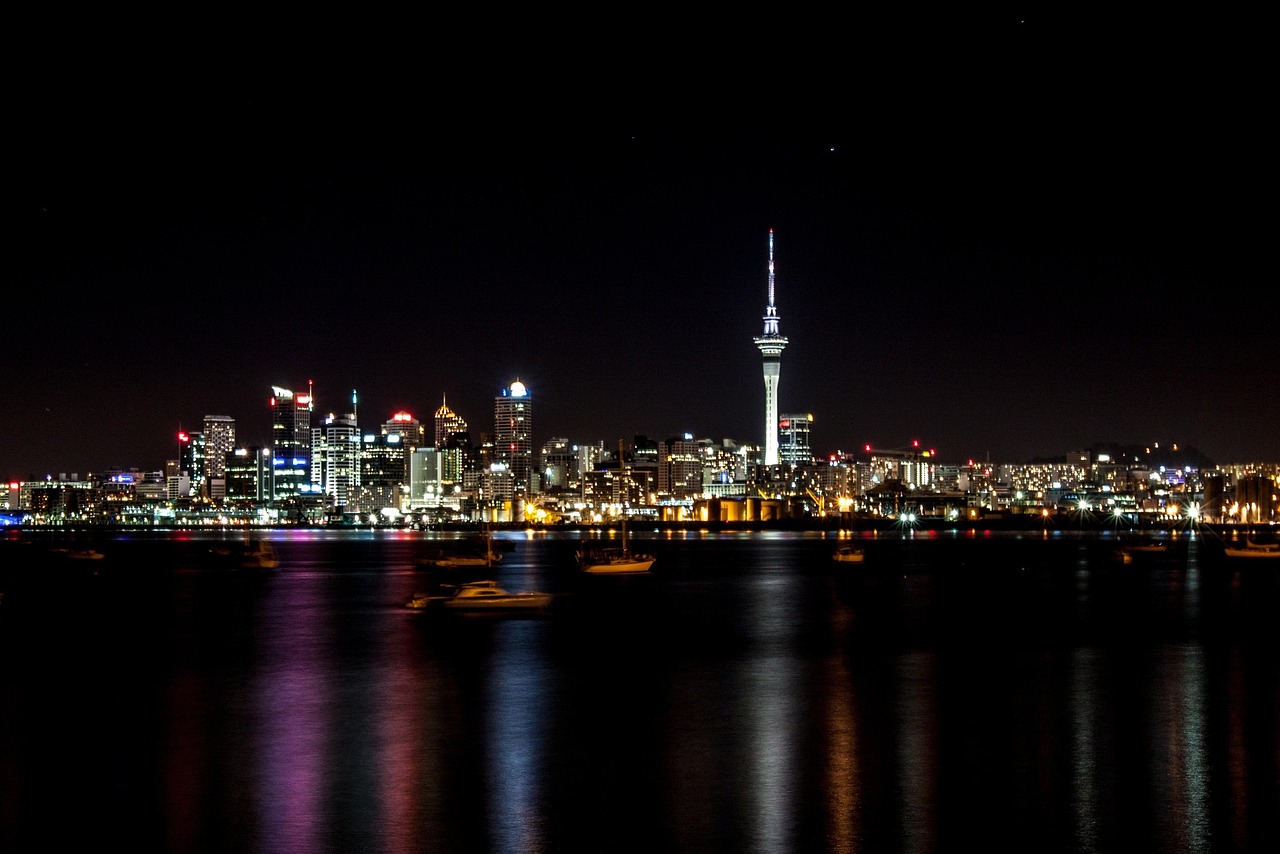
Auckland’s nightlife isn’t as wild as some bigger cities, but it’s diverse: small bars, live music, theatre, and harbour-side cocktails rather than mega-clubs.
Where to Go at Night
- Viaduct & Wynyard: Waterfront bars and restaurants, more polished and touristy but lovely on a warm night.
- Ponsonby: Wine bars, cocktail spots, and late-night eateries—great for bar-hopping.
- K Road: Live music venues, LGBTQ+ bars, and alternative clubs.
- Civic Theatre & Aotea Centre: Check for theatre, concerts, and touring shows.
Cultural Experiences
- Māori cultural performances: Often at the Auckland Museum—good introduction if you’re short on time.
- Community festivals: Pasifika, Chinese New Year, Diwali, and other events showcase the city’s diversity.
- Galleries & studios: Explore small galleries in Parnell, K Road, and the CBD.
Best Day Trips from Auckland
If you have more than a 3 day itinerary for Auckland, consider these add-ons.
Waiheke Island
Covered earlier, but worth re-emphasising: beaches, vineyards, and an easy escape.
Rangitoto Island
Half- or full-day hiking trip. Bring everything you need; there are no shops.
West Coast Beaches (Piha, Muriwai, Bethells)
Wild surf, black sand, and dramatic cliffs. Ideally with a car, or via a guided tour.
Hunua Ranges
Waterfalls and forest hikes southeast of the city, best with your own vehicle.
Hobbiton & Waitomo
Long day trips possible with tours; consider them if you’re a superfan or short on time for a wider New Zealand trip.
Cultural Etiquette & Local Customs in Auckland
New Zealanders (Kiwis) are generally relaxed and friendly, but there are a few cultural nuances worth knowing, especially around Māori culture and everyday manners.
General Kiwi Etiquette
- Informality: First names are used quickly; dress is casual except in high-end venues.
- Queues: Lines are respected—no cutting in.
- Politeness: “Please,” “thank you,” and “cheers” go a long way.
Respecting Māori Culture
- Language: You’ll see te reo Māori names everywhere. Try using them (Tāmaki Makaurau for Auckland, Kia ora for hello/thank you).
- Sacred sites (maunga): Treat volcanic cones like Mount Eden and One Tree Hill with respect—stick to paths, avoid loud behaviour, and follow any posted guidelines.
- Marae visits: If you’re invited to a marae (meeting place), there are specific protocols—follow your host’s lead.
Tips for Visitors
- Remove shoes if you enter someone’s home and see shoes at the door.
- Don’t sit on tables or pillows—considered disrespectful in Māori culture.
- Be mindful when photographing people, especially at cultural events; ask first when in doubt.
Practical Travel Tips for Auckland in 2026
Money & Costs
- Currency: New Zealand Dollar (NZD).
- Cards: Contactless cards and mobile payments are widely accepted; cash is less essential than it used to be.
- Cost level: Auckland is not cheap; prices are similar to other major developed cities.
SIM Cards & Connectivity
- Major providers include Spark, One NZ (formerly Vodafone), and 2degrees.
- Airport kiosks and city stores sell tourist SIMs with data and local minutes.
- eSIM options are increasingly common; check before you travel.
Getting Around Auckland
Auckland’s public transport has improved but still has quirks; expect to combine buses, trains, ferries, and the occasional ride-share.
- Auckland Transport (AT) HOP card: Reusable card for buses, trains, ferries (except some tourist ferries). Worth getting if you’ll be here a few days.
- Buses & trains: Good for main corridors; services thin out late at night and in outer suburbs.
- Ferries: Essential for Devonport, Waiheke, Rangitoto, and some commuter routes.
- Ride-shares & taxis: Handy at night or for less-connected areas.
Car Rental & Driving
- Side of the road: Left-hand driving.
- Foreign licences: Most are accepted if in English; otherwise, you may need an International Driving Permit. Check 2026 rules before travel.
- City driving: Traffic can be heavy at peak hours; parking in the CBD is expensive.
- Best use of a car: Day trips (Piha, Hunua, further afield) rather than inner-city transport.
Visa Requirements
Visa rules change, but as of 2026 many visitors from visa-waiver countries need to apply for an NZeTA (New Zealand Electronic Travel Authority) before arrival and may pay an International Visitor Conservation and Tourism Levy (IVL). Always check the official Immigration New Zealand website for current requirements.
Safety & Health
- Auckland is generally safe; use standard big-city precautions.
- New Zealand sun is intense—use high-SPF sunscreen, hats, and sunglasses even on cloudy days.
- Tap water is safe to drink.
Saving Money in Auckland
- Use public transport and walk whenever possible.
- Hit supermarkets for breakfasts, snacks, and picnic lunches.
- Take advantage of free attractions: parks, volcano walks, beaches, art gallery general admission, and many viewpoints.
When to Visit Auckland & 2026–2027 Events
Seasons in Auckland
- Summer (Dec–Feb): Warm, long days, best for beaches and outdoor dining. Also the busiest and priciest.
- Autumn (Mar–May): Mild, often settled weather—my favourite time for hiking and less-crowded attractions.
- Winter (Jun–Aug): Cool, sometimes wet, but rarely freezing. Great for museums, galleries, and fewer crowds; still plenty of clear days.
- Spring (Sep–Nov): Changeable weather, blossoms, and slightly fewer visitors than peak summer.
Best Time by Activity
- Beaches & swimming: Late spring to early autumn (Nov–Apr).
- Hiking volcanos & coastal tracks: Autumn and spring for comfortable temps.
- Wine-tasting on Waiheke: Year-round, though vineyards are buzzier in summer.
Major 2026–2027 Events in Auckland (Expected)
Exact line-ups change every year, but you can usually count on:
- Lantern Festival (early year): Celebrating Lunar New Year with lantern displays and food stalls.
- Pasifika Festival: One of the world’s largest Pacific Island cultural festivals—music, dance, and food.
- Auckland Pride: Parades, parties, and cultural events in February.
- Diwali Festival of Lights: Indian food, performances, and fireworks (usually Oct/Nov).
- Various concerts & sports events: Check closer to your 2026–2027 trip dates; Auckland regularly hosts major international acts and tournaments.
Summary: Key Takeaways & Final Recommendations
Auckland is at its best when you treat it as both a city and a gateway to nature. Spend time on the volcanoes, wander multiple neighbourhoods, eat widely, and get out onto the water at least once. Whether you have a 3 day itinerary for Auckland or a full 5 days in Auckland, you can balance must-see attractions with genuine local experiences.
Best seasons to visit: Late spring (Oct–Nov) and autumn (Mar–May) offer the best mix of mild weather, lower crowds, and good prices, though if you want peak beach weather, aim for December to February.
However you build your own travel guide for Auckland, let the city’s easygoing pace lead. Book a few key things ahead (Sky Tower at sunset, Waiheke vineyards, central accommodation), then leave space in your itinerary to follow your nose—into a side-street café, onto a ferry you hadn’t planned to catch, or up a hill just because the view looks promising. That’s how Auckland reveals itself best.