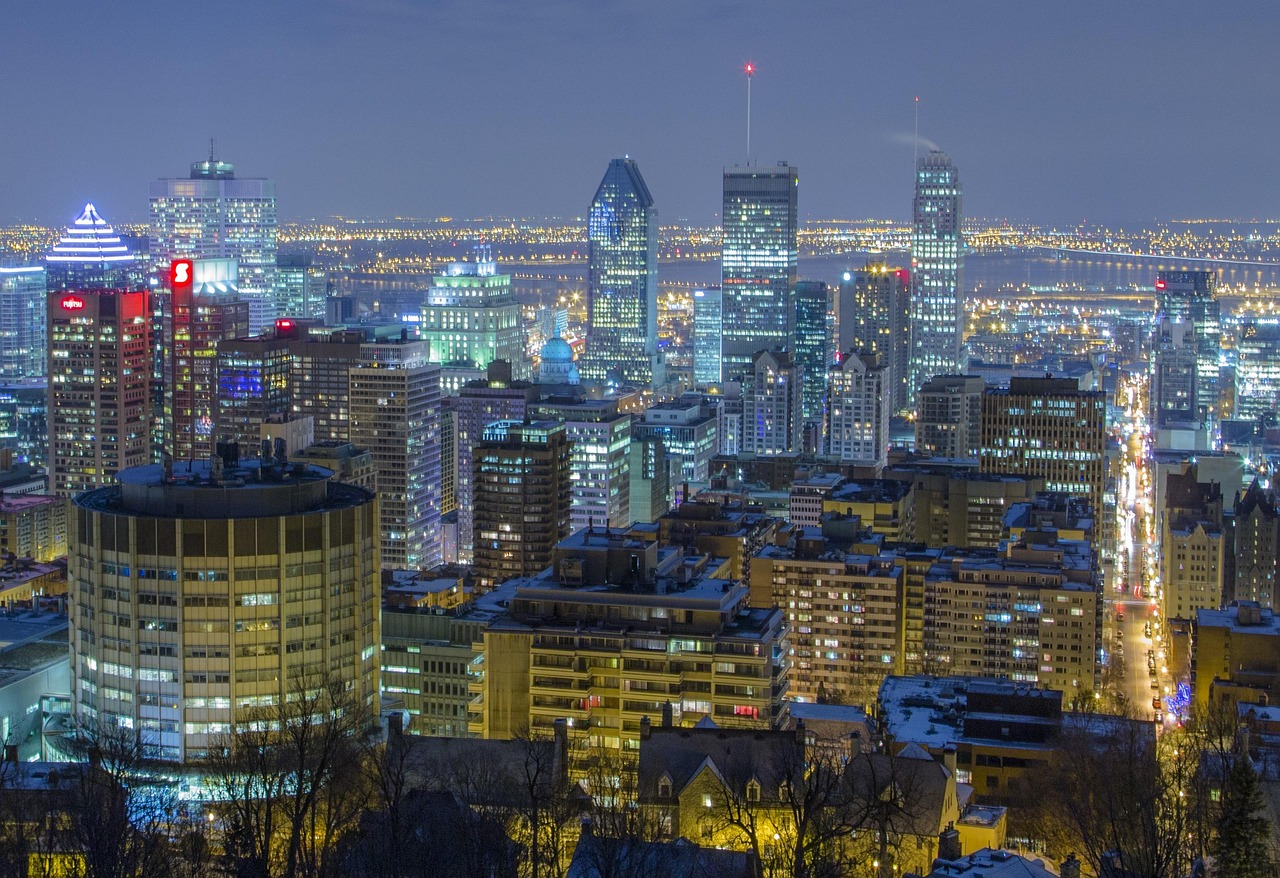
Why Visit Montreal in 2026
I still remember my first morning in Montreal: stepping out onto a Plateau sidewalk, coffee in hand, and hearing a couple switch from French to English mid-sentence and then back again without missing a beat. That’s Montreal in a nutshell—two cultures (and many more, really) dancing together, with excellent coffee as a soundtrack.
Montreal is not a city you just “check off.” It’s a place you linger in cafés, picnic on Mount Royal, argue about which bagel shop is superior, and stay out later than you planned because a street festival appeared out of nowhere.
In 2026, Montreal is especially exciting: big festivals are back in full force, new foodie spots are popping up in Mile-Ex, and the city continues to reinvent its old industrial spaces into creative hubs and waterfront parks.
- Culture-forward: World-class museums, a packed festival calendar, and some of the best cultural experiences in Montreal in all of Canada.
- Walkable & bikeable: Neighborhoods are compact, bike lanes are everywhere, and the metro is easy to navigate for first-timers.
- Food-obsessed: From iconic poutine and smoked meat to refined tasting menus and natural wine bars, local food in Montreal is a serious reason to visit.
- Year-round fun: Terraces and parks in summer, cozy cafés and winter festivals when it snows.
Table of Contents
- Why Visit Montreal
- 20 Must-See Attractions in Montreal (With Local Stories)
- Best Neighborhoods & Areas to Explore
- 3–5 Day Itineraries for Montreal
- Local Food & Drink: What to Eat in Montreal
- Nightlife, Entertainment & Cultural Experiences
- Best Day Trips from Montreal
- Cultural Etiquette & Local Customs
- Practical Travel Tips for Montreal (2026–2027)
- Major Events & Festivals in 2026–2027
- Final Summary: Best Time & Key Takeaways
20 Must-See Attractions in Montreal (With Local Anecdotes)
These are the must-see attractions in Montreal I find myself going back to, whether I’m on a 3 day itinerary for Montreal or lingering for 5 days. I’ve included personal notes, what to eat nearby, and whether they’re better for families, couples, or adventure-seekers.
1. Old Montreal (Vieux-Montréal)
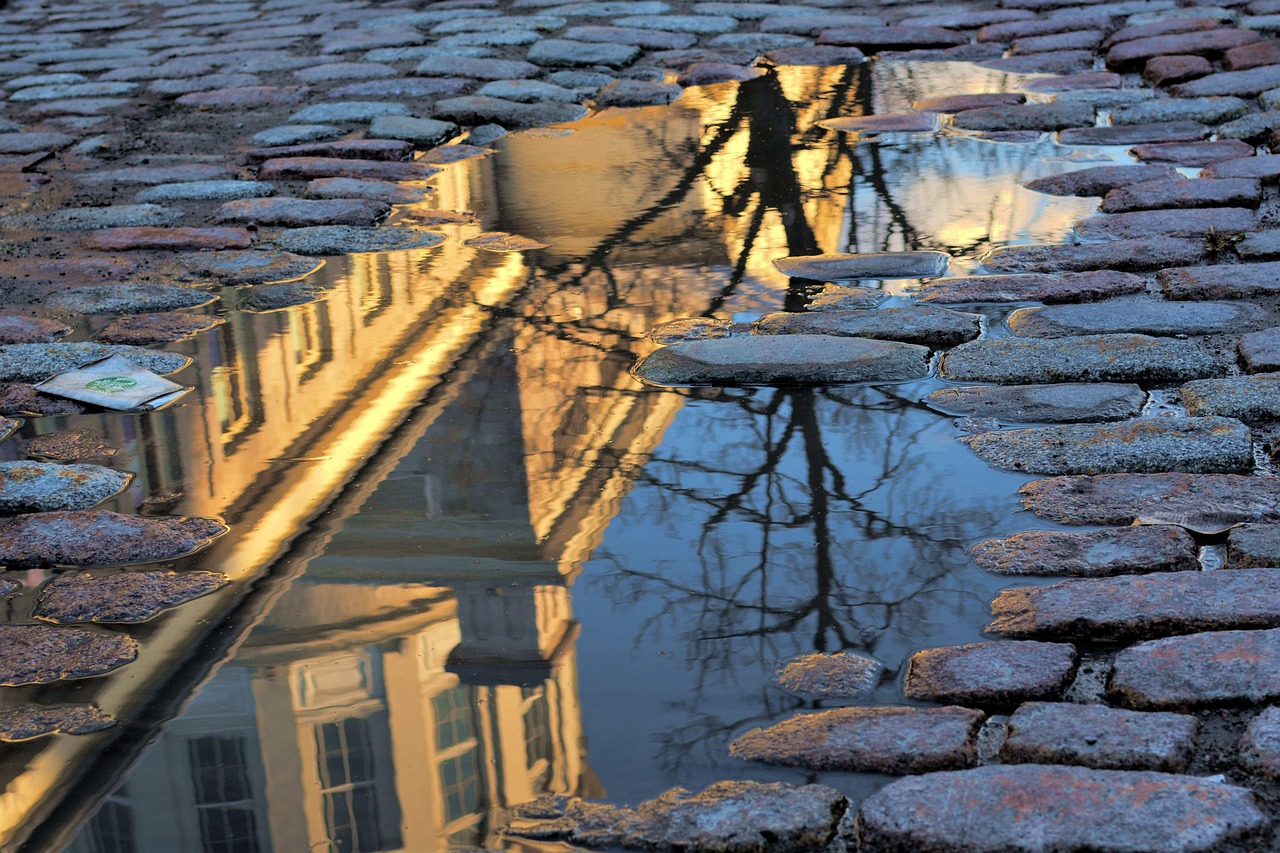
Whenever I bring friends to Montreal for the first time, I start in Old Montreal. Cobblestone streets, stone facades, and the faint smell of waffles and roasting coffee drifting from hidden courtyards—it’s the postcard-perfect part of the city.
History & vibe: Dating back to the 17th century, Old Montreal was the original heart of the city. You’ll see French and British colonial architecture, narrow lanes like Rue Saint-Paul, and the Old Port stretching along the St. Lawrence.
My ritual: I like to arrive around 9 a.m. on a weekday, when the tour groups haven’t fully taken over yet. I grab a flat white from a small café off Rue Saint-Paul, then wander towards Place Jacques-Cartier, listening to buskers tuning instruments and terraces clinking glassware as they set up for lunch.
What to do:
- Walk Rue Saint-Paul from end to end.
- Explore Place Royale and the Pointe-à-Callière area for early city history.
- Stroll the Old Port promenade as boats and river cruises come and go.
Family-friendly? Absolutely. Street performers, boat rides, and ice cream stands keep kids engaged.
Romantic? Very. Evening walks under the warm streetlights might make you forget you’re not in Europe.
How to get there: Metro to Place-d’Armes or Champ-de-Mars, then walk 5–10 minutes.
Local tip: If you’re short on time—say you only have 3 days in Montreal—combine Old Montreal with the Old Port, Notre-Dame Basilica, and a late lunch, then head up to the Plateau for dinner.
2. Notre-Dame Basilica of Montreal
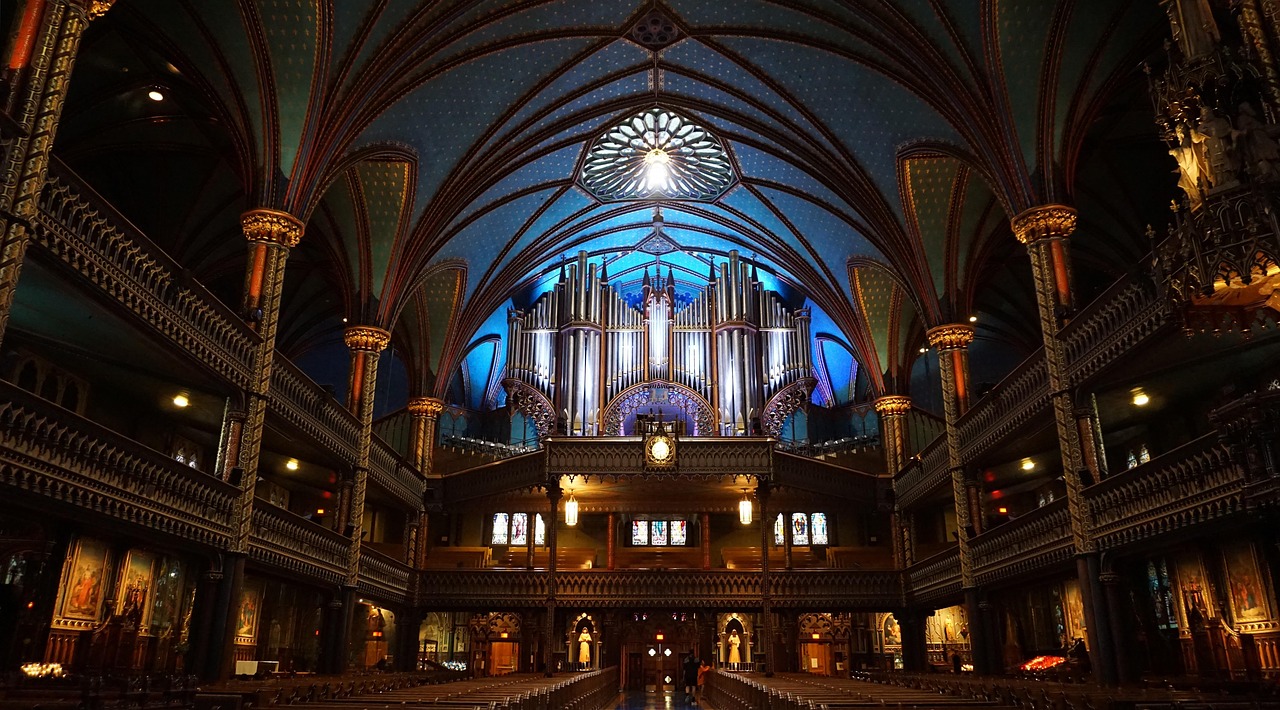
No matter how many cathedrals you’ve seen, the first sight of Notre-Dame’s glowing blue ceiling is unforgettable. I still get goosebumps every time I walk in.
Quick history: Completed in the 19th century, this neo-Gothic basilica is one of the most beautiful churches in North America. Its intricate wooden carvings, stained glass windows depicting Montreal’s religious history, and deep blue vaulted ceiling make it a true icon.
My experience: I like to time my visit for just after opening or about an hour before closing. It’s quieter, and you can sit in a pew and actually take in the details instead of being swept along with the crowds.
Don’t miss:
- The side chapel (Chapelle Notre-Dame-du-Sacré-Cœur) with its modern, sculptural altar.
- The evening multimedia show (if offered during your visit), which lights up the interior with a story about Montreal’s history.
Family & accessibility: Accessible entrance available; kids are usually wide-eyed at the colors and lights. Keep voices low; this is still a place of worship.
How to get there: In the heart of Old Montreal, a 5-minute walk from Place-d’Armes metro.
Local tip: Dress in layers—summer outside can be hot, but the interior stays cool. Book tickets online in high season.
3. Mount Royal Park & Kondiaronk Belvedere
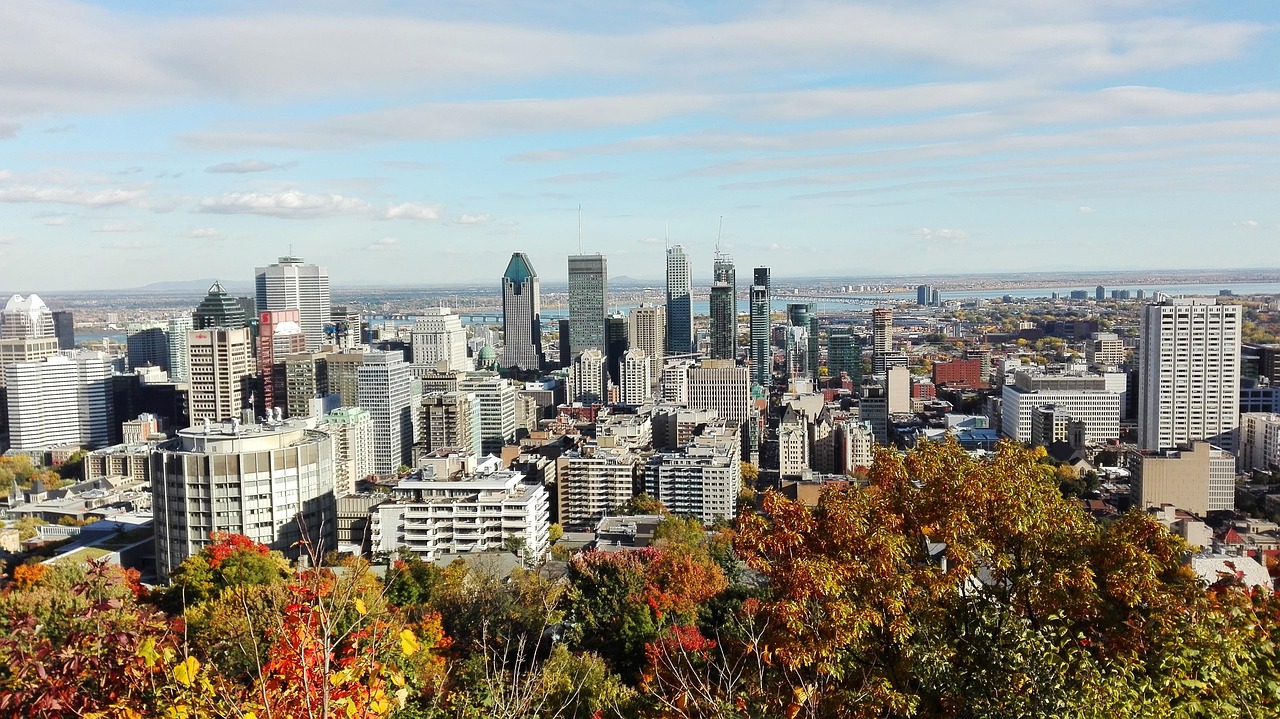
If I had to pick one view that defines Montreal for me, it’s the skyline from the Kondiaronk Belvedere. The first time I hiked up for sunrise, a low mist hung over the St. Lawrence and the skyscrapers looked like islands in a silver sea.
About the park: Designed by Frederick Law Olmsted (of Central Park fame), Mount Royal is Montreal’s backyard. Locals come here to run, picnic, snowshoe, cross-country ski, and make questionable life decisions at Tam-Tams.
Best things to do:
- Walk up from Avenue du Parc for a gradual climb through the trees.
- Head to Kondiaronk Belvedere for that classic panorama of downtown and the river.
- Visit Beaver Lake (Lac aux Castors) for picnics in summer or skating in winter.
Seasonal magic: In autumn, the whole mountain explodes into reds and golds. In winter, I’ve trudged up through soft snow for a view of the city glittering under frost—bring hand warmers.
Family-friendly? Yes. The trails from the bus stop near Beaver Lake are gentler for kids.
How to get there: Bus from Mont-Royal or Côte-des-Neiges metro, or walk up from Avenue du Parc (steeper).
Local tip: For a 3 day itinerary for Montreal, schedule Mount Royal for your first clear day—cloudy days mute the view. Bring snacks; food options on the mountain are limited and pricey.
4. Old Port of Montreal (Vieux-Port)
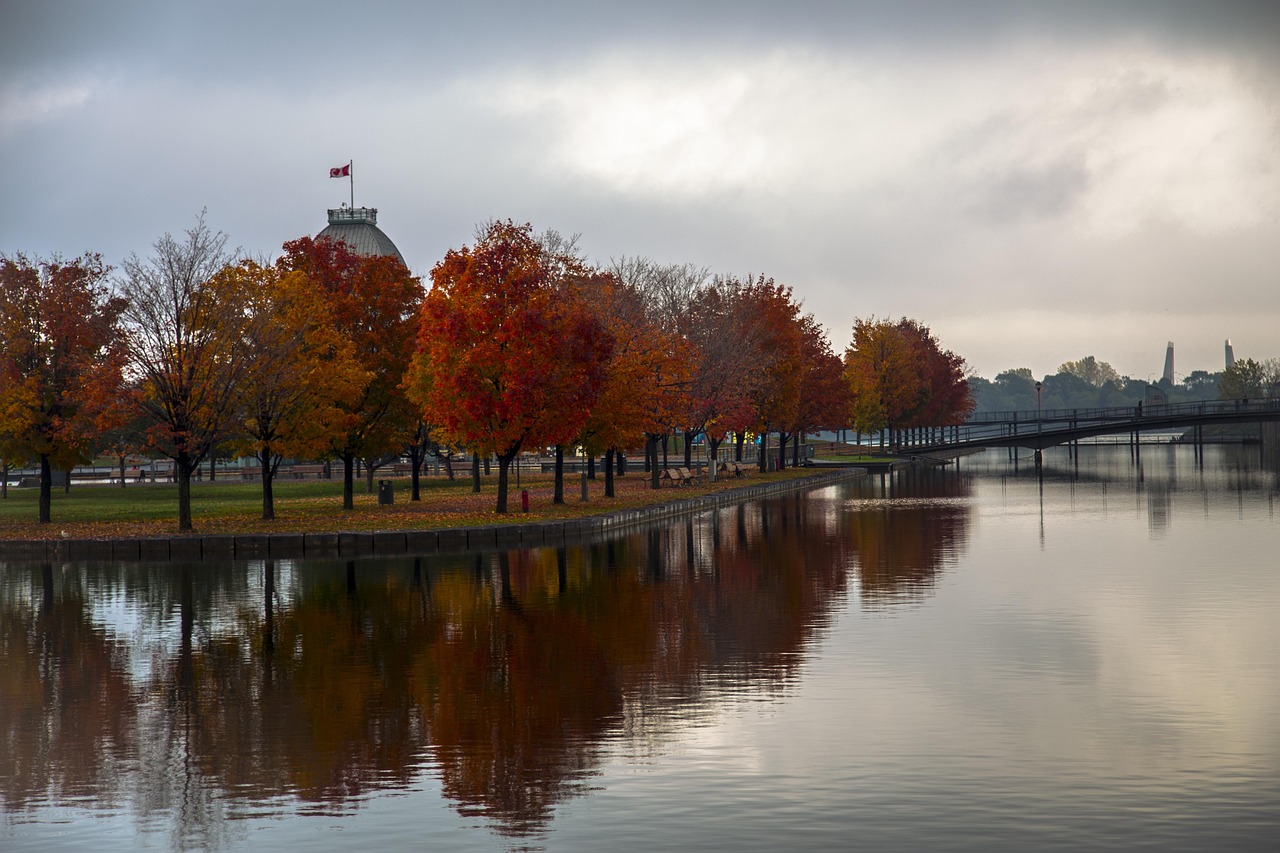
The Old Port is where I go when I need to stretch my legs and clear my head. The boardwalk is wide, the breeze off the river is fresh, and there’s always something happening—zip-lines, festivals, or just kids racing scooters.
What it is: A revitalized waterfront stretching along the St. Lawrence River, with warehouses turned into museums, event spaces, and cafés.
What to do:
- Walk or bike the waterfront path.
- Ride the Grande Roue de Montréal (giant observation wheel) for aerial views.
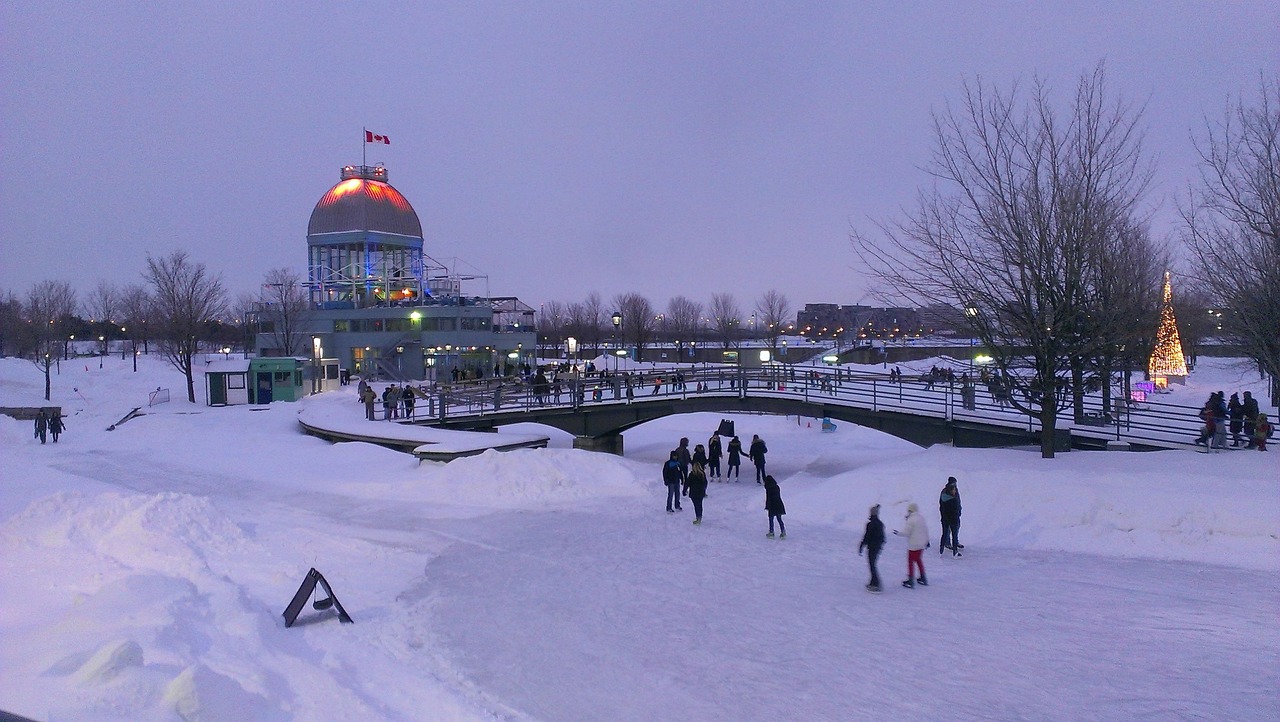
- In winter, skate at the outdoor rink with lights and music.
Adventure factor: High in summer—zip-lining over the marina, river cruises, and sometimes jet boat rides on the Lachine Rapids.
How to get there: A short walk from Old Montreal; closest metro: Champ-de-Mars or Place-d’Armes.
Local tip: The wheel is beautiful at sunset; book slightly before sunset so you get both day and night views.
5. Plateau-Mont-Royal & Colorful Staircases
The Plateau is the neighborhood that made me fall in love with Montreal. Tree-lined streets, spiral staircases, murals, and tiny cafés where you can sit for hours with a book and no one rushes you.
Vibe: Bohemian, artsy, residential, and very local. This is where you feel the city’s everyday life more than its tourist checklist.
My favorite loop: I start at Mont-Royal metro, walk along Avenue Mont-Royal for bakeries and shops, then dip into the side streets between Saint-Denis and Saint-Laurent to admire colorful triplexes and staircases.
What to do:
- Café-hop along Avenue du Mont-Royal and Boulevard Saint-Laurent.
- Visit Parc Lafontaine for picnics and people-watching.
- Hunt murals and street art, especially around Rue Saint-Dominique.
Romantic? Very. This is the perfect area for couples wandering aimlessly, stopping whenever something looks inviting.
Local tip: For the best staircase photos, wander residential blocks east and west of Mont-Royal Avenue in the late afternoon when the light is soft.
6. Mile End – Bagels, Vinyl & Indie Vibes
I don’t think I’ve ever visited Montreal without at least one long afternoon in Mile End. It’s compact but dense with character: bagel shops that never sleep, thrift stores, design studios, and people working on laptops in every café.
Vibe: Hipster, creative, and very walkable. Think indie bookstores, vintage shops, and tiny bars tucked away on side streets.
What I always do: Bagel stop (see the food section below), then a slow wander down Boulevard Saint-Laurent and Avenue Fairmount, cutting through residential streets to peek at back alleys and pocket parks.
Best for:
- Foodies hunting for the most iconic local food in Montreal.
- Casual shopping and café afternoons.
- Solo travelers who like neighborhoods that feel lived-in.
Local tip: If you’re doing 4 days in Montreal, dedicate one late morning/afternoon to Mile End + Mile-Ex. Start with brunch, end with drinks.
7. Montreal Botanical Garden & Insectarium
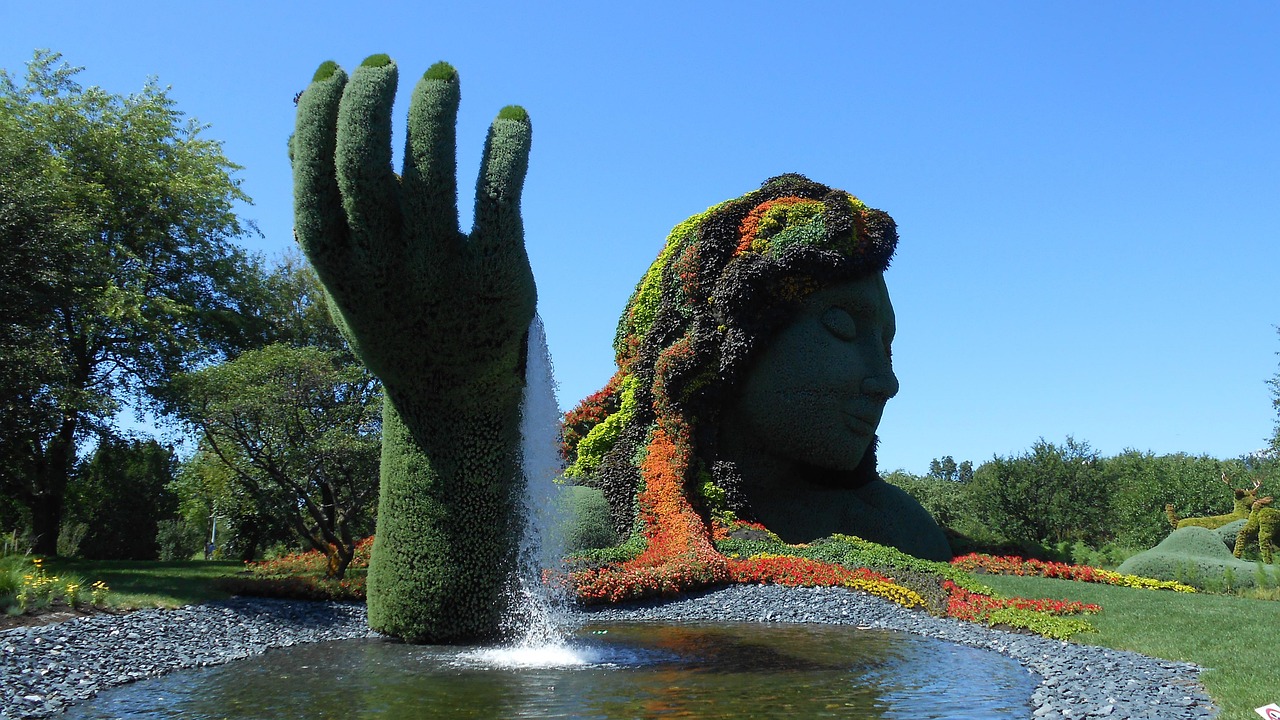
On my last spring trip, I escaped a chilly wind downtown by ducking into the greenhouses at the Botanical Garden—and immediately felt like I’d flown south. Warm air, lush foliage, and that earthy greenhouse smell.
About: One of the world’s great botanical gardens, with themed areas like the Chinese Garden, Japanese Garden, and First Nations Garden. The Insectarium next door has been revamped, making it more immersive and kid-friendly.
Great for: Families (tons of educational exhibits), couples (the lantern festival in fall is gorgeous), and plant lovers.
How to get there: Metro to Pie-IX or Viau. It’s part of the larger Parc Maisonneuve and Olympic Park area.
Local tip: If you’re planning 5 days in Montreal, save this for a day when you want to slow the pace. Budget at least half a day.
8. Olympic Park & Montreal Tower
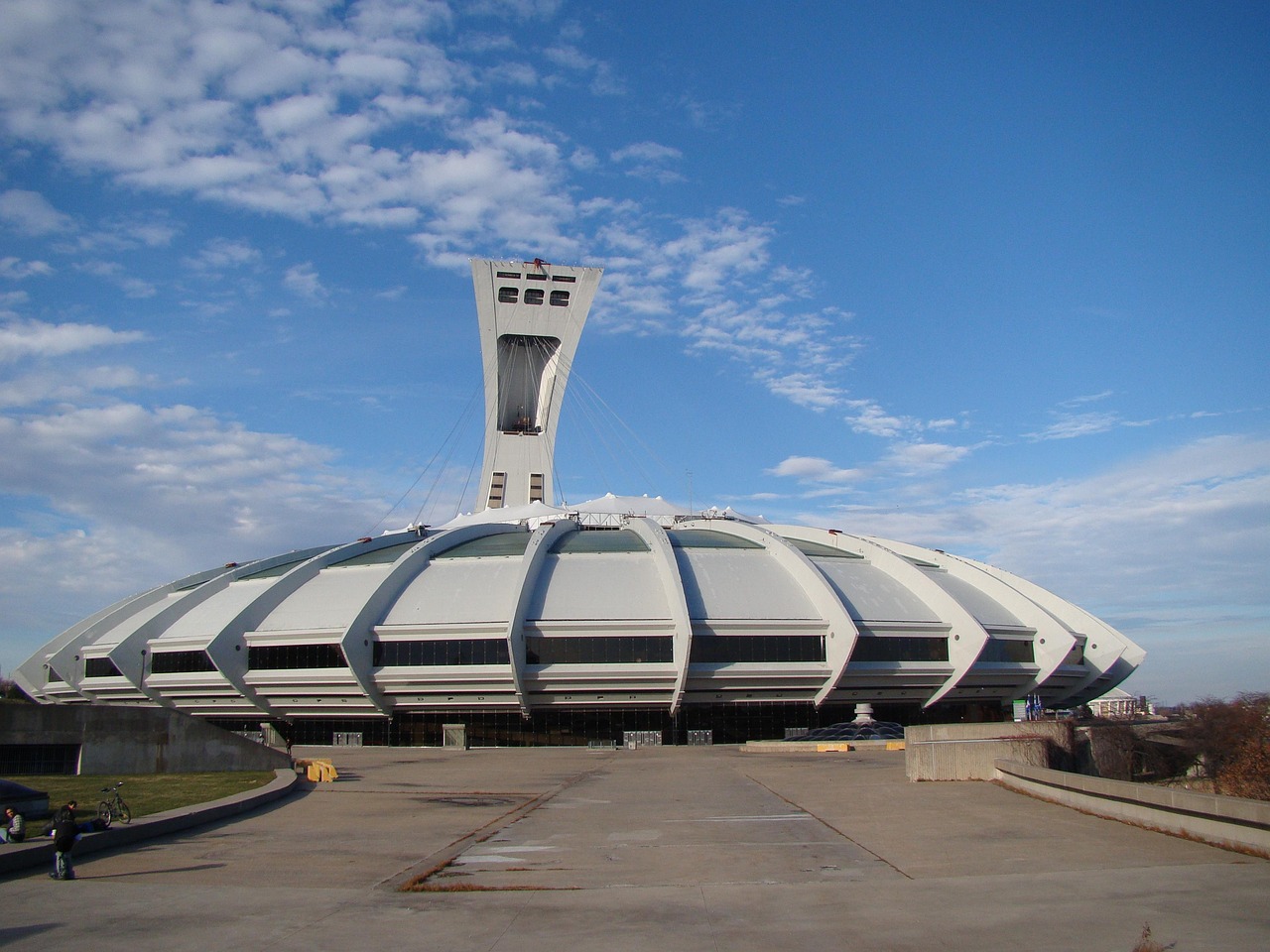
The first time I saw the Olympic Stadium from the metro exit, I actually stopped in my tracks. It looks like a spaceship that crash-landed and decided to stay.
History: Built for the 1976 Summer Olympics, the complex includes the stadium, the leaning Montreal Tower, and several sports facilities.
What to do:
- Ride up the Montreal Tower (when open) for views over the east end and downtown skyline.
- Catch an event or game if there’s something on while you’re in town.
- Combine with the Biodôme, Botanical Garden, or Insectarium for a full day.
Family-friendly: Yes—kids tend to love the futuristic architecture and the Biodôme nearby.
Local tip: Check current renovation schedules before you go; the stadium area has periodic closures and upgrades.
9. Montreal Biodôme
Walking through the Biodôme is like speed-running a trip across the Americas. In under two hours, I’ve gone from tropical rainforest humidity to the crisp chill of a polar environment.
What it is: A unique indoor space recreating several ecosystems: tropical rainforest, Laurentian maple forest, Gulf of St. Lawrence marine environment, and more.
Best for: Families (kids love spotting animals), winter visits (you can “visit” a rainforest in January), and science geeks.
Local tip: Buy timed tickets online, especially on weekends or during school holidays.
10. Montreal Museum of Fine Arts (Musée des beaux-arts)
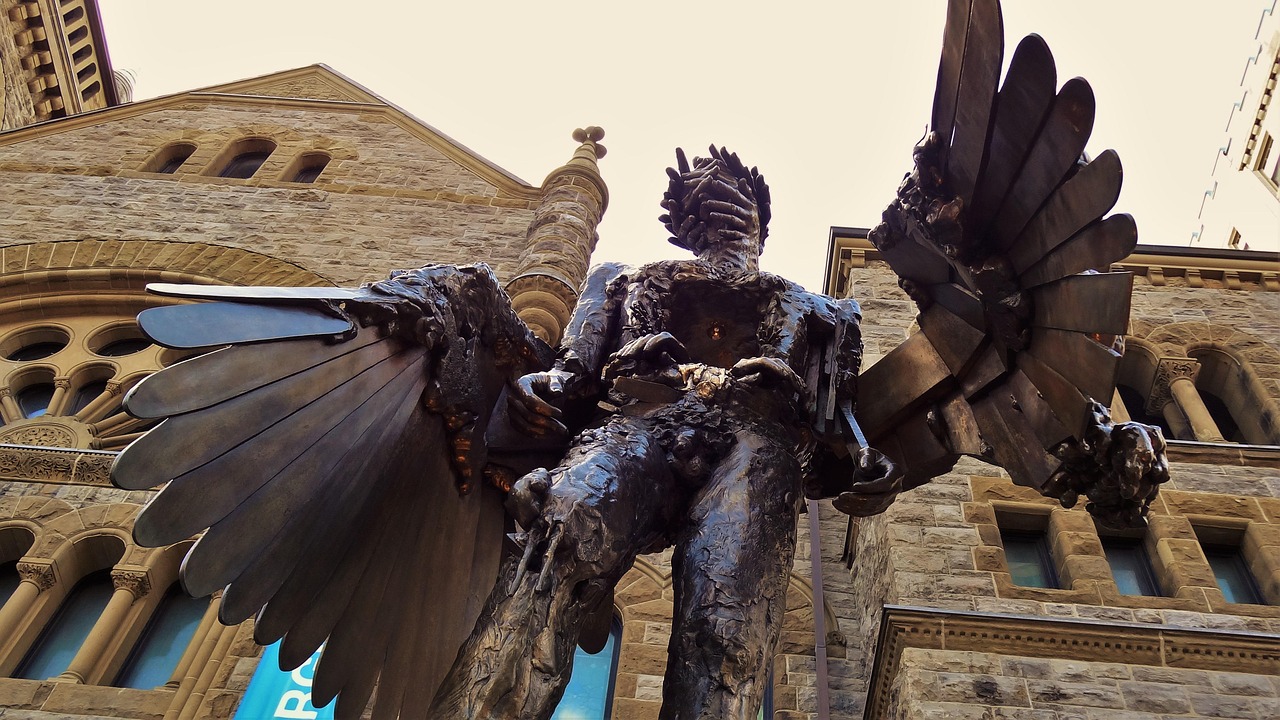
On a rainy afternoon, I once ducked into the Museum of Fine Arts “just for an hour” and resurfaced four hours later, blinking at the sun and wondering where the time went.
About: One of Canada’s leading art museums, with an impressive permanent collection plus rotating blockbuster exhibitions.
Highlights: Canadian and Indigenous art, European masters, design and decorative arts, and thought-provoking contemporary exhibits.
Location: Downtown, along the Golden Square Mile on Sherbrooke Street.
Local tip: Check for free or reduced admission evenings; the museum often has late hours with a livelier vibe.
11. Pointe-à-Callière Museum of Archaeology and History
If you like your history with a bit of drama, this museum is for you. You literally walk under Old Montreal on glass walkways, peering down at centuries-old foundations.
About: Built over the very birthplace of Montreal, the museum uses multimedia shows and archaeological remains to tell the city’s story.
Great for: History buffs, families, and anyone who likes immersive museums.
Local tip: Combine with a walking tour of Old Montreal for a deeper understanding of what you’re seeing above ground.
12. Saint Joseph’s Oratory of Mount Royal
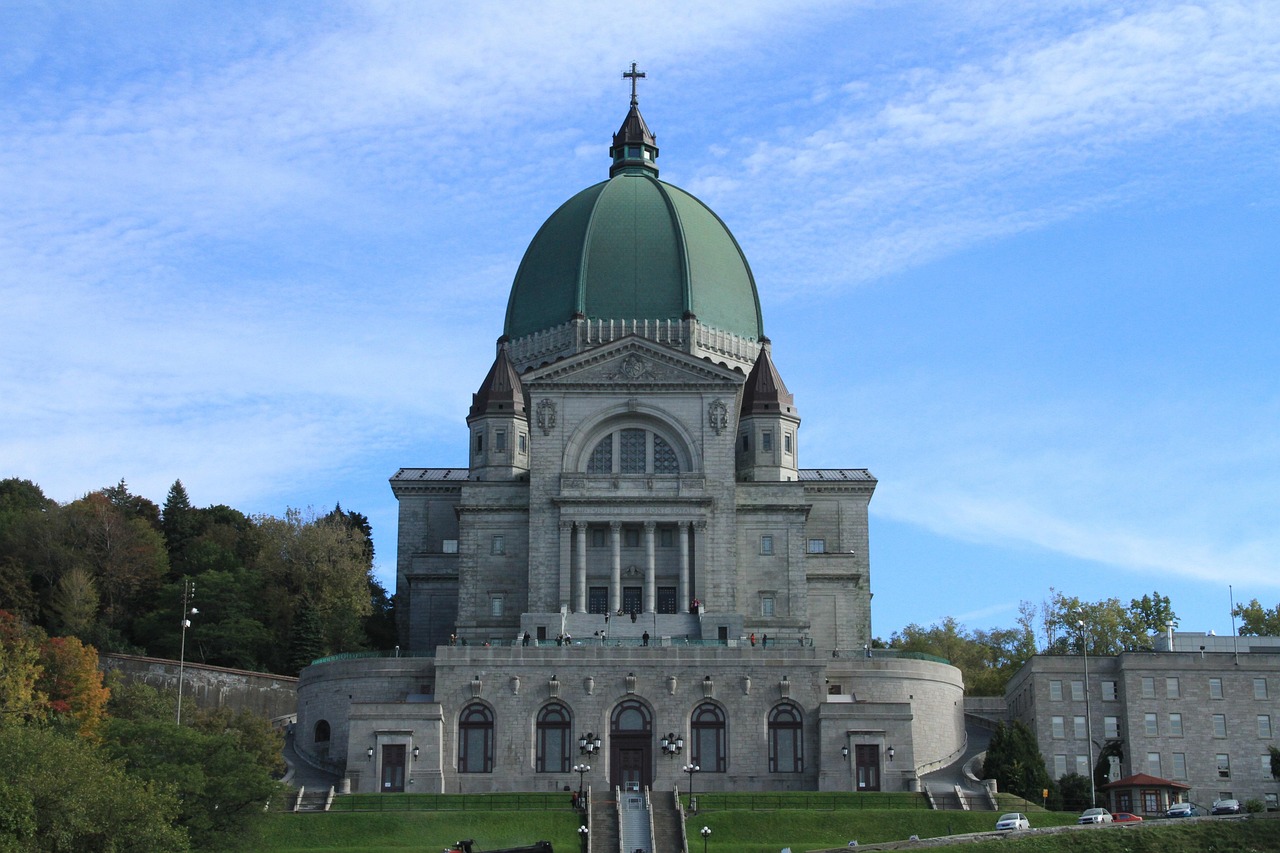
I still remember climbing the steps to Saint Joseph’s Oratory on a crisp autumn afternoon. The city spread out behind me, and the basilica’s dome loomed ahead, serene and massive.
About: One of the world’s largest churches, perched on the northwest slope of Mount Royal, with a huge dome and sweeping views.
What to do:
- Climb the exterior steps (some pilgrims do it on their knees).
- Visit the basilica interior and peaceful votive chapel.
- Walk the landscaped grounds and lookouts.
Romantic & contemplative: A good place for quiet reflection, away from downtown buzz.
Local tip: Dress modestly and speak quietly; it’s an active religious site.
13. Habitat 67
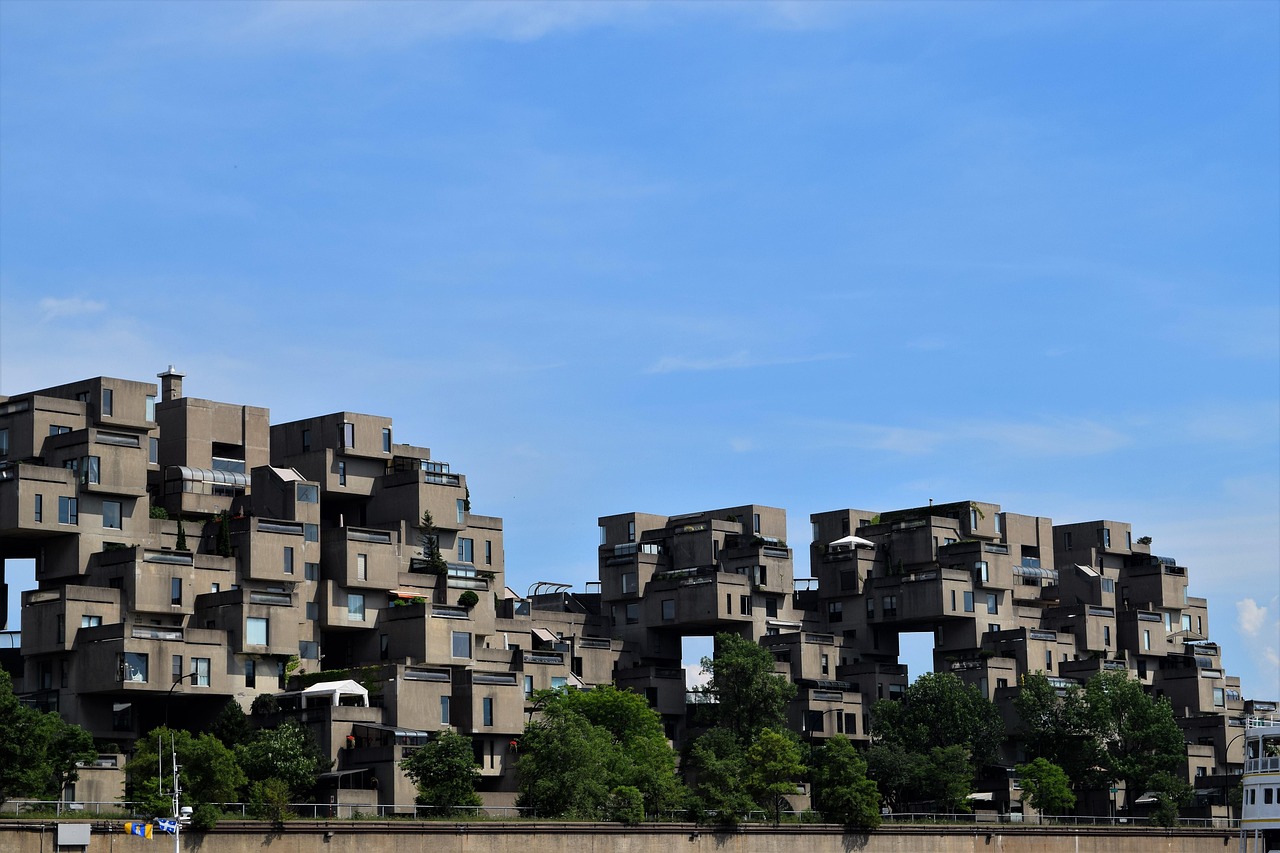
Every architecture lover I know has Habitat 67 on their Montreal list. The first time I saw it from a river cruise, I thought it looked like a stack of Lego blocks whimsically tumbled against the sky.
About: A groundbreaking housing complex designed by Moshe Safdie for Expo 67, now an icon of modernist architecture.
How to see it: You can’t just wander inside—it’s private housing—but you can view it from the bike path, the river, or certain guided tours.
Local tip: Rent a BIXI bike and follow the Lachine Canal path out towards Habitat 67 for a perfect architecture + waterfront ride.
14. Lachine Canal & Atwater Market
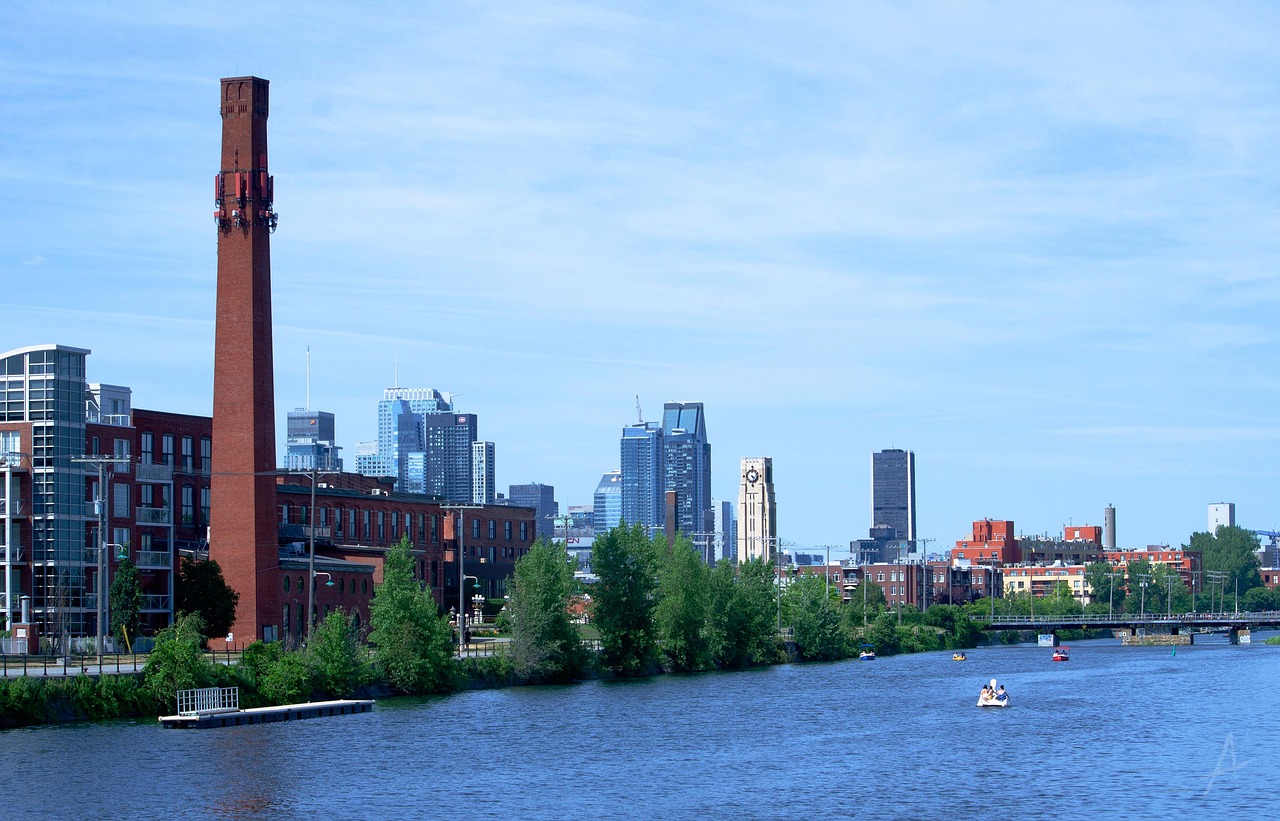
On warm evenings, this is one of my favorite places to be: biking the canal as the sun sets, then grabbing picnic supplies at Atwater Market.
About: The Lachine Canal runs southwest from the Old Port, flanked by bike paths and old industrial buildings turned lofts and creative spaces.
Atwater Market: A buzzing food market with produce, cheese, cured meats, bakeries, and seasonal outdoor stalls.
My perfect afternoon: Rent a BIXI in the Old Port, ride to Atwater Market, stock up on cheese, baguette, fruit, and maybe a tart, then picnic by the canal.
Family-friendly & active: Great for cycling with kids (paths are fairly flat) and for couples wanting a low-key, romantic outing.
Local tip: Weekday mornings are quietest at the market; weekends can be lively but crowded.
15. Quartier des Spectacles & Downtown Core
I’ve stumbled onto more free outdoor concerts in the Quartier des Spectacles than I can count. One summer evening, I went out for “just a walk” and ended up staying for a jazz show, light projections on building facades, and late-night poutine.
About: Montreal’s entertainment district, home to major festivals, Place des Arts, and a constant rotation of outdoor events in summer.
What to do:
- Check the schedule for free performances and festivals.
- See a show at Place des Arts or Théâtre Maisonneuve.
- Explore nearby Sainte-Catherine Street for shopping and people-watching.
Local tip: In summer, plan at least one evening here during your 3 or 4 day itinerary for Montreal—something is almost always happening.
16. Jean-Talon Market
Jean-Talon Market is where I go to remind myself that food grows in the ground and doesn’t just appear in supermarket plastic. The colors are ridiculous: overflowing berries, maple products, bright peppers, and local cheeses.
About: A massive public market in Little Italy, packed with produce, butchers, bakers, and specialty stalls.
What to eat: Fresh berries in season, Québec cheeses, crepes, and anything with maple.
Best time: Late morning, especially on a sunny day when the outdoor stalls are all open.
Local tip: Buy picnic supplies here, then walk to nearby Parc Jarry for a relaxed lunch on the grass.
17. Little Italy & Parc Jarry
Little Italy feels like a small town inside the city. Cafés spill onto sidewalks, old men play cards in parks, and the smell of espresso and tomato sauce lingers in the air.
What to do:
- Espresso and cannoli stops along Boulevard Saint-Laurent and Saint-Zotique.
- Browse Italian groceries and delis.
- Relax in Parc Jarry, a huge green space with ponds, playgrounds, and tennis courts.
Family-friendly? Very—Parc Jarry is a great place to let kids burn energy.
Local tip: If you’re tennis fans, check dates for the National Bank Open (formerly Rogers Cup) at Parc Jarry’s stadium.
18. La Ronde Amusement Park
On one of my summer visits, I spent a full day at La Ronde with friends, screaming our lungs out on roller coasters and watching fireworks explode over the river at night.
About: Montreal’s main amusement park on Île Sainte-Hélène, with rides for all ages and seasonal events.
Great for: Families, thrill-seekers, and anyone wanting a classic theme park day.
Local tip: Combine with a visit to Parc Jean-Drapeau, which shares the island and offers beaches, festivals, and great views of the city.
19. Parc Jean-Drapeau & Biosphere
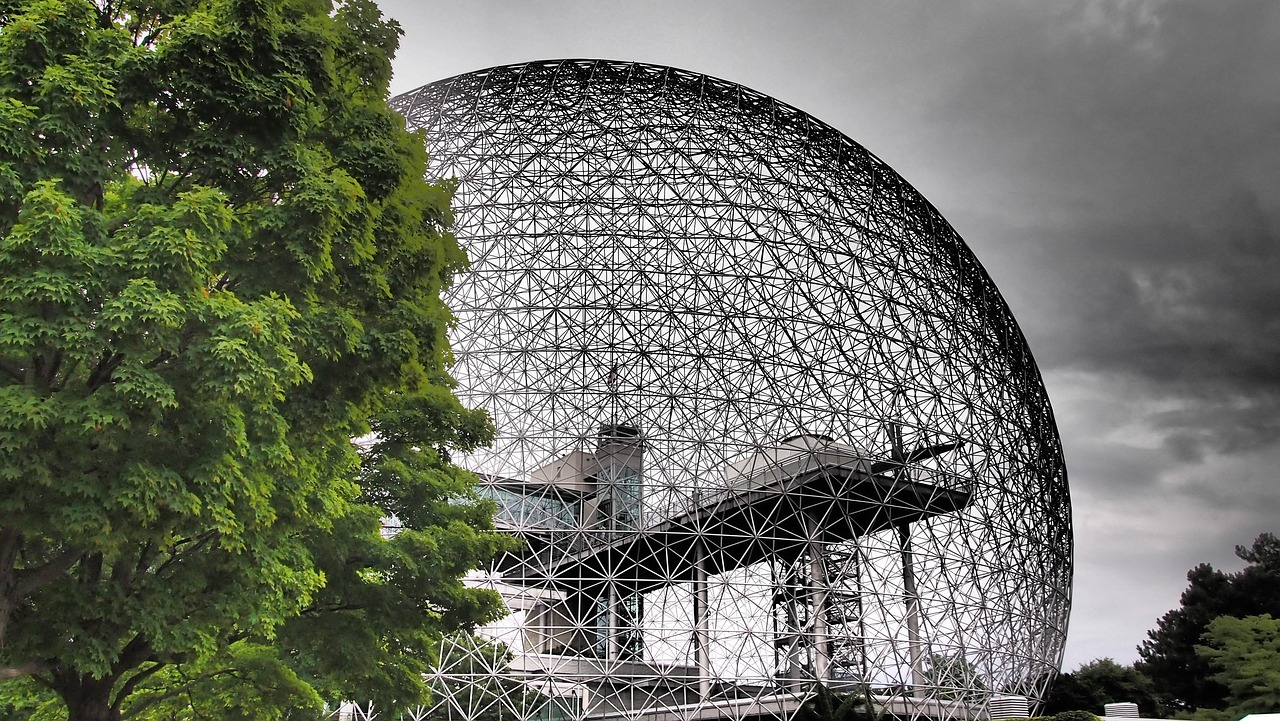
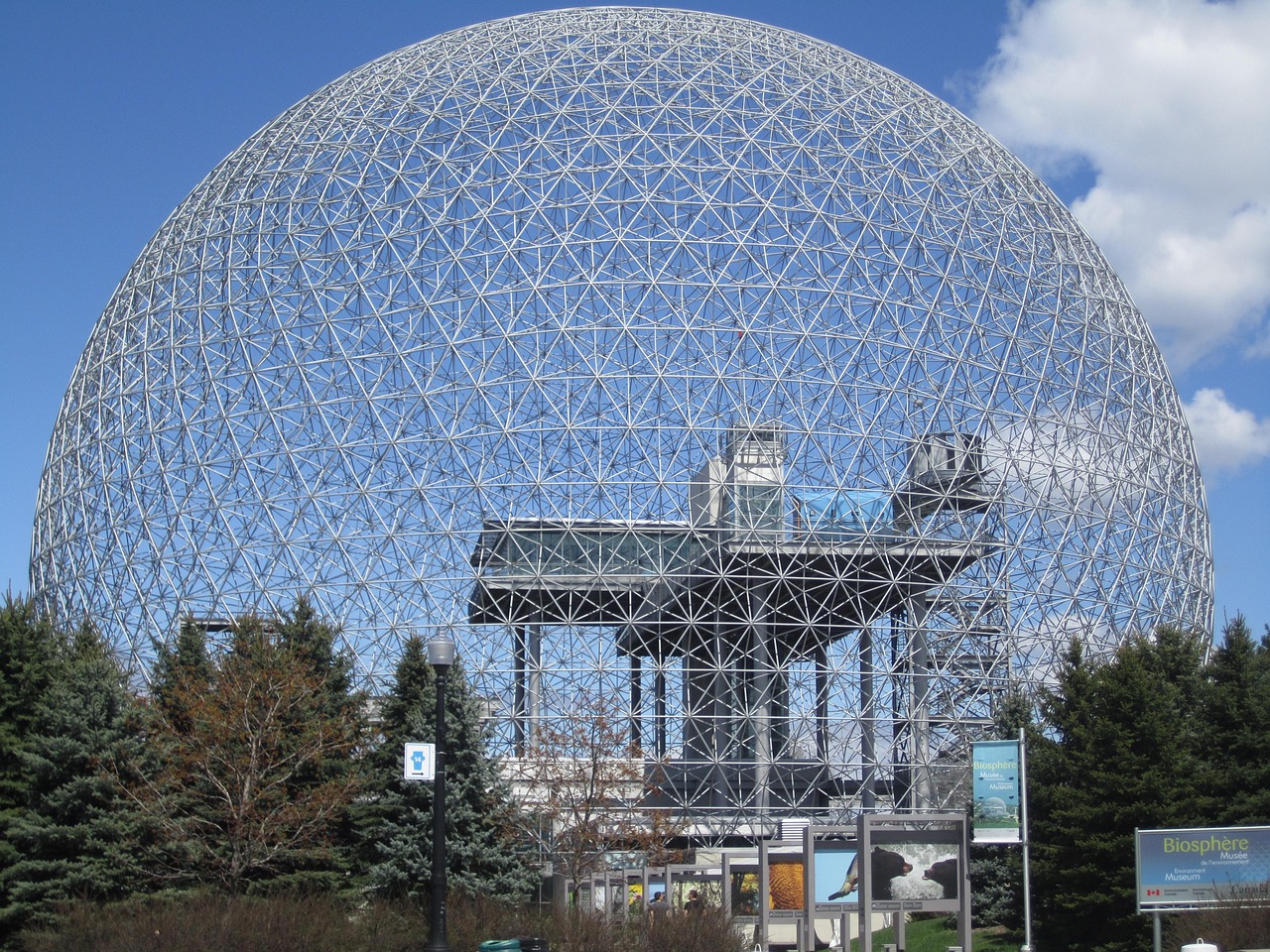
Parc Jean-Drapeau feels like a city escape inside the city. I come here for festivals, cycling, and the slightly surreal sight of the Biosphere’s geodesic dome rising above the trees.
About: Spread across two islands in the St. Lawrence, Parc Jean-Drapeau includes the Biosphere (environment museum), beaches, pools, bike paths, and event spaces.
What to do:
- Visit the Biosphere’s exhibitions on climate and environment.
- Bike or walk around the islands for skyline views.
- Attend a summer music festival or race event.
Local tip: In summer, bring a swimsuit; the park has a beach and pools that are perfect on hot days.
20. McCord Stewart Museum & Golden Square Mile Architecture
At the McCord Stewart Museum, I once lost track of time in an exhibit on Montreal street photography, then stepped out to realize the very streets I’d been looking at were right outside.
About: A museum focused on Montreal’s social history, Indigenous cultures, and photography, located right downtown.
Golden Square Mile: The surrounding area is dotted with grand mansions and elegant architecture from Montreal’s 19th- and early 20th-century elite.
Local tip: Do a self-guided architecture walk along Sherbrooke Street and nearby avenues after your museum visit—this is where some of the city’s finest historic buildings are concentrated.
Montreal Neighborhoods & Districts to Explore
One of the best things about spending 3–5 days in Montreal is how easy it is to hop between distinct, character-filled neighborhoods. Here are the areas I always recommend:
Downtown & Golden Square Mile
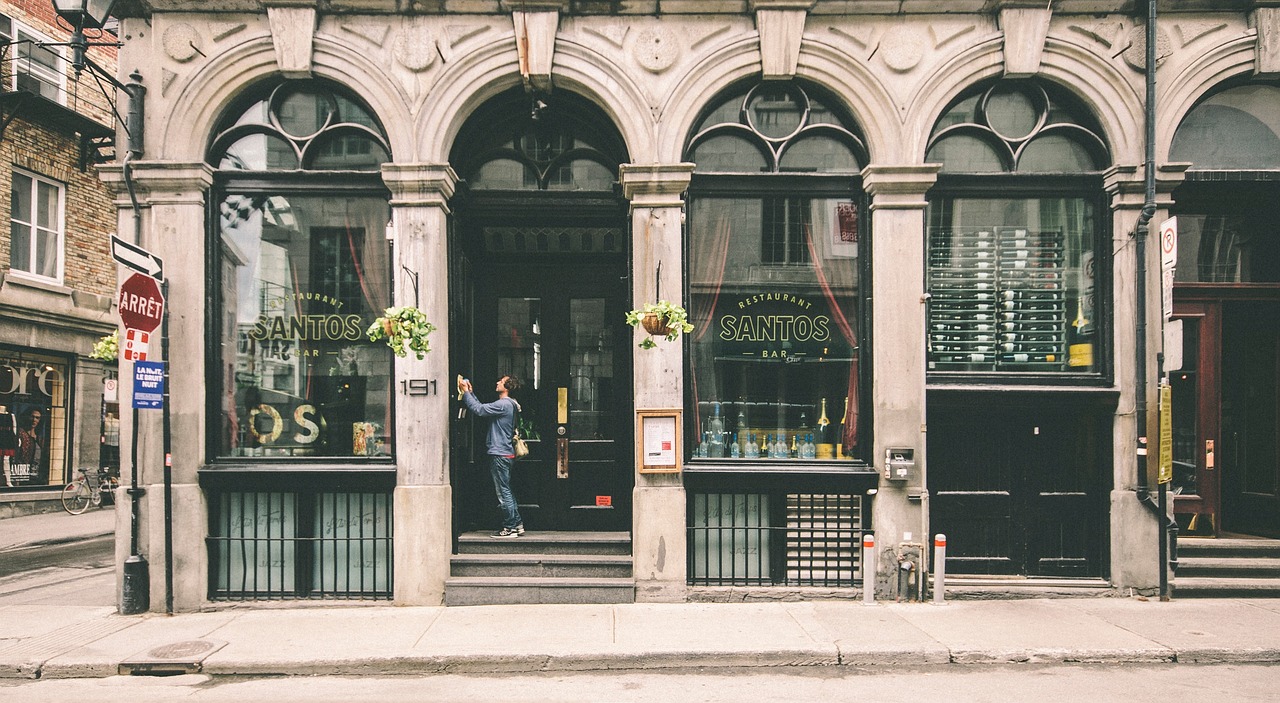
Skyscrapers, shopping, and big cultural institutions. This is where you’ll find the Museum of Fine Arts, McCord Stewart Museum, and major hotels. It’s practical to stay here if you want easy metro access everywhere.
Plateau-Mont-Royal
Breezy, creative, and very photogenic. Great for boutique stays, short-term rentals, and evenings of bar- and restaurant-hopping.
Mile End & Mile-Ex
Smaller-scale, indie, and beloved by locals. Mile-Ex, just northwest, is more industrial-chic, with microbreweries, coffee roasters, and studios.
Old Montreal & Old Port
Touristic but undeniably beautiful. Ideal if you want romance, cobblestones, and being walking distance from major historical sites. Nights are quieter once day-trippers leave.
Little Italy & Villeray
More residential, with strong community vibes. Jean-Talon Market anchors the area; Villeray just north is packed with under-the-radar eateries and parks.
The Village (Gay Village)
Centered along Sainte-Catherine Street east, the Village is vibrant and inclusive, with nightlife, terraces, and art installations—especially lively in summer when the street becomes pedestrian-only.
Hochelaga-Maisonneuve (HoMa)
East of downtown, this formerly industrial area blends working-class roots with growing cafés and bars. It’s also where you’ll find the Olympic Park and Botanical Garden.
Griffintown & Southwest
Old warehouses turned lofts, new condos, and a short walk to the Lachine Canal. Trendy restaurants, design shops, and easy access to the canal’s bike paths.
3–5 Day Itineraries for Montreal (With Personal Stories)
To keep this guide manageable, I’ll outline detailed but concise versions of my favorite itineraries. You can stretch or compress them depending on whether you’re planning 3 days in Montreal, 4 days in Montreal, or 5 days in Montreal.
3 Day Itinerary for Montreal
If you only have 3 days in Montreal, focus on the essentials: Old Montreal, Mount Royal, key neighborhoods, and a mix of museums and food.
Day 1: Old Montreal, Old Port & Notre-Dame
On one 3-day visit, I landed before noon, dropped my bags at a small hotel near the metro, and immediately headed for Old Montreal to fight jet lag with cobblestones and espresso.
- Morning: Explore Old Montreal (Rue Saint-Paul, Place Jacques-Cartier), visit Notre-Dame Basilica.
- Lunch: Classic French bistro in Old Montreal.
- Afternoon: Walk the Old Port, ride the observation wheel, maybe a short river cruise.
- Evening: Dinner back in Old Montreal or Chinatown (just a short walk north), then a night stroll along the waterfront.
Tip: Wear comfortable shoes; those cobblestones are no joke.
Day 2: Mount Royal, Plateau & Mile End
This is your “local life” day. I usually start with coffee on the Plateau, then hike up Mount Royal before the heat of the day.
- Morning: Breakfast on Avenue Mont-Royal, hike up Mount Royal to Kondiaronk Belvedere.
- Lunch: Casual lunch in the Plateau or Mile End.
- Afternoon: Explore Mile End’s bagel shops, record stores, and cafés.
- Evening: Drinks and dinner back in the Plateau; if it’s a Sunday in summer, swing by Mount Royal’s Tam-Tams earlier in the day.
Tip: If you’re tired, bus up part of the way to Mount Royal and walk down instead.
Day 3: Museums & Jean-Talon Market
On the final day of my last 3-day stay, I let the weather decide: rain meant museums, sun meant markets and parks. You can blend both.
- Morning: Museum of Fine Arts or Pointe-à-Callière.
- Lunch: Downtown café or grab-and-go sandwich.
- Afternoon: Head to Jean-Talon Market, stroll Little Italy, relax in Parc Jarry.
- Evening: Farewell dinner in the Village, Plateau, or Griffintown depending on your mood.
Tip: If you love nightlife, swap your last evening for a show in the Quartier des Spectacles.
4 Day Itinerary for Montreal
With 4 days in Montreal, you can see everything above plus dive deeper into neighborhoods or the Olympic/Botanical Garden area.
Day 1–3:
Follow the 3 day itinerary for Montreal above.
Day 4: Olympic Park & Botanical Garden
On my extended visits, this is the day I slow down, wander through greenery, and geek out over ecosystems.
- Morning: Metro to Pie-IX, visit the Biodôme.
- Lunch: Simple lunch near the Olympic Park or picnic in Parc Maisonneuve.
- Afternoon: Botanical Garden and Insectarium.
- Evening: Dinner back downtown or in HoMa, then perhaps a nighttime stroll along the river if you still have energy.
Tip: Buy a combined ticket for multiple attractions in the area to save money.
5 Day Itinerary for Montreal
With 5 days in Montreal, you can really blend iconic sites with hidden gems in Montreal and even a short day trip.
Day 1–4:
Follow the 4 day itinerary for Montreal, adjusting pacing to your interests.
Day 5: Lachine Canal & Griffintown or a Short Day Trip
On my last 5-day stretch, I devoted the final day to pure pleasure: biking, picnicking, and exploring new cafés.
- Option A – In-city: BIXI bike along the Lachine Canal, brunch at Atwater Market, explore Griffintown and Saint-Henri.
- Option B – Short day trip: Head to Mont-Saint-Hilaire for a hike, or to a nearby vineyard in the Eastern Townships.
Tip: Keep this day flexible in case you want to revisit a favorite neighborhood or café you discovered earlier.
Local Food in Montreal: What to Eat & Where
Food is half the reason I keep coming back. Montreal’s culinary scene is playful and rooted in strong traditions. Here are the essentials and some local spots I’ve loved.
Poutine
Fries, gravy, squeaky cheese curds—simple, satisfying, and addictive. I like mine late at night after a show, but poutine is acceptable at any hour here.
- Where: La Banquise (Plateau) for endless variations; local casse-croûtes (snack bars) for more old-school vibes.
Montreal Bagels
Smaller, denser, and slightly sweeter than New York bagels, baked in wood-fired ovens. I still can’t pick a side in the classic rivalry.
- Where: St-Viateur Bagel & Fairmount Bagel (both in Mile End). Try both and see which team you’re on.
- Tip: Go late at night or very early morning for fresh, warm bagels.
Montreal Smoked Meat
Thick, juicy slices of cured and smoked beef piled on rye bread with mustard. On one particularly cold day, this and a pickle were my salvation.
- Where: Schwartz’s Deli on Saint-Laurent is the classic; expect a line but the turnover is fast.
Markets & Everyday Eats
Jean-Talon and Atwater Markets are my go-to places for quick, fresh, and affordable meals. Grab crepes, tacos, or pastries and eat on the move.
Money-saving tip: For budget travelers, markets and grocery store picnics are a great way to cut costs without sacrificing flavor.
Cafés, Microbreweries & Natural Wine Bars
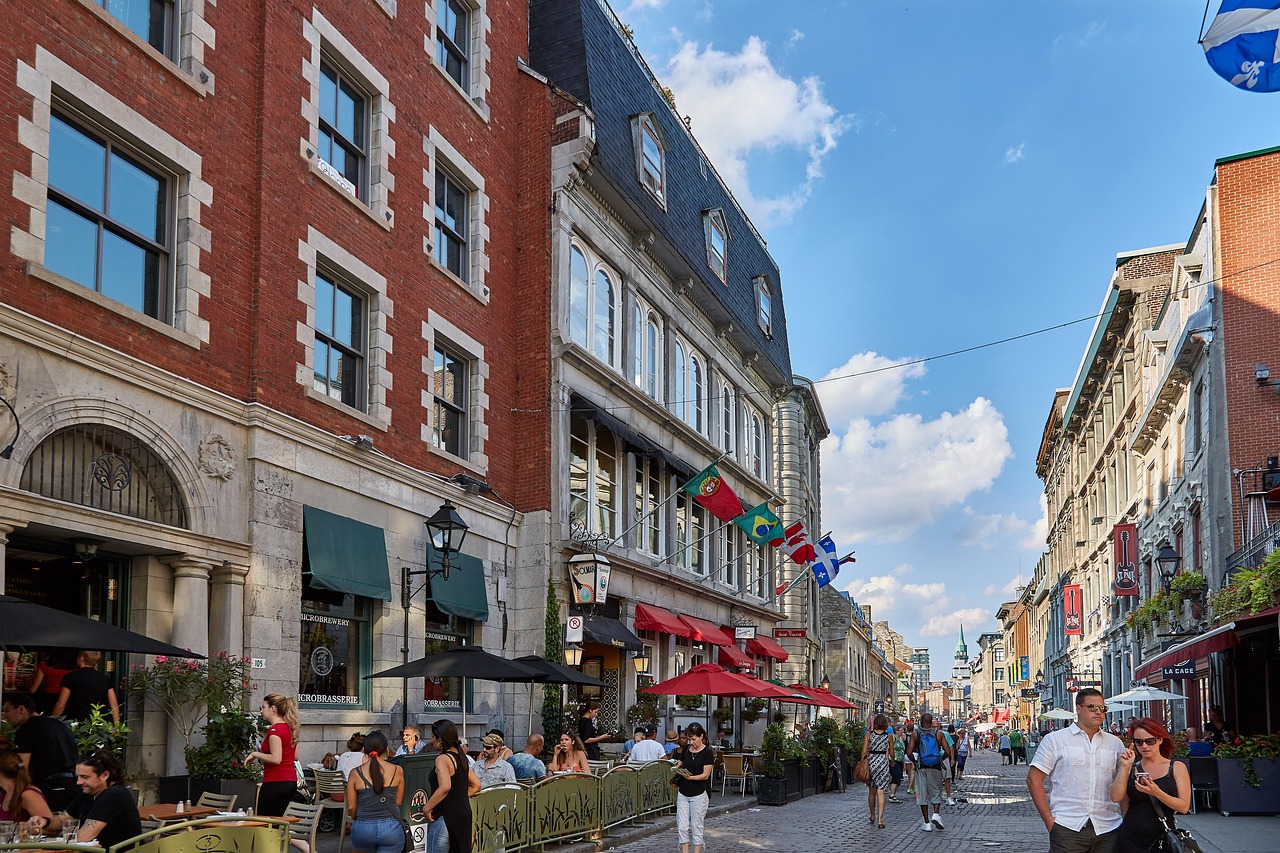
Montreal takes its coffee and its beer seriously. In Mile End, Plateau, and Mile-Ex, there’s a café or bar on nearly every corner.
- Cafés: Independent spots across the Plateau and Mile End—just follow the locals with tote bags and laptops.
- Microbreweries: Along Boulevard Saint-Laurent and in Mile-Ex, with rotating taps and local crowds.
- Wine bars: Natural wine is big; look for intimate spots in the Plateau and Little Italy.
Tip: If you enjoy people-watching, sit on a terrace along Mont-Royal Avenue or Saint-Denis in late afternoon.
Nightlife, Entertainment & Cultural Experiences in Montreal
Nighttime is when Montreal’s personality really turns up. Even on my “quiet nights,” I seem to end up at a show, in a bar, or wandering through a light installation.
Nightlife
- Quartier des Spectacles: Concerts, theater, and festivals.
- The Village: Lively bars and clubs, especially in summer.
- Plateau & Mile End: Cozy bars, live music, more low-key but very social.
Cultural Experiences in Montreal
Beyond bars, some of the best cultural experiences happen at festivals, museums, and spontaneous street performances.
- Attend a concert at Place des Arts.
- Catch free performances during Jazz Fest or Just for Laughs.
- Explore Indigenous art and history at major museums.
Best Day Trips from Montreal
Once you’ve spent 4 or 5 days in Montreal, it’s tempting to venture just outside the city for a change of scenery. Here are a few options I’ve enjoyed:
Mont-Saint-Hilaire
About an hour from Montreal, Mont-Saint-Hilaire offers hiking and foliage views in autumn that are spectacular.
How to get there: Car is easiest; public transit is possible but slower. Trails range from easy to moderate.
Eastern Townships (Cantons-de-l’Est)
Rolling hills, vineyards, lakes, and charming towns. Plan for wine tasting, small-town cafés, and maybe a lakeside walk.
How to get there: Ideal as a rental car day trip, about 1.5 hours southeast.
Laurentians (Les Laurentides)
To the north, the Laurentians offer lakes, forests, ski resorts, and cozy inns. In winter, I’ve come up here for a day of snowshoeing and hot chocolate.
How to get there: Car or bus to larger resort towns.
Cultural Etiquette & Local Customs in Montreal
Montreal is friendly and relaxed, but a few cultural norms will help you blend in and show respect.
- Language: French is the official language of Quebec. In Montreal, many people are bilingual. Starting with a simple “Bonjour” is appreciated; if the person is comfortable in English, they’ll usually switch easily.
- Politeness: “Bonjour/Bonsoir,” “Merci,” and “S’il vous plaît” go a long way. People appreciate basic efforts in French, even if your accent is rough.
- Tipping: Standard in restaurants and bars is 15–20% before tax. It’s expected when you’re seated and served.
- Terraces: In summer, terraces fill quickly. It’s normal to linger over drinks, but don’t hop between tables without asking staff.
- Public behavior: In residential areas, keep noise down late at night—sound carries up those outdoor staircases.
Practical Travel Tips for Montreal (2026–2027)
Getting Around: Metro, Buses, Bikes & Cars
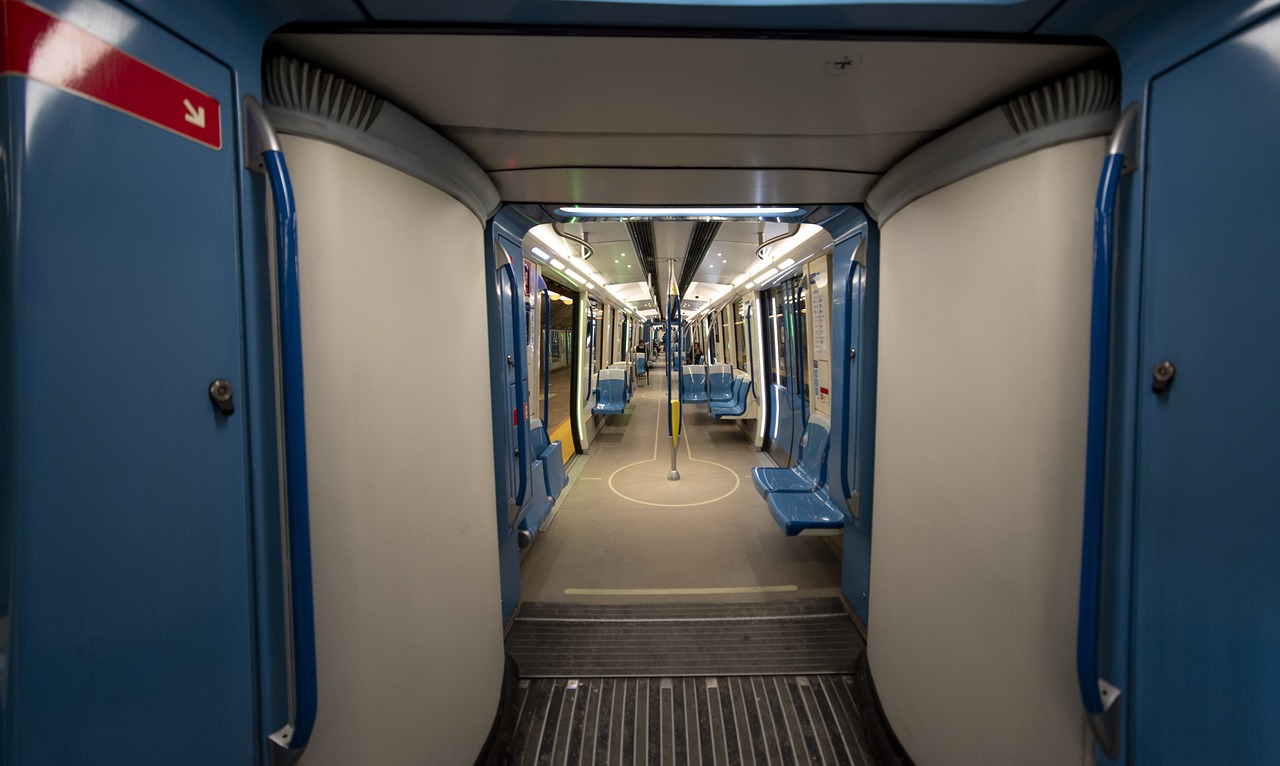
Public transport: The STM metro and bus network is efficient and covers all major areas you’ll visit in a 3–5 day itinerary for Montreal.
- Buy an OPUS card and load passes (1-day, 3-day, weekly).
- Announcements and signage are mostly in French, but easy to decode.
Biking: BIXI bikes are everywhere in warmer months. Bike lanes make it practical to travel between downtown, Plateau, Mile End, and the Lachine Canal.
Car rental: Not necessary in the city and can be annoying for parking. Rent only if you plan day trips to the countryside.
How to Save Money in Montreal
- Use multi-day transit passes instead of single fares.
- Picnic with market groceries instead of always eating out.
- Take advantage of free events and festivals, especially in summer.
- Visit museums on discounted or free evenings where available.
SIM Cards & Connectivity
In 2026, your best options for staying connected are:
- eSIM plans purchased online before arrival (many global providers include Canada).
- Local prepaid SIMs from major carriers (look for kiosks in malls or electronics stores).
- Free Wi-Fi in many cafés, libraries, and public spaces.
Visa Requirements & Driver’s Licenses
Visa: Requirements depend on your nationality. Many travelers need an eTA (Electronic Travel Authorization) to fly to Canada, even if they’re visa-exempt. Others need a full visa. Always check the official Government of Canada website before booking.
Driver’s license: Foreign licenses are generally accepted for short visits if they’re in English or French. Otherwise, an International Driving Permit is recommended if you plan to rent a car.
Seasons & When to Visit
- Spring (April–May): Cool and fresh, with trees greening up. Good for museums, early terrace season, and fewer crowds.
- Summer (June–August): Peak festival season. Best for outdoor events, bike rides, and long evenings. Great for families and festival-goers.
- Autumn (September–October): My favorite: fall foliage on Mount Royal, crisp air, and calmer crowds. Ideal for romantic getaways and hiking day trips.
- Winter (November–March): Cold and snowy, but magical if you embrace it: winter festivals, skating, cozy cafés. Dress properly—layers, good boots, hat, and gloves.
Major Events & Festivals in Montreal (2026–2027)
Montreal’s festival calendar is one of the most exciting in North America. While exact lineups change yearly, here are recurring highlights expected in 2026–2027:
- Montreal International Jazz Festival (late June–early July): Huge free outdoor shows and ticketed concerts.
- Just for Laughs Comedy Festival (July): Stand-up, street performances, and big-name comedians.
- Francos de Montréal: French-language music festival in the Quartier des Spectacles.
- Osheaga Music & Arts Festival (early August): Massive multi-day music festival at Parc Jean-Drapeau.
- Igloofest (January–February): Outdoor electronic music festival in the Old Port—yes, in winter.
- Montréal en Lumière (February–March): Light installations, food events, and Nuit Blanche all-night arts festival.
Check 2026–2027 dates closer to your trip—if you only have 3 days in Montreal and they coincide with a festival, it will dramatically shape your experience (in a good way).
Summary: Key Takeaways & Best Time to Visit Montreal
Montreal is one of those cities that feels familiar and surprising at the same time. You can spend 3 days in Montreal and hit the must-see attractions—Old Montreal, Mount Royal, Mile End, a museum or two—and leave satisfied. Or you can stretch to 4 days in Montreal or 5 days in Montreal and start slipping into local rhythms: lingering in cafés, finding hidden gems in side streets, picnicking by the canal, and discovering your own favorite staircase or terrace.
Best times to visit:
- Summer: For festivals, nightlife, and terrace culture.
- Autumn: For foliage, comfortable temperatures, and quieter streets.
- Winter: For snowy romance, winter sports, and cozy cultural experiences.
However long you stay, this travel guide for Montreal should give you enough ideas for things to do in Montreal, from must-see attractions to hidden gems, plus practical travel tips for Montreal and an understanding of local customs in Montreal. The rest is up to you: follow your curiosity, say “bonjour” often, and leave space in your itinerary for the unexpected—because in Montreal, that’s often where the magic happens.