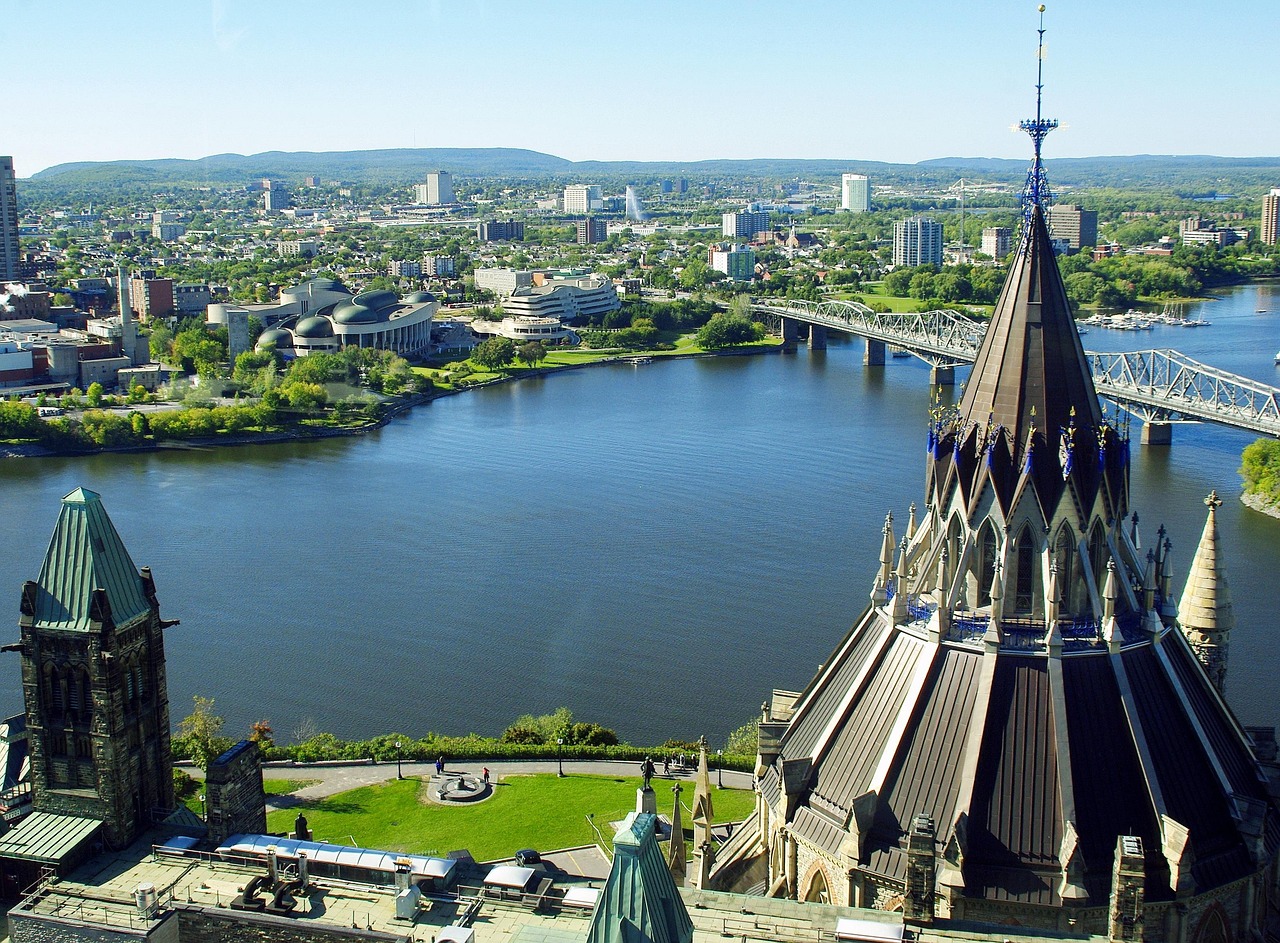
Why Visit Ottawa? What Makes Canada’s Capital Special
Ottawa is one of those cities that doesn’t shout for your attention. It doesn’t have New York’s swagger or Toronto’s constant buzz. Instead, Ottawa wins you over slowly: with early-morning mist on the Rideau Canal, the way Parliament Hill lights up at night, the smell of wood smoke at winter festivals, and the friendliness of locals who will genuinely walk you to your destination if you look lost.
I’ve visited Ottawa in every season over the last decade—summer bike rides along the Ottawa River, late-fall museum marathons, and a New Year’s Eve spent watching fireworks explode over Parliament in the freezing cold. The city has grown up a lot: better restaurants, more festivals, and a thriving craft beer and coffee scene, all while staying polite, walkable, and surprisingly affordable compared to other major North American capitals.
If you’re planning 3 days in Ottawa, 4 days in Ottawa, or even 5 days in Ottawa, this guide is built like a local’s notebook. I’ll walk you through a detailed 3–5 day itinerary for Ottawa, must-see attractions, cultural experiences, hidden gems, local customs, and practical travel tips for 2026–2027.
Table of Contents
- Why Visit Ottawa
- Ottawa at a Glance (2026)
- Top 20 Must-See Attractions in Ottawa
- Suggested Itineraries: 3–5 Days in Ottawa
- Best Neighborhoods and Areas to Explore
- Best Local Food and Drink in Ottawa
- Nightlife, Entertainment & Cultural Experiences
- Day Trips and Nearby Getaways
- Cultural Etiquette and Local Customs
- Practical Travel Advice for Ottawa (2026–2027)
- Summary & Best Time to Visit Ottawa
Ottawa at a Glance (2026)
Ottawa, located on the border of Ontario and Quebec, is Canada’s bilingual capital. English and French float together in the air, and you’ll feel the blend of both cultures in everything from street signs to restaurant menus.
In 2026, Ottawa feels especially vibrant: infrastructure upgrades around the Parliament precinct are nearing completion, the city’s light rail system has expanded, and the festival calendar is packed as Canada prepares for the 2026–2027 event seasons.
- Population: About 1.1 million in the metro area.
- Languages: English and French (most people speak English; many are bilingual).
- Currency: Canadian dollar (CAD).
- Vibe: Safe, clean, government-town calm with pockets of creative energy.
- Best for: History lovers, museum fans, families, couples, food-obsessed travelers who like to walk.
Top 20 Must-See Attractions in Ottawa (With Local Insights)
These twenty places are the backbone of any solid travel guide for Ottawa. I’ve been to each of them multiple times—sometimes solo with a camera, sometimes with friends or family. Below, you’ll find how to get there, what to look for, and the little details that don’t make the official brochures.
1. Parliament Hill
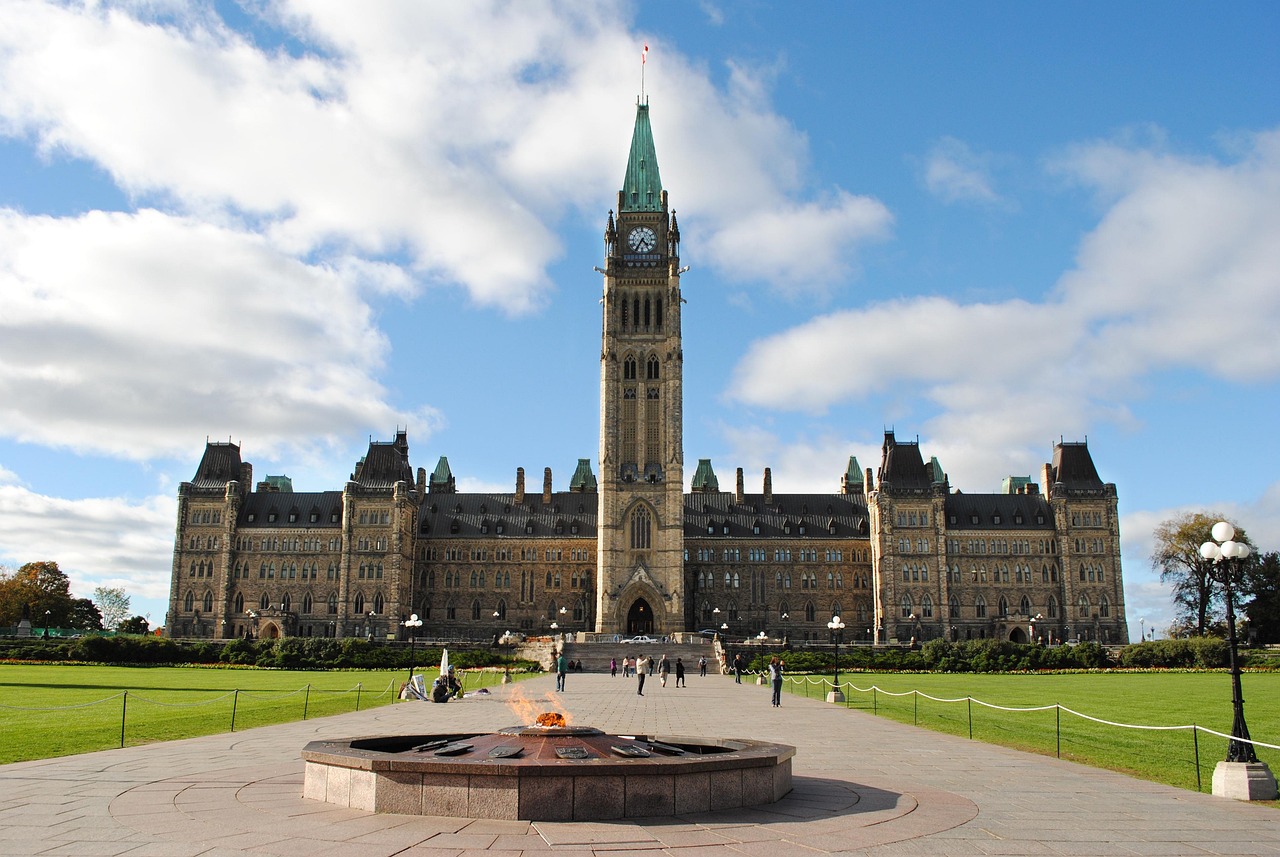
Parliament Hill is the heart of Ottawa and the symbol of Canadian democracy. Even if you only have 3 days in Ottawa, this is non-negotiable.
The first time I saw Parliament Hill at sunrise, it was late October. The air had that sharp, almost metallic chill, and the copper roofs were just catching the light. A few joggers passed by, but otherwise it was quiet—just the sound of the Ottawa River below.
Why It’s Special
The Gothic Revival architecture is striking from every angle: the soaring Peace Tower, the stone carvings of gargoyles and Canadian animals, and the sweeping views over the river. Inside, free tours (when available) walk you through the Senate, House of Commons, and historic chambers. In 2026, some interior spaces may still be under long-term restoration, but guided tours of the restored West Block and Senate of Canada Building continue and are worth your time.
What to Do
- Take a guided tour: Book in advance online, especially in summer and during school holidays.
- Watch the Changing of the Guard (summer): A very photogenic ceremonial event on the lawn—kids love the uniforms and music.
- Evening strolls: Walk along the promenade behind the buildings for river views and city lights.
Getting There
Parliament Hill is right downtown. Most central hotels are within a 10–15 minute walk. The LRT (O-Train) stops at Parliament Station, a short walk away.
Local Tip
Come just before sunset, then stay as the lights come on. The Peace Tower lit up against a deep blue sky is one of the best free views in the city.
2. Rideau Canal (UNESCO World Heritage Site)
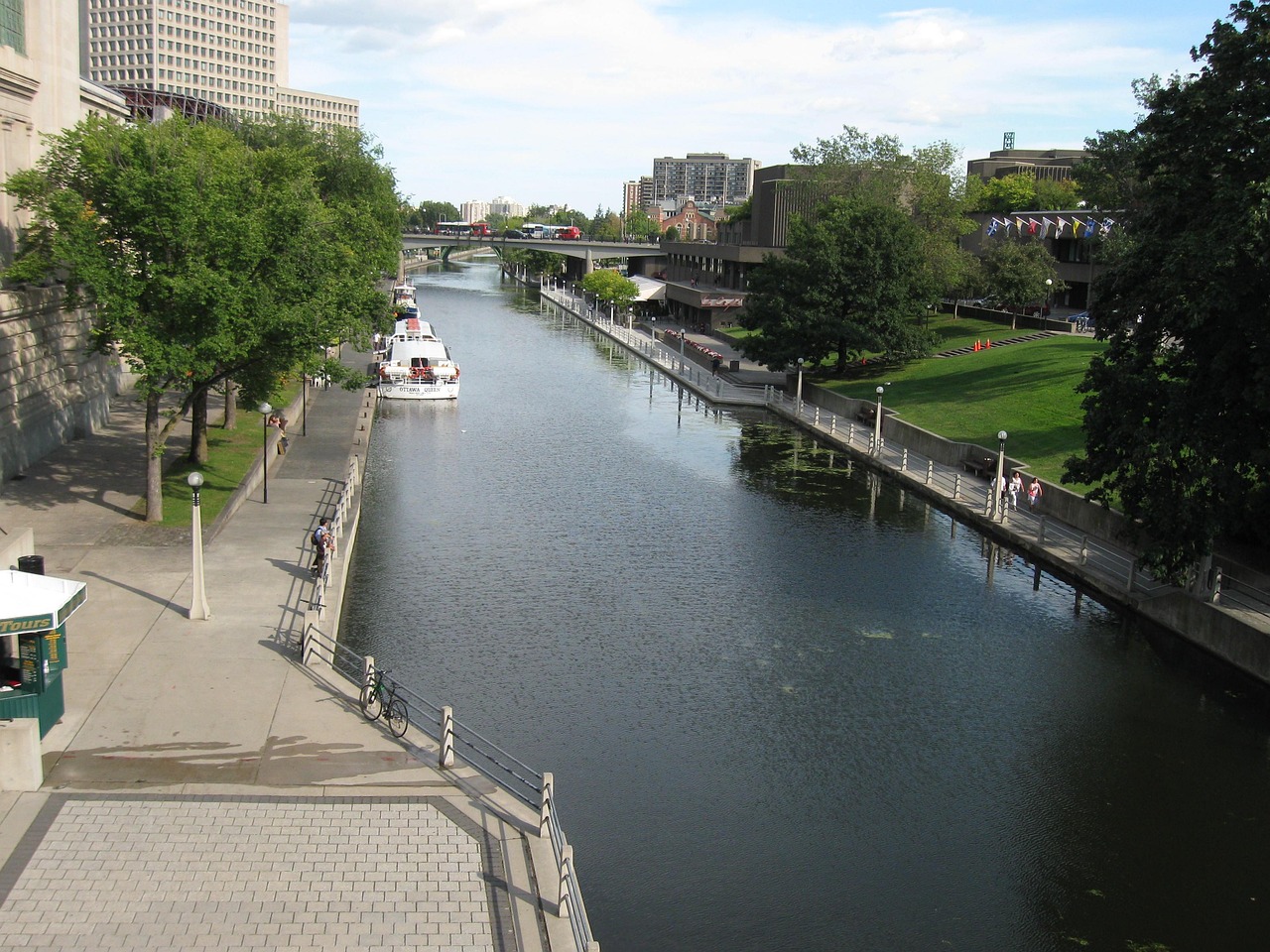
The Rideau Canal is Ottawa’s spine, changing personality with the seasons. In summer I bike or stroll along its banks; in winter I lace up skates and join the happy chaos on the world’s most famous skating rink.
Why It’s Special
Built in the early 19th century as a military supply route, the canal is now a UNESCO World Heritage Site and a central piece of daily life. In winter, when conditions allow, a section becomes the Rideau Canal Skateway, stretching through downtown. In summer, sightseeing boats glide past joggers and picnickers.
What to Do
- Summer: Rent a bike and ride the canal pathways; take a boat tour; picnic near Dow’s Lake.
- Winter: Skate the canal (rent skates on-site), stop for hot chocolate and BeaverTails pastries; bundle up—wind can be brutal.
- Shoulder seasons: Walk from the ByWard Market to Dow’s Lake to watch the reflections and changing colors.
Getting There
The canal slices right through central Ottawa. Entrances are everywhere; the popular spot near the Bytown Museum and Parliament is easiest to access on foot.
Local Tip
If you’re skating, go early in the morning on weekdays. The ice is smoother, crowds smaller, and the city feels like it belongs to locals again.
3. ByWard Market
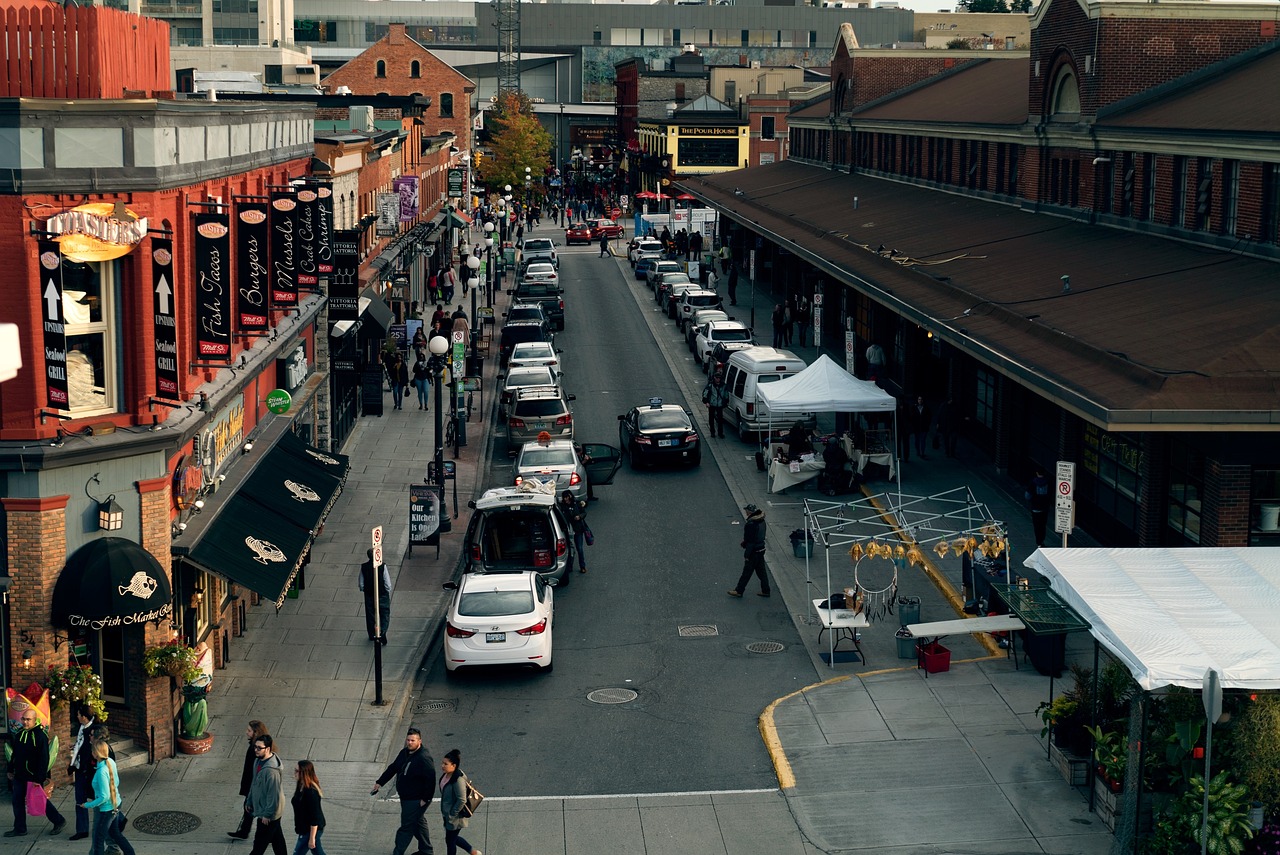
ByWard Market is my default answer when friends ask, “Where should I start exploring?” It’s touristy, yes, but still very much lived-in by locals, especially at the fresh produce stands and small bakeries.
History & Vibe
One of Canada’s oldest public markets, ByWard has been a trading place since the 1820s. Today it’s a mix of open-air stalls, specialty food shops, pubs, and galleries. You’ll find everything from maple syrup and cheese curds to chic cocktail bars and late-night poutine.
What to Do
- Browse the outdoor stands for fruit, veggies, flowers, and local products.
- Try BeaverTails, an Ottawa classic fried dough pastry, at the original stand.
- Hop between independent coffee shops and bakeries—this is my favorite area for a café crawl.
- At night, explore bars, pubs, and live music venues; this is one of the city’s nightlife hubs.
Local Tip
Weekends get crowded. If you want photos without elbow-to-elbow tourists, go on a weekday morning. For nightlife, Thursday is busy but not overwhelming.
4. National Gallery of Canada
Every time I visit the National Gallery, I lose track of time. I go in “just for an hour,” and emerge three hours later, blinking into the sunlight, emotionally full and strangely calm.
Why It’s Special
The glass-and-granite building itself is an architectural highlight, with soaring atriums and views of Parliament and the river. Inside, the collection spans Canadian, Indigenous, and international art, with standout works by the Group of Seven and powerful contemporary pieces.
Highlights
- Indigenous and Inuit art: Thought-provoking, beautifully curated.
- European masters: Smaller than some European museums, but well-chosen.
- Maman: The giant spider sculpture by Louise Bourgeois outside is a must-photo spot.
Local Tip
Check for free or discounted evening hours, usually one day per week. I love going then: fewer school groups, more locals.
5. Canadian Museum of History (Gatineau)
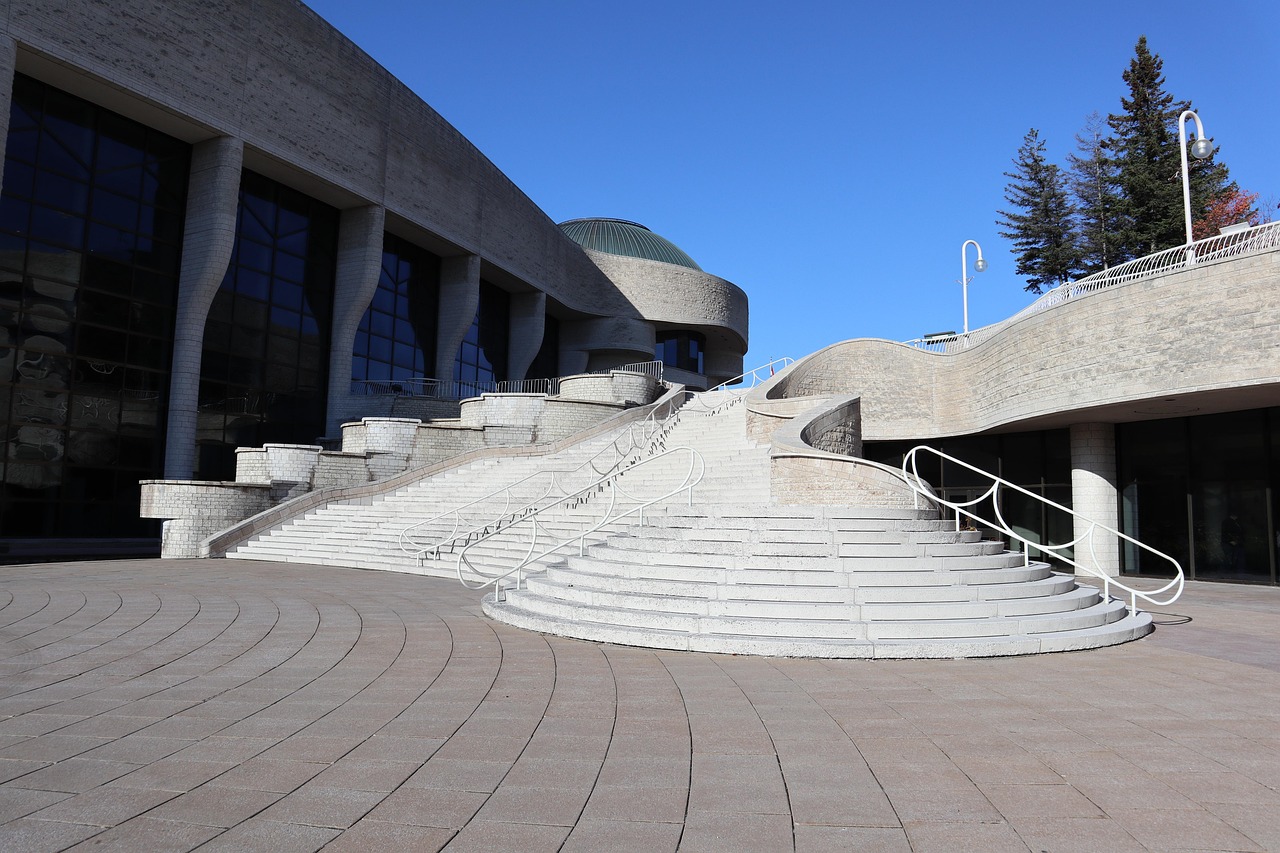
Technically across the river in Gatineau, Quebec, but emotionally very much part of Ottawa’s core, this museum is where I send anyone who says, “We’re not really museum people.” They usually change their minds.
Why It’s Special
The curving, organic architecture looks like it’s grown out of the earth. Inside, the Grand Hall with towering totem poles and a view back to Parliament is jaw-dropping. The exhibits tell the story of Canada, including the often-overlooked histories of Indigenous peoples.
What to Do
- Walk the Grand Hall and really read the interpretive panels—this is Canada’s story in a room.
- Visit the Canadian History Hall for a deep dive into the country’s past.
- If you’re with kids, don’t miss the Children’s Museum section (practically a full day on its own).
Local Tip
Combine this with a stroll along the riverfront in Gatineau; the views back toward Ottawa’s skyline are some of my favorites.
6. Canadian War Museum
I didn’t expect the War Museum to affect me as much as it did. It’s not about glorifying war; it’s about understanding its human cost.
Why It’s Special
The building, low and angular, feels like it’s emerging from the landscape. Inside, the exhibits walk you through Canada’s military history, from Indigenous conflicts and early colonial wars to modern peacekeeping missions.
Good For
- History buffs who want detailed context.
- Families with older kids or teens interested in WWII or modern history.
- Rainy or cold days—you can easily spend 3–4 hours here.
Local Tip
There’s a rooftop area with grass and views of the river and downtown. On a sunny day, it’s one of the city’s underrated viewpoints.
7. Major’s Hill Park
Major’s Hill Park is where I go to breathe between museums. It’s small, central, and has postcard-perfect views of Parliament, the Chateau Laurier, and the river.
Why It’s Special
In spring and summer, you’ll find picnickers, festivals, and sometimes pop-up art. In May, the Canadian Tulip Festival splashes color across the lawns. In winter, it’s quiet, with the crunch of snow underfoot.
Local Tip
Grab a coffee from the ByWard Market, walk up to the park, and just sit. It’s one of the simplest, nicest things to do in Ottawa, and it costs nothing.
8. Dow’s Lake & Commissioners Park
Dow’s Lake is where the city feels like a resort—especially in May during tulip season or on a golden summer evening.
Why It’s Special
Part of the Rideau Canal, Dow’s Lake is ringed by walking and bike paths, waterfront patios, and Commissioners Park, famous for its tulip beds.
What to Do
- Rent kayaks, canoes, or pedal boats in summer.
- Walk the lakeside loop; time it for sunset if you can.
- In May, wander the tulip displays—an easy highlight of any 3 day itinerary for Ottawa if you’re here in spring.
Local Tip
Bike here from downtown along the canal path; it’s flat, safe, and one of the most pleasant rides in the city.
9. Fairmont Château Laurier
The Château Laurier looks like it was plucked from the Loire Valley and dropped beside the Rideau Canal. Even if you’re not staying there, you should wander through the lobby and around the exterior.
Why It’s Special
Opened in 1912, this “railway castle” has hosted politicians, celebrities, and travelers for over a century. Inside, you’ll find high ceilings, ornate details, and a sense of old-world glamour.
Local Tip
Walk the terrace behind the hotel for canal views, then head down to the locks near the Bytown Museum. At night, the château is beautifully illuminated.
10. Bytown Museum & the Ottawa Locks
Tucked beside the Ottawa Locks, the Bytown Museum is small but mighty. I first ducked in just to warm up one winter day and ended up staying for an hour, absorbed in old photos and stories of early canal workers.
Why It’s Special
Housed in the city’s oldest stone building, the museum tells the story of Bytown (Ottawa’s original name) and the building of the Rideau Canal. Outside, you can watch boats navigate the manual locks in summer—a surprisingly addictive spectacle.
Local Tip
In summer, bring a snack, sit on the grassy slope, and watch the lockmasters at work. It’s slow travel at its finest.
11. The Glebe & Lansdowne Park
The Glebe is my go-to neighborhood for a relaxed afternoon: boutique shopping, leafy streets, and good food, anchored by Lansdowne Park’s stadium, shops, and year-round events.
Why It’s Special
The Glebe has a village-feel just south of downtown. Bank Street is lined with independent shops, cafés, and restaurants. Lansdowne Park hosts sports games, concerts, and one of my favorite Ottawa Farmers’ Markets.
Local Tip
On Sunday mornings, hit the farmers’ market at Lansdowne. Grab coffee, sample local cheeses, and people-watch. It’s a very “living in Ottawa” experience.
12. Westboro Village & Ottawa River Pathway
Westboro is where Ottawa does its West Coast impression: yoga pants, outdoor gear shops, river views, and a laid-back café culture.
Why It’s Special
Located west of downtown, Westboro’s main drag (Richmond Road) has chic boutiques and restaurants, while the nearby Ottawa River Pathway offers beaches, bike trails, and sunset viewpoints.
Local Tip
Time your visit for late afternoon: shop and snack along Richmond, then head down to the river for golden hour.
13. Little Italy & Preston Street
Little Italy is where I go when I crave comfort: espresso bars, generous pasta, and gelato in summer.
Why It’s Special
Preston Street is the heart of Ottawa’s Italian community, lined with trattorias, cafés, and bars. While it’s more mixed now (you’ll find Asian fusion and craft beer alongside old-school Italian), the spirit remains.
Local Tip
Visit in June during the Italian Week Ottawa festival—street parties, car shows, and food everywhere.
14. Canadian Museum of Nature
A castle full of dinosaurs, fossils, and wildlife exhibits—this is easily one of the best family-friendly things to do in Ottawa.
Why It’s Special
The museum is housed in a grand, castle-like building. Inside, you’ll find galleries dedicated to dinosaurs, mammals, birds, and the Arctic.
Local Tip
Go early if you’re visiting on weekends or school holidays; it gets busy with families by late morning.
15. Royal Canadian Mint
As a coin nerd (I blame my grandfather), the Royal Canadian Mint tour was a must. Even if you’re not into numismatics, it’s surprisingly fascinating.
Why It’s Special
The Ottawa facility produces collector and commemorative coins, medals, and more. Guided tours walk you through the process and let you see rare and historic pieces.
Local Tip
Book ahead in summer—tours can sell out, especially on weekends.
16. National Arts Centre (NAC)
For live performance lovers, the NAC is the cultural heart of Ottawa: theatre, music, dance, and more, in both English and French.
Why It’s Special
Located downtown, the NAC hosts the National Arts Centre Orchestra, touring productions, and original Canadian works. The recent renovations added glass-fronted spaces with excellent views.
Local Tip
Check for same-day rush tickets or student discounts. Even if you don’t catch a show, pop in for a coffee and admire the architecture.
17. Sparks Street
Sparks Street is a pedestrian mall just south of Parliament Hill. It’s not as flashy as some shopping streets, but I like it for quiet strolls, public art, and lunchtime patios.
Why It’s Special
Canada’s first pedestrian mall, Sparks hosts seasonal markets, buskers, and festivals. Office workers spill out here on sunny weekdays.
Local Tip
Come during special events (like Ribfest or Christmas markets); that’s when Sparks really comes alive.
18. Gatineau Park
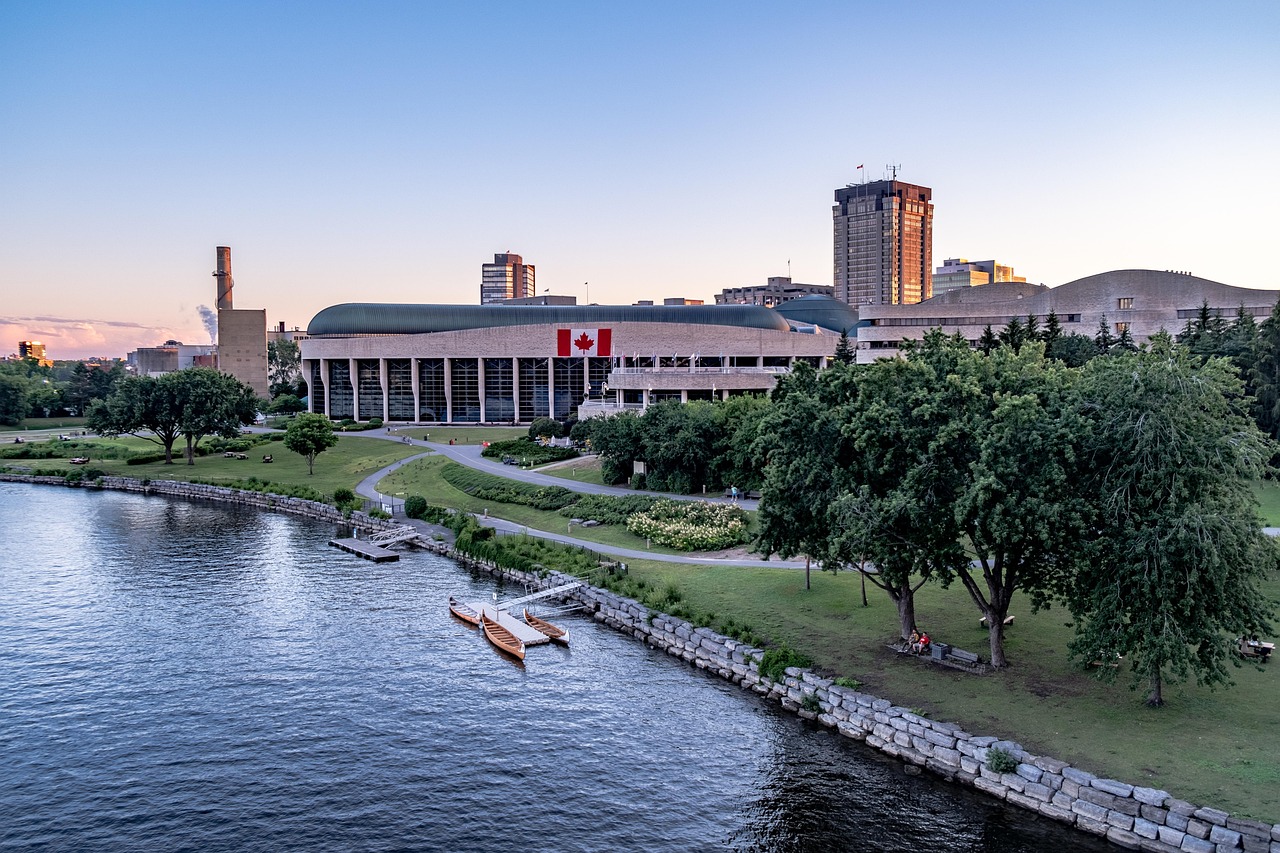
Gatineau Park is where Ottawa escapes the city. Just a short drive across the river, it’s an outdoor playground that changes dramatically with the seasons.
Why It’s Special
Hiking trails, lakes, lookouts, and historic sites like the Mackenzie King Estate make this one of the best day trips and hidden gems near Ottawa. In fall, the foliage is almost unreal.
Local Tip
If you’re here during peak fall colors (late September to mid-October), come early in the day—parking lots fill fast at popular lookouts.
19. Rideau Hall
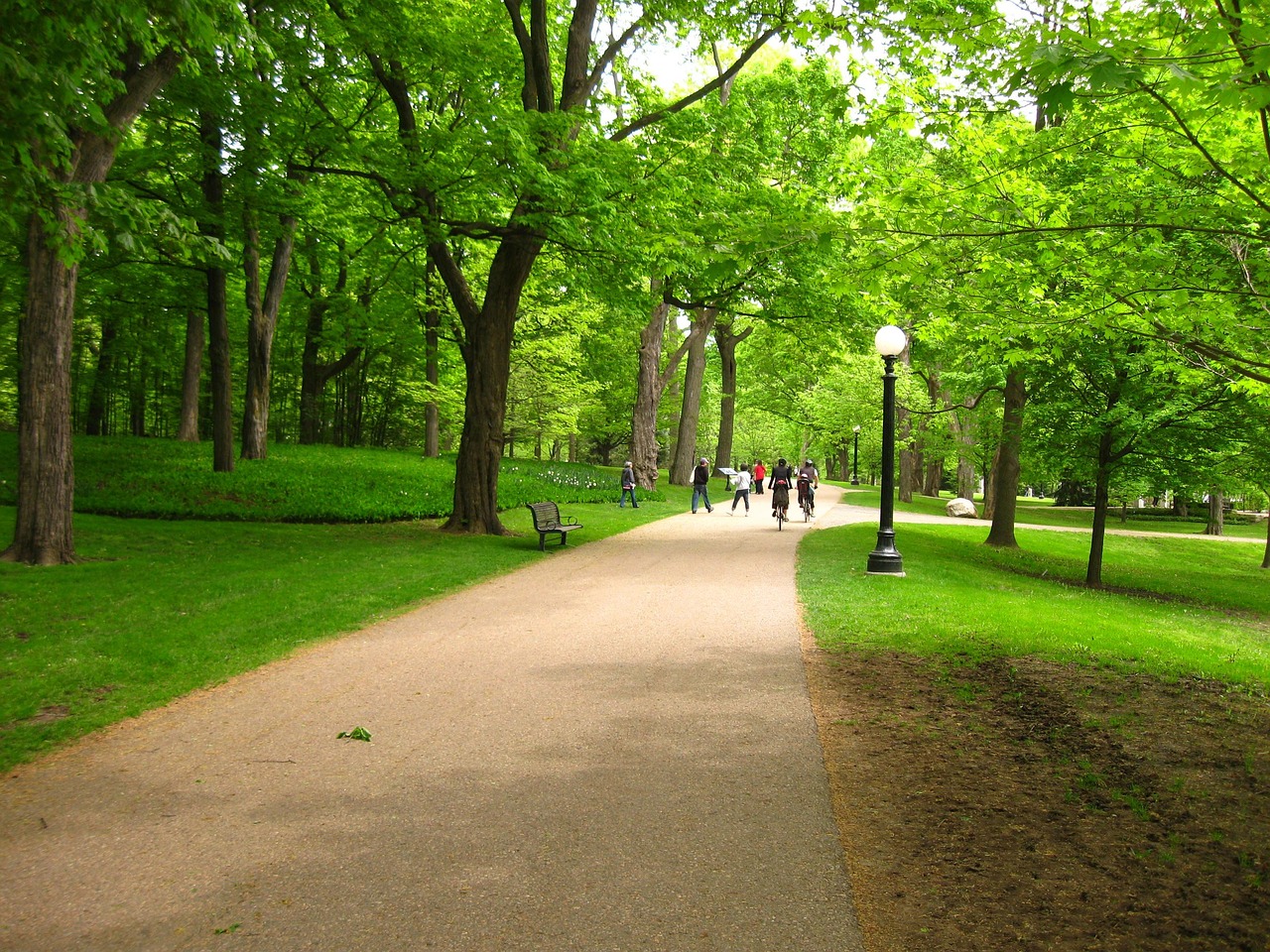
Rideau Hall, the official residence of Canada’s Governor General, feels like a country estate tucked into the city.
Why It’s Special
The grounds are open to the public and perfect for a quiet stroll. Guided tours of the residence offer a peek into state rooms and Canadian political history.
Local Tip
Combine Rideau Hall with a walk or bike ride through the adjacent Rockcliffe Park neighborhood—huge trees, stately homes, and river views.
20. Bank Street South & Old Ottawa South
Old Ottawa South and the stretch of Bank Street running through it is one of my favorite “everyday life” walks—bookstores, vintage shops, cozy pubs, and the Rideau River nearby.
Why It’s Special
This is where you really feel Ottawa as a lived-in city rather than just a capital full of monuments. It’s ideal if your 5 day itinerary for Ottawa includes time to slow down and wander.
Local Tip
Stop into one of the independent cinemas for an evening show, then grab a late bite at a nearby pub. It’s a low-key but very local night out.
3–5 Day Itineraries for Ottawa (With Personal Stories)
Ottawa is perfectly sized for a long weekend or a slightly slower 4–5 day trip. Below, I’ve laid out how I usually structure my own visits, mixing must-see attractions with hidden gems and local routines.
3 Day Itinerary for Ottawa: The Essentials
If you only have 3 days in Ottawa, focus on the core: Parliament Hill, the canal, key museums, and the ByWard Market area. Here’s how I’d do it.
Day 1: Parliament, Canal & ByWard Market
I like to start at the symbolic heart of the city: Parliament Hill. On my last 3-day trip, I checked into a small downtown hotel and walked straight there with a coffee in hand.
- Morning: Parliament Hill tour, stroll along the promenade, pop into the Bytown Museum and watch the locks in action.
- Lunch: Walk to the ByWard Market. Grab lunch at a casual spot (there are excellent shawarma and poutine options).
- Afternoon: Explore the market area, shops, galleries, and cafés. Visit the National Gallery of Canada, just a short walk away.
- Evening: Dinner in ByWard—choose between upscale Canadian cuisine or laid-back pub grub. End with a drink on a rooftop patio if it’s summer.
Personal Tip: Pace yourself on day one; you’ll do a lot of walking without realizing it. Take breaks in Major’s Hill Park when your feet start to complain.
Day 2: Museums & River Views
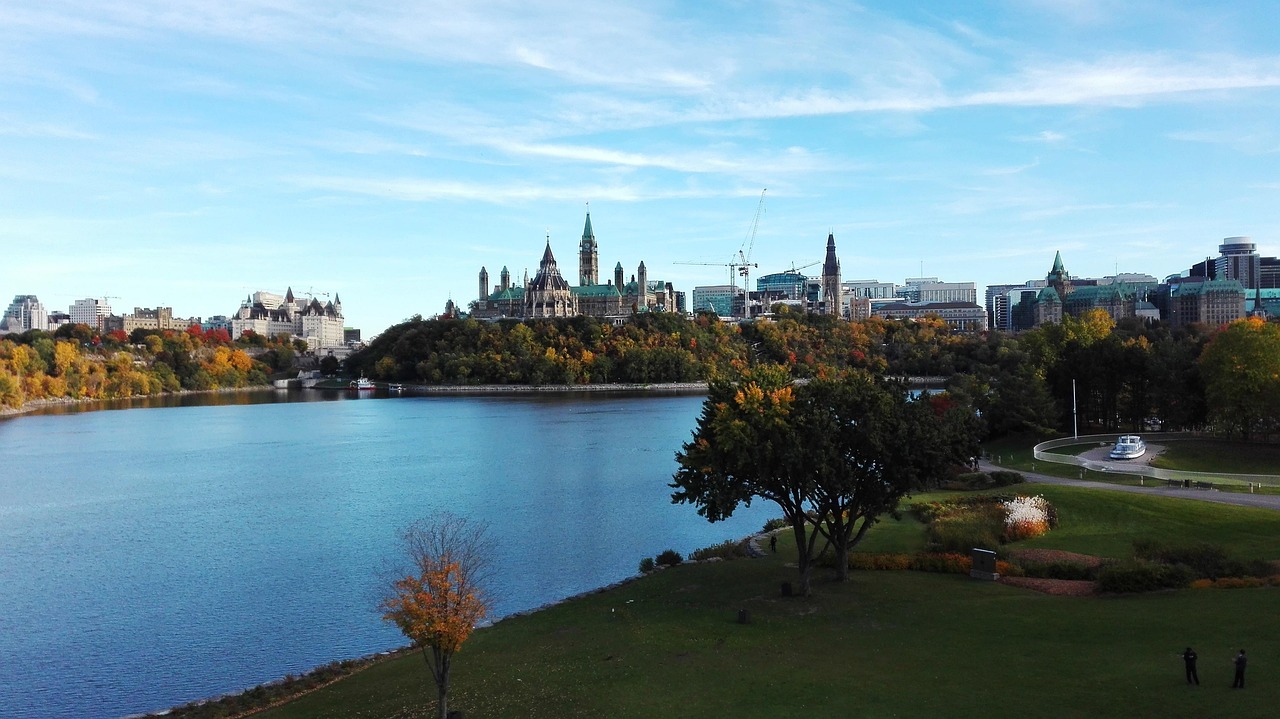
Day two is all about context and views: crossing the river to Gatineau and diving into Canada’s story.
- Morning: Walk or take a short ride to the Canadian Museum of History. Spend a few hours in the Grand Hall and Canadian History Hall.
- Lunch: Eat at the museum café or walk along the river to a nearby restaurant in Gatineau.
- Afternoon: Stroll the riverfront, then head back to Ottawa and visit the Canadian War Museum or another museum of your choice.
- Evening: Time permitting, catch a performance at the National Arts Centre, or enjoy a leisurely dinner downtown.
Family-Friendly Note: If you’re with younger children, you may want to spend most of the day at the Museum of History plus the Children’s Museum section, skipping a second museum.
Day 3: Canal Life & Neighborhoods
On your last day, trade suits and monuments for neighborhoods and the canal.
- Morning: Walk or bike along the Rideau Canal. If you’re here in winter, skate; in summer, rent a bike.
- Lunch: Head to the Glebe for brunch or lunch along Bank Street.
- Afternoon: Wander Lansdowne Park, browse the farmers’ market (if it’s on), then choose: either visit the Canadian Museum of Nature or head to Westboro for Ottawa River views.
- Evening: Relaxed dinner in the neighborhood you end up in, then make your way back downtown for one last night walk around Parliament and the canal.
Romantic Angle: Sunset by Dow’s Lake or the Ottawa River, followed by a cozy dinner in Little Italy or Westboro, makes a lovely final night.
4 Day Itinerary for Ottawa: Add Nature & Deeper Dives
With 4 days in Ottawa, you can slow the pace a bit and add a proper nature escape or an extra museum.
Day 4: Gatineau Park Escape
On my last four-day trip, I dedicated the final day to Gatineau Park. It’s my reset button.
- Morning: Rent a car or take a shuttle/ride-share towards Gatineau Park. Stop at the visitor center, pick up maps, and choose a hike suited to your fitness level.
- Lunch: Pack a picnic or eat at a café in nearby Chelsea, a charming town at the park’s edge.
- Afternoon: More hiking, lake time, or visiting the Mackenzie King Estate. In winter, cross-country skiing and snowshoeing are popular.
- Evening: Head back to Ottawa. A simple, hearty dinner downtown feels even better after a day on the trails.
Adventure Note: In summer, mountain biking and swimming at designated lakes are options; in winter, layering properly is crucial—temperatures can drop well below freezing.
5 Day Itinerary for Ottawa: Live Like a Local
With 5 days in Ottawa, you can do all of the above plus explore local neighborhoods more deeply and fit in side interests like architecture, food tours, or extra galleries.
Day 5: Local Neighborhood Hopping & Architecture
My fifth days in Ottawa tend to be loose and exploratory. I pick a couple of neighborhoods and wander, with a loose theme—coffee, bookstores, architecture, or all three.
- Morning: Coffee in Old Ottawa South, stroll along Bank Street, maybe catch a matinee at the indie cinema.
- Midday: Head towards Rideau Hall and Rockcliffe Park; admire the stately homes and river views.
- Afternoon: Depending on your interests, visit the Royal Canadian Mint, revisit a favorite museum, or join a food tour in ByWard Market.
- Evening: Cap your trip with a special dinner—maybe tasting menus at a modern Canadian restaurant, followed by cocktails in a speakeasy-style bar.
Hidden Gem Idea: Look for small local galleries and artist-run spaces around downtown and the Market; they’re easy to miss but often have interesting exhibitions.
Ottawa Neighborhoods & Districts to Explore
One of the joys of Ottawa is how walkable and bikeable it is. Each neighborhood has its own flavor; stitching them together turns your 3–5 day itinerary for Ottawa into a more layered experience.
- Downtown & Centretown: Government buildings, corporate offices, but also cozy cafés and bars tucked into side streets.
- ByWard Market: Tourist-central but fun—markets, nightlife, and street life.
- Glebe: Tree-lined, residential, independent shops, and Lansdowne Park.
- Old Ottawa South: Bookish, slightly bohemian, with access to the Rideau River.
- Westboro: Outdoorsy and upscale, close to the Ottawa River.
- Little Italy (Preston Street): Food-focused, lively during festivals.
- Hintonburg & Wellington West: (Worth a detour) Trendy, artsy, with great cafés, bakeries, and small galleries.
- Rockcliffe Park & New Edinburgh: Leafy, embassies, stately homes, and Rideau Hall.
Best Local Food & Drink in Ottawa
Ottawa’s food scene has quietly leveled up over the past decade. It’s still less hyped than Montreal or Toronto, which makes it easier to get a table and keep your budget under control.
Local Foods to Try
- BeaverTails: Fried dough pastries with toppings like cinnamon sugar or chocolate. Yes, it’s touristy; yes, it’s worth it—especially after skating.
- Poutine: Fries topped with squeaky cheese curds and gravy. Look for places that use real Quebec curds.
- Maple Everything: Syrup, candies, butter. Markets are full of options.
- Shawarma: Ottawa has a surprisingly strong shawarma game—cheap, filling, and great late at night.
- Craft Beer & Cider: Local breweries and cideries are everywhere now; many bars feature regional taps.
Where to Eat (Personal Picks)
Since places change, I won’t list specific restaurant names that could be outdated by 2026, but here’s how I eat my way around town:
- Breakfast & Brunch: Independent cafés in the Glebe, Hintonburg, and Old Ottawa South are my go-tos.
- Lunch: Quick, affordable meals in ByWard Market or along Bank Street—shawarma, soups, sandwiches.
- Dinner: For a splurge, I look for farm-to-table or modern Canadian menus downtown or in Hintonburg. For casual, pizza or ramen in the neighborhoods.
Saving Money on Food
- Choose lunch specials at nicer restaurants instead of dinner—same kitchen, lower prices.
- Use grocery stores (there are several downtown) for breakfasts and snacks.
- Visit farmers’ markets for picnic supplies; it’s cheaper and more fun than another sit-down meal.
Nightlife, Entertainment & Cultural Experiences in Ottawa
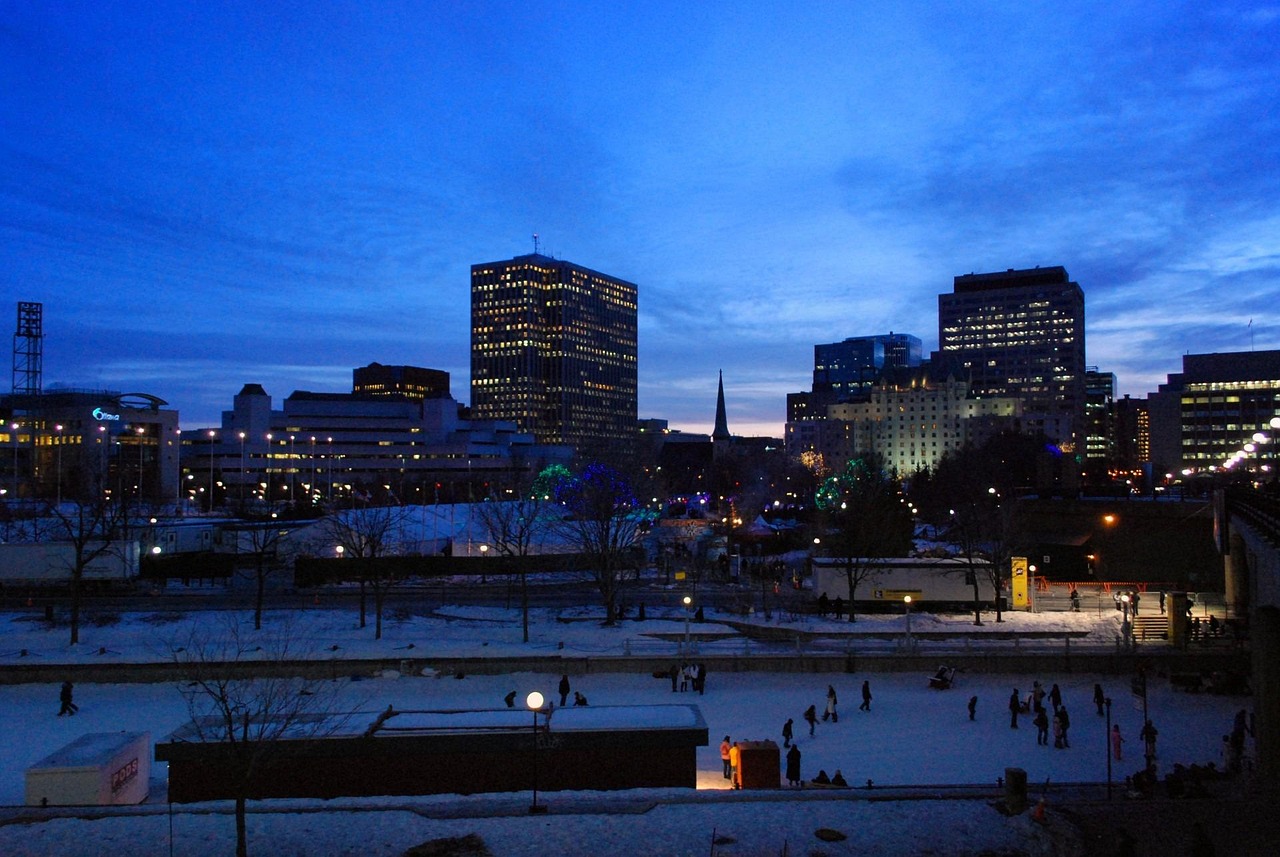
Ottawa isn’t wild, but it’s far from boring. Nightlife is concentrated in ByWard Market, Elgin Street, and along Bank Street, with a mix of pubs, cocktail bars, live music, and theatre.
Evening Ideas
- Theatre & Performance: Check the NAC schedule plus smaller independent theatres.
- Live Music: Jazz, rock, and folk venues are scattered around downtown and the Market.
- Pubs & Craft Beer Bars: Great for low-key nights, often with local brews on tap.
- Romantic Walks: Around Parliament Hill, along the canal, or by the river at night; very safe, especially in the core.
Major Events & Festivals (2026–2027)
Exact lineups and dates change yearly, but here are recurring highlights worth checking as your trip approaches:
- Winterlude (February): Ice sculptures, skating, and winter fun centered around the canal and downtown.
- Canadian Tulip Festival (May): Millions of tulips around the city, especially at Commissioners Park.
- Canada Day (July 1): Fireworks, concerts, and celebrations on Parliament Hill and across the city.
- Bluesfest (July): A major outdoor music festival drawing big-name acts.
- Capital Pride (August): Parades, parties, and cultural events celebrating 2SLGBTQ+ communities.
- Fall Rhapsody (Sept–Oct): Celebrating autumn colors, particularly in Gatineau Park.
Day Trips & Nearby Attractions from Ottawa
If you have a car—or are willing to rent one—there’s a lot within easy reach of Ottawa.
- Gatineau Park: As mentioned, hiking, skiing, lakes, and lookouts.
- Merrickville: A charming village along the Rideau Canal, full of heritage buildings and artisan shops.
- Wakefield: A pretty Quebec village with a covered bridge, cafés, and riverside walks.
- Prince Edward County (longer trip): Wine country and beaches—better as an overnight, but possible as a long day.
Practical Tip: For day trips, renting a car is easiest; rural public transport options are limited.
Cultural Etiquette & Local Customs in Ottawa
Canadians have a reputation for being polite, and Ottawa—being the capital—leans into that stereotype. A few things to keep in mind:
- Politeness: Saying “please,” “thank you,” and “sorry” goes a long way. People hold doors and queue patiently.
- Tipping: Standard is 15–20% in restaurants and bars, 10–15% for taxis, and small tips for hotel staff.
- Language: English is widely spoken; you’ll see and hear French too. A simple “bonjour” is appreciated on the Quebec side.
- Personal Space: Canadians generally appreciate a bit of distance when queuing or on public transport.
- Diversity & Respect: Ottawa is multicultural and has large immigrant and 2SLGBTQ+ communities. Inclusive language and respect for different backgrounds are the norm.
- Indigenous Acknowledgment: You may hear land acknowledgments at events, recognizing that Ottawa sits on the traditional territory of Indigenous peoples; these are taken seriously.
Practical Travel Advice for Ottawa (2026–2027)
Getting Around
- On Foot: Downtown, ByWard Market, Parliament, and the canal are all walkable.
- Public Transport: OC Transpo runs buses and the O-Train light rail. The LRT connects key central points, and buses cover the rest.
- Biking: Ottawa is bike-friendly with many paths along the river and canal. Bike rentals and bike-share options are available in warmer months.
- Car Rental: Not necessary for the city core, but useful for day trips.
- Ride-Sharing & Taxis: Widely available and safe.
Saving Money
- Look for combo museum passes or free hours (often one evening per week).
- Use public transport instead of taxis whenever possible.
- Stay slightly outside the absolute core (e.g., in the Glebe or Hintonburg) for better accommodation value.
- Self-cater simple meals from supermarkets to balance out restaurant splurges.
SIM Cards & Connectivity
Canada’s mobile data is notoriously pricey, but you have options:
- eSIM: Many international travelers now use eSIM plans that cover Canada—check providers before you arrive.
- Local SIM: Major providers and discount brands have kiosks in malls and some convenience stores. Bring your passport just in case.
- Wi-Fi: Hotels, cafés, and museums often offer free Wi-Fi; coverage is good in the core.
Visa Requirements & Entry
- Visa-exempt nationals: Many travelers need only an Electronic Travel Authorization (eTA) if flying to Canada; check the official Government of Canada website.
- Others: May require a visa; apply well in advance.
- Border Checks: Be ready to show proof of onward travel and accommodation.
Driving & Foreign Licenses
- Most visitors can drive using their valid foreign driver’s license for a limited period (often up to 90 days), but check Ontario and Quebec rules if you’ll drive in both.
- An International Driving Permit (IDP) is recommended if your license isn’t in English or French.
- Road conditions are good; winter driving requires caution—snow and ice are common.
Weather & When to Go
- Winter (Dec–Feb): Cold, snowy, magical if you like winter sports. Best for Winterlude and skating the canal.
- Spring (Mar–May): Unpredictable early on; by May, tulips and mild weather. Great shoulder season, especially for the Tulip Festival.
- Summer (Jun–Aug): Warm, sometimes hot and humid, with long evenings and many festivals. Perfect for outdoor patios and river/canal activities.
- Fall (Sept–Nov): Crisp air, brilliant foliage, especially in Gatineau Park. My personal favorite time for a 3 day itinerary for Ottawa.
Safety
Ottawa is one of the safer capitals I’ve visited. Standard city precautions apply: be aware of your surroundings at night, keep valuables secure, and avoid very isolated areas after dark. The tourist core is well-lit and patrolled.
Summary: Key Takeaways & Best Time to Visit Ottawa
Ottawa is a city that reveals itself slowly. Come for the postcard views of Parliament and the Rideau Canal; stay for the quiet charm of its neighborhoods, the depth of its museums, and the way locals make space for you on a shared path or in a crowded café.
- Best for 3 days in Ottawa: Parliament Hill, ByWard Market, Rideau Canal, key museums, and a taste of neighborhood life.
- Best for 4 days in Ottawa: Add a full day in nature—ideally Gatineau Park—or extra museum time.
- Best for 5 days in Ottawa: Settle into the rhythm of the city: more neighborhoods, more food, more unhurried walks and cultural experiences.
- Best seasons:
- Winter for skating and Winterlude.
- May for tulips and comfortable temperatures.
- Summer for festivals and patios.
- Fall for foliage and fewer crowds.
However you structure your 3–5 day itinerary for Ottawa, leave space for serendipity: an extra hour in a museum that moves you, a side street that looks inviting, or a café where you end up talking with the owner about life in Canada’s quiet, thoughtful capital.