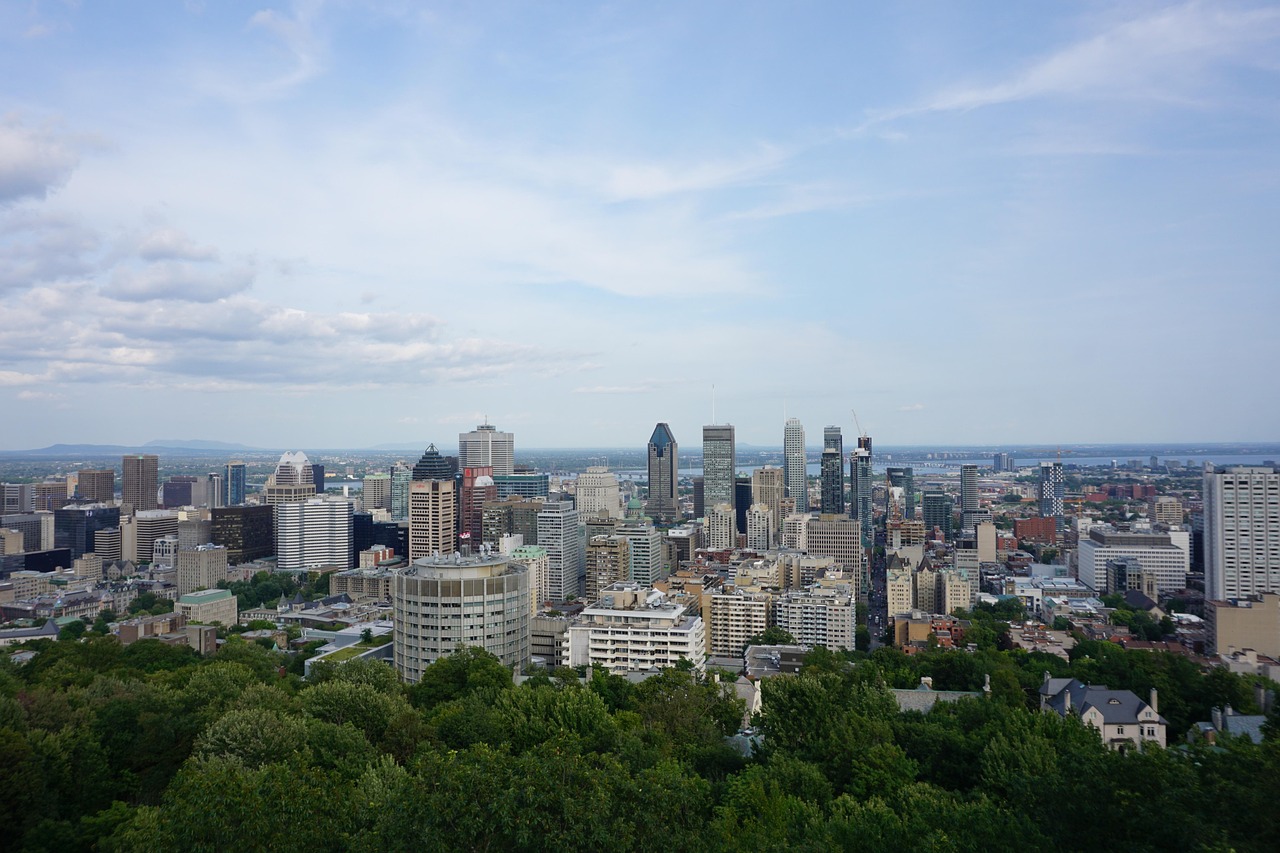
Why Visit Quebec City?
If you’ve ever wondered what it would feel like to step into a European walled city without crossing the Atlantic, Quebec City is your answer. Perched on a cliff above the St. Lawrence River, this small but charismatic city blends French heritage, Indigenous roots, and modern Québécois culture into something completely its own.
I’ve visited Quebec City more times than I can count over the past decade, in every season: trudging through snowdrifts in February, sipping chilled cider on sunny July evenings, and watching fiery leaves tumble down in October. Every time I return, I end up discovering a new café, a tucked‑away viewpoint, or a local festival I’d somehow missed before.
What makes Quebec City special isn’t just its postcard looks or famous Château Frontenac. It’s the rhythm of the streets: buskers playing accordions in Old Quebec, families picnicking on the Plains of Abraham, chefs debating cheese at the market, and the easy switch between French and English that makes visitors feel both slightly foreign and completely welcome.
Whether you’re planning 3 days in Quebec City, 4 days in Quebec City, or a full 5 day itinerary for Quebec City, this guide is designed to feel like a local friend walking you through the city—sharing the must‑see attractions, but also the little secrets and practical travel tips that make a trip smoother and more memorable.
Table of Contents
- Why Visit Quebec City?
- Quick Overview & How This Guide Works
- Neighborhoods & Areas to Explore
- 20 Must-See Attractions in Quebec City (With Local Stories)
- 3–5 Day Itineraries: How to Spend Your Time
- Local Food & Drink in Quebec City
- Cultural Etiquette & Local Customs
- Nightlife, Entertainment & Cultural Experiences
- Day Trips & Nearby Escapes
- Major Events & Festivals in 2026–2027
- Practical Travel Advice for Quebec City
- Summary & Best Time to Visit
Quick Overview & How to Use This Travel Guide
This travel guide for Quebec City is long and detailed by design. If you’re in planning mode and love to go deep, you’ll find everything from must‑see attractions to hidden gems and local customs. If you’re in a rush, here’s how to approach it:
- Short on time? Jump straight to the 3 day itinerary for Quebec City for a curated overview of the best places to visit in Quebec City.
- Visiting for longer? Use the 4 day itinerary and 5 day itinerary sections to layer on more neighborhoods and cultural experiences.
- Food-obsessed? Go directly to Local Food & Drink in Quebec City for where and what to eat.
- On a budget? Don’t miss the Practical Travel Advice section for money‑saving ideas, SIM card options, and transit tips.
Neighborhoods & Areas to Explore in Quebec City
Vieux-Québec (Old Quebec – Upper & Lower Town)
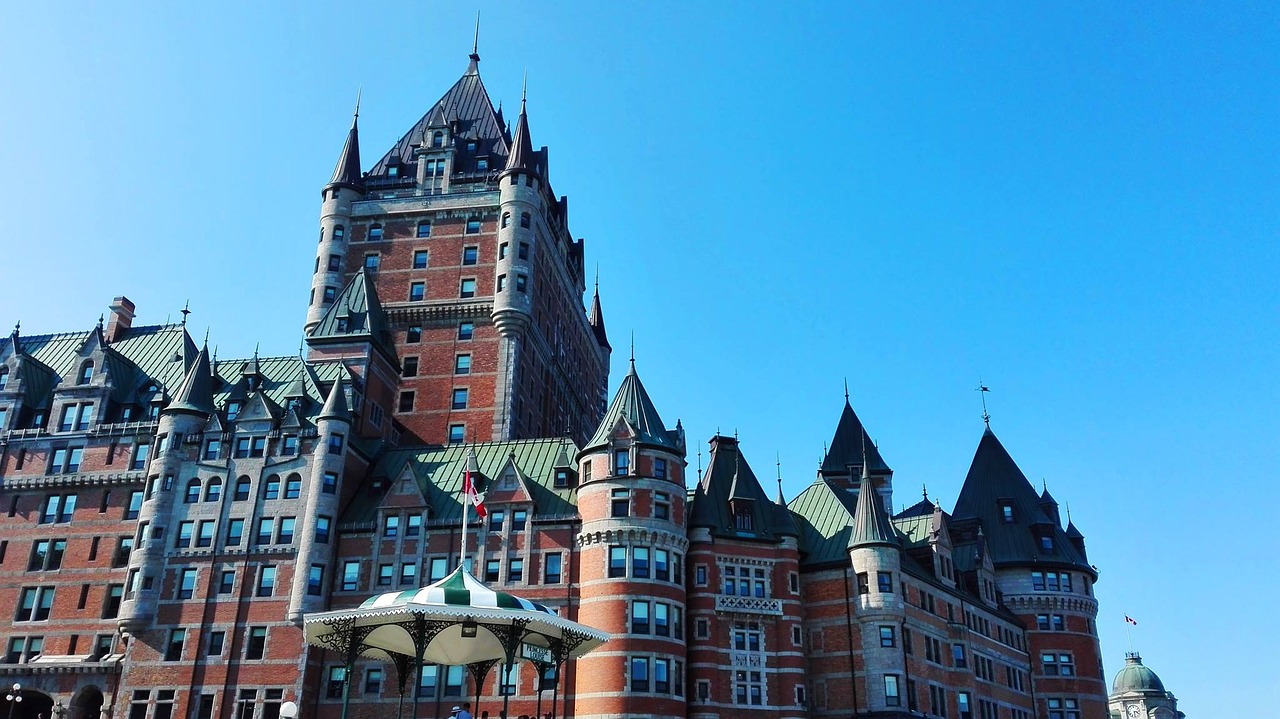
Old Quebec is the heart of the city and a UNESCO World Heritage Site. Split into Upper Town (Haute-Ville) and Lower Town (Basse-Ville), it’s where most first‑time visitors spend the bulk of their time. Think stone fortifications, narrow alleyways, and buildings that look plucked straight from a French village.
Petit-Champlain & Place-Royale
Down by the river, the Petit-Champlain district is one of the most photogenic areas in all of Canada. I’ve wandered those pedestrian lanes at dawn when shopkeepers are just rolling up shutters, and late at night when snow muffles footsteps—it’s magic either way.
Saint-Jean-Baptiste
West of the fortified walls, Saint-Jean-Baptiste stretches along Rue Saint-Jean. It’s more residential and bohemian, with independent boutiques, cozy cafés, and some of my favorite bakeries. When I want to escape the tourist crowds but still feel central, I stay here.
Saint-Roch
Once down-at-heel, Saint-Roch has transformed into a creative, start‑up‑meets‑street‑art neighborhood. It’s where you’ll find third‑wave coffee, craft beer bars, and vibrant murals. At night, it hums with locals rather than tourists.
Montcalm & the Arts District
Centered around Avenue Cartier, Montcalm is home to the Musée national des beaux-arts du Québec and plenty of little bistros. I like to combine a museum visit with a slow stroll past the illuminated lamp‑post art installations on Cartier.
Limoilou
A bit further out, Limoilou is a leafy, lived‑in neighborhood with strong community vibes. It’s known for its “ruelles vertes” (green alleys), indie eateries, and a more local pace. If you want to see everyday life in Quebec City, come here.
20 Must-See Attractions in Quebec City (With Local Stories)
These are the must‑see attractions and best places to visit in Quebec City. For each, I’ve included history, what to do, and my own notes from repeated visits.
1. Fairmont Le Château Frontenac
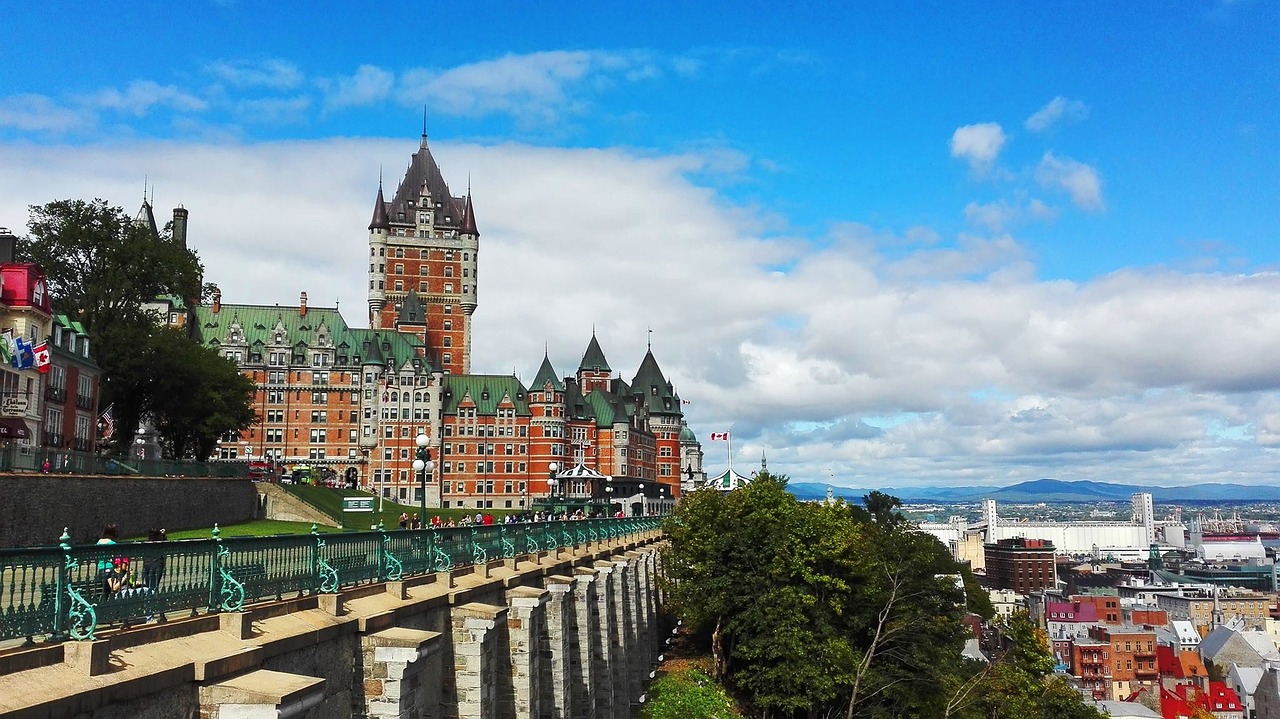
Arguably the most photographed hotel in the world, the Château Frontenac is to Quebec City what the Eiffel Tower is to Paris. Opened in 1893 by the Canadian Pacific Railway, it was designed to lure wealthy rail passengers and has since become the city’s defining landmark.
On my first trip, I couldn’t afford to stay there, so I did what every broke traveler does: I walked through the lobby as if I belonged, admired the wood paneling and chandeliers, and then splurged on a single cocktail at the bar. Even that felt lavish, especially with the river views.
What to do: Walk around the exterior from the Dufferin Terrace side, then circle down toward Rue du Trésor for different angles. Inside, browse the small exhibits on the hotel’s history, or book an official guided tour (they’re surprisingly good and full of quirky stories, including wartime conferences held there).
When to go: Sunset is perfect for photos; in winter, the Château dusted with snow looks like something out of a fairytale. For families, the wide terrace out front is stroller‑friendly and great for kids to run off steam.
Tip: If staying here is out of budget, consider afternoon tea or a drink at the bar instead. Dress is smart‑casual; you don’t need to be formal, but gym clothes will feel out of place.
2. Terrasse Dufferin
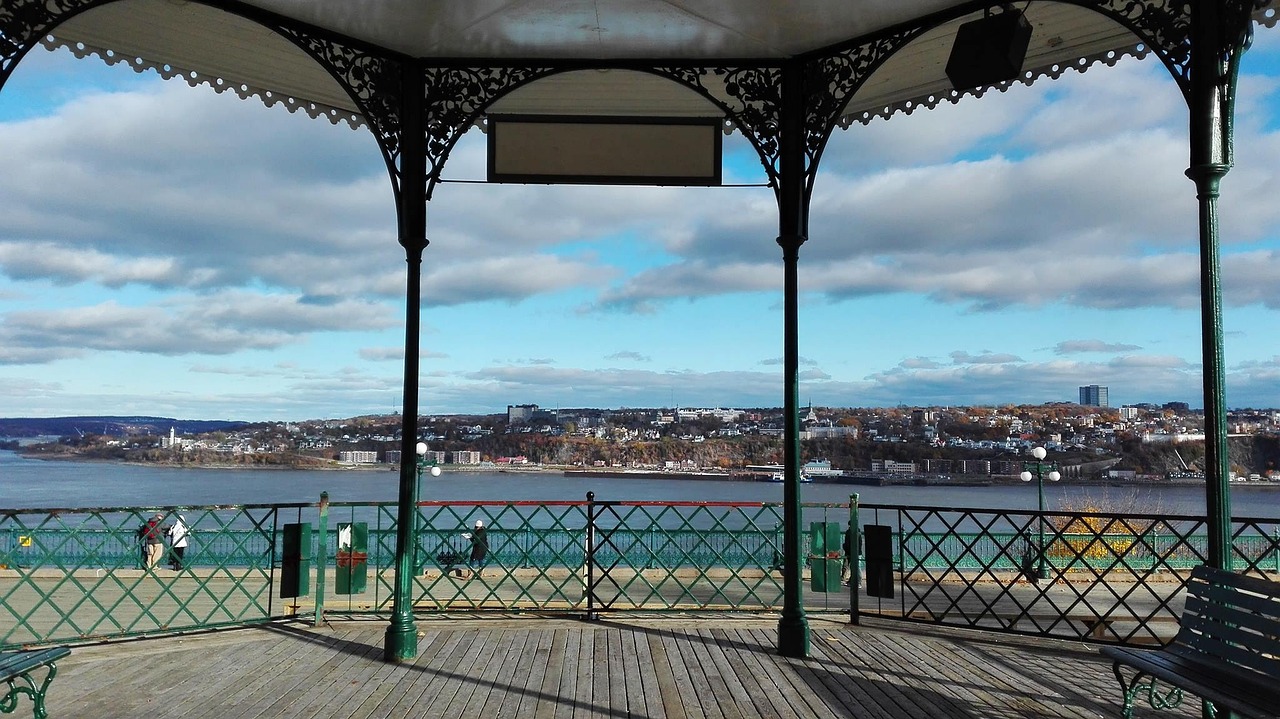
The wooden boardwalk stretching in front of the Château Frontenac is Terrasse Dufferin, a favorite promenade of both locals and visitors. It runs along the cliff edge, offering sweeping views of the St. Lawrence River, Lévis across the water, and the Lower Town below.
One icy February afternoon, I spent an hour here just watching kids race down the famous toboggan slide that pops up in winter. I was “too old” to join, or so I told myself, until a local grandmother in a bright red parka convinced me otherwise. We screamed like teenagers all the way down.
What to do: Stroll the length of the boardwalk, look out for street performers in summer, and in winter, try the toboggan run if it’s open. Underneath the boardwalk lie the remains of earlier fortifications, now part of the Saint-Louis Forts and Châteaux National Historic Site (worth a quick visit if you like archaeology).
Tip: It can be extremely windy here. Even on a sunny day, bring a layer. At night, it’s a romantic walk with city lights twinkling below—perfect for couples.
3. The Fortifications & City Walls
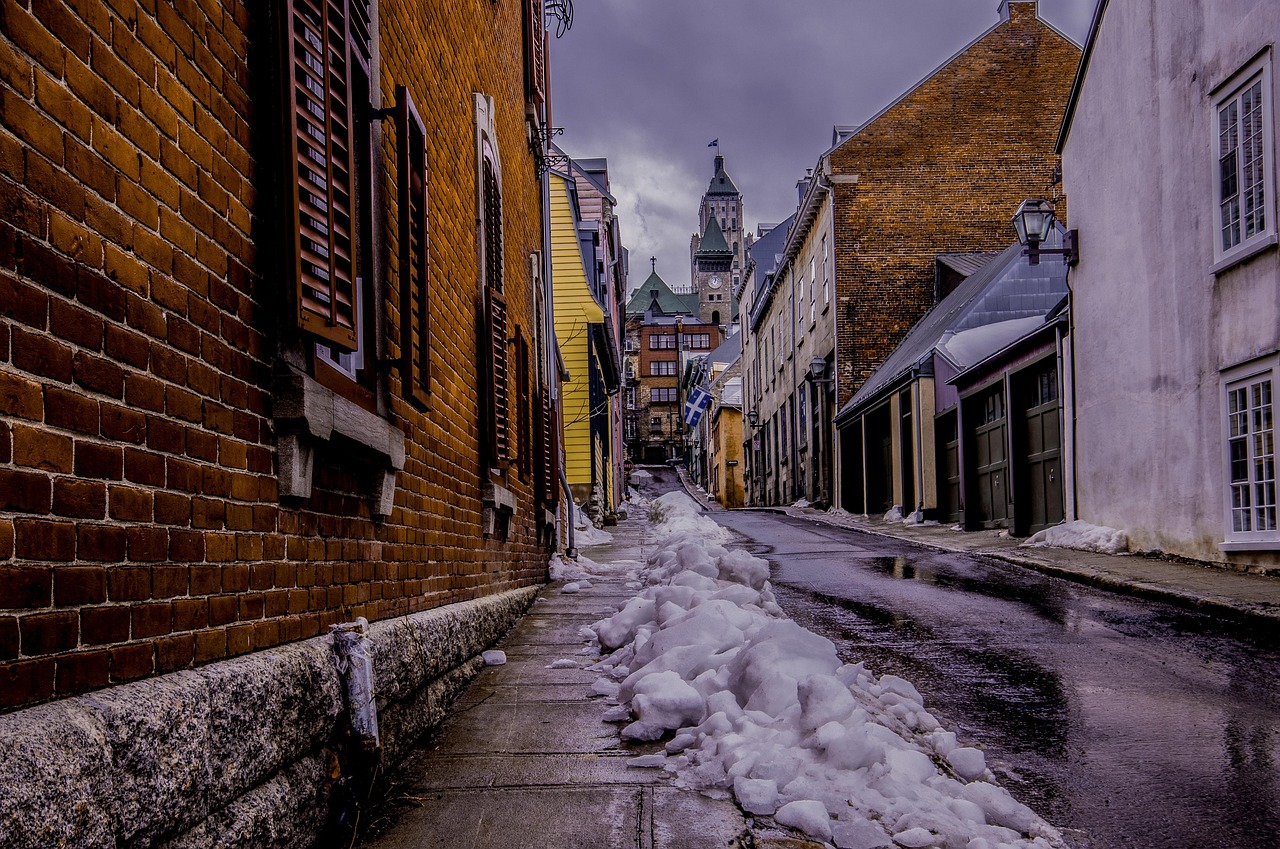
Quebec City is the only North American city north of Mexico with intact city walls. Built and modified between the 17th and 19th centuries, the fortifications once protected the colony and now form a scenic walkway that wraps around Old Quebec.
One spring morning, I followed the walls from Porte Saint-Jean to Porte Saint-Louis, pausing at each bastion. The higher sections, near the Citadelle, offer particularly gorgeous views—rooftops in one direction, the river in the other.
What to do: Walk the ramparts starting from any city gate (Porte Saint-Jean is a good entry point). Panels along the way explain the history. This is a great, free activity and a good way to orient yourself when you first arrive.
Family tip: Kids tend to love the “castle walls” vibe. Just keep an eye on little ones near edges and stairs.
4. Place-Royale
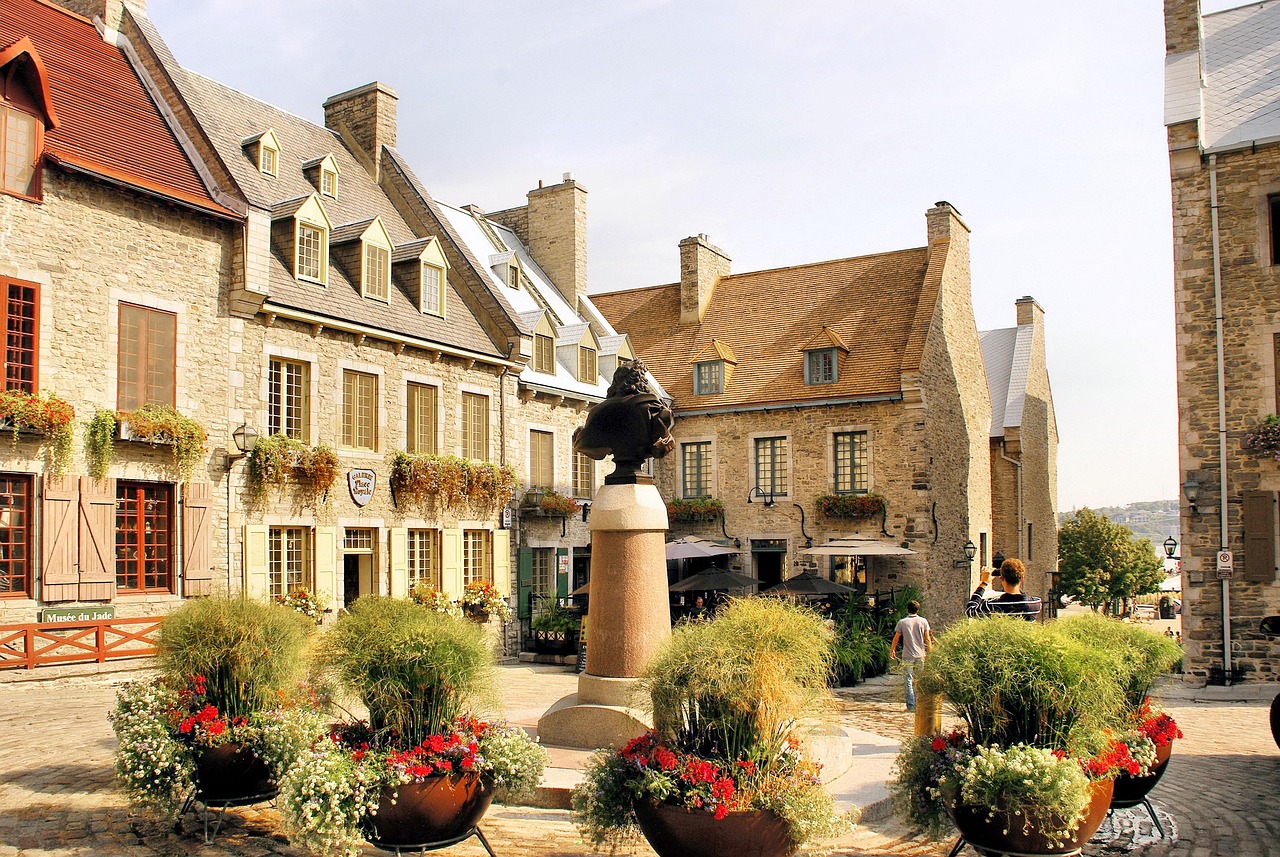
Place-Royale is where Quebec City was founded in 1608 by Samuel de Champlain. Surrounded by stone buildings and anchored by the lovely Notre-Dame-des-Victoires church, it feels like stepping back several centuries.
I like to grab a takeaway coffee and sit on the low stone walls in the morning before crowds arrive. The square slowly comes to life as tour groups filter in, but at 8 or 9 a.m., you’ll often have it almost to yourself.
What to do: Pop into the church (it’s small but atmospheric), wander the cobblestone streets around the square, and look up at the murals depicting the area’s evolution through time.
Tip: This area is slippery in winter. Wear boots with good grip and watch your step on the cobblestones.
5. Quartier du Petit-Champlain
Just a short walk from Place-Royale, Petit-Champlain is a narrow pedestrian street lined with boutiques, galleries, and restaurants. In December, it turns into the kind of Christmas village you’d swear was CGI—garlands overhead, fairy lights everywhere, and snow (usually) piled high.
Over several visits, I’ve come to know specific windows: the artisan jewelry shop with delicate silver maple leaf pendants, the candy store that smells like caramel a block away. It’s touristy, yes, but irresistibly charming.
What to do: Browse shops (many sell quality local products), stop for a crêpe or maple taffy, and take a million photos. Early morning or late evening are best if you want the street relatively empty.
Romantic angle: Come at twilight in winter, when snow is falling and the street glows. It’s one of the most romantic spots in Quebec City.
6. Old Quebec Funicular
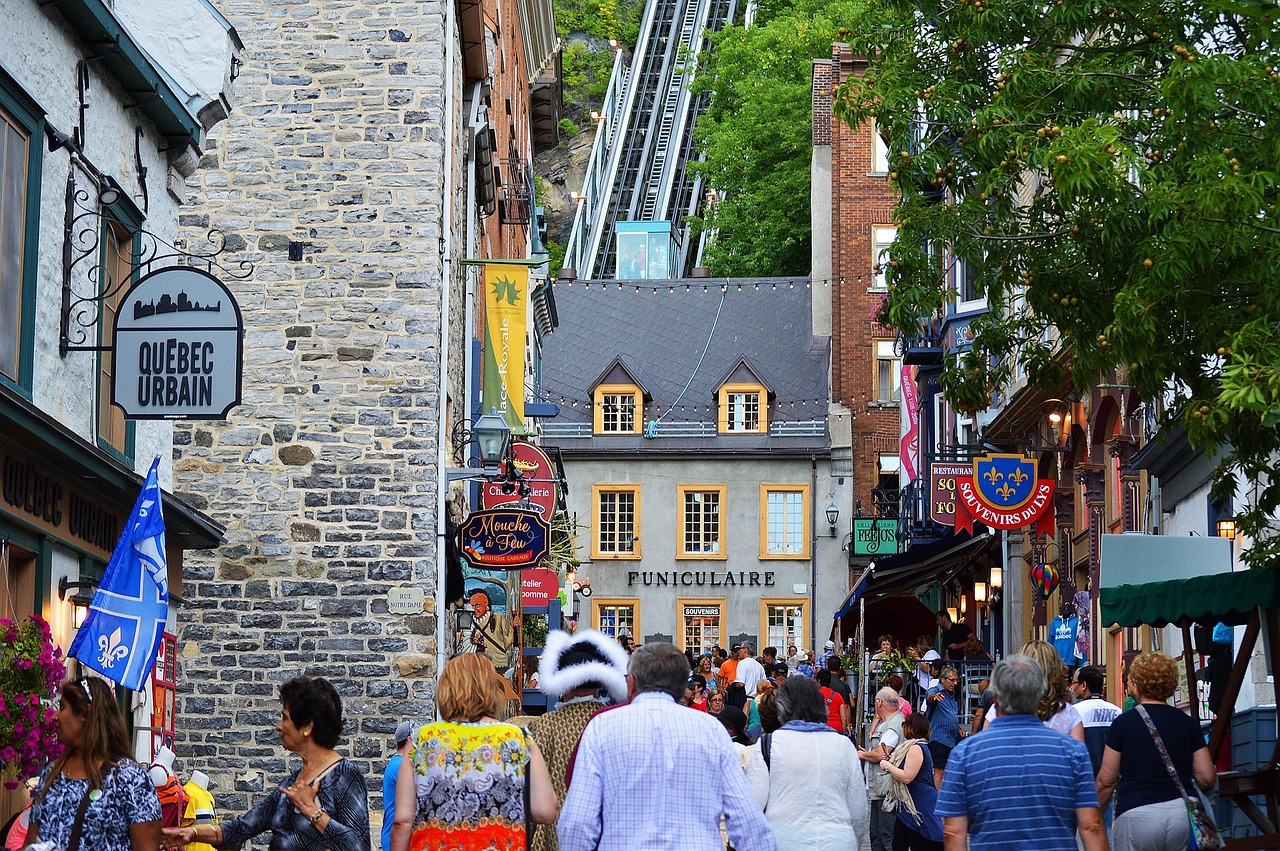
The Funiculaire du Vieux-Québec links Upper Town near the Château Frontenac to Lower Town near Petit-Champlain. It’s both practical and a mini attraction, especially if you’re not keen on climbing steep stairs.
On my first winter trip, after slipping my way down the staircase, I happily paid for the ride back up. The funicular glides along the cliff, giving you an angled view of rooftops and the river as you go.
What to do: Use it at least once for the experience, especially if you’re traveling with kids or older family members. The ride is short but fun.
Tip: There’s often a short line in peak hours. If you’re able to walk, consider taking the stairs down and the funicular up to save your legs.
7. La Citadelle de Québec & Changing of the Guard
The Citadelle is an active military installation and the largest British fortress built in North America. It’s also home to the Royal 22e Régiment (“Van Doos”), a francophone regiment of the Canadian Forces.
One crisp July morning, I joined a guided tour and stayed for the changing of the guard ceremony. The precision, the uniforms, and the resident goat mascot (yes, really) all made for a surprisingly engaging experience.
What to do: Take a guided tour to access the interior and learn about Quebec’s military history. In summer, time your visit for the changing of the guard (schedule varies, so check ahead).
Viewpoint: The grassy ramparts offer sweeping views over the city and river—bring your camera.
8. Plains of Abraham (Battlefields Park)
The Plains of Abraham is a vast historic park where the pivotal 1759 battle between French and British forces took place, changing the course of North American history. Today, it’s a green urban escape used for picnics, concerts, cross‑country skiing, and festivals.
I’ve biked across it in summer, snowshoed in February, and sprawled on the grass with a book in early autumn. It feels like Quebec City’s living room.
What to do: Walk or bike the trails, visit the museum/interpretation center if you’re into history, and check what events are on—major outdoor concerts and festivals often happen here.
Family friendly: Tons of open space for kids to run, plus winter sliding hills when snow conditions allow.
9. Quebec Parliament Building & National Assembly
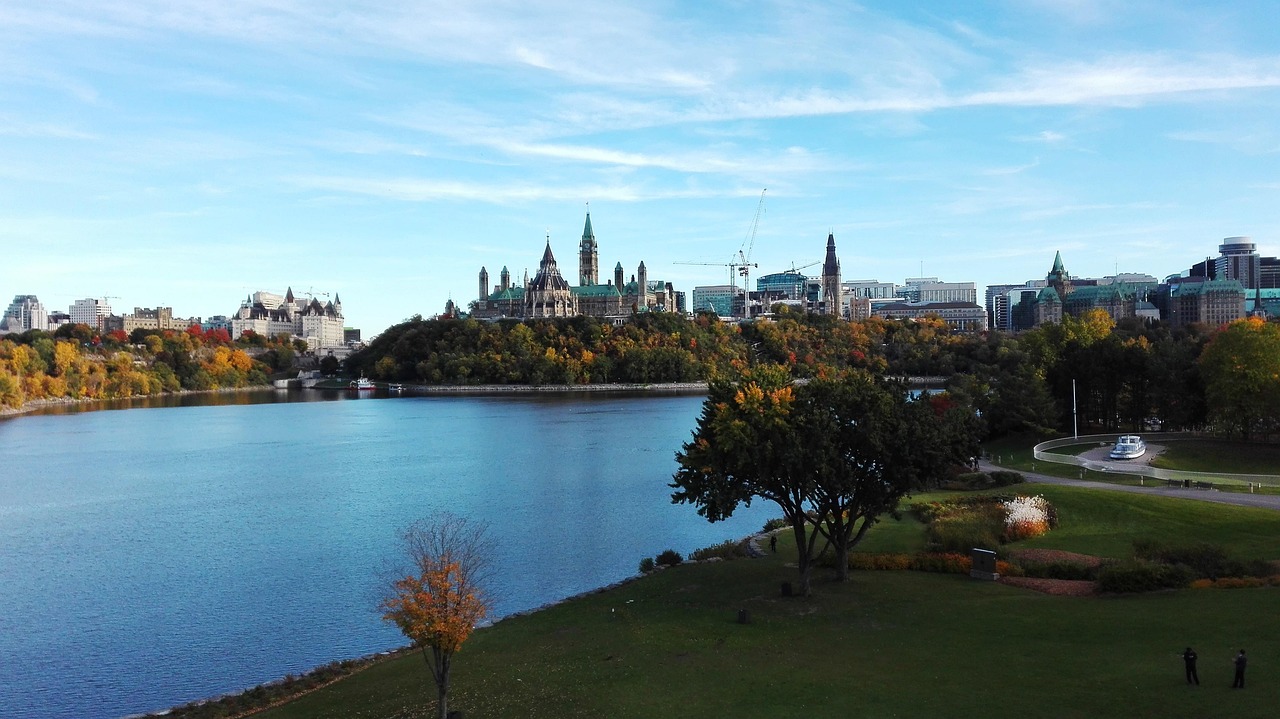
The Assemblée nationale du Québec is housed in an elegant Second Empire style building just outside the old city walls. Statues of historical figures dot the façade, and fountains splash out front in warmer months.
On a rainy afternoon a few years ago, I joined a free guided tour on a whim. It ended up being a fascinating crash course in Quebec politics, architecture, and the province’s distinct identity.
What to do: Take a guided tour (available in French and English), stroll the gardens, and admire the building’s details up close.
Tip: You’ll need to pass through security and possibly show ID, so allow a bit of extra time.
10. Morrin Centre
The Morrin Centre is one of my favorite “hidden in plain sight” spots. Once a prison, then a college, it now houses a beautiful English-language library and cultural center.
The first time I walked into the library room—with its tall wooden shelves and spiral staircase—I felt like I’d discovered Quebec City’s answer to a Harry Potter set.
What to do: Join a guided tour to learn about the building’s past as a jail (complete with preserved cells), then spend a few quiet minutes in the library.
Tip: This is a good rainy‑day or winter activity, and a nice break from outdoor sightseeing.
11. Fresque des Québécois & City Murals
Quebec City has several monumental trompe‑l’œil murals, but the Fresque des Québécois in Lower Town is the star. It cleverly blends real and painted architecture and depicts dozens of historical figures and everyday scenes.
I’ve stood in front of it in different seasons, always noticing a new detail: a cat on a windowsill, a familiar politician tucked into the crowd, a ship in the distance.
What to do: Stop here on your way between Place-Royale and Petit-Champlain. It’s free, quick, and great for photos.
Tip: Try to visit in softer morning or late afternoon light for better pictures without harsh shadows.
12. Parc de la Chute-Montmorency (Montmorency Falls)
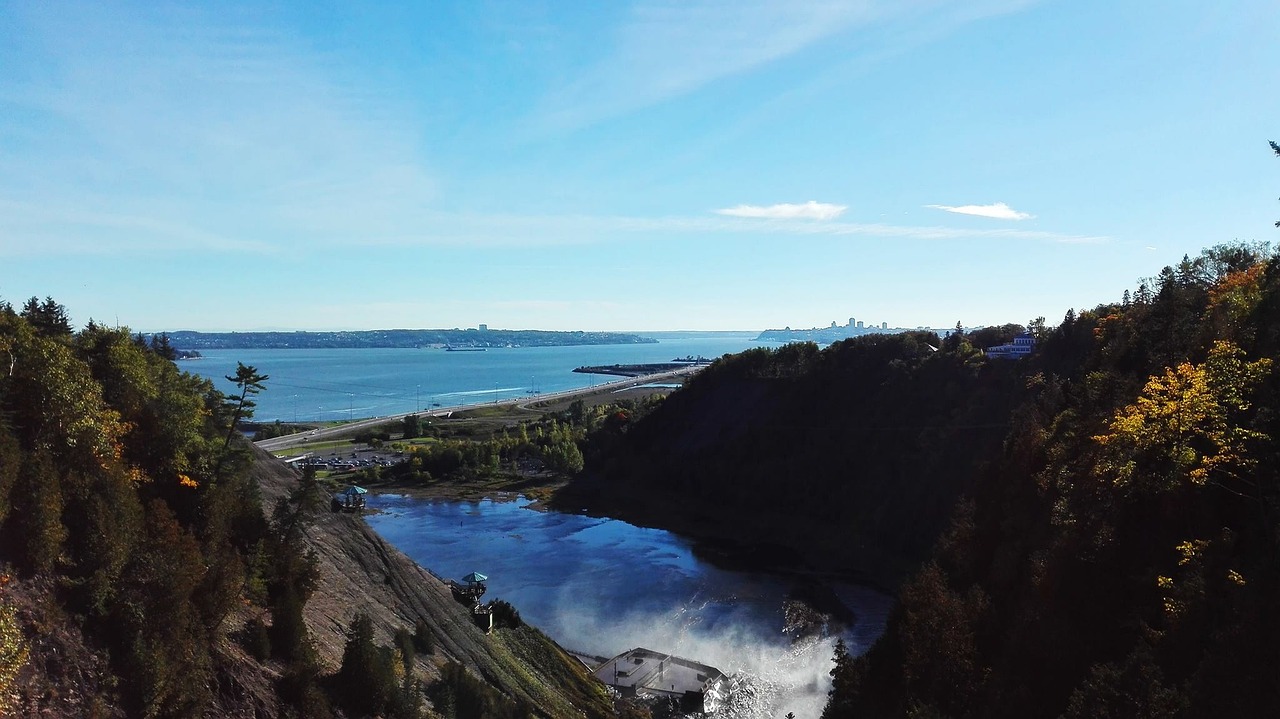
Just outside the city, Montmorency Falls towers 30 meters higher than Niagara, though narrower. It’s a dramatic year‑round attraction: roaring and misty in spring, lush in summer, glowing with autumn color, and frozen into an icy monster in winter.
On my last summer visit, I crossed the suspension bridge at the top, feeling the rumble of water beneath my feet, then took the stairs down for different viewpoints. In winter, I watched ice climbers scaling the frozen wall—definitely for the adventurous.
What to do: Walk the suspension bridge, ride the cable car, explore the trails, and if you’re up for it, tackle the staircase (or at least part of it). For thrill seekers, there’s also a via ferrata and zipline in summer.
How to get there: About 15 minutes by car from Old Quebec, or accessible by bus and some organized tours. It’s one of the best half‑day trips from Quebec City.
13. Île d’Orléans
Île d’Orléans is a rural island in the St. Lawrence River, just a short drive from Quebec City but a world away in feel. It’s all rolling fields, farm stands, cideries, and historic villages.
I’ve biked sections of the island, stopping at roadside stands for strawberries and ice cream, and once spent a full day hopping between cider producers and chocolate shops. The pace is unhurried and deeply soothing.
What to do: Rent a car or bike, circle part or all of the island, sample local products (strawberries, apples, ciders, cheeses), and enjoy views back toward Quebec City’s skyline.
Tip: Weekdays outside peak summer are delightfully quiet. In July and August, reserve tastings ahead at popular cideries.
14. Musée de la civilisation
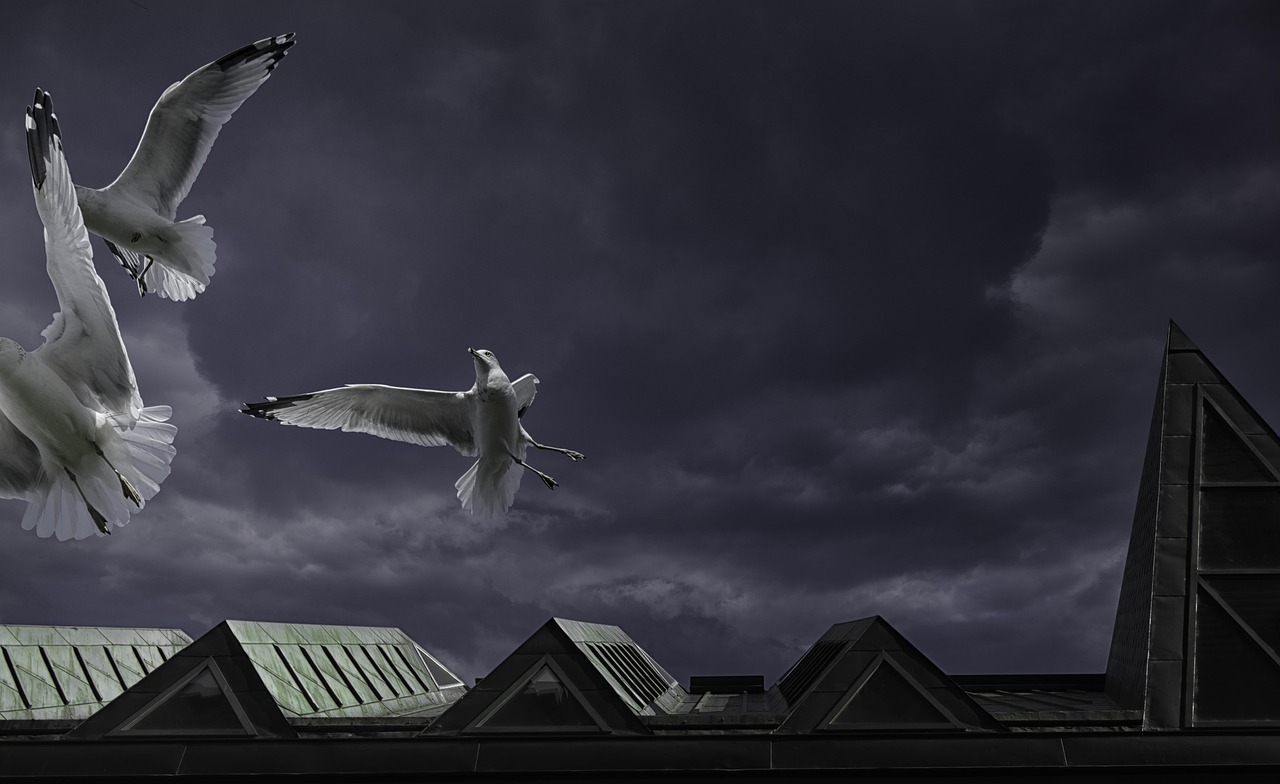
This modern museum in Lower Town is one of the best in Quebec City, with thoughtful exhibits on Quebec’s history, Indigenous cultures, and rotating contemporary topics.
On one chilly November day, I ended up spending almost four hours inside, completely absorbed in an exhibit about daily life in New France and another about contemporary Indigenous art.
What to do: Plan at least 2–3 hours. Check the current temporary exhibitions—they’re often excellent and family‑friendly, with interactive elements.
Tip: A great option if the weather turns bad or if you need a break from walking. Audio guides and bilingual signage make it accessible to non‑French speakers.
15. Musée national des beaux-arts du Québec (MNBAQ)
Located by the Plains of Abraham, this museum showcases Quebec and Canadian art from historical to very contemporary, in a mix of heritage and modern buildings.
I especially love the glass pavilion, which feels light and airy even on grey days, and the sculpture garden outside, where locals linger with coffee in hand.
What to do: Wander through the permanent collections to get a visual sense of Quebec’s evolution, then check out the latest temporary show. The café is a pleasant stop, too.
Tip: Combine a visit here with a walk on the Plains of Abraham and dinner in nearby Montcalm.
16. Notre-Dame de Québec Basilica-Cathedral
This basilica in Upper Town occupies a site that’s been home to a church since the 17th century. The current building has been rebuilt and restored multiple times after fires, but retains a sense of layered history.
I often duck in here for a few minutes of quiet; the gilded interior and soft light make it feel almost suspended in time.
What to do: Step inside, take a slow loop around the nave, and look up at the ceiling details. If you’re interested, ask about the Holy Door (opened during specific Jubilee years).
Tip: Be respectful of worshippers—keep voices low and avoid flash photography.
17. Rue Saint-Jean & Saint-Jean-Baptiste District
Rue Saint-Jean runs from within the old walls out into the Saint-Jean-Baptiste neighborhood. It’s lined with shops, bakeries, and restaurants, and feels more local the further you go from the fortifications.
On one of my longer stays, I rented an apartment off this street. My days began with croissants from a neighborhood boulangerie and ended with late‑night poutine from a tiny casse‑croûte where the staff knew my order by the second evening.
What to do: Walk the full length from the city gate outwards, stopping for coffee, browsing bookstores, and people‑watching. The atmosphere is especially lively on summer evenings.
Budget tip: This area has more affordable eateries than the heart of Old Quebec. Great for saving money without sacrificing charm.
18. Saint-Roch & Street Art
Saint-Roch is Quebec City’s creative, slightly gritty younger sibling. Old industrial buildings now house design studios, co‑working spaces, and hip restaurants. Street art covers walls and alleys.
I like to come here when I need a break from Old Quebec’s historic perfection. A third‑wave coffee shop, a bar with craft beers, and a ramen joint are all within a few blocks.
What to do: Wander along Rue Saint-Joseph, look for murals, and drop into cafés. In the evening, this is one of the best nightlife zones for locals.
Tip: It’s walkable from Old Quebec (downhill going there, uphill on the way back). Alternatively, hop on a bus or rideshare.
19. Old Port & Waterfront
Below the cliffs of Old Quebec lies the Old Port area, with its warehouses turned into galleries, shops, and condos, and a promenade along the river.
On summer evenings, I love walking here with an ice cream, watching boats bob in the marina and the sun sink behind the bridges.
What to do: Stroll the waterfront, visit the market (Marché du Vieux-Port if/when open or its relocated equivalents), and look for boat tours or ferries.
Family friendly: Flat paths for strollers and plenty of space for kids to run.
20. Quebec City–Lévis Ferry
If you want the classic skyline view of Quebec City, take the short ferry ride across to Lévis. It runs year‑round, even cutting through ice in winter, and offers some of the best vantage points for photos.
One January afternoon, I stood on the outer deck bundled in every layer I owned, watching the Château Frontenac glow golden as the sun set. My fingers were frozen, but the images were worth it.
What to do: Ride over to Lévis, take in the view from the waterfront or higher up in Parc du Chevalier-de-Lévis, grab a hot drink, then come back.
Tip: Try to time your crossing for golden hour or after dark for city lights. Bring a windproof layer—being on the water is colder than you’d expect.
3–5 Day Itineraries for Quebec City
Whether you’re planning 3 days in Quebec City, 4 days in Quebec City, or a 5 day itinerary for Quebec City, these sample plans mix must‑see attractions, local food, and hidden gems. Think of them as flexible frameworks you can tweak to your pace and interests.
3 Day Itinerary for Quebec City
If you have just 3 days in Quebec City, focus on Old Quebec, key viewpoints, and one nearby natural escape.
Day 1: Old Quebec Highlights & River Views
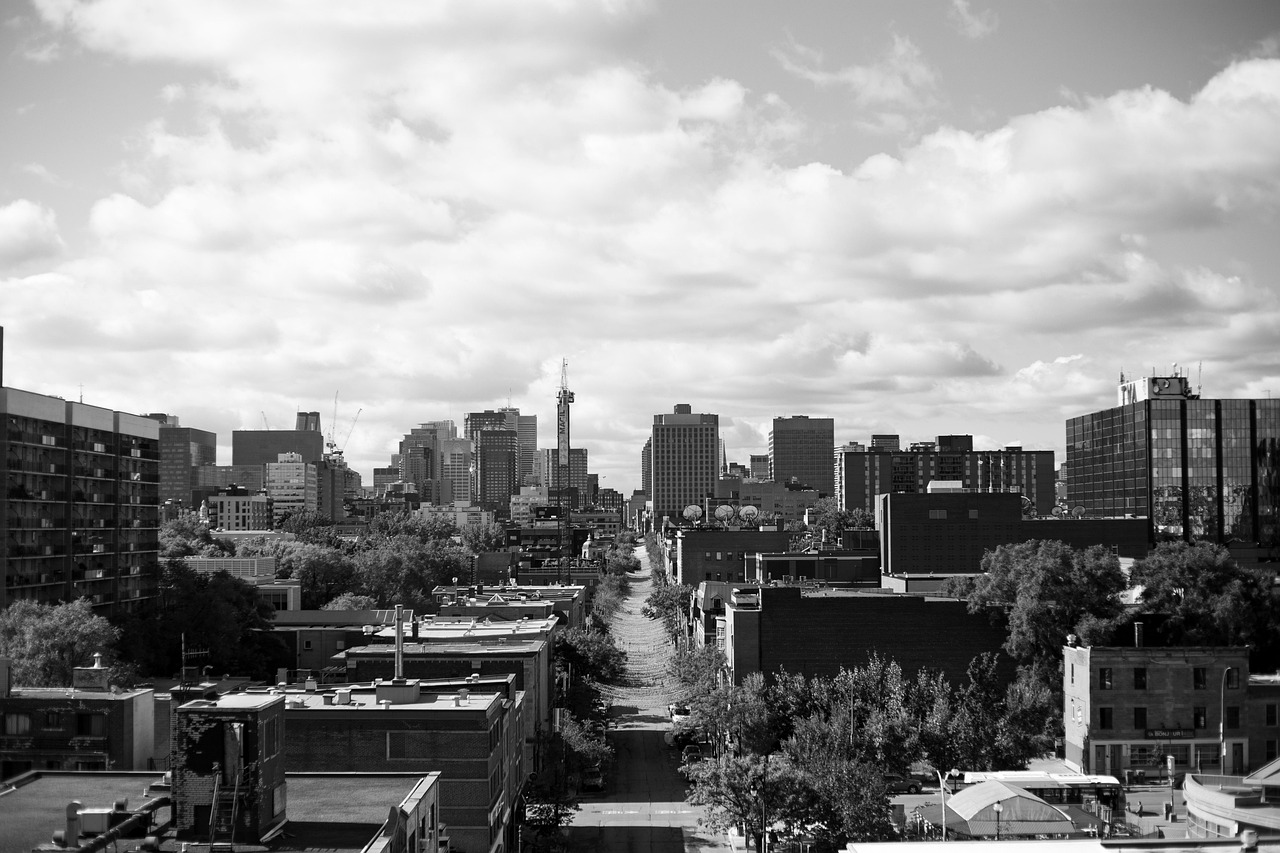
Start your trip where Quebec City shines brightest: inside the walls of Old Quebec.
- Morning: Arrive in Old Quebec, grab breakfast on Rue Saint-Jean (a croissant and café au lait is practically mandatory), then walk through Porte Saint-Jean and up to the Château Frontenac. Wander Terrasse Dufferin, explore the fortifications, and step into Notre-Dame de Québec.
- Lunch: Choose a bistro in Upper Town—some small places just off the main squares offer better value than prime locations.
- Afternoon: Take the funicular or stairs down to Place-Royale and Petit-Champlain. Visit the Fresque des Québécois, browse boutiques, and soak in the atmosphere.
- Evening: Head back up to Terrasse Dufferin for sunset, then enjoy a leisurely dinner. If you’ve still got energy, join a nighttime walking or ghost tour to see Old Quebec lit up and hear its stories.
Day 2: Plains of Abraham, Citadelle & Parliament
- Morning: Walk or bus to the Plains of Abraham. Spend a couple of hours exploring the park and, if you like, the museum/interpretation center.
- Midday: Visit the Musée national des beaux-arts du Québec (MNBAQ), then have lunch on Avenue Cartier in Montcalm.
- Afternoon: Head to the Citadelle for a guided tour and, in summer, the changing of the guard. Then stroll past the Parliament building and gardens.
- Evening: Dinner back in Old Quebec or in Saint-Jean-Baptiste along Rue Saint-Jean for a slightly more local feel.
Day 3: Montmorency Falls or Île d’Orléans
Use your final day for a half‑day or full‑day escape.
- Option A – Montmorency Falls: Spend half a day hiking, crossing the suspension bridge, and enjoying viewpoints. Return to the city for a relaxed afternoon of shopping or café‑hopping in Saint-Roch.
- Option B – Île d’Orléans: Take a rental car or tour and spend a leisurely day circling the island, sampling local products, and enjoying rural scenery.
For both options, plan a farewell dinner somewhere with a view over the city or river to cap off your 3 day itinerary for Quebec City.
4 Day Itinerary for Quebec City
With 4 days in Quebec City, you can add more neighborhoods and cultural experiences.
Day 1–3: Follow the 3 Day Itinerary
Use the first three days as outlined above, adjusting according to your interests.
Day 4: Saint-Roch, Old Port & Ferry to Lévis
- Morning: Walk or transit down to Saint-Roch. Explore Rue Saint-Joseph, stop for specialty coffee, and hunt for street art.
- Lunch: Try a local bistro or ramen bar in Saint-Roch—prices are often better than in the old town.
- Afternoon: Stroll to the Old Port and waterfront. Check out any markets or exhibits that are on, and enjoy the river breeze.
- Evening: Take the Quebec City–Lévis ferry around golden hour. Once in Lévis, walk up to a viewpoint over the river and skyline, then return by ferry after dark for a nighttime cityscape.
This 4 day itinerary for Quebec City balances the old-world charm of Old Quebec with the modern, creative energy of Saint-Roch and the riverfront.
5 Day Itinerary for Quebec City
With 5 days in Quebec City, you can really slow down, explore more deeply, and add a second day trip or museum day.
Day 1–4: Follow the 4 Day Itinerary
Day 5: Deep Dive into Culture & Hidden Gems
- Morning: Visit the Morrin Centre for a tour, then spend some time at the Musée de la civilisation if you haven’t already. Both provide rich context to what you’ve been seeing.
- Lunch: Try a classic Québécois dish—tourtière, pea soup, or a refined take on poutine—in a less touristy bistro (ask locals for current favorites; they change).
- Afternoon: Wander through Limoilou or revisit your favorite neighborhood without an agenda. Alternatively, if you’re feeling adventurous, arrange a second excursion—perhaps ice canoeing in winter or another outdoor activity.
- Evening: Experience Quebec City nightlife: a craft beer bar in Saint-Roch, a wine bar in Old Quebec, or live music in a cozy pub. Toast to your 5 day itinerary for Quebec City with local cider or gin.
By the end of 5 days, you’ll have seen the must‑see attractions in Quebec City and also dipped into its everyday life and cultural fabric.
Local Food & Drink in Quebec City
Quebec City is a joy for food lovers, from hearty classic dishes to refined contemporary Québécois cuisine. Here’s what to look for and how to eat well without blowing your budget.
Must-Try Local Dishes
- Poutine: Fries, cheese curds, and gravy. Look for squeaky fresh curds and thick, rich sauce. I like small local chains and neighborhood snack bars over tourist traps.
- Tarte au sucre (Sugar pie): A dense, sweet dessert made with maple or brown sugar. Best shared unless you have a fierce sweet tooth.
- Tourtière: Savory meat pie, especially around the holidays. Pairs beautifully with homemade ketchup (condiment, not the ketchup you’re thinking of).
- Cretons: Pork spread often served at breakfast with toast. Simple and very Québécois.
- Local cheeses & charcuterie: Quebec produces excellent cheeses—try them at bistros or markets.
Where to Eat (Types of Places Rather Than Just Names)
Specific restaurant names shift with time, but here’s how I choose where to eat:
- Old Quebec side streets: Walk one or two blocks off the main squares for cozier, better‑priced bistros.
- Saint-Jean-Baptiste: Fantastic for bakeries, affordable lunches, and casual dinners.
- Saint-Roch: Go‑to for creative, modern cuisine, vegan options, and international flavors.
- Markets: Look for seasonal markets and stalls where you can assemble a picnic.
Drinks to Try
- Cider (Cidre): From Île d’Orléans and surrounding regions—try both still and sparkling versions.
- Ice cider: Similar to ice wine; intensely sweet and best in small sips.
- Quebec microbrews: Local breweries produce excellent IPAs, saisons, and stouts.
- Maple-based drinks: In season, you’ll find maple‑flavored spirits and cocktails.
Saving Money on Food
Quebec City can be pricey in peak season, but there are ways to keep food costs reasonable:
- Opt for set lunch menus instead of elaborate dinners.
- Stay somewhere with a kitchenette and cook a few breakfasts or simple dinners.
- Use bakeries and sandwich shops for picnic lunches in parks.
- Look slightly outside Old Quebec (Saint-Roch, Saint-Jean-Baptiste) for better value.
Cultural Etiquette & Local Customs in Quebec City
Understanding local customs in Quebec City makes interactions smoother and more enjoyable.
Language
French is the primary language, but many people in hospitality speak English. I always start with a simple French greeting:
- “Bonjour” during the day; “Bonsoir” in the evening.
- Once you’ve greeted, you can politely ask, “Parlez-vous anglais?” if needed.
Even minimal French efforts are appreciated and set a friendly tone.
Politeness & Social Norms
- Say “Bonjour” and “Merci” to shopkeepers and service staff; it’s expected.
- In small shops, greet the owner on entering and say goodbye on leaving.
- Quebecers can be reserved at first but warm and humorous once conversation starts.
Dining Etiquette
- Table service is relaxed—meals are meant to be enjoyed, not rushed.
- Tips of 15–20% are customary in restaurants and bars.
- Splitting bills is usually possible; just ask politely.
Religious & Historic Sites
- Dress modestly when visiting churches (no need for formal wear, just be respectful).
- Keep voices low and avoid disruptive behavior.
Nightlife, Entertainment & Cultural Experiences
Quebec City’s nightlife is more intimate than wild, with cozy bars, live music, and seasonal festivals.
Where to Go at Night
- Old Quebec: Romantic wine bars, classic pubs, and terraces with views—ideal for couples or relaxed evenings.
- Saint-Roch: Craft beer bars, cocktail spots, and live music venues—more local and youthful.
- Saint-Jean-Baptiste: A handful of laid‑back neighborhood bars and cafés.
Cultural Experiences
- Theaters and performance halls host French‑language plays, dance, and concerts. Even if your French is limited, music and dance are universal.
- Look for open‑air concerts and screenings in summer, especially on the Plains of Abraham and public squares.
- In winter, Québec Winter Carnival (Carnaval) brings night parades, ice palaces, and outdoor parties.
Family-Friendly Evenings
- Evening strolls through Old Quebec with lit buildings and occasional street performers.
- Early ferry rides to see the skyline at dusk.
- Seasonal light shows or projections (these change year to year; check current listings).
Day Trips & Nearby Attractions
Beyond Montmorency Falls and Île d’Orléans, there are several worthwhile excursions.
Mont-Sainte-Anne
About 40 minutes from Quebec City, Mont-Sainte-Anne is a year‑round outdoor playground.
- Winter: Downhill skiing, snowboarding, cross‑country skiing, and snowshoeing.
- Summer: Hiking, mountain biking, and scenic gondola rides.
Jacques-Cartier National Park
Roughly an hour’s drive from the city, this park offers deep glacial valleys and a meandering river.
- Activities: Canoeing, kayaking, hiking, and wildlife watching in summer; snowshoeing and winter hiking in colder months.
- Tip: Bring snacks and water; services inside the park are limited.
Sainte-Anne-de-Beaupré Shrine
This basilica, about 30 minutes from Quebec City, is one of the oldest pilgrimage sites in North America and features striking mosaics and stained glass.
Wendake (Huron-Wendat Nation)
Wendake is an Indigenous community just northwest of Quebec City where you can learn about Huron-Wendat culture.
- Activities: Guided cultural tours, traditional longhouse visits, craftsmanship demonstrations, and dining on Indigenous-inspired cuisine.
- Tip: Book tours and restaurant visits in advance, especially in summer.
Major Events & Festivals in 2026–2027
Quebec City’s calendar stays lively year‑round. Dates shift annually, so always confirm closer to your trip, but here’s what to expect around 2026–2027.
Winter 2026–2027
- Québec Winter Carnival (Carnaval de Québec): Typically late January to mid‑February. Expect night parades, snow sculptures, ice palaces, outdoor activities, and the famous Bonhomme Carnaval mascot. I’ve attended twice, and the energy is infectious—even when your eyelashes are freezing.
- New Year’s Celebrations: Old Quebec hosts street parties, fireworks, and concerts around December 31.
Spring & Summer 2026
- Festival d’été de Québec (Quebec City Summer Festival): Usually early to mid‑July. A huge multi‑day music festival with international headliners and local acts, often on the Plains of Abraham. Book accommodation early if coming for this.
- Fêtes de la Nouvelle-France: Typically in August. A historical festival where locals don period costumes, and the city leans into its New France heritage with reenactments, markets, and performances.
Autumn 2026
- Harvest & Food Events: Around September and October, look for apple festivals, cider tastings, and harvest markets, especially on Île d’Orléans and nearby regions.
By 2026, expect continued growth in food festivals, craft beer events, and cultural programming, as Quebec City has been steadily investing in year‑round tourism and local arts.
Practical Travel Advice for Quebec City (2026)
Getting Around
- On foot: Old Quebec is best explored walking. Be prepared for hills and stairs.
- Public transport: The city bus network is reliable for getting to neighborhoods like Saint-Roch, Montcalm, and Limoilou. Buy passes or tickets at kiosks, some convenience stores, or via official apps where available.
- Car rental: Handy for day trips to Montmorency Falls, Île d’Orléans, and parks. Parking inside Old Quebec can be tricky and expensive—consider parking outside the walls and walking in.
- Rideshares & taxis: Available and convenient for late nights or when you’re tired of climbing hills.
Saving Money
- Visit in shoulder seasons (late April–May, September–early November) for better prices and fewer crowds.
- Stay in Saint-Roch, Saint-Jean-Baptiste, or Limoilou for more affordable accommodation than inside the walls.
- Use picnics and bakeries for some meals, and look for lunch specials.
- Many top experiences—city walls, views, walking tours (self‑guided), parks—are low cost or free.
SIM Cards & Connectivity
- In 2026, expect plenty of eSIM options that you can arrange before arrival (regional or global plans covering Canada).
- Physical SIMs are available from major Canadian carriers and smaller providers at malls or electronics shops. Bring passport/ID as some vendors require it.
- Cafés, hotels, and many public spaces offer Wi‑Fi, but for maps and translation on the go, a data plan is very useful.
Visa Requirements & Entry
- Quebec City is in Canada, so Canadian entry rules apply.
- Some travelers need a visitor visa; others need only an eTA (Electronic Travel Authorization) when flying. Check Canada’s official immigration website well before your trip.
- Carry a passport valid for at least the duration of your stay; some airlines require extra validity.
Driving & Foreign Licenses
- Most visitors can drive with their foreign driver’s license for a limited period in Quebec (often up to 6 months), but check current rules for your country.
- An International Driving Permit (IDP) is recommended if your license isn’t in English or French.
- Winter driving can be challenging—snow, ice, and steep hills. If you’re not experienced in such conditions, consider tours and public transport instead.
Weather & Seasons: What’s Best for What
- Winter (December–March): Best for Carnaval, snow sports, ice skating, cozy cafés, winter photography. Very cold; dress in layers, with good boots, hat, gloves, and windproof jacket.
- Spring (April–May): Shoulder season; some slush and unpredictable weather, but quieter and cheaper. Good for museums and city walks.
- Summer (June–August): Peak season, warm and lively, with festivals and long evenings. Best for outdoor terraces, day trips, river activities, and festivals. Book accommodation early.
- Autumn (September–early November): Spectacular fall foliage, crisp air, harvest events. Ideal for photography, food trips, and hiking.
Safety & Health
- Quebec City is generally very safe. Normal city precautions apply: watch your belongings in crowded areas, especially during festivals.
- In winter, the biggest hazard is ice. Walk carefully, use shoe grips if needed, and hold railings on stairs.
- Tap water is safe to drink everywhere.
Accessibility
- Old Quebec’s hills and cobblestones can be challenging for those with mobility issues or strollers, but buses, some elevators, and the funicular help.
- Many museums and modern buildings are wheelchair accessible; historic sites vary.
Summary & Final Recommendations
Quebec City is small enough to feel intimate yet deep enough to reward return visits. Its walled Old Town, river views, and stone architecture provide the obvious draw, but the real magic lies in its neighborhoods, food, and local rhythms.
For a first visit, aim for at least 3 days in Quebec City, using the 3 day itinerary for Quebec City in this guide to hit the essentials. If you can, stretch to 4 or 5 days in Quebec City to add day trips, museums, and more relaxed neighborhood wandering.
Best times to visit:
- Summer: For festivals, patios, and day trips, with the city at its liveliest.
- Autumn: For foliage, harvest foods, and crisp, comfortable exploration.
- Winter: For a genuinely unique experience—snow, Carnaval, and a fairytale Old Town atmosphere.
Whatever season you choose, slow down, wander beyond the main squares, and don’t be shy about greeting people in French. Quebec City rewards curiosity—and it has a way of calling you back.