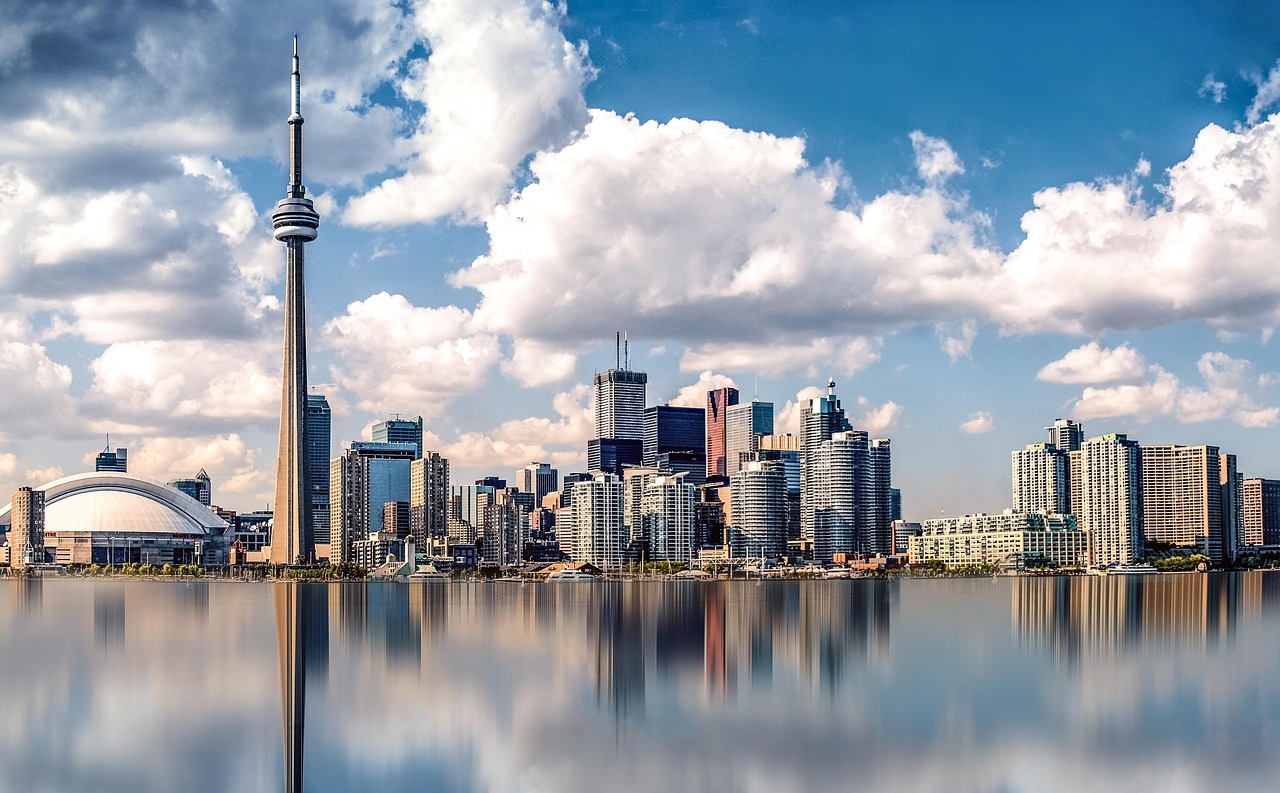
Why Visit Toronto in 2026
Toronto in 2026 feels like a city in motion. New waterfront parks keep opening, the food scene somehow gets better every year, and there’s a genuine buzz as the city prepares for major cultural and sporting events through 2026–2027. As someone who’s been living between downtown and the west end for over a decade, I still find new corners to fall in love with every month.
What makes Toronto special isn’t just the things to do (though you’ll have more than enough): it’s the way the city layers cultures, neighborhoods, and experiences on top of each other. You can spend your morning on the islands looking back at the skyline, your afternoon wandering a historic market and a Chinatown alley, then your evening eating Sri Lankan kottu roti before catching a drag show or a symphony.
This travel guide is written as a local’s long-form love letter to the city: detailed itineraries for 3–5 days in Toronto, deep dives into at least 20 must-see attractions, food and drink spots I actually go to, and a lot of very specific, very practical travel tips for Toronto. I’ll share where I’d take my best friend on their first visit, the hidden gems in Toronto I guard a bit too closely, and the local customs that make your trip smoother and more respectful.
Table of Contents
- Why Visit Toronto in 2026
- Toronto at a Glance
- Top 20 Must-See Attractions in Toronto
- Neighborhoods & Districts to Explore
- Suggested Itineraries: 3, 4 & 5 Days in Toronto
- Local Food in Toronto: What & Where to Eat
- Nightlife, Entertainment & Cultural Experiences
- Day Trips & Nearby Getaways
- Cultural Etiquette & Local Customs
- Practical Travel Tips for Toronto
- What’s New & Upcoming Events 2026–2027
- Summary & Best Time to Visit Toronto
Toronto at a Glance
Toronto is Canada’s largest city and its financial and cultural capital. Think of it as New York’s calmer, cleaner, more polite cousin, stretched along the shore of Lake Ontario. Over half of Toronto’s residents were born outside Canada, and that shows up on your plate, in the languages you hear on the streetcar, and in the festivals that fill the calendar year-round.
- Population: ~3 million in the city, over 6 million in the Greater Toronto Area (GTA).
- Language: English is primary; you’ll also hear Cantonese, Mandarin, Punjabi, Portuguese, Spanish, Tagalog, and more.
- Currency: Canadian dollar (CAD).
- Getting around: TTC (subway, streetcars, buses), GO Transit for regional trains/buses, Uber/Lyft, bike share.
- Good for: Families, couples, solo travelers, foodies, architecture lovers, sports fans, culture nerds, and anyone who likes cities that feel lived-in rather than staged.
Top 20 Must-See Attractions in Toronto (With Local Stories & Tips)
These are the must-see attractions in Toronto I find myself returning to with visiting friends. For each, I’ll share what it is, why it matters, my own experiences, and how to get the most out of your visit.
1. CN Tower
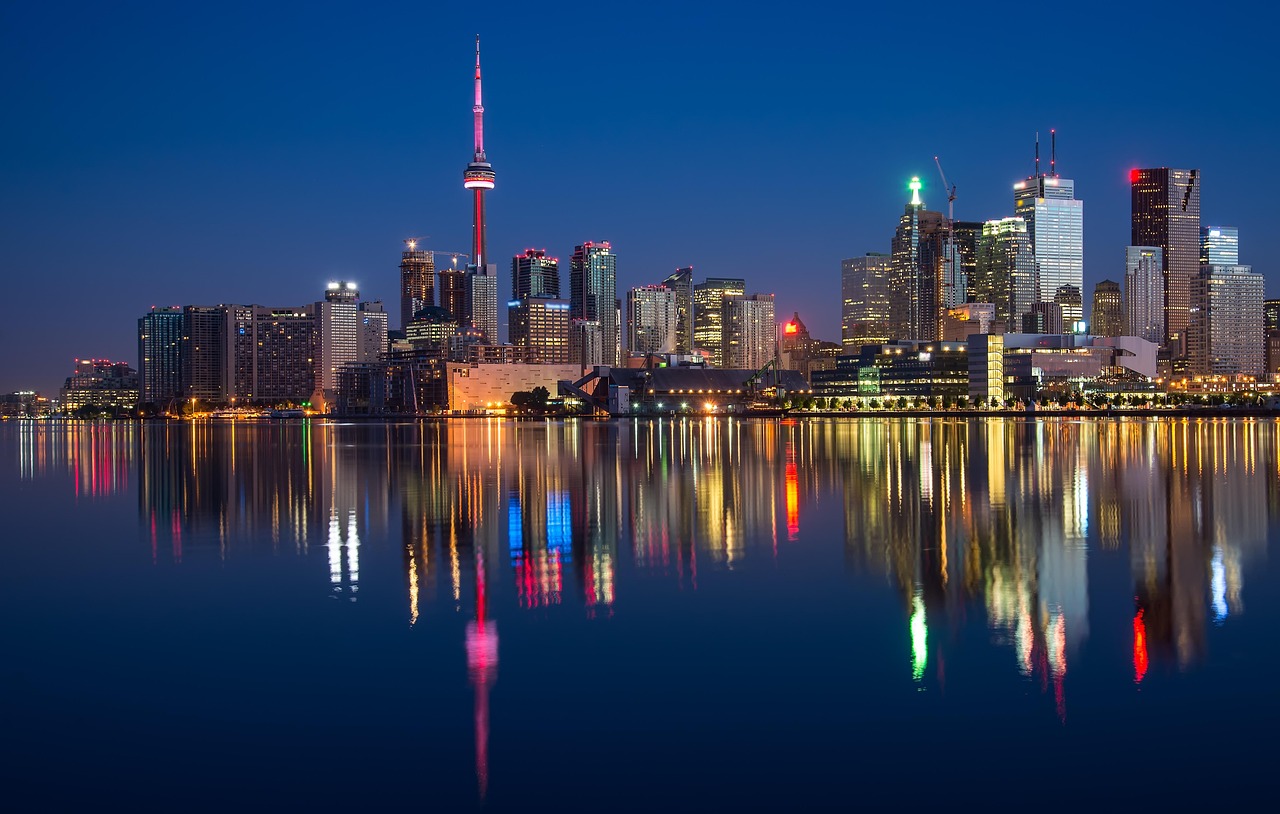
The CN Tower is Toronto’s exclamation point. No matter where you are—on the islands, in the east end, or biking along the waterfront—you keep glimpsing it, anchoring you in the city. I still remember my first time going up as an adult (after avoiding it for years because “only tourists go there”). I went on a clear winter evening, when the air is crisp and the city lights feel extra sharp. It was worth every minute in line.
Completed in 1976 as a communications tower, the CN Tower held the title of the world’s tallest free-standing structure for decades. Today it’s an iconic symbol of Toronto, with observation decks, a revolving restaurant, and the nerve-wracking EdgeWalk, where you’re tethered to the tower’s exterior and walk along the edge 356 meters above the city.
What to Do at the CN Tower
- Main Observation Level: Panoramic views of the city, the islands, and on a very clear day, you can spot the mist from Niagara Falls in the distance. I like to do a slow loop clockwise, starting with the lake view.
- Glass Floor: Yes, you really can stand on it. The first time I did, I shuffled onto it sideways while a group of kids jumped on it to prove it wouldn’t break. It didn’t help my nerves, but it’s a must-try.
- SkyPod (extra fee): Even higher and quieter. If you’re already going up, I think it’s worth the splurge once.
- EdgeWalk: For the adventurous. I watched my friend do it on a windy day; they came back buzzing. You get a certificate and photos and serious bragging rights.
Practical Tips
- Best time: About 1.5–2 hours before sunset, so you see the city by day, watch sunset over the lake, and stay for night views.
- Tickets: Book online, especially on weekends and in summer. Combo tickets often include Ripley’s Aquarium next door.
- Getting there: Walk from Union Station (10–15 minutes) through the PATH or along the SkyWalk.
- Family-friendly? Very. Kids love the glass floor; EdgeWalk has age/weight restrictions.
- Romantic? Yes—especially if you time it for sunset and maybe book dinner at 360 Restaurant.
2. Toronto Islands
If I had to choose one place to convince you that Toronto is lovable, I’d take you to the Toronto Islands on a warm evening. You board a short ferry at the foot of Bay Street, and ten minutes later you’re in a car-free, cottagey world with postcard skyline views. It’s where I go to reset when the city feels loud.
The islands are a chain of small, interconnected islands just off downtown. They’ve been used as everything from an amusement park to an airport site; today, they’re a mix of parkland, beaches, yacht clubs, and a small residential community.
What to Do on the Islands
- Skyline Photos: Walk to the south side of Centre Island and then back up to the north-facing shores near Centre Island Pier and Olympic Island. This is where many of the classic skyline shots are taken.
- Bike or Stroll: I usually rent a bike at Centre Island and do a slow loop past Ward’s Island beach and the island homes (please be respectful—this is a tight-knit community).
- Beaches: Hanlan’s Point (partly clothing-optional), Centre Island Beach, and Ward’s Island Beach are all swimmable in summer.
- Family Fun: Centreville Amusement Park is a low-key, old-school park that younger kids adore (think mini train, pony rides, small ferris wheel).
- Picnics & Sunsets: Pack food or grab snacks at the island cafés. On certain summer evenings, I bring takeout and watch the sunset behind the skyline. It never gets old.
Practical Tips
- Ferries: Depart from Jack Layton Ferry Terminal (at the foot of Bay Street). Buy return tickets at the terminal or online. In peak summer, lines can be long; arrive early.
- Which ferry? Ward’s is quieter and more residential, Centre is best for families, and Hanlan’s for the beach and more “grown-up” vibe.
- Season: Spring to early fall is best. In winter, service is limited and many facilities are closed, but it’s hauntingly beautiful on a clear, cold day.
- Romantic or family-friendly? Both. I’ve done lazy date afternoons and chaotic nieces-and-nephews picnics here.
3. St. Lawrence Market
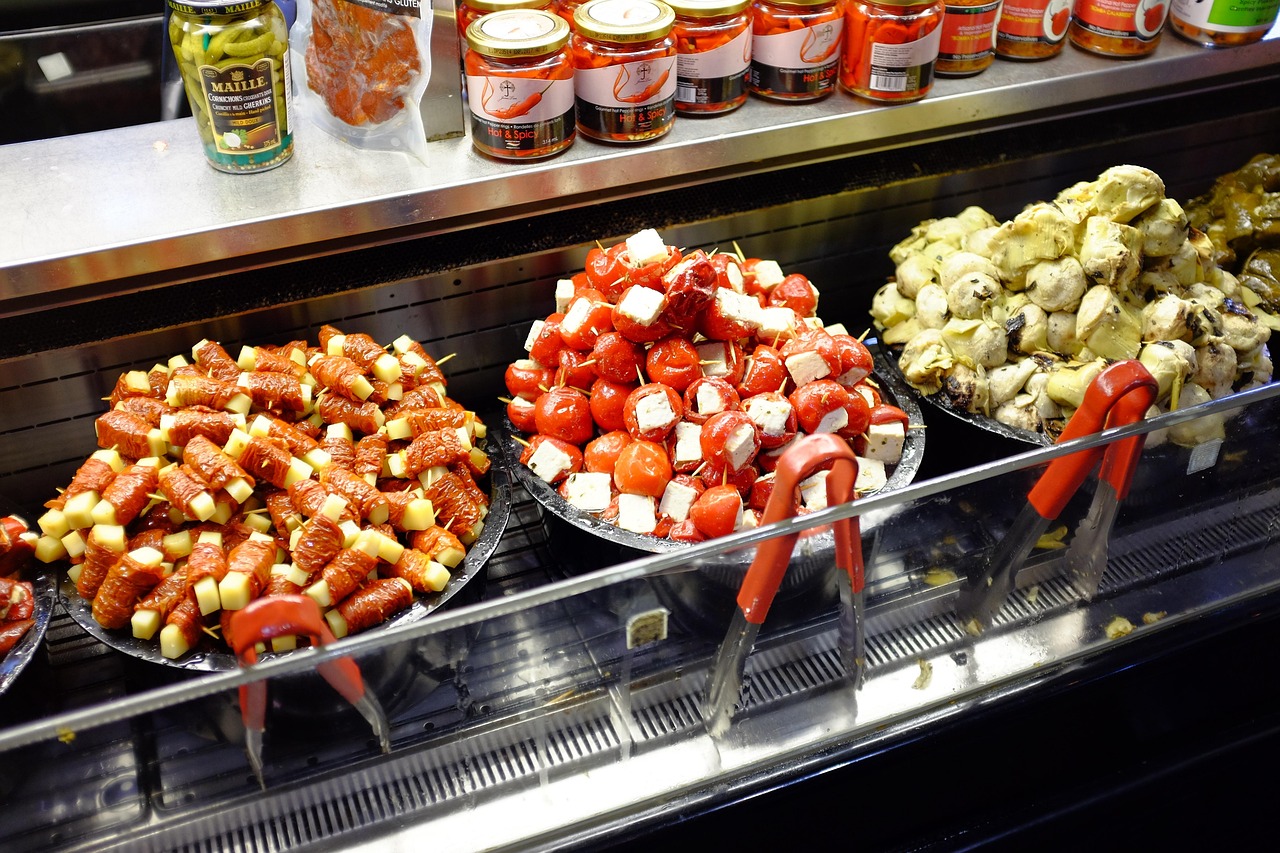
St. Lawrence Market is where I send anyone asking, “Where can I taste local food in Toronto?” It’s also where I go on Saturday mornings to pretend I’m living in a European market town while buying way too much cheese.
The site has hosted a market since the early 1800s, and the current building dates to the early 1900s. Today it’s a bustling indoor market with butchers, fishmongers, bakeries, specialty food stalls, and a few iconic snack vendors.
What to Eat & Do
- Peameal Bacon on a Bun: A local classic. Carousel Bakery’s version is the most famous (there are always lineups). It’s essentially cornmeal-crusted back bacon on a soft bun—simple and satisfying.
- Cheeses & Charcuterie: I often pick up Ontario cheeses and cured meats for a DIY picnic in nearby Berczy Park.
- Ukrainian & Polish Food: A plate of pierogies or cabbage rolls is a comforting, budget-friendly lunch.
- Farmers’ Market (Saturdays): The north market building hosts local farmers and producers. The vibe is festive, and it’s where you feel the city’s community energy.
Practical Tips
- Best time: Mornings, especially Saturday (busiest but most atmospheric). Weekdays are quieter.
- Location: A short walk east from Union Station or King subway station.
- Budget: Easy to keep things under CAD 15–20 per person if you graze from stalls rather than sit down.
- Family-friendly: Yes, but it can be crowded with strollers at peak times.
4. Distillery Historic District
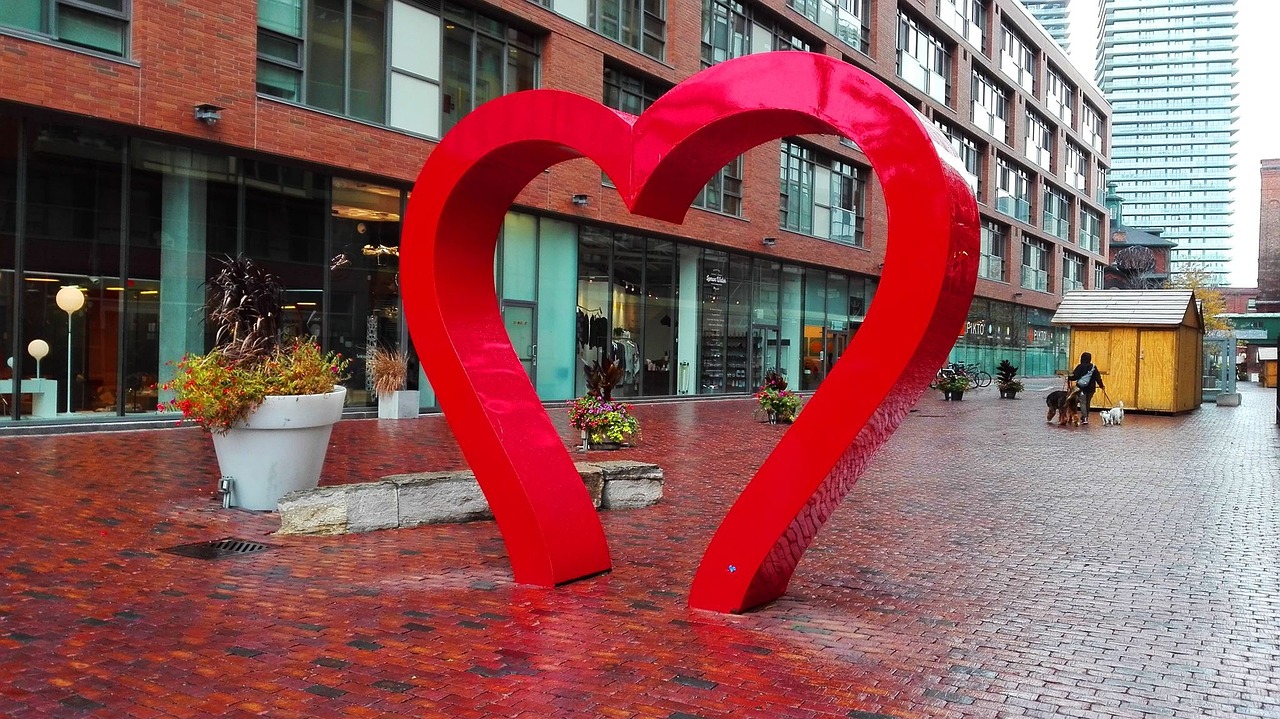
The Distillery District is one of those places that feels like a movie set: cobblestone streets, red-brick Victorian industrial buildings, string lights, galleries, cafés, and patios. Whenever I need a “European-feeling” evening without leaving the city, this is where I go.
Once the home of the Gooderham & Worts Distillery (founded in 1832), by the 1860s it was the largest distillery in the world. Today, it’s a pedestrian-only cultural and entertainment district, carefully restored and filled with independent shops and restaurants.
What to Do
- Wander the Lanes: I like to go without a fixed plan—duck into art galleries, grab a coffee, check out design shops.
- Patio Season: In summer, the patios are packed, and the atmosphere feels almost Mediterranean.
- Christmas Market: The annual winter market (usually late November to December) is one of Toronto’s biggest seasonal events, with lights, stalls, and performances.
- Art & Installations: There are often temporary art pieces and light installations, especially during festivals.
Practical Tips
- Getting there: A 10–15 minute walk east from King subway, or take the King streetcar and walk down Parliament or Trinity.
- Best time: Late afternoon into evening. Daytime is great for photos; evenings are best for atmosphere.
- Romantic? Very. It’s one of my go-to suggestions for a first or second date spot.
5. Royal Ontario Museum (ROM)
The ROM is Toronto’s flagship museum of natural history and world cultures. Architecturally, it’s a mashup of classic and contemporary: the original 1914 stone building wrapped in a modern crystal-like extension. I’ve lost entire rainy afternoons here, happily wandering from dinosaur skeletons to Chinese ceramics.
Exhibits cover everything from ancient Egypt to Canadian Indigenous artifacts to geology and biodiversity. It’s one of those museums you can skim in two hours or sink into for a full day.
Highlights
- Dinosaur Gallery: Always a hit with kids (and adults). I still have a soft spot for the towering T. rex skull.
- Indigenous Collections: Thoughtful exhibits on First Nations, Inuit, and Métis cultures, past and present.
- World Cultures: Galleries dedicated to Asia, the Middle East, Europe, and the Americas.
- Special Exhibitions: In 2026, watch for big-name rotating shows—everything from fashion retrospectives to immersive natural history exhibits.
Practical Tips
- Location: Right at Museum subway station (Line 1). You literally exit beside the building.
- Time needed: 2–4 hours for a good visit; more if you’re a museum lover.
- Family-friendly: Absolutely; there are kids’ activity zones and interactive displays.
- Money saver: Check for discounted evening hours or free days (these change, so verify on the ROM website).
6. Art Gallery of Ontario (AGO)
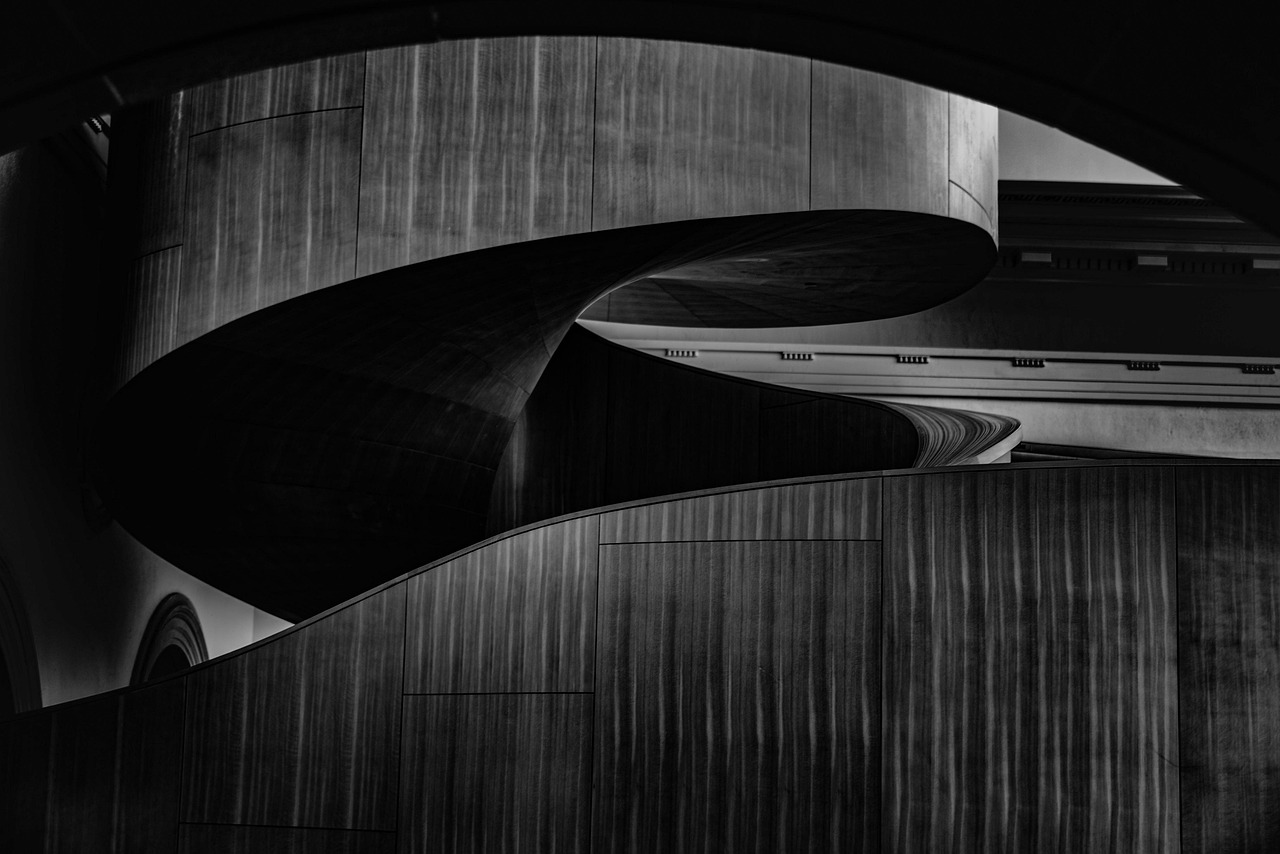
The AGO is my personal happy place on a grey day. Frank Gehry (who grew up in Toronto) redesigned the building with a sweeping glass-and-wood façade along Dundas Street, and the interior is a calm, airy space full of Canadian and international art.
The collection ranges from the Group of Seven’s landscapes to contemporary installations and photography. I like to start at the top and work my way down, ending with a coffee in the atrium.
Highlights
- Canadian Art: Group of Seven, Indigenous artists, and modern Canadian works.
- European Masters: Paintings from the Renaissance through modern eras.
- Contemporary & Photography: Often the most thought-provoking and surprising galleries.
- Special Exhibits: In 2026, expect major shows tied to international art movements and big-name artists.
Practical Tips
- Location: A 10-minute walk from St. Patrick or Osgoode subway stations, or take the Dundas streetcar.
- Time needed: 2–3 hours for highlights; half a day if you linger.
- Money saver: The AGO often has free or reduced admission evenings for certain age groups—check ahead.
7. Ripley’s Aquarium of Canada
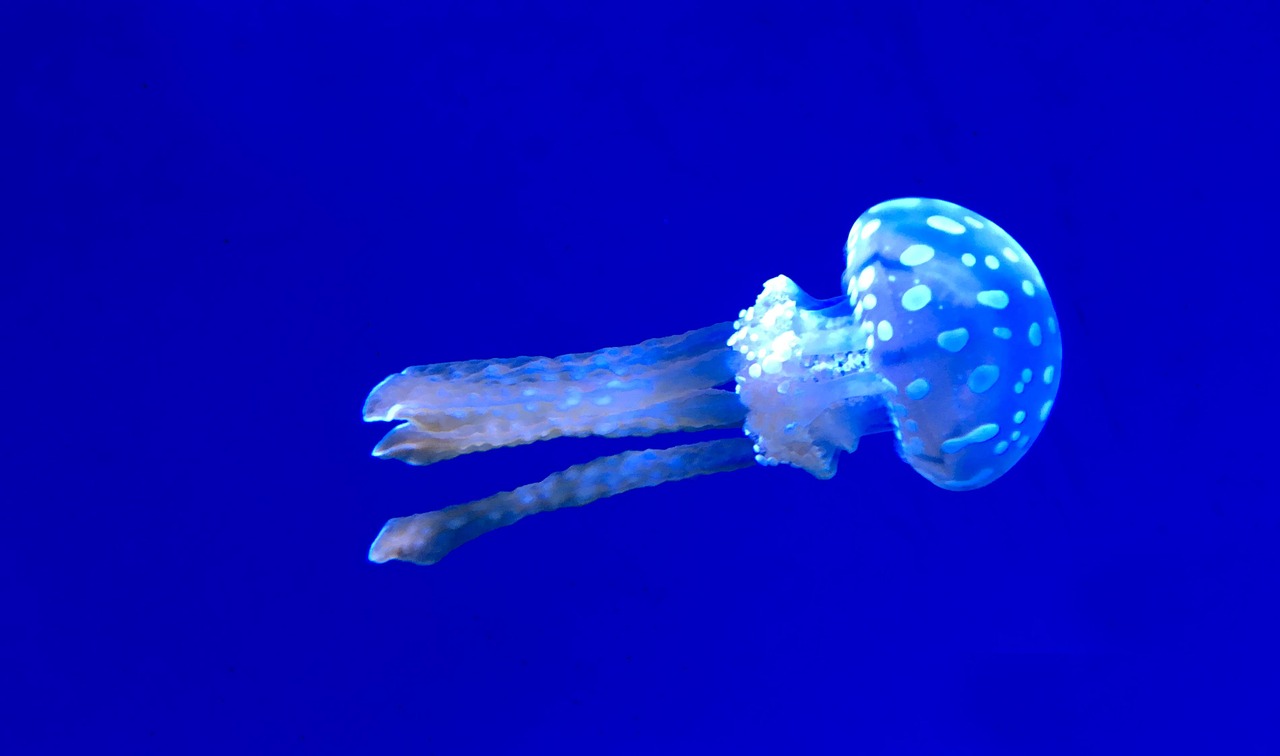
Right next to the CN Tower, Ripley’s Aquarium is one of the best family-friendly things to do in Toronto. The first time I went was with skeptical adults who thought it would be “just for kids”; we ended up spending two hours mesmerized by jellyfish and sharks.
The showpiece is the Dangerous Lagoon, where a moving walkway takes you through a glass tunnel as sharks, rays, and fish swim overhead.
Highlights & Tips
- Dangerous Lagoon: Ride the conveyor once, then walk back through to linger over your favorite creatures.
- Jellyfish Gallery: Backlit tanks with pulsing jellyfish—oddly meditative.
- Touch Tanks: Kids can (gently) touch rays or horseshoe crabs.
- Best time: Weekday mornings are quietest. Evenings can be calmer than mid-day on weekends.
8. Kensington Market
Kensington Market is where Toronto lets its hair down. It’s messy, colorful, a bit grungy, and full of character. I’ve been coming here since I was a broke student, and while it’s gentrified in parts, it still feels like the city’s creative heart.
Once a Jewish immigrant neighborhood, then a hub for Caribbean, Portuguese, and Latin American communities, Kensington is now a mix of vintage shops, quirky bars, vegan cafés, Latin bakeries, and murals on nearly every surface.
What to Do
- Wander & Snack: Grab empanadas, churros, Jamaican patties, or vegan tacos as you go.
- Vintage Shopping: Thrift and vintage shops line Augusta and Kensington Avenue; I’ve scored some of my favorite jackets here.
- Pedestrian Sundays: In warmer months, one Sunday a month the streets close to cars, and the neighborhood becomes a street festival with live music and performers.
- Street Art: Look down side alleys for some of the best murals in the city.
Practical Tips
- Location: West of Spadina, north of Dundas. Easy walk from Spadina or Queen’s Park subway stations, or take the Spadina streetcar.
- Best time: Afternoons, especially weekends. Mornings are quieter; evenings are more bar-focused.
- Budget-friendly: Very; there are lots of cheap eats.
9. Harbourfront Centre & Waterfront
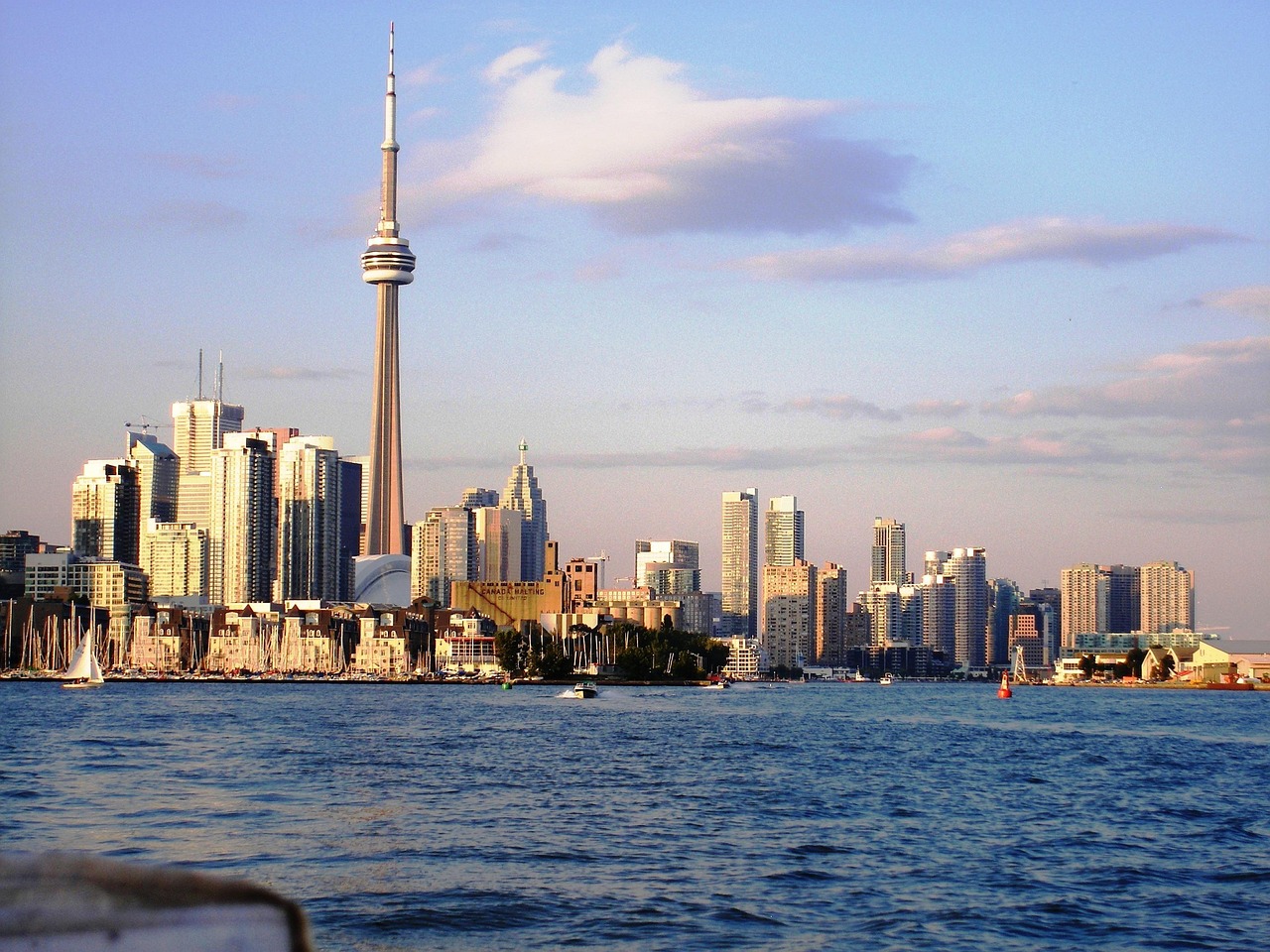
The stretch along Queens Quay has gotten better almost every year I’ve lived here. What used to be a bit of a concrete mess is now a string of promenades, parks, and cultural venues. On summer evenings, the boardwalk fills with couples, families, and cyclists.
Harbourfront Centre itself is a cultural hub with galleries, performance spaces, and seasonal events. Nearby, you’ll find marinas, the Power Plant Contemporary Art Gallery, and ferries heading to the islands.
What to Do
- Waterfront Walk: Start near Harbourfront Centre and walk east or west along the lake. I love the stretch past HTO Park (with its urban beach) and the wave decks.
- Boat Tours: Short harbor cruises and sunset boat tours leave from here—touristy but lovely for first-timers.
- Events & Festivals: Food festivals, concerts, cultural weekends—check the Harbourfront Centre calendar for what’s on.
- Winter: There’s often a skating rink set up with lake views.
10. High Park
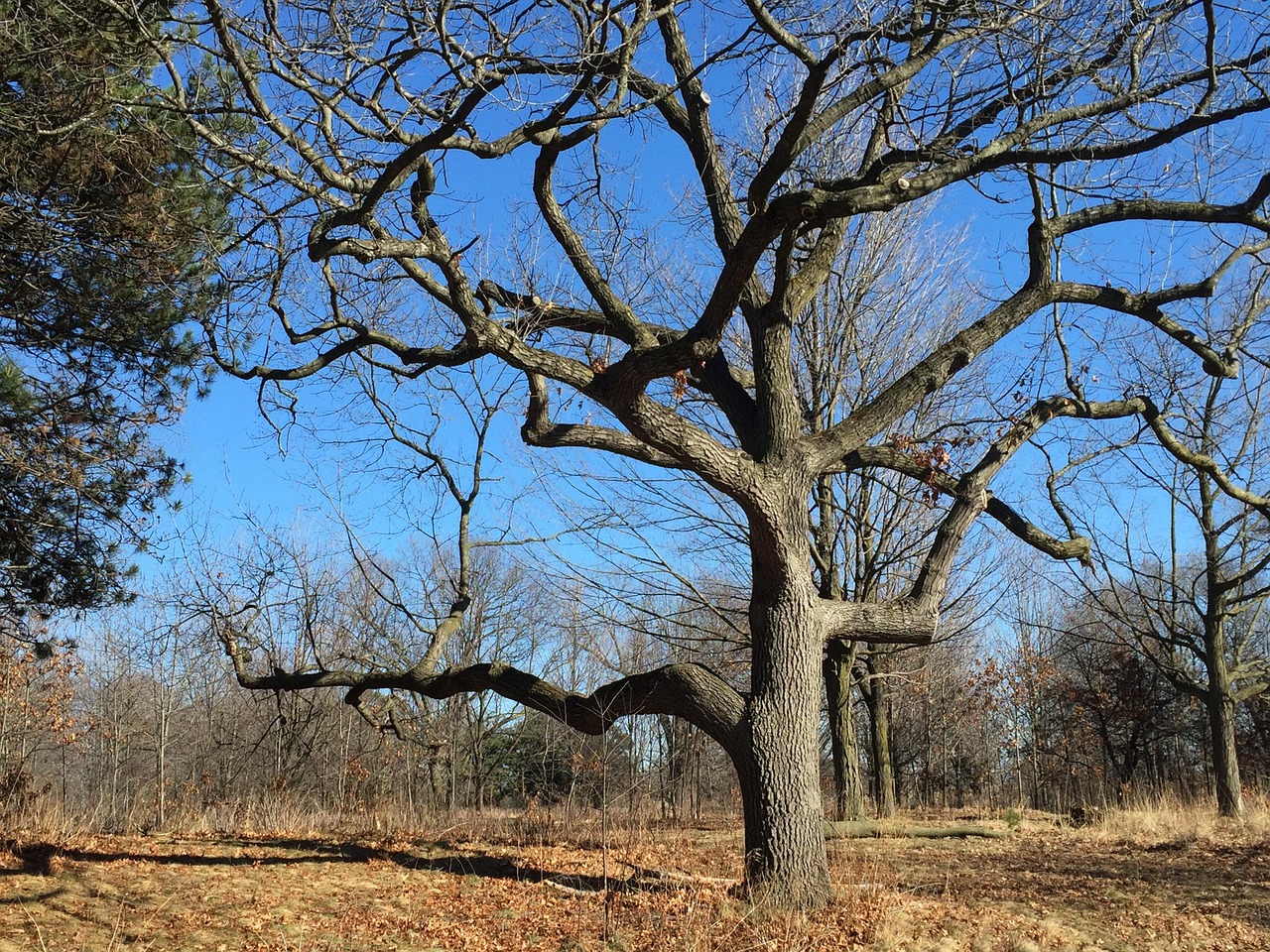
High Park is Toronto’s big west-end green lung. I used to live a 10-minute bike ride away, and it became my weekend habit: coffee in hand, wandering trails that feel surprisingly wild for being in the middle of the city.
The park has everything: wooded ravines, ponds, sports fields, a small zoo, cherry blossoms in spring, and playgrounds for kids.
What to Do
- Cherry Blossoms: In late April/early May, the sakura trees draw huge crowds. I go early on weekday mornings to avoid the selfie chaos.
- Walking Trails: Follow the paths around Grenadier Pond or disappear into the wooded areas for a mini-hike.
- High Park Zoo: Free, small, and charming—llamas, deer, capybaras, and more.
- Picnics: Bring snacks and claim a shady spot; it’s also great for Frisbee or just lazing with a book.
11. Casa Loma
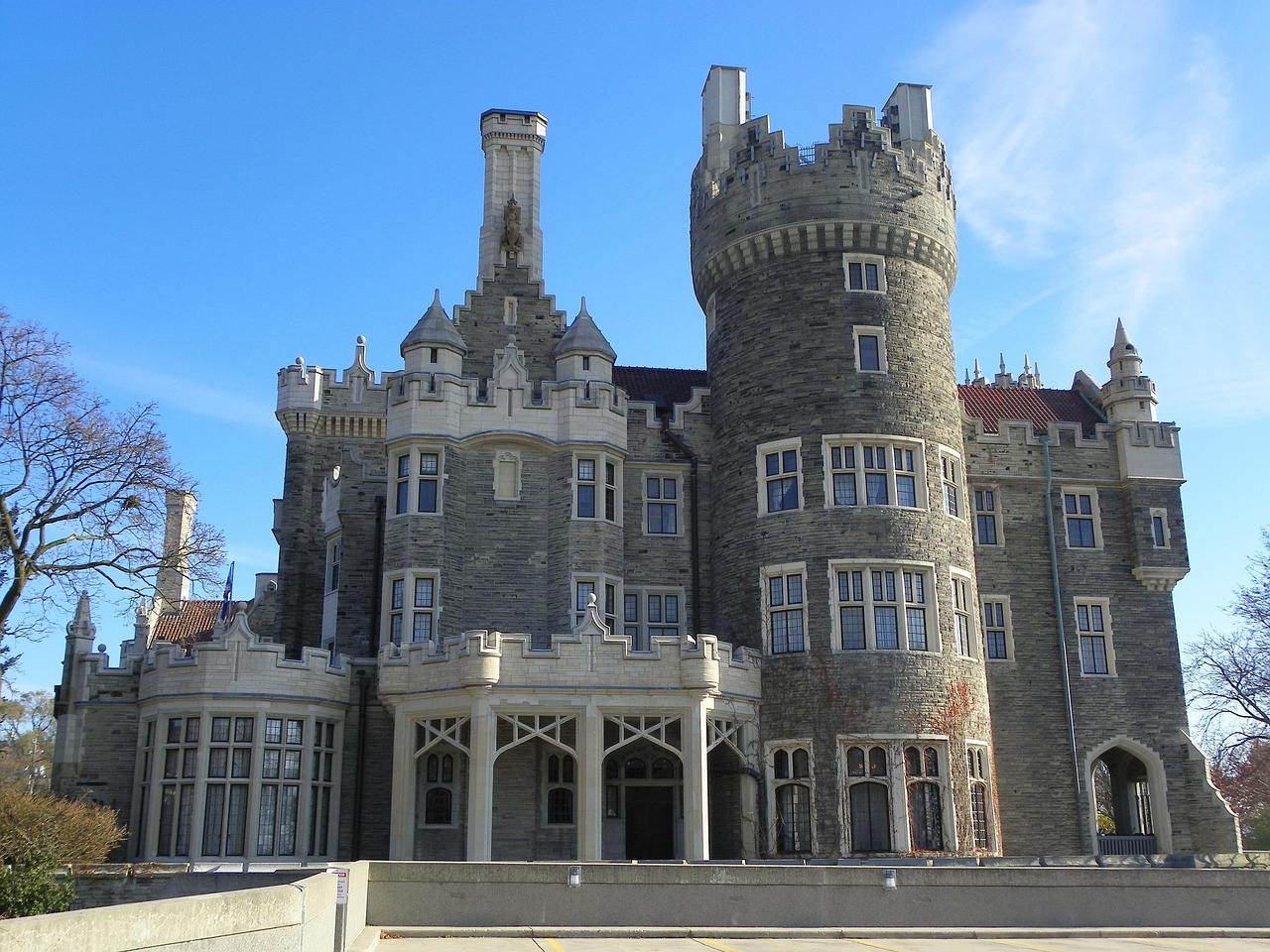
Casa Loma is a faux-Gothic castle perched above midtown Toronto. Built in the early 1900s by financier Sir Henry Pellatt, it was a monument to personal ambition that eventually bankrupted him. Today, it’s a museum, event space, and filming location (you’ve likely seen it in movies without realizing).
I first went on a foggy spring day, and the turrets rising out of the mist felt wonderfully atmospheric.
What to Do
- Self-Guided Tour: Wander through the grand hall, the library, bedrooms, secret passages, and the wine cellar.
- Towers: Climb up for views over the city. On clear days you can see the skyline framed by trees.
- Gardens: In summer, the grounds are full of flowers and make a great photo spot.
- Special Events: Casa Loma hosts themed evenings and seasonal events (like haunted tours or holiday lights).
Practical Tips
- Location: Near Dupont subway station; there’s a bit of an uphill walk.
- Time needed: 2–3 hours.
- Romantic? Yes, especially the gardens and terrace in summer.
12. Yorkville & Bloor Street
Yorkville is Toronto’s polished side: luxury boutiques, chic cafés, and galleries. In the 1960s it was a bohemian hub (Joni Mitchell and Neil Young played coffeehouses here); today, it’s more Prada than protest, but it’s still a pleasant area to wander.
When TIFF (Toronto International Film Festival) was more scattered across the city, I used to see small red carpets pop up around here. Now, it’s more of a year-round people-watching district.
What to Do
- Shopping: High-end stores on Bloor (“Mink Mile”) and boutique shops on Cumberland and Yorkville Avenue.
- Cafés & Patios: Great spot for a leisurely coffee or an upscale brunch.
- Galleries: Small, high-quality art galleries are tucked into side streets.
13. Graffiti Alley
Graffiti Alley is a long stretch of laneway south of Queen Street West, running roughly parallel between Spadina and Portland. It’s one of my favorite places to bring out-of-towners because it captures the city’s street-art energy in one concentrated hit.
Murals change regularly; every few months there’s something new. I’ve walked it dozens of times and still spot fresh details.
What to Do
- Slow Walk: Start at Spadina and work your way west, stopping to photograph your favorite pieces.
- Combine with Queen West: After the alley, pop up to Queen Street for shops and cafés.
- Respect the Space: This is an active working alley; watch for delivery trucks and be mindful of residents and businesses.
14. Rogers Centre & Scotiabank Arena (Sports & Concerts)
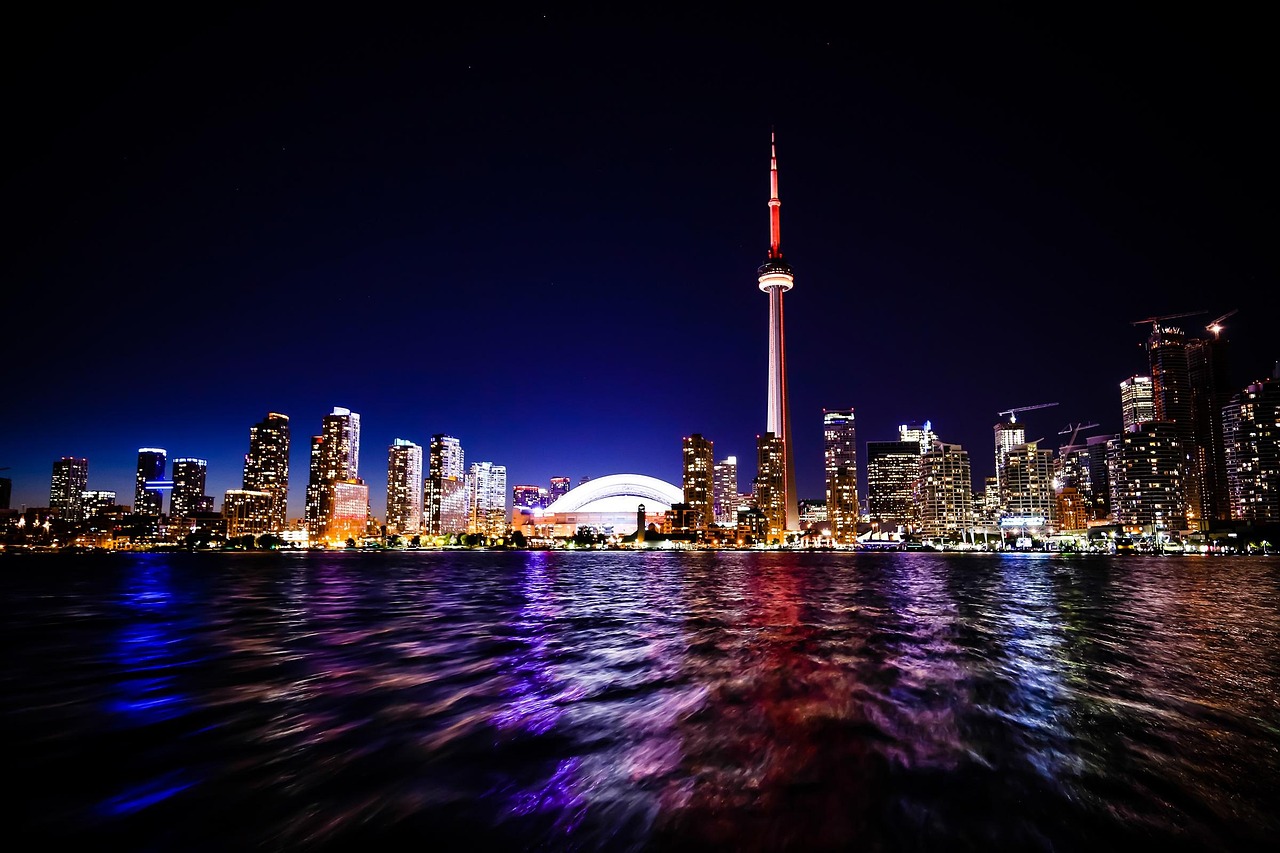
Toronto is a serious sports city. Even if you don’t follow baseball, basketball, or hockey, catching a game can be a fun cultural experience.
- Rogers Centre: Home of the Toronto Blue Jays (MLB), with a retractable roof and seats that open to the skyline. I love early-season games when the roof opens for the first warm spring days.
- Scotiabank Arena: Home of the Toronto Raptors (NBA) and Toronto Maple Leafs (NHL), plus big-name concerts.
Tickets can get pricey for Leafs games (hockey is a near-religion here), but Jays and some Raptors games can be more affordable, especially in the upper deck.
15. Toronto Zoo
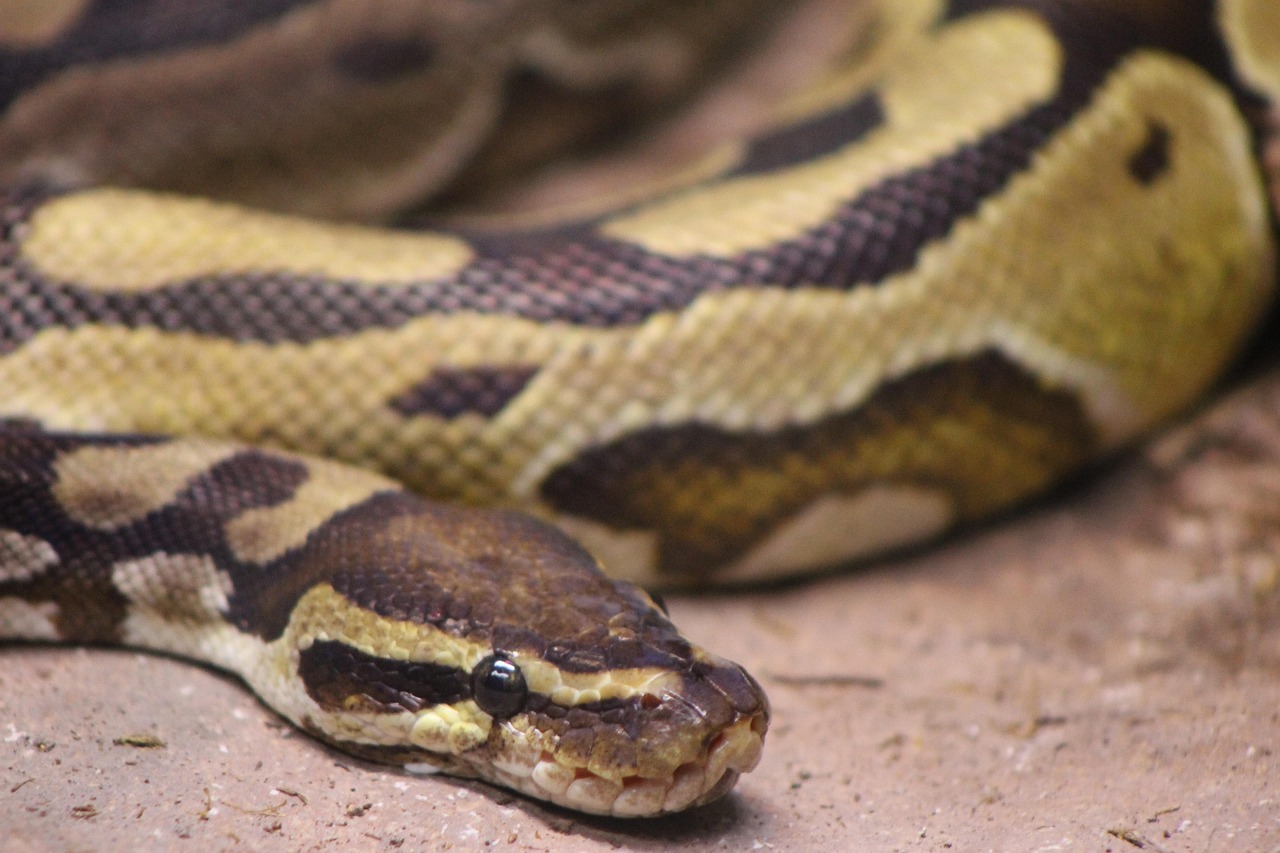
The Toronto Zoo is huge—one of the largest in the world by area—and set in the city’s east end. I’ve only gone when I’ve had kids with me, and every time I forget how much walking it involves (wear good shoes).
There are over 5,000 animals representing hundreds of species, with areas organized by geographic region (Africa, Eurasia, the Americas, etc.).
Tips
- Getting there: It’s quite far east; driving is easiest. Without a car, you can combine subway + bus (check the TTC trip planner).
- Time needed: A full day if you want to see most areas without rushing.
- Best for: Families; animal lovers. Bring snacks and water.
16. Ontario Science Centre
The Ontario Science Centre was my childhood field-trip staple, and I’ve since returned with friends’ kids. It’s interactive, hands-on, and designed to make science fun rather than intimidating.
Exhibits cover space, physics, the human body, and more, with lots of “push this button and see what happens” moments.
Tips
- Location: In the Don Mills area (north-east). TTC access via bus; driving is easier.
- Time needed: Half to full day, depending on kids’ ages and interest.
- Family-friendly: One of the best things to do in Toronto with kids on a rainy day.
17. Hockey Hall of Fame
If you’re even mildly interested in hockey—or traveling with someone who is—the Hockey Hall of Fame downtown is a pilgrimage site. It’s housed in a beautiful historic building blended with a modern complex, and inside you’ll find memorabilia, trophies (including the Stanley Cup when it’s not on tour), and interactive exhibits.
I’m not a massive hockey fan and still ended up enjoying the historical sections and the sense of national pride woven through the place.
18. Queen’s Park & University of Toronto Campus
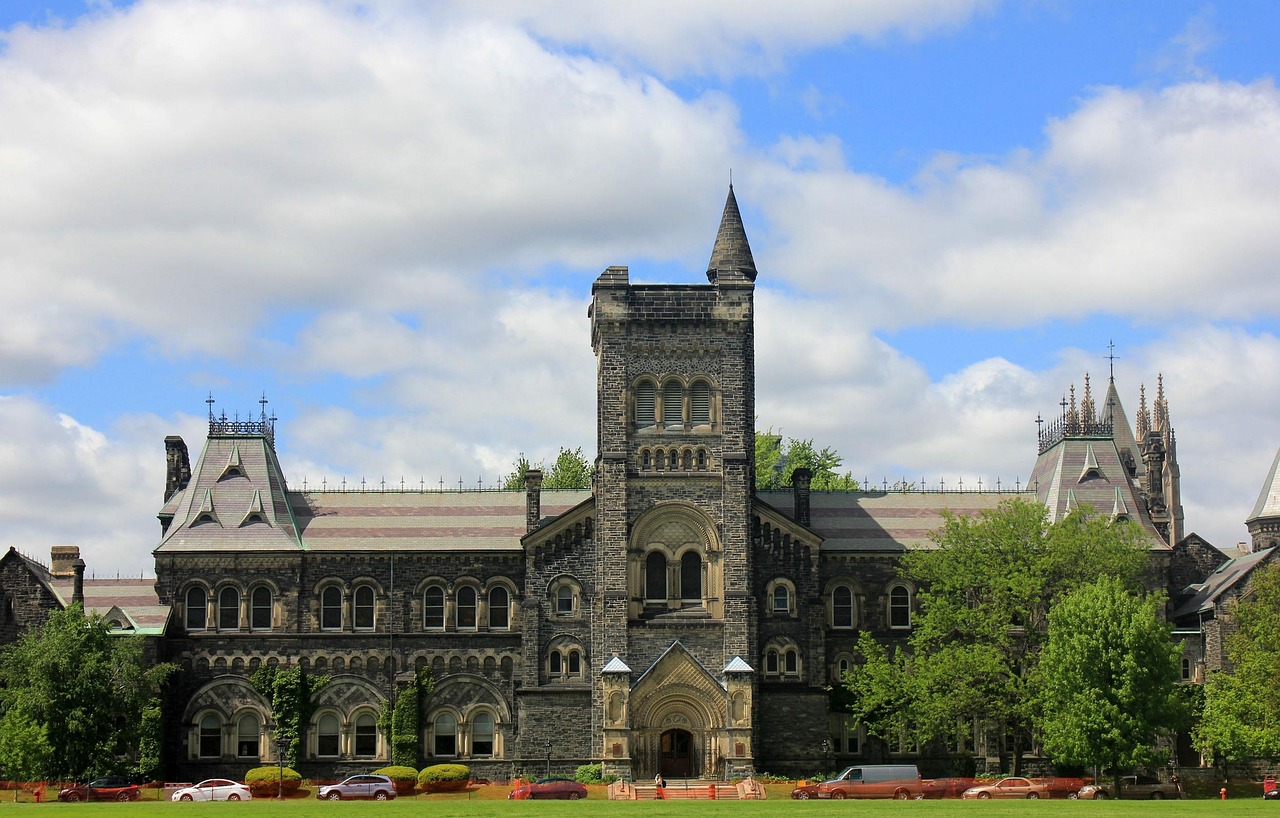
For a quiet, architecture-filled wander, I love looping around Queen’s Park and into the University of Toronto’s St. George campus. Gothic-style college buildings, leafy quads, and little laneways make it feel a bit like a Canadian Hogwarts.
On warm days, students spill out onto lawns with Frisbees and coffee cups. It’s a slice of everyday city life.
19. Evergreen Brick Works
Evergreen Brick Works is one of my favorite hidden gems in Toronto, especially on Saturday mornings. Once a brick factory in the Don Valley, it’s now an environmental community hub with a weekend farmers’ market, art, and trails leading into the ravine.
On a crisp autumn morning, I like to grab coffee, browse local produce and baked goods, then hike into the surrounding trails for views back over the city.
Tips
- Getting there: Shuttle bus from Broadview station on weekends (check current schedules) or drive/bike.
- Best time: Saturday farmers’ market; fall for foliage.
- Budget: Free to wander; you’ll just pay for food/coffee.
20. Billy Bishop Airport Lookout & Waterfront Parks
Toronto’s island airport (Billy Bishop) is not just a place to catch flights—it’s surrounded by surprisingly peaceful waterfront paths and small parks with excellent views back to the city. When I have an hour to kill near downtown, I sometimes walk out toward the airport ferry terminal and sit by the water watching planes come and go.
It’s one of those low-key, hidden gems in Toronto that don’t make most lists but feels very “local.”
Interesting Neighborhoods & Districts to Explore
Toronto is a city of neighborhoods. You can spend a whole day in one area and not get bored. Here are some of the most rewarding to explore, each with its own flavor.
Downtown Core & Financial District
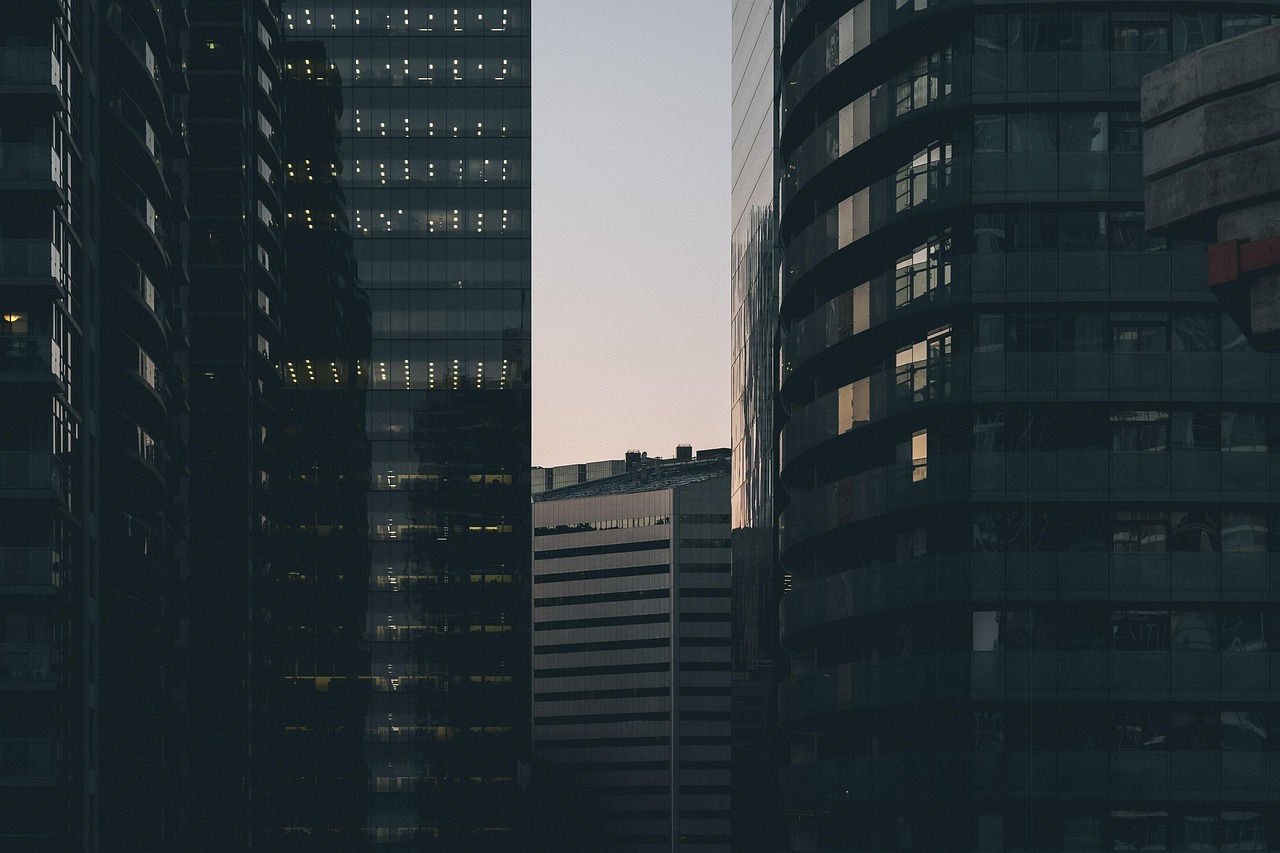
Glass towers, PATH tunnels, and the city’s busiest streets. It’s not where you linger the longest as a visitor, but it’s home to Union Station, the CN Tower, Scotiabank Arena, and stretches of Yonge Street. I like walking here early on weekend mornings, when the normally frenetic sidewalks are almost empty.
Queen West & West Queen West
Named one of the world’s coolest neighborhoods by various travel mags, Queen West is Toronto’s indie shopping and nightlife spine. West of University Avenue, you’ll find fashion boutiques, record stores, bars, and coffee shops. Further west (past Bathurst), West Queen West is more artsy, with galleries and design shops.
King West
King West is the city’s polished nightlife district—converted warehouses turned into restaurants, cocktail bars, and clubs. It can feel a bit “scene-y,” but there’s no denying the energy on a Friday night. I prefer the earlier evening patio vibe to the late-night club rush.
The Annex
Bordering the University of Toronto, the Annex is a mix of students, professors, and long-time residents. Old Victorian homes, bookstores, casual restaurants, and bars line Bloor Street. It’s where I often meet friends for low-key dinners or movie nights.
Little Italy & Koreatown
College Street through Little Italy is lively, with patios, trattorias, and bars. Walk a bit west and you hit Koreatown along Bloor: late-night Korean BBQ, fried chicken, and karaoke. These are fun areas for casual nights out and eating your way down the street.
Greektown (The Danforth)
Along Danforth Avenue east of the Don Valley, Greektown is lined with Greek restaurants and bakeries. Every August, Taste of the Danforth festival turns it into a huge street party.
Leslieville & Riverside
In the east end, Leslieville and Riverside blend old industrial buildings with brunch spots, coffee shops, and independent boutiques. It’s a bit calmer than the west end but very trendy—many of my friends with young families have migrated here.
Little India (Gerrard India Bazaar)
One of my favorite food-focused neighborhoods. Walk Gerrard Street East around Coxwell and you’ll find South Asian restaurants, sari shops, spice stores, and sweet shops. In summer, the smells alone—tandoor, chai, incense—are intoxicating.
Chinatown
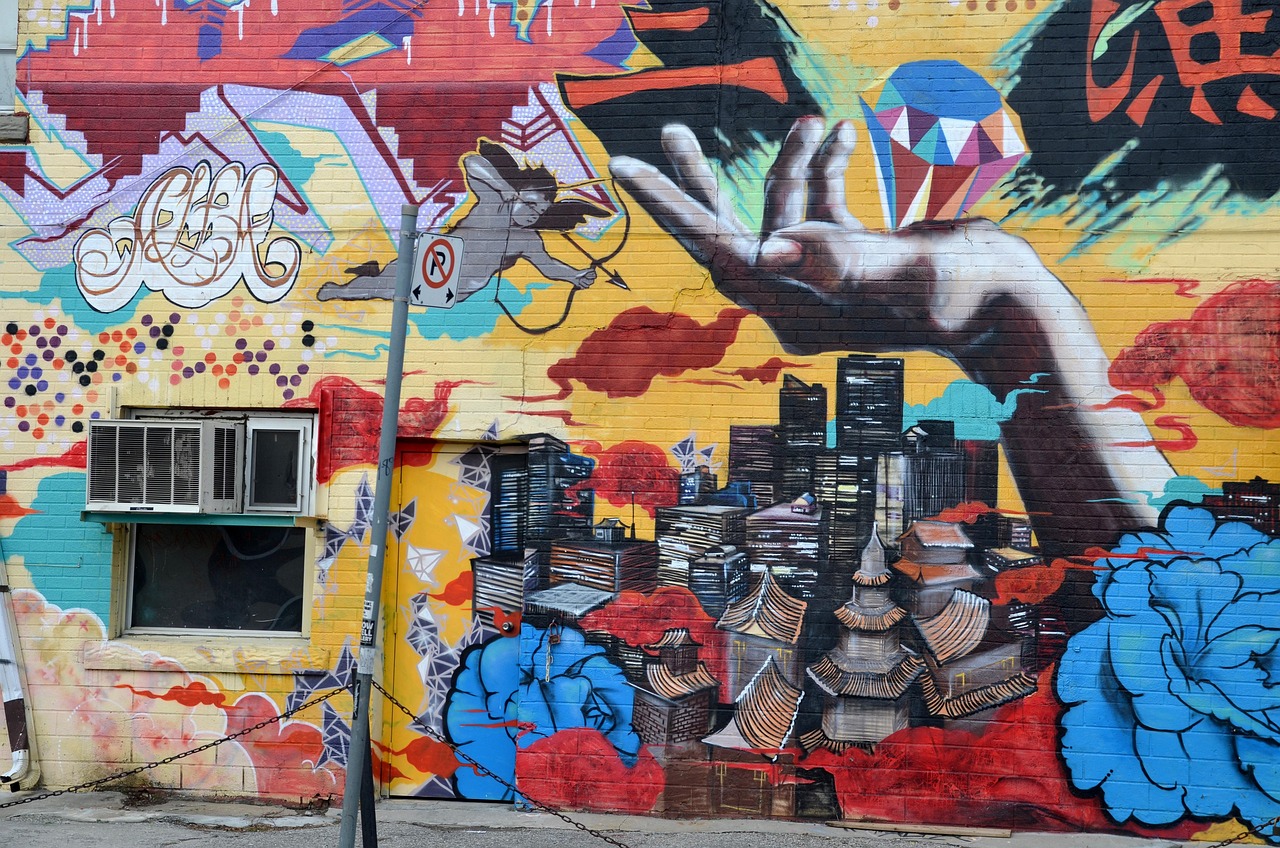
Centered at Spadina and Dundas, Chinatown is busy, colorful, and full of excellent, often very affordable food. I come here for dim sum, late-night noodles, and bubble tea. It’s also right next to Kensington Market, so you can easily combine both.
Liberty Village
Once industrial, now full of condos and young professionals, Liberty Village has become a popular hangout with cafés, restaurants, and a few preserved factory buildings giving it character. It’s handy if you’re heading to BMO Field for a soccer game.
The Beaches (The Beach)
Locals argue about whether it’s “The Beach” or “The Beaches,” but everyone agrees it’s one of the city’s loveliest neighborhoods. A long boardwalk runs along the lake, backed by sandy beaches, volleyball courts, and low-rise houses. I come here for sunrise walks in summer or to feel like I’ve briefly left the city.
Suggested Itineraries: 3, 4 & 5 Days in Toronto
These itineraries are built from how I actually show visitors around. Each day blends must-see attractions in Toronto with local food, hidden gems, and downtime. You can compress them into a 3 day itinerary for Toronto, or stretch to 4 days in Toronto or 5 days in Toronto by taking things slower.
3-Day Itinerary for Toronto
If you have 3 days in Toronto, prioritize the core downtown sights, a taste of neighborhoods, and one solid evening on the waterfront or islands.
Day 1: Downtown Icons & Waterfront Views
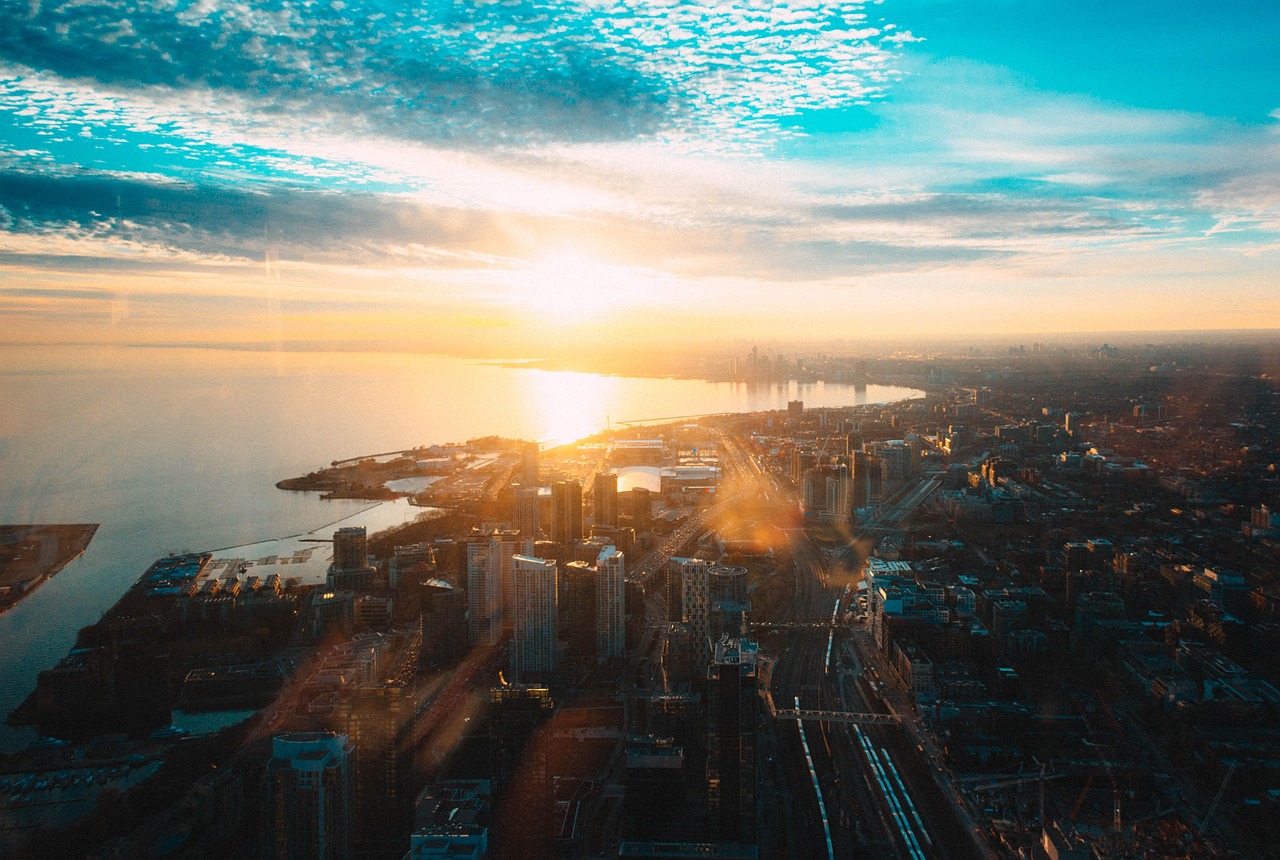
I often start visiting friends’ trips with this “classic” day. It hits many of the must-see attractions in Toronto’s core, but we build in enough breathing room to linger where it feels good.
Morning: CN Tower & Ripley’s Aquarium
Grab a quick breakfast near your hotel or at Union Station (there are bakeries and coffee spots inside). Aim to be at the CN Tower shortly after opening to beat the tour buses. Spend about 1.5–2 hours between the main observation deck, glass floor, and (if you’re up for it) the SkyPod. If you booked EdgeWalk, it will shape your timing—allow a couple of extra hours for check-in and prep.
Afterward, walk next door to Ripley’s Aquarium. I usually suggest 1.5 hours here; that way you have time to enjoy the tunnel and jellyfish but don’t burn out.
Lunch: Head toward the waterfront along Bremner Boulevard and Queens Quay. There are a few casual spots, or you can walk 10–15 minutes to St. Lawrence Market for more variety if energy allows.
Afternoon: Harbourfront & Waterfront Walk
Spend your afternoon exploring Harbourfront Centre and strolling east or west along the lake. If it’s summer, consider a short boat cruise or just sit on the steps facing the marina with an ice cream. If it’s winter, dip into the Power Plant Contemporary Art Gallery (free admission) to warm up and see what’s on.
Evening: Distillery District
From the waterfront, make your way to the Distillery Historic District by streetcar or a 20–25 minute walk. Have dinner at one of the restaurants here (I like the ones with patios spilling onto the cobblestones in summer) and wander the lanes as the lights come on. In December, the Christmas Market transforms the area into a full-on winter fairytale.
Day 2: Museums, University, & Kensington Market
Morning: ROM or AGO
Pick the museum that fits you best: the ROM for natural history and world cultures, or the AGO for art. With 3 days in Toronto, you probably don’t want to do both in depth; you can always return.
Start around opening time and spend 2–3 hours exploring. I often grab coffee and a pastry on Bloor or Dundas beforehand.
Late Morning / Early Afternoon: University of Toronto & Queen’s Park
From the ROM, walk south through the University of Toronto campus. Cut across quads, peek at old college buildings, and loop around Queen’s Park (where the Ontario Legislature sits). It gives you a sense of local academic life and architecture.
Lunch & Afternoon: Kensington Market & Chinatown
Head west toward Spadina and then into Kensington Market. Have lunch grazing through the market—tacos, empanadas, falafel, vegan bowls, or Caribbean patties. After eating, wander through vintage shops and side streets, then cross over to Chinatown for bubble tea and snacks.
If you’re into street art, detour south to Graffiti Alley in the late afternoon. The light is great for photos, and you’re right near Queen West.
Evening: Queen West
End your day with dinner and drinks along Queen Street West. Options range from casual ramen to upscale small-plates spots. If you still have energy, check out a live music venue or low-key bar.
Day 3: Islands Escape or Neighborhood Deep Dive
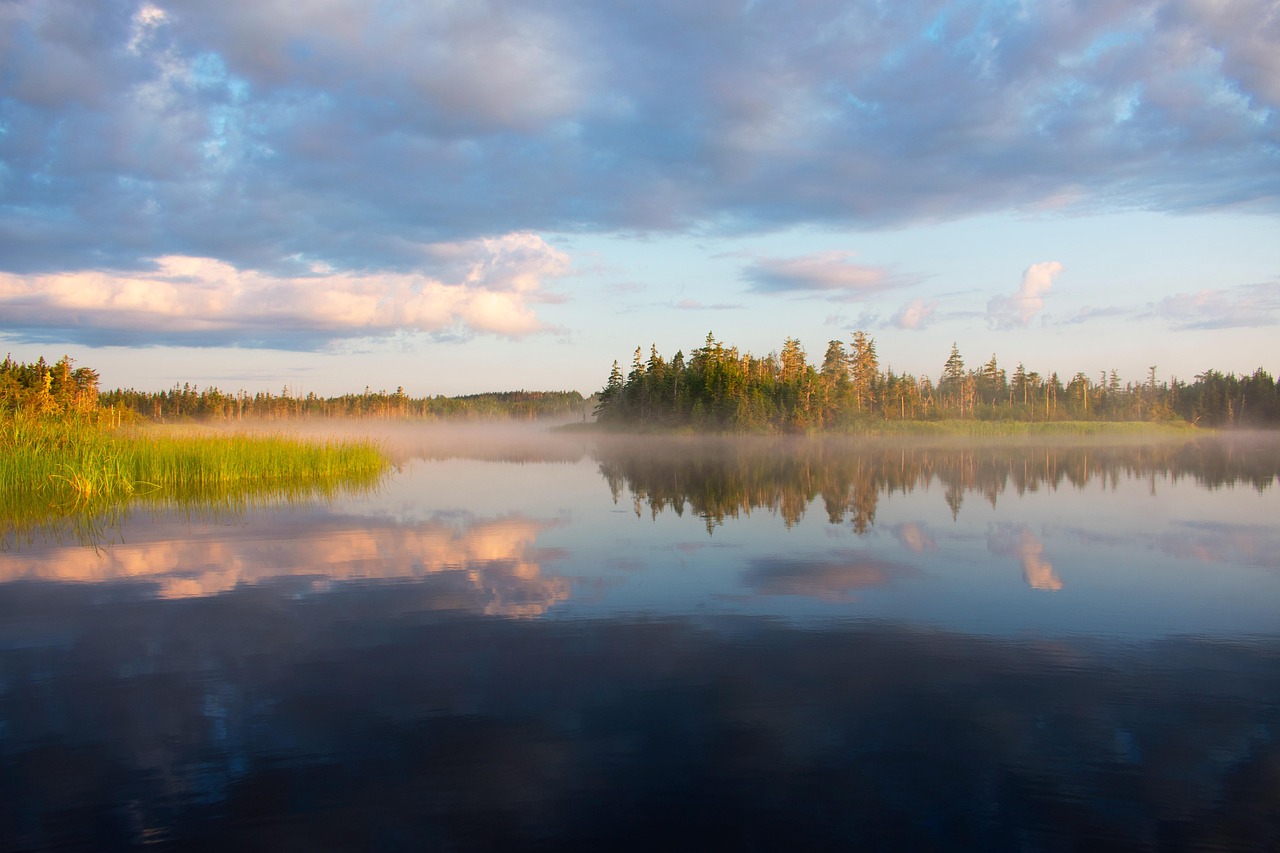
Your last of 3 days in Toronto can go one of two ways, depending on weather and interests.
Option A: Toronto Islands & Waterfront
- Morning: Take the ferry to Centre Island or Ward’s Island. Rent a bike or walk the paths, have a simple picnic or café lunch, and soak in skyline views.
- Afternoon: More island time—beach, reading under trees, or renting a kayak or canoe in summer.
- Evening: Return to the mainland for a relaxed dinner in the St. Lawrence or King East area.
Option B: Neighborhoods & High Park
- Morning: Subway west to High Park for a nature break. Walk around Grenadier Pond and the wooded trails.
- Afternoon: Explore Roncesvalles (Polish heritage, cafés, bakeries) and then head across to the Junction or down to the waterfront at Sunnyside.
- Evening: Finish in the west end with dinner in Parkdale, Queen West West, or Ossington, depending on your vibe.
Either way, you’ve now had a balanced 3 day itinerary for Toronto: icons, neighborhoods, food, and water.
4-Day Itinerary for Toronto
With 4 days in Toronto, you can keep all of the 3-day itinerary highlights and add either a deeper museum day, more neighborhoods, or a half-day trip. Here’s how I’d structure a 4 day itinerary for Toronto.
Days 1–3: Follow the 3-day itinerary above, but take things slower—maybe linger longer at the ROM or AGO, or add a coffee break in Yorkville or the Annex.
Day 4: Casa Loma, Midtown & Yorkville
Morning: Casa Loma
Head to Casa Loma around opening time. Spend a couple of hours touring the interior, climbing the towers, and wandering the gardens. If you’re into history and architecture, you’ll enjoy all the period details; even if you’re not, the views are worth it.
Lunch & Afternoon: Midtown Stroll & Yorkville
After Casa Loma, walk or take transit toward Bloor Street. Grab lunch in the Annex (casual, student-friendly spots) or in Yorkville (more upscale). Spend your afternoon strolling Yorkville’s streets, browsing shops, or ducking into the ROM or Bata Shoe Museum if you haven’t done them yet.
Evening: Nightlife or Cultural Evening
With 4 days in Toronto, you can afford a slower evening. Options:
- Catch a play in the Theatre District (King Street West area).
- See what’s on at the Four Seasons Centre for the Performing Arts (ballet, opera).
- Join locals for trivia or live music in a neighborhood pub in the Annex or Little Italy.
5-Day Itinerary for Toronto
A 5 day itinerary for Toronto lets you really settle into the city. This is my favorite length for first-time visitors who like cities and want room for spontaneity.
Days 1–4: Follow the 4-day itinerary above, but don’t be afraid to reshuffle based on weather (save islands and High Park for the nicest days).
Day 5: Day Trip or Deep Local Day
On Day 5, choose between a classic day trip or going hyper-local.
Option A: Niagara Falls Day Trip
- Morning: Early GO Train from Union to Niagara Falls (seasonal) or organized tour / rental car (1.5 hours each way).
- Day: See the falls from above, take a boat cruise (you will get wet), walk the promenade, optionally visit nearby Niagara-on-the-Lake wineries.
- Evening: Return to Toronto; grab something easy near your hotel.
Option B: Local Day – Brick Works, East End & Beaches
- Morning: Evergreen Brick Works farmers’ market and ravine walk.
- Afternoon: Streetcar or bike to Leslieville or Riverside for lunch and wandering.
- Late afternoon & Evening: Continue to The Beaches, walk the boardwalk, maybe swim in summer, and have dinner near Queen Street East.
By the end of 5 days in Toronto, you’ll have a feel not just for the must-see attractions but for how the city breathes.
Local Food in Toronto: What & Where to Eat
Eating is one of the best things to do in Toronto. Because the city is so diverse, “local food in Toronto” really means “food from everywhere, done very well.” Still, there are a few Toronto signatures and patterns I suggest you seek out.
Signature & Can’t-Miss Bites
- Peameal Bacon on a Bun: Iconically Torontonian. Try it at St. Lawrence Market.
- Butter Tart: Very Canadian; a small pastry shell filled with gooey, sweet filling. Available at many bakeries and markets.
- Poutine: Technically Quebecois, but widely available. Fries, cheese curds, gravy. Look for places that use real curds.
- Jamaican Patties: Cheap, delicious snacks; you’ll find them in bakeries all over, especially in Caribbean neighborhoods.
- Doubles & Roti: From the Caribbean (especially Trinidadian). Soft flatbreads with curried fillings—so satisfying.
Where I Actually Eat (Across Budgets)
Rather than an exhaustive list, here are the types of spots I default to with visiting friends:
- St. Lawrence Market: For casual grazing and picnic supplies.
- Kensington Market: Tacos, empanadas, vegan spots, and cafés.
- Chinatown (Spadina/Dundas): Dim sum, noodles, hot pot.
- Little India (Gerrard): South Asian thalis, dosas, biryani, sweets.
- Koreatown (Bloor): Korean BBQ and fried chicken (great for groups).
- Ossington & Queen West: Trendy small-plate restaurants and bars.
To save money, I often do one “nice” dinner and keep other meals simple: market lunches, Chinatown dinners, and coffee + pastry breakfasts.
Coffee, Craft Beer & Drinks

Toronto takes its coffee seriously. Independent cafés are scattered everywhere; you’re rarely far from good espresso or pour-over. Craft beer is also huge, with local breweries in the Junction, Leslieville, and the east/west ends.
For non-alcoholic options, mocktail menus have gotten much better in the last few years, and bubble tea shops are ubiquitous.
Nightlife, Entertainment & Cultural Experiences in Toronto
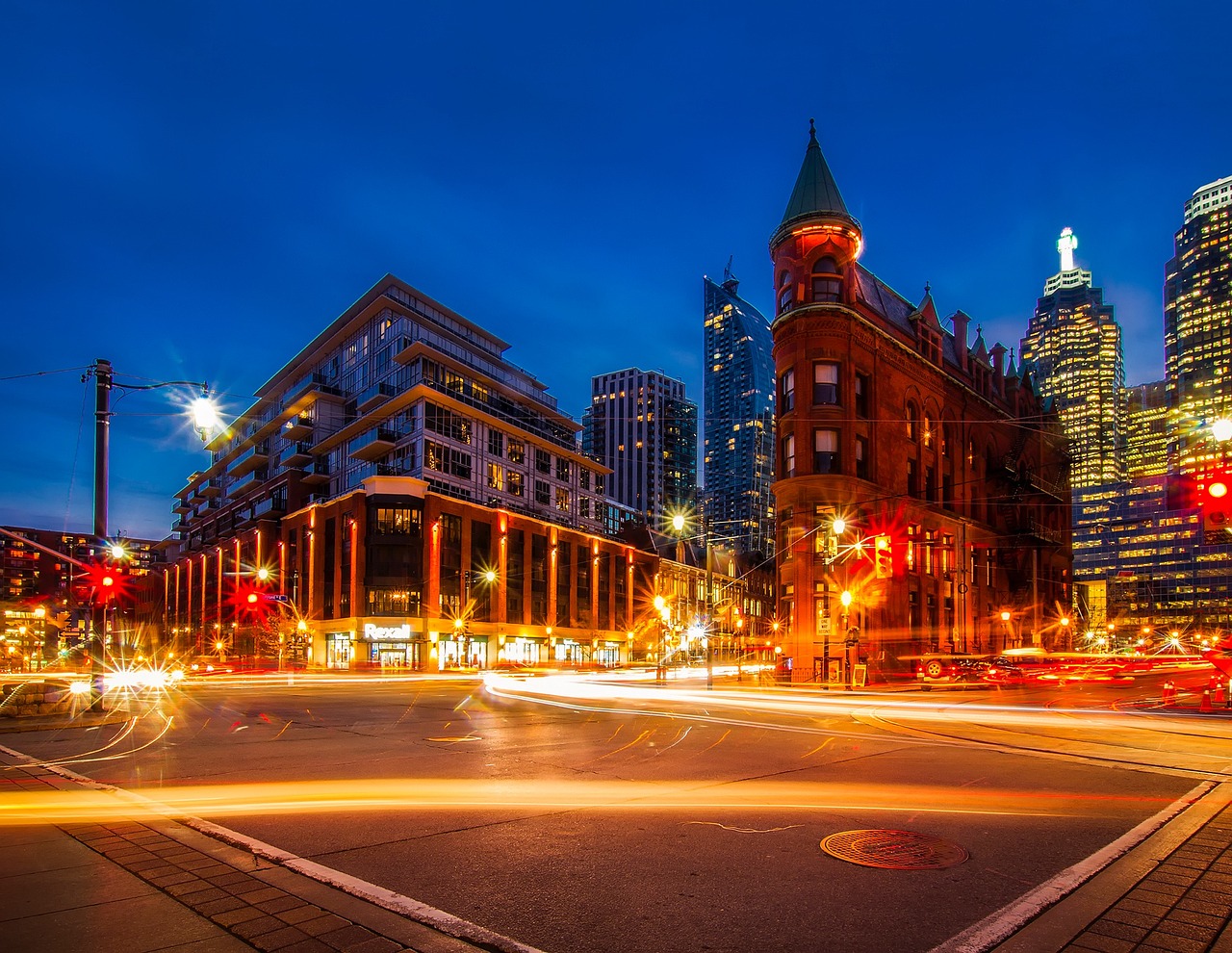
Evenings in Toronto can be as low-key or as high-energy as you want. You can see a ballet, hit a rooftop bar, find a tiny jazz club, or simply people-watch from a patio.
Theatre & Performing Arts
- Mirvish Theatres: Big-budget musicals and touring productions (think Broadway-style).
- Soulpepper, Tarragon, Factory Theatre: Smaller companies doing everything from classics to new Canadian plays.
- Four Seasons Centre: Home of the Canadian Opera Company and National Ballet of Canada—world-class productions in a modern, acoustically excellent building.
Music, Bars & Clubs
Toronto’s music scene spans indie rock, jazz, hip-hop, and electronic. Check local listings (NOW Magazine, blogTO, venue websites) for who’s playing where.
- Queen West & Ossington: Bars, live music rooms, and clubs.
- King West: Lounges and dance clubs with dress codes and bottle service.
- Danforth & College Street: More laid-back bars and occasional small venues.
Family-Friendly Evenings
- Evening stroll along the waterfront or in the Distillery District.
- Jays game at Rogers Centre.
- Seasonal events: summer outdoor movies, winter light festivals, and skating rinks.
Day Trips & Nearby Getaways from Toronto
If you’re staying longer than 4–5 days in Toronto, consider these easy escapes:
Niagara Falls & Niagara-on-the-Lake
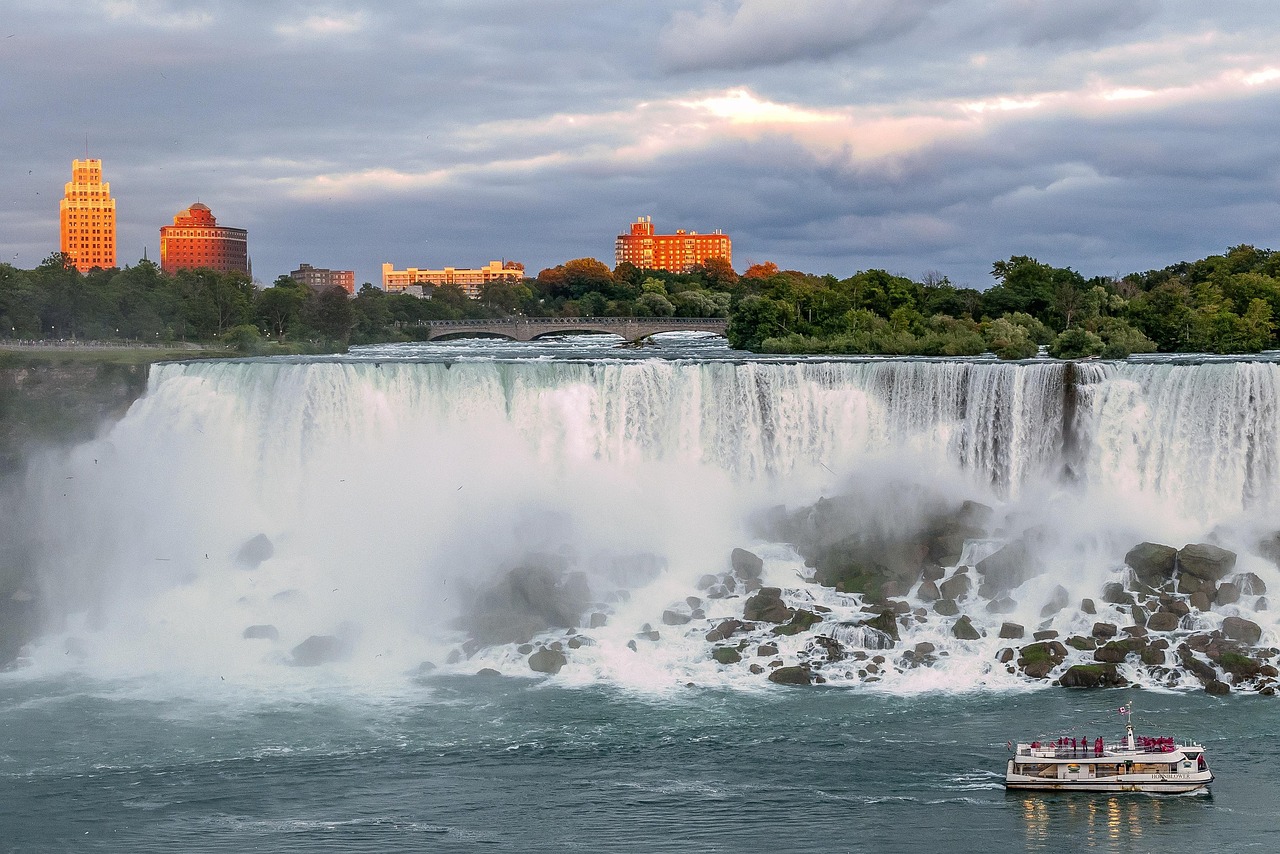
Niagara Falls is the classic day trip. It’s undeniably touristy, but the raw power of the falls still impresses. Combine with a stop in Niagara-on-the-Lake for wineries and a charming town feel.
Getting there: Organized tours, rental car (~1.5 hours), or seasonal GO Train + shuttle.
Hamilton Waterfalls & Bruce Trail
Hamilton, about an hour away, is known as the “City of Waterfalls,” with dozens of falls along the Niagara Escarpment. Great for hiking and photography, especially in spring and fall.
Muskoka & Cottage Country (Longer Day or Overnight)
If you want to see Ontario’s lake-and-forest side, head to Muskoka. It’s more of an overnight than a day trip, but doable if you start early. Swimming, kayaking, and stargazing await.
Cultural Etiquette & Local Customs in Toronto
Toronto is relaxed and multicultural, but there are a few unwritten rules that make life smoother.
- Lines & Personal Space: Canadians queue. Join the end of the line, don’t cut, and give people a bit of personal space.
- “Sorry” & Politeness: You’ll hear “sorry” a lot—even when you bump into someone. It’s less about guilt and more about friendliness.
- Tipping: In restaurants, 15–20% before tax is standard. For bars, CAD 1–2 per drink or 15–20%. Taxis, 10–15%.
- Multicultural Respect: You’ll encounter many cultures and languages; be open and respectful—Toronto prides itself on diversity.
- LGBTQ+ Friendly: Toronto is generally very LGBTQ+ inclusive, especially in neighborhoods like Church-Wellesley Village.
- Indigenous Acknowledgment: You may hear land acknowledgments at events, recognizing that Toronto is on traditional Indigenous territories. These are meaningful; listen respectfully.
Practical Travel Tips for Toronto (2026 Edition)
Getting Around Toronto
- Public Transit (TTC): Subway, streetcars, and buses. Tap a contactless credit card or use a PRESTO card; fares are time-based (within a set period you can transfer without paying again—check current rules).
- GO Transit: Regional trains/buses useful for day trips (Niagara, Hamilton, etc.).
- Rideshares & Taxis: Uber, Lyft, and local taxis are widely available.
- Bike Share: Bike Share Toronto stations are everywhere downtown and expanding outward. Great for short hops in good weather.
- Driving: I don’t recommend driving in central Toronto unless necessary—traffic and parking can be frustrating and expensive.
SIM Card & Connectivity Options
Canadian mobile data is notorious for being expensive, but for short trips you have options:
- eSIMs: Many international travelers use eSIM providers for data-only plans—often cheaper than local carriers.
- Local SIMs: Available from major providers (Rogers, Bell, Telus) or discount brands (Fido, Koodo, Freedom) at malls and electronics stores.
- Wi-Fi: Widespread in cafés, hotels, and public spaces; you can get by with Wi-Fi and a small data package.
Money-Saving Tips
- City Passes: Look for bundled attraction passes if you’re hitting the CN Tower, ROM, Casa Loma, etc.
- Transit vs. Taxis: Use TTC and walking as much as possible—downtown is compact.
- Eat Like a Local: Inexpensive, delicious meals can be found in Chinatown, Little India, Koreatown, and at markets.
- Free & Cheap Activities: Parks, waterfront, street art, many festivals, and some museum discount nights.
Visa Requirements & Driving
Visas: Requirements depend on your nationality:
- Many travelers need an eTA (Electronic Travel Authorization) to fly into Canada (but not if arriving by land or sea).
- Others need a full visitor visa obtained in advance.
- Always check the official Government of Canada website for up-to-date info before traveling.
Driving:
- Short-term visitors can usually drive with their foreign driver’s license (in English or French). If not in a Latin alphabet, an International Driving Permit (IDP) is recommended/required.
- Car rental companies will specify their own documentation rules—check when booking.
- Remember to drive on the right-hand side; winter driving can be challenging if you’re not used to snow/ice.
Seasons & What They’re Best For
- Spring (April–June): Cherry blossoms in High Park, gradually warming weather, fewer crowds. Great for walking and museum-hopping.
- Summer (July–August): Festival season, patios, islands and beaches at their best. Also the busiest and most expensive time; sometimes hot and humid.
- Fall (September–October): My favorite—comfortable temperatures, fall colors, TIFF in September, fewer crowds after Labor Day.
- Winter (November–March): Cold, with snow and ice, but magical around the holidays. Best for indoor attractions, hockey games, winter festivals, and skating. Pack real winter gear.
What’s New & Upcoming Events in Toronto 2026–2027
Toronto’s calendar is always full, but 2026–2027 brings extra reasons to visit. Exact lineups and dates shift, so use this as a guide and confirm closer to your trip.
- Toronto International Film Festival (TIFF): Every September. Hollywood meets local cinephiles; the city buzzes with premieres and red carpets in the Entertainment District and TIFF Bell Lightbox.
- Caribana (Toronto Caribbean Carnival): Late July/early August. A huge Caribbean carnival with a spectacular parade, music, and food—one of the city’s most vibrant cultural experiences.
- Pride Toronto: June. One of the largest Pride celebrations in the world; parades, parties, and community events centered around Church-Wellesley Village.
- NXNE (North by Northeast): Music and arts festival, usually in June.
- Winter Festivals: Cavalcade of Lights at Nathan Phillips Square, Toronto Light Festival in the Distillery District, and various neighborhood events each winter.
- Sports: Expect ongoing major events tied to the Leafs, Raptors, Blue Jays, Toronto FC, and occasional international tournaments and friendlies.
Summary & Final Recommendations: Best Time to Visit Toronto
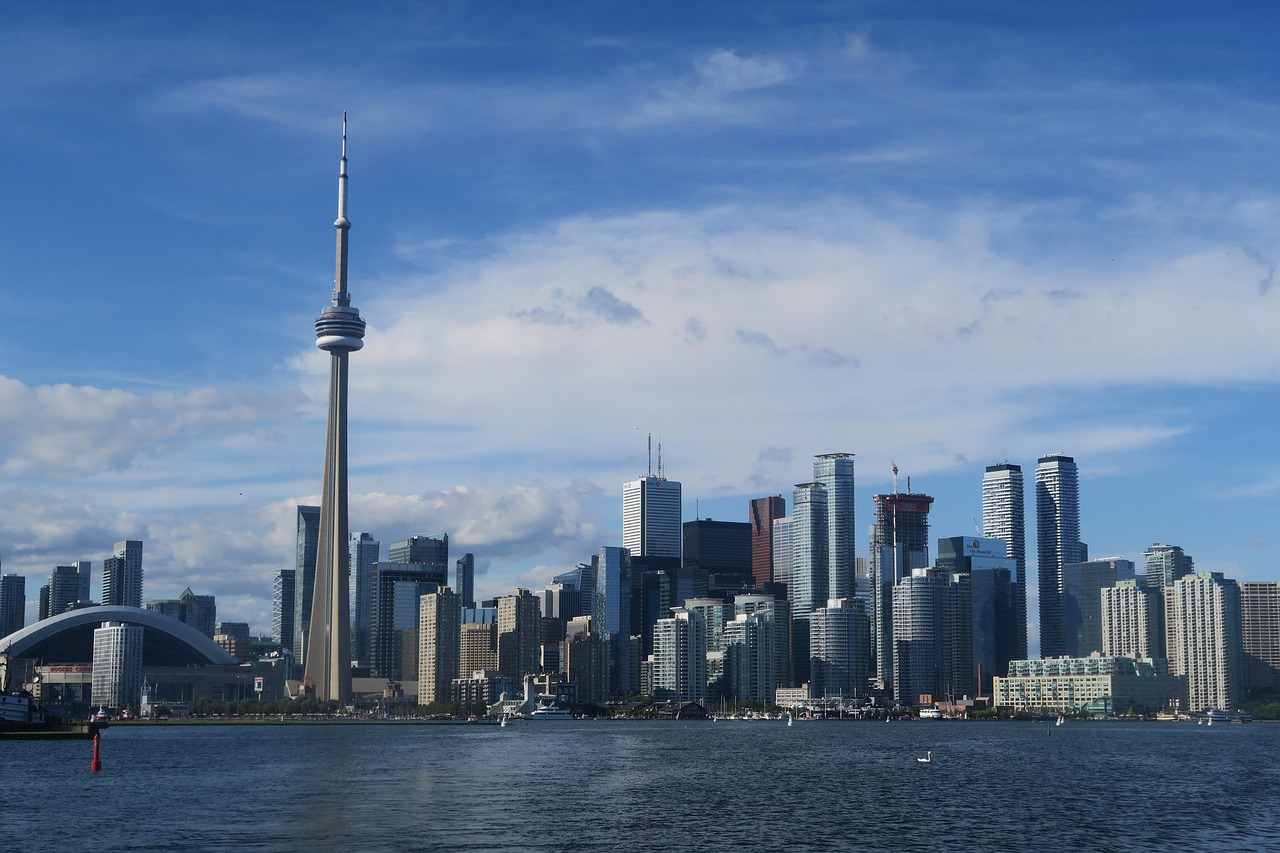
Toronto in 2026 is a city worth lingering in. Whether you have 3 days in Toronto or a full 5 days in Toronto, you can build a trip that mixes big-ticket sights with small, local pleasures: a ferry ride to the islands at sunset, dumplings in Chinatown, a quiet morning in a museum, a loud night at a concert or game, and a lazy afternoon in a park.
Best time to visit:
- For outdoor activities & festivals: Late May to early October, with peak action in July–August.
- For fewer crowds & comfortable weather: September to early October, and late May to mid-June.
- For winter magic & indoor culture: December (holiday lights and markets) through February, if you’re prepared for the cold.
However long you stay, don’t feel pressured to check every box. Choose a few must-see attractions in Toronto that excite you, anchor them with a flexible itinerary, and leave space to follow your nose—into a side street in Kensington, onto a quiet ferry to Ward’s Island, or into a café where you can watch the city go by. That’s where Toronto really reveals itself.