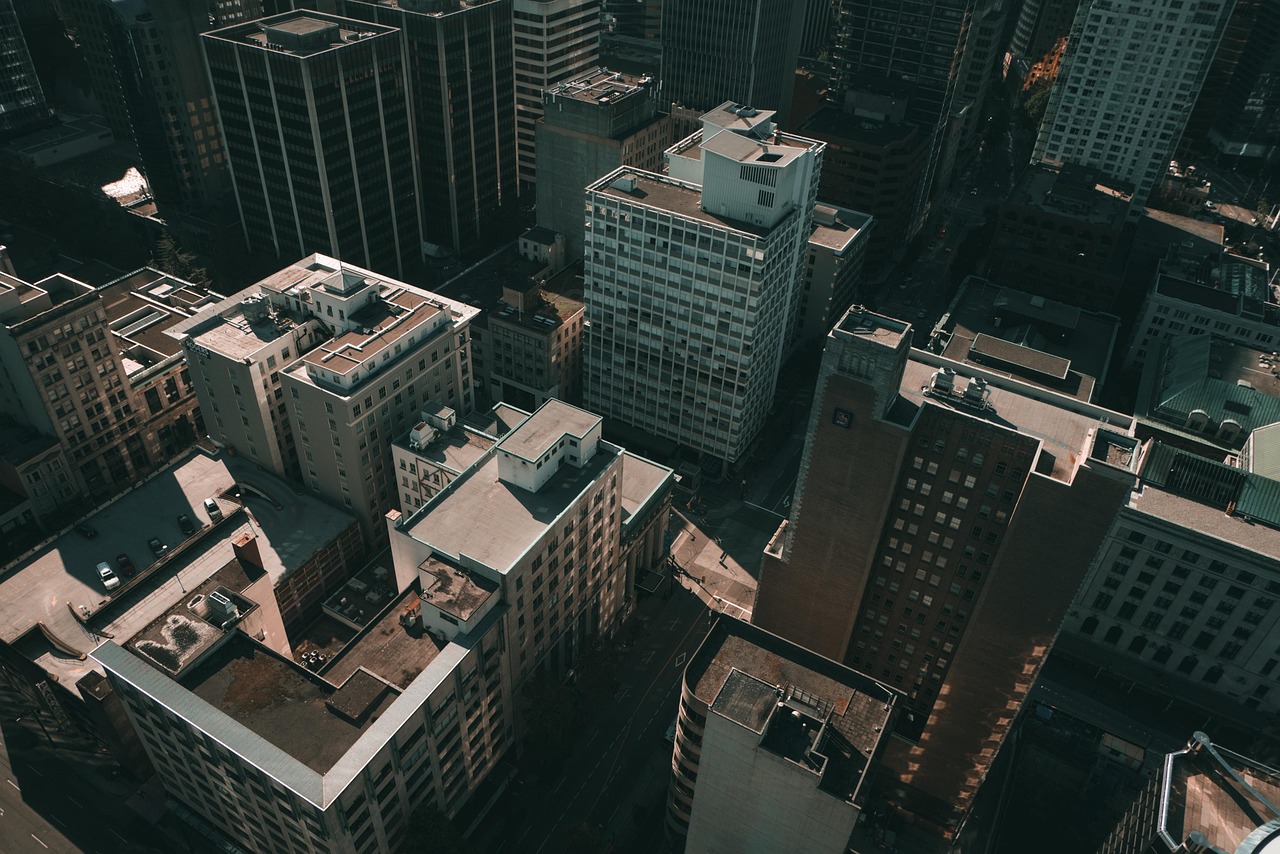
Why Visit Vancouver in 2026?
I’ve lived in and around Vancouver for over a decade, and I still get that little jolt in my chest every time I see the skyline against the North Shore mountains. There are very few cities where you can sip a cortado in a sleek downtown café at 9am, bike through a temperate rainforest at noon, paddleboard beside seals in the afternoon, and watch the sunset over the Pacific from a brewery patio in the evening. Vancouver is exactly that kind of place.
In 2026, Vancouver feels especially exciting. The city has bounced back from the pandemic years with new restaurants, creative neighborhoods, and a serious focus on sustainable, slow travel. The craft beer and cocktail scenes are maturing, Chinatown is seeing a thoughtful cultural revival, First Nations voices are becoming more central in museums and tours, and the city is investing heavily in bike infrastructure and public transit upgrades.
Vancouver is ideal if you like a mix of urban energy and outdoor adventure. It’s safe, walkable, gloriously scenic, and refreshingly casual. You can dress for brunch in hiking pants and nobody blinks. Whether you have 3 days in Vancouver, 4 days in Vancouver, or a full 5 day itinerary for Vancouver, you’ll never run out of things to do.
This travel guide for Vancouver is written from my own experiences of living here and playing tourist often—solo, with friends, and with family in tow. I’ll share the must-see attractions in Vancouver, the hidden gems in Vancouver I’d show my best friend, and plenty of practical travel tips for Vancouver to make your trip smoother and cheaper.
Table of Contents
- Why Visit Vancouver in 2026?
- Vancouver at a Glance
- 20 Must-See Attractions in Vancouver (With Local Stories & Tips)
- Suggested Itineraries: 3, 4, and 5 Days in Vancouver
- Best Neighborhoods & Districts to Explore
- Local Food in Vancouver: What to Eat & Where
- Cultural Experiences, Etiquette & Local Customs
- Nightlife & Entertainment
- Best Day Trips from Vancouver
- Events & Festivals in 2026–2027
- Practical Travel Advice for Vancouver
- Summary & Best Time to Visit
Vancouver at a Glance
Vancouver sits on the west coast of Canada in British Columbia, nestled between the Pacific Ocean and the Coast Mountains. This geography defines the city: water everywhere, dense evergreen forests, snow-capped peaks in winter, and a mild maritime climate that can swing from blazing sun to moody drizzle in the same afternoon.
The city is compact and easy to navigate, with downtown on a peninsula framed by Stanley Park and False Creek. Across the bridges you’ll find laid-back beach neighborhoods, buzzing food streets, and historically rich districts like Gastown and Chinatown. Greater Vancouver is home to around 2.8 million people, and it’s one of the most ethnically diverse cities in North America—over half the residents are first- or second-generation immigrants. You’ll taste that diversity in every meal.
Vancouver is also on the unceded traditional territories of the Musqueam, Squamish, and Tsleil-Waututh Nations. You’ll see these names often; learning to pronounce and respect them is part of being a good guest here.
20 Must-See Attractions in Vancouver (With Local Stories & Tips)
Below are twenty of the best places to visit in Vancouver. I’ve structured each mini-guide like a personal field note: what to expect, when I like to go, how to get there, and how to make it special whether you’re with kids, a partner, or traveling solo.
1. Stanley Park Seawall & Forest Trails
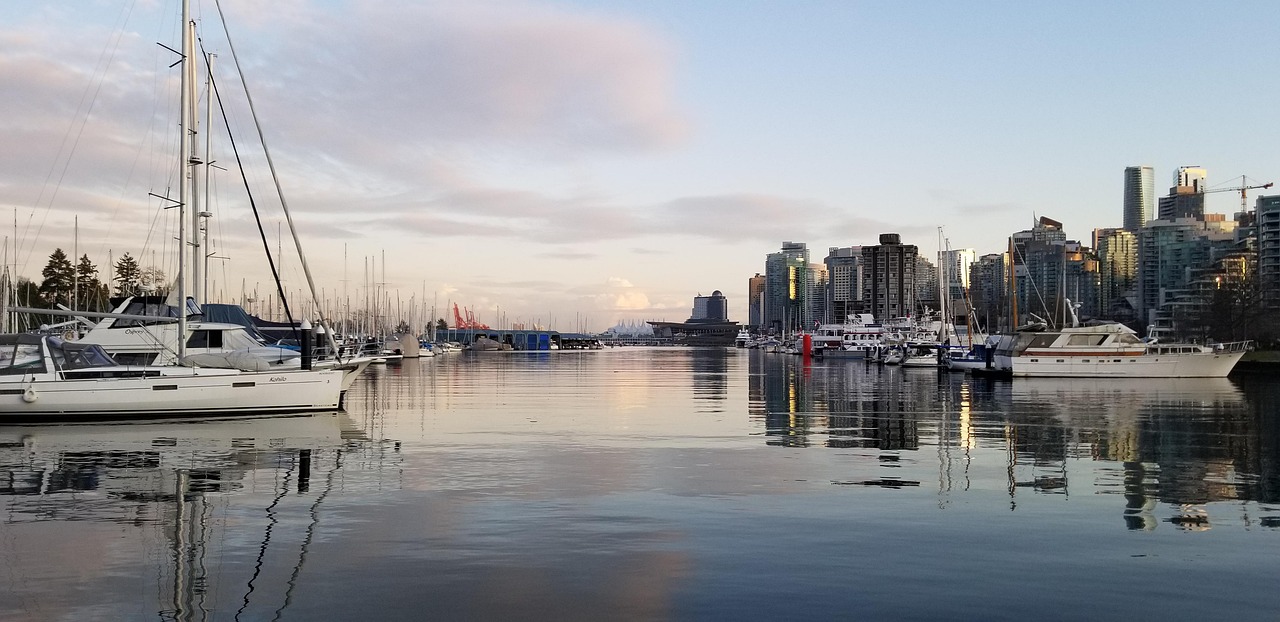
If you only have 3 days in Vancouver, you must put Stanley Park on your itinerary. I still remember my first early-morning bike ride around the seawall: the air was salty and cold, crows were screaming from the trees, and the city skyline glowed pink behind me as I pedaled toward the Lions Gate Bridge.
What it is: A 400-hectare urban park—bigger than New York’s Central Park—wrapped by a scenic 9 km seawall path. Inside, you’ll find old-growth forest trails, beaches, totem poles, viewpoints, and the Vancouver Aquarium.
Highlights & things to do:
- Walk or bike the Seawall (counterclockwise only for bikes). Allow 2–3 hours on foot or 1–2 hours by bike with photo stops.
- Visit the Totem Poles at Brockton Point, one of the most photographed spots in the park.
- Detour into the forest trails like Tatlow, Lovers Walk, and Cathedral Trail for quiet, mossy serenity.
- Swim or sunbathe at Second Beach or Third Beach in summer.
- Watch sunset at Third Beach or Prospect Point.
My routine: When friends visit, I usually rent bikes from Denman Street (look for shops near the Georgia & Denman intersection) around 9am to beat the crowds. We ride the seawall, stop at the totem poles, grab coffee at the Teahouse or Prospect Point, then lock the bikes and wander into the forest for 30–40 minutes. If kids are along, I swap the forest detour for an hour at the Vancouver Aquarium, which sits inside the park.
How to get there: From downtown, you can literally walk into the park via Georgia Street or along the Coal Harbour seawall. Buses also stop near the park entrance. If you’re staying farther out, SkyTrain to Burrard or Waterfront and walk 15–20 minutes.
Best for: Everyone. Family-friendly (Aquarium, playgrounds, flat paths), romantic (sunset at Third Beach), adventurous (trail runs, long bike loops).
Local tip: In 2026, sections of the seawall may still have partial closures for maintenance after winter storms. Check the City of Vancouver website before you go, and be prepared to follow any detours. Also, always ride counterclockwise; going the wrong way is a fast way to meet an angry local cyclist.
2. Granville Island Public Market
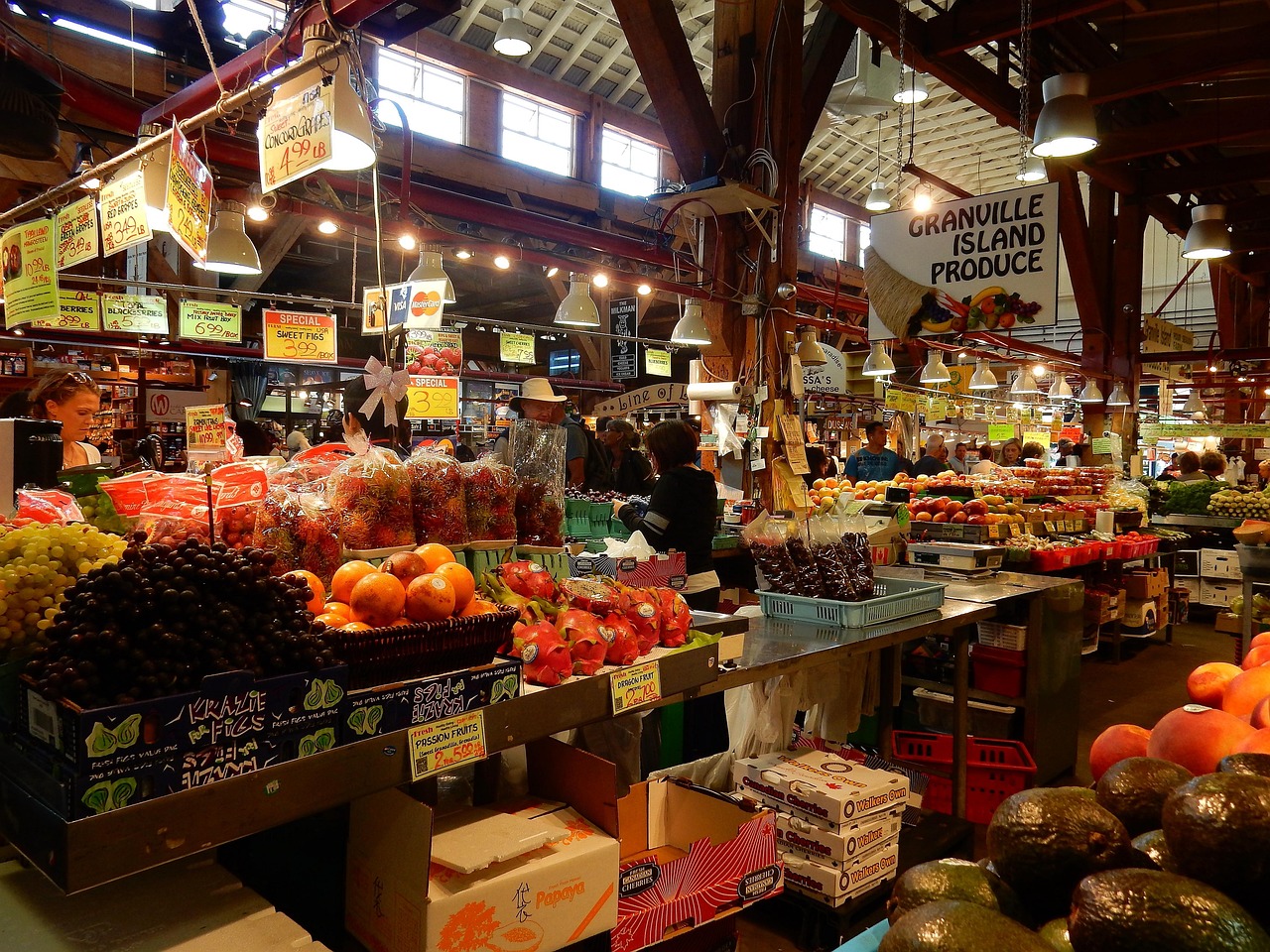
Granville Island is where I take people when I want them to fall in love with Vancouver food. It’s busy and touristy, yes—but under the buskers and souvenir shops, it’s still where many locals go to stock up on cheese, bread, fruit, and fresh seafood.
What it is: A redeveloped industrial island under the Granville Street Bridge, now home to the Public Market, artisan shops, theatres, a kids’ market, marinas, and waterfront restaurants.
What to eat & do:
- Wander the Public Market and build yourself a picnic: fresh berries, local cheeses, smoked salmon, pastries, and coffee.
- Try BC spot prawns (in season, usually late spring) or salmon chowder from one of the seafood vendors.
- Head to Granville Island Brewing for a taster flight and brewery tour.
- Catch a show at the Arts Club Theatre or grab improv laughs at The Improv Centre.
- Take a kayak or SUP tour from the nearby docks to see False Creek from the water.
My favorite time: I love coming on a weekday morning around 9–10am. Vendors have time to chat, the crowds are thin, and you can snag a window seat overlooking False Creek. One rainy November morning, I spent two hours just sipping coffee and watching cormorants dive outside the market while the rain streaked the glass—pure Vancouver.
How to get there: The most fun way is by AquaBus or False Creek Ferries, those tiny rainbow-colored boats that zip around the creek. You can also walk or bus over from downtown via the Granville Bridge (there are pedestrian sidewalks, but it’s noisy and windy).
Best for: Food lovers, families (kids’ market & playground), low-key romantic dates (evening theatre + dinner by the water).
Local tip: Avoid weekends at peak lunch if crowds stress you out. Also, if you’re planning 3–4 days in Vancouver, consider doing Granville Island and nearby neighborhoods (Kitsilano, Olympic Village) on the same day—it makes for a perfect “city + food + water” combo.
3. Capilano Suspension Bridge Park
Capilano Suspension Bridge is one of those places locals pretend to roll their eyes at (“too touristy”), but I’ve gone back at least five times. Walking across that long, gently swaying bridge above the canyon never really gets old.
What it is: A privately owned forest attraction in North Vancouver featuring the famous 137m-long suspension bridge over the Capilano River, treetop walkways, cliffwalk, and interpretive exhibits.
Highlights:
- The Suspension Bridge itself—crowdy, yes, but iconic and surprisingly scenic, especially after rain when the forest looks extra lush.
- Treetops Adventure: smaller suspension bridges linking platforms high in the trees.
- Cliffwalk: a series of narrow walkways bolted into the canyon rock—great for photos and mild adrenaline.
- Seasonal events like Canyon Lights in winter, when the whole park becomes a forest of lights.
My experiences: I usually go midweek and aim for opening time to have a quieter crossing. The last time I went, in late October, low cloud hugged the trees and the whole canyon felt like a movie set. I lingered on the far side of the bridge, walking the forest loop twice just to enjoy the smell of cedar after rain.
How to get there: The park runs a free shuttle from downtown (Canada Place area) that’s super convenient. Otherwise, take the SeaBus to Lonsdale Quay and connect to a bus up Capilano Road.
Capilano vs. Lynn Canyon: If you’re on a tight budget, Lynn Canyon Suspension Bridge is free and less commercial (more on it later). Capilano is more polished, with interpretive signage and facilities. With kids or mobility concerns, I usually recommend Capilano; for adventurous hikers on a budget, Lynn wins.
Best for: Families, first-time visitors, people who want an easy “rainforest experience” without a full hike.
Local tip: Tickets aren’t cheap. In 2026, look for online discounts or combo deals, and definitely book ahead in peak summer and December evenings for Canyon Lights—they do sell out.
4. Grouse Mountain (“The Peak of Vancouver”)
From downtown, you can look north and see Grouse Mountain’s ski runs glowing at night. For me, Grouse is where winter and summer both come alive without needing a car.
What it is: A mountain resort in North Vancouver with hiking, a gondola, wildlife refuge, ziplining, and skiing/boarding in winter.
Key experiences:
- Ride the Skyride gondola to the top for sweeping views of the city and ocean.
- Hike the notorious Grouse Grind (a steep “natural stairmaster”) and ride the gondola down.
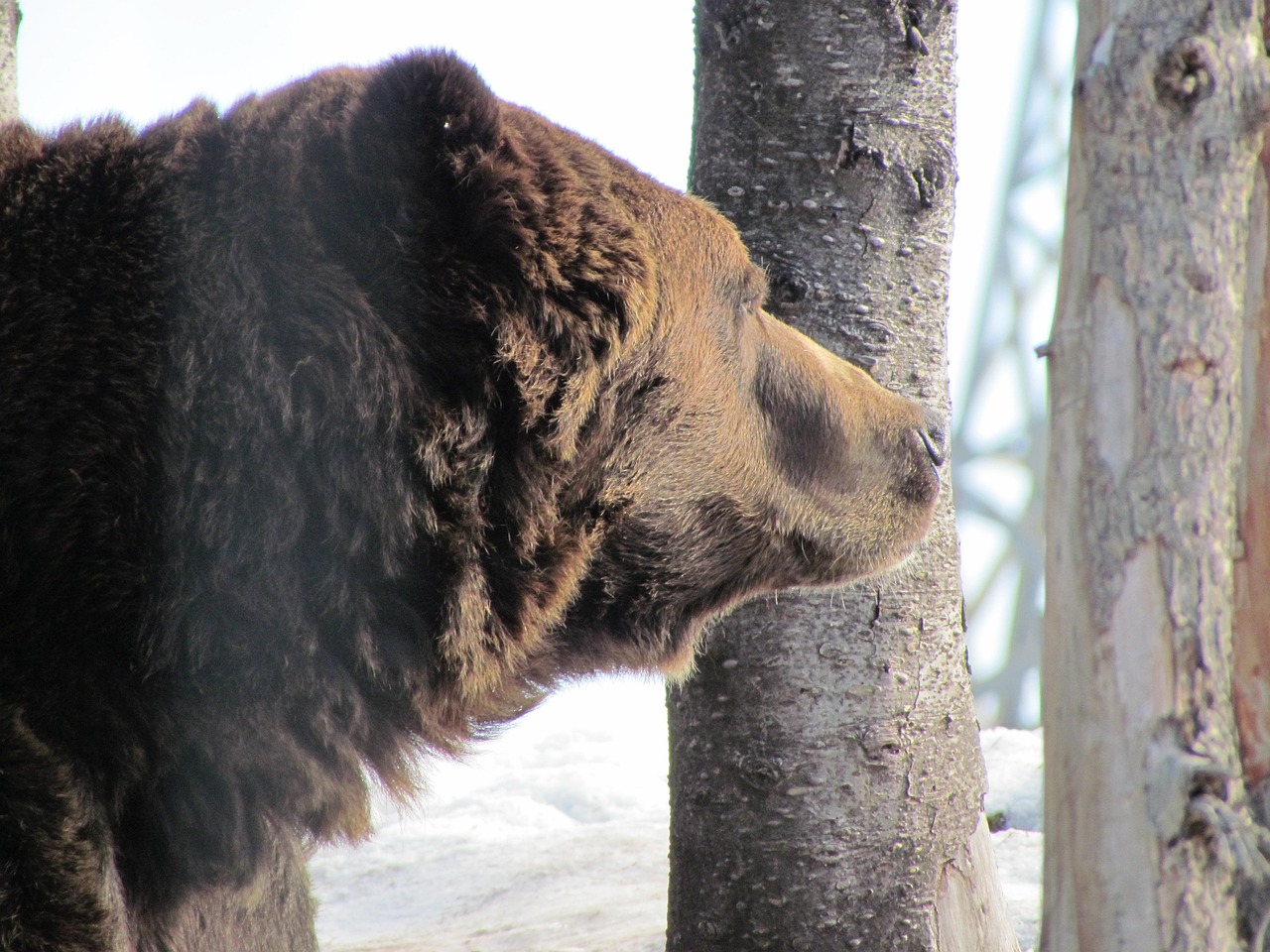
- Visit the resident rescued grizzly bears, Grinder and Coola, in their habitat.
- In winter: ski, snowboard, snowshoe, or skate on the mountaintop pond.
- In summer: watch the lumberjack show, try ziplining, or simply sit on a patio with a beer and a view.
My story: My first Grouse Grind was a humbling 1.5-hour slog. Locals race it in under an hour; I spent the last third bargaining with my own legs. The view from the top—city shimmering below, ferries cutting through Burrard Inlet—made every sweaty step worth it. These days I mostly go up for sunset dinners or winter snowshoeing instead of punishing myself weekly.
How to get there: Similar to Capilano: SeaBus to Lonsdale Quay + bus, or direct bus/shuttle up Capilano Road and then to Grouse. Many visitors combine Capilano and Grouse in one very full day.
Best for: Adventurous travelers, families (summer shows and bears), couples (sunset dinners), winter sports lovers.
Local tip: If you’re planning 3 days in Vancouver in winter and want a quick snow fix, Grouse is your easiest option. Buy tickets online, and check the weather—on a foggy day, views can be completely socked in.
5. Gastown Historic District
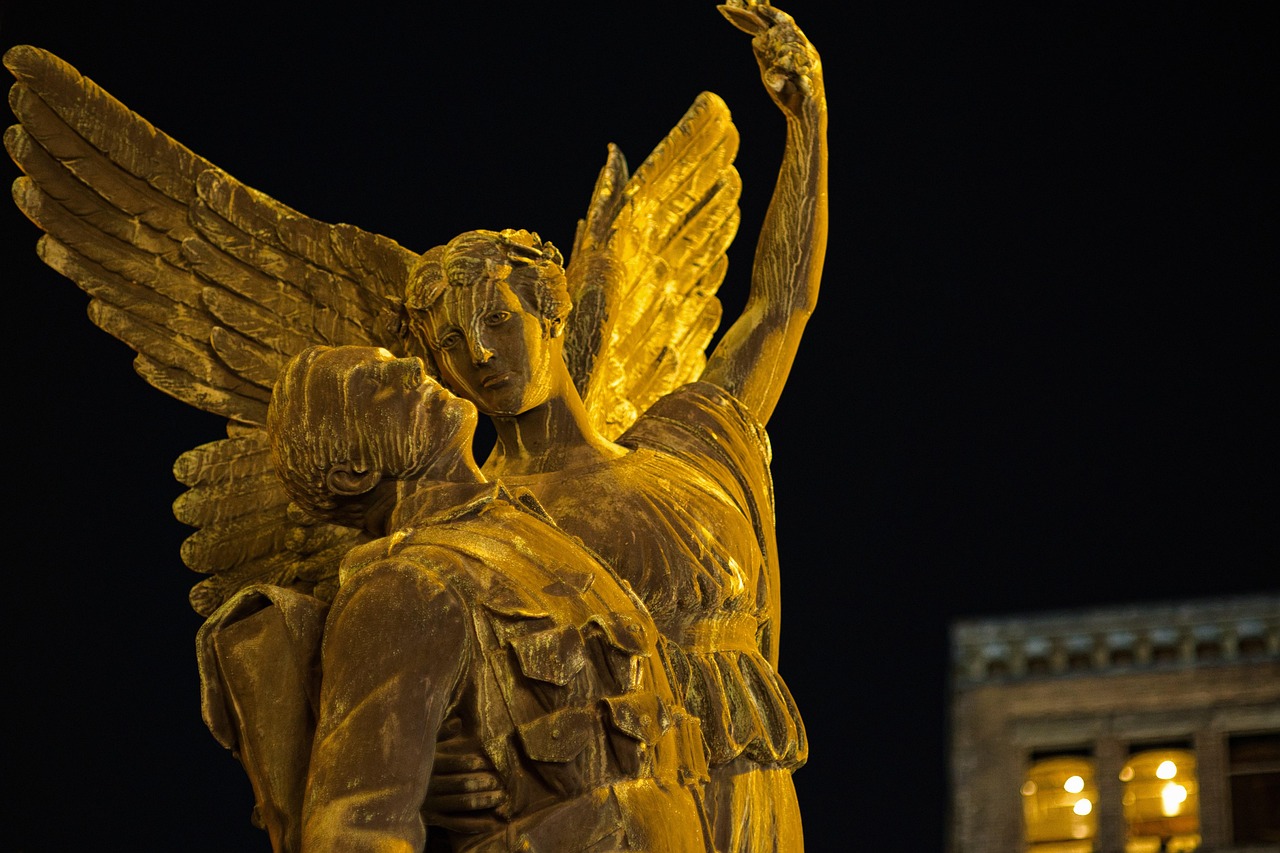
Gastown is Vancouver’s original downtown, and you can still feel that layered history in its brick buildings, cobbled streets, and mix of design studios, cocktail bars, and tourist shops.
What it is: A historic neighborhood east of downtown core, known for its Victorian architecture, independent boutiques, restaurants, and the (overrated but iconic) Steam Clock.
Things to do:
- Stroll down Water Street and Cordova Street for architecture and photo ops.
- Watch the Steam Clock whistle on the quarter-hour (cute once, then move on).
- Browse local design shops and galleries for ceramics, prints, and jewelry.
- Have cocktails at speakeasy-style bars or dinner at one of the many bistros.
My evenings here: I like to come just before dusk, when the string lights over Water Street flick on. One of my favorite dates was a slow wander through Gastown’s shops followed by oysters and cocktails at a cozy bar while rain drummed outside. It’s touristy, sure, but still genuinely atmospheric.
How to get there: Walk from downtown or hop off SkyTrain at Waterfront Station and head east.
Safety note: Gastown borders the Downtown Eastside, which has visible homelessness and addiction issues. It’s generally safe if you stay on the main streets, but be aware of your surroundings, avoid flashing valuables, and don’t wander aimlessly east or south late at night if you’re unfamiliar with the area.
Best for: Evening strolls, photography, shopping, dining and drinks.
6. English Bay & Sunset Beach
On a warm summer evening, English Bay feels like the city’s living room. Locals sprawl on logs, kids build sand castles, someone inevitably plays guitar, and the sky turns sherbet colors over the water.
What it is: A popular beach and waterfront promenade on the west side of downtown, connecting to the seawall toward Stanley Park.
Things to do:
- Swim (in summer), sunbathe, or just sit on the logs and people-watch.
- Walk the seawall toward Stanley Park or down to Sunset Beach.
- Rent a kayak or SUP from nearby vendors.
- Visit the “A-maze-ing Laughter” statues at Morton Park—giant bronze figures that make for fun photos.
My routine: In August, I often grab a takeout poke bowl or sushi and head down to watch the sun drop behind the mountains. On one memorable evening, a pod of dolphins cruised by just offshore as the entire beach applauded. That’s Vancouver magic.
Best for: Families (shallow-ish water, lifeguards in summer), couples (sunset dates), solo travelers (safe, relaxed vibe).
Local tip: This is one of the best free things to do if you only have 3 days in Vancouver and want maximum scenery with minimal effort. Just bring a light jacket—even in summer, evenings can turn cool quickly.
7. Kitsilano Beach & Pool
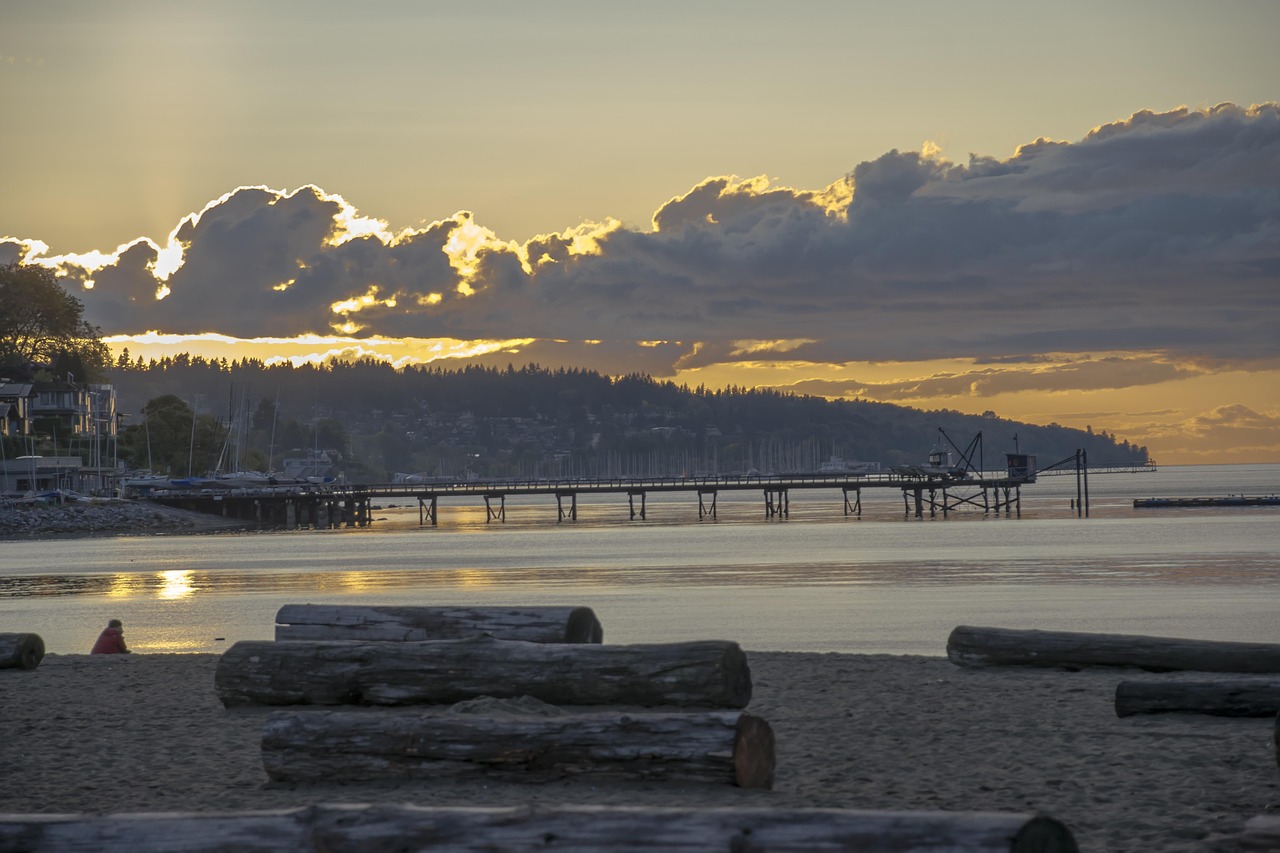
“Kits” is where Vancouver’s endless-summer fantasy plays out: volleyball nets, joggers, yoga mats, and dogs trotting along the sand. It’s a bit more local than English Bay and has jaw-dropping views back toward downtown.
What it is: A beach neighborhood just across the water from downtown, with parks, a massive outdoor saltwater pool, cafés, and boutiques.
Highlights:
- Kits Beach for swimming, lounging, and volleyball.
- Kitsilano Pool, a 137m-long heated outdoor saltwater pool right by the ocean, open late spring to early fall.
- Nearby West 4th Avenue and West Broadway for shopping and cafés.
- Views of downtown and the mountains across English Bay.
My days here: I love coming early on a sunny weekday, swimming lazy laps in the pool with the skyline in the distance, then grabbing brunch on West 4th. With kids, Kits is fantastic: playgrounds, splash pad, and space to run.
How to get there: Bus or bike from downtown over the Burrard Street Bridge. There’s paid parking but it fills quickly on sunny weekends.
Best for: Beach lovers, families, active travelers, social butterflies.
Local tip: If you’re crafting a 4 day itinerary for Vancouver, I’d dedicate a late afternoon and evening to Kits: beach time, pool swim, then dinner and drinks nearby.
8. False Creek & Olympic Village
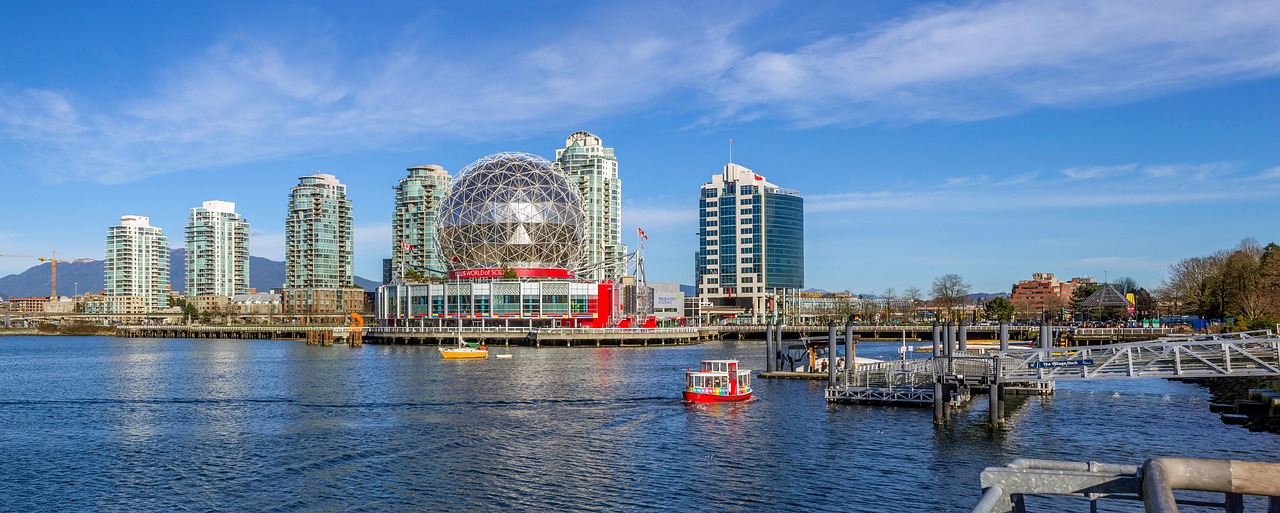
False Creek is where the city feels the most livable: glass towers, waterfront paths, kayakers, and public art. Olympic Village, on its southeast edge, is one of my favorite places for a relaxed evening.
What it is: A narrow inlet separating downtown from the rest of the city, lined with seawall paths, parks, and residential neighborhoods.
Things to do:
- Walk or bike the seawall from Science World to Granville Island.
- Explore Olympic Village: breweries, restaurants, playgrounds, and public art like the giant “Bird” statues.
- Rent a kayak or SUP for a calm paddle with skyline views.
- Take the AquaBus or False Creek Ferries between key stops.
My ritual: In spring, I like to start near Science World, walk the seawall to Olympic Village, grab tacos and a beer, then keep walking to Granville Island as the light fades. If you time it right, you get that golden light reflecting off the glass towers—one of the best casual “city walks” in Vancouver.
Best for: Families (playgrounds & flat paths), casual dates, photography, easy urban strolls.
9. Museum of Anthropology at UBC (MOA)
This is one of the most important cultural experiences in Vancouver and a must if you’re interested in Indigenous art and history. The MOA’s Great Hall, with its soaring glass and carved poles, still gives me goosebumps every time I enter.
Note 2026: MOA underwent major seismic upgrades and reconfiguration over the early 2020s. By 2026, it is expected to be fully reopened with refreshed exhibits focused on Musqueam, Squamish, and Tsleil-Waututh perspectives. Check their website for exact reopening details and new exhibitions.
What it is: A world-renowned museum focused on the art and cultures of the Northwest Coast First Nations and other Indigenous and global cultures.
Highlights:
- The Great Hall with monumental poles and carvings.
- Bill Reid’s masterpieces, including works related to the famed “Raven and the First Men” (often featured in Canadian imagery).
- Outdoor Haida houses and poles overlooking the sea and mountains.
- Rotating exhibitions on contemporary Indigenous art and issues.
My visits: I like to come on grey days; the dramatic light makes the poles feel alive. One winter afternoon, a Musqueam guide shared stories about how certain carvings relate to places we pass every day in the city. I walked out seeing Vancouver differently.
How to get there: The museum is on the University of British Columbia (UBC) campus at the western tip of the city. Buses run regularly from downtown (allow 40–50 minutes). Combine it with a walk through Pacific Spirit Regional Park or a visit to nearby Wreck Beach if you’re up for stairs and don’t mind clothing-optional sand.
Best for: Culture lovers, rainy days, those curious about local history and contemporary Indigenous issues.
10. Science World at TELUS World of Science
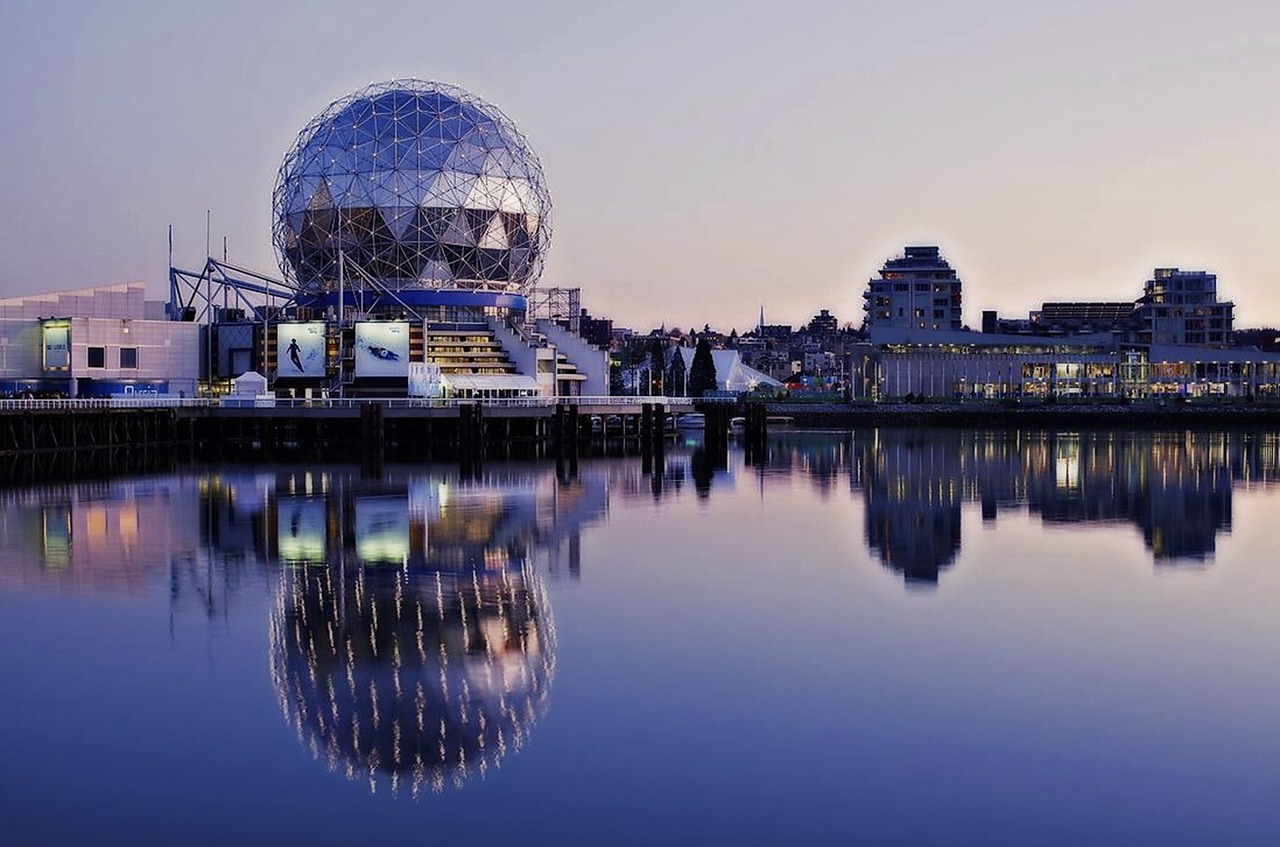
The shiny geodesic dome at the end of False Creek is one of Vancouver’s most recognizable buildings and a lifesaver for families on rainy days.
What it is: An interactive science museum with hands-on exhibits, an OMNIMAX theatre, and rotating exhibitions.
Why go:
- Kids can burn off energy with exhibits about physics, biology, and tech.
- Adults often get just as into the interactive displays.
- The OMNIMAX shows (nature, space, exploration) are a fun break.
- The plaza outside offers prime views of the skyline and mountains.
My tip: I usually pair Science World with a False Creek seawall walk and lunch at Olympic Village. On one stormy November day, I spent an hour inside, then watched lightning flash over the skyline from the covered plaza—it felt cinematic.
Best for: Families, rainy days, anyone with a curious streak.
11. Queen Elizabeth Park & Bloedel Conservatory
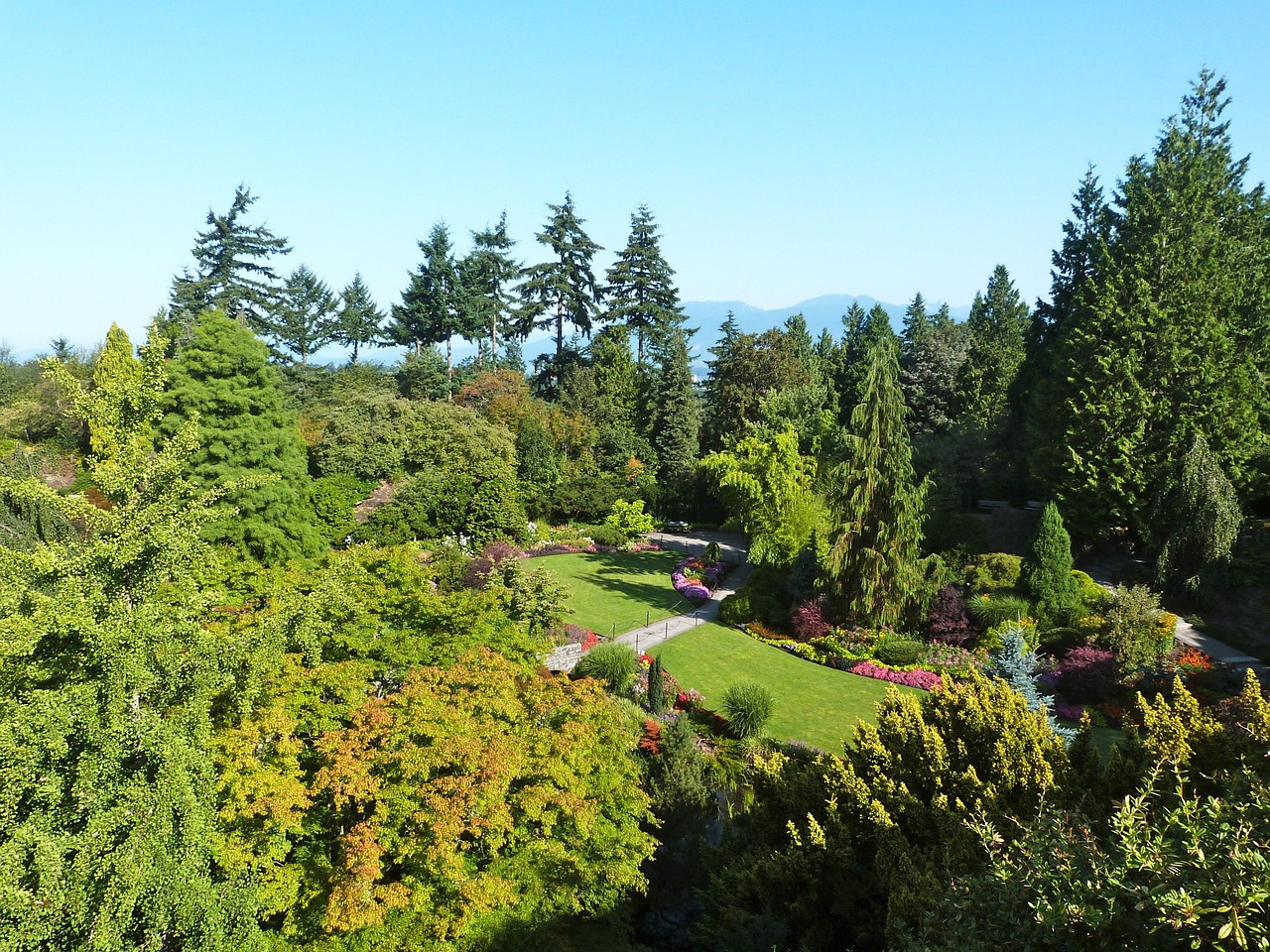
Queen Elizabeth Park is where I send people who want a great city view without a big hike. It’s also one of the prettiest garden spaces in Vancouver.
What it is: A hilltop park in central Vancouver with manicured gardens, quarry gardens, and the domed Bloedel Conservatory filled with tropical plants and birds.
Highlights:
- The quarry garden—winding paths, ponds, and flowers in a former rock quarry.
- City viewpoints looking north to downtown and the mountains.
- Bloedel Conservatory, a warm, glass dome with parrots and exotic plants—a lovely escape on cold days.
My visits: I usually come in spring when cherry blossoms and rhododendrons explode with color. Last April, I spent a lazy afternoon here with a book, then watched the sunset turn the city gold. It’s quieter than Stanley Park and feels more like a locals’ hangout.
Best for: Couples (romantic strolls), photographers, garden lovers, families (kids enjoy the birds in Bloedel).
12. UBC Campus & Pacific Spirit Regional Park
UBC’s campus sits on a forested point jutting into the ocean, with clifftop views and access to beaches and trails. It’s easy to spend a full day out here without realizing you’re technically still in the city.
What to do:
- Visit the Museum of Anthropology (see above).
- Walk forest trails in Pacific Spirit Regional Park.
- Head down to Wreck Beach (clothing-optional, steep stairs) or Spanish Banks for big sky and low-tide sand.
- Wander campus, including the Beaty Biodiversity Museum with its giant blue whale skeleton.
My routine: On long summer evenings, I like to wander Pacific Spirit’s soft dirt trails, then emerge at Spanish Banks to watch the sunset over the islands. One July night, the tide was so low that people walked far out onto the sandbars, tiny silhouettes against a flaming sky.
Best for: Nature lovers, students checking out UBC, slow walkers, anyone needing a forest fix.
13. Lynn Canyon Park & Suspension Bridge
When I want a wilder, less polished version of Capilano—without the price tag—I head to Lynn Canyon.
What it is: A free public park in North Vancouver with a smaller suspension bridge, waterfalls, deep green pools, and forest trails.
Highlights:
- Lynn Canyon Suspension Bridge (shorter and narrower than Capilano, but still thrilling).
- 30 Foot Pool, a deep emerald pool popular for summer dips.
- Various trails, including routes to Rice Lake.
My memories: On a misty March afternoon, I walked across the bridge while fog drifted through the treetops—it felt like I’d stepped into a fantasy novel. In summer, I come early if I want to swim; later in the day it gets crowded, and cliff jumping can be dangerous. The water is glacier-fed and shockingly cold.
Best for: Hikers, budget travelers, people who like their nature slightly rugged.
Local tip: Wear proper shoes; trails can be slippery. Don’t underestimate the cold water or the currents—every year, there are preventable accidents.
14. Commercial Drive (“The Drive”)
Commercial Drive is Vancouver’s bohemian, slightly scruffy, always interesting neighborhood—Italian cafés, Ethiopian restaurants, vintage shops, and a long history of activism and counterculture.
What to do:
- Grab coffee and people-watch from a sidewalk patio.
- Browse independent bookstores and record shops.
- Eat your way through global cuisines: Italian, Latin American, Ethiopian, Middle Eastern, vegan bakeries.
- Catch live music or a community event in the evenings.
My moments: On one random Tuesday night, I stumbled into a tiny bar hosting an open-mic night and ended up listening to incredible local musicians for hours. Another afternoon, I joined a spontaneous street party during Italian Day, with music and food stands spilling onto the road.
Best for: Foodies, indie culture fans, people who like neighborhoods with a bit of grit and soul.
15. Vancouver Chinatown & Dr. Sun Yat-Sen Classical Chinese Garden
Vancouver’s Chinatown is one of the oldest in North America and still a cultural anchor for many families, including friends of mine who’ve lived here for generations.
What to see:
- Dr. Sun Yat-Sen Classical Chinese Garden, a tranquil, scholar’s-style garden built with traditional methods.
- Heritage buildings, herbal medicine shops, and grocers.
- New wave restaurants and cafés blending traditional and modern Chinese flavors.
My visits: I like to start at the garden—stepping from busy streets into that quiet, jade-green pond and curved roofs always feels like entering another world. Then I walk the streets, pick up pastries, and if I’m with friends, we finish with a big shared meal of dumplings and noodles.
Context: Chinatown has faced gentrification pressure and the impacts of anti-Asian racism. In 2026, you’ll also see more public art and projects highlighting Chinese Canadian history. Supporting long-standing family businesses here is a genuinely helpful way to spend your travel dollars.
Best for: History buffs, food lovers, culture seekers.
16. Yaletown & Downtown Waterfront
Yaletown is polished and modern: converted warehouses, patios, and a seawall perfect for evening strolls with gelato in hand.
What to do:
- Walk the seawall between Yaletown and the stadium district.
- Hang out in David Lam Park or George Wainborn Park.
- Eat at one of the many patios along Hamilton and Mainland Streets.
- Hop the AquaBus to Granville Island or Olympic Village.
My take: Yaletown is where I go for a slightly dressier night out: cocktails and small plates, then a waterfront walk. It’s less gritty than Commercial Drive and less touristy than Gastown—a nice middle ground.
Best for: Dining, drinks, waterfront walks, people who like modern architecture.
17. VanDusen Botanical Garden
VanDusen feels like a secret garden even many locals forget about. It’s a beautiful, curated space to wander, especially if you’re visiting in spring or early summer.
What it is: A 55-acre botanical garden with themed areas, ponds, and meandering paths.
Why go:
- Relaxed walking in a calm, landscaped environment.
- Seasonal blooms: blossoms in spring, lush green in summer, colors in fall.
- Festival of Lights in winter (reserve tickets; it’s popular).
My experience: I came here one May afternoon with a friend and we ended up spending three hours just chatting on different benches. It’s a place that gently slows you down.
Best for: Couples, older travelers, garden lovers, photography.
18. BC Place Stadium & Rogers Arena
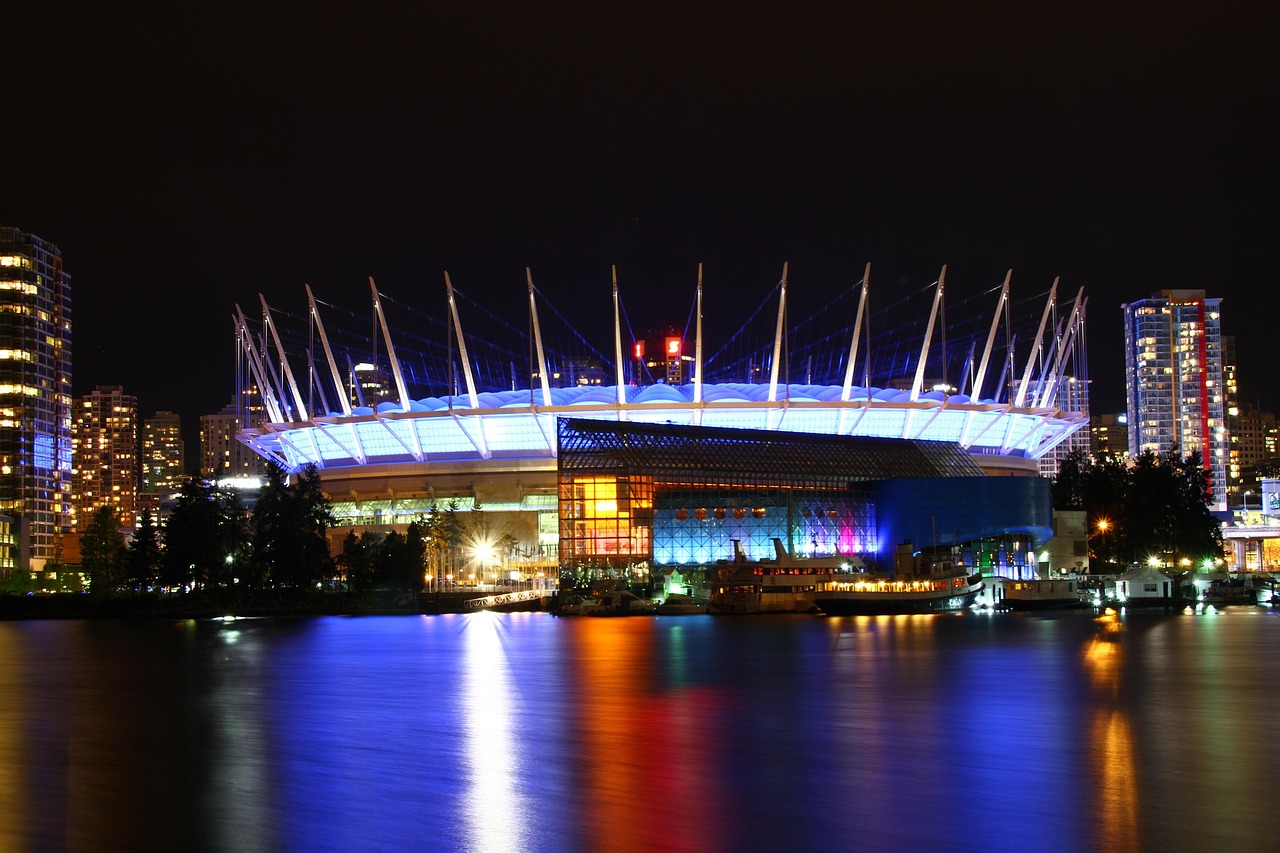
If you’re into sports or big concerts, you’ll likely end up around BC Place or Rogers Arena at some point.
What they are: Major downtown stadiums hosting the BC Lions (CFL), Vancouver Whitecaps (MLS), Vancouver Canucks (NHL at Rogers), and numerous concerts and events.
My note: I’m not a massive sports fan, but there’s something undeniably fun about joining the energy of a home game—especially a packed Canucks night. Even if you don’t go in, the lit-up BC Place roof reflected in False Creek is gorgeous at night.
Best for: Sports fans, concert-goers, nighttime city photography.
19. Robson Street & Downtown Core
Robson Street is Vancouver’s classic shopping strip: international brands, cafés, and a steady stream of people. It’s not my favorite part of the city, but it is convenient and central.
What to do:
- Shop for clothing and outdoor gear.
- Eat at the many Korean, Japanese, and casual eateries just off Robson.
- Walk up to Robson Square and the Vancouver Art Gallery.
My tip: Use Robson as a hub: grab snacks or shop, then branch out to the West End, Coal Harbour, or Yaletown on foot. The side streets often have better food than the main drag.
20. Coal Harbour & Canada Place
Coal Harbour is where Vancouver feels like a postcard: glass towers, yachts, seaplanes, and a perfectly paved seawall lined with cherry trees in spring.
What to see:
- Canada Place with its white sails and cruise ship terminal.
- Seaplanes taking off and landing in the harbor.
- The Olympic Cauldron from the 2010 Winter Games.
- Views across to the North Shore mountains and Stanley Park.
My walks: I come here whenever I need to remember why I love this city. A loop from Waterfront Station along the seawall into Stanley Park is one of the best urban walks in North America.
Best for: First-time visitors, photographers, easy flat walks, seaplane sightseeing flights.
Suggested Itineraries: 3, 4, and 5 Days in Vancouver
Below are flexible itineraries you can adapt depending on your pace and interests. I’ll sketch them at a higher level here (to keep this guide readable) while still giving you a sense of how I like to structure days so you’re not zigzagging across town.
3 Days in Vancouver: Classic Highlights
This 3 day itinerary for Vancouver hits the big, must-see attractions while still leaving room to breathe.
Day 1: Downtown, Coal Harbour & Stanley Park
- Morning: Arrive, drop bags, walk from Canada Place through Coal Harbour to Stanley Park.
- Midday: Bike the Stanley Park Seawall, visit the totem poles, optional Vancouver Aquarium.
- Afternoon: Relax at English Bay Beach.
- Evening: Dinner in the West End, sunset at English Bay or Third Beach.
Personal note: This is the day I do with almost every visiting friend. It’s mostly outdoors, easy to navigate, and instantly shows off why Vancouver is special.
Day 2: Capilano & Grouse Mountain
- Morning: Take the free shuttle or bus to Capilano Suspension Bridge Park (arrive at opening).
- Midday: Lunch at Capilano or bring snacks; explore treetops and cliffwalk.
- Afternoon: Head up to Grouse Mountain—gondola ride, grizzly bears, mountaintop walks.
- Evening: Dinner back downtown; optional Gastown stroll and drinks.
Day 3: Granville Island & Neighborhoods
- Morning: Ride the AquaBus to Granville Island Public Market, brunch and browsing.
- Afternoon: Explore Kitsilano Beach or Olympic Village via the seawall.
- Evening: Finish with dinner in Yaletown or back at Granville Island with a theatre show.
4 Days in Vancouver: Add Culture & Viewpoints
A 4 day itinerary for Vancouver lets you slow down and add more museums and viewpoints.
Day 4 Option A: UBC & Museum of Anthropology
- Morning: Bus to UBC, visit the Museum of Anthropology.
- Afternoon: Walk in Pacific Spirit Regional Park, sunset at Spanish Banks.
- Evening: Casual dinner at UBC or back in Kitsilano.
Day 4 Option B: Queen Elizabeth Park & VanDusen
- Morning: Visit Queen Elizabeth Park and Bloedel Conservatory.
- Afternoon: Wander VanDusen Botanical Garden.
- Evening: Explore nearby Riley Park/Main Street for dinner and craft beer.
5 Days in Vancouver: Hidden Gems & Day Trip
A 5 day itinerary for Vancouver is ideal—you can mix the city’s greatest hits with quieter corners and even a day trip.
Day 5 Ideas:
- Lynn Canyon Park + North Shore breweries (Lower Lonsdale).
- Full-day trip to Whistler or Sea-to-Sky Highway (see day trip section).
- Deep dive into neighborhoods: Commercial Drive, Chinatown, and Mount Pleasant street art and cafés.
Further down in this guide I’ll expand on day trips and neighborhood explorations so you can plug them into whichever day fits your energy and the weather.
Interesting Neighborhoods & Districts in Vancouver
Vancouver is best understood through its neighborhoods. Here’s a quick orientation to the ones I recommend most often.
West End
Wedged between downtown and Stanley Park, the West End is leafy, diverse, and wonderfully walkable. This is where I’d live if I wanted to roll out of bed and be at the beach in five minutes.
Vibe: Residential high-rises, tree-lined streets, lots of renters, LGBTQ+ friendly, relaxed.
Highlights: English Bay Beach, Denman Street (casual eats), Davie Village (LGBTQ+ hub, nightlife), easy access to Stanley Park.
Yaletown
Modern, sleek, full of patios and condos. Great if you like being near the water and don’t mind a bit of gloss.
Kitsilano
Yoga mats, organic groceries, baby strollers, and surfboards—Kits is outdoorsy and comfortable, with beach access and excellent food along West 4th and West Broadway.
Mount Pleasant & Main Street
Mount Pleasant is hip without trying too hard: murals, craft breweries, indie shops, and some of the city’s best coffee. I come here when I want to feel like I’m in the middle of Vancouver’s creative heartbeat.
Commercial Drive
Already covered above, but as a neighborhood it’s worth repeating: it’s where you feel the city’s activist and artistic side most strongly.
Chinatown
Historic, complex, and evolving. Come for the food and the garden, stay to learn about the layered history.
North Shore (North Vancouver & West Vancouver)
Technically separate municipalities, but for visitors they’re all part of the same playground: mountains, forests, and seaside parks just across the Lions Gate or Ironworkers bridges.
Highlights: Grouse Mountain, Capilano Suspension Bridge, Lynn Canyon, Deep Cove, Lighthouse Park, Ambleside Beach.
Local Food in Vancouver: What to Eat & Where
Vancouver’s food scene is fiercely influenced by its geography and diversity: fresh seafood, strong Asian cuisines (especially Chinese, Japanese, Korean, Vietnamese), and an easy-going love of brunch and craft beer.
Seafood & Pacific Northwest Flavors
What to try: Salmon (smoked, grilled, in chowder), BC spot prawns (in season), oysters, halibut, sablefish.
Where I go:
- Seafood shacks and restaurants around Granville Island.
- Casual fish & chips at English Bay or along the waterfront in Steveston (a great half-day trip).
Asian Food
If you love Asian cuisines, Vancouver will ruin you (in the best way). The most mind-blowing Chinese, Taiwanese, and Hong Kong-style food is actually in nearby Richmond, reachable by SkyTrain, but even within Vancouver proper you’ll eat very well.
My habits: I grab ramen or sushi at least once a week. There are countless spots downtown, on Robson, Denman, and in the West End that serve fresh, affordable sushi—perfect if you’re watching your budget.
Brunch & Cafés
Vancouver and brunch are inseparable. Expect queues on weekends for places in Kitsilano, Mount Pleasant, and Commercial Drive. Coffee culture is strong too; you’re rarely far from a serious espresso.
Craft Beer & Cider
Some of my favorite evenings are brewery crawls in Mount Pleasant or East Van. Many taprooms are family-friendly by day and switch to a more adult vibe at night.
Money-Saving Food Tips
- Sushi lunches are often cheaper than dinners.
- Look for happy hour deals (usually 3–6pm) on drinks and small plates.
- Buy picnic supplies at Granville Island Public Market or local supermarkets and eat at parks or beaches.
- Food trucks and small hole-in-the-wall spots often serve excellent, affordable meals.
Cultural Experiences, Etiquette & Local Customs
Vancouver is casual and generally welcoming, but a few local norms are worth knowing.
Indigenous Culture
Always remember you are on the unceded territories of the Musqueam, Squamish, and Tsleil-Waututh Nations. You’ll increasingly see acknowledgments of this at events, in museums, and on tours.
- Take time to visit MOA and listen to Indigenous guides where possible.
- Consider booking an Indigenous-led tour (cultural walks, canoe tours, etc.).
Everyday Etiquette
- Tipping: 15–20% in restaurants and bars is standard; 10–15% for taxis; rounding up for coffee.
- Lines: Canadians queue politely; cutting is frowned upon.
- Bike lanes: Don’t walk in them. Locals are protective of their cycling routes.
- Personal space: People are friendly but not overly touchy; small talk about weather, hikes, or food is common.
Environmental Norms
Vancouverites care a lot about nature. You’ll see strong recycling and composting systems; try to follow them. Littering, feeding wildlife (especially raccoons and birds), and damaging trails or plants are big no-nos.
Nightlife, Entertainment & Cultural Events
Vancouver isn’t a party city like Berlin or Bangkok, but it has a solid range of evening options.
Bars & Breweries
For casual nights, I usually head to craft breweries in Mount Pleasant or East Van, or cocktail bars in Gastown and Yaletown. Many close around midnight or 1am; late-night options are fewer than in some big cities.
Live Music & Theatre
- Commodore Ballroom and other mid-size venues for touring acts.
- Orpheum Theatre for the symphony and big shows.
- Arts Club and smaller theatres for plays and improv.
Family-Friendly Evenings
- Sunset at English Bay or Kitsilano Beach.
- Evening seawall walks in Coal Harbour or Olympic Village.
- Light festivals at VanDusen or Capilano in winter.
Day Trips & Nearby Adventures
If you have 4 or 5 days in Vancouver, I strongly recommend at least one day trip. The surroundings are spectacular.
Whistler
Two hours north along the Sea-to-Sky Highway, Whistler is world-famous for skiing, but it’s just as great in summer for hiking, biking, and gondola rides.
How to get there: Shuttle buses, rental car, or organized tours. The drive itself is part of the experience—glaciers, cliffs, and ocean views.
Sea-to-Sky Highway & Squamish
If you don’t want to go all the way to Whistler, stop in Squamish instead.
- Sea to Sky Gondola for epic views and short hikes.
- Shannon Falls for a quick waterfall stop.
- Rock climbing, kiteboarding, and mountain biking for the adventurous.
Steveston Village
A historic fishing village in Richmond, about 40–50 minutes from downtown by transit. Boardwalks, seafood, and a slower pace.
What to do: Eat fish & chips on the dock, visit historic sites, walk the waterfront.
Deep Cove
A peaceful inlet in North Vancouver, perfect for kayaking, paddleboarding, and short hikes like Quarry Rock (check current trail status in 2026; erosion repairs have affected access in some recent years).
Events & Festivals in Vancouver (2026–2027)
Event schedules can shift, so always confirm dates closer to your trip, but here are recurring highlights you can expect in 2026–2027:
- Vancouver International Wine Festival (late winter): Tastings, dinners, seminars.
- Vancouver International Jazz Festival (June–July): Free and ticketed concerts across the city.
- Celebration of Light (late July/early August): Massive fireworks competition over English Bay.
- Vancouver Pride (late July/early August): Parades, parties, and community events, centered around the West End and Davie Village.
- Vancouver International Film Festival (VIFF) (fall): A major film festival with global and local films.
- Christmas at VanDusen & Canyon Lights (December): Light festivals at VanDusen Botanical Garden and Capilano Suspension Bridge.
Practical Travel Advice for Vancouver
Getting Around
Public transit: Buses, SkyTrain, and SeaBus are integrated under TransLink.
- Use a Compass Card or tap contactless credit card to pay.
- Downtown is very walkable; transit is best for getting to UBC, North Shore, and outer neighborhoods.
Car rental: Not essential if you’re staying mostly within the city. Consider it if you’re planning multiple day trips to Whistler or the Fraser Valley.
Biking: Vancouver is increasingly bike-friendly with separated lanes. Rental shops cluster around the West End and downtown; bike share (Mobi) is widely available.
SIM Cards & Connectivity
Canadian mobile plans are notoriously expensive. For short visits:
- Consider an eSIM from an international provider before you arrive.
- Or buy a prepaid SIM from carriers like Fido, Koodo, Freedom Mobile at malls or downtown shops.
- Free Wi-Fi is common in cafés, libraries, and at many attractions.
Money-Saving Tips
- Use transit instead of taxis or ride-shares when possible.
- Stay in neighborhoods like the West End or Mount Pleasant for better value than downtown core.
- Eat lunches out and lighter dinners, or picnic in parks.
- Take advantage of free outdoor attractions: seawall, beaches, Lynn Canyon, Pacific Spirit, etc.
Visas & Entry Requirements
Requirements depend on your nationality and are subject to change, so check official Canadian government sources before traveling.
- Many travelers from visa-exempt countries need an eTA (Electronic Travel Authorization) if flying to Canada.
- Others need a visitor visa in advance.
- Ensure your passport is valid for the duration of your stay; some airlines prefer at least six months’ validity.
Driving & Foreign Licenses
In British Columbia:
- Most visitors can drive with a valid license from their home country for a limited time (usually up to 6 months), but some may need an International Driving Permit (IDP) as a translation. Check BC’s official licensing rules for details before arrival.
- Driving is on the right; seatbelts are mandatory; mobile phone use is only hands-free.
Weather & Best Season by Activity
- Spring (March–May): Cherry blossoms, mild temps, still some rain. Great for city walks and shoulder-season deals.
- Summer (June–August): Peak season—beaches, hiking, patios, festivals, long daylight. Book accommodation early.
- Fall (September–October): Cooler but often clear, beautiful foliage, fewer crowds. My personal favorite for 3–4 day trips.
- Winter (November–February): Rainy downtown, but snow on the mountains. Ideal for skiers/boarders using Vancouver as a base.
Safety & Health
Vancouver is generally safe, but like any city:
- Keep an eye on belongings, especially in busy areas.
- Be respectful if you pass through the Downtown Eastside; don’t photograph people without consent.
- Prepare for weather changes with layers and waterproof gear.
Summary & Final Recommendations
Vancouver is not a city you “do” in a checklist; it’s a place you inhabit for a few days—walking the seawall, sipping coffee in neighborhood cafés, breathing in cedar-scented air on forest trails, and watching sun set over mountains from a beach log.
If you only have 3 days in Vancouver, focus on downtown, Stanley Park, the North Shore (Capilano & Grouse), and Granville Island. With 4 days in Vancouver, add cultural depth at UBC and Queen Elizabeth Park. With 5 days in Vancouver, slow down: explore neighborhoods like Mount Pleasant and Commercial Drive, and take a day trip along the Sea-to-Sky or to Whistler.
Best time to visit:
- For hiking, beaches, and long, bright evenings: late June to early September.
- For fewer crowds, comfortable weather, and lower prices: May–early June and September–October.
- For skiing and winter lights: December–March.
However long you stay, let the weather guide you—clear days for mountains and views, moody days for museums, cafés, and forest walks. Vancouver rewards both meticulous planners and slow wanderers. Come with layers, curiosity, and an appetite, and this city will very likely win you over the way it did me.