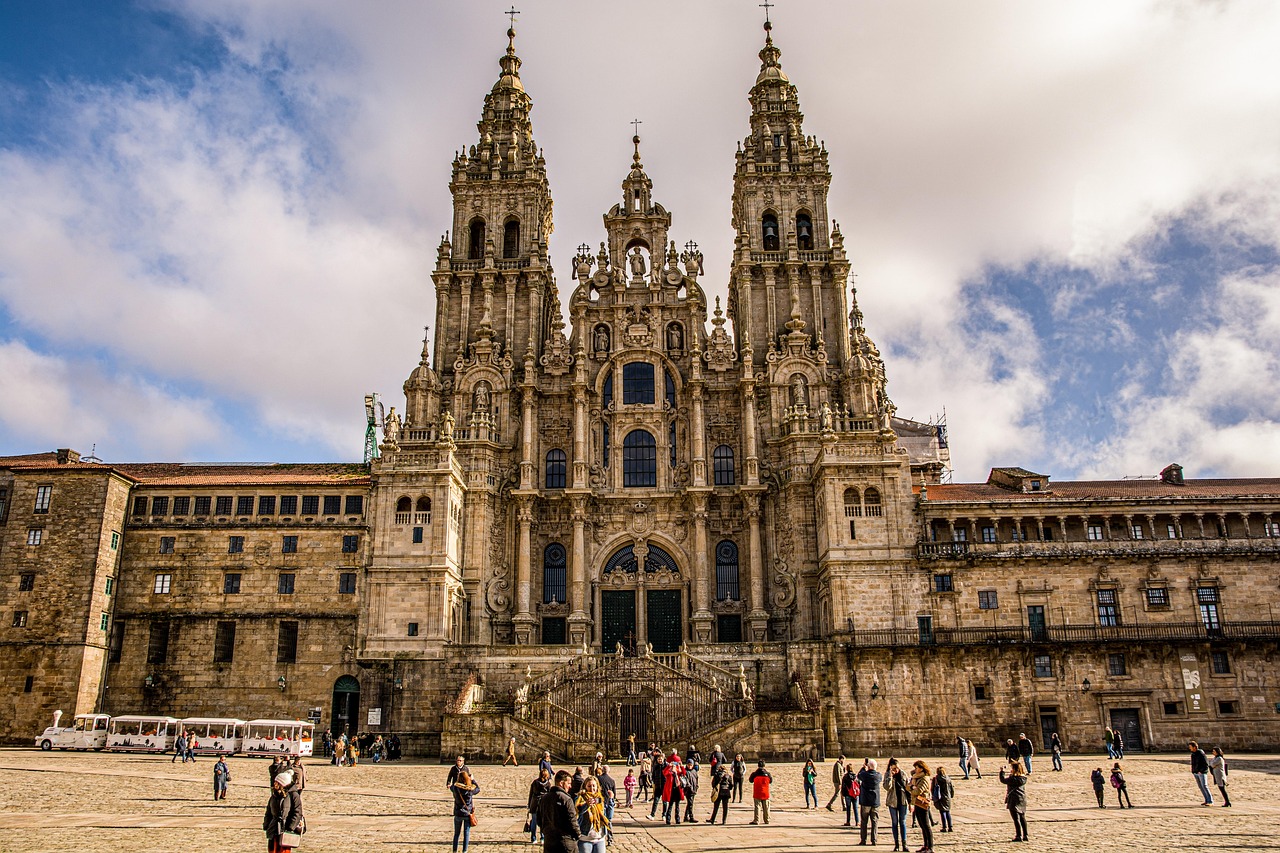
Why Visit Santiago, Chile?
If you’ve ever wanted to sip a glass of carménère while watching the sun sink behind the snow-dusted Andes, then Santiago belongs at the top of your list. I’ve been coming back to this city for over a decade, and every visit to Santiago feels like opening a well-loved book and discovering a new chapter that wasn’t there before.
Santiago is a city of contrasts: glass skyscrapers rubbing shoulders with colonial churches, street art bursting across centuries-old walls, and leafy parks framing mountain views that never get old. It’s Latin American and cosmopolitan, energetic and mellow, historic and cutting-edge—all at once.
Whether you have 3 days in Santiago, a 4 day itinerary for Santiago, or a full 5 days in Santiago to dig deeper, this travel guide for Santiago will help you find the best places to visit in Santiago, taste unforgettable local food in Santiago, uncover hidden gems in Santiago, and navigate essential travel tips for Santiago and local customs in Santiago.
What makes Santiago special for me is how livable it feels as a traveler. You can start your morning with a hike, wander museums and markets in the afternoon, have a romantic dinner with a view, and still be back at your hotel on the metro before midnight. It’s a city that rewards curiosity, whether you’re here with kids, a partner, a backpack, or a briefcase.
Table of Contents
- Why Visit Santiago
- Santiago’s Neighborhoods at a Glance
- 20 Must-See Attractions in Santiago (With Personal Stories & Tips)
- Suggested 3–5 Day Itineraries (With Story-Like Day Plans)
- Best Local Food & Drink in Santiago
- Cultural Experiences, Local Customs & Etiquette
- Nightlife & Entertainment
- Best Day Trips from Santiago
- Practical Travel Advice for Santiago (Money, SIM, Transport, Visas)
- What’s New: 2026–2027 Events & Changes
- When to Visit & Final Takeaways
Santiago’s Neighborhoods: Where to Explore and Stay
Before diving into specific things to do in Santiago, it helps to understand the city’s main barrios. Each has its own personality, and your choice can shape your entire experience.
Centro Histórico (Downtown)
This is the historic heart: the Plaza de Armas, government palaces, old churches, and busy pedestrian streets. I love staying here when I want to be walking distance from the major must-see attractions in Santiago and hop quickly onto the metro.
Lastarria & Bellas Artes
Bohemian, walkable, and packed with cafés, boutique hotels, museums, and wine bars. If it’s your first time and you’re planning a 3 day itinerary for Santiago, Lastarria is my top recommendation.
Bellavista
Colorful street art, nightlife, and the base for Cerro San Cristóbal. Great for younger travelers and anyone who wants to be close to bars and live music—but can get noisy on weekends.
Providencia
Safe, leafy, and residential, with good shopping and restaurants. Perfect for families, couples wanting quiet evenings, and longer stays.
Vitacura & Las Condes
Modern, upscale Santiago: business districts, rooftop bars, and designer malls. Ideal for business trips or if you prefer polished hotels and high-end dining.
Yungay & Barrio Brasil
More local and artsy, with beautiful old mansions and emerging cafés and galleries. These are my go-tos when I want to feel the city’s creative pulse.
20 Must-See Attractions in Santiago (With Personal Stories & Tips)
Below are the 20 places I return to almost every trip. Each mini-guide includes history, what to do, how to get there, and my honest tips. This is the core of any travel guide for Santiago and will anchor your 3–5 day itinerary for Santiago.
1. Cerro San Cristóbal & Parque Metropolitano
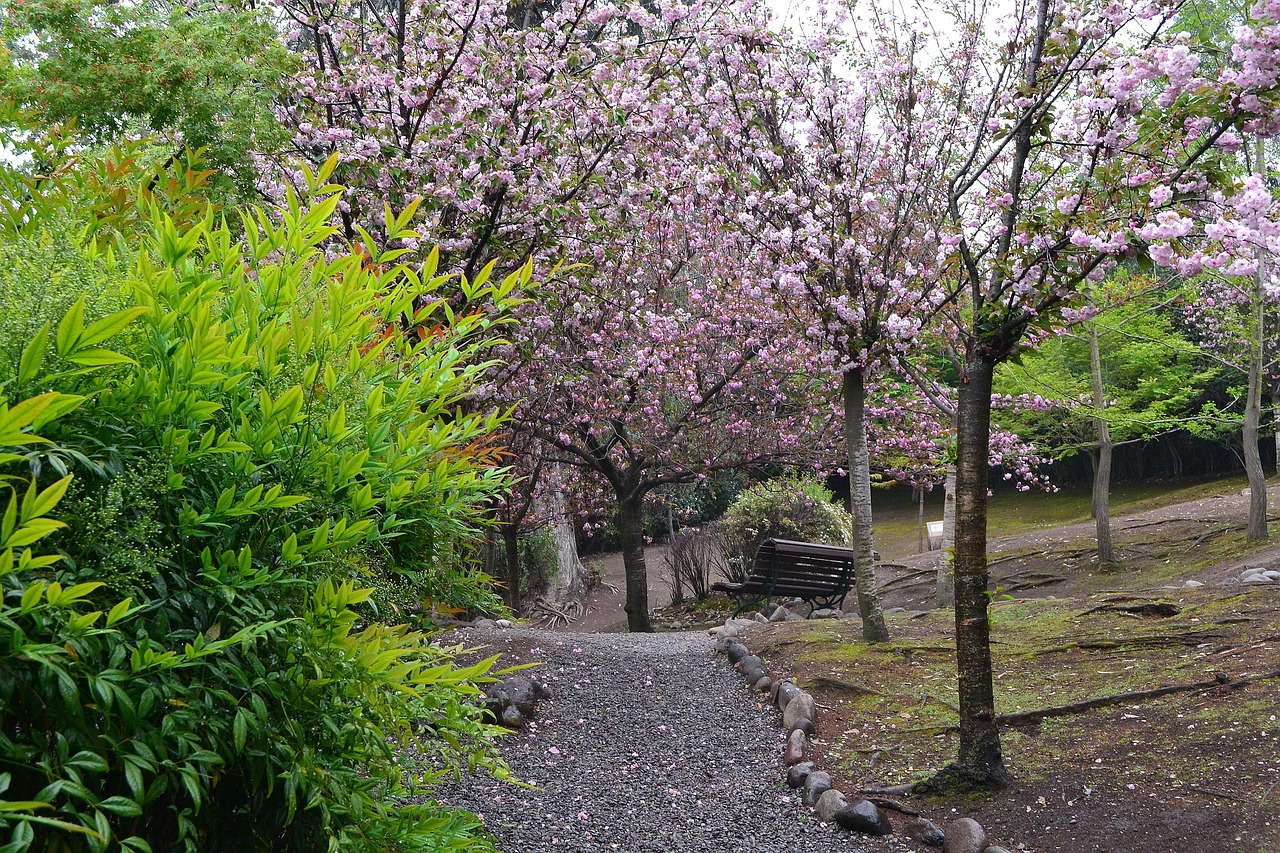
Cerro San Cristóbal is the hill you’ll see from almost everywhere in central Santiago, topped with the gleaming white statue of the Virgin Mary. The first time I went up, it was a hazy autumn afternoon; the Andes were barely visible, but the city’s density and sprawl took my breath away.
Today, Cerro San Cristóbal is part of the vast Parque Metropolitano, one of the largest urban parks in Latin America. It’s perfect for families (there’s a zoo and playgrounds), couples (sunset views), and active travelers (hiking and biking trails).
How to Get There
Take the metro to Baquedano or Pedro de Valdivia and walk 10–15 minutes to the park entrances. From Bellavista, the funicular departs near Pío Nono street. You can also hike up from several trails; my favorite starts near Pedro de Valdivia Norte, quieter and more local.
What to Do
- Ride the historic funicular up from Bellavista for a nostalgic, slightly rattling climb.
- Visit the Sanctuario de la Inmaculada Concepción at the summit and sit quietly near the statue.
- Walk or bike along the ridge to different viewpoints; on clear winter days, the Andes feel almost close enough to touch.
- Cool off in the public pools (summer only) tucked into the hillside.
Personal Tips
Go early in the morning in summer to avoid the heat, and aim for late afternoon in winter for golden light. If you’re planning just 3 days in Santiago, I suggest coming here on your first day to get your bearings. Bring water, sunscreen, and a light jacket—wind at the top can be surprisingly chilly.
2. Plaza de Armas & the Historic Center
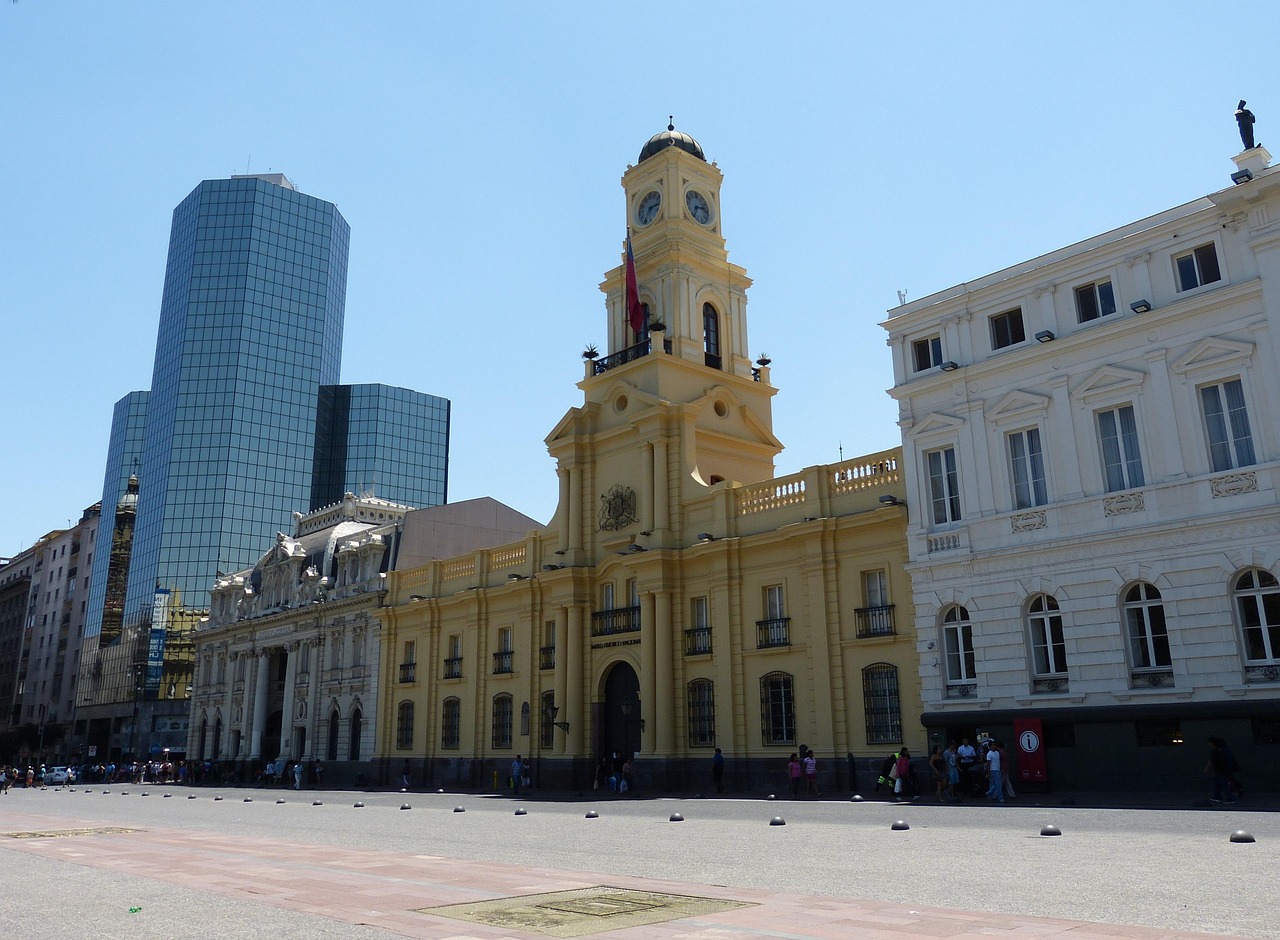
The Plaza de Armas is where Santiago began in 1541, and it’s still the city’s social heart. I love coming here early on a weekday, watching office workers rush past fortune-tellers, shoeshine stands, and elderly couples quietly feeding pigeons.
Highlights Around the Plaza
- Metropolitan Cathedral: An ornate baroque/neoclassical church; step inside at midday to feel the contrast between the hectic square and the hushed interior.
- Central Post Office & National History Museum: Beautiful historic buildings that tell the story of colonial and republican Chile.
- Street Chess: On the benches near the trees, you’ll often see intense chess games—locals might invite you to play.
Practical Info
Take the metro to Plaza de Armas. Keep an eye on your belongings—this is one of the busier spots in Santiago. I usually visit in late morning, then walk along pedestrian streets like Paseo Ahumada and Paseo Estado, grabbing a quick empanada from a hole-in-the-wall bakery.
3. La Moneda Palace & Cultural Center
La Moneda is Chile’s presidential palace and a symbol of the country’s turbulent political history. I still remember my first visit, standing in the courtyard listening to a guide explain the 1973 coup that changed Chile forever.
What to See
- Changing of the Guard: Ceremonial and colorful, held on select mornings (usually every other day; ask your hotel for current schedule).
- Centro Cultural La Moneda: A modern cultural center beneath the palace, with rotating art, photography, and design exhibits. I’ve stumbled on fantastic exhibits here purely by accident.
- Plaza de la Ciudadanía: The open square south of La Moneda is a good spot for photos and people-watching.
Tips
Metro: La Moneda. Security is tight but friendly. If you’re into political history, combine this with the Museum of Memory (below) in a single day. For a full 4 day itinerary for Santiago, I usually dedicate a half-day to the historic core: Plaza de Armas, La Moneda, and nearby museums.
4. Barrio Lastarria & Bellas Artes
If I had to choose one neighborhood that wins people over instantly, it’s Lastarria. Cobbled streets, outdoor café tables, secondhand book stalls, tiny wine bars, independent cinemas—it’s where I stayed the first time I planned just 3 days in Santiago, and I’ve been hooked ever since.
What to Do
- Browse the craft and antique market that pops up along José Victorino Lastarria Street on weekends.
- Visit the Museo de Bellas Artes and Museo de Arte Contemporáneo in the nearby park.
- Have a slow brunch, then linger with coffee or Chilean wine at a sidewalk table.
Food & Atmosphere
Lastarria is one of the best places to try local food in Santiago with a modern twist: think pastel de choclo reinvented in chic bistros, or seafood paired with natural wines. It’s lively but not rowdy—ideal for couples and solo travelers.
5. Barrio Bellavista & La Chascona (Pablo Neruda’s House)
Bellavista is Santiago’s artsy, nightlife-heavy quarter at the foot of Cerro San Cristóbal. During the day, I love wandering its street art-filled lanes; at night, it transforms into one of the main hubs for nightlife and cultural experiences in Santiago.
La Chascona
Pablo Neruda’s Santiago home, La Chascona, is a whimsical, multi-level house built for his secret lover (later wife). The audio tour is excellent—intimate, poetic, and full of details. As you walk through his collections of ship wheels, colored glass, and art, you get a glimpse into Chile’s literary soul.
Tips
Book tickets for La Chascona in advance, especially in high season. I prefer visiting in the late afternoon, then staying for dinner in Bellavista. If you’re sensitive to noise, don’t book accommodation in the center of Bellavista on Friday or Saturday nights.
6. Cerro Santa Lucía
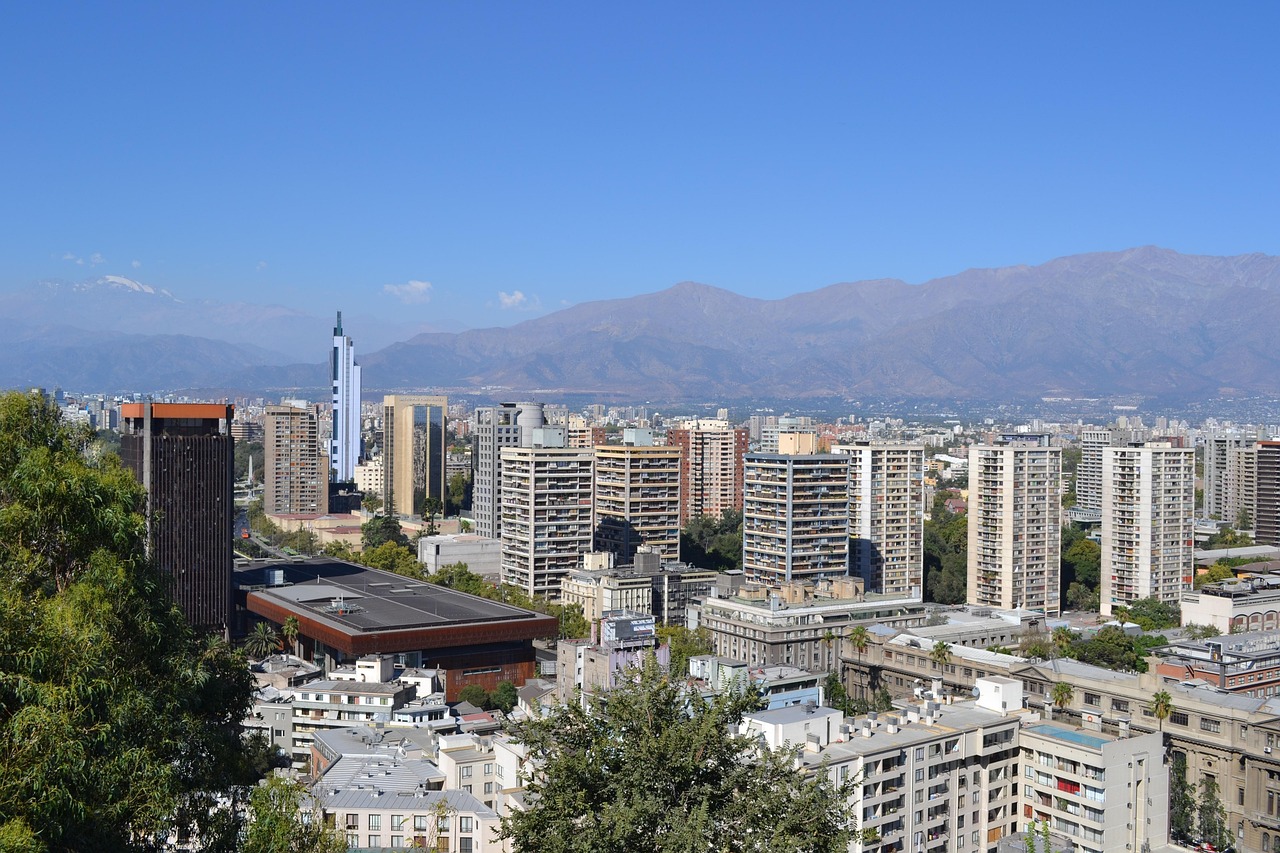
Cerro Santa Lucía is a small hill and park right in the middle of Santiago’s downtown. It’s where the Spanish formally founded the city. I like to come here when I only have an hour to spare but want nature and views.
What to Expect
You’ll find winding walkways, fountains (like the photogenic Fuente Neptuno), and several viewpoints overlooking the city. The climb is short but steep in parts; wear comfortable shoes. It’s especially pretty in spring when flowers are blooming.
7. Museo de la Memoria y los Derechos Humanos (Museum of Memory & Human Rights)
This museum, dedicated to the victims of Chile’s 1973–1990 dictatorship, is one of the most powerful places I’ve visited anywhere. On my first trip, I planned “just an hour” and ended up staying almost four, leaving in thoughtful silence.
What You’ll See
Documents, testimonies, personal objects, and multimedia exhibits that walk you through the coup, repression, and eventual transition to democracy. It’s heavy but essential context for understanding modern Chile.
Tips
Metro: Quinta Normal. Entry is usually free. Consider pairing this with a relaxed walk in Quinta Normal Park afterward to decompress. For families, I’d say this is best for teens and older.
8. Mercado Central & La Vega Central
If you want to understand a city, head to its markets. Mercado Central is famous for seafood; La Vega, across the river, is where locals truly shop. I never skip them.
Mercado Central
Inside the cast-iron structure, seafood restaurants vie for your attention. The first time I went, I let a waiter convince me to try congrio (eel) fried and served with fries and salad—it remains one of my favorite meals in Santiago.
La Vega Central
La Vega is massive, chaotic, and wonderfully alive. Piles of avocados, sacks of ají peppers, stands selling fresh juice and humitas. Prices are lower, and it’s a great place to feel the heartbeat of everyday Santiago.
Money-Saving Tip
For travelers watching their budget, eating at simple market counters in La Vega can cut daily food costs dramatically while giving you some of the best, most authentic flavors in the city.
9. Barrio Yungay & Quinta Normal
Barrio Yungay is one of my personal hidden gems in Santiago. It’s a historic neighborhood with colorful facades, quiet plazas, and a growing arts scene. When I want to escape the polished parts of town, I come here to wander and photograph doorways.
What to See
- Plaza Yungay: Tree-lined and local, with families and kids playing.
- Street Art: Murals honoring historical figures and neighborhood identity.
- Quinta Normal Park: A large green space with museums, perfect for picnics.
10. Sky Costanera & Gran Torre Santiago
The Gran Torre Santiago pierces the skyline of modern Santiago; the Sky Costanera observation deck near the top gives you 360° views. The first time I went up, it was just after a winter storm cleared the smog, and I finally comprehended how tightly the city hugs the Andes.
What to Expect
High-speed elevators whisk you up to floors with floor-to-ceiling glass. Go about an hour before sunset and stay as the city lights flicker on. It’s particularly magical for couples and photography lovers.
Practical Info
Located in the Costanera Center complex in Providencia. Metro: Tobalaba. Tickets are pricier than most attractions but worth it if you enjoy cityscapes.
11. Parque Bicentenario & Vitacura
In Vitacura, Parque Bicentenario is a beautifully landscaped park with lagoons, flamingos, and long lawns where families picnic on weekends. I often pick up sandwiches and sit here watching dogs play and paragliders drift over the hills in the distance.
Family-Friendly Factor
This is one of the best places for kids to run free. There are playgrounds, wide paths for scooters, and plenty of shade. Nearby, you’ll find some of Santiago’s best pastry shops and ice cream.
12. Museo Chileno de Arte Precolombino
This museum is a gem: thoughtful, beautifully curated, and not overwhelming. It showcases pre-Columbian art and artifacts from across Latin America, with a special focus on Chile.
Why I Love It
Whenever I visit, I come away with a deeper appreciation for the cultures that existed here long before Santiago. The textile and pottery collections are stunning, and the descriptions are accessible even if you’re not a history buff.
13. Parque Forestal
Parque Forestal is Santiago’s green ribbon along the Mapocho River, linking Bellas Artes, Lastarria, and Bellavista. I love walking here at sunset, when skaters, dog walkers, and couples all share the paths.
What to Do
It’s simple: stroll, sit on a bench, people-watch. On weekends, you’ll often find street performers and impromptu markets. This park is a natural corridor in many 3 day and 4 day itineraries for Santiago because it connects so many neighborhoods.
14. Barrio Brasil
More low-key than Bellavista but with its own bohemian flair, Barrio Brasil has art-filled plazas and a grittier, authentic vibe. It’s where I go for casual bars, live music, and a more local scene.
Highlights
Plaza Brasil is the center, ringed by cafés and bars. Murals add color to the old mansions. It’s best explored during the day or early evening; at night, stick to main streets if you’re unfamiliar with the area.
15. Pueblito Los Dominicos
At the eastern edge of the city, Pueblito Los Dominicos is an artisan village of adobe workshops and stalls. Unlike touristy souvenir shops, many artisans here actually make their work on-site.
What to Buy
Silver jewelry, copper pieces, wool textiles, ceramics, and carved lapis lazuli (a Chilean specialty). I’ve bought gifts here that friends still ask about years later.
16. Museo Nacional de Bellas Artes & MAC
Housed in a grand beaux-arts building, the National Museum of Fine Arts showcases Chilean and international art. Across the way, the Contemporary Art Museum (MAC) hosts rotating modern exhibits.
Why Go
Even if you’re not a big museum person, the architecture alone is worth a peek. I like combining these with a long walk in Parque Forestal and lunch in Lastarria.
17. Barrio Italia
Barrio Italia is one of my favorite hidden gems in Santiago for design, décor, and café-hopping. Old houses have been converted into clusters of boutiques, antique shops, and restaurants with leafy courtyards.
Vibe & Tips
Come hungry and unhurried. This is the place to browse for unique homeware or art prints and then spend an hour over coffee and cake. It’s quieter than Lastarria and feels more residential.
18. Costanera Center & Modern Santiago
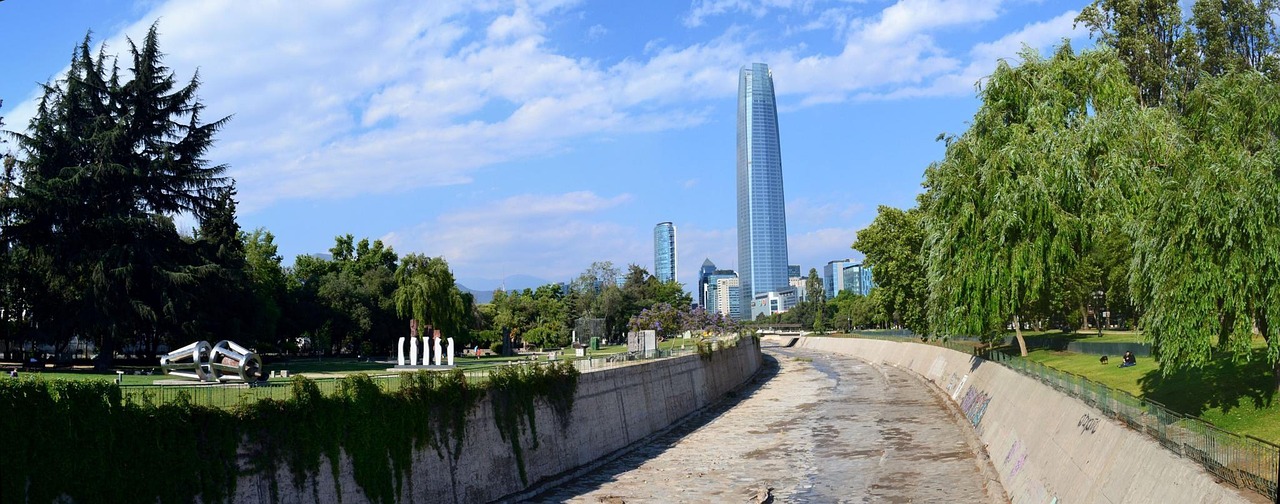
Beyond Sky Costanera, the Costanera Center complex is South America’s largest shopping mall. I don’t usually travel for malls, but I include it because it’s a handy place to pick up SIM cards, outdoor gear, or anything you forgot.
Architecture Note
The surrounding area of El Golf and Sanhattan (Santiago’s financial district) is filled with glass towers, modern offices, and wide avenues—an interesting contrast to the colonial downtown.
19. Parque Padre Hurtado & City Parks
Further east, Parque Padre Hurtado is another vast green space, often used for festivals and events. When you’ve exhausted the big sights, spending a lazy afternoon here gives you a sense of how Santiaguinos relax.
20. Santiago Metropolitan Cathedral (Interior & Rooftops)
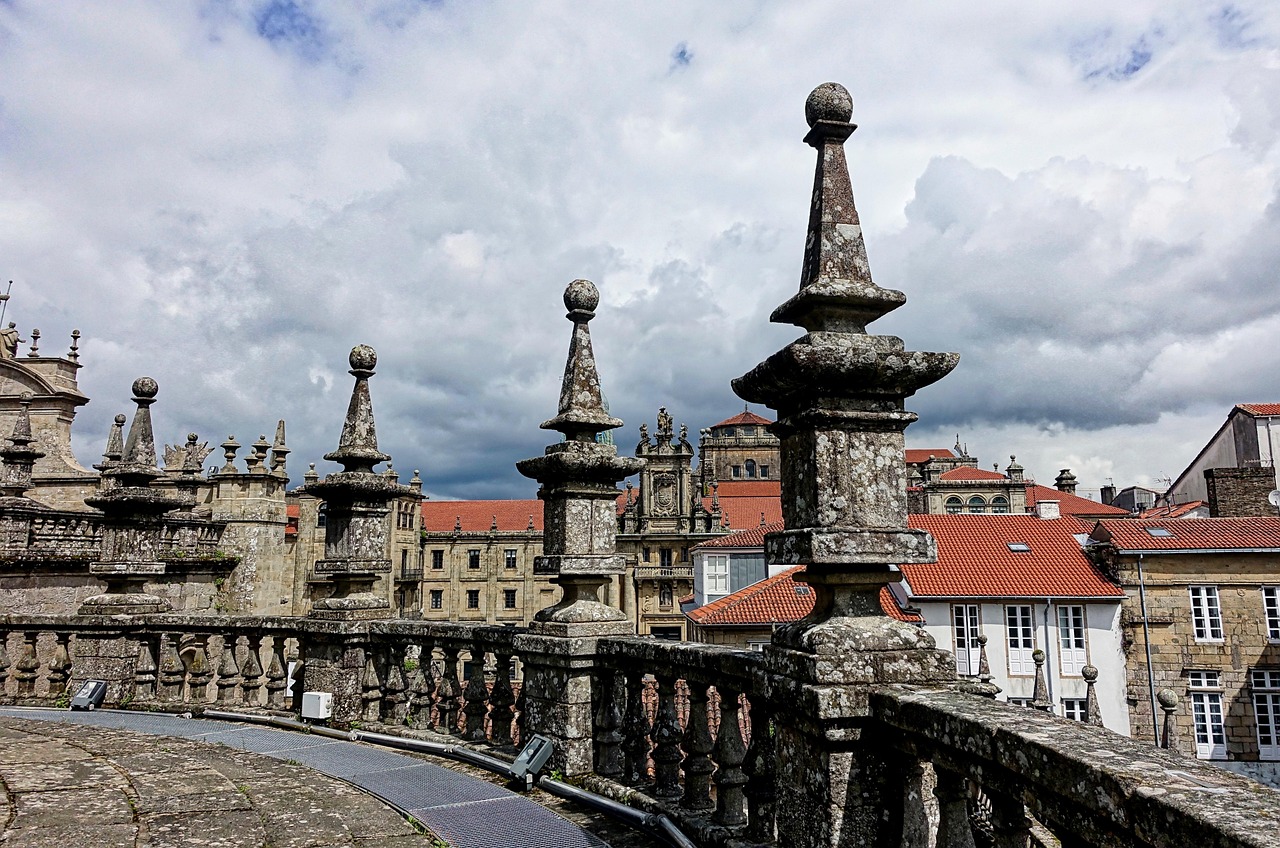
While we mentioned it alongside Plaza de Armas, the cathedral deserves its own slot. The richly decorated interior, gilded altars, and painted ceilings are beautiful. On one visit, I joined a special rooftop tour and looked out over the plaza from behind the bell towers—a completely different perspective.
Suggested 3–5 Day Itineraries in Santiago
Below are flexible, story-like itineraries. Mix and match depending on whether you have 3 days in Santiago, 4 days in Santiago, or plan a full 5 day itinerary for Santiago.
3 Day Itinerary for Santiago: First-Time Essentials
Day 1 – Historic Heart & First Views
I like to start day one early, around 9:00 a.m., in the downtown core. After a quick coffee and medialuna near my hotel, I walk to Plaza de Armas. Street performers are warming up, the cathedral doors swing open, and the city feels like it’s stretching awake.
Spend the morning exploring the Plaza de Armas, the cathedral, and nearby streets. Pop into the Pre-Columbian Art Museum late morning—its calm interior is a welcome break from the bustle.
For lunch, I usually head to a nearby picada (simple local eatery) for a hearty casuela soup or an empanada de pino. Ask for the menu del día; it’s almost always the best value.
In the afternoon, walk toward Cerro Santa Lucía. The climb is not long, and the fountains and stone staircases give it a romantic feel. Sit at the top and take in your first proper views of the city.
As evening approaches, continue on foot to Lastarria. This is where I like to end my first day: a glass of Chilean wine on a terrace, live music drifting from a nearby bar, and the satisfaction of having met Santiago’s historic core.
Day 2 – Markets, Bellavista & Cerro San Cristóbal
Day two is all about sensory overload—in the best way. Start at Mercado Central mid-morning, weaving past fishmongers and restaurant touts. Have a light seafood brunch if you like, or just soak in the atmosphere. Then cross the river to La Vega Central, where locals shop for everything from fruit to spices.
I often stop at a juice stand for a fresh blend of mango and maracuyá, then walk south into Bellavista. Spend some time photographing murals and colorful houses before heading to La Chascona for your Neruda fix.
By late afternoon, make your way to the Cerro San Cristóbal funicular. Ride up, wander around the sanctuary at the top, and find a quiet spot to watch the city glow at sunset. On clear winter days, the Andes backdrop will make your photos look almost unreal.
Come back down and have dinner in Bellavista. For nightlife, this is your evening: bars, live music, and dancing if you have the energy.
Day 3 – Museums & Modern Santiago
On your last day of a 3 day itinerary for Santiago, you’ll balance reflection and modernity. In the morning, head to the Museum of Memory & Human Rights. Give yourself at least two hours; it’s emotionally intense but so important.
Afterward, decompress with a walk in Quinta Normal Park or a simple lunch in a nearby café. Then take the metro to Tobalaba and walk into the Costanera Center area. Browse if you need things, but the main goal is Sky Costanera.
Time your visit for late afternoon into evening. As the sun dips and the city lights up, you’ll have a final, panoramic goodbye to Santiago. For a farewell dinner, pick a restaurant in nearby Providencia or hop back to Lastarria—my two favorite neighborhoods for a last-night meal.
4 Day Itinerary for Santiago: Digging Deeper
With four days in Santiago, you can slow down and add more local flavor.
Day 4 – Barrio Italia & Parks
On day four, I like to sleep in a little, then head to Barrio Italia late morning. It’s brunch heaven: cafés with leafy patios, artisan bakeries, and specialty coffee. Spend a few hours browsing design shops and antique stores; it’s easy to lose track of time.
In the afternoon, ride the metro or grab a taxi to Parque Bicentenario in Vitacura. Walk around the lagoons, watch the flamingos and black-necked swans, and join locals lounging on the grass. If you’re traveling with kids, this day is especially good—lots of space to run and play.
For dinner, Vitacura has some of the city’s best contemporary restaurants. If you’re on a tighter budget, head back to Providencia or Lastarria.
5 Day Itinerary for Santiago: Hidden Corners & Day Trip
Five days in Santiago allows for a richer mix of cultural experiences in Santiago and an easy day trip.
Day 4 – Barrio Yungay & Local Life
Dedicate a full or half-day to Barrio Yungay. Start at Plaza Yungay with a coffee from a neighborhood café. Wander the streets, noticing the architecture—ornate facades, iron balconies, and street art that often addresses social issues.
Walk to Quinta Normal Park and poke your head into one or two smaller museums if you have energy. Lunch in a local comedor will be inexpensive and filling. This is a day to practice your Spanish and see a side of the city most short-stay travelers miss.
Day 5 – Day Trip: Valparaíso or Cajón del Maipo
On your final day, leave the city. You have two classic options:
- Valparaíso & Viña del Mar: A Pacific-coast escape with colorful hills and street art.
- Cajón del Maipo: A mountain valley perfect for light hikes, hot springs, and fresh air.
Both are covered in more detail in the day trips section below, but know that either will round out your 5 day itinerary for Santiago with a very different landscape and vibe.
Best Local Food & Drink in Santiago
Chilean food is comforting, hearty, and quietly diverse. In Santiago, traditional dishes meet international influences, and you can eat well on almost any budget.
Must-Try Dishes
- Empanadas de Pino: Baked pastries stuffed with beef, onions, olives, and egg.
- Pastel de Choclo: Corn pie layered over beef, chicken, and raisins.
- Cazuela: Brothy soup with beef or chicken, pumpkin, potato, and corn.
- Completo: The Chilean hot dog with avocado, tomato, and mayo.
- Mariscos: Fresh seafood—ceviche, congrio, machas a la parmesana (razor clams with cheese).
Drinks
- Pisco Sour: National cocktail made with pisco, lemon, sugar, and egg white.
- Terremoto: Sweet, potent mix of pipeño wine, pineapple ice cream, and grenadine—handle with care.
- Chilean Wine: Try carménère, cabernet sauvignon, and sauvignon blanc from nearby valleys.
Where to Eat Like a Local (and Save Money)
For budget travelers, seek out picadas—simple, often family-run spots with daily menus. Lunch menus (menú del día) typically include soup, main, dessert, and drink for a fraction of what you’d pay in tourist-heavy restaurants.
Street food around markets and metro stations can be fantastic: sopaipillas (fried pumpkin bread) with pebre (salsa), mote con huesillo (sweet wheat and dried peach drink) in summer, roasted nuts in winter.
Cultural Experiences, Local Customs & Etiquette
Understanding local customs in Santiago will make your trip smoother and more respectful.
Greetings & Politeness
Chileans are generally reserved but warm. A friendly “Hola, buenos días” goes a long way. Among friends, a single kiss on the right cheek is common; in professional settings, handshakes are standard.
Punctuality
For social events, people often arrive 10–20 minutes “late.” For tours and transportation, be on time—those will not wait.
Language
Spanish is spoken with a distinct Chilean accent and lots of slang. Even fluent Spanish speakers sometimes need an adjustment period. Learning a few phrases—“por favor,” “gracias,” “disculpe”—is appreciated.
Dress & Behavior
Santiago is fairly casual, but in the center and business districts, people tend to dress neatly. In churches, avoid very revealing clothing. Public displays of affection are common; so are demonstrations and protests—if you see one, it’s best to observe from a distance and avoid getting in the middle.
Nightlife & Entertainment in Santiago
From wine bars to live music, Santiago has evening options for every mood.
Where to Go Out
- Bellavista: Bars, clubs, and live music; energetic and youthful.
- Lastarria: Wine bars, cocktail lounges, and more relaxed vibes.
- Providencia & Vitacura: Upscale bars, rooftop terraces, and restaurants for a romantic night.
Local Tips
People go out late: dinner around 9–10 p.m., bars filling up after 11. Always keep an eye on your drink and belongings. For live music, look for peñas (folk music venues) and smaller theaters—these can be some of the most memorable cultural experiences in Santiago.
Best Day Trips from Santiago
Valparaíso & Viña del Mar
Valparaíso, with its steep hills and colorful houses, is my favorite day-trip escape. Street art covers almost every surface, funiculars crawl up impossibly steep slopes, and the Pacific crashes below.
Getting There
Buses leave frequently from Santiago’s main terminals (roughly 1.5–2 hours). I usually catch an early bus around 8:00 a.m. to maximize the day.
What to Do
Wander Cerro Alegre and Cerro Concepción, ride an old ascensor (funicular), and have lunch overlooking the ocean. If you have time, hop over to neighboring Viña del Mar for a stroll on the beach.
Cajón del Maipo
For mountain lovers, Cajón del Maipo is an easy way to swap city streets for river valleys and peaks. Hikes, horseback riding, hot springs, and dams like Embalse El Yeso are all options.
Practical Tips
Going with a reputable tour operator is easiest if you don’t have a car. Weather can change quickly; pack layers, sunscreen, and water. In winter, road conditions can be tricky—check before you go.
Wine Valleys: Maipo, Casablanca & Colchagua
Some of Chile’s best-known vineyards are within an hour or two of Santiago. Spend a day tasting carménère and cabernet in the Maipo Valley, or head toward the coast for crisp whites in the Casablanca Valley.
Organized tours are easy to arrange and convenient if you plan to drink. Self-driving is possible, but plan carefully and designate a sober driver.
Practical Travel Advice for Santiago (2026)
Getting Around
Santiago’s metro is fast, clean, and reaches most areas visitors need. Buses fill in the gaps. For both, you’ll need a rechargeable Bip! card, which you can buy and top up at metro stations.
Ride-hailing apps (Uber, Cabify, Didi) operate widely, though regulatory status shifts; locals use them daily. Taxis are available but always check the meter and have small bills.
SIM Cards & Connectivity
Major providers include Entel, Movistar, WOM, and Claro. You can buy prepaid SIMs at malls (Costanera Center is convenient) or dedicated phone shops—bring your passport. eSIM options for Chile are increasingly common in 2026; check with your provider or use international eSIM apps.
Money & Costs
Currency is the Chilean peso (CLP). Cards are widely accepted, but markets and small eateries may be cash-only. ATMs are easy to find in malls and metro stations. Compared to some South American capitals, Santiago can feel mid-range: cheaper than major U.S./European cities, but not “ultra budget.”
Saving Money
- Eat lunch at menu del día spots and markets.
- Use the metro instead of taxis for longer distances.
- Visit free or low-cost attractions: parks, some museums, cultural centers.
- Stay in Providencia or Lastarria guesthouses instead of big chain hotels.
Visas & Entry (Check Again Before You Travel)
Most visitors from Europe, North America, and many other regions can enter Chile visa-free for tourism for up to 90 days (as of 2024; always verify for 2026). You’ll receive a tourist card (possibly digital) that you must keep and present when you leave.
Driving & Rental Cars
If you plan to rent a car for day trips, an international driver’s permit plus your home license is recommended and often required by agencies, though enforcement varies. Roads in and around Santiago are generally good, but city traffic can be heavy at rush hour. Tolls are common on major highways.
Safety
Santiago is relatively safe by regional standards but not crime-free. The main issues are pickpocketing and occasional bag snatching, especially in crowded centers and on public transport. Use common urban precautions: keep valuables out of sight, avoid flashing expensive gear, and take registered taxis or apps at night.
What’s New: 2026–2027 Events & Travel Scene
Santiago’s cultural calendar is packed year-round. In 2026–2027, expect continued growth in art, food, and music festivals.
Recurring Events to Watch For
- Santiago a Mil (January): Theater and performing arts festival with local and international shows, many free or low-cost.
- Fiestas Patrias (September 18–19): Chile’s independence celebrations, with fondas (party tents), cueca dancing, and traditional food in parks like Parque O’Higgins.
- Wine Harvest Festivals (March–April): In nearby valleys, with tastings, music, and local food.
By 2026, expect better integration of digital ticketing for events, more bilingual information at major museums, and continued expansion of cycle lanes around central districts.
When to Visit Santiago & Final Takeaways
Santiago’s Mediterranean climate means hot, dry summers and cool, damp winters. Each season brings different advantages:
Summer (December–February)
Long, sunny days, ideal for rooftop drinks and day trips to the coast. It can be hot, and smog is more noticeable. Great for outdoor pools and evening strolls.
Autumn (March–May)
Probably my favorite time: mild temperatures, less smog, and golden light. Excellent for wine valley visits and walking-heavy itineraries.
Winter (June–August)
Cool to cold, with occasional rain. However, this is when the Andes look their most dramatic, dusted with snow. Skiing at nearby resorts is possible, and on clear days, city views are unforgettable.
Spring (September–November)
Blooming parks and rising temperatures. Combine Fiestas Patrias in mid-September with city explorations for a particularly festive visit.
Key Takeaways
- For first-timers, a 3 day itinerary for Santiago covers major highlights; 4–5 days in Santiago lets you add hidden neighborhoods and a day trip.
- Base yourself in Lastarria or Providencia for easy access to the best places to visit in Santiago.
- Balance big sights (Cerro San Cristóbal, Plaza de Armas, Sky Costanera) with local life (markets, parks, barrios like Italia and Yungay).
- Don’t skip Chilean wine and local food in Santiago—they’re as central to the experience as any viewpoint.
- Respect local customs in Santiago, use public transport confidently, and give yourself time to simply wander.
However you structure your days—whether it’s 3, 4, or 5 days in Santiago—this city has a way of getting under your skin. I’ve lost count of how many times I’ve returned, and each time, Santiago feels a little more like home.