Why Visit Bogotá in 2026?
Bogotá is one of those cities that quietly gets under your skin. It’s not a beach destination, not your typical postcard-perfect town. Instead, Bogotá feels like a conversation—layered, surprising, sometimes chaotic, always alive.
I first arrived in Bogotá over a decade ago for what was supposed to be a quick weekend. I ended up staying for months, and I’ve kept coming back every year since. In 2026, the city feels more vibrant and confident than ever: new bike lanes, revamped public spaces, a stronger coffee culture, and a calendar full of music, art, and food festivals.
If you’re considering 3 days in Bogotá or planning a 4 day or 5 day itinerary for Bogotá, you’ll find a city that rewards curiosity. From the top of Monserrate watching the sunset over a sea of brick houses, to sharing an arepa and a hot chocolate with locals in La Candelaria, Bogotá is a city of moments rather than monuments.
What makes Bogotá special?
- Altitude and atmosphere: At 2,640 m (8,660 ft), the air is thin and crisp, and the light has a peculiar clarity that makes colors pop—perfect for photographers.
- Art everywhere: Murals, galleries, gold museums, street performers, and world-class festivals bring culture to every corner.
- Food that surprises you: From humble ajiaco and arepas to creative fine dining, Bogotá’s food scene is one of the most exciting in South America.
- Neighborhoods with distinct personalities: Colonial La Candelaria, bohemian Chapinero, upscale Zona G, hipster San Felipe, and more.
- Gateway to the Andes: Incredible day trips from Bogotá to salt cathedrals, páramo landscapes, colonial towns, and coffee farms.
In this 2026 travel guide for Bogotá, I’ll share the way I show the city to visiting friends: a mix of must-see attractions, local food, architecture, nightlife, and cultural experiences—plus all the little details (like sim cards, public transport, and local customs in Bogotá) that make your trip smoother.
Table of Contents
- Why Visit Bogotá in 2026?
- Bogotá at a Glance
- Best Neighborhoods & Areas to Explore
- Suggested Itineraries (3, 4 & 5 Days in Bogotá)
- 20+ Must-See Attractions in Bogotá (Deep Dive)
- Local Food in Bogotá: What & Where to Eat
- Nightlife, Entertainment & Cultural Experiences
- Best Day Trips from Bogotá
- Cultural Etiquette & Local Customs in Bogotá
- Practical Travel Tips for Bogotá (Money, Safety, SIM, Transport)
- Major Events & Festivals 2026–2027
- Best Time to Visit Bogotá
- Final Summary & Key Takeaways
Bogotá at a Glance
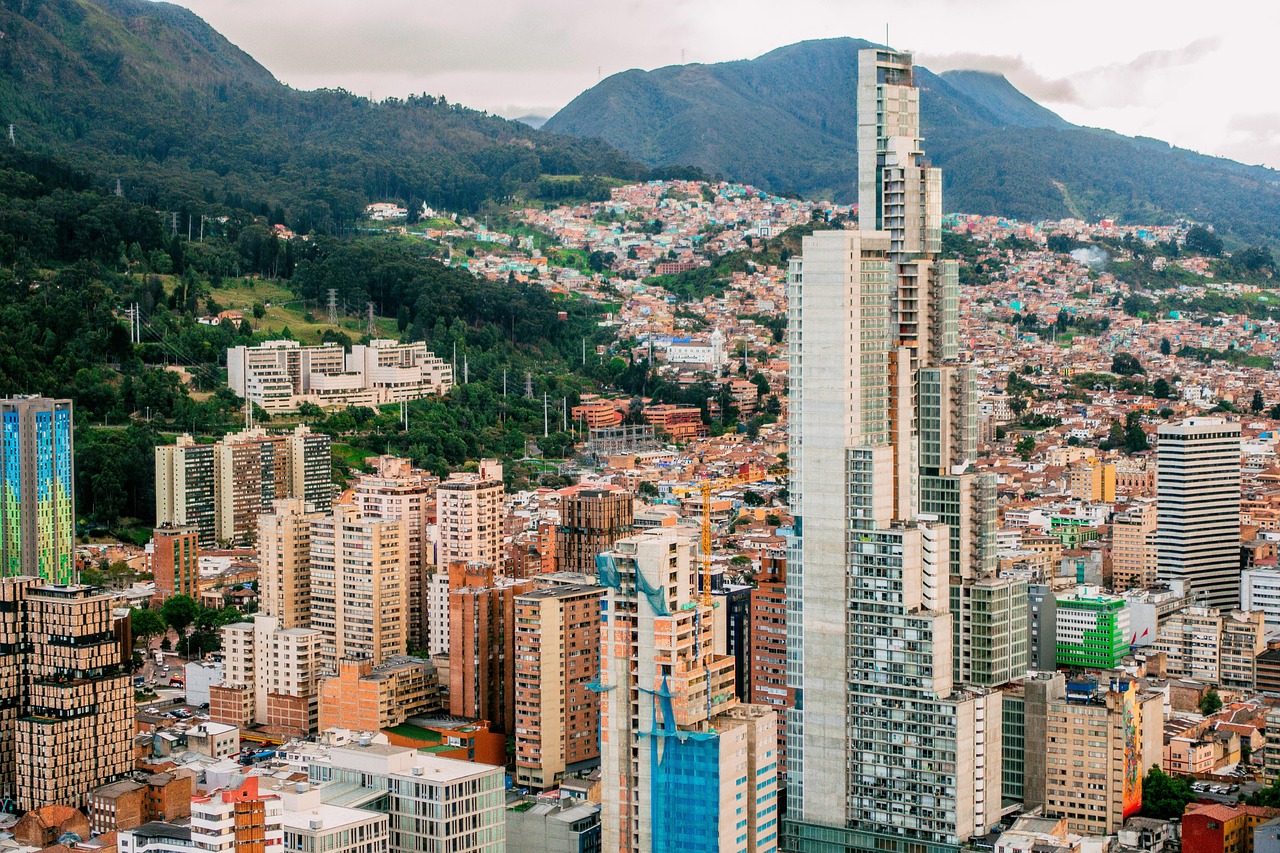
Bogotá is Colombia’s high-altitude capital, home to around 8 million people if you count the metro area. The city sprawls from the base of the Eastern Andes, climbing up into green hills and plateau neighborhoods. When you’re standing on Monserrate looking down, you’ll see a dense carpet of reddish-brown brick buildings punctuated by modern glass towers.
The climate is famously “eternal autumn”: cool, changeable, and layered-friendly. Expect sun, clouds, and a quick rain shower all in one afternoon. I always say: in Bogotá, dress for three seasons at once.
In terms of vibe, Bogotá is more intellectual and edgy than beachy and relaxed. You’ll find universities, bookstores, quirky cafés, and a nightlife that stretches from indie music to salsa clubs. It’s a city where you talk politics with your taxi driver and discover a poetry reading in a bar you thought was just for craft beer.
Interesting Neighborhoods & Areas to Explore in Bogotá
La Candelaria: Colonial Heart & Storybook Streets
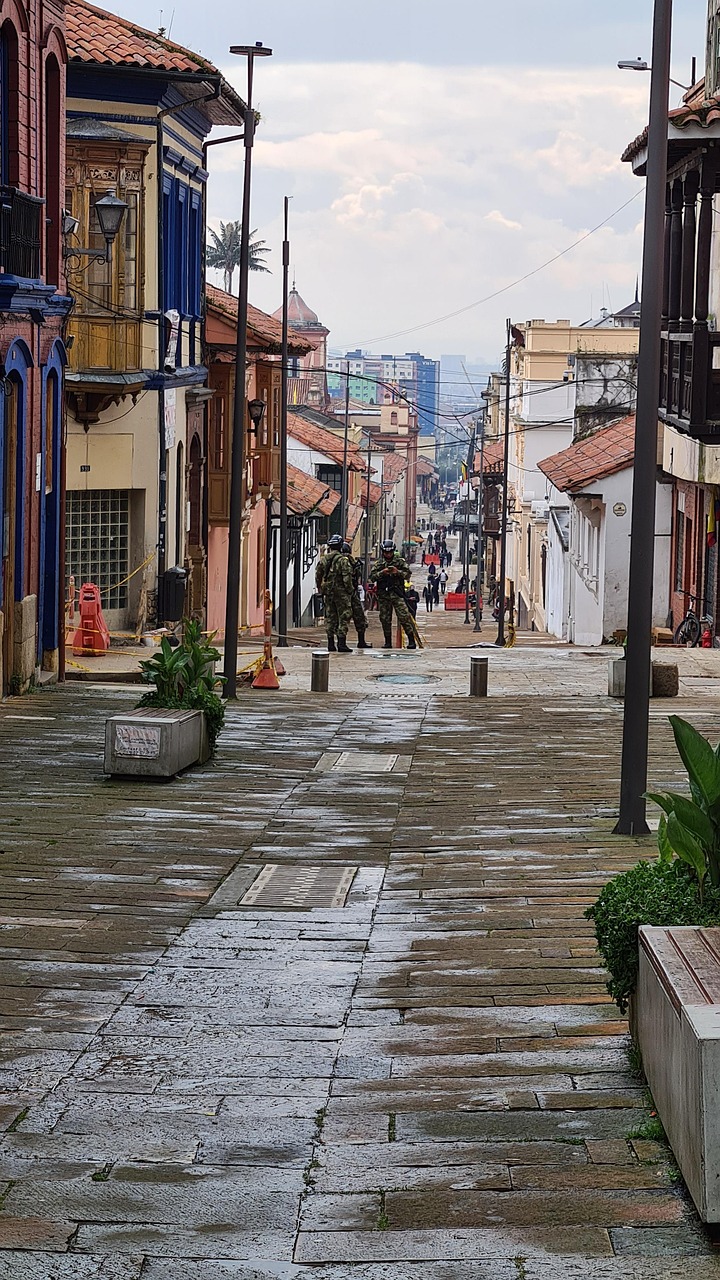
La Candelaria is where most travelers start and where I still get lost (in a good way) after years of wandering its alleys. This is Bogotá’s historic center: colorful colonial houses with balconies dripping with flowers, graffiti murals that turn walls into canvases, and cobblestone streets that somehow always slope upwards.
Highlights include the Plaza de Bolívar, the Gold Museum, the Botero Museum, and dozens of tiny cafés. I usually stay here when I want to feel like a tourist in my own city—close to everything, but still full of surprises when I duck into a new courtyard or bookstore.
Chapinero & Chapinero Alto: Bohemian, LGBTQ+-Friendly, Always Awake
Chapinero is my favorite neighborhood to actually live in. It’s gritty in parts, elegant in others, and always buzzing. By day, it’s full of students, office workers, and street vendors; by night, it becomes one of Bogotá’s main nightlife hubs, especially around Zona T and Parque de la 93.
Chapinero Alto (up the hill) is where you’ll find indie bars, specialty coffee shops, and LGBTQ+ friendly venues. If you want to feel Bogotá’s modern, creative side, base yourself here.
Zona G, Zona T & Parque de la 93: Food, Fashion & Nightlife
Zona G is Bogotá’s gastronomic district: leafy streets lined with some of the city’s best restaurants. Zona T is flashier—high-end shopping malls, bars, and clubs—while Parque de la 93 is more laid-back, with open-air events and family-friendly restaurants.
When I want a “treat yourself” kind of evening, I head to Zona G for dinner, then walk or ride-share toward Zona T for a drink. It’s also one of the safest areas for walking around at night, as long as you use basic city smarts.
Usaquén: Sunday Market & Colonial Charm in the North
Usaquén used to be a separate town, and it still feels like a village swallowed by the big city. Its cobbled square and church, trendy restaurants, and mercado de las pulgas (flea market) on Sundays make it a lovely place for a slower day.
I love starting a Sunday here: coffee in the square, wandering the craft stalls, and ending with a long lunch in one of the neighborhood’s cozy restaurants.
San Felipe: Bogotá’s Emerging Art District
San Felipe is where Bogotá’s contemporary art scene lives and experiments. Old residential blocks now host galleries, studios, and quirky cafés. On gallery nights, the streets fill with young artists, curators, and curious visitors.
If you like art that challenges you and want to see a side of Bogotá most tourists miss, block off an afternoon here. It’s also a good place to pick up a unique souvenir that isn’t mass-produced.
Teusaquillo & Parkway: Architecture & Local Everyday Life
Teusaquillo is full of mid-century houses, tree-lined avenues, and small parks. It’s not a tourist hotspot, but that’s precisely why I love walking here. The Parkway, a long, green boulevard, hosts open-air theater, music, and book fairs.
If you want to see how many Bogotanos live away from the main tourist routes, spend a late afternoon here, grab an ice cream, and people-watch.
Suggested Itineraries: 3, 4 & 5 Days in Bogotá
Below are three flexible options: a 3 day itinerary for Bogotá, a 4 day itinerary, and a fully immersive 5 day itinerary for Bogotá. All are based on trips I’ve done with visiting friends and family. Distances in Bogotá can be deceptive due to traffic, so I’ve grouped attractions by area to save your sanity.
Classic 3 Day Itinerary for Bogotá
If you only have 3 days in Bogotá, this plan gives you the greatest hits: colonial history, sweeping views, museums, a bit of nightlife, and local food.
Day 1: La Candelaria, Monserrate & the Historic Core
I like to start every introduction to Bogotá in La Candelaria. It sets the tone: colorful, historic, slightly chaotic in the best way.
- Morning: Walk La Candelaria, Plaza de Bolívar, and the Botero Museum.
- Lunch: Traditional ajiaco or bandeja paisa in a local spot.
- Afternoon: Gold Museum, then up to Monserrate for sunset.
- Evening: Casual dinner and drinks back in La Candelaria or Chapinero.
Arrive early to the Gold Museum to avoid crowds. I usually spend 1.5–2 hours there, then head to Monserrate by 3–4 pm, so I’m at the top in time for both daylight views and the city’s lights flickering on.
Day 2: Chapinero, Zona G & Bogotá’s Modern Side
Day 2 is about Bogotá’s contemporary life: coffee, gastronomy, and nightlife.
- Morning: Specialty coffee crawl in Chapinero, stroll through Parkway.
- Lunch: Long lunch in Zona G (gastronomic zone).
- Afternoon: Shopping or people-watching around Zona T / Andino.
- Evening: Drinks in a rooftop bar, then optional clubbing or live music.
This is a great day for couples—lots of romantic restaurant options—or for friends who want a stylish city break. Families can enjoy Parque de la 93 instead of late nightlife.
Day 3: Usaquén & Optional Day Trip
On your last day, slow down a bit. If it’s a Sunday, head to Usaquén for the market. If not, consider a half-day trip or a deep dive into more museums.
- Option A (City): Usaquén flea market (Sunday), Simón Bolívar Park, and Bogotá Botanical Garden.
- Option B (Day Trip): Zipaquirá Salt Cathedral or Guatavita Lagoon.
Personally, if it’s your first time and you have 3 days, I recommend the Zipaquirá Salt Cathedral. It’s unique in the world and an easy way to see a bit of the countryside while still returning to Bogotá for dinner.
Extended 4 Day Itinerary for Bogotá
With 4 days in Bogotá, you can keep the 3-day structure and add more depth: extra museums, an art district, and an unrushed day trip.
Day 1–3: Follow the 3 Day Itinerary.
Day 4: San Felipe Art District & Simón Bolívar Park
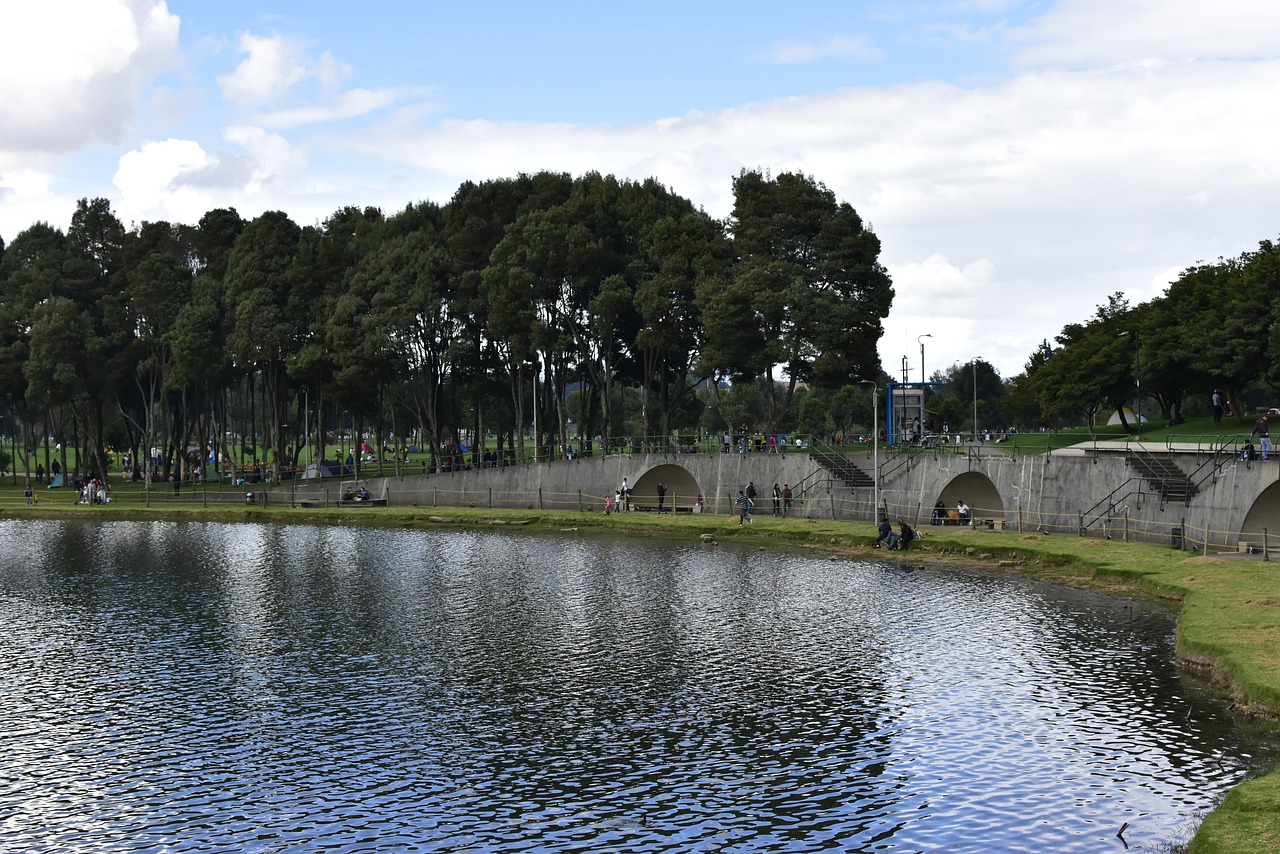
On my favorite “extra day,” I take visitors to San Felipe to explore galleries and street art, then head to Simón Bolívar Park to see how Bogotanos relax: paddle boats, picnics, running paths, and ice cream vendors.
It’s also a good day for families—lots of open space for kids—or for art lovers who want to see beyond the historical center.
In-Depth 5 Day Itinerary for Bogotá
If you have 5 days in Bogotá, you’re in for a treat. This is enough time to see the big attractions, dig into local culture, and enjoy at least one full-day trip.
Day 1–4: Follow the 4 Day Itinerary.
Day 5: Full-Day Trip (Salt Cathedral or Guatavita + Food & Coffee)
On my ideal 5th day with visitors, we head out early to either:
- Zipaquirá Salt Cathedral: Impressive underground cathedral built in a salt mine, plus a charming colonial town.
- Guatavita Lagoon & Town: Stunning sacred lake tied to El Dorado legend, plus a whitewashed town with great views and hearty food.
We return by late afternoon, grab a last specialty coffee in Chapinero, and end with a farewell dinner in Zona G or Usaquén. This balance of city and countryside is exactly why I recommend 5 days if you can manage it.
20+ Must-See Attractions in Bogotá (Deep Dive)
Below are more detailed looks at some of the best places to visit in Bogotá. I’ve organized them by rough popularity, but you can mix and match based on your interests. For each, I’ll share history, what it’s like to visit, and a few personal tips.
1. Monserrate: Bogotá from Above
Why go: If you only visit one attraction, make it Monserrate. The view of Bogotá from 3,152 m (10,341 ft) is unforgettable. You see the city’s full sprawl, the mountains hugging it, and the contrast between colonial center and modern north.
History: The hill has been a pilgrimage site since colonial times. The current church dates back to the 17th century and holds a revered statue of El Señor Caído (The Fallen Lord). Before colonization, the Muisca people considered these hills sacred.
My experience: I’ve been up at all hours—sunrise (magical and quiet), midday (bright and crowded), sunset (romantic but busy), and even for Christmas mass. My favorite is a clear weekday late afternoon for fewer crowds and golden light.
How to get there: Take a taxi or ride-share to the Monserrate base station from La Candelaria (5–10 minutes) or Chapinero (20–40 minutes, traffic-dependent). From there, choose between:
- Cable car (teleférico): Best for views on the way up or down.
- Funicular railway: Atmospheric, especially on cloudy days.
- Hiking trail: Reopened with security and schedule controls; check current info locally. It’s steep and high-altitude—only for reasonably fit travelers, and I recommend going in the morning.
What to do: Wander the viewpoint terraces, visit the church, explore the small craft shops, and try local snacks like canelazo (a warm spiced drink, sometimes alcoholic), arepa de choclo, or obleas with caramel and cheese.
Tips:
- Arrive early if you’re going on a weekend or holiday—lines can be long.
- Bring a jacket; it’s noticeably colder at the top.
- If you’re sensitive to altitude, take it slow, hydrate, and skip alcohol until later.
2. Museo del Oro (Gold Museum): Gold, Myth & Memory
Why go: This is one of the world’s leading collections of pre-Hispanic gold. Even if you’re not a “museum person,” the glow of thousands of golden pieces in a darkened room is hard to forget.
History: The museum was founded in 1939 by the Banco de la República to preserve Colombia’s archaeological heritage. Today, it houses over 34,000 pieces of gold and 20,000 objects in other materials from Colombia’s many indigenous cultures.
My experience: I’ve probably visited five or six times, and I still discover new details. The room dedicated to the legend of El Dorado, where gold offerings appear slowly in the darkness with sound and light, still gives me goosebumps.
What to see:
- The El Dorado room (ceremonial offerings and immersive light show).
- Intricate tunjos (small votive figures) and body ornaments.
- Explanations about metallurgy techniques and symbolism.
Practical tips:
- Plan at least 1.5–2 hours for a relaxed visit.
- Go early or late afternoon to avoid school groups.
- Entry is usually free on Sundays—great for budget travelers but more crowded.
3. Botero Museum: Laughter & Art in La Candelaria
Why go: Fernando Botero’s signature voluptuous figures are iconic, and this museum (free entry) showcases his work alongside an impressive collection of international masters.
History: In 2000, Botero donated over 200 works to Colombia, including many of his own as well as pieces by Picasso, Dalí, Renoir, and others. The museum is housed in a lovely colonial mansion with courtyards.
My experience: I love bringing friends here because everyone ends up smiling, even if they don’t “get” art. Kids especially enjoy the exaggerated shapes. I often linger in the central courtyard with a coffee from the nearby cafés.
Don’t miss: Botero’s interpretations of famous works, his still lifes, and the small but excellent international collection.
4. Plaza de Bolívar: The Political & Symbolic Center
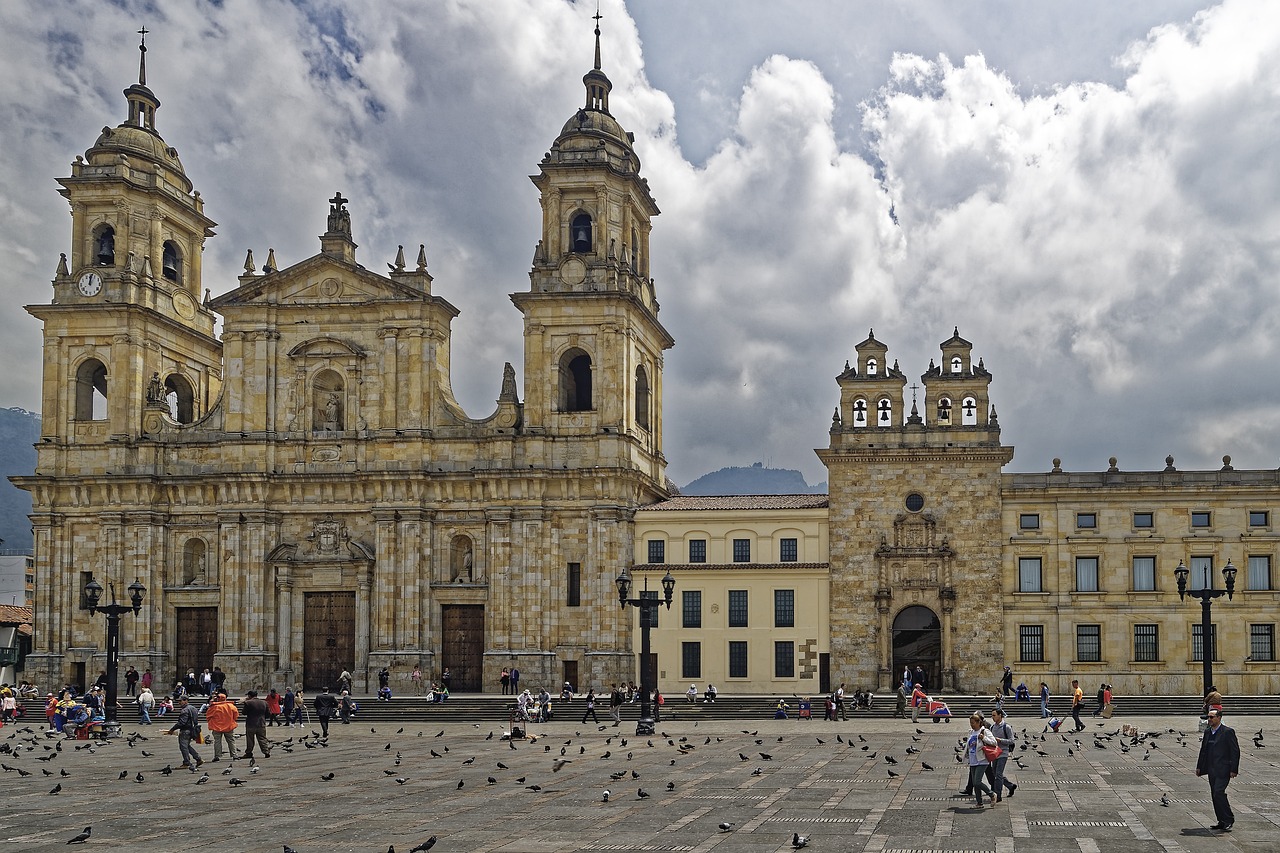
Why go: This is the main square of Bogotá, surrounded by key buildings: the Primatial Cathedral, National Capitol, Palace of Justice, and City Hall. It’s where protests, celebrations, and pigeons all converge.
My experience: I’ve seen everything here from peaceful marches to Christmas light shows. One rainy afternoon, I once sat under the eaves of the cathedral watching kids chase pigeons in ponchos—so Bogotá.
Tips: Watch your belongings (pickpockets love distracted tourists), and don’t feel pressured to buy bird food from the vendors unless you really want a swarm of pigeons on your shoulders.
5. La Candelaria Streets & Street Art
Why go: Beyond specific museums, the magic of La Candelaria is in its streets: murals, colonial façades, tiny cafés, and unexpected viewpoints.
My experience: I like to wander without a strict plan: start near the Chorro de Quevedo (a small, historic square) and follow whatever alley looks most intriguing. I’ve stumbled on live music, student theater groups rehearsing, and pop-up crafts markets.
Tip: Join a street art walking tour with a local guide if you can. Hearing the stories behind the murals (political, social, personal) adds a lot of depth.
6. Museo Nacional de Colombia: A Journey Through History
Why go: Colombia’s oldest museum, housed in a former panopticon prison, traces the country’s history from pre-Hispanic times to the present.
My experience: The building itself is fascinating—thick stone walls and arched corridors. It’s an excellent place to understand Colombia’s complex past beyond the headlines, including its conflicts and cultural diversity.
7. Bogotá Graffiti & Mural Culture
Why go: Bogotá is one of Latin America’s street art capitals. Legal changes and an active artist community have turned many neighborhoods into open-air galleries.
My experience: I’ve joined graffiti tours multiple times because the art is constantly changing. Guides often know the artists personally and can explain the layers of meaning behind each piece.
Tip: Wear comfortable shoes, bring a light jacket, and tip your guide well—many tours are donation-based.
8. Simón Bolívar Metropolitan Park: Green Lung of the City
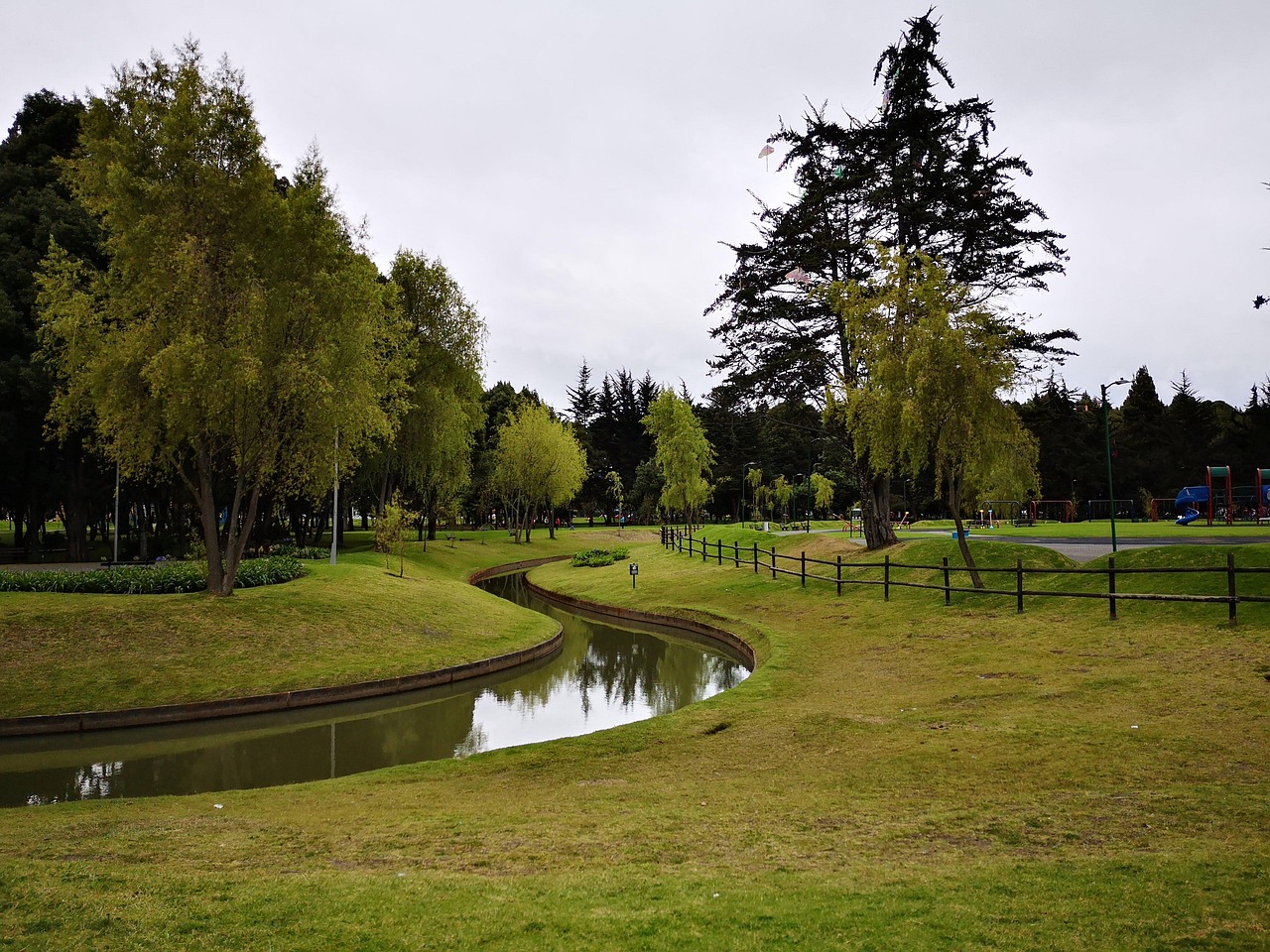
Why go: This huge park is where Bogotá breathes. On sunny weekends, it fills with families, cyclists, skaters, and couples.
My experience: I’ve gone running here in the misty mornings and joined friends for impromptu picnics by the lake. It’s also the venue for big concerts and festivals like Rock al Parque.
9. Bogotá Botanical Garden (Jardín Botánico): Andean Flora Oasis
Why go: The Botanical Garden is dedicated to Andean ecosystems, with greenhouses that recreate páramo, jungle, and other environments.
My experience: When the city feels too intense, I escape here. The orchid collection is stunning, and the greenhouse architecture itself is beautiful.
10. Usaquén Flea Market
Why go: On Sundays, Usaquén’s streets fill with stalls selling crafts, jewelry, art, and snacks.
My experience: I rarely leave empty-handed. It’s a good place to buy quality souvenirs—from leather goods to handmade chocolates—and to snack your way down the street.
11. Zona G: Gastronomic District
Why go: If you’re interested in Bogotá’s modern food scene, Zona G is essential. It’s home to many of the city’s best-known restaurants.
My experience: I’ve celebrated birthdays, anniversaries, and casual nights out here. You can find everything from Colombian fine dining to creative fusion and excellent bakeries.
12. Parque de la 93: Urban Park & Social Hub
Why go: Parque de la 93 is a polished park surrounded by cafés and restaurants. It hosts art installations, small concerts, and seasonal events.
My experience: I like coming here on weekday afternoons to work from a café terrace and watch the city go by. At night, it’s more lively but still relaxed compared to Zona T.
13. Chapinero Coffee Shops & Nightlife
Why go: Chapinero is one of the best areas to explore Colombia’s specialty coffee culture—and then shift into nightlife mode after dark.
My experience: Some of my best afternoons in Bogotá have been spent coffee-hopping between micro-roasters, then staying out for live music or DJ sets a few blocks away.
14. San Felipe Art District
Why go: For those interested in contemporary art and Bogotá’s creative underground, San Felipe is a must.
My experience: I usually check which galleries have openings (often Thursday or Friday evenings). There’s something special about wandering between spaces with a glass of wine, chatting with artists and curators.
15. Maloka Interactive Science Museum
Why go: Ideal for families and the science-curious, Maloka offers interactive exhibits, a dome theater, and hands-on learning.
My experience: I’ve taken my nephews here, and getting them to leave was the challenge. It’s a great rainy-day option.
16. Bogotá Planetarium (Planetario de Bogotá)
Why go: For astronomy shows, temporary exhibitions, and a peek at the night sky—even if it’s cloudy outside (which it often is).
My experience: I enjoy the evening projections with music; they’re both educational and oddly relaxing.
17. Torre Colpatria & Downtown Skyline
Why go: For another perspective on Bogotá’s skyline. Torre Colpatria, once the tallest building in Colombia, is iconic, especially when lit up at night.
My experience: I like photographing the tower from nearby bridges and plazas, especially at blue hour when the lights come on.
18. Central Cemetery (Cementerio Central): History & Memory
Why go: Not for everyone, but for those interested in history, architecture, and local beliefs, the cemetery is fascinating.
My experience: On a guided visit, I learned about Presidents, writers, and anonymous figures whose tombs have become informal shrines. It’s a window into how Colombians mix Catholic and popular spirituality.
19. El Campín Stadium: Football Fever
Why go: If you love football, catching a match of Millonarios or Santa Fe is an electric experience.
My experience: The chants, drums, and sea of blue or red jerseys are unforgettable. Go with locals if you can, and follow security advice on which sections are safest for visitors.
20. Local Markets: Paloquemao & Minor Plazas
Why go: Markets are the quickest way to understand what people actually eat and how they shop.
Paloquemao: Massive wholesale and retail market with an incredible variety of fruits, flowers, and prepared foods. I always bring first-timers here to try exotic fruits they’ve never heard of.
Smaller neighborhood markets: Offer a more intimate local feel. You’ll see daily life, gossip exchanges, and lots of color.
Local Food in Bogotá: What & Where to Eat
Bogotá’s food scene has exploded over the last decade. You can still find old-school cafeterias serving hearty stews next to sleek restaurants doing modern Colombian tasting menus. Here’s what to try and where.
Must-Try Dishes
- Ajiaco santafereño: A thick chicken and potato soup with guascas (a local herb), corn, capers, and cream. Comfort in a bowl. Perfect for Bogotá’s cool weather.
- Bandeja paisa: A massive platter with beans, rice, ground meat, chicharrón, plantain, avocado, arepa, and fried egg. Share it if you’re not very hungry.
- Arepas: Corn cakes in many forms—griddled with cheese, stuffed with eggs, or topped with meat.
- Tamal bogotano: Corn dough with meat and vegetables steamed in banana leaves, often eaten for breakfast with hot chocolate.
- Changua: A milky soup with eggs and cilantro, typically for breakfast.
Where I Take Friends to Eat
- Traditional: Classic corrientazo (set lunch) spots in La Candelaria or near Teusaquillo for affordable, filling meals.
- Zona G restaurants: For modern Colombian cuisine, tasting menus, and romantic dinners.
- Usaquén & Parque 93: For brunch, international options, and family-friendly patios.
Coffee Culture
Ironically, much of Colombia’s best coffee used to be exported. Now, Bogotá is full of specialty cafés highlighting regional beans and brewing methods.
I like to pick one neighborhood (usually Chapinero) and dedicate a morning to “café-hopping”: trying different roasts, pour-over methods, and pastries. Baristas are generally happy to explain where the beans come from and how they’re roasted.
Nightlife, Entertainment & Cultural Experiences in Bogotá
Bogotá’s nightlife suits all moods: salsa and live music, craft beer bars, LGBTQ+ clubs, cocktail lounges, and small theaters.
Salsa & Live Music
Salsa isn’t just a dance here; it’s a way to socialize. On weekends, I often end up in a salsoteca where everyone—from students to grandparents—shares the floor.
Bars & Clubs
- Zona T: Trendy bars and big clubs; dress a bit nicer.
- Chapinero: More alternative and LGBTQ+-friendly venues.
- La Candelaria: Student bars, bohemian pubs, and small music venues.
Cultural Experiences
- Theater performances in classic venues and small experimental spaces.
- Film festivals and art-house cinemas featuring Latin American cinema.
- Free or low-cost concerts in parks and cultural centers, especially in summer months.
Best Day Trips from Bogotá
One of the best things about Bogotá is how quickly you can leave it. In 1–2 hours, you can be underground in a salt cathedral, walking around a sacred lagoon, or wandering a colonial town square.
Zipaquirá Salt Cathedral
Why go: It’s a former salt mine turned underground cathedral, with cross-lit tunnels and huge chambers carved from rock salt.
How to get there: About 1.5–2 hours by bus from Bogotá’s northern terminal or via organized tour. I prefer a small-group tour for ease and context.
My tip: Wear comfortable shoes; it’s cool and damp underground. Combine with lunch in Zipaquirá’s colonial center.
Guatavita Lagoon & Town
Why go: The emerald-green lagoon is tied to the legend of El Dorado. The surrounding páramo landscape feels otherworldly.
My experience: The hike is moderate but at high altitude, so I take it slow. The views from the main lookout are worth every step.
Villa de Leyva (Overnight Recommended)
Why go: A beautifully preserved colonial town with one of the largest plazas in South America. It’s a bit far for a day trip (3–4 hours each way), so I recommend at least one night.
My experience: I love coming here to slow down—stone streets, whitewashed houses, and starry nights.
Cultural Etiquette & Local Customs in Bogotá
Understanding local customs in Bogotá goes a long way. Colombians are generally warm and polite, but Bogotá has a slightly more reserved, urban feel compared to coastal cities.
Greetings & Personal Space
- In social settings, a single kiss on the right cheek between men and women or between women is common. Men often shake hands with other men.
- In professional or formal situations, use a handshake and titles (Señor/Señora/Doctor(a)).
Punctuality
“Hora colombiana” is a stereotype for being late, but in Bogotá, people are increasingly punctual for work and formal appointments. For casual meetups, arriving 10–15 minutes late is common, but don’t assume—it’s better to confirm.
Safety & Showing Wealth
Locals are cautious about showing expensive phones or jewelry on the street. Follow their lead: keep valuables discreet, especially at night or in crowded areas.
Conversation Topics
People enjoy discussing food, travel, and culture. Politics and the armed conflict can be sensitive; listen more than you speak unless you know the person well.
Practical Travel Tips for Bogotá (2026)
Money & Saving Tips
- Currency: Colombian peso (COP). Cards widely accepted in midrange and upscale places, cash still needed for small shops and markets.
- Use ATMs inside malls or banks for better security.
- Eat at corrientazo lunch spots for inexpensive, home-style meals.
- Public museums often have a free day (usually Sunday or once a month).
SIM Card & Connectivity
Major providers include Claro, Movistar, and Tigo. You can buy a prepaid SIM at official shops or some supermarkets; bring your passport for registration.
In 2026, eSIM options are increasingly available in main branches and via international eSIM apps, but a physical SIM is still often the simplest.
Getting Around: Public Transport & Taxis
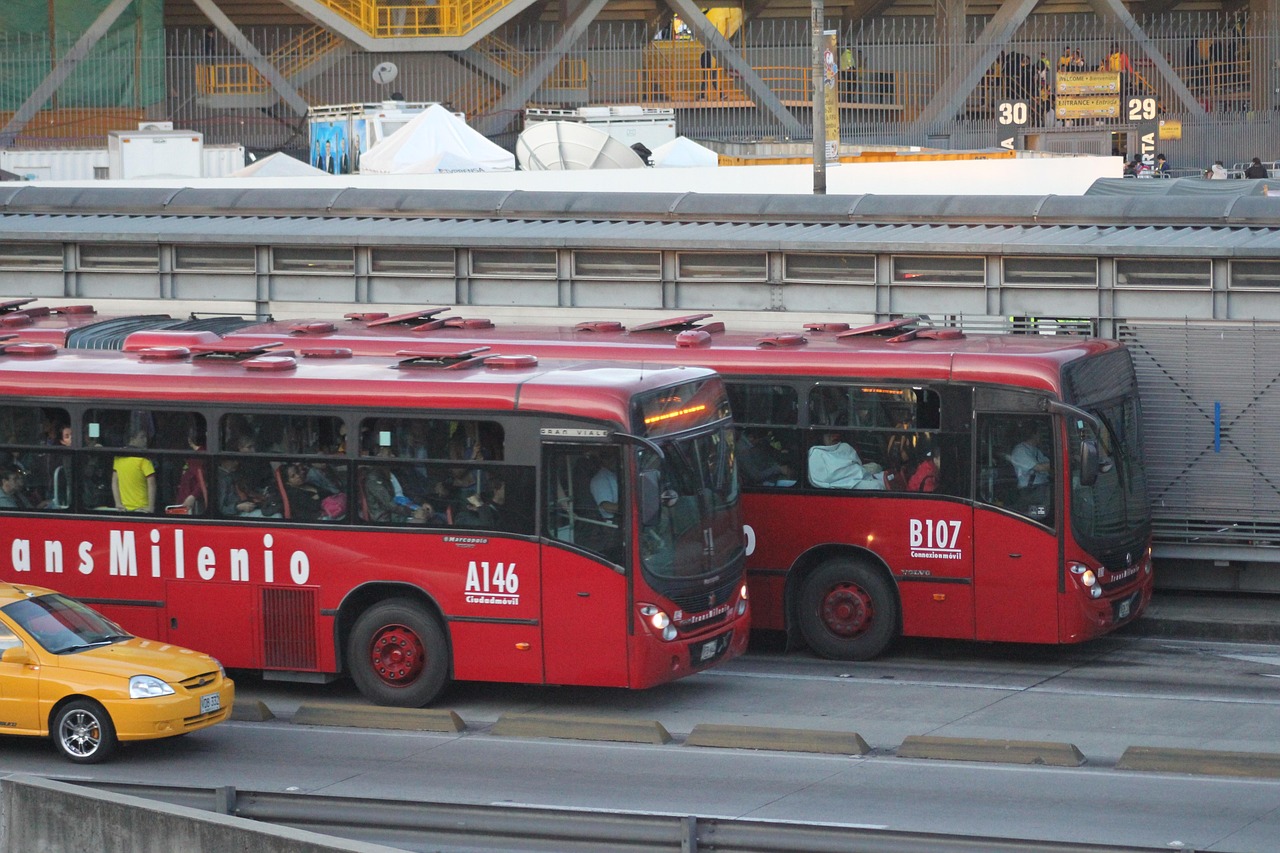
- TransMilenio: Bus rapid transit on dedicated lanes. Fast but crowded at rush hour. Use a rechargeable card.
- SITP buses: Cover most of the city; slower, but useful for certain routes.
- Taxis & Apps: Use ride-share apps or call registered taxis, especially at night. Avoid hailing random cabs on the street late.
- Walking: Great within neighborhoods like La Candelaria, Chapinero, Usaquén. Be mindful of traffic and crossings.
Car Rental & Foreign Licenses
Driving in Bogotá is not for the faint-hearted—heavy traffic, aggressive drivers, and complex rules like “pico y placa” (license plate restrictions). For most visitors, I do not recommend renting a car inside the city.
Foreign driver’s licenses are generally accepted for tourists, but always carry your passport and check with the rental agency. If you want to explore beyond Bogotá, consider renting a car from an airport location and heading straight out of the city, or hire a private driver instead.
Visa Requirements (Check Before You Fly)
Many nationalities (including EU, UK, US, Canada, Australia, and others) can enter visa-free for tourism up to 90 days, extendable. Regulations can change, so always check the latest info from your nearest Colombian consulate or the official migration website before traveling.
Altitude & Health
At 2,640 m, Bogotá’s altitude can cause shortness of breath, mild headaches, or fatigue—especially on arrival.
- Drink plenty of water and take it easy on day 1.
- Avoid heavy alcohol your first night.
- If you have heart or respiratory conditions, consult your doctor before traveling.
Safety Basics
- Use hotel safes and carry only what you need when out.
- At night, use taxis or ride-share apps even for short distances.
- In crowded areas (TransMilenio, markets, main squares), keep your bag in front and zipped.
- Ask locals or your accommodation which streets to avoid; safety can vary block by block.
Major Events & Festivals in Bogotá (2026–2027)
Bogotá’s calendar is packed with cultural events. Dates can shift slightly each year, so verify closer to your trip, but here are recurring highlights for 2026–2027:
- Festival Iberoamericano de Teatro (2026 edition): One of the world’s biggest theater festivals, held every two years. Expect performances in theaters and public spaces across the city.
- Rock al Parque: Massive free rock festival in Simón Bolívar Park, usually mid-year.
- Jazz al Parque: Open-air jazz concerts, also typically mid-year.
- Feria del Libro (Book Fair): Usually around April–May, with authors, talks, and tons of books.
- Christmas Lights (Alumbrados Navideños): December, with light displays along main avenues and in parks.
Best Time to Visit Bogotá
Bogotá doesn’t have four seasons like temperate climates; instead, it has dry and rainy periods, all with mild temperatures.
Weather Overview
- Average temperatures: 9–20°C (48–68°F) year-round.
- Drier months (often best for city exploring): December–March, July–August.
- Rainier months: April–May, October–November (afternoon showers common).
Best Months by Activity
- City sightseeing & walking tours: December–March, July–August.
- Festivals & outdoor concerts: Typically June–September.
- Christmas lights & holiday atmosphere: Early December to early January.
Final Summary & Key Takeaways
Bogotá isn’t a city you “do” in a checklist; it’s a city you grow into. Whether you spend 3 days in Bogotá following a classic 3 day itinerary for Bogotá, opt for 4 days in Bogotá to add art districts and parks, or dive deep with a 5 day itinerary for Bogotá including day trips, you’ll leave with a more nuanced picture of Colombia than any beach town could give you.
Focus on:
- Must-see attractions in Bogotá: Monserrate, Gold Museum, Botero Museum, La Candelaria, Usaquén, and a day trip (ideally Zipaquirá or Guatavita).
- Cultural experiences in Bogotá: Graffiti tours, local markets, theater or live music, and a night of salsa.
- Local food in Bogotá: Ajiaco, arepas, tamales, and specialty coffee—plus at least one special dinner in Zona G or Usaquén.
- Hidden gems in Bogotá: San Felipe art district, Teusaquillo & Parkway, neighborhood markets, and offbeat museums.
- Travel tips for Bogotá: Respect the altitude, use safe transport at night, stay in well-connected neighborhoods, and learn a few Spanish phrases.
If you come with curiosity and an open schedule, Bogotá will reward you with layers of history, art, and everyday life that stay with you long after your flight home. And if you’re anything like me, your “once in a lifetime” visit may quietly turn into a habit.