Why Visit Punta Cana?
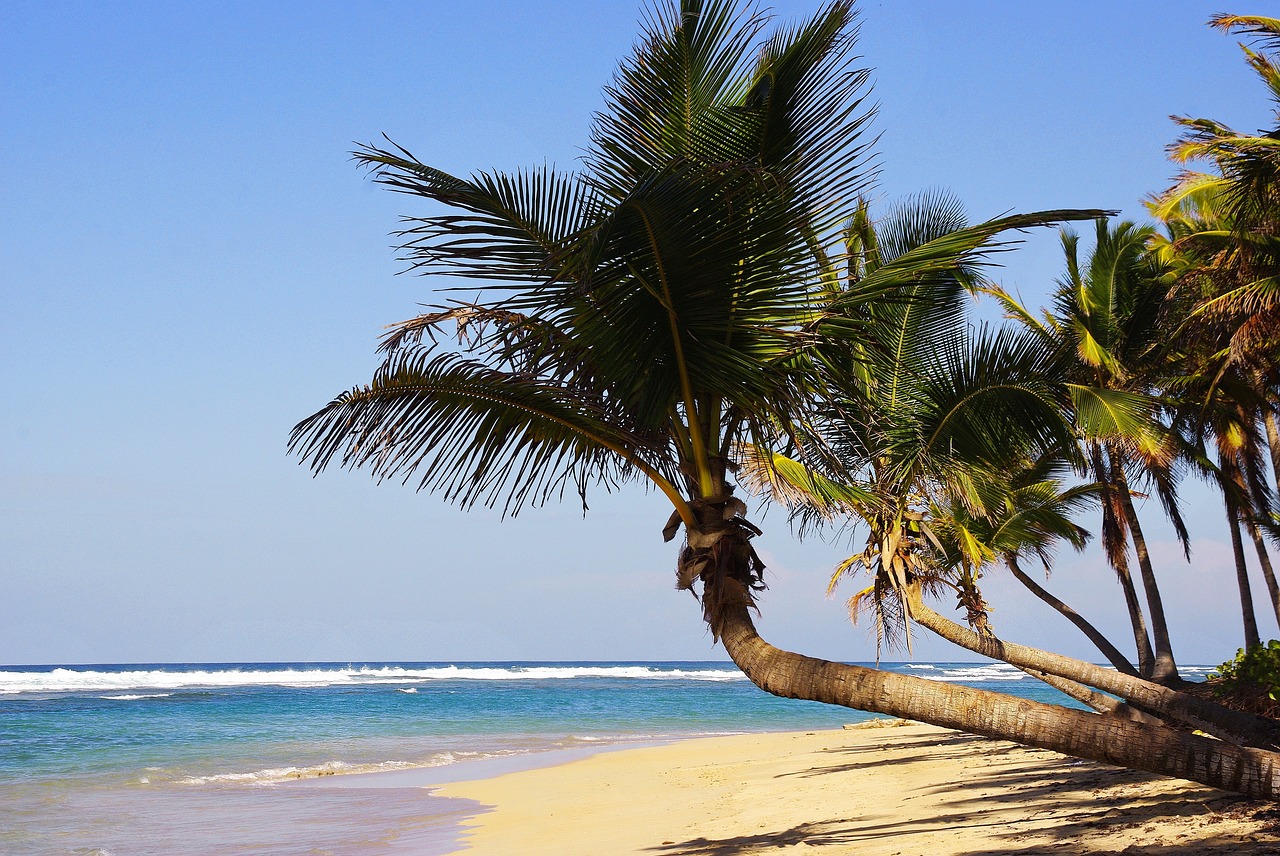
Punta Cana is where the Caribbean does its best impression of a postcard and then turns out to be even better in real life. Turquoise water that looks filtered, powdery white sand that squeaks under your feet, and palm trees leaning at just the right angle for your hammock shot – it’s all real here.
I’ve been coming to Punta Cana for over a decade, and every trip feels a little different. I’ve done the classic all‑inclusive week, I’ve stayed in tiny guesthouses in Bávaro, and I’ve rented a car to explore quiet fishing villages and wild beaches nearby. What keeps me coming back is the mix of easy relaxation and genuine Dominican culture – merengue in the sand, dominoes in the shade, grilled fish on the beach, and that warm Dominicanidad you feel in every conversation.
Whether you’re planning 3 days in Punta Cana, a 4 day itinerary for Punta Cana, or a full 5 days in Punta Cana, this long-form travel guide for Punta Cana is designed to help you go far beyond the resort gate: to find the best places to visit in Punta Cana, taste real local food in Punta Cana, uncover hidden gems in Punta Cana, and understand the local customs and cultural experiences that make this part of the Dominican Republic so special.
Table of Contents
- Why Visit Punta Cana?
- Key Areas & Neighborhoods
- Top 20 Must‑See Attractions & Experiences
- Suggested 3–5 Day Itineraries
- Local Food & Drinks in Punta Cana
- Nightlife, Entertainment & Cultural Experiences
- Best Day Trips from Punta Cana
- What’s New & Upcoming Events 2026–2027
- Cultural Etiquette & Local Customs
- Practical Travel Advice for Punta Cana
- Summary & Best Time to Visit Punta Cana
Key Areas & Neighborhoods in Punta Cana
Punta Cana isn’t really a “city” in the classic sense; it’s a long coastal stretch of beaches and planned communities on the eastern tip of the Dominican Republic. But each area has its own personality, and where you stay will shape your experience.
Bávaro
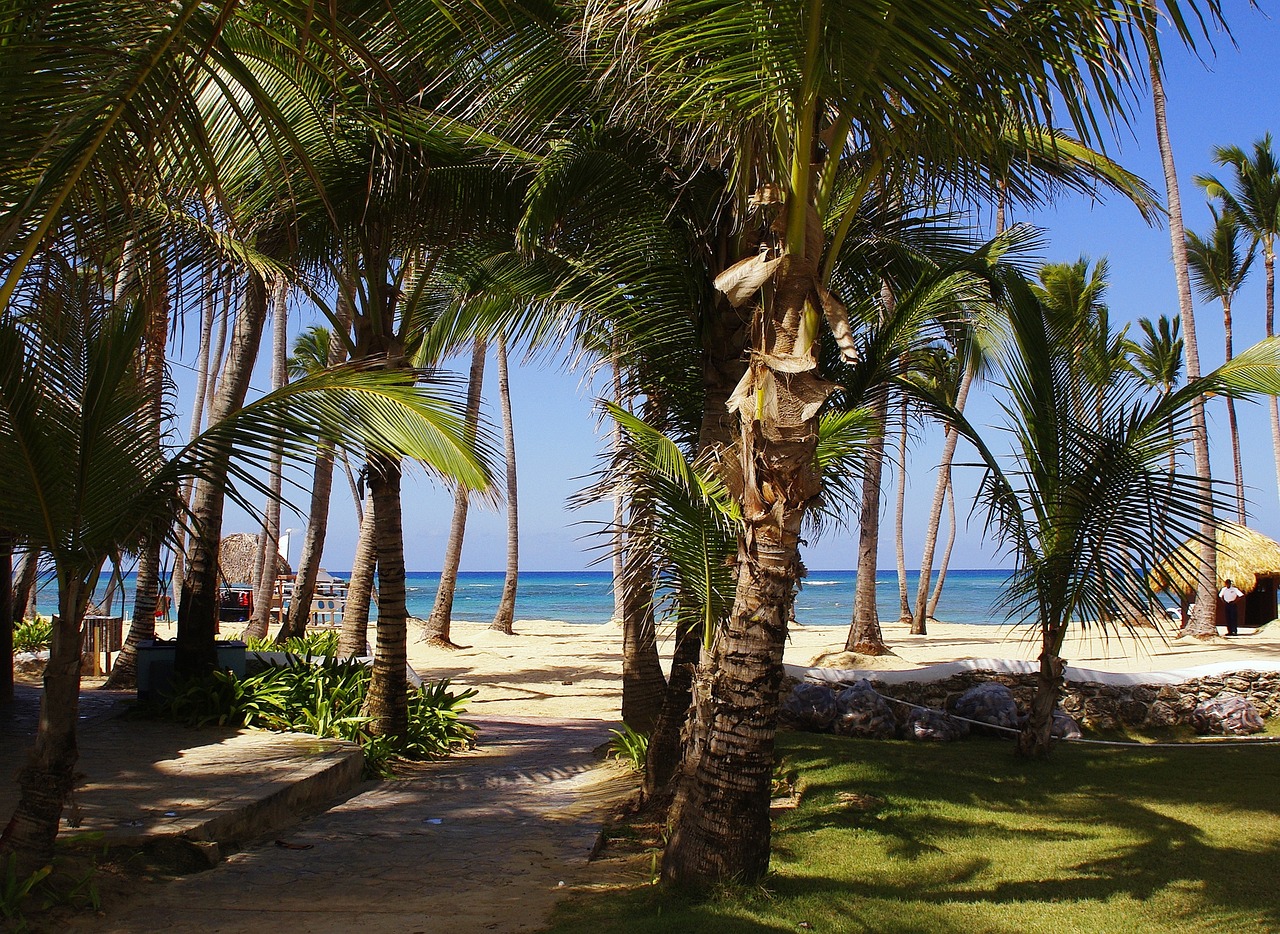
This is the beating heart of Punta Cana – long white beaches, a dense cluster of all‑inclusive resorts, and the most options for food and nightlife outside resort walls. When friends ask me where to stay for their first trip, I usually say Bávaro. You can walk to beach bars, local colmados (corner stores), and catch cheap shared transport along the main road.
Punta Cana Village & Punta Cana Resort Area
Closer to the airport and more residential, Punta Cana Village feels like a tidy Caribbean suburb: low-rise pastel buildings, cafés, bakeries, and a central plaza where kids play at night. If you want a quieter, more local feel with chic restaurants and access to the private Playa Blanca, this is your zone.
Cap Cana
Cap Cana is Punta Cana’s luxury bubble: a gated enclave with a gorgeous marina, high-end resorts, golf courses, and some of the most photogenic beaches like Juanillo. When I feel like spoiling myself, this is where I book a night or two – it’s peaceful, polished, and very honeymoon‑friendly.
Uvero Alto
North of Bávaro, Uvero Alto feels wilder – darker sand, more waves, fewer crowds. Great if you want a more secluded all‑inclusive or you’re into surfing and long beach walks. I like coming up here for a change of scene and a quieter beach day.
Macao
Macao is a fishing village and public beach that has exploded in popularity but still holds onto a rustic charm: palm trees, food shacks, and locals body‑surfing the waves. It’s one of my favorite places to show first‑timers “the real beach” beyond the resort chairs.
Top 20 Must‑See Attractions & Experiences in Punta Cana
Below are 20 of the must‑see attractions in Punta Cana, each with a mini‑guide based on my own visits over the years. Together, they form the backbone of most 3 day, 4 day, and 5 day itineraries for Punta Cana.
1. Bávaro Beach (Playa Bávaro)
Bávaro Beach is the classic Punta Cana image: endless white sand framed by leaning palms and calm, shallow turquoise water. The first time I walked it, I lost all sense of distance – I just kept going, weaving between resort frontages, watching pelicans dive, and stopping whenever a beach bar’s speakers pulled me in.
Why it’s special: It’s the main stage for Punta Cana life: water sports, beach vendors, catamarans gliding past, and resort guests mixing with locals on public stretches. Despite the development, the natural beauty still steals the show, especially early morning when the sand is untouched.
What I like to do here: I usually start just after sunrise with a barefoot walk, when the only sounds are the waves and a few staff raking seaweed. Later in the morning, I’ll grab a chaise at a beach club that offers day passes, order a morir soñando (a dreamy orange and milk drink), and watch parasailers float by.
Food tip: Look for simple beach shacks just off the sand that serve fresh grilled fish and tostones (fried plantains). Avoid buying food from roving vendors with no fixed stall; stick with places that have a kitchen you can see.
How to get there: Most resorts in Bávaro are directly on the beach. If you’re staying inland, motoconchos (motorcycle taxis) and taxis can drop you at public access points like Los Corales or El Cortecito.
Traveler tip: Beach vendors can be persistent but are almost always friendly. A polite “No, gracias, mi amigo” with a smile goes a long way. If you’re interested in something, negotiate with humor – haggling is expected.
2. Playa Macao
Playa Macao is where I go when I need to remember what this coastline looked like before the mega-resorts arrived. It’s wide, open, and framed by low cliffs at one end, with waves that attract local surfers and boogie-boarders.
Why it’s special: It’s officially recognized as one of the best beaches in the Dominican Republic, and while it’s no longer a secret, it still feels refreshingly local. Fishermen pull up their boats, kids play soccer in the sand, and the fried fish from the beach shacks tastes like a vacation in itself.
My typical day at Macao: I like to arrive mid‑morning before the big tour buses (some dune buggy tours stop here). I rent a chair under a thatched umbrella, order a cold Presidente beer, and then walk down to the far left, where the cliffs rise. There’s a beautiful vantage point there where you can look back over the curves of the bay.
Food & drink: Choose a shack where the fish is kept on ice and you can see it before they cook it. Ask for pescado frito con tostones and a side of ensalada verde. Prices are higher than in town but still reasonable compared to resorts.
Getting there: Playa Macao is about 20–30 minutes by car from Bávaro. You can take a taxi (negotiate a round‑trip fare including waiting time) or rent a car. Public transport is limited.
Traveler tip: The waves here are usually stronger than Bávaro’s, so keep a close eye on kids. If you’re booking a surf lesson, verify it’s with a reputable local surf school – there are usually a few stands set up along the beach.
3. Saona Island (Isla Saona)
Isla Saona is the Instagram darling of the Dominican Republic: a protected island with powder‑soft sand, palms that lean theatrically over glass‑clear water, and starfish sprinkled in shallow sandbars along the way. I’ve been three times, and I still gasp when the catamaran pulls up to the first stop.
Why it’s special: Saona is part of the Parque Nacional del Este (now Parque Nacional Cotubanamá), so development is limited. It’s one of those rare excursions that actually looks like the brochure, especially if you manage to avoid the midday crowds.
The experience: Most tours pick you up from your hotel and drive you to Bayahibe, a small fishing town. From there, you’ll take a speedboat or catamaran, stopping at a shallow natural pool where you can wade waist‑deep in the sea. I love this part – the water is so clear it feels surreal.
On the island itself, lunch is usually a buffet of grilled chicken or fish, rice, salad, and fruit. I always bring a small bottle of hot sauce because I like my food spicier than the standard tour fare.
How to choose a tour: Look for smaller group options that mention early departures (“Salida temprano”) or “VIP Saona” to avoid being herded among hundreds of people. Ask if they include the national park fee upfront to avoid surprise charges.
Family & romance factor: Great for families (kids love the boat ride and shallow waters) and very romantic if you pick a less crowded option. For couples, sunset catamaran options are magical.
Traveler tip: Bring reef‑safe sunscreen, a hat, and cash for drinks on the island (usually not included). Don’t pick up starfish – lifting them out of the water can kill them. Admire them from above instead.
4. Scape Park at Cap Cana
Scape Park is Punta Cana’s adventure playground: zip lines over thick jungle, blue cenote pools, caves, and cultural exhibits. The first time I went, I thought it might feel too “theme‑parky,” but I ended up loving the mix of adrenaline and nature.
Highlights: The zip line circuit that ends with water landings is a blast, and Hoyo Azul, a deep blue cenote at the foot of a limestone cliff, is one of the most refreshing swims I’ve ever had. There’s also a cultural walk with replicas of Taino petroglyphs and info on Dominican history.
How I structure my visit: I arrive right when they open to hit the zip lines before lines build up, then cool off at Hoyo Azul, and save the more relaxed attractions for the afternoon. Plan to spend almost a full day here.
Food & logistics: On‑site restaurants have typical park pricing, so I eat a good breakfast first and bring a few snacks (no glass). Wear water shoes or sturdy sandals that can get wet.
Traveler tip: If you’re afraid of heights, let the staff know – they’re used to gently coaching nervous first‑timers. Lockers cost extra; I usually share one with friends to split the fee.
5. Hoyo Azul (Blue Hole)
Although it’s inside Scape Park, Hoyo Azul deserves its own mention because it’s one of the most striking natural features near Punta Cana. Imagine a sapphire pool tucked into a pocket of limestone, with jungle vines dangling overhead – that’s Hoyo Azul.
Why I love it: After a hot morning in the sun, descending into the shaded cave and slipping into that cold, clear water feels like a reset button for your body. I still remember the goosebumps from my first plunge.
Tips: Bring a quick‑dry towel and a waterproof phone pouch if you want photos. The wooden stairs can be slippery, so hold the railings. Life vests are usually required and provided on site.
6. Indigenous Eyes Ecological Reserve (Ojos Indígenas)
The Indigenous Eyes Ecological Reserve is my go‑to recommendation when people ask for a hidden gem in Punta Cana that feels peaceful and local. It’s a private nature reserve with a network of trails leading to freshwater lagoons you can swim in.
What it’s like: You walk under a canopy of trees as butterflies and birds flit around, with educational signs about native plants and Taino history. The lagoons themselves are emerald‑green and incredibly clear – the kind of water that makes you instinctively whisper.
My routine: I like to go in the late morning, swim in two or three lagoons (my favorite is the one with the wooden platform for jumping in), then have lunch at Playa Blanca nearby. It’s a perfect half‑day for families, couples, or solo travelers who need a break from the resort soundtrack.
Access: The reserve is part of the Puntacana Resort & Club area. Day passes are available; ask your accommodation to help arrange it or contact the foundation directly.
Traveler tip: Bring insect repellent and water shoes. Don’t wear heavy perfume or spray sunscreen directly into the lagoons – apply beforehand to minimize impact on the ecosystem.
7. Punta Cana Village & Playa Blanca
When I need a “normal” day – coffee, errands, a bit of people watching – I head to Punta Cana Village. It feels like the town center for the resort workers, expats, and locals who keep this area running, with tree‑lined streets and a central plaza.
What to do: I start with a cappuccino at a café in the plaza, browse the small boutiques, and pick up snacks or wine at the supermarket. Then I head out to Playa Blanca, a beautiful beach with a restaurant and bar that’s popular with locals on weekends.
Food: The Playa Blanca restaurant does excellent ceviche and grilled octopus. In the village itself, you’ll find sushi, pizza, and Dominican lunch spots where you can get a generous plato del día (daily plate) for much less than resort prices.
Traveler tip: If you’re staying for more than a few days, this is a good place to buy snacks, sunscreen, and SIM cards at more reasonable prices than hotel shops.
8. Cap Cana Marina & Juanillo Beach
Cap Cana feels like Punta Cana’s polished sibling – quieter, more manicured, and very photogenic. The marina area, with its pastel buildings and bobbing yachts, looks like a Dominican postcard from the future.
Juanillo Beach: This is the star. Wide, with soft sand and shallow turquoise water stretching far out. I’ve spent entire days here doing almost nothing but swimming, reading in a lounge chair, and occasionally wandering over to the beach bar for a passionfruit mojito.
Activities: From the marina, you can book fishing charters, private catamarans, or sunset cruises. Even if you’re not heading out on the water, a stroll around the docks at golden hour is lovely.
Traveler tip: Cap Cana is gated. If you’re not staying there, you’ll need to be on the guest list for a restaurant, beach club, or activity. Call ahead to make a reservation and ask them to register your name at the gate.
9. Coco Bongo Punta Cana
Coco Bongo is not subtle. It’s a full‑on Vegas‑style show with dancers, acrobats, tributes to famous musicians, confetti cannons, and pretty much nonstop sensory overload. I usually lean more toward beach bars than big clubs, but I have to admit: going once is a lot of fun.
What to expect: You’ll stand (or dance) most of the night, watching performances on a central stage. The ticket typically includes open bar, and the atmosphere is part club, part theater. It’s loud, crowded, and very high‑energy.
Who it’s for: Bachelor/bachelorette groups, party‑loving couples, and anyone who wants to go big for one night. Not ideal if you dislike crowds or strobe lights.
Traveler tip: Eat a solid dinner beforehand, pace your drinks, and wear comfortable shoes. Don’t bring valuables you can’t afford to lose in a confetti‑fueled dance floor moment.
10. Dolphin & Animal Experiences (Ethical Considerations)
Punta Cana has several dolphin and animal interaction parks. Over the years, I’ve shifted my stance on these. I visited one early on, but as more information emerged about animal welfare, I’ve chosen not to repeat or recommend captive dolphin shows.
My advice: If interacting with marine life is important to you, choose snorkeling trips to marine parks or reefs where you can see wild creatures in their natural habitat, and make sure the operator follows sustainable practices (no touching, feeding, or chasing animals).
11. Punta Cana’s Golf Courses
If you golf, Punta Cana is a dream: ocean‑side holes, palm‑lined fairways, and year‑round playable weather. I’m not a serious golfer, but I’ve tagged along with friends and hit a few balls at Corales and La Cana just for the views.
Notable courses: Corales (home of a PGA Tour event), La Cana (with several ocean holes), and Punta Espada in Cap Cana are the big three. Even if you’re a casual player, a twilight round with that sea breeze is unforgettable.
Traveler tip: Green fees can be high, but discounts are sometimes available if you’re staying at associated resorts or booking afternoon tee times.
12. Bávaro Adventure Park
Bávaro Adventure Park is another action‑packed option with zip lines, buggies, a climbing garden, and a splash zone. On my last visit with a group of friends, we turned into kids again racing buggies through muddy tracks and screaming down ziplines.
Who it’s for: Families with older kids, groups of friends, and anyone who wants a break from pure beach time. It’s less scenically dramatic than Scape Park but closer to the Bávaro hotel zone.
Traveler tip: Wear clothes you don’t mind getting filthy if you do the buggy tour. Bring a change of clothes and a plastic bag for muddy items.
13. Buggy & ATV Tours
Buggy and ATV tours are everywhere in Punta Cana – you’ve probably seen the photos: covered in mud, grinning ear to ear. The fun is real, but so are the crowds, so choose carefully.
My experience: The first time I went, our group followed a convoy of other buggies to a cave, a rural house, and finally Playa Macao. It was fun, but felt a bit rushed. The second time, I booked a smaller, more rural tour focused on countryside scenery and it was much better.
Traveler tip: Ask how many vehicles they run per group, and whether they visit local communities responsibly (not treating people like zoo exhibits). Bring a bandana or mask for dust, and don’t wear white.
14. Beach Bars & Coco Loco Moments
One of my favorite Punta Cana rituals is the late‑afternoon beach bar session. The sun softens, the music turns up slightly, and everyone seems to exhale at once.
What to order: A coco loco (rum cocktail served in a fresh coconut), a passionfruit caipirinha, or a simple cold Presidente beer with a lime wedge. Pair it with fried calamari, yaniqueques (Dominican fried dough), or a simple ceviche.
Personal tip: I like to pick a bar with both tourists and locals – if you hear a mix of Spanish and English, you’re in the right place. Strike up conversations; Dominicans are sociable and love to talk about music, baseball, and where you’re from.
15. El Cortecito & Los Corales
El Cortecito and Los Corales are pockets along the Bávaro stretch that feel more like a beach town than a resort compound. There are small guesthouses, apartment rentals, beach bars, shops, and local restaurants.
Why I like it: This is where I often stay when I’m not in a resort. You can walk everywhere, shop at small supermarkets, and dine at locally run restaurants instead of buffets. There’s a nice balance of expats, digital nomads, and locals.
Traveler tip: If you’re planning a more independent trip (especially for a 3 day itinerary for Punta Cana or longer), staying here gives you the most flexibility to explore without a car.
16. Local Colmados & Corner Life
It might sound odd to list a corner store as an “attraction,” but colmados are the unofficial living rooms of the Dominican Republic. They’re where locals buy basics, chat, and listen to music – often with a few plastic chairs set up outside.
My colmado ritual: I’ll step in for water or a snack and end up staying 30 minutes, talking with the owner about where I’m from and which baseball team I support. If there’s a game on or music playing, people will be gathered outside, drinking beer from small bottles and sharing a big bag of chips.
Traveler tip: Don’t be shy. Buy something small, say “Buenas tardes,” and you’ll often be welcomed into the conversation. It’s an easy, authentic cultural experience in Punta Cana.
17. Local Markets & Handicrafts
Most of the “markets” in Punta Cana are craft stalls aimed at visitors, selling amber jewelry, larimar (a blue Dominican stone), cigars, rum, and colorful art. There’s haggling, repetition, and some tourist‑trap energy, but you can still find lovely pieces.
My approach: I go with a sense of humor and no rush. If I see a painting I like or a piece of larimar jewelry, I ask the price, smile, and negotiate gently. I avoid any shop that feels overly pushy or won’t let me take my time.
Traveler tip: For higher‑quality items, especially amber and larimar, buy from shops with certificates of authenticity and clear pricing, often in Punta Cana Village or larger plazas.
18. Day Trip to Santo Domingo’s Colonial Zone
While not in Punta Cana, a day trip to Santo Domingo’s Colonial Zone is one of the richest cultural experiences near Punta Cana. The first time I went, I couldn’t believe the contrast – from beach resort bubble to cobblestone streets and centuries‑old stone buildings.
Highlights: The first cathedral of the Americas, Plaza de España, the Alcázar de Colón, and atmospheric streets lined with cafés and galleries. I love sitting at an outdoor table with a café con leche, watching daily life swirl around stone facades.
Traveler tip: It’s about 2.5–3 hours by road from Punta Cana. If you’re not comfortable driving, join an organized small‑group tour. Wear comfortable shoes – you’ll walk a lot.
19. Altos de Chavón
Altos de Chavón is a replica Mediterranean village perched above the Chavón River near La Romana. It’s theatrical – stone streets, an amphitheater, and gorgeous views – but it’s also strangely charming.
Why visit: It makes a great stop on a day trip from Punta Cana, especially combined with a river cruise or a visit to nearby Casa de Campo. I like wandering the narrow alleys, popping into artisan workshops, and watching the sunset over the river.
Traveler tip: Go later in the afternoon to avoid the heat and day‑trip crowds. The light for photography is beautiful around golden hour.
20. Local Churches & Community Life
If you’re curious about everyday life, step into a local church during a service (respectfully, of course). The singing, the community feel, and the way people dress up for Sunday mass give you a window into Dominican culture.
Traveler tip: Dress modestly (shoulders and knees covered), keep your phone silent, and observe from the back pew. You don’t need to stay for the entire service, but a few respectful minutes can be very moving.
Suggested 3–5 Day Itineraries for Punta Cana
Below are flexible, story‑style itineraries for 3 days in Punta Cana, 4 days in Punta Cana, and 5 days in Punta Cana. Mix and match based on your interests – beach, culture, food, or adventure.
3 Days in Punta Cana: Highlights & Relaxation
If you only have three days, prioritize beaches, one big excursion, and a dose of local life.
Day 1: Arrival & Bávaro Beach
I like to keep my first day simple. After landing at Punta Cana International, I usually breeze through immigration (the airport has improved a lot in recent years) and check into my hotel in Bávaro. Once I drop my bags, I head straight to the beach.
Morning/Afternoon: Walk along Bávaro Beach, swim, and shake off the travel fatigue. If you’re at an all‑inclusive, this is the time to explore the property. If you’re staying in El Cortecito/Los Corales, find a beach club where you can rent a chair with a drink and food minimum.
Evening: For your first dinner, try a Dominican restaurant just off the beach. Order pollo guisado (stewed chicken), rice, beans, and a side of maduros (sweet plantains). After dinner, stroll the sand – the night breeze here is something I still miss when I’m back home.
Day 2: Saona Island or Scape Park
This is your big excursion day. If you’re more into boats and beaches, choose Saona Island. If you prefer action, pick Scape Park.
Saona option: You’ll be picked up early, ride to Bayahibe, then spend the day on boats, sandbars, and the island. It’s a long day but very memorable. Bring a light cover‑up and extra sunscreen.
Scape Park option: Spend the day ziplining, swimming in Hoyo Azul, and exploring the park’s nature trails and cultural exhibits. Eat on site or bring snacks.
Evening: You’ll be tired. I usually opt for a casual dinner near my hotel. If you still have energy, a drink at a beach bar with live music is a nice cap to the day.
Day 3: Local Life & Souvenirs
On your final day, explore Punta Cana Village or El Cortecito, depending on where you’re staying.
Morning: Head to Punta Cana Village for coffee and brunch, stroll the shops, and buy any last‑minute items like Dominican coffee, cacao, or rum. Or stay in Bávaro and wander El Cortecito’s souvenir stalls.
Afternoon: One last swim. I always make sure my last memory before the airport is of my feet in the sea.
Evening departure: Leave for the airport at least 3 hours before an international flight; traffic can be unpredictable.
4 Days in Punta Cana: Beach, Adventure & Taste of Culture
With 4 days in Punta Cana, you can add adventure and more local flavor to your beach time.
Day 1: Settle In & Sunset on the Sand
Same idea as the 3‑day itinerary: arrive, check in, and ease into Punta Cana life on Bávaro Beach.
Day 2: Saona Island or Scape Park (Full Day)
Pick the main excursion that calls to you. If you’re staying five days total, you can do both on different days.
Day 3: Indigenous Eyes & Playa Blanca
Morning: Head to the Indigenous Eyes Ecological Reserve. Walk the shaded trails, learn about local flora and Taino culture, and swim in the freshwater lagoons. It’s a quiet, contemplative morning that balances big excursion days.
Afternoon: Continue to Playa Blanca for a leisurely beach lunch and more swimming. The contrast between freshwater lagoons and the Caribbean Sea in the same day is one of my favorite Punta Cana combos.
Evening: Dinner in Punta Cana Village – maybe Italian or sushi if you’re craving variety – and a low‑key drink in the plaza.
Day 4: Buggy Fun, Shopping & Nightlife
Morning: Join a small‑group buggy or ATV tour through the countryside and to a cave or Macao Beach. Get muddy, laugh a lot, and see a glimpse of rural life.
Afternoon: Shower off and rest. Later, browse a craft market or small shops for souvenirs.
Night: If you like big nights out, this is when I’d pick Coco Bongo or another club. If not, find a live merengue/bachata bar and practice your steps with locals.
5 Days in Punta Cana: Deep Dive into Beaches, Culture & Hidden Gems
If you have 5 days in Punta Cana, you can really settle into the rhythm and explore both the coastline and some cultural side trips.
Day 1: Bávaro Beach & First Taste of Dominican Food
Same arrival flow as above, but add a special first dinner: find a place serving mofongo (mashed plantains with garlic and chicharrón), chillo frito (fried red snapper), or sancocho (hearty stew, often on weekends).
Day 2: Saona Island – The Classic Day Trip
Make this your first full day out so you’re still fresh. Enjoy the boat rides, natural pool, and island time. Go to bed early – the sea air is surprisingly tiring.
Day 3: Scape Park & Hoyo Azul
Dedicate day three to Scape Park for ziplining and cenote swimming. It’s a great counterbalance to day two’s more relaxed boat vibe.
Day 4: Indigenous Eyes, Playa Blanca & Local Evening
Slow the pace a bit with nature and beach time as in the 4‑day plan. In the evening, instead of a big nightlife blowout, I’d go to a local colmado or a modest bar where people dance bachata. You’ll be surprised how quickly someone invites you onto the dance floor.
Day 5: Free Day – Macao Beach, El Cortecito & Farewell
On your last full day, keep it flexible:
- Option 1: Taxi to Playa Macao for grilled fish and waves.
- Option 2: Stay local in Bávaro/El Cortecito, wandering shops, beach bars, and treating yourself to a spa session.
- Option 3: If you’re up for a long day, book a small‑group culture trip to Santo Domingo or Altos de Chavón & the Chavón River.
End the trip with a sunset walk on the beach and a last mamajuana shot – the local herbal rum mix – if you’re brave.
Local Food & Drinks in Punta Cana
Eating your way through Punta Cana is one of the best ways to connect with the Dominican Republic. Even if you’re at an all‑inclusive, make room for at least a couple of meals at local spots.
Must‑Try Dominican Dishes
- La Bandera Dominicana: Literally “the Dominican flag” – white rice, red beans, and stewed meat (usually chicken or beef), with salad and maybe fried plantains. It’s the standard lunch plate and always satisfying.
- Mofongo: Mashed fried green plantains with garlic, olive oil, and usually pork cracklings, served in a wooden mortar with sauce and optional shrimp, chicken, or beef.
- Sancocho: A rich stew made with various meats and root vegetables. Best on a rainy day or when you’re craving comfort food.
- Chicharrón de pollo: Crispy fried chicken chunks, often served with lime and tostones.
- Yaniqueques: Fried dough discs sold at beaches and street stalls – addictive with a bit of hot sauce.
- Pastelitos & empanadas: Filled pastries with meat, cheese, or veggies – perfect snacks.
What to Drink
- Presidente beer: The national beer, crisp and best when served “bien fría” (ice‑cold).
- Rum: Brugal, Barceló, and Bermúdez are the big Dominican brands. Try them neat or in cocktails.
- Mamajuana: A local concoction of rum, red wine, honey, and tree bark/herbs. Flavors vary wildly. Sip, don’t chug.
- Morir soñando: Orange juice mixed with milk and sugar – tastes like a creamsicle in a glass.
- Fresh juices: Passionfruit (chinola), guava, pineapple, and tamarind are common and delicious.
Saving Money on Food
To stretch your budget, do what I do:
- Eat your big meal at lunchtime at a local comedor or comida rápida spot – daily plates are cheaper than dinner menus.
- Buy water, snacks, and sometimes breakfast (yogurt, fruit, bread) at supermarkets instead of hotel shops.
- Skip imported wine and stick to local beer or rum for better value.
Nightlife, Entertainment & Cultural Experiences
Punta Cana’s nightlife ranges from Latin dance floors to big shows and intimate beach bars. Even if you’re not a big partier, experiencing live merengue or bachata at least once is essential.
Where to Go Out
- Coco Bongo: For the full Vegas‑style show experience.
- Beach bars in El Cortecito & Bávaro: More relaxed, with DJ sets or live bands.
- Local bars and colmados: For a real Dominican vibe, where you’ll hear mostly Spanish and a diet of bachata, merengue, and dembow.
Cultural Experiences
- Dance lessons: Many resorts and some local studios offer merengue/bachata classes. I always tell shy friends: Dominicans will happily help you; perfection isn’t the point.
- Baseball games (winter league): If you’re visiting during the baseball season (typically October–January), try to catch a game in a nearby town – baseball is a national passion.
- Local festivals: Ask around about any town patron saint festivals or cultural events happening during your visit; they often involve parades, music, and food stalls.
Best Day Trips & Nearby Attractions from Punta Cana
Beyond the core attractions, these day trips expand your understanding of the region.
- Bayahibe & Dominicus: Smaller, more laid‑back beach town vibes and jumping‑off point for Saona and Catalina Islands.
- Higuey: Inland city with the imposing Basílica de Nuestra Señora de la Altagracia – a major pilgrimage site. Great for a half‑day cultural visit.
- Santo Domingo: Deep dive into history, architecture, and urban Dominican life, best as a long day trip or overnight.
- La Romana & Altos de Chavón: For river views, Mediterranean‑style architecture, and optional boat excursions.
Getting around: Organized tours are easiest if you don’t want to drive. For more flexibility, rent a car (see tips in the practical section) and stick to daytime driving.
What’s New: Punta Cana in 2026–2027
Punta Cana is constantly evolving. For 2026–2027, expect:
- Expanded eco‑tourism offerings: More emphasis on nature reserves, sustainable excursions, and reef‑friendly tours as environmental awareness grows.
- Music & beach festivals: Spring and early summer often bring electronic and Latin music festivals to beach clubs and resort venues. Check event calendars closer to your travel dates.
- Sporting events: Golf tournaments and occasional international sports events hosted at major resorts and courses like Corales.
- Holiday celebrations: Christmas and New Year’s in Punta Cana are big – fireworks on the beach, special dinners, and late‑night parties across the resort strip.
Before your trip, search for “Punta Cana events 2026” or ask your accommodation what’s scheduled during your dates – things change year to year.
Cultural Etiquette & Local Customs
Understanding a few basics of Dominican culture will make your trip smoother and more rewarding.
Greetings & Social Norms
- Say “Buenos días” (morning), “Buenas tardes” (afternoon), or “Buenas noches” (evening) when entering shops or addressing staff.
- People are generally warm and expressive. Don’t be surprised if conversations quickly feel friendly.
- In more formal settings, a handshake is typical; among friends, a single cheek kiss is common.
Dress & Behavior
- Beachwear is for the beach. In towns and shops, wear at least a shirt/tank and shorts or a sundress.
- At churches or formal restaurants, dress modestly (no swimwear, cover shoulders).
- Public displays of drunkenness are frowned upon, even if resorts are permissive.
Tipping
- In restaurants, a 10% service charge is often included, but it’s customary to add another 5–10% for good service.
- For hotel staff, $1–2 per day for housekeeping and small tips for bartenders and servers are appreciated.
- For tours, $3–10 per person depending on length and quality is standard.
Language
Spanish is the official language, but many people in tourism speak at least basic English. Learning a few phrases goes a long way:
- “Por favor” (please), “gracias” (thank you)
- “¿Cuánto cuesta?” (How much does it cost?)
- “Sin hielo” (without ice) if you prefer drinks without ice
Practical Travel Advice for Punta Cana (2026)
Visas & Entry Requirements
Most visitors from North America and Europe can enter the Dominican Republic without a visa for short stays (typically up to 30 days), but entry rules change. Always check the latest requirements with your airline or official government websites before traveling.
- Ensure your passport is valid for at least 6 months beyond your travel dates.
- Some countries require purchasing an electronic tourist card (often included in airline tickets).
Money & Costs
The local currency is the Dominican Peso (DOP). US dollars are widely accepted in tourist areas, but you’ll often get better prices in pesos.
- ATMs are common in malls and major resorts; avoid using standalone ATMs in deserted areas at night.
- Credit cards are widely accepted in hotels and larger restaurants; small shops and colmados may be cash only.
SIM Cards & Connectivity
For data and calls, buying a local SIM is usually cheaper than roaming.
- Major providers: Claro, Altice. You’ll find shops at Punta Cana Airport and in Punta Cana Village.
- Bring an unlocked phone. Ask for a prepaid plan with data (paquete de datos).
- Most resorts and many cafés offer Wi‑Fi, but speeds vary.
Getting Around
- Airport transfers: Arrange through your hotel or a reputable company in advance. Taxis from the airport have set rates.
- Taxis: Widely available. Agree on the price before getting in, as meters are uncommon.
- Motoconchos: Motorcycle taxis are cheap but riskier; I generally avoid them for anything more than very short hops, and never at night.
- Public transport: Local minibuses (guaguas) run along main roads and are very cheap but can be confusing and crowded; they’re more for adventurous travelers.
- Car rental: Available at the airport and major areas. Drive defensively; traffic norms differ from many Western countries. I avoid driving at night outside well‑lit resort areas.
Foreign Driver’s License
Most visitors can drive in the Dominican Republic with their valid foreign driver’s license for short stays. Check your country’s specific agreements, but an International Driving Permit can be helpful as a supplement.
Health & Safety
- Drink bottled or filtered water; avoid tap water, including for brushing teeth if you have a sensitive stomach.
- Use reef‑safe sunscreen and reapply frequently – the sun is intense even when cloudy.
- Petty theft can occur; use hotel safes, don’t flaunt valuables, and stay aware in crowded areas.
- Only book tours with reputable companies (through your hotel, well‑reviewed agencies, or trusted recommendations).
Best Seasons & Weather
Punta Cana is warm year‑round, but seasons affect crowds, prices, and rain.
- High season (Dec–April): Drier, slightly cooler, and busier. Great weather and lively atmosphere – best for first‑timers and those wanting guaranteed sun.
- Shoulder seasons (May–June, Nov): Good balance of price and weather. Some rain showers, but usually short. I like visiting in May or November.
- Hurricane season (June–Nov, peak Aug–Oct): More humidity and risk of storms. Many days are still beautiful, but consider travel insurance that covers weather disruptions.
Hidden Money‑Saving Tips
- Book excursions directly with reputable local agencies rather than solely through the hotel desk – compare prices and reviews.
- Use local buses/taxis to reach nearby beaches like Macao instead of private shuttles when comfortable.
- Stay in El Cortecito/Los Corales apartments and eat at local spots if you want to experience Punta Cana on a budget outside the all‑inclusive model.
Summary & Final Recommendations
Punta Cana is more than a row of resorts; it’s a gateway to turquoise seas, freshwater lagoons, jungle ziplines, and the easy warmth of Dominican culture. Whether you’re planning 3 days in Punta Cana, a more detailed 4 day itinerary for Punta Cana, or a 5 day itinerary for Punta Cana, you can weave together:
- Iconic beaches: Bávaro, Macao, Juanillo, Playa Blanca
- Adventure: Scape Park, Bávaro Adventure Park, buggy/ATV tours
- Cultural experiences: Indigenous Eyes Reserve, day trips to Santo Domingo or Higuey, local colmados and churches
- Local food: Comedores, beach shacks, and cafés serving real Dominican dishes and drinks
For most travelers, the best time to visit Punta Cana is between December and April for dry, sunny days, with shoulder seasons offering good value and manageable weather. Whenever you come, leave the resort at least a few times, learn a few Spanish phrases, and let the local rhythm pull you in. That’s when Punta Cana stops being just a pretty beach and starts feeling like a place you know.