Why Visit Civita di Bagnoregio in 2026
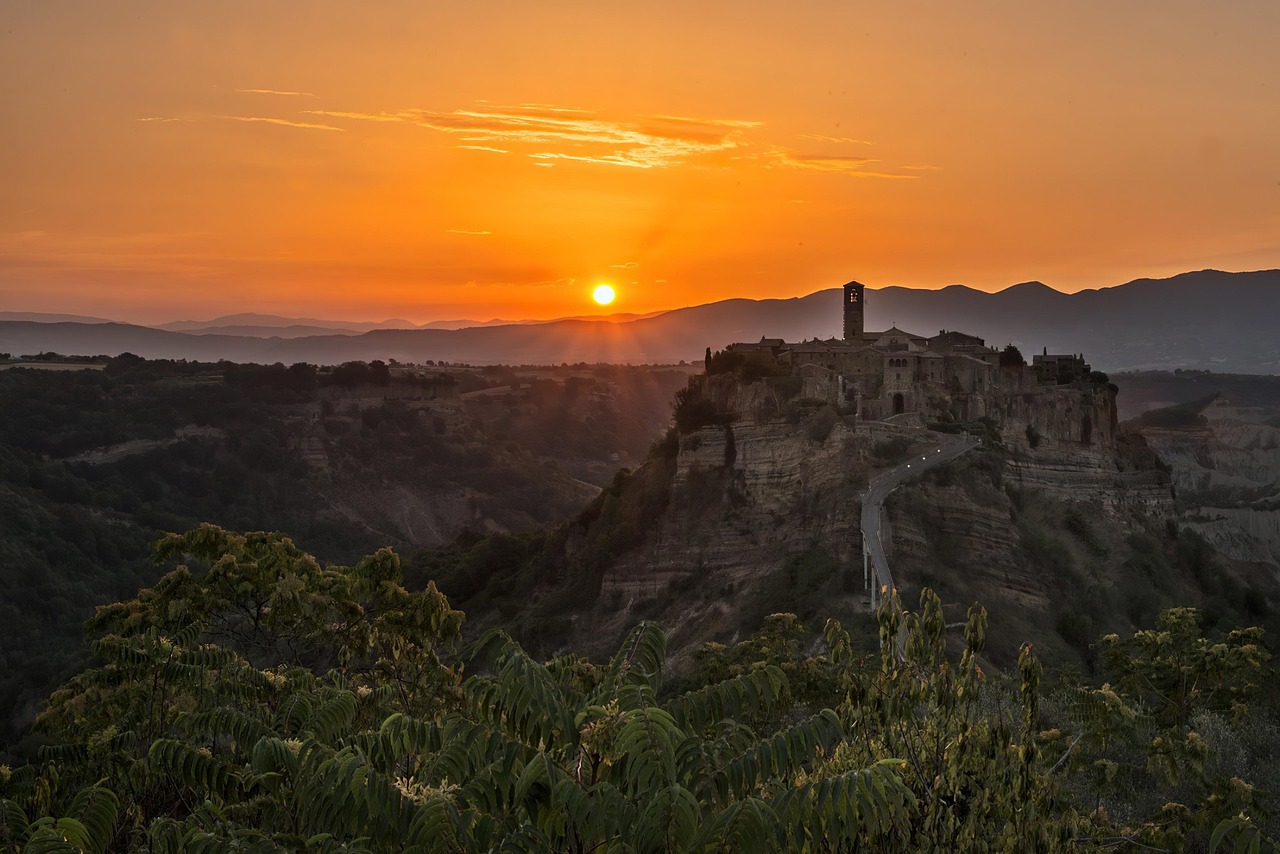
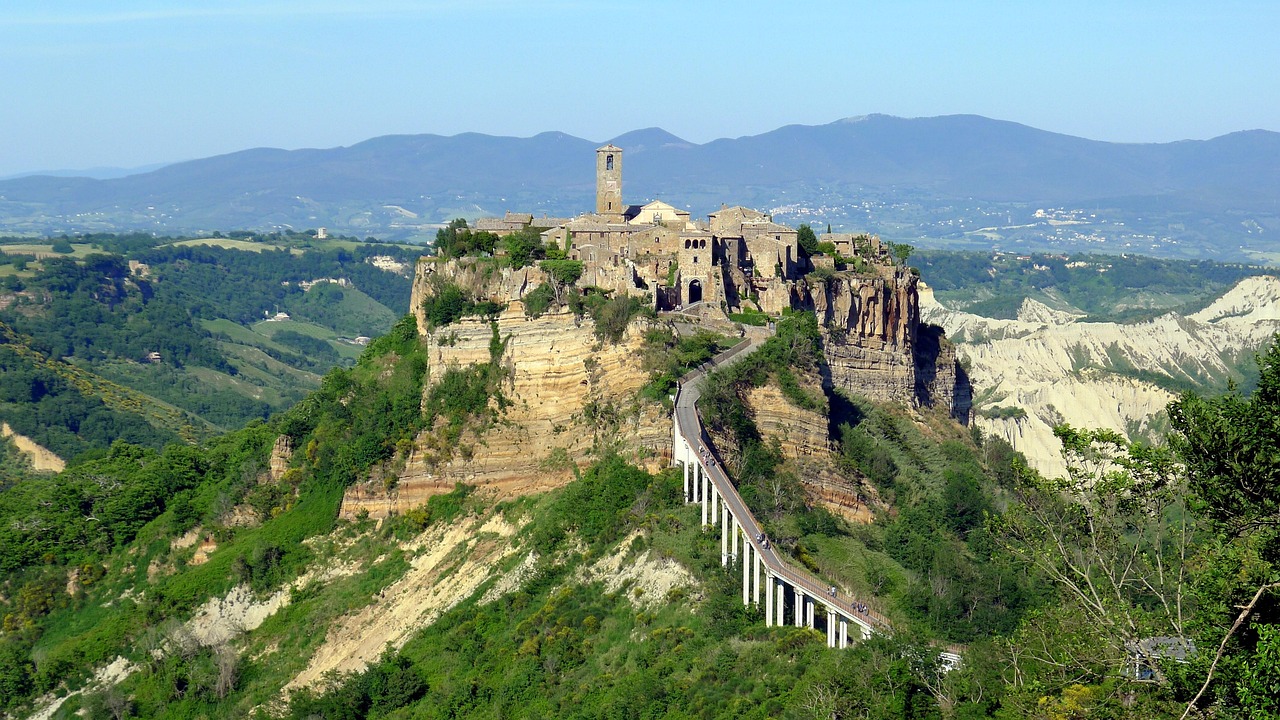
Civita di Bagnoregio looks like it was dreamed up by a painter and then forgotten by time. Perched on a crumbling tuff hill above a sea of clay badlands, this tiny stone village is reachable only by a long pedestrian bridge. There are no cars, few permanent residents, and at sunset the town seems to hover in the sky. I’ve been coming here regularly for more than a decade, and every time I walk across that bridge I slow down without even trying.
In 2026, Civita di Bagnoregio is more organized for visitors than ever, but it still feels intimate and fragile. It’s one of those rare places where a “3 day itinerary for Civita di Bagnoregio” easily turns into 4 or 5 days because you keep discovering hidden corners, family trattorie, and quiet viewpoints.
What makes Civita special isn’t just the postcard-perfect views. It’s the way history, geology, and everyday life cling to this eroding cliff. It’s chatting with a nonna hanging laundry, tasting olive oil in a vaulted cellar, or hearing church bells echo across the canyon at dusk. If you’re looking for must-see attractions in Civita di Bagnoregio, local food, and authentic cultural experiences, this travel guide will walk you through everything I’ve learned over many visits.
Table of Contents
- Quick Overview & How Long to Stay
- Areas & Surroundings to Explore
- Top 20 Attractions & Hidden Gems in Civita di Bagnoregio
- 3–5 Day Itineraries (With Personal Stories)
- Best Local Food & Drink
- Nightlife, Entertainment & Cultural Experiences
- What’s New in 2026–2027: Events & Festivals
- Day Trips from Civita di Bagnoregio
- Cultural Etiquette & Local Customs
- Travel Tips, Money-Saving, SIM Cards & Transport
- When to Visit & Seasonal Advice
- Final Summary & Key Takeaways
Quick Overview & How Long to Stay
Civita di Bagnoregio is in northern Lazio, close to the borders with Umbria and Tuscany. Most travelers see it as a stop between Rome and Florence, but it deserves more than a rushed half-day. If you’re wondering whether to plan 3 days in Civita di Bagnoregio or stretch to a 4 or 5 day itinerary, here’s my honest take:
- 3 days in Civita di Bagnoregio – Ideal if you want the essentials: the bridge, old town, a couple of viewpoints, and a leisurely introduction to local food.
- 4 days in Civita di Bagnoregio – Best balance; you can add slow mornings, an extra hike in the calanchi (badlands), and a side trip to Lago di Bolsena or Orvieto.
- 5 days in Civita di Bagnoregio – Perfect for people who love slow travel: read in stone piazzas, chat with locals, photograph every alley, and explore multiple nearby villages.
Because the town is small, a 5 day itinerary for Civita di Bagnoregio isn’t about “checking off” more things to do; it’s about deepening your experience and moving at the village’s pace.
Areas & Surroundings to Explore
Civita itself is tiny, but the broader area of Bagnoregio and the surrounding valleys give you distinct “neighborhoods” to explore.
1. Civita di Bagnoregio (The Ancient Hilltop Village)
This is the postcard image: a cluster of medieval stone houses on a narrow plateau, reachable only via footbridge. No cars, minimal shops, and a feeling that you’ve stepped back centuries.
2. Bagnoregio (The Modern Town on the Ridge)
The “new” town where you’ll likely park, stay if you want more services, and catch buses. It has local bakeries, supermarkets, a few bars, and a less touristy vibe.
3. Valle dei Calanchi (The Badlands Below Civita)
The dramatic eroded clay hills that surround Civita. Here you’ll find hiking trails, farmhouses, agriturismi, and some of the best panoramic viewpoints.
4. Nearby Lakes & Hill Towns
Within 30–45 minutes you’ve got Orvieto, Lago di Bolsena, Montefiascone, and smaller villages like Lubriano and Celleno. These make excellent day trips and add variety to your 4 or 5 day itinerary for Civita di Bagnoregio.
Top 20 Attractions & Hidden Gems in Civita di Bagnoregio
Below are the best places to visit in Civita di Bagnoregio and around it—must-see attractions, hidden gems, and local spots I return to on every trip. I’ll weave in history, significance, and my personal experiences.
1. The Pedestrian Bridge to Civita
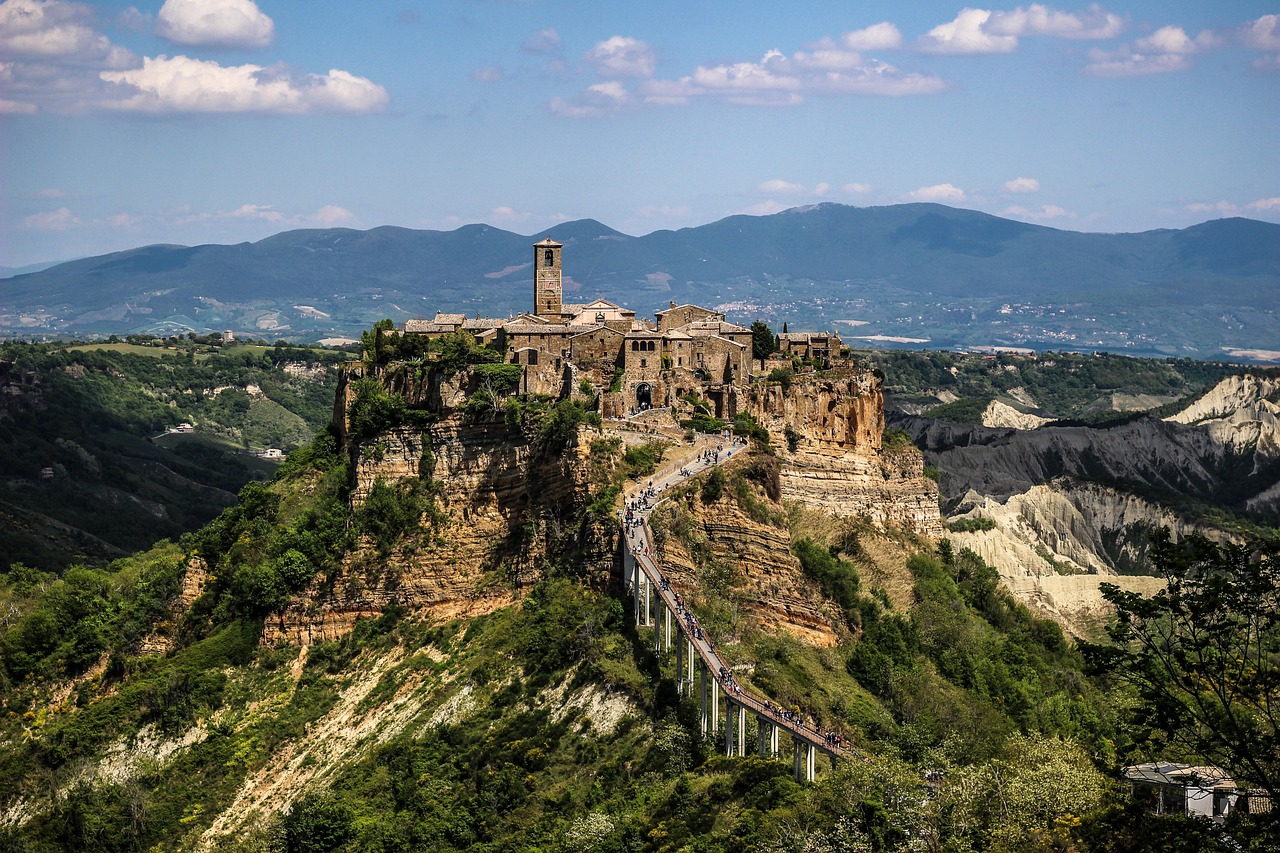
The bridge is your first real encounter with Civita. It’s long, slightly steep, and incredibly photogenic. The first time I crossed it was on a misty October morning; the town floated like an island above the fog, and I kept stopping every few meters for photos.
History & significance: The original access to Civita collapsed with landslides over centuries. The modern concrete bridge dates from the 1960s–70s and has become a symbol of the town’s isolation and resilience. Every step you take is a reminder that this place survives on the edge—geologically and historically.
Tips:
- Walk it at least three times: early morning (almost empty), late afternoon (golden light), and after dark (for the twinkling village lights).
- In summer 2026, visitor numbers are still capped during peak hours; buying your entrance ticket in advance online or arriving before 10:00 helps avoid queues.
- In July–August, bring water and a hat; there is zero shade on the bridge.
2. Porta Santa Maria (Main Gate)
Stepping under Porta Santa Maria is like crossing a threshold in time. The gate is carved into the rock, framed by worn stones and Etruscan foundations. I always pause here to touch the stone—you can feel the grooves left by centuries of hands.
History: The gate stands on Etruscan-era foundations, later reworked by the Romans and medieval builders. Look for reliefs of lions devouring human heads: a warning to enemies and a reminder of justice.
Experience & tips:
- Just inside the gate on the right, there’s usually a small artisan shop selling ceramics and local products—perfect for a first quick browse.
- Come at opening time when the first rays of sun strike the stone; it glows warm gold and the alley beyond is almost empty.
3. Piazza San Donato & Church of San Donato
This is Civita’s heart: a stone piazza ringed by houses and overlooked by the Church of San Donato. My favorite routine is to grab an espresso from the tiny bar on the square and sit on the church steps, just watching life go by.
History: The church dates back to at least the 7th century, rebuilt and expanded over time. It once held a wooden crucifix used in local processions and houses various artworks from the Renaissance and Baroque periods.
What to do:
- Step inside for a moment of cool, quiet reflection—the interior feels surprisingly large compared to the town’s size.
- Notice the uneven stones of the piazza; during festivals they host processions and small concerts here.
- If you’re traveling with kids, this is a safe place for them to roam while you sit with a coffee or gelato.
4. Belvedere di San Francesco (Upper Viewpoint)
Before you even cross the bridge, stop at this belvedere above Bagnoregio. The view of Civita from here is the classic skyline—perfect for sunrise or sunset. On my last visit in spring 2025, I sat here with a takeaway cappuccino just watching the colors change over the badlands.
Tips:
- Great place for tripods if you’re serious about photography.
- Come at dawn if you want the town silhouetted against a pink sky with almost no one else around.
- In 2026 there’s a small information panel explaining the geology and erosion that threaten Civita—worth a read to understand the landscape.
5. Geological Museum & Erosion Trails
Civita isn’t just beautiful; it’s also a fascinating case study in geology. The small geological museum near the entrance to the bridge explains how the town’s tuff plateau is gradually eroding away.
Why it matters: Understanding the calanchi formations and erosion makes every viewpoint more meaningful. Suddenly those strange shapes below Civita become part of the story.
Personal note: The first time I visited the museum, I was surprised at how moving it was. There’s a real sense that Civita is slowly disappearing, and that our entrance fees and awareness help preserve it.
Family-friendly: Kids often enjoy the models and diagrams here. Combine it with a short walk on one of the marked trails below the town for a mini-adventure.
6. The Badlands Walk (Calanchi Trails)
For those who like a bit of adventure, hiking among the calanchi is one of the most memorable things to do in Civita di Bagnoregio. The landscape feels lunar—ridge after ridge of eroded clay, with Civita perched far above.
My experience: One April afternoon I followed a local friend down an unmarked farm track that connected to a ridge trail. We walked with larks calling overhead and Civita slowly changing shape as we moved. It’s impossible not to take photos every few minutes.
Tips:
- Wear sturdy shoes; the clay can be slippery after rain.
- Avoid midday in high summer; go early or late when there’s more shade and softer light.
- Ask your accommodation host for the latest recommended paths—erosion and weather sometimes close off older routes.
7. Medieval Alleyways & Arches of Civita
One of the greatest hidden gems in Civita di Bagnoregio isn’t a single site—it’s the network of narrow alleyways, stone arches, and tiny courtyards that wind through the village. I’ve spent entire afternoons just letting myself get “lost” here, even though you can never really lose your way.
What to look for:
- Flower-filled balconies in spring and summer.
- Archways framing distant views of the valley.
- Old wooden doors, often with date carvings or family crests.
Photography tip: Early morning and late afternoon are best for soft light and fewer people. Keep your camera or phone ready; every turn reveals a new composition.
8. Casa di Civita & Etruscan Caves
Beneath Civita lie Etruscan caves used as cellars, storage rooms, and sometimes chapels. Some houses open their basements to visitors; one of my favorite memories is tasting local wine in a cool cave lit only by candles.
History: The Etruscans carved these caves more than 2,000 years ago. Over centuries, they’ve been repurposed again and again—evidence of continuous human adaptation to this fragile hill.
Tips:
- Ask locally which caves are open on the day you visit; it changes with the season.
- Bring a light sweater—even in August, the caves can feel chilly.
9. Viewpoints Around Civita (Hidden Corners)
Beyond the main belvedere, there are several lesser-known spots that offer fresh perspectives on Civita. Over repeated visits I’ve collected a mental map of them, and I still discover new ones.
My favorite: A small grassy terrace behind a private house on the far side of the village (follow signs for a panoramic terrace). From here, the calanchi stretch out like waves, with almost no buildings in sight.
Romantic angle: At sunset, these quiet terraces are incredibly romantic. Bring a small picnic (respectfully, and take all rubbish with you) and watch the sky change colors together.
10. Local Artisan Shops & Ceramics
Despite its size, Civita has a handful of artisan shops selling ceramics, handmade textiles, and local foods. Shopping here feels personal—you’ll likely meet the maker.
What to buy:
- Hand-painted ceramics with local motifs (olives, vines, the silhouette of Civita).
- Olive oil from nearby groves, often in small metal cans.
- Jars of crema di nocciole (hazelnut cream) and local honey.
Money-saving tip: Prices in Civita are understandably higher than in the new town. If you’re on a tight budget, browse here, then compare in Bagnoregio’s shops. I still usually buy at least one item in Civita itself to support the people who keep the village alive.
11. Civita’s Tiny Gardens & Terraces
Because space is so limited, every bit of green in Civita feels special. Look for vegetable patches perched on the cliff edge, or terraced gardens spilling with tomatoes and basil in summer.
Once, an elderly resident noticed me admiring her tomato plants and invited me in for a quick tour. She proudly showed me her vines, fig tree, and the view—then pressed a warm sun-ripened tomato into my hand “for the road.” Moments like this are why I keep returning.
12. Church of the Annunziata (Bagnoregio)
Back in Bagnoregio, this church anchors one of the main squares. Architecturally it’s modest, but it’s a window into everyday local faith.
Why visit: If your 3 day itinerary for Civita di Bagnoregio includes time in the modern town, pop in here to see how locals live beyond the tourist trail. I’ve attended a couple of weekday masses here; the sense of community is palpable.
13. Historic Center of Bagnoregio
Bagnoregio itself often gets overlooked by visitors racing to Civita, but its old streets, quieter piazzas, and local cafes are worth at least half a day.
Things to do:
- Stroll along the main street in the early evening when locals come out for a passeggiata.
- Stop for a glass of local wine at a bar with outdoor tables and watch kids playing football in the piazza.
- Check out small grocery stores for cheaper local wine, cheese, and snacks to bring back to your room.
14. Belvedere from Lubriano
Just across the valley, Lubriano is a quiet village with one of the most underrated views of Civita. From its belvedere, you see the town from a different angle, framed by the badlands and rolling hills.
Personal note: I once came here on a hazy afternoon in November and had the entire viewpoint to myself. The solitude and the distant outline of Civita made it one of the most peaceful moments of that trip.
15. Civita at Night
Staying overnight transforms the experience. After the day-trippers leave, the village becomes quiet and almost mysterious. Lanterns cast warm pools of light on the stone, and the wind carries faint sounds from the valley.
On a recent stay, I walked the main lane around 11 p.m. and encountered exactly three people: a local couple, a cat, and a sleepy waiter stacking chairs. If you’re looking for romantic things to do in Civita di Bagnoregio, a slow nighttime stroll is at the top of the list.
16. Local Wine Tasting (Bagnoregio & Surroundings)
The hills around Civita produce characterful wines, often overshadowed by neighboring Tuscany and Umbria. Several enotecas and agriturismi offer tastings, usually alongside local cheeses and cured meats.
Tip: Ask your host to recommend a small producer. On one trip, I ended up at a family-run vineyard outside Bagnoregio, tasting wine in their garage while the owner’s son practiced guitar in the next room. It was unpretentious and perfect.
17. Local Festivals & Processions
Festivals are some of the richest cultural experiences in Civita di Bagnoregio. Religious processions, food fairs, and summer concerts bring life to the piazzas.
Highlights:
- Holy Week processions – Moving, candlelit events that wind through Civita’s lanes.
- Summer music evenings – Small concerts in Piazza San Donato or Bagnoregio’s squares.
- Food sagre – Local festivals dedicated to chestnuts, truffles, or wine, especially in autumn.
18. Civita’s Small Museums & Exhibitions
Depending on the season, you may find small temporary exhibitions in historic houses or civic spaces. Over the years, I’ve stumbled into photography shows, local history displays, and artisan demonstrations.
Tip: Keep an eye on notice boards near the entrance gate or in Bagnoregio’s main piazza. These low-key events can be some of the most authentic cultural experiences in Civita di Bagnoregio.
19. Farm Visits & Agriturismi in the Valle dei Calanchi
Staying or dining at an agriturismo (farm stay) in the valley gives you a grounded perspective on rural life here. Expect stone farmhouses, olive groves, and home-cooked meals.
My experience: One of my most memorable meals near Civita was at a farmhouse reached via a bumpy dirt road. The owner’s mother made pici pasta by hand, and we ate under a vine-covered pergola while Civita glowed on the distant hill.
20. Sunset & Sunrise Spots
Sunrise and sunset are, to me, the “main events” of any trip here. The way light hits the tuff cliff and calanchi is different every day. I try to see at least one sunset from the bridge, one from the upper belvedere, and one from inside Civita looking out.
For photographers: Bring a tripod and a neutral density filter if you like long exposures; the moving clouds over the badlands can create dramatic images.
Suggested 3–5 Day Itineraries for Civita di Bagnoregio (With Personal Stories)
Below are flexible outlines for 3, 4, and 5 days in Civita di Bagnoregio, blending must-see attractions with hidden gems, local food, and cultural experiences. Adjust based on your pace and interests, but this will give you a clear structure.
3 Day Itinerary for Civita di Bagnoregio
Day 1 – First Glimpse & Evening in Civita
I like to arrive around midday, check into my guesthouse in Bagnoregio or Civita, and spend the afternoon simply getting oriented.
- Afternoon: Walk to the Belvedere di San Francesco for your first full view of Civita. Take your time here; this is the image that likely drew you to this travel guide in the first place.
- Buy your entrance ticket and stroll across the pedestrian bridge slowly, stopping often for photos. This is where your 3 days in Civita di Bagnoregio truly begin.
- Pass through Porta Santa Maria and let yourself wander the main lane, peeking into artisan shops and small alleys.
- Settle in Piazza San Donato with a coffee or aperitivo and people-watch.
Dinner: Choose a simple trattoria in Civita or Bagnoregio and order a plate of pici all’aglione (thick hand-rolled pasta with garlicky tomato sauce) or wild boar ragù. I still remember my first dinner here: I ate outside, with the last light fading and bats circling overhead.
Day 2 – Deep Dive into Civita & Etruscan Roots
Dedicate your second day to really exploring Civita: its history, caves, and lesser-known corners.
- Start early with a quiet walk through the medieval alleyways. Look for arches, old door knockers, and hidden terraces.
- Visit the Church of San Donato when it opens; step inside for a few moments of calm.
- Seek out one of the houses with open Etruscan caves. Take a short guided visit if offered; it adds texture to the town’s story.
- Have lunch at a small restaurant with outdoor seating and try a local cheese plate with a glass of Orvieto or Montefiascone wine.
- In the afternoon, find one of the quieter panoramic terraces on the far side of town for a nap, sketching, or reading with a view.
- Stay until after sunset to experience Civita by night. If you’re staying in Bagnoregio, walk back across the bridge under the stars—it’s magical.
Day 3 – Calanchi Walk & Bagnoregio Life
On your final day, shift your focus to the landscape and the “new” town.
- Visit the Geological Museum near the bridge entrance to understand the valley’s erosion and Civita’s precarious position.
- Take a short hike in the calanchi, choosing a loop recommended by the museum or your host. Even a 1–2 hour walk brings you into another world.
- Return to Bagnoregio’s historic center in the late afternoon for a coffee or gelato among locals.
- End your 3 day itinerary for Civita di Bagnoregio with one last visit to the belvedere or bridge at sunset—say a proper goodbye.
4 Day Itinerary for Civita di Bagnoregio
With 4 days in Civita di Bagnoregio, you can keep the 3-day structure and add a full or half-day excursion plus more downtime.
Day 4 – View from Lubriano & Slow Evening
On my favorite 4 day itinerary for Civita di Bagnoregio, the fourth day is all about perspective and slowness.
- Take a short drive or taxi to Lubriano. Stroll its quiet streets and head to the belvedere for a new angle on Civita.
- Have lunch in a simple local trattoria; ask for whatever is in season—often porcini mushrooms in autumn, asparagus in spring.
- Return in the afternoon and treat yourself to a wine tasting at a local enoteca or agriturismo.
- Spend the evening in Bagnoregio’s old center, joining the gentle passeggiata before dinner.
5 Day Itinerary for Civita di Bagnoregio
With 5 days in Civita di Bagnoregio, you can fully embrace slow travel. Add more nature, more food, and perhaps a nearby lake.
Day 4 – Lake Bolsena or Orvieto Day Trip
Choose based on your mood:
- Lago di Bolsena – For swimming, lakeside lunches, and castle views in Bolsena town.
- Orvieto – For a dramatic hilltop cathedral, underground caves, and vibrant streets.
Both are within about an hour by car or public transport connections. I often choose Orvieto when I crave architecture and cafes, and Bolsena when I want a relaxed day by the water.
Day 5 – Farm Lunch & Last Wandering
End your 5 day itinerary for Civita di Bagnoregio with a deep dive into local flavors and landscapes.
- Book lunch at an agriturismo in the Valle dei Calanchi. Arrive early to walk around the property and take photos of Civita from below.
- Enjoy a long, multi-course meal: antipasti of local cured meats, handmade pasta, grilled meats, and seasonal vegetables.
- Return to Civita for a final, unstructured wander. Revisit your favorite spots, buy any last-minute ceramics or olive oil, and sit quietly on a bench overlooking the valley.
On my longest stay, this last day felt like a gentle landing before rejoining the modern world.
Best Local Food & Drink in Civita di Bagnoregio
Eating is one of the main things to do in Civita di Bagnoregio. The local cuisine is rustic, hearty, and rooted in the surrounding countryside.
What to Eat
- Pici – Thick hand-rolled pasta, often served all’aglione (garlicky tomato sauce) or with wild boar ragù.
- Acquacotta – A traditional peasant soup with vegetables, bread, and sometimes egg or cheese.
- Cinghiale in umido – Stewed wild boar, rich and perfect with polenta or bread.
- Local cheeses – Pecorino in various ages, often served with honey.
- Crostini – Toasted bread topped with chicken liver paté, mushrooms, or seasonal vegetables.
What to Drink
- Est! Est!! Est!!! di Montefiascone – A light white wine from nearby Montefiascone.
- Orvieto Classico – Elegant white wine from Orvieto’s vineyards.
- Local reds – Often blends of Sangiovese and other varietals, perfect with meat dishes.
Where to Eat & Save Money
Within Civita, restaurants are small and atmospheric but slightly pricier. For budget-friendly local food in Civita di Bagnoregio:
- Have one special meal in Civita itself for the experience.
- Eat more casually in Bagnoregio, where pizzerias and trattorie offer cheaper menus.
- Buy picnic supplies—bread, cheese, cured meats, fruit—from small supermarkets in Bagnoregio and enjoy them at viewpoints (always clean up afterward).
Nightlife, Entertainment & Cultural Experiences
Civita itself has almost no “nightlife” in the club sense. Its evenings are about slow dinners, moonlit walks, and conversations over wine.
Evening Options
- Aperitivo in Bagnoregio – Join locals at a bar late afternoon for a spritz or glass of wine.
- Dinner in Civita – Candlelit tables on stone terraces, ideal for couples.
- Summer concerts – Watch for posters announcing small music events in piazzas.
Cultural Experiences
- Religious processions – Especially meaningful during Easter and certain saints’ days.
- Food festivals – Autumn sagre celebrating chestnuts, wine, or local dishes.
- Workshops – Occasionally, ceramics or cooking classes with local artisans or chefs; ask your host for current options.
What’s New in 2026–2027: Events & Changes
As of 2026, Civita di Bagnoregio continues to refine visitor management while promoting sustainable tourism.
Key Events (2026–2027)
- Spring 2026 – “Settimana della Terra”: A week of guided walks, talks, and exhibitions focused on geology and erosion in the Valle dei Calanchi.
- Summer 2026 – Civita Music Evenings: A series of small classical and folk concerts in Piazza San Donato and Bagnoregio’s main squares.
- Autumn 2026 – Wine & Chestnut Festival: Seasonal food stalls, tastings, and live music in Bagnoregio celebrating the harvest.
- Spring 2027 – Etruscan Heritage Weekend: Special tours of caves and archaeological sites, plus lectures in collaboration with local universities.
Travel Scene Updates for 2026
- Continued timed entrance system for peak days to prevent overcrowding.
- Improved signage on hiking trails in the Valle dei Calanchi.
- More contactless payment options at the entrance and some shops, though cash is still useful.
Day Trips from Civita di Bagnoregio
Extending your stay to 4 or 5 days lets you explore more of northern Lazio and neighboring Umbria.
Orvieto
About 45–60 minutes away, Orvieto offers a magnificent cathedral, underground caves, and lively streets. It pairs beautifully with a 4 day itinerary for Civita di Bagnoregio.
Lago di Bolsena
Ideal in summer for swimming, lakeside walks, and boat rides. Towns like Bolsena and Capodimonte make great lunch stops.
Montefiascone
Hilltop town known for the Est! Est!! Est!!! wine, with panoramic views over the lake and countryside.
Smaller Villages: Lubriano, Celleno, etc.
Lubriano offers views of Civita; Celleno, sometimes called a “ghost village,” has atmospheric ruins and quiet lanes.
Getting There
- Car rental is the most flexible, especially for multiple day trips.
- Public transport is possible but slower: buses connect Bagnoregio to bigger hubs like Viterbo or Orvieto.
- Organized tours occasionally run from Orvieto or Rome, but for full freedom I recommend at least a short car rental if you’re comfortable driving.
Cultural Etiquette & Local Customs
Understanding local customs in Civita di Bagnoregio will make your trip smoother and more respectful.
General Etiquette
- Greetings: A simple “Buongiorno” (morning/day) or “Buonasera” (evening) goes a long way, especially when entering shops or cafes.
- Dress modestly when entering churches: cover shoulders and avoid very short shorts.
- Noise: Civita is small; sound carries. Keep voices low at night, especially in narrow lanes.
Dining Customs
- Table service is relaxed; meals can be long. Don’t expect rushed service.
- It’s polite to say “Permesso?” when squeezing past people in tight spaces.
- Leaving a small tip (5–10%) is appreciated but not mandatory if service is already included.
Photography
- Ask before photographing people, especially elders and kids.
- Be discreet when shooting near private homes and gardens.
Practical Travel Tips for Civita di Bagnoregio
This section covers the key travel advice for Civita di Bagnoregio: how to get around, save money, stay connected, and navigate logistics.
Getting There
- From Rome: Train to Orvieto or Viterbo, then bus to Bagnoregio. Driving takes around 1.5–2 hours.
- From Florence: Train to Orvieto, then bus or taxi. Driving takes about 2.5 hours.
Getting Around
- Civita is entirely pedestrian; you’ll leave your car in Bagnoregio and walk the bridge.
- Allow time for the uphill walk to Civita; it can be strenuous for some. Take breaks and enjoy the view.
- Local buses connect Bagnoregio with nearby towns, but schedules can be limited—check the latest times locally.
Where to Stay
- In Civita: Unique and atmospheric, best for couples or solo travelers who value charm over convenience. Book early; places are few and fill up fast.
- In Bagnoregio: More options and better prices, ideal for families and those arriving by public transport.
- Agriturismi in the valley: Great for a rural feel and car travelers.
Saving Money
- Base in Bagnoregio instead of Civita if you’re budget-conscious.
- Have at least one meal per day as a picnic with supplies from supermarkets and bakeries.
- Travel in shoulder seasons (April–May, late September–October) for better rates.
SIM Cards & Connectivity
- Italian SIMs from TIM, Vodafone, or WindTre are available in larger towns and cities; activate before arriving if you can.
- Coverage in Civita is generally decent but can be patchy inside thick stone buildings.
- Most accommodations and many cafes offer Wi-Fi.
Car Rental & Driving
- Rent a car if you plan multiple day trips; pick up in Rome, Florence, or Orvieto.
- Foreign driver’s licenses from many countries are accepted; some non-EU visitors also need an International Driving Permit—check your country’s specific rules before travel.
- Park only in designated areas in Bagnoregio; fines for parking violations are enforced.
Visa Requirements
Italy is part of the Schengen Area. Many nationalities can enter visa-free for short stays (typically up to 90 days in any 180-day period). Always check the official Italian consular website for your nationality’s up-to-date requirements before travel in 2026.
Accessibility & Families
- The bridge and steep approaches can be challenging for those with mobility issues; consider this when planning.
- For families with small children, a baby carrier is often easier than a stroller due to steps and cobblestones.
When to Visit Civita di Bagnoregio
Each season in Civita offers different experiences and is suited to different interests.
Spring (March–May)
- Best for: Hikes, photography, comfortable temperatures.
- Wildflowers bloom along the trails, and the crowds are lighter than in summer.
Summer (June–August)
- Best for: Festivals, long evenings, combining with lake days.
- Hot in midday; plan early mornings and late afternoons in Civita, and consider a midday rest.
Autumn (September–November)
- Best for: Food festivals, harvest season, warm colors.
- My personal favorite time—temperatures are mild, and the landscape glows golden.
Winter (December–February)
- Best for: Quiet, introspective trips, fewer tourists.
- Some services may have shorter hours, but the misty valleys and empty alleys are atmospheric.
Summary & Final Recommendations
Planning a 3 or 4 day itinerary for Civita di Bagnoregio gives you time to experience the essentials: the bridge, Piazza San Donato, Etruscan caves, and at least one walk among the badlands. Extending to a 5 day itinerary lets you add day trips to Orvieto or Lake Bolsena, long agriturismo lunches, and more unhurried wandering.
If your priority is architecture and photography, come in spring or autumn. If you want festivals and lake days, choose summer and plan around the heat. For those seeking solitude and introspection, winter can be magical.
Above all, don’t treat Civita as a checklist. Slow down, talk to people, taste whatever is seasonal, and walk the bridge more than once. This fragile village rewards those who match its pace.