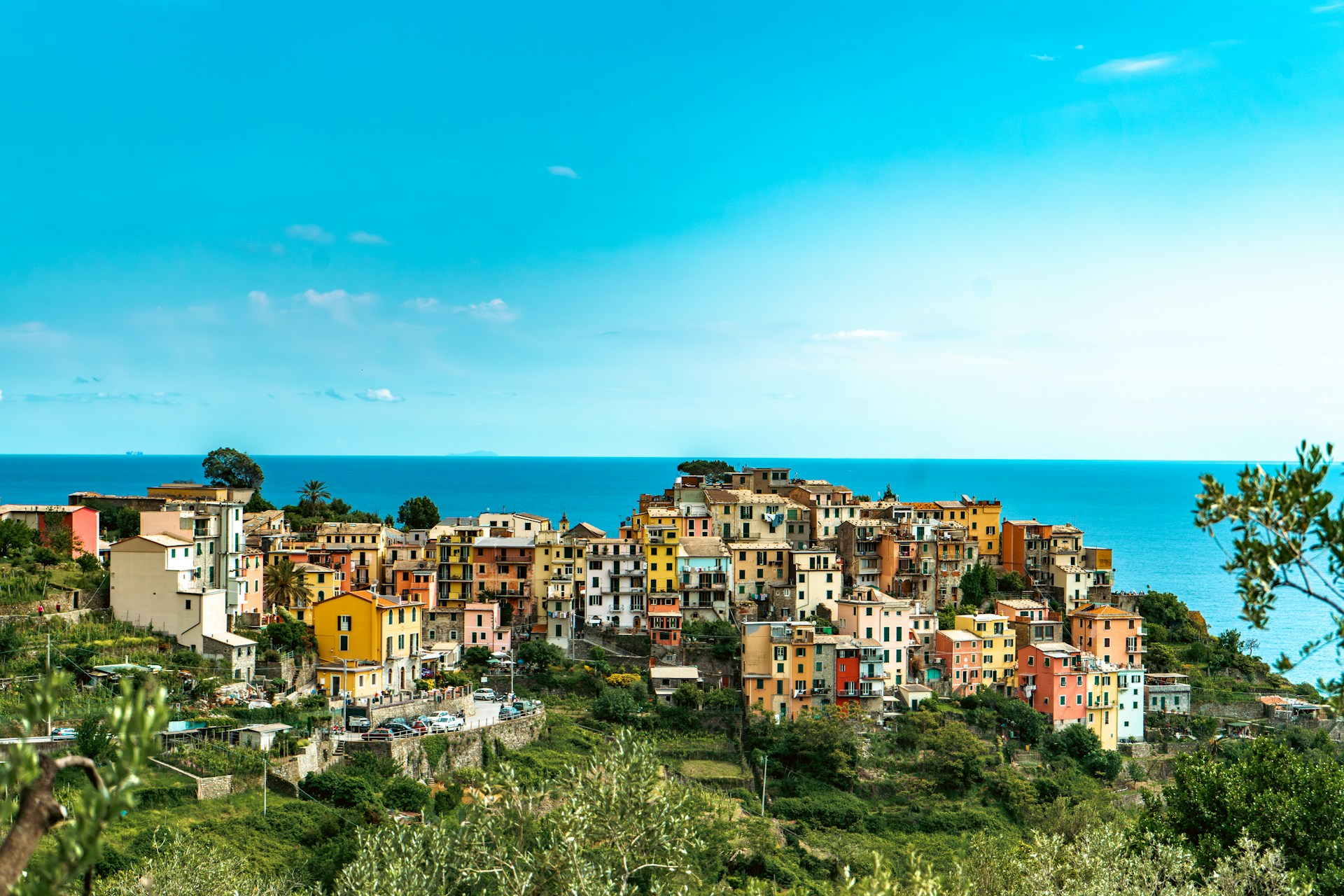
Why Visit Corniglia? What Makes This Cinque Terre Village Special
Corniglia is the quiet middle child of the Cinque Terre — literally and figuratively. Perched on a cliff between Vernazza and Manarola, it’s the only one of the five villages without direct sea access, and that single fact has protected it from much of the intense tourism that’s transformed its neighbors.
Every time I arrive in Corniglia, there’s a particular moment — usually when I pause at the top of the Lardarina stairway, out of breath, looking back over terraced vines and the open Mediterranean — when I remember why I keep coming back. It feels less like a resort, more like a village that still happens to be inhabited by real people who hang laundry from their windows and argue cheerfully in the street.
If you’re looking for a place to base yourself for 3–5 days in Cinque Terre, Corniglia is ideal: central, quieter at night, and small enough that by day two, you’ll already be greeting shopkeepers by name. This travel guide for Corniglia (2026) is written to help you live here, not just pass through.
In the pages below, you’ll find:
- Detailed 3, 4, and 5 day itineraries for Corniglia with personal stories from multiple visits.
- At least 20 must-see attractions in Corniglia from famous viewpoints to tucked-away chapels and hidden terraces.
- Where to find local food in Corniglia, including tiny trattorie and bakeries the day-trippers usually miss.
- Hidden gems in Corniglia and authentic cultural experiences, ideal for travelers who want more than just the postcard shots.
- Practical travel tips for Corniglia: how to get around, when to visit, SIM cards, saving money, and local customs.
- Upcoming events and festivals in 2026–2027 that might shape your plans.
Table of Contents
- Why Visit Corniglia
- Corniglia at a Glance (2026)
- Neighborhoods & Areas of Corniglia
- 20+ Must-See Attractions in Corniglia
- 3–5 Day Itineraries for Corniglia
- Local Food & Drink in Corniglia
- Nightlife, Entertainment & Cultural Experiences
- Day Trips & Nearby Attractions
- Cultural Etiquette & Local Customs
- Practical Travel Advice for Corniglia
- Summary & Best Time to Visit Corniglia
Corniglia at a Glance in 2026
Corniglia in 2026 remains one of the more peaceful corners of Cinque Terre. While visitor numbers have continued to increase across the region, Corniglia’s limited accommodation stock and its famous stairway naturally cap how many people linger after sunset.
A few changes to note for 2026–2027:
- Trail Maintenance & Reservations: Sections of the lower coastal trail between Corniglia and Manarola still operate with controlled access in high season. Check the official Cinque Terre National Park website before you go for updates on closures and possible reservation requirements.
- Eco-initiatives: From 2025 onward, Corniglia has been part of a pilot project limiting single-use plastics in restaurants and shops. Bring a refillable bottle; many bars will happily top it up.
- Events (2026–2027):
- Corniglia Wine & Olive Festival (late September 2026 & 2027): A small but lively celebration of local white wines and new olive oil, with stalls along Via Fieschi.
- Festa di San Pietro e Paolo (29 June every year): Patron saint celebration with a procession from the church and evening music in the main square.
- Regional Cinque Terre Walking Week (May 2026 & 2027): Guided hikes and cultural walks, some starting or ending in Corniglia.
Neighborhoods & Areas of Corniglia
Corniglia is tiny, but it has distinct micro-areas that feel different at different times of day. When I first stayed here, I didn’t realize how much your choice of street would shape your experience.
1. The Historic Core (Via Fieschi & Piazza Largo Taragio)
This is the beating heart of Corniglia: a narrow spine of pastel houses, small groceries, bakeries, and wine bars. If you like to step out your door and instantly be in the midst of local life, stay here.
2. Belvedere & Western Clifftop
At the western end of the village, near the main belvedere viewpoint, you’ll find quieter lanes and some of the best sea views. I love staying here for sunset — you can be sipping wine on your balcony five minutes after the sky turns gold.
3. Upper Terraces & Vineyard Edge
Just above the village core, tiny alleyways climb toward terraced vineyards. It’s only a few vertical meters, but the feeling is different: more rural, more silence at night, more stars.
4. Corniglia Train Station & Coast Path Access
Down at sea level, the train station and its little bar form a kind of unofficial sixth-quarter: hikers, commuters, and day-trippers intersect here. You won’t sleep here, but you’ll pass through almost daily.
20+ Must-See Attractions & Experiences in Corniglia
Below are the best places to visit in Corniglia, ordered roughly from iconic to quietly magical. I’ve visited each of these over several trips; I’ll share not only history and facts, but also how they feel at different times of day, what to eat nearby, and how to weave them into your own 3–5 day itinerary for Corniglia.
1. The Lardarina Stairway
The Lardarina is Corniglia’s legendary entrance: a long brick staircase that climbs from the train station to the village, 33 ramps and nearly 400 steps.
The first time I tackled it, I arrived on a hot June afternoon with a backpack and optimistic shoes. I stopped halfway, pretending to admire the vineyards while secretly trying to catch my breath. A local woman passed me, smiled, and said, “Piano, piano” — slowly, slowly. That phrase has become my Corniglia motto.
Why it matters: The Lardarina has protected Corniglia’s character. Its effort filters out the purely casual visitors; those who make the climb tend to linger longer, spend more time in the village, and respect it more.
Best time to go: Early morning (before 9:00) or late afternoon (after 17:00) to avoid the worst heat and crowds in high season. In winter, the steps can be damp; walk carefully.
Tips:
- There is a shuttle bus between the station and the village included in many Cinque Terre Cards, useful if you’ve got luggage or mobility issues.
- Pause on the small landings to look back — these are some of the most underrated views of Corniglia’s terraced hillsides.
2. Belvedere di Santa Maria & Main Cliff Viewpoint
If you’ve seen a classic Corniglia postcard, it was probably taken from this belvedere. The village appears like a pastel ship anchored in vineyards, suspended between sky and sea.
I like to come here twice a day: once in the soft blue of early morning, when only a few locals are out with their dogs, and again at sunset, when the sea turns molten and conversations drift around the square in Italian, French, and German.
History: This cliff has always been Corniglia’s “window” onto the Ligurian Sea. Once a defensive vantage point, it’s now a social one, with benches, low stone walls, and a few strategically placed trees providing shade.
Best for: Photography, people-watching, and quietly absorbing where you are. It’s especially romantic in the evening — couples often bring a bottle of local white wine and plastic cups.
Nearby bites: Pick up focaccia or a slice of vegetable tart from a bakery on Via Fieschi and enjoy a picnic here.
3. Via Fieschi: Corniglia’s Main Street
Via Fieschi is Corniglia’s living room: a narrow, slightly curved street lined with family-run shops, wine bars, and houses whose balconies spill over with geraniums and laundry.
On my last visit, I made a ritual of walking its length every morning and evening. By day three, the lady at the bakery was pre-wrapping my preferred slice of focaccia when she saw me coming.
What to look for:
- Tiny doorways leading to stone staircases (some to private homes, some to guesthouses).
- Signs for “Vino sfuso” (wine on tap) — bring a bottle or buy one there.
- Small delis with pesto, anchovies, and local cheeses.
Tip: Step into the side alleys (“caruggi”) that branch off Via Fieschi. Some dead-end at doors; others open suddenly on views of vineyards or sea.
4. Church of San Pietro (Chiesa di San Pietro)
Sitting quietly above the main street, the Church of San Pietro is Corniglia’s spiritual heart. Built in the 14th century in Ligurian Gothic style, its façade is striped in black and white stone with a delicate rose window at its center.
One rainy November afternoon, I ducked inside to escape a sudden shower and found the church nearly empty. The smell of incense and stone, the faint echo of footsteps, and the flicker of votive candles made it feel centuries thick.
History & significance: San Pietro was built around 1350 on the site of an older chapel. Inside, you’ll find a baroque altar, a wooden crucifix, and remnants of medieval frescoes. The church is central to village life — processions start and end here on feast days.
Visiting tips:
- Dress modestly (shoulders covered) and speak quietly; locals do come here to pray.
- Check the small bulletin board outside for announcements of concerts or religious events.
5. Largo Taragio (The Main Square)
Largo Taragio is less a formal square and more a widening of the street framed by old stone houses and the Oratory of Santa Caterina. But it’s where everything happens: children play, elders sit on benches, hikers collapse with gelato, and, if you’re lucky, you’ll stumble into a village celebration.
I once arrived here on June 29, the feast of San Pietro e Paolo, and watched as villagers in their Sunday best followed a statue of the saints around the village, singing. Later that night, the same square hosted an impromptu dance party with plastic cups of wine and homemade cakes.
What to do: Have a coffee in the morning, an aperitivo in the late afternoon, and linger after dark to feel Corniglia at its most authentic.
6. Orto dei Frati Viewpoint & Terrace
The Orto dei Frati (“Friars’ Garden”) is a lesser-known viewpoint above the village, reachable by a short but steep walk. It’s one of my favorite places for a quiet moment, especially in shoulder season when you might have it entirely to yourself.
Why it’s special: From here, you can see Corniglia spread out below you and the entire curve of coastline toward Manarola. The terraced vineyards feel close enough to touch.
Personal tip: Bring a book and some fruit, and treat this as an escape when the village feels crowded. Late afternoon light here is gorgeous for photos.
7. Corniglia’s Vineyard Terraces
Corniglia is encircled by vineyards. Their stone terraces, built and maintained over centuries, are as much a cultural monument as the churches.
On my last spring visit, I walked one of the small agricultural paths (respecting signs and fences) just before sunset. A vigneron in muddy boots passed me, pushing a small monorail cart loaded with crates of grapes. He nodded, and in that moment I felt very much like a guest in an ongoing story that began long before tourism.
How to visit: Many of these terraces are private property. Stick to marked paths and roads; consider booking a vineyard tour with a local producer if you want to get closer.
Why it matters: Local white wines — often blends of Bosco, Albarola, and Vermentino grapes — taste different once you’ve seen where they grow.
8. Hiking Trail Corniglia–Vernazza (High & Low Routes)
This is one of the most rewarding sections of the Cinque Terre trails. Whether you take the official coastal path (when open) or the higher path through the hamlet of San Bernardino, you’ll be treated to constant sea views and shifting perspectives on both villages.
I’ve walked this route in misty March drizzle and blazing August sun. In March, the trail felt almost private; in August, I shared it with a cheerful, sweaty international procession. Both had their charm, but in heat you must start early.
Trail basics:
- Distance (coastal route): ~4 km, 1.5–2 hours, moderate difficulty.
- Check whether you need a Cinque Terre Trekking Card for access.
- Wear proper shoes; parts can be rocky or slippery.
Family & romance: Older kids who like walking will love the sense of adventure. For couples, time your arrival in Vernazza for a late lunch or early dinner by the harbor before taking the train back.
9. Hiking Trail Corniglia–Manarola (via Volastra)
When the lower coastal path is closed, the higher route via Volastra offers arguably even more spectacular views. It’s steeper, but it passes straight through vineyards and the quiet hamlet of Volastra.
One April morning, I set out from Corniglia just after 8:00. The air still smelled of damp stone and jasmine. By the time I reached Volastra, church bells were ringing and an old man was sweeping outside his door. I bought a coffee from the village bar and sat outside, looking down at an entire amphitheater of terraced vines.
Trail basics:
- Distance: ~6–7 km, 2.5–3 hours, moderate to challenging due to elevation gain.
- Plenty of stairs and uneven terrain; bring water and a hat.
Tip: This is a great option to include in a 4 day itinerary for Corniglia if you want one “big hiking day.”
10. Corniglia Marina & Rocky Cove
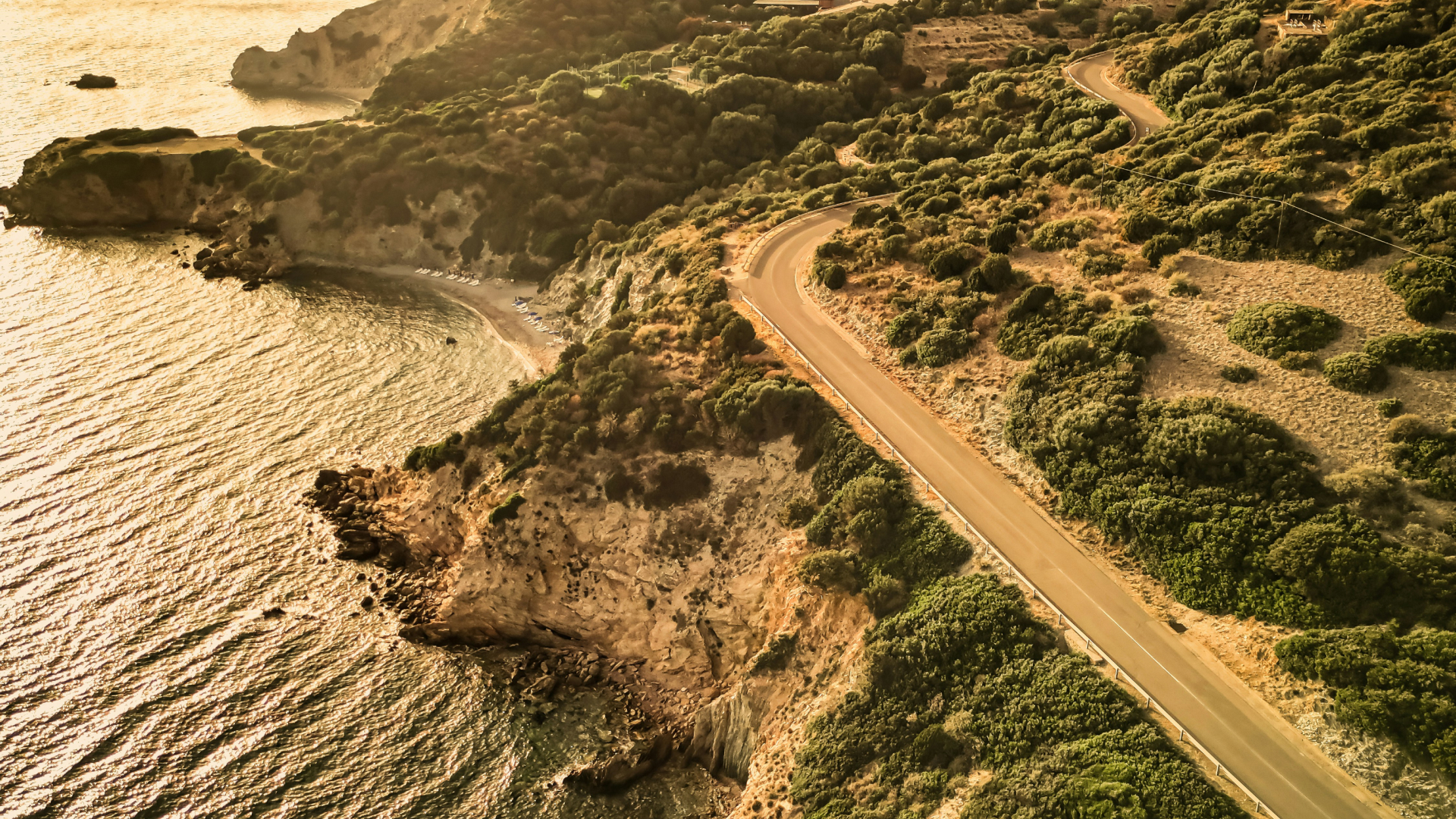
Unlike the other Cinque Terre villages, Corniglia doesn’t have a classic sandy beach, but below the cliffs you’ll find a rocky cove where locals swim, sunbathe, and fish.
I still remember my first dip here: the water was shockingly clear and cool, and I floated on my back looking up at the sheer drop of the cliff and the tiny houses perched above. It felt more secret, more earned, than other more famous beaches.
Access: From the village, follow signs for “Marina” or “Spiaggia” down a steep path and steps. It’s a workout on the way back up, so bring water.
Family & adventure: Great for confident swimmers and adventurous teens who like rocky coastlines and jumping (safely) from low rocks into deep water.
11. Oratory of Santa Caterina & Overlook
Overlooking Largo Taragio, this small oratory is often overshadowed by the larger Church of San Pietro, but it’s worth a few quiet minutes.
Atmosphere: The oratory’s simple interior and small square outside are a microcosm of Corniglia’s rhythm. In the late afternoon, you’ll often find elders chatting on the benches, keeping an eye on everything.
Tip: Stand by the railing in front of the oratory in the golden hour for lovely views toward the sea.
12. Hidden Grottos & Swimming Spots (For Confident Swimmers)
Between Corniglia and Vernazza, the coast hides small rocky inlets and semi-grottos accessible only from the sea or by scrambling from the main marina path. Locals are understandably guarded about specific directions — and conditions change — but if you rent a kayak with a guide in Vernazza or Manarola, ask about exploring the coves near Corniglia.
Important: Never climb down unmarked cliffs or swim into caves without local advice. The sea here is beautiful but can be treacherous.
13. Corniglia’s Sunset Spots
Sunset is when Corniglia glows. The best-known spot is the main belvedere, but over multiple trips I’ve collected a few quieter favorites.
- Belvedere di Santa Maria: Classic, social, great for photos.
- Small terraces off Via Fieschi: Peek down side alleys toward the sea; some end in tiny communal terraces.
- Upper vineyard edge: As you walk toward the Orto dei Frati, look for small breaks in the wall where you can safely stand and watch the light change.
Romantic touch: Grab a bottle of Cinque Terre DOC wine and two plastic cups from a local shop, then head to your chosen spot 30–40 minutes before sunset.
14. Artisanal Gelato & Dessert Stops
For a village this small, Corniglia punches above its weight in gelato. I have an almost embarrassing number of gelato photos from Via Fieschi alone.
What to try:
- Lemon (limone): Intensely tart and refreshing, made from local citrus.
- Honey or basil flavors: Occasionally on rotation, and uniquely Ligurian.
- Granita: For the hottest days when dairy feels too heavy.
Money-saving tip: Order a coppetta piccola (small cup) — portions are generous and prices lower than in the bigger, more touristy villages.
15. Tiny Wine Bars & Enoteche
Some of my favorite evenings in Corniglia have been spent in its intimate wine bars, glass in hand, listening to the mix of languages at the surrounding tables.
What to order:
- Cinque Terre DOC white: Crisp, mineral, perfect with anchovies.
- Sciacchetrà: The region’s famous sweet dessert wine, made from dried grapes; sip slowly.
Local custom: It’s normal to linger over a single glass, especially if you order a small plate of snacks (stuzzichini or aperitivo).
16. Corniglia’s Bakeries & Focaccerie
If I could impart one piece of travel advice for Corniglia, it would be this: take the bakeries seriously. They’ll fuel your hikes, save your budget, and introduce you to local flavors.
Must-try items:
- Focaccia al rosmarino: Soft, oily, fragrant with rosemary.
- Farinata: Thin chickpea pancake, especially good when fresh from the oven.
- Torte di verdure: Savory vegetable pies with chard, potatoes, or onions.
Money-saving tip: Pick up picnic supplies here in the morning instead of eating lunch at a sit-down restaurant every day.
17. Local Artisan Shops & Studios
Between the souvenir stands, you’ll find a few genuinely local artisans: ceramicists, painters, and jewelry makers who live in the village or nearby.
I still wear a pair of simple silver earrings shaped like waves that I bought from a tiny studio here. Every time I put them on, I’m back on that cliff.
What to look for: Items that reflect the landscape — vines, waves, lemons — and anything clearly handmade rather than mass-produced.
18. Village Festivals & Processions
Even if you don’t time your visit for a major event, there’s a chance you’ll encounter a smaller celebration: a saint’s day, a school performance, or an evening of live music in the square.
Key events (2026–2027):
- Festa di San Pietro e Paolo (29 June): Procession, mass, and evening festivities.
- Wine & Olive Festival (late September): Tasting stalls, local bands, and extended opening hours for enoteche.
Tip: Ask your guesthouse host or the bar staff if anything is happening during your stay. Most events are informal but welcoming to visitors.
19. Night Walks Through the Village
Corniglia at night is an entirely different village. Once the last train of day-trippers leaves, the streets grow quiet. You can hear the sea more clearly, and conversations carry farther.
On my second visit, I made a habit of a short walk around 22:30 each night. I’d pass the same cat on the same doorstep, the same couple chatting from balcony to balcony, the same tiny bar with two or three locals nursing late drinks.
Safety: Corniglia feels very safe at night. As always, use common sense, but solo travelers generally feel comfortable walking around after dark.
20. Panoramic Viewpoints Toward Vernazza & Manarola
As you follow the start of the trails toward Vernazza or Manarola, you’ll find several unofficial viewpoints where the entire curve of the coast opens in front of you.
These spots are ideal for sunrise if you’re an early riser — the villages catch the first light while the sea remains in shadow, a beautiful contrast.
21. Corniglia Train Station & Seafront Overpass
It might seem strange to list a train station as an attraction, but Corniglia’s station is more than a transit hub. It’s where cliff, rail, and sea meet in a narrow strip of land.
Why it’s interesting: Stand on the overpass or at the far end of the platform and watch trains dive in and out of tunnels, boats pass offshore, and hikers trickle up and down the Lardarina. It’s a small theater of Cinque Terre life.
There’s also a simple bar here that’s perfect for a pre-hike espresso if you’re heading out early.
3–5 Day Itineraries for Corniglia (With Personal Stories)
Whether you have 3 days in Corniglia or a full 5 day itinerary for Corniglia, the village rewards slowing down. Below, I’ll outline suggested day-by-day plans that mix must-see attractions, hidden gems, and time to simply exist in the village.
I’ll describe them as I experienced them on recent trips, so you can follow them as-is or adapt them to your own rhythm.
3 Day Itinerary for Corniglia
This plan is for travelers who want to base themselves in Corniglia while still seeing other Cinque Terre villages. It balances hiking, village wandering, and sea time.
Day 1: Arrive, Climb, and Claim the Village
I arrived in Corniglia just before noon on a late May day, the train still cool from the tunnel air. As soon as the doors opened, warm sea air and the mingled smells of pine and metal flooded the carriage.
Morning: Arrival & Lardarina
- From the platform, I took a moment on the overpass to orient myself. The cliff loomed above, and somewhere up there was my guesthouse.
- Backpack adjusted, I started up the Lardarina stairway. The first ramps felt easy; toward the middle, the steps seemed endless. I stopped twice, leaning on the brick wall to look back at the blue band of sea.
- At the top, a small parking area and bus stop mark the edge of the village. I paused, catching my breath and my first true view of Corniglia’s houses stacked ahead of me.
Check-in & first wander
After leaving my bag at a small guesthouse near Largo Taragio, I headed straight for Via Fieschi. I bought a slice of focaccia al pomodoro (tomato focaccia) and carried it to the belvedere, eating as I walked.
Afternoon: Belvedere, Church, and Getting Lost
- I spent my first proper hour in Corniglia simply sitting at the Belvedere di Santa Maria, watching the sea and the slow tide of people coming and going.
- From there, I climbed to the Church of San Pietro. I walked slowly around the outside first, noticing carved stone details and the way the bell tower framed the sky, then stepped inside to the cool dimness.
- On the way back down, I let myself drift into side alleys: one ended at a wall with a potted lemon tree, another opened onto a tiny terrace with a lone bench and a view straight down to the sea.
Evening: Aperitivo & First Sunset
- Around 18:30, I chose a small wine bar on Via Fieschi for an aperitivo. I ordered a glass of Cinque Terre white and received, unasked, a small plate of olives and potato chips.
- As the light softened, I walked back to the belvedere with my camera but used it less than I expected. Instead, I sat on the low wall and simply watched the sky shift from gold to peach to blue.
Dinner suggestion: Choose a local trattoria in the village core. Order trofie al pesto (local handmade pasta with pesto) and grilled fish if available. Reserve ahead in high season; restaurants are small.
Day 2: Hiking to Vernazza & Sea Time
Morning: Corniglia–Vernazza Hike
- I woke just before 7:00 to the sound of church bells and footsteps outside. After a quick espresso and croissant at a café on Via Fieschi, I set off for the trailhead to Vernazza.
- The path began gently, climbing between houses, then quickly entered terraced vineyards. The smell of earth and rosemary was intense in the warming air.
- About 45 minutes in, I stopped at a bend where the view of Corniglia behind me and Vernazza ahead was perfectly framed. I ate the piece of focaccia I’d packed earlier and watched a small fishing boat move along the coast.
Late Morning in Vernazza
- Arriving in Vernazza after about 2 hours, I walked straight down to the harbor and dipped my feet in the water from the stone ramp.
- I spent an hour exploring the village: climbing to the small castle, wandering its narrow lanes, and grabbing a second coffee.
Lunch: Have a simple lunch in Vernazza (pizza slice, focaccia, or a sit-down seafood meal) depending on your budget.
Afternoon: Sea & Return to Corniglia
- In the early afternoon, I took the train back to Corniglia — a quick 5-minute ride.
- Back in Corniglia, I walked down to the Marina and spread a towel on the warm rocks. The water was cool and incredibly clear; I swam until my fingers wrinkled.
Evening: After a shower and rest, I treated myself to gelato and a slow stroll through the village, ending once again at the belvedere for sunset. My legs ached pleasantly from the hike.
Day 3: Manarola, Volastra, and Vineyard Views (or a Slow Corniglia Day)
For your final day in a 3 day itinerary for Corniglia, you can choose between a more ambitious hike or a slower village-focused day.
Option A: Hike via Volastra to Manarola
- Morning: Take the train from Corniglia to Manarola (or start walking from Corniglia if you want a longer hike). Climb up toward Volastra, following signs for the higher trail.
- As you rise above Manarola, the view becomes more dramatic with every turn. Terraces wrap the hillsides, and the sea becomes a flat blue stage below.
- Reach Volastra around late morning, have a coffee in the village bar, and continue on the high trail toward Corniglia if you feel strong, or descend back to Manarola and return by train.
Afternoon: Spend time in Manarola’s harbor, maybe taking a quick swim or just sitting on the rocks watching cliff jumpers (and deciding whether you’re brave enough to join them).
Evening: Return to Corniglia for your final dinner; try a dish with anchovies (acciughe al limone or marinated anchovies) and a glass of Sciacchetrà for dessert.
Option B: A Slow, Deep Corniglia Day
- Sleep in, then explore backstreets you haven’t yet walked.
- Visit the Orto dei Frati for a peaceful midday view.
- Spend a few hours reading or journaling at the belvedere or marina.
- Do some gift shopping at local artisan shops.
This slower option is ideal if you’ve been traveling hard before arriving in Corniglia and need a reset.
4 Day Itinerary for Corniglia
With 4 days in Corniglia, you can keep the 3-day structure and add one extra day for deeper exploration, perhaps focusing on culture, food, or quieter hikes.
Day 1–3:
Follow the 3-day plan above: arrival, Vernazza hike, and Manarola/Volastra or a slow Corniglia day.
Day 4: Cultural Corniglia & Hidden Corners
On my fourth day during one stay, I deliberately left my hiking shoes in the room and dedicated myself to Corniglia alone.
Morning: Churches & Local Life
- Return to the Church of San Pietro during morning light; it feels different at this time, with sun streaming through the windows.
- If your visit falls on a Sunday or a feast day, peek inside (respectfully) during or right after mass to see the church alive with locals.
- Stop by the Oratory of Santa Caterina and sit on the square’s benches, watching Largo Taragio wake up.
Late Morning: Food Exploration
- Visit multiple small groceries and bakeries along Via Fieschi. Ask about local specialties; sometimes you’ll find seasonal items not on display.
- Put together a picnic: focaccia, cheese, sliced cured meat, olives, and a small bottle of local wine (or juice if you prefer).
Afternoon: Vineyard Edge & Orto dei Frati
- Walk up toward the upper terraces and the Orto dei Frati viewpoint.
- Find a quiet spot along the way for your picnic, always being sure to respect private property and leave no trace.
Evening: Last Light & Night Walk
- For your final full evening, combine all your favorite Corniglia rituals: an aperitivo, sunset at your chosen viewpoint, dinner at a new restaurant, and a leisurely night walk through the village.
5 Day Itinerary for Corniglia
A 5 day itinerary for Corniglia lets you truly settle into village life. You can visit all Cinque Terre villages without rushing, add a day trip beyond the five, and still keep some time spare just to be.
Days 1–4:
Use the 3–4 day itineraries above as your base: arrival, Vernazza hike, Manarola/Volastra, and a deep Corniglia day.
Day 5: Day Trip Beyond Cinque Terre (Portovenere or Levanto)
Option A: Portovenere by Boat (Weather Permitting)
- From a nearby village (often Monterosso or Vernazza), catch a boat to Portovenere, a beautiful harbor town just beyond the Cinque Terre.
- Spend the day wandering its narrow streets, visiting the Church of San Pietro on the rock, and, if the sea is calm, taking a boat to the nearby islands.
Option B: Levanto by Train
- Take the train from Corniglia to Levanto, a larger town with a long sandy beach and a more local atmosphere.
- Rent a bike and ride the old railway tunnel path to Bonassola and Framura, stopping at small beaches along the way.
Evening: Return to Corniglia in time for one last sunset and farewell dinner. On my own fifth night, I found myself saying “buona sera” to familiar faces and realizing that, in a tiny way, I’d become part of the village’s weekly rhythm.
Local Food & Drink in Corniglia
For a small village, Corniglia offers an impressive range of local food and drink. Eating here is one of the best cultural experiences in Corniglia, especially if you seek out family-run places and traditional dishes.
What to Eat in Corniglia
- Pesto Genovese: The region’s signature sauce, best on trofie pasta or gnocchi. Look for versions made with local basil and pine nuts.
- Anchovies (acciughe): Often marinated in lemon, salt-cured, or fried. Even if you don’t usually like anchovies, try them here.
- Focaccia: Plain, rosemary, onion, tomato — all are excellent hiking fuel.
- Farinata: Thin chickpea pancake, crisp at the edges and soft inside.
- Seafood pastas: Clams, mussels, and mixed seafood in light tomato or white wine sauces.
- Torte di verdure: Savory vegetable pies, a Ligurian staple.
What to Drink in Corniglia
- Cinque Terre DOC white wine: Crisp, saline, perfect with fish.
- Sciacchetrà: Sweet dessert wine; often offered in small glasses.
- Limoncino / Limoncello: Sipped after dinner, sometimes homemade.
- Local craft beers: A few bars stock regional brews.
Where to Eat & Save Money
Without naming specific businesses (which can change owners), here’s how I usually structure meals to balance budget and quality:
- Breakfast: Coffee and pastry from a café or bar on Via Fieschi. Stand at the counter (al banco) for lower prices.
- Lunch: Picnic from bakeries and groceries (focaccia, cheese, fruit), eaten at the belvedere, on a bench, or during a hike.
- Dinner: One sit-down meal per day in a trattoria or pizzeria, focusing on local dishes.
Money-saving tips:
- Tap water is drinkable; refill your bottle instead of buying plastic.
- House wine by the carafe is often excellent and cheaper than bottled.
- Avoid places with aggressive touts or laminated tourist-only menus; look for Italian on the blackboard and locals at the tables.
Nightlife, Entertainment & Cultural Experiences in Corniglia
Corniglia is not a nightlife destination in the clubbing sense. Its evenings are about conversation, wine, and the sound of the sea.
Evening Rhythm
- Aperitivo (18:00–20:00): Bars and wine spots fill with both locals and visitors. Order an aperol spritz, vermouth, or local wine.
- Dinner (19:30–22:00): Restaurants serve dinner; reservations recommended in high season.
- After-dinner stroll: People wander between Largo Taragio, the belvedere, and backstreets.
Cultural Experiences
- Religious festivals: Processions, masses, and sometimes fireworks on key feast days.
- Live music: In summer, occasional small concerts or buskers in the square or bars.
- Wine tastings: Some enoteche offer informal tastings; ask if they can introduce you to different local producers.
Day Trips & Nearby Attractions from Corniglia
One of Corniglia’s strengths is how central it is within Cinque Terre. Trains connect you quickly to the other four villages and beyond.
Other Cinque Terre Villages
- Manarola: 5-minute train ride; famous for its harbor, sunsets, and cliffside viewpoints.
- Vernazza: 5-minute train ride or hike; picturesque harbor, castle, and sandy cove.
- Monterosso al Mare: 10–15 minutes by train; best long sandy beach, more services.
- Riomaggiore: 10 minutes by train; steep main street, harbor, and access to some boat trips.
Beyond Cinque Terre
- Portovenere: Reachable by boat (seasonal) from some Cinque Terre villages or by bus from La Spezia.
- Levanto: One stop north of Monterosso by train; larger town, sandy beach, bike path.
- La Spezia: Gateway city with museums, markets, and regular trains to Pisa, Florence, and beyond.
Practical tips:
- Trains are the most efficient way to get around; services are frequent in high season.
- Check the Cinque Terre Card options if you plan intensive hiking and train usage.
- Boats are weather-dependent; always have a backup plan.
Cultural Etiquette & Local Customs in Corniglia
Understanding local customs in Corniglia will make your stay smoother and more respectful — and locals will notice your effort.
Everyday Etiquette
- Greetings: A simple “Buongiorno” (morning/day) or “Buona sera” (evening) when entering shops or passing people in close quarters is appreciated.
- Volume: The streets are narrow and sounds carry. Keep voices moderate, especially at night.
- Dress: Beachwear belongs at the beach or marina, not in churches or restaurants. Cover shoulders and midriffs in religious spaces.
Dining Customs
- Table time: Once you sit at a restaurant table, it’s usually yours for the evening. Don’t expect quick turnover; meals are meant to be savored.
- Tipping: Service is often included. Rounding up or leaving a small extra (5–10%) for good service is welcome but not obligatory.
- Coffee: Italians rarely drink cappuccino after about 11:00; sticking to espresso in the afternoon helps you blend in.
Photography & Privacy
- Ask before photographing people, especially elders and children.
- Avoid pointing cameras directly into home windows or balconies where people are clearly in private spaces.
Respecting Trails & Landscape
- Stay on marked paths; terraces and vineyards are often private working land.
- Don’t pick grapes or fruits without permission, even if they seem wild.
- Carry out all trash, including tissue and food scraps.
Practical Travel Advice for Corniglia (2026)
Getting To & Around Corniglia
- By train: The easiest way. Regional trains run frequently between La Spezia and Levanto, stopping at Corniglia. From the station, climb the Lardarina or take the shuttle bus.
- By car: Possible but not recommended. Parking is very limited and located outside the village; roads are narrow and winding. A car is more burden than benefit for most visitors.
- On foot: Trails link Corniglia to Vernazza and Manarola; check conditions and required permits (Cinque Terre Card).
Public Transport & Cards
- Trains: Validate paper tickets before boarding in the small yellow or green machines.
- Cinque Terre Card: Offers combinations of trail access and unlimited regional train rides between the five villages. Good value if you hike multiple days and use trains frequently.
- Buses: Local buses connect the station and village and sometimes nearby hamlets; schedules are posted at stops.
SIM Cards & Connectivity
- SIM options: In 2026, Italian providers like TIM, Vodafone, and WINDTRE offer tourist SIMs and eSIMs. You’ll need to purchase these in larger towns (La Spezia, Levanto) or at major airports.
- Coverage: Generally good in the village, patchier on some trails and in tunnels.
- Wi-Fi: Most guesthouses and many cafés offer Wi-Fi, though speeds can vary.
Money & Costs
- Currency: Euro (€).
- ATMs: There is at least one ATM in Corniglia, but it’s wise to have some cash on hand, especially for smaller purchases.
- Budget tips: Self-cater some meals, use bakeries for lunch, drink tap water, and take advantage of included snacks during aperitivo.
Accommodation
Corniglia doesn’t have big hotels; expect guesthouses, B&Bs, and rental rooms. Book early for summer and September, especially for sea-view rooms.
Where to stay by vibe:
- Historic core: For those who like being in the middle of things.
- Belvedere area: For views and quieter evenings.
- Upper terraces: For more rustic feel and starry nights.
Visa Requirements & Driving Licenses
- Visas: Italy is part of the Schengen Area. Many nationalities can enter visa-free for short stays (typically up to 90 days in 180). Always check current requirements for your passport before travel; rules may evolve by late 2026–2027.
- Driving license: If you do rent a car, most non-EU visitors will need both their home license and an International Driving Permit (IDP). Check with your rental company in advance.
Best Seasons & Weather
- Spring (March–May): Ideal for hiking; wildflowers in the terraces, cooler temperatures, some rain. Great for a more peaceful 3 or 4 day itinerary for Corniglia.
- Summer (June–August): Hot, busy, buzzing atmosphere. Best for swimming and long evenings outside, but book well ahead and start hikes early.
- Autumn (September–October): My personal favorite. Warm seas, harvest season in vineyards, slightly fewer crowds, especially by October. Ideal for a 5 days in Corniglia stay combining hiking and food.
- Winter (November–February): Quiet, some venues closed, trails may be muddy or partially closed. Magical if you value solitude and don’t mind cooler, wetter weather.
Health & Safety
- Corniglia is generally very safe; petty theft is rare but possible in trains and crowded spots. Use normal precautions.
- Trails can be demanding; wear proper footwear, carry water, and respect trail closures.
- In summer, the sun is strong. Sunscreen, hats, and early starts are your friends.
Hidden Tips Only Regulars Tend to Know
- Early mornings: Before 8:30, the village belongs to locals. It’s the best time to feel Corniglia’s true pace.
- Shoulder season sweets: In late September and October, some bakeries offer seasonal cakes featuring grapes or nuts; ask what’s homemade that day.
- Rainy day strategy: Use wet days for slow village wandering, long café sessions, and train trips to La Spezia’s museums rather than slippery hikes.
- Pack light: The Lardarina makes you reconsider every extra kilo. A smaller suitcase or backpack will make arrival and departure much more pleasant.
Summary & Final Recommendations for Visiting Corniglia
Corniglia isn’t a place you “do” in an hour between trains; it’s a place you inhabit for a few days. With its cliffs, churches, vineyards, and narrow lanes, it rewards those who slow down.
For most travelers, 3 days in Corniglia is the minimum to feel the village — to hike one or two trails, swim at the marina, and watch multiple sunsets from different angles. A 4 day itinerary for Corniglia lets you add a deep-dive village day, and a 5 day itinerary for Corniglia means you can include a day trip beyond the Cinque Terre without rushing.
Best Time to Visit Corniglia
- Best overall: Late April–June and September–early October for a balance of good weather, open trails, and manageable crowds.
- For hiking: Spring and autumn, when temperatures are mild.
- For swimming & long evenings: Late June–early September, accepting higher prices and more people.
- For solitude & reflection: Winter, if you’re comfortable with some closures and variable weather.
If you come to Corniglia willing to climb a few extra steps, speak a few words of Italian, and move at the village’s pace, you’ll leave with more than just photographs. You’ll carry the memory of church bells drifting over terraced vines, of salty swims below sheer cliffs, and of nights when the only sound in your window was the distant, steady breath of the Ligurian Sea.