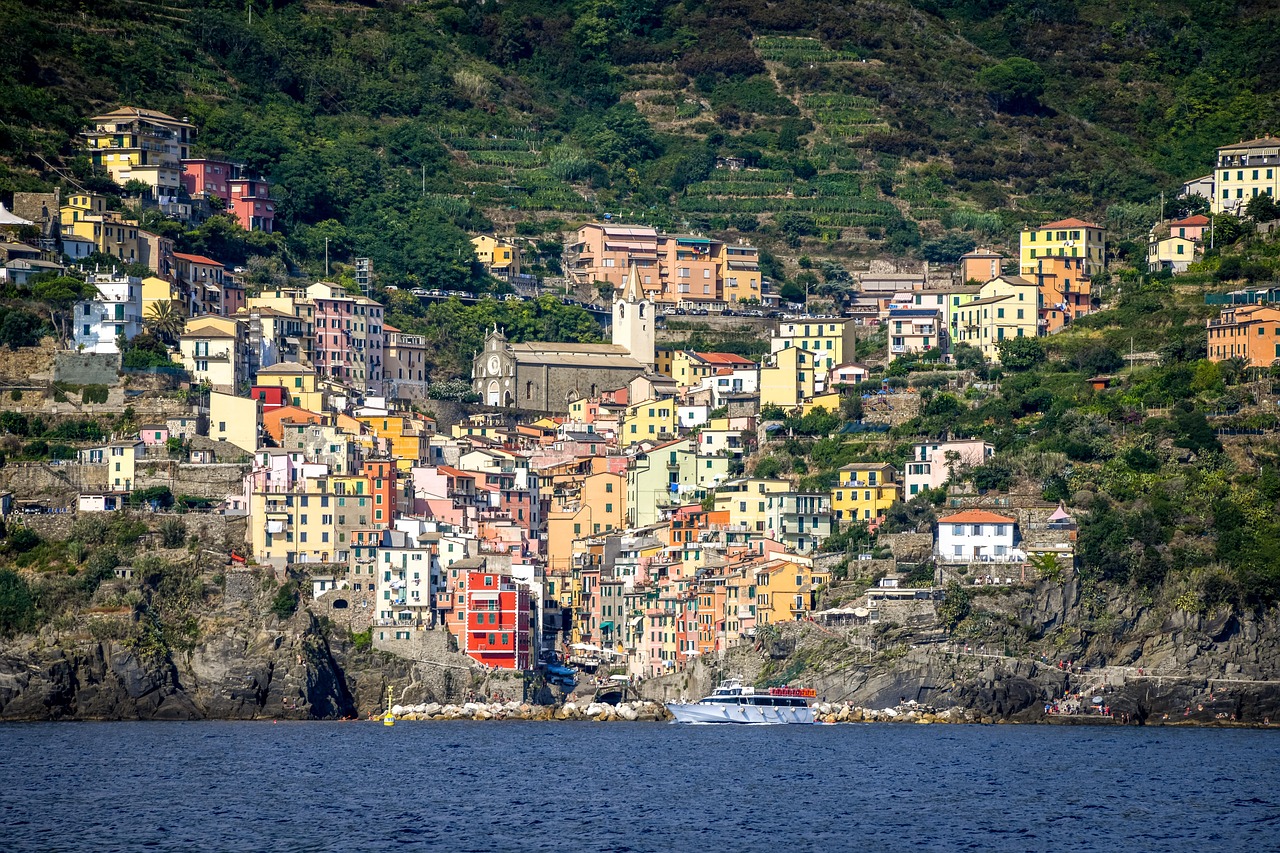
Why Visit Riomaggiore in 2026?
Riomaggiore is the easternmost village of the Cinque Terre, and it’s the one I keep coming back to. I’ve stayed here in every season over the last decade, most recently in spring 2026, and each time I’m struck by the same feeling: you’re not just looking at a postcard, you’re briefly living inside one.
Color-blocked houses stacked improbably on steep cliffs, tiny boats bobbing in the harbor, vines running up the hills, and sea air that smells of salt and lemons—Riomaggiore is small, but it’s dense with experiences. It’s both a gateway to all of Cinque Terre and a satisfying destination in its own right.
If you’re wondering whether to base yourself here for 3, 4, or 5 days, the short truth is: yes. This travel guide for Riomaggiore will walk you through in-depth itineraries, must-see attractions, cultural experiences, local customs, and plenty of hidden gems that most day-trippers never notice.
In 2026–2027, Riomaggiore is balancing its popularity with more sustainable tourism rules, expanded hiking pass systems, and a growing food scene that still feels deeply local. If you want an Italian coastal town that’s romantic, family-friendly, and adventurous all at once, Riomaggiore is hard to beat.
Table of Contents
- Why Visit Riomaggiore
- About Riomaggiore: Character & Layout
- Top 20 Attractions & Experiences in Riomaggiore
- 3–5 Day Itineraries
- Neighborhoods & Areas of Riomaggiore
- Local Food in Riomaggiore & Where to Eat
- Nightlife, Entertainment & Cultural Experiences
- Day Trips & Nearby Attractions
- Cultural Etiquette & Local Customs
- Practical Travel Advice for Riomaggiore (2026–2027)
- Events & Festivals 2026–2027
- Summary & Best Time to Visit Riomaggiore
About Riomaggiore: Character & Layout
Riomaggiore is essentially a steep ravine that tumbles into the sea. One main street, Via Colombo, runs down from the train station through the village center and toward the marina. Narrow caruggi (alleys) branch off like veins, climbing up toward vineyards and terraces.
Think of the village in three layers:
- Upper Riomaggiore – quiet residential lanes, vineyards, and wide sea views
- Central Riomaggiore (Via Colombo) – shops, trattorie, gelaterie, and the main social hub
- Lower Riomaggiore (Marina & rocky beach) – postcard harbor, swimming spots, boat tours, and sunset viewpoints
Everything is within a 10–15 minute walk, but “walk” mostly means “stairs.” Bring good shoes and be ready for climbs; the reward is that every turn reveals a new angle on the sea or a hidden courtyard where someone’s hanging laundry and basil plants.
Top 20 Attractions & Experiences in Riomaggiore
These are the must-see attractions and hidden gems in Riomaggiore, described from multiple visits over the years. I’ll start with the most iconic places and gradually move to quieter corners that turn a good trip into a great one.
1. Riomaggiore Marina (Porto di Riomaggiore)
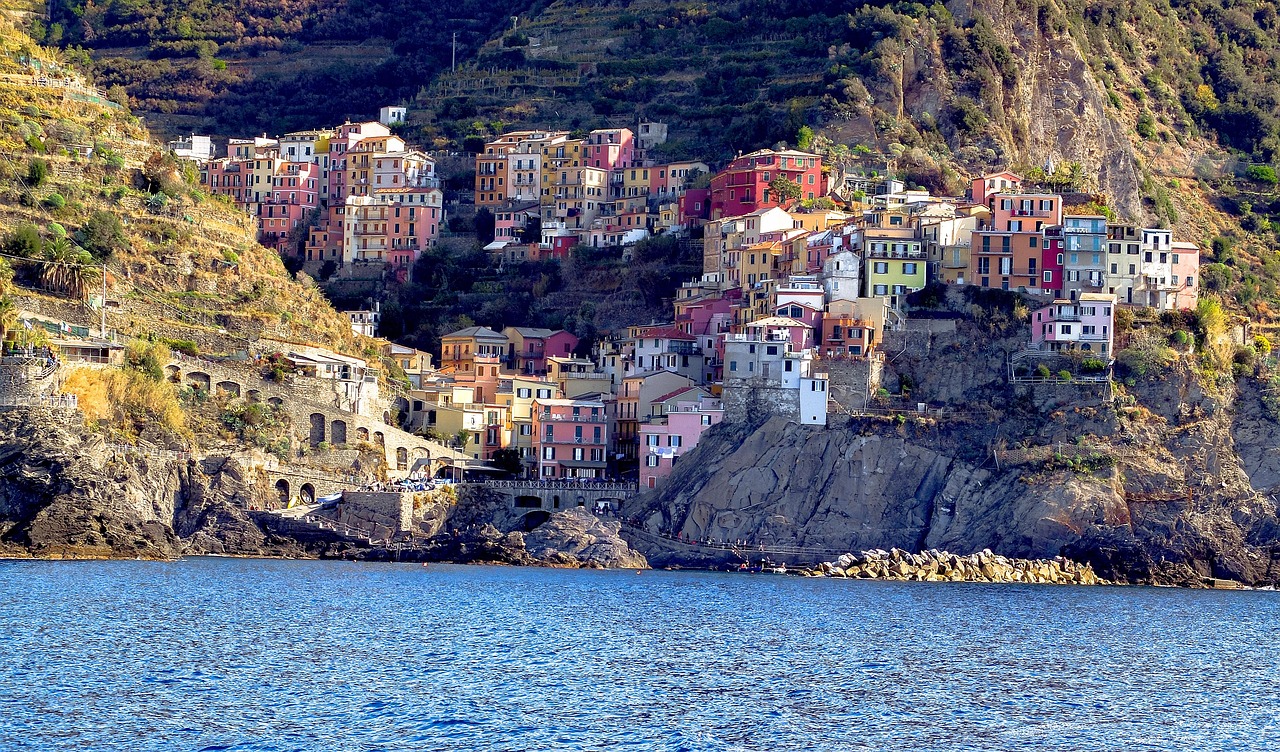
The marina is the Riomaggiore you’ve seen on postcards: candy-colored houses leaning over a tiny inlet where small fishing boats rest like toys. I almost always drop my bag at my guesthouse and head straight down here—it’s my way of saying hello to the village.
The marina used to be a working fishing port, and while tourism now dominates, you’ll still see locals fixing nets or unloading crates early in the morning. If you come just after sunrise, you might have the whole place to yourself, apart from a few cats and the slap of waves against the rocks.
Things to do:
- Sunrise or sunset watch: My favorite spot is the flat rocks on the right-hand side as you face the water. Climb carefully and sit with your feet dangling just above the waves.
- Photography: For the classic multi-colored house shot, position yourself on the stone ramp leading into the water and look back at the village.
- Boat tours: Several small companies run sunset and coast tours from here; I like the family-run boats where the captain tells stories about growing up in the village.
Tips: Wear shoes with grip—the rocks can be slick. In high season (June–September), come in early morning or late evening for a quieter, more romantic feel. Families with young kids should stick to the flatter rocks closer to the slipway.
2. Via Colombo (Main Street of Riomaggiore)
Via Colombo is the spine of Riomaggiore—the place where you’ll get your morning cappuccino, pick up focaccia for the train, and bump into the same people all day long. It runs from the upper part near the train station down toward the lower village, lined with bakeries, small bars, and family-run shops.
I love walking this street early, before 8 a.m., when shopkeepers are rolling up shutters and the smell of freshly baked focaccia drifts out. By mid-morning, hikers, families, and couples on a 3 day itinerary for Riomaggiore all seem to funnel through here, creating a lively but not overwhelming energy outside peak August weekends.
Don’t miss:
- A stand-up espresso at a tiny bar and people-watching from the doorway.
- Local produce shops selling pesto ingredients, lemons, and Cinque Terre wines.
- The occasional small art gallery with local photography and watercolor prints.
Money-saving tip: Eat standing at the bar instead of sitting at a table where there’s often a coperto (cover charge). If you’re here for 4 days in Riomaggiore or longer, you’ll quickly find “your” bar or café and be greeted like a regular.
3. Castello di Riomaggiore & Panoramic Terrace
Perched above the village, the 13th-century Castello di Riomaggiore looks deceptively simple—more like a large stone house than a fairy-tale fortress—but the views from here are spectacular. This is where I head on my first evening in town to get my bearings.
Originally built as a defensive structure against pirate raids, the castle has been modified over centuries and now often hosts cultural events and small exhibitions. The real draw, though, is the terrace: you get a sweeping view over the sea, the clustered rooftops, and the terraced hillsides.
My experience: One April evening, I brought a paper cone of fried seafood up here and ate it on the wall as the sky turned gold. A local couple sat near me sharing a bottle of Sciacchetrà (the local dessert wine), and we ended up trading stories in a mix of Italian and English as the lights came on in the village below.
Tips for visitors:
- Reach it via a series of narrow alleys and staircases from Via Colombo—allow 10–15 minutes for the climb.
- Best times: sunset and blue hour for photography; early morning if you want solitude.
- Family-friendly: kids love the castle feel and open terrace, but keep an eye near the low walls.
4. Church of San Giovanni Battista
Built in the 14th century and later modified, the Church of San Giovanni Battista sits in the upper part of the village, a short climb from the main street. It’s one of my favorite quiet refuges when Riomaggiore feels busy.
Inside, you’ll find a simple but elegant interior, with a Gothic rose window and a painted ceiling that feels more intimate than grand. Locals still use the church regularly, especially older residents, and you can sense that this is a living place of worship, not a museum piece.
Why it matters: This church anchors community life—baptisms, weddings, and funerals all pass through its doors. Sitting on the stone steps outside, you can look down over rooftops to the sea while church bells mark the hours.
Tip: Dress modestly (covered shoulders) if you enter, especially during or around mass times. Sunday mornings are a beautiful cultural experience, but be discreet with cameras and respect the service.
5. Sanctuary of Madonna di Montenero
High above Riomaggiore sits the Sanctuary of Madonna di Montenero, a peaceful church with one of the most impressive panoramic views in the entire Cinque Terre. You can see the coastline unspool in both directions, with tiny villages clinging to the cliffs.
Getting up here is part of the experience. You can either hike a steep trail (about 1–1.5 hours) or take a local bus from Riomaggiore. I’ve done both, and the hike feels like a pilgrimage—especially in the soft light of early morning.
History & significance: The sanctuary’s origins go back centuries and it has long been a site of local devotion. Inside, you’ll find ex-voto offerings and images of the Madonna that tell stories of gratitude and protection—particularly from storms and sea-related dangers.
My tip: Pack a simple picnic—bread, cheese, olives, and fruit from Via Colombo—and eat it on the benches overlooking the sea. On clear days, the horizon feels endless. It’s both a romantic spot for couples and a calm, educational outing for families (kids can run around the open area outside the church).
6. Riomaggiore Rocky Beach
Riomaggiore doesn’t have a wide sandy beach, but its rocky shoreline has a rugged charm I’ve grown to love. A pathway near the marina leads out to a breakwater and a series of broad rocks where locals sunbathe and brave swimmers slip into the clear water.
Swimming here: The water is deep, clean, and often calm in the morning. I usually bring a lightweight towel, water shoes (highly recommended for the rocks), and a dry bag for valuables. Afternoons can get busy with sunbathers in summer, but it rarely feels packed like bigger resort beaches.
Family note: For very young children or anyone unsteady on their feet, I suggest a calmer, more accessible beach in nearby villages (Monterosso especially). For older kids and adventurous teens, this rocky beach is a fun challenge—as long as you watch wave conditions.
7. Via dell’Amore (Lover’s Lane)
The Via dell’Amore is the legendary coastal path linking Riomaggiore to Manarola, carved into the cliffside above the sea. Over the past years, sections have opened and closed due to landslides and restoration work, so always check the 2026 status before planning your walk.
When it’s fully or partially open, this is one of the most romantic and family-friendly walks in the Cinque Terre—flat, short, and with constant sea views. I’ve walked it at sunset with my partner, at midday with a family group, and alone in drizzly weather; it’s beautiful every time in a different way.
2026 note: As of early 2026, works are still ongoing, with phased re-openings planned. Check the official Cinque Terre National Park website or ask at the tourist office in Riomaggiore for up-to-date access information and whether you’ll need a hiking pass.
Tip: If it’s open during your visit, go early morning or late afternoon to avoid crowds. Bring water, a hat, and your camera. If it’s closed, don’t worry—you still have plenty of stunning hikes and viewpoints accessible from Riomaggiore.
8. Hiking Trails Around Riomaggiore (Sentiero 531, 593, and More)
Riomaggiore is one of the best bases for hikers in Cinque Terre. Once you look up from the marina, all you see are terraced hillsides connected by a network of stone paths and forest trails.
Some favorites:
- Riomaggiore – Telegrafo – Portovenere (long, full-day adventure): A challenging but unforgettable route along ridges and through pine forests, ending in the beautiful town of Portovenere.
- Riomaggiore – Madonna di Montenero – Biassa: A medium-level hike combining sea views and quiet woodland, great for those on a 4 day itinerary for Riomaggiore who want one solid hiking day.
- Local vineyard loops: Shorter trails above the village offer insight into terraced agriculture and views back over the rooftops.
My experience: One September, I set off just after dawn to hike toward Portovenere. The village was still sleepy; only the bakery was open. By mid-morning, I was walking through chestnut trees with views of the sea on my left, feeling like I’d stepped into an old Ligurian story.
Tips: In 2026, some coastal trails require a Cinque Terre Card (hiking pass). Wear proper shoes (not flip-flops), bring at least 1–1.5L of water, sun protection, and a small first-aid kit. In summer, start as early as possible to avoid heat.
9. Local Vineyards & Wine Tasting (Sciacchetrà & Cinque Terre DOC)
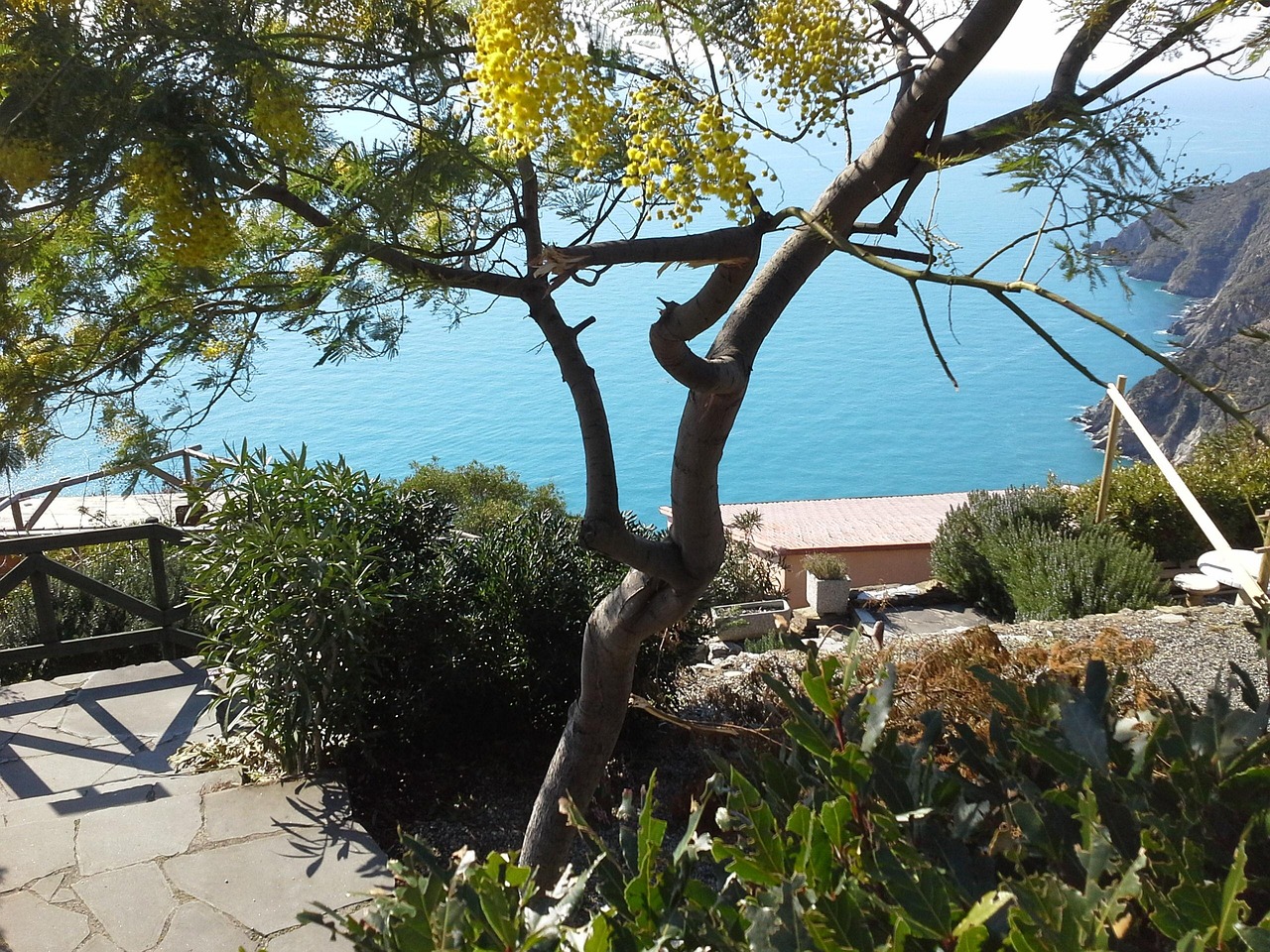
The terraced vineyards around Riomaggiore are a living testament to human stubbornness and creativity. For centuries, locals have carved terraces into steep hillsides to grow grapes, producing Cinque Terre DOC white wines and the famous sweet wine Sciacchetrà.
Several small producers around Riomaggiore offer tastings by reservation. These aren’t slick Napa-style operations; they’re often family vineyards where you sit on a terrace, taste a few wines, and listen to stories about rebuilding collapsed walls and harvesting on slopes so steep you need monorail carts.
My tip: Plan a late afternoon visit as part of your 5 day itinerary for Riomaggiore. Walk or take a short transfer up to a vineyard, do a tasting at golden hour, and then head back down to the village for dinner. It’s both a cultural experience and a delicious way to support local agriculture.
10. Sunset from the Harbor Rocks
If you forced me to choose a single must-see attraction in Riomaggiore, this would be it: sitting on the rocks by the harbor as the sun drops behind the coastline, turning the houses orange and the sea purple.
I’ve done this on solo trips, with groups of friends, and with my partner, and it never loses its magic. People bring inexpensive bottles of local wine, cones of fried seafood, or focaccia, and settle in like an informal amphitheater. There’s usually a quiet chatter in different languages, but the sound of the waves dominates.
Tip: Come at least 30 minutes before sunset to find a comfortable spot. Bring a light sweater even in summer—sea breezes can be cool. For a romantic evening, stop by a wine shop on Via Colombo for a chilled bottle and plastic cups (or reusable tumblers).
11. Traditional Fishing Life & Early Morning Harbor
Despite tourism, Riomaggiore still has traces of its fishing heritage. If you wake up early enough—around sunrise—you’ll catch a different side of the village as a few fishing boats return, nets are checked, and locals chat on the harbor steps.
I like grabbing a take-away coffee and walking down while the village is half-asleep. The light is soft, and the soundscape is completely different from mid-day: gulls, low voices, and the occasional boat engine echoing off the cliffs.
Ethical note: If you photograph people working, ask permission or shoot from a distance without intruding. This is their livelihood and morning rhythm; being discreet is part of good travel etiquette.
12. Local Artisan Shops & Galleries
Scattered along Via Colombo and some side streets are small artisan shops selling ceramics, handmade jewelry, and artworks inspired by the sea and colorful facades. Unlike generic souvenir stands, these places often showcase one person’s craft and personality.
On my last trip, I met a ceramicist who paints tiny Riomaggiore skylines on espresso cups. She told me about firing them in a small kiln behind her shop and how she experiments with sea-inspired glazes. I left with two cups that now anchor my morning coffee back home.
Tip: Look for signs indicating items are “fatto a mano” (handmade). Buying a small piece of local art is one of the best ways to support the community and bring home a meaningful souvenir.
13. Ligurian Cooking Classes
One of the most rewarding cultural experiences in Riomaggiore is taking a Ligurian cooking class. Several local hosts offer small-group classes where you learn to make pesto with a mortar and pestle, fresh pasta, or seafood dishes.
During a class I joined in 2025, we started with a quick walk to a shop on Via Colombo to pick out basil, pine nuts, and cheese. Back in a cozy kitchen overlooking the sea, we learned the slow, rhythmic motion of making pesto by hand (never in a blender, our host insisted). We cooked, talked about local traditions, and then shared the meal at a long table with local wine.
Family note: Many classes can be adapted for families with kids, who often love the hands-on aspect of making pasta shapes or stirring sauces.
14. Local Festivals & Religious Processions
Riomaggiore’s annual calendar includes religious feasts, processions, and small village celebrations that offer a deep look into local customs. While exact dates shift each year, summer and early autumn tend to host the most visible events.
I once stumbled upon a procession winding down from the Church of San Giovanni Battista, with a statue of a saint carried through the streets, followed by villagers singing hymns. Candles flickered in windows, and people leaned out from balconies to watch.
Etiquette: If you encounter a procession, step aside, be quiet, and avoid intrusive photography. This is a living religious ritual, not a performance.
15. Hidden Viewpoints Above the Village
Some of my favorite Riomaggiore memories come from aimless wandering up random staircases. Many lanes dead-end at tiny terraces or railings overlooking the roofs and sea, with no one else around.
On a cloudy afternoon during one of my 3 days in Riomaggiore, I followed a cat up a staircase (not joking) and ended up at a small terrace with two benches and a panoramic view. I sat there reading for an hour, listening to distant waves and church bells.
Tip: When you have spare time, pick a stairway heading upwards and just explore. As long as you’re respectful of private property (don’t enter courtyards that are clearly part of homes), you’ll find unexpected angles on the village.
16. Harbor by Night & Night Photography
At night, Riomaggiore’s harbor becomes a moody, cinematic scene. The houses glow in warm tones, their reflections shimmering in the dark water, and stars appear above the silhouette of the hills.
If you’re into photography, this is a playground: long exposures of the harbor, light trails from passing boats, and the contrast between warm windows and cool sea. Even if you’re not, it’s a romantic place for an after-dinner stroll.
Safety: Riomaggiore is generally very safe, even late at night. Just watch your step on uneven paths and near the water.
17. Tiny Bars & Aperitivo Spots
Around 6–8 p.m., Riomaggiore shifts into aperitivo mode: small bars set out bowls of olives, chips, or focaccia to accompany drinks, and locals meet for a pre-dinner chat.
Some bars have terraces overlooking the sea; others are little more than a counter and two small tables. I like trying a different spot each evening on longer stays—over 4 or 5 days in Riomaggiore, you’ll quickly establish favorites and maybe even “your” seat.
What to order: Local white wine, a spritz, or a simple beer. Ask what local snacks they recommend; sometimes you’ll get a taste of homemade anchovies, torte di verdura (savory vegetable pie), or marinated olives.
18. Gelato with a View
It’s Italy, so yes, gelato is an essential attraction. Several gelaterie along Via Colombo offer classic flavors and some regional specials like basil or lemon. I like grabbing a cone and then wandering down toward the marina or up to a small bench overlooking the village.
Tip: Look for gelato that’s stored in covered metal tubs or not piled ridiculously high (a sign of too much air and additives). Ask what’s made in-house. Pistachio and hazelnut rarely disappoint.
19. Late-Night Stargazing by the Sea
On clear nights, especially outside peak season when lights are dimmer, you can see a surprising number of stars from the rocks near the harbor or from higher viewpoints near the castle or sanctuary.
One November night, after most visitors had left for the season, I lay on a flat rock near the breakwater and watched Orion rise above the sea. The only sounds were small waves and the occasional murmur from a nearby couple. It was one of those quiet moments that anchor a trip in your memory.
Tip: Bring a light layer, even in summer. If you’re into astrophotography, this is a good place to experiment with long exposures featuring the village lights and stars.
20. Small Food Shops & Mini-Markets
Riomaggiore doesn’t have huge markets, but it has small shops that feel like community hubs. Tiny alimentari sell fresh bread, cheeses, salumi, pesto, and local wine—everything you need for a balcony picnic or a simple self-catered dinner.
If you’re staying in an apartment, shopping here instead of eating out every meal is one of the best money-saving strategies in Riomaggiore. I like making simple dinners with trofie pasta, pesto, cherry tomatoes, and local wine, then enjoying them on a terrace with a view.
Tip: Shops may close for a mid-day break, especially outside high season, so plan accordingly. Learn a few basic Italian phrases; even a “buongiorno” and “grazie” go a long way.
Recommended 3–5 Day Itineraries for Riomaggiore
Whether you have 3, 4, or 5 days in Riomaggiore, you can balance iconic attractions, hidden gems, cultural experiences, and downtime by the sea. Below are flexible itineraries based on how I usually structure my own stays.
3 Day Itinerary for Riomaggiore
If you have just 3 days in Riomaggiore, focus on the essentials: the village itself, one or two great hikes, coastal views, and food. This plan assumes you arrive in the morning of Day 1 and leave in the afternoon or evening of Day 3.
Day 1: First Taste of Riomaggiore – Marina, Castle & Sunset
Morning: Arrive by train and walk out into the bright light of the station tunnel. Drop your luggage at your accommodation (many places allow early bag drop) and stroll down Via Colombo. Stop for a cappuccino and a slice of focaccia—my idea of a perfect Ligurian breakfast. Spend an hour just getting a feel for the village: note where the bakery is, the small supermarkets, the tourist office (for updated hiking info in 2026), and a couple of restaurants you might want to try later.
After settling in, head down to the Riomaggiore Marina. Walk along the slipway, watch boats bob in the water, and take in the classic view of the houses stacked like Lego blocks. If you’re here in warmer months, dip your feet in the water at the rocky shoreline.
Lunch: Grab a cone of frutti di mare fritti (fried seafood) from a takeaway spot near the marina or a simple pasta from a trattoria on Via Colombo. I like eating outside if the weather’s good—either on a bench or perched on a step overlooking the street.
Afternoon: Once you’ve oriented yourself, climb up to the Castello di Riomaggiore. Wander through narrow alleys, stop to catch your breath (and admire the views), then step onto the terrace near the castle for sweeping vistas of sea and rooftops. Spend a relaxed hour here, exploring the area, visiting the castle if it’s open, and taking photos.
If you’re up for more walking, continue higher to visit the Church of San Giovanni Battista. Pop inside quietly to appreciate the simple Gothic interior, then sit for a while on the steps outside, looking back down at the village.
Evening: Around 6–7 p.m., descend to the marina for a classic Riomaggiore sunset. Bring a drink and a snack, find a spot on the rocks, and watch the sky change. For your first dinner, choose a trattoria serving local specialties—anchovies marinated in lemon, pesto pasta, and grilled fish are always safe bets.
Day 2: Hiking & Coastal Views
Morning: Start early with a solid breakfast: coffee, pastry, maybe a yogurt or fruit from a local shop. Then set out on one of the nearby hiking trails. Depending on your fitness and weather, I suggest either:
- A moderate hike up to the Sanctuary of Madonna di Montenero, with time to explore and enjoy the view.
- A longer ridge hike toward Telegrafo or even all the way to Portovenere if you’re experienced and start very early.
Bring plenty of water, sunscreen, a hat, and snacks. In 2026, check at the tourist office or online for any required hiking passes and trail closures.
Lunch: If you’re doing a shorter hike, have lunch back in Riomaggiore—perhaps a plate of trofie al pesto and a mixed salad. If you’re on a longer route, pack a picnic and find a scenic spot along the trail.
Afternoon: After hiking, give yourself time to rest. This might mean a swim at the rocky beach, a nap at your accommodation, or just sitting in a café on Via Colombo with a cold drink and some people-watching.
Evening: Try a different bar for aperitivo—maybe one with a terrace overlooking the sea. For dinner, consider booking ahead, especially in high season. End the day with a slow walk through the village, perhaps grabbing gelato to enjoy while strolling down to the harbor.
Day 3: Coastal Exploration & Last Tastes
Morning: On your final day, explore the coast from the water. Book a boat tour from the marina—ideally a small-group or private trip that hugs the coastline, showing you Riomaggiore and its sister villages from the sea. The perspective is completely different; you really see how dramatically the houses cling to the cliffs.
Late morning & lunch: Spend late morning wandering the upper lanes of Riomaggiore, finding those hidden viewpoints. Pick up picnic supplies from a mini-market and either eat on your balcony or at a quiet bench with a view.
Afternoon: Depending on your departure time, squeeze in a quick visit to any spot you loved most—another swim, one last gelato, or a final coffee at “your” bar on Via Colombo. This is also a great time to buy local wine or small handmade souvenirs to take home.
Departure: When it’s time to go, allow yourself an extra 15–20 minutes to navigate the stairs back up to the train station with luggage. As the train pulls out of the tunnel, you’ll get a brief last glimpse of the sea—start planning your return then.
4 Day Itinerary for Riomaggiore
With 4 days in Riomaggiore, you can keep the 3 day itinerary structure and add a full day dedicated to deeper cultural experiences or more ambitious hiking.
Day 4: Culture, Cooking & Vineyard Views
Morning: After a lazy breakfast, join a Ligurian cooking class. Many start mid-morning and last into early afternoon. You’ll learn to make pesto, fresh pasta, or local seafood dishes, and then enjoy the meal together with local wine. This is one of the best cultural experiences in Riomaggiore, especially if you love food.
Afternoon: Walk off lunch by exploring more of the upper village and artisan shops. Then, in late afternoon, head to a nearby vineyard for a wine tasting (book ahead). Tasting Cinque Terre DOC and Sciacchetrà while looking down at the terraced vineyards that produce them is unforgettable.
Evening: Back in Riomaggiore, enjoy a low-key evening. Maybe grab a simple slice of focaccia or a light seafood dish rather than a big meal after the cooking class. Wander through the village at night, listen to the waves, and savor the slower pace that an extra day allows.
5 Day Itinerary for Riomaggiore
A 5 day itinerary for Riomaggiore is ideal if you want to balance active days with true relaxation. You can follow the 3 and 4 day itineraries, then use Day 5 for either a big hike, a day trip, or pure rest.
Day 5 Option 1: Big Hike to Portovenere
Morning: Start very early with a hearty breakfast, then set off on the Riomaggiore–Portovenere hike. This is a full-day, challenging route with lots of ups and downs, passing through forests, ridges, and occasional villages like Campiglia.
Afternoon: Arrive in Portovenere, explore its harbor, castle, and the dramatic church of San Pietro perched over the sea. Have a late lunch or early dinner here before taking a boat or bus back toward Riomaggiore (connections may vary by season, so check 2026 schedules in advance).
Evening: Return to Riomaggiore tired but satisfied. A gentle stroll and an early night are usually in order after this kind of day.
Day 5 Option 2: Slow Day & Nearby Villages
If you’re traveling with family, prefer a more romantic slow day, or have already done a big hike:
- Morning: Take the train to another Cinque Terre village (Manarola or Vernazza are good choices) for a few hours.
- Afternoon: Return to Riomaggiore for swimming, reading, café-hopping, and souvenir shopping.
- Evening: Have a special last-night dinner—book a restaurant with a view if possible and toast your time in Riomaggiore with a glass of Sciacchetrà.
Neighborhoods & Areas of Riomaggiore
Riomaggiore is small, but each part of the village has its own feel. Understanding the layout helps you pick accommodation and plan your days.
Upper Riomaggiore
Quiet, residential, with wide views and more stairs. Great for sunrise light and a feeling of local life. You’ll be closer to the church and castle, and slightly farther from the marina.
Central Via Colombo
Busy, social, and convenient. Staying here means you’re close to shops, bars, and restaurants. Expect more street noise, especially in high season, but also a front-row seat to village life.
Lower Riomaggiore & Marina
Atmospheric, romantic, and dramatic. Some accommodations near the marina have sea views that will spoil you forever. Be ready for steep staircases and more humidity from the sea air.
Local Food in Riomaggiore & Where to Eat
Liguria’s cuisine is light, fragrant, and deeply tied to the sea and terraced hillsides. In Riomaggiore, you’ll taste dishes that have been refined over generations of fishermen and farmers.
Must-Try Dishes
- Trofie al pesto: Short, twisted pasta with basil pesto made the traditional way. This is non-negotiable.
- Acciughe (anchovies): Fresh anchovies served marinated in lemon, fried, or stuffed. Even anchovy skeptics are often converted here.
- Focaccia: Soft, oily bread, sometimes topped with onions, olives, or cheese. Great for breakfast, snacks, or budget lunches.
- Farinata: Savory chickpea pancake, crisp at the edges and soft inside.
- Seafood pastas & grilled fish: Simple, fresh, and usually excellent.
What to Drink
- Cinque Terre DOC white wine: Mineral, fresh, and perfect with seafood.
- Sciacchetrà: Sweet dessert wine; sip slowly with biscotti or cheese.
- Limoncino (Limoncello-style liqueur): Often homemade, served cold.
Money-Saving Food Tips
- Have at least one meal a day from a bakery or mini-market—focaccia, cheese, fruit, and wine make a wonderful picnic.
- Stand at the bar for coffee instead of sitting; it’s cheaper and more local in feel.
- Share dishes at restaurants; portions can be generous, and you’ll taste more things.
Nightlife, Entertainment & Cultural Experiences
Riomaggiore doesn’t do loud clubs or all-night parties; its nightlife is about aperitivo, long dinners, and lingering by the harbor or on terraces under the stars.
Evening Activities
- Aperitivo bars: Start your evening with a glass of wine or spritz and small snacks.
- Harbor walks: Romantic after-dinner strolls with waves as soundtrack.
- Occasional live music: In summer, some bars or small piazzas host live bands or DJs, usually ending by midnight due to noise rules.
Cultural Experiences
- Cooking classes: Learn local recipes and techniques.
- Wine tastings: Hear stories of viticulture in the Cinque Terre.
- Religious processions & festivals: Witness deeply-rooted local customs if your visit coincides.
Day Trips & Nearby Attractions from Riomaggiore
Riomaggiore is a great base for exploring the wider region on a 3, 4, or 5 day itinerary.
Other Cinque Terre Villages
Trains run frequently between the five villages; journey times are often under 10 minutes.
- Manarola: Just one stop away, famous for its own harbor views and sunset spots.
- Vernazza & Monterosso: Great for more expansive beaches and classic postcard scenes.
Portovenere
Reachable by boat (in season) or via hike + bus, Portovenere offers a stunning church on a rocky promontory, a colorful harbor, and nearby islands.
La Spezia
The regional hub, a quick train ride away, with museums, shops, and a more urban Italian feel—useful for logistics, SIM cards, and larger supermarkets.
Cultural Etiquette & Local Customs in Riomaggiore
Greetings & Manners
- Say “buongiorno” (good morning) or “buonasera” (good evening) when entering shops or cafés.
- “Per favore” (please) and “grazie” (thank you) are appreciated.
Dress & Behavior
- Wear shirts and cover-ups in the village; beachwear is for the beach and rocks.
- Dress modestly in churches—shoulders covered, no swimwear.
- Keep voices down at night; sound carries in the narrow streets.
Dining Customs
- Table service is slower and more relaxed; meals are meant to be enjoyed, not rushed.
- It’s common to order still or sparkling water; tap water is safe but not always offered.
- Tipping is not mandatory but rounding up or leaving a few euros for good service is appreciated.
Respecting the Environment
- Stay on marked trails; terraces and vineyards are often private and fragile.
- Take all trash with you from hikes and harbor areas.
- Follow local rules about swimming areas and boat zones.
Practical Travel Advice for Riomaggiore (2026–2027)
Getting To & Around Riomaggiore
By Train: The easiest way to arrive. Regional trains connect Riomaggiore with La Spezia (to the east) and other Cinque Terre villages. In 2026, trains remain the primary recommended transport.
By Car: Not recommended inside the Cinque Terre. Parking is limited and expensive on the hills above the village, and you cannot drive down into the heart of Riomaggiore. If you must drive, park outside the National Park area and take the train in.
Within the village: You’ll be walking and climbing stairs. There is no internal bus network for short distances, just occasional services up to the sanctuary or outlying areas.
SIM Cards & Connectivity
For 2026–2027, Italian mobile networks like TIM, Vodafone, WindTre, and Iliad offer tourist-friendly prepaid SIMs with data. You’ll find shops in La Spezia or larger cities, but not always in Riomaggiore itself.
- Bring your passport to register a SIM.
- Coverage in Riomaggiore is generally good, though some upper or lower corners may be spotty.
- Most hotels, guesthouses, and many cafés offer Wi-Fi.
Money & Budget Tips
- Cards are widely accepted, but carry some cash for small purchases.
- Save money by having one restaurant meal per day and one picnic/market meal.
- Consider the Cinque Terre Card if you plan to hike and use regional trains frequently; do the math based on your itinerary.
Visa Requirements & Driver’s Licenses
Italy is part of the Schengen Area. Many travelers (including from the EU, UK, US, Canada, Australia, and others) can enter visa-free for short stays, but rules can change, and an ETIAS-style pre-travel authorization system is expected to be in effect or forthcoming around 2026—check the latest requirements before traveling.
If you plan to rent a car elsewhere in Italy, most non-EU visitors should carry both their home license and an International Driving Permit (IDP). Even if not always checked, rental agencies are increasingly strict about this.
Best Seasons & Weather
- Spring (April–June): Ideal for hiking, moderate temperatures, wildflowers, and fewer crowds than peak summer. My personal favorite time for a 3–5 day stay.
- Summer (July–August): Hot, busy, and lively. Best for swimming and nightlife, but prepare for crowds and higher prices.
- Early Autumn (September–October): Warm seas, slightly cooler air, grape harvest vibes, and generally excellent for both swimming and hiking.
- Winter (November–March): Quiet, with some closures. Beautiful in its own moody way; ideal if you want solitude and don’t mind limited services and variable weather.
Health & Safety
- Tap water is safe to drink.
- Use sunscreen and a hat; coastal sun can be intense, even in spring and autumn.
- Watch your footing on stairs, rocks, and hiking trails.
Events & Festivals in Riomaggiore (2026–2027)
Exact dates change annually, but in 2026–2027 you can expect:
- Religious feasts & processions: Especially around major Catholic holidays (Easter, local saint days, early summer festivals). These bring out the whole village and decorate streets with lights and banners.
- Summer cultural events: Outdoor concerts, small art exhibitions, and occasional food festivals celebrating local products like anchovies, pesto, and wine.
- National & regional events: Italy-wide holidays such as Ferragosto (August 15) can make Riomaggiore busier, with more Italian visitors and a festive atmosphere.
For 2026–2027, also watch for ongoing sustainable tourism initiatives and possible changes to hiking pass systems, timed entries on some trails, or local campaigns aimed at preserving the village’s character.
Summary & Final Recommendations
Riomaggiore is small in size but huge in character. In three days, you can see the must-see attractions: the marina, castle, harbor sunsets, and at least one good hike. In four or five days, you can layer in cooking classes, vineyard tastings, day trips, and stretches of unstructured wandering that make you feel briefly like a local.
If your priority is hiking and photography, aim for April–early June or September–October. For swimming, sun, and lively evenings, July and August are best, as long as you’re prepared for crowds and heat. For quiet, reflective stays where you mostly watch waves and read on terraces, late autumn and winter can be unexpectedly rewarding.
Whichever season and however many days you choose—3 days in Riomaggiore, 4 days in Riomaggiore, or a longer 5 day itinerary—come ready to climb stairs, slow your pace, taste everything, and let the rhythm of this cliffside village reshape your sense of time. Riomaggiore rewards those who stay long enough to watch the light change, not just those who pass through for a photograph.