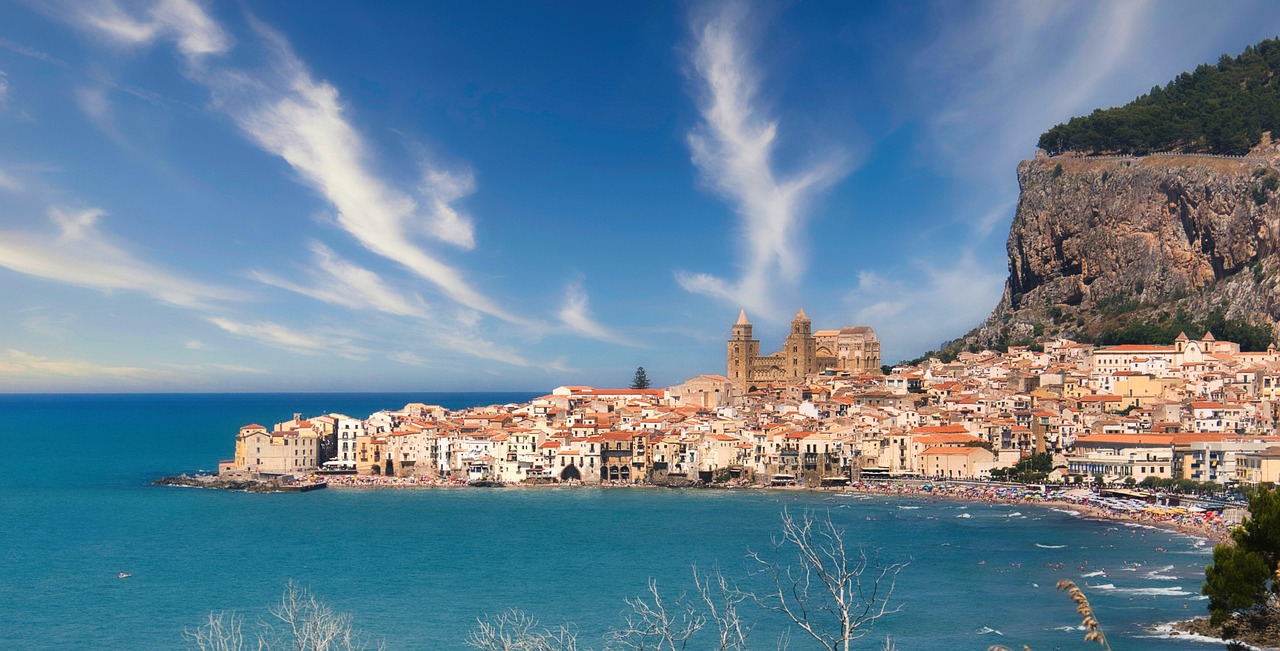
Why Visit Sicily in 2026
If Italy is a country of regions, Sicily is its own universe. It’s where snow-dusted volcanoes watch over turquoise coves, Arabic domes rise above Baroque piazzas, and fishermen unload the morning’s catch as nonne fill baskets with gleaming eggplants and tomatoes. Every time I go back (I’ve visited almost every year for the last decade, and twice in 2025 alone), I end up staying longer than planned.
What makes Sicily special isn’t just the postcard-perfect beaches or the ruins older than Rome. It’s the rhythm of life: long lunches, twilight passeggiata, kids playing football in the piazza, the clink of spoons in gelato cups at midnight. Sicily is both intensely Italian and proudly Sicilian, with layers of Greek, Arab, Norman, Spanish, and French influence that you can taste in the food and see in the architecture.
In 2026, Sicily is easier to reach, safer, and better organized for visitors than ever, but it still feels raw and real. This travel guide for Sicily is written as if I’m planning your trip with you over an espresso: lots of personal stories, detailed itineraries (3–7 days), and practical travel tips for Sicily so you can experience the must-see attractions in Sicily and the hidden gems locals keep for themselves.
Whether you’re planning a 3 day itinerary for Sicily that hits the icons, or a leisurely 7 day itinerary for Sicily soaking up local life, you’ll find ideas here for couples, families, solo travelers, food lovers, and adventure seekers.
Table of Contents
- Why Visit Sicily
- Sicily Overview: Regions, Coasts & Vibes
- Suggested Itineraries (3–7 Days in Sicily)
- 20 Must-See Attractions in Sicily (Deep Dive)
- Beaches, Coves, Bays & Inland Villages
- Island Eating: Local Food in Sicily & Where to Try It
- Island Evenings & Nightlife
- Sicily Events & Festivals 2026–2027
- Day Trips & Nearby Islands
- Cultural Experiences & Local Customs
- Practical Travel Tips for Sicily
- Summary & Best Time to Visit Sicily
Sicily Overview: Coasts, Regions & Where to Base Yourself
The first time I drove a full loop around Sicily, I was shocked at how quickly the island’s personality changed. In a few hours, I went from wild, wind-whipped cliffs to calm, shallow coves perfect for kids, then inland past golden wheat fields and hilltop towns frozen in time. Choosing the right base is key, especially if you only have 3 days in Sicily or 4 days in Sicily.
North Coast: Palermo to Cefalù & the Madonie
Best for: culture, food, nightlife, family-friendly beaches, access to inland mountains.
Palermo is chaotic, beautiful, and absolutely alive. An hour east, Cefalù offers one of the best mixes of sandy beaches, medieval streets, and relaxed resort energy. Inland, the Madonie mountains cool things down in summer.
East Coast: Taormina, Catania & Etna
Best for: dramatic scenery, Etna adventures, romantic getaways, easy public transport.
The east coast is where most first-time visitors fall in love: Taormina’s terraces, Isola Bella’s turquoise bay, and the smoky silhouette of Etna. If you only have a 3 day itinerary for Sicily or 4 day itinerary for Sicily, basing yourself between Catania and Taormina makes logistics effortless.
South-East: Siracusa, Noto & the Baroque Towns
Best for: architecture, food, calm coves, slower pace, couples and culture lovers.
Siracusa’s Ortigia island is my personal favorite base for 5 days in Sicily or more: elegant but lived-in, with nearby beaches and some of the best local food in Sicily. The inland Baroque towns (Noto, Modica, Ragusa) feel like movie sets.
South & South-West: Agrigento, Scala dei Turchi, Selinunte
Best for: archaeology, long sandy beaches, road trips, quieter stays.
This coast feels bigger and emptier, with long dunes and fewer foreign tourists. It’s perfect if you like space and don’t mind driving. Sunset at Scala dei Turchi is unforgettable.
West: Trapani, Marsala & the Egadi Islands
Best for: island-hopping, kitesurfing, salt pans, seafood, sunsets.
West Sicily has its own light: pink over the salt pans, gold on the sea-facing walls of Trapani’s old town. From here, boats whisk you to the Egadi Islands for water that looks almost fake.
Inland Sicily: Hill Towns & Rural Escapes
Best for: quiet retreats, authentic village life, hiking, cooler summer nights.
Places like Enna, Piazza Armerina, and the Nebrodi villages are where you’ll really feel local rhythms. They’re not ideal if you only have 3 days in Sicily, but for a 6 day itinerary for Sicily or 7 days in Sicily, adding one inland night changes your perspective.
Suggested Itineraries: 3–7 Days in Sicily
Below are realistic, experience-based itineraries I’ve actually tested on friends and family. They balance must-see attractions in Sicily with hidden gems, food, and downtime. I’ll keep the overview concise here, then throughout the guide we’ll dive into each place in more depth.
3 Day Itinerary for Sicily: East Coast Highlights (Catania, Taormina & Etna)
If you only have 3 days in Sicily, focus on the east coast where trains and buses are frequent and distances are short.
- Day 1 – Catania & Aci Trezza: Land in Catania, wander the historic center, eat at the fish market, then take a late-afternoon trip to the seaside village of Aci Trezza for lava-rock swimming and sunset.
- Day 2 – Taormina & Isola Bella: Morning train to Taormina, visit the Greek Theatre, wander the Corso, then swim and snorkel around Isola Bella. Romantic and family-friendly if you use the cable car instead of the steps.
- Day 3 – Mount Etna: Full-day excursion to Etna (jeep or guided hike). Evening back in Catania for aperitivo and farewell granita.
4 Day Itinerary for Sicily: East Coast + Siracusa
With 4 days in Sicily, you can add Siracusa and sleep in dreamy Ortigia.
- Day 1: Catania city & Aci Trezza.
- Day 2: Taormina & Isola Bella (overnight in Catania or Taormina).
- Day 3: Siracusa – Ortigia’s old town, Duomo, and sunset along Lungomare di Levante.
- Day 4: Neapolis archaeological park in the morning, lazy lunch, then departure.
5 Day Itinerary for Sicily: East & Baroque South-East
Five days in Sicily lets you add Baroque towns and a gorgeous cove or two.
- Day 1: Catania & Aci Trezza.
- Day 2: Taormina & Isola Bella.
- Day 3: Etna day trip.
- Day 4: Siracusa & Ortigia.
- Day 5: Noto + beach (Calamosche or Fontane Bianche), then back to Catania or Siracusa.
6 Day Itinerary for Sicily: East, South-East & Inland Taste
- Days 1–2: Catania, Aci Trezza, Taormina & Isola Bella.
- Day 3: Etna excursion.
- Day 4: Siracusa (Ortigia) full day.
- Day 5: Noto + Marzamemi fishing village.
- Day 6: Inland Baroque town like Ragusa or Modica, then back toward Catania or Comiso airport.
7 Day Itinerary for Sicily: Classic First-Timer’s Loop
This 7 day itinerary for Sicily is what I usually recommend to friends on their first visit. It hits many of the best places to visit in Sicily without feeling rushed.
- Day 1: Palermo arrival, markets & Monreale.
- Day 2: Cefalù beach & town.
- Day 3: Agrigento & Valley of the Temples at golden hour.
- Day 4: Scala dei Turchi + drive to Siracusa (Ortigia).
- Day 5: Siracusa & Neapolis, evening in Ortigia.
- Day 6: Taormina & Isola Bella (overnight Catania or Taormina).
- Day 7: Etna or Catania food day, departure.
Below, I’ll walk through these days in long-form, personal detail, as if you’re traveling alongside me.
20 Must-See Attractions in Sicily (Deep Dive)
These are the places I return to again and again, with new corners to discover every time. I’ll start with the icons, then move to the hidden gems in Sicily that rarely make the standard lists. Each sub-section includes history, why it matters, how I like to experience it, and practical tips.
1. Palermo Historic Center & Markets
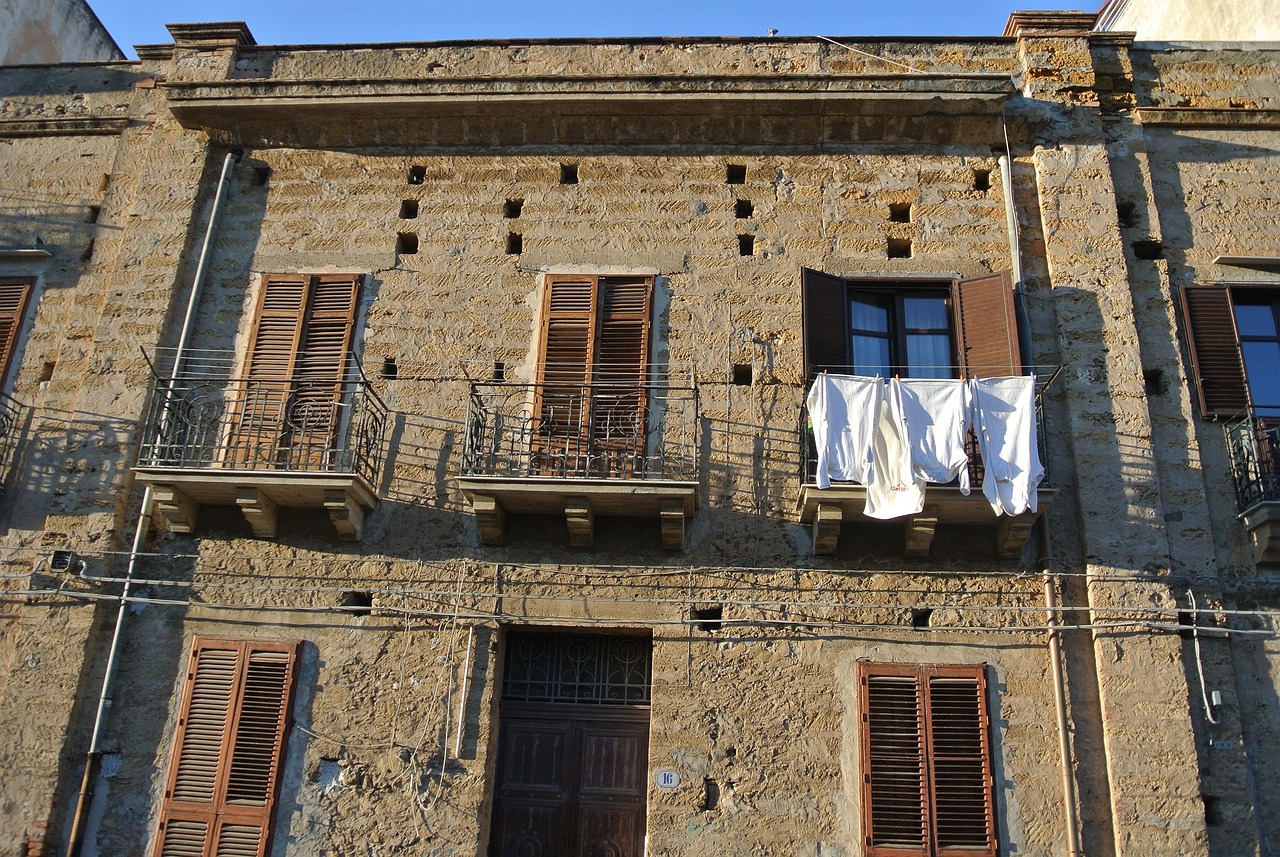
Palermo isn’t a city you “see”; it’s a city you surrender to. My first Palermo morning in 2014, I woke to the sound of church bells and scooters, walked five minutes from my guesthouse, and found myself in Ballarò market between pyramids of oranges and men shouting prices in a rapid-fire Sicilian dialect.
The city has been Phoenician, Roman, Arab, Norman, and Spanish, and each layer is visible. At the Quattro Canti crossroads, four Baroque facades curve like a stage set, while just around the corner, laundry flaps from peeling balconies.
What to Do
- Stroll Via Maqueda & Quattro Canti: This is Palermo’s spine. I like to start early (8–9am) before it gets crowded, grabbing a coffee standing at the bar like locals.
- Visit the Cathedral & Rooftop: A mash-up of Arab, Norman, Gothic, and Baroque. The rooftop walkway gives one of the most underrated city views.
- Dive into Markets (Ballarò, Vucciria, Capo): Ballarò is my favorite for raw energy; Capo is slightly calmer, good with kids. Try panelle (chickpea fritters) and sfincione (thick, spongy Sicilian pizza).
- Teatro Massimo: Italy’s largest opera house. Even if you don’t see a performance, the guided tour gives a glimpse into Sicilian aristocratic life.
Personal Tips
I usually stay near the Kalsa district, close to the sea and many churches but a bit quieter at night. For first-time visitors, I recommend a walking food tour on your first afternoon to understand what you’re eating for the rest of your trip. Palermo can feel chaotic; if you’re traveling with kids, plan daily “quiet breaks” in shady squares like Piazza Marina.
Family-friendly? Yes, but hold hands and be street-smart with traffic. Romantic? At sunset along Foro Italico or a rooftop bar, absolutely. Adventurous? Trying all the street foods counts.
2. Monreale Cathedral
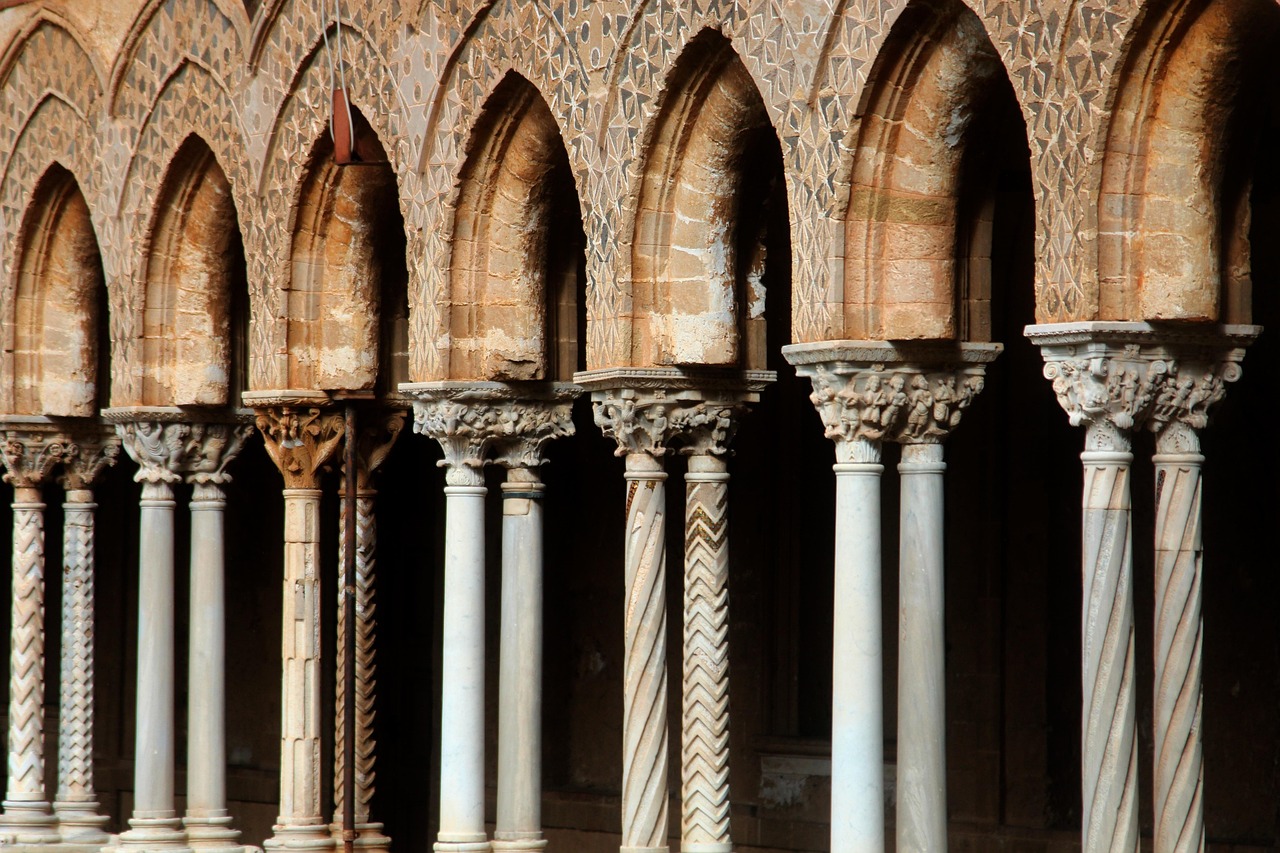
On a hazy spring afternoon in 2023, I took the bus from Palermo up to Monreale, sat next to a grandmother knitting, and arrived to find the entire Conca d’Oro valley shimmering below. Monreale feels like a village, but its cathedral is on a different scale: a masterpiece of Norman-Arab-Byzantine art.
Inside, golden mosaics cover over 6,000 square meters. The Christ Pantocrator in the apse seems to follow you with his eyes. Even on my third visit, I still found new details in the mosaic stories.
Tips
- Getting there: Local buses run from Palermo (around 30–40 minutes). I usually go in the morning to beat both heat and tour groups.
- Dress code: Shoulders and knees covered; keep a shawl handy.
- Don’t miss: The cloister, with delicately carved columns – it’s easy to skip but worth it.
3. Cefalù
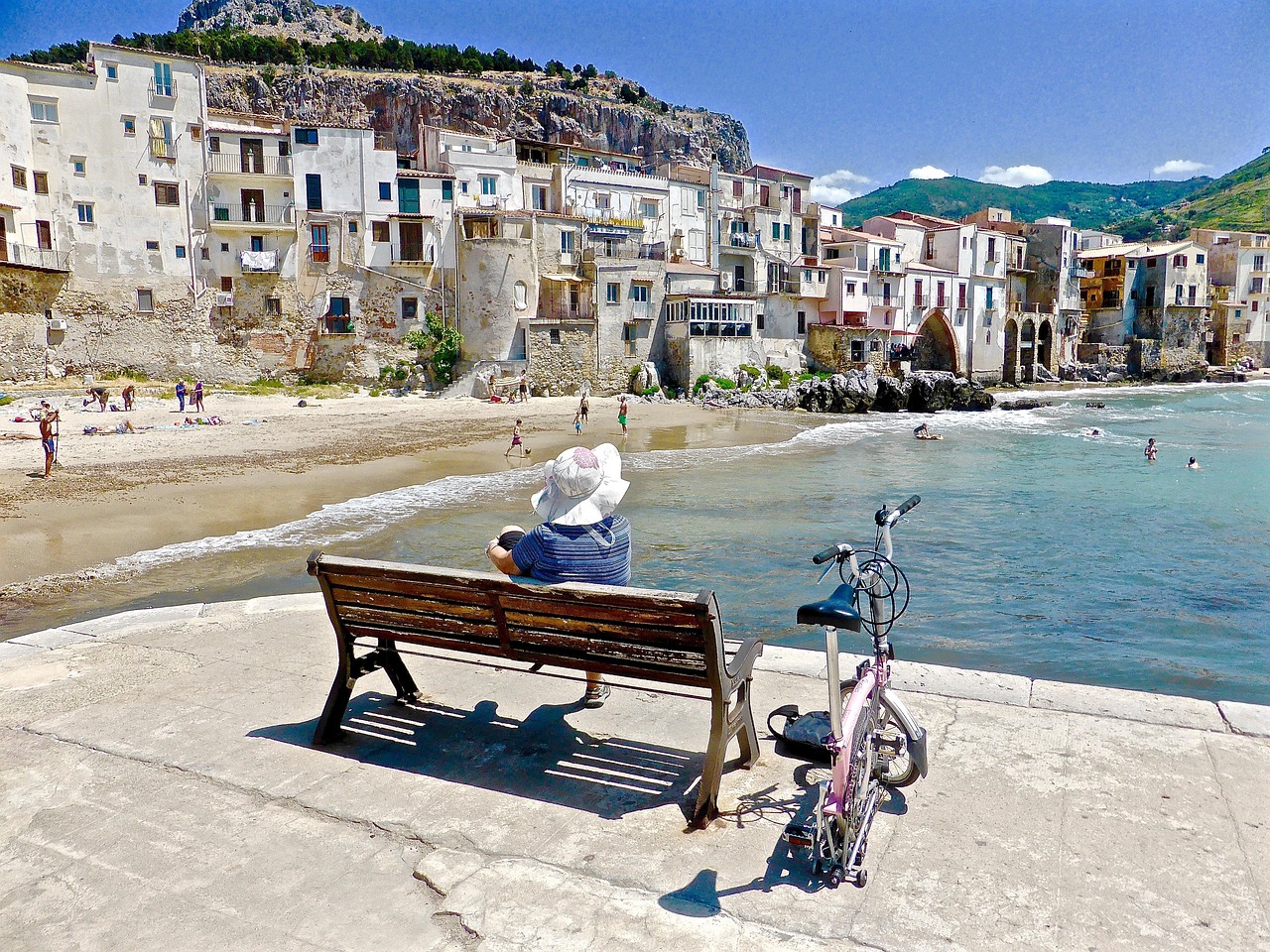
Cefalù is where I send friends who want one place that “has it all”: a sandy beach, a photogenic old town, and a relaxed holiday feel. The first time I swam here was in late September: the sea was still warm, the crowds gone, and the light on the Norman cathedral’s twin towers was honey-gold.
Highlights
- The Beach: Shallow and great for kids. In high season, book a sunbed at a lido or walk to the free sections early.
- The Rocca: A fairly steep hike but spectacular views over the town and coast. I like to go late afternoon for cooler temperatures.
- Old Town Lanes: Walk Via Vittorio Emanuele, peek into the medieval wash house, then have aperitivo overlooking the sea.
Cefalù makes a great base if you have 4 days in Sicily and want a couple of beach days plus a day trip to Palermo or the Madonie mountains.
4. Taormina & the Ancient Theatre
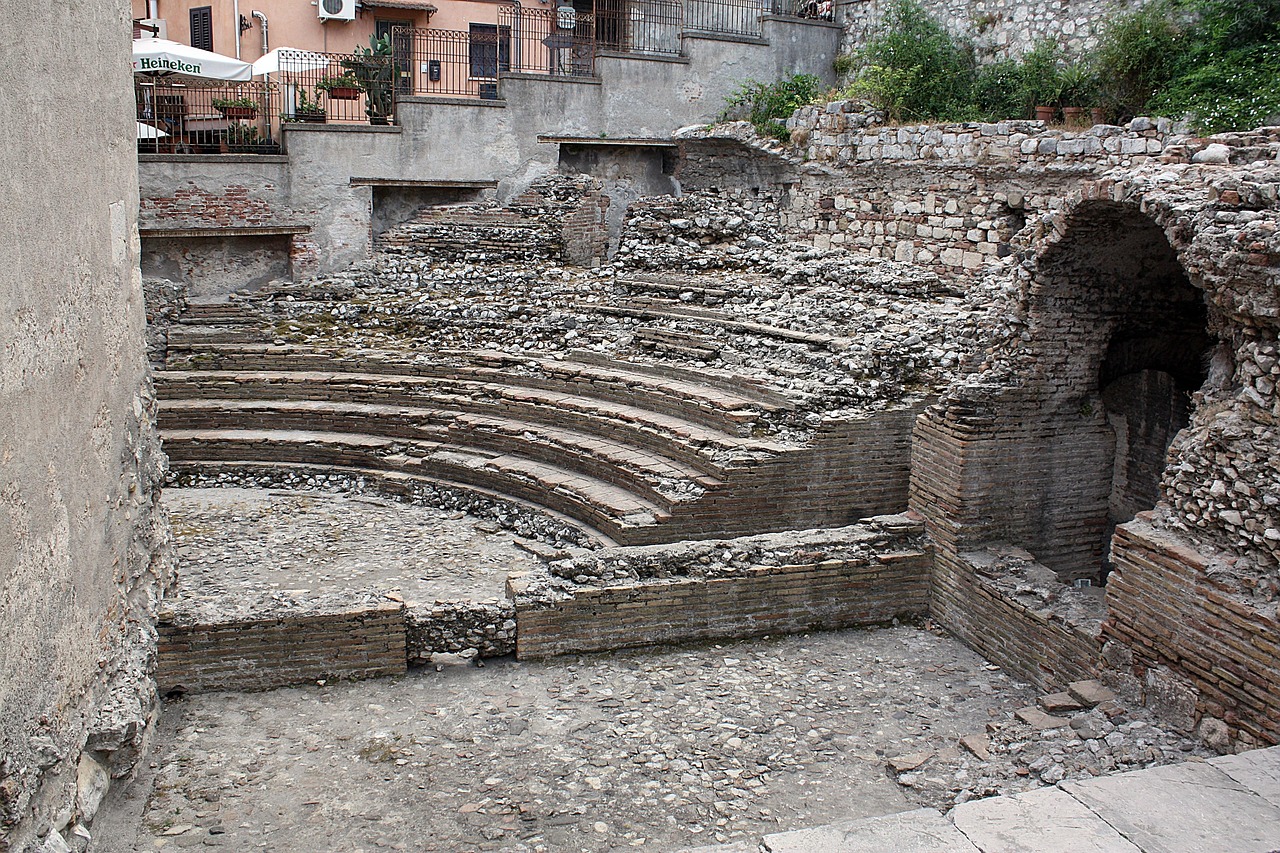
I still remember the first time I walked through the stone arches of Taormina’s Greek Theatre at 9am on a clear June morning. The theatre opened up in front of me like a living painting: stone tiers, the blue Ionian Sea, and Etna smoking gently in the distance. It’s one of those views that makes even hardened travelers go quiet.
Taormina has been a tourist darling for over a century, and yes, it can be crowded and pricey. But it’s also impossibly pretty: bougainvillea-draped balconies, narrow staircases, and terraces that seem to float above the sea.
What I Recommend
- Arrive early or late: For the theatre, be at the ticket office when it opens. In the evening, the Corso turns into a catwalk of passeggiata.
- Villa Comunale Gardens: Free, shady, and with gorgeous viewpoints. I often picnic here with arancini from a takeaway.
- Isola Bella Beach: Take the cable car down; the walk back up is a workout. The cove is rocky; water shoes help.
Romantic? Extremely. Taormina is honeymoon central for a reason. Family-friendly? Yes, but book accommodation with a pool if traveling in peak summer – it’s a lifesaver for kids.
5. Isola Bella
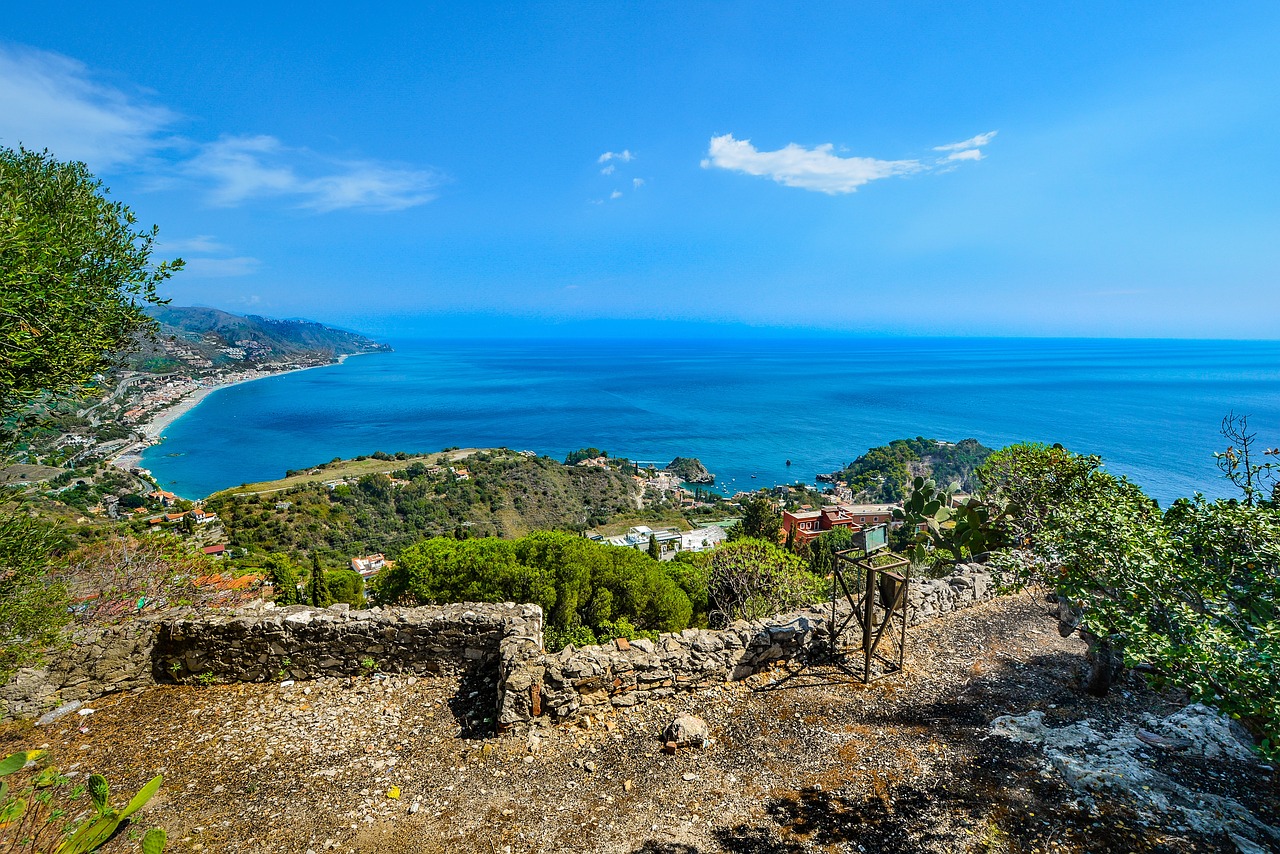
Isola Bella is a tiny islet connected to the mainland by a pebble spit, surrounded by water so clear you can see fish without even snorkeling. On my last visit in 2025, I brought a cheap mask and spent an hour watching schools of silvery fish dart around submerged rocks.
The beach here is pebbly – not ideal for sandcastle fans but amazing for snorkeling. In high season it’s busy, but the colors are still magical.
Tips
- Footwear: Water shoes or sturdy sandals make a huge difference.
- Timing: Come early morning or after 4pm; midday can be intense.
- Boats: Short boat trips along the coast give different perspectives and reach small caves; negotiate prices on the spot.
6. Mount Etna
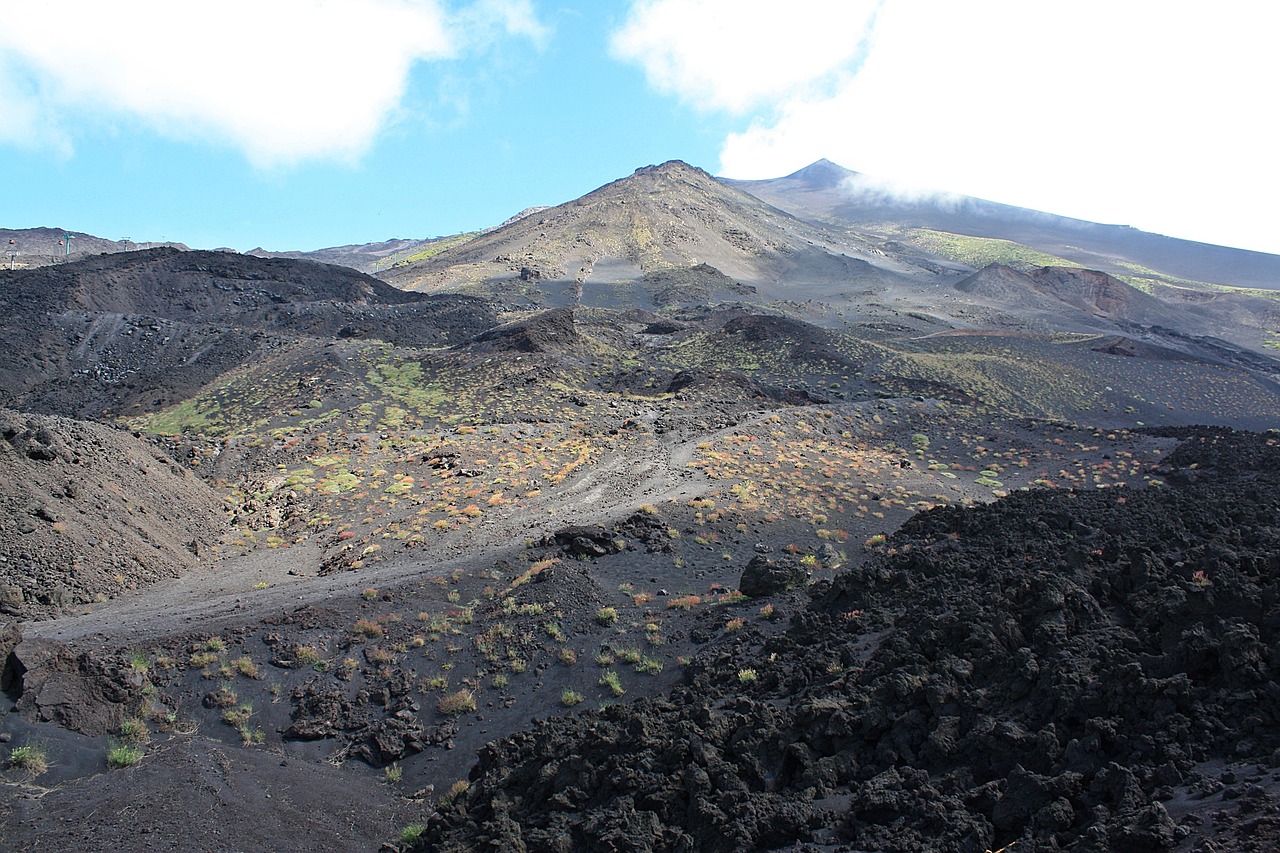
Etna is not just a mountain; it’s a living presence. From Catania, you see it from almost every street, changing color with the light and seasons. I’ve been up three times: once in winter with snow crunching under my boots, once in spring when yellow flowers framed black lava, and once in late summer when the air was dry and smoky.
At 3,300m, Etna is Europe’s highest active volcano. Eruptions are frequent but usually safe for visitors, and tour operators adjust routes based on current conditions.
How to Visit
- Etna Sud (Rifugio Sapienza): Easiest access via bus or car from Catania. From here, you can take cable car + jeep, or hike lower craters independently.
- Guided Hikes: My preference. Local volcanologists explain the geology and keep an eye on safety.
- Wine Tasting on Etna’s Slopes: The volcanic soil produces excellent reds (Nerello Mascalese). I like to end an Etna day at a winery near Linguaglossa.
Safety & Gear
Even in summer, bring a jacket – temperatures drop quickly with altitude. Closed shoes, sun protection, and water are essential. If you’re traveling with children, stick to lower-level craters and short walks; the landscape is still otherworldly.
7. Siracusa & Ortigia
Ortigia, the old island heart of Siracusa, is where I’d live if I moved to Sicily. The first time I stayed here, I rented a simple apartment overlooking a narrow lane. Every evening, my window filled with the sound of laughter as neighbors chatted and kids rode bikes.
Siracusa was a major Greek city long before Rome’s glory days, and you feel that heritage in its stones.
Must-Do Experiences
- Piazza Duomo: One of the most beautiful squares in Italy. The cathedral incorporates columns from an ancient Greek temple.
- Market: Mornings on Ortigia’s western side. Taste sun-dried tomatoes, olives, and local cheeses. I always buy a picnic here.
- Lungomare di Levante Walk: Sunset stroll along the eastern seafront walls, waves crashing below.
Siracusa is perfect for couples and families alike, with safe streets, good swimming platforms, and excellent food. For a 5 day itinerary for Sicily, I’d happily spend two nights here.
8. Neapolis Archaeological Park (Siracusa)
Neapolis is where Siracusa’s Greek and Roman past come into focus: the Greek theatre carved into rock, the Roman amphitheatre, and the notorious Ear of Dionysius cave, famous for its acoustics.
I once visited on a cloudy May morning when the wildflowers were out; the blend of ancient stone and spring green was stunning.
Tips
- Arrive early: There’s limited shade in summer.
- Guides: A local guide brings the stories – tyrants, battles, performances – to life.
- Footwear: Comfortable shoes; paths are uneven.
9. Noto
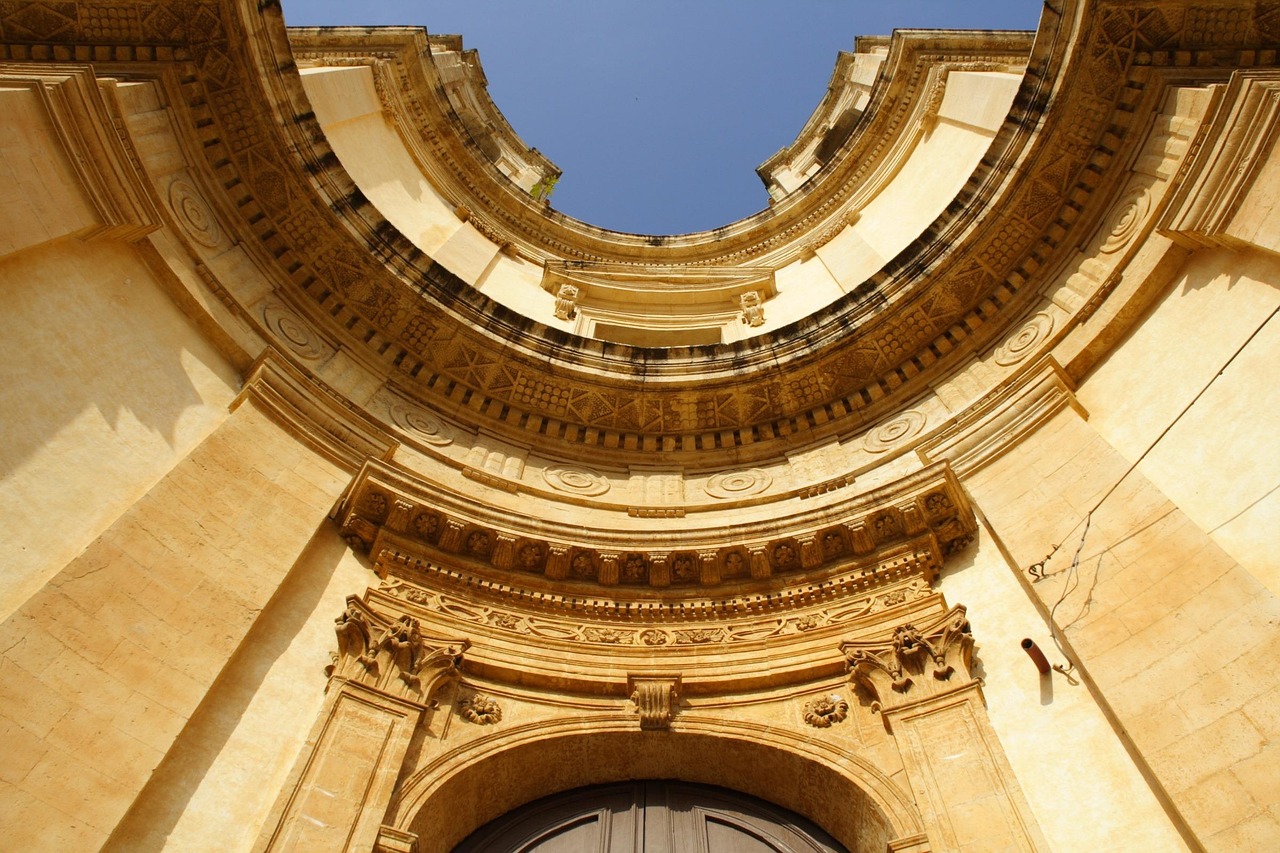
Noto is a dream of Baroque architecture in honey-colored stone. I first arrived at golden hour, and the whole town glowed. The wide main street, Corso Vittorio Emanuele, is lined with palaces and churches that were rebuilt after the 1693 earthquake.
It’s a small town; you don’t come for “things to do” but for atmosphere.
What I Love
- Gelato & Granita: Caffè Sicilia is famous (and pricey) but worth a stop. Try almond granita with brioche.
- Evening Passeggiata: The town comes alive after 7pm, families strolling, kids playing on the cathedral steps.
- Nearby Beaches: Calamosche and Vendicari for wild coves; Lido di Noto for more facilities.
10. Ragusa Ibla
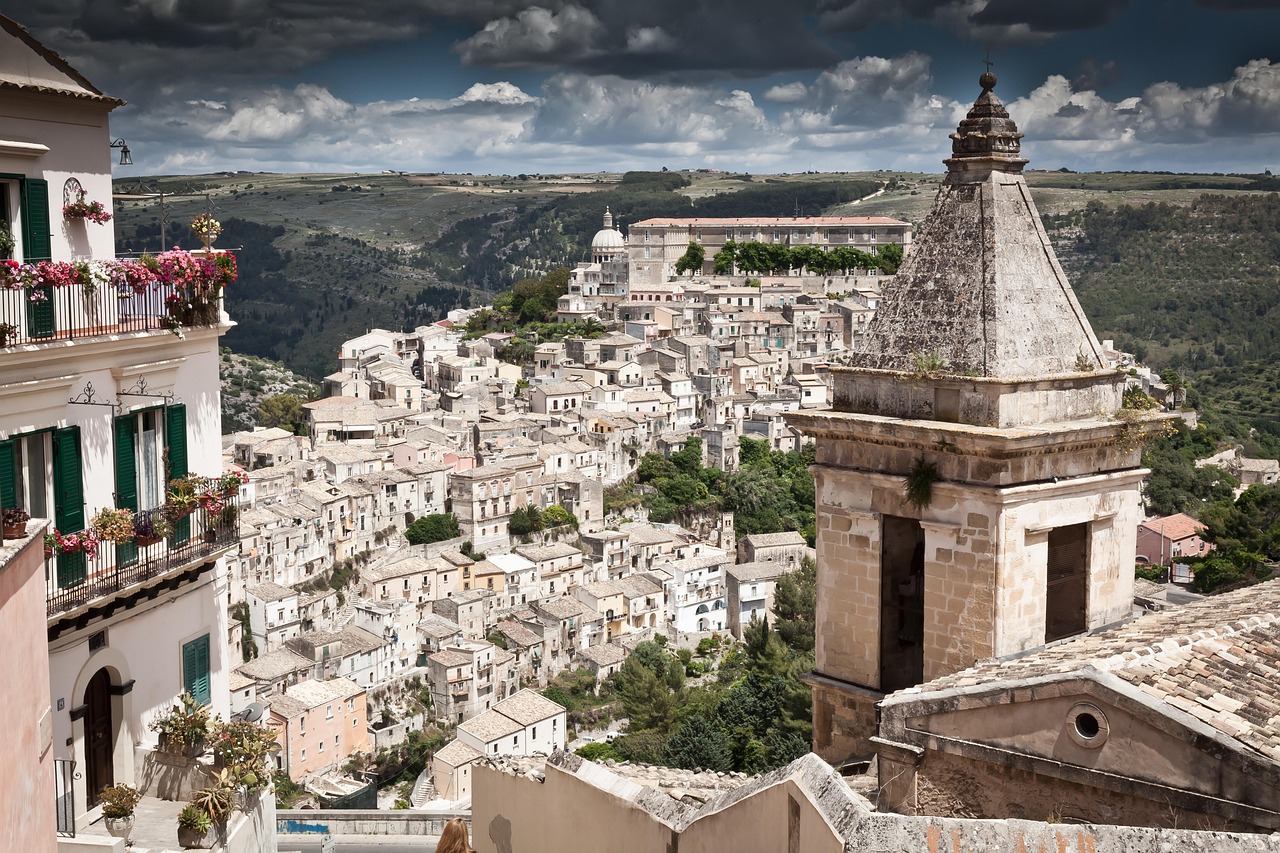
Ragusa Ibla looks like it’s poured down a hill in waves of stone. At night, from the upper town viewpoint, the lights form a glittering, organic shape. The first time I arrived, it was via a twisty road at dusk, and I had to pull over just to stare.
Ragusa is actually two towns: the newer Ragusa Superiore and the older Ibla. They’re connected by steep roads and staircases.
Don’t Miss
- Duomo di San Giorgio: Baroque at its most theatrical.
- Giardino Ibleo: A peaceful garden at the edge of town with valley views – perfect for a quiet moment.
- Food: This area is known for excellent trattorie. Advance dinner bookings recommended on weekends.
11. Modica & Its Chocolate
In Modica, chocolate isn’t just a treat; it’s a tradition. The city’s cold-processed chocolate, inherited from Spanish and Aztec techniques, has a grainy texture and intense flavor. I once spent a whole rainy afternoon going from chocolatier to chocolatier, tasting versions with chili, orange, and sea salt.
The town itself is another Baroque cascade, with steep streets and dramatic churches.
Tips
- Chocolate Tasting: Many shops offer free samples; don’t be shy.
- Stairs: Modica is vertical. If mobility is an issue, plan routes carefully or use taxis.
12. Valley of the Temples (Agrigento)
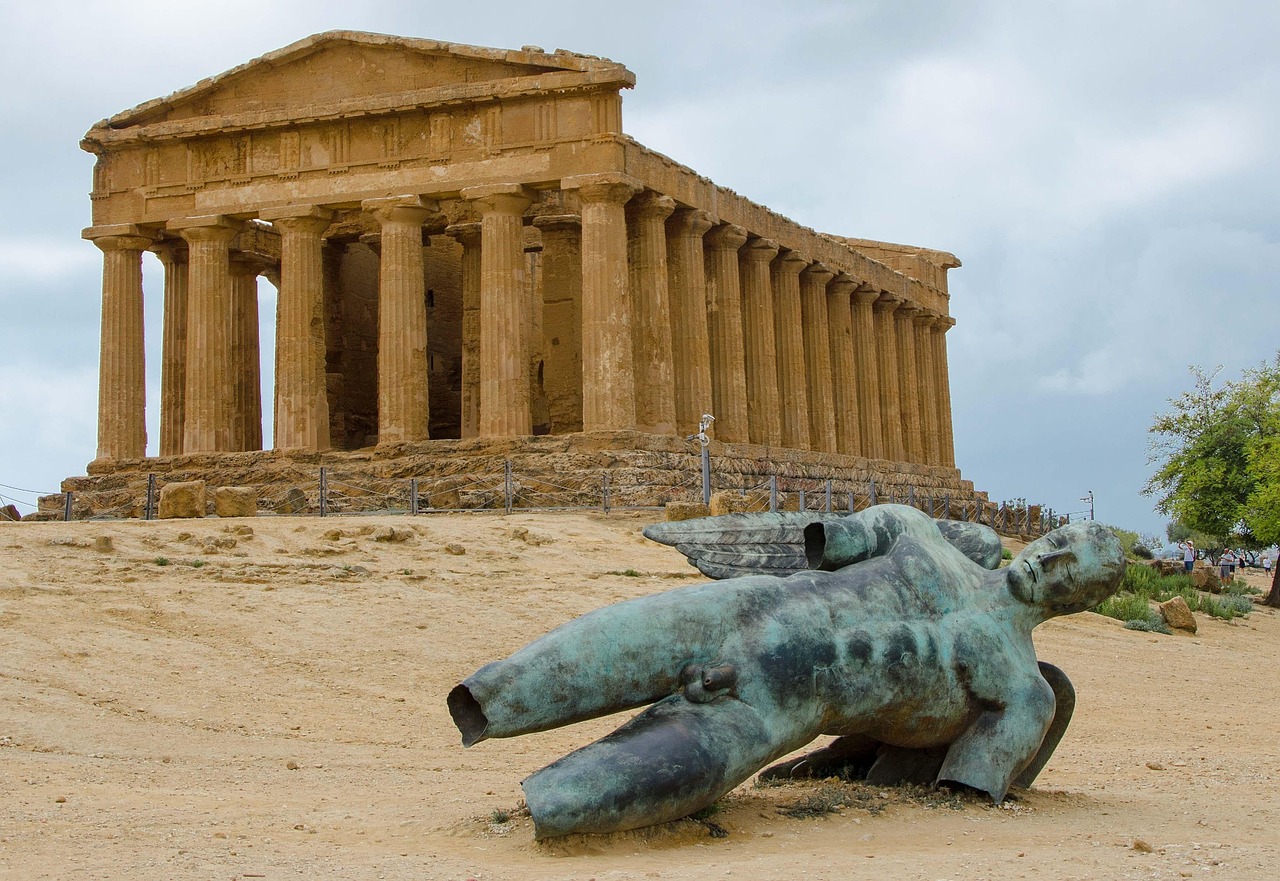
The Valley of the Temples is one of Europe’s great archaeological sites. Walking here at sunset in late October, with the Temple of Concordia glowing against a pink sky and the sea in the distance, I felt like I’d stepped into a textbook illustration – only better.
The site is spread out, with several temples and ruins along a ridge. Even if you’re not usually an archaeology person, the setting and scale are impressive.
Best Way to Visit
- Timing: Late afternoon into sunset is magical and less hot.
- Tickets: Combined tickets with the archaeological museum are available; the museum has excellent artifacts if you have time.
- Footwear & Water: It’s a lot of walking on uneven ground; bring water, especially with kids.
13. Scala dei Turchi
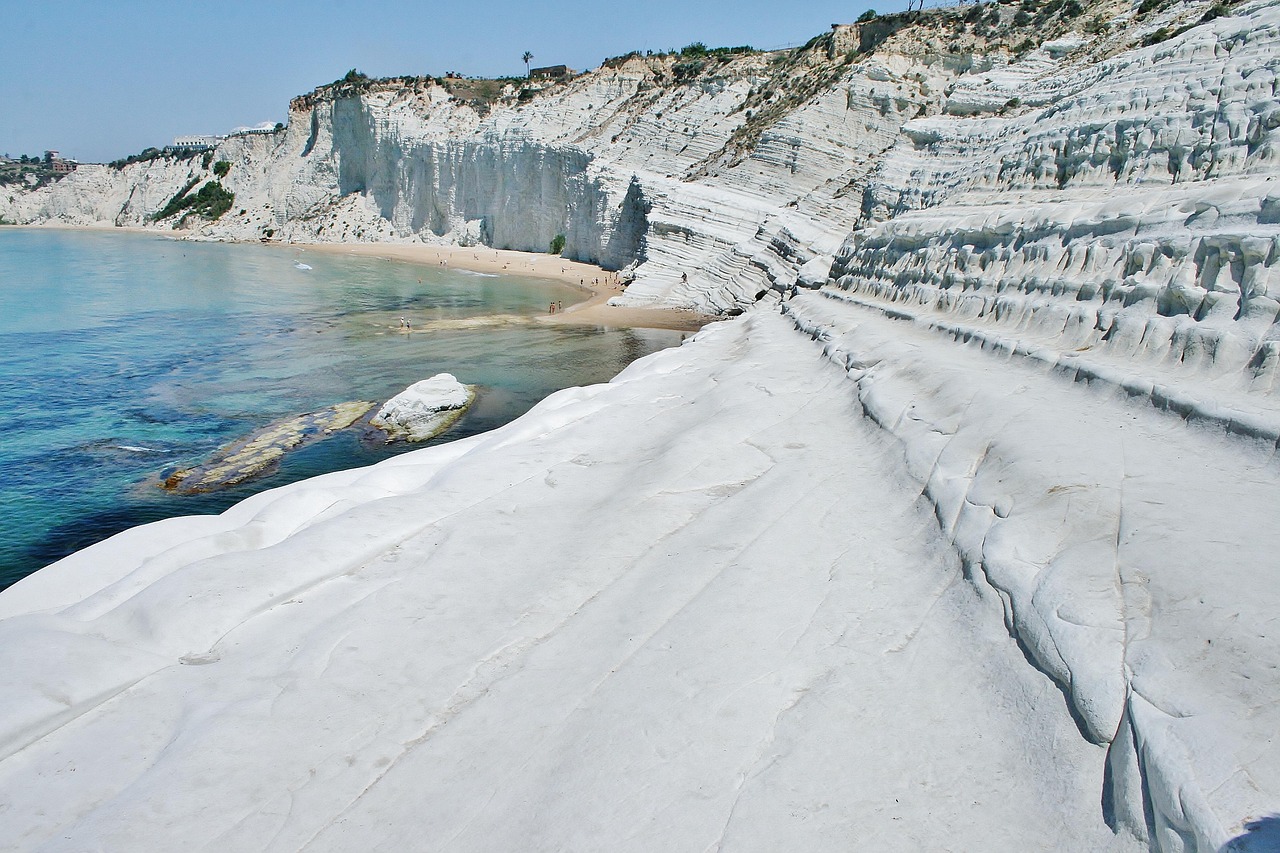
Scala dei Turchi is a luminous white marl cliff that curves dramatically into the sea, like a frozen wave. The first time I saw it, driving along the coast from Agrigento, it was so bright I had to squint.
People come here to sit on the natural “steps,” take photos, and swim in the clear water at the base.
Practicalities
- Access: The area has had erosion and access restrictions; in 2026 check locally or with your accommodation about current rules and safe access points.
- Footwear: The white rock can be slippery when wet.
- Sun: There is almost no shade; a sunhat and sunscreen are mandatory.
14. Selinunte Archaeological Park
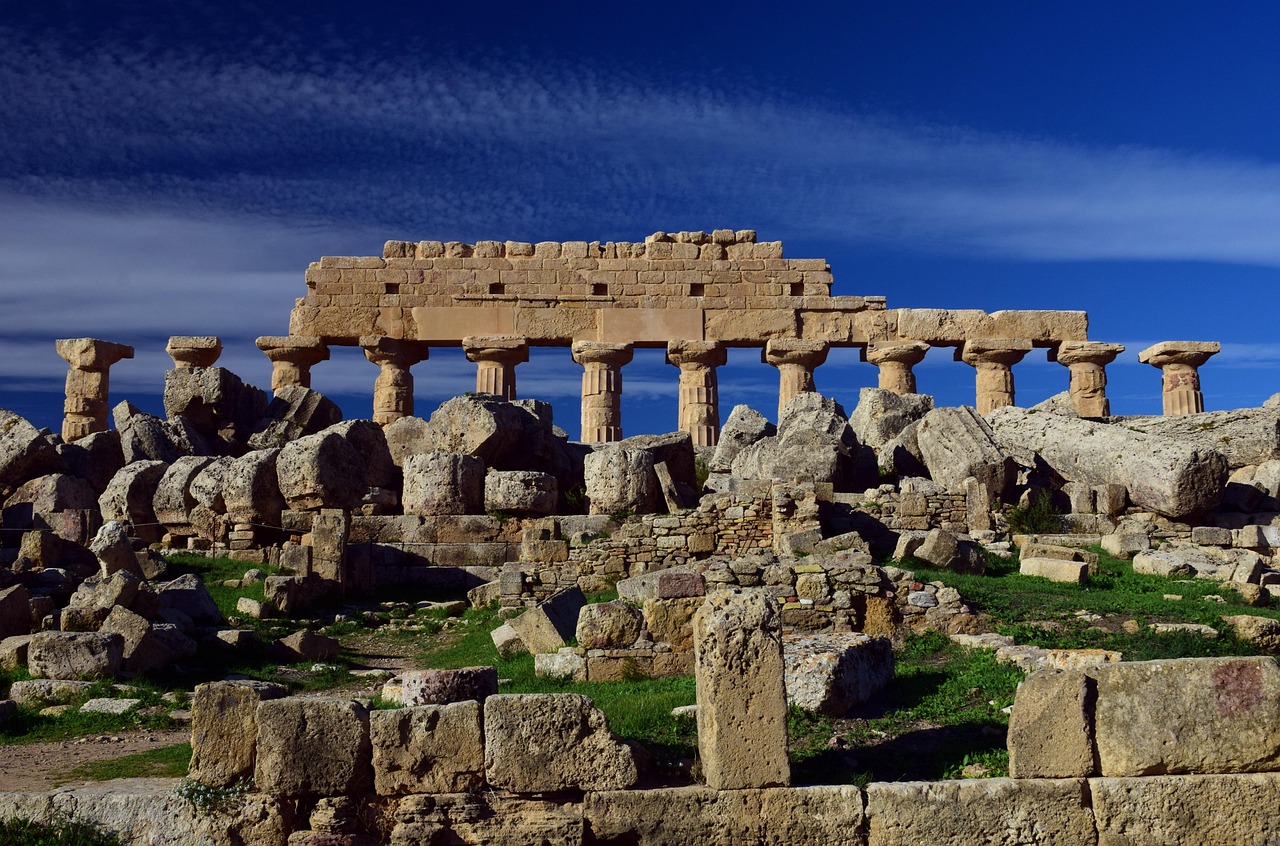
Selinunte feels wild compared to Agrigento: sprawling ruins by the sea, with the sound of waves and wind more present than tour groups. I came here on a breezy April day and had entire sectors almost to myself.
Greek temples, city walls, and acropolis remains stretch across a large area. The combination of history and sea views is powerful.
Good to Know
- Transport: A car is very useful; public transport is limited.
- On-site Shuttle: There’s usually a small shuttle train inside for those who don’t want to walk the entire site.
15. Trapani Old Town
Trapani surprised me. I expected a simple ferry port; instead, I found a long, elegant old town on a narrow spit of land, with sea on both sides and some of the best sunsets in Sicily.
In 2022 I spent three nights here before heading to the Egadi Islands, and it ended up being a highlight.
What to Do
- Sunset Walk: Along the western Lungomare, watching the sky turn orange and pink over the sea.
- Salt Pans (Saline di Trapani e Paceco): Short drive or bike ride away; windmills and shallow pools that glow at sunset.
- Food: Excellent couscous di pesce (fish couscous), a local specialty with North African roots.
16. Erice Hilltop Village
Erice is a medieval stone village perched high above Trapani. You reach it by a cable car that glides up through the clouds – and sometimes, you literally end up in the clouds. My first visit was on a foggy day; the streets were misty and mysterious, like a film set.
On clear days, the view from the castle is enormous, stretching over the coast and islands.
Tips
- Weather: Erice can be much cooler and windier than Trapani; bring a layer.
- Pastries: Try the local genovesi pastries filled with custard or ricotta.
17. Egadi Islands (Favignana & Levanzo)
If you love turquoise water, the Egadi Islands off Trapani’s coast are non-negotiable. Favignana’s Cala Rossa and Cala Azzurra are some of the clearest waters I’ve ever swum in, with rocky coves and intense blues.
I usually rent a bike on Favignana and spend the day cove-hopping, with a lunch stop at a simple panini bar in town. Levanzo is quieter, with a tiny village and great walking trails.
Logistics
- Boats: Frequent hydrofoils from Trapani, especially in summer. Book ahead in August.
- With Kids: Choose at least one sandy or easy-entry cove; some are rocky and best for confident swimmers.
18. Aeolian Islands (Lipari, Vulcano, Stromboli)
The Aeolian Islands feel like a separate mini-universe off Sicily’s north coast: volcanic, green, and surrounded by deep blue sea. I spent a week there once, hopping between Lipari, Vulcano, and Stromboli, and it felt like summer camp for grown-ups.
Lipari is the main hub; Vulcano has a sulfur-smelling crater you can hike; Stromboli is famous for its regular eruptions, which can sometimes be seen at night from boats (safety restrictions can change – always check current advice).
Good for
Adventurous travelers, couples, and older kids who like boat trips and hikes. Not ideal if you get seasick easily.
19. Madonie Mountains
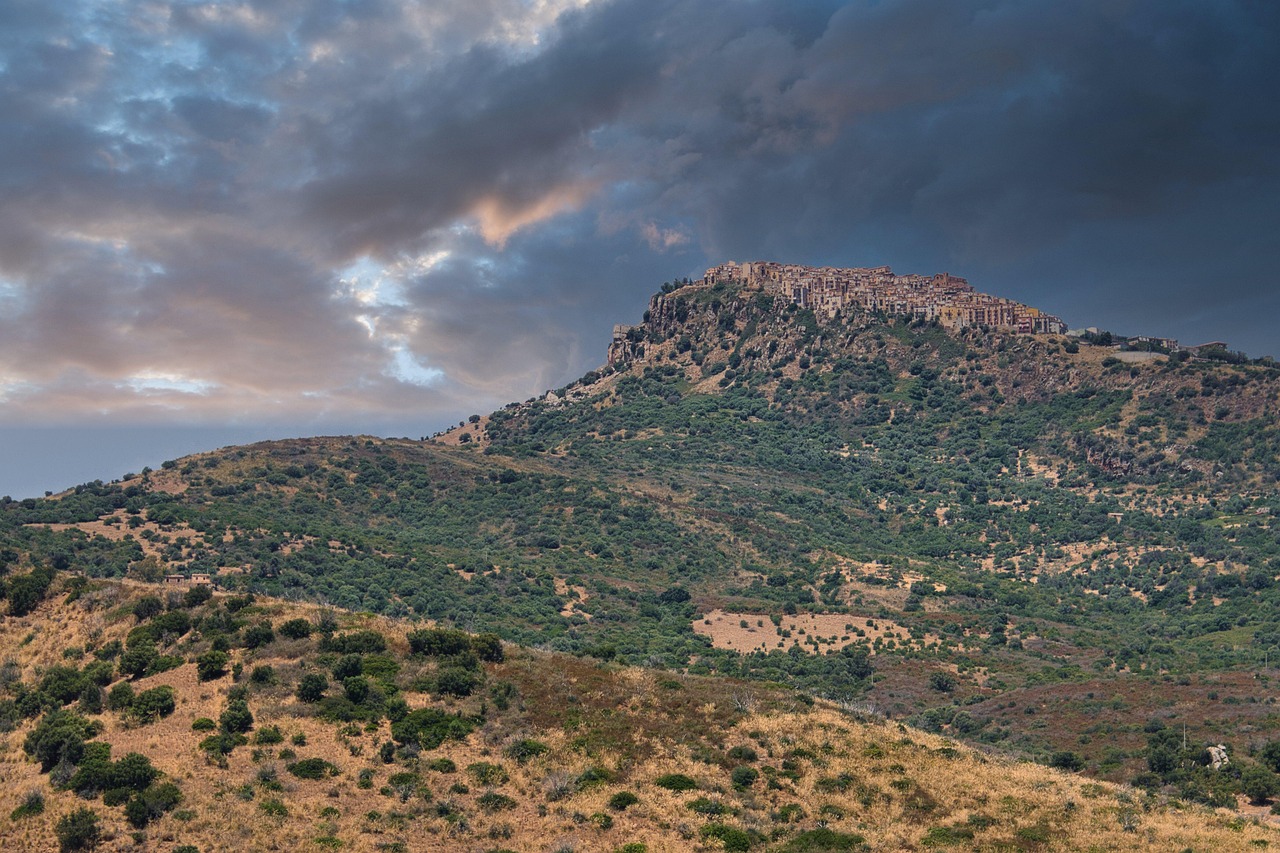
When the coasts get too hot and busy in August, Sicilians escape to the Madonie mountains. I stayed in Castelbuono one particularly sweltering summer: nights were cool, mornings smelled of pine, and the only crowds were at the local bar at breakfast.
The Madonie are great for hiking, small villages, and food (especially cured meats, cheeses, and mushrooms in season).
20. Catania
Catania is gritty, volcanic, and full of life. Built largely in dark lava stone after the 1693 earthquake, it has a different mood from baroque towns like Noto.
I like Catania for its energy: the fish market behind Piazza Duomo (La Pescheria) is one of the liveliest in Sicily, with vendors singing out prices and restaurants grilling swordfish meters away.
Highlights
- Piazza Duomo & Elephant Fountain: The city’s symbol is an elephant statue made of lava stone.
- Via Etnea: Main shopping and strolling street, with Etna looming ahead on clear days.
- Food: Try pasta alla Norma (with eggplant and ricotta salata) and arancini. Catania’s street food rivals Palermo’s.
Catania is also an ideal base for a 3 day itinerary for Sicily or 4 days in Sicily focused on the east coast, thanks to its airport and transport links.
Beaches, Coves, Bays & Inland Villages: Where to Go for What
One of the most common questions I get is: “Which side of Sicily is best?” The answer depends on what you’re after. Here’s how I break it down for friends.
Best for Calm, Family-Friendly Beaches
- Cefalù (North Coast): Long sandy beach, shallow entry, tons of facilities.
- San Vito Lo Capo (North-West): Caribbean-looking water, fine sand, slightly more touristy but very kid-friendly.
- Fontane Bianche (Near Siracusa): Sandy and easy for little ones, though can be busy in August.
Best for Snorkeling & Rocky Coves
- Isola Bella (Taormina): Clear, rocky, full of fish.
- Cala Rossa & Cala Azzurra (Favignana): Astonishing turquoise waters.
- Vendicari Nature Reserve (South-East): Mix of sandy stretches and wilder coves, with birdlife and walking trails.
Best for Nightlife & Beach Bars
- Taormina & Giardini Naxos: Beach clubs and bars that stay open late in summer.
- Palermo Mondello Beach: City beach with a buzzing summer scene.
- Catania Coast (Aci Castello, Aci Trezza): Lidos on lava rocks, seaside aperitivo spots.
Best for Quiet Retreats & Wild Feel
- South Coast near Gela & Licata: Long, rarely crowded beaches.
- Some stretches of the Madonie & Nebrodi foothills: Inland, but an easy drive to the coast, with peaceful villages.
- Smaller Aeolian or Egadi bays: Avoid main ports and walk a little farther.
Where to Base Yourself
Beachfront: Great if you want lazy days and immediate swims. Expect higher prices and more noise in high season. Ideal for families and short 3 days in Sicily stays.
Village/Town Centers: My favorite. You walk to restaurants and piazzas, then drive or bus to beaches. Siracusa Ortigia, Cefalù, and Taormina are perfect examples.
Eco-Lodges & Agriturismi (Countryside Stays): Lovely if you have a car and at least 5 days in Sicily. Think farm dinners, stars at night, and drives to different beaches by day.
Island Eating: Local Food in Sicily & Where to Try It
Sicilian food is a chapter of its own. It’s also one of the easiest ways to understand the island’s history: Greek, Arab, and Spanish influences show up in everything from couscous to candied fruits.
Must-Try Dishes
- Arancini: Fried rice balls with ragù, mozzarella, or spinach. Every region claims theirs are best. Catania shapes them like Etna.
- Pasta alla Norma: Pasta with tomato, fried eggplant, basil, and ricotta salata – born in Catania.
- Caponata: Sweet-sour eggplant stew, served as an antipasto.
- Panelle & Crocchè: Chickpea fritters and potato croquettes, Palermo street food staples.
- Cannoli: Ricotta-filled pastry tubes. Freshly filled is non-negotiable.
- Granita con Brioche: Slushy, intense fruit or almond granita with a soft brioche bun, especially beloved for breakfast in Catania and Messina areas.
- Seafood: Grilled swordfish, octopus salads, and daily catches in coast towns.
Where to Eat: My Favorite Styles
Seafood Shacks: In Aci Trezza, Marzamemi, and along the Trapani harbor, I love pulling up a plastic chair and eating whatever came in that morning. It’s usually cheaper than sit-down restaurants and more fun.
Harbor-Side Restaurants: Perfect for romantic dinners. In Siracusa Ortigia and Cefalù, book ahead for sunset tables.
Beach Bars & Lidos: During the day, many serve solid salads, panini, and fried seafood. Great with kids – you can eat under shade while they play.
Markets: Palermo, Catania, and Siracusa markets are my go-tos for quick, cheap lunches: grilled fish, arancini, or fresh bread, cheese, and tomatoes for a DIY picnic.
Money-Saving Eating Tips
- Pranzo di lavoro: Many places offer a cheap fixed-price lunch menu on weekdays.
- Avoid main-square traps: Walk one or two streets back from major sights.
- House wine & water: Carafes of local wine are usually excellent value; ask for “acqua del rubinetto” (tap water) if you’re comfortable with it.
Island Evenings & Nightlife in Sicily
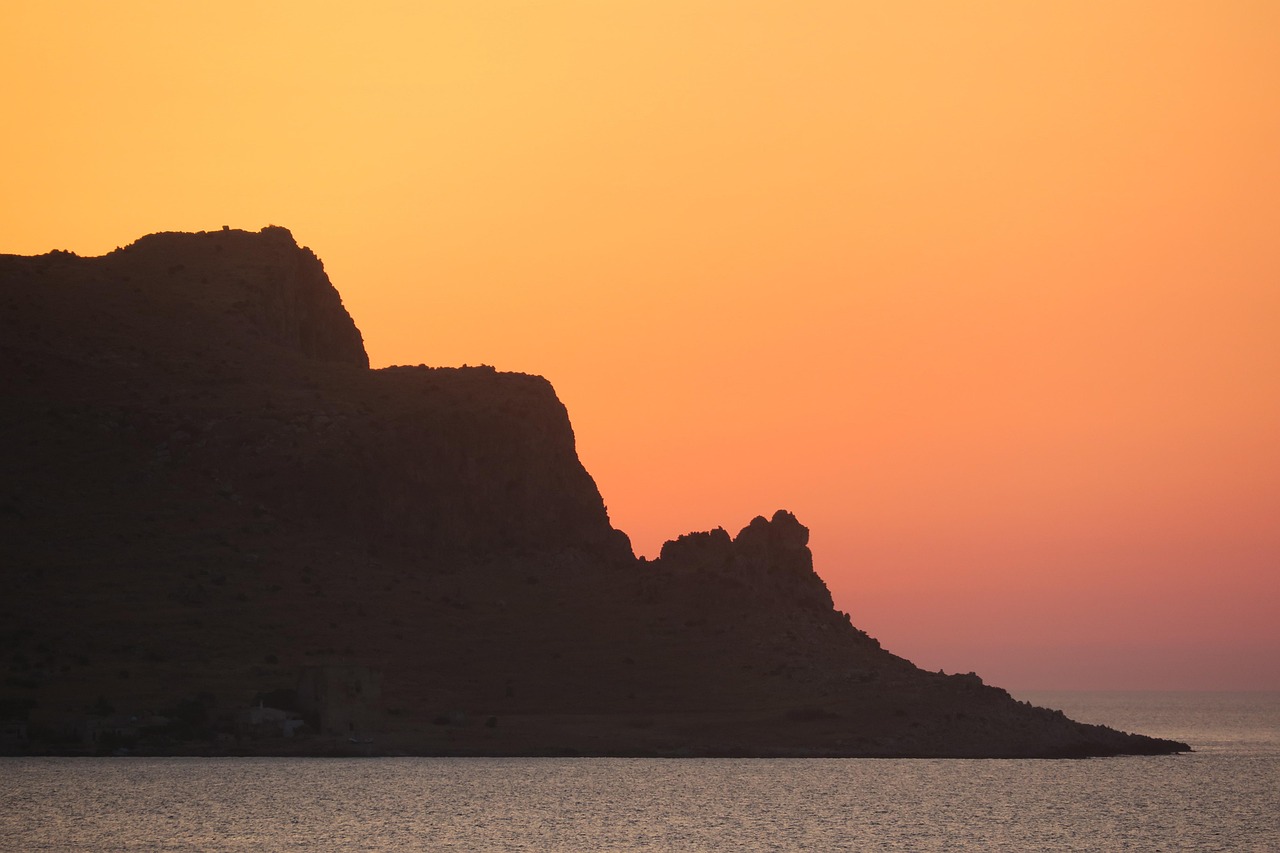
Sicilian evenings are one of my favorite things about the island. After the heat of the day, streets and squares fill with life. Even if you’re not a “nightlife” person, you’ll probably stay out later than you expect.
Sunset Spots
- Trapani Seafront: The sun sinks into the sea behind the Egadi Islands.
- Scala dei Turchi: White cliffs turning pink (respect any access restrictions).
- Taormina Terraces: Drinks with Etna and coast views.
- Ortigia Lungomare: Couples and families strolling as the sky softens.
Nightlife & Bars
Palermo & Catania have the liveliest nightlife: students, live music, and bars that spill into the streets. Taormina and Giardini Naxos offer more tourist-oriented clubs and lounges. Seaside towns like San Vito Lo Capo and Cefalù get seasonal beach bars and occasional DJ nights in July–August.
Quiet Village Nights
In smaller towns, nightlife means a gelato and a stroll. By midnight, things are often very quiet, especially outside high season. This is part of their charm – and a good reason to experience both resort areas and local villages if you have a full 6 or 7 days in Sicily.
Events & Festivals in Sicily 2026–2027
Sicily loves a festa. While exact dates can shift slightly each year, here are key events expected in 2026–2027 (always confirm locally closer to your trip):
- February – Carnival (various towns): Especially lively in Acireale near Catania, with elaborate floats and costumes.
- February – Festa di Sant’Agata (Catania): One of Sicily’s biggest religious festivals, with processions and fireworks.
- Easter Week – Holy Week Processions: Particularly atmospheric in Enna and Trapani, with solemn, torch-lit parades.
- May–June – Infiorata di Noto: A weekend when Noto’s streets are carpeted with flower art.
- Summer 2026 – Taormina Arte Festival: Concerts, theatre, and films in Taormina’s ancient theatre.
- September 2026 – Cous Cous Fest (San Vito Lo Capo): International couscous competition and music on the beach.
- Autumn 2026–2027 – Wine & Food Festivals: Local sagre (festivals) celebrating chestnuts, mushrooms, new wine, etc., especially in inland and mountain areas.
- December–January – Christmas Markets & Presepi: Nativity scenes and lights in many towns, with notable displays in Caltagirone and Erice.
Extras: Day Trips & Nearby Adventures from Sicily
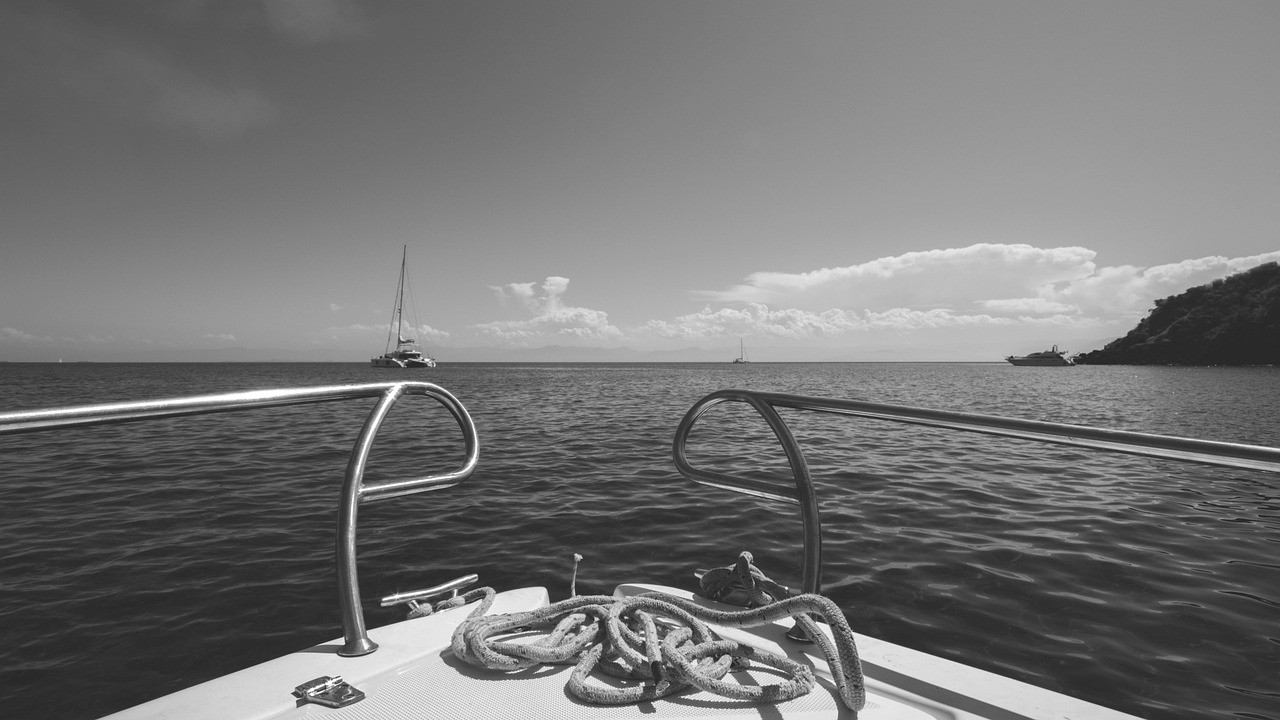
If you have more than 5 days in Sicily, or you’re returning for a second trip, consider:
- Day trip to the Egadi Islands from Trapani: Morning hydrofoil, rent a bike on Favignana, swim in two coves, lunch in town, and back by evening.
- Etna Wine Road: Base in Catania or Taormina and spend a day visiting 2–3 wineries around Linguaglossa and Randazzo.
- Boat tour from Cefalù or Taormina: Half-day cruises along the coast with swim stops and simple lunches on board.
- Inland day to Piazza Armerina: Visit Villa Romana del Casale with its extraordinary Roman mosaics.
Cultural Experiences & Local Customs in Sicily
To enjoy Sicily fully – and avoid faux pas – it helps to tune into local rhythms.
Daily Rhythm
- Late Meals: Lunch around 1–2pm; dinner rarely before 8pm. In small towns, restaurants may not open until 8.
- Siesta: In many places, shops close from roughly 1–4pm, especially in summer.
- Passeggiata: Evening stroll when locals dress nicely and walk the main street. Join in – it’s a free cultural show.
Etiquette
- Greetings: A polite “buongiorno” (before afternoon) or “buonasera” (afternoon/evening) goes a long way.
- Dress: Beachwear stays at the beach. In churches, cover shoulders and knees.
- Volume: Sicilians may speak loudly, but in churches and small villages late at night, keep voices down.
Cultural Experiences to Seek Out
- Religious Festas: Even if you’re not religious, processions and saint days are deeply woven into local life.
- Cooking Classes: Learn to make arancini, cannoli, or pasta alla Norma with local cooks.
- Market Shopping: Buy directly from farmers and fishmongers; it’s a crash course in Sicily’s seasons.
Practical Travel Advice for Sicily (2026)
Getting To & Around Sicily
Arriving
- By Air: Main airports are Palermo (PMO) and Catania (CTA), with more low-cost and direct European flights in 2026 than ever. Smaller airports include Trapani and Comiso with seasonal routes.
- By Ferry: Regular ferries from mainland Italy (Naples, Civitavecchia, Salerno, Reggio Calabria) to Palermo, Catania, Messina, and others. Overnight ferries can save on accommodation.
Getting Around
Car Rental: Best flexibility, especially for beaches and inland areas. Roads are mostly good, though city driving and parking (Palermo, Catania) can be chaotic. Foreign driver’s licenses are generally accepted; non-EU visitors should carry an International Driving Permit.
Trains: Good along main routes (Palermo–Cefalù–Messina–Catania–Siracusa). Slower inland.
Buses: Often connect where trains don’t (Ragusa, Modica, Agrigento from Palermo/Catania). Check timetables carefully; Sunday services are reduced.
Boats: Ferries and hydrofoils connect islands (Aeolian, Egadi, Pantelleria, Lampedusa). In high season, book in advance.
Scooters: Fun for short coastal stretches but be cautious: Sicilian drivers can be assertive. Always wear helmets and check insurance.
Costs & Money-Saving Tips
- Accommodation: Prices spike in July–August, especially in Taormina and famous seaside towns. Visit in May–June or September–October for better value.
- Food: Markets and bakeries are your budget friends. A picnic from a market can cost less than a single restaurant dish.
- Transport: Trains and long-distance buses are usually cheaper than car rentals, but factor in time and taxi transfers.
- Everything “Shipped In”: On smaller islands, food and services cost more. Bring basics like sunscreen, medication, and reusable water bottles from the mainland.
SIM Cards, Connectivity & ATMs
In 2026, Italy’s main providers (TIM, Vodafone, Iliad, WindTre) offer tourist-friendly plans with data. You can buy SIMs at airports, city shops, and some electronics stores.
- Coverage: Generally good in cities and along coasts. Some mountain and remote coastal areas may have weaker signal.
- ATMs: Widely available in towns and cities. On smaller islands and remote villages, don’t assume; carry some cash.
Safety, Seasons & Weather
Sicily doesn’t have hurricanes or monsoons. It has a Mediterranean climate: hot, dry summers and mild, wetter winters.
- Best months overall: May–June and September–October: warm sea, pleasant air, fewer crowds.
- High summer (July–August): Very hot, especially inland and in cities. Great for beach life, but plan around midday heat.
- Winter: Quieter, with some rainy days. Good for cities, food, and archaeology; less ideal for swimming.
Water Safety & Sea Life
The sea around Sicily is generally safe, but always respect local conditions.
- Currents: Some stretches (especially straits and open-coast areas) can have strong currents. Swim where locals swim and heed lifeguards.
- Jellyfish: Occasional stings in summer. Locals may avoid the water for a day or two when there’s a “bloom.” Vinegar or special creams help.
- Reef & Rock Etiquette: Don’t break or take rocks or sea life. Wear water shoes on rocky coasts.
Tipping & Payments
- Restaurants: Service is often included; leaving a few coins or rounding up is common. For great service, 5–10% is appreciated.
- Cafes & Bars: Italians might leave small change on the saucer.
- Cash vs Card: Cards increasingly accepted, but small places and markets may be cash-only.
Visas & Entry
Sicily follows Italy’s and the EU’s rules.
- EU/Schengen citizens: Free movement.
- Many non-EU countries (US, Canada, UK, Australia, etc.): Short stays (usually up to 90 days in any 180-day period) visa-free, but check up-to-date Schengen rules and any electronic travel authorization requirements that may apply by 2026.
- Arrival taxes: Some cities and towns charge a small nightly tourist tax payable at your accommodation.
Driving & Foreign Licenses
Non-EU visitors should carry both their home license and an International Driving Permit (IDP). Police checks are not common but can happen.
- City ZTL Zones: Many towns have restricted traffic zones; don’t drive into them without authorization to avoid fines.
- Parking: White lines usually free, blue lines paid, yellow reserved. Always check local signs.
Summary & Final Recommendations: Planning Your Sicily Trip
Sicily is not a place you tick off; it’s a place you return to. But even if you only have a 3 day itinerary for Sicily or 4 days in Sicily, you can still feel the island’s spirit: a morning granita in Catania, an afternoon swim at Isola Bella, an Etna sunset glow.
Key Takeaways
- For 3–4 days in Sicily: Base in Catania or Taormina + Siracusa. Focus on Etna, Taormina, and Ortigia.
- For 5–6 days in Sicily: Add Noto, a Baroque town, and either Cefalù or the south coast for variety.
- For 7 days in Sicily: Consider a mini loop: Palermo & Cefalù → Agrigento & Scala dei Turchi → Siracusa & Noto → Taormina & Etna.
Best Seasons by Interest
- Beaches & swimming: June–September (July–August hottest and busiest).
- Hiking & cultural sightseeing: April–June and late September–November.
- Budget & quiet: March, early April, late October, November (some beach services closed, but cities and archaeology excellent).
Whichever season and itinerary you choose – 3 day itinerary for Sicily or a full 7 days in Sicily – slow down. Leave space for the unplanned: a long lunch, a surprise festival, a hidden cove someone at your B&B tells you about. Sicily rewards curiosity and patience, and every trip here feels like the beginning of another.