Why Visit Sorrento in 2026
If you’ve ever dreamed of waking up to the smell of lemons and the sight of the Bay of Naples shimmering below a ribbon of pastel houses, Sorrento is that dream in Technicolor. It’s the gateway to the Amalfi Coast, but it has a character and rhythm that are entirely its own: more relaxed than Positano, more lived-in than Capri, and more walkable than Naples, all while still feeling gloriously, defiantly Italian.
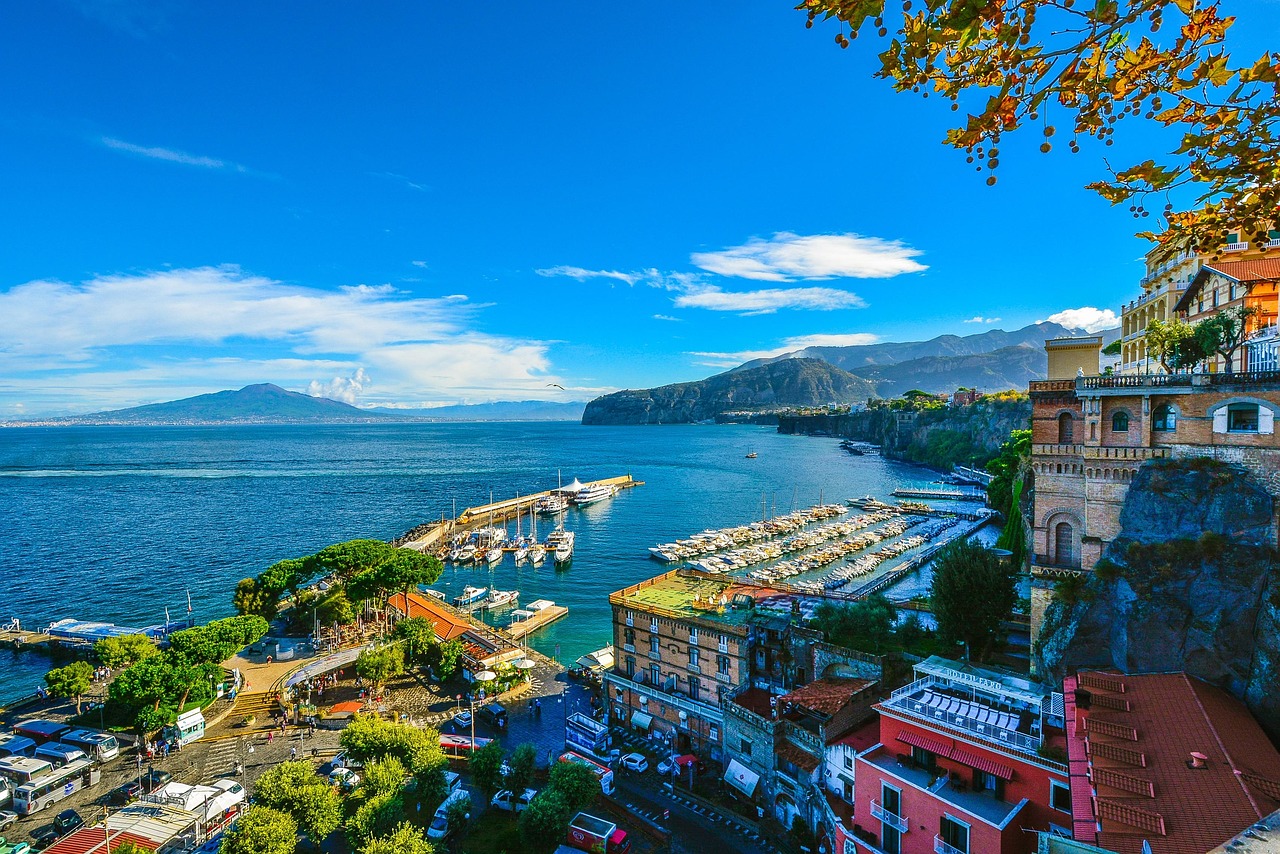
I’ve been coming to Sorrento on and off for more than a decade, and every time I arrive at the clifftop viewpoint of Villa Comunale and see Vesuvius across the bay, I feel the same little jolt of disbelief: people actually live here all year round. For travelers in 2026, Sorrento is especially appealing: improved ferry schedules, more pedestrianized streets, new food tours, and a growing emphasis on sustainable tourism are making it easier than ever to enjoy the town without feeling like you’re part of a crowd-control experiment.
Whether you’re planning 3 days in Sorrento, a 4 day itinerary for Sorrento, or a leisurely 5 days in Sorrento, this guide will walk you through the best places to visit in Sorrento, the most delicious local food in Sorrento, and the little hidden gems in Sorrento that most visitors rush right past on their way to Capri.
Table of Contents
- Why Visit Sorrento
- Sorrento at a Glance
- Suggested Itineraries (3–5 Days in Sorrento)
- Neighborhoods & Areas to Explore
- Top 20+ Attractions & Experiences
- Local Food & Drink in Sorrento
- Nightlife, Entertainment & Cultural Experiences
- Best Day Trips from Sorrento
- Cultural Etiquette & Local Customs
- Practical Travel Advice for Sorrento
- When to Visit Sorrento
- Key Takeaways & Final Thoughts
Sorrento at a Glance
Sorrento sits on a dramatic tufa cliff overlooking the Bay of Naples, with narrow medieval lanes at its core and Belle Époque hotels perched above tiny volcanic beaches. Technically, it’s part of the Sorrentine Peninsula, a natural stepping stone between Naples and the Amalfi Coast.
In 2026, Sorrento is:
- A perfect base for exploring Capri, Positano, Amalfi, Pompeii, and Naples.
- Compact and walkable – you can cross the historic center on foot in about 15 minutes.
- Family-friendly with safe pedestrian streets, gelato on every corner, and easy beaches.
- Romantic with terraced restaurants, sunset viewpoints, and quiet lemon groves.
- Adventurous if you venture out on hikes, coastal boat trips, or Vespa rides.
Tourism is the beating heart of the local economy, but there are still plenty of spots where daily life goes on largely untouched by the selfie-stick crowd. That’s where I’ll try to steer you, in between the must‑see attractions in Sorrento.
Suggested Itineraries: 3–5 Days in Sorrento
These itineraries are based on trips I’ve taken in different seasons and with different travel styles (solo, with friends, and with my partner). Pick one that matches your time frame, then mix and match days as needed.
3 Days in Sorrento: Classic Highlights
If you only have 3 days in Sorrento, focus on the big hitters with a few local touches. Think of this as a “greatest hits” album with a couple of bonus tracks.
- Day 1: Historic center, Marina Grande, sunset at Villa Comunale.
- Day 2: Capri day trip (or Pompeii if you’re a history buff).
- Day 3: Amalfi Coast taster (Positano & Amalfi) or relaxed food-focused day in Sorrento.
4 Days in Sorrento: Highlights + Local Life
With 4 days in Sorrento, you can slow down a bit and add in more neighborhood wandering and food experiences.
- Day 1: Old town, limoncello tastings, Marina Grande dinner.
- Day 2: Capri or Pompeii.
- Day 3: Amalfi Coast or hiking on the Sorrentine Peninsula.
- Day 4: Cooking class, lemon grove visit, hidden coves, and shopping.
5 Days in Sorrento: The Deep Dive
With 5 days in Sorrento, you can experience the town almost like a short-term local. This is my favorite pace: enough time to watch the light change on Vesuvius at different times of day and to find “your” coffee bar.
- Day 1: Sorrento orientation, old town, viewpoints.
- Day 2: Capri.
- Day 3: Pompeii & Vesuvius or Herculaneum.
- Day 4: Amalfi Coast or boat tour along the Sorrentine Peninsula.
- Day 5: Slow day in Sorrento: lemon grove, cooking class, shops, hidden beaches.
Below, I’ll walk you through a detailed 5‑day narrative itinerary (easily adaptable down to 3 or 4 days) that blends the best things to do in Sorrento with personal experiences and practical tips.
A Personal 5‑Day Itinerary for Sorrento
This is how I structured my most recent 5‑day stay in Sorrento, which I used to update this 2026 travel guide. You can compress it into a 3 day itinerary for Sorrento by trimming some of the slower experiences and focusing on the must‑see attractions.
Day 1: Getting to Know Sorrento – Old Town, Marina Grande & Sunset Views
I like to arrive in Sorrento around midday, just as the town is waking up from its late-morning lull. Dropping my bag at a small family-run B&B on the edge of the historic center, I always make the same beeline: straight to Piazza Tasso for an espresso, then into the warren of lanes behind it.
Piazza Tasso: The Beating Heart of Sorrento
Piazza Tasso is Sorrento’s main square and the center of gravity for most visitors. It’s busy, yes, but it’s also where you feel the town’s pulse: buses arriving from Naples, scooters zigzagging around hotel shuttles, locals pausing for a caffè at the bar.
I usually start at the corner bar with outdoor tables – ordering a caffè macchiato and a small pastry around 1–2 EUR – and just watch the organized chaos. You’ll spot workers in high-vis vests, hotel concierges ferrying suitcases, and older locals greeting each other with that warm Sorrentine sing-song accent.
Tip: If you’re on a budget, avoid sitting at the very front row of tables facing the square; just one row back, prices dip noticeably, and you still get the same show.
Corso Italia & the Historic Centro Storico
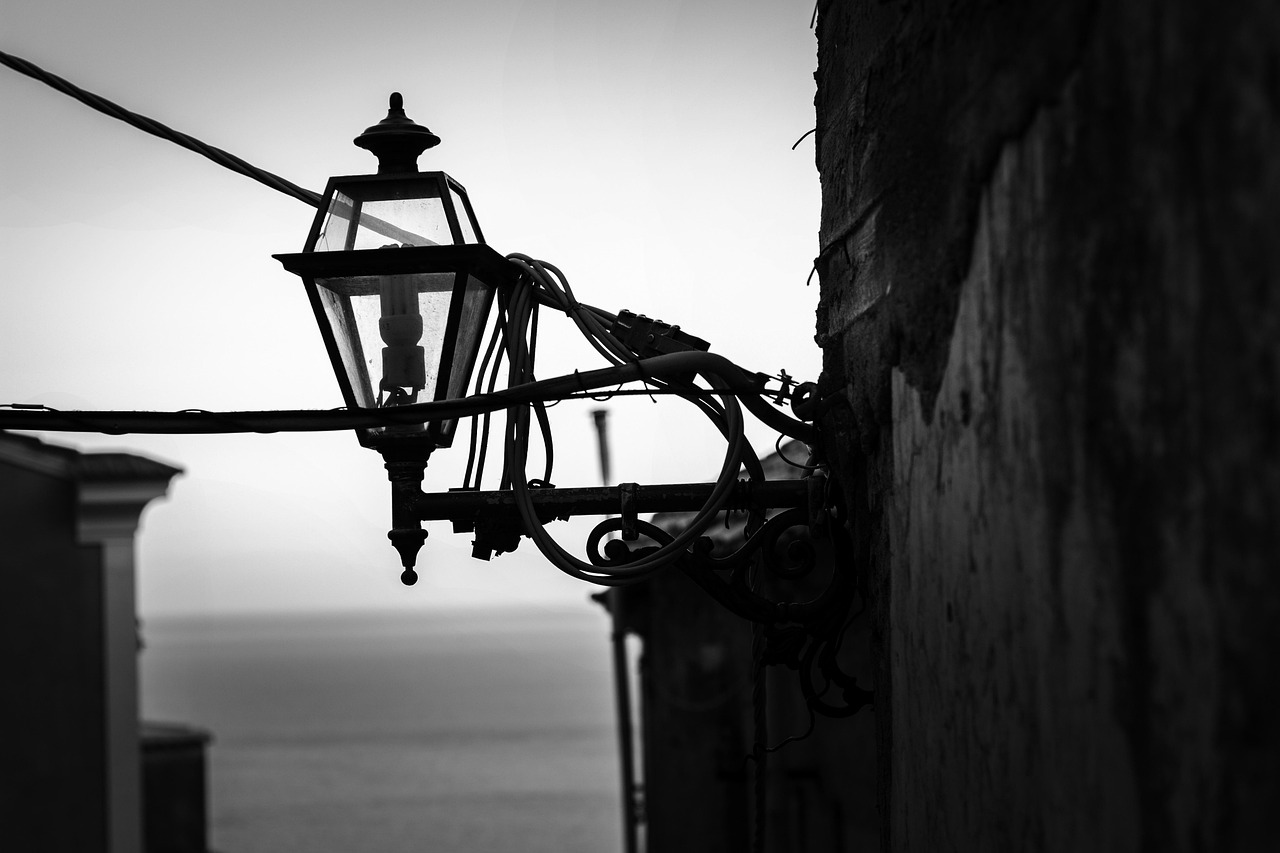
From Piazza Tasso, I wander down Corso Italia, Sorrento’s main shopping street, before ducking into the narrow lanes of the
Centro Storico. The air changes immediately: the faint hum of scooters gives way to footsteps, clinking glasses, and the clatter of ceramic plates.
These streets – Via San Cesareo, Via Fuoro, and the alleys around them – are where you’ll find many of Sorrento’s citrus shops, old-fashioned delis, and small churches. On my last trip, I stepped into a tiny grocery packed to the ceiling with local products: jars of friarielli (broccoli rabe), sun-dried tomatoes, and Sorrento walnuts. The owner insisted I try a slice of provolone del Monaco, the local semi-aged cheese, before I’d even said more than “buongiorno.”
Look out for:
- Artisan ceramic shops with hand-painted lemon designs.
- Traditional bakeries selling sfogliatelle and pastiera.
- Historic churches like Chiesa di San Francesco and Sant’Antonino tucked between houses.
Chiostro di San Francesco (Cloister of Saint Francis)
One of the most atmospheric spots in town is the Chiostro di San Francesco, a 14th-century cloister just a few minutes’ walk from Piazza Tasso. This is where Sorrento shows its quiet, contemplative side. Bougainvillea drapes over delicate arches, and a small garden softens the sounds of the city.
I’ve stumbled on everything here: a string quartet rehearsing for a wedding, a photographer directing a shy bride, even a small art exhibit tucked under the porticoes. It’s free to enter, though donations are appreciated, and it’s a lovely place to escape the midday heat.
Villa Comunale & the Iconic Sorrento View
Step through the cloister and you spill out into Villa Comunale, Sorrento’s public garden and arguably the most photogenic viewpoint in town. Nowhere else do you get such a clean sweep of the Bay of Naples, with Vesuvius perfectly framed in the distance and the marina far below.
This is where I always officially “start” my trip. Find a bench along the balustrade, listen to a busker playing something vaguely Neapolitan on a guitar, and let the panorama sink in. If you’re here during golden hour, the cliffs and hotels turn honey-colored, and the whole scene feels like a movie set.
You’ll also spot the elevator down to Marina Piccola (paid, but convenient) and the zigzagging stairs carved into the cliff for those who prefer to walk.
Marina Grande: Old Fishing Village Charm
By late afternoon, I usually head down to Marina Grande – Sorrento’s old fishing village, not to be confused with Marina Piccola (the main ferry port). You can walk there in about 15–20 minutes from Piazza Tasso; the route winds down past quiet backstreets and glimpses of the sea between houses.
Marina Grande feels like a small town within the town: colorful boats bobbing in the water, nets piled on the quay, children playing football between restaurant tables. In the late afternoon, the sun sits right over the water, giving all the pastel houses that warm glow photographers chase.
This is one of my favorite spots for a first-night dinner. Pick a table at a waterfront trattoria (I’m partial to the ones at the far end, away from the first cluster near the curve) and order spaghetti alle vongole (spaghetti with clams) or gnocchi alla sorrentina (baked gnocchi with tomato, mozzarella, and basil). The fish is usually priced by weight; ask to see the menu and confirm the approximate total before you commit.
Evening Stroll & Gelato
After dinner, I walk back up into town (yes, it’s a bit of a climb, but pleasant in the cool evening air) and join the passeggiata along Corso Italia. This nightly stroll is a small but essential Sorrentine ritual: families, couples, and groups of friends drifting along, chatting, window-shopping, and of course, eating gelato.
Pick a gelateria that makes its own flavors (you’ll usually see big trays with natural colors, not fluorescent mounds), and try something local: limone, nocciola (hazelnut), or delizia al limone flavor. This easy first day sets you up for more serious exploring tomorrow.
Day 2: Capri – Glamour, Grottos & Quiet Corners
On my second day in Sorrento, I almost always devote the full day to Capri. It’s touristy, yes, but there’s a reason every Hollywood starlet and European royal has passed through here at some point. The trick is to approach Capri with a plan – and a bit of patience.
Morning: Ferry to Capri from Marina Piccola
Boats to Capri leave from Marina Piccola, Sorrento’s main marina. It’s a 10–15 minute walk down from Piazza Tasso via the elevator or stairs. In high season (May–September), I aim for a departure between 8:30 and 9:30 a.m. to get a head start.
Tickets can be bought at the dock or online; in summer, I recommend booking a day in advance. The crossing takes around 20–25 minutes, and if the weather is calm, try to sit outside on the right-hand side to watch Sorrento recede behind you.
Boat Tour & Blue Grotto
Once you arrive at Marina Grande (yes, Capri has its own Marina Grande), you’ll be confronted with a wall of signs advertising boat tours. I usually opt for a 2–3 hour small-boat circuit of the island, including a stop at the Blue Grotto if the sea is calm.
Is the Blue Grotto worth it? It depends. You’ll pay an extra fee to transfer to a rowboat, then wait your turn to duck inside the cave. Inside, the water glows an unreal electric blue, lit from below through an underwater opening. It lasts only a few minutes, but it is, genuinely, beautiful. The trade-off is dealing with crowds and cost. If you dislike tight spaces or queues, skip it and just enjoy the coastal scenery.
My favorite part of the boat tour is actually the Faraglioni – Capri’s iconic rock stacks. Most captains will nudge the boat through the archway in the middle rock; local lore says kissing your partner as you pass under brings luck. I’ve seen solo travelers laughingly kiss their own hands instead – when in Capri, right?
Capri Town & Anacapri
Back on land, I take the funicular up to Capri Town. The Piazzetta is famously chic, but I usually just pass through, pausing only long enough for a quick espresso at the bar and some shameless people-watching. The real magic lies in the lanes beyond: narrow passageways flanked by whitewashed walls, glimpses into private gardens, and the smell of jasmine and citrus.
If it’s not too hot, I like to walk to the Gardens of Augustus for an inexpensive, spectacular view of the Faraglioni and the sinuous Via Krupp path below (usually closed for safety, but stunning nonetheless).
After lunch (I tend to grab a simple caprese sandwich – tomato, mozzarella, basil – from a small deli rather than splurging on a luxury terrace), I hop a bus up to Anacapri. It feels more village-like and less ostentatious than Capri Town. This is where you’ll find the chairlift to Monte Solaro, the island’s highest point. On a clear day, you can see the Sorrentine Peninsula stretching behind you and the Amalfi Coast unfurling in the distance.
Back to Sorrento: Evening Relax
By late afternoon, I head back down to the marina and catch a ferry back to Sorrento. The last boats usually leave between 5:30 and 7:00 p.m. depending on the season; always check schedules the day before.
Back in Sorrento, I prefer a quieter evening after the sensory overload of Capri: maybe a simple pizza at a local pizzeria on a side street and a stroll to Villa Comunale to see Naples’ lights twinkle on the opposite shore.
Day 3: History Day – Pompeii & Vesuvius (or Herculaneum)
For history lovers, a day trip to Pompeii is non-negotiable. Even if ruins aren’t usually your thing, walking through a Roman city frozen in time has a way of captivating almost everyone. From Sorrento, you’re perfectly placed for a effortless visit.
Getting to Pompeii from Sorrento
The easiest way is via the Circumvesuviana train, running from Sorrento to Naples. Hop on at Sorrento station (10–15 minutes’ walk from Piazza Tasso), and get off at Pompei Scavi – Villa dei Misteri. The journey takes about 30–40 minutes. Trains are basic and can be crowded in summer; keep an eye on your pockets and bags as you would in any busy commuter train.
Exploring Pompeii
I recommend arriving at or near opening time, especially in hot months. I’ve visited in both July and November; in summer, the sun can be brutal since there’s little shade, while in the cooler months, it’s much more pleasant, though you might get some rain.
At minimum, allow 3–4 hours to wander the main streets, baths, villas, and forums. Highlights include the Villa of the Mysteries, the amphitheater, and elaborately frescoed houses. Consider a guided tour or at least an audio guide—otherwise it can be overwhelming and a bit abstract.
Pack water, sunscreen, and comfortable shoes. There are a few snack kiosks near the entrance, but I usually bring a simple sandwich from Sorrento to avoid the worst of the queues and prices.
Optional: Mount Vesuvius or Herculaneum
After Pompeii, you have two main options:
- Climb Mount Vesuvius: Join a tour from outside the station or pre-book one that includes transport up the slopes and entry to the crater path. The hike is not technically difficult but can be dusty and steep in parts. On a clear day, the view across the bay is extraordinary.
- Visit Herculaneum (Ercolano): Smaller and better preserved than Pompeii, Herculaneum is ideal if you’re more interested in detail than scale. Take the train a few more stops to Ercolano Scavi. Many houses here still have upper floors, wooden elements, and exquisite mosaics.
Return to Sorrento & Dinner
After a full day of ruins and volcanoes, returning to Sorrento feels like slipping into a warm bath. I often choose a cozy trattoria slightly off the main drag for dinner – somewhere locals are eating, where the house wine is cheap and good, and where the owner might still be the one writing your order by hand.
Day 4: Amalfi Coast or Sorrentine Peninsula Hike
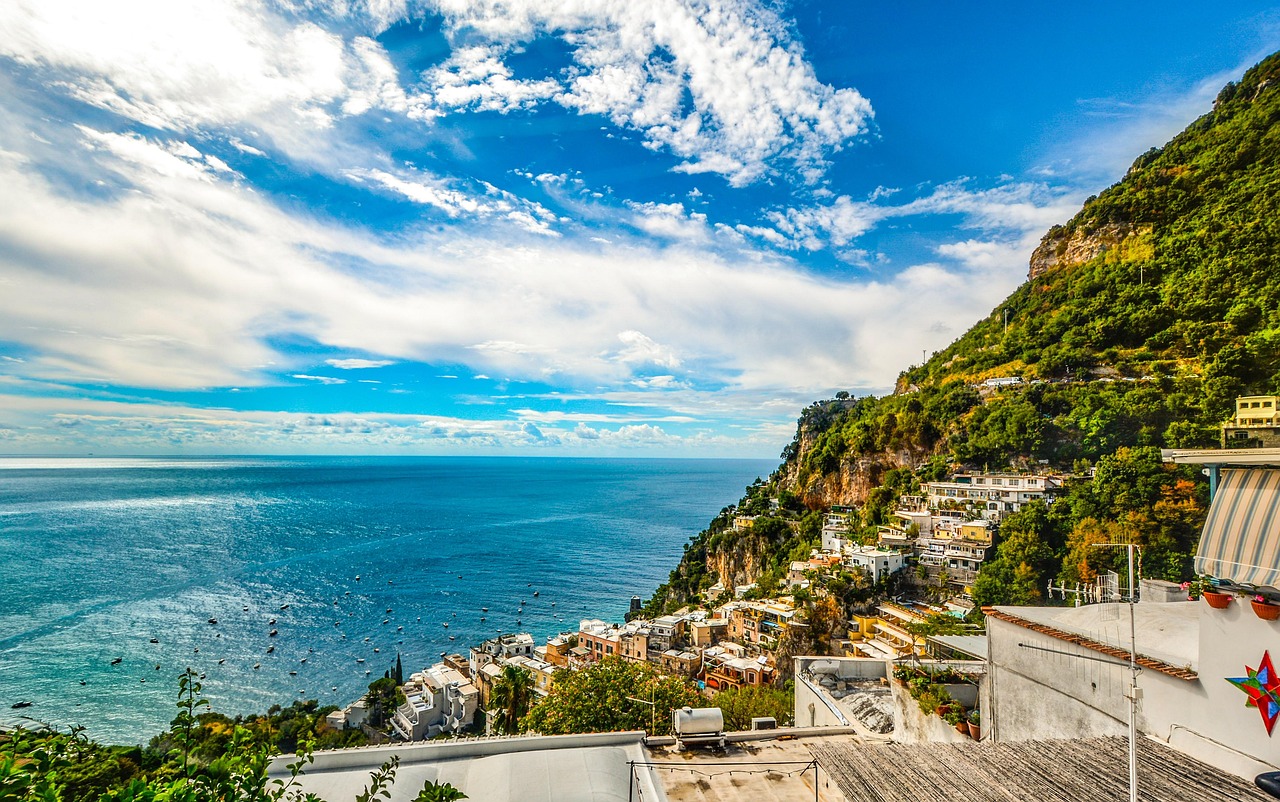
By day four, you’ve earned some pure scenic indulgence. You can either tackle the famous Amalfi Coast or stay closer and hike the quieter Sorrentine Peninsula. Both offer incredible coastal views; your choice depends on your appetite for crowds and curvy roads.
Option 1: Amalfi Coast – Positano & Amalfi
The classic choice for many visitors is a day trip to Positano and Amalfi. You can get there by bus (SITA bus from Sorrento station or the stop near Piazza Tasso) or by ferry (in season). I prefer the ferry whenever possible: the views are better, and you avoid hair-raising cliffside bus rides.
In Positano, expect steep lanes, colorful houses cascading down the hillside, and a backdrop of bougainvillea. Wander down to the main beach, browse boutiques, and maybe hike a little way up the slopes for quieter vantage points. Then continue to Amalfi, where the Duomo di Sant’Andrea dominates the square. Both towns are busy in high season, but still special.
Option 2: Sorrentine Peninsula Hike (e.g., Punta Campanella)
If you want something more low-key and adventurous, consider a hike to Punta Campanella, the tip of the Sorrentine Peninsula. Legends say this is where Ulysses heard the Sirens sing. You’ll walk among olive groves and scrub, with expansive views of Capri in front of you and the Amalfi Coast to the side.
Take a bus to Termini or another nearby village, then follow waymarked trails. Bring water and a hat; the path is exposed. On my last hike, I met more goats than people, which was a refreshing change after the bustle of Capri and Pompeii.
Back to Sorrento: Aperitivo Time
Whichever option you choose, aim to be back in Sorrento in time for aperitivo. I love grabbing an outdoor table somewhere with a partial sea view and ordering a Spritz or a local white wine with a few snacks. Watching the sky turn orange over the bay is one of those simple yet unforgettable Sorrento experiences.
Day 5: Lemon Groves, Cooking Class & Hidden Coves
Your last day in Sorrento should be about savoring the town itself. I always spend at least one day barely leaving the center, digging into the food scene and seeking out little pockets of quiet.
Morning: Lemon Grove Visit & Limoncello
Sorrento’s lemons are the stuff of legend: huge, knobbly, and incredibly fragrant. Several local farms and family estates offer lemon grove tours and limoncello tastings. You’ll learn how the fruit is cultivated on terraced land, how limoncello is made (most families have their own twist on the recipe), and you’ll get to sample lemon-based goodies like marmalades and desserts.
On one visit, my guide – a third-generation lemon farmer – insisted I try a slice of lemon with just a sprinkle of sugar. I braced myself for a mouthful of acid, but it was surprisingly sweet and delicate. It’s a simple experience, but deeply tied to Sorrento’s identity.
Midday: Cooking Class
If you love food (and if you’re in Italy, I assume you do), consider joining a cooking class. Many start late morning and roll into lunch. You might learn to make gnocchi alla sorrentina, fresh pasta, or delizia al limone (a local lemon sponge dessert). It’s one of the most rewarding cultural experiences in Sorrento, and you leave with skills you can bring home.
On my last trip, our small group class ended with everyone sitting together at a long table, sharing what we’d cooked, passing around bottles of wine, and trading travel stories. It felt like a family Sunday lunch.
Afternoon: Hidden Coves & Swimming
Much of Sorrento’s coastline is rocky and steep, but there are several spots where you can swim and sunbathe. The main ones are below the cliffs near Marina Piccola, where beach clubs set up platforms over the water. These can be pricey in peak season but are extremely convenient.
If you’re willing to walk a bit further, you’ll find quieter coves and local swimming spots carved into the rock. Ask at your accommodation or a local bar for the current favorites; these change over time as access paths are improved or closed.
Evening: Last Stroll & Souvenirs
Spend your final evening strolling the old town, picking up edible souvenirs (vacuum-packed cheeses, olive oil, limoncello, dried pasta) or small ceramics. I like to visit the same bar from my first day, say goodbye to the staff, and soak up the last of that Sorrentine atmosphere.
Neighborhoods & Areas of Sorrento
Sorrento is compact, but each area has its own character. Knowing the neighborhoods helps when choosing where to stay and what to explore.
Centro Storico (Historic Center)
This is the maze of lanes behind Piazza Tasso: atmospheric alleys, small churches, craft shops, and lots of restaurants. It’s where I usually stay if I want to be in the middle of everything. Expect some noise in high season, but also the convenience of stepping out your door into the heart of town.
Marina Grande
The old fishing village feels distinct from the main town, even though it’s a short walk away. Great for seafood restaurants, sunset views, and that small-town harbor feeling. Staying here means a bit of an uphill walk back from town, but also a quieter, more local atmosphere.
Marina Piccola & Port Area
Home to the ferry terminal and beach platforms. Not as charming as the old town, but convenient if you plan lots of boat trips. Several large hotels cling to the cliffs above.
Corso Italia & Residential Streets
Just beyond the tourist core, Corso Italia continues through more residential parts of Sorrento. Here you’ll find supermarkets, local bars, and slightly quieter, often more affordable accommodation. I like this zone when I’m staying longer and want a more “normal life” feel.
Hills Above Sorrento (Sant’Agnello, Priora, etc.)
Villages like Sant’Agnello and Priora sit on the hills around Sorrento, with excellent views and quieter streets. Buses connect them to the center, but you’ll trade some convenience for peace and often better value. This is where I like to stay when I’m writing and need more calm.
Top 20+ Attractions & Experiences in and around Sorrento
Below are the main attractions and experiences I recommend, including both the famous names and more low-key gems. Each section includes history, significance, and practical tips drawn from repeat visits.
1. Piazza Tasso
Named after the poet Torquato Tasso, this central square is Sorrento’s informal living room. Historically, it developed as the junction between the old town and the newer 19th-century expansion. Today, it’s ringed by cafés, bars, and hotels.
I’ve sat here in every season: in July, sipping iced coffee and fanning myself with a menu; in January, wrapped in a scarf, watching locals in heavy coats and sunglasses. No matter the weather, the energy is the same: arrivals and departures, greetings and goodbyes, a constant flow of life.
Tip: Use Piazza Tasso as your navigational anchor. Most streets radiating from it lead to key parts of town: Corso Italia for shopping, Via San Cesareo for the old lanes, the path down to the marinas for the sea.
2. Villa Comunale & Sorrento Skyline Views
Villa Comunale is a public garden perched on the cliff edge, offering one of the most iconic skyline views in Sorrento: Belle Époque hotels lining the cliff, the curve of the bay, and Vesuvius in the distance.
The park itself dates back to the 19th century, when wealthy visitors flocked to Sorrento for its mild winter climate. Today it’s a democratic space: teenagers on benches, grandparents pushing strollers, visitors taking photos.
Come here at least twice: once in daylight to see the full sweep of the coastline, and once at dusk when the town lights flicker on. If you’re into photography, the changing colors over the bay are a gift.
3. Marina Grande
Marina Grande is older than the touristic Sorrento you see above. Historically a fishing village, it still retains that working-harbor feel. You’ll see fishermen mending nets, boats coming and going, and a line of restaurants serving the day’s catch.
I like to arrive mid-afternoon, when the light is soft and families are starting to gather for early dinners. If you’re there in late summer, you might catch local religious processions or small harbor festivals.
Tip: Prices at the most obvious seafront restaurants can be high. Check menus before you sit, or ask your host/hotel which places they actually eat at themselves.
4. Marina Piccola & Sorrento’s Beach Platforms
Sorrento doesn’t have long stretches of sandy beach; instead, you get dramatic cliffs and wooden platforms built over the water. These beach clubs (often family-run) offer sunbeds, ladders down into the sea, and sometimes small patches of dark volcanic sand.
In high season, renting a sunbed and umbrella will set you back a decent sum, but you’re paying for access, convenience, and that unique setting under the looming cliffs and grand hotels.
Tip: Ask about half-day rates if you’re arriving in the afternoon; some clubs discount after a certain time.
5. Chiostro di San Francesco
This 14th-century cloister blends different architectural styles – late medieval arches and baroque additions – wrapped around a peaceful central garden. It’s dedicated to Saint Francis of Assisi, and the adjacent church is still active.
I’ve attended a small classical concert here that felt almost private, with the music echoing off the stone and the evening light filtering through bougainvillea. Check local posters or your hotel lobby for current event listings; many are inexpensive or donation-based.
6. Sorrento Cathedral (Duomo di Sorrento)
The Duomo di Sorrento, dedicated to Saints Philip and James, sits slightly back from the busiest lanes on Corso Italia. Its interior is a surprising mix of marble, paintings, and inlaid wood – the latter a traditional Sorrentine craft.
Step inside in the late afternoon, when the sun slants through the windows and the cool interior provides a welcome break from the streets. Be mindful of services; dress modestly and keep voices low.
7. Vallone dei Mulini (Valley of the Mills)
Just a minute or two from Piazza Tasso lies one of Sorrento’s most surreal sights: a deep ravine with the ruins of old mills carpeted in vegetation. Formed by a volcanic eruption thousands of years ago, the valley once housed flour mills and a sawmill, powered by a stream that has since been diverted.
You can’t enter the valley itself, but you can peer down from a street-level viewpoint. At certain times of year, the contrast between the green plants and the stone ruins is striking. It’s like a real-life “lost world” scene tucked into the modern town.
8. Correale Museum of Terranova
The Correale Museum is an underrated gem: a museum housed in an aristocratic villa, surrounded by gardens that slope down toward the sea. Inside, you’ll find collections of Neapolitan paintings, porcelain, and archaeological finds.
I like the Correale because it’s rarely crowded. You can wander at your own pace, then step out into the gardens for a sea view framed by cypress trees. It’s a great choice for culture lovers or on a rare rainy day.
9. Limoncello Shops & Citrus Gardens
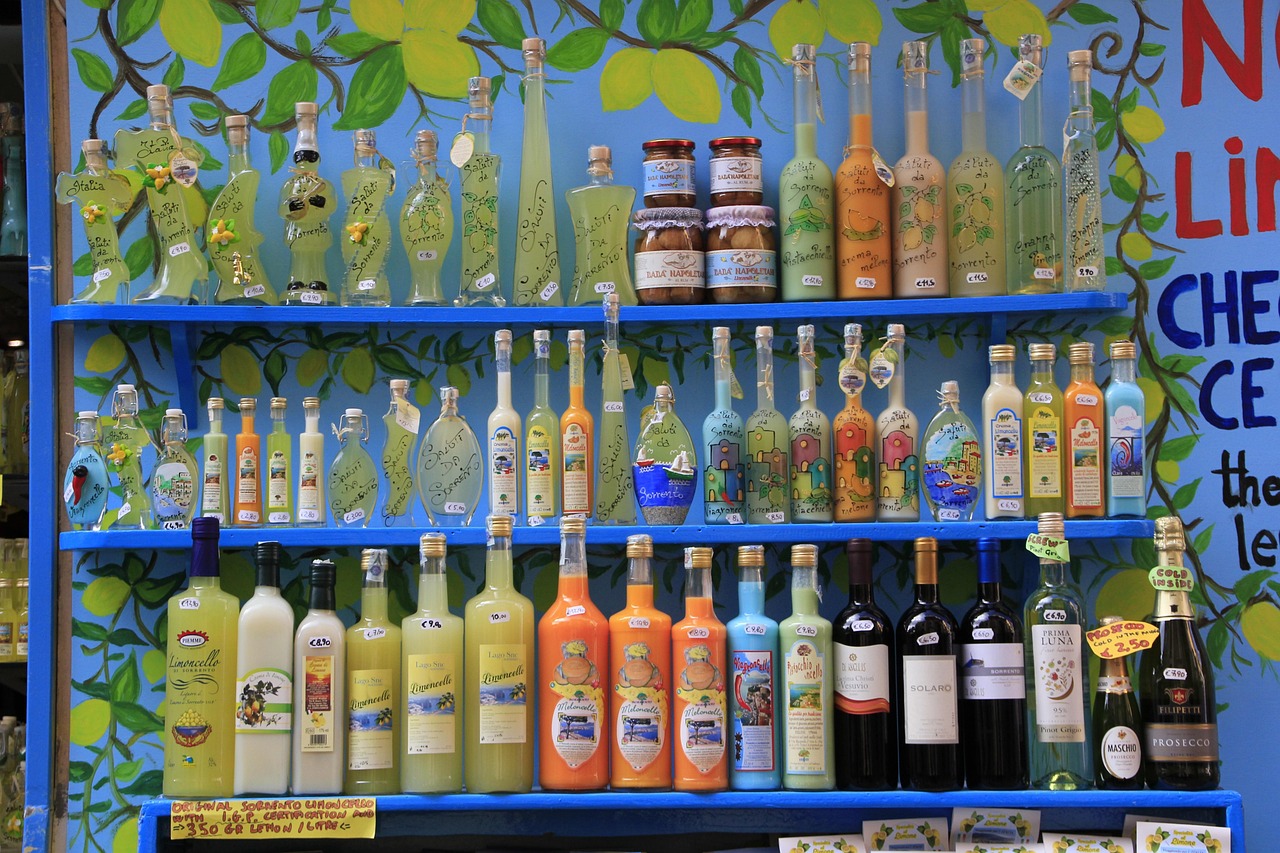
Limoncello is Sorrento’s liquid calling card. Walk down Via San Cesareo and you’ll find countless shops lined with bright yellow bottles. Many offer free tastings – but don’t feel obliged to buy at the first place you try.
The best producers use Sorrento lemons (IGP-protected) and traditional methods. Taste a few, and you’ll notice differences in sweetness, intensity, and alcohol warmth. A small bottle makes a great souvenir, but check customs regulations for your home country before packing.
Tip: Beyond the shops, seek out an actual citrus garden or farm tour to understand how central lemons are to Sorrento’s identity.
10. Local Food Tours & Markets
Joining a food tour in Sorrento is one of my favorite ways to shortcut my way into the local food scene. A good guide will introduce you to family-run delis, bakeries, and bars you might otherwise overlook.
Expect to sample things like fior di latte mozzarella, cured meats, local olive oils, and sweets. Many tours also include a limoncello tasting or a sip of nocino (walnut liqueur). It’s both a meal and a cultural lesson.
11. Sorrento Cooking Classes
Cooking classes in Sorrento typically take place in home kitchens, farmhouses, or small schools. You’ll start with ingredients – sometimes visiting a local market or garden – then dive into hands-on preparation.
I’ve rolled out gnocchi under the watchful eye of a nonna who insisted my pieces were too big, then watched as she transformed simple tomatoes, basil, and mozzarella into something transcendent. These experiences are deeply personal and often end with everyone sitting around a table like old friends.
12. Boat Trips along the Sorrentine Coast
Beyond practical ferries, Sorrento offers plenty of leisure boat trips: sunset cruises, swimming excursions, small-group excursions combining Sorrento’s coastline with stops at hidden coves.
One late afternoon, I joined a small sunset cruise with just eight people on board. We motored along the coast, watching the cliffs change color, then anchored near a quiet inlet for a quick swim. Back on board, the captain produced a chilled bottle of limoncello and small plastic cups – an impromptu toast to the setting sun.
13. Capri (Day Trip)
Covered in your itinerary above, Capri deserves a separate mention here because it’s such a key experience. Historically a retreat for Roman emperors and later for artists and aristocrats, Capri’s combination of natural beauty and human drama is hard to resist.
Tip: If you’re crowd-averse, consider visiting in shoulder season (April, May, October) or focusing on Anacapri, which is usually calmer than Capri Town.
14. Pompeii (Day Trip)
Pompeii was a thriving Roman city until AD 79, when Mount Vesuvius erupted and buried it in ash and pumice. Excavations began in the 18th century and continue to this day. Walking its streets feels like time travel: you’ll see ruts from chariot wheels, ancient graffiti, and houses with frescoes that still glow with color.
Give yourself time and don’t try to see it all. Focus on a few key areas, and let the rest be a reason to come back.
15. Herculaneum (Ercolano) (Day Trip)
Smaller and wealthier than Pompeii, Herculaneum was also buried by Vesuvius but in a different way, preserving wooden beams, furniture, and delicate household items. The site feels more intimate, and you can more easily imagine daily life in its narrow streets.
If you’re particularly interested in archaeology, visiting both Pompeii and Herculaneum provides a fuller picture of the disaster and of Roman urban life.
16. Positano (Amalfi Coast Day Trip)
Positano is the Amalfi Coast’s poster child: pastel houses stacked on a steep hillside, with narrow lanes winding down to a pebbly beach. It was once a humble fishing village; today it’s one of Italy’s most photographed towns.
Come for a few hours: wander the lanes, sip a coffee overlooking the sea, maybe dip your feet in the water. Then retreat before the crowds overwhelm you.
17. Amalfi & Ravello (Amalfi Coast Day Trip)
Amalfi was once a powerful maritime republic. Its legacy lives on in the imposing Duomo di Sant’Andrea, with its striking staircase and striped facade. Nearby, the paper museum tells the story of the town’s handmade paper tradition.
Above Amalfi, the hilltop town of Ravello offers some of the most beautiful gardens and views on the coast, at Villa Rufolo and Villa Cimbrone. If you have time, it’s worth the detour up from the coast road.
18. Punta Campanella & Sorrentine Peninsula Hikes
The Punta Campanella trail follows ancient paths to the point where the Sorrentine Peninsula juts out into the sea. Historically, this was a strategic lookout and a place of myth, associated with the Sirens that tempted Ulysses.
On the trail, you’ll pass stone watchtowers, low shrubs, and wildflowers in spring. The sea is a constant presence. It’s a moderate hike, best in cooler months or early/late in the day during summer.
19. Local Churches & Sant’Antonino Basilica
Sorrento’s churches are more than architectural points of interest; they are living centers of community life. The Basilica di Sant’Antonino is dedicated to Sorrento’s patron saint, and his feast day (February 14) is marked with processions and celebrations.
Even if you’re not religious, stepping into these spaces with respect offers insight into local customs and rhythms: baptisms, weddings, quiet midday prayers.
20. Sorrento Nightlife & Music Venues
Sorrento’s nightlife is more laid-back than big cities, but you’ll find bars with live music, cocktail lounges, and occasional clubs drawing both locals and visitors. Some hotels host open-to-the-public music nights on terraces with sea views, especially in summer.
On one visit, I followed the sound of jazz into a small bar where a local trio was playing standards to a mix of tourists and regulars. No cover charge, just the expectation that you order a drink and enjoy the music.
21. Seasonal Festivals & 2026–2027 Events
Sorrento hosts several annual events that might shape your trip:
- Summer music festivals (2026 & 2027): Classical concerts and jazz performances in cloisters, villas, and outdoor squares, including the Chiostro di San Francesco series.
- Christmas & New Year (late 2026): Sorrento dresses up in lights, with a large tree in Piazza Tasso, markets, and special menus in restaurants.
- Food & limoncello events: Throughout spring and early summer, expect small festivals celebrating citrus, local products, and sometimes street food.
As 2026 approaches, check the official Sorrento tourism website and local posters for exact dates and new additions to the cultural calendar.
Local Food & Drink in Sorrento
The local food in Sorrento is rooted in Campanian traditions: fresh seafood, sun-ripened tomatoes, fragrant lemons, and simple preparations that let ingredients shine. If you eat nothing else, make sure you try:
- Gnocchi alla sorrentina: Potato gnocchi baked in tomato sauce with mozzarella and basil.
- Spaghetti alle vongole: Spaghetti with clams, garlic, olive oil, and parsley.
- Delizia al limone: A dome-shaped lemon sponge dessert filled with lemon cream.
- Fior di latte: Local cow’s milk mozzarella, softer and more delicate than industrial versions.
- Fresh fish of the day: Often grilled simply with olive oil and lemon.
Where I Like to Eat (Types of Places)
Rather than listing specific names that may change, here’s how I choose where to eat:
- Trattorie in backstreets: Look for menus in Italian first, handwritten specials, and a mix of locals and visitors.
- Marina Grande seafood spots: For special-occasion dinners with water views, especially at sunset.
- Simple pizzerias: Away from the main square, often with a wood-fired oven visible from the dining room.
- Bar-pasticceria (bar-bakeries): For breakfast pastries, coffee, and late-afternoon snacks.
- Gastronomie/delis: For affordable takeaway meals like roasted vegetables, pasta salads, and cured meats.
Drinks to Try
Beyond limoncello, sample:
- Local white wines: Falanghina, Fiano, and Greco pair beautifully with seafood.
- Red wines: Aglianico from nearby regions for something more structured.
- Espresso: Stand at the bar like locals do; it’s cheaper and faster.
- Spritz variations: Aperol or Campari spritz for aperitivo hour.
Saving Money on Food
Sorrento isn’t cheap, but you can eat well without blowing your budget:
- Have a big lunch, lighter dinner: Many places offer better-value menus at lunch.
- Use supermarkets: For water, fruit, snacks, and picnic supplies.
- Order house wine: Usually local and good value; ask for vino della casa.
- Share courses: Italian portions can be generous; share antipasti or desserts.
Nightlife, Entertainment & Cultural Experiences
Sorrento’s evenings are more about lingering over drinks and conversation than clubbing into the morning (though you can find that too if you look). Here’s how I like to spend nights:
- Aperitivo: Early evening drinks with snacks, on a terrace or in a square.
- Live music bars: Small venues offering jazz, acoustic sets, or Neapolitan songs.
- Classical concerts: Seasonal performances in cloisters and churches, particularly in summer.
- Gelato walks: Simple but effective; join the crowd strolling Corso Italia.
Families will appreciate that Sorrento feels safe and lively at night without being rowdy. Couples will find plenty of romantic corners – from quiet benches overlooking the sea to candlelit restaurant terraces.
Best Day Trips from Sorrento
Beyond the big names (Capri, Pompeii, Amalfi Coast), consider:
- Naples: For world-class pizza, museums, and chaotic street life. Train or ferry from Sorrento.
- Ischia: A larger island known for thermal baths and more low-key vibes than Capri. Longer ferry ride but rewarding.
- Procida: A small, colorful island with picture-perfect harbors and fewer tourists.
- Local villages: Sant’Agnello, Massa Lubrense, and smaller hamlets on the peninsula for authentic, quiet days.
Cultural Etiquette & Local Customs in Sorrento
Understanding local customs in Sorrento makes your trip smoother and more respectful.
- Greetings: A simple “Buongiorno” (morning/afternoon) or “Buonasera” (evening) goes a long way when entering shops or cafés.
- Coffee etiquette: Italians often drink espresso standing at the bar. Cappuccino is usually a morning drink; ordering it after lunch won’t cause scandal, but may mark you as a visitor.
- Dress: Casual but neat. Cover shoulders and knees when entering churches.
- Dining: It’s normal to linger over meals. Asking for the bill (il conto, per favore) is expected; it won’t be brought automatically.
- Tipping: Service is often included. Leave small change or 5–10% for good service; not obligatory, but appreciated.
- Quiet hours: Residential streets expect some quiet late at night. Keep voices down when walking home after midnight.
Practical Travel Advice for Sorrento (2026–2027)
Getting To & Around Sorrento
From Naples:
- Train: Circumvesuviana from Napoli Garibaldi to Sorrento (budget, basic, about 1–1.5 hours).
- Campania Express: Tourist-focused train with reserved seats, fewer stops, slightly higher price.
- Ferry: Seasonal ferries from Naples Beverello port to Sorrento Marina Piccola (scenic and pleasant).
- Private transfer: Most convenient if you have heavy luggage or arrive late.
Within Sorrento:
- Walk: The historic center is easily walkable.
- Local buses: Connect Sorrento with nearby villages and some viewpoints.
- Elevator to marina: Paid but quick route between the clifftop and Marina Piccola.
- Scooter rental: For experienced riders only; traffic and roads can be intense.
Car Rental & Driving
Driving along the Amalfi Coast and Sorrentine Peninsula can be beautiful but stressful: narrow roads, tight curves, and confident local drivers. Parking in Sorrento is limited and expensive.
- Foreign driver’s license: For many non-EU visitors, an International Driving Permit (IDP) plus your home license is recommended or required by rental agencies. Check current Italian regulations before travel.
- Consider not renting: Between trains, buses, and ferries, you can reach most major sights without a car.
SIM Cards & Connectivity
In 2026, you have multiple options for staying connected:
- eSIMs: Many travelers use digital eSIM plans for Italy/Europe; install before arrival.
- Local SIM: Buy from major providers (TIM, Vodafone, WINDTRE) in Naples or Sorrento; bring passport.
- Wi‑Fi: Most hotels, cafés, and restaurants offer free Wi‑Fi, though speeds vary.
Money-Saving Tips
- Travel in shoulder season (April–early June, late September–October) for better prices.
- Stay slightly outside the core (e.g., Sant’Agnello) for cheaper accommodation and commute in.
- Use public transport instead of taxis or private transfers whenever comfortable.
- Picnic occasionally with supermarket finds instead of always dining out.
Visa Requirements
Italy is part of the Schengen Area. Visa requirements depend on your nationality:
- Many travelers from the EU/EEA and several other countries can enter visa-free for short stays (usually up to 90 days in a 180‑day period).
- Others may need a Schengen visa obtained in advance.
Always check official government sources or with your nearest Italian consulate for up-to-date rules, especially as EU entry systems are evolving around 2026.
Safety & Common Sense
Sorrento is generally safe, even at night, with typical petty crime risks in crowded areas and on trains:
- Watch bags and pockets on the Circumvesuviana train and in busy squares.
- Don’t leave valuables on the beach or visible in parked cars.
- Use hotel safes for passports and extra cash.
When to Visit Sorrento
Sorrento’s climate is mild, but each season offers a different experience:
- Spring (March–May): My favorite time. Flowers bloom, lemons glow on trees, and temperatures are comfortable. Ideal for hiking and sightseeing.
- Summer (June–August): Hot, busy, and buzzing. Best for swimming and nightlife, but expect crowds and higher prices.
- Autumn (September–October): Still warm, sea is pleasant, crowds thin out gradually. Great compromise between summer pleasures and spring calm.
- Winter (November–February): Quiet, some hotels and restaurants close or reduce hours, but you’ll see more of local life. Christmas season is charming with decorations and events.
If you’re planning 3 days in Sorrento focused on swimming and boat trips, aim for late May to early October. For a 4 day itinerary for Sorrento heavy on hikes and cultural visits, consider April–June or September–October. For a reflective 5 day itinerary for Sorrento with fewer crowds, late March or late October can be lovely.
Summary & Final Recommendations
Sorrento is much more than just a launchpad for Capri and Pompeii. It’s a place where you can wake up to church bells, buy tomatoes from the same grocer every morning, chat with the barista who remembers how you take your coffee, and end your day watching the sun drop behind Capri’s silhouette.
To make the most of your time:
- Give yourself at least 3 days in Sorrento for the essentials; 4–5 days in Sorrento if you want to blend big-ticket sights with slow local moments.
- Balance must-see attractions in Sorrento (Piazza Tasso, Marina Grande, Villa Comunale) with hidden gems in Sorrento (Vallone dei Mulini, quiet lanes, local bars).
- Plan at least one cultural experience – a cooking class, food tour, or music night – to deepen your connection with the town.
- Respect local customs in Sorrento: greet people, dress appropriately for churches, and treat this beautiful place gently.
Whether you come for a whirlwind 3 day itinerary for Sorrento or a languid 5 day itinerary for Sorrento, this town has a way of convincing you to return. I still find new corners, new flavors, and new stories every time I go back – and I suspect you will too.