Why Visit Petra in 2026
If there’s one place in the world that still takes my breath away every single visit, it’s Petra. I’ve walked through the Siq at sunrise more times than I can count, watched the Treasury glow pink then burn to gold, and hiked up to the Monastery with groups of friends, solo, and once with my parents who stubbornly insisted they didn’t need a mule (they did). Yet every time, Petra feels new.
Petra isn’t just “the place with the famous Treasury from Indiana Jones.” It’s a 264-square-kilometer archaeological park carved into rose-red sandstone cliffs, an ancient Nabataean capital, a living Bedouin community, and a base for exploring canyons, desert plateaus, and star-filled skies. What makes Petra special isn’t just the monuments — it’s the silence inside the tombs, the smell of cardamom coffee at 7 am, and the unexpected conversations with local guides who grew up playing hide-and-seek among 2,000-year-old facades.
In 2026, Petra is easier than ever to visit: improved trails, clearer signage, better eco-initiatives, and a bigger range of accommodations and food options in nearby Wadi Musa. But it’s still rugged, still raw, and still feels like an adventure — especially if you stay more than the classic “3 days in Petra” and really dig into the side trails and hidden gems.
Whether you’re planning a quick 3 day itinerary for Petra, a deeper 4 days in Petra, or a full 5 day itinerary for Petra and its surroundings, this comprehensive travel guide for Petra will walk you through must-see attractions, cultural experiences, local food, neighborhoods, nightlife, and practical travel tips for Petra, all woven with my own experiences from multiple visits.
Table of Contents
- Why Visit Petra
- Quick Overview of Petra & Wadi Musa
- Suggested 3–5 Day Itineraries
- Top 20+ Attractions in Petra (Deep Dive)
- Neighborhoods & Areas: Wadi Musa & Beyond
- Local Food in Petra & Where to Eat
- Nightlife, Cultural Experiences & Events 2026–2027
- Day Trips & Nearby Attractions
- Cultural Etiquette & Local Customs in Petra
- Practical Travel Advice for Petra
- Summary & Best Time to Visit Petra
Petra & Wadi Musa: A Quick Overview
Petra itself is the archaeological park; Wadi Musa is the modern town wrapped around its entrance, where you’ll sleep, eat, and haggle over scarves you don’t really need.
The site is huge — if you’re imagining a single canyon with a few tombs, adjust your expectations now. On my first trip, I clocked 24 km of walking in one day without even hitting all the side trails. You’ll want sturdy shoes, layered clothing, and a flexible plan.
Most visitors enter through the main gate in the east and follow a natural progression: Siq → Treasury → Street of Facades → Theatre → Royal Tombs → Colonnaded Street → Qasr al-Bint → Monastery. With more time, you’ll add high viewpoints, backdoor trails, and off-the-beaten-path tombs that rarely see more than a handful of people each day.
Suggested Itineraries: 3, 4 & 5 Days in Petra
Below are realistic, field-tested itineraries based on how I actually move through Petra with friends and visiting family. Use them as a flexible framework.
3 Day Itinerary for Petra: The Essentials with a Few Hidden Twists
If you only have 3 days in Petra, focus on the core must-see attractions in Petra while sprinkling in a couple of quieter corners. This is ideal for first-timers who want the classic highlights plus some personal discoveries.
Day 1: First Glimpse of the Treasury & the Classic Route
My favorite way to introduce someone to Petra is to hit the main trail early, let the Treasury reveal itself slowly, and then build toward the drama of the Royal Tombs and the Colonnaded Street. Think of this as your “orientation day.”
Morning – The Siq & The Treasury (Al-Khazneh)
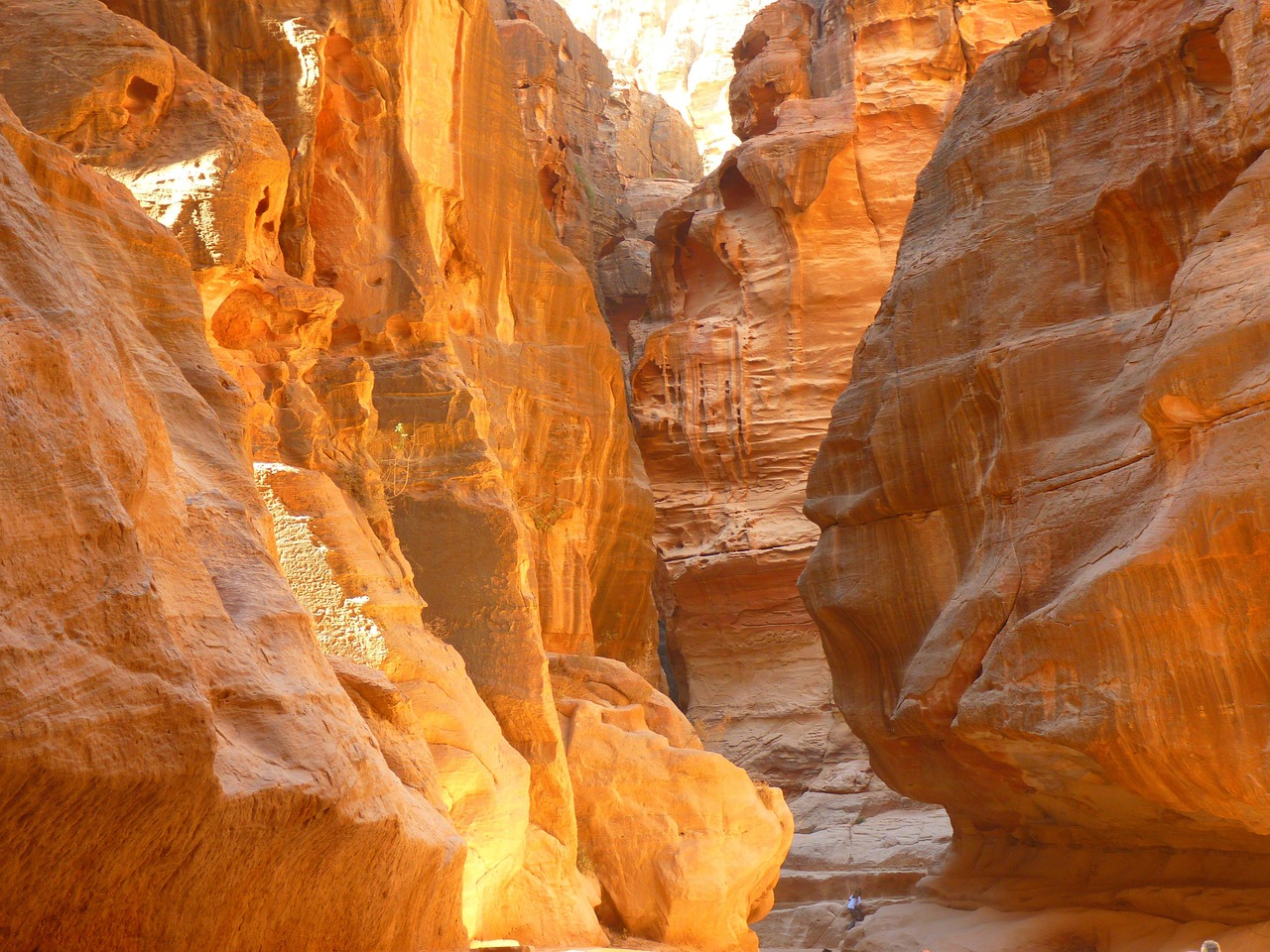
Enter as soon as the gates open (usually 6:00 am in high season). The light is soft, the air is cool, and the tour groups are still at breakfast. The walk from the visitor center to the start of the Siq is about 15–20 minutes, mostly downhill. The Siq itself is a 1.2 km sandstone canyon that gently narrows as you approach the Treasury.
I still remember my first time: the clop of horse hooves echoing, the smell of dust and stone, and the tiny triangle of rose-colored rock that appears at the end of the canyon and gradually widens into the full façade of the Treasury. Even after multiple visits, I still slow down for that moment and usually fall completely silent.
- Photos: Don’t rush. Walk through, take it in, then circle back to photograph from different angles.
- Viewpoints: Skip the aggressive offers for “very special high place” unless it’s an official, signed viewpoint. Many unsanctioned climbs damage the rock and are unsafe.
- Time needed: 30–60 minutes at the Treasury area is plenty this first morning.
Late Morning – Street of Facades, Theatre & Royal Tombs
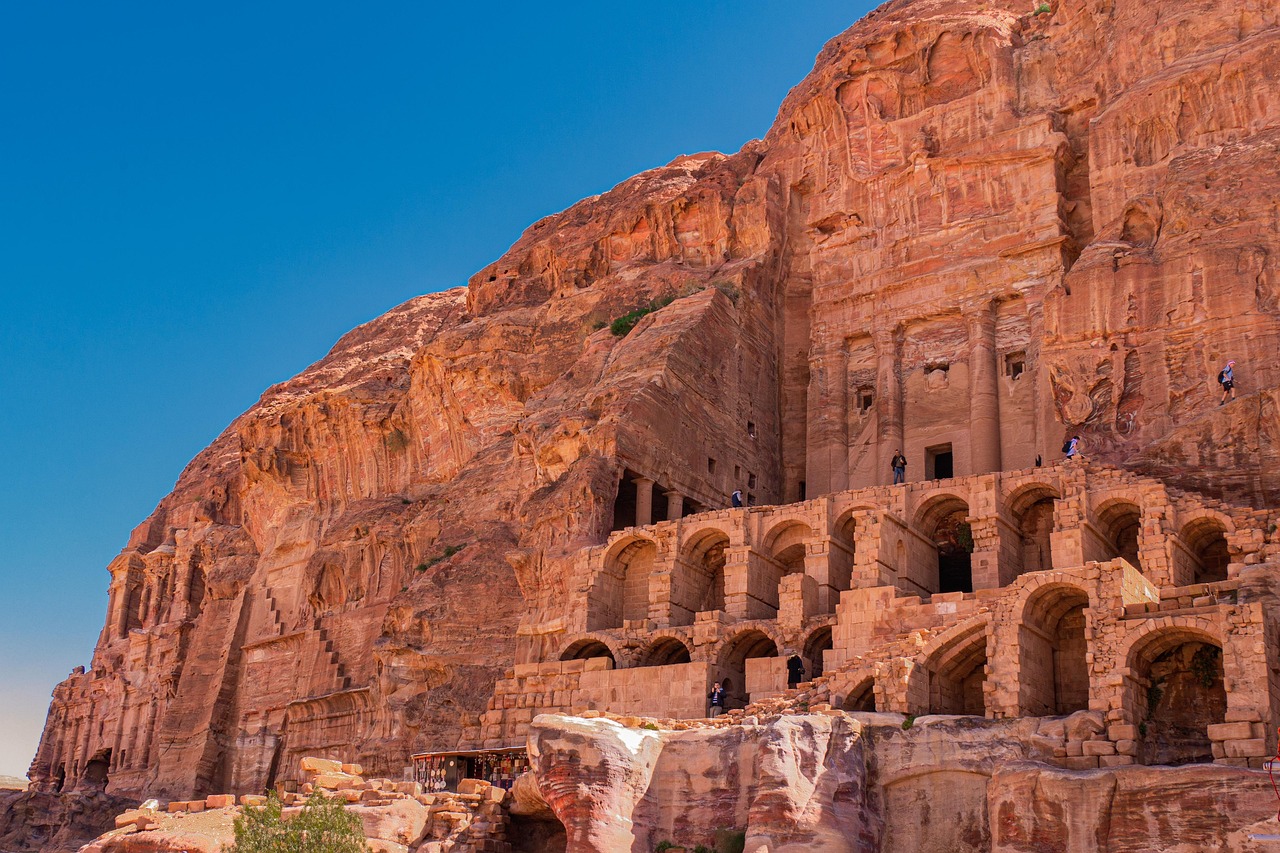
From the Treasury, the canyon opens into the Street of Facades, lined with tombs carved into the cliffs. Continue past the Theatre — carved into the rock by the Nabataeans — and then climb up toward the Royal Tombs, where the Urn Tomb, Silk Tomb, Corinthian Tomb, and Palace Tomb sit like a row of weathered giants.
I like to sit inside the Urn Tomb around 10:30 am, when the sun lights the valley below but the interior is still cool and echoing. It’s one of the few places where you can sit in shade, away from the main flow of people, and really feel how monumental Petra must have been at its peak.
- Tip: The Royal Tombs are a nice early test for kids or less fit travelers—lots of steps, but manageable.
- Food: Grab a tea at one of the small stands near the tombs or continue toward the Colonnaded Street for a more substantial snack.
Afternoon – Colonnaded Street & Qasr al-Bint
By early afternoon, follow the main trail into the heart of the ancient city: the Colonnaded Street, flanked by what used to be grand shops and public buildings. At the far end stands Qasr al-Bint, a large freestanding temple ruin that feels very different from the carved facades.
On my second visit, I spent almost an hour sitting on a broken column here, watching the shadows move across the valley and listening to a guide quietly explain Nabataean water systems to his group. This is where Petra feels like a living city again, not just an open-air museum.
Evening – Back to Wadi Musa & First Taste of Local Food
Walk back the same way, aiming to be at the visitor center by late afternoon. Back in Wadi Musa, celebrate your first day with a hearty Jordanian meal—think mansaf, magloubeh, or mezze with freshly baked bread. I’ll list specific restaurant recommendations in the food section below, but for a first night I often go for something close to the Petra Gate to save my feet.
Day 2: Hiking to the Monastery & Exploring Side Trails
Day two is your “leg day.” You’ll tackle the climb to the Monastery (Ad-Deir) and add at least one quieter viewpoint or hidden gem in Petra along the way.
Morning – Main Trail to the Monastery
Start early again, but this time don’t linger too long at the Treasury. Walk past the Royal Tombs and Colonnaded Street toward the base of the Monastery trail. From there, it’s roughly 800–900 stone steps up.
- Fitness level: Moderate. I’ve seen kids handle it better than adults, but it’s doable for most people with breaks.
- Donkeys: You’ll be offered donkey rides constantly. Personally, I prefer to walk to avoid overburdening the animals, but if you must ride, choose a healthy-looking animal and insist on a slow, safe pace.
The first time I hiked this route in midday summer heat, I regretted not starting at 6 am. Since then, I always tell friends: carry at least 1.5 liters of water, wear a hat, and take your time. There are small stalls along the way for fresh juice and tea.
At the Top – The Monastery & Viewpoints
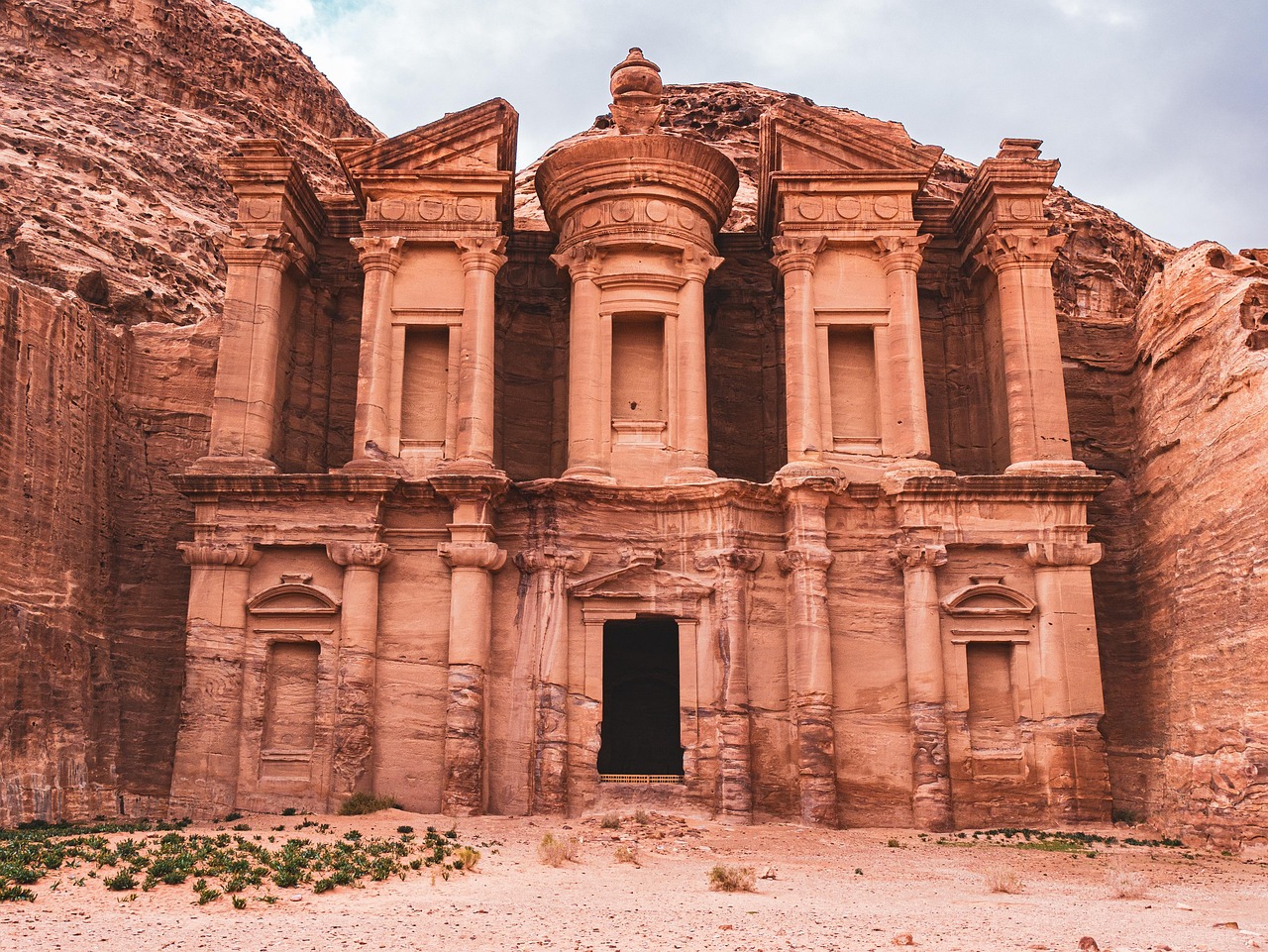
The Monastery feels even bigger than the Treasury, partly because the area around it is more open. The façade rises like a sandstone cathedral, with a quieter, more contemplative energy. I like to grab a tea from the café to the right and sit facing the monument until the tour groups thin out.
- Viewpoints: Follow the signs to the “Best View in the World” or “End of the World” viewpoints above the Monastery. They’re a short extra climb with sweeping desert views—romantic at sunset, but be mindful of your return time.
- Families: Kids usually love the adventure of this hike. Just keep an eye on the edges near viewpoints.
Afternoon – Side Trail: Petra’s Ridge or High Place of Sacrifice
If you still have energy, you can combine this day with a lesser-known corner like the back trails near the Monastery or save your energy for the High Place of Sacrifice (which I’ll detail in the attractions section). Many people prefer to descend and linger around the Colonnaded Street with a cold drink instead.
Evening – Optional: Petra by Night (If Available)
Depending on the schedule (it’s usually 3 nights a week), consider attending Petra by Night at least once. Is it touristy? Yes. Is it still magical to walk through the candle-lit Siq and see the Treasury lit by hundreds of candles? Also yes, especially if you’ve never seen it before. I’ll share specific Petra by Night tips later on.
Day 3: Viewpoints, Hidden Gems & Cultural Experiences
On day three, you can start tailoring your experience: more hiking, more history, or more culture, depending on your interests.
Option A – High Place of Sacrifice & Wadi Farasa
This is my favorite “loop day” in Petra and one that many rushed visitors miss. It combines sweeping views with quiet tombs and shrines that feel almost secretive.
Start from near the Theatre and climb stone steps up to the High Place of Sacrifice, an ancient open-air altar with panoramic views of Petra below. From there, descend via the Wadi Farasa route, which passes by the Garden Tomb, the Soldier Tomb, and other sculpted facades that rarely see crowds. You’ll likely share them with just a few hikers and the occasional goat.
I did this loop on a cool winter morning once and saw only three other people in three hours. The silence, broken only by wind and the crunch of gravel, was one of my favorite Petra memories.
Option B – Back to Favorites & Extra Time at the Treasury
If you’re more of a “linger and soak it in” traveler, use day three to revisit your favorite spots at different times of day: the Treasury in early morning or late afternoon, the Royal Tombs at golden hour, or the Colonnaded Street in quiet midday heat. Grab a book, sit in the shade, and let Petra’s slow rhythm catch up with you.
Evening – Cultural Dinner in Wadi Musa
For your final night on a 3 day itinerary for Petra, I love booking a Bedouin-style dinner experience: think zarb (meat and vegetables cooked in an underground oven), local music, and storytelling about Bedouin life before and after tourism. It’s a gentle, family-friendly way to connect the ruins you’ve seen with the people who still call this landscape home.
4 Day Itinerary for Petra: Deeper Trails & More Local Life
With 4 days in Petra, you have time to slow down, explore less famous routes, and experience more of Wadi Musa itself. I like to use the first three days as above, then add:
Day 4: Backdoor to the Monastery or Al-Khubtha Treasury View
Choose between a big adventure or a more relaxed high viewpoint.
Option 1 – Backdoor Hike to the Monastery (Via Little Petra)
This is one of my absolute favorite hikes in the Petra region. You’ll start from Little Petra (Siq al-Barid), a smaller cousin of the main site, and hike across a rocky plateau into Petra’s back entrance near the Monastery. It feels wilder and more remote than the main gate route.
I did this hike in spring one year, when wildflowers were pushing up between the stones and the air smelled faintly of thyme. Our guide brewed tea on a small fire halfway, and we reached the Monastery from above, looking down at the façade before descending to its base — a completely different perspective.
- Guides: Highly recommended; the route isn’t always obvious.
- Difficulty: Moderate; a few exposed sections but nothing technical.
Option 2 – Al-Khubtha Trail for the Classic Treasury Overlook
If you’ve seen photos of the Treasury from above, framed by rock ledges and teacups, that’s the Al-Khubtha viewpoint. The official route starts near the Royal Tombs and climbs up through switchbacks and rock platforms.
I’ve done this hike at both midday and late afternoon. Late afternoon wins by a mile: the Treasury is lit, the crowds below start to thin, and the temperature drops a bit. The last section is along a cliff edge, but the vantage point itself is a flat, safe area where small cafés set up simple seating.
- Safety: Stick to marked paths and official cafés; avoid unsupervised scrambling on the cliff edges.
- Family-friendly: Fine for older kids who are comfortable with heights.
5 Day Itinerary for Petra: Full Immersion
A 5 day itinerary for Petra lets you balance heavy archaeology days with lighter cultural days and desert adventures. I often recommend:
Day 5: Free Day for Repeat Favorites, Workshops, or a Desert Sunset
By day five, you’ll know what you love most: hiking, photography, history, or just sitting with tea and watching the world go by. Use this day to:
- Revisit a favorite trail or tomb when it’s quieter.
- Join a handicraft workshop with a local women’s cooperative.
- Take a short trip to a viewpoint above Wadi Musa for sunset.
- Or, if you’re ambitious, combine Petra in the morning with a late afternoon transfer to Wadi Rum for an overnight desert camp (more in the day trips section).
On one of my 5-day Petra stays, I spent the final morning sketching details of the Treasury and the afternoon drinking far too much sweet tea with a Bedouin family whose kids insisted on showing me every corner of their donkey stable. It was one of those slow, unspectacular days that quietly become your favorite travel memories.
Top 20+ Must-See Attractions in Petra (Deep Dive)
Below are the core things to do in Petra, each with history, practical tips, and personal experiences. You won’t hit all of them in a 3 day itinerary for Petra, but they’re all worth considering, especially if you have 4 or 5 days in Petra.
1. The Siq: Petra’s Dramatic Entrance
The Siq is Petra’s grand entrance: a 1.2 km long, narrow canyon that was once a natural watercourse. The Nabataeans shaped and harnessed it, adding channels to bring water into the city and carving niche shrines into its walls.
Every time I walk the Siq, I notice something new: a faint carving, a color swirl in the rock, or remnants of ancient paving stones underfoot. The play of light and shadow changes hourly, making it a photographer’s dream.
- Historical note: Look along the walls for the carved conduits that once carried water, and for weathered reliefs of caravans and deities.
- Best time to go: Early morning or late afternoon to avoid crowds and harsh light.
- Tip: Don’t rush to the Treasury. Turn around occasionally; the canyon behind you looks different from every angle.
2. The Treasury (Al-Khazneh): Petra’s Iconic Facade
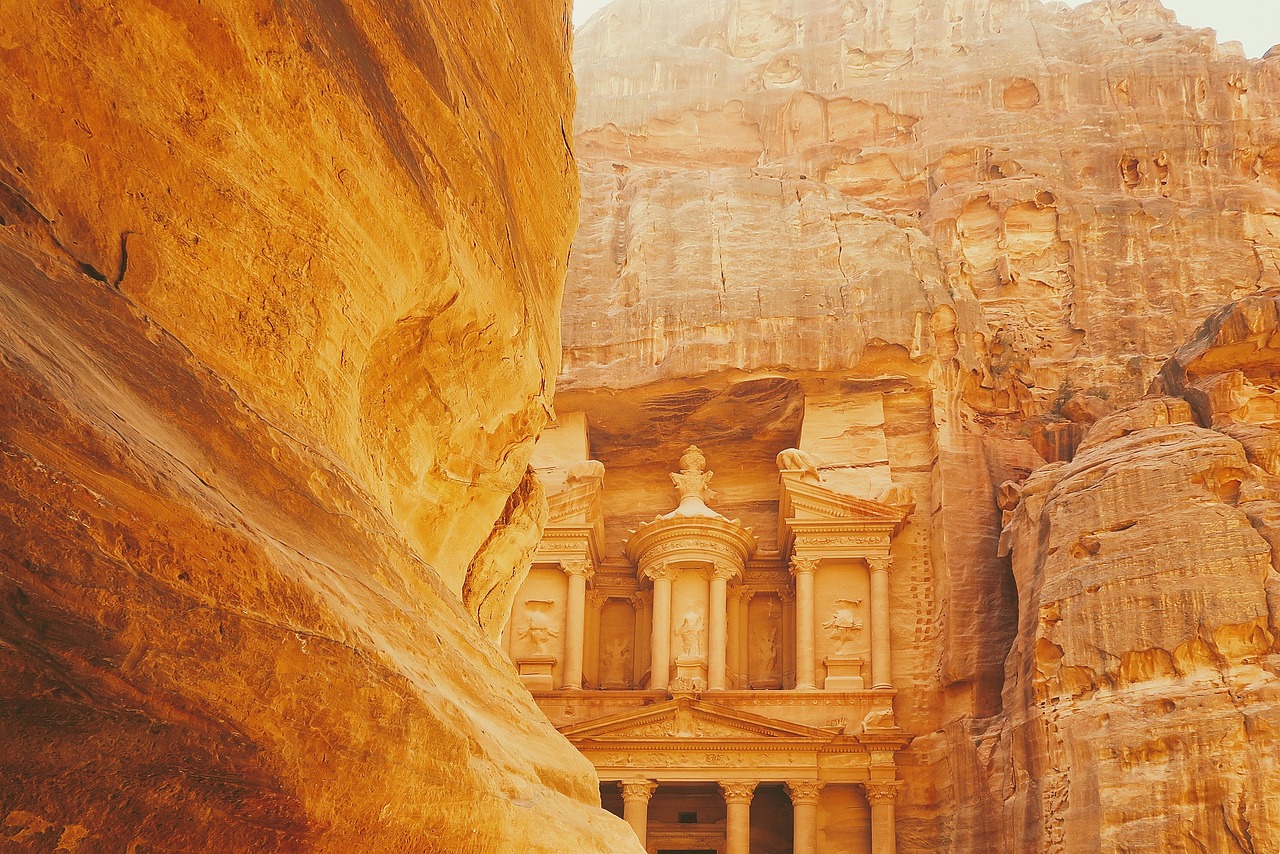
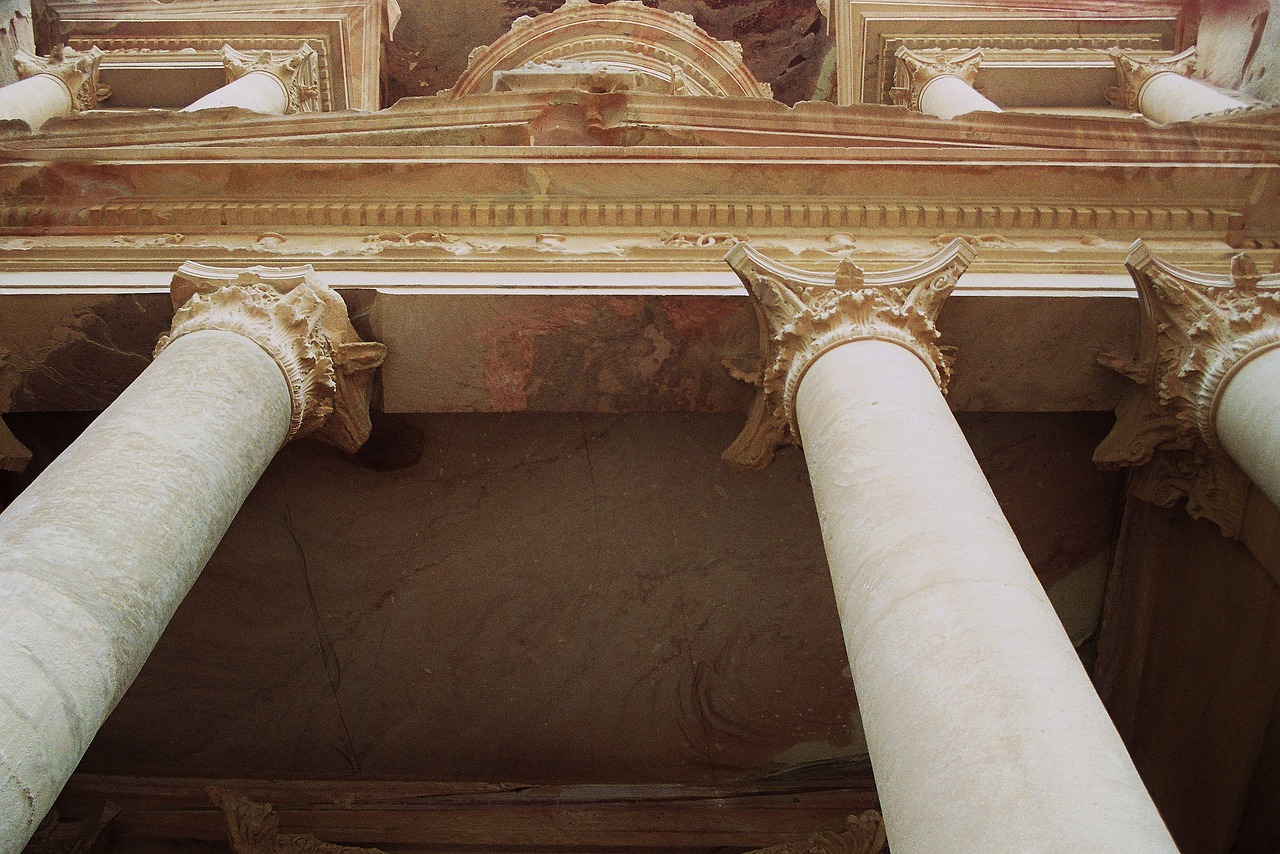
Carved in the 1st century BCE, the Treasury’s precise function is still debated—likely a royal tomb or commemorative monument. Its Greek-influenced columns, urn, and sculptures showcase the cosmopolitan flair of the Nabataeans.
On my third visit, I arrived at the Treasury alone at 6:30 am in winter. The usual chatter and selfie sticks were replaced by a soft hush, and a single cat sat in the middle of the clearing like it owned the place. That quiet half hour remains my favorite Treasury memory.
- Photography: Morning light hits the façade; late afternoon can be beautifully golden. Midday is harsh but still impressive.
- Kids: Plenty of space to roam, but keep them from climbing on fragile areas.
- Don’t: Don’t accept offers for illegal climbs to sketchy “secret” viewpoints. Stick to sanctioned trails like Al-Khubtha.
3. Street of Facades: Tombs of the Elite
Just past the Treasury, the canyon opens to a valley lined with tall, multi-story tombs. These were likely burial places for Petra’s elite families, each façade a statement of status and style.
I like to pause here with new visitors and ask them to imagine what it looked like painted in bright colors, outlined by torches at night. The rock faces are now weathered and soft, but the sense of grandeur lingers.
4. The Theatre: Carved for Crowds
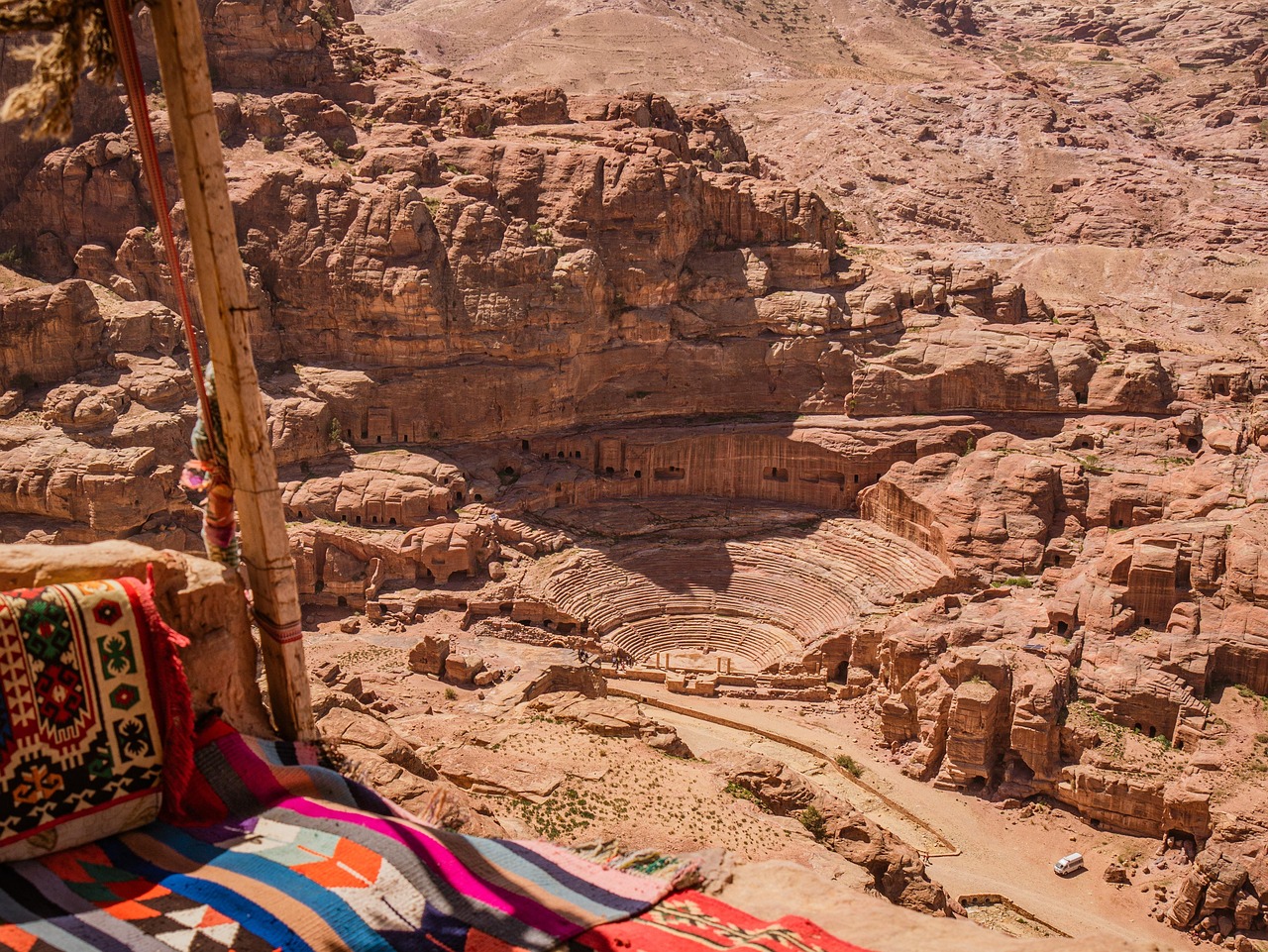
Petra’s Theatre is unique in the region: instead of being built from blocks, most of its seating was carved directly into the rock. It could once hold around 6,000 spectators and was later modified by the Romans.
Whenever I stand here, I imagine the echoes of ancient performances and debates bouncing off the sandstone. The view from the upper tiers gives a great perspective of the surrounding tombs.
5. Royal Tombs: Urn, Silk, Corinthian & Palace Tombs
Clustered together on the eastern cliffs, the Royal Tombs form one of Petra’s most imposing “skyline” features. Each tomb has a distinct façade style, from the colorful swirls of the Silk Tomb to the grand arched entrance of the Palace Tomb.
The interior of the Urn Tomb now serves as a kind of vaulted hall. One winter afternoon, I sat against its wall with a thermos of coffee and listened to the wind whistle through the open arches—a free, impromptu “concert” that made the space feel alive.
- Best time: Mid to late afternoon for warm light on the façades.
- Accessibility: Steps are involved; not ideal for visitors with mobility issues.
6. Colonnaded Street: Heart of the Ancient City
Once the main commercial artery, this street was lined with colonnades, shops, and public buildings. Today, broken columns and reconstructed segments hint at its former grandeur.
On one hot afternoon, I sat in the scant shade of a column and watched school groups from Amman file past, laughing and filming on their phones. It struck me how Petra continues to be a place of learning and gathering, not just a relic.
7. Qasr al-Bint: Temple of the City’s Gods
Qasr al-Bint is one of the few large freestanding buildings in Petra, thought to be a temple dedicated to Dushara, the chief Nabataean god. Its tall walls, weathered over centuries, still domineer the end of the Colonnaded Street.
Standing at its base always makes me feel small—not in a bad way, but in the sense that you’re part of a very long human story. Look for the remains of staircases, niches, and altars that speak to its religious function.
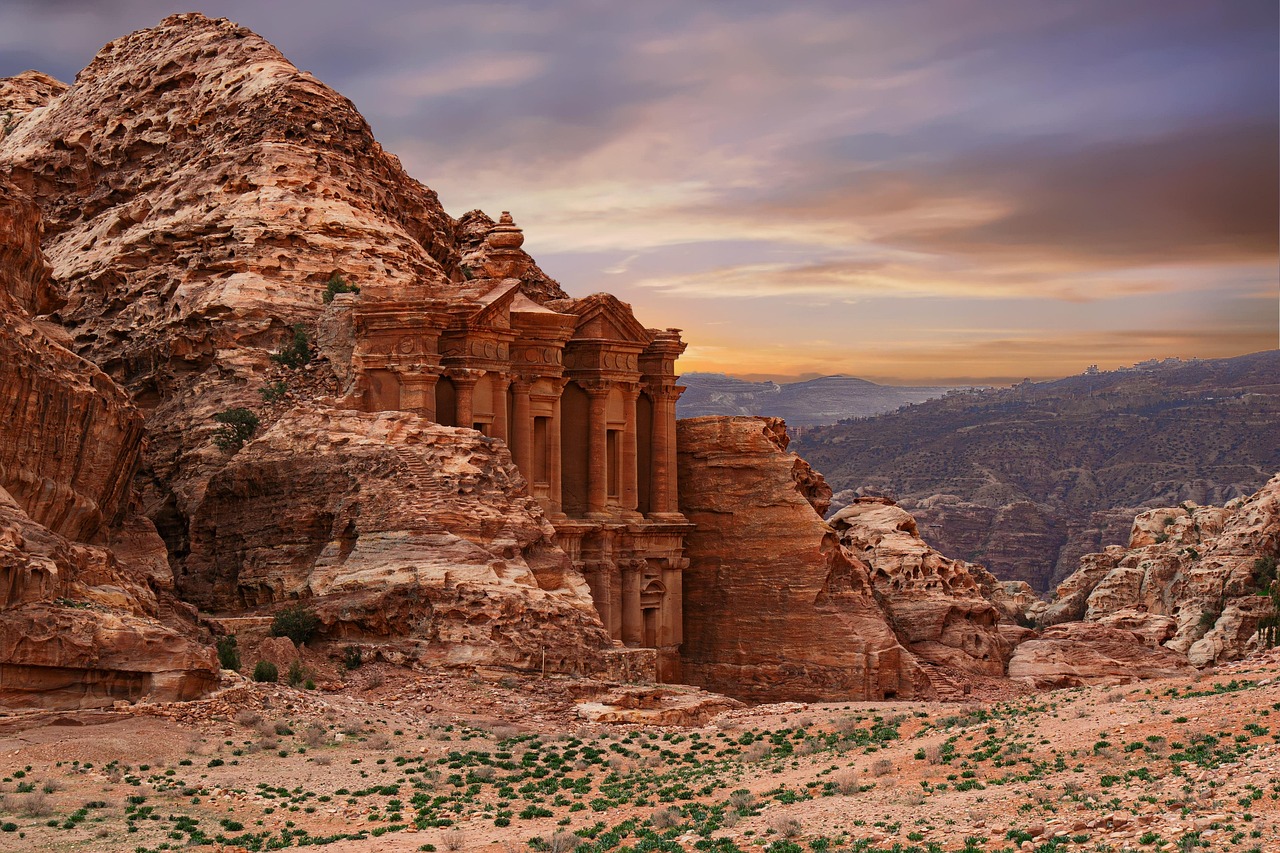
8. The Monastery (Ad-Deir): Petra’s Mountain Cathedral
The Monastery’s name is misleading; it was likely a temple or commemorative structure. Larger but less ornate than the Treasury, it sits at the head of a secluded basin reached via hundreds of steps.
I’ve visited the Monastery in all seasons: sweating in July, wrapped in a scarf against cold winds in January, and once in April when a surprise drizzle left tiny streaks on the façade like tears. Each time, its sheer scale makes people fall quiet upon arrival.
- Plan: Bring snacks; food options at the top are improving but limited and pricier.
- Romantic factor: High. Sunset tea at the nearby viewpoint huts is one of Petra’s most romantic experiences.
9. High Place of Sacrifice: Vantage Point & Votive Site
This ancient ritual site sits atop Jebel Madbah, accessed via steep stone steps. At the summit, you’ll find a carved platform, cisterns, and channels that hint at sacrificial rites once performed here.
The first time I climbed up, a cold wind was whipping across the plateau, and I nearly turned back. Then the view opened: Petra’s tombs and streets spread out below like a sandstone diorama. It’s a perspective that helps you grasp the city’s layout in a single glance.
- Route: Ascend from near the Theatre, descend via Wadi Farasa for a scenic loop.
- Tip: Not ideal in extreme midday heat; aim for morning.
10. Wadi Farasa: Quiet Tombs & Rock-Cut Shrines
Wadi Farasa is one of my favorite “hidden gems in Petra.” This side valley contains the Garden Tomb, the Soldier Tomb, and the Renaissance Tomb, among others, set among terraces and rock formations.
On a spring morning, I once had the entire valley to myself except for a shepherd quietly moving his goats along the slope above. The silence was almost eerie, until he waved and shouted a cheerful “Ahlan!” (welcome).
11. Al-Khubtha Treasury Viewpoint: Petra from Above
The Al-Khubtha trail leads to official vantage points above the Treasury, giving you a bird’s-eye view of the square below. It’s become popular on social media, but still feels special, especially at quieter times.
I’ve sat here with people who dreamed of this view for years. One friend cried quietly, another pulled out a sketchbook, and a third just stared in silence. It’s that kind of place.
12. Little Petra (Siq al-Barid): The “Cold Canyon”
Little Petra, about 8 km north of the main site, was likely a caravan station and suburb of Petra. Its narrow canyon is lined with carved chambers, some with traces of painted ceilings.
I love visiting Little Petra later in the afternoon when the day-trippers have gone. Kids from the nearby Bedouin village often play here, darting in and out of the chambers with the kind of casual familiarity that makes 2,000-year-old ruins feel like a playground.
- Cost: Generally included in Petra area passes; check current rules in 2026.
- Tip: Combine with the backdoor Monastery hike for a full-day adventure.
13. Byzantine Church & Mosaics
This 5th–6th century church stands as a reminder of Petra’s later Christian phase. Its floors are decorated with intricate mosaics depicting animals, plants, and personifications of seasons.
One quiet afternoon, I watched conservators painstakingly clean and repair sections of the mosaic. Their meticulous work is the reason we can still stand a few feet away and admire the tiny tesserae that survived earthquakes and centuries of neglect.
14. Great Temple Complex
The Great Temple is a vast complex thought to have served religious and civic functions. Excavations have uncovered courtyards, a monumental stairway, and ornate elephant-headed capitals.
It’s a place where archaeology feels very alive: trenches, labeled stones, and explanatory panels show ongoing interpretation. I find it especially interesting for older kids and history buffs who like to imagine how buildings were used.
15. Petra Museum: Context for the Ruins
Near the visitor center, the Petra Museum is modern, air-conditioned, and surprisingly under-visited. It offers a concise, well-curated overview of Nabataean history, trade routes, religion, and daily life.
I always recommend visiting either before your first Petra day or at the end of the first afternoon. On my last trip, I popped in after a long hike and found myself lingering over the recreated water systems that suddenly made sense of the channels I’d just seen in the Siq.
16. Petra by Night: Candlelit Treasury
Petra by Night is a special event (typically 3 times weekly) where the Siq and the area in front of the Treasury are lit by candles. Guests sit on mats, drink tea, and listen to traditional music and storytelling.
Is it crowded? Yes. Is it a bit staged? Also yes. But when the music starts and the stars peek out above the canyon walls, it’s hard not to feel moved. I’ve gone twice; the second time, I focused more on the quiet walk back through the Siq under the night sky, which was my highlight.
- Tip: Sit toward the back for a better perspective of the lights and fewer people in your photos.
- Weather: Bring a warm layer; nights can be chilly even in warmer months.
17. Jebel Haroun (Mount Aaron): Pilgrim Peak
Jebel Haroun, just outside Petra, is traditionally believed to be the burial place of the Prophet Aaron (Haroun), brother of Moses. A small white shrine crowns its summit, visible from parts of the Petra basin.
This is a full-day, challenging hike best done with a guide. I did it in a small group once, and the combination of religious significance, sweeping views, and near-total solitude made it one of my most powerful days in the region.
18. Al-Madras Trail: Treasury from the Backside
The Al-Madras area offers lesser-known viewpoints over the Treasury and interesting carved niches. Some sections are unmarked and can be confusing, so I strongly recommend going with a licensed guide.
When I first explored this area with a local guide, he pointed out faint carvings and water channels I would have completely missed on my own. It’s exactly the kind of place where local knowledge transforms a pile of rocks into a story.
19. Wadi Muthlim: Adventurous Alternative Canyon
Wadi Muthlim is an adventurous route that can serve as an alternative or extension to the Siq, involving narrow passages and, sometimes, water. It’s not always open and can be hazardous after rain.
I’ve only done this with an experienced local guide and in dry weather. At one point, we squeezed through a narrow section where the rock walls were so close I could touch both sides with my elbows. It felt like Petra’s wild side.
20. Wadi Siyaq & Surrounding Canyons: Off-the-Beaten-Path Exploration
Beyond the main tourist circuit, several wadis (valleys) like Wadi Siyaq offer rugged hikes, rock formations, and a sense of true wilderness. These are for experienced hikers with guides, not casual strollers.
On one multi-day trek, we skirted the edges of Petra through these wadis, camping under skies so full of stars it felt like you could scoop them up. It’s not for everyone, but for adventure travelers, this side of Petra is unforgettable.
21. Wadi Musa Town: Everyday Life Beside an Ancient Wonder
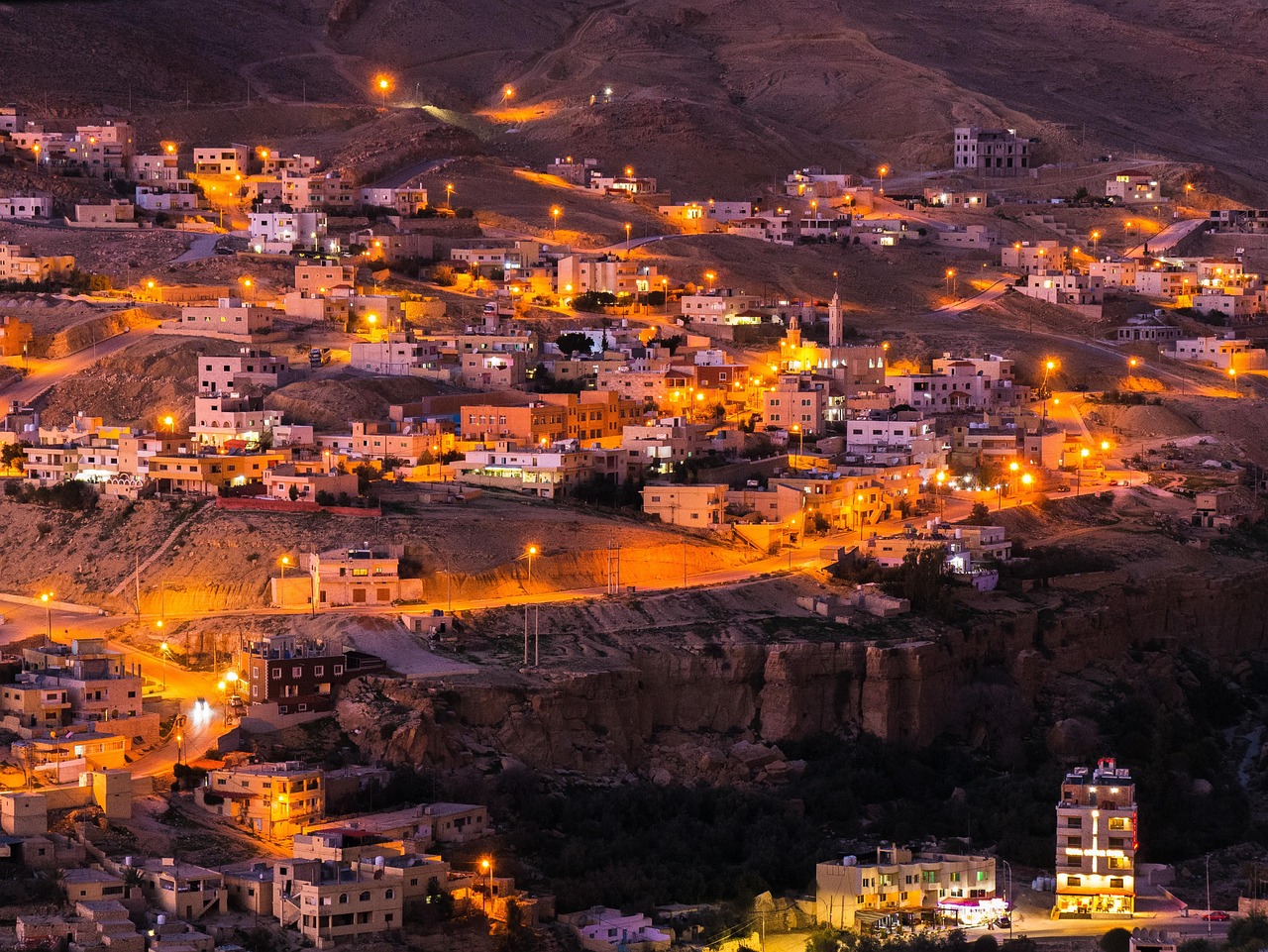
While not inside the archaeological park, Wadi Musa itself deserves mention as an “attraction.” This hillside town is where you’ll sleep, eat, and meet locals who have woven tourism into their daily lives.
Walk its backstreets in late afternoon and you’ll see kids coming home from school, men sipping coffee in tiny cornerside cafés, and women carrying bags of herbs and bread. It’s the best place to remind yourself that Petra isn’t frozen in time; it’s part of a living community.
Neighborhoods & Areas to Explore Around Petra
Wadi Musa Districts & Vibes
Wadi Musa doesn’t have formal “neighborhoods” like a big city, but it does have distinct areas you’ll experience differently:
- Petra Gate Area (Tourist Strip): Closest to the Petra Visitor Center. Packed with hotels, tour agencies, souvenir shops, and mid-range restaurants. Convenient, but more expensive and touristy.
- Upper Wadi Musa: Up the hill from the gate, with a mix of local homes, budget guesthouses, and small eateries. Great for cheaper stays and more “local” food.
- Old Village / Taybeh Road: Slightly farther out, with some boutique hotels and quieter views across the valleys. Ideal if you have a car or don’t mind taxis.
- Umm Sayhoon (Bedouin Village): A community relocated from inside Petra in the 1980s. Some families offer homestays or tours; it’s a fascinating window into local life, but should be visited respectfully.
Local Food in Petra: What & Where to Eat
Petra isn’t Amman when it comes to food variety, but the scene has improved a lot in the last few years. You’ll find everything from classic Jordanian home-style dishes to simple falafel joints and a few Western-leaning cafés.
Must-Try Jordanian Dishes
- Mansaf: Jordan’s national dish: lamb cooked in fermented yogurt sauce over rice, topped with nuts. Rich, festive, best eaten in a group.
- Magloubeh: Literally “upside-down”: rice, vegetables, and meat cooked together, then flipped dramatically before serving.
- Maqloubeh / Mujaddara: Lentil-and-rice comfort food, great for vegetarians.
- Mezze: Hummus, mutabbal (eggplant dip), labneh, olives, pickles, and salads like tabbouleh and fattoush.
- Fresh bread: Tandoor-style or baked in local ovens—always say yes to hot bread.
- Tea & Coffee: Black tea with mint or sage, and strong Arabic coffee with cardamom.
Where I Actually Eat in Wadi Musa
Names change, but the patterns don’t. In 2026, you’ll still find:
- Near Petra Gate: Tourist-friendly restaurants with English menus and mixed dishes. Slightly pricier but convenient after long days. Great for families and less adventurous eaters.
- Upper Wadi Musa: Local grill houses, falafel stands, and bakeries. I often head up here for inexpensive dinners: think grilled chicken, salad, bread, and tea for a fraction of the tourist strip price.
- Homestays & Guesthouses: Some offer home-cooked dinners if you book ahead—these are often my favorite meals, with recipes that never see a printed menu.
Saving Money on Food
- Stock up on snacks (nuts, fruit, biscuits) from local supermarkets for Petra days—food inside the site is limited and can be pricey.
- Share large dishes like mansaf or magloubeh; portions are generous.
- Ask for “Jordanian breakfast” at your hotel: eggs, labneh, olives, hummus, bread—often included in room rates.
Nightlife, Cultural Experiences & Events (2026–2027)
Nightlife in Petra & Wadi Musa
Nightlife here is mellow. Think terrace cafés, hotel bars, and occasional live music—not clubs and wild parties.
- Hotel Bars: Larger hotels near Petra Gate often have quiet bars serving beer and wine. Great for a post-hike drink.
- Shisha Cafés: You’ll find a few spots where locals and visitors smoke argileh (shisha), sip tea, and watch football matches.
- Cafés with Views: Some rooftops overlook the hills of Wadi Musa—perfect for sunset or stargazing with a warm drink.
Cultural Experiences
- Petra by Night: As mentioned above, a signature experience combining music, storytelling, and candlelight.
- Bedouin Music Nights: Some guesthouses organize evenings with oud music, singing, and zarb dinners.
- Handicraft Cooperatives: Women’s cooperatives in Wadi Musa and Umm Sayhoon sell embroidery, jewelry, and other crafts; some offer short workshops.
Events & Festivals in 2026–2027
Exact dates shift annually, but typically:
- Petra Light & Art Installations (Piloted 2025, expanding 2026): Occasional special evenings with curated light art along designated sections of the park. Expect limited tickets and higher prices.
- Local Cultural Weeks: Regional festivals showcasing Bedouin culture, traditional music, and food—often in spring and autumn.
- Sports Events: Trail runs and ultra-marathons occasionally pass through the Petra region; even if you’re not running, the atmosphere can be fun.
Check with your hotel or the official Petra Tourism Board closer to your travel dates for updated 2026–2027 schedules.
Day Trips & Nearby Attractions from Petra
Wadi Rum: Desert of Stars
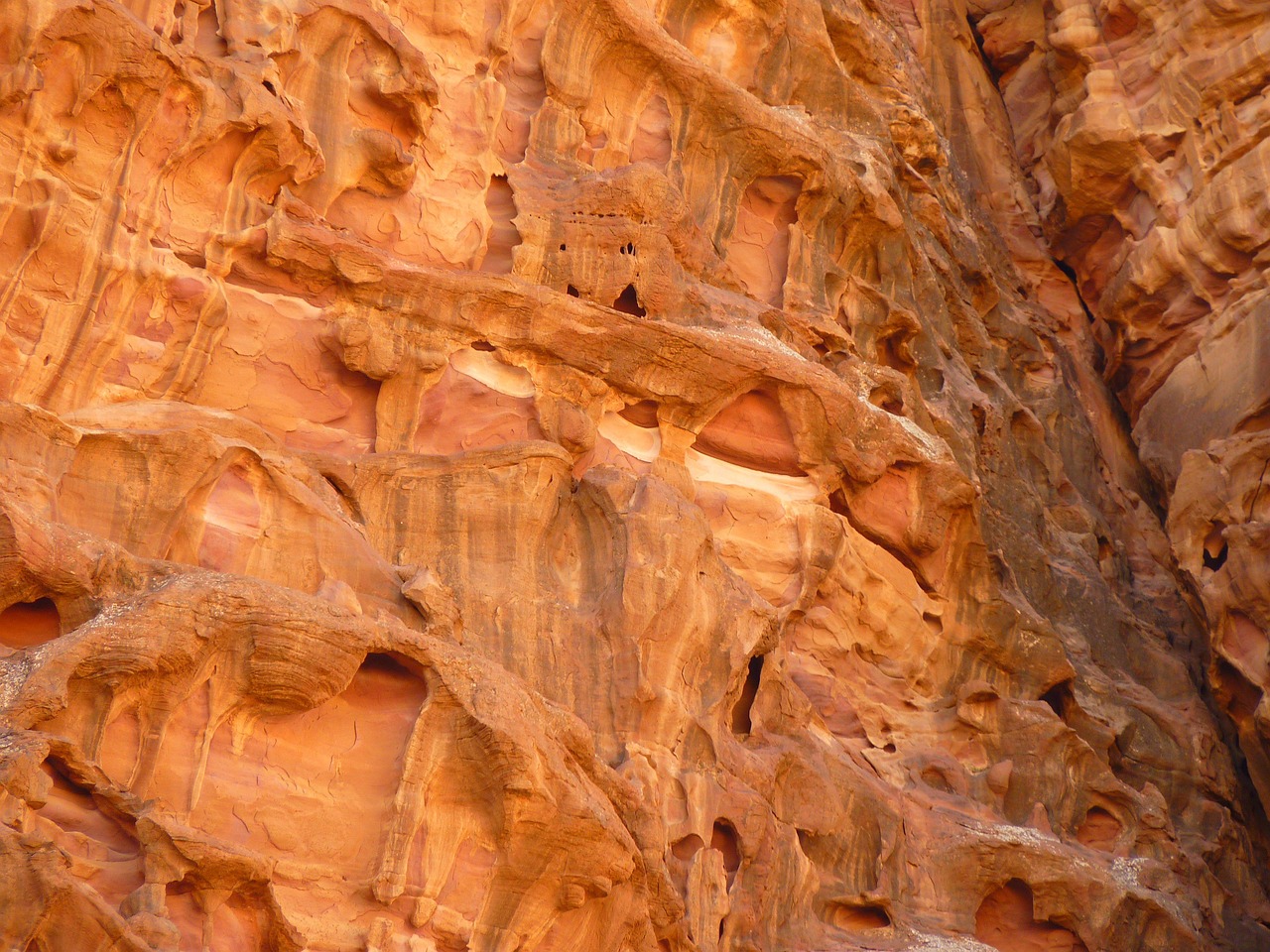
Just 1.5–2 hours south by car, Wadi Rum is a Mars-like desert of red sand and towering rock formations. It’s the perfect overnight escape after a few intense Petra days.
- What to do: 4x4 tours, camel rides, rock bridges, sand dune climbs, stargazing.
- How to get there: Private taxi, rental car, or pre-arranged tour transfer.
- Tip: Sleep in a Bedouin camp for a full experience; some offer comfortable “bubble” tents with glass domes for stargazing.
Dana Biosphere Reserve: Hiking Heaven
About 1.5 hours north, Dana offers rugged hiking trails, old stone villages, and dramatic canyon views. It’s cooler than Petra in summer and a great place for nature lovers.
I once spent a day hiking from Dana village down into the Wadi Dana trail, ending with sore calves and a huge appetite—but a memory of sweeping rock vistas and vultures circling overhead that still makes me smile.
Shobak Castle: Crusader Ruins on a Hilltop
Shobak (Montreal) is a 12th-century Crusader castle perched on a lonely hill, about an hour from Petra. It’s less restored than Kerak, but that adds to its atmosphere.
Climb the ramparts, explore the dark passageways, and enjoy views across the surrounding countryside. It’s a good half-day excursion combined with Dana or a scenic drive toward Amman.
Cultural Etiquette & Local Customs in Petra
Dress & Behavior
- Modest clothing: Jordan is relatively liberal, but Petra is still a conservative area. Shoulders and knees covered are appreciated, especially for women. Tight, revealing clothing draws unwanted attention.
- Inside tombs & shrines: Treat them as you would historical or religious spaces: no loud music, no climbing on fragile structures, no graffiti (ever).
- Public affection: Keep it low-key; hand-holding is fine, but extended kissing or hugging in public is frowned upon.
Interaction with Locals
- Greetings: A simple “Salaam” or “Ahlan” goes a long way. Handshakes are common; with the opposite sex, wait to see if they offer their hand.
- Photography: Always ask before photographing people, especially women and children.
- Haggling: Bargaining is expected in markets and with some guides; do it with humor and respect, not aggression.
Dealing with Touts & Animal Welfare
You will encounter persistent offers for donkey, camel, and horse rides, trinkets, and “secret” viewpoints.
- Polite refusal: “La, shukran” (no, thank you) with a smile usually works. Be firm if needed.
- Animals: Choose operators whose animals look well-fed and well-treated. Avoid overloading, and don’t support obviously abusive practices.
Practical Travel Advice for Petra (2026 Edition)
Getting To & Around Petra
- From Amman: 3–4 hours by car or bus. JETT buses run direct routes; private transfers are faster but pricier.
- From Aqaba: Around 2 hours by car; popular for those combining Petra with the Red Sea.
- Within Wadi Musa: Walking is possible if you’re near Petra Gate, but the town is hilly. Taxis are inexpensive; agree on prices before riding.
Car Rental & Driving
- Foreign licenses: Many nationalities can drive with their home license for short stays; an International Driving Permit is still recommended. Check current 2026 regulations before travel.
- Roads: Main roads are paved and in decent condition; night driving is possible but avoid in bad weather or if you’re not used to mountain roads.
Public Transport
Public buses exist but are less convenient for tight itineraries. JETT tourist buses and shared taxis are more reliable for visitors.
Tickets & Passes
- Jordan Pass: Often the best deal; includes Petra entry and waives visa fees for many nationalities if you stay at least 3 nights in Jordan.
- Petra entry: Prices vary by 1-day, 2-day, 3-day passes. For anything more than a rushed visit, I strongly recommend at least a 2- or 3-day pass.
SIM Cards & Connectivity
- Providers: Zain, Orange, and Umniah are the main networks.
- Where to buy: At Queen Alia International Airport in Amman or in Wadi Musa. Bring your passport.
- Coverage: Good in Wadi Musa, patchy in remote corners of Petra and surrounding wadis.
Money & Costs
- Currency: Jordanian Dinar (JOD).
- ATMs: Available in Wadi Musa; less so inside Petra (bring cash for snacks and souvenirs inside the site).
- Cards: Larger hotels and restaurants accept cards; small shops and taxis prefer cash.
Saving Money in Petra
- Stay in locally owned guesthouses in upper Wadi Musa instead of big hotels by the gate.
- Buy snacks and water in town; prices at the Petra entrance and inside the park are higher.
- Share guides and taxis with other travelers where possible.
Health & Safety
- Heat: Petra is physically demanding. Start early, rest in shade midday, hydrate constantly.
- Footwear: Sturdy walking shoes or hiking boots are essential; sandals alone are a bad idea for full Petra days.
- Sun: Hat, sunglasses, sunscreen. There’s little natural shade on many trails.
Visa Requirements (as of 2026)
Visa rules vary by nationality; many travelers can obtain a visa on arrival or use the Jordan Pass to waive the fee. Always check the latest official information from Jordanian authorities or your nearest embassy before traveling.
Best Seasons & Weather
- Spring (March–May): My favorite time: mild temperatures, wildflowers, ideal for hiking.
- Autumn (September–November): Also excellent: warm days, cooler nights.
- Summer (June–August): Hot, especially midday. Start very early, plan siestas, and focus on shaded or shorter trails.
- Winter (December–February): Can be cold, with occasional rain or even snow. Crowds are lower, but days are shorter; bring warm layers.
Hidden Tips from Repeated Visits
- Alternate heavy hiking days with lighter ones to avoid burnout—especially on a 4 or 5 day itinerary for Petra.
- Always carry a small flashlight or phone light for darker tomb interiors and post-sunset walks.
- If you’re a photographer, plan specific “light missions”: Treasury at sunrise, Royal Tombs at golden hour, Monastery in late afternoon.
- Chat with your hotel staff; they often know current trail conditions, local events, and which days Petra by Night is least crowded.
Summary: Key Takeaways & When to Visit Petra
Petra is more than a checkmark on a bucket list. It’s a place that rewards time, curiosity, and a willingness to get a little dusty. Whether you’re planning 3 days in Petra, a richer 4 day itinerary for Petra, or a full 5 days in Petra with side trips, the must-see attractions in Petra—from the Siq and Treasury to the Monastery, Royal Tombs, and High Place of Sacrifice—are only the beginning.
Use this travel guide for Petra to shape an itinerary that matches your style: family-friendly walks along the main trail, romantic sunsets at the Monastery viewpoints, or adventurous backdoor hikes and canyon explorations. Balance your days among iconic sights, hidden gems in Petra, and authentic cultural experiences, and you’ll leave with far more than just photos—you’ll carry a sense of this rose-red city and the people who live alongside it.
Best seasons: For most travelers, March–May and September–November offer the best mix of comfortable weather and manageable crowds. Summer works if you can handle heat and start early; winter offers moody skies and fewer visitors if you don’t mind the cold.
However long you stay, give Petra at least two full days—three if you can, four or five if you want to truly feel the rhythm of the place. Petra will meet you where you are: as an awe-inspiring backdrop for a quick visit, or as a layered, living landscape that keeps calling you back. For me, it’s firmly the latter—and I suspect it might become that for you too.