Why Visit Cappadocia?
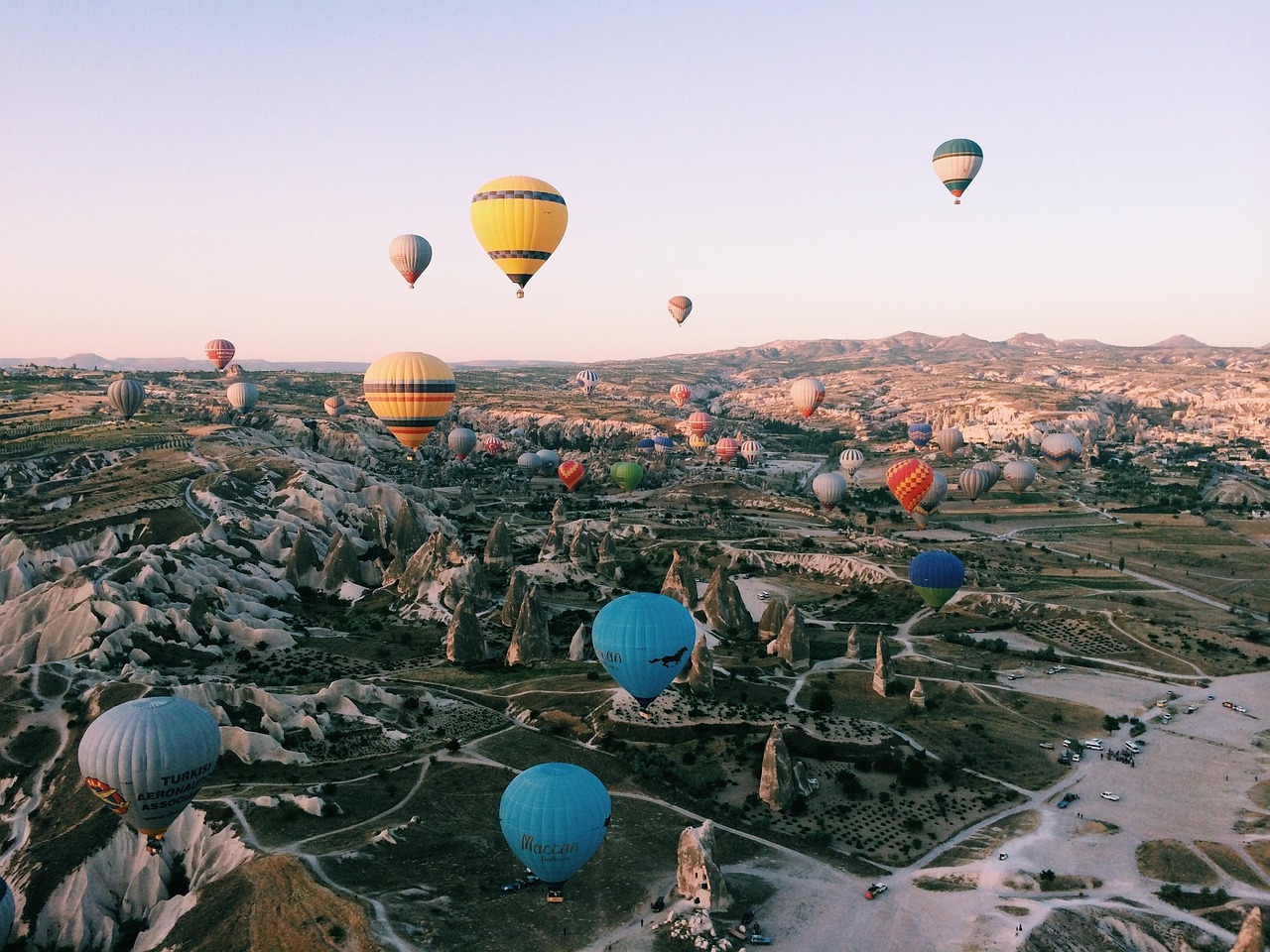
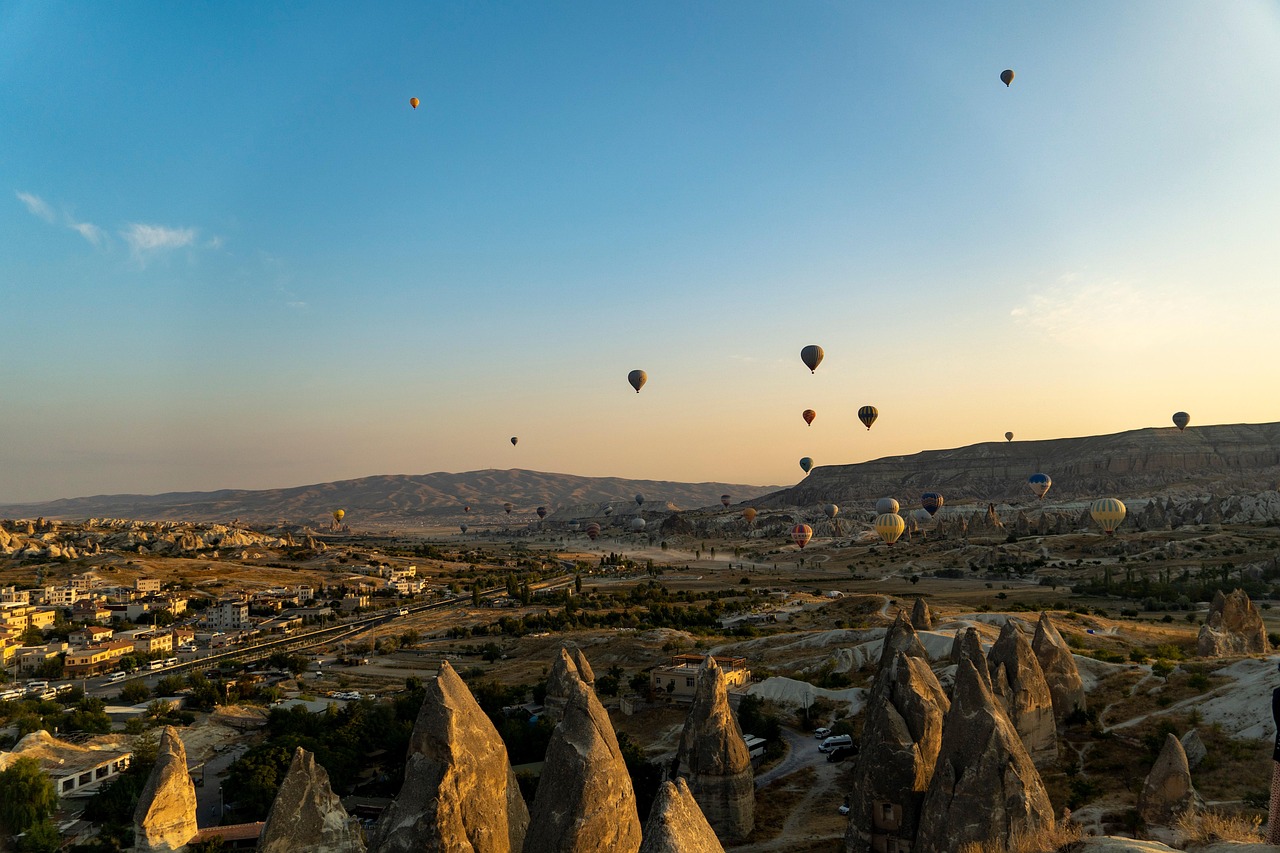
If there’s any place on earth that feels like stepping onto another planet without leaving Europe-Asia, it’s Cappadocia. I still remember my first sunrise here back in 2014: standing on a quiet rooftop terrace in Göreme, wrapped in a blanket, watching hundreds of hot-air balloons drift silently above honeycombed cliffs and fairy chimneys. A decade and many return visits later, that view still hits me every single time.
Cappadocia isn’t just about balloons, though they’re magical. It’s an ancient volcanic landscape carved by wind, water, and humans: cave churches painted with 1,000-year-old frescoes, underground cities that once sheltered entire communities, and valleys that glow red at sunset. It’s also surprisingly livable: friendly locals, hearty Anatolian food, walkable towns, and a pace that slows you down in the best way.
Whether you have 3 days in Cappadocia or you’re planning a slower 4–5 day itinerary for Cappadocia, this in-depth travel guide for Cappadocia is written like a long conversation with a friend who’s been back again and again. I’ll walk you through the best places to visit in Cappadocia, real-life itineraries, hidden gems, local food in Cappadocia, cultural etiquette, and practical travel tips for Cappadocia for 2026–2027.
Table of Contents
- Why Visit Cappadocia?
- Cappadocia at a Glance (2026 Update)
- Suggested Itineraries (3, 4 & 5 Days in Cappadocia)
- Key Towns & Areas in Cappadocia
- 20 Must-See Attractions in Cappadocia (In-Depth)
- Best Local Food & Drink in Cappadocia
- Nightlife, Entertainment & Cultural Experiences
- Day Trips & Nearby Attractions
- Cultural Etiquette & Local Customs
- Practical Travel Advice for Cappadocia (2026–2027)
- Summary & Best Time to Visit Cappadocia
Cappadocia at a Glance (2026 Update)
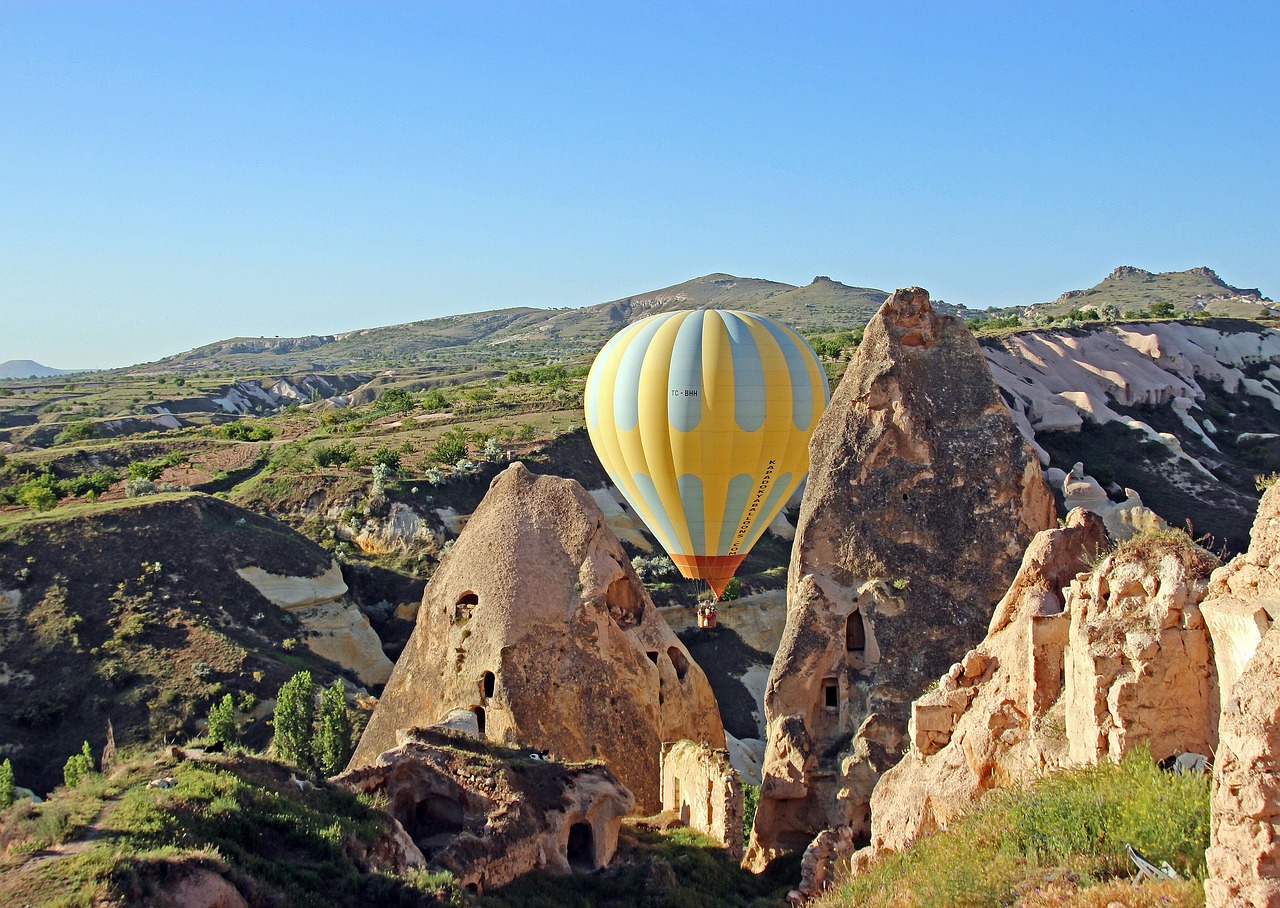
Where is Cappadocia? It’s a historical region in central Turkey, mainly in Nevşehir province, about a 1-hour flight from Istanbul or 3–4 hours by road from Ankara.
Why 2026 is a great year to go:
- Improved airport connections to Nevşehir Kapadokya Airport and Kayseri Airport with more direct European routes.
- Newly restored frescoes in parts of the Göreme Open-Air Museum opened in late 2025.
- Several boutique cave hotels have opened in Ürgüp and Uçhisar, giving more choice beyond Göreme’s busy core.
- Better signposted hiking trails in Love Valley, Pigeon Valley, and Rose/Red Valleys as of 2025–2026.
Major upcoming events (2026–2027):
- Cappadocia Hot Air Balloon Festival 2026 (usually late June, dates announced early spring each year) – mass balloon ascents, night glows, photography workshops.
- Ürgüp Grape Harvest Festival 2026 (September) – wine tastings, folk dances, concerts.
- Nevşehir Cappadocia Culture & Arts Festival 2027 (likely May/June) – regional crafts, music, local food stalls.
Suggested Itineraries: 3, 4 & 5 Days in Cappadocia
After multiple trips, I’ve found that 3 days in Cappadocia is the bare minimum, 4 days feels just right, and 5 days lets you slow down, hike, and find those hidden gems.
3-Day Itinerary for Cappadocia (Highlights-Focused)
If you’re short on time, this 3 day itinerary for Cappadocia prioritizes the must-see attractions, a balloon flight, and one underground city, with enough breathing room to enjoy sunsets and food.
- Day 1: Göreme Open-Air Museum, Göreme town, Sunset at Red Valley
- Day 2: Hot-air balloon ride, Love Valley hike, Çavuşin Village, Avanos pottery
- Day 3: Derinkuyu or Kaymaklı Underground City, Uçhisar Castle, Pigeon Valley walk
If you can stretch to 4 days in Cappadocia or a 5 day itinerary for Cappadocia, do it; you’ll see why below.
4-Day Itinerary for Cappadocia (Balanced Classic)
This is the itinerary I usually suggest to friends, mixing iconic sights, hikes, and local experiences over 4 days in Cappadocia.
- Day 1: Göreme, Open-Air Museum, Sunset Point
- Day 2: Balloon flight, Love Valley & Çavuşin, Avanos evening
- Day 3: Underground city, Ihlara Valley, Selime Monastery
- Day 4: Uçhisar, Pigeon Valley, Ortahisar & wine tasting
5-Day Itinerary for Cappadocia (Slow-Travel & Hidden Gems)
If you’re considering a 5 day itinerary for Cappadocia, you’ll have time to breathe, get lost in valleys, and linger over tea with locals.
- Day 1: Göreme town orientation, Open-Air Museum, Red Valley sunset
- Day 2: Balloon flight, Love Valley & White Valley, Çavuşin
- Day 3: Derinkuyu Underground City, Ihlara Valley hike, Selime Monastery
- Day 4: Uçhisar & Pigeon Valley, Ortahisar, wine & local food
- Day 5: Avanos, Sobesos & Mustafapaşa, Turkish bath & cultural evening
Key Towns & Areas in Cappadocia
Göreme: The Beating Heart of Cappadocia
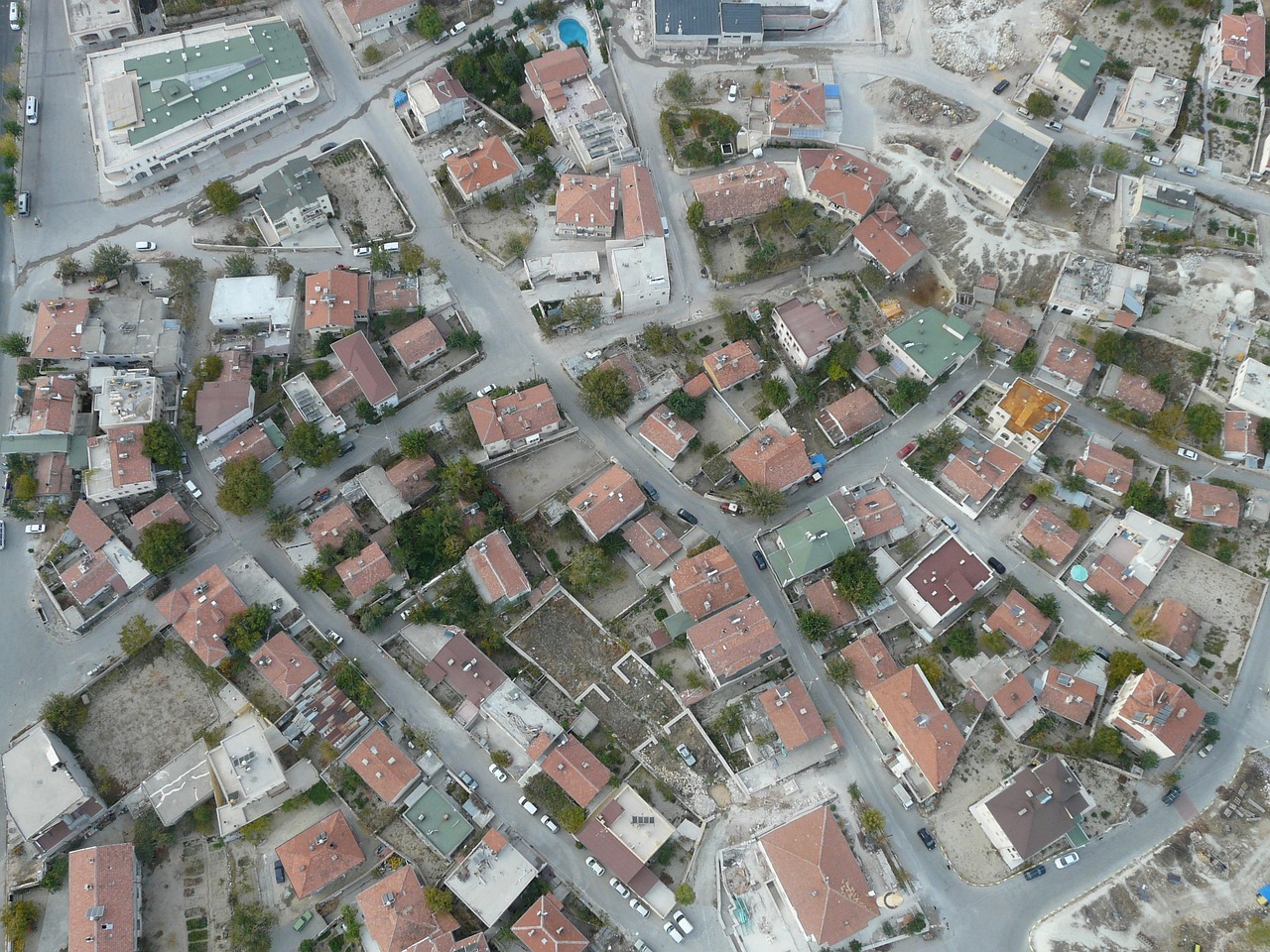
Every time I arrive in Cappadocia, I almost always base myself in Göreme for at least a night or two. It’s the most central and walkable town, nestled in a bowl of fairy chimneys and cave hotels, with easy access to sunset viewpoints, restaurants, and tour pickups.
Best for: First-timers, backpackers, couples wanting a lively but romantic base, travelers without a car.
Highlights: Göreme Open-Air Museum, Sunset Point, easy access to Love/Rose/Red Valleys, lots of cave hotels for every budget.
Uçhisar: Quiet Views & Upscale Cave Stays
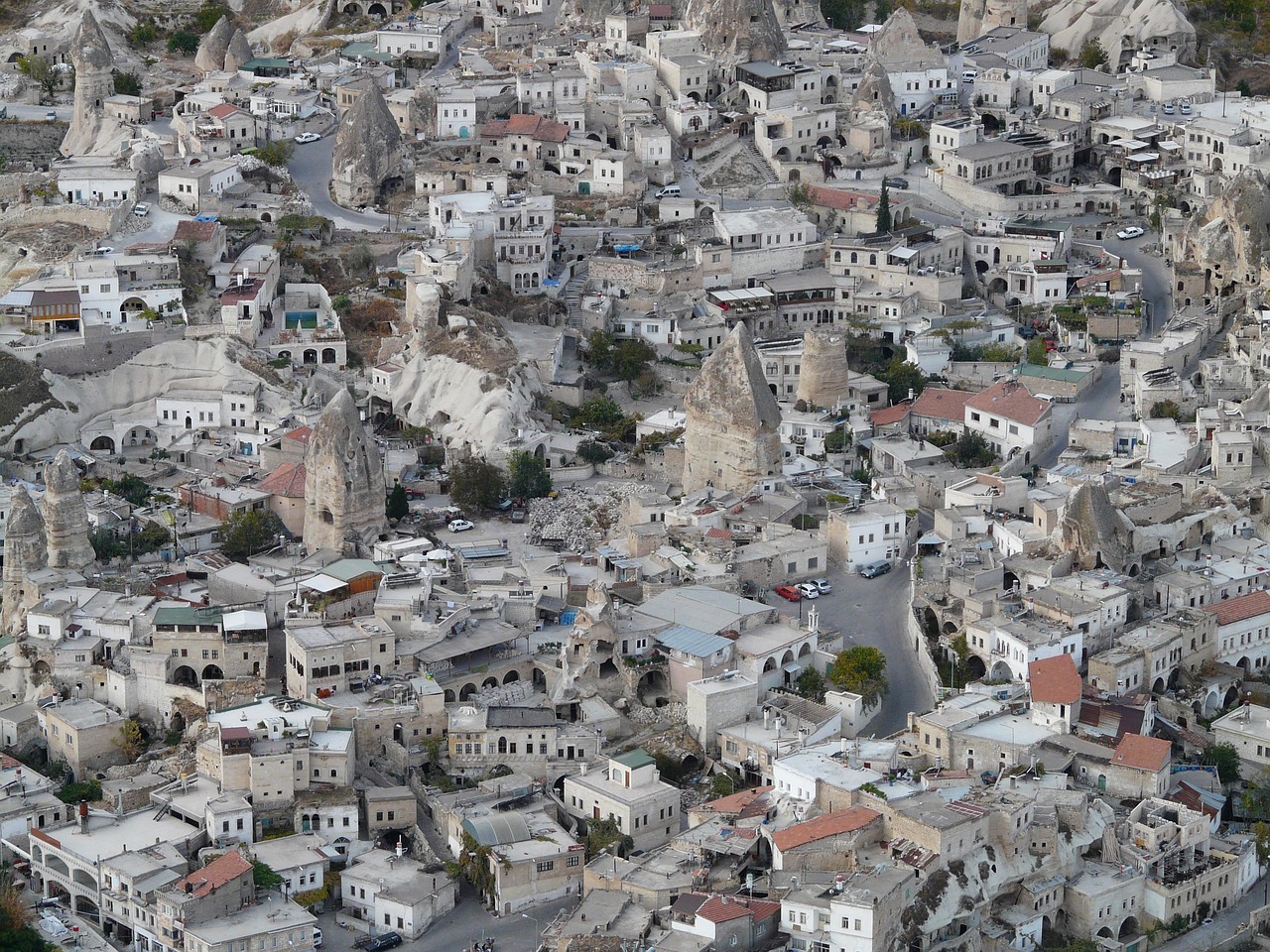
When I want quieter mornings and panoramic views, I stay in Uçhisar. The village clings to the rock around the towering Uçhisar Castle, the highest point in Cappadocia.
Best for: Honeymoons, quieter stays, families who prefer calm nights, photographers.
Highlights: Uçhisar Castle, Pigeon Valley access, elegant cave hotels with terraces perfect for balloon-watching at sunrise.
Ürgüp: Local Life, Wine & Cave Hotels
Ürgüp feels more like a “real” working town than Göreme, with banks, supermarkets, and locals going about their day. It also has some of the region’s nicest cave hotels and wineries.
Best for: Longer stays, digital nomads, wine lovers, travelers wanting local flavor.
Highlights: Temenni Hill, wineries, nearby Mustafapaşa village, easy driving access to all main valleys.
Avanos: Riverfront Pottery Town
Set along the Kızılırmak River, Avanos is famous for its red-clay pottery tradition. I love ending a busy day here with a slow walk along the river and a pottery workshop.
Best for: Families (kids love pottery), craft lovers, relaxed evenings.
Highlights: Pottery workshops, suspension bridge, riverside cafes.
Mustafapaşa (Sinasos): Stone Mansions & Calm Streets
Formerly a Greek village called Sinasos, Mustafapaşa is all about elegant stone mansions and a sleepy vibe. On my last visit, I spent a full afternoon doing nothing more than sipping tea in a shady courtyard here.
Best for: Second or third visits to Cappadocia, slow travelers, architecture lovers.
Highlights: Historic mansions, old churches, nearby hidden valleys and Roman ruins at Sobesos.
20 Must-See Attractions in Cappadocia (Deep Dive)
Below are twenty of the must-see attractions in Cappadocia, each described with history, practical details, and personal notes. These are the core of any 3, 4, or 5 day itinerary for Cappadocia.
1. Göreme Open-Air Museum
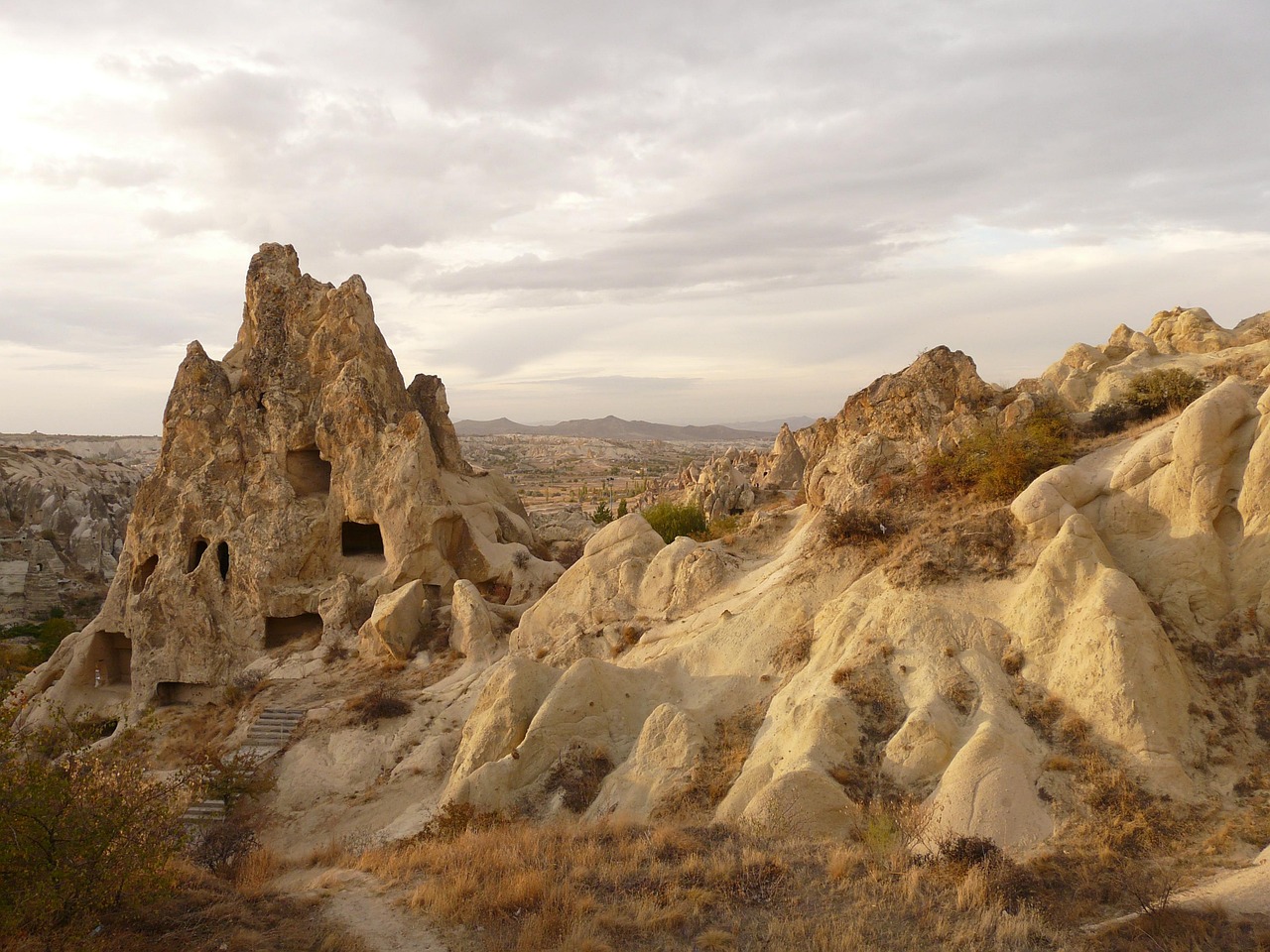
The Göreme Open-Air Museum is Cappadocia’s most iconic cultural site, and even after multiple visits, I still find new details in the frescoes. This UNESCO World Heritage Site is a complex of rock-hewn churches, chapels, refectories, and monasteries dating from the 10th to 12th centuries.
History & significance: Early Christian communities carved these spaces into the soft tuff rock as places of worship and refuge. The frescoes, with scenes from the New Testament, are among the best-preserved examples of Byzantine art in central Anatolia. In 2025, restoration work was completed on several less-visited chapels, and in 2026 more areas are now accessible with improved lighting.
My experience: I like to go right at opening time (usually 8:00 or 8:30 a.m.) before the tour buses. On one foggy April morning in 2023, I walked into the Dark Church (Karanlık Kilise) almost alone; the deep blues and reds of the frescoes seemed to float in the dim light. It’s one of those rare places where being quiet feels automatic.
Tips for visiting:
- Allow at least 2–3 hours to wander slowly.
- Pay extra for the Dark Church entrance; the frescoes are absolutely worth it.
- Wear shoes with a good grip; some steps are smooth and dusty.
- Photography is sometimes restricted inside certain chapels; follow posted rules to protect the art.
- Combine with a walk or short drive to Göreme Panorama Viewpoint afterward for photos.
How to get there: From central Göreme, it’s a 20–25 minute walk uphill or a 5-minute taxi ride. Most group tours stop here, but I prefer visiting independently to go at my own pace.
2. Hot-Air Balloon Flight over Cappadocia
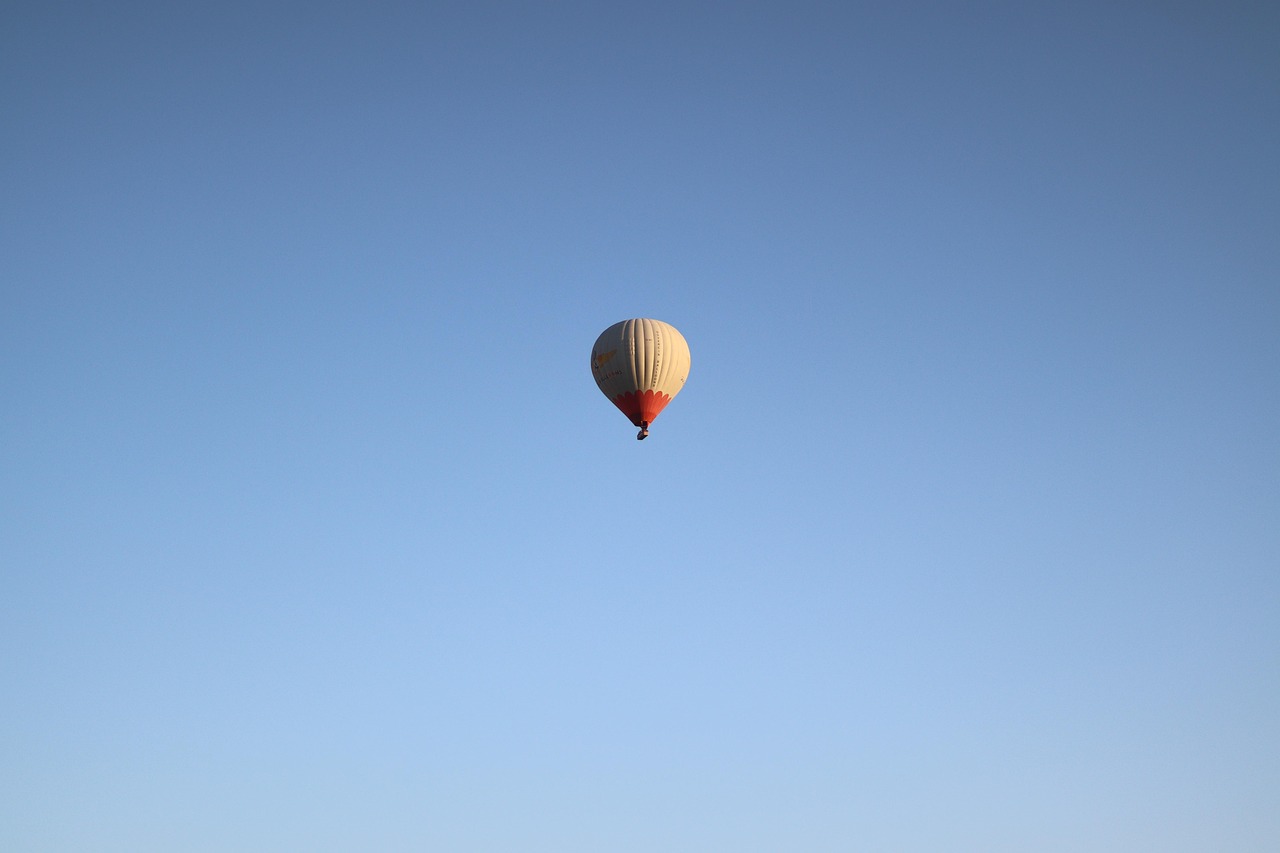
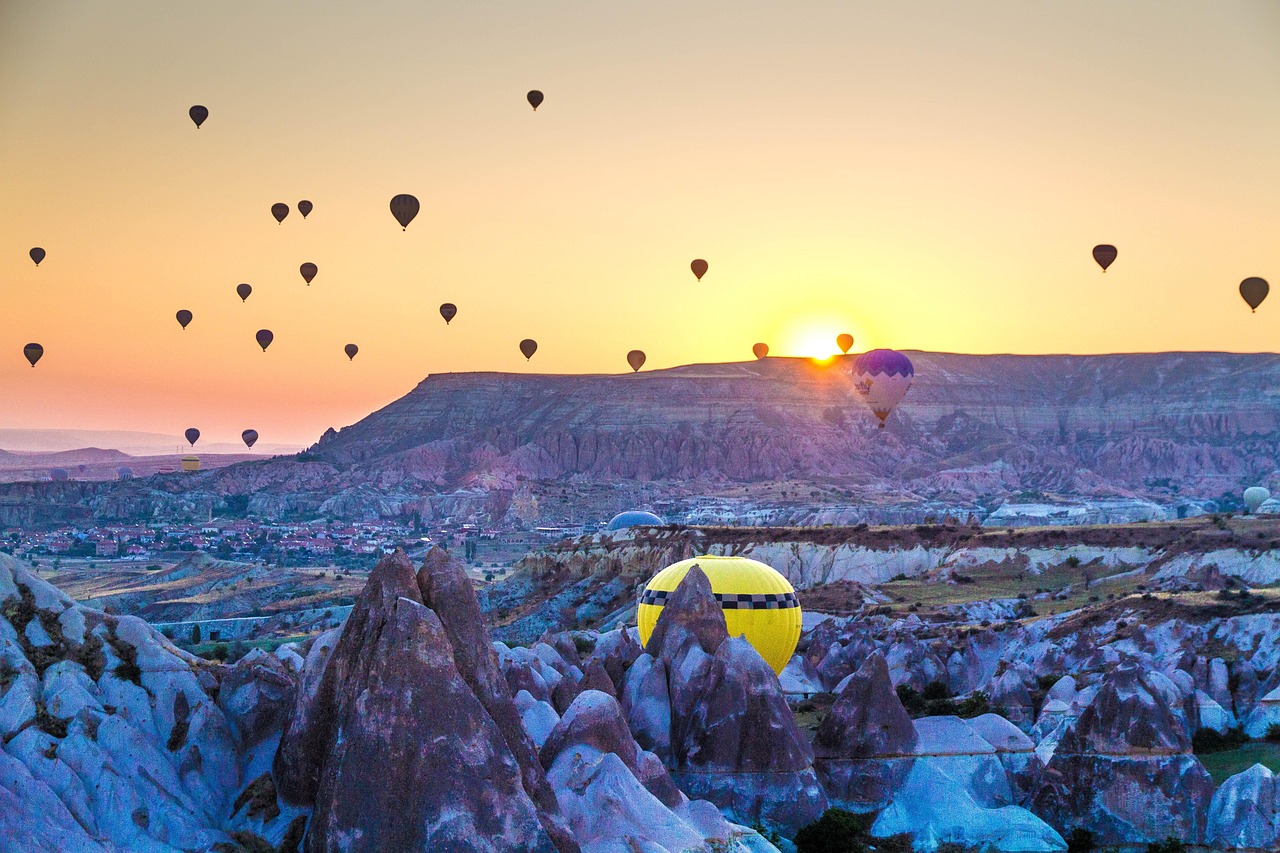
A hot-air balloon ride at sunrise is the single most famous thing to do in Cappadocia—and one of those rare “hyped” experiences that actually lives up to it. I’ve flown three times over the years (once in winter, twice in spring) and each time felt completely different.
What it’s like: You’re picked up from your hotel before dawn, shuttled to the takeoff field for tea and cookies, then watch the balloons inflate in the half-light. Takeoff is so gentle you almost don’t notice you’ve left the ground. Then, as the sun rises, fairy chimneys and valleys glow gold and pink beneath you. On calm days, the balloon dips into valleys so close you feel you could touch the rock.
Family-friendly & romantic: I’ve seen everything from honeymoon couples to multi-generational families sharing a basket. Kids usually need to be at least 6–7 years old; check with your chosen company. For couples, it’s one of the most romantic things you can do here.
Tips from experience:
- Book early, especially in April–October. Good companies fill up weeks or months ahead.
- Flights can be cancelled due to wind. If you have 3–5 days in Cappadocia, book for your first morning so you have backup days.
- Wear layers; it’s cold before sunrise even in summer but warms quickly.
- Prices in 2026 range roughly from mid to high, depending on season and basket size; smaller baskets cost more but feel more intimate.
How to choose a company: Focus on safety record and experience, not just price. Ask your hotel which operators they personally trust; locals know which companies prioritize careful piloting over packing baskets.
3. Love Valley & White Valley
Love Valley is famous for its, well, very suggestively shaped fairy chimneys. It’s also one of the most enjoyable hikes close to Göreme, especially if you link it with neighboring White Valley.
My go-to hike: I usually start from Uçhisar or the upper Love Valley viewpoint and walk down towards Göreme. On my last trip in 2025, I spent nearly four hours wandering between towering stone columns, stopping to snack on apricots from a small orchard and talking to an elderly farmer who insisted I try his homemade grape molasses.
Why it’s great:
- Easy to moderate hiking, suitable for most reasonably fit travelers.
- Shady sections and small streams in spring make it refreshing.
- Fewer people than at the main open-air viewpoints, particularly midday.
Tips: Wear shoes you don’t mind getting dusty. In summer, start early or go late afternoon to avoid the midday heat. There are usually a couple of small stands selling juice or tea near the trailheads, but don’t rely on them; bring water.
4. Red Valley & Rose Valley (Sunset Magic)
Red and Rose Valleys are where I go when I need to remember why I fell in love with Cappadocia. The rock here takes on unbelievable shades of pink, peach, and crimson at sunset.
History & landscape: Eroded rock layers have created wave-like ridges and hidden cave churches. Some frescoes here are less restored than at Göreme, but the remoteness adds to the atmosphere. Shepherds still bring flocks through these valleys, and in spring the hills are dotted with wildflowers.
My favorite sunset: One October evening, I hiked from Çavuşin into Rose Valley, found a quiet ridge away from the main viewpoint, and watched the sky turn cotton-candy pink as balloons from evening tethered sessions glowed in the distance. A local family nearby shared roasted chestnuts with me; we communicated half in Turkish, half in smiles.
Tips:
- Plan at least 3–4 hours before sunset if you want to hike plus enjoy the view.
- Bring a headlamp if you’re walking back after dark; trails are not lit.
- Sunset viewpoints can get busy in peak months, but a short walk off the road usually finds quieter spots.
5. Uçhisar Castle
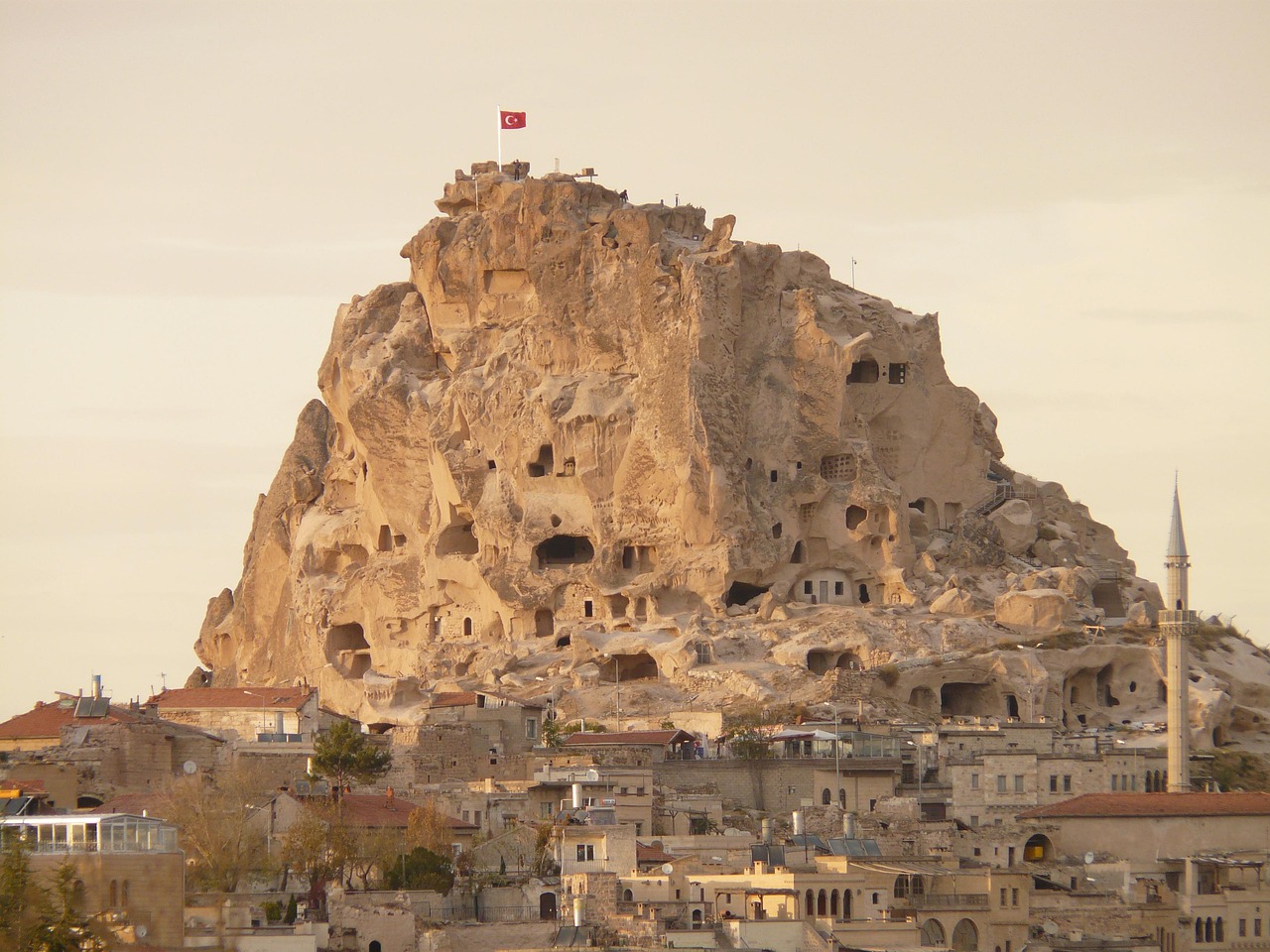
Uçhisar Castle is the highest point in Cappadocia and offers one of my favorite panoramic views of the region. The castle itself is a huge rock outcrop honeycombed with tunnels and rooms.
History: Uçhisar was an important defensive stronghold, used as a lookout and refuge in various periods, including Byzantine and Ottoman times. Many of the internal passages are now closed for safety, but you can still climb to the top via exterior steps.
My experience: I love going in late afternoon when the light softens. On a clear day in May 2022, I could see all the way to Erciyes volcano near Kayseri, snow still on its summit. Down below, tiny balloons from a late launch looked like confetti over the valleys.
Tips: The climb is a bit steep but short; most people in average shape can manage it. Avoid midday in summer—it’s exposed and hot. The surrounding village has several cafes with terraces perfect for tea afterward.
6. Pigeon Valley
Pigeon Valley, named for the countless pigeon houses carved into the cliffs, runs between Göreme and Uçhisar. For centuries, locals kept pigeons here for their droppings, used as fertilizer for vineyards.
I’ve walked this valley in every season: snowy January, blooming April, baking August. My favorite is spring, when the trees are green and small streams run through the valley. The hike takes about 1.5–2 hours one way at a relaxed pace.
Tips: Start in Uçhisar and walk downhill to Göreme if you prefer an easier route. Look out for the small cave church along the trail. Parts can be muddy after rain, so proper shoes are wise.
7. Derinkuyu Underground City
Derinkuyu is the deepest of Cappadocia’s underground cities, descending up to 60 meters. Walking through its tunnels, I always imagine the sheer relief people must have felt reaching these safe spaces during invasions.
History & significance: Likely begun by the Phrygians and later expanded by early Christian communities, Derinkuyu could shelter thousands for extended periods. It includes stables, kitchens, wineries, churches, and ventilation shafts—an entire hidden world.
My experience: The first time I visited, I underestimated how intense it can feel. Some corridors are narrow and low; if you’re claustrophobic, this may be challenging. On my second visit, I took it slower, pausing at wider chambers to catch my breath and imagine life underground.
Tips:
- Go with a licensed guide if possible; the history is complex and fascinating.
- Wear layers; it’s cool underground even in summer.
- If you’re very claustrophobic, consider Kaymaklı Underground City instead; its tunnels feel slightly more open.
8. Kaymaklı Underground City
Kaymaklı is another sprawling underground city, a bit shallower than Derinkuyu but more spread out. I often suggest visiting one or the other, but if you have 4–5 days, seeing both gives a richer perspective.
On my last visit in 2024, I joined a small-group tour led by a local whose grandfather had helped with early excavations. He pointed out wine presses carved in the rock and explained how huge rolling stones sealed passageways like doors.
Tips: Kaymaklı is included on many “Green Tour” itineraries. If going independently by rental car, arrive early to avoid crowds. Again, not ideal for severe claustrophobia, but some sections are relatively spacious.
9. Ihlara Valley
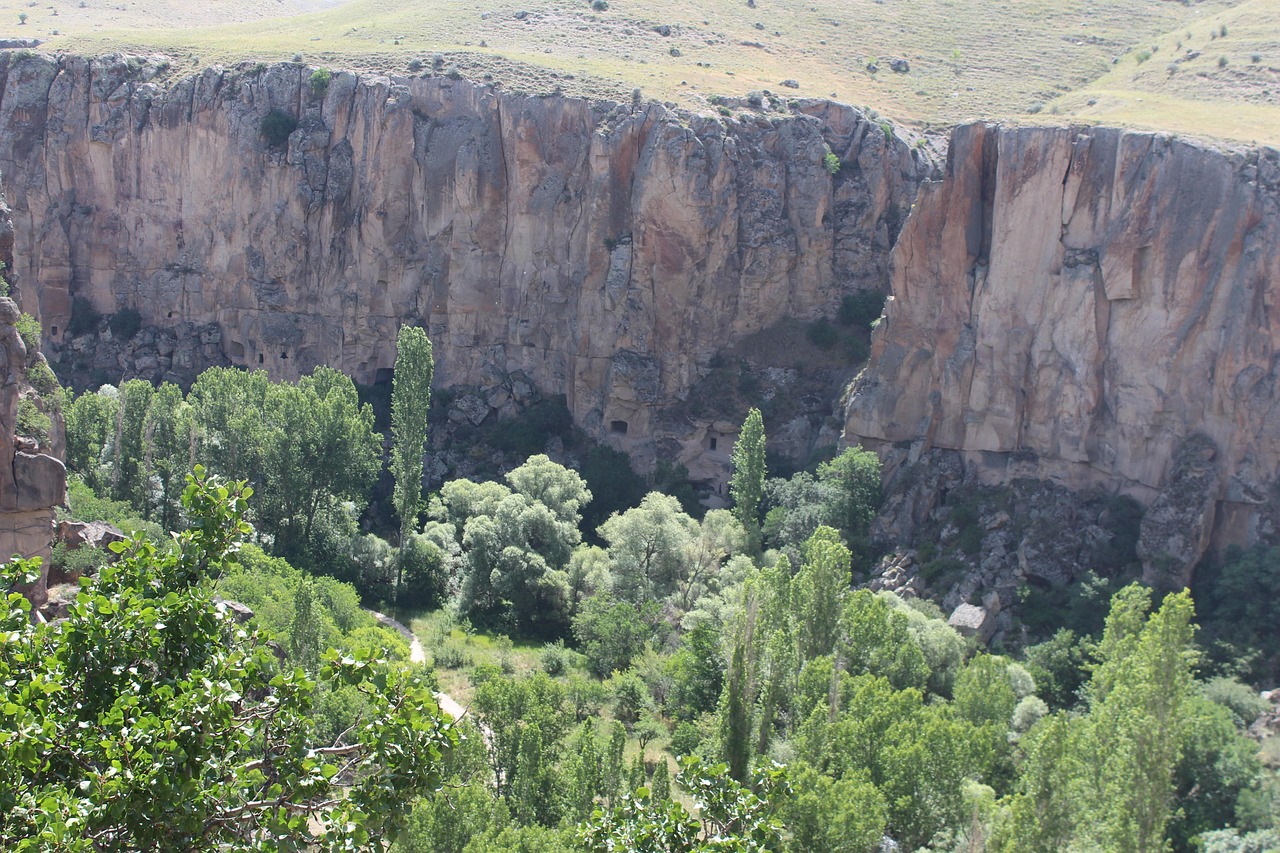
Ihlara Valley is a lush, river-cut gorge about 1.5 hours from Göreme. It’s my go-to “green escape” when I’ve had enough of sun and rock. A river runs along the valley floor, lined with poplar and willow trees, and the cliffs hide dozens of rock-cut churches.
My favorite day trip: I like starting at the main entrance near the village of Ihlara, descending the long staircase into the gorge, and walking along the river to Belisırma. Cafes with platforms over the water offer trout lunches and tea breaks. In spring 2025, I spent almost an hour at one such cafe watching ducks and reading while my feet dangled just above the water.
Tips:
- Plan at least 4–6 hours, including driving time from Cappadocia’s main towns.
- Combine with Selime Monastery (more below) at the end of the valley.
- Trails are well-marked as of 2026, but sturdy shoes are still best.
10. Selime Monastery
At the end of Ihlara Valley rises Selime Monastery, a dramatic rock-cut complex that looks half like a cathedral, half like a sci-fi movie set. It’s one of the most impressive single sites in Cappadocia.
History: Dating back to the 8th–9th centuries, Selime includes churches, monks’ quarters, and a large cathedral-like hall. Some believe it was also used as a caravanserai or fortified settlement later on.
My experience: Climbing through Selime’s chambers in late afternoon light, I was struck by how vast the main hall feels—like a stone forest of columns. From the top, the view over the surrounding landscape is vast and empty, emphasizing how remote life here must have felt.
Tips: The paths here are steeper and more exposed than in many cave sites. If you’re uneasy with heights, you may prefer to explore only the lower levels. Combine with Ihlara on a full-day trip.
11. Çavuşin Village
Çavuşin is a small village just north of Göreme, with a crumbling rock citadel and a more laid-back vibe. I like coming here when Göreme feels a bit too busy.
Highlights: The Church of St. John the Baptist sits above the village and offers a wonderful view over the plains and valleys. The old rock houses look almost like they’re melting, and newer stone houses cluster along the road below.
My experience: One quiet November morning, I climbed up to the church alone, passing a shepherd and his goats. The wind was the only sound at the top, and I could trace hiking routes toward Rose and Red Valleys from above.
Tips: Combine Çavuşin with Love, Red, or Rose Valley hikes, or as a stop on the way to Avanos. Small cafes here serve gözleme (Turkish stuffed flatbread), perfect for a simple lunch.
12. Avanos & Pottery Workshops
Avanos, straddling the Kızılırmak River, has been a pottery center since Hittite times, thanks to the red clay from the riverbanks. Visiting a pottery workshop here is both a cultural and hands-on experience.
On my last visit, I joined a small group in a family-run atelier that’s been in business for generations. After watching a master potter work the wheel, we each tried to make our own bowl. My first attempt was a lopsided disaster, but the potter’s teenage daughter patiently helped me correct it, laughing the whole time.
Tips:
- Many workshops offer free demonstrations; some charge modest fees for hands-on lessons.
- Be prepared for gentle sales pitches afterward; if you’re not buying, a simple, polite “maybe next time” works.
- Combine with a stroll along the river and perhaps dinner by the water.
13. Ortahisar Castle & Village
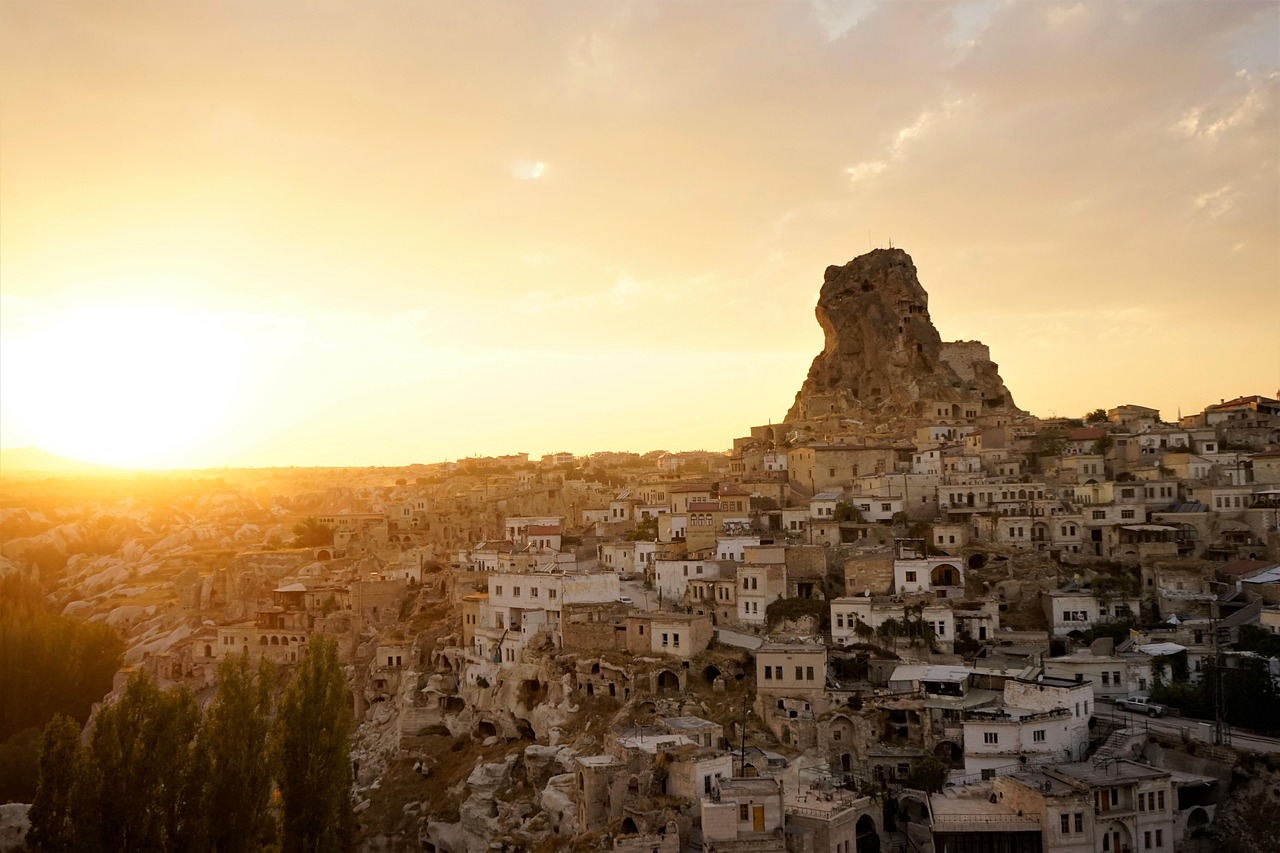
Ortahisar is a quieter alternative to Uçhisar, with its own rock castle rising above stone houses. It feels more local, with older men playing backgammon in the square and fewer tourist shops.
I like coming here in late afternoon, climbing up toward the castle, and then wandering side streets. There are some lovely small cave hotels and a growing restaurant scene. In 2026, the municipality has been improving signage and lighting around the castle area, making evening strolls more pleasant.
Tips: The castle climb is shorter than Uçhisar but still offers good views. Pair Ortahisar with nearby valleys or on your way to Mustafapaşa.
14. Paşabağ (Monks Valley)
Paşabağ, or Monks Valley, is home to some of Cappadocia’s most photogenic fairy chimneys—tall, slender pillars with multiple “hats” or caps. In the past, hermit monks lived in some of these formations, carving out small cells high above the ground.
Walking here feels a bit like being in a stone forest. Early in the morning, before the tour buses, you can have entire clusters of chimneys almost to yourself. On my first visit, I arrived at 8 a.m. in late September and shared the valley with just a handful of photographers waiting for balloons to drift overhead.
Tips: Paşabağ is often included in “Red Tour” itineraries. If driving, arrive early or late afternoon to avoid crowds. Wear shoes suitable for sandy paths; you may want to scramble up small hills for better vantage points.
15. Devrent (Imagination) Valley
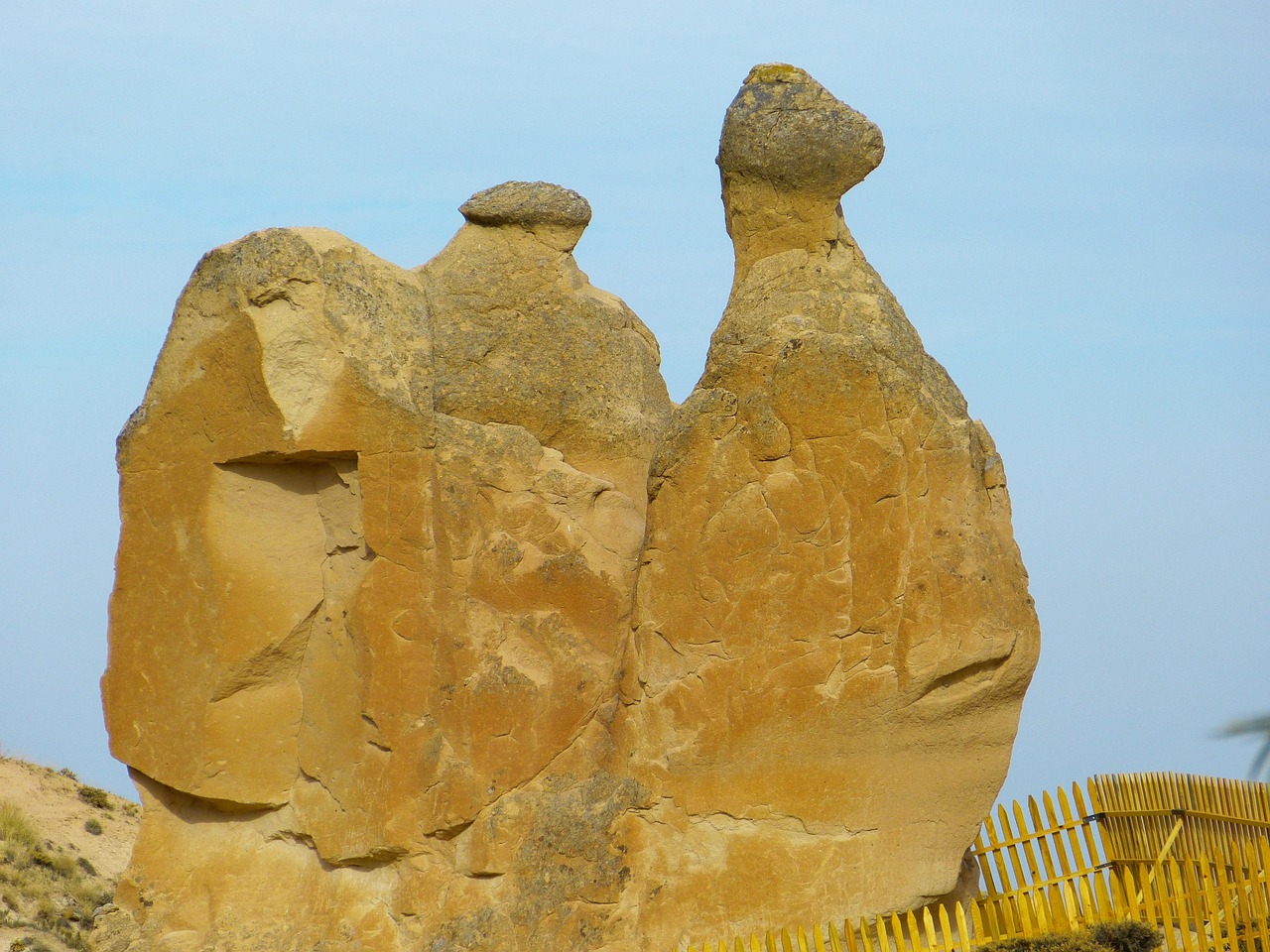
Devrent Valley, also known as Imagination Valley, is filled with rock formations that look like animals and objects—a camel here, a dolphin there, depending on your imagination.
This is a fun, quick stop, especially with kids. I once visited with friends and their two children, and we spent almost an hour arguing over whether a particular rock looked more like a seal or a dragon.
Tips: There’s no major hiking trail here; it’s more of a viewpoint and short wander. Combine with Paşabağ and Avanos in a half-day loop.
16. Mustafapaşa (Sinasos) Stone Mansions
Beyond the general charm of Mustafapaşa village, individual stone mansions here are works of art: carved lintels, ornate balconies, and Greek inscriptions reflecting the town’s mixed heritage before the population exchange of the 1920s.
On a warm June day, I joined a local guide whose great-grandfather had lived in one of these mansions. He showed us where the old olive press had been, and how families used to store wine and grain in cool underground cellars.
Tips: Take a guided walking tour if you’re interested in architecture and history. The village is small enough to explore on foot in 1–2 hours, but stories bring the stones to life.
17. Sobesos Ancient City
Sobesos is a lesser-known Roman-era archaeological site near Şahinefendi, not far from Mustafapaşa. If you’re into history and have 4–5 days in Cappadocia, it’s a worthwhile detour.
The site includes mosaic floors, a bath complex, and remains of a basilica. When I visited in 2022, I had it almost entirely to myself; the guard was so surprised to see visitors that he came over to chat and point out details in the mosaics.
Tips: Combine Sobesos with Mustafapaşa and maybe a vineyard visit. There’s little shade, so bring a hat and water.
18. Göreme Sunset Point
Göreme’s Sunset Point is one of the easiest places to get a sweeping view of the town and surrounding valleys. I’ve lost count of how many sunsets I’ve watched from here—each one slightly different depending on clouds, dust in the air, and the number of balloons still drifting.
My experience: My routine: pick up a simit (Turkish sesame bread) and ayran (salty yogurt drink), walk up 20–25 minutes from the center, find a spot on the edge, and just sit. Some evenings, musicians show up with guitars or saz; other times, it’s just the murmur of conversations in many languages.
Tips: It can be crowded in peak season. Walk a bit further along the ridge to find quieter spots. Early mornings here are also beautiful if you want to watch balloons without the sunrise-balloon-tour crowds.
19. Cappadocian Wineries & Wine Tasting
Cappadocia is one of Turkey’s key wine regions, with volcanic soils giving character to local grapes like Emir and Kalecik Karası. Wine has been made here since ancient times, and modern wineries blend tradition with updated techniques.
On a balmy evening in Ürgüp, I joined a tasting at a small winery where the owner poured generous samples and explained how his grandfather used to stomp grapes in stone presses carved into cave floors. We tasted a crisp Emir white that paired perfectly with local goat cheese and walnuts.
Tips:
- Ask your hotel to recommend nearby wineries offering tastings; several are a short drive from Ürgüp and Uçhisar.
- If you’re driving, agree on a designated driver or keep tastings small.
- Combine wine tasting with a local dinner for a relaxed evening.
20. Turkish Bath (Hamam) Experience in Cappadocia
After hiking dusty valleys and scrambling up castles, a Turkish bath is pure bliss. While Cappadocia doesn’t have the grand Ottoman hamams of Istanbul, several modern and historic-style baths offer excellent scrubs and steams.
My first hamam in Cappadocia was in a small, stone-built bathhouse in Ürgüp. After sitting in the steam room, I lay on the warm marble slab while an attendant scrubbed away what felt like half of Cappadocia’s dust from my skin. I floated out afterward, skin soft and mind relaxed.
Tips:
- Hamams may offer separate hours or sections for men and women; check ahead.
- Bring your own swimsuit if you prefer; nudity norms vary by place and gender.
- Book for your last or second-to-last day as a reward after all your hiking.
Detailed 4–5 Day Itinerary in Cappadocia (Personal Story Style)
Below is a story-style plan for 4 days in Cappadocia, easily adjustable to 3 or 5 days. I’ll walk you through how I usually spend each day when showing friends around.
Day 1: Göreme Essentials & First Sunset
I usually arrive via the morning shuttle from Kayseri or Nevşehir airport and check into a small cave hotel in Göreme. After dropping bags and a quick Turkish breakfast—olives, tomatoes, cucumbers, white cheese, honey, and endless tea—it’s time to explore.
Late morning: Göreme Town Orientation
I like to start with a simple loop around town: up the main street past cafes and travel agencies, then into side alleys where chickens scratch and grapevines twist over doorways. This is when I pick out where we’ll eat that night, peeking at menus and terrace views.
Lunch: For your first meal, choose a place with a terrace overlooking the town. Order testi kebabı (pottery kebab) if you’re hungry—meat and vegetables slow-cooked in a sealed clay pot, cracked open at the table. It’s a bit theatrical but delicious.
Afternoon: Göreme Open-Air Museum
In early afternoon, I walk or take a quick taxi to the Göreme Open-Air Museum. By now the tour groups are there, but if you’re patient you can slip into churches between crowds. I often linger in the Apple Church and Snake Church, admiring the frescoes and the way light filters through the narrow openings.
Coffee break: On the way back, there are a couple of cafes with views over the landscape. I usually stop for a Turkish coffee or cold ayran, scribbling notes about the frescoes in my journal.
Evening: Sunset at Red or Sunset Point
For your first sunset, you have two main options: the easy walk to Göreme Sunset Point, or a short drive/tour to a Red Valley viewpoint. With first-timers, I often choose Sunset Point because it gives such a good overview of Göreme itself.
We pack a light snack—maybe simit from a bakery and some fruit from the small grocery—and head up about an hour before sunset. I like to walk a bit past the main crowd to the quieter ridges. As the sun drops, the fairy chimneys around town catch the light, and distant valleys glow. It’s usually at this moment that my friends turn to me and say, “Okay, now I get why you keep coming back.”
Dinner: Back in town, I choose a family-run restaurant on a side street. My standard order for a first night: lentil soup, a shared meze plate (eggplant salad, stuffed grape leaves, yogurt with herbs), and grilled lamb or chicken. For dessert, try şekerpare (semolina cookies in syrup) or baklava with tea.
Day 2: Balloon Magic, Love Valley & Avanos
Pre-dawn: Hot-Air Balloon Ride
My alarm goes off cruelly early, usually around 4:30 a.m. The balloon company’s van picks us up in the dark and takes us to their base for a light breakfast. Outside, burners hiss and balloons slowly stand upright. This pre-dawn hush always gives me butterflies, no matter how many times I’ve done it.
We climb into the basket, the pilot gives a quick safety briefing, and then we rise. The ground drifts away, and soon we’re floating above the chimneys, other balloons glowing and drifting around us. Sometimes we skim low over vineyards; other times we climb high enough to see the entire region like a map.
After an hour or so, we land (sometimes bumpy, sometimes as soft as a feather), toast with a small glass of juice or sparkling wine, and are driven back to our hotel. It’s still early, but adrenaline keeps us awake.
Late morning: Rest & Slow Brunch
Back at the hotel, I recommend a second breakfast. Most cave hotels put out generous spreads; take your time. If you’re tired, this is a good window for a nap or reading on the terrace while watching the last balloons drift down.
Midday: Love Valley & White Valley Hike
Around late morning or early afternoon, depending on the season’s heat, we head out to Love Valley. If we don’t have a car, we arrange a taxi drop-off at an upper viewpoint with a plan to hike back toward Göreme.
The path threads between tall rock columns, some so absurdly shaped that even the most serious travelers start making jokes. The trail continues into White Valley, where the rock turns paler and the path sometimes narrows between cliff walls. We stop under the shade of a tree to snack on nuts or fruit we picked up earlier in town.
Afternoon: Çavuşin & Avanos
After the hike, we either continue on foot to Çavuşin or catch a taxi there. We climb up to the old church above the village, take in the view, then reward ourselves with gözleme and tea at a simple cafe.
From here, we head to Avanos. Walking across the suspension bridge over the Kızılırmak, I always pause in the middle to watch kids feeding ducks and couples strolling along the river. Then it’s time for pottery.
We visit a workshop where the owner or a potter demonstrates the wheel, then invites us to try. It’s messy and fun; clay gets everywhere, and someone inevitably produces something that looks more like modern art than a bowl. If I’m tempted by the beautiful ceramics in the showroom afterward, I think about luggage space before buying.
Evening: Dinner in Avanos or Return to Göreme
If we stay in Avanos for dinner, there are several riverfront restaurants serving grilled fish, kebabs, and meze. Otherwise we head back to Göreme for a quieter meal and an early night after the long day.
Day 3: Underground City & Ihlara Valley
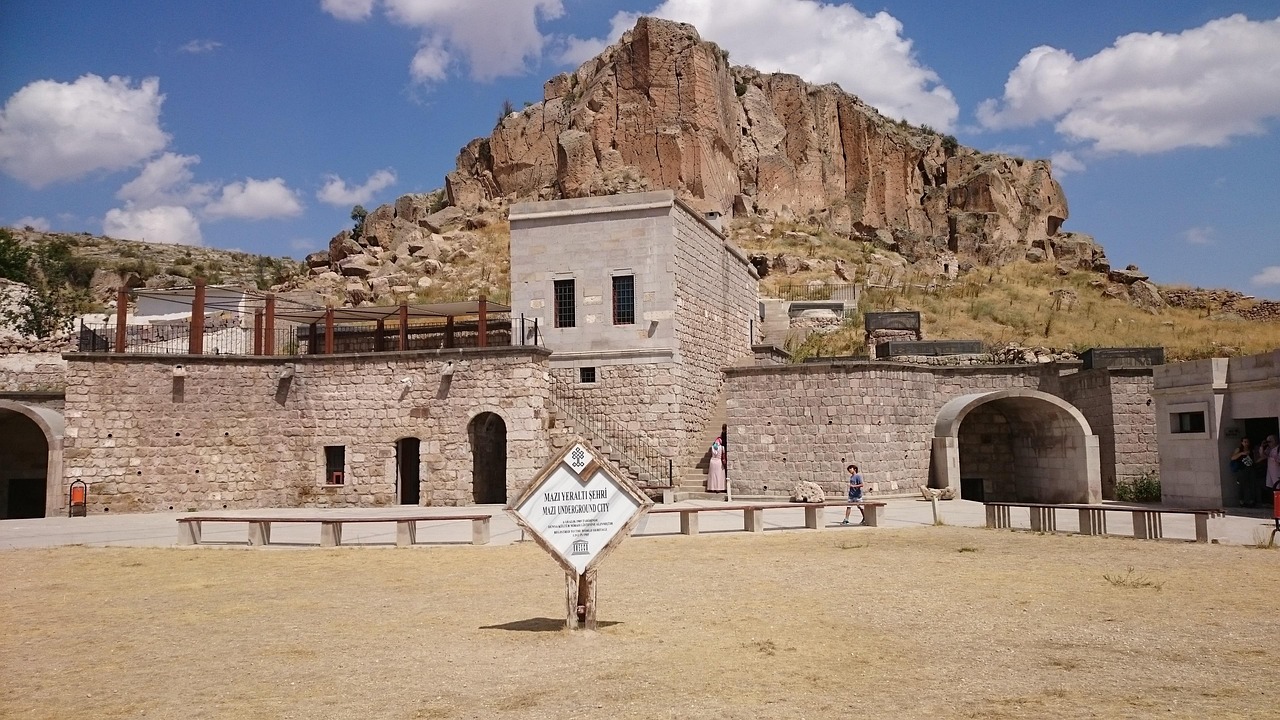
Day 3 is often my “Green Tour” day: underground city plus Ihlara Valley and Selime. You can either self-drive or join a small-group tour; for first-timers, a tour usually makes logistics easier.
Morning: Derinkuyu or Kaymaklı Underground City
We set off after breakfast and reach the underground city mid-morning. I mentally prepare anyone nervous about tight spaces, then we descend. Our guide points out ventilation shafts, communal rooms, and stone doors. I always marvel at how sophisticated the planning must have been to sustain life underground for weeks.
After resurfacing, the daylight and open sky feel almost shocking. This is when I appreciate a tea break most—a small stand usually sells tea and snacks near the entrance.
Midday & Afternoon: Ihlara Valley Hike
We then drive to Ihlara. The long staircase down into the valley begins with sweeping views over the gorge. At the bottom, the temperature drops a bit as we step into the shade of trees.
The path along the river is gentle, with birdsong and the sound of water. We detour up to a few cave churches, admiring faded frescoes and carved crosses. For lunch, we stop at a riverside restaurant in Belisırma—wooden platforms over the water, low cushions, trout or simple kebabs, and fresh salad.
Late Afternoon: Selime Monastery
Our last stop is Selime. Climbing inside the rock complex in late afternoon light, the stone glows warm gold. We explore the huge “cathedral” hall, peer into monks’ quarters, and take photos from the upper terraces.
By the time we drive back toward Göreme or Ürgüp, most people in the car are pleasantly exhausted, dozing off as the bus rolls past fields and low hills.
Evening: Back in town, I opt for a simple dinner—maybe lentil soup and a salad—and an early night or quiet glass of local wine on the hotel terrace.
Day 4: Uçhisar, Pigeon Valley & Ortahisar
On Day 4, I like to slow down a bit and focus on viewpoints and shorter walks.
Morning: Uçhisar Castle & Village
We drive or take a dolmuş (minibus) to Uçhisar. After a quick coffee in the village square, we climb up to the castle. The steps wind around the rock, and each level opens up wider views. At the top, I point out landmarks: Göreme below, Rose and Red Valleys to one side, distant mountains on the horizon.
Back down in the village, we wander narrow lanes, past boutique cave hotels and houses draped with bougainvillea in summer. This is a good moment to stop at a terrace cafe and simply sit.
Midday: Pigeon Valley Walk
From Uçhisar, we pick up the trail into Pigeon Valley. The walk down toward Göreme takes around 1.5–2 hours, with enough shade and a mix of open views and canyon-like sections. We pause at the old pigeon houses carved into the cliffs, some painted white or with simple decorative motifs.
Afternoon: Ortahisar & Local Life
In the afternoon, we either catch a ride or drive to Ortahisar. Compared to Göreme, the pace here is slower. We climb up near Ortahisar Castle, then wander back through streets where kids ride bikes and neighbors chat from doorways.
If we’re feeling indulgent, this is when I book a Turkish bath for the late afternoon or early evening in Ürgüp or Göreme. Emerging scrubbed and relaxed, we’re ready for one last dinner.
Evening: Wine & Farewell Dinner
For a final evening, I like to choose a restaurant with good local wine and a view. We order a mix of meze, maybe a clay-pot vegetable stew, and a bottle of Cappadocian red. As the sky darkens, we recap the trip: the balloon sunrise, the quiet churches, the underground tunnels, the hikes.
Optional Day 5: Mustafapaşa, Sobesos & Free Time
If you have a fifth day, this is when I introduce visitors to the region’s quieter corners.
Morning: Mustafapaşa (Sinasos)
We drive to Mustafapaşa and spend the morning wandering its stone streets. We peek into restored mansions, admire carved doorways, and, if we’ve arranged a guide, hear stories of the town’s Greek and Turkish residents before the population exchange.
Stopping at a small cafe in a courtyard, we sip tea or Turkish coffee. Here, life moves slower; it’s not unusual to end up in a half-hour conversation with the owner about where we’re from and what we’ve seen.
Midday: Sobesos & Countryside
Next, we head to Sobesos to see the Roman mosaics and ruined baths. The site is small but evocative, especially when you’re the only visitors. We drive slowly back through countryside dotted with vineyards and orchards.
Afternoon: Free Time or Extra Hike
Back in our base town, the afternoon is free: shopping for ceramics or carpets, another valley hike (perhaps a section of Rose or Red Valleys you missed), or simply a nap and some reading on your terrace.
Evening: Cultural Show or Quiet Night
If you’re in the mood, this is a good night for a whirling dervish ceremony or a Turkish Night with live music and folk dancing. Otherwise, choose one last favorite restaurant and savor the quiet before departure.
Best Local Food & Drink in Cappadocia
Cappadocia’s cuisine is hearty, rustic Anatolian food with some regional twists. Eating well here doesn’t require fancy restaurants—some of my best meals have been in small, family-run places on side streets.
Signature Dishes to Try
- Testi Kebabı (Pottery Kebab): Meat and vegetables slow-cooked in a sealed clay pot, cracked open at the table. Best shared; it’s rich.
- Mantı: Tiny Turkish dumplings, often served with yogurt and melted butter with paprika. Cappadocian versions can be especially tiny and delicate.
- Gözleme: Thin flatbread rolled by hand, filled with cheese, spinach, potato, or meat, then cooked on a griddle. A budget-friendly lunch.
- Çömlek Fasulye: Beans stewed in a clay pot, often with meat; perfect comfort food on cooler days.
- Sac Kavurma: Sautéed meat and vegetables cooked on a round metal plate.
- Pastırma & Sucuk: Cured and spiced meats from nearby Kayseri, often served at breakfast or in egg dishes.
Breakfast & Sweets
Turkish breakfast is a highlight: cheeses, olives, jams, honey, eggs, tomatoes, cucumbers, bread, and tea. Many cave hotels include excellent spreads in their room rates.
For sweets, look for baklava, künefe (cheese pastry soaked in syrup, served hot), and lokma (fried dough balls in syrup). In summer, I love wandering Göreme with a small cup of dondurma (Turkish ice cream).
Drinks
- Turkish Tea (Çay): Always offered, always welcome. Served in tulip-shaped glasses.
- Turkish Coffee: Strong, thick, and served with grounds in the cup. Don’t drink the bottom.
- Ayran: Salty yogurt drink; incredibly refreshing on hot days.
- Local Wine: Try Emir (white) and Kalecik Karası (red) from Cappadocian vineyards.
- Rakı: An anise-flavored spirit, usually enjoyed with meze at dinner.
Saving Money on Food
To save money, eat where locals eat. Look for simpler lokantas with daily specials written on boards. Lunch “menu of the day” deals often include soup, a main, and salad for a fraction of tourist restaurant prices.
Street snacks—simit, börek (filled pastries), and gözleme—make cheap, filling meals. Markets in Ürgüp and Avanos are great for fresh fruit, nuts, and picnic supplies.
Nightlife, Entertainment & Cultural Experiences
Cappadocia isn’t a nightclub destination, but evenings can be quietly magical, with lit-up cave hotels and starry skies.
Evening Atmosphere
In Göreme and Ürgüp, you’ll find bars and lounges with terraces, soft music, and local wine or cocktails. Some have live acoustic sets or Turkish folk music a few nights a week. I love ending my days on a rooftop in Göreme, sipping wine and watching the rock silhouettes against the night sky.
Cultural Shows
- Whirling Dervish Ceremonies: Usually performed in restored caravanserais or special halls. These are spiritual ceremonies, not just performances. Dress modestly and maintain silence during the sema (ritual).
- Turkish Night Shows: Dinner-and-show evenings featuring folk dances from different regions, sometimes belly dancing, and live music. They can be touristy but also fun in a group.
Family-Friendly Evenings
For families, evenings in Cappadocia often mean leisurely dinners, short walks through town, and maybe a stop for ice cream. Some hotels show movies or have board games; others offer simple stargazing from their terraces.
Day Trips & Nearby Attractions
Beyond the core valleys and towns, a few day trips are worth considering if you have extra time or are on a 5-day itinerary for Cappadocia.
Ihlara Valley & Selime (Covered Above)
This is the classic full-day trip, especially if you’re interested in hiking and quieter cave churches.
Soğanlı Valley
A less-visited valley with rock churches and a small village, Soğanlı feels like Cappadocia 30 years ago. Women still sew and sell traditional dolls, and there’s a peaceful, rural atmosphere.
How to get there: Best by rental car or private driver; public transport is limited. Combine with stops at small villages along the way.
Hacıbektaş
About an hour north of Nevşehir, Hacıbektaş is an important center of Alevi culture, centered around the Hacı Bektaş Veli complex. It’s more of a cultural and spiritual visit than a scenic one, but fascinating if you’re interested in religious history.
Cultural Etiquette & Local Customs in Cappadocia
Turkey is a bridge between East and West, and Cappadocia is used to visitors. Still, a few cultural basics go a long way.
Dress & Behavior
- Modest dress is appreciated, especially in villages and religious sites. Shoulders and knees covered are ideal for churches, mosques, and dervish ceremonies.
- Inside religious spaces, remove hats; follow any posted rules about photography.
- Public displays of affection are fine in tourist areas but keep them low-key in more traditional villages.
Hospitality & Tea
Turkish hospitality is genuine. You may be offered tea in shops or by locals; accepting is a nice gesture and doesn’t obligate you to buy anything, though high-pressure carpet shops are an exception—be firm but polite if you’re not interested.
Shoes & Home Visits
If you’re invited into someone’s home (it happens!), remove your shoes at the door. They’ll usually offer slippers.
Bargaining
Bargaining is normal in markets and some souvenir shops, but not in restaurants or clearly priced stores. Keep it friendly; a smile goes a long way.
Practical Travel Advice for Cappadocia (2026–2027)
Getting To Cappadocia
By Air: Fly into Nevşehir Kapadokya (NAV) or Kayseri (ASR). As of 2026, there are more direct flights from major European hubs to Kayseri. Both airports have shuttle services (book via your hotel) to Göreme, Ürgüp, and Uçhisar.
Getting Around Cappadocia
- Public Transport: Dolmuş minibuses connect main towns (Nevşehir–Göreme–Ürgüp–Avanos–Uçhisar), but schedules can be sparse, especially evenings.
- Car Rental: Ideal for flexibility, especially for Ihlara, Soğanlı, and scattered villages. Roads are generally good and well signposted as of 2026.
- Taxis: Readily available in main towns; agree on price before longer trips or insist on the meter where common.
- Tours: Red/Green/Blue tours remain a convenient way to see multiple sites without driving.
Driving & Licenses
Most visitors can drive in Turkey with a valid foreign license for short stays; an International Driving Permit is recommended and sometimes required by rental agencies. Drive defensively, especially in towns with narrow streets.
Money-Saving Tips
- Stay in smaller guesthouses or mid-range cave hotels rather than the most Instagram-famous luxury options.
- Eat where locals eat—simple lokantas and bakeries—at least for some meals.
- Use dolmuş or shared tours instead of taxis for long distances if on a tight budget.
- Travel in shoulder seasons (April, May, October, early November) for lower prices and fewer crowds.
SIM Cards & Connectivity (2026)
Turkey’s main providers—Turkcell, Vodafone, and Türk Telekom—all have coverage in Cappadocia, though valleys can have patchy signal. As of 2026:
- Tourists can buy prepaid SIMs at airports or in Nevşehir, Göreme, and Ürgüp shops.
- Bring your passport; registration is required.
- eSIM plans for Turkey are increasingly available; consider one for convenience.
Visa Requirements
Visa rules for Turkey vary by nationality and change often. Many visitors from Europe, the UK, and some other countries can enter visa-free for short stays; others need an e-Visa obtained online before arrival. Always check the official Turkish e-Visa website or your country’s foreign affairs site before traveling in 2026–2027.
Best Seasons for Different Activities
- Spring (April–June): Ideal overall—mild temperatures, green valleys, high chance of balloon flights. Great for hiking and photography.
- Summer (July–August): Hot, especially midday. Mornings and evenings are pleasant. Good for budget travelers if you can handle heat and seek shade midday.
- Autumn (September–early November): My personal favorite: warm days, cool nights, grape harvest, beautiful light. Excellent for a 3–5 day itinerary for Cappadocia.
- Winter (December–March): Cold, with possible snow—Cappadocia looks stunning under snow, and prices drop. Balloon flights are more weather-dependent; pack seriously warm clothing.
Safety & Health
- Cappadocia is generally safe; petty theft is rare but use normal precautions.
- Sun can be intense; bring sunscreen, a hat, and drink plenty of water on hikes.
- Valley paths can be uneven; good walking shoes help prevent twisted ankles.
Summary & Final Recommendations
Cappadocia is one of those rare destinations that feels both otherworldly and deeply human. Its must-see attractions—balloon-filled sunrises, ancient cave churches, underground cities—are unforgettable, but so are the small moments: sharing tea with a shopkeeper, getting lost in a quiet valley, watching shadows lengthen across fairy chimneys at dusk.
If you’re planning 3 days in Cappadocia, focus on Göreme, a balloon flight, one underground city, and a couple of key valleys. For 4 days in Cappadocia, add Ihlara Valley, Uçhisar, and more relaxed hikes. With 5 days in Cappadocia, you can fold in Mustafapaşa, Sobesos, Avanos evenings, and extra time simply to breathe in the landscape.
For most travelers, the best time to visit Cappadocia is spring (April–June) or autumn (September–early November), when temperatures are comfortable, landscapes are at their prettiest, and balloon flights run frequently. Summer works if you plan around the heat; winter rewards you with snow and quiet.
However long you stay, come with good shoes, an open schedule, and room for spontaneity. Cappadocia has a way of surprising you—down a side valley, in a half-forgotten church, or over a shared pot of tea—and those surprises are what make it a place you’ll want to return to, again and again.