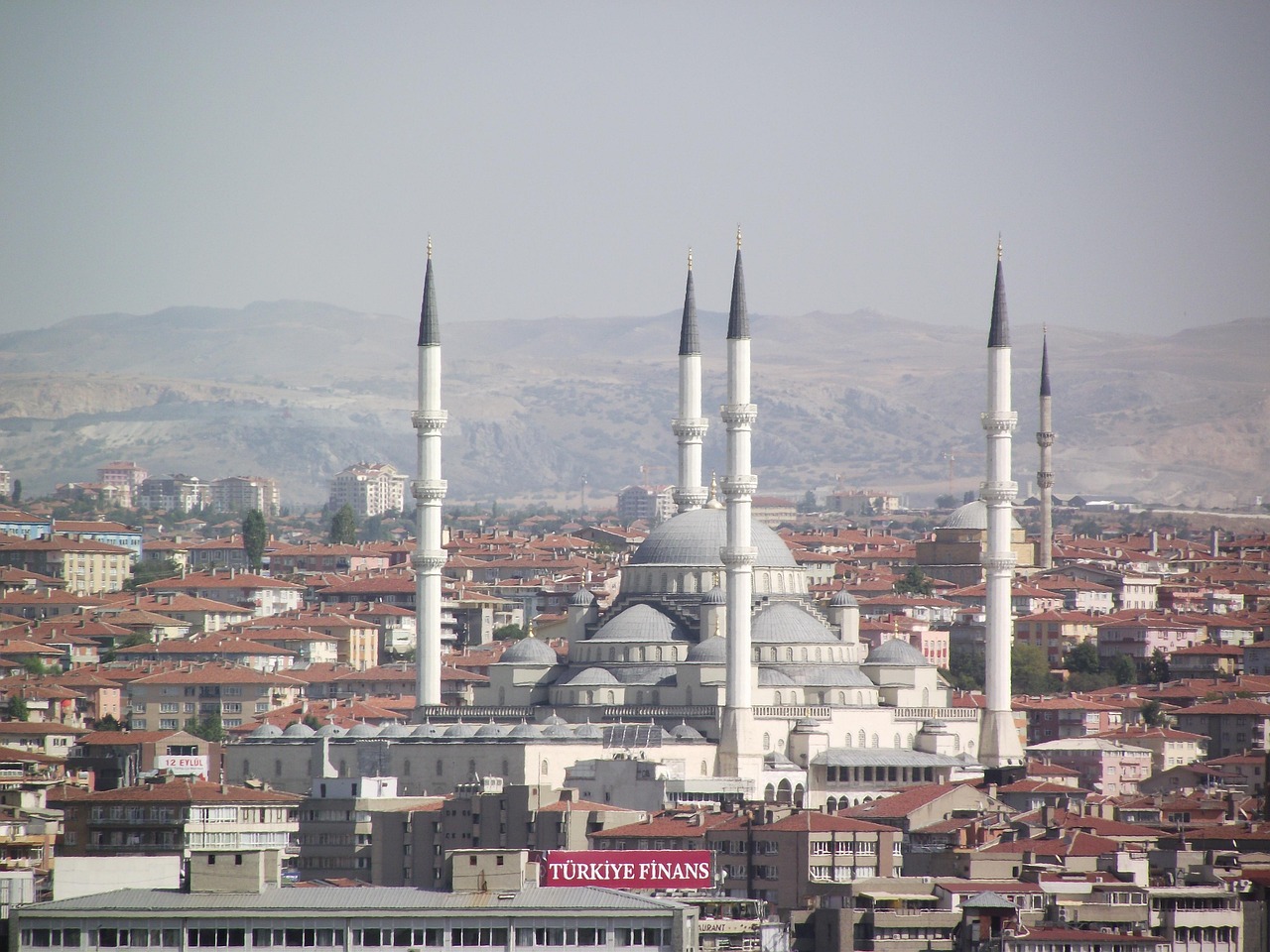
Why Visit Ankara in 2026?
I’ve lost count of how many times I’ve gone “just for a weekend” to Ankara and ended up staying far longer than planned. The Turkish capital isn’t a postcard city like Istanbul or Cappadocia at first glance—but that’s exactly why I love it. Ankara reveals itself slowly, cup of tea by cup of tea, alley by alley, conversation by conversation.
In 2026, Ankara feels like a city that finally knows its own worth. New museums and cultural spaces keep opening, food culture is booming, and yet the core of the city—tea gardens, student-filled streets, and old men playing backgammon in the shade—hasn’t changed.
What makes Ankara special?
- Real-life Turkey: While Istanbul is a global crossroads, Ankara is where you feel everyday Turkish life—students, civil servants, artists, and families all sharing the same streets.
- Compact but rich: Must-see attractions in Ankara are clustered: Anıtkabir, Ankara Castle, the Museum of Anatolian Civilizations, Roman ruins, and lively districts like Kızılay and Tunali.
- History under your feet: You’ll walk from Roman baths to Seljuk mosques to early Republican architecture in a single afternoon.
- Local food in Ankara: From Ankara tava and döner to boza and simit, this is a city to eat your way through—without Istanbul’s prices.
- Hidden gems in Ankara: Quiet alleys in Hamamönü, indie art spaces in Çankaya, rooftop bars in Söğütözü, and lakeside cafes at Eymir.
If you’re planning 3 days in Ankara, a 4 day itinerary for Ankara, or even 5 days in Ankara, this travel guide for Ankara will walk you through everything: detailed day-by-day plans, deep dives into at least 20 must-see attractions, local customs in Ankara, and practical travel advice for Ankara for 2026–2027.
Table of Contents
- Why Visit Ankara in 2026?
- Suggested Itineraries (3–5 Days in Ankara)
- Top 20+ Must-See Attractions in Ankara (Deep-Dive)
- Neighborhoods & Districts to Explore
- Local Food & Drink in Ankara
- Nightlife, Entertainment & Cultural Experiences
- Best Day Trips from Ankara
- Events & Festivals in 2026–2027
- Cultural Etiquette & Local Customs in Ankara
- Practical Travel Tips for Ankara
- Summary & Best Time to Visit
Suggested Itineraries: 3–5 Days in Ankara
To keep this guide readable, I’ll outline the structure of each itinerary day and weave in detailed attraction guides in the next big section. You can mix and match depending on whether you have 3 days in Ankara, 4 days in Ankara, or 5 days in Ankara.
3 Day Itinerary for Ankara (Essential Highlights)
If it’s your first time, this 3 day itinerary for Ankara hits the classic must-see attractions in Ankara, plus enough local flavor that you won’t feel rushed.
Day 1: Anıtkabir, Kızılay & First Taste of Ankara
I usually start every Ankara trip at Anıtkabir, no matter how many times I’ve been. It sets the tone. Then I drift into Kızılay’s chaos for food and people-watching.
- Morning: Visit Anıtkabir (Atatürk’s Mausoleum) for the ceremonial guards, sweeping city views, and the museum.
- Lunch: Classic Ankara döner near Kızılay Square.
- Afternoon: Explore Kızılay streets, bookstores, and cafes; walk to Kuğulu Park and Tunali Hilmi.
- Evening: Dinner and drinks in Tunali or Bestekar Street.
Day 2: Ankara Castle, Old Quarter & Museums
This is your deep culture day: cobbled streets, Ottoman houses, and some of the best museums in Turkey.
- Morning: Ankara Castle (Ankara Kalesi) and the old quarter.
- Late Morning: Museum of Anatolian Civilizations.
- Afternoon: Roman ruins: Roman Baths, Roman Theater, Temple of Augustus.
- Evening: Dinner in Hamamönü or Ulus; try Ankara tava.
Day 3: Lakes, Parks & Modern Ankara
I always devote my last day to breathing space: lakes, parks, and modern architecture.
- Morning: Eymir Lake or Mogan Lake walk and breakfast.
- Afternoon: Atakule Tower and Çankaya neighborhoods.
- Evening: Modern shopping and skyline views in Söğütözü / Armada / Next Level; nightlife options.
4 Day Itinerary for Ankara (Adding Hidden Gems)
A 4 day itinerary for Ankara lets you slow down and explore hidden gems in Ankara like Hamamönü, art spaces, and extra museums.
- Days 1–3: Follow the 3 day itinerary for Ankara.
- Day 4: Dive into:
- Hamamönü Historic District and Hacı Bayram Mosque.
- CerModern Contemporary Arts Center.
- Evening in Bahçeli or GOP (Gaziosmanpaşa) for more local nightlife.
5 Day Itinerary for Ankara (Deep Local Life + Day Trip)
With 5 days in Ankara, you can live like a local, add another museum or two, and take a day trip.
- Days 1–4: Follow the 4 day itinerary for Ankara.
- Day 5 Options:
- Day trip to Beypazarı (Ottoman town) or Gordion & King Midas Tumulus.
- Or: More time in METU Campus & Eymir Lake, plus shopping and hammam.
Top 20+ Must-See Attractions in Ankara (With Personal Stories)
Below are the major things to do in Ankara, each with its own mini-article: history, significance, how to get there, what I actually did there, and practical travel tips for Ankara. I’ll group nearby sights to help you build or tweak your 3–5 day itinerary for Ankara.
1. Anıtkabir (Atatürk’s Mausoleum)
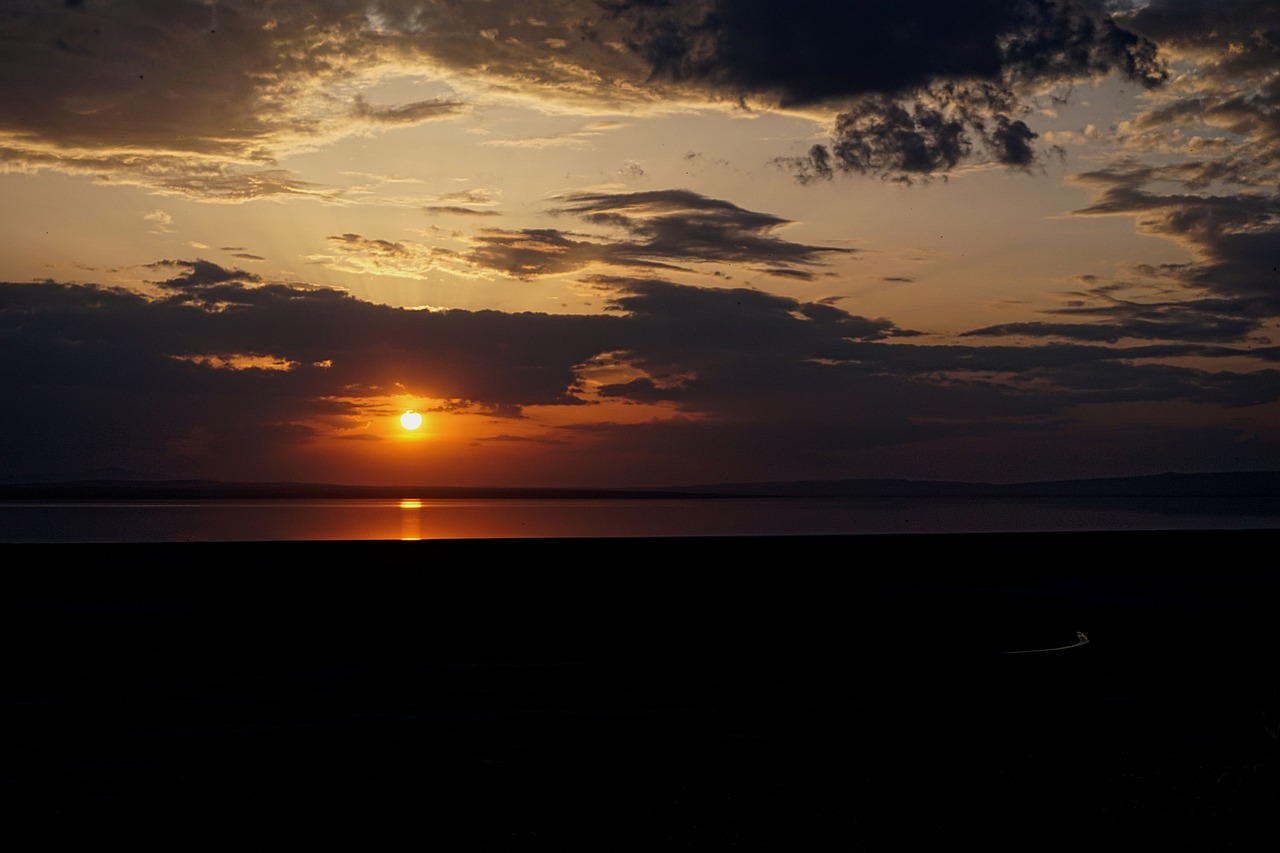
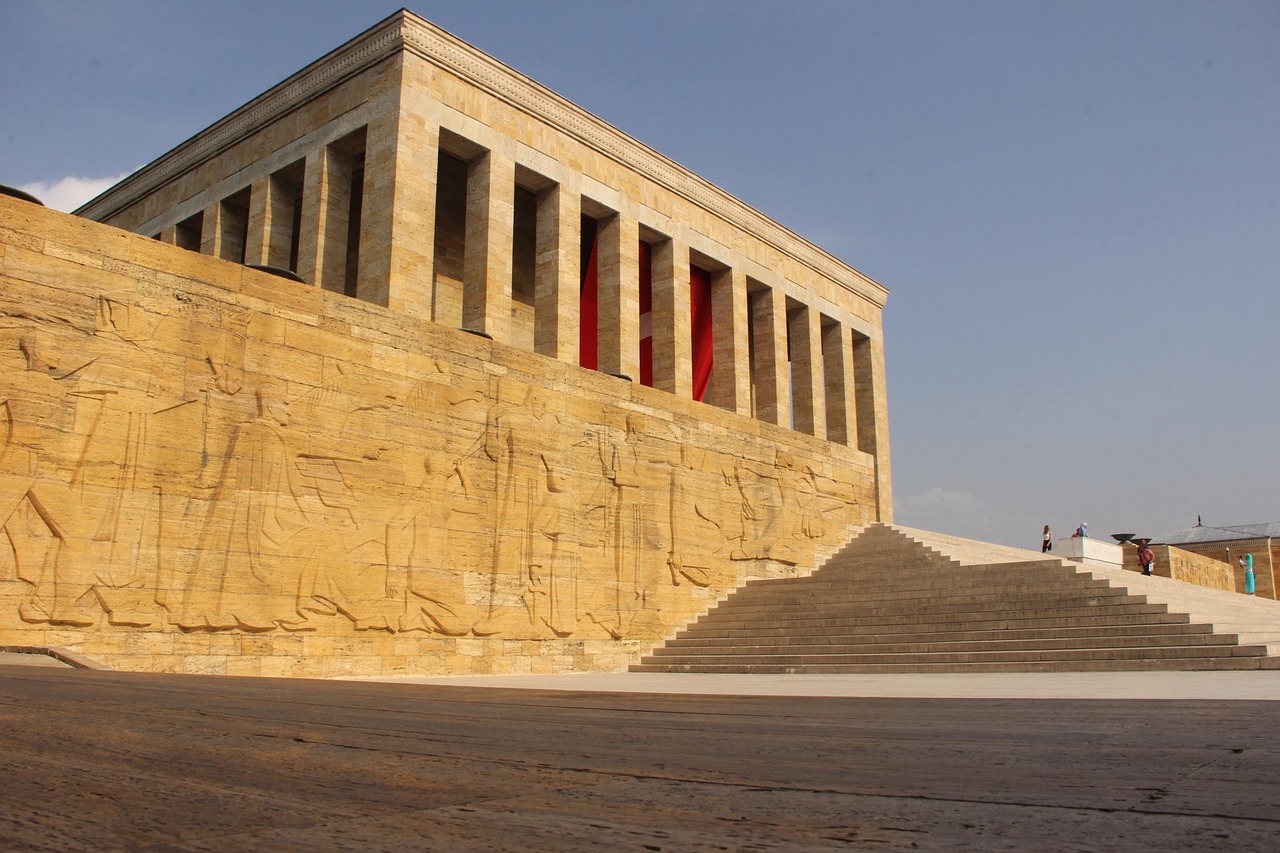
I still remember my first visit to Anıtkabir on a crisp autumn morning. I thought I’d stay for an hour; I spent nearly half a day wandering its halls and courtyards, watching families quietly explain history to their kids.
Anıtkabir is the mausoleum of Mustafa Kemal Atatürk, founder of the Republic of Turkey. Completed in 1953, it’s a powerful mix of modernist and monumental architecture, with colonnades, vast courtyards, and reliefs that tell the story of the independence struggle.
Why It Matters
- National heart: This is where Turkey collectively mourns and celebrates Atatürk, especially on national holidays.
- Museum: The museum beneath the mausoleum traces the War of Independence and early Republican years with personal items, uniforms, and documents.
- Views: The terrace offers one of the best skyline views of Ankara.
My Experience
I like to enter via the Lion Road (Aslanlı Yol), walking slowly between the rows of stone lions. It somehow quiets the mind—even when it’s crowded. I once visited on 10 November (Atatürk Memorial Day); the silence when the sirens sounded at 09:05 was something I’ll never forget.
Practical Tips
- Getting there: Take the metro to Tandoğan/Anadolu station and follow signs (10–15 minutes’ walk).
- Timing: Arrive at opening time or late afternoon for softer light and fewer tour buses.
- Dress & behavior: It’s not a mosque, but it’s a solemn site. Dress modestly and keep voices low.
- Budget: Entry is free, making it great for travelers trying to save money.
2. Ankara Castle (Ankara Kalesi)
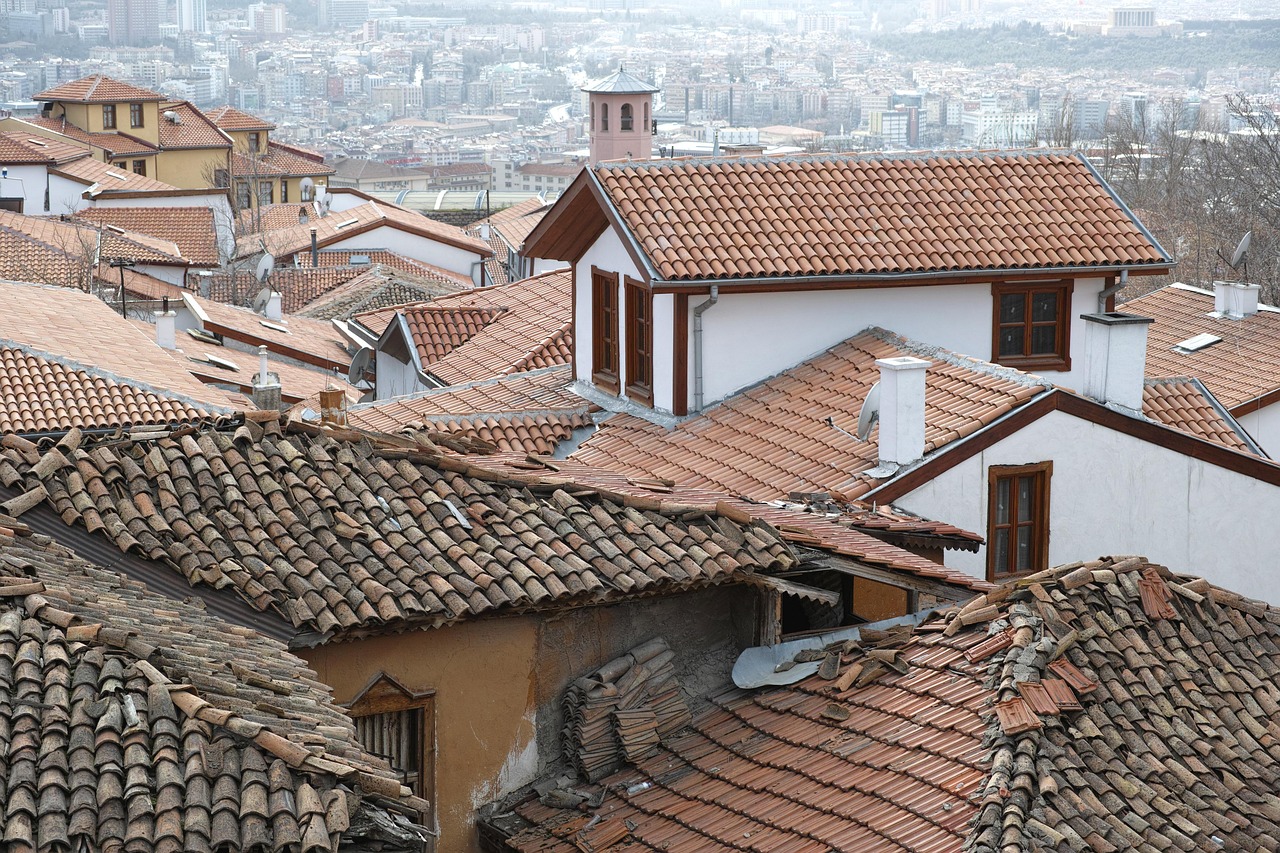
Every time I climb up to Ankara Castle, I end up staying longer than planned—usually because I’ve been lured into some tiny tea house with a killer view.
The castle dates back to ancient times—with Roman, Byzantine, Seljuk, and Ottoman layers. The fortifications you see today are largely from the Seljuk and Ottoman periods, wrapped around a hill that looks out over the old city (Ulus) and, beyond, the modern skyline.
What to Do There
- Walk the inner and outer walls for 360° views of Ankara.
- Explore narrow streets lined with restored Ottoman houses, many now cafes, galleries, or craft shops.
- Pop into tiny museums and art spaces tucked in the side streets.
My Experience
I like to approach from the Hisar side, winding through the old houses and stopping for a glass of çay at a rooftop cafe. One winter visit, snow had dusted the red-tiled roofs—Ankara looked almost Alpine from up there.
Practical Tips
- Getting there: A short taxi or bus ride from Ulus; you can also walk up if you don’t mind the hill.
- Footwear: Wear good shoes—the stone paths are uneven.
- Safety: The walls don’t always have high railings. Be extra careful with kids.
- Best time: Late afternoon for golden light and sunset over the city.
3. Museum of Anatolian Civilizations (Anadolu Medeniyetleri Müzesi)
If you only visit one museum in your life in Turkey, make it this one. The Museum of Anatolian Civilizations is a world-class journey through thousands of years of history under one roof—Hittites, Phrygians, Urartians, and more.
Housed in beautifully restored Ottoman buildings near the castle, the museum showcases artifacts from across Anatolia, arranged chronologically. Every time I go, I find something new I’d missed before.
Highlights
- Çatalhöyük finds: One of the world’s oldest known settlements.
- Hittite reliefs and statues: Monumental, haunting, and incredibly well-preserved.
- Phrygian artifacts: Including pieces from the Gordion region.
My Experience
I once ducked in here on a rainy spring day and ended up staying until closing. There’s something about walking through Anatolia’s timeline that makes the whole country’s landscape feel different afterward—your later road trips take on a new depth.
Practical Tips
- Combo: Visit right after or before Ankara Castle; they’re within easy walking distance.
- Time needed: 2–3 hours minimum if you actually read a few labels.
- Tickets: Accepts major cards; prices updated yearly—check 2026 rates before you go.
- Audio guide: Worth it if you’re not already familiar with Anatolian archaeology.
4. Hamamönü Historic District
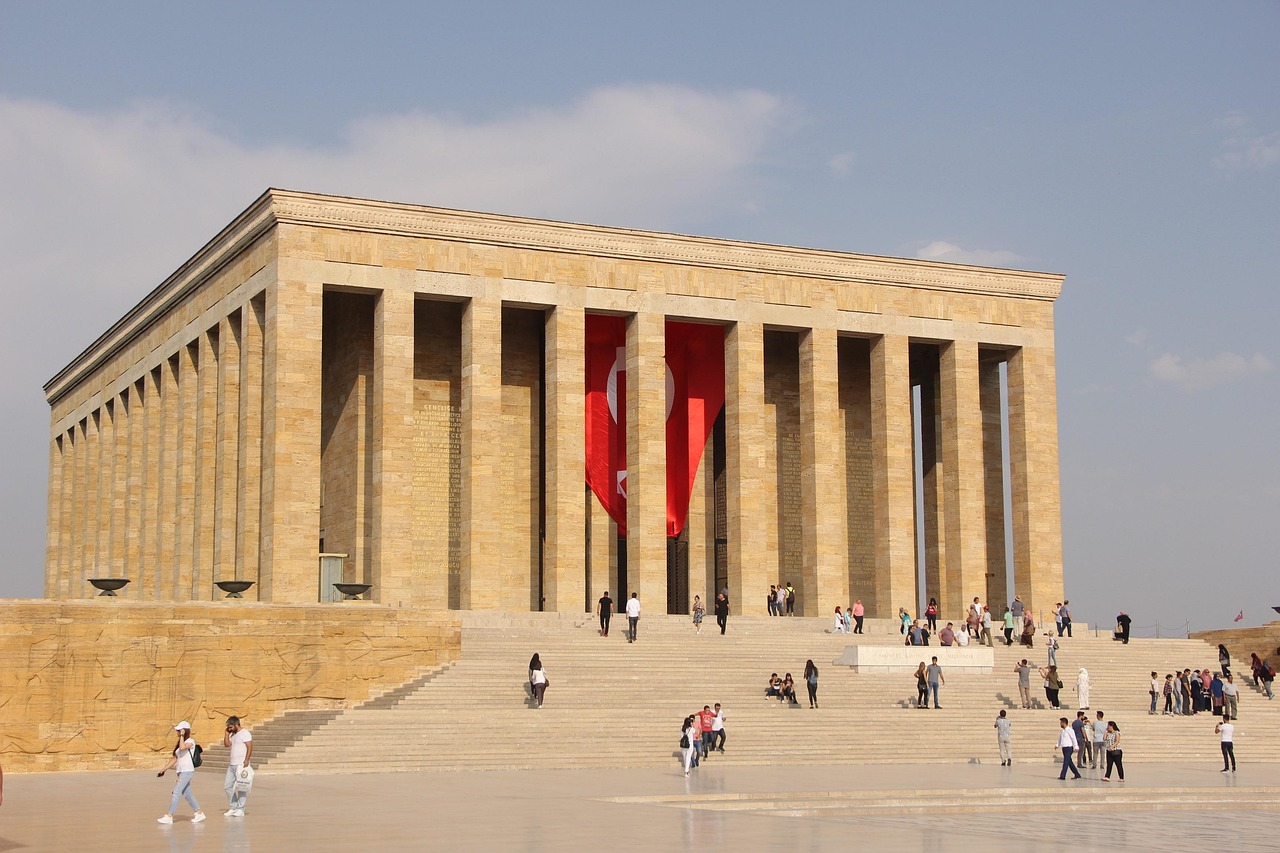
Hamamönü is where Ankara slows down. Restored Ottoman houses line cobblestone streets, and the smell of Turkish coffee and fresh gözleme hangs in the air.
In 2026, some locals roll their eyes at Hamamönü’s growing popularity, but if you time it right, it still feels intimate—especially on a weekday morning.
What I Love Here
- Sitting in a traditional coffeehouse, sipping menengiç kahvesi (pistachio coffee).
- Browsing little artisan shops for ceramics, copperware, and calligraphy.
- Visiting small mosques and restored houses that show Ottoman Ankara’s domestic life.
Practical Tips
- When to go: Late morning on weekdays for a calmer vibe; evenings and weekends get lively with families.
- Budget tip: Street stalls often have cheaper snacks than sit-down restaurants.
- Combine with: Hacı Bayram Mosque and Ulus area.
5. Hacı Bayram Veli Mosque & Square
Just above the Roman remains in Ulus, the Hacı Bayram Veli Mosque complex feels like a bridge between eras. Built in the 15th century and renovated many times, it’s dedicated to the Sufi poet Hacı Bayram Veli.
Outside, families stroll the square, kids chase pigeons, and you can look down on the ruins of the Temple of Augustus—Rome and Islam side by side.
My Experience
One evening in Ramadan, I joined locals here for iftar (breaking fast). Strangers insisted I share their food; kids ran around with balloons, and the call to prayer echoed off the old stones. It was one of those nights that quietly rearrange your sense of what hospitality means.
Practical Tips
- Dress: Modest clothing; women should bring a scarf to cover hair.
- Visiting: Non-Muslims are welcome outside of prayer times; avoid Friday midday if possible.
- Photography: Allowed in the square; be discreet inside and avoid photographing people praying.
6. Roman Baths of Ankara (Roma Hamamı)
The Roman Baths are one of those places I only appreciated after my third visit. At first glance it’s just ruins; then you start to notice the layout, the heating system, and you imagine Roman Ankara (Ancyra) as a thriving provincial town.
Excavated in the 1930s, the baths reveal the classic sequence of hot, warm, and cold rooms, plus social spaces. Today, storks sometimes nest on nearby poles, watching over what’s left of the empire.
Tips
- Combine with: Ankara Ethnography Museum or Ulus walking tour.
- Time needed: 30–45 minutes is enough unless you’re a Roman-history geek.
- Shoes: Uneven ground; sandals are fine but watch your step.
7. Roman Theater (Roma Tiyatrosu)
Still being gradually unearthed, the Roman Theater is less polished than the baths but fascinating if you like ruins raw. I once stopped by on a quiet weekday and had the whole site to myself, just me, the stones, and the wind.
It’s a good reminder that Ankara isn’t just a modern capital—it’s layered, and those layers keep surfacing.
8. Temple of Augustus and Rome
Just next to Hacı Bayram Mosque, the Temple of Augustus stands half-ruined but deeply significant. Its famous inscription records the Res Gestae Divi Augusti, detailing the achievements of Emperor Augustus.
Standing here, with the mosque at your back and the city spreading below, you feel time folding in on itself.
9. CerModern Contemporary Arts Center
CerModern is my go-to recommendation when people ask about cultural experiences in Ankara beyond the “big” museums. Housed in a former railway workshop, it’s now a sleek contemporary art space hosting rotating exhibitions, film screenings, and performances.
On warm evenings, the outdoor cafe buzzes with students and artists, and it’s a great place to feel Ankara’s creative pulse.
Tips
- Check the program: In 2026–2027, they’re expanding international collaborations; expect more visiting exhibitions.
- Budget: Entry fees are modest; some events are free.
- Combine with: Train station area and Gençlik Park.
10. Atakule Tower
Atakule is Ankara’s iconic communications and observation tower, standing watch over the upscale Çankaya district. As a kid, I used to think of it as our own mini Space Needle.
Recent renovations turned the base into a modern shopping and dining complex, but the highlight remains the views from the top: from the red-tiled old city to the modern glass towers of Söğütözü.
My Routine
I like to come up around an hour before sunset, do a slow lap around the observation deck, then linger over coffee as the city lights come on. It’s one of the best places to appreciate Ankara’s sprawl.
11. Kuğulu Park & Tunali Hilmi Street
Kuğulu Park (Swan Park) and the adjacent Tunali Hilmi Street are the beating heart of modern, walkable Ankara. Swans and ducks drift on the little pond, surrounded by locals sipping tea and chatting.
Tunali Hilmi is one of my favorite streets in Turkey: bookstores, dessert shops, galleries, and endless cafes. If you want to feel Ankara’s middle-class daily life, walk here at any hour.
12. Gençlik Park & Ankara Train Station Area
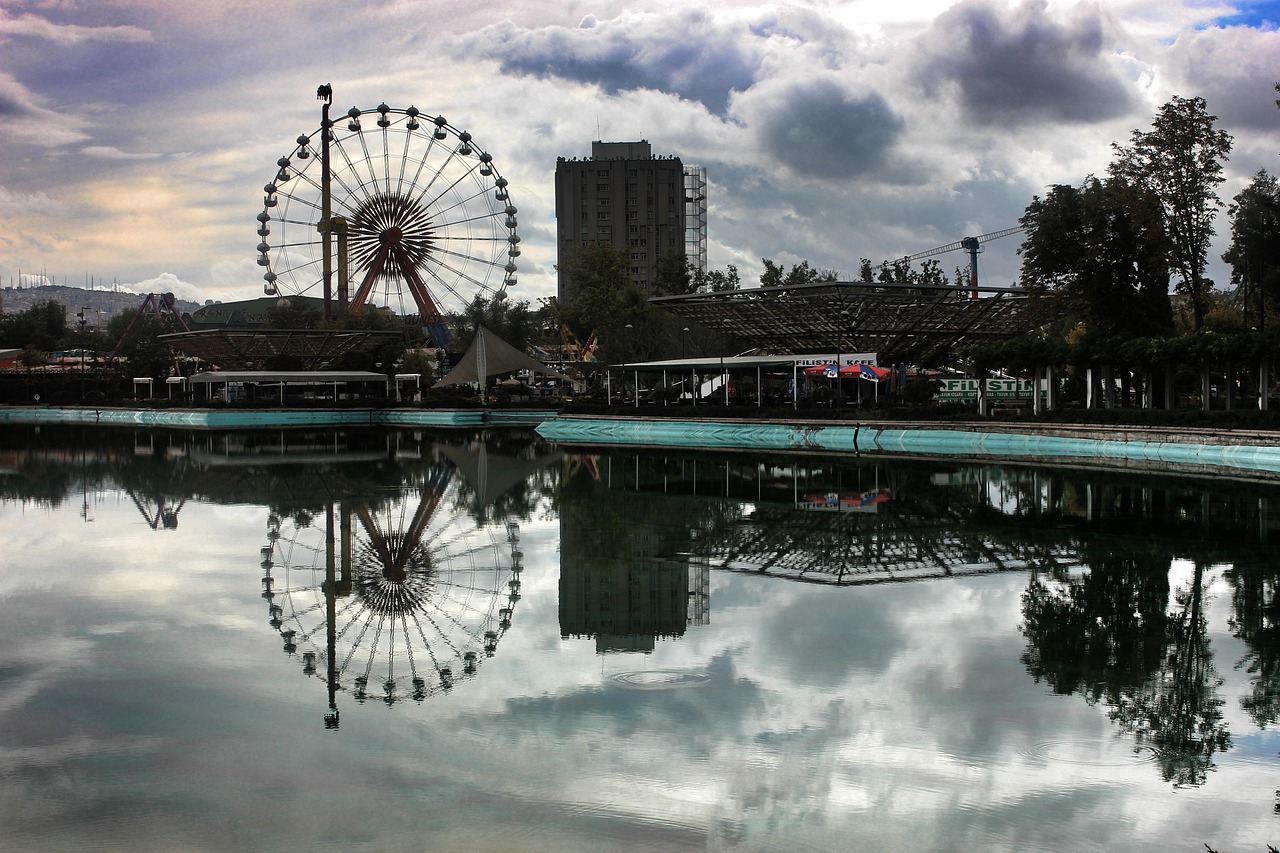
Across from the modernized Ankara Garı (main train station), Gençlik Park is a nostalgic green space with a lake, amusement rides, and tea gardens. I grew up riding the small ferris wheel here; even now, I drop by for a lakeside tea before catching a train.
13. Mogan Lake (Mogan Gölü)
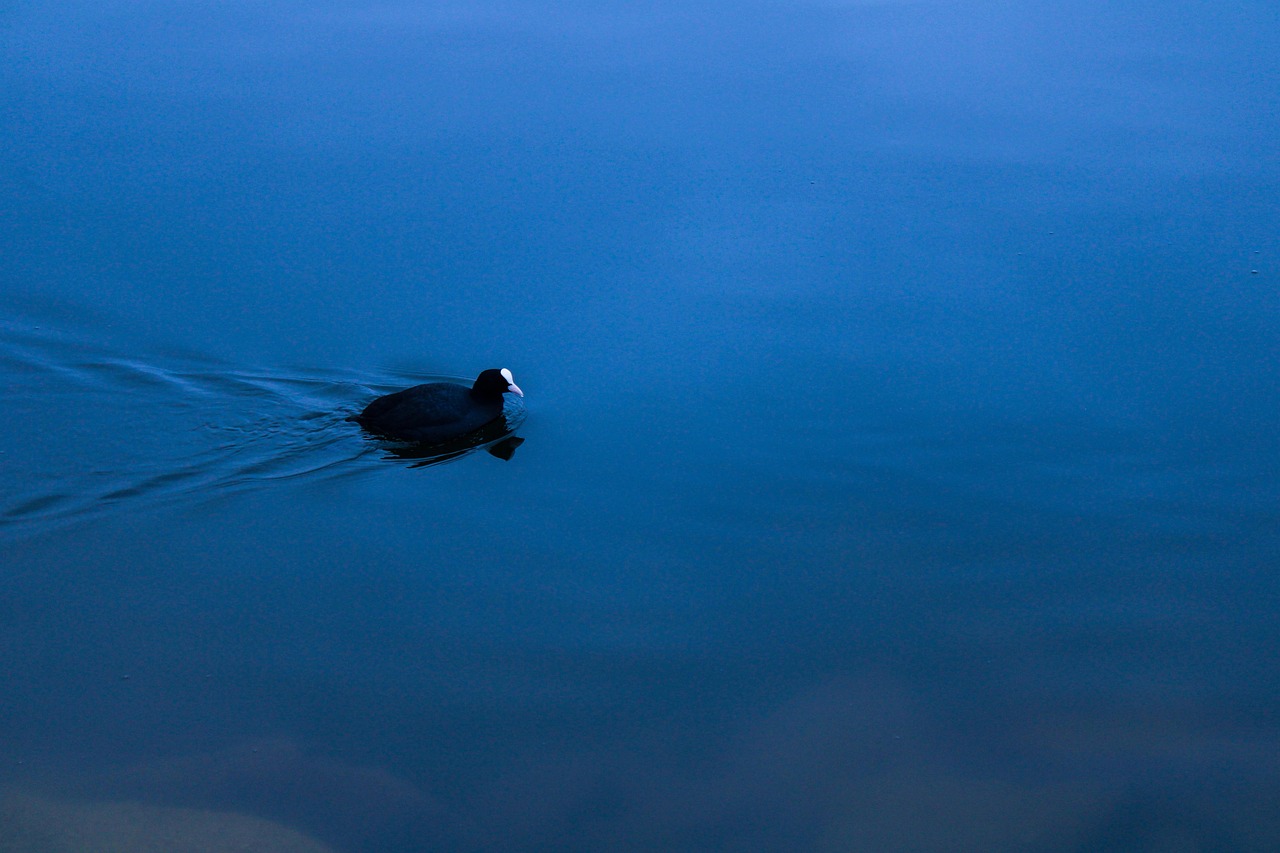
About 20 km south of the city center, Mogan Lake is Ankara’s Sunday escape. Jogging paths, bike rentals, family picnic areas, and cafes line the shore.
On summer evenings, the sunset over the water almost makes you forget you’re in a landlocked capital.
How to Visit
- Transport: Local buses or a short car ride from the city; taxis or ride-hailing apps (if available) are convenient for groups.
- Budget tip: Bring a picnic to save money; lakeside restaurants can be pricier.
14. Eymir Lake (Eymir Gölü)
Eymir Lake belongs administratively to METU (Middle East Technical University), and it shows: you’ll find students running, cycling, and studying at wooden tables by the water.
It’s my favorite place in Ankara to reset. I usually rent a bike at the entrance, circle the lake, then reward myself with menemen (Turkish scrambled eggs with peppers and tomatoes) and tea at a lakeside cafe.
Access
- By car/taxi: There’s an entrance gate; on busy weekends, cars may be limited, but shuttles or walking in are options.
- Season: Beautiful in all seasons; winter walks are especially peaceful.
15. METU Campus (ODTÜ)
Middle East Technical University (METU / ODTÜ) is more than a campus—it’s a culture. Built in the modernist style and surrounded by vast forests, it’s where generations of Turkish engineers, architects, and activists have studied.
I love METU for its brutalist buildings softened by pine trees, student murals, and the casual mix of languages you hear in its cafes.
16. Ankara Ethnography Museum (Etnografya Müzesi)
This under-visited museum offers a detailed look at Turkish folk life: clothing, crafts, domestic interiors, and more. The building itself is a 1920s gem, and Atatürk’s body lay here temporarily before Anıtkabir was completed.
17. State Art and Sculpture Museum
Next to the Ethnography Museum, this institution showcases Turkish painting and sculpture from the late Ottoman to Republican era. If you’re into art history and cultural experiences in Ankara, don’t skip it.
18. Çankaya & Atatürk’s House (Pembe Köşk)
The Çankaya district is where diplomatic Ankara lives: embassies, leafy streets, and some of the city’s best cafes and restaurants. Pembe Köşk (Pink Villa) was the home of İsmet İnönü, close associate of Atatürk and Turkey’s second president. It opens for limited public visits, usually announced ahead.
19. Botanical Garden (Botanik Park)
A surprisingly serene hilltop park in Çankaya, with walking paths, flower beds, and benches overlooking the city. I often come here with a coffee to think or write.
20. Beypazarı Historic Town (Day Trip)
Beypazarı, around 100 km from Ankara, feels like a living open-air museum of Ottoman architecture. Narrow streets, wooden mansions, and local foods like höşmerim (a sweet cheese dessert) and yanıksı dondurma (caramelized ice cream).
I’ve done this as a day trip from Ankara multiple times and still discover new alleys and viewpoints.
How to Get There
- By bus: Regular minibuses from Ankara’s main bus terminal (AŞTİ), around 1.5–2 hours.
- By car: Easy drive; roads are in good condition.
21. Gordion & King Midas Tumulus (Day Trip)
For archaeology lovers, Gordion is a must: ancient capital of Phrygia, associated with King Midas and the famous Gordian Knot. You can visit tumuli (burial mounds), including Midas’s Tumulus, and a small but excellent museum.
Neighborhoods & Districts to Explore in Ankara
One of the best things to do in Ankara is simply to wander its diverse districts. Each has a distinct feel and is worth a half-day in any 3–5 day itinerary for Ankara.
Kızılay
Central, chaotic, and alive 24/7. Budget eateries, bars, shopping, and bus/metro connections. Great for saving money on food and accommodation.
Tunali Hilmi & Kuğulu Park Area
Trendy yet relaxed, full of cafes, bookstores, and clothing boutiques. Ideal for people-watching and evening strolls.
Ulus & Old Town
Historic core: Roman ruins, old markets, Ankara Castle, Hamamönü, and traditional shops. Essential for cultural experiences in Ankara.
Çankaya & GOP (Gaziosmanpaşa)
Diplomatic and residential, with embassies, upscale dining, rooftop bars, and leafy streets. Good for romantic dinners and quieter stays.
Söğütözü & Çukurambar
Modern Ankara: glass towers, shopping malls (Armada, Next Level), luxury hotels, and a growing nightlife and restaurant scene.
Bahçelievler & Anıttepe
Student-heavy and lively, lined with casual cafes, dessert shops, and cheap eats. Great for feeling local daily life.
Local Food & Drink in Ankara
Food is one of my main reasons to keep coming back. Local food in Ankara is hearty, affordable, and often less touristy than in Istanbul.
Must-Try Dishes
- Ankara Tava: Slow-cooked lamb with rice or noodles, a regional classic.
- Döner: Ankara has some of Turkey’s best döner—simple, meat-forward, and served with ayran.
- İskender Kebab: Sliced döner over bread with tomato sauce, butter, and yogurt.
- Beypazarı specialties: Carrot delights, dried vegetables, and regional pastries.
- Simit & Poğaça: Sesame bread rings and savory pastries for breakfast on the go.
Where I Like to Eat
- Kızılay: Countless döner joints and lokanta-style restaurants with daily stews—perfect for saving money.
- Tunali & GOP: Trendier cafes, burger joints, and international cuisine.
- Ulus & Hamamönü: Traditional Turkish restaurants and dessert shops.
Drinks
- Çay: Turkish black tea, the backbone of social life.
- Türk Kahvesi: Turkish coffee, best with a piece of lokum (Turkish delight).
- Boza: A thick, slightly tangy fermented drink, especially in winter.
- Rakı: Fennel-scented spirit; try it at a good meyhane with mezze.
Nightlife, Entertainment & Cultural Experiences in Ankara
Nightlife in Ankara is more local than flashy: think live music bars, pubs, and student hangouts rather than mega-clubs.
Where to Go Out
- Kızılay: Rock bars, pubs, cheap beer, and live music—especially on Sakarya and around Konur streets.
- Tunali & Bestekar: Slightly more upscale bars, cocktail spots, and dessert cafes that stay open late.
- GOP & Çukurambar: Classier wine bars, rooftop lounges, and date-night restaurants.
Cultural Venues
- State Opera & Ballet / Presidential Symphony Orchestra: Affordable tickets for high-quality performances—one of the best cultural experiences in Ankara.
- CerModern: Contemporary art exhibitions, film festivals, and open-air cinema nights in summer.
Best Day Trips from Ankara
If you’re staying 4–5 days in Ankara, add at least one of these to your itinerary.
- Beypazarı: Ottoman houses, regional food, and handicrafts.
- Gordion & Phrygian Valley: Archaeology and tumuli.
- Elmadağ: Winter skiing or snow play; summer picnics in the hills.
Events & Festivals in Ankara (2026–2027)
Dates change yearly, but these recurring events shape the travel scene for Ankara in 2026:
- Ankara International Film Festival: Usually spring; screenings, talks, and workshops across city cinemas.
- CerModern Summer Series: Outdoor film screenings, concerts, and art events in summer months.
- Republic Day (29 October): Military parades, concerts, and fireworks—huge in the capital.
- National Sovereignty & Children’s Day (23 April): Family-friendly events, performances, and children’s activities.
Check updated 2026–2027 schedules closer to your trip; Ankara’s cultural calendar keeps expanding.
Cultural Etiquette & Local Customs in Ankara
Understanding local customs in Ankara will make your trip smoother and interactions warmer.
General Behavior
- Greetings: A simple “Merhaba” works everywhere. Handshakes are common; close friends may kiss on both cheeks.
- Tea culture: If someone offers you tea, it’s polite to accept at least one glass unless you truly can’t.
- Dress: Ankara is modern, but modest clothing is appreciated, especially in conservative areas and religious sites.
In Mosques
- Remove shoes before entering prayer areas.
- Women should cover hair and wear modest clothing; men should avoid shorts.
- Stay quiet, avoid flash photography, and don’t walk in front of people praying.
Social Norms
- Public affection: Mild affection is tolerated in most parts of Ankara, but avoid anything too intimate in public.
- Bargaining: Common in markets and souvenir shops, less so in big stores and restaurants.
Practical Travel Tips for Ankara (2026)
How to Get Around
- Metro & Ankaray: Efficient for main corridors. Use contactless cards or AnkaraKart.
- Buses & Dolmuş: Cover more neighborhoods; routes can be confusing, ask locals or use map apps.
- Taxis: Affordable compared to Western Europe; insist on meter use.
- Car rental: Good if you’re planning multiple day trips; city traffic is manageable outside rush hour.
SIM Cards & Connectivity
- Major providers: Turkcell, Vodafone, Türk Telekom.
- Bring your passport; tourist SIM packages (data-heavy) are widely available at airports and central shops.
Money-Saving Tips
- Eat where students eat: Kızılay, Bahçelievler, and around universities.
- Use public transit for most journeys; save taxis for late nights or far-flung areas.
- Many top attractions in Ankara are inexpensive or free (Anıtkabir, parks, neighborhoods).
Visas & Driving
- Visa requirements: Depend on nationality; many travelers can get an e-visa or visa-free entry. Check official Turkish MFA or e-visa website before 2026 travel.
- Driving licenses: Most foreign licenses are accepted for short stays; an International Driving Permit is recommended if your license is not in Latin script.
Safety
- Ankara is generally safe, including for solo travelers and families.
- Standard city precautions apply: watch belongings in crowded areas, use registered taxis, and avoid poorly lit alleys late at night.
Weather & Seasons
- Spring (April–June): Ideal for walking, parks, and lakes. Mild days, cool nights.
- Summer (July–August): Hot and dry; best for lakes, evening walks, and indoor museums midday.
- Autumn (September–October): My favorite: crisp air, clear skies, perfect for all attractions.
- Winter (November–March): Cold, with possible snow. Great for museums and cozy cafes; dress warmly.
Summary: Key Takeaways & Best Time to Visit Ankara
Ankara doesn’t scream for your attention like some cities—it rewards curiosity and time. Whether you have 3 days in Ankara, 4 days in Ankara, or a full 5 day itinerary for Ankara, you can weave together must-see attractions in Ankara like Anıtkabir, Ankara Castle, and the Museum of Anatolian Civilizations with hidden gems in Ankara such as Eymir Lake, Hamamönü, and local neighborhoods.
Best time to visit: For most travelers, April–June and September–October offer the best balance of weather and crowds. Summer is fine if you plan siestas and lake visits; winter brings snow and quiet streets, plus a moody, cinematic Ankara that I personally love.
If you’re looking for an authentic, culturally rich, and surprisingly diverse capital, this travel guide for Ankara should give you everything you need to plan your trip, from things to do in Ankara and local food in Ankara to cultural experiences in Ankara and practical travel tips for Ankara in 2026–2027. Leave room in your schedule for aimless walks, long teas, and unexpected conversations—that’s where Ankara really shines.