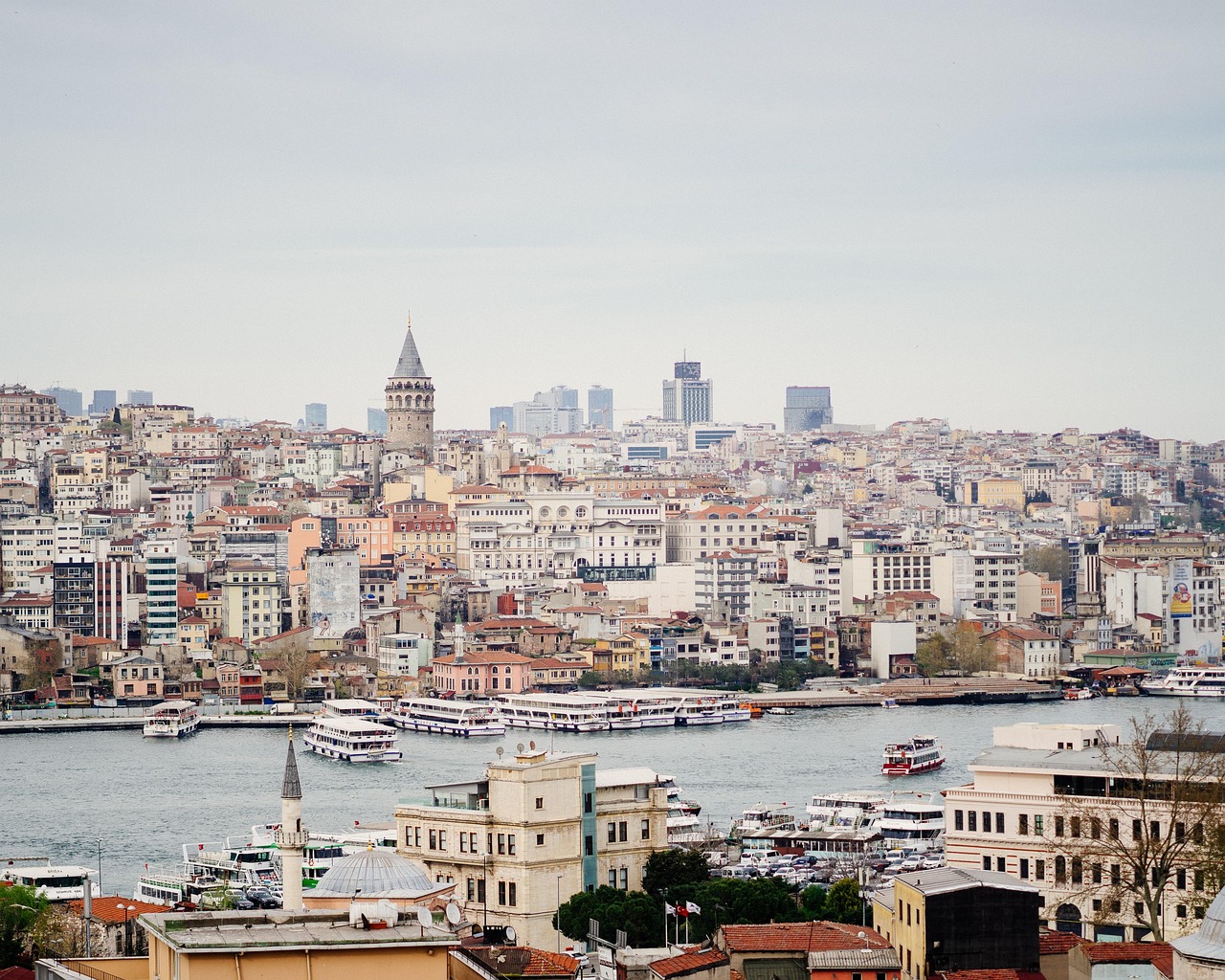
Why Visit Istanbul in 2026?
Istanbul is the only city where I’ve watched the sunrise in Asia and the sunset in Europe without ever leaving town. It’s a place where you can sip thick Turkish coffee in a 500-year-old caravanserai, then ride a sleek metro line under the Bosphorus an hour later. Every time I return (my latest trips were in 2023, 2024, and early 2026), the city feels familiar yet completely new.
In 2026, Istanbul is buzzing. The city has polished up its waterfronts, expanded public transport, and launched several new cultural festivals. But it’s still the same wonderfully chaotic, multilayered city where calls to prayer echo over rooftop bars and fishermen line the Galata Bridge at dawn.
This guide is my attempt to bring you into “my” Istanbul: not just the must-see attractions like Hagia Sophia and the Blue Mosque, but the tiny tea gardens, quiet courtyards, backstreet meyhanes (taverns), and neighborhood bakeries where the real magic happens.
Whether you’re planning 3 days in Istanbul, a 4 day itinerary for Istanbul, or a full 5 days in Istanbul (highly recommended), you’ll find step‑by‑step plans, detailed attraction stories, food tips, and very honest travel advice for Istanbul throughout this guide.
Table of Contents
- Why Visit Istanbul in 2026?
- Quick Overview: Istanbul at a Glance
- Suggested Itineraries (3–5 Days in Istanbul)
- 20 Must-See Attractions in Istanbul (In Depth)
- Neighborhoods & Districts to Explore
- Local Food in Istanbul: What & Where to Eat
- Nightlife, Entertainment & Cultural Experiences
- Best Day Trips from Istanbul
- Cultural Etiquette & Local Customs in Istanbul
- Practical Travel Tips for Istanbul 2026–2027
- Upcoming Events & Festivals 2026–2027
- Summary & Best Time to Visit Istanbul
Quick Overview: Istanbul at a Glance
Population: officially ~16 million, unofficially “too many, but always room for one more at the tea table.”
Continents: Europe (Thrace) & Asia (Anatolia), split by the Bosphorus Strait.
Perfect for: history lovers, foodies, couples, families, photographers, and anyone who likes a bit of beautiful chaos.
Ideal trip length: 4–5 days in Istanbul if it’s your first time; minimum 3 days in Istanbul to see the essentials.
Best areas to stay: Sultanahmet (first‑timers), Karaköy & Galata (trendy & central), Cihangir & Çukurcuma (bohemian), Kadıköy (lively Asian side), Balat/Fener (colorful & local).
Suggested Itineraries: 3, 4 & 5 Days in Istanbul
All of these itineraries are based on how I actually structure my own visits with friends and family. You can mix, match, or compress depending on your pace.
3 Day Itinerary for Istanbul: The Essential Highlights
If you only have 3 days in Istanbul, focus on the essentials: Sultanahmet, the Bosphorus, and one “character” neighborhood. Here’s a high‑level plan (the 5‑day section goes into much more story‑driven detail):
- Day 1 – Sultanahmet Classics: Hagia Sophia, Blue Mosque, Hippodrome, Basilica Cistern, sunset at Sultanahmet Park.
- Day 2 – Bazaars & Views: Grand Bazaar, Spice Bazaar, Süleymaniye Mosque, rooftop views in Eminönü/Karaköy, evening in Galata.
- Day 3 – Bosphorus & Neighborhood Life: Bosphorus cruise, Ortaköy, then cross to Kadıköy for street food and nightlife.
If you’re planning a 3 day itinerary for Istanbul, scroll down to the 5 Day Itinerary section and borrow Days 1–3 as your core. That’s exactly how I structure “first‑timer” visits.
4 Day Itinerary for Istanbul: Add a Deeper Neighborhood
With 4 days in Istanbul, you can slow down a bit and add a deeper local neighborhood like Balat or Üsküdar.
- Day 1: Sultanahmet’s must‑see attractions.
- Day 2: Grand Bazaar, Spice Bazaar, Süleymaniye, Golden Horn views, Galata evening.
- Day 3: Bosphorus cruise, Ortaköy, Dolmabahçe Palace or Taksim–İstiklal walk.
- Day 4: Choose either Balat/Fener (colorful, historic, photogenic) or Kadıköy & Moda (Asian side, food & cafe culture).
Again, you’ll find long-form, personal stories for each day under the 5 Day Itinerary for Istanbul section; just truncate to four days.
5 Day Itinerary for Istanbul: My Personal Deep-Dive Route
When friends ask me for the best 5 day itinerary for Istanbul, this is what I give them. It balances the must-see attractions in Istanbul with quieter, local moments and food adventures.
Day 1 – Sultanahmet: The Historic Heart
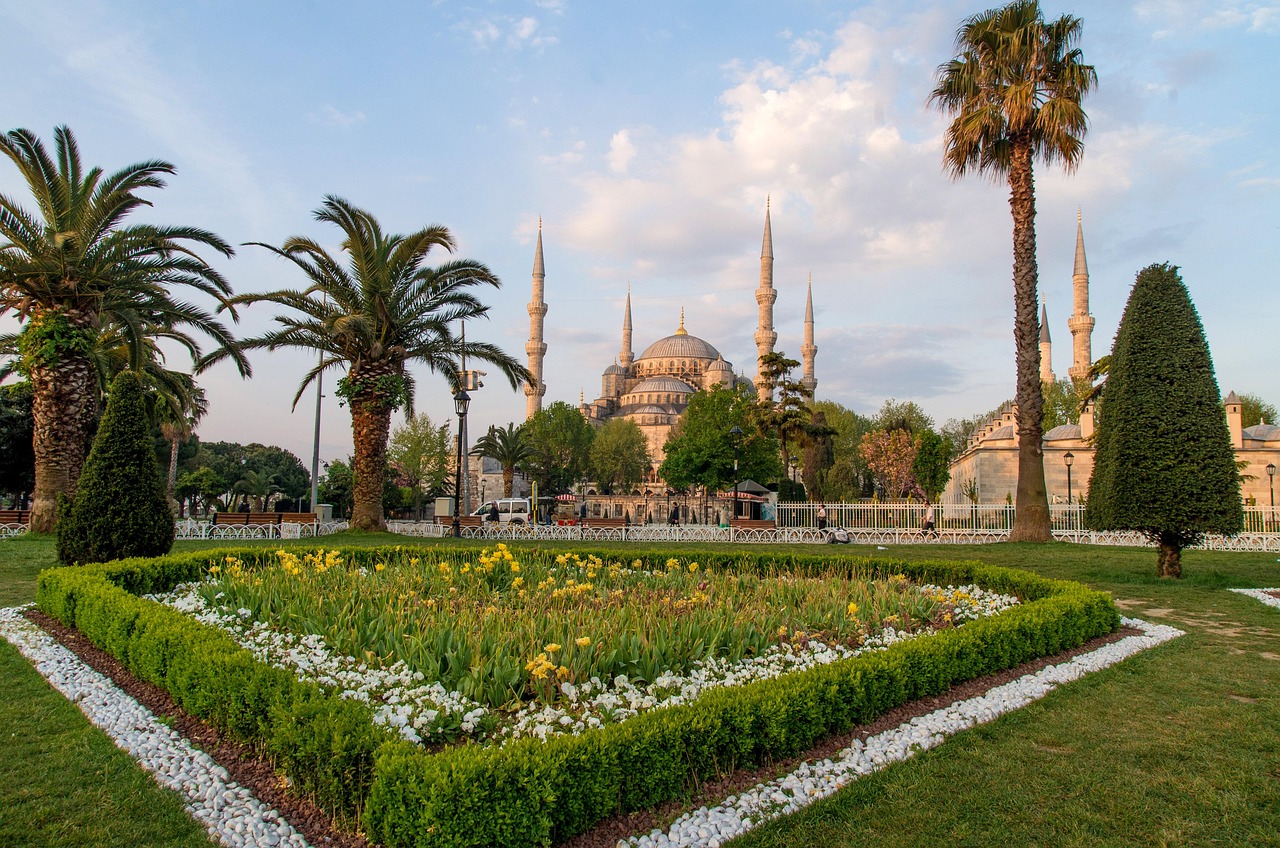
I still remember my first morning back in Istanbul in 2026: jet‑lagged, slightly disoriented, and suddenly standing in Sultanahmet Square with the Blue Mosque on one side and Hagia Sophia on the other. It’s impossible not to feel dwarfed by history here.
Morning: Hagia Sophia & Sultanahmet Square
Start early, ideally by 8:00–8:30 a.m., before the tour buses arrive.
- Hagia Sophia (Ayasofya-i Kebir Cami-i Şerifi) – See the full attraction section below for deep history and tips. Since its reconversion to a mosque, entry is free but expect security and modest dress requirements (shoulders and knees covered; women cover hair). I like to walk the perimeter first, then step inside from the north entrance to let my eyes adjust to the dim golden light.
- Sultanahmet Park – After Hagia Sophia, grab a simit (sesame bread ring) from a street cart and sit on a bench between Hagia Sophia and the Blue Mosque. On my last visit, I ended up sharing crumbs with a very entitled flock of pigeons and chatting with an elderly local who’s been feeding them for “only 40 years,” as he put it.
Late Morning: Blue Mosque & Hippodrome
- Blue Mosque (Sultan Ahmed Mosque) – Check prayer times; it closes briefly for each prayer. Go between prayers for a calmer visit. It’s currently under staggered restoration (as of 2026), but most of the interior is visible. I always sit for a few minutes under the main dome just to breathe in the blue Iznik tiles.
- Hippodrome (Sultanahmet Square) – Walk the old Roman chariot racing track, now a peaceful plaza with the Egyptian Obelisk and the Serpent Column. There’s not much “to do,” but it’s one of those places where, if you pause and imagine 100,000 people cheering, history feels very close.
Lunch: Sultanahmet Köfte
For a classic, affordable lunch, head to one of the old‑school köfteci (meatball restaurants) just off the square. I often end up at a small, no‑frills place serving grilled köfte, white bean salad, and pickles. It’s quick, filling, family‑friendly, and about as local as it gets in such a touristy area.
Afternoon: Basilica Cistern & Surrounding Streets
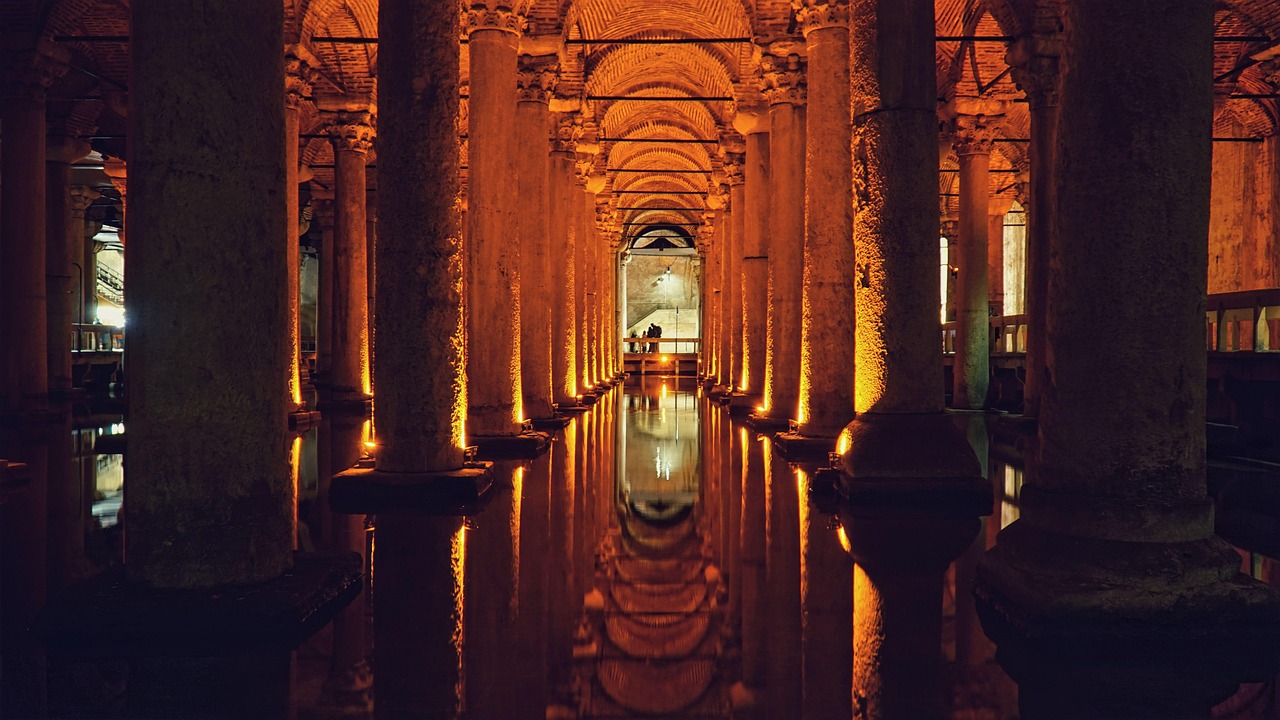
After lunch, I like to duck into the cool darkness of the Basilica Cistern. The ambient lighting, echoing droplets, and Medusa-head columns are a dramatic contrast to the sunlit square outside. See the detailed section below for history and photography tips.
When you emerge, wander the small streets around Sultanahmet. Stop for Turkish coffee at a quiet courtyard cafe (there are a few tucked behind souvenir shops—follow the locals, not the big signs).
Sunset & Evening: Rooftops & First Bosphorus Glimpse
For your first Istanbul sunset, I love heading slightly downhill toward Sirkeci or over to Karaköy via the tram. There are several low-key terraces overlooking the Golden Horn where you can watch ferries crisscross as the city lights up. This is a gentle, romantic way to ease into the city’s rhythm—perfect for couples but also magical solo.
Day 2 – Bazaars, Mosques & Galata Views
Day 2 of my usual 5 day itinerary for Istanbul is all about the classic “things to do in Istanbul” that you’ve probably seen in photos: the Grand Bazaar, Spice Bazaar, and Galata Tower.
Morning: Grand Bazaar (Kapalıçarşı)
Get there close to opening (around 9:00 a.m.) to avoid the midday crush. On my first visit years ago, I got hopelessly lost; now I sort of enjoy that. Let yourself wander, but note the gate you entered from so you can find your way back.
- Look for the lanes selling antique copperware, textiles, and ceramics rather than the standard souvenir rows.
- Never accept the first price; bargaining is expected, but keep it friendly. I usually start at 50–60% of the first quote and work up.
- When you need a break, duck into one of the tiny tea corners where shopkeepers sip çay and watch the world go by.
Late Morning: Spice Bazaar (Mısır Çarşısı) & Rüstem Paşa Mosque
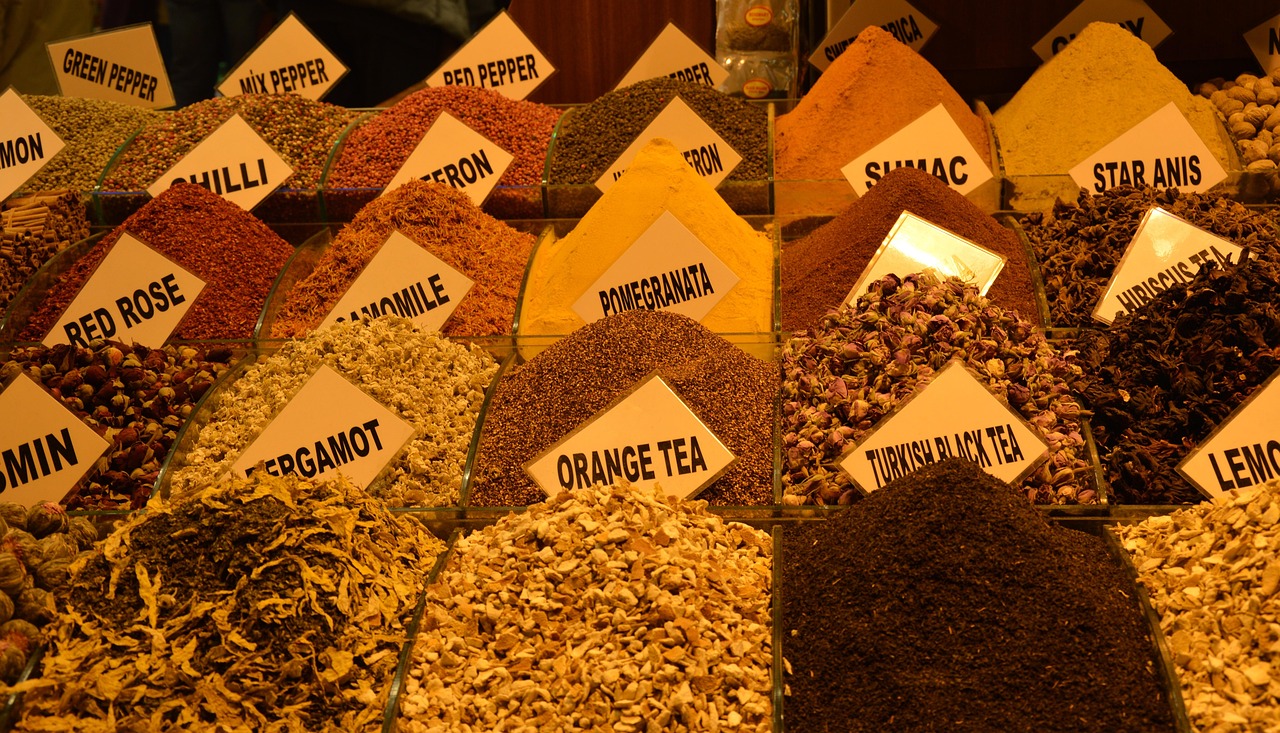
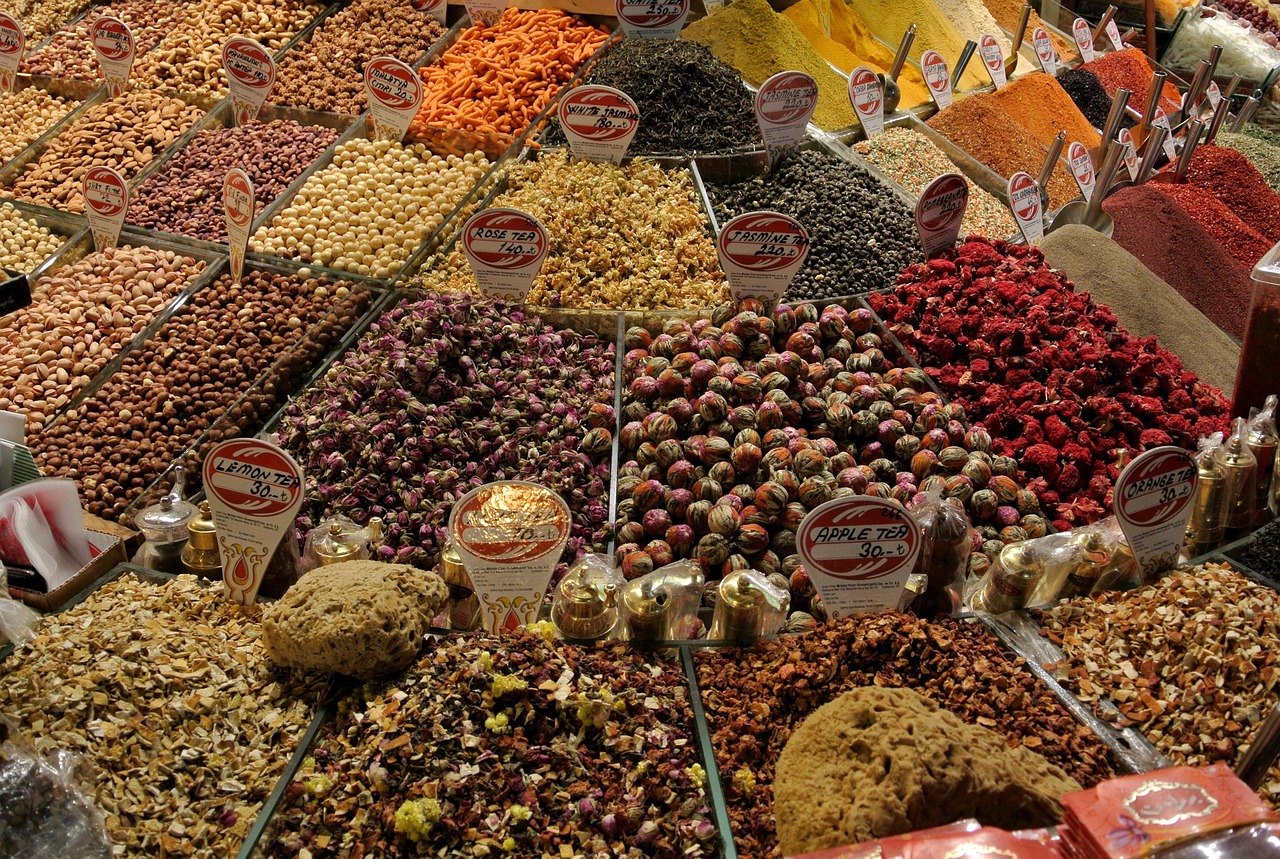
From the Grand Bazaar, it’s a short downhill walk to the Spice Bazaar in Eminönü. This bazaar is smaller and easier to navigate, with stalls piled high with dried fruits, nuts, teas, and Turkish delight.
My ritual: buy a small cone of mixed nuts and dried apricots, then slip out the back to find the Rüstem Paşa Mosque, a hidden Iznik-tile gem above street level. It’s quiet, intimate, and one of my favorite peaceful spots in the city.
Lunch: Eminönü Fish Sandwich & Ferry Watching
Down by the waterfront near Galata Bridge, try the famous balık ekmek (fish sandwich) from one of the moored boats or simple stalls. Grab a bench and watch ferries glide by. Families love this area (tons to look at, space to walk); just watch little ones near the water.
Afternoon: Süleymaniye Mosque & Golden Horn Views
Climb up to the Süleymaniye Mosque, my personal favorite of the imperial mosques. It’s less crowded than Sultanahmet and has sweeping views over the Golden Horn. I’ve spent many quiet hours here, sitting on the grass in the courtyard, listening to the city hum below.
Evening: Galata Tower & Karaköy
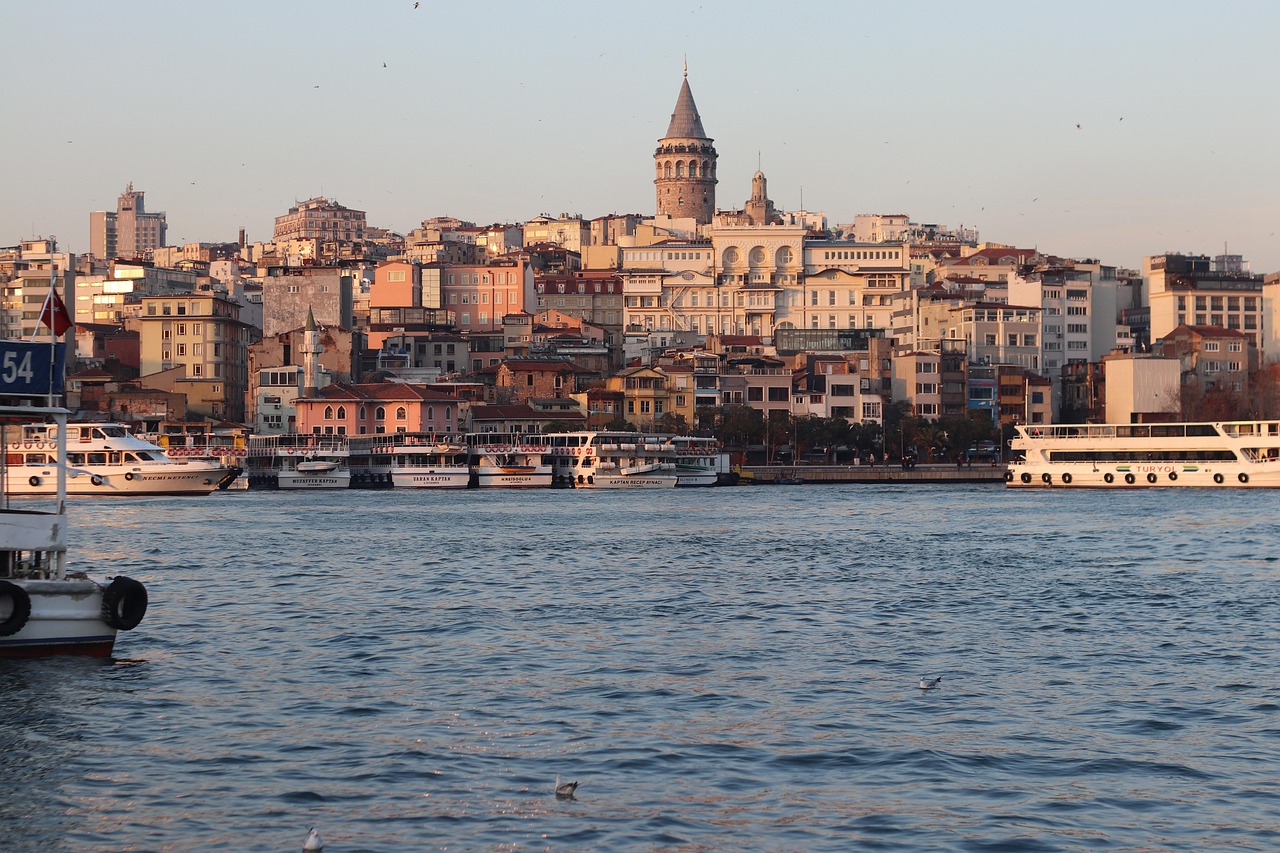
Walk or take the tram over the Galata Bridge into Karaköy and up toward Galata Tower. See the attraction section below for detailed tips. For a romantic evening, time your tower visit for golden hour, then wander the steep streets full of cafes, bars, and small boutiques.
Day 3 – Bosphorus Day: Europe & Asia in One Go
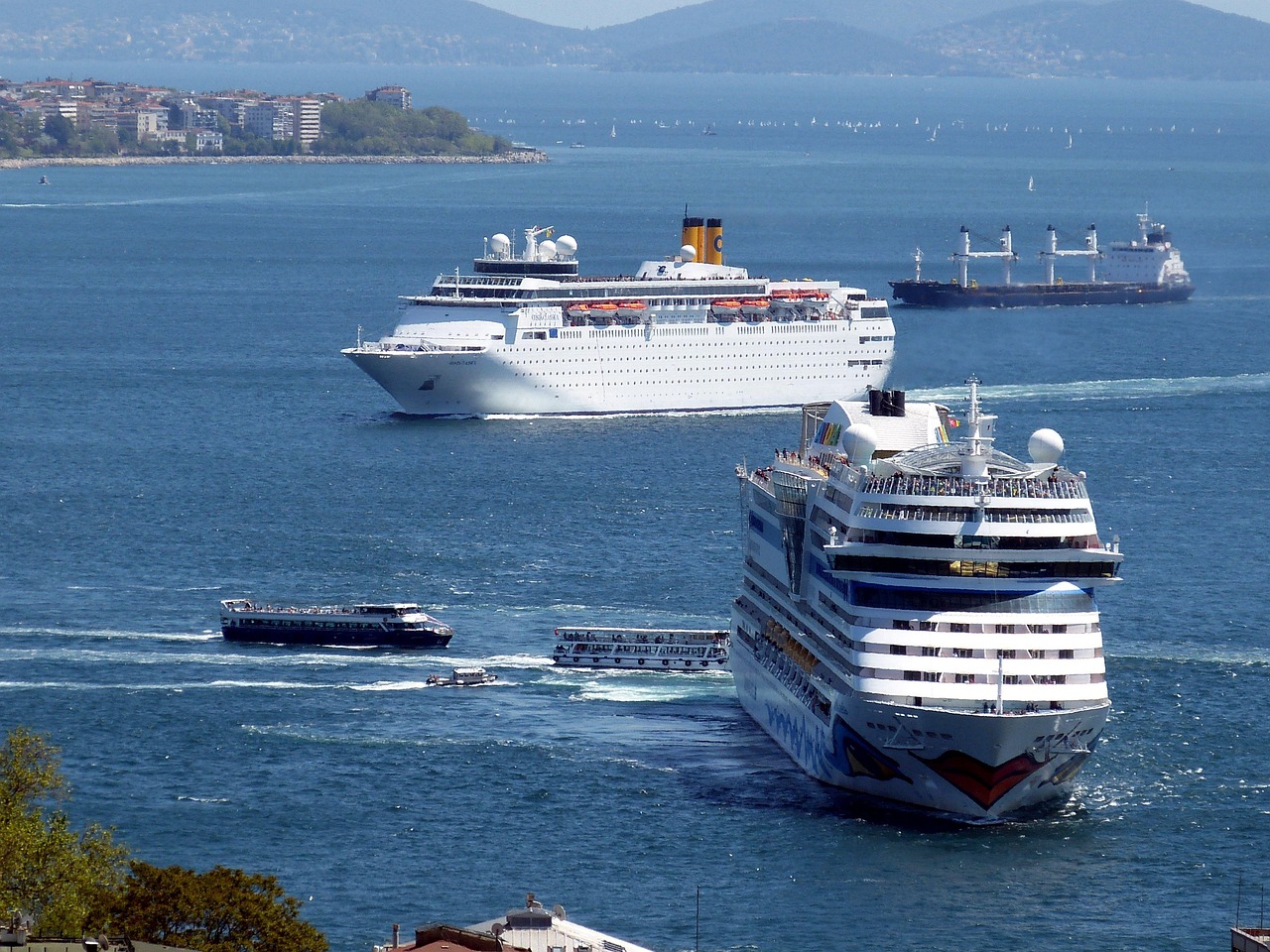
If you’re only spending 3 days in Istanbul, this is your final day—and it’s all about the Bosphorus. If you have 5 days, it’s the midpoint, and a chance to let the city’s intensity wash past you from the water.
Morning: Classic Bosphorus Cruise
Head to Eminönü or Karaköy and take a public ferry or a short Bosphorus cruise. I prefer the public ferries: they’re cheaper, more local, and still incredibly scenic. Grab a simit and tea on board and claim a spot on the outside deck.
You’ll pass palaces, Ottoman mansions (yalıs), and ornate mosques. Keep an eye out for the Rumeli Fortress and the Bosphorus Bridges arching overhead.
Late Morning & Lunch: Ortaköy
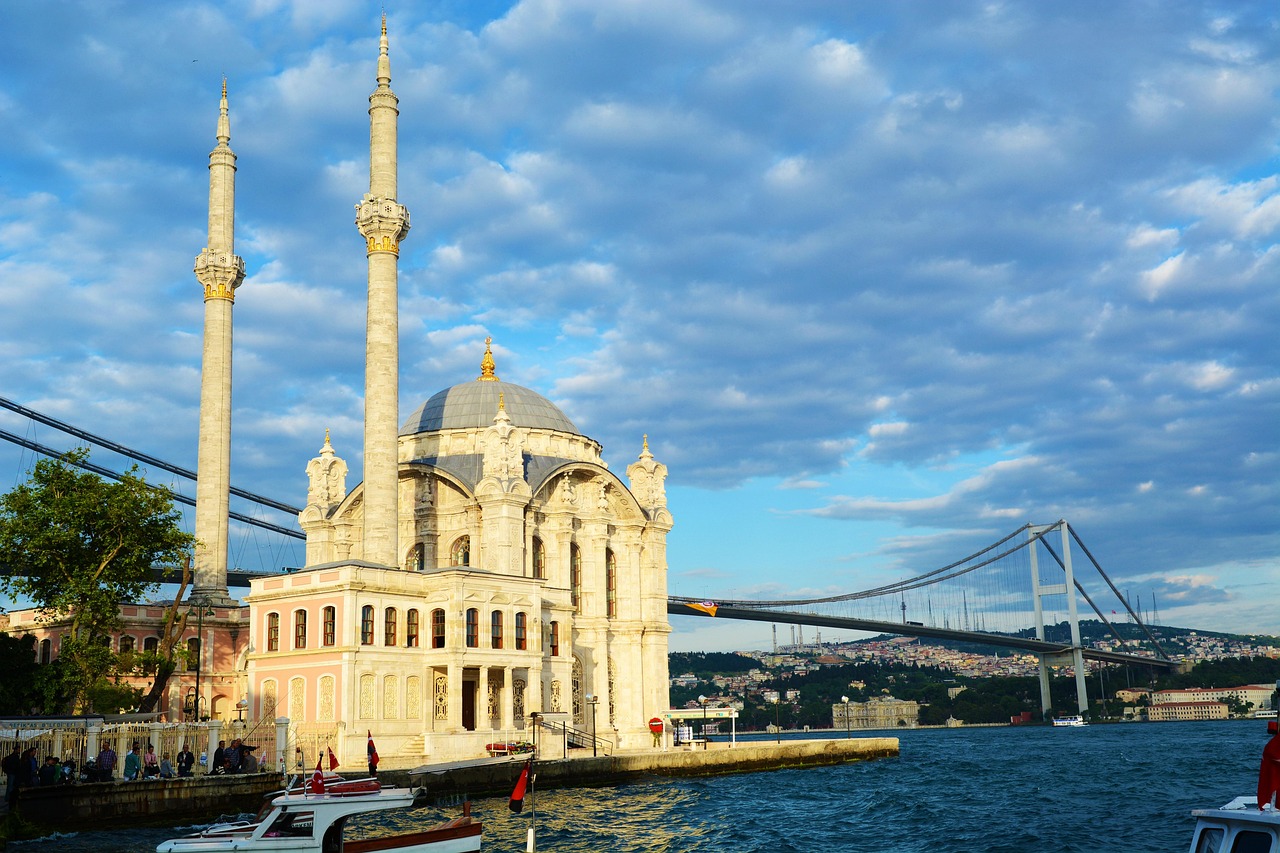
Disembark (or return and tram/taxi) to Ortaköy, a lively waterfront neighborhood under the first Bosphorus Bridge. It’s touristy but fun—especially for families and couples.
- Try a loaded kumpir (baked potato stuffed with everything imaginable) from one of the stalls.
- Visit the Ortaköy Mosque, perfectly framed against the bridge.
- Browse the small handicraft stalls; I’ve found some surprisingly lovely handmade jewelry here.
Afternoon: Dolmabahçe Palace or Taksim–İstiklal
From Ortaköy, you can walk or bus along the shore to Dolmabahçe Palace (see the dedicated section), the opulent 19th‑century Ottoman residence that feels like a slice of Europe transplanted to the Bosphorus.
Alternatively, head up to Taksim Square and stroll down İstiklal Avenue, a pedestrian shopping and nightlife street with historic passages and churches tucked just off the main drag.
Evening: Sunset from the Asian Side (Üsküdar or Kadıköy)
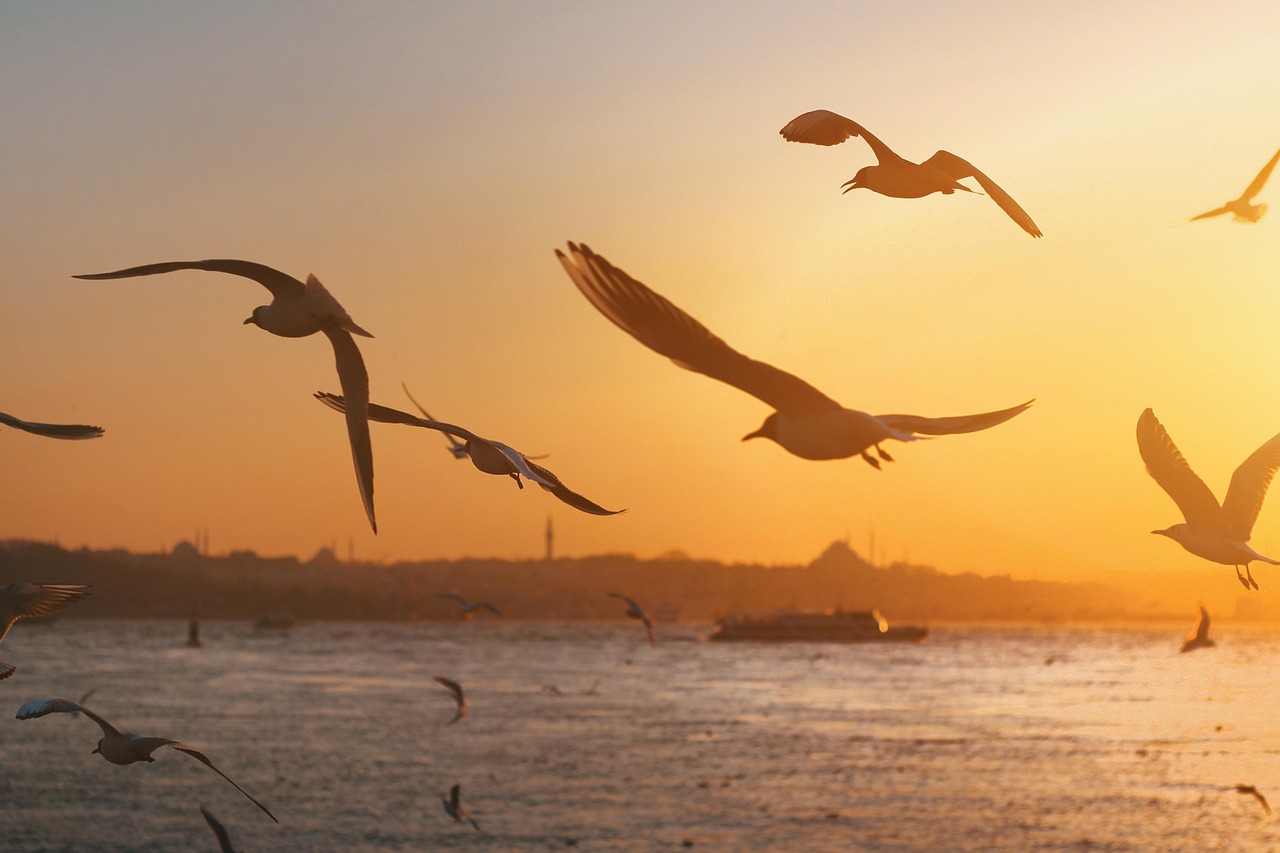
Cross to Asia by ferry—my favorite part of any Istanbul day. For a dreamy, romantic sunset, go to Üsküdar and sit along the shore near Maiden’s Tower. For a more energetic, foodie vibe, choose Kadıköy, where you can dive into meze bars, craft beer, and dessert cafes.
Day 4 – Neighborhood Stories: Balat, Fener & Golden Horn or Kadıköy & Moda
By Day 4, you’ve seen the big hitters. Now it’s time to experience the “living” Istanbul that locals know.
Option A: Balat & Fener (Colorful & Historic)
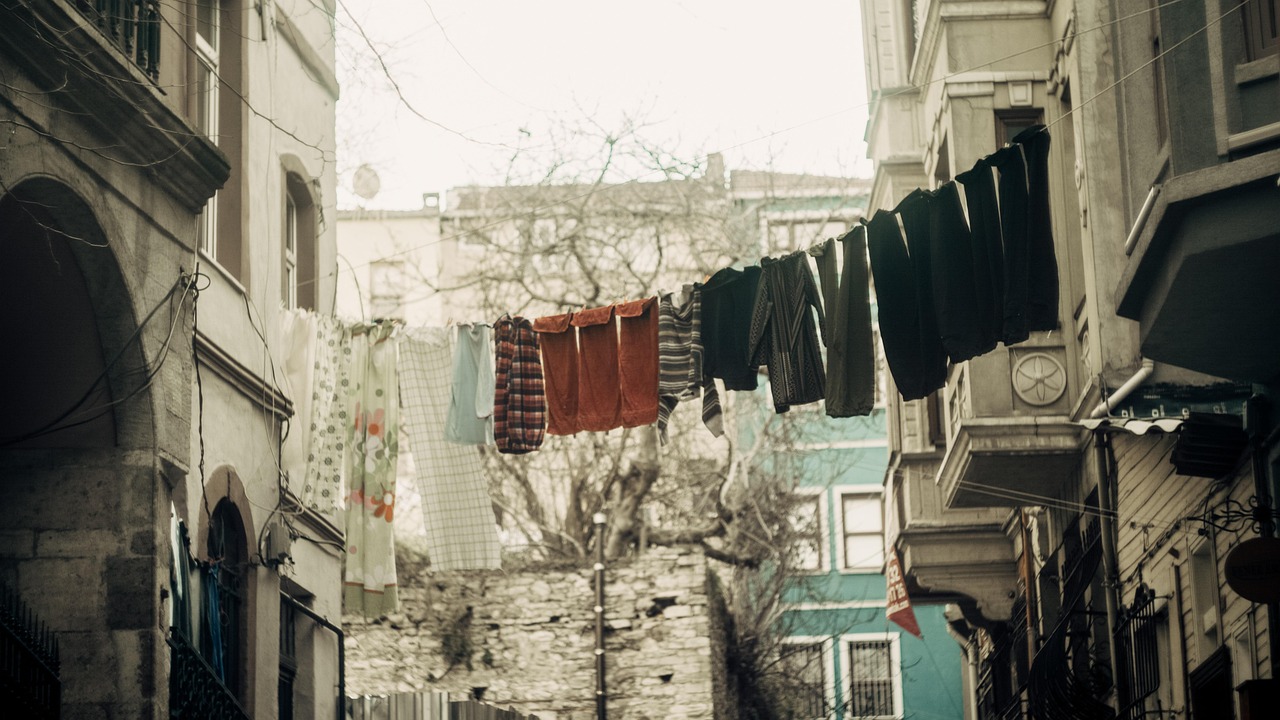
Balat and Fener, along the Golden Horn, are among my favorite areas for slow wandering and photography. Cobbled streets, colorful houses, steep stairways, and a jumble of churches, synagogues, and mosques tell the story of Istanbul’s diverse past.
- Stop at a tiny cafe for Turkish coffee served in ornate cups.
- Visit the Phanar Greek Orthodox College (from outside) and nearby churches.
- Look for antique shops and second-hand bookstores.
On my last trip, I spent an entire afternoon here chatting with a shop owner about how the neighborhood has changed, sipping endless tea as neighborhood kids chased a football down the hill.
Option B: Kadıköy & Moda (Asian Side Local Life)
If you prefer food and cafe culture, head to Kadıköy instead. The pedestrian market streets here are packed with fishmongers, pickle shops, spice stalls, and bakeries.
- Have a long, lazy brunch with menemen (scrambled eggs with tomatoes and peppers) and fresh bread.
- Walk or tram to Moda for sea views, parks, and ice cream.
- In the evening, explore Kadıköy’s lively bar scene; it’s less touristy than Taksim and more relaxed.
Day 5 – Museums, Palaces & Last-Minute Favorites
Your final day can go in many directions depending on your interests. Here are three themes I often mix and match for a 5 day itinerary for Istanbul finale:
- Art & Archaeology: Istanbul Archaeology Museums, Turkish and Islamic Arts Museum, Pera Museum, Istanbul Modern.
- More Palaces & Gardens: Topkapı Palace (if not done yet), Yıldız Park, Beylerbeyi Palace on the Asian side.
- Relax & Recharge: Traditional Turkish bath (hamam), last-minute shopping, favorite cafe revisits.
My own ritual on the last day: one museum, one long lunch, one hamam session, and a final ferry ride at sunset—no matter what.
20 Must-See Attractions in Istanbul (Deep Stories & Tips)
Below are 20 of the best places to visit in Istanbul, each with history, significance, and my own notes from multiple visits. Use this as your detailed “things to do in Istanbul” reference while planning.
1. Hagia Sophia (Ayasofya-i Kebir Cami-i Şerifi)
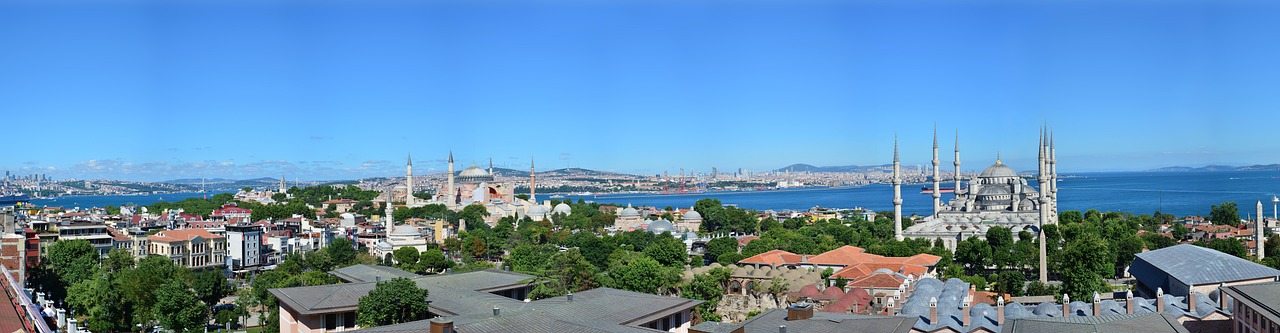
Hagia Sophia is the one place I visit every single time I’m in Istanbul. Built in 537 CE under Emperor Justinian, it was the world’s largest cathedral for nearly a thousand years, later transformed into an Ottoman mosque, then a museum, and since 2020, a mosque again.
Standing under the central dome, with shafts of light cutting through incense haze, you feel centuries of layered faith. Christian mosaics peek out from behind Islamic calligraphy medallions—it’s a physical conversation between empires.
- When I go: Early morning on weekdays. In 2026, the lines can still be long; arrive just after dawn prayers.
- Dress & behavior: Shoulders and knees covered; women bring a scarf. Photography is allowed but be discreet during prayers.
- Tip: Step to the side of the entrance and let your eyes adjust before looking up; the dome feels more dramatic this way.
2. Blue Mosque (Sultan Ahmed Mosque)
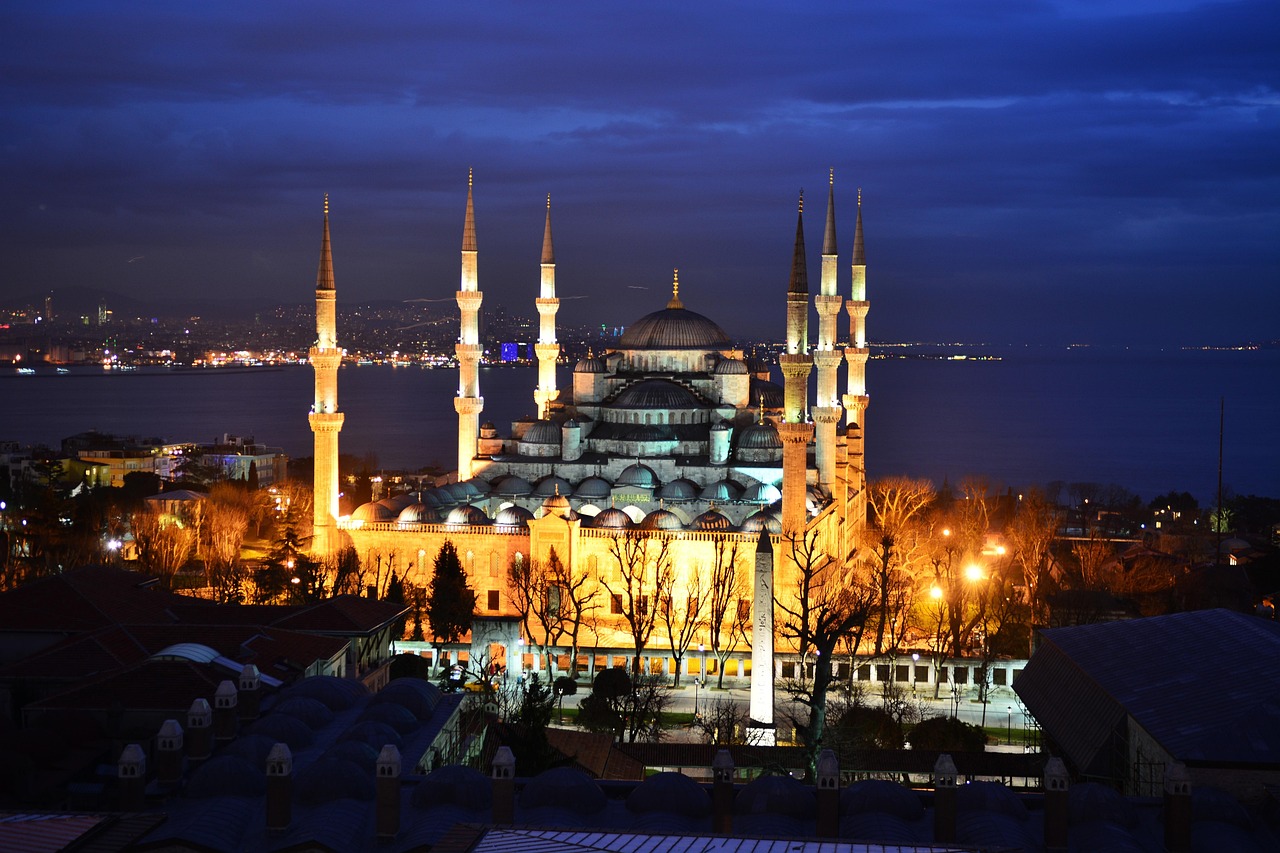
The Blue Mosque, completed in 1616, got its nickname from the 20,000 blue Iznik tiles lining its interior. From the outside, its cascade of domes and six minarets dominate the skyline; from the inside, it’s surprisingly serene.
My favorite memory here is from a rainy afternoon when the carpets were damp and the lighting soft. I sat against a pillar and just listened to the rain tap the courtyard while children played quietly around me.
- Family-friendly: Very. Kids are welcome; just keep them from running during prayers.
- Best time: Between prayer times; check posted schedules at the entrance.
- Photo tip: For exterior shots, use the park between Hagia Sophia and the mosque or the outer courtyard framing the minarets.
3. Topkapı Palace
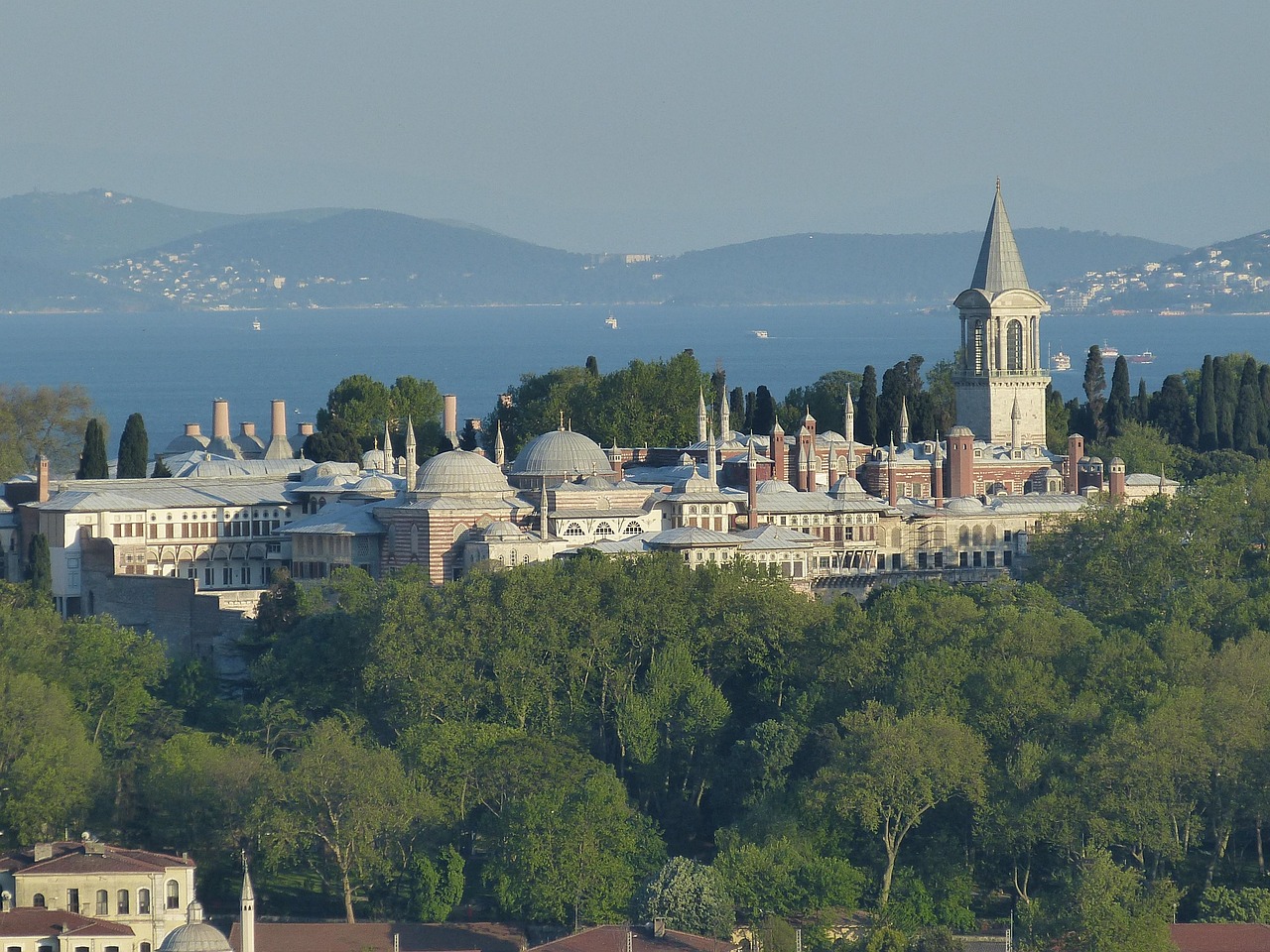
For 400 years, Topkapı was the nerve center of the Ottoman Empire. It’s less a single palace and more a sprawling complex of courtyards, pavilions, and tiled rooms overlooking the Bosphorus.
I like to think of it as a city within a city. The first courtyard feels public and grand; the deeper you go, the more intimate it gets. The Harem section, with its jewel-toned tiles and intricate woodwork, is a must.
- Plan time: 3–4 hours minimum, including the Harem (extra ticket but worth it).
- Don’t miss: The terrace views over the Bosphorus and Golden Horn; the Imperial Council Chamber.
- Tip: Go early and head straight to the Harem before it gets crowded, then backtrack.
4. Basilica Cistern (Yerebatan Sarnıcı)
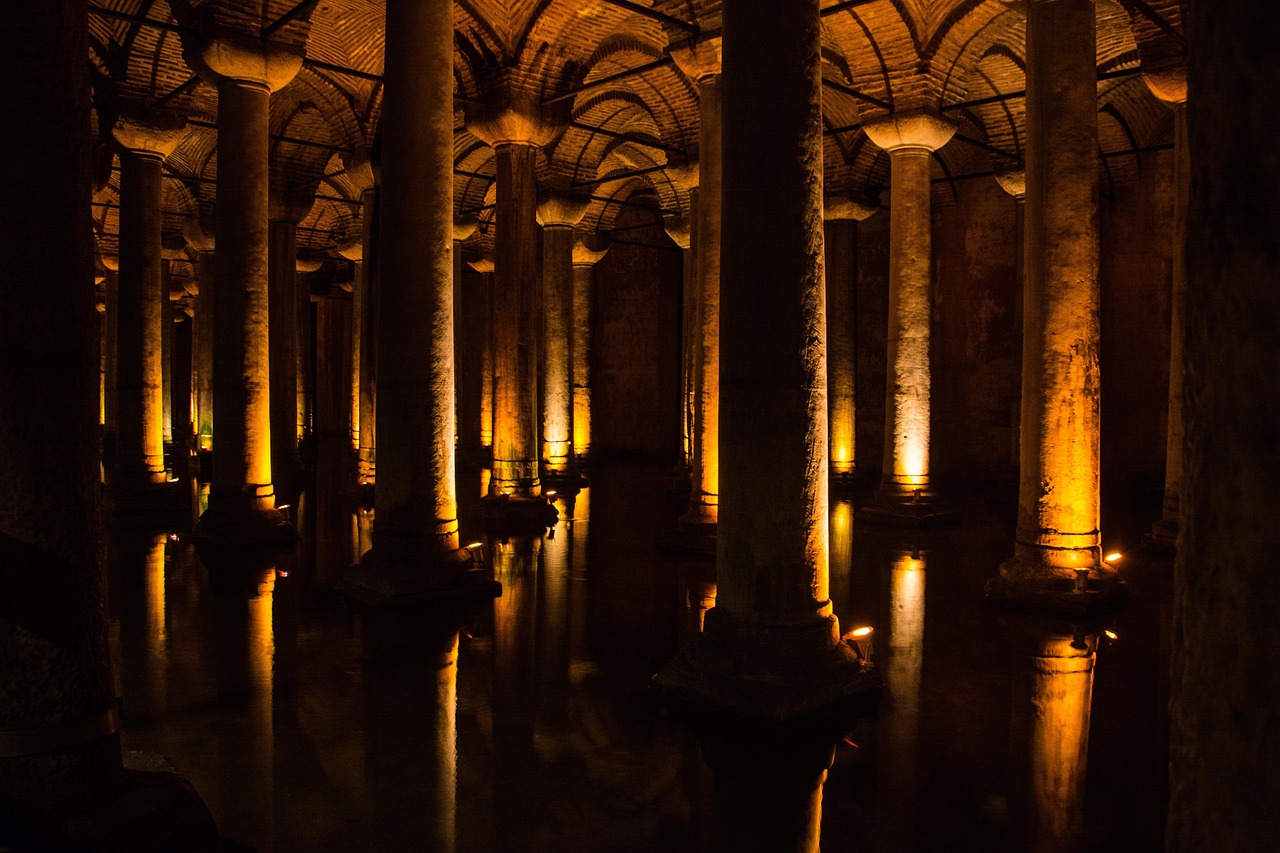
Built in the 6th century to store water for the city, the Basilica Cistern is an underground forest of columns reflected in shallow water. It’s moody, cinematic, and a welcome cool break on hot days.
I love how quiet it is compared to the city above. Kids are usually spellbound by the Medusa-head columns; photographers can spend ages playing with shadows and reflections.
- Accessibility: There are stairs down, so consider mobility needs.
- When to go: Mid-morning or late afternoon to avoid peak crowds from tour groups.
- Photo tip: Bring a fast lens or use your phone’s night mode—flash kills the atmosphere.
5. Grand Bazaar (Kapalıçarşı)
With over 4,000 shops, the Grand Bazaar can feel overwhelming, but that’s half the fun. It’s been a trading hub since the 15th century and still beats with that same mercantile energy today.
On one visit, I spent an afternoon shadowing a local friend who knows “his” lanes by smell and sound alone. We slipped through small archways into serene courtyards I’d never noticed—all hidden behind the main tourist arteries.
- What to buy: Textiles, ceramics, lamps, jewelry, quality leather goods. Avoid “antique” items unless you really know what you’re doing.
- Bargaining: Smile, joke, and don’t take it too seriously. If you’re not comfortable, ask your hotel for a ballpark price first.
- Tip: Snap a photo of the nearest gate sign when you enter; it helps you find your way out.
6. Spice Bazaar (Mısır Çarşısı)
Smaller and more manageable than the Grand Bazaar, the Spice Bazaar is a feast for the senses. The air smells of sumac, dried mint, and roasted nuts; stalls glow with jars of saffron, tea blends, and Turkish delight.
I like to come here with a small shopping list: pomegranate tea for friends, pistachios for the ferry, and a mystery spice blend the vendor insists will change my life (sometimes it actually does).
- What to buy: Spices, nuts, dried fruit, Turkish delight, tea.
- Tip: Ask for vacuum-sealed packs if you’re flying long-haul.
- Nearby gem: Rüstem Paşa Mosque, just a short walk away, often missed by rushed tourists.
7. Süleymaniye Mosque
Designed by the great Ottoman architect Mimar Sinan and completed in 1557, Süleymaniye sits on a hill overlooking the Golden Horn. It’s grand but peaceful, often with far fewer visitors than the Blue Mosque.
I’ve picnicked in its gardens multiple times, watching ships slide along the Bosphorus with a takeaway börek in hand. The acoustics inside are beautiful; even a whisper feels amplified.
- Best for: Travelers who want a majestic mosque experience without heavy crowds.
- Views: Walk around the back terraces for some of the best Golden Horn panoramas.
- Tip: Combine with a visit to nearby cafes that serve traditional Turkish desserts.
8. Galata Tower
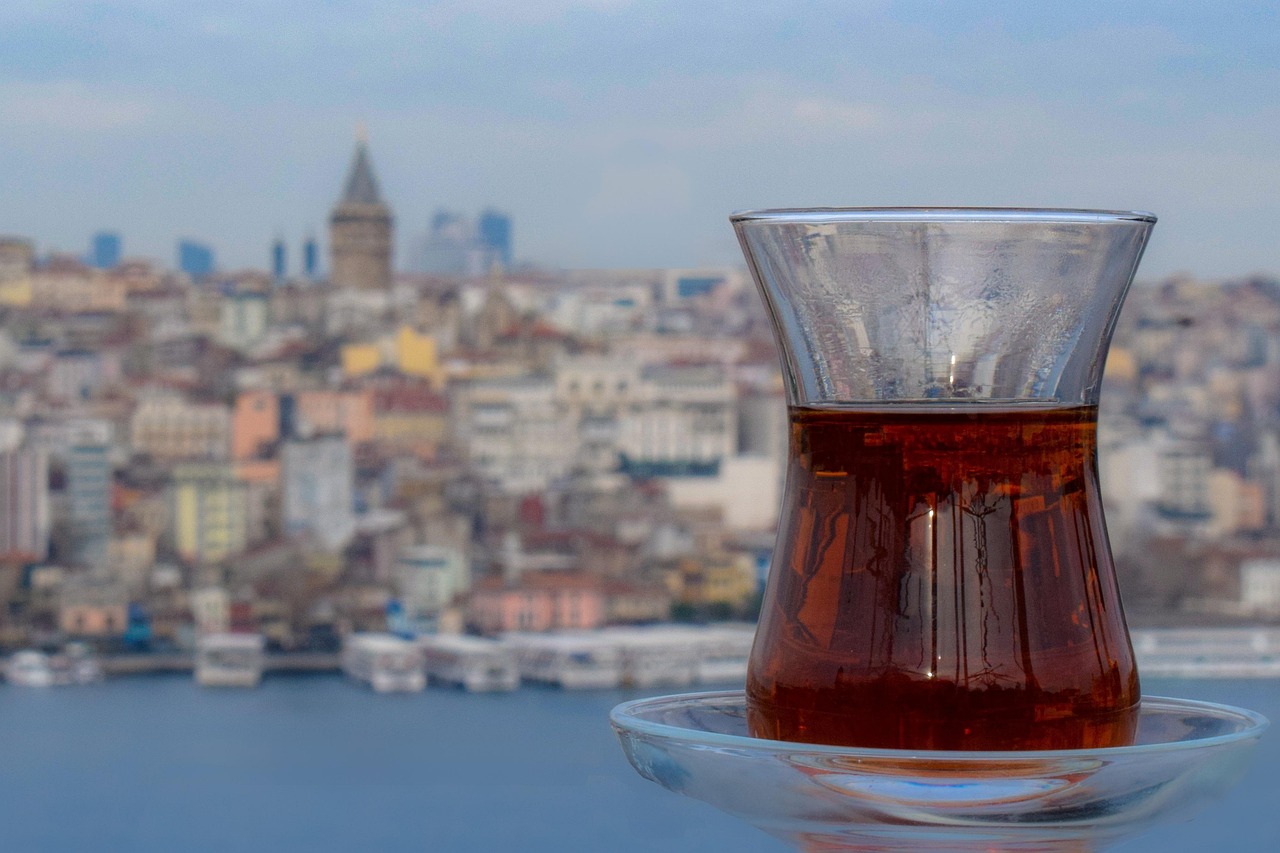
Originally built in the 14th century by Genoese colonists, Galata Tower is now one of Istanbul’s most iconic viewpoints. From the top, you get a 360° sweep of the city: minarets, bridges, and a sea of red-tiled roofs.
I’ve gone up at different times of day; golden hour wins. Once, a summer storm rolled in, and I watched lightning flicker over the Asian side while the last sunlight hit Süleymaniye’s domes—a surreal, unforgettable moment.
- Timing: Go either early morning or just before sunset; avoid midday when lines are longest.
- Tickets: Can be busy in high season; consider buying online or via machines if available.
- Tip: Even if you skip going up, the streets around the tower are fantastic for cafes and people-watching.
9. Bosphorus Cruise
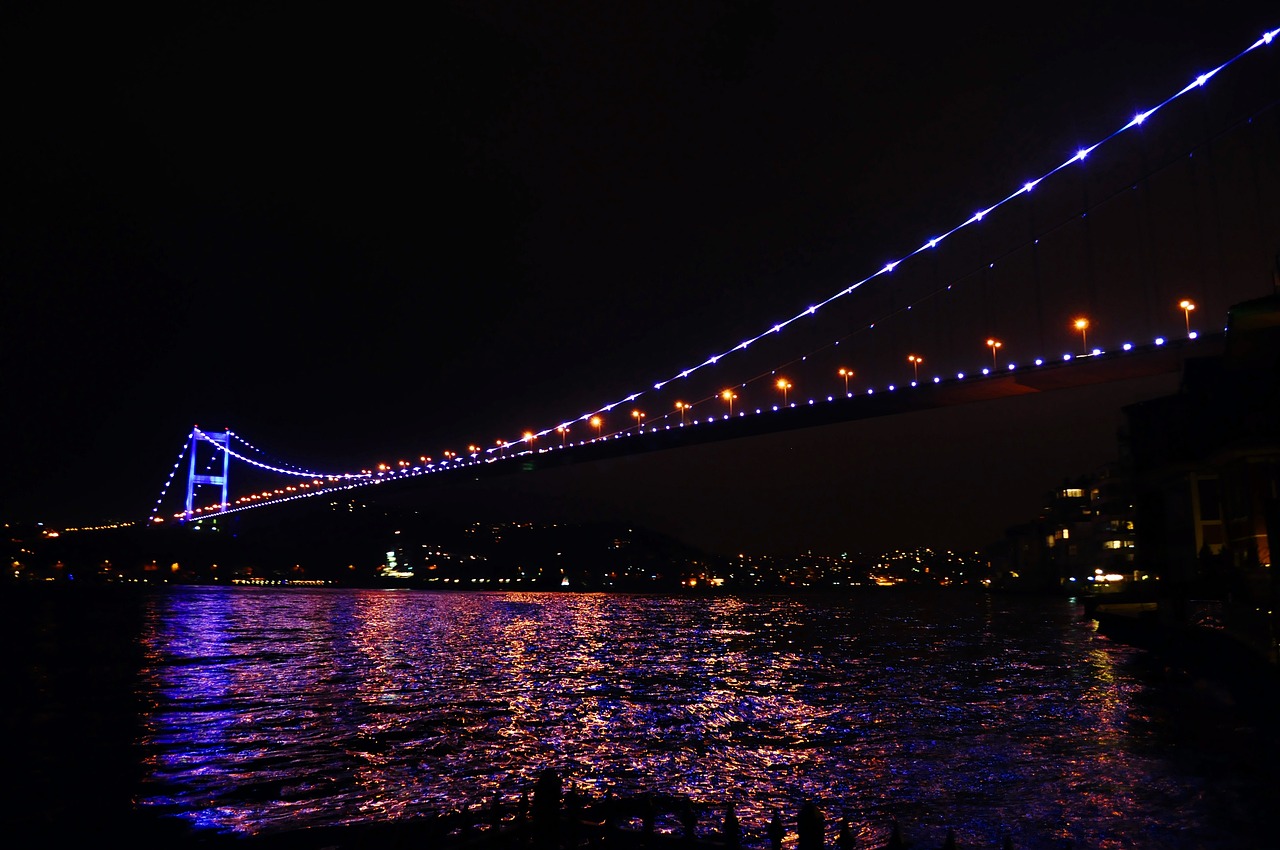
No travel guide for Istanbul is complete without a Bosphorus cruise. It’s not just a tourist box to tick; it genuinely helps you understand the city’s geography and history.
I prefer the longer public ferry to Anadolu Kavağı (near the Black Sea) when I have time; on shorter trips, a 1.5–2 hour cruise still gives you palace, fortress, and bridge views.
- Romantic: Evening cruises with city lights and dinner are popular with couples.
- Family-friendly: Absolutely—kids love boats. Bring a light jacket; it can be windy.
- Tip: Avoid overpriced tour touts; ask at official ferry counters instead.
10. Ortaköy & Ortaköy Mosque
Ortaköy sits under the Bosphorus Bridge, where street food, art stalls, and waterfront cafes blur into one lively square dominated by the delicate Ortaköy Mosque.
On a recent visit, I watched a wedding party emerge from the mosque while a street musician played guitar nearby and seagulls circled overhead. It’s that kind of place—chaotic but charming.
- What to eat: Kumpir (loaded baked potatoes) and waffles piled with fruit and chocolate.
- Best time: Late afternoon into sunset; the mosque glows beautifully with the bridge lights.
- Tip: Weekdays are calmer; weekends can be crowded with locals and tourists alike.
11. Dolmabahçe Palace
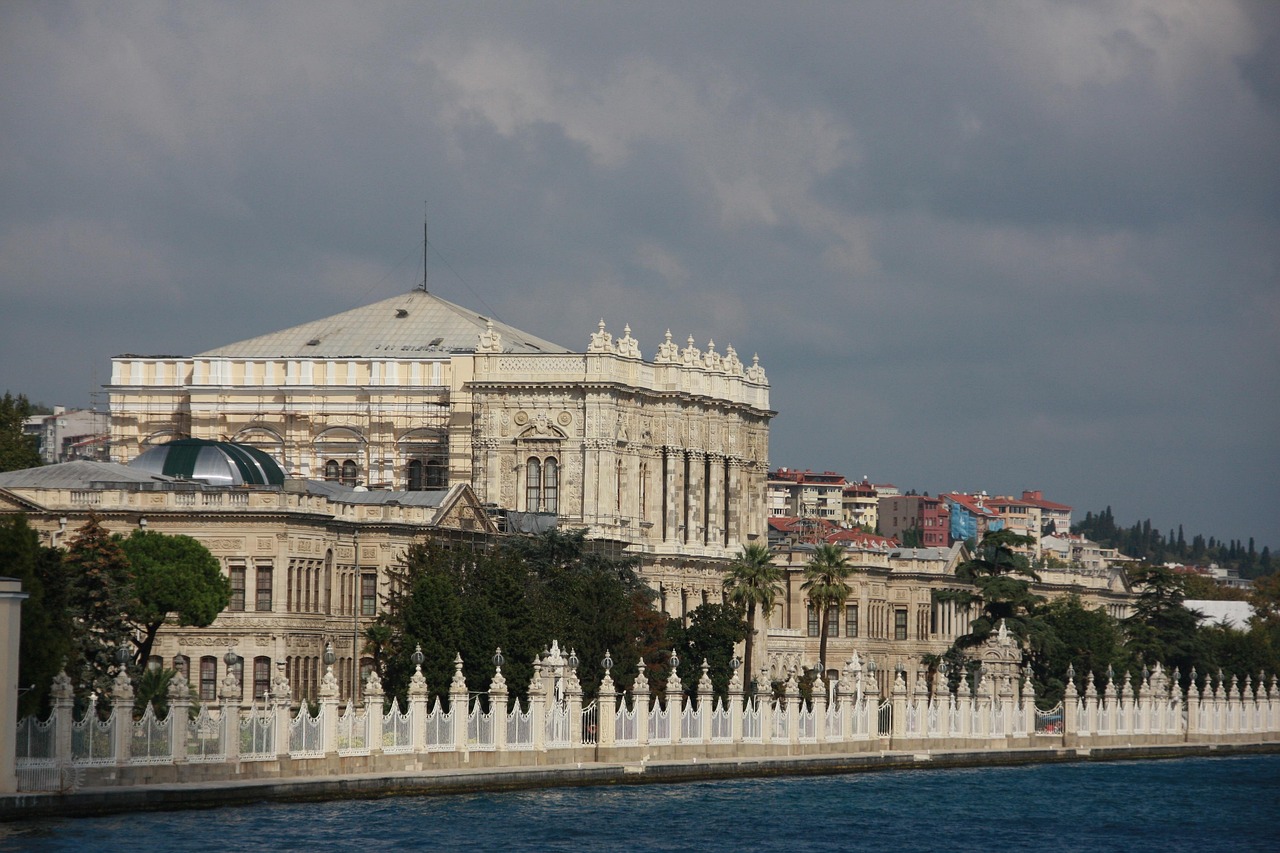
Completed in 1856, Dolmabahçe Palace was the Ottoman Empire’s grand answer to European baroque and neoclassical palaces. Crystals, chandeliers, gilded ceilings—it’s all here, lining the Bosphorus.
As someone who loves architectural contrasts, I’m always struck by how different Dolmabahçe feels from Topkapı. Here, it’s all about show and ceremony. The crystal staircase alone is worth the visit.
- Plan time: 2–3 hours including the harem section.
- Photos: Usually restricted inside; check current rules in 2026 at the entrance.
- Tip: Combine with a Bosphorus walk or Ortaköy visit; they’re on the same shoreline.
12. İstiklal Avenue & Taksim Square
İstiklal is Istanbul’s pedestrian artery: 24/7 energy, street performers, shops, historic passages, churches, and consulates. Taksim Square at its top is more of a symbolic space than a must-see sight, but it’s a useful landmark.
I like to duck in and out of the side passages: Çiçek Pasajı, Atlas Pasajı, and the countless little lanes leading downhill to Cihangir and Galata.
- Nightlife: Many bars and clubs are clustered around here; see the nightlife section below.
- Historic tram: The red nostalgic tram is touristy but fun; kids especially love it.
- Tip: Watch your belongings—this is pickpocket territory when crowded.
13. Balat & Fener
These neighboring districts on the Golden Horn were historically home to Greek, Jewish, and Armenian communities. Today, they’re a mix of old and new: colorful houses, crumbling facades, hip cafes, and kids playing on steep streets.
I’ve spent entire days here just taking photos, chatting with shopkeepers, and ducking into churches and synagogues (where accessible). It’s a quieter, more local alternative to the big attractions.
- Best for: Photographers, slow travelers, and those looking for hidden gems in Istanbul.
- Tip: Wear comfortable shoes; the hills are no joke.
- Respect: This is a real neighborhood; be mindful of residents when taking photos.
14. Kadıköy & Moda
Kadıköy on the Asian side is one of my favorite areas for food and nightlife. Its market streets feel like a living pantry: fish stalls, spice shops, bakeries, meyhanes, and cafes.
Walk toward Moda for leafy streets, sea views, and a more residential feel. On warm evenings, locals line the waterfront with picnic blankets, beer, and sunflower seeds. I’ve joined friends here many times for sunset “pavement picnics.”
- Food: See the food section for specific spots, but you really can’t go wrong here.
- Best time: Late afternoon into evening; Kadıköy comes alive at night.
- Tip: Use the ferry from Karaköy or Eminönü for the most scenic approach.
15. Üsküdar & Maiden’s Tower (Kız Kulesi)
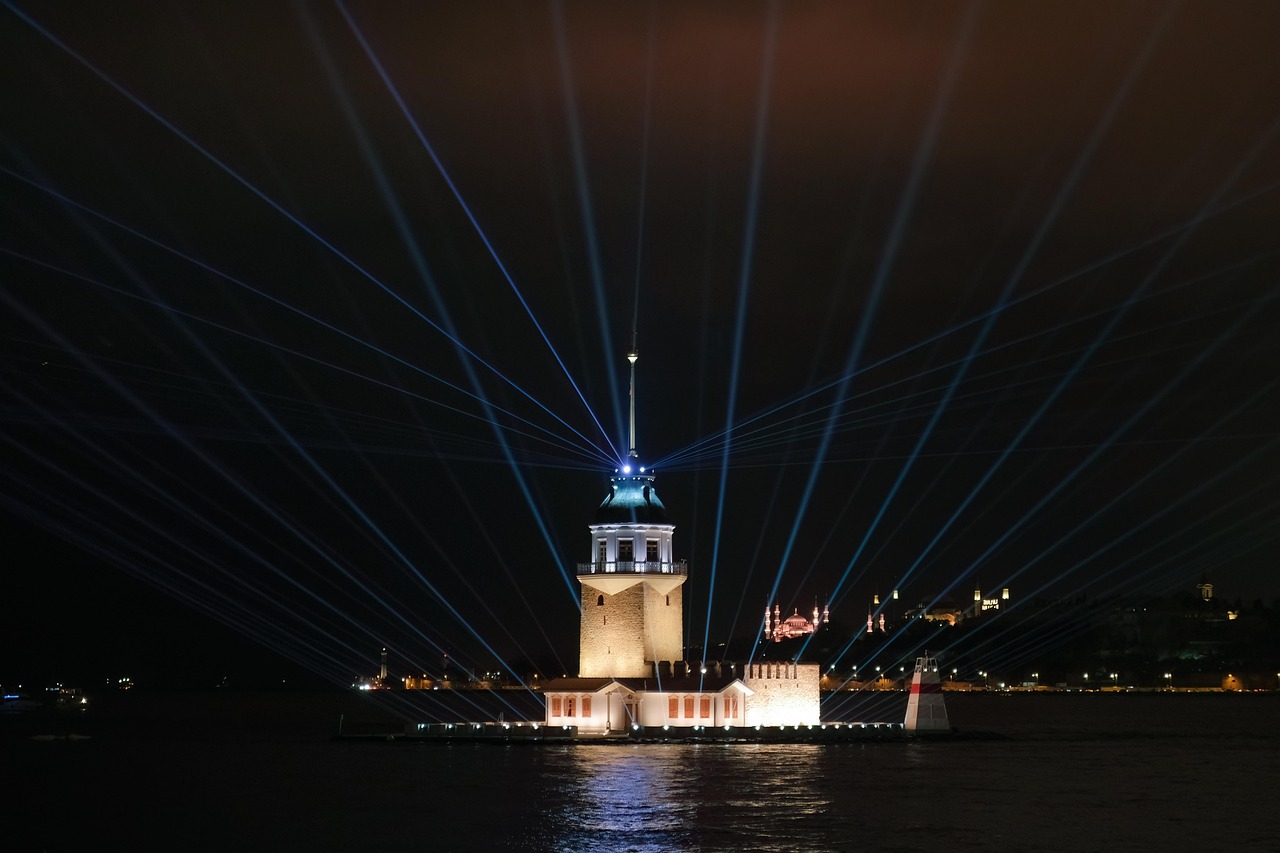
Üsküdar is an old, conservative-leaning district on the Asian side with beautiful mosques, waterfront promenades, and some of the best sunsets in the city.
The Maiden’s Tower, perched on a small islet, is one of Istanbul’s most photographed landmarks. In 2026, it’s been recently restored and reopened as a museum-cafe hybrid, accessible by small boats from the shore.
- Romantic: Sunsets here are incredibly atmospheric; couples line the seawall sharing tea and roasted chestnuts.
- Family-friendly: Plenty of space to walk and play, with great Bosphorus views.
- Tip: Bring a light jacket even in summer; the breeze can be strong.
16. Istanbul Archaeology Museums
Hidden in plain sight near Topkapı Palace, the Istanbul Archaeology Museums hold some of the most important artifacts from across the former Ottoman lands, including stunning sarcophagi and reliefs.
On quiet weekdays, I’ve almost had some rooms to myself. If you love ancient history, this is a must; if you’re traveling with kids, pick a few sections rather than trying to do it all.
- Allow: 2–3 hours for a meaningful visit.
- Best for: History buffs, archaeology fans, and anyone escaping the midday sun.
- Tip: Combine with Topkapı on the same day and use a museum pass if available.
17. Istanbul Modern
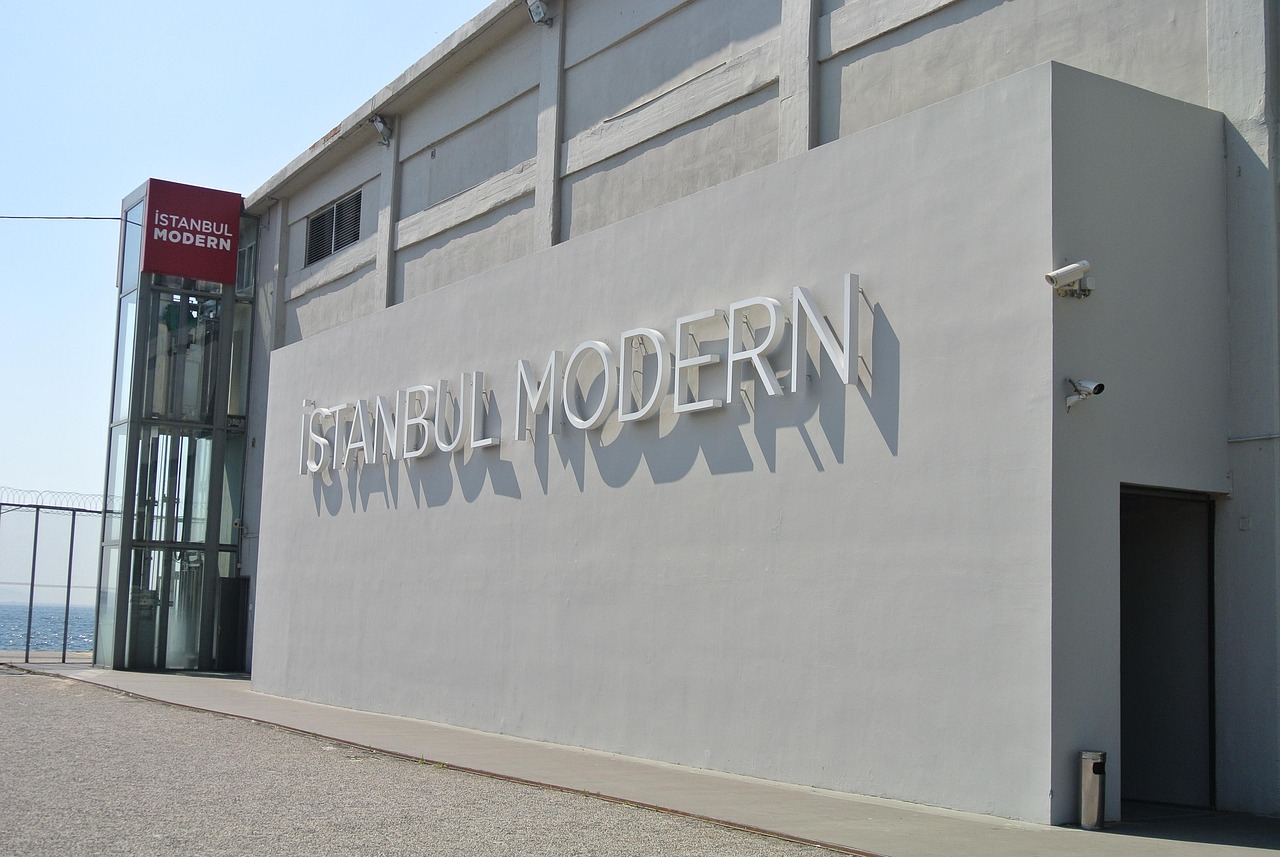
Recently relocated to a striking new building on the Karaköy waterfront, Istanbul Modern is the city’s flagship contemporary art museum. It’s light, airy, and a refreshing contrast to historic sites.
On my last visit, I spent as much time in the cafe and on the terrace watching ferries as I did in the galleries. It’s that kind of space—art plus cityscape.
- Best for: Art lovers and anyone needing a modern break from mosques and palaces.
- Tip: Check current exhibitions before you go; 2026 features several major Turkish contemporary artists.
18. Chora Church / Kariye Mosque (Kariye Camii)
Famous for its exquisite Byzantine mosaics and frescoes, Chora has recently been reconverted into a mosque, similar to Hagia Sophia. As of 2026, parts of the interior are open, with ongoing discussions about preserving access to the artwork.
When fully visible, the mosaics depicting the life of Christ and Mary are some of the finest anywhere. Check the latest access conditions before visiting.
- Best for: Byzantine art lovers and repeat visitors who’ve seen the main sites.
- Tip: Combine with a walk along the old city walls and nearby Edirnekapı neighborhood.
19. Princes’ Islands (Adalar)
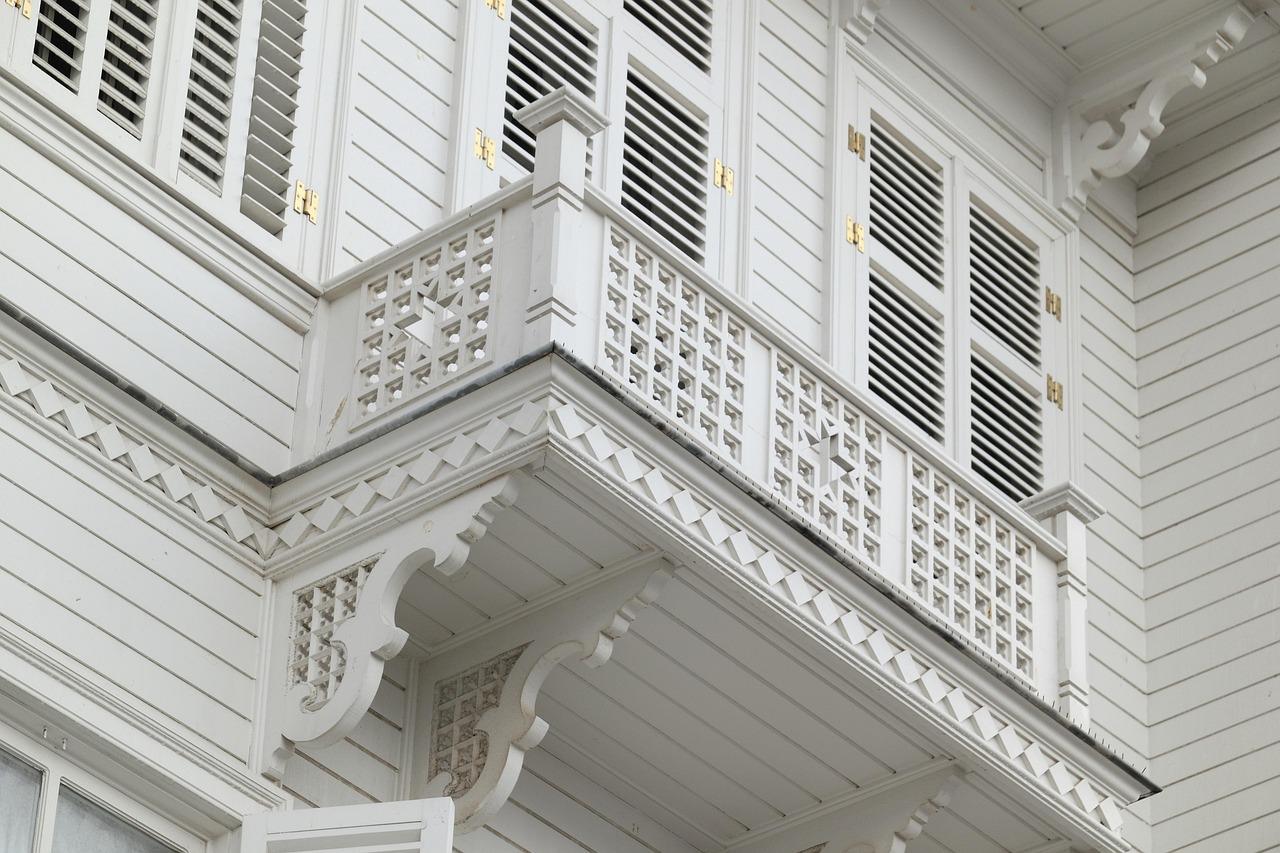
A cluster of car-free islands in the Sea of Marmara, the Princes’ Islands are a favorite local escape, especially in spring and autumn. The largest, Büyükada, has old wooden mansions, pine forests, and sea views.
I like to rent a bicycle, ride up to the monastery viewpoints, then reward myself with a long seafood lunch by the water. In high summer, it can be crowded; in shoulder seasons, it’s blissful.
- Family-friendly: Very, though watch kids on bikes on hilly roads.
- Tip: Go early on weekends or choose a weekday; bring a light jacket for the ferry ride.
20. Çamlıca Hill & Çamlıca Mosque
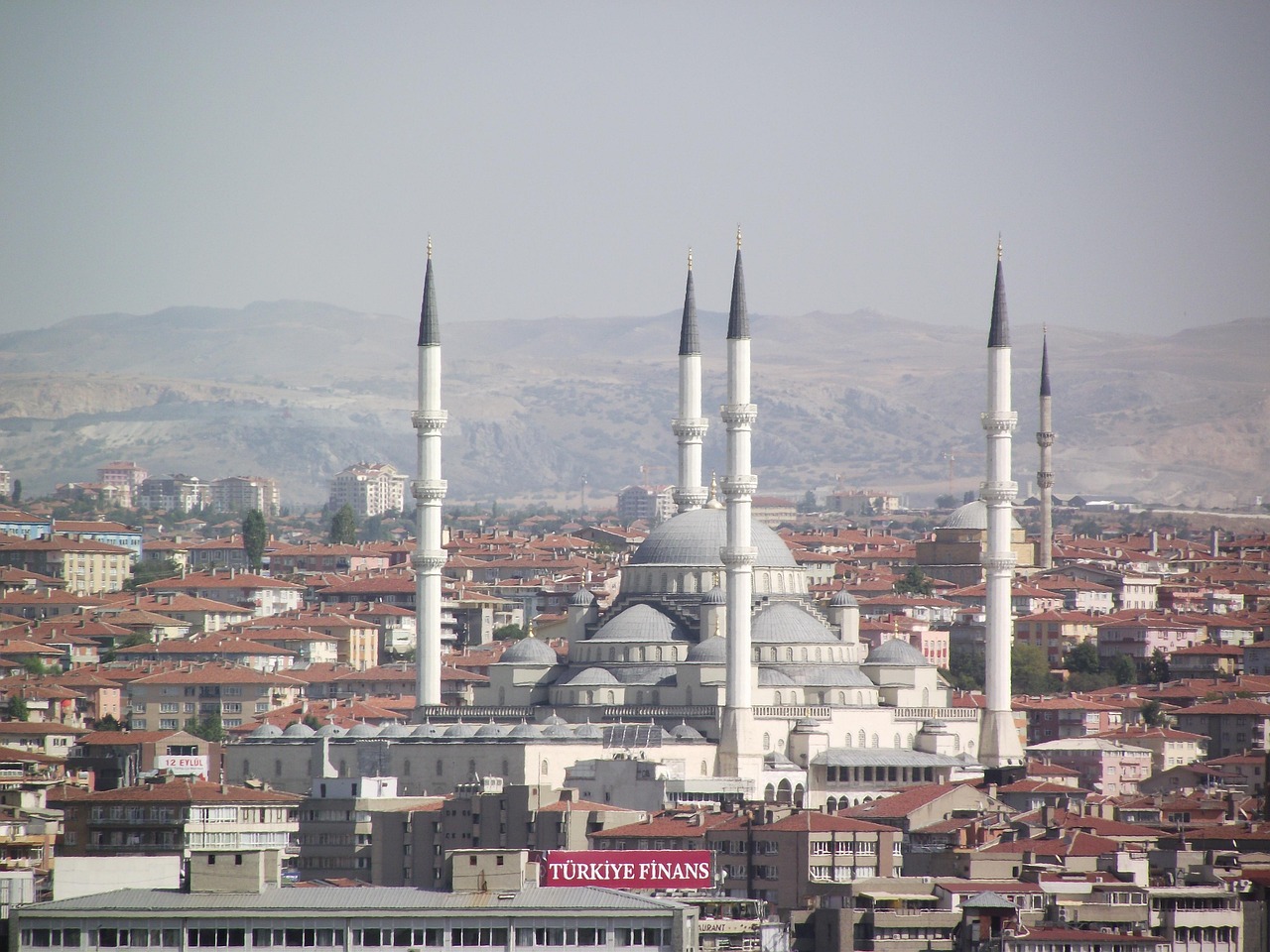
On the Asian side, Çamlıca Hill offers sweeping views over the entire city. Nearby, the relatively new Çamlıca Mosque (opened 2019) is the largest in Turkey, blending traditional and modern design.
Come here near sunset for panoramic skyline views and a breath of fresh air away from the dense center. It’s particularly impressive for photographers wanting wide city shots.
- Best for: View hunters and those curious about contemporary mosque architecture.
- Tip: Combine with a visit to Üsküdar or Kadıköy; taxis or buses connect easily.
Istanbul Neighborhoods & Districts: Where to Explore & Stay
Istanbul is really a patchwork of villages that grew into a megacity. Each district has its own character, and choosing where to base yourself is one of the most important pieces of travel advice for Istanbul.
Sultanahmet
Best for: First-time visitors, short stays, history lovers.
Home to Hagia Sophia, Blue Mosque, Topkapı, and the Hippodrome, Sultanahmet is a living museum. Evenings are relatively quiet, with more restaurants than bars and mostly tourists on the streets.
Karaköy & Galata
Best for: Trendy stays, cafes, central access.
Karaköy’s streets are full of coffee shops, bakeries, and design stores, while Galata climbs uphill toward the tower with narrow, atmospheric lanes. I often stay in this area because it balances charm, nightlife, and easy transport.
Cihangir & Çukurcuma
Best for: Bohemian vibe, vintage shops, longer stays.
These neighborhoods behind İstiklal Avenue are popular with artists, expats, and cat enthusiasts (you’ll see why). Think leafy streets, antique shops, and small wine bars with jazz nights.
Taksim & Beyoğlu
Best for: Nightlife, shopping, younger travelers.
Taksim is hectic, but it’s a great base if you want late-night options. Beyoğlu more broadly covers the area down to Galata, with endless food and entertainment choices.
Kadıköy & Moda (Asian Side)
Best for: Foodies, repeat visitors, those who want a “local” base.
Staying here means more ferry rides (a plus, in my book), slightly lower prices, and a neighborhood that feels like your own small city within the city.
Balat & Fener
Best for: Photographers, slow travel, Airbnb stays.
Colorful streets and historic houses make this an increasingly popular area to stay, but check transport links—getting to Sultanahmet and Beyoğlu takes a bit longer.
Local Food in Istanbul: What to Eat & Where
Istanbul is a dream for food lovers. I’ve built entire days around where I want to eat rather than what I want to see. Here’s what not to miss, plus some money-saving tips.
Must-Try Dishes
- Turkish Breakfast (Kahvaltı): A table full of cheeses, olives, eggs, bread, jams, honey, and more. Try it in Beşiktaş or Kadıköy.
- Menemen: Soft scrambled eggs with tomatoes and peppers, usually cooked in a small pan.
- Kebap & Köfte: Adana, Urfa, şiş kebap, and meatballs served with rice and salad.
- Balık Ekmek: Grilled fish sandwich by the water in Eminönü or Karaköy.
- Lahmacun: Thin flatbread topped with minced meat and herbs; squeeze lemon, add parsley, roll, and eat.
- Börek: Flaky pastry filled with cheese, spinach, or meat—my go-to breakfast-on-the-run.
- Baklava & Künefe: Classic desserts; try them fresh in Karaköy or in a specialized dessert shop.
- Turkish Coffee & Tea: You’ll drink more tea (çay) than you expect; it’s the city’s social fuel.
Where I Actually Eat (By Area)
Sultanahmet: Quality is hit-or-miss amid tourist traps. Look for smaller, family-run places on side streets rather than menus with photos on the main square.
Karaköy & Galata: Cafe heaven—excellent coffee, modern Turkish bistros, and bakeries. I often grab simit and poğaça (savory pastries) from small bakeries here.
Kadıköy: My top pick for a food-focused evening. The market streets are lined with meyhanes where you order a table of meze (small plates) and share. The fish market and surrounding streets are especially atmospheric.
Beşiktaş: Great area for Turkish breakfast streets on weekends.
Saving Money on Food
- Eat where the menu is in Turkish first and English second, not the other way around.
- Street food is generally safe; look for busy stands with high turnover.
- Avoid sodas and imported drinks if you’re on a budget; drink tap‑to‑bottle water and tea instead.
- Lunch menus (öğle menüsü) can be cheaper than dinner for similar dishes.
Nightlife, Entertainment & Cultural Experiences in Istanbul
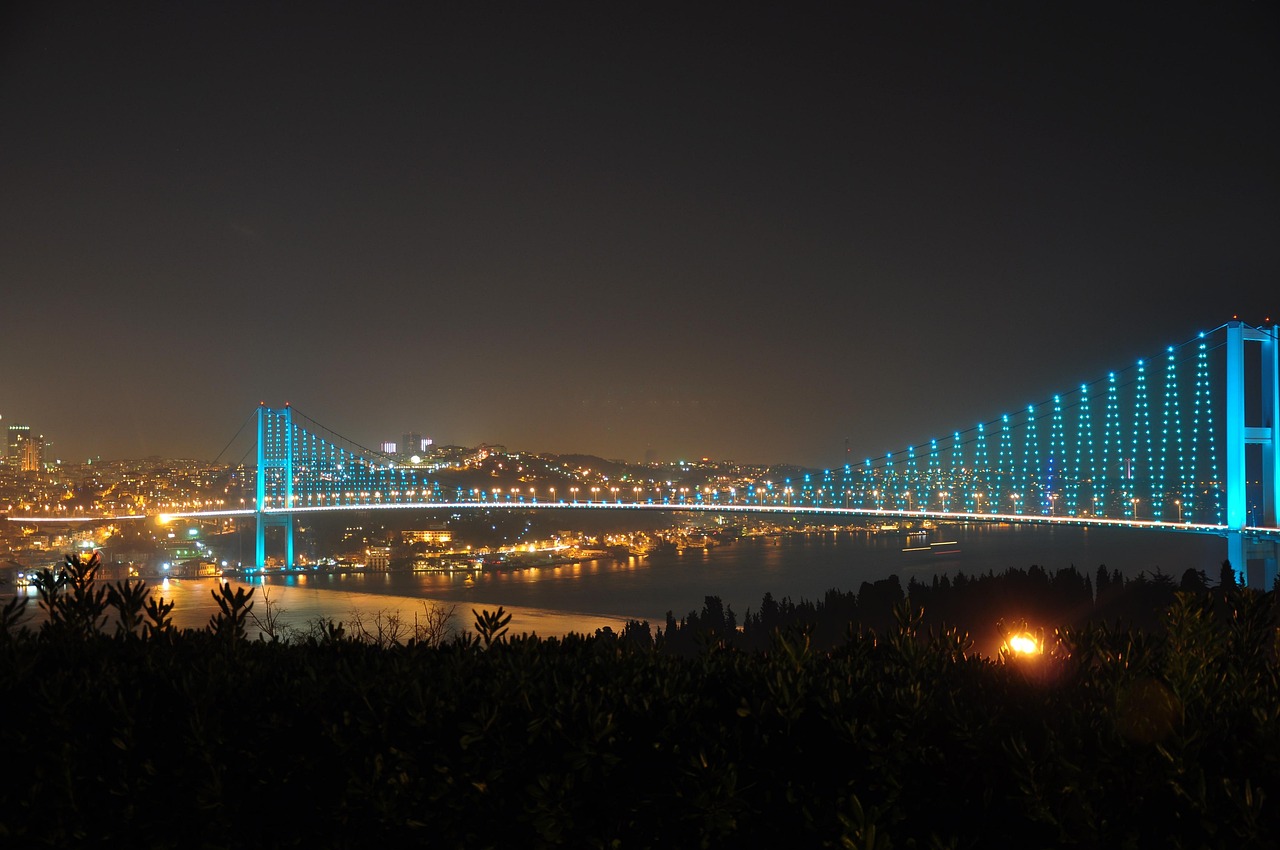
Istanbul’s nightlife isn’t just clubs; it’s tea gardens, meyhanes, rooftop bars, live music venues, and late-night dessert runs.
Nightlife Areas
- Beyoğlu & Taksim: Bars, clubs, live music. Great for younger travelers and night owls.
- Kadıköy: More local, laid-back bars and craft beer spots.
- Karaköy & Galata: Rooftop bars with views, wine bars, and jazz clubs.
Cultural Experiences
- Whirling Dervish Ceremonies: Look for authentic sema performances in historic settings; avoid overly commercial shows.
- Turkish Bath (Hamam): A scrub and steam in a historic hamam is both cultural and deeply relaxing. In 2026, many are co-ed only by appointment; check ahead.
- Concerts & Festivals: Istanbul hosts jazz, film, and arts festivals throughout the year—see the events section below.
Day Trips & Nearby Getaways from Istanbul
Princes’ Islands (Adalar)
As above, these are my top recommendation for a full-day escape, especially in spring and fall.
Bursa
The former Ottoman capital Bursa is a few hours away by ferry and bus, with historic mosques, bazaars, and nearby Mount Uludağ. It’s a great cultural day trip, especially if you’ve already explored Istanbul in depth.
Şile & Ağva (Black Sea Coast)
For beaches and cliffs, locals head to Şile and Ağva on the Black Sea. In summer 2026, more shuttle services from Istanbul are planned; check your hotel for current options.
Cultural Etiquette & Local Customs in Istanbul
Istanbul is used to visitors, but a bit of cultural awareness goes a long way.
Dress & Behavior
- Mosques: Shoulders and knees covered; women cover hair. Remove shoes before entering prayer areas.
- Public Displays of Affection: Holding hands is fine; intense PDA is frowned upon, especially in conservative districts.
- Alcohol: Legal and widely available, but never near or in mosques; be discreet in more conservative neighborhoods.
Social Customs
- Tea (Çay): Being offered tea is a sign of hospitality; accept if you can, even for a short chat.
- Bargaining: Common in bazaars; keep it friendly and never aggressive.
- Tipping: 5–10% in local eateries, 10–15% in nicer restaurants; round up for taxis.
Practical Travel Tips for Istanbul 2026–2027
How to Get Around
- Public Transport: Istanbul has trams, metros, buses, ferries, and funiculars. Get an Istanbulkart and tap in/out. It’s the cheapest, often fastest way to move.
- Taxis & Ride-Hailing: Widely available. Always insist on the meter; use official apps where possible.
- Car Rental: I don’t recommend renting a car just for Istanbul—traffic and parking are stressful.
SIM Cards & Connectivity
Major providers (Turkcell, Vodafone, Türk Telekom) offer tourist SIMs with data at airports and city shops. In 2026, eSIM options are increasingly common; check if your phone supports them and buy online in advance to skip queues.
Money & Budget
- Currency: Turkish lira (TRY). Cards accepted widely in the city, but carry cash for small shops and older markets.
- Budget travel: Eat at lokantas (local canteens), use public transport, and choose guesthouses or Airbnbs in Kadıköy or Balat for lower prices.
Visas & Driving Licenses
Visa requirements depend on nationality; many travelers can get an e‑Visa online before arrival. Always check the official Republic of Türkiye e‑Visa site for up-to-date information in 2026.
Foreign driving licenses are generally accepted for short stays, but if you’re not planning road trips outside the city, you won’t need a car. For longer stays, some nationalities may need an International Driving Permit—check before traveling.
Safety
- Istanbul is generally safe, but watch for pickpockets in crowded areas like the Grand Bazaar and İstiklal.
- Use common sense at night; stick to well-lit, busy streets.
- Tap water is treated but most locals drink bottled; I do the same but often refill from large bottles to reduce plastic waste.
Best Seasons & Weather
- Spring (April–June): My favorite—mild, green, perfect for walking and Bosphorus cruises.
- Autumn (September–October): Also excellent; warm days, cool evenings, fewer crowds.
- Summer (July–August): Hot, humid, crowded—but buzzing. Great for nightlife and late-evening strolls.
- Winter (November–March): Can be rainy, occasionally snowy, but atmospheric; lower prices and shorter lines at must-see attractions.
Major Events & Festivals in Istanbul 2026–2027
Istanbul’s cultural calendar is packed. Exact dates shift each year, but these are the big recurring highlights for 2026–2027:
- Istanbul Film Festival (Spring 2026 & 2027): Screenings across the city, especially Beyoğlu cinemas.
- Istanbul Jazz Festival (Summer): Concerts on rooftops, in parks, and at major venues—great for music lovers.
- Istanbul Biennial (likely 2027): Major contemporary art event held every two years, with exhibitions all over town.
- Republic Day (29 October): Fireworks, parades, and patriotic displays; expect crowds and some road closures.
- Religious Holidays (Ramadan & Kurban Bayramı): Dates vary each year. During Ramadan evenings, expect lively iftar (breaking fast) meals; some restaurants adjust hours.
Summary: Key Takeaways & Best Time to Visit Istanbul
If you’ve made it this far, you’re probably as obsessed with planning as I am. Here are the essentials, distilled:
- First-timers: Aim for at least 4 days in Istanbul; 5 is even better. Use the 5-day itinerary as your base and trim if needed.
- Must-see attractions in Istanbul: Hagia Sophia, Blue Mosque, Topkapı, Basilica Cistern, Grand Bazaar, Spice Bazaar, Galata Tower, a Bosphorus cruise, and at least one Asian-side neighborhood.
- Best seasons: Spring (April–June) and Autumn (September–October) for comfortable weather and balanced crowds.
- Food strategy: One big Turkish breakfast, a lokanta lunch, and a meyhane or street food dinner each day will give you a full taste of local food in Istanbul.
- Hidden gems in Istanbul: Rüstem Paşa Mosque, Balat/Fener backstreets, Kadıköy’s market, Üsküdar sunsets, and Çamlıca Hill views.
- Mindset: Istanbul is not a city you “finish.” Allow time to sit in a cafe, ride a ferry just because, and get pleasantly lost in a bazaar. Those unscripted moments will be the ones you remember.
However long you stay—3 days in Istanbul, a full 5 day itinerary for Istanbul, or more—I hope this travel guide for Istanbul helps you find your own favorite corner of the city. And if you end up watching the sunrise in Asia and the sunset in Europe on the same day, you’re doing it exactly right.