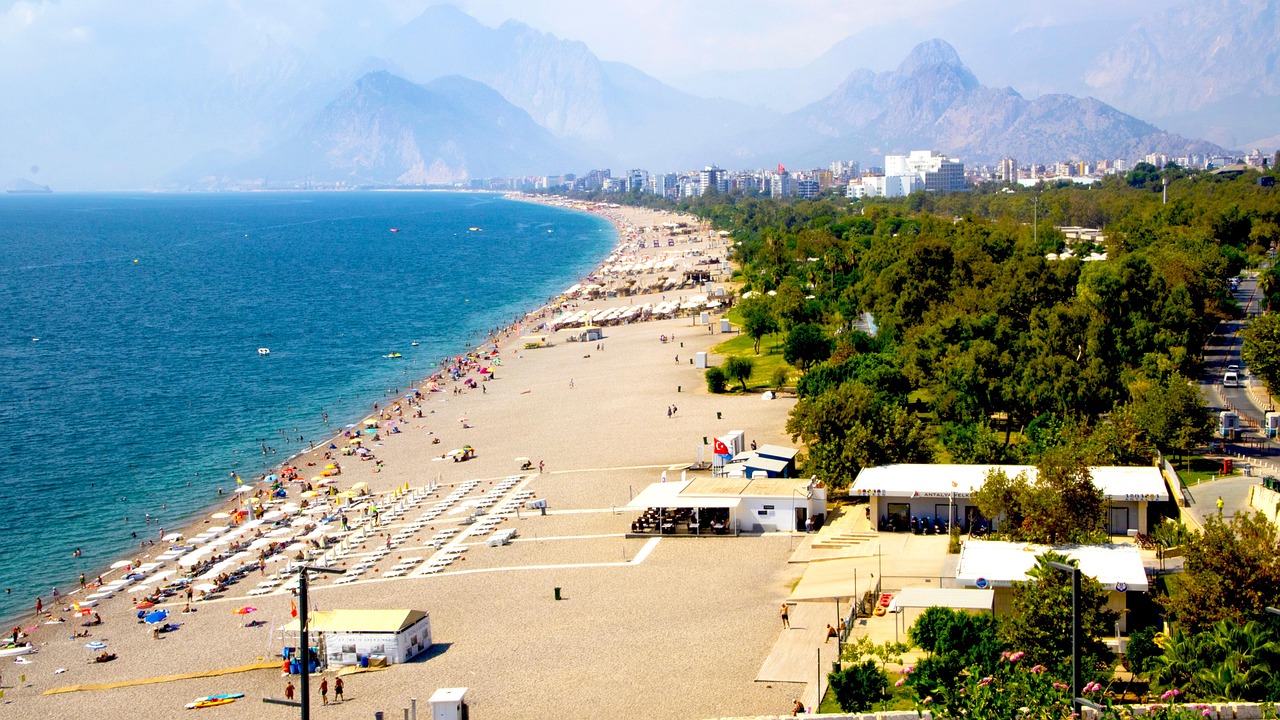
Why Visit Antalya in 2026?
Antalya is the kind of place that gets under your skin. The first time I arrived, the scent of orange blossoms hit me before I even saw the sea. By my third visit, I’d learned which tea vendor in Kaleiçi remembers your order, which beach is actually quiet at sunset in August, and how locals really feel about the endless string of all-inclusive resorts.
Sitting on Turkey’s turquoise Mediterranean coast, Antalya blends ancient history, dramatic mountains, and resort-town ease better than almost anywhere else I’ve traveled. You can swim in the morning, wander Roman ruins in the afternoon, and end the day with meze and live saz music in a lantern-lit courtyard. And in 2026–2027, the city is buzzing with new cultural events, upgraded tram lines, and restored historic houses opening as boutique hotels.
This travel guide is written as if I’m planning your trip the way I plan mine: a mix of must-see attractions, lived-in neighborhoods, places to eat that locals actually frequent, and those little moments that make a trip unforgettable—like drinking tea with a shopkeeper in Kaleiçi or watching paragliders land on the beach in Konyaaltı at golden hour.
Table of Contents
- Why Visit Antalya
- Antalya at a Glance (2026)
- 20 Must-See Attractions in Antalya
- Suggested 3–5 Day Itineraries
- Best Neighborhoods & Areas to Explore
- Local Food & Drink in Antalya
- Nightlife, Entertainment & Cultural Experiences
- Best Day Trips from Antalya
- Cultural Etiquette & Local Customs
- Practical Travel Tips for Antalya (Money, SIM, Transport, Visa)
- When to Visit Antalya & Final Takeaways
Antalya at a Glance (2026 Snapshot)
In 2026, Antalya is one of Turkey’s most visited destinations, but it still has a soul beneath the resorts. Here’s what’s new and notable:
- New tram extensions make it easier to hop between the bus station, city center, and the airport.
- Old Town restorations continue in Kaleiçi, with several Ottoman-era houses reopened as boutique hotels and art spaces.
- Events & festivals 2026–2027:
- Antalya Golden Orange Film Festival (Altın Portakal) – October 2026 & 2027: Turkey’s premier film festival, with outdoor screenings by the sea.
- Antalya Piano Festival – typically November: international pianists, intimate concerts in cultural centers.
- Runatolia Marathon – early March: scenic runs along the coast; even the 10K is a fun way to see the city.
- Side & Aspendos cultural seasons – summer evenings: opera, ballet, and concerts in the ancient Aspendos theater (worth planning a trip around).
20 Must-See Attractions in Antalya (with Local Stories & Tips)
These are the places I keep returning to, season after season. I’ve ordered them roughly from most iconic to more under-the-radar, so you can structure your own 3–5 day itinerary for Antalya around them.
1. Kaleiçi (Antalya Old Town)
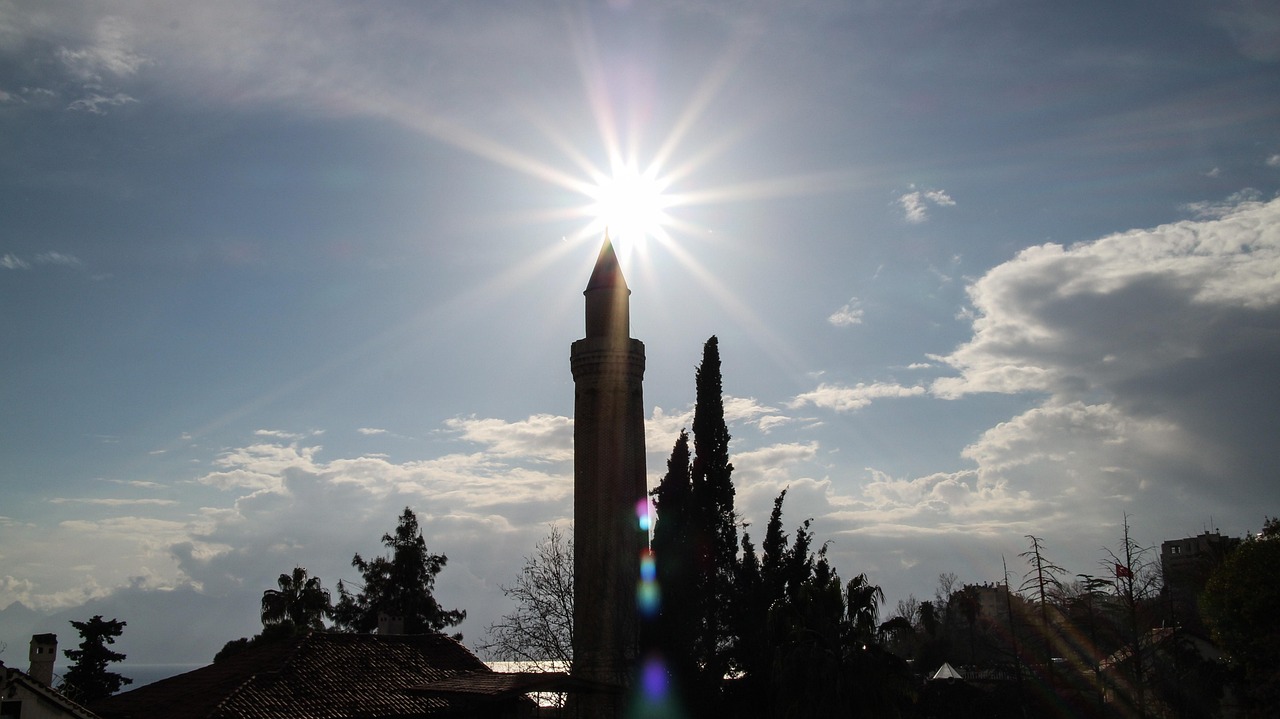
Kaleiçi is where I start every trip—no exceptions. This walled old town, tumbling down toward the harbor, is a maze of cobbled lanes, Ottoman houses with overhanging balconies, and bougainvillea growing like it owns the place.
The first time I stayed in Kaleiçi, it was in a creaky wooden guesthouse run by a retired teacher and her son. Breakfast was on a tiny terrace overlooking tiled roofs and the Taurus Mountains. That morning set the tone for how I experience Antalya: slowly, with çay in hand.
Why it matters: Kaleiçi has seen Romans, Byzantines, Seljuks, and Ottomans, and each left something behind—stone walls, mosques, churches, baths, and hans (inns). This is the historical heart of Antalya and the perfect base for first-timers.
What to do:
- Get deliberately lost in the backstreets early in the morning before the souvenir shops open.
- Sit at a street-side café near Tekeli Mehmet Paşa Mosque and just people-watch.
- Visit small art galleries and handicraft shops—look for handmade copperwork and traditional textiles rather than mass-produced magnets.
- Stroll down to the Old Harbor for sunset; the light on the cliffs is unforgettable.
Food tip: Look for small, family-run lokantas tucked in side alleys. One of my favorite lunches was a plate of kuru fasulye (stewed beans) and pilav eaten under a grapevine trellis while the owner’s cat tried desperately to charm me into sharing.
How to get there: Take the tram to İsmetpaşa or Kale Kapısı stop and walk in through the clock tower gate.
Good for: Everyone—families (go early), couples (go at night), solo travelers (stay here).
2. Antalya Old Harbor (Yat Limanı)
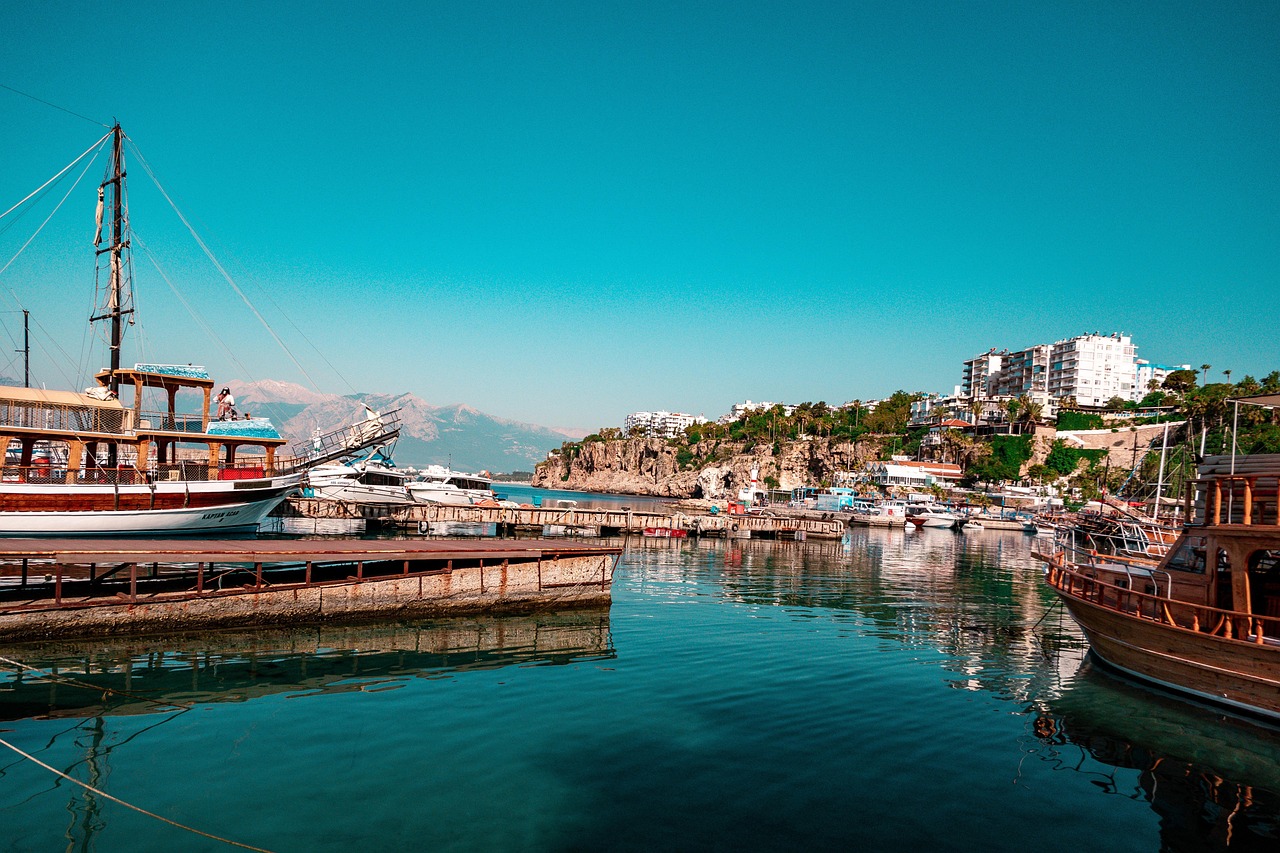
The Old Harbor is Kaleiçi’s front porch—a horseshoe of boats bobbing below high cliffs crowned with palm trees and minarets. My favorite ritual: grabbing a simit (sesame bread) and sitting on the steps just above the boats, watching the sea turn indigo.
History & feel: Once a key Mediterranean port, it declined after Antalya’s new harbor was built, then reinvented itself as a leisure marina. Now it’s a mix of tour boats, fishing craft, and sleek yachts.
What to do:
- Take a 1–2 hour boat trip along the cliffs and to Düden Waterfalls (Lower); it’s touristy but the views of Antalya from the sea are worth it.
- Have a Turkish coffee at one of the upper-terrace cafés overlooking the harbor. Prices are higher, but you’re paying for the view.
- At night, stroll the promenade; the reflections of boat lights in the water make it surprisingly romantic.
Tip: Avoid the midday sun in summer; it bounces off the stone and can be brutal. Early morning or late afternoon is best.
3. Hadrian’s Gate (Hadrian Kapısı)
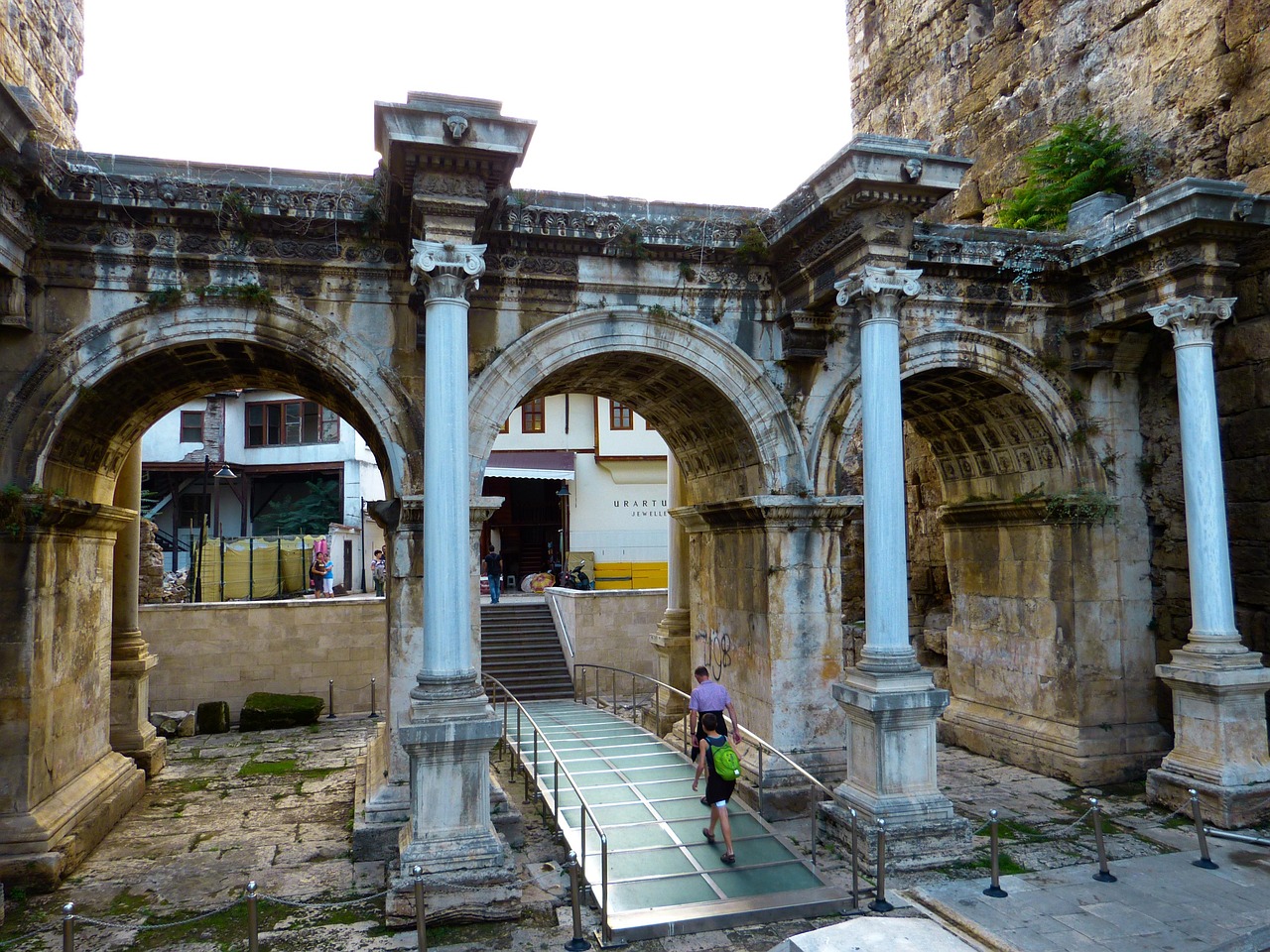
Every time I walk through Hadrian’s Gate, I imagine Roman sandals clacking where now it’s mostly flip-flops and sneakers. This triumphal arch was built in 130 AD to honor Emperor Hadrian’s visit, and it’s one of the most beautifully preserved Roman structures in the city.
Details to notice: Look up—literally. The inscription, the coffered ceilings, and the carved Corinthian columns are easy to miss if you’re caught in the photo-taking swarm.
Personal tip: Stand to the side and watch people pass through. It’s a perfect microcosm of Antalya life: school kids, covered grandmothers, sunburned tourists, and chic locals all sharing these ancient stones.
Good for: History lovers, photographers, first-time visitors. Combine with a Kaleiçi walk.
4. Konyaaltı Beach & Promenade
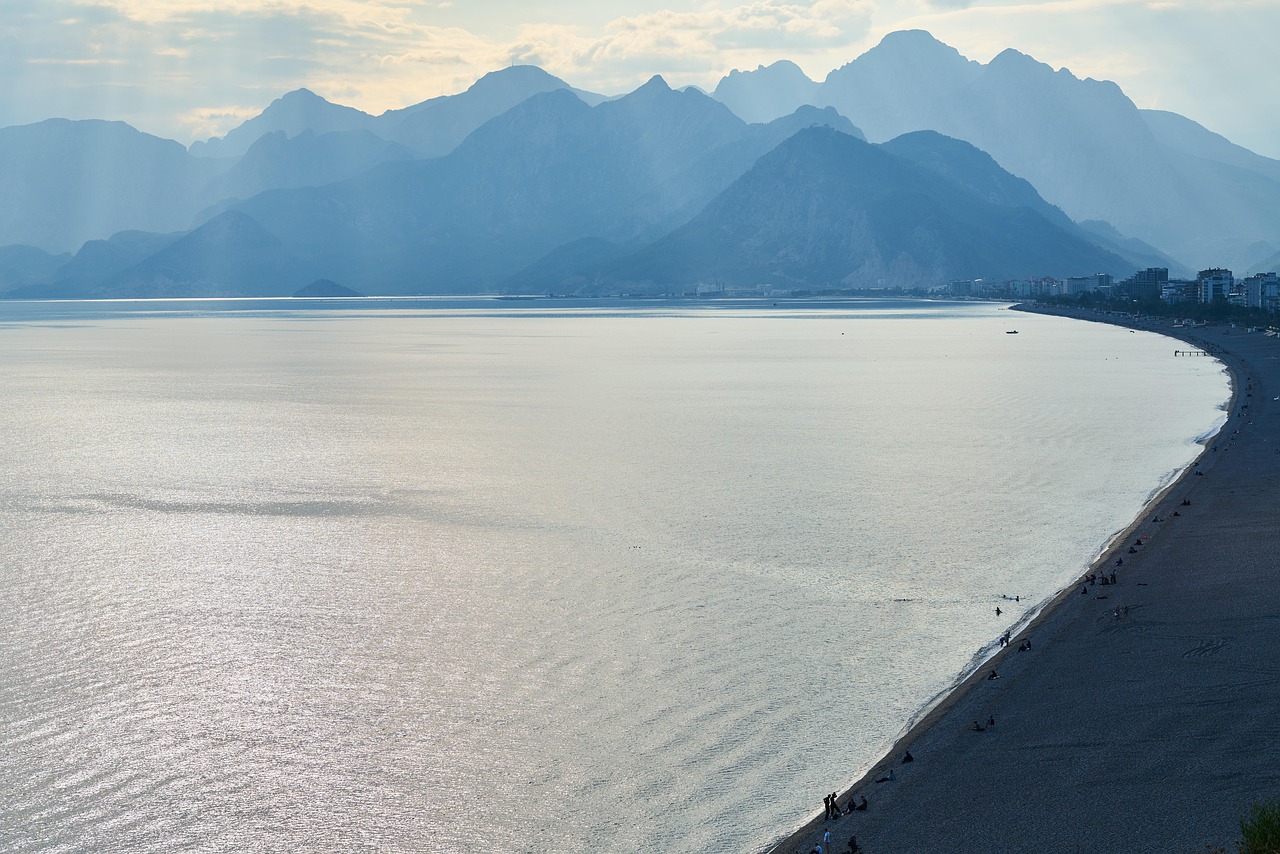
Konyaaltı is where Antalya goes to relax—long, pebbly, and framed by the Taurus Mountains plunging into the sea. I’ve swum here in April when the water still bites, and in October when it feels like a warm bath.
What makes it special: It’s less “resorty” than Lara Beach and more of a city beach, with a wide promenade, bike lanes, playgrounds, and a mix of public sections and paid beach clubs.
What to do:
- Rent a sunbed at a beach club if you want comfort and food/drink service, or just lay your towel in the public area for free.
- Walk or bike the Konyaaltı promenade at sunset—watching the mountains change color is one of my favorite Antalya experiences.
- Grab an ice cream or fresh-squeezed pomegranate juice from a kiosk and sit on the sea wall.
Food tip: Duck into the side streets behind Konyaaltı for affordable local eateries instead of eating on the front line where prices are inflated.
How to get there: Take the tram toward Konyaaltı; stops like Museum or Konyaaltı leave you a short walk from the water.
5. Düden Waterfalls (Lower Düden – Sea Falls)
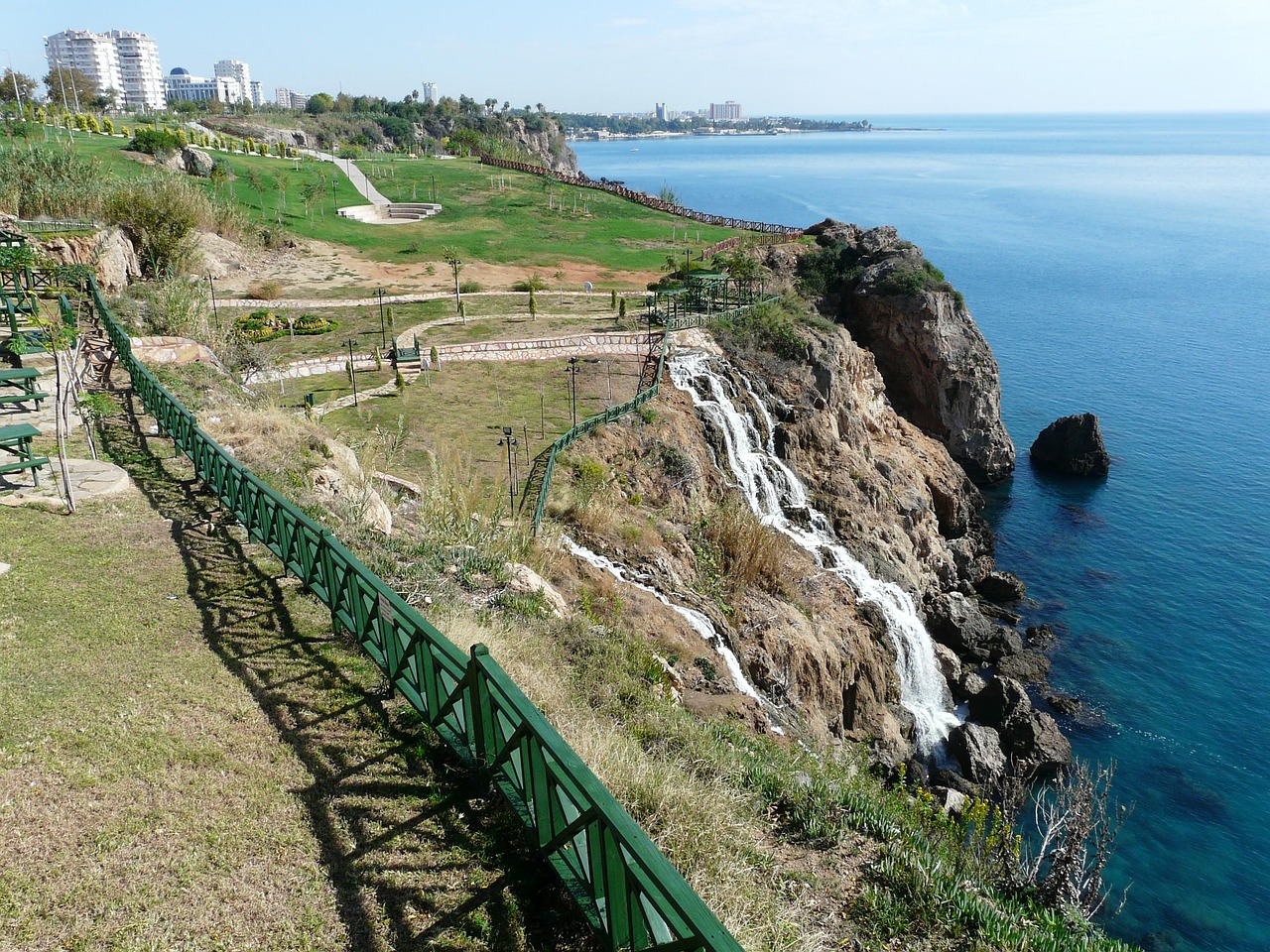
Lower Düden is one of those sights that looks almost unreal—water plunging straight off a cliff into the Mediterranean, with mist rising like smoke. The first time I approached by boat from the Old Harbor, everyone fell silent for a few minutes. It has that effect.
Two ways to see it:
- By boat: More dramatic, more expensive, and more crowded—but worth it if you’re already planning a harbor cruise.
- From the park above: Take a taxi or bus to Düden Parkı, stroll the paths, and watch the falls from multiple viewpoints.
Tip: In summer, go late afternoon when the light is softer and the spray is refreshing, not freezing.
6. Upper Düden Waterfalls (Yukarı Düden)
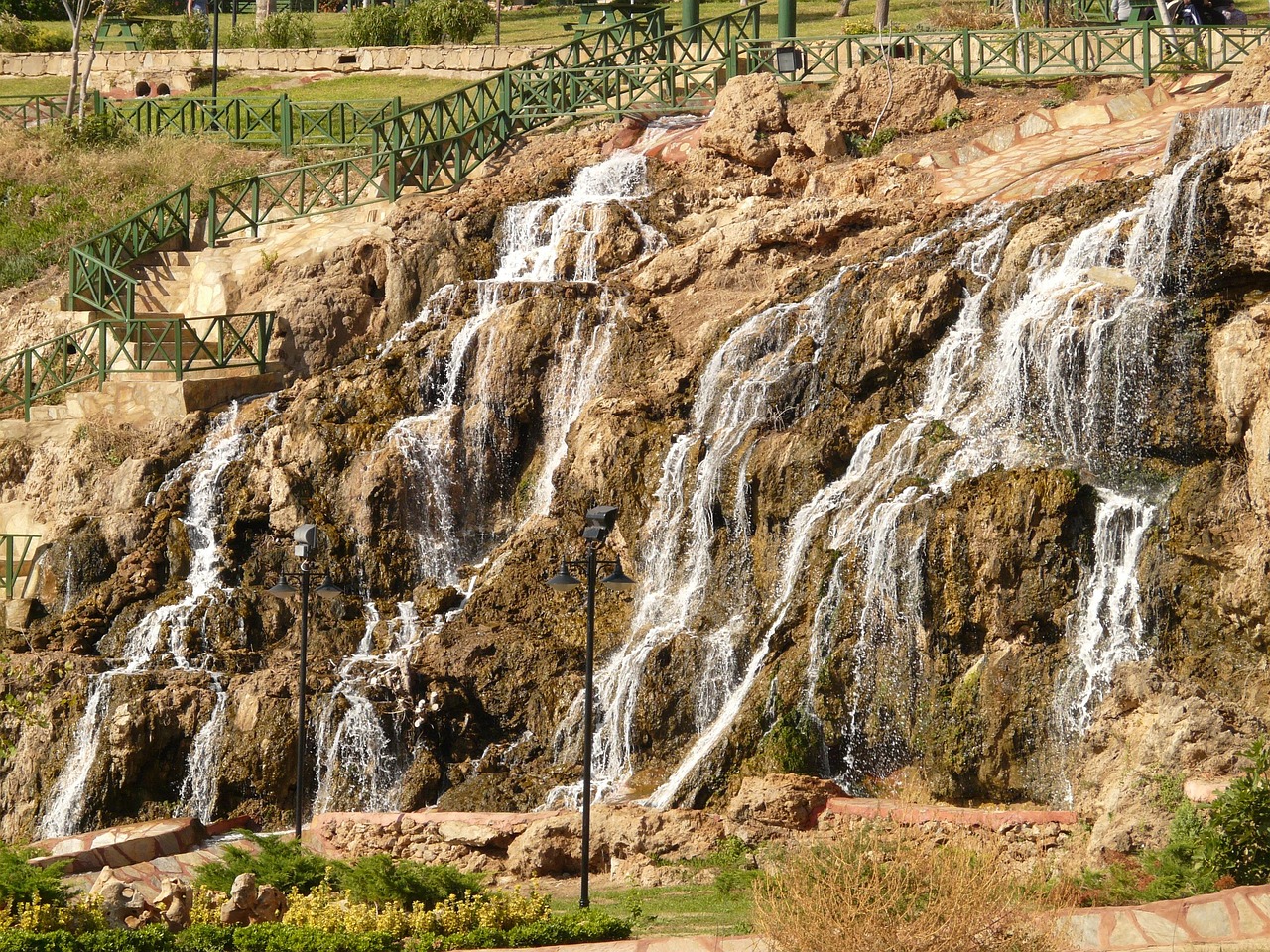
Upper Düden feels like a secret forest, even when it’s busy. About 10–15 km from the city center, this lush park is built around a waterfall that’s half-hidden among trees and moss-covered rocks.
I like coming here when the city heat gets oppressive. The air is cooler, and the sound of rushing water drowns out everything else.
What to do:
- Walk the loop trail and go behind the waterfall—yes, you can actually stand in a cave with water thundering in front of you.
- Bring a light jacket or scarf; it can get damp and chilly in the spray, even in summer.
- Have gözleme (stuffed flatbread) and tea at one of the simple café tables directly over the water.
Good for: Families, nature lovers, anyone needing a green escape.
7. Aspendos Ancient Theater
If you only visit one ancient site near Antalya, make it Aspendos. I’ve stood in many Roman theaters around the Mediterranean, but Aspendos is on another level—so well preserved that they still use it for opera and ballet.
History in brief: Built in the 2nd century AD, Aspendos could seat around 12,000 spectators. Its acoustics are famously perfect; stand center stage and speak normally while a friend listens from the top row.
My experience: I once attended a ballet performance here under the stars. Watching dancers move across a stage framed by ancient stone while bats flitted overhead felt like time travel.
Tips for visiting:
- Go early or late to avoid midday heat; there’s minimal shade.
- Wear good shoes—the stone steps are steep and can be slippery.
- Combine with Side or Perge on a day trip.
8. Perge Ancient City
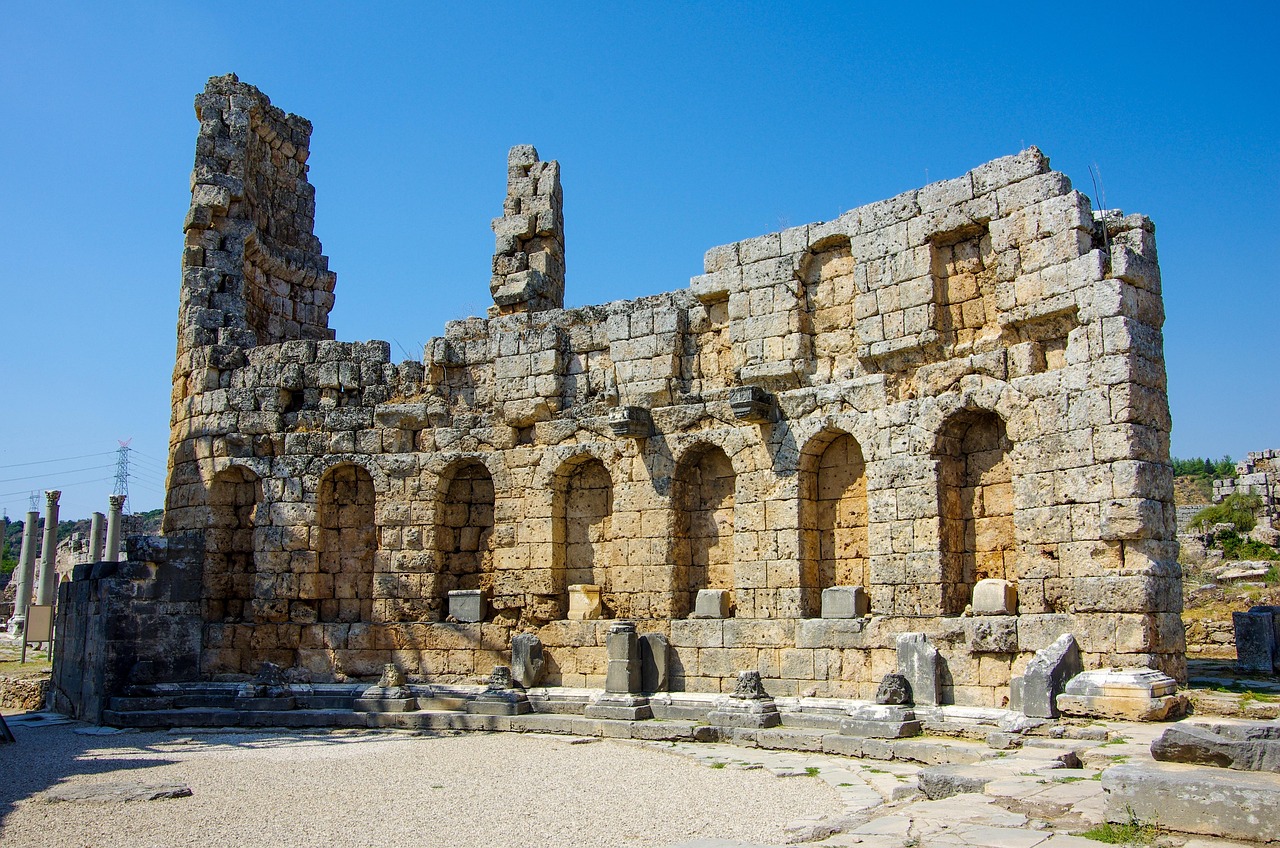
Perge is for those who like to wander ruins without feeling rushed. Located about 15 km east of Antalya, it was an important city in ancient Pamphylia.
Why I love it: Unlike Aspendos’ single showpiece, Perge offers an entire ruined city: colonnaded streets, baths, a stadium, a theater, and a partially restored agora. You can easily spend a few hours here, imagining daily life two thousand years ago.
Highlights:
- The stadium with its long rows of stone seats and arches.
- The Hellenistic towers guarding the city gate.
- The Roman baths, where you can trace the different rooms and heating systems.
Tip: Bring water and a hat—shade is scarce. I learned this the hard way on a sweltering June afternoon.
9. Antalya Museum (Antalya Arkeoloji Müzesi)
On a hot or rainy day, this is where I hide. The Antalya Museum is one of Turkey’s best archaeological museums, and yet it rarely feels crowded.
What you’ll see: Stunning Roman statues from Perge, intricate mosaics, artifacts from prehistoric to Ottoman times, and an excellent ethnographic section showcasing local costumes and traditions.
Don’t miss:
- The Hall of the Gods, filled with marble statues of ancient deities that once stood in Perge’s theater.
- The Sarcophagus of Heracles, returned to Turkey after years abroad.
- The children’s section, if you’re traveling with kids—it’s actually engaging.
Tip: Combine with a Konyaaltı beach visit; the museum is a short walk from the shore.
10. Termessos Ancient City in the Mountains
Termessos is my personal favorite ruin near Antalya—and possibly in all of Turkey. Perched high in the Taurus Mountains, it feels wild and atmospheric, as if the ancient Pisidian people just left yesterday.
The journey: The drive up winds through forested slopes, and then you hike (20–40 minutes, uphill) through pine trees and rock to reach the site. Good shoes are non-negotiable.
Why it’s special:
- The theater has a jaw-dropping view straight down into the valley and across to distant peaks.
- The ruins are scattered and partly overgrown, which somehow makes them feel more authentic.
- You’re often almost alone, except for a few other determined visitors.
My tip: Pack snacks and plenty of water; there are no facilities at the top. This is a place to linger, not rush.
11. Lara Beach (Lara Plajı)
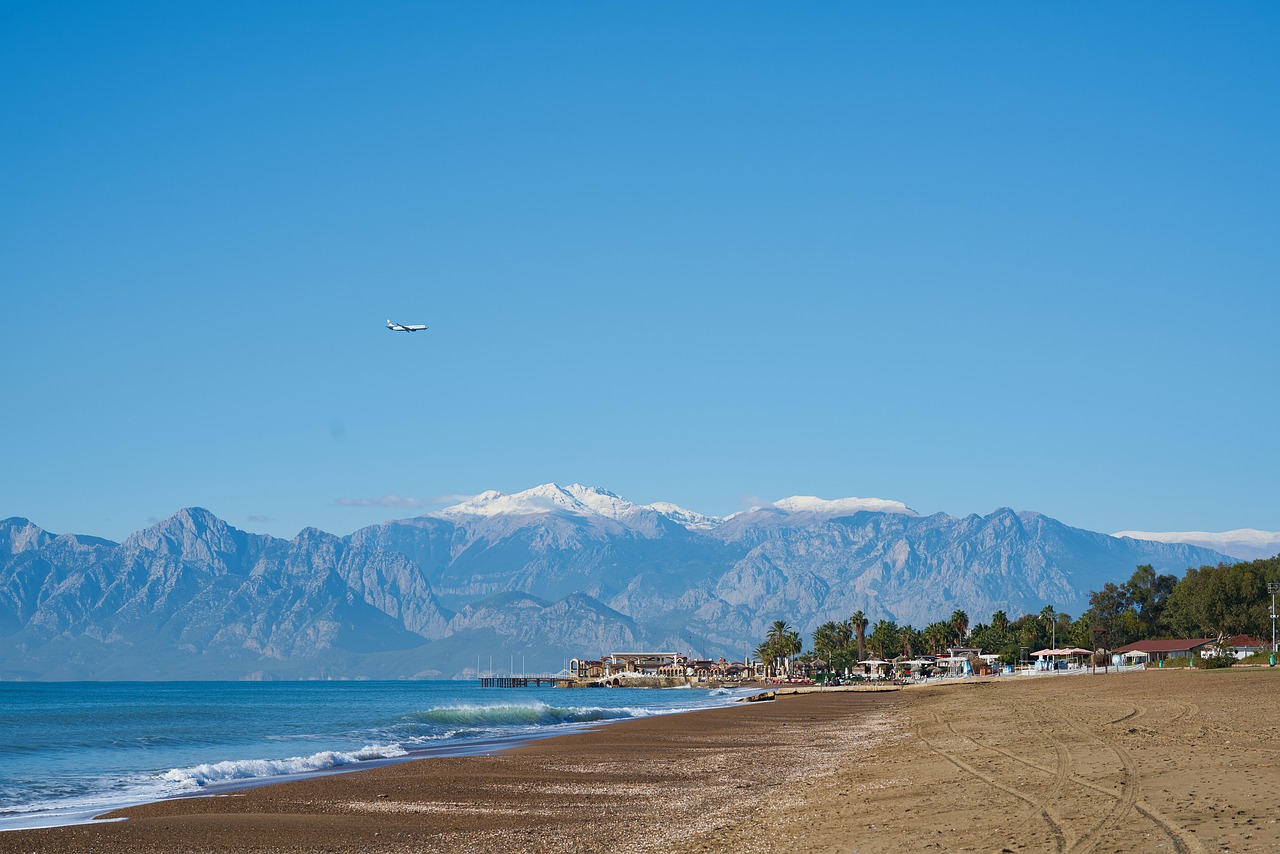
Lara is Antalya’s long, sandy stretch east of the city, lined with some of the most flamboyant all-inclusive resorts you’ll ever see—think faux palaces and cruise-ship-sized hotels. But beyond the glitz, the public beach area is surprisingly laid-back.
Good to know: The sand here is softer than Konyaaltı’s pebbles, making it a hit with families. The water gets deep gradually and is usually calm in summer.
What I like to do: I skip the resort sections and head to the public beach zones, renting a sunbed if I feel like it, or just spreading a towel. The vibe is very local—families with picnic spreads, teenagers playing music, older men backgammoning under umbrellas.
Tip: If you’re not staying in Lara, combine a beach day with a visit to Sandland (the sand sculpture festival area, if it’s running) or to the nearby Lower Düden Waterfalls.
12. Tünektepe Cable Car & Hilltop Viewpoint
If you’ve seen those panoramic photos of Antalya with the bay, the city, and the mountains all in one frame, they were probably taken from Tünektepe.
The experience: A short cable car ride whisks you from sea level up to a hilltop with 360-degree views. Up top there’s a café, walking paths, and plenty of photo spots.
My ritual: I time my visit for late afternoon, order a tea at the café, and watch the city lights flicker on one by one as the sun drops behind the mountains.
Good for: Families (kids love the cable car), couples (sunset), photographers.
13. Kurşunlu Waterfall Nature Park
Smaller and more tranquil than Düden, Kurşunlu is a lush nature park centered on a series of cascades and turquoise pools. When I want greenery without a long drive, this is where I go.
What to do:
- Follow the loop trail around the falls, crossing wooden bridges and stopping at small viewpoints.
- Look for turtles and fish in the clear pools.
- Have a simple gözleme lunch at the park café.
Tip: Best in spring or after rains, when the water flow is strongest.
14. Karain Cave (Karain Mağarası)
Karain Cave is for the prehistory buffs. One of Turkey’s most important Paleolithic sites, it’s been inhabited for tens of thousands of years.
My impression: Standing inside the cave, with sunlight filtering through the entrance, I felt that strange sensation of being connected to countless generations of humans who sheltered here long before cities, empires, or even writing.
Good to know: There’s a small on-site museum; bring a flashlight or use your phone to better see some cave details.
15. City Walls & Karaalioğlu Park
Karaalioğlu Park is my go-to “I need air” place in the city. Stretching along the cliffs just south of Kaleiçi, it offers green lawns, palm trees, and sweeping views of the sea and mountains.
What to do:
- Walk the cliffside paths and pause at the Hıdırlık Tower, a Roman-era tower with postcard views.
- Buy roasted chestnuts or corn from a street vendor if in season.
- In the evening, join locals strolling, chatting, and eating sunflower seeds on the benches.
Tip: This area feels very safe in the evenings and is a great place to casually experience daily life.
16. Kaleiçi Harbor Viewpoints & Mermerli Beach
Just to the east of the Old Harbor, Mermerli Beach is a tiny cove tucked beneath the city walls. It’s technically a paid beach club, but the setting is undeniably charming.
My take: This isn’t where I’d spend a full day (Konyaaltı or Lara are better for that), but for a quick swim between sightseeing in Kaleiçi, it’s fantastic.
Viewpoints: Above the beach and harbor, there are several terraces where you can look down at the boats and sea. I often end up here with an ice cream after wandering the old town.
17. Suna & İnan Kıraç Kaleiçi Museum
This small museum, set in beautifully restored traditional houses in Kaleiçi, is one of my favorite “hidden gems in Antalya.” It focuses on local culture, traditions, and daily life rather than grand history.
Why visit: The displays on Ottoman-era domestic life, weddings, and local customs give context to what you see on the streets today—like why Turks are so serious about tea and hospitality.
Tip: Combine this with a lazy afternoon wandering Kaleiçi’s back lanes; it’s a contemplative stop.
18. Antalya Aquarium & Terracity / Shopping Areas
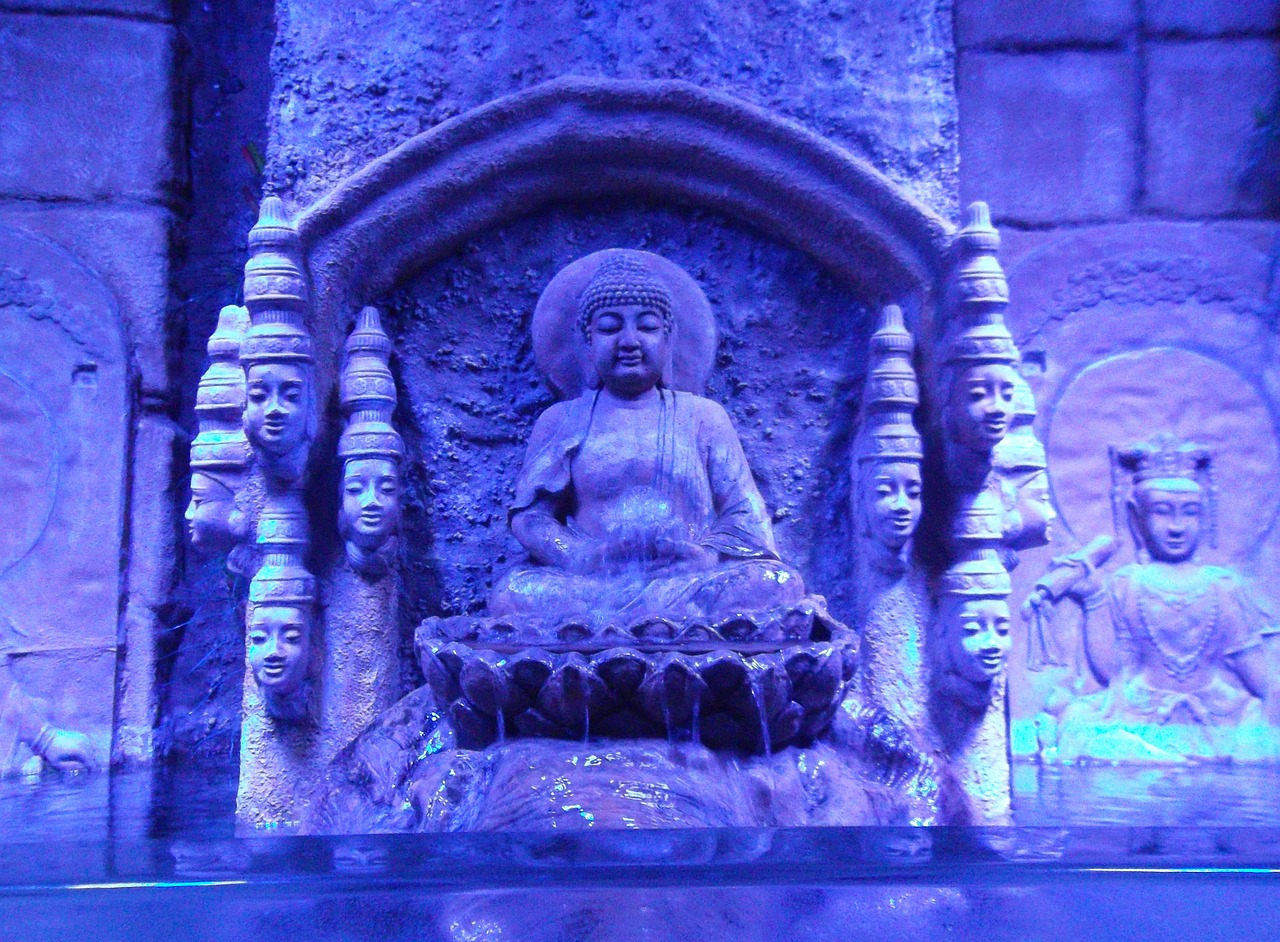
When I traveled with my niece and nephew, Antalya Aquarium was a lifesaver on a too-hot afternoon. It’s one of the largest tunnel aquariums in the world, with themed sections and a snow room (which blew their minds after the 35°C outside).
Good for: Families, rainy/hot days, those who enjoy aquariums.
Nearby: The area also has a 5D cinema, WildPark, and other kid-centric attractions, plus access to Konyaaltı Beach.
19. Day-Trip Ancient Sites & Coastal Towns (Side, Phaselis, Olympos)
While not technically “in” Antalya city, these spots are part of most travelers’ Antalya experience:
- Side: A lively resort town with temples and a theater right on the sea.
- Phaselis: Ruins in a pine forest with lovely coves for swimming—one of my favorite “history plus beach” combos.
- Olympos & Çıralı: Bohemian beach and treehouse stays, plus the eternally burning flames of Chimaera (Yanartaş).
More on these in the day trips section below, but keep them on your radar if you have 4–5 days in Antalya.
20. Local Bazaars & Markets
Markets are where Antalya feels most real to me. The colors of the tomatoes, the smell of fresh herbs, the vendors calling out prices—it’s everyday theater.
Where to go:
- Saturday market in Lara – big, busy, great for produce and textiles.
- Neighborhood pazar – ask your host which day is market day nearby; you’ll see far fewer tourists.
Tip: Bring small bills, and don’t be shy about sampling olives or dried fruits before buying. A few Turkish words go a long way.
3–5 Day Itineraries for Antalya (With Personal Stories & Detailed Plans)
Whether you have 3 days in Antalya or a full 5 days, you can blend beaches, ruins, and local life without feeling rushed. Below are flexible itineraries based on how I actually structure my own trips.
3 Days in Antalya: Classic Highlights
If you only have 3 days in Antalya, focus on the essentials: Kaleiçi, the coast, and one or two ancient sites.
Day 1: Kaleiçi, Old Harbor & Karaalioğlu Park
On my last 3-day visit, I landed late morning, dropped my bag at a Kaleiçi guesthouse, and went straight to wander the old town. It’s the best way to shake off travel fatigue.
- Morning: Arrive, check into a Kaleiçi hotel or pension. Start at Hadrian’s Gate, then meander through the old streets, stopping for coffee near Tekeli Mehmet Paşa Mosque.
- Lunch: Find a lokanta for home-style dishes—ask what’s fresh that day.
- Afternoon: Head down to the Old Harbor, maybe take a short boat tour if you feel up to it, or just sit and watch the boats.
- Late afternoon: Walk to Karaalioğlu Park for cliffside views and a first glimpse of the Taurus Mountains embracing the bay.
- Evening: Dinner in Kaleiçi—try meze and grilled fish in a courtyard restaurant lit by fairy lights. Wander the lanes after dark; they’re atmospheric but feel safe.
Day 2: Konyaaltı Beach & Antalya Museum
This day balances relaxation and culture. When I need to decompress, this is my go-to combo.
- Morning: Tram to Antalya Museum. Spend 2–3 hours exploring the archaeological exhibits.
- Lunch: Snack near the museum or head straight to Konyaaltı and eat at a café behind the beach.
- Afternoon: Chill at Konyaaltı Beach. Rent a sunbed or enjoy the public area. Swim, read, people-watch.
- Late afternoon: Walk or bike the promenade. If you have energy, consider heading to Tünektepe Cable Car for sunset views.
- Evening: Casual dinner back in Kaleiçi or in Konyaaltı district (lots of local eateries a few streets inland).
Day 3: Ancient Ruins Day Trip (Perge & Aspendos)
With just 3 days in Antalya, I’d choose Perge and Aspendos as your “big” excursion. They give you a deep dive into the region’s ancient past.
- Morning: Early departure (tour or self-drive) to Perge. Explore for 1.5–2 hours.
- Midday: Continue to Aspendos. Have a simple lunch at a roadside restaurant, then tour the theater and surrounding remains.
- Afternoon: Possible quick stop at a local village or shop on the way back.
- Evening: Final dinner in Kaleiçi. If you still have energy, stop by a live music bar for a last taste of Antalya’s nightlife.
4 Days in Antalya: Adding Nature & Waterfalls
With 4 days in Antalya, you can follow the 3-day itinerary and add a full nature-focused day.
Day 4: Waterfalls & Green Escape (Upper Düden & Kurşunlu)
On one spring trip, I dedicated a day to chasing waterfalls and it ended up being my favorite of the entire week.
- Morning: Head to Upper Düden Waterfalls. Walk the loop, go behind the falls, linger over tea in the park.
- Lunch: Eat in the park or at a nearby roadside restaurant—grilled köfte or chicken with salad and bread is standard and satisfying.
- Afternoon: Continue to Kurşunlu Waterfall Nature Park. Stroll the trails, relax in the shade.
- Evening: Return to the city. If you’re staying in Lara, this is a great night to explore neighborhood restaurants beyond the main tourist strip.
5 Days in Antalya: Full Experience with a Coastal Day Trip
With 5 days in Antalya, you can slow down and add a coastal day trip that will show you a different side of the region.
Day 5: Phaselis & Coastal Vibes (or Olympos/Çıralı)
On my last extended stay, I took a day trip to Phaselis and remembered why I keep coming back to this coastline: history and nature blend seamlessly.
- Morning: Drive or join a tour to Phaselis (about 1–1.5 hours). Explore the ruins—ancient harbors, theater, streets.
- Midday: Swim in one of the coves. The water here is calm and clear, with pine trees almost touching the sea.
- Afternoon: Either linger at Phaselis or continue to Kemer for a seaside stroll.
- Alternative: For a bohemian vibe, spend the day in Çıralı/Olympos—relaxed beach, treehouse cafés, and an optional evening visit to the eternal flames of Chimaera if you stay late.
- Evening: Final night back in Antalya—consider a nicer dinner with a view to end your 5 days in Antalya on a high note.
Neighborhoods & Areas to Explore in Antalya
Kaleiçi: Historic Heart & Nightlife Hub
Vibe: Cobblestones, Ottoman houses, boutique hotels, bars, and a mix of tourists and long-time locals.
Stay here if: You want character, walkability, and to feel immersed in history. It’s noisy on some streets at night; choose accommodation on a quieter lane if you’re a light sleeper.
Konyaaltı: Sea, Promenade & Local Life
Vibe: Modern apartments, seaside parks, families walking the promenade, students, and long-term visitors.
Stay here if: You prioritize beach access and a more “local” feeling, with easy tram access into the center.
Lara & Kundu: Resorts & Long Beach Days
Vibe: Big resorts, sandy beaches, shopping malls, and a growing number of cafés and restaurants catering to international visitors.
Stay here if: You’re on a resort holiday or traveling with young kids and want everything at your doorstep, or if you’ve found a great Airbnb and don’t mind commuting into the center.
Muratpaşa & Kepez: Everyday Antalya
Vibe: Residential neighborhoods, local markets, parks, and “real life” away from the tourist zones.
Stay here if: You’re on a budget, staying longer term, or want to see a more lived-in side of the city. Just check transport options to the places you want to visit.
Local Food & Drink in Antalya: What to Eat & Where
Turkish cuisine is regional, and Antalya has its own coastal twist: lots of fresh vegetables, citrus, seafood, and olive oil. One of my greatest joys here is the leisurely breakfast that somehow turns into lunch.
Must-Try Local Foods in Antalya
- Serpme kahvaltı (Turkish breakfast spread): Plates of cheeses, olives, jams, eggs, simit, and more. Share with friends; it’s huge.
- Piyaz: White bean salad with tahini dressing; Antalya’s version is rich and creamy.
- Gözleme: Hand-rolled flatbread stuffed with cheese, potatoes, spinach, or minced meat, cooked on a griddle.
- Balık ekmek: Fish sandwich, often mackerel or other local catch, grilled and stuffed into bread with salad.
- Köfte: Turkish meatballs; simple but satisfying, usually served with rice, salad, and bread.
- Dondurma: Turkish ice cream—chewy, dense, and perfect on a hot Antalya afternoon.
Where I Actually Eat in Antalya
I tend to avoid the most obvious tourist traps and head a street or two back. Some general tips rather than specific names (which change often):
- Backstreets of Kaleiçi: Look for small menus, handwritten signs, and lots of Turkish being spoken. I’ve had some of my best meze spreads in unassuming courtyards here.
- Konyaaltı side streets: Family-run lokantas with big trays of stews and vegetable dishes—great value and home-style flavor.
- Lara neighborhood eateries: Beyond the main tourist strip, you’ll find excellent kebab houses, pide (Turkish pizza) restaurants, and dessert shops.
Drinks to Try
- Çay: Turkish tea, black and served in tulip-shaped glasses. You’ll be offered it everywhere.
- Türk kahvesi: Turkish coffee; strong, thick, and an experience in itself.
- Fresh juices: Especially pomegranate and orange; street vendors squeeze them on the spot.
- Rakı: Anise-flavored spirit, usually enjoyed with meze. Sip slowly; it’s strong.
Saving Money on Food
Some of my best and cheapest meals in Antalya have been at:
- Lokantas: Self-service places with trays of daily dishes—great for trying a bit of everything.
- Bakeries (fırın): Pick up simit, poğaça (savory pastries), and börek for breakfast or snacks.
- Markets: Fresh fruit, nuts, and olives for beach days or bus journeys.
Nightlife, Entertainment & Cultural Experiences in Antalya
Nightlife in Kaleiçi & Beyond
Nightlife in Antalya ranges from casual backgammon cafés to lively bars and clubs.
- Kaleiçi: The densest concentration of bars and small clubs. Courtyard bars with live Turkish music are my favorite; they’re lively without being overwhelming.
- Konyaaltı: Beachfront bars and cafés with a more local crowd and sea views.
- Lara/Kundu: Many big resorts have their own entertainment, but there are also standalone bars and lounges.
Cultural Experiences
- Antalya State Theater & Opera: Check schedules for performances; tickets are surprisingly affordable.
- Aspendos cultural season: Opera, ballet, and concerts in the ancient theater (usually summer).
- Local festivals: Street festivals, concerts, and neighborhood events often pop up, especially in summer and around national holidays.
Family-Friendly Evenings
With kids, I usually opt for:
- Evening walks along Konyaaltı promenade with ice cream.
- Sunset at Karaalioğlu Park, followed by an early dinner.
- A gentle harbor cruise timed for late afternoon/early evening.
Best Day Trips from Antalya
Phaselis: Ruins & Coves
Phaselis is my top recommendation for a relaxed day trip. The combination of pine forest, ancient city, and calm coves is unbeatable.
Getting there: About 1–1.5 hours by car or bus toward Kemer. Many agencies offer combined tours, but going independently gives you more time to linger.
What to do: Explore the three ancient harbors, walk the main street, and then claim a spot on the beach for swimming and picnicking.
Side: Seaside Ruins & Resort Town
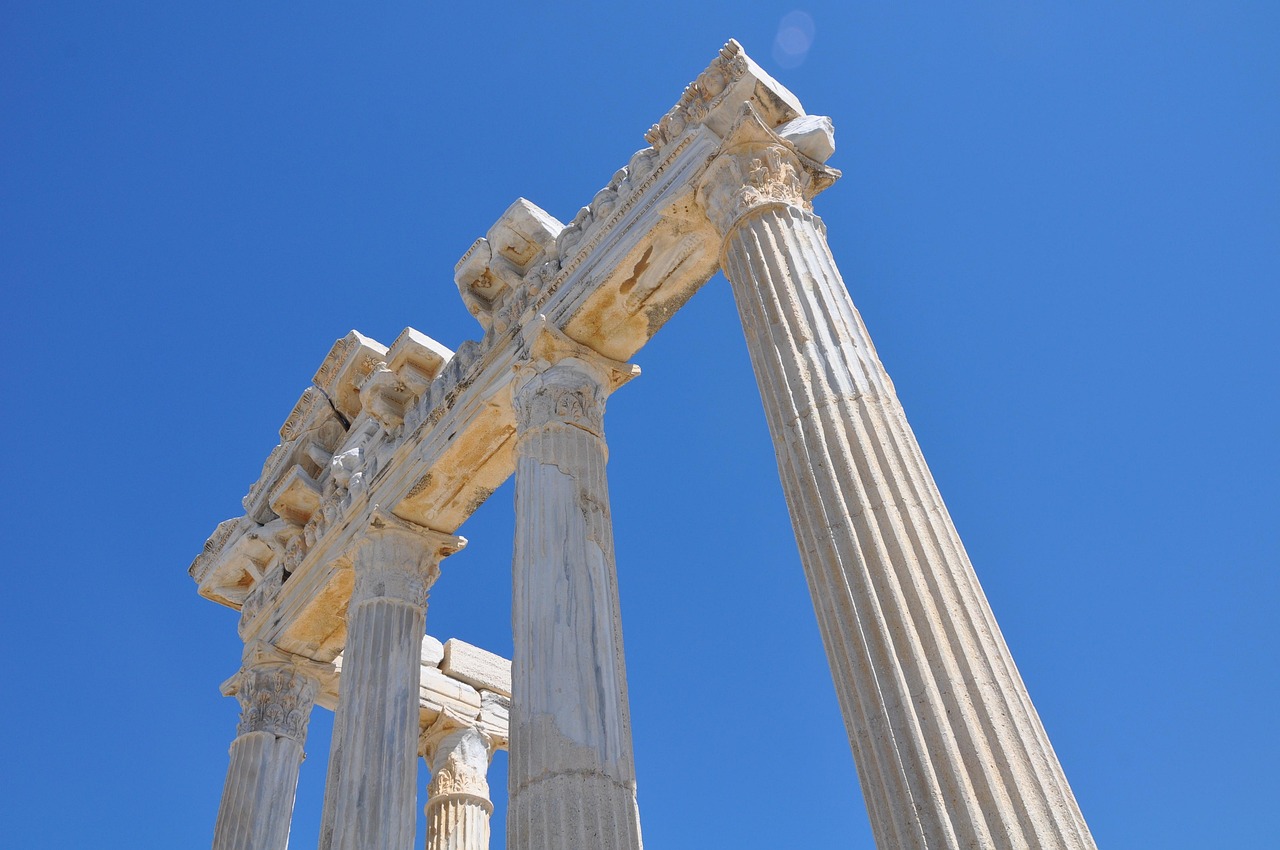
Side mixes history and resort-town bustle. The Temple of Apollo at sunset is one of the region’s iconic views.
Getting there: Roughly 1–1.5 hours east of Antalya by bus or car.
What to do: Visit the ancient theater, stroll the ruins, then head to the harbor for a meal by the sea.
Olympos & Çıralı: Bohemian Beach Escape
When I need to decompress, I go to Olympos or Çıralı: hammock-friendly guesthouses, pebbly beaches backed by mountains, and a slower pace.
Getting there: Around 1.5–2 hours by car south of Antalya. Public transport is possible but slower and requires changes; many people stay overnight.
Don’t miss: The ancient ruins scattered in the forest near the beach, and the Chimaera (Yanartaş) flames if you stay into the evening.
Highlands & Taurus Mountains
For something different, spend a day in the Taurus Mountains: yayla (summer pasture) villages, riverside restaurants with tables over the water, and cooler air.
Ask locals or your accommodation for current recommendations; these spots change and are often better known through word of mouth than guidebooks.
Cultural Etiquette & Local Customs in Antalya
Turkey is a blend of modern and traditional, and Antalya is no exception. A little cultural awareness goes a long way.
Greetings & Communication
- A simple “Merhaba” (hello) is always appreciated.
- Handshakes are common; close friends and family may kiss on both cheeks.
- People may ask where you’re from and if you like Turkey—this is friendliness, not interrogation.
Dress & Modesty
- On the beach, normal swimwear is fine, but cover up in town—no walking around in just swimwear away from the beach.
- For mosques, cover shoulders and knees; women should cover hair with a scarf (often provided).
Tea & Hospitality
Being offered tea in a shop, at a market stall, or in a village is common. You’re not obligated to buy anything, but it’s polite to accept at least a short chat if you sit down.
Bargaining
- Haggling is expected in bazaars and some tourist shops, but not in supermarkets, restaurants, or clearly priced stores.
- Keep it friendly; a smile helps more than aggressive tactics.
Religion & Secular Life
Antalya is relatively liberal and touristic, but you’ll still hear the call to prayer five times a day. During Ramadan, many people still eat out, but be discreet with food and drink in very local areas during the day, out of respect.
Practical Travel Tips for Antalya in 2026
Getting Around Antalya
- Tram: Clean, cheap, and efficient. Connects the airport, city center, bus station, and some coastal areas.
- Buses: Extensive network; use a transport card (AntalyaKart) that you can top up.
- Taxis: Metered; reasonably priced. Agree on an approximate fare for longer trips if you’re unsure.
- Car rental: Useful for exploring beyond the city. Foreign driver’s licenses are generally accepted; check if you need an International Driving Permit depending on your country.
Money & Costs
- Currency: Turkish lira (TRY).
- ATMs are widely available; cards are accepted at most hotels, restaurants, and larger shops.
- Street food and lokantas are very good value; imported alcohol and some touristy restaurants can be pricey.
SIM Cards & Connectivity
For 2026, the major Turkish providers—Turkcell, Vodafone, Türk Telekom—offer tourist SIM packages with data and local minutes.
- Bring your passport to register a SIM.
- Compare packages at the airport vs. in the city; city branches are often cheaper.
- Wi-Fi is common in hotels, cafés, and many restaurants.
Visa Requirements
Visa requirements for Turkey depend on your nationality and can change. Check the official Turkish e-visa website or your country’s travel advisory before you go. Many nationalities can obtain an e-visa online in advance; some may enter visa-free for short stays.
Safety & Health
- Antalya is generally safe; use normal city precautions (watch valuables, especially in crowds).
- Tap water is chlorinated; many locals drink bottled water, but brushing teeth with tap water is common.
- Summer heat can be intense—hydrate, wear sunscreen, and take breaks indoors.
Saving Money in Antalya
- Stay slightly outside the main tourist centers if you’re on a budget; use public transport in.
- Eat where locals eat—look for Turkish-only menus and busy lunchtime crowds.
- Consider multi-attraction passes or combined tours for distant ruins, but compare against DIY costs.
When to Visit Antalya & Final Takeaways
Best Seasons for Antalya
- Spring (April–June): My favorite time—mild weather, blooming flowers, fewer crowds, perfect for hiking and ruins.
- Summer (July–August): Hot, busy, and lively. Best for pure beach holidays and nightlife but plan around midday heat.
- Autumn (September–October): Sea still warm, temperatures pleasant, great for a balanced trip of beaches and sightseeing.
- Winter (November–March): Quieter, cooler, some rain; good for budget travelers and those focused on ruins and city life rather than beaches.
Key Takeaways for Your Antalya Trip
- Base yourself in Kaleiçi for character, or Konyaaltı/Lara for beach convenience.
- For 3 days in Antalya, prioritize Kaleiçi, Konyaaltı, Antalya Museum, and a Perge/Aspendos day trip.
- For 4–5 days in Antalya, add waterfalls (Upper Düden, Kurşunlu) and at least one coastal day trip (Phaselis, Side, or Olympos/Çıralı).
- Eat like a local at lokantas and neighborhood restaurants; don’t skip Turkish breakfast or piyaz.
- Respect local customs, especially around dress in religious sites and general modesty away from beaches.
Antalya is more than its resorts and package holidays. With a bit of curiosity and this travel guide as a starting point, you’ll find Roman theaters in the mountains, family-run guesthouses in Kaleiçi, hidden coves along the coast, and those small human moments—shared tea, directions offered, stories swapped—that will make your time here linger long after you’ve left.