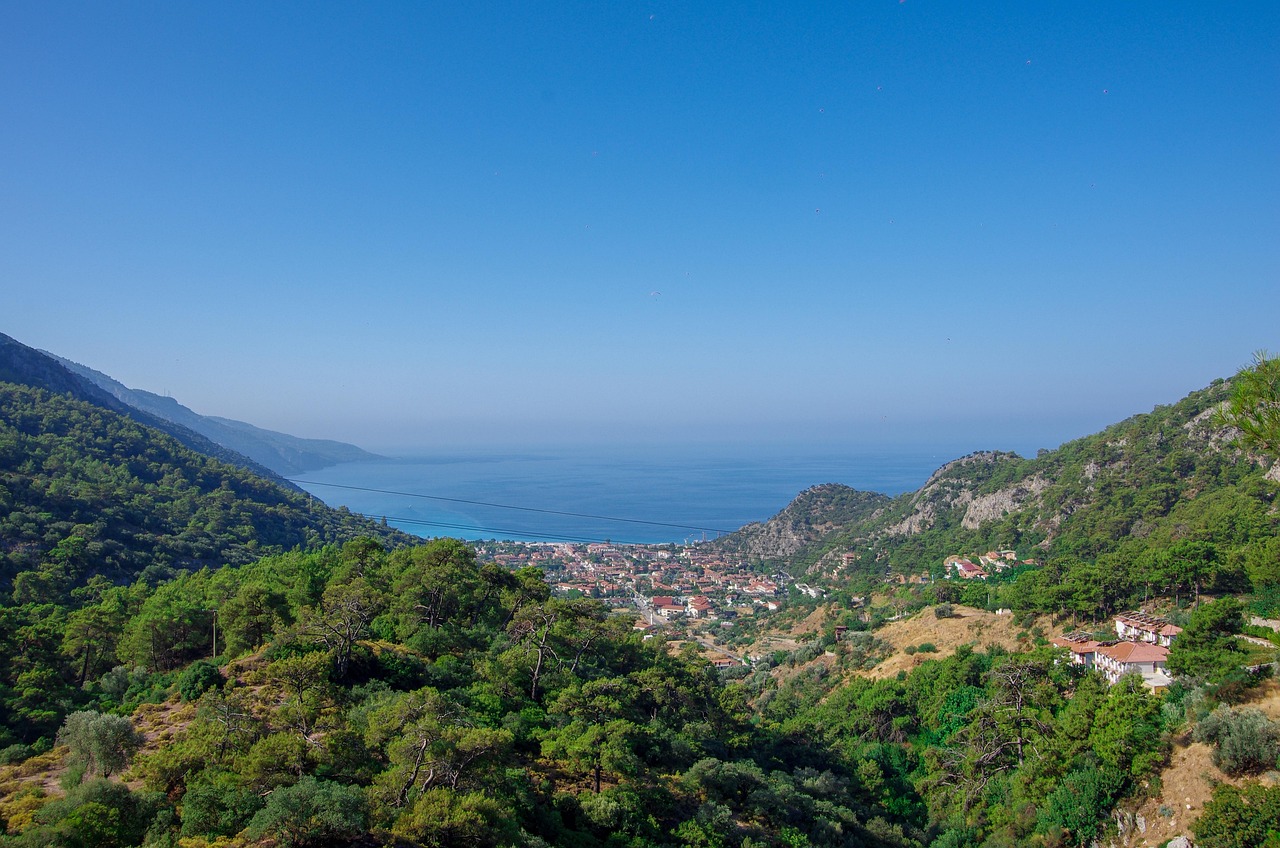
Why Visit Muğla in 2026?
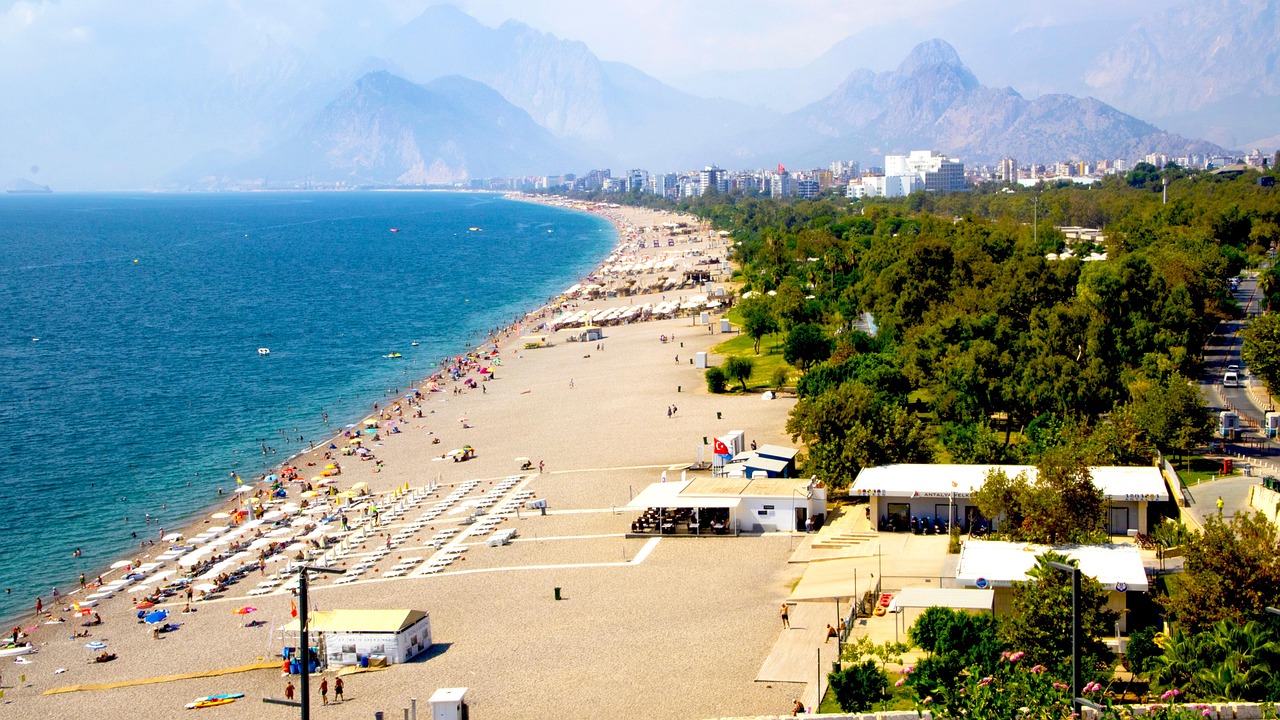
Muğla isn’t a single city break; it’s an entire coastal universe in southwest Turkey, stretching from Bodrum to Marmaris, Fethiye to Datça, and anchored by the charming old-town of Muğla city itself. Every time I return, I end up staying longer than planned. One day you’re sailing over turquoise bays, the next you’re wandering ancient Lycian tombs at sunset or getting lost in whitewashed alleyways perfumed with jasmine.
What makes Muğla special is the contrast: lively resorts and quiet coves, luxurious marinas and sleepy villages, dramatic mountains that drop right into the sea. It’s family-friendly, wonderfully romantic, and full of adventures – often all in the same day.
In 2026, Muğla is especially exciting: new hiking routes are being signposted along the Carian Trail near Datça, boutique eco-hotels are popping up in the villages around Fethiye, and several festivals are expanding (hello, 2026 Bodrum International Ballet Festival and the Fethiye Lycia Culture & Art Days 2026–2027).
This travel guide dives deep into the best places to visit in Muğla, must-see attractions, local food, cultural experiences, and hidden gems – plus practical travel advice, 3–5 day itineraries, and real-life tips from many, many visits.
Table of Contents
- Why Visit Muğla
- Muğla Overview & How the Region is Laid Out
- Top 20 Must-See Attractions in Muğla (In-Depth)
- Best Areas & Neighborhoods to Explore
- Suggested 3–5 Day Itineraries (With Stories)
- Local Food & Drink in Muğla
- Nightlife, Entertainment & Cultural Experiences
- Best Day Trips & Nearby Destinations
- What’s New in 2026–2027: Events & Changes
- Cultural Etiquette & Local Customs
- Practical Travel Tips for Muğla
- Summary & Best Seasons to Visit Muğla
Muğla Overview: A Region, Not Just a City
Muğla is both a small, atmospheric inland city and the name of the wider province that hugs much of Turkey’s southwest coast. When people talk about “Muğla”, they often mean:
- Bodrum Peninsula – nightlife, marinas, whitewashed streets, and a surprisingly rich history.
- Marmaris & Turunç – pine-covered hills, blue bays, and resort vibes with hidden pockets of calm.
- Fethiye & Ölüdeniz – turquoise lagoon, paragliding, Lycian ruins, and hiking on the Lycian Way.
- Datça Peninsula – slow-living, almond groves, stone villages, and crystal-clear coves.
- Muğla City – a compact, authentic Turkish town with Ottoman houses and a lived-in feel.
Think of Muğla Province as your “base region” for 3–5 days or longer. You can choose one main hub (Bodrum, Fethiye, or Marmaris are the most practical) and then day-trip out to beaches, ruins, and villages. In this travel guide for Muğla, I’ll treat the region as an interconnected whole, but I’ll always clarify where each attraction is located and how to get there.
Top 20 Must-See Attractions in Muğla (Deep Dive)
These are my personal must-see attractions in Muğla – a mix of famous sites and lesser-known corners. I’ve visited each multiple times over the years, often in different seasons, which changes the experience dramatically.
1. Bodrum Castle & Underwater Archaeology Museum (Bodrum)
If there’s one image that defines Bodrum – and often all of Muğla – it’s the stone silhouette of Bodrum Castle, rising between twin bays of white yachts and gulets. I still remember my first time walking up the ramparts on a breezy October afternoon: the call to prayer echoing across the harbor, the sea turned liquid silver, and the entire peninsula spread out like a map below me.
History & significance: Built in the early 15th century by the Knights Hospitaller, Bodrum Castle (Castle of St. Peter) sits on the site of an earlier fortress and, before that, part of ancient Halicarnassus. Today it houses the excellent Museum of Underwater Archaeology, showcasing shipwrecks and artifacts recovered from the Aegean seabed – bronze age cargoes, glass amphorae, and the remains of ancient trading ships.
What I usually do here: I like to arrive just after opening to beat the tour groups. I wander slowly through the towers (each themed by nationality: English Tower, French Tower, etc.), then spend a good hour in the shipwreck halls. The Uluburun shipwreck exhibit is mesmerizing – a 3,000+ year-old time capsule of the Bronze Age world. I normally end by sitting on the walls facing the marina, watching the gulets sway.
Family-friendly? Very. Kids love the cannons, courtyards, and the “treasure” aspect of the museum. Just watch younger children near the ramparts.
How to get there: From central Bodrum, the castle is a 5–10 minute walk from almost anywhere in town. Dolmuş (shared minibus) from nearby towns like Gümbet and Bitez drops you near the harbor.
Food tip: Avoid the very touristy spots right at the harbor gates. I usually walk 5 minutes inland to a lokanta (casual eatery) like a simple tradesmen’s place where you can get kuru fasulye (beans), rice, and salad for a fraction of the price.
Best time to visit: Late afternoon in shoulder seasons (May–June, September–October) for gentler light and fewer crowds. In high summer, go early morning to escape the heat.
2. Bodrum Marina & Old Town Alleys (Bodrum)
Even if you’re not sailing, the Bodrum marina is a joy to stroll – especially in the evenings. I’ve spent countless nights here doing what locals jokingly call “yacht-watching”: picking a boat and inventing stories about who might be aboard.
What to see & do: The marina walkway curves around the bay, framed by palm trees and cafes. Wander the old town backstreets just above the marina, where whitewashed houses are smothered in bougainvillea and blue doors. There’s a lovely contrast between the polished marina bars and the older tea gardens up the hill, where old men play backgammon.
Romantic? Absolutely. It’s one of my favorite sunset walks in Muğla: the light on the castle, the masts silhouetted against a wash of pink and gold.
Local tone: Step a block away from the water and you’ll find little artisan shops selling handwoven peştemal towels, ceramics, and locally made olive oil soaps. I like browsing these rather than the mass-produced souvenir stands on the main drag.
Tip: Drinks on the front row of the marina tend to be pricier. For a budget-friendlier evening, grab a takeaway döner wrap and sit on the public benches overlooking the boats.
3. Ölüdeniz Lagoon & Beach (Fethiye)
Ölüdeniz is the poster child of Turkish tourism – a luminous blue lagoon wrapped by a sandbar and backed by steep green mountains. The first time I saw it was from a paragliding harness (more on that later), and I nearly forgot I was supposed to be breathing, let alone taking photos.
What makes it special: The Blue Lagoon is a protected area, with shallow, almost glass-smooth waters perfect for families. Just outside the lagoon, the main Ölüdeniz Beach faces the open sea and can have more waves and a livelier vibe.
What I do here: I usually spend mornings walking from one end of the beach to the other, then claim a shady spot under the pine trees in the lagoon section. In the late afternoon, I love watching the sky fill with colorful paragliders floating down from Babadağ Mountain.
Family-friendly? Yes, especially the calm lagoon side. There are sunbeds, changing cabins, and shallow sections for kids.
Getting there: From Fethiye, frequent dolmuş (minibuses) run to Ölüdeniz in about 30–40 minutes. In high season they go every 5–10 minutes.
Food tip: Beachfront restaurants are convenient but pricey. I often pack some fresh gözleme (stuffed flatbread) from Fethiye’s market and have a picnic under the trees.
Best season: Late May–June and September–early October are ideal. July–August can be very crowded and hot.
4. Paragliding from Babadağ (Fethiye / Ölüdeniz)
Jumping off Babadağ and flying over Ölüdeniz is one of those “once in a lifetime” experiences that I’ve somehow ended up doing three times. Every time, my stomach still flips when we run off the cliff – and every time, the moment we’re airborne, it’s pure calm.
Experience: You take a minibus up the winding road to Babadağ (now improved with a cable car and viewing terraces), strap into a tandem harness with an experienced pilot, run a few steps… and suddenly you’re floating. Below you: the deep blues of the lagoon and the open sea, tiny white boats cutting lines through the water, and the patchwork of hotels and pine forests.
Is it safe? Paragliding here is highly regulated, and reputable companies have very good safety records. Always choose a licensed operator, read reviews, and don’t go for the absolute cheapest option.
Who is it for? Thrill-seekers, yes, but also surprisingly calm souls. I’ve flown with people in their 60s and 70s who just wanted to glide silently over the sea. It doesn’t feel like a rollercoaster unless you ask your pilot for acrobatics.
Practical tips:
- Wear closed shoes, comfortable clothes, and bring a light jacket – it can be cooler up high.
- Book a morning or late afternoon slot for smoother air and better light.
- Agree the price for photos/video beforehand; they’re often extra.
5. Saklıkent Gorge (Near Fethiye)
On a sweltering July day, Saklıkent Gorge feels like nature’s air-conditioning. The first time I visited, I dipped a toe into the milky turquoise water and yelped – it’s snowmelt-cold, even in high summer.
What it is: A dramatic, narrow canyon carved by a fast-flowing river, with soaring rock walls and wooden walkways bolted into the sides. You can walk partway on the platforms, then wade (or splash) further upstream if you’re up for a little adventure.
Adventurous? Definitely. Once you leave the main walkway, you’ll be wading in knee-to-waist-deep water, sometimes against a strong current. Expect to get wet and to laugh a lot as you try not to lose your footing.
Family note: The initial walkway is fine for most ages; the deeper section is better for older kids and adults who are comfortable in water.
How I do it: I arrive mid-morning, walk the platforms, then stash my things in a waterproof bag and wade upstream with river shoes (you can rent them cheaply on-site). Afterwards, I usually have a long, lazy lunch at one of the riverside platforms where you sit on cushions over the water.
Getting there: From Fethiye, there are organized tours, or you can drive (about 45–60 minutes). Dolmuş options may be seasonal; check locally.
6. Fethiye Old Town & Harbor (Fethiye)
Fethiye is my go-to base in Muğla when I want a mix of local life and easy access to beaches and hikes. Its compact center is walkable, lively without being overwhelming, and very friendly.
What to see:
- Harbor Promenade: Ideal for an evening stroll; fishermen, ice-cream carts, and rows of gulets offering day cruises.
- Paspatur (Old Town): A maze of narrow streets, covered arcades, and shops selling everything from spices to handmade jewelry.
- Tuesday Market: A huge, sprawling market just outside the center. I rarely leave without a stash of fresh figs and olives.
Personal ritual: I like to grab a tavuk döner (chicken wrap) from a street stand, then sit on a bench by the harbor as the sun sinks and the sky goes from orange to deep blue.
Tip for saving money: Eat where you see taxi drivers and shopkeepers eating, not where the English menus are the biggest.
7. Lycian Rock Tombs & Amyntas Tomb (Fethiye)
The Lycian rock tombs of Fethiye are one of those places I revisit every trip, usually in the golden hour before sunset. As you climb the steps, the town slowly shrinks beneath you, and these 2,400-year-old facades loom above, carved straight into the cliff.
History: The Lycians were an ancient people who lived in this region long before the Romans. They buried their elite in rock-cut tombs, believing that the dead would be carried to the afterlife by winged creatures. The Amyntas Tomb is the most impressive, with an elegant temple-like façade.
Experience: It’s not a long hike – more a steep stair climb – but you’ll want sturdy shoes. There’s a small fee to reach the main tomb. I like to sit on the stone ledge in front of Amyntas, watching the city lights flicker on below as swallows loop and dive around the cliff.
Romantic? Yes, in a slightly melancholic, ancient-ruins-at-dusk way. It’s beautiful and surprisingly quiet once the day trippers depart.
Tip: Bring water, especially in summer. Combine with a wander through Fethiye’s residential backstreets below the tombs for a peek at everyday life.
8. Fethiye 12 Islands Boat Trip (Fethiye)
If you only do one boat trip in Muğla, make it the 12 Islands cruise from Fethiye. I’ve done it on a crowded August Sunday and on a sleepy May weekday; both times, the bay’s beauty has been the highlight of my stay.
What it’s like: You board a traditional wooden gulet in the Fethiye harbor, then spend the day gliding between islands and coves: swimming stops, sunbathing on deck, lunch on board, and the gentle slap of water against the hull.
Family-friendly? Very, as long as kids are comfortable on boats and supervised. Most cruises are relaxed, not party-focused.
My advice:
- Choose a smaller boat if you want a quieter experience.
- Pack sunscreen, a hat, and a light cover-up – the sun reflects off the water.
- Bring some cash for drinks and ice cream boats that may pull alongside.
Tip: Ask around in Fethiye’s harbor the evening before; many captains will show you their boats and explain their route and style (party, chill, family, etc.).
9. Marmaris Castle & Old Town (Marmaris)
Marmaris has a reputation for nightlife, but my favorite part is the small, atmospheric old town clustered around its restored castle. Climb the narrow cobbled lanes between stone houses draped in bougainvillea, and you’ll forget the neon bars a few streets away.
Castle & museum: The castle itself is relatively small but houses a sweet little museum and offers lovely harbor views from the ramparts. I prefer visiting in the late afternoon when the crowds thin.
Evening vibe: The surrounding backstreets are perfect for a romantic dinner: candlelit tables on tiny staircases, cats weaving between chairs, the scent of grilled fish and thyme on the breeze.
Tip: If you’re in Marmaris in high season and craving something more authentic, head straight here after sundown instead of staying on the main bar street.
10. Marmaris & Turunç Bay Boat Trip (Marmaris)
The pine-covered hills around Marmaris fall steeply into the sea, creating a string of gorgeous bays best explored by boat. One of my favorite lazy days in Muğla is the classic Marmaris–Turunç boat trip.
Experience: Departing from Marmaris harbor, you sail along the coastline, stopping in coves for swimming. Turunç itself is a smaller, more relaxed resort with a pebble-sand beach backed by dramatic hills. I like grabbing a coffee here and just watching the world go by.
Family & couples: It’s equally good for families (plenty of swimming) and couples (romantic bays and time to relax).
Tip: Look for boats that cap passenger numbers if you dislike crowds. Some include lunch; check what’s covered before booking.
11. Datça Peninsula & Old Datça (Datça)
Whenever I need to slow down, I head to the Datça Peninsula. It’s where Muğla still feels delightfully unhurried. The air smells of sage and thyme, and the sea is some of the clearest I’ve seen anywhere.
Old Datça: The old village (Eski Datça) is a cluster of beautifully restored stone houses, bougainvillea-tangled lanes, and cozy cafes. I love coming here in the late afternoon for a coffee, then staying for dinner as the stone walls turn golden and the streets fill with soft conversation.
Beaches: Datça’s coastline is full of small, mostly-pebble coves. My favorites are the low-key ones just outside town, where locals swim before or after work.
Hidden gem factor: Compared to Bodrum or Fethiye, Datça still feels like a secret. It attracts a more bohemian, low-key crowd – writers, artists, and Turkish families who’ve been coming for generations.
Getting there: You can drive from Marmaris (about 1.5–2 hours), or take ferries from Bodrum in season. Roads are winding but scenic.
12. Ancient Knidos (Datça Peninsula)
At the very tip of the Datça Peninsula, the ruins of Knidos sit where two seas meet. Standing among broken columns with the Aegean on one side and the Mediterranean on the other is a spine-tingling experience – especially at sunset.
History: Knidos was a major ancient city, famous for its statue of Aphrodite and for its role as a trading and cultural hub. Today, you can wander amphitheaters, harbor remains, and temple terraces, with goats sometimes wandering through the stones.
What I usually do: I time my visit for late afternoon to avoid the heat, then stay through sunset. I bring water, some fruit or snacks, and a light jacket for the breeze. There’s a small cafe near the entrance, but it’s good to be self-sufficient.
Adventurous drive: The road in is narrow and twisty but manageable if you’re a confident driver. Take it slow and enjoy the sea views.
13. Muğla City Old Town & Ottoman Houses (Muğla City)
Most visitors race past Muğla city on their way to the coast, but I always try to spend at least a few hours here. It’s compact, authentic, and gives you a glimpse of everyday inland life.
What to see:
- Old Quarter: Narrow streets lined with traditional konak-style houses – white walls, timber frames, overhanging bay windows.
- Saburhane Square: Once the artisan quarter; today it’s full of tea houses where locals sit for hours chatting.
- Local markets: Seasonal fruit, olives, cheeses, and the best prices for local produce.
Personal favorite moment: Sitting at a tiny tea house at dusk, watching the older men play backgammon, the younger ones scrolling on their phones, and feeling like I’d slipped behind the tourist curtain.
Tip: Combine Muğla city with a transfer day between coastal towns; it breaks up the drive and adds depth to your trip.
14. Akyaka & Azmak River (Near Muğla / Gökova Bay)
Akyaka is one of Muğla’s prettiest small towns: a member of the “Cittaslow” (slow city) movement, known for its unique architecture and icy-cold Azmak River.
Architecture: The houses here have a distinctive style – wooden balconies, carved details, and red-tiled roofs, all inspired by architect Nail Çakırhan. It feels like a mountain village that somehow ended up by the sea.
Azmak River: This crystal-clear river flows from mountain springs into the sea. I love taking a short boat tour along it: reeds swaying, fish darting beneath, and surprisingly lush riverbanks.
Local food note: The riverside restaurants are famous for fresh fish and meze. In cooler months, I’ve happily lingered for hours over a long lunch here.
Family-friendly: Yes – kids love the ducks and boat rides. Just keep an eye out near the river’s edge because the water gets deep quickly.
15. Gökova Bay & Kite Beach (Near Akyaka)
Drive a little beyond Akyaka and you reach the wide, shallow expanses of Gökova Bay, one of Turkey’s kitesurfing hotspots. Even if you’re not into extreme sports, it’s fun just to watch the colorful kites dance against the sky.
For adventurers: Reliable afternoon winds and shallow waters make this a kitesurfer’s dream. Several schools offer beginner lessons; I tried a taster session one breezy June and was surprised how quickly I could stand up (staying up was another story).
Best time: Winds are usually strongest in the afternoons. If you just want to watch, come around 3–5pm when the sky is full of kites.
16. Pamukkale Terraces & Hierapolis (Popular Extension from Fethiye/Marmaris)
While technically in Denizli Province, Pamukkale is one of the most popular longer day trips from Muğla bases like Fethiye or Marmaris. I include it here because so many visitors combine the two.
What it is: Otherworldly white travertine terraces, formed by mineral-rich hot springs cascading down the hillside. Above them sit the extensive ruins of ancient Hierapolis.
My experience: The first time I arrived mid-day in August, it was crowded and hot. Since then, I always aim for early morning or late afternoon. Walking barefoot over the warm, textured terraces, dipping my feet in the pools, then exploring the ruins in the cooler hours is magical.
Tip: If you’re short on time in Muğla itself, consider whether this long day trip (often 10–12 hours round-trip) is worth it. It’s beautiful, but it does eat into your coastal time.
17. Sedir Island (Cleopatra Island) – Gökova Bay
Legend says the sand on Cleopatra Island was shipped from Egypt as a gift to the queen. Whether true or not, the island’s small golden-sand beach and turquoise waters are undeniably special.
What I like here: Beyond the famous beach (now strictly protected – you can’t take the sand with you), there are scattered ruins and walking paths with lovely views over Gökova Bay. On quieter days, it feels like a little slice of paradise.
Getting there: Boats leave from the small harbor of Çamlı, north of Marmaris. Many agencies in Marmaris sell day trips that include transport, boat ride, and island entrance.
Tip: The protected sandy area can get busy; wander a bit away from the main cluster to find quieter swimming spots along the rocky shore.
18. Kayaköy Ghost Village (Near Fethiye)
Kayaköy is one of the most haunting places in Muğla: an entire hillside of abandoned stone houses and churches, left empty after the 1923 population exchange between Greece and Turkey.
Atmosphere: Wander the crumbling streets, peer into roofless rooms, and imagine the lives once lived here. I usually visit in the late afternoon when the light turns warm and the sense of melancholy deepens.
Cultural note: This is a place tied to complex, emotional history. Be respectful – it’s not the spot for loud music or party vibes.
What I do: I hike up to one of the chapels on the ridge for views across the valley, then end with dinner in one of the village restaurants below, many of which serve excellent meze and grilled meats in leafy gardens.
Getting there: It’s a short drive or dolmuş ride from Fethiye or Ölüdeniz.
19. Butterfly Valley (Faralya / Ölüdeniz Coast)
Seen from the sea, Butterfly Valley is a dramatic V-shaped cleft in the cliffs, opening to a narrow strip of beach. I’ve visited both by boat and from the clifftop above at Faralya; both views are breathtaking.
What to expect: The valley has a bohemian, semi-wild vibe with basic camping, a small cafe, and a waterfall at the back (more impressive in spring). Despite the name, don’t expect clouds of butterflies all year; sightings vary by season.
Adventurous option: There is a steep, sometimes dangerous path down from Faralya village. I only recommend it for sure-footed, experienced hikers – and never in wet conditions. Most people sensibly come by boat.
Tip: Day-trip boats from Ölüdeniz can make the beach crowded mid-day. If you can, stay overnight in simple accommodation or camp for a quieter, more magical experience.
20. Bitez & Gümüşlük (Bodrum Peninsula Coastal Gems)
To round out the top 20, I have to mention two of my favorite Bodrum Peninsula villages:
Bitez: A broad, shallow bay perfect for families and casual swimmers. I love its line of low-key cafes and the way the water stays calm even on breezy days.
Gümüşlük: A former fishing village turned artsy enclave, famous for its waterfront fish restaurants and partially submerged ancient ruins from Myndos. Walking along the shore at sunset, with tables set almost in the water and live music drifting from cafes, is one of the most romantic experiences in Muğla.
My habit: I often end a Bodrum day here – arrive in time for sunset, stroll the beach, then have a slow, lingering dinner with friends: grilled sea bream, şakşuka (fried eggplant in tomato sauce), and chilled white wine.
Best Areas & Neighborhoods to Explore in Muğla
Because Muğla is a region, not a single compact city, it helps to think in terms of zones and key neighborhoods:
Bodrum Peninsula
- Bodrum Center: Lively, walkable, with the castle, marina, and nightlife. Great if you like energy and easy connections.
- Gümbet: Younger party crowd, lots of bars and clubs. Cheaper accommodation, louder nights.
- Bitez: More relaxed, family-friendly bay, still within easy reach of Bodrum.
- Gümüşlük: Bohemian, romantic, ideal for couples and sunset dinners.
Fethiye Region
- Fethiye Center: Local markets, harbor, good transport links. My go-to base for a 4–5 day itinerary in Muğla.
- Çalış Beach: Long beach with sunset views and a flat promenade; good for families.
- Ölüdeniz: Beach resort vibe, great for water sports and easy paragliding access.
- Faralya: Quiet clifftop village with epic sea views – ideal for a romantic splurge.
Marmaris & Surroundings
- Marmaris Center: Big resort town with everything: nightlife, marina, bazaar.
- İçmeler: Quieter neighbor with a lovely bay and a mix of hotels and apartments.
- Turunç: Small, scenic village reachable by boat or mountain road – a great mini escape.
Datça Peninsula
- Datça Town: Laid-back seaside town, perfect for longer, slower stays.
- Old Datça (Eski Datça): Stone village inland, with boutique pensions and artisan shops.
Muğla City & Inland Villages
- Muğla City Center: For a dose of authentic inland life, markets, and Ottoman architecture.
- Villages around Yatağan & Ula: Rural landscapes, olive groves, and traditional houses.
Suggested 3–5 Day Itineraries in Muğla (With Personal Stories)
These sample itineraries focus on the coastal hubs most travelers choose. You can adapt them into a 3 day itinerary for Muğla, 4 days in Muğla, or 5 days in Muğla depending on your time.
3 Days in Muğla – Highlights from a Fethiye Base
If you only have 3 days in Muğla, I’d base in Fethiye – it offers the best mix of scenery, history, and day trips without too much transit.
Day 1: Fethiye Old Town, Harbor & Lycian Rock Tombs
I like to start gently, especially after a travel day. On my most recent 3-day stay, I arrived in Fethiye mid-morning, dropped my bag at a small family-run pension near the harbor, and immediately went hunting for çay (tea) and simit (sesame bread ring).
Morning: Wander Paspatur (the old town), with its covered streets and shops. Pop into a lokanta for a budget-friendly lunch: I usually go for taze fasulye (green beans in tomato) and rice, which rarely costs more than a few euros.
Afternoon: Stroll along the harbor promenade. I like checking out the gulets and chatting with captains about the next day’s boat trips, even if I’ve already decided to go – it’s part of the ritual.
Late afternoon: Climb up to the Lycian rock tombs. It’s a 15–20 minute walk from the center, mostly uphill. Sit by the Amyntas Tomb as the sun softens and watch the city below.
Evening: Dinner by the harbor – grilled sea bass, salad, and maybe a glass of local wine. Fethiye is gentle at night; you’ll find bars, but the vibe is more chatty than raucous.
Day 2: Ölüdeniz Lagoon & Optional Paragliding
On my second day, I always head straight for Ölüdeniz. Even if I’m not flying, just watching the paragliders drift down is hypnotic.
Morning: Catch a dolmuş from Fethiye to Ölüdeniz. Claim a spot on the main beach or pay a small fee to enter the Blue Lagoon area. Swim, read, nap, repeat.
Midday: If you’re paragliding, this is when many flights go. The minibus or cable car to Babadağ will take you up in about 30–40 minutes. The flight itself is usually 25–40 minutes.
Afternoon: Recover from the adrenaline rush with a slow lunch at one of the lagoon’s cafes or under the pines. In high season, it’s busy but still beautiful.
Evening: Head back to Fethiye. I like to grab an ice cream and stroll the harbor again, or if I’m not too tired, linger over meze at a fish restaurant.
Day 3: 12 Islands Boat Trip
My perfect final day in a 3 day itinerary for Muğla is the 12 Islands boat trip – a full immersion in the region’s seascape.
Morning to afternoon: Board your chosen gulet around 10:00. Spend the day swimming in clear bays, sunbathing on deck, and chatting with fellow travelers. Most boats include a simple but tasty lunch (grilled chicken or fish, salad, pasta or rice).
Evening: Back in Fethiye by late afternoon or early evening. If you’ve got energy, visit the Tuesday market (if it’s the right day) or just have a relaxed final dinner. I often end the trip with a kunefe (sweet cheese dessert) at a local dessert shop.
4 Day Itinerary for Muğla – Bodrum & Akyaka Flavor
With 4 days in Muğla, you can combine Bodrum’s history and nightlife with a slower day in Akyaka/Gökova.
Day 1: Arrival in Bodrum, Marina & Old Town
Check into a small hotel near the marina – I like pensions in the backstreets for better prices and quieter nights. Spend the afternoon exploring the old town and marina, then have dinner in a traditional meyhane (tavern) with live Turkish music.
Day 2: Bodrum Castle & Afternoon Beach Time
Start at Bodrum Castle as soon as it opens. Give yourself a few hours to really explore the museum. In the afternoon, catch a dolmuş to nearby Bitez Beach for swimming and a lazy seaside meal. Return to Bodrum for a low-key nightcap or, if you’re in the mood, sample the nightlife.
Day 3: Day Trip to Akyaka & Gökova Bay
Rent a car or join a small tour to Akyaka. Wander the distinctive wooden houses, have lunch by the Azmak River, and take a short boat trip. In the afternoon, swing by Gökova’s kite beach to watch the kitesurfers. Return to Bodrum in the evening.
Day 4: Gümüşlük & Departure
On your last day, head to Gümüşlük for a relaxed half-day (or full day if your schedule allows). Walk along the shore, browse the artisan stalls, and have a long lunch at one of the waterfront fish restaurants. If you’ve got a late bus or flight, watch the sunset here before heading out – it’s one of the best in the region.
5 Day Itinerary for Muğla – Fethiye, Kayaköy & Saklıkent
Five days in Muğla lets you go deeper and mix beaches, ruins, villages, and a bit of adventure. This 5 day itinerary for Muğla is loosely based on one of my favorite trips in recent years.
Day 1: Fethiye Orientation
Arrive, settle into your accommodation (I like small pensions near the harbor or apartments in quiet side streets), and explore the old town and markets. Early night to recover from travel.
Day 2: Ölüdeniz & Babadağ Paragliding
As in the 3-day plan: full day at Ölüdeniz, with optional paragliding. If you’re nervous, book ahead so you don’t back out – future you will be grateful.
Day 3: Kayaköy Ghost Village & Hike (Optional)
Take a dolmuş or taxi to Kayaköy. Spend the late morning wandering the ghost village. In cooler months, you can hike from Kayaköy to Ölüdeniz on a scenic trail (allow 2–3 hours, wear good shoes, bring water). Otherwise, enjoy a long lunch in Kayaköy and head back to Fethiye.
Day 4: Saklıkent Gorge & Tlos Ruins
Join a tour or drive to Saklıkent Gorge in the morning, then visit the lesser-known but fascinating ruins of Tlos nearby – an ancient Lycian city perched on a hill with panoramic views. I love the contrast between clambering through a cool gorge and then standing among sunbaked ruins.
Day 5: 12 Islands Boat Trip or Chill Day
End with either a 12 Islands cruise or a pure “do nothing” day in Fethiye/Çalış Beach. For me, it’s usually the boat – there’s something about ending a Muğla stay floating between islands that feels right.
Local Food & Drink in Muğla
Eating is half the joy of travel in Muğla. Coastal cuisine here blends Aegean and Mediterranean influences: olive oil, fresh vegetables, herbs, and of course, seafood.
Must-Try Dishes
- Fresh Fish & Seafood: Grilled sea bream (çipura), sea bass (levrek), calamari, and octopus salad. Best in Bodrum, Fethiye, Datça, and Gümüşlük.
- Meze: Small cold and hot dishes like haydari (yogurt with garlic and herbs), şakşuka, stuffed vine leaves, and fava (broad bean puree).
- Gözleme: Thin flatbread filled with cheese, spinach, potato, or minced meat, cooked on a griddle. Ideal budget lunch; I often grab it at markets.
- Pide: Turkish “pizza” with toppings like cheese, minced meat, or sucuk (spicy sausage).
- Olive Oil Vegetables: Dishes like artichokes, green beans, and stuffed zucchini flowers, cooked slowly in olive oil – a hallmark of Aegean cuisine.
- Local Almonds & Honey (Datça): The almonds here are famous; try almond desserts and honey.
Where I Like to Eat (Examples)
- Fethiye: Harbor fish restaurants for seafood; small lokantas near the market for cheap, home-style meals.
- Bodrum: Backstreet taverns in the old town; Gümüşlük waterfront for a splurge fish dinner.
- Marmaris: Old town stairway restaurants for romantic evenings away from the main bar street.
- Datça: Seafront cafes in Datça town; garden restaurants in Old Datça for slow, multi-course dinners.
Drinks
- Rakı: Anise-flavored spirit, usually sipped slowly with meze. Definitely a cultural experience – drink with food and water.
- Turkish Wine: Look for local Aegean whites to pair with fish.
- Turkish Tea & Coffee: Everywhere. I rarely pay more than a euro or two for tea, even in scenic spots.
- Ayran: Savory yogurt drink, perfect with kebabs on hot days.
Money-Saving Food Tips
- Eat your big meals at lunch in lokantas and lighter, cheaper bites at night if you’re on a budget.
- Look for hand-written Turkish menus and busy local crowds.
- Markets are great for picnic supplies: bread, cheese, olives, fruit.
Nightlife, Entertainment & Cultural Experiences in Muğla
Nightlife in Muğla ranges from Bodrum’s high-energy clubs to quiet tea gardens in Muğla city and Datça’s chilled wine bars.
Bodrum Nightlife
- Marina & Bar Street: Trendy bars, live music venues, and some big-name clubs. Great if you want to dance until late.
- Old Town Meyhanes: Sit-down taverns with live Turkish music, where locals and visitors sing along to classic songs. One of my favorite “cultural nightlife” experiences.
Marmaris Nightlife
- Bar Street: Lively, loud, packed with clubs and bars. Popular with younger crowds and groups.
- Old Town: Quieter taverns and rooftop bars; my preferred spot for a mellow evening.
Fethiye Evenings
Fethiye’s nightlife is more relaxed: harbor-front bars, a few places with live music, and lots of cafes. Perfect for couples and families who want some buzz but not a full-on party scene.
Cultural Experiences
- Turkish Night Shows: Many resorts offer nights with folk dances, music, and sometimes whirling dervish performances. Tourist-oriented but can be fun.
- Local Festivals: Look out for small-town festivals in Datça, Muğla city, and Akyaka – often featuring music, food stalls, and local crafts.
- Hamam (Turkish Bath): Available in Bodrum, Marmaris, and Fethiye. A traditional scrub and foam massage is especially heavenly at the end of a hiking or sailing day.
Best Day Trips & Nearby Destinations from Muğla Hubs
Depending on your base, you can add a few memorable day trips to your Muğla travel guide plan:
- From Fethiye: Saklıkent Gorge & Tlos, Kayaköy, Butterfly Valley, Dalyan (for mud baths and turtle beach).
- From Bodrum: Akyaka & Gökova Bay, boat trips to nearby islands, day-trip to Datça (in season by ferry), small villages on the peninsula like Gümüşlük and Yalıkavak.
- From Marmaris: Turunç & İçmeler, Cleopatra Island (Sedir), Datça Peninsula, Dalyan delta boat trips.
For each, local agencies offer organized excursions, which can be easier if you don’t want to drive. If you’re comfortable behind the wheel, renting a car opens up more flexible, off-peak visits to popular spots.
What’s New in 2026–2027: Festivals & Changes in Muğla
Muğla’s travel scene continues to evolve. Here are some key events and trends for 2026–2027:
- 2026 Bodrum International Ballet Festival: Usually held in late summer at Bodrum Castle, bringing international ballet companies to a spectacular open-air stage.
- Fethiye Lycia Culture & Art Days 2026–2027: An expanding series of concerts, art exhibitions, and performances around Fethiye and nearby ancient sites.
- Datça Almond Festival: Typically early spring, celebrating Datça’s famous almonds with food stalls, music, and crafts.
- Carian & Lycian Trail Improvements: More waymarking and maintenance on sections near Fethiye, Datça, and Akyaka, making independent hiking easier.
- Eco-Hotels & Glamping: Expect more eco-lodges around Faralya, Kayaköy, and Datça, catering to travelers seeking nature and comfort.
Cultural Etiquette & Local Customs in Muğla
Turkey is welcoming and Muğla is very used to visitors, but a few cultural norms will help you connect better and avoid awkward moments.
Greetings & Politeness
- Say “Merhaba” (hello) when entering small shops or speaking to staff; it goes a long way.
- “Teşekkürler” (thank you) and “Lütfen” (please) are always appreciated.
- Handshakes are common; among close friends and family, kisses on both cheeks are typical.
Dress & Behavior
- Beachwear is fine at beaches and resorts, but cover up (shirt, dress, or sarong) in towns, markets, and restaurants.
- When visiting mosques, dress modestly: shoulders and knees covered; women may be asked to cover their hair (scarves are often provided).
- Public displays of affection: holding hands is fine, but intense PDA is best avoided in more traditional areas.
Dining Etiquette
- It’s common to share dishes, especially meze. Don’t be shy about trying from shared plates.
- Locals often insist on paying the bill; if you’re invited out, offer to contribute, but don’t be surprised if your offer is declined.
- Tipping: 5–10% in simple places, 10–15% in nicer restaurants if service isn’t already included.
Photography & Respect
- Ask before photographing people, especially in rural areas or in markets.
- At religious sites or cemeteries, be discreet and respectful.
Practical Travel Tips for Muğla (2026)
Getting Around Muğla
- Dolmuş (Minibuses): Cheap, frequent, and the backbone of local transport between towns and beaches. You pay the driver directly, often in cash.
- Intercity Buses: Comfortable coaches connect Muğla city, Bodrum, Marmaris, Fethiye, and beyond. I often use these between hubs and then dolmuş locally.
- Car Rental: Ideal if you want flexibility, especially for Datça, Knidos, and smaller bays. Foreign driver’s licenses from many countries are accepted for short stays; check your specific country’s rules before traveling.
- Taxis: Metered in cities and resorts. Always confirm the meter is on or agree a fare beforehand.
Saving Money in Muğla
- Stay in pensions or apartments a street or two back from the seafront; prices drop fast once you’re off the main strip.
- Use dolmuş instead of taxis where possible.
- Eat main meals at lokantas and from markets; save restaurants with views for a few special evenings.
- Book boat trips and tours locally instead of online middlemen when you can; you’ll often get better prices.
SIM Cards & Connectivity
In 2026, the main providers in Turkey are Turkcell, Vodafone, and Türk Telekom. For visitors:
- Look for official shops in Bodrum, Fethiye, Marmaris, or Muğla city to buy a tourist SIM with data package. Bring your passport.
- Wi-Fi is widely available in hotels, cafes, and many restaurants, but can be patchy in remote coves or on some boat trips.
Visa Requirements & Entry
Visa rules change, so always check the official Turkish e-visa or consulate websites before travel. Many nationalities can obtain an e-visa online or enter visa-free for short stays. Ensure your passport has at least six months’ validity.
Driving & Foreign Licenses
- Short-term visitors can usually drive with their home country license; some nationalities may need an International Driving Permit as a translation.
- Roads in Muğla are generally good, but coastal and peninsula roads can be narrow and winding. Drive defensively, especially at night.
- Parking in resort centers can be tight in high season; look for paid lots or ask your accommodation for guidance.
Best Seasons for Activities in Muğla
- Beach & Swimming: Late May–October. Peak warmth and crowds in July–August.
- Hiking (Lycian & Carian Trails, Kayaköy–Ölüdeniz): March–early June and late September–November. Avoid midday summer heat.
- Paragliding: Spring through autumn, with operations heavily focused on May–October.
- Sailing & Boat Trips: April–October, with calmer seas and most services running June–September.
- Quiet Cultural Trips (Muğla city, Datça, ruins): March–June and September–November.
Health & Safety
- Tap water is generally safe for brushing teeth; most people drink bottled water.
- Use sunscreen and hats – the sun is intense, especially on the water.
- Muğla is generally safe; usual travel common sense applies: watch your belongings in crowds, don’t leave valuables on the beach, and avoid unlit backstreets late at night in big resorts.
Hidden Tips from Many Visits
- Start your days early in summer; nap or relax in the hottest hours, then re-emerge at sunset like the locals.
- Carry a lightweight scarf – handy for sun protection, mosque visits, or a makeshift picnic cloth.
- Don’t try to do everything in one trip. Pick a hub (Bodrum, Fethiye, Marmaris, or Datça) and explore deeply around it instead of racing everywhere.
- Ask locals for their favorite köy kahvaltısı (village breakfast) spots – these long, leisurely breakfasts are a highlight of rural Muğla.
Summary: Key Takeaways & Best Time to Visit Muğla
Muğla is one of Turkey’s richest regions for travelers: ancient cities, turquoise coves, laid-back villages, lively resorts, and an inland city that still feels genuinely local. Whether you plan 3 days in Muğla for a quick hit of sun and sea, 4 days in Muğla for a mix of culture and coast, or 5 days in Muğla (or more) to really settle in, you’ll find more things to do than you can possibly fit.
Best seasons overall:
- Late April–June: Ideal balance of pleasant temperatures, swimming-friendly seas (especially from late May), and fewer crowds. Great for mixed itineraries including hiking and sightseeing.
- September–October: Warm seas, softer light, still vibrant but less crowded than summer. My personal favorite time for Muğla.
- July–August: Peak heat, peak crowds, peak energy – best if your priority is hot beach days and nightlife.
- Winter: Quiet, with many coastal businesses closing, but inland Muğla city and some larger towns stay active. Good for calm cultural trips, not for a classic beach holiday.
If you remember anything from this travel guide for Muğla, let it be this: slow down. Sit in tea gardens with locals, linger over meze, watch the way the light changes on the sea and ruins. Muğla reveals its best sides not to those who race through, but to those who give it time.