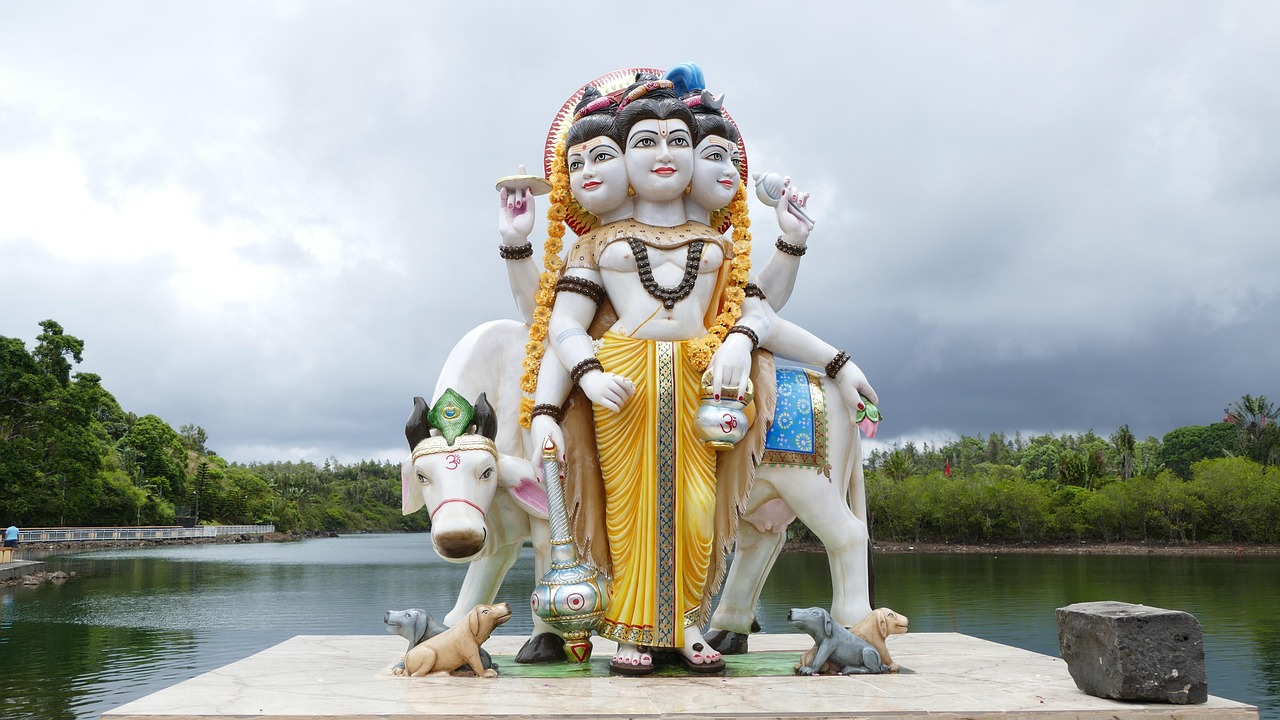
Why Visit Grand Bassin (Ganga Talao) – What Makes It Special
Grand Bassin, also known as Ganga Talao, is not the kind of place you “tick off” between beach days. It’s a living, breathing spiritual landscape in the highlands of Mauritius – a volcanic crater lake wrapped in mist, ringed by temples and shrines, and animated by the slow, constant movement of pilgrims, priests, monkeys, and the occasional bewildered visitor.
I’ve visited Grand Bassin more times than I can count – sunrise stops before work when I lived in Curepipe in 2017, late-night walks during Maha Shivaratri in 2020, and quiet weekday afternoons in 2025 when the lake was glassy and still, reflecting nothing but forest and sky. Every visit feels different. Sometimes it’s noisy, incense-thick and crowded; other times it’s so hushed you can hear sandalwood ash falling from the incense sticks.
Travelers usually come looking for “the giant Shiva statue in Mauritius” and leave talking about something else entirely: the smell of ghee lamps, the monkeys stealing prasad, the way the mist rolls in over the crater rim, or the old priest who insisted on tying a red thread around their wrist “for protection on the road back.”
Whether you have a 1 day itinerary for Grand Bassin or you’re planning 2 or 3 days in Grand Bassin and the surrounding highlands, this guide is designed to help you move beyond the parking lot and the postcard view. It’s a practical, opinionated, and very human travel guide for Grand Bassin, based on years of repeat visits and conversations with the people who actually keep this place alive.
Table of Contents
- Why Visit Grand Bassin
- Understanding Grand Bassin (Ganga Talao)
- 1. The Main Lake & Temple Complex
- 2. The 33m Lord Shiva Statue & Entrance Axis
- 3. Parvati, Durga & the New Generation of Giant Statues
- 4. Side Shrines, Caves & Quiet Corners
- 5. Hilltop Viewpoints & Crater Rim Walks
- 6. Nearby Highland Gems: Plaine Champagne, Chamarel & More
- Cultural Etiquette & Local Customs
- Itineraries: 1, 2 & 3 Days in Grand Bassin
- Eating Around Grand Bassin
- Where to Stay Near Grand Bassin
- How to Get to Grand Bassin & Getting Around
- Grand Bassin After Dark & Off-Hours Magic
- Events & Festivals 2026–2027
- Practical Travel Tips & Money-Savers
- Tickets, Opening Hours, Dress Code & On-Site Logistics
- Best Time to Visit Grand Bassin
- Summary & Final Recommendations
Understanding Grand Bassin (Ganga Talao)
Grand Bassin is a crater lake formed in an ancient volcanic caldera in the central highlands of Mauritius, about an hour’s drive south of Port Louis. For Mauritian Hindus, it is one of the most sacred places on the island. In 1897, a local priest dreamed that the lake was connected underground to the Ganges in India, and since then it has been considered Ganga Talao – “Lake of Ganga.”
Today, it’s both a pilgrimage site and a major stop on almost every inland tour. That dual identity is what makes it fascinating: buses of visitors snapping photos of the 33m Shiva statue alongside barefoot pilgrims carrying kanwars (decorated wooden structures) during Maha Shivaratri; teenagers taking selfies by the naga statues while their grandparents quietly light lamps at the main temple.
From a traveler’s point of view, Grand Bassin is not “just one temple.” It’s a whole spatial experience: the climb up from the main road past colossal statues, the slow descent to the lake, a ring of shrines, the smell of incense and frying puris, the monkeys, the mists, and the sudden, cinematic clearings when the clouds part and the lake glows green-black under the highland sun.
1. The Main Lake & Temple Complex
Most visitors’ first real encounter with Grand Bassin happens when they step off the last stretch of stairs and the lake finally opens up in front of them. The crater rim curves protectively around you; the water is still, broken only by the occasional ripple of a fish or a sacred offering. Bells ring somewhere to your left. On your right, a cluster of temples – painted in pastel pinks, yellows, and blues – jostles for space along the shore.
The first time I came here alone, on a damp Tuesday afternoon in July 2016, there were maybe a dozen people around the lake. A group of women in bright saris were chanting softly at a side shrine; a young couple sat on the low wall, sharing a paper cone of gato piment (chili cakes); a priest waved me over for a small blessing “for safe travels, madame.” I stayed for two hours without realizing it, just walking the circuit around the water and watching the light change as the fog rolled in.
What to See Around the Lake
- Main Temple (Shiv Mandir): The heart of the complex, with a small garbhagriha (inner sanctum) where a Shiva lingam is continuously bathed in water and milk. Remove your shoes at the entrance; shoulders and knees should be covered.
- Ganesha Shrine: A popular stop for families seeking blessings for studies, business, and new ventures. I’ve seen countless schoolchildren in uniforms lined up here with parents clutching exam schedules.
- Naga Statues & Lakeside Platforms: Snake-like guardians flank some of the small platforms where offerings are made directly to the lake, symbolizing Ganga. These spots are especially atmospheric at dawn and during evening aarti (lamp ceremony).
- Hanuman & Other Deities: Scattered around the periphery, you’ll find shrines to Hanuman, Lakshmi, and regional deities. Each has its own small community of devotees and stories.
How to Walk the Lake
The lake circuit is short – 20 to 30 minutes without stops – but you will want to linger. I usually walk clockwise, starting from the main temple on the right side after coming down from the statues. This brings you quickly into the densest cluster of shrines and gives you a sense of the devotional rhythm before you taper off into quieter corners on the far side.
Pause at the halfway point, where the view back towards the temples is framed by trees. This is one of the best “classic” angles for photos, especially in the late afternoon when the light comes from behind you and the temples are reflected in the lake.
Time & Tips
- Time to allow: 1.5 to 2 hours for a gentle circuit, temple visits, and photos. Add more if you like to sit and soak up atmosphere.
- Footwear: You’ll be slipping shoes on and off constantly. Wear sandals or easy-to-remove shoes, and bring a small bag if you don’t like leaving them on the temple steps (though theft is rare, I still keep mine with me).
- Monkeys: They are cheeky. Do not wave food or plastic bags around. I once watched a monkey unzip a backpack and make off with a packet of biscuits in three seconds flat.
- Respect: This is first and foremost a place of worship. Photography is generally fine outdoors, but avoid close-ups of people praying unless you ask.
2. The 33m Lord Shiva Statue & Entrance Axis
If you’ve Googled “must-see attractions in Grand Bassin,” you’ve already seen the enormous Shiva statue that guards the main approach road. At 33 meters tall, this copper-colored Lord Shiva with trident raised is visible long before you reach the lake itself, like a sentinel emerging from the mist.
Driving up from the south, the first time I saw it was on a drizzly morning in 2018. We rounded a bend, and suddenly there he was, half-shrouded in fog, drops of rain running down his outstretched hand. The driver unconsciously lowered his voice as we approached; even if you’re not religious, there’s a palpable shift in mood as you pass between the statues and onto the lake road.
Walking the Entrance Axis
Most tours drop you just past the main statues, but if you’re self-driving or with a flexible driver, ask to be let out at the far end of the axis so you can walk the last 300–400 meters. It’s a small but meaningful way to arrive like a pilgrim rather than a passenger.
- Pause at the base of Shiva, look up, and take in the scale. The statue’s size only really hits when you stand at his feet and realize each toe is larger than your head.
- From here, walk slowly toward the lake, noticing the devotional graffiti, the small sales stalls selling incense, flowers, and coconuts, and the changing soundscape as temple bells and chants drift up from below.
Photography Tips
- Best time: Early morning (07:00–09:00) for soft light and fewer crowds; late afternoon (16:00–17:30) for warmer tones and often dramatic cloud backdrops.
- Angles: For a sense of scale, shoot from slightly below the statue base, including passing pilgrims or visitors in the foreground.
- Weather drama: Don’t be disappointed by mist or drizzle; the statue looks especially powerful when emerging from clouds.
Family & Accessibility Notes
The area around the Shiva statue is flat and paved, easy for strollers and wheelchairs. Kids love the sheer size of the statue, and it’s an excellent spot to start explaining basic Hindu mythology if you’re traveling as a family. There are usually snack vendors nearby, but I recommend saving your appetite for better food a short drive away (more on that later).
3. Parvati, Durga & the New Generation of Giant Statues
In recent years, Grand Bassin has gained more monumental company: the towering statues of Parvati and Durga that balance Shiva visually and symbolically. These newer icons have subtly shifted the experience of arriving at the site – it’s no longer just a male deity dominating the skyline but a small pantheon of power.
I remember visiting right after the Durga statue’s completion in late 2023. The scaffolding had just come down, and you could still smell the tang of fresh paint under the incense. A group of older women from Rose Belle stood in front of Durga, pointing out details of her lion mount with a mix of pride and critique – “Her eyes are too small,” one said, while another replied, “But her shakti is strong, you can feel it.”
Why These Statues Matter
For travelers, the new statues are striking photo opportunities. For locals, they’re part of a broader story – the evolution of Mauritian Hindu identity, the role of women in devotional life, and the way public religious art shapes shared spaces.
- Parvati: Often depicted with a gentle, maternal expression, she’s associated with fertility, marital harmony, and strength in softness. Couples often stop here together.
- Durga: Fiercer, warrior-like, riding a lion. She represents the triumph of good over evil and is especially beloved during the Navratri festival.
Visiting Tips
- Combine with Shiva: Treat the statues as a single stop – walk between Shiva, Parvati, and Durga, noticing how their gazes align with the road and the lake.
- Lighting: Around sunrise or just after, the faces of the statues catch the first side light beautifully, especially on clear winter mornings (June–August).
- Crowds: During Maha Shivaratri, this entire stretch becomes a river of white-clad pilgrims. It’s intense but unforgettable – think millions of footsteps, drums, chants, and kanwars swaying under the weight of devotion.
4. Side Shrines, Caves & Quiet Corners
Once you’ve done the main circuit, it’s tempting to declare “I’ve seen Grand Bassin” and head back to the car. Don’t. The most memorable moments I’ve had here have rarely been at the obvious, photogenic spots – they’ve been in the smaller shrines tucked behind trees, the half-forgotten altars with wax-dripped candles, and the rough steps leading to caves where the air feels like it hasn’t moved in a century.
On a solo visit in early 2025, I ducked into a modest side temple painted in fading teal. Inside, there was just one old woman, methodically arranging marigolds and tulsi leaves on a simple stone lingam. She glanced up, smiled, and patted the floor, inviting me to sit. We shared ten minutes of companionable silence, punctuated only by the distant clang of bells and the soft slap of lake water just beyond the wall.
What to Look For
- Smaller Mandirs: These often have fewer visitors and more local character – hand-painted signs, improvised altars, donations boxes decorated with school stickers.
- Cave Shrines: On the far side of the lake and slightly up the slope are a few cave-like niches used for meditation. The rock is cool, the air heavy with incense, and the sound from the main complex is muffled.
- Tree Shrines: Look for trees wrapped in colored cloth or threads, often with clay lamps at the base. These are places where specific vows or wishes are tied – sometimes literally – to the living tree.
How Long & When
If you’re following a 1 day itinerary for Grand Bassin, carve out at least 30–45 minutes just to wander beyond the main crowds and see what you stumble upon. In a 2 or 3 day itinerary for Grand Bassin and surrounds, you can easily spend an unhurried half-day here, particularly if you enjoy people-watching, photography, or quiet reflection.
5. Hilltop Viewpoints & Crater Rim Walks
The wide shot of Grand Bassin that appears on postcards – the full crater lake, ring of temples, and highland forest beyond – isn’t taken from the water’s edge. It’s shot from above, on one of the modest hills that ring the crater.
The first time I climbed up for a bird’s-eye view, in 2019, I did it more or less by instinct: I saw a group of young guys from Vacoas heading up a rough path, plastic bags of snacks swinging from their hands, and followed them. Ten minutes later, I was standing on a grassy shoulder with the entire lake at my feet – temples small as toys, pilgrims mere dots of white and color streaming along the shore.
How to Reach the Best Views
There are several informal paths leading up to viewpoints around the crater. None are official “hikes” with signposts, but they are well-trodden.
- Classic Viewpoint: On the right-hand side of the lake (as you face it from the main stairs), look for a dirt path heading uphill between trees and brush. The climb is short (10–15 minutes) but can be slippery after rain.
- Secondary Knolls: On the opposite side, smaller mounds offer partial views with fewer people. These are better for quiet picnics and sunset watching.
What to Bring & Safety
- Footwear: Closed shoes or good sandals are strongly recommended – the mud is clinging, and there are loose rocks.
- Water & Sun: Even in the cool highlands, the Mauritian sun bites. Bring a water bottle and a hat.
- Respect the Land: Avoid trampling new paths; stick to the established tracks. This crater rim is ecologically fragile.
Time of Day
Golden hour (roughly an hour before sunset) is the most transformative time to be up here. The lake turns from deep green to metallic gold; temple bells float up clearly; and the statues catch the last light before the highland chill sets in. If you’re keen on photography or just like seeing places at their best, structure at least one late afternoon of your 2 or 3 days in Grand Bassin around this climb.
6. Nearby Highland Gems: Plaine Champagne, Chamarel & More
Grand Bassin doesn’t exist in isolation. It sits in the middle of one of Mauritius’s most beautiful regions: the central highlands, a quilt of forests, tea fields, viewpoints, and waterfalls that can easily fill two or three days of exploring.
On my most recent research trip in March 2025, I based myself for four nights in a small guesthouse near Chamarel and made Grand Bassin my “anchor” – returning twice for dawn visits and once in the late afternoon, weaving in stops at viewpoints and rum tastings in between. It’s the combination of sacred lake + wild green that makes this area so compelling.
Key Nearby Spots (Perfect for Day Trips)
- Plaine Champagne: A high, misty plateau covered in endemic forest. Great for short walks, birdwatching, and dramatic road-trip views.
- Black River Gorges National Park: Mauritius’s largest national park, with hiking trails, waterfalls, and lookouts. Ideal for adventurous travelers who want to balance temple time with trail time.
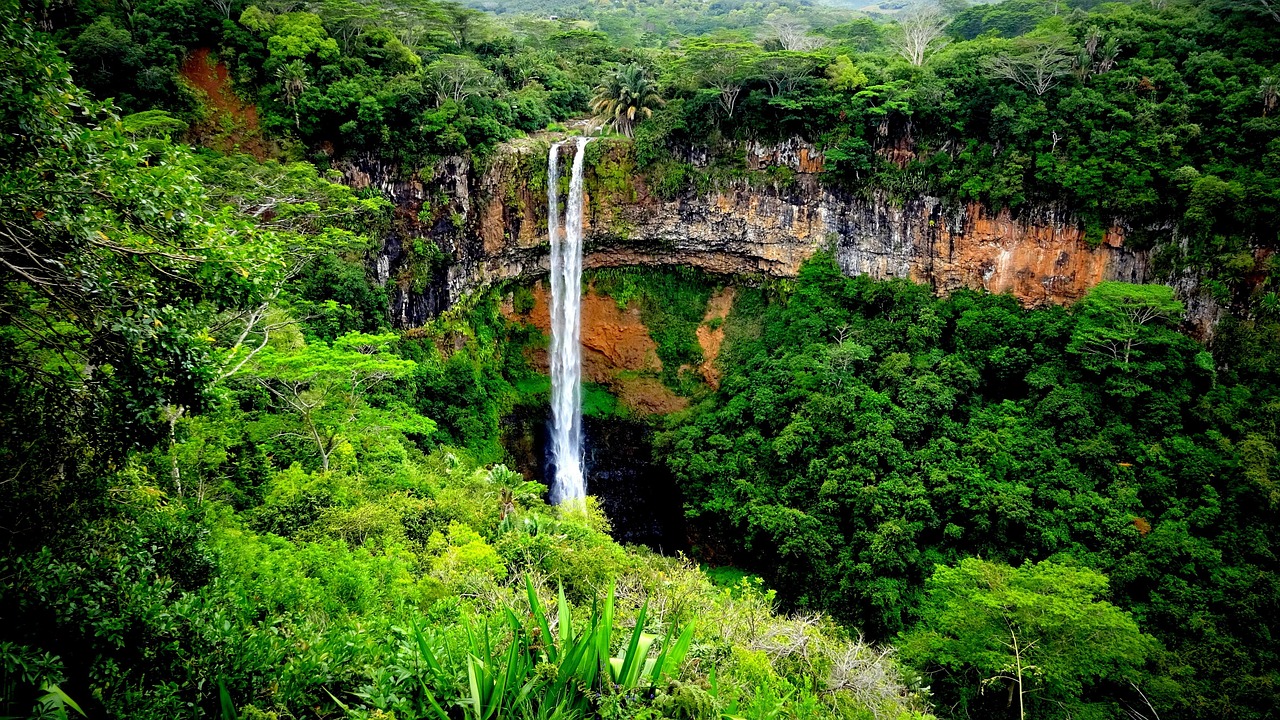
- Chamarel Seven Coloured Earth & Waterfall: A classic stop, but still worth it – particularly early in the morning before the buses arrive.
- Bois Chéri Tea Fields: Rolling hills of tea, a small museum, and tastings with views back toward the south coast.
These nearby sites are woven into the 2 day itinerary for Grand Bassin and the 3 day itinerary for Grand Bassin outlined later, with precise timing and route suggestions so you’re not wasting time backtracking.
Cultural Etiquette & Local Customs at Grand Bassin
Grand Bassin is, above all, a sacred site. Visitors are genuinely welcome – Mauritians tend to be proud of sharing it – but there are a few customs that will help you blend in and show respect.
Dress Code
- Cover shoulders and knees: Lightweight trousers or long skirts, and a T-shirt or blouse with sleeves, are perfect. You don’t need to be in traditional dress.
- Bring a scarf: Useful for extra coverage or to quickly adjust if you decide to step inside a more formal shrine.
Shoes & Inside Spaces
- Remove shoes before entering any temple structure or clearly demarcated sacred platform.
- Socks are usually fine, but bare feet are more common among locals.
Offerings & Participation
You’re welcome to observe rituals quietly. If you wish to participate:
- You can buy small offerings (flowers, incense, coconuts) from stalls near the main entrance.
- It’s customary to give a small donation if a priest performs a blessing for you – 50–200 MUR is typical; give what feels comfortable.
- Always receive prasad (blessed sweets or fruit) with your right hand or both hands together.
Photography & Behavior
- Outdoor photography is fine; inside temples, look for signs or ask quietly. When in doubt, avoid using flash.
- Do not step over people’s offerings or sit with your feet pointed directly at a deity or altar.
- Keep voices low around shrines; even if others are chatting, aim to maintain a calm tone.
Itineraries: 1, 2 & 3 Days in and Around Grand Bassin
These itineraries are based on actual trips I’ve taken between 2018 and 2025, tweaked with 2026 logistics in mind. They are opinionated – if I suggest skipping a popular stop or lingering somewhere “unimportant,” it’s because I’ve tried it both ways and know what feels rushed and what feels just right.
1 Day Itinerary for Grand Bassin – A Deep, Focused Visit
If you only have 1 day in Grand Bassin, focus on doing fewer things well rather than racing through every viewpoint. This day is designed around a slow, immersive lake experience plus one or two nearby highlights.
Morning: Arrive Early, Before the Buses
Suggested timing: Arrive between 07:00 and 08:00.
On my favorite solo day in September 2024, I left Curepipe just after sunrise and reached Grand Bassin around 07:20. The air was cool, the mist still clinging to the slopes. Only a few pilgrims were about, lighting the first incense sticks of the day.
- Start at the Shiva statue: Ask your driver to drop you near the base so you can walk the entrance axis. Spend 20–30 minutes here taking in the statues and the shifting mist.
- Descend to the lake: Follow the flow of people down the steps. As you reach the first clear view of the water, pause. This is the classic, heart-stopping vista.
- Lake circuit (first half): Walk clockwise, visiting the main temple and Ganesha shrine. This is a good time to observe morning rituals without the crush of midday tours.
Late Morning: Hidden Corners & Quiet Reflection
Suggested timing: 10:00–12:00.
By now, the first tour buses will be arriving. This is your cue to slip into the smaller pathways.
- Continue your circle around the lake, deliberately seeking out side shrines and quieter spots.
- Find a shady bench or low wall with a view of the water and simply sit for 15–20 minutes. This is when you start to feel why Grand Bassin matters to Mauritians.
- If a priest or devotee invites you to receive a small blessing, accept if you feel comfortable. These spontaneous interactions are what turn a visit into an experience.
Lunch: Simple Food, Real Flavors
There are basic food stalls near the parking area selling fried snacks, rotis, and sometimes simple curries. They’re fine for a quick bite, but if you care about food, I recommend driving 15–25 minutes to one of the more local joints described in the Eating Around Grand Bassin section. In my 2025 visit, I combined the 1-day plan with lunch at a roadside briani stand in Bois Chéri that I still dream about.
Afternoon: Viewpoint Walk & Nearby Nature
Suggested timing: 13:30–16:30.
- Crater viewpoint walk: Return to Grand Bassin if you left for lunch, and tackle the 10–15 minute climb to the classic viewpoint. Spend a good half hour up there.
- Optional add-on: If you have a car and energy, drive through Plaine Champagne for sweeping highland views. Even a 45-minute out-and-back creates a strong contrast with the lake’s enclosed world.
Late Afternoon: Golden Hour at the Lake
Suggested timing: 16:30–18:00.
Come back down to the lakeside for one last wander. The crowds thin as day-trippers leave, and locals reclaim the space – families feeding fish, couples walking slowly, priests preparing for evening lamps.
I like to end my 1 day itinerary sitting on the low wall near the naga statues, watching the color drain from the water and the first lamps flicker to life. It’s not dramatic in a sound-and-light-show way; it’s gentle, human, and deeply moving.
2 Day Itinerary for Grand Bassin & the Highlands
With 2 days in Grand Bassin and its surroundings, you can let the lake breathe and add a strong dose of nature. This is my favorite format for couples and families who want a mix of culture, scenery, and a little adventure without overdoing it.
Day 1: Deep-Dive into Grand Bassin
Follow the 1-day itinerary outlined above, but slow everything down. Arrive even earlier, linger longer at the shrines, and build in more time for spontaneous conversations and quiet observation. On one of my 2023 trips, I spent nearly an hour talking with a caretaker about the history of a small side temple – a conversation that would never have happened if I’d been rushing to the next sight.
Day 2 Morning: Black River Gorges National Park
Suggested timing: 08:00–13:00.
- Drive from your accommodation (or from Grand Bassin if you stayed nearby) to the Black River Gorges viewpoints and pick a short trail suitable for your fitness level. Families often enjoy the easier paths near the main viewpoints; hikers can tackle longer routes to waterfalls.
- Bring water, snacks, and insect repellent. The forest here is lush and alive with bird calls; I’ve spotted pink pigeons and echo parakeets on more than one visit.
Day 2 Afternoon: Return to Grand Bassin or Explore Tea & Villages
After a morning of walking, you can either:
- Option A – Return to Grand Bassin: See the lake under different light, perhaps catching an afternoon ceremony or simply wandering with new eyes now that you’ve felt the landscape beyond the crater.
- Option B – Bois Chéri & Tea Country: Visit a tea estate, tour the small museum, and enjoy a tasting with panoramic views. On my last trip, a late-afternoon tea session here, watching clouds roll over the south, was the perfect gentle end to two days in the highlands.
3 Day Itinerary for Grand Bassin, Chamarel & the South Coast
A 3 day itinerary for Grand Bassin lets you weave the sacred lake into a broader story of the Mauritian south: volcanic landscapes, Creole villages, rum distilleries, and windswept coastal viewpoints. This is the itinerary I recommend most often to friends visiting Mauritius for the first time who want more than just beaches.
Day 1: Grand Bassin – Arrival & Orientation
As with the 1-day plan, but with an emphasis on not over-scheduling. I like to arrive mid-morning, get my bearings, and treat this first encounter as a gentle initiation rather than the “main event.” If you’re staying near Chamarel, you can then drive to your accommodation by mid-afternoon, check in, and enjoy a sunset drink overlooking the valleys.
Day 2: Chamarel, Plaine Champagne & Highlands
Morning: Visit Chamarel Seven Coloured Earth and the waterfall early, before the tour buses. The landscape feels almost otherworldly in the slanting morning light.
Midday: Have lunch in Chamarel – curry and rotis or grilled fish, depending on your mood – then drive through Plaine Champagne, stopping at viewpoints and small roadside fruit stands. I still remember buying wild guavas from an old man on a bicycle here in 2022 and eating them on a misty lookout, hands sticky and happy.
Afternoon: Optional stop at a rum distillery for a tour and tasting (designate a driver if you’re self-driving). Return to your lodge in time for sunset.
Day 3: Dawn at Grand Bassin & South Coast Loop
This is the day that often becomes the emotional core of the trip.
- Dawn at Grand Bassin: Leave early and aim to arrive around 05:30–06:00. In 2025, I did this in late August; the air was cold enough for a jacket, and the lake was shrouded in mist. As the sky lightened, silhouettes of pilgrims appeared along the shore, and the first chants of the day rose with the sun.
- Spend a couple of hours walking quietly, perhaps receiving a simple blessing or lighting a lamp if you wish.
- Late Morning: Drive down toward the south coast – Gris Gris, La Roche Qui Pleure – for wild, wave-lashed cliffs, a complete contrast to the inland stillness.
- Lunch: Eat at a Creole restaurant near Souillac or in a coastal village – more on specific places in the next section.
- Afternoon: Meander back through small villages and sugarcane fields, stopping whenever something catches your eye. This is where a car and no fixed schedule become pure luxury.
Eating Around Grand Bassin – Where Locals Actually Go
Food directly at Grand Bassin is mostly functional: simple vegetarian snacks, tea, sodas, and the occasional full plate of curry and rice during big festivals. It’s fine if you’re hungry, but it’s not the best showcase of Mauritian cuisine.
When I’m plotting my own 1–3 days in Grand Bassin, I usually treat the lake as a place for spiritual and visual nourishment, and I go a bit further afield for actual meals.
What to Expect On-Site
- Snack stalls: Selling gato piment (chili cakes), dholl puri (split-pea flatbreads), alouda (sweet milky drink), and basic fried items.
- Festival food: During major events like Maha Shivaratri, there are often large community kitchens serving free or low-cost vegetarian meals to pilgrims. If you’re offered a plate, it’s an honor; accept graciously.
Nearby Food Options (Within 20–40 Minutes)
Since I can’t list specific business names that might change, here’s the pattern I use that has never failed me:
- South toward Bois Chéri & tea country: Look for roadside eateries and small snack counters frequented by locals – plastic chairs, handwritten menus, the smell of curry leaves. Lunchtime briani here is often excellent.
- West toward Chamarel: You’ll find a mix of traditional Mauritian restaurants and more polished places with views. Expect curries, grilled fish, and sometimes fusion menus aimed at visitors but still good.
- East toward small villages: Keep an eye out for boulangeries and “snacks” (small street-food stands). I often grab a paper bag of hot gato piment and a cold drink for an impromptu picnic at a viewpoint.
What to Bring with You to the Site
- Water (though bottles are available on-site).
- A light snack if you have kids or a sensitive stomach – nuts, fruit, or biscuits.
- Wet wipes or hand sanitizer – useful before and after eating, especially during festivals.
Where to Stay Near Grand Bassin
There are no hotels or guesthouses directly at Grand Bassin, and that’s a blessing – it preserves the site’s atmosphere. Instead, think in terms of highland bases within 20–45 minutes’ drive.
Best Areas to Base Yourself
- Chamarel: Ideal for a 2 or 3 day itinerary. A cluster of lodges and guesthouses in lush hills, great for couples and nature lovers. Easy access to Grand Bassin, Black River Gorges, and south coastal viewpoints.
- Tea Country / Bois Chéri Area: Quieter, with a few guesthouses and small lodges. Good for travelers who prefer misty mornings and cooler nights.
- South Coast (Gris Gris / Souillac area): Slightly further but excellent if you want coastal views plus day trips inland.
My Personal Preference
When I’m working on a travel guide for Grand Bassin, I almost always stay in or near Chamarel: high enough for cool evenings, close enough for dawn or dusk lake visits, and rich in good food and scenery. From there, Grand Bassin is a beautiful 30–40 minute drive through forests and fields.
How to Get to Grand Bassin & Getting Around
Grand Bassin sits roughly in the middle of the island, easiest reached by car or organized tour.
By Car (Self-Drive)
- Driving time: Around 1 hour from Port Louis or Flic-en-Flac, 45–60 minutes from most south and west coast resorts.
- Roads: Paved and generally in good condition, but expect winding mountain sections and occasional fog. Drive slowly in mist, especially at night.
- Parking: Large free parking areas near the main entrance.
Car Rental & Licenses
- Foreign licenses: Most foreign driver’s licenses (with Latin script) are accepted for short stays. An International Driving Permit is recommended but not always required.
- Rental tips: Book through reputable agencies; check insurance coverage and excess. For highland driving, a small car is fine, but avoid the tiniest engines if you’re carrying a full load – some hills are steep.
Public Transport
Technically possible, practically awkward. Buses can take you to nearby towns, but you’ll still be a taxi ride away from the lake. For anything beyond the most shoestring budgets, I recommend a rental car or private driver.
Private Taxi or Driver
- Many travelers arrange a day tour including Grand Bassin, Chamarel, and the south coast. This is efficient for a 1 day itinerary for Grand Bassin and surroundings.
- Negotiate the route and price in advance; clarify how long you want at each stop. Don’t let the driver rush you through the lake to get to commission-heavy attractions.
Grand Bassin After Dark & Off-Hours Magic
Most visitors see Grand Bassin under harsh midday light, squeezed between other stops. But the site transforms at the edges of the day.
Dawn (Highly Recommended)
Arriving in the pre-dawn half-light, especially in the cooler months (June–September), is like entering a private world. Mist moves in sheets across the water; the soundscape is reduced to bells, soft chanting, and the occasional cough or footstep.
On a dawn visit in August 2022, I watched as an elderly couple arrived, barefoot and wrapped in shawls, carrying a small basket of flowers and incense. They moved slowly around the lake, stopping at each shrine. By the time they finished, the sun had finally crested the crater rim, turning the mist into gold.
Golden Hour & Blue Hour
- Golden hour: The hour before sunset. Best for photography and for seeing statues and temples in their most flattering light.
- Blue hour: The short period after sunset when the sky deepens to cobalt and the first artificial lights are on. The reflections in the lake become painterly.
Night Visits
Outside of major festivals, the site is relatively quiet after dark. The main statues and some temples are illuminated, and the lake takes on a mysterious, inky quality. For safety and atmosphere, I’d recommend visiting at night only with a local guide or driver who knows the area well.
Sound-and-Light & Seasonal Programs
As of 2025 and projected into 2026, there is no formal commercial sound-and-light show at Grand Bassin (and I sincerely hope it stays that way). The “show” is organic: special lighting and amplified chanting during major festivals, candles and lamps multiplying along the shore, and processions of pilgrims.
Events & Festivals at Grand Bassin (2026–2027)
Grand Bassin’s calendar is anchored by Maha Shivaratri, but there are other significant days throughout the year when the energy shifts and the crowds swell.
Maha Shivaratri (February–March 2026 & 2027)
Usually falling between February and March, Maha Shivaratri is the single biggest event at Grand Bassin. Hundreds of thousands of pilgrims walk from all over Mauritius, carrying decorated kanwars, to fetch sacred water from the lake and offer it to Shiva in their home temples.
- 2026: Expect Maha Shivaratri in late February or early March (check exact dates closer to travel).
- 2027: Approximately one lunar year later, again February–March.
During these days, the road network around Grand Bassin is reorganized, and non-pilgrim vehicle access is restricted. If you visit as an observer, do so humbly: dress modestly, expect crowds, and be ready for long walks and powerful emotions.
Other Notable Periods
- Shivratri Mondays: Mondays dedicated to Shiva throughout the year see increased attendance, especially in the month of Shravan (July–August).
- Navratri (2026–2027): Nine nights dedicated to the Goddess, with special attention at the Durga statue and related shrines.
Changes in the Travel Scene for 2026
- Improved road signage and minor parking upgrades are being rolled out around Grand Bassin to better handle peak crowds.
- Increased emphasis on waste management during festivals – you’ll see more bins and volunteer cleanup crews.
- Growing number of small-group cultural tours led by local guides, focusing on the meaning of rituals rather than just photo stops.
Practical Travel Tips & Money-Savers for Grand Bassin
Costs & Money
- Entrance: Free. There are no tickets for Grand Bassin itself.
- Donations: Optional but appreciated at temples; small notes (20–200 MUR) are common.
- Snacks & drinks: Budget 100–300 MUR per person for simple on-site snacks and drinks.
SIM Cards & Connectivity
- Buy a local SIM from major providers at the airport or in town – data is inexpensive and coverage is generally good, though it can be patchy in some highland pockets.
- Having data helps with navigation, especially if you’re self-driving a 1 or 2 day itinerary for Grand Bassin and nearby sights.
How to Save Money
- Visit independently with a rental car rather than multiple short tours.
- Eat where locals eat – small snack stands and roadside eateries rather than tourist menus.
- Combine Grand Bassin with nearby free viewpoints and walks instead of stacking paid attractions.
Landmark-Specific Logistics: Hours, Rules & Accessibility
Opening Hours
Grand Bassin is effectively open 24 hours, as it is a living place of worship. In practice:
- Temples are most active from early morning to early evening.
- Dawn and dusk are the most atmospheric times for visitors.
Tickets & Reservations
There are no tickets, no timed entry, and no reservations required for Grand Bassin. This makes planning simple but means you must self-manage around peak hours if you want fewer crowds.
Peak Hours to Avoid
- Late morning to early afternoon on weekends and public holidays.
- Maha Shivaratri and other major festival days if you dislike crowds or have mobility issues.
Dress Code & Behavior Rules
- Modest clothing: shoulders and knees covered.
- Shoes off in temples and on marked platforms.
- No alcohol or loud music anywhere near the site.
Photography Restrictions
- Outdoor photography is generally fine.
- Inside shrines, ask or observe; avoid flash and intrusive behavior.
- Do not block pathways or doorways for long photo sessions.
Accessibility
- Paths: Main approaches and lakeside paths are paved but can be uneven and crowded.
- Stairs: There are several sets of stairs between the parking area/statues and the lake; some alternative, gentler slopes may be accessible with help.
- Wheelchairs & strollers: Possible around parts of the site with assistance, but not seamless. If mobility is a concern, plan extra time and bring a companion.
Security & Safety
- Grand Bassin is generally safe. Petty theft is rare but possible in any crowded place – keep valuables close.
- Watch your footing on wet stairs and paths; the combination of water, incense ash, and moss can be slippery.
- Be cautious around monkeys – do not feed them or attempt close selfies.
Visa & Entry Requirements (for Mauritius)
Requirements vary by nationality, but as of 2026:
- Many nationalities receive a visa-free or visa-on-arrival stay for tourism. Always check with the official Mauritian government or consular website before travel.
- Ensure your passport is valid for at least 6 months beyond your intended stay and has blank pages.
Best Time to Visit Grand Bassin
Mauritius has a subtropical climate, with seasonal variations that subtly change the experience at Grand Bassin.
By Season
- May–September (Cool, Dry Season): My personal favorite. Cooler temperatures in the highlands, often misty mornings and crisp afternoons. Perfect for walking and photography.
- October–December (Warming Up): Warmer but generally pleasant; good for combining inland and beach days.
- January–March (Hot, Cyclone Risk): Hottest, most humid months, with potential cyclones. Maha Shivaratri usually falls in this window, bringing extraordinary crowds and atmosphere – rewarding if you’re prepared, overwhelming if you’re not.
- April (Transition): Still warm but starting to ease; fewer tourists overall.
Best Time of Day
- Early morning: For serenity, softer light, and cooler air.
- Late afternoon into golden hour: For warm light and reflective water, plus quieter temples as day-trippers leave.
Summary & Final Recommendations
Grand Bassin is not the flashiest place in Mauritius. There are no ticket barriers, no choreographed shows, and no neat narrative boards in multiple languages. What it offers instead is something rarer: a glimpse into the island’s spiritual heart, unfolding in real time and on its own terms.
If you have 1 day in Grand Bassin, arrive early, walk slowly, and give the lake time to work on you. With 2 days, fold in the wild greens of Black River Gorges or tea country. With 3 days, make it the anchor of a wider journey through Chamarel and the south coast, letting the rhythms of pilgrimage, prayer, and misty highland weather guide your days.
Come dressed modestly, with an open mind and unhurried schedule. Skip the urge to treat it as “just another stop” between waterfalls and rum tastings. Sit by the water. Listen. Watch. Let the bells and chants, the drifting incense, and the quiet determination of pilgrims teach you more about Mauritius than any brochure ever could.
In 2026 and 2027, as road improvements and new tours make it easier to access than ever, my strongest piece of travel advice for Grand Bassin is simple: resist the rush. The lake has been here for millennia, the devotion for generations. It will reward the time you give it – and stay with you long after you’ve left the highlands behind.