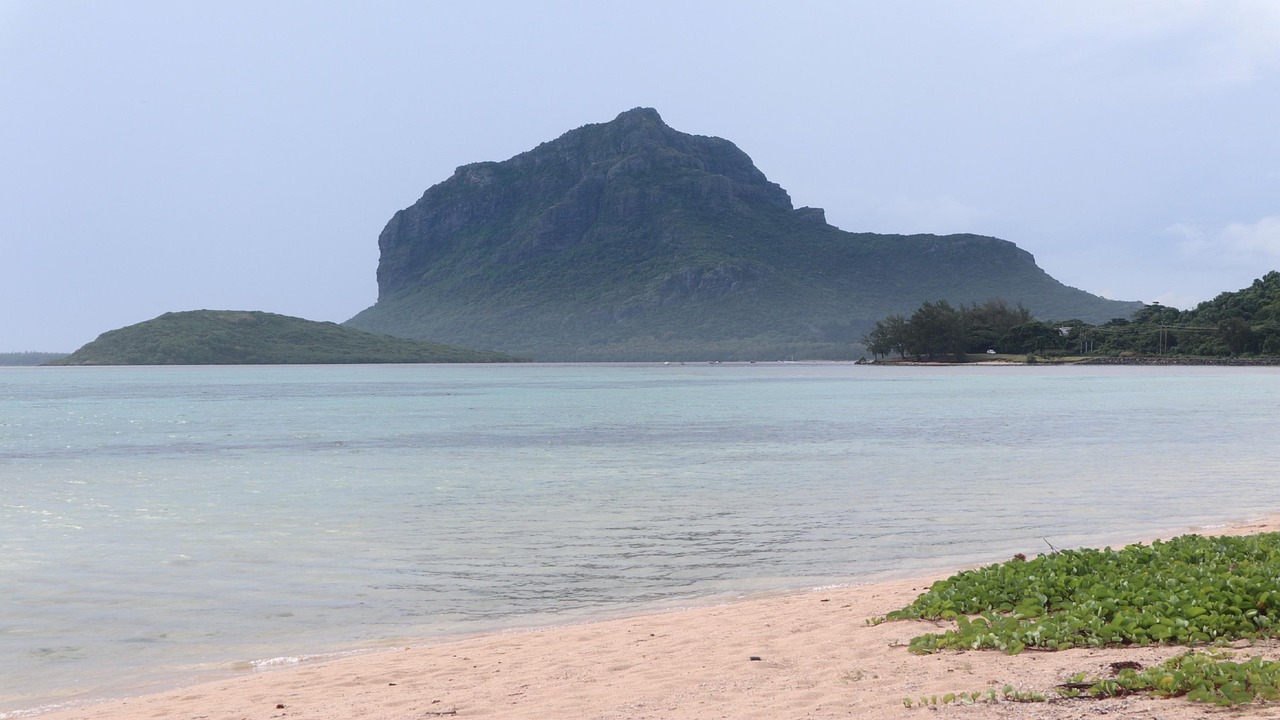
Why Visit Île aux Aigrettes?
Île aux Aigrettes is not your typical tropical island escape. You don’t come here for rows of sun loungers and cocktails with paper umbrellas. You come for giant tortoises lumbering through dappled shade, for pink pigeons flapping overhead like living comebacks from extinction, and for the way the coral rag crunches lightly under your feet as guides tell stories that sound almost unbelievable – except you’re standing right in the middle of them.
Just off the southeast coast of Mauritius near Mahébourg, this tiny coral island is one of the country’s most important nature reserves. Once heavily degraded, it has been painstakingly restored by the Mauritian Wildlife Foundation into a living museum of the original coastal forest that used to fringe Mauritius. If you want to understand the soul of the island beyond its resorts, this is where you start.
Over several visits between 2018 and my most recent trip in early 2026, I’ve walked its sandy paths in the sharp blue light of morning, watched the lagoon turn a molten gold at sunset from a boat, and brought friends, kids, and slightly skeptical relatives who all left transformed. Île aux Aigrettes is that kind of place: small, precise, and surprisingly emotional.
Whether you’re planning a 3 day itinerary for Île aux Aigrettes as part of a broader Mauritius trip or stretching it to a full 7 day itinerary for Île aux Aigrettes and the southeast coast, this guide is written to feel like having a local friend along – one who loves slow walks, strong tea, and long conversations with wardens about rare ebony trees.
Table of Contents
- 1. Getting to Know Île aux Aigrettes
- 2. Where to Base Yourself Around Île aux Aigrettes
- 3. The Main Areas, Coves & Viewpoints (14 Detailed Sub-Guides)
- 4. Itineraries: 3–7 Days in & Around Île aux Aigrettes
- 5. Island Eating: Local Food in & Around Île aux Aigrettes
- 6. Island Evenings & Nightlife
- 7. Cultural Experiences & Local Customs
- 8. Day Trips & Nearby Attractions
- 9. Practical Travel Tips & Logistics (2026–2027)
- 10. What’s New: 2026–2027 Events & Changes
- 11. Summary & Final Recommendations
Getting to Know Île aux Aigrettes
Île aux Aigrettes is a low-lying coral island of just 26 hectares, floating like a pale green comma inside the turquoise lagoon opposite Pointe d’Esny and Blue Bay. From the mainland, it looks almost insignificant – a smudge of trees above a ring of reef. Up close, it’s a time capsule.
The island is managed as a strict nature reserve. You cannot wander in on your own; visits are only via guided tours run in partnership with the Mauritian Wildlife Foundation (MWF). That’s part of its charm: every step is contextualized, every rusty seed pod and twist of liana has a story. I still remember my first guide in 2019 – Nadine – casually pointing to a stout little bird and saying, “That’s a Mauritius fody. They were almost gone when I was a child.” You learn quickly that “almost gone” is a recurring phrase here.
Over 30 years, conservationists have reintroduced species that once teetered on the edge: the pink pigeon, the Mauritius fody, the Telfair’s skink, and the wonderfully odd Aldabra giant tortoise, which now stands in for the extinct Mauritian species. The original coastal ebony forest has been replanted, invasive plants removed with almost monastic patience.
Most visitors see Île aux Aigrettes on a half-day nature tour. But to really fold it into your trip, it’s worth treating the island as the quiet heart of a wider southeast-coast stay: Mahébourg, Pointe d’Esny, Blue Bay, and the low-key fishing villages that lace the lagoon. That’s what this travel guide for Île aux Aigrettes is really about: using the reserve as your anchor, then spiraling outwards into everyday Mauritian life.
Where to Base Yourself Around Île aux Aigrettes
You don’t sleep on Île aux Aigrettes itself; you stay on the mainland and boat over. The good news is that the stretch from Mahébourg to Pointe d’Esny may be my favorite part of Mauritius to wake up in.
Mahébourg: Character & Local Life
I often base myself in Mahébourg when I want to visit Île aux Aigrettes more than once. It’s a low-rise, lived-in coastal town with a waterfront promenade, a daily (and Sunday-expanded) market, and guesthouses tucked into streets that still ring with Creole, Bhojpuri, and French. Mahébourg is ideal if you like:
- Budget-friendly stays – family-run guesthouses and small hotels.
- Walking access to markets, bus station, and simple restaurants.
- Early-morning life – fishermen unloading, snack stalls opening before 7am.
Pointe d’Esny & Blue Bay: Lagoon Lovers
If your dream is to roll out of bed and into a glassy lagoon, base yourself at Pointe d’Esny or Blue Bay, both just a short drive from the Île aux Aigrettes jetty. Over the years I’ve alternated between a snug studio right on the sand at Pointe d’Esny and a slightly more polished guesthouse in Blue Bay.
- Pointe d’Esny – long, pale beach, quiet, mostly villas and small guesthouses.
- Blue Bay – more facilities, beach park, snack stalls, easy access to snorkeling trips.
Both are excellent for families, couples, and anyone planning a 4 day itinerary for Île aux Aigrettes that mixes lagoon time with nature and low-key village wandering.
Beachfront vs Village vs Eco-Lodge
I’ve stayed in all three styles within a 10–15 minute radius of the Île aux Aigrettes departure point:
- Beachfront apartments & villas – Best if you plan to swim or kayak daily. Ideal for families and romantic stays. Self-catering helps keep costs down.
- Village guesthouses (Mahébourg) – Best for budget travelers and those who like to walk to shops and bus stops. You’ll hear roosters, kids playing, and occasional sega music late at night.
- Eco-lodges inland – There are a few eco-conscious stays in the south and southeast, in old sugar estates or near wetlands. Great if you’re bird-obsessed and don’t mind driving to the coast.
The Main Areas, Coves, Villages & Viewpoints (14 Detailed Mini-Guides)
Île aux Aigrettes itself is the star, but its magic is amplified by the ring of beaches, coves, and villages that share its lagoon. Below you’ll find fourteen of the best places to visit in Île aux Aigrettes’s orbit – each described the way I’ve experienced them over multiple trips.
1. Île aux Aigrettes Nature Reserve – The Coral Island Time Capsule
I first stepped onto Île aux Aigrettes on a wind-bright morning in 2018, the boat’s hull thudding softly against its tiny jetty. Every visit since has begun with that same little thrill: you’re crossing a barely visible border from “tourist island” to “what this island used to be.”
The standard guided visit runs about 1.5–2 hours on the island, plus boat time. You assemble at the small reception area near Pointe Jérôme, listen to a short briefing under the shade of a badamier tree, then skim across the lagoon in a low motorboat that always seems on the verge of flight.
Once on the island, you follow a sandy loop trail under the canopy of native coastal forest: ebony, bois de natte, takamaka. Look closely and you’ll see small numbered tags on many trees – living inventory of a restoration project stretching back decades. Guides weave history with ecology, explaining how goats, rats and invasive plants nearly destroyed this place, and how painstaking hand-weeding and replanting brought it back.
On my most recent visit in March 2026, I watched a group of kids fall utterly silent as an Aldabra giant tortoise shuffled out from behind a clump of shrubs, its shell worn like old stone. A pink pigeon – plump, improbably pretty – swooped overhead, and our guide, Raj, pointed out a Telfair’s skink darting between roots: “See that one? We almost lost them too.”
Practical tips:
- Bookings: Reserve via the Mauritian Wildlife Foundation or through your hotel. Morning tours (8–10am) are cooler and have better bird activity.
- What to bring: Hat, reef-safe sunscreen, insect repellent, a refillable water bottle, and closed shoes or sandals with a good grip (the coral rock can be uneven).
- Family friendly: Yes. Kids 5+ usually love the tortoises and skinks. The path is short but not stroller-friendly.
- Photography: Telephoto lens handy for birds, but even a phone captures the light well under the canopy.
For anyone planning things to do in Île aux Aigrettes, this is your non-negotiable must-see attraction. Build the rest of your southeast-coast time around it.
2. Blue Bay Marine Park – Snorkeling in a Living Aquarium
From Île aux Aigrettes, your gaze naturally drifts across the lagoon to Blue Bay Marine Park, a protected area where coral gardens fan out in pastel plates beneath a pane of clear water. I’ve watched this reef recover slowly over the years, and while it’s not as untouched as the brochures suggest, it’s still one of the best quick-access snorkeling spots on the island.
Most visitors hop on a glass-bottom boat from the Blue Bay public beach. I usually go early – around 8:30am – before day-trippers arrive from the north. On one trip in 2025, we had the reef almost to ourselves; parrotfish grazed loudly on coral, a turtle cruised by, and a cloud of sergeant majors surrounded us like confetti.
How it works: You wade out from the sand to a line of boats, negotiate a price (or go with a pre-booked operator), and motor out to a shallow patch of reef within 10–15 minutes. Most tours last about an hour, including snorkeling time. Some packages combine Blue Bay with a lagoon cruise skirting past Île aux Aigrettes – a great option if you’re short on time.
Tips for travelers:
- Reef etiquette: Never stand on the coral; even a light touch kills polyps. Choose operators who brief guests on this.
- Gear: Bring your own mask and snorkel if you can; rental quality varies. Fins are helpful but not essential in calm weather.
- Best time: Morning for calm seas and clearer visibility. Avoid days with strong southeast trade winds if you’re not confident in the water.
If your 3 days in Île aux Aigrettes area are short and sweet, pair a morning nature tour on the island with an afternoon snorkel at Blue Bay. It’s a concise, satisfying window into both land and sea ecosystems.
3. Pointe d’Esny Beach – The Quiet Lagoon Ribbon
Pointe d’Esny is the beach I return to when I need to remember what unhurried coastal life feels like. It’s a long, pale curve of sand stretching south from Blue Bay toward Mahébourg, mostly lined with private homes and small guesthouses, with just a handful of narrow public access points.
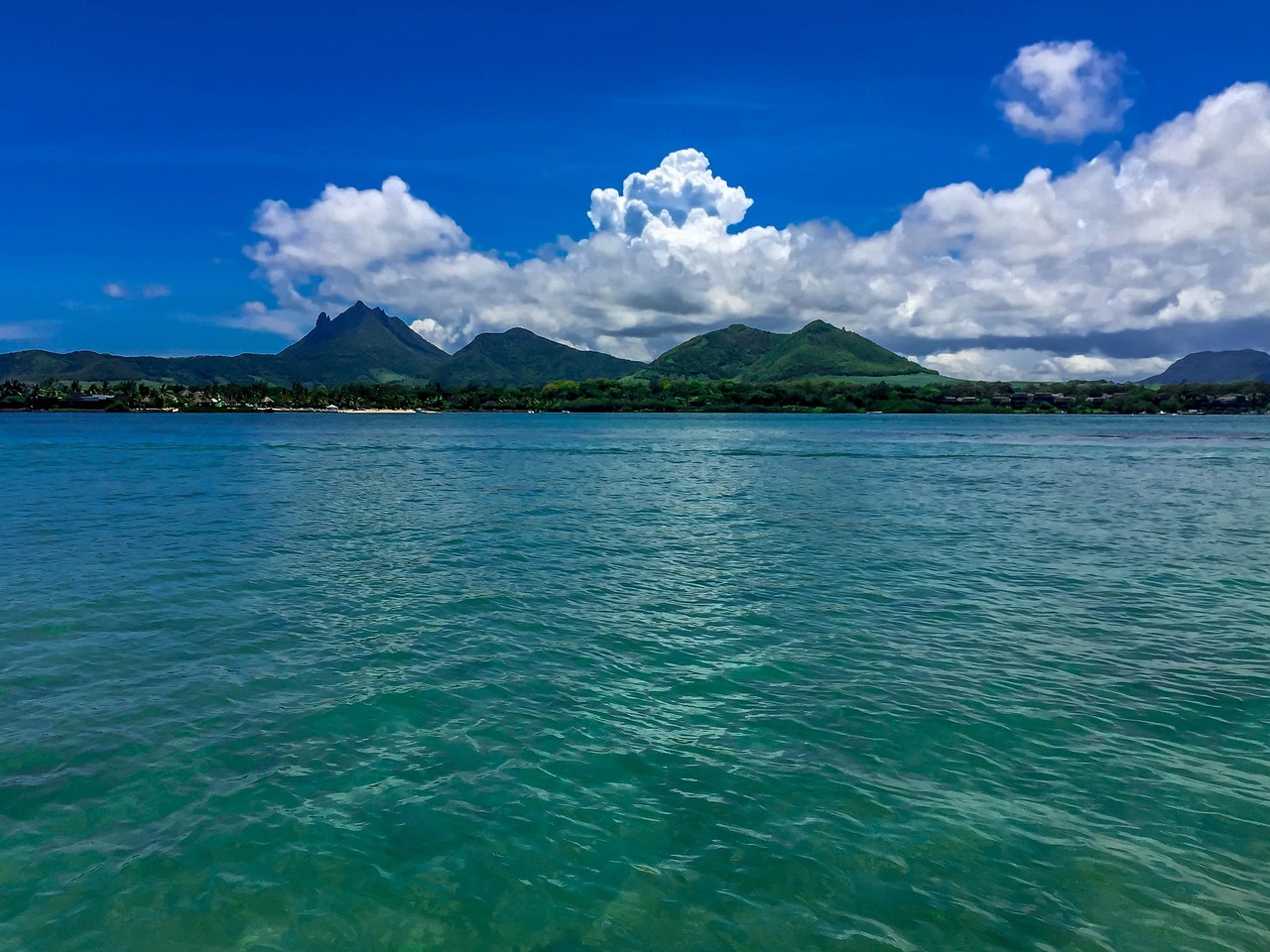
From the shore, you can often spot the low green of Île aux Aigrettes on the horizon. On calm days, the lagoon here looks almost fake – turquoise in shallow patches, deep cobalt in the channels. I’ve watched sunrises here with local fishermen already waist-deep in the water, nets fanned around them like skirts.
Why I love it: Pointe d’Esny is ideal for long, meditative walks. The sand is firm enough for bare-foot strolling, and because the lagoon is shallow and sheltered by reef, the water is usually calm – excellent for families and hesitant swimmers. In the late afternoon, shadows of coastal filaos trees stretch over the sand, and the whole place feels like exhalation.
Good to know:
- Access: Look for signed public beach access paths between villas. Parking can be tight; go early or arrive on foot from nearby accommodation.
- Facilities: This is not a “serviced” beach – no rows of loungers or bars. Bring your own snacks and water.
- Romantic factor: High at sunset. The view across the lagoon towards the mountains behind Mahébourg is one of my favorites on the island.
4. Mahébourg Waterfront & Cavendish Bridge – Everyday Island Life
Mahébourg’s waterfront is the antidote to glossy resort brochures. It’s where teenagers sit on the sea wall sharing one bag of gateaux piment, where older men play dominoes under the banyan trees, and where you’re just as likely to hear sega music from someone’s phone as from a stage.
I like to stroll here in the late afternoon, when the light is soft and the wind from the lagoon smells faintly of seaweed and frying snacks. The Cavendish Bridge, built in 1911, stretches long and low across the La Chaux River estuary; from the center, you get a wide view of the bay, with Île aux Aigrettes a smudge on the horizon.
Things to do:
- Walk the waterfront promenade from the bus station area to the small gardens at the far end.
- Pause at the food stalls near the waterfront for samoussas, roti, or a paper cone of sliced fruit with chili and salt.
- Visit the Mahébourg Museum (National History Museum) a short walk inland, for shipwreck stories and artifacts from the naval Battle of Grand Port.
For travelers piecing together a 5 day itinerary for Île aux Aigrettes area, Mahébourg is where you plug into local rhythm: markets, buses, everyday errands. It’s also where you’re reminded that for most Mauritians, the lagoon is work as much as leisure.
5. Mahébourg Market – Spices, Street Food & Sega Rhythms
Sunday in Mahébourg smells like curry leaves, ripe mango, and hot oil. The weekly market swells beyond its weekday footprint, rows of stalls spilling into side streets. I’ve lost count of how many times I’ve wandered here, but I still find new snacks and new aunties willing to argue about the best brand of masala.
What to look for:
- Spices and pickles: Local masala mixes, fragrant vanilla, jars of achar (pickled vegetables) that are pure alchemy with plain rice.
- Snacks: Gateaux piment (split pea fritters), dholl puri (split-pea-filled flatbread), and napolitaines (shortbread cookies with jam and icing).
- Fresh produce: Try seasonal fruits – lychees around December, mangoes in summer, guavas in winter.
Personal tip: I like to come around 9–10am, after the initial rush but before the midday heat. Grab a dholl puri, then wander without hurry. If someone offers you a taste of something from behind the stall, say yes; it’s how I discovered a gloriously fiery lemon pickle I now bring home every trip.
For anyone interested in local food in Île aux Aigrettes area, Mahébourg market is non-negotiable. It’s also a good place to stock up affordably if you’re self-catering at a beach apartment.
6. Pointe Jérôme & Île aux Aigrettes Jetty – Gateway to the Reserve
Pointe Jérôme is less a destination than a liminal space – the place where you trade shoes for sandals, city thoughts for lagoon thoughts, and step onto the small boats that ferry you to Île aux Aigrettes.
The jetty area has a low-key reception hut and shaded waiting area for the nature reserve tours. Over multiple visits, I’ve learned to arrive a bit early, not just to sign in but to watch the choreography of boats in the channel and listen to guides teasing one another in Creole before they switch into polished English or French for visitors.
Good to know:
- Location: About 10–15 minutes’ drive from Mahébourg, a bit closer from Pointe d’Esny.
- Transport: Taxis are easy; public buses drop you on the main road, from where it’s a short walk.
- Facilities: Basic – think simple toilets, benches, sometimes a small stand for water or soft drinks.
If you’re building any 3 day itinerary for Île aux Aigrettes, this spot becomes your familiar starting point. By your second or third visit, you might find the staff greeting you like an old friend.
7. Vieux Grand Port & Coastal Viewpoints – History Facing the Lagoon
Drive east from Mahébourg along the coast, and the road snakes past low-lying mangroves and quiet villages like Vieux Grand Port. This stretch feels older than the rest of the island – not in the sense of ruins (though there are some), but in the way the land and sea seem to have been negotiating with each other for centuries.
There are a few unsigned viewpoints along this road where you can pull over, stand at the low sea wall, and look back across the lagoon to Île aux Aigrettes. On a hazy afternoon in 2024, I did just that, sharing the spot with two fishermen mending nets and a group of school kids taking selfies with the bay behind them.
Why it’s worth the detour:
- Quiet, reflective spots to watch the changing colors of the lagoon.
- Glimpses of everyday coastal life – boats drying on the sand, kids swimming after school.
- Connection to the Battle of Grand Port history, which you can explore further at Mahébourg’s museum.
8. Île des Deux Cocos – A Private Island Day Trip
While Île aux Aigrettes is about conservation, Île des Deux Cocos, a small island near Blue Bay, leans into castaway luxury. I’ve done the classic day trip here twice – once on a press trip with colleagues, once paying my own way with friends – and the experience is surprisingly consistent: shaded loungers, languid lunch buffets heavy on seafood, and snorkeling right off the beach.
What it’s like: A boat picks you up from the Blue Bay area and drops you on the island’s small jetty. The main villa, originally built by a British governor in the 1920s, exudes a kind of faded colonial glamour. Day packages typically include drinks, buffet lunch, and access to sunbeds and snorkeling gear.
Is it worth it? If you’re the kind of traveler who likes at least one indulgent day in a 5 day or 6 day itinerary for Île aux Aigrettes area, then yes – it makes a nice contrast to the more earnest nature walks on the reserve. Couples tend to love it; families with younger kids appreciate the easy, shallow water.
9. Blue Bay Village & Public Beach – Picnics & People-Watching
On weekends, especially Sundays, Blue Bay’s public beach transforms into a tapestry of Mauritian life. Families arrive with coolers, tupperware towers of curries and salads, and portable speakers playing sega and Bollywood hits. Smoke from improvised barbecues curls up between filaos trees. Kids shriek in the shallows.
I like to come here late on Saturday afternoons when it’s busy enough for good people-watching but not at full Sunday capacity. Buy a glace râpée (shaved ice with syrup) from a cart, then find a patch of shade. It’s not “tranquil” in the Instagram sense, but it is wonderfully alive.
Practical notes:
- Facilities: Toilets, showers, snack stalls, shaded picnic spots under trees.
- Activities: Glass-bottom boat tours, snorkeling, kayak rentals.
- Family friendly: Very. The lagoon is shallow and patrolled informally by watchful parents and grandparents.
If you’re curious about the contrast between resort life and local leisure, make sure your things to do in Île aux Aigrettes area list includes a weekend afternoon at Blue Bay public beach.
10. Coastal Walks Between Pointe d’Esny & Mahébourg – The Quiet Link
Few visitors walk this stretch; most just drive between Mahébourg and Pointe d’Esny. But if you’re staying nearby and the tide is right, you can weave together bits of beach, quiet lanes, and coastal paths to create a gentle half-day wander along the lagoon, with Île aux Aigrettes always somewhere on your horizon.
On a still morning in 2023, I set out from my guesthouse at Pointe d’Esny, followed the sand as far as I could, then cut inland through residential streets, eventually emerging near the Mahébourg waterfront. Along the way I passed fishermen repairing nets in their yards, schoolchildren in blue uniforms, and a woman sitting on her stoop grating coconut for lunch.
Tips:
- Wear a hat and bring water; shade is intermittent.
- Use an offline map to keep your bearings as paths zigzag inland.
- Smile and say a simple “bonjour” or “bonzour” when passing people; it’s appreciated.
11. Inland Sugarcane & Mountain Backdrop – Drives & Viewpoints
One of my favorite things about basing near Île aux Aigrettes is how quickly you can transition from lagoon to sugarcane and mountains. A 10–20 minute drive inland takes you through fields that glow almost neon green after rain, with jagged peaks like Lion Mountain punching into the sky.
These drives are where you find small, unassuming viewpoints: a curve in the road where you suddenly see the lagoon glittering far below, or a roadside fruit stall with a wooden bench that turns into an impromptu viewpoint while you sip freshly cut coconut.
Renting a car for at least a day or two is worth it if you’re building a 6 day itinerary for Île aux Aigrettes and the southeast and want to balance coast with a sense of Mauritius’s interior.
12. Fishing Villages & Small Harbours – Grand Sable, Petit Bel Air & Beyond
Drive further along the southeast coast road and you’ll pass through a string of small villages – Grand Sable, Petit Bel Air, and others that don’t always register on tourist maps. I usually explore this area on my “slow day”: no firm plans, just a car, some snacks, and a willingness to stop whenever something catches my eye.
In one tiny harbour in 2022, I watched as a group of men hauled in a net hand-over-hand, singing softly in Creole. A boy perched on a rock, flicking his fishing line out and reeling it back rhythmically, more meditation than sport. No one paid me particular attention – a sure sign that tourism hasn’t reshaped this stretch too dramatically… yet.
These villages don’t come with checklists of must-see attractions; they’re about atmosphere. Park respectfully, walk a little, buy snacks from the small shops, and remember you’re a guest in someone’s ordinary day.
13. Île aux Cerfs (Day Trip) – The Contrast Island
While not in the immediate lagoon of Île aux Aigrettes, Île aux Cerfs on the east coast is a popular day trip from the southeast, and it provides an instructive contrast. Where Île aux Aigrettes is quiet and conservation-focused, Île aux Cerfs is busy and unabashedly recreational: parasailing, beach bars, floating trampolines for kids.
I mention it here because many travelers planning 5 days or 7 days in Île aux Aigrettes area ask whether it’s worth fitting in. My answer: if you’re curious about the full spectrum of Mauritian island experiences, yes – but go on a weekday, and be prepared for crowds. I tend to spend half the day walking away from the busiest sections to find quieter coves, then return for a cold Phoenix beer at a beach bar before the boat back.
14. La Cambuse & the Wild South Coast – Where the Reef Breaks
Head south from Blue Bay and you feel the character of the coast shift under your feet. The lagoon narrows, the reef breaks closer to shore, and the ocean arrives with more force. La Cambuse is one of those beaches where you sense the wild south waking up – long, open, sometimes windy, with waves that slap rather than lap.
I’ve stopped at La Cambuse on several drives around the island, usually to stretch my legs and feel the difference in the air. It’s less about swimming (currents can be tricky; ask locals) and more about walking, watching the sky, and feeling the raw edge of the Indian Ocean.
For those wanting a fuller sense of the island’s geography during a 6 day or 7 day itinerary for Île aux Aigrettes and Mauritius, pairing the gentle lagoon of Île aux Aigrettes with the rougher south coast creates a satisfying contrast.
Itineraries: 3–7 Days in & Around Île aux Aigrettes
The southeast is compact, but it rewards slow travel. Below I’ll sketch how I’d structure different lengths of stay, grounding each in personal experience. To keep this guide readable, I’ll summarize rather than write a novella for each day, but you can easily expand or compress these plans.
3 Day Itinerary for Île aux Aigrettes & the Southeast
This is for travelers who want to weave Île aux Aigrettes into a broader Mauritius trip without rushing. Think of it as a concentrated “essence of southeast” experience.
Day 1 – Arrival, Mahébourg Waterfront & Blue Bay Sunset
On my most recent 3-day southeast stay in 2025, I landed in the afternoon, dropped my bag at a guesthouse in Mahébourg, and went straight to the waterfront. Do the same if you can; it grounds you after a flight.
- Afternoon: Stroll the Mahébourg waterfront and Cavendish Bridge, snack at food stalls, maybe duck into the National History Museum if time permits.
- Evening: Taxi or bus to Blue Bay public beach for sunset. Sit on the sand, watch glass-bottom boats return, and let your body adjust to island time.
Day 2 – Île aux Aigrettes & Blue Bay Marine Park
This is your core nature day.
- Morning: Take the guided tour of Île aux Aigrettes. Book the earliest slot you can manage to avoid heat and crowds.
- Lunch: Simple Mauritian meal in Mahébourg or Blue Bay (think grilled fish, rice, salads).
- Afternoon: Snorkel at Blue Bay Marine Park by glass-bottom boat, or laze on the sand at Pointe d’Esny if you’re tired.
Day 3 – Market Morning & Coastal Wandering
Before heading on to your next base in Mauritius:
- Morning: Explore Mahébourg market (ideally a Sunday) for street food and souvenirs.
- Late morning/early afternoon: Walk or drive along the coast towards Vieux Grand Port for viewpoints, then circle back for your onward transfer.
4 Day Itinerary for Île aux Aigrettes & Lagoon Life
With four days, you can slow down and add more sea time.
- Day 1: As per 3-day itinerary – Mahébourg waterfront and Blue Bay sunset.
- Day 2: Île aux Aigrettes tour in the morning, lazy afternoon on Pointe d’Esny beach.
- Day 3: Blue Bay Marine Park snorkeling + optional half-day Île des Deux Cocos experience.
- Day 4: Mahébourg market, inland sugarcane drive with viewpoints, then onward travel.
5 Day Itinerary for Île aux Aigrettes & the Southeast
Five days is where the southeast really opens up. This is the length I most often choose for my own trips now; it allows for both structure and serendipity.
- Day 1: Settle in, Mahébourg waterfront, local dinner.
- Day 2: Île aux Aigrettes + Blue Bay beach afternoon.
- Day 3: Blue Bay Marine Park snorkeling + slow coastal walk around Pointe d’Esny.
- Day 4: Rent a car for a south coast loop: La Cambuse, further along the wild coast, maybe down to Gris Gris before returning inland through sugarcane.
- Day 5: Market morning, repeat your favorite beach or book a second visit to Île aux Aigrettes if you fell in love (many people do).
6 Day Itinerary for Île aux Aigrettes & East/South Contrast
With six days, you can add a completely different lagoon to your experience.
- Days 1–4: Follow the 4-day itinerary, adjusting beach vs snorkeling balance to your taste.
- Day 5: Day trip to Île aux Cerfs on the east coast – busy but beautiful, good for water sports and a different style of beach bar.
- Day 6: Spare day to revisit your favorite spot – I’d personally choose another calm morning at Pointe d’Esny or a return to Île aux Aigrettes if there’s availability.
7 Day Itinerary for Île aux Aigrettes & the Southeast – A Full Immersion
A full week lets you live with the lagoon rather than just visit it. I spent seven days in the area in 2022, and it remains one of my most restorative trips in Mauritius.
- Day 1: Arrive, Mahébourg wander, early night.
- Day 2: Île aux Aigrettes + quiet reading/siesta afternoon at your accommodation.
- Day 3: Blue Bay Marine Park snorkeling + walk Pointe d’Esny at sunset.
- Day 4: Car rental day – inland sugarcane drive, mountain viewpoints, small villages.
- Day 5: Day trip to Île des Deux Cocos or a catamaran cruise that skirts the lagoon and offers new angles on Île aux Aigrettes.
- Day 6: Free day – market, repeat favorite beach, or second island tour; great day to chase a hidden gem you’ve heard about from locals.
- Day 7: Slow goodbye: sunrise at Pointe d’Esny, coffee on Mahébourg waterfront, last roti at the market before departure.
Island Eating: Local Food in & Around Île aux Aigrettes
The southeast is not as restaurant-saturated as Grand Baie or Flic-en-Flac, but that’s part of its charm. You eat simpler, closer to the source, and often standing up at a stall or sitting on a bench facing the water.
What to Eat
- Dholl puri: Thin, soft flatbread filled with ground split peas, served with bean curry, tomato chutney, and pickles. My default breakfast and lunch when I’m too lazy to decide.
- Gateaux piment: Fried split pea fritters with chili and herbs. Perfect with a cold beer at the end of the day.
- Fresh grilled fish: Often marinated in garlic, ginger, and herbs, served with rice, salad, and sometimes creole sauce.
- Octopus curry: Tender if you pick the right place; ask locals for their favorite spot.
- Mine frite: Stir-fried noodles with vegetables, egg, and optional meat or seafood; great budget filler.
Where I Eat
In Mahébourg, I rotate between a few small eateries near the market and bus station – the kind with plastic chairs and handwritten menus. I also never skip the snack stalls along the waterfront: samoussas, fritters, and fresh fruit are cheap and delicious.
In Blue Bay, I often grab a simple lunch from the public beach snack stands – grilled fish in a baguette, fried noodles in styrofoam boxes (not eco-perfect, but very local), and coconut water straight from the shell.
For those staying in self-catering places at Pointe d’Esny, shopping at Mahébourg market and small supermarkets is the best way to keep costs down on an island where imported goods add up quickly.
Island Evenings: Sunsets, Beach Bars & Quiet Villages
The southeast doesn’t have a booming nightlife scene; its evenings are subtle. That suits me. After days of sun and saltwater, I’m usually happy with a cold beer and a good view.
Sunset Spots
- Pointe d’Esny beach: Not a west-facing beach, but the sky over the mountains can be spectacular, with soft pastel reflections in the lagoon.
- Mahébourg waterfront: Watch the sky change color behind boats bobbing in the bay. The mood is gentle, social, and very local.
- Blue Bay public beach: More animated, with families wrapping up their picnics and music drifting from car speakers.
Beach Bars & Low-Key Evenings
Blue Bay has a few casual bars and hotel lounges where you can sip a rum cocktail or Phoenix beer with your toes still sandy. Mahébourg has small bars and cafes where locals gather to watch football matches or play cards.
Occasionally, especially around public holidays or full moons, you might stumble upon an informal beach gathering with live sega music – drums, ravanne, and voices rising over the sound of waves. If you’re invited to join the dancing, take off your shoes and say yes.
Cultural Experiences & Local Customs
Île aux Aigrettes itself is more about nature than living culture, but the communities around it embody the blend that makes Mauritius unique: Creole, Indian, Chinese, and French influences layered over an African and Malagasy base.
Etiquette & Local Customs
- Greetings: A simple “bonjour” (French) or “bonzour” (Creole) goes a long way. In markets, a friendly nod before asking prices is appreciated.
- Dress: Beachwear is fine on the sand, but cover up (at least a T-shirt and shorts or sundress) in town, markets, and especially in or near places of worship.
- Photography: Always ask before photographing people, especially in markets or villages. A smile and “photo, ok?” usually does the trick.
- Temples & churches: Remove shoes when entering Hindu temples or mosques if invited inside. Be discreet with photos, and avoid interrupting worship.
- Language: English and French are widely understood; Mauritian Creole is the warm heart-language. Learning a few phrases – “Mersi” (thank you) and “Ki manier?” (How are you?) – delights people.
Cultural Experiences Near Île aux Aigrettes
- Sega music and dance: Some hotels in Blue Bay host sega nights. In Mahébourg, you might catch live music at festivals or special events.
- Religious festivals: Depending on your visit, you may see processions for Thaipoosam Cavadee, Maha Shivaratri, or Catholic feast days. Always observe respectfully from the sidelines unless invited closer.
- Food as culture: Street food stands and market stalls are the most accessible cultural experiences. Watch how people order, how vendors chat with regulars, and join the flow.
Day Trips & Nearby Attractions from Île aux Aigrettes
If you’re based near Île aux Aigrettes for more than a few days, consider adding:
- Île des Deux Cocos: Private-island style day with snorkeling (book ahead; includes boat transfer from Blue Bay).
- Île aux Cerfs: East coast day trip for water sports and busy beaches; arrange through tour operators or from Trou d’Eau Douce port.
- South coast loop: With a rental car, drive through La Cambuse, Le Bouchon, and onward towards Gris Gris for wild coastal views.
- Inland: Grand Bassin & tea plantations: A longer day that combines religious sites and lush highland scenery; easily arranged through tour operators or by self-drive.
Practical Travel Tips & Logistics for 2026–2027
How to Get to Île aux Aigrettes
Île aux Aigrettes lies a short boat ride off Mauritius’s southeast coast.
- By air: Fly into Sir Seewoosagur Ramgoolam International Airport (MRU). Mahébourg, Blue Bay, and Pointe d’Esny are 10–20 minutes away by taxi.
- To the island: All visits to Île aux Aigrettes depart from the Pointe Jérôme jetty near Mahébourg. Pre-book your guided nature tour via the Mauritian Wildlife Foundation or reputable local operators.
Best Time to Visit & Weather
- May–October (cooler, drier): Ideal for hiking and nature tours; southeast trade winds can make the lagoon choppy on some days.
- November–April (warmer, wetter): Hot and humid, with afternoon showers. Water is warm for snorkeling. Cyclone season peaks January–March; keep an eye on forecasts.
- For Île aux Aigrettes tours: Morning slots are best year-round to avoid midday heat.
Water Safety & Reef Etiquette
- Swim inside marked lagoon areas; currents near reef passes can be strong.
- Wear reef-safe sunscreen and consider rash vests to reduce chemical impact on marine life.
- Never touch or stand on coral; keep fins and feet off the reef.
- Jellyfish are occasional; ask locals or operators if they’ve been seen recently.
Money, SIM Cards & Connectivity
- Currency: Mauritian Rupee (MUR). Mahébourg has ATMs and banks.
- Tipping: Not obligatory but appreciated; 5–10% in restaurants, or rounding up taxi fares.
- SIM cards: Available at the airport or in Mahébourg from operators like my.t, Emtel, and Chili. Buy a tourist data package for easy navigation and messaging.
- Coverage: Generally good around Mahébourg, Blue Bay, and Pointe d’Esny; patchier in some inland valleys.
Transport: Public Buses, Taxis & Car Rental
- Buses: Cheap and frequent between Mahébourg, Blue Bay, and nearby villages, but slow and limited at night.
- Taxis: Widely available near the airport, Mahébourg bus station, and hotels. Always agree on a fare before departure if there’s no meter.
- Car rental: Highly recommended for exploring beyond the immediate lagoon. You’ll find agencies at the airport and in Mahébourg.
- Foreign driver’s license: Most national licenses are accepted for short stays; carry it with your passport copy.
Visas & Entry Requirements (Check Again Before You Fly)
Many nationalities can enter Mauritius visa-free for stays of up to 60–90 days, but rules change. In 2026, the core requirements are typically:
- Passport valid for at least 6 months beyond your stay.
- Proof of onward/return travel.
- Accommodation details and sufficient funds.
There is usually no separate arrival tax. Confirm current rules with the Mauritian embassy or official government site before your trip.
Saving Money Around Île aux Aigrettes
- Stay in guesthouses or self-catering apartments in Mahébourg or Pointe d’Esny rather than large resorts.
- Eat at markets and snack stands for many meals; restaurant dinners add up quickly.
- Use buses for short hops and taxis only when needed.
- Book combined tours (e.g., Blue Bay snorkeling + lagoon cruise) for better value.
- Bring your own snorkel gear to avoid repeated rental fees.
What’s New: 2026–2027 Events & Changes Near Île aux Aigrettes
Conservation and cultural events around Île aux Aigrettes shift slightly year by year, but for 2026–2027, keep an eye out for:
- Guided “Twilight on the Lagoon” Cruises (Pilot Program 2026): Certain operators are testing early-evening educational cruises skirting Île aux Aigrettes and Blue Bay Marine Park, with conservation talks onboard.
- Expanded Birdwatching Walks: The Mauritian Wildlife Foundation has been gradually adding more specialist bird-focused tours during migration periods; 2026 is expected to see more regular scheduling.
- Mahébourg Cultural Week (Usually in August): A series of small concerts, sega performances, and food events celebrating the town’s heritage; dates vary, so check local listings closer to your trip.
Summary & Final Recommendations
Île aux Aigrettes may be small, but it’s one of Mauritius’s most meaningful places. It’s where you see what was almost lost – and what careful, patient work can bring back. Fold it into a 3 day itinerary for Île aux Aigrettes as a concentrated nature hit, or nestle it into the heart of a 7 day itinerary for Île aux Aigrettes and the southeast to really feel the rhythm of this quieter side of the island.
If you like snorkeling, pair your visit with Blue Bay Marine Park. If you love walking, give yourself time for Pointe d’Esny beach and coastal rambles. If you travel to eat, plan at least one Mahébourg market morning and graze your way through snacks and curries. And if you travel to understand, talk to your guides on Île aux Aigrettes; their stories of birds, forests, and second chances are the real treasure here.
Best seasons: For nature walks and relatively cool weather, aim for May to October. For warm water and long, languid swims, November to early May works well, with extra cyclone awareness from January to March.
However you structure your days – 3, 4, 5, 6, or 7 – let Île aux Aigrettes be more than a tick-box excursion. Let it be your anchor, your excuse to slow down, and your reminder that islands are not just beaches, but intricate, living tapestries we’re lucky to step into for a little while.