Why Visit Pamplemousses Botanical Garden?
Pamplemousses Botanical Garden – officially Sir Seewoosagur Ramgoolam Botanical Garden – is the green heart of Mauritius, and one of the island’s most atmospheric places to spend a day. Long before overwater villas and glossy resort brochures, this is where botanists, spice traders, and governors dreamt up new worlds of plants, scents, and flavors.
For travelers, the garden is a rare combination: historically important, genuinely beautiful, and easy to explore in a relaxed half-day or as the anchor for a full 1–3 day itinerary in the north. Whether you’re planning a 1 day itinerary for Pamplemousses Botanical Garden, stretching it to 2 days in Pamplemousses Botanical Garden, or weaving it into a wider 3 day itinerary for Pamplemousses Botanical Garden and the north coast, this is the place that ties the region together.
I’ve been coming here since my teenage years on the island, and I still make excuses to “just check the light at the giant water lily pond.” It’s different every season: the banyans throwing deeper shade in January, the lotus opening wide in September, the scent of ylang-ylang drifting across the paths at dusk in June.
What makes Pamplemousses special?
- Living history: One of the oldest botanical gardens in the Southern Hemisphere, with stories of spice routes, slavery, and empire etched into its avenues.
- Iconic landscapes: The giant Victoria amazonica water lily pond, the towering royal palm allée, lotus ponds, and bamboo groves that feel cinematic at golden hour.
- Cultural crossroads: Nearby sugar estates, colonial mansions, and temples make this an ideal base for cultural experiences in Pamplemousses Botanical Garden and beyond.
- Family-friendly and romantic: Kids can roam safely, couples can find quiet corners by the ponds, photographers get endless compositions, and plant lovers go a little wild.
- Easy and affordable: Simple ticketing, reasonable prices, and straightforward logistics compared to many “bucket-list” attractions.
If you’re wondering how to visit Pamplemousses Botanical Garden, what are the must-see attractions in Pamplemousses Botanical Garden, or the best time to visit Pamplemousses Botanical Garden, this 2026 guide will walk you through it, step by step, with personal tips from repeated visits in different seasons and times of day.
1. Overview & Layout of Pamplemousses Botanical Garden
Pamplemousses Botanical Garden sits inland in northern Mauritius, a short drive from the resort strips of Grand Baie and Trou-aux-Biches. It covers roughly 37 hectares, but the way the paths are laid out means you can see the essentials in 2–3 hours, or happily get lost for a full day if you’re lingering over every tree label like I do.
The garden is broadly divided into a few walkable zones:
- The Main Approach & Central Axis: From the ticket gate through to the main lawns, palm avenues, and the famous water lily pond.
- Eastern Section: Deer enclosure, giant tortoises, shaded lawns, and family picnic-friendly areas.
- Western & Northern Section: Bamboo groves, spice garden, lesser-known ponds, and some of the garden’s tallest palms.
- Southern Edge: Administrative buildings, nursery areas, and quiet paths that most tour groups never reach.
When I bring first-time visitors, I usually follow a lazy loop: main approach, palms, lily pond, across to the spice garden, then circle back via the deer and tortoises, finishing at the lotus ponds. That’s the backbone of any travel guide for Pamplemousses Botanical Garden and the perfect structure for a 1 day itinerary for Pamplemousses Botanical Garden.
2. Walking the Main Approach & First Impressions
Every visit to Pamplemousses Botanical Garden starts with the same little ritual: buying your ticket, stepping through the gate, and feeling the air change. The traffic noise drops away, the temperature softens, and the smell of damp earth and leaves hits you.
On my most recent visit in 2026, I arrived just after opening, around 8:45 a.m. The sun was still low, the paths almost empty, and the gardeners were sweeping away last night’s leaves with that scratchy broom sound that always reminds me of schoolyards.
The Ticket Gate & First Lawn
You enter through a modest gate and a small ticket office. This is where you’ll sort out Pamplemousses Botanical Garden tickets and tips: pay in Mauritian rupees (cash or card usually accepted), ask for a paper map if they have one that day, and if you want a guide, this is the time to arrange it.
Beyond the gate, a wide, straight path leads towards the heart of the garden. To your right and left, broad lawns stretch out, dotted with mature trees and wooden benches. Most tour groups blaze straight down the central path, but I suggest slowing right down:
- Stand under one of the huge samanea saman (rain trees) and look up at the umbrella-like canopy.
- Notice how the light filters through the leaves – this is the “filter” you’ll be walking under for the next few hours.
- Check your bearings: toilets are near the entrance and scattered discreetly beyond; a small kiosk sometimes sells water and local snacks, though not reliably.
Guided vs Self-Guided
At the start of the main avenue you’ll probably be gently approached by licensed garden guides. In 2026, most were charging a reasonable flat fee (usually per group) for a 60–90 minute tour. A guide is worthwhile if:
- You’re here for only a few hours and want to understand the history and key species quickly.
- You’re a plant nerd and have specific questions – many guides are passionate amateurs who’ve learned on the job from botanists.
- You prefer a structured experience and stories behind the trees.
When I came with my botanist friend last year, we skipped the guide and wandered at our own pace, reading the Latin names out loud like a private joke. On other visits with first-timers, I’ve hired a guide for the first hour, then peeled off to explore alone.
Either way, the things to do in Pamplemousses Botanical Garden begin the moment you commit to that first long, straight walk towards the palms.
3. The Giant Water Lily Pond – Iconic Heart of the Garden
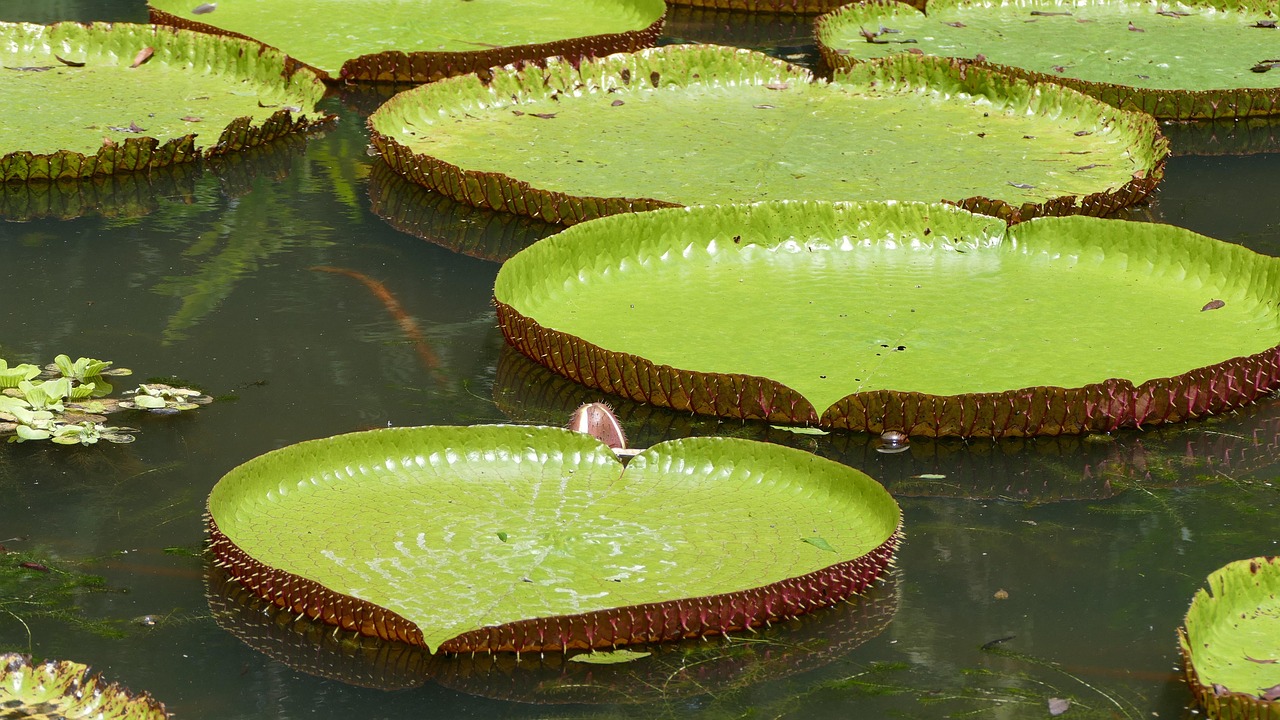
If there is one must-see attraction in Pamplemousses Botanical Garden, this is it: the rectangular pond filled with giant water lilies, often called “Victoria amazonica,” their huge circular pads stretching across the dark, still water like something out of a dream.
Every time I come back, I’m startled by their size. Some pads, in the peak of the warm season, are wide enough that a child could (theoretically) sit on them – though of course, you absolutely may not. A discreet rope and signage protect the pond, but you can walk almost all the way around it, getting different angles and reflections.
A Bit of History
The pond dates back to the late 19th century, when the garden’s curators were racing to acclimatize exotic species from all over the world. The Victoria water lily, native to the Amazon basin, became a sort of botanical trophy. To grow such a plant successfully in Mauritius – with different soils, light, and rainfall – was a statement of scientific ambition.
Today, that ambition translates into an incredibly photogenic scene. It’s the image that dominates Instagram feeds and postcards – and for once, the hype is justified.
Best Time of Day & Photography Tips
If your 1 day itinerary for Pamplemousses Botanical Garden allows, aim to be here between 9 a.m. and 10 a.m., or again around 3:30–4:30 p.m.:
- Morning: Softer light, fewer visitors, better reflections in the water, and cooler air for wandering.
- Afternoon: Warm, angled light picking up the textures on the lily pads and the tree trunks behind them.
Stand at the long side of the pond for the classic symmetrical shot, then walk to the narrower ends for more abstract compositions. I like to crouch down low, shooting across the surface to emphasize the overlapping circles and the tiny flowers peeking between them.
Tripods are usually tolerated if you’re not blocking paths, but on busier days security may ask you to move along if you set up elaborate gear. Handheld shots are easy enough, given the abundant light.
What to Look For
- The raised rims of the lily pads – they catch the light beautifully and reveal delicate red shades on the underside.
- The occasional flower, usually a pale, almost ghostly bloom that opens at night and sometimes lingers into morning.
- Dragonflies skimming the surface; kids are usually delighted by the tiny life around the pond.
On one late-afternoon visit in 2025, I stood here with a Mauritian grandmother who told me she used to come as a child on school outings, and that she still feels “small and quiet” when she sees the lilies. That’s about right: despite the cameras and the chatter, there is something hush-inducing about this pond.
4. The Palm Avenues & Bamboo Groves
Just beyond the lily pond, tall royal palms line up in stately formation, forming one of the most recognizable perspectives in Mauritius. The trunks rise like perfectly spaced columns, crowned with feathery fronds that sway in the trade winds.
If the lily pond is the garden’s heart, these palm avenues are its spine – and a key highlight in any 2 day itinerary for Pamplemousses Botanical Garden or quick half-day wander.
Walking the Palm Avenues
The main avenue runs roughly north–south, creating a natural corridor. When the sun is high, walking here is like moving through alternating bands of light and shadow.
On a recent Monday morning, I watched a group of local newlyweds posing under the palms in full wedding dress, the bride’s veil catching the light like a small halo. A few meters away, a pair of backpackers were trying to replicate the same shot in shorts and flip-flops, laughing every time they mistimed the jump.
Don’t rush this part:
- Walk the length of the main avenue in both directions – it looks different each way.
- Count how many species of palm you can spot from the discreet labels; many come from as far as the Caribbean and Southeast Asia.
- Look for fallen palm fruits and seeds on the ground – they’re like natural sculptures.
Bamboo Groves – Green Cathedrals
Peel off from the palms to the west and you’ll find stands of bamboo, their culms thick and arching, creaking softly in the breeze. There’s a particular grove I always seek out – it feels like stepping into a green cathedral, the light going softer, the sound of your footsteps muffled by fallen leaves.
On hot afternoons, this is where I bring friends to cool down. Kids like to run ahead and shout, listening to the echoes. Couples drift into their own conversations. Sometimes you’ll find a gardener quietly pruning or repairing a small irrigation channel.
For photographers, the repeating vertical lines of the bamboo create strong graphic compositions. Try shooting vertically, letting the stalks fill the frame, or get low and shoot upward to emphasize the height.
How Long to Spend
If you’re on a tight 1 day itinerary for Pamplemousses Botanical Garden, allow at least 30–40 minutes between the palm avenues and bamboo groves. If you’re taking it slower, you can easily linger here for an hour, just walking, sitting, and watching the light change.
5. Spice Garden, Fragrant Trees & Colonial Echoes
Head further into the western and northern sections of the garden and you’ll begin to notice more labeled trees with familiar-but-not-quite-right names: nutmeg, clove, cinnamon, camphor, and so on. This is the closest thing Mauritius has to a living museum of the spice trade.
A Brief History of Spices in Mauritius
In the 18th and 19th centuries, Mauritius was a key node in the network of colonial powers moving plants around the world. The island’s climate made it a natural testing ground: could clove trees from the Moluccas thrive here? Would nutmeg adapt? Could cassia and cinnamon grow outside of Ceylon?
The Spice Garden at Pamplemousses is where those experiments played out. Today, the plants seem settled, almost domestic, but I like to imagine the excitement and anxiety of those early botanists trying to coax rare seedlings into life.
Walking Through the Spice Garden
The paths here are narrower, the canopy denser. Labels are sometimes faded or partially hidden by undergrowth, but that’s part of the charm – it feels less manicured, more like a real, breathing forest.
- Nutmeg trees: Look for the yellowish fruits that split open to reveal the glossy brown nutmeg seed wrapped in red mace. If your guide is knowledgeable, they’ll show you how these parts are used in Mauritian kitchen lore.
- Cinnamon / cassia: Break off a tiny flake of fallen bark and rub it between your fingers (but avoid damaging live trees). The scent is unmistakable.
- Clove trees: When in season, look for the small green buds that will be dried to become the familiar aromatic clove.
On my 2026 visit, a light shower passed over while I was in this section. Suddenly the air was thick with smell – wet soil, leaves, and the faint sweetness of cinnamon. It’s one of those sensory memories I can summon months later.
Colonial Echoes & Interpretation
Signs in this part of the garden have been slowly updated, adding more context about the colonial exploitation and forced labor that made such botanical projects possible. As you walk, it’s worth remembering that these “exotic” spices were once more valuable than gold, and that the knowledge of how to grow and use them often came from enslaved Africans and indentured workers from India and China.
Including this stop in your cultural experiences in Pamplemousses Botanical Garden is essential if you want more than pretty pictures – it connects the island’s cuisine, economy, and social fabric in a tangible way.
Time & Tips
- Plan 30–45 minutes here if you’re curious about plants and history.
- Paths can be muddy after rain; wear shoes with some grip.
- Bring a small notebook if you like jotting down plant names; you’ll want to look some up later.
6. Deer Enclosure, Giant Tortoises & Quiet Lawns
While Pamplemousses is first and foremost a botanical garden, a few resident animals have become minor celebrities – particularly with younger visitors.
Giant Tortoises
The Aldabra or similar giant tortoises live in a fenced enclosure where you can usually see them lumbering slowly, or – more often – napping in the shade. They’re wonderfully prehistoric-looking, with wrinkled faces and heavy, domed shells.
On a visit with my niece last year, we spent a good twenty minutes here just watching one particularly large tortoise methodically approach a pile of greens, take a single bite, then seem to reconsider everything and wander off again. It’s mindfulness, tortoise-style.
There are often clear signs asking visitors not to climb on or harass the animals. Respect these; staff are increasingly strict in 2026 due to past incidents of people trying to sit on the tortoises for photos.
Deer Enclosure
Nearby, a small herd of Java deer graze in a spacious enclosure. These animals are part of the island’s colonial legacy – they were introduced for hunting and have since become a familiar sight on many sugar estates.
In the late afternoon, especially in the cooler months (June–August), the deer often come closer to the fence. If you stand quietly, you can watch them twitch their ears and flick their tails, almost too graceful for how common they are here.
Quiet Lawns & Family Picnics
Around these enclosures are some of the garden’s most relaxed lawns. Locals spread out sarongs, unpack thermoses of tea, and pass around faratas (rotis) or gâteaux piments (chili fritters). Sunday afternoons can feel like a neighborhood park rather than a tourist attraction.
For families planning 1 day in Pamplemousses Botanical Garden, this is an ideal mid-visit rest stop: let kids burn off energy on the grass while adults stretch out in the shade. Just remember that while informal picnicking is fine, barbecues, alcohol, and loud speakers are not allowed.
7. Lotus Lakes, Hidden Ponds & Romantic Corners
Beyond the famous rectangular lily pond, the garden hides a series of smaller lakes and ponds, many fringed by drooping trees and tangled roots. These are my favorite places to wander when I want to avoid the tour groups and feel the garden’s quieter, more introspective side.
The Lotus Lakes
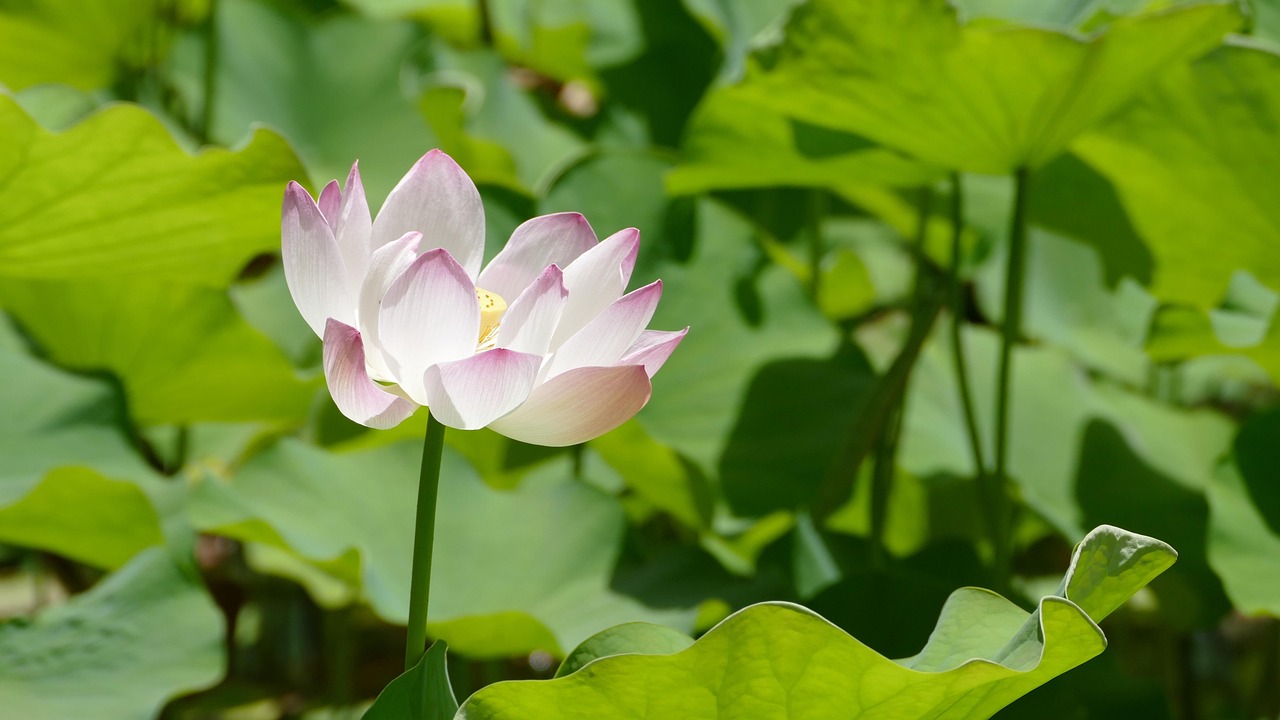
Several ponds are home to pink and white lotuses that rise above the water on sturdy stems, petals opened wide to the sun. In the right season (often September–January, depending on rainfall), they are spectacular – a painter’s palette of soft hues reflected in still water.
On an October visit, I came here late in the afternoon and found only a handful of people scattered along the banks – a local couple holding hands, a solo traveler sketching, and a group of teenagers taking selfies and laughing. The air hummed with insects, and the scent was faintly sweet.
Hidden Ponds & Lesser-Known Corners
Some ponds don’t even have official names on the map; they simply appear as small blue smudges. If you have the time (especially on a 3 days in Pamplemousses Botanical Garden style slow exploration), wander the less-trodden paths, following the sound of frogs or the glimpse of water through foliage.
- Look for reflections of palm tops in the water – on calm days, they create mirror images.
- Notice how the temperature drops a degree or two near the water’s edge.
- Listen: birds, crickets, and the occasional splash of a fish.
Romantic & Reflective Spots
Couples often drift towards these quieter ponds, away from the main avenues. Benches are placed at just the right points for sitting and watching the light change. As a romantic outing, this is one of the best places to visit in Pamplemousses Botanical Garden – especially if you combine it with a sunset drive to the north coast afterward.
Even alone, these corners are perfect for journaling, reading, or simply doing nothing. During the pandemic years, when domestic visitors had the garden almost to themselves, many Mauritians rediscovered these spaces as mental refuges. That contemplative energy remains.
8. Nearby L’Aventure du Sucre & Pamplemousses Village
Your travel guide for Pamplemousses Botanical Garden isn’t complete without a short detour: the excellent sugar museum L’Aventure du Sucre, and the small but characterful village of Pamplemousses itself.
L’Aventure du Sucre – Sugar, Rum & Storytelling
Located a few minutes’ drive (or a 20–25 minute walk) from the garden, L’Aventure du Sucre is housed in a beautifully restored sugar factory. It’s one of Mauritius’s best museums, combining immersive exhibits with thoughtful storytelling about slavery, indenture, and the island’s transformation through sugar.
I often recommend pairing a morning in the botanical garden with an afternoon at the sugar museum for a full cultural experience in Pamplemousses Botanical Garden area:
- Wander through old machinery, boilers, and chimneys that once powered the island’s economy.
- Read personal stories of workers and families, presented with care and nuance.
- Finish with a tasting of different sugars and local rums at the on-site shop – an indulgent way to end the day.
On my last visit, I spent nearly three hours inside, longer than planned, utterly absorbed in the exhibits. If you’re a history buff, adjust your itinerary – this isn’t a quick in-and-out stop.
Pamplemousses Village
The village of Pamplemousses itself rarely features in glossy brochures, but it’s worth a short wander if you have the energy:
- Peek into small shops selling snacks and everyday essentials.
- Visit the local church or temple if they’re open (dress modestly and ask permission before taking photos).
- Grab a roti or dhal puri from a roadside stall – more on food later.
Walking through the village gives context to the garden: this is not a remote tourist bubble, but a living part of a Mauritian community. For those staying more than 1 day in Pamplemousses Botanical Garden area, I recommend at least an hour here to break the “attraction-only” rhythm.
9. 1–3 Day Itineraries Around Pamplemousses Botanical Garden
Whether you have one day, two days, or a full three days in the area, you can shape your time around the garden and its surroundings. Here are detailed, story-driven itineraries based on trips I’ve taken with friends, family, and visiting writers, optimized for 1 day itinerary for Pamplemousses Botanical Garden, 2 day itinerary for Pamplemousses Botanical Garden, and 3 day itinerary for Pamplemousses Botanical Garden plus the northern coast.
Day 1 – Classic Highlights Inside the Garden
This day is for first-timers who want to see the must-see attractions in Pamplemousses Botanical Garden without rushing, and leave with a clear sense of the place. I’ll describe it the way I usually guide friends through on their first morning, then suggest variations depending on your pace.
08:30–09:00 – Arrival & Orientation
I like to arrive just before opening time (check the current Pamplemousses Botanical Garden opening hours closer to your visit, but it’s usually around 8:30 a.m.). The air still has a hint of dawn coolness, and the tour buses haven’t yet rolled in.
Practical steps:
- Buy your ticket (keep it handy; there may be random checks inside on busy days).
- Use the restroom near the entrance – facilities inside are more scattered.
- Top up water; there are occasional kiosks but don’t depend on them.
As we step through the gate, I usually ask my guests what they most want: “Photos? Plants? History? A gentle walk?” Their answer shapes the day. You can do the same mental check-in for yourself.
09:00–10:00 – Main Approach, Palms & First Glimpses
We start down the main path at a slow, almost ceremonial pace. This is when I point out the first towering trees, the way the light filters through, the subtle changes in temperature as we pass under denser canopies.
At the first palm avenue, we pause. I encourage people to walk a little ahead on their own, to feel the scale. The things to do in Pamplemousses Botanical Garden are not just about checklists; they’re about letting your body adjust to moving through a different kind of space.
We take photos, of course – wide shots of the avenue, vertical frames capturing the height, and the inevitable “tiny human under giant palms” shot for a sense of scale.
10:00–10:45 – The Giant Water Lily Pond
By this time, the light is perfect on the lily pond. I usually guide people to the less-crowded side first, where you can stand quietly and let the scene hit you before you start photographing it.
We walk the perimeter, stopping where the reflections are strongest. I share the story of the lily’s Amazonian origin, the early botanists’ pride, and how this pond has become Mauritius’s unofficial botanical icon.
If we’ve hired a guide, this is where they often shine: pointing out the subtle details, from the underside of the leaves to the seasonal blooming patterns. On a 2026 visit, our guide, a soft-spoken man named Ritesh, explained how the lily’s flowers change color over successive nights – something I’d never noticed in all my years of coming here.
10:45–11:30 – Bamboo Groves & Secondary Ponds
We drift westward, away from the main axis, into the bamboo groves. The temperature drops, the noise softens. Here, I encourage people to walk in silence for a few minutes, just listening: the creak of bamboo, distant voices, birds.
We follow our noses to one of the smaller ponds, rarely labeled on tourist maps. This is often where we find almost no one else – a place to sit on a low wall or bench and simply watch the water. If you’re journaling, this is a lovely moment to scribble first impressions.
11:30–12:30 – Spice Garden & Fragrant Trees
As the sun climbs, we weave into the thicker, more aromatic Spice Garden. Here, the path becomes more exploratory: pausing under a nutmeg tree, touching fallen cinnamon bark, reading labels and sharing associations (“My grandmother used that spice in her biryani,” “I remember this scent from Christmas sweets”).
This is where a travel guide for Pamplemousses Botanical Garden becomes generational: you start connecting plants to memories, recipes, and stories from home, wherever that might be.
By now, hunger starts to murmur. I usually bring snacks: a couple of bananas, some local biscuits, maybe a small container of salted peanuts or gâteaux piments picked up on the way. We find a shaded bench, share food, and plan the afternoon.
12:30–13:30 – Lunch Break (Outside the Garden)
While you can nibble snacks inside, I prefer to leave for a proper lunch. A short drive or taxi ride opens up several local options (see the Eating & Drinking section below), but for a classic first day, I often head to a simple Creole or Indian-Mauritian eatery nearby.
On a March 2026 visit, we ducked into a small, no-frills spot on the main road where the day’s choices came spoken, not printed: fish curry with brinjal, chicken rougaille, and faratas hot off the tawa. We ordered too much and ate slowly, watching buses rumble past the window.
13:30–15:00 – Deer, Tortoises & Quiet Lawns
Back in the garden, the early afternoon heat stretches time. This is when I steer people toward the deer enclosure and giant tortoises, partly for the novelty, partly because these areas offer good shade and lawns to sprawl on.
We stop at the tortoise enclosure first, watching their unhurried movements. Then we wander over to the deer, which are usually grazing or dozing. Kids tend to perk up here; adults often lie back on the grass, using backpacks as pillows, eyes half-closed.
If you’re building a 2 days in Pamplemousses Botanical Garden stay, you might decide to cut today shorter and return for more exploration tomorrow. But if today is your only day, we push on – gently.
15:00–16:30 – Lotus Ponds & Final Meander
As the light softens, we make our way to the lotus ponds. This is my favorite way to end the day: strolling slowly, stopping at benches, taking those last reflective photos before the shadows lengthen too much.
Sometimes we circle back past the lily pond for a last look – it’s often less crowded now, the water darker, the pads catching the last highlights. There’s a feeling of closure, like saying goodbye to someone you’ve just met but somehow known for years.
16:30–17:00 – Exit & Optional Golden Hour Stop
We drift back towards the main gate, perhaps stopping at a small kiosk for a cold drink if it’s open. Outside, if we still have energy, we’ll either:
- Walk a bit through Pamplemousses village for a slice of local life.
- Or drive 20–25 minutes to the north coast (Trou-aux-Biches or Mont Choisy) to catch golden hour by the sea – a wonderful contrast to the green of the day.
That’s a full, satisfying 1 day itinerary for Pamplemousses Botanical Garden, enough to understand the garden’s character without feeling rushed.
Day 2 – Culture, Sugar, and Coastal Sunsets
If you have 2 days in Pamplemousses Botanical Garden area, the second day is about deepening rather than repeating. We’ll weave together a quieter revisit of the garden with a serious dive into island history at L’Aventure du Sucre, and end with a classic Mauritian sunset.
08:30–10:30 – Return to the Garden’s Quieter Corners
On Day 2, I recommend entering the garden as soon as it opens again, but this time heading straight for the parts you missed or only glimpsed yesterday: perhaps the southern paths, or those hidden ponds that caught your eye on the map.
On one of my favorite 2-day trips here, I came back early with just a notebook and camera, leaving my phone on airplane mode. I walked without an agenda, following curiosity: a shaft of light through bamboo, a bird call, a patch of moss on an old stone wall.
Ideas for a Day 2 morning:
- Focus on macro photography – bark textures, leaf veins, small flowers.
- Sketch or paint if you’re artistically inclined.
- Do a “tree meditation” walk, pausing at each major tree to read its name, touch its bark gently, and notice how it makes you feel.
This slow wandering turns your 2 day itinerary for Pamplemousses Botanical Garden into something more like a retreat.
10:30–11:00 – Transfer to L’Aventure du Sucre
Leaving the garden, we either hop in a rental car, call a taxi, or – if we’re up for it and the weather is forgiving – walk to L’Aventure du Sucre. The walk takes you past fields and modest houses, giving a feel for the rural north beyond the resorts.
11:00–14:00 – L’Aventure du Sucre Museum & Lunch
Inside the old sugar factory, the exhibits combine industrial relics with clear, engaging panels that tell the story of sugar’s dominance and its human cost. On my last visit, I was particularly struck by a section that laid out, in simple terms, the triangular relationship between Europe, Africa, and the Indian Ocean – not with blame, but with unflinching clarity.
Highlights:
- Walking under massive iron beams and past old turbines, now silent.
- Interactive displays that children can enjoy – turning wheels, pushing levers, learning by doing.
- The tasting room, where you can sample different kinds of sugar and local rums (if you drink). Each sugar has a distinct flavor profile, from almost caramel-like to floral.
The on-site restaurant is one of the better options for lunch in the vicinity, with a menu that leans into local ingredients and flavors. On a cool June day, I had a slow-cooked lamb curry with local vegetables and a glass of chilled Mauritian white wine, looking out at rust-red machinery silhouetted against greenery.
14:00–16:00 – Pamplemousses Village & Local Life
In the afternoon, we drift into Pamplemousses village. It’s not a place of grand sights, but of small details:
- The pastel-painted houses with corrugated iron roofs.
- The corner shops with handwritten signs advertising “Top-Up” for phone credit and cold alouda (a sweet, milky drink).
- Children in school uniforms weaving between bicycles and parked motorbikes.
Respect that this is people’s home. If you photograph, do so discreetly and ask before focusing closely on individuals. Buy something small from a shop – a bottle of Bois Chéri iced tea, a packet of local biscuits – as a way of giving back a bit.
16:00–19:00 – North Coast Sunset (Trou-aux-Biches or Mont Choisy)
No 2 day itinerary for Pamplemousses Botanical Garden is complete without an evening by the sea. From Pamplemousses, it’s a straightforward drive north to two of the island’s most beloved beaches:
- Trou-aux-Biches: A classic, gently curving beach with calm waters, ideal for swimming and snorkeling.
- Mont Choisy: Longer, a bit wilder in feel, with casuarina trees casting long shadows at golden hour.
On my last trip, we chose Mont Choisy. We arrived around 16:30, found a spot under a tree, and watched as the sky shifted from blue to gold to streaks of pink. A food truck sold gâteaux piments and samoussas; a vendor wandered past with fresh coconuts. Locals played football in the sand; a group of teenagers practiced dance moves for TikTok.
It was the perfect counterpoint to the structured calm of the garden: same island, same day, different element.
Day 3 – Hidden North, Temples, and Local Markets
If you’re lucky enough to have 3 days in Pamplemousses Botanical Garden area, the third day is for going sideways: into temples, markets, backroads, and, if you wish, a final, contemplative loop through your favorite parts of the garden.
08:30–10:00 – Optional Quiet Garden Revisit
Some people choose to skip a third visit; others – like me – find themselves drawn back like a tide. If you fall into the latter camp, use this morning to:
- Return to a single favorite spot (the lily pond, a specific palm avenue, a hidden bench by a pond) and sit there for an hour.
- Do a “farewell walk,” saying a silent thank-you to the trees and spaces that meant the most to you.
On a 3-day stay with a visiting writer friend, we did exactly this: we each chose a different spot and agreed to meet back at the entrance in an hour. When we regrouped, the conversation flowed more deeply – the garden had become not just a place, but a shared reference point.
10:00–12:30 – Temples & Shrines in the Area
Northern Mauritius is dotted with Hindu temples, small shrines, and occasionally churches with fascinating architectural details. Ask a local contact, your guesthouse, or taxi driver to recommend a nearby temple that’s open to respectful visitors.
When visiting:
- Dress modestly: shoulders and knees covered, no beachwear.
- Remove shoes before entering inner sanctums.
- Ask before photographing inside; many temples allow photos of the exterior but not of deities.
On one recent visit, we were quietly invited to sit at the back of a small puja (prayer ceremony). We didn’t understand every word, but the rhythm of the chants and the smell of incense added another layer to our understanding of “local customs in Pamplemousses Botanical Garden” region.
12:30–14:00 – Local Market or Snack Stops
Depending on the day of the week, you might find a nearby market or at least a cluster of food stalls. Ask around for the closest bazar (market) – even if it’s small, it’s a feast for the senses:
- Piles of chilies in improbable shades of red.
- Bundles of fresh coriander and thyme scenting the air.
- Stalls selling snacks like dholl puri, roti, and alouda.
Buy a simple street lunch and eat it on a bench or back at your accommodation; the flavors will echo the spice trees you saw in the garden.
14:00–17:00 – Free Exploration or Coastal Return
For the rest of the day, you have options:
- Head back to a favorite north coast beach for more swimming and sunset.
- Drive inland slightly to explore other small villages and backroads.
- Or, if you’re staying nearby, simply rest – sometimes the best way to integrate a place is to sit with a book and a cup of tea, letting the impressions settle.
At this point, your 3 day itinerary for Pamplemousses Botanical Garden has become less about ticking off best places to visit in Pamplemousses Botanical Garden and more about weaving the garden into your personal map of Mauritius.
10. Eating & Drinking Around Pamplemousses Botanical Garden
The immediate area around the garden’s gate can be a bit of a tourist trap: a couple of stands selling overpriced soft drinks and standard snacks. To eat well, you need to go a little further – but not far.
What to Bring Into the Garden
- Water: At least 1–1.5 liters per person, more in summer.
- Light snacks: Fruit, nuts, biscuits, or takeaway gâteaux piments.
- Reusable bottle & small bag: To avoid litter; bins are not everywhere.
Alcohol is not appropriate here; this is a public, family-oriented space and a botanical institution.
Local Places Where Mauritians Actually Eat
Within a 5–15 minute drive, you can find:
- Roadside snack stalls: Selling dholl puri, roti, and fried snacks. Ask for “pima kari” (chili paste) if you like heat.
- Simple Creole eateries: No-frills spots where the menu changes daily. Look for chalkboards listing dishes like fish curry, chicken rougaille, bouillon brèdes (leafy green broth).
- Indian-Mauritian restaurants: Offering thali plates, biryani, and tandoori dishes at reasonable prices.
On my last visit, we stopped at a tiny place near a petrol station recommended by a local friend. No sign in English, plastic chairs, fluorescent lighting – and one of the best fish curries I’ve had in months. Trust the places where office workers and families are eating; skip the empty, glossy restaurants.
L’Aventure du Sucre Restaurant
If you’re visiting the sugar museum, its on-site restaurant is an excellent, slightly more polished option: local ingredients, creative takes on Mauritian classics, and a pleasant terrace overlooking greenery and industrial relics. Prices are higher than roadside stalls but still fair by international standards.
11. Pamplemousses Botanical Garden After Dark & Off-Hours
The garden itself closes before full dark; this is not a late-night attraction. However, the hours just before closing – the late afternoon “golden hour” – transform the atmosphere, and there are occasional special events that extend into the evening.
Golden Hour & Blue Hour
In the hour before closing, the light turns honeyed, slanting through the palms and making the water in the ponds glow. This is my favorite time for photography and quiet wandering; most day-trippers have gone, and locals drift in for a brief stroll.
- Golden hour: Perfect for wide shots of the palm avenues and backlit leaves.
- Blue hour (just after sunset): You’ll usually be outside the gates by then, but the sky over the surrounding cane fields can be spectacular.
Evening Programs (Subject to 2026–2027 Schedule)
From time to time, the garden hosts special evening events – cultural performances, light installations, or guided night walks focused on bats and night-blooming plants. For 2026–2027, keep an eye on:
- Occasional “Nuit au Jardin” events, where sections of the garden stay open late with subtle lighting and music.
- Collaborations with local festivals or art biennales, bringing temporary light sculptures or sound installations.
These are not guaranteed every month, and details can change, so check the official SSR Botanical Garden channels or local tourism boards closer to your travel dates.
12. 2026–2027 Events, Festivals & What’s New
For 2026–2027, a few developments and events are worth noting in your travel advice for Pamplemousses Botanical Garden planning:
Botanical & Cultural Events
- Annual Flora & Conservation Week (usually October): Talks, guided walks, plant sales, and kids’ activities focused on Mauritian endemic species and conservation.
- Heritage Day (September): The garden often features special tours emphasizing historical aspects, sometimes with costumed interpreters.
- Seasonal Themed Walks: In 2026, staff have been piloting occasional guided walks focused on medicinal plants and spice history.
Infrastructure & Changes
- Improved signage: Several paths now have clearer directional signs and updated plant labels, including QR codes linking to information in multiple languages.
- Accessibility upgrades: Some main paths have been resurfaced for smoother wheelchair and stroller access; see Practical Travel Advice.
- Digital tickets pilot: Limited trials of online ticket booking for group visits and special events, which may expand in late 2026–2027.
Always double-check dates and availability just before your visit, as local calendars can shift due to weather, funding, or other factors.
13. Cultural Etiquette & Local Customs
Mauritius is a mosaic of cultures – Creole, Hindu, Muslim, Chinese, Franco-Mauritian, and more – and Pamplemousses Botanical Garden sits at this crossroads. A few simple habits will help you move comfortably and respectfully.
In the Garden
- Dress: Casual and comfortable is fine; just avoid overly revealing clothing. This is a family space frequented by locals.
- Behavior: Keep noise levels reasonable. Singing loudly, playing music on speakers, or shouting is frowned upon.
- Respect nature: Do not pick flowers or leaves, carve on trees, climb on branches, or step into water features.
- Photography: You’re generally free to photograph the garden, but avoid intrusive long-lens shots of people relaxing or families picnicking without their consent.
In Nearby Villages & Temples
- Greetings: A simple “Bonjour” (French) or “Namaste” in temples goes a long way. English is widely understood; French and Mauritian Creole are most commonly spoken.
- Temples & Churches: Dress modestly, remove shoes in Hindu temples, and ask before photographing interiors.
- Markets: Haggling is mild compared to some countries; small discounts may be offered, but aggressive bargaining is not the norm.
Showing interest in local life – asking polite questions, trying local snacks, learning a few Creole phrases – will usually be met with warmth.
14. Practical Travel Advice & Logistics
This section gathers the nuts-and-bolts travel tips for Pamplemousses Botanical Garden and surrounding areas – how to get there, get around, and stay comfortable.
How to Get to Pamplemousses Botanical Garden
- From Grand Baie / Pereybere: 20–30 minutes by car or taxi, depending on traffic.
- From Port Louis: 25–35 minutes by car/taxi, or local bus (40–60 minutes, slower but cheap and local-feeling).
- From the airport (SSR): 1–1.5 hours by car/taxi.
Public Transport vs Car Rental
- Bus: Very affordable and safe, but slower and less frequent on weekends. There are direct and indirect routes to Pamplemousses from Port Louis and northern hubs.
- Taxi: Easy to arrange via hotels, apps (where available), or taxi stands. Negotiate or confirm meter use before starting.
- Car rental: Ideal if you’re combining Pamplemousses with beaches and inland detours. Driving is on the left; roads near the garden are generally good.
Foreign Driver’s License & Rules
Most visitors can drive in Mauritius using their national driver’s license for short stays, provided it’s in Roman script. An International Driving Permit is recommended but not always required; check latest regulations before travel. Seatbelts are mandatory; speed limits are enforced.
SIM Cards & Connectivity
At the airport and in major towns, you’ll find counters for major providers like MyT, Emtel, and Chili. A tourist SIM with a few GB of data is inexpensive and will give you reliable coverage in and around Pamplemousses.
Signal inside the garden is generally good on main paths, though it may dip near dense vegetation – bliss, if you’re trying to unplug.
Where to Stay Nearby
There are few accommodations right in Pamplemousses itself; most visitors base themselves in:
- Grand Baie / Pereybere: Busy, energetic, lots of dining and nightlife.
- Trou-aux-Biches / Mont Choisy: Quieter, more relaxed, with excellent beaches.
From these hubs, it’s an easy day trip to the garden. If you prefer a more rural feel, look for guesthouses inland around Triolet or other northern villages – you’ll trade nightlife for birdsong and cane field views.
Best Season & Weather
Mauritius has a tropical climate with two main seasons:
- Summer (November–April): Hot, humid, with higher chance of rain and occasional cyclones. Plants are lush; the water lily and lotus ponds are especially photogenic.
- Winter (May–October): Cooler, drier, and more comfortable for long walks. Light is gentler; midday is less punishing.
For most visitors, the best time to visit Pamplemousses Botanical Garden is May–October, especially if you’re sensitive to heat. But any time of year is workable if you time your visit for morning or late afternoon.
What to Wear & Bring
- Light, breathable clothing; a light scarf or shawl if you plan to visit temples later.
- Comfortable walking shoes or sturdy sandals (paths are mostly flat but can be uneven or muddy).
- Sunscreen, hat, and sunglasses – even under trees, UV is strong.
- Insect repellent, especially in warmer months and near ponds.
Accessibility
Many main paths are wide, relatively smooth, and suitable for wheelchairs and strollers, especially after recent upgrades. However:
- Some side paths are uneven, with tree roots and steps.
- Benches are scattered throughout, but shade availability varies.
If mobility is limited, stick to the central axis, main ponds, and clearly maintained avenues; you can still experience most of the must-see attractions in Pamplemousses Botanical Garden.
Visa Requirements
Citizens of many countries can enter Mauritius visa-free or obtain a visa on arrival for tourism, but rules change. Always check the latest information from the Mauritian government or consulate before travel. Immigration officials may ask to see onward tickets and proof of accommodation.
15. Tickets, Opening Hours & On-the-Day Tips
Opening Hours
As of 2026, typical Pamplemousses Botanical Garden opening hours are approximately:
- Daily from around 8:30 a.m. to 5:30 p.m. (last entry often around 5:00 p.m.).
Hours may shift slightly seasonally or for maintenance; confirm shortly before visiting.
Ticket Types & Prices
There is a standard entrance fee for adults, with reduced rates for children, Mauritian residents, and occasionally students or seniors. Prices are usually posted at the gate in Mauritian rupees.
At the time of writing:
- Tickets are purchased on-site at the main gate.
- Online pre-booking is not typically required for regular daily visits.
- Special events (night openings, guided walks) may require advance booking via official channels.
Guided Tours
Licensed guides often wait near the entrance. Rates are usually per group and negotiable within a reasonable range. Clarify:
- Duration (typically 60–90 minutes).
- Language (English, French, sometimes other languages).
- Focus (general overview, history, medicinal plants, etc.).
Peak Hours & Crowds
- Peak: Late morning (10:00–12:00), especially on weekends and during school holidays.
- Quieter: Early morning right after opening, and late afternoon after 15:30.
To avoid tour groups and get the best light, aim for early morning or late afternoon. If you must come in the middle of the day, use the busier hours for shaded areas like the bamboo groves or spice garden.
Security & Safety
The garden is generally safe and well-patrolled. Still, basic precautions apply:
- Keep valuables zipped away; don’t leave bags unattended on benches.
- Watch your step on uneven paths and near water edges.
- Follow any instructions from staff, especially regarding restricted areas or maintenance zones.
Photography Restrictions
Personal photography is widely allowed. Commercial shoots (fashion, weddings with full crews, advertising) may require prior permission and permits. Drones are generally not permitted without specific authorization.
16. Day Trips & Nearby Attractions
Pamplemousses sits in a sweet spot for exploring northern Mauritius. Once you’ve savored the garden, you can easily branch out to:
Grand Baie
A lively coastal town with shops, restaurants, and nightlife. Combine a morning in the garden with an afternoon shopping or boating excursion from Grand Baie’s bay.
Trou-aux-Biches & Mont Choisy Beaches
Two of the island’s most beloved beaches, ideal for swimming, snorkeling, and sunset. Reachable in 20–30 minutes by car or taxi.
Port Louis
The capital city is under an hour away by bus or car. Highlights include the Central Market, the Caudan Waterfront, the Blue Penny Museum, and the old Chinatown. It’s entirely feasible to do a split day: morning at Pamplemousses, afternoon in Port Louis, or vice versa.
Triolet & Inland Villages
Nearby inland villages offer a more everyday Mauritian rhythm: temples, small shops, backroads flanked by sugar cane. Hiring a taxi for a few hours and asking the driver to show you their favorite viewpoints can yield memorable, unscripted moments.
17. Summary & Final Recommendations
Pamplemousses Botanical Garden is more than a quick photo stop; it’s a living archive of Mauritius’s botanical dreams and historical complexities, wrapped in a genuinely beautiful landscape.
For a 1 day itinerary for Pamplemousses Botanical Garden, focus on the main approach, palm avenues, giant water lily pond, spice garden, and lotus ponds, with a relaxed lunch nearby. If you have 2 days in Pamplemousses Botanical Garden area, add L’Aventure du Sucre, Pamplemousses village, and a coastal sunset. With 3 days in Pamplemousses Botanical Garden orbit, you can slow down, revisit favorite corners, and explore temples, markets, and backroads.
In terms of season, the best time to visit Pamplemousses Botanical Garden for comfort is May–October, but lushness and dramatic ponds are more pronounced in the warmer, wetter months. Whenever you come, structure your visit around morning and late afternoon light, and avoid the harshest midday heat.
Above all, treat the garden as more than a backdrop. Walk slowly. Read the labels. Smell the leaves. Sit by the ponds. Let the place work on you. You’ll leave not just with photos of giant water lilies, but with a deeper, quieter imprint of Mauritius itself.