Why Visit Cancún in 2026
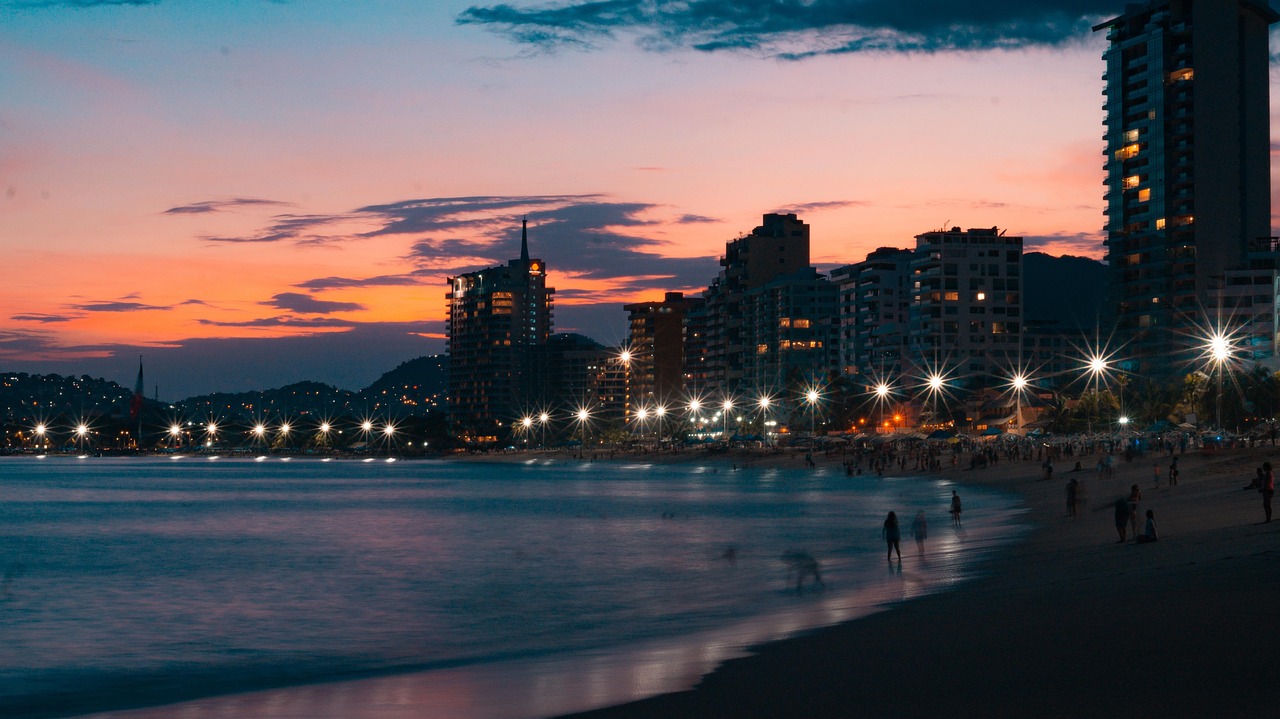
I’ve been visiting Cancún regularly since my early twenties, and every time I land, the same thing happens: the plane door opens, the warm, salty air hits my face, and I remember why I keep coming back. Cancún is more than a party strip and white-sand beaches (though it’s definitely that too). It’s a place where Maya ruins stand above turquoise waters, where you can swim in underground rivers in the morning and sip a mezcal margarita under rooftop lights at night.
What makes Cancún special is the contrast: glassy hotel towers in the Zona Hotelera, humble ceviche stands in downtown (El Centro), sacred cenotes hidden in the jungle, and reef systems teeming with life just a short boat ride offshore. Whether you have 3 days in Cancún, 4 days in Cancún, or you’re planning a full 5 day itinerary for Cancún, you can mix beach time, culture, nightlife, and quiet nature escapes in a way that’s hard to find elsewhere.
In 2026, Cancún is easier than ever to explore. The new Maya Train connections are bedding in, more bike lanes and pedestrian walkways are appearing in the Zona Hotelera, and a growing food scene in El Centro is giving visitors a reason to leave the beachfront resorts and eat where locals actually eat. This travel guide for Cancún is written like a long conversation with a friend who knows the city well: we’ll go through must-see attractions in Cancún, hidden gems in Cancún, where to find the best local food in Cancún, and the practical travel tips for Cancún that will save you money, time, and stress.
Table of Contents
- Why Visit Cancún
- Neighborhoods & Areas of Cancún
- Top 20 Attractions & Experiences (Deep Dive)
- 3–5 Day Itineraries (With Personal Stories)
- Best Local Food & Drink in Cancún
- Nightlife, Entertainment & Cultural Experiences
- Day Trips & Excursions From Cancún
- Cultural Etiquette & Local Customs
- Practical Travel Advice for Cancún (Money, SIMs, Transport, Visas)
- When to Visit Cancún (Seasons & Weather)
- Major Events in Cancún 2026–2027
- Summary & Final Recommendations
Cancún Neighborhoods & Areas to Explore
Zona Hotelera (Hotel Zone)
The famous 22-km “7-shaped” sandbar lined with resorts, clubs, malls, and beaches. This is where most first-time visitors stay. I often stay here when I want easy access to the beach and late-night tacos without thinking too hard about logistics.
- Best for: First-timers, families wanting resort convenience, nightlife seekers, beach lovers.
- Vibe: Polished, international, a little chaotic at night near the club zone (km 8–10).
El Centro (Downtown Cancún)
Locals simply call it “El Centro.” This is where Cancún actually lives: markets, local taquerías, affordable guesthouses, and residential streets. I usually spend at least one night here each trip, partly for the food and partly because I like seeing Cancún without the resort filter.
- Best for: Budget travelers, foodies, long-term visitors, and anyone wanting more local flavor.
- Vibe: Busy, lived-in, cheaper, more Spanish spoken, fewer tourists outside main squares.
Puerto Juárez
Just north of downtown, Puerto Juárez is where ferries leave for Isla Mujeres. It has a relaxed, slightly scruffy seaside feel with simple seafood restaurants and views across to the island. I like coming here late afternoon for grilled fish before hopping back to El Centro.
Puerto Cancún
A newer, upscale marina and residential area between downtown and the Hotel Zone. Think yacht-lined docks, a modern shopping mall, and high-rise condos. It’s good for a sunset stroll along the marina and a more polished dining scene without going full-resort.
Nearby Beach Communities
- Playa Delfines: Public beach with that iconic Cancún sign and sweeping views. No big resorts, just sand, waves, and a lot of sky.
- Puerto Morelos: A quieter, low-rise town about 30–40 minutes south; I often recommend it to friends who want to be close to Cancún but sleep somewhere calmer.
20 Must-See Attractions & Experiences in Cancún (Deep Dive)
Below are twenty of the best places to visit in Cancún, including big-name sights and some lesser-known corners. For each, I’ll share what it is, why it matters, and how it actually feels to be there, with practical tips drawn from multiple visits.
1. Playa Delfines & the Cancún Sign
Playa Delfines is my sunrise ritual in Cancún. It’s one of the few stretches of sand not dominated by resorts, and the beach drops into a deep, ever-changing blue that looks almost unreal in early morning light.
Historically, this area was part of the untouched sandbar before Cancún’s 1970s development boom. Unlike most of the Hotel Zone, Playa Delfines has stayed relatively open and public, making it a favorite among locals on weekends.
What I love doing here: I usually catch the first bus from El Centro or the Hotel Zone and arrive before 7 a.m. The air is cool, the beach almost empty, and the waves are at their most dramatic. I walk down toward the water, sit in the damp sand, and watch pelicans skim the surface while the sun rises behind them. If I’m with friends, we bring coffee and pan dulce from a downtown bakery and have our own little beachfront breakfast.
Practical tips:
- Swimming: The waves can be strong, with a steep drop-off. I only go in up to my waist unless the lifeguards’ flags show calm conditions. It’s better for wave-jumping and beach walks than gentle bobbing.
- Facilities: There are palapas (thatched umbrellas) and basic bathrooms. Vendors pass by selling snacks and drinks, but I recommend bringing water and something light to eat.
- Photo spot: The colorful “Cancún” sign is here. If you come around midday in high season, expect a line. At sunrise or just before sunset, you can often get it almost to yourself.
- Getting there: Take any R1 or R2 bus toward the end of the Hotel Zone and tell the driver “Playa Delfines.” From El Centro, it’s usually a 25–35 minute ride.
Family-friendly? Yes, for sandcastles, photos, and playing near the water’s edge. Keep a close eye on kids in the surf.
Romantic? Absolutely. Sunrise here is one of my favorite low-cost, high-impact date ideas in Cancún.
2. Chichén Itzá (Day Trip From Cancún)
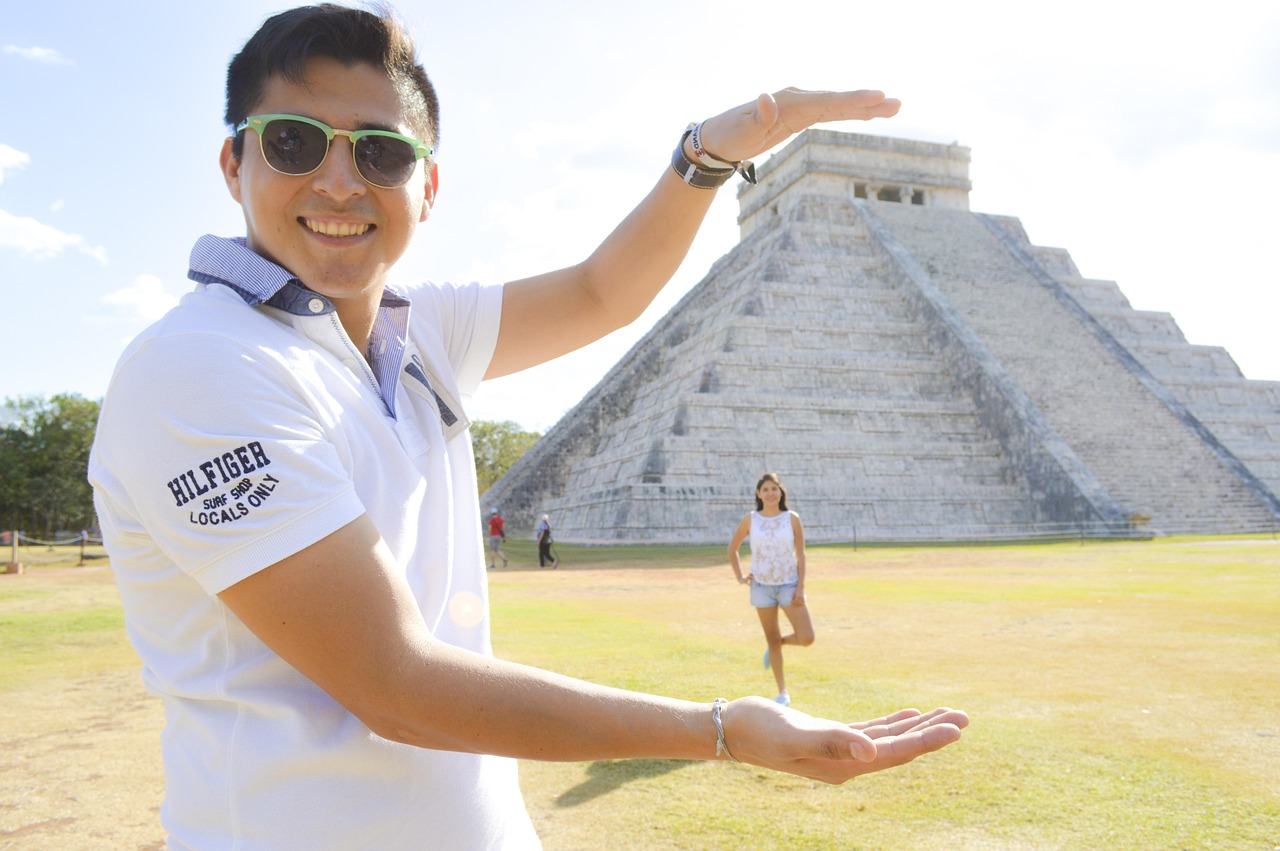
Even though it’s technically outside Cancún, Chichén Itzá is such a defining experience that I consider it part of any serious travel guide for Cancún. This UNESCO World Heritage Site was one of the most important Maya cities, flourishing between the 7th and 10th centuries. Its famous pyramid, El Castillo, is one of the New Seven Wonders of the World.
I’ve visited three times: once on a big bus tour (my least favorite), once by rental car, and once with a small-group guide who grew up in a village nearby (by far the best). Walking up the main avenue just after opening, before the crowds arrive, is a goosebump moment: the pyramid rises from the jungle like something designed by a perfection-obsessed architect, every shadow and angle deliberate.
Highlights:
- El Castillo (Temple of Kukulcán): The pyramid’s design encodes astronomical knowledge; during the equinoxes, shadows form a serpent shape along the staircase. Even outside those dates, your guide can show you how the Maya built in precise alignments.
- Great Ball Court: Standing in the enormous ball court, I always try to imagine games where the stakes were ritual sacrifice. Clap your hands and listen for the echo; the acoustics are eerie.
- Cenote Sagrado: This “sacred cenote” was used for offerings. It’s not for swimming, but understanding its role gives context when you later swim in more recreational cenotes.
My typical day here: I leave Cancún around 6 a.m. (by rental car or early tour), aiming to arrive at or just before opening. I spend about 2–3 hours with a guide, then wander on my own, taking breaks in the shade. By late morning, I drive or ride to a nearby cenote (like Cenote Ik Kil or a less-crowded local one) for a refreshing swim and a simple Yucatecan lunch (cochinita pibil is a must). Back in Cancún by evening, I usually keep the night low-key because the sun drains you.
Practical tips:
- Sun protection: There is very little shade. Hat, sunglasses, and reef-safe sunscreen are non-negotiable.
- Tickets: There are two fees (federal and state), so don’t be surprised at the ticket window. In 2026, card payments are more accepted, but I still bring cash.
- Guides: Hire an official guide at the entrance or book a reputable small-group tour from Cancún. A good guide transforms the experience.
Family-friendly? Yes, if kids can handle heat and walking. Bring snacks and plan lots of water breaks.
3. Isla Mujeres
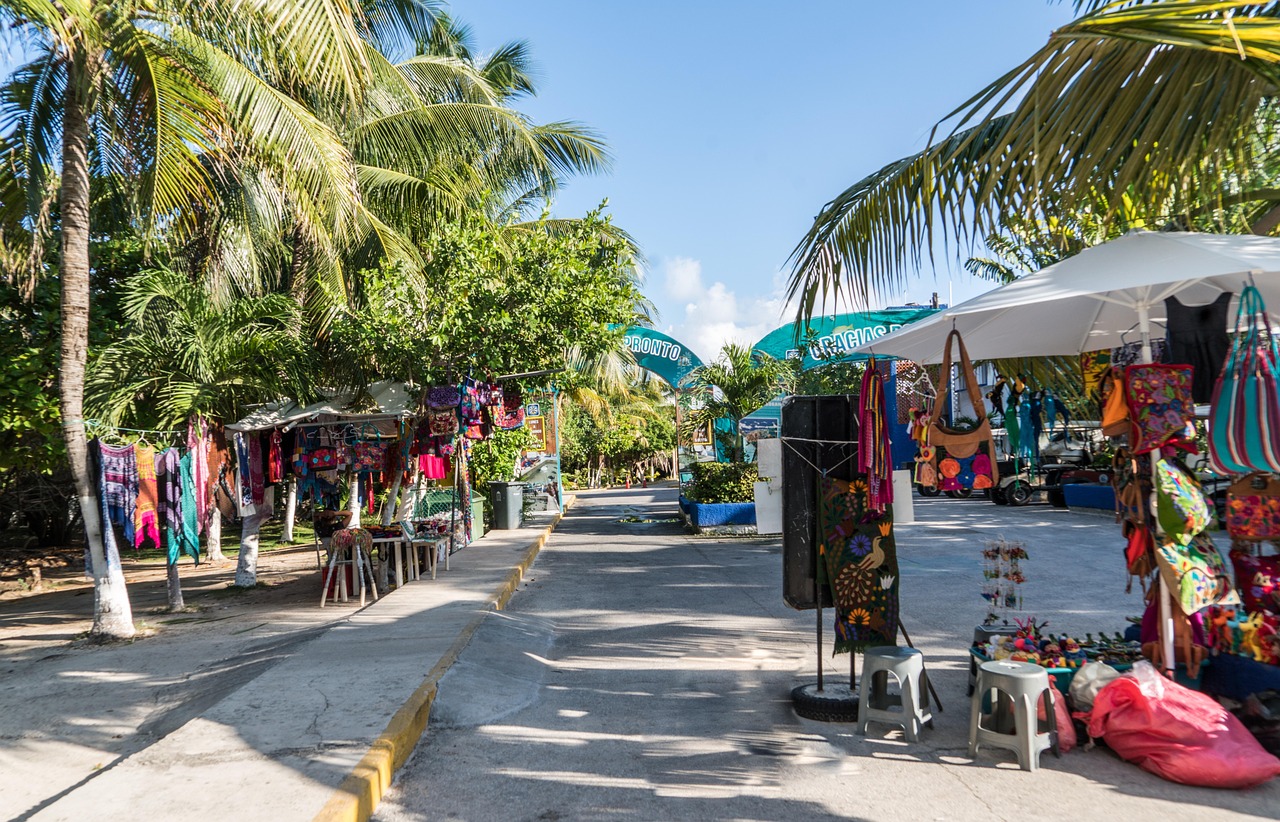
Isla Mujeres is my favorite “pressure relief valve” from Cancún. Just a 20–30 minute ferry ride away, it feels like a softer, slower version of the Caribbean. Colorful houses, golf carts instead of cars in many areas, and some of the calmest, clearest water in the region.
The island has pre-Hispanic roots as a sacred site dedicated to the Maya goddess Ixchel. The Spanish name “Isla Mujeres” (Island of Women) comes from the many female-shaped offerings found here.
What I do in a perfect day on Isla Mujeres: I catch an early ferry from Puerto Juárez, rent a golf cart at the terminal, and drive straight to Punta Sur for clifftop views and the small temple ruins. On a breezy day, the sea crashes dramatically against the rocks; on still days, the water looks like sheets of glass. Then I swing back toward Playa Norte, one of the most beautiful beaches I’ve seen anywhere—shallow, warm, and almost wave-free, ideal for swimming and families.
Lunch is usually fresh fish tacos in a simple beachfront spot. In the afternoon, I either snorkel (Garrafón de Castilla is a more low-key alternative to the main Garrafón Park) or just read under a palm tree at Playa Norte. The last ferry back to Cancún gives you a sunset ride across the water.
Practical tips:
- Ferries: Regular departures from Puerto Juárez; there are also ferries from the Hotel Zone. I prefer Puerto Juárez for lower cost and easier access from downtown.
- Golf carts: In high season, rents and demand go up. If you’re going in December–April, try to arrive earlier in the day.
- Cash: Many places take cards, but small vendors and golf-cart rental deposits often prefer cash.
Romantic? Very. A sunset at Playa Norte is a perfect end to a day for couples.
Family-friendly? Excellent, especially for kids who like shallow, calm water.
4. MUSA – Underwater Museum of Art
The first time I snorkeled above the sculptures of MUSA (Museo Subacuático de Arte), I had that surreal feeling of hovering between two worlds: fish darting through human-like statues, coral softening hard edges, and sunlight filtering down like spotlights. It’s both an environmental project and a kind of underwater art gallery.
Created starting in 2009, MUSA was designed to draw visitors away from over-stressed natural reefs, offering artificial structures where coral can grow. Many sculptures depict everyday people, creating a ghostly, thought-provoking scene as marine life takes over.
Ways to visit:
- Snorkeling tours: Good for beginners and families. You’ll float above the shallower installations with a guide pointing out details.
- Scuba diving: If you’re certified (or want to try a Discover Scuba course), diving lets you get closer and feel the scale of the sculptures.
- Glass-bottom boats: A dry option if you’re not comfortable in the water.
My experience tip: I prefer early-morning snorkel tours, when the water is calmer and visibility tends to be better. I bring a long-sleeve rash guard to avoid reapplying sunscreen constantly (important for reef health) and a cheap underwater camera in a waterproof case. Between the art and the fish, it’s one of the most visually striking experiences near Cancún.
Family-friendly? Yes, for water-comfortable kids; check minimum age with your chosen operator.
5. El Rey Archaeological Zone
El Rey is one of my favorite “quick culture fixes” in Cancún. Tucked right in the Hotel Zone, this small archaeological site gives you a taste of Maya history without a long drive. I like to come here early, when the iguanas are sunning themselves on stone walls and the resorts feel a world away.
Dating from the Late Postclassic period (around 1200–1550 AD), El Rey may have served as a coastal trading post and ceremonial site. It’s modest compared to Chichén Itzá, but its location and quiet atmosphere make it special. You can wander between low pyramids and plazas, often with only a handful of other visitors.
Personal ritual: On short trips, I often pair Playa Delfines and El Rey in one morning: sunrise at the beach, breakfast at a small café, then an hour exploring the ruins before the heat sets in. It’s a gentle introduction to Maya history if you’re traveling with people who might not commit to a full ruin day.
Practical tips:
- Time needed: 45–90 minutes is enough for most people.
- Getting there: Located at km 18 of the Hotel Zone; easy by bus or taxi.
- Tickets: Very affordable; bring small cash.
6. Mercado 28 (Market 28)
If you want to see where many visitors and locals actually shop in downtown, head to Mercado 28. It’s a sprawling, semi-touristy market where you can find everything from embroidered dresses to silver jewelry, plus casual eateries serving up hearty plates of local food.
I’ve come here on almost every visit to Cancún, partly because friends always ask for souvenirs and partly because I enjoy chatting with vendors. Yes, there’s haggling and some mild sales pressure, but there’s also genuine craftsmanship if you look closely.
What I usually do: I walk the periphery first, just to get a sense of prices, then dive into the interior stalls. When I spot something I like—a handwoven hammock, a ceramic skull, a simple silver bracelet—I ask the price and counter by 20–30% less with a smile. The dance of bargaining is part of the experience, but I avoid absurdly low offers; these are people’s livelihoods.
When I get hungry, I head to one of the fondas (small eateries) for tacos, sopa de lima, or a plate of grilled fish. It’s a more local-feeling environment than eating in a mall in the Hotel Zone.
Tips:
- Cash is king: Some stalls accept cards, but cash gets you better bargains.
- Haggling etiquette: Be friendly, don’t feel obligated to buy, and remember that a few pesos more or less won’t change your life but might affect theirs.
- Combine with: A stroll around El Centro and dinner at Parque de las Palapas.
7. Parque de las Palapas
Parque de las Palapas is the beating heart of downtown Cancún in the evenings. It’s a big open plaza with food stands, kids running around, live music on weekends, and a glimpse of daily life that you won’t get in the resorts.
The first time I came, I grabbed a plastic chair at a taco stand, ordered a plate of pastor, and watched a clown show in Spanish that had kids howling with laughter. That’s when Cancún clicked for me as a real city, not just a beach strip.
What to eat:
- Marquesitas: Crispy rolled crepes filled with things like Nutella and Edam cheese (a Yucatecan classic combination).
- Esquites: Cups of corn with mayo, lime, chili, and cheese.
- Tacos al pastor: Always a good choice if you see a vertical spit.
Why I recommend it: If you want cultural experiences in Cancún beyond the beach, this is one of the easiest and most rewarding stops. It’s casual, family-friendly, and very local.
8. Cancún’s Main Beaches (Playa Tortugas, Playa Caracol, Playa Langosta)
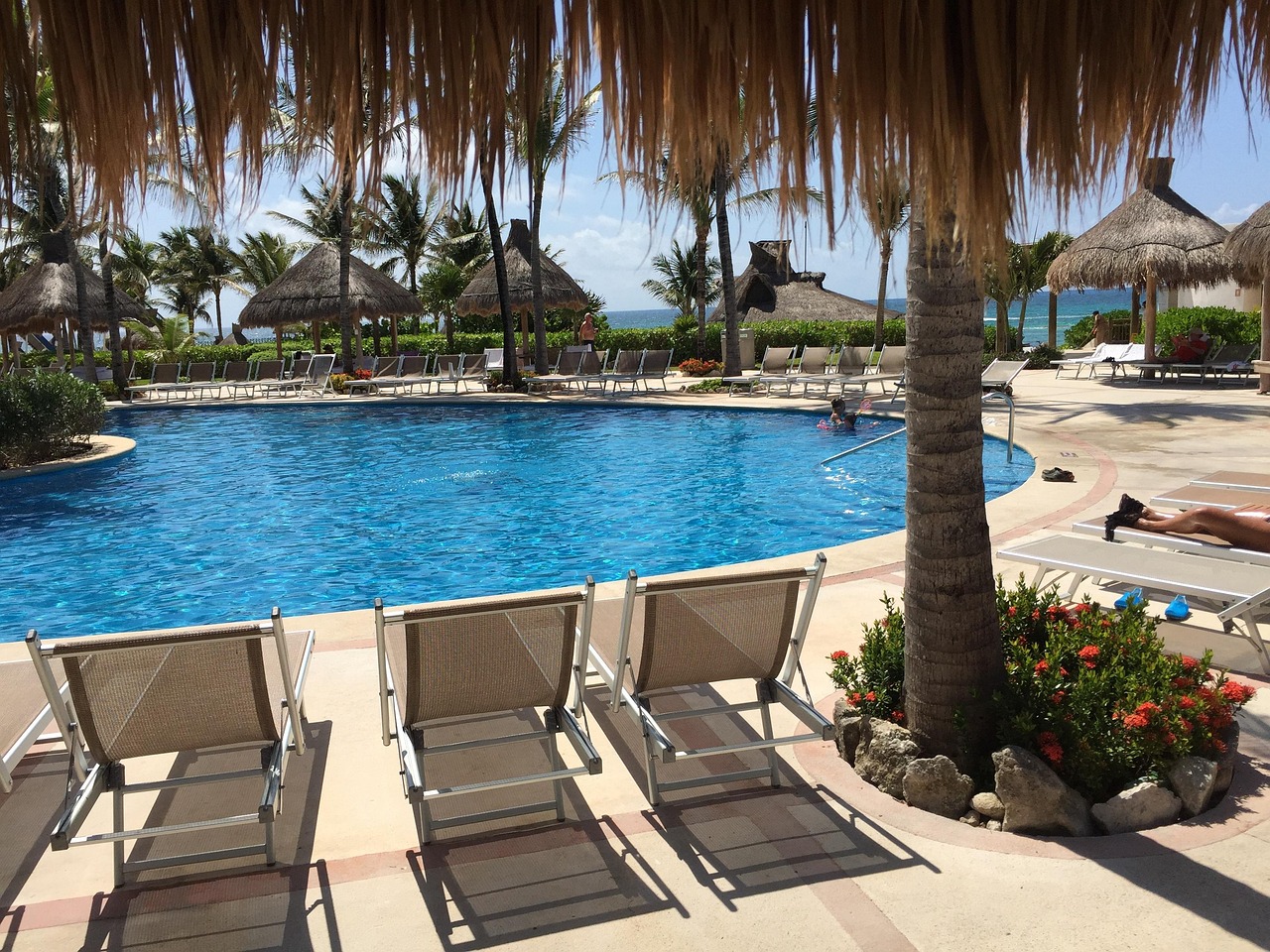
The Hotel Zone curves around a strip of white sand and surreal blue water, but each beach has its own personality. Over multiple trips, I’ve learned when and why to choose each, depending on mood and company.
- Playa Tortugas: Small, lively, with a pier and bungee tower. Good for younger crowds and people who like action and water sports.
- Playa Caracol: Central and convenient, often busy but with calm-ish waters, close to the club zone.
- Playa Langosta: One of my favorites for lazy swimming: shallow, gentle waves, very family-friendly, and popular with locals on weekends.
My usual approach: On days when I want quiet and a book, I head to Playa Langosta in the morning, rent a sunbed from a small operator, and take long swims in the warm, clear water. On social nights, I might pass by Playa Tortugas to watch the bungee jumpers and then segue into a sunset drink.
Tips: All beaches in Mexico are public, but access points may be between resorts. Look for marked public entries.
9. Xcaret Park
Xcaret is like a Maya-themed eco-park meets cultural show, about an hour from Cancún. It’s commercial, yes, but if you have kids or want a one-stop overview of nature and culture, it can be a fantastic day out.
On my first visit, I floated along the underground river in a life vest, staring up at limestone ceilings and thinking how wild it was that this landscape exists beneath the Riviera Maya. Later, I sat through the evening show, which sweeps through centuries of Mexican history with costumes, music, and traditional games.
Great for: Families, first-timers to Mexico, and travelers who want a curated but still meaningful taste of the region.
Tips:
- Arrive at opening to make the most of your ticket.
- Pre-book online; packages with meals can be good value if you plan to stay all day.
- Wear water shoes if you have them; they’re useful for the underground rivers.
10. Cenotes Near Cancún (Cenote Azul, Cenote Verde Lucero, Cenote La Noria)
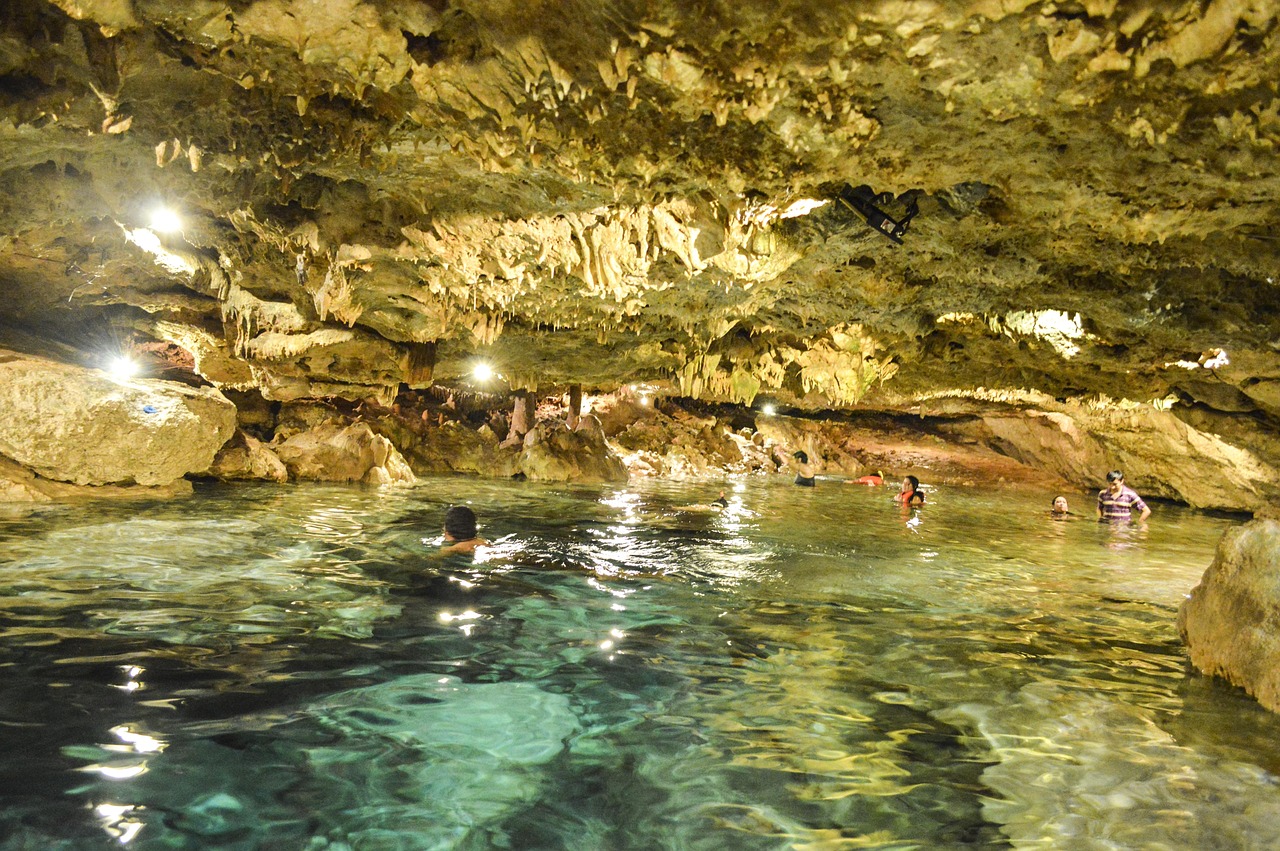
Cenotes—natural sinkholes filled with fresh water—are some of the most magical places in the Yucatán Peninsula. They were sacred to the Maya and are still important sources of water and spiritual connection. From Cancún, you can reach several within an hour or two.
I remember the first time I climbed down a steep wooden staircase into a semi-open cenote near Cancún. The air turned cool and damp, tree roots dangled down like ropes, and the water shimmered a deep, inviting blue. Jumping in is always a small act of courage—the water is cooler than the sea—but it’s incredibly refreshing.
Types:
- Open cenotes: Like natural pools; great for sun and jumping.
- Semi-open: Cavern-like with holes where sunlight streams in.
- Cave cenotes: Fully underground, mysterious, and atmospheric.
Tips:
- Always shower before entering to protect the delicate ecosystem.
- Bring a mask and snorkel; the underwater rock formations are beautiful.
- Wear water shoes if you have sensitive feet; rocks and stairs can be slippery.
11. Puerto Morelos & Its Reef
Puerto Morelos is my go-to recommendation for people who want an easy half- or full-day trip from Cancún without committing to a long bus or tour. The town has a relaxed, slightly bohemian feel, and the nearby section of the Mesoamerican Barrier Reef is protected as a national park.
I like to arrive mid-morning, walk the pier, and hop on a small boat for a 2–3 hour snorkel tour to the reef. The water is shallow, the coral surprisingly healthy in many spots, and the guides are usually passionate about conservation. Afterward, I grab ceviche at a beachfront restaurant and sometimes stay long enough for sunset before heading back to Cancún.
12. Cancún Scenic Tower (Torre Escénica)
For a quick overview of the Hotel Zone’s layout, I like the rotating Cancún Scenic Tower near km 4.5. It’s not an adrenaline rush, but it’s a calm, gentle way to see the lagoon, the Caribbean, and the building-filled “7” shape from above.
Tip: Go on a clear afternoon for the best colors; late day can give you golden light over the lagoon.
13. The Club Zone (Coco Bongo & Surroundings)
No honest guide to things to do in Cancún can ignore the infamous club zone. Even if nightlife isn’t your main draw, walking through this neon-splashed stretch at night is an experience. Street performers, blasting music, throngs of people—it’s Cancún’s Vegas moment.
Coco Bongo is the most famous: part club, part acrobatic show with impersonators and over-the-top staging. I’ve gone twice—once in my 20s when I danced until dawn, and once more recently, when I was more interested in people-watching and the spectacle than the open bar. Both times, it was sensory overload in a fun way.
Tips:
- Buy tickets in advance, especially in high season.
- Eat beforehand; food options inside are limited and expensive.
- If you’re not into big clubs, opt for smaller bars or live music spots nearby.
14. Puerto Cancún Marina & Shopping
When I need a break from sun and sand or a dose of air conditioning, I sometimes head to Puerto Cancún. The marina is lined with restaurants and shops, and the architecture—sleek glass facades, modern lines—contrasts with older parts of town. It’s not “authentic Mexico,” but it’s a polished, easy place to wander, shop, and grab a coffee with a view of boats and condos.
15. La Isla Shopping Village
La Isla is the Hotel Zone’s main open-air mall, straddling the lagoon. I’m not a big mall person, but I do like its design: canals, bridges, and sunset views over the water. There’s an aquarium, a Ferris wheel, and plenty of restaurants.
Why I go: It’s convenient for ATMs, pharmacies, and last-minute purchases; also a good rainy-day option. I’ve spent more than one tropical downpour tucked under a café awning here, watching the rain hammer the lagoon.
16. Malecón Tajamar & Lagoon Views
Malecón Tajamar is a long waterfront promenade along the Nichupté Lagoon with views back toward the Hotel Zone’s skyline. It’s more popular with locals than tourists, and I like coming here near sunset for a jog or a quiet walk. Watching the Hotel Zone’s lights blink on from across the water gives you a different perspective on the city’s architecture.
17. Interactive Aquarium Cancún
Inside La Isla Shopping Village, this small but modern aquarium is a handy option for families, especially on super-hot or rainy days. You’ll see local marine life and can participate in interactive experiences. I prefer seeing animals in the wild, but if you’re looking for something short and educational, it works well.
18. Cancún Maya Museum (Museo Maya de Cancún)
The Maya Museum is one of the most underrated cultural experiences in Cancún. Located in the Hotel Zone, it houses an excellent collection of Maya artifacts and has an adjacent archaeological site, San Miguelito, with jungle-covered ruins and trails.
Whenever I bring friends who think Cancún is just beaches and bars, I take them here. The exhibits (with English and Spanish explanations) give context to everything from Chichén Itzá to the smaller ruins scattered around the region.
Tip: Combine a visit here with a beach session; it’s a manageable 1–2 hour cultural stop that fits easily into a lazy day.
19. Downtown Taquerías & Street Food
Some of the best local food in Cancún isn’t on the beach; it’s in small taquerías and street carts downtown. Over multiple stays in El Centro, I’ve developed a mental map of places where the tortillas are hot, the salsas are fresh, and the prices are local.
One of my favorite evenings goes like this: start at a downtown taquería for tacos al pastor and suadero, walk to a plaza for dessert (marquesitas or ice cream), then end with a mezcal in a small bar where you’ll mostly hear Spanish. It’s simple, inexpensive, and gives you more insight into life here than a resort buffet ever will.
20. Isla Blanca Peninsula
Isla Blanca is my favorite escape when I want to feel like Cancún is far, far away. It’s actually a narrow peninsula north of the city, with the ocean on one side and a shallow lagoon on the other. Development is still limited, so you get wide, windswept beaches and a feeling of space.
It’s popular with kiteboarders (the lagoon side is ideal), but I usually just walk and walk, collecting shells and listening to the waves. Bring your own snacks and water; facilities are basic. The sandbar shifts with storms and seasons, so every visit feels a bit different.
Suggested 3–5 Day Itineraries for Cancún (With Personal Stories)
Whether you have 3 days in Cancún, 4 days in Cancún, or a full 5 days in Cancún, you can pack in a lot without feeling rushed. Below are sample itineraries based on trips I’ve actually taken, mixing big-name sights with quieter, more local moments.
3 Day Itinerary for Cancún
This is for travelers who want a taste of everything: beach, culture, and a touch of nightlife.
Day 1: Hotel Zone Beaches & El Rey
On your first morning, do what everyone comes to Cancún for: hit the beach. I like starting at Playa Langosta for an easy swim to shake off the flight. Drop your bags at your hotel and head out by mid-morning; the water will be warm, and the sun not yet brutal.
After a few hours of swimming, reading, and maybe a beachfront lunch, I usually catch a bus down to El Rey ruins in the mid-afternoon, when some of the tour groups have thinned out. An hour wandering through the ruins gives you your first brush with Maya history. The iguanas are like unofficial site guardians, lounging on the stones.
In the evening, I like to take a sunset stroll along the lagoon side near La Isla Shopping Village, then have dinner in a mid-range restaurant overlooking the water. If you’re up for it, do a relaxed bar rather than heavy clubbing this first night—maybe a place with live music so you can ease into the rhythm of the city.
Day 2: Chichén Itzá & Cenote Swim
Day 2 is for your big cultural excursion. I wake up early, grab a quick breakfast (coffee and a concha from a bakery), and either join a small-group tour or drive to Chichén Itzá. Arriving near opening means cooler temperatures and fewer people photobombing your shots.
After a guided tour and some solo wandering, I head to a nearby cenote to cool off. Floating in cool, clear water after hours in the sun is bliss. A simple Yucatecan lunch—cochinita pibil, rice, beans, and fresh tortillas—rounds out the day. Most tours will include a cenote stop and lunch; if you’re driving, you can pick your own spot.
Back in Cancún around sunset, I usually keep things low-key: shower, casual tacos, maybe a stroll on the beach under the stars.
Day 3: Isla Mujeres & Nightlife (Optional)
On your last full day, head to Isla Mujeres. Catch an early ferry from Puerto Juárez, rent a golf cart, and circle the island. Punta Sur for views and photos, a swim or snorkel stop, then a long, lazy afternoon at Playa Norte. I like ending the day with a cold drink on the sand, watching the sky go pink before catching an early-evening ferry back.
For a final-night flourish, you can explore the club zone: either go all-in with a Coco Bongo experience or choose a smaller venue with live music. If clubs aren’t your thing, a sunset cocktail on a rooftop bar overlooking the lagoon is a more relaxed but still celebratory way to say goodbye.
4 Day Itinerary for Cancún
With 4 days in Cancún, you can add more local flavor and breathing room.
Day 1: Arrival & Beach Time
Same as the 3-day start, but with permission to move slower: beach, easy swims, an early night if you’re jet-lagged.
Day 2: Chichén Itzá or Tulum Ruins
Choose one major ruin for this trip. If you’ve already seen Chichén Itzá on a previous visit, Tulum offers a stunning clifftop setting overlooking the Caribbean.
Day 3: Isla Mujeres + Downtown Evening
Spend the day on Isla Mujeres as described above. When you return, instead of going back to the Hotel Zone immediately, detour into El Centro for dinner at a local taquería and dessert at Parque de las Palapas. It’s a great way to see a different side of Cancún.
Day 4: Cenote & Puerto Morelos
On your last day, head south toward Puerto Morelos. Stop at a cenote on the way for a swim, then continue to Puerto Morelos town for lunch and a snorkel trip to the reef. You’ll be back in Cancún by evening, relaxed and sun-kissed, ready for one last beach walk.
5 Day Itinerary for Cancún
With 5 days in Cancún, you can balance adventure with downtime and dig deeper into hidden gems in Cancún.
Day 1: Settle In & Sunset at Playa Delfines
Arrive, check in, take a gentle swim. In late afternoon, head to Playa Delfines for your first big panoramic view of the Caribbean. Snap the Cancún sign photo if you like, then watch the sun sink behind the Hotel Zone skyline.
Day 2: Chichén Itzá + Cenote
Your big culture and history day.
Day 3: Isla Mujeres Full Day
Slow island time: golf cart, Punta Sur, Playa Norte, seafood, maybe a snorkel tour to MUSA.
Day 4: Cenote & Xcaret or Xplor
Use this day for an eco-park like Xcaret (more cultural, family-focused) or Xplor (more adventure: ziplines, ATVs, underground rivers). Stop at a cenote if your schedule allows, or focus fully on the park.
Day 5: Downtown, Markets & Farewell Dinner
Spend your last day exploring El Centro: shop at Mercado 28, eat lunch at a local spot, and relax in Parque de las Palapas. In late afternoon, walk along Malecón Tajamar for lagoon views, then finish with a special dinner either in a refined restaurant in Puerto Cancún or a beloved local spot downtown.
On my most recent 5-day stay, this last night in downtown—eating grilled octopus with a cold cerveza while kids played in the plaza—was what I remembered most once I got home.
Best Local Food & Drink in Cancún
The Riviera Maya is a fantastic place to eat, especially if you like fresh seafood, citrusy marinades, and bold salsas. Some of the best meals I’ve had in Cancún cost less than a fancy cocktail in the Hotel Zone.
Must-Try Dishes
- Cochinita Pibil: Slow-roasted pork marinated in achiote and sour orange, traditionally cooked in a pit. Often served in tacos or tortas.
- Tacos al Pastor: Pork marinated and cooked on a vertical spit, carved thin and served with pineapple, onion, and cilantro.
- Sopa de Lima: Light chicken and lime soup with crispy tortilla strips.
- Ceviche: Fresh fish or shrimp cured in lime juice with tomato, onion, cilantro, and sometimes avocado.
- Panuchos & Salbutes: Yucatecan antojitos (snacks) made from fried tortillas, one stuffed with beans (panucho), one puffed (salbute), topped with meat and veggies.
Where I Actually Eat
For budget-friendly, local-focused food, I head to El Centro. Small taquerías and marisquerías (seafood joints) near Parque de las Palapas and Mercado 28 offer excellent value.
In the Hotel Zone, I look for mid-range restaurants with a mix of locals and tourists, often slightly away from the busiest club strip. Puerto Cancún and La Isla have some solid options with lagoon or marina views—great for a slightly splurgey dinner.
Drinks to Try
- Margarita (on the rocks, with salt): Classic, but look for places that use fresh lime juice, not mixes.
- Mezcal: Smoky agave spirit; sip it slowly, don’t shoot it.
- Michelada: Beer with lime, salt, and sometimes sauces; super refreshing in the heat.
- Agua fresca: Non-alcoholic fruit drinks (jamaica, horchata, tamarindo).
Saving Money on Food
- Eat your main meal at lunch; many places have cheaper midday specials.
- Venture into El Centro for at least a few meals; prices can be half of the Hotel Zone.
- Skip overpriced hotel breakfasts; grab coffee and pastries at a local bakery instead.
Nightlife, Entertainment & Cultural Experiences in Cancún
Cancún’s nightlife reputation is well-earned, but there’s more than foam parties and all-you-can-drink clubs.
Big Night Out
If you want the classic Cancún night, the club zone around km 9–10 is where you’ll go. Think Coco Bongo, Mandala, and other large venues with loud music, light shows, and themed parties. I treat it like going to a big show: plan ahead, budget, and know I’ll be tired the next day.
Chill Evenings
My favorite nights are quieter: a rooftop bar with lagoon or sea views, a live-music venue downtown, or even just street food and people-watching in Parque de las Palapas. Walking along the beach at night (staying near lit and populated areas) is another simple pleasure.
Cultural Experiences
- Maya Museum & San Miguelito Ruins: Great for daytime cultural immersion.
- Traditional dance shows: Some hotels and cultural venues host performances; check schedules locally.
- Food tours: Joining a small-group food tour in downtown can be a comfortable way to experience local eateries if you’re nervous about going alone.
Day Trips & Nearby Attractions From Cancún
Beyond the 20 attractions already covered, there are several rewarding side trips:
- Tulum: Ruins on a cliff above a turquoise bay, plus a boho-chic beach town. About 2 hours south by car or bus.
- Valladolid: Colonial town with colorful streets, cenotes nearby, and a relaxed vibe. Great to pair with Chichén Itzá.
- Isla Contoy: Protected island and bird sanctuary north of Isla Mujeres; tours are strictly regulated, so book ahead.
Most hotels and hostels can arrange tours, or you can rent a car for more flexibility. I usually drive when traveling with friends (shared costs make it cheaper), but join small-group tours when I’m solo and want company.
Cultural Etiquette & Local Customs in Cancún
Even though Cancún is very international, respecting local customs in Cancún and Mexico generally will make your trip smoother.
- Greetings: A simple “Buenos días” (morning), “Buenas tardes” (afternoon), or “Buenas noches” (evening) goes a long way. I always greet shopkeepers and bus drivers.
- Language: Many people in the Hotel Zone speak English, but Spanish is appreciated, especially downtown. Learn a few basics: “por favor,” “gracias,” “disculpe.”
- Tipping: 10–15% in restaurants if service is not included; small tips for hotel staff, guides, and drivers are appreciated.
- Dress: Beachwear is normal on the sand and at pools, but cover up with more than a bikini when entering shops or restaurants off the beach.
- Negotiation: Bargaining is expected in markets, but do it with respect and a smile.
- Environmental respect: Don’t touch coral or marine life, and use reef-safe sunscreen (or better, wear a rash guard and hat).
Practical Travel Advice for Cancún
How to Get Around
- Buses: The R1 and R2 buses run along the Hotel Zone and to downtown. They’re cheap, frequent, and safe for most travelers. I use them daily.
- Taxis: Easy to find, but agree on a price before you get in; there are no meters.
- Car rental: Good if you plan several day trips. Use well-known companies, photograph the car at pickup, and check insurance details carefully.
- Walking: The Hotel Zone is walkable in segments, especially between nearby hotels, beaches, and malls. Downtown requires more awareness of traffic but is fine during the day and early evening on main streets.
Saving Money
- Stay in El Centro rather than the Hotel Zone, or split your stay between both.
- Use local buses instead of taxis whenever possible.
- Eat at least one or two meals a day in downtown instead of only in tourist restaurants.
- Book excursions with reputable local operators, comparing prices rather than taking the first offer.
SIM Cards & Connectivity
For 2026, getting data in Mexico is straightforward:
- Local SIM: Telcel, AT&T, and Movistar are common. You can buy prepaid SIMs at the airport or in convenience stores (OXXO, 7-Eleven). Bring your passport just in case.
- eSIM: Many travelers now use eSIM apps before arrival; it’s convenient, though sometimes slightly more expensive than a local SIM.
- Wi-Fi: Widely available in hotels, cafés, and malls, but speeds vary.
Visa Requirements & Entry
Rules can change, but as of 2026:
- Citizens of the U.S., Canada, the EU, the U.K., and several other countries can enter visa-free for tourism for up to 180 days.
- You’ll receive an electronic or paper tourist permit (Forma Migratoria Múltiple, FMM); keep track of it or its number because you’ll need it when leaving.
- Always check official government sites or with your airline before traveling, as regulations can change.
Driving & Foreign Licenses
- Most foreign driver’s licenses are accepted for renting a car and driving in Mexico for short stays.
- An International Driving Permit can be helpful but is not always required; check with your rental agency.
- Drive defensively, follow speed limits, and avoid driving long distances at night.
Health & Safety
- Drink bottled or filtered water; avoid tap water.
- Use sunscreen and stay hydrated—sun exposure is intense.
- In crowded areas, keep valuables secure and avoid flashing expensive items.
- Use ATMs inside banks or malls when possible.
When to Visit Cancún (Seasons & Weather)
- December–April (High Season): Dry, sunny, and pleasantly warm. Best overall weather, but also the most crowded and expensive. Great for beaches, snorkeling, and nightlife.
- May–August (Shoulder to Summer): Hotter and more humid, with increasing chances of rain. Good deals on hotels; ideal for swimming and cenote visits to cool off.
- September–November (Hurricane Season Peak): Higher risk of storms and rain, but also the best prices. If you come now, consider travel insurance and stay flexible.
For most travelers, the sweet spots are late November–early December and late April–early May: good weather, fewer crowds, and more reasonable prices.
Major Events & Changes in Cancún 2026–2027
Cancún’s event calendar evolves each year, but some trends and recurring festivals are worth noting for 2026–2027:
- Spring Break (March–early April 2026/2027): Expect peak crowds, especially in the club zone. If you want quiet, avoid these weeks.
- Semana Santa (Holy Week): A major Mexican holiday period; beaches and buses are busy, and prices rise.
- Día de Muertos (Day of the Dead, late October–early November): While bigger celebrations happen elsewhere (like Mérida or Mexico City), Cancún sees altars, themed events, and special performances.
- New Eco & Cultural Initiatives (2026–2027): Expect expanded conservation programs around reefs and cenotes, plus more Maya-focused cultural tours tied to the continuing rollout of the Maya Train in the region.
Closer to your travel dates, check local tourism sites and your hotel or hostel for updated event listings.
Summary & Final Recommendations
Cancún in 2026 is a place of contrasts: glass towers and ancient ruins, wild nightlife and quiet cenotes, all-inclusive buffets and humble taco stands that will ruin you for Tex-Mex forever. Whether you’re crafting a 3 day itinerary for Cancún, planning 4 days in Cancún with friends, or stretching to a full 5 day itinerary for Cancún, you can shape the city to your style.
If you remember nothing else from this guide, keep these key takeaways in mind:
- Balance your time between the Hotel Zone and downtown to see both sides of Cancún.
- Include at least one major cultural excursion (like Chichén Itzá) and one cenote visit.
- Eat where locals eat at least once a day; your taste buds and wallet will thank you.
- Use buses and shared transport to save money and reduce stress.
- Respect the sea, the reefs, and the local culture—they’re what make Cancún worth visiting.
For most visitors, the best time to come is between December and April for ideal beach weather, with late November and early May offering a good balance of cost and climate. Whenever you come, if you look beyond the obvious, you’ll find a Cancún that’s not just a postcard beach, but a living, evolving place with stories far older than the hotels that line its shore.