Why Visit Mexico City in 2026?
I’ve lost count of how many times I’ve wandered the streets of Mexico City (CDMX) over the last decade, but 2026 feels like a particularly special year to come. The city is buzzing with new cultural projects, world-class restaurants that somehow stay affordable, and a renewed love for its own history and neighborhoods.
Mexico City is one of those rare capitals that can be whatever you need it to be: a foodie pilgrimage, an art and museum marathon, a romantic city escape, a family-friendly playground, or a launchpad for day trips to ancient pyramids and volcanic landscapes. It’s chaotic and calm, noisy and poetic, ultra-modern and deeply traditional—often on the same block.
What makes CDMX special to me is the way everyday life feels like a cultural experience. You don’t have to chase “things to do in Mexico City” to feel the city. It’s in the sound of the tamal vendor calling out at dawn, the smell of tortillas on the comal at the corner fonda, grandmothers in elegant wool coats walking past neon-lit taquerías, and jacaranda trees exploding in purple every spring.
In this 2026 travel guide, I’ll walk you through detailed itineraries for 3, 4, and 5 days in Mexico City, plus deep dives into at least 20 of the must-see attractions in Mexico City, my favorite hidden gems in Mexico City, and practical travel tips for Mexico City that I use myself when I’m in town.
Table of Contents
- Why Visit Mexico City in 2026?
- Overview of Mexico City Neighborhoods
- Top 20+ Must-See Attractions in Mexico City
- Suggested Itineraries (3–5 Days in Mexico City)
- Best Local Food & Drink in Mexico City
- Nightlife, Entertainment & Cultural Experiences
- Best Day Trips from Mexico City
- Major Events & Festivals 2026–2027
- Cultural Etiquette & Local Customs
- Practical Travel Advice for Mexico City
- Summary & Best Time to Visit Mexico City
Mexico City Neighborhoods: Where the City’s Personality Lives
Before diving into specific things to do, it helps to understand the main neighborhoods (colonias). Mexico City is huge, but as a visitor you’ll probably orbit around a few key areas.
Centro Histórico
This is the historic heart: grand plazas, colonial churches, Art Deco facades, and street vendors selling everything from churros to lucha libre masks.
Roma Norte & Roma Sur
Leafy, creative, and effortlessly cool. Think early-20th-century mansions, indie boutiques, cafes with third-wave coffee, and some of the best restaurants in Latin America tucked into side streets.
Condesa & Hipódromo
Bordering Roma, Condesa is slightly more residential and park-filled, with Art Deco buildings and dog walkers everywhere. Great base for first-timers.
Polanco
The city’s polished side: luxury shopping, embassies, Museo Soumaya and Jumex, and the famous restaurant Pujol. Also right by a big green lung, Chapultepec Park.
Coyoacán
Bohemian and historic, with cobblestone streets, colorful houses, and the Frida Kahlo Museum. It feels like a small town swallowed by a metropolis.
La Roma vs. Condesa vs. Centro: Where to Stay?
- First-timers / 3–4 days in Mexico City: Condesa or Roma Norte for walkability and safety.
- Culture-focused / shorter stays: Centro Histórico to be close to the Zócalo and big museums.
- Luxury & quiet: Polanco.
- Quirky & local: Coyoacán or Santa María la Ribera.
Top 20+ Must-See Attractions in Mexico City (With Local Insight)
Below are detailed guides to more than 20 of the best places to visit in Mexico City. I’ve included history, what it feels like to be there, and little tricks I’ve learned after multiple visits.
1. Zócalo & Metropolitan Cathedral
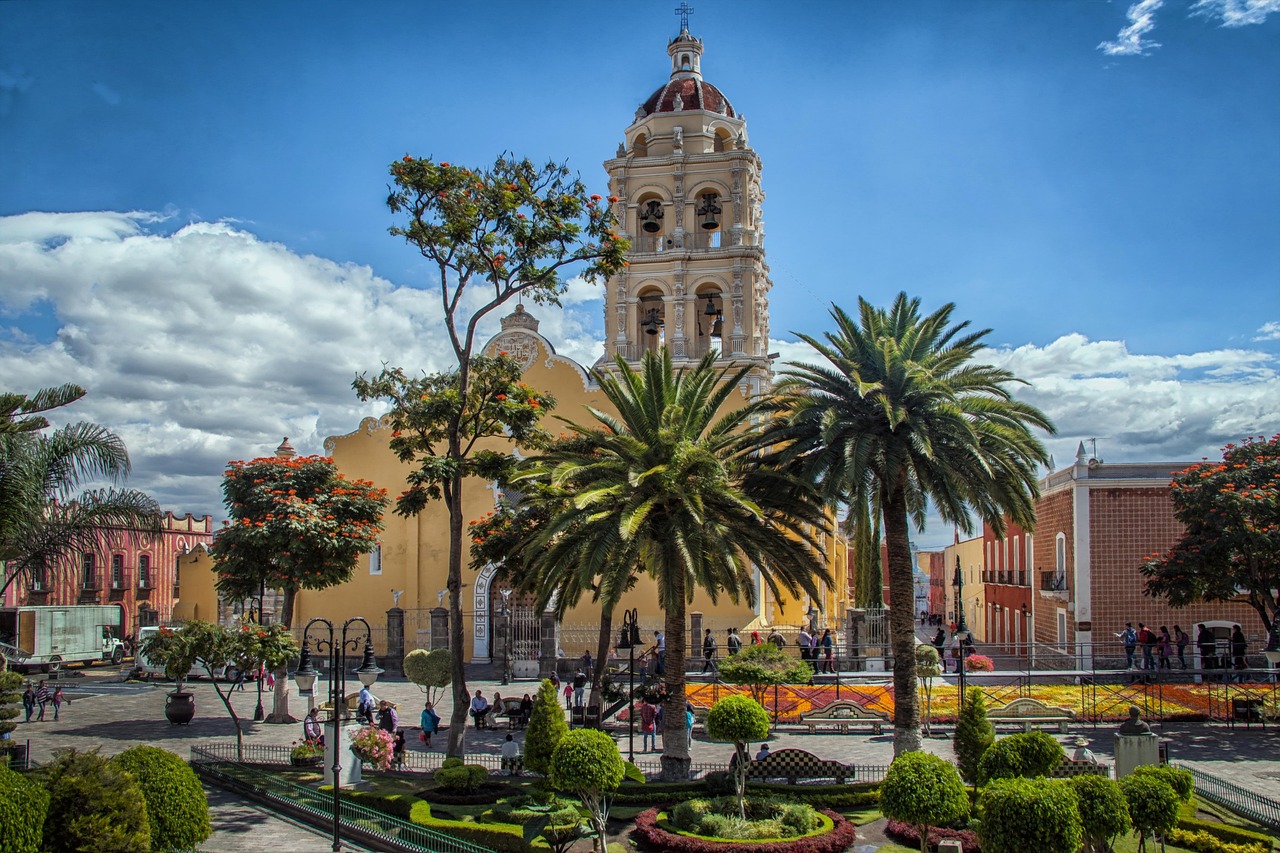
The Zócalo (officially Plaza de la Constitución) is where Mexico City’s layers of history stack right under your feet. I still remember the first time I emerged from the metro here and had to stop for a second—the plaza is so vast it almost feels like a mirage.
On one side, the Metropolitan Cathedral looms with its slightly sinking foundations (thanks to the city’s soft lakebed soil). On another, the National Palace houses Diego Rivera’s epic murals. Beneath it all lie the remains of Tenochtitlan, the Aztec capital.
Best time to go: Morning before 10 a.m. when the light is soft and the plaza is quieter. On Sunday, the atmosphere is more festive, but it’s also more crowded.
What I usually do here: I like to start on the northeast corner where street vendors set up, grab a cup of café de olla (spiced coffee), then walk the full perimeter of the square. I often duck into the Cathedral to listen to the organ and then climb the bell towers when they’re open (check on-site; it’s not always available). The view over the Zócalo and surrounding roofs is worth the small fee.
Tips:
- Dress modestly if you plan to enter the Cathedral (no problem with jeans and t-shirts, but avoid beachwear).
- Watch your pockets; it’s generally safe but busy.
- If you’re doing only 3 days in Mexico City, start your first morning here—it gives context for everything else.
2. Templo Mayor
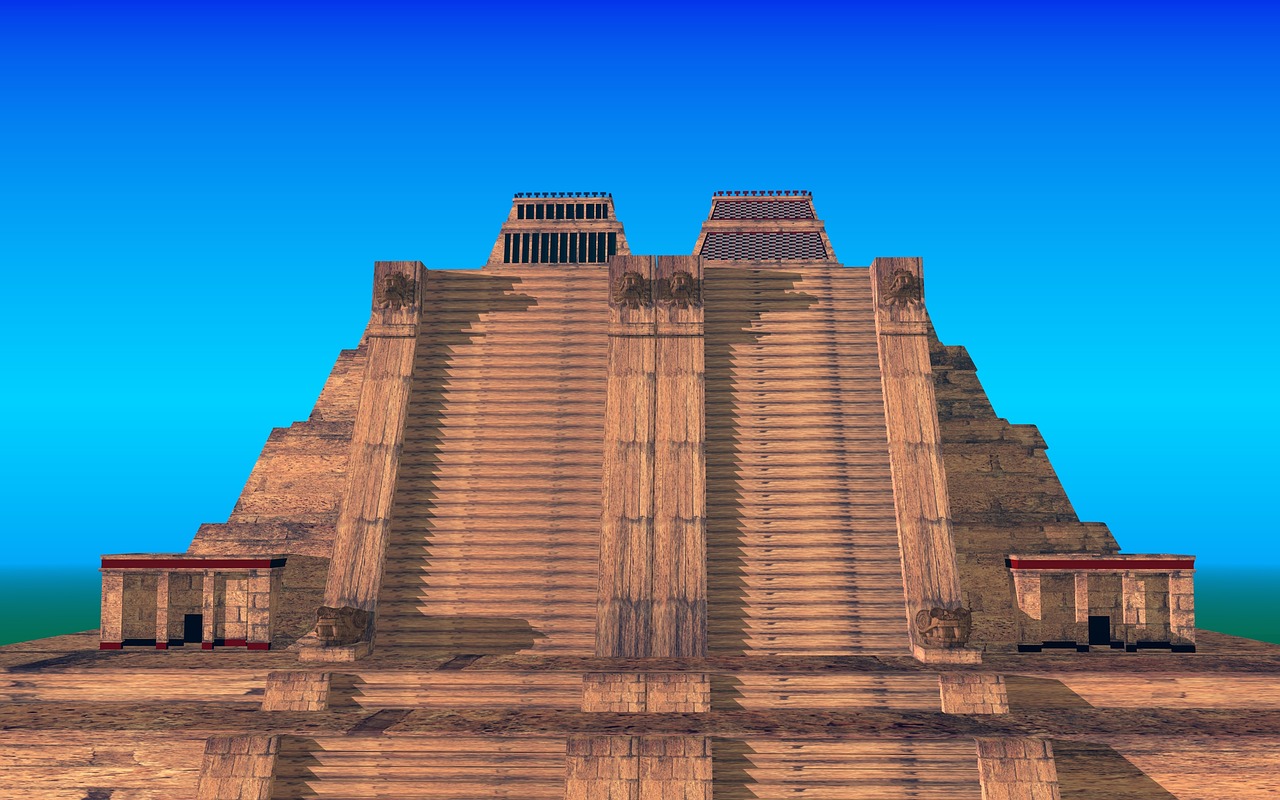
Just off the Zócalo, the Templo Mayor is where Mexico City’s present literally collides with its Aztec past. When I first visited, I was stunned that this massive archaeological site sits squeezed between colonial buildings and modern shops.
This was the main temple of Tenochtitlan, dedicated to Huitzilopochtli and Tlaloc. Excavations only really ramped up in the late 20th century; walking the raised pathways, you can see altars, offerings, and serpent heads up close.
The adjacent museum is one of my favorites in the city—not huge, but dense, beautifully curated, and full of objects that feel strangely intimate: jewelry, carved skulls, and the famous circular stone of Coyolxauhqui.
Personal tip: Go mid-morning after a loop around the Zócalo. I like to spend 60–90 minutes here. The signage is excellent in Spanish and usually decent in English; if you’re into history, an audio guide or local guide is worth it.
3. Palacio de Bellas Artes
The Palacio de Bellas Artes is the building that made me fall in love with Mexico City’s architecture. Its white marble facade and Art Nouveau / Art Deco interior feel like something out of a movie. At sunset, when the light hits the dome, the whole square glows.
Inside, you’ll find murals by Diego Rivera, Siqueiros, and others, plus rotating art exhibits. If you’re into performance, check the schedule for concerts, ballet, or the (touristy but entertaining) Ballet Folklórico.
How I like to experience it:
- Arrive in the late afternoon, wander inside, then head to the Sears department store across the street.
- Go up to the Café on the Sears terrace for one of the best skyline and dome views in the city—no fancy ticket, just buy a drink.
For photographers: Blue hour (right after sunset) from that terrace is magic. Bring a camera or a steady hand for your phone.
4. Alameda Central & Surroundings
Next to Bellas Artes lies Alameda Central, one of the oldest public parks in the Americas. It’s where I often come to decompress between museums—a place of fountains, families, street performers, and balloon vendors.
If you’re traveling with kids, this is a good stop: there’s space to run, cheap snacks, and informal performances on weekends. For couples, it’s a lovely place to stroll at dusk before dinner in nearby Roma or Centro.
5. Bosque de Chapultepec & Chapultepec Castle
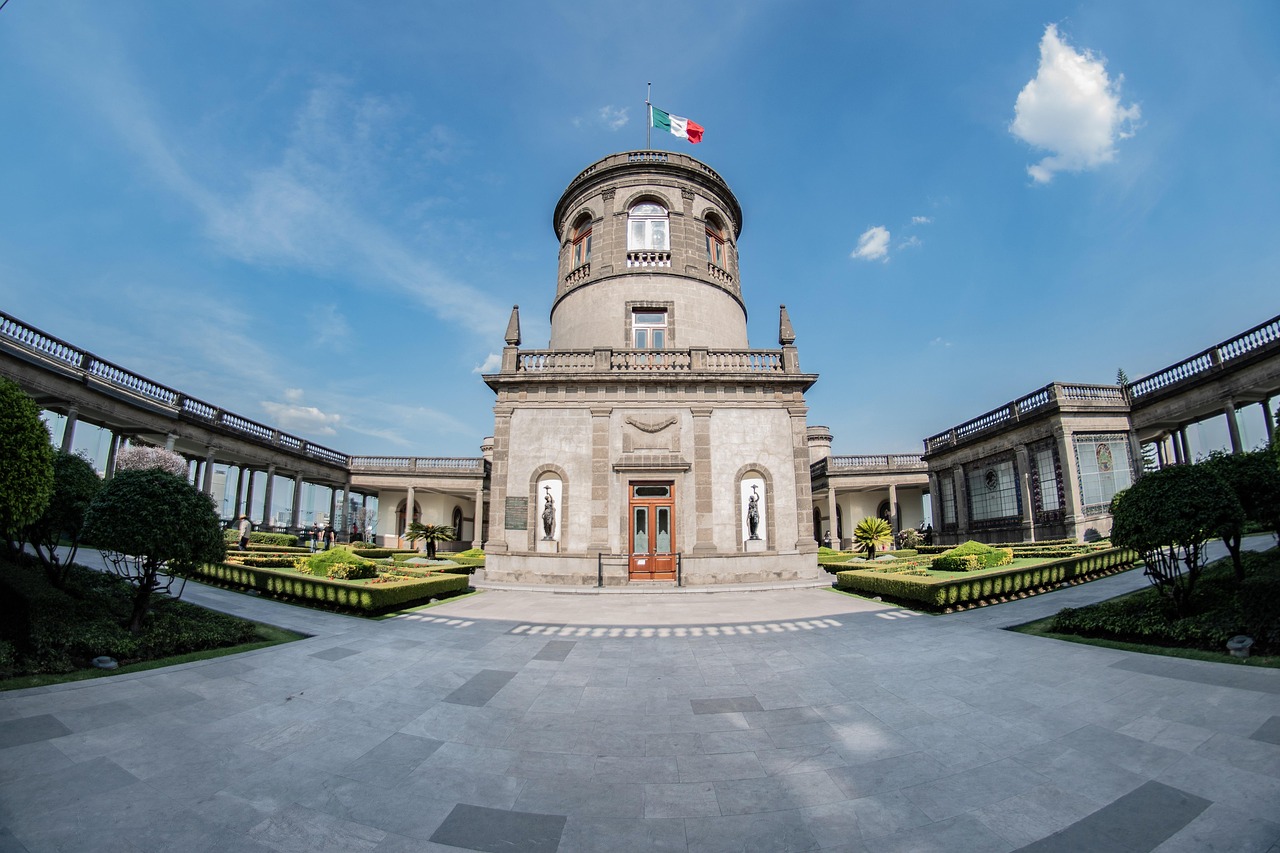
Bosque de Chapultepec is Mexico City’s Central Park: a vast green oasis right in the middle of the city. I’ve spent entire days here and still haven’t seen everything. Lakes, food stalls, museums, and the crown jewel: Chapultepec Castle, perched on a hill with panoramic city views.
The Castle has served as a military academy, imperial residence, and presidential home. Today it’s the National History Museum. Inside, you’ll walk through stained-glass corridors and marble-floored rooms, but my favorite part is the terrace overlooking Reforma and the skyscrapers.
How I usually plan it:
- Go early, especially on weekends. The line for the castle gets long mid-day.
- Enter Chapultepec from the Reforma side and follow the path uphill to the castle.
- After exploring, grab a snack (elote, esquites, or a paleta) from one of the many stands in the park.
Family-friendly: 100%. Kids love the park, paddleboats on the lake, and the National Anthropology Museum (which is also in Chapultepec; more below).
6. National Museum of Anthropology
If you only visit one museum in Mexico City, make it this one. The Museo Nacional de Antropología is a deep dive into Mexico’s pre-Hispanic cultures. I’ve visited at least five times, and I still discover something new each visit.
The building itself is iconic, with its giant umbrella fountain in the courtyard. Inside, rooms are organized by region and culture—Olmec, Maya, Mexica (Aztec), and more. The Aztec Sun Stone (often incorrectly called the “Aztec calendar”) is the crowd-pleaser, but don’t miss the giant stone heads in the Olmec room.
How long to spend: Minimum 2–3 hours. If you’re a history buff, half a day can easily disappear here.
Local tip: Start on the ground floor to see the pre-Hispanic collections, then decide if you have energy for the upper-level ethnographic exhibits.
7. Roma Norte & Roma Sur
Roma is my default neighborhood to stay in when I’m not sure what I want from a trip. It gives you a bit of everything: leafy streets, excellent food, independent shops, creative energy, and an easy walk to Condesa or even parts of Centro.
The architecture is a mix of early-20th-century mansions (some restored, some still crumbling in a photogenic way) and newer builds. I love wandering Roma in the morning when cafes are just opening and dog walkers are out in full force.
Don’t miss in Roma:
- Fuente de Cibeles – a replica of Madrid’s fountain, a central orientation point.
- Small galleries and bookstores along Álvaro Obregón and Colima streets.
- Neighborhood markets like Mercado Medellín (technically on the border with Roma Sur; great for fruit, juices, and inexpensive lunch).
8. Condesa & Parque México / Parque España
Condesa is where I go to breathe. Parque México and Parque España are shaded, dog-filled parks surrounded by Art Deco apartment buildings and cafes. If you’re piecing together a 3 day itinerary for Mexico City and want a slower morning, this is where to have it.
On my last trip, I spent a Sunday morning on a bench in Parque México with a takeaway cappuccino watching kids practice rollerblading and couples walk their dogs. It was one of those small, perfect travel moments.
Food tip: Condesa’s side streets hide excellent bakeries and casual restaurants. I often grab breakfast here before heading to museums or Centro.
9. Coyoacán & Frida Kahlo Museum (Casa Azul)
Coyoacán feels like a village that refused to be swallowed by the city. Cobblestone streets, colorful facades, plazas with musicians, and street stalls selling churros and tostadas. It’s most famous for the Frida Kahlo Museum (Casa Azul), the bright blue house where Frida lived and worked.
The first time I visited Casa Azul, I’d made the mistake of not booking ahead and had to wait in a long line under the sun. I learned my lesson. Now, I always book tickets in advance with a time slot, especially if I’m crafting a tight 4 day itinerary for Mexico City.
Inside, you’ll see Frida’s studio, her iconic dresses, and the courtyard garden. It’s a moving space, especially if you know her story.
Make a day of it: Combine Casa Azul with a walk around Coyoacán’s plazas, a visit to the local market, and maybe a late lunch at a traditional cantina or café.
10. Xochimilco Canals
Xochimilco is where the city’s ancient waterways survive as a technicolor party zone. You rent a brightly painted boat (trajinera), float down the canals, and watch as mariachis, food vendors, and flower sellers pull up alongside you.
I’ve done Xochimilco a few different ways: rowdy with friends, laid-back with family, and even once as a romantic afternoon with a bottle of wine and snacks. It can be as tame or wild as you want.
Local tips:
- Go to Embarcadero Nuevo Nativitas or Cuemanco and insist on the official per-boat hourly rate (there’s a sign; no need to pay per person).
- Bring your own drinks and snacks if you want to save money, though buying food on the water is part of the fun.
- Mornings or weekdays are calmer; weekends can be a full-on fiesta.
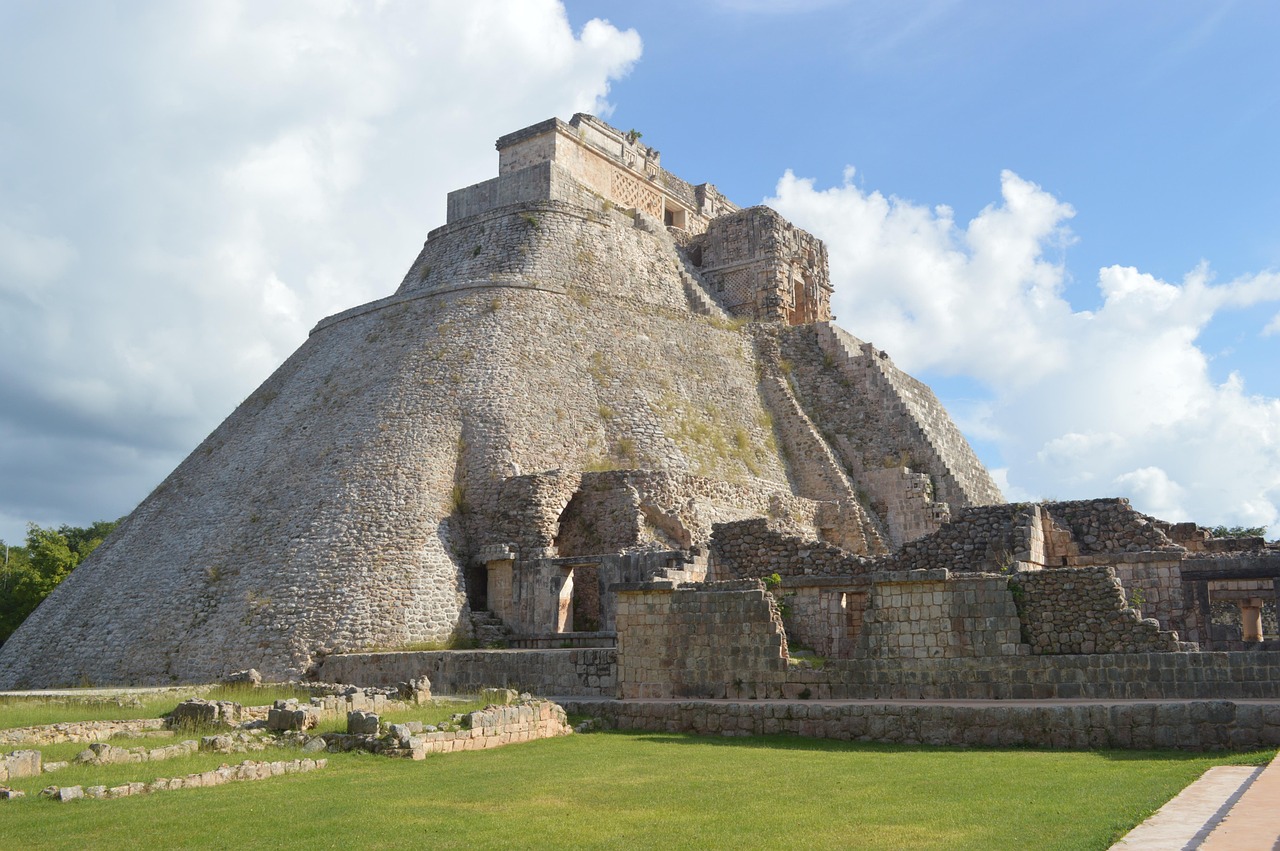
11. Teotihuacan Pyramids (Day Trip)
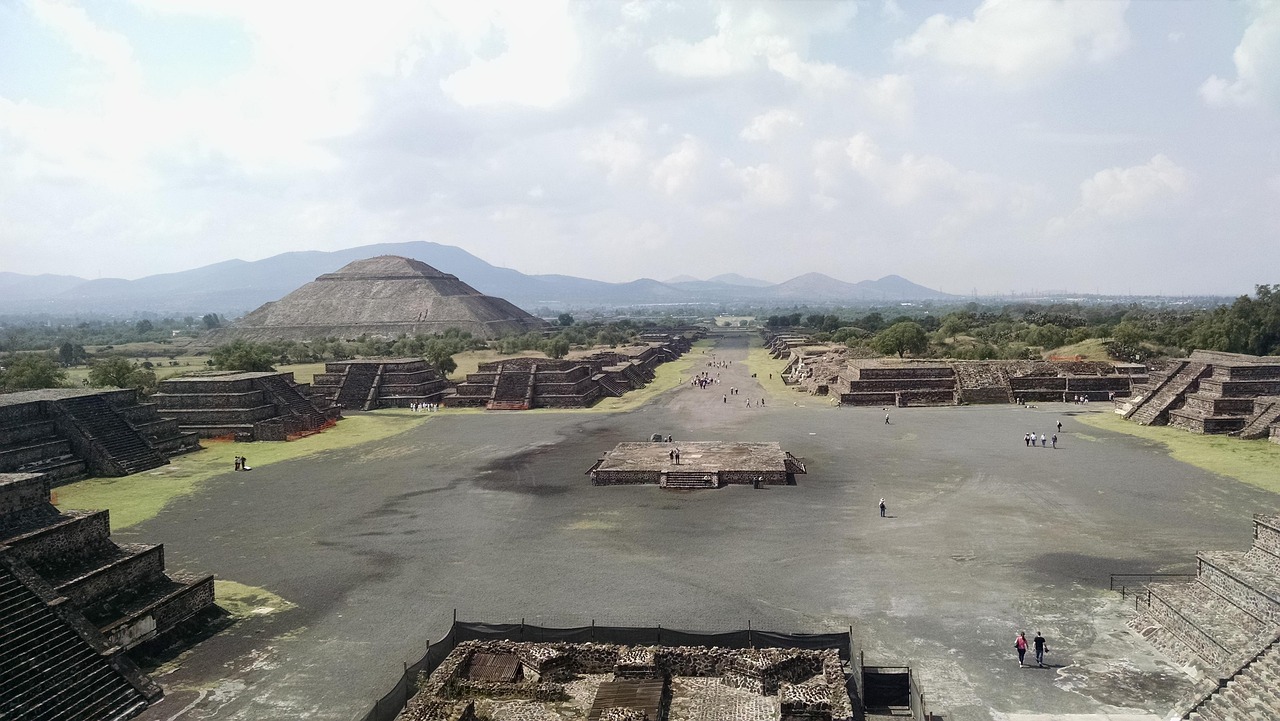
Technically outside the city, but so essential that I include it in any serious travel guide for Mexico City. Teotihuacan is about an hour to 90 minutes away, depending on traffic, and it’s one of the most impressive archaeological sites in the Americas.
The first time I went, I arrived just after opening and walked the Avenue of the Dead with almost no one else around. Climbing the Pyramid of the Sun used to be allowed; in recent years, access has sometimes been restricted for preservation and safety, so check current rules in 2026.
How to get there: Buses leave from the North Bus Terminal (Autobuses del Norte), or you can take an organized tour. I often go by bus for flexibility and cost savings, but for families or couples wanting convenience, a small group tour can be worth it.
12. Museo Soumaya & Museo Jumex (Nuevo Polanco)
In Nuevo Polanco, two striking museums sit almost side by side: the shiny, curved Museo Soumaya and the minimalist Museo Jumex. Even if you’re not a hardcore art buff, the architecture alone justifies the trip.
Soumaya houses a private collection that includes European masters (Rodin, Dalí, etc.) and Mexican art; the building’s interior spiral ramps make for a fun wander. Jumex focuses more on contemporary art.
My ritual: I usually combine these museums with a stroll through Polanco and a meal somewhere along Masaryk or in the side streets. It makes for a classy half-day in your 4 or 5 day itinerary for Mexico City.
13. Plaza Garibaldi (Mariachi Square)
Plaza Garibaldi is synonymous with mariachis. At night, groups of musicians in embroidered suits gather here, waiting to be hired for a song or two. It’s touristy, but also deeply rooted in local tradition.
On one visit, I watched an older couple quietly hire a mariachi to play “Si Nos Dejan” and dance together on the edge of the plaza. It felt like stepping into a classic Mexican film.
Tips:
- Come in the evening, but stick to well-lit, busy areas.
- Agree on the price per song before they start playing.
- Consider combining with a visit to a nearby cantina with live music.
14. Lucha Libre (Wrestling)
If you want a uniquely Mexican night out, lucha libre (professional wrestling) at Arena México or Arena Coliseo is a must. It’s campy, loud, theatrical, and more family-friendly than you might expect.
The first time I went, I bought a cheap mask outside the arena, grabbed a beer and some peanuts inside, and found myself yelling with the rest of the crowd within minutes. It’s infectious.
Good for: Groups of friends, families with older kids, and anyone who wants to see a different side of Mexican pop culture.
15. Torre Latinoamericana
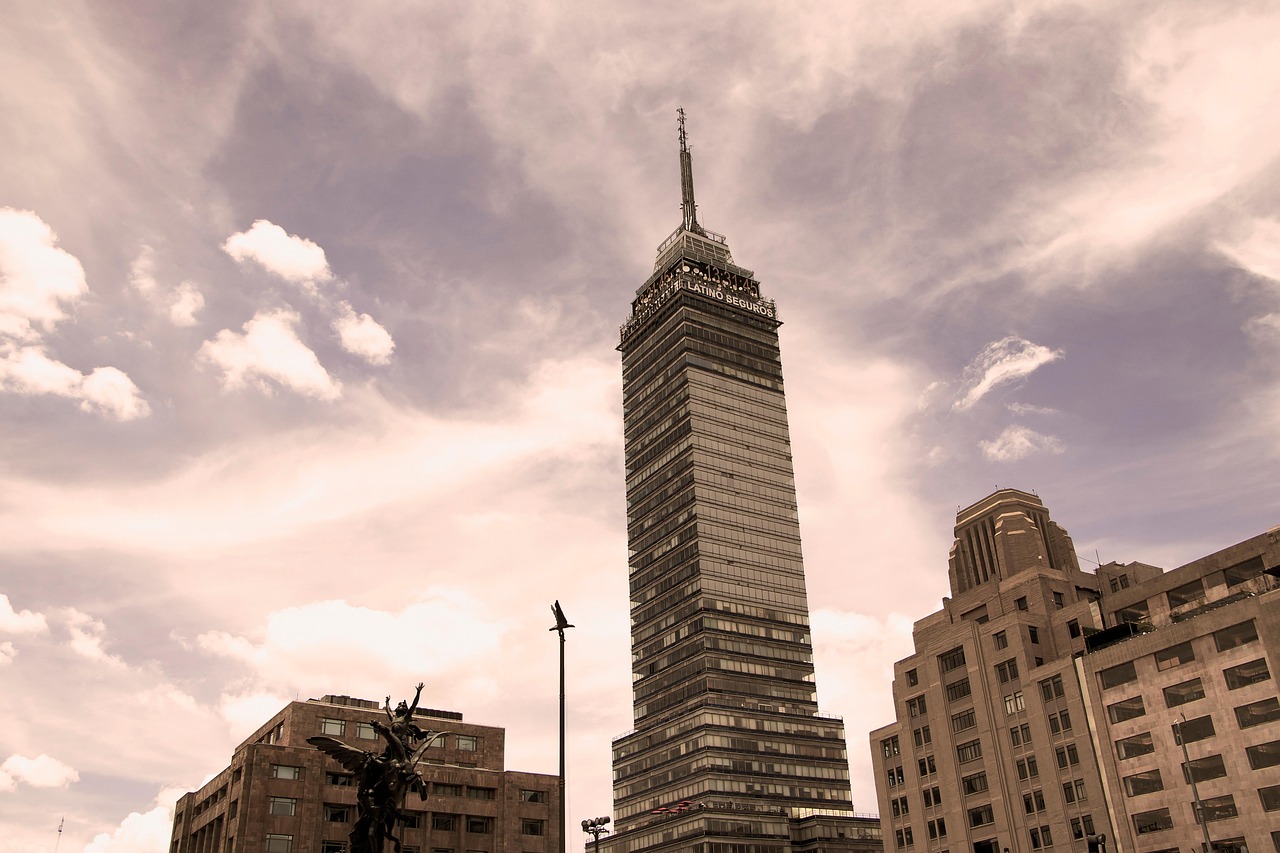
The Torre Latinoamericana is an old-school skyscraper with one of the best views in the city. It was once the tallest building in Latin America and is famous for having survived multiple major earthquakes thanks to its engineering.
I like coming up here around sunset to watch the city lights flicker on. You can pay for the mirador (viewing deck) or have a drink in the bar/restaurant with similar views.
16. Basílica de Guadalupe
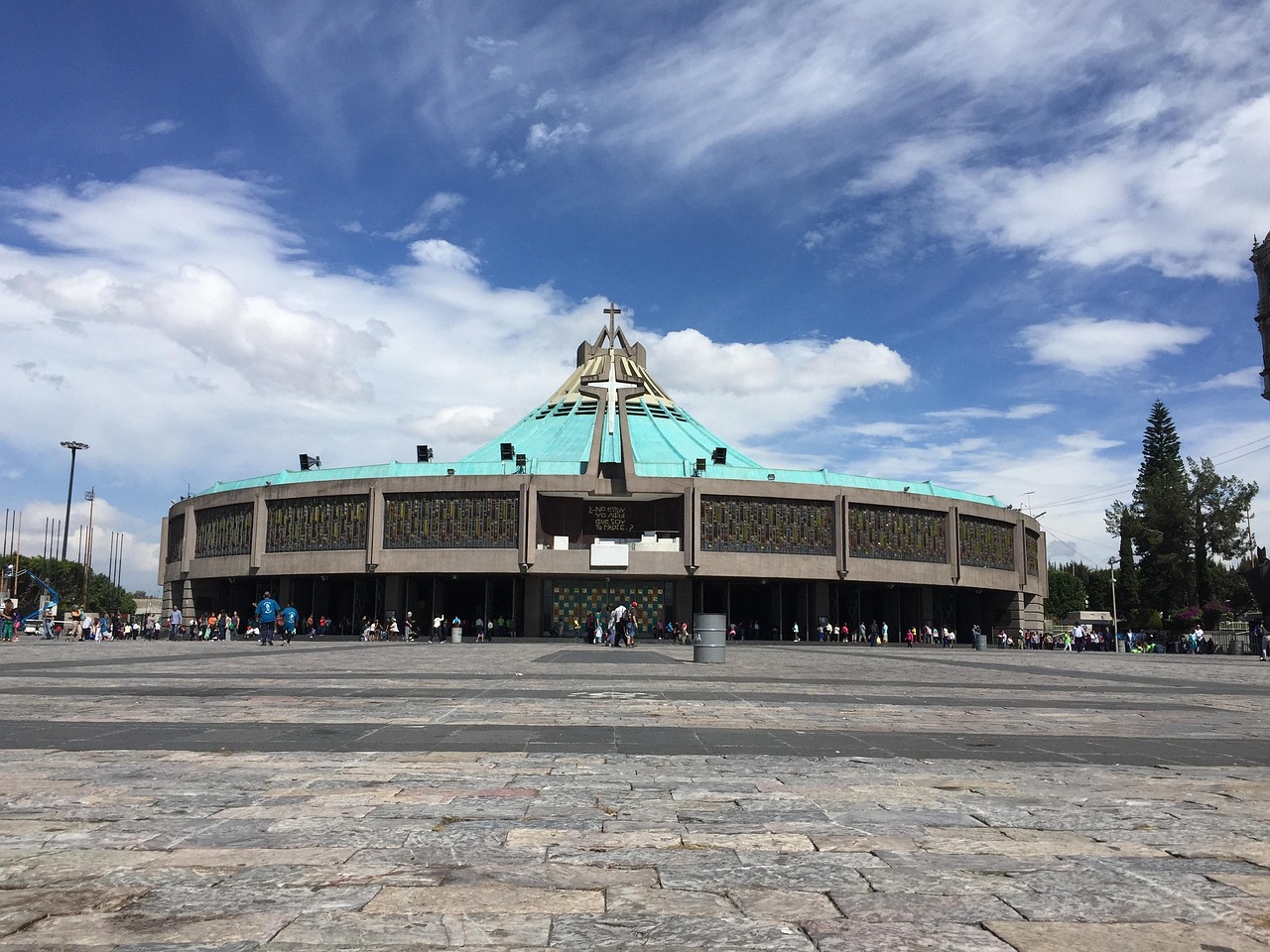
The Basilica of Our Lady of Guadalupe is one of the most important pilgrimage sites in the Catholic world. Even if you’re not religious, it’s a powerful place to visit.
The complex includes the old basilica (tilting due to the soft ground) and the newer, modern basilica that can hold thousands of worshippers. Inside, a moving walkway passes beneath the image of the Virgin of Guadalupe.
Best time: Avoid major feast days if you don’t enjoy huge crowds. Mornings are generally calmer.
17. San Ángel & Saturday Art Market
San Ángel is an elegant, historic neighborhood in the south of the city. Cobbled streets, stone walls covered in bougainvillea, and colonial houses make it feel worlds away from the bustle.
On Saturdays, the Bazar del Sábado (Saturday Art Market) fills a lovely courtyard with artists selling paintings, ceramics, and crafts. I’ve picked up some of my favorite souvenirs here—pieces that feel much more personal than the usual trinkets.
18. Santa María la Ribera & Kiosco Morisco
Santa María la Ribera is a neighborhood I love recommending to people who think they’ve “done” Mexico City. It’s a bit off the standard tourist path, but still central enough to be easy.
Its centerpiece is the Kiosco Morisco, a Moorish-style iron pavilion in the middle of a shaded park. On weekends, families gather, street vendors sell snacks, and you’ll often find impromptu music or dance.
Hidden gem factor: High. It’s an easy add-on if you want to explore beyond Roma/Condesa/Polanco.
19. Mercado de San Juan
Mercado de San Juan is where chefs, foodies, and the curious come to see (and taste) the wilder side of Mexican ingredients: exotic meats, insects, cheeses, and more.
I once tried chapulines (grasshoppers) here, seasoned with lime and chili. Crunchy, a little tangy, and surprisingly addictive. You can also sit at small counters for tapas-style plates.
Good for adventurous eaters: Absolutely. If you’re squeamish, there are still plenty of more familiar options like cured meats, cheeses, and fruit.
20. Mercado de Artesanías La Ciudadela
For quality crafts in one place, La Ciudadela is my go-to. It’s a large market dedicated to handicrafts from all over Mexico—textiles from Oaxaca, pottery from Puebla, wooden toys, leatherwork, and more.
Prices are fair, bargaining is possible (but be respectful), and you can find both inexpensive souvenirs and serious art pieces.
21. Paseo de la Reforma & Ángel de la Independencia
Paseo de la Reforma is one of Mexico City’s grand boulevards, lined with modern towers, sculptures, and monuments. The Ángel de la Independencia (Angel of Independence) is its most iconic landmark.
On Sundays, part of Reforma is closed to cars for Muévete en Bici, a citywide open streets program. Locals cycle, skate, jog, and stroll. I love renting a bike and cruising from Chapultepec toward the Centro, stopping for street performances and coffee along the way.
22. Monumento a la Revolución
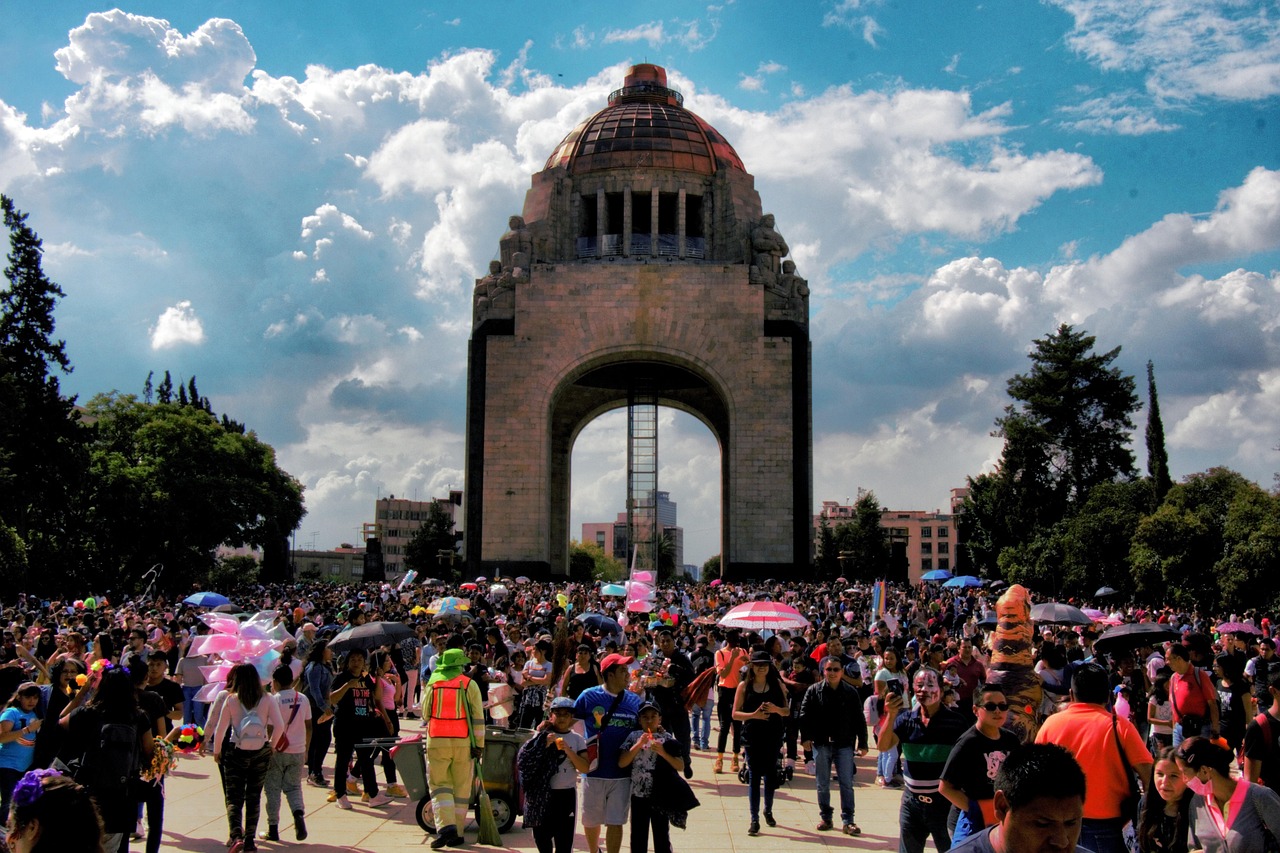
The Monumento a la Revolución is a massive arch and mausoleum dedicated to the Mexican Revolution. You can take an elevator up to the observation deck for another great view of the city.
The surrounding plaza is lively on weekends, with kids playing in fountains and food stalls nearby. It’s an easy add-on to a Centro or Reforma day.
Suggested Itineraries: 3, 4, and 5 Days in Mexico City
Below are flexible itineraries based on trips I’ve actually taken. You can trim them down for 3 days in Mexico City or stretch them to a full 5 day itinerary for Mexico City.
Day 1: Historic Heart – Zócalo, Templo Mayor, Bellas Artes & Centro
I like to dedicate my first full day to the Centro Histórico. It anchors everything else and ticks off several of the must-see attractions in Mexico City.
Morning: Start at the Zócalo. Circle the plaza, visit the Cathedral, and head into Templo Mayor. Spend time in the museum to understand the Aztec foundations of the city.
Late morning / lunch: Walk along Madero Street (pedestrian) toward Bellas Artes. It’s busy, noisy, and full of street life. Grab lunch at a traditional fonda or at the classic Café de Tacuba for a historic atmosphere.
Afternoon: Explore Palacio de Bellas Artes and Alameda Central. If you’re into murals, consider a guided tour of the Rivera pieces here and in the nearby Secretaría de Educación Pública (check access times).
Evening: Head up Torre Latinoamericana for sunset views, then wander to a nearby cantina for dinner or a drink. If you’re not too jet-lagged, consider ending at Plaza Garibaldi for mariachis.
Day 2: Chapultepec, Anthropology Museum & Roma / Condesa
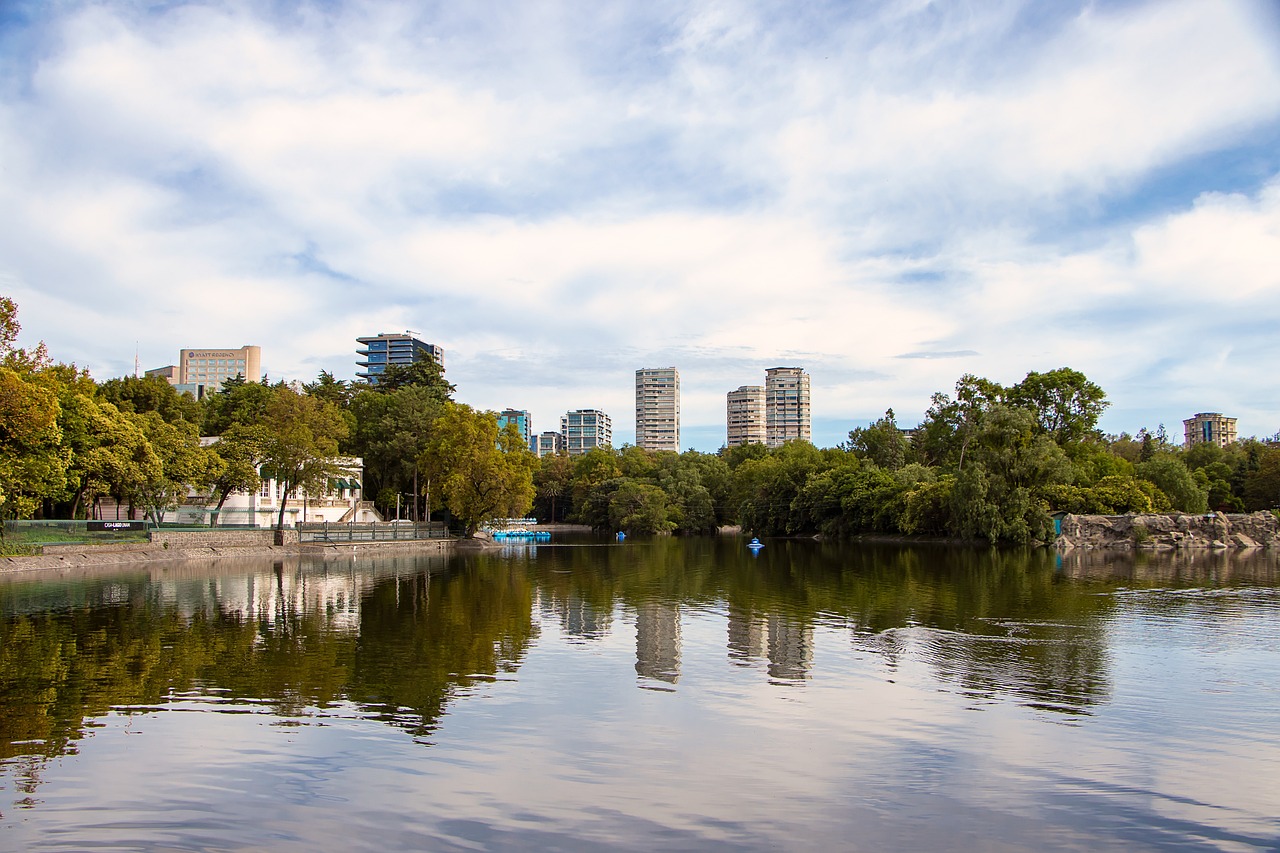
Morning: Head to Bosque de Chapultepec as it opens. Walk up to Chapultepec Castle and enjoy the city view. On the way down, grab a snack in the park.
Midday: Spend 2–3 hours at the National Museum of Anthropology. If you’re short on time, focus on the Mexica and Maya rooms.
Late afternoon: Walk or take a short ride to Roma or Condesa. Stroll through Parque México and Parque España, pop into shops and galleries, and settle into a café for an afternoon pick-me-up.
Evening: Roma and Condesa are perfect for dinner and drinks. Choose from casual taquerías to sophisticated bistros. For a romantic night, book a cozy wine bar or restaurant with a terrace.
Day 3: Coyoacán, Frida Kahlo Museum & Xochimilco
Morning: Head to Coyoacán early, especially if you have a timed entry for Casa Azul. After the museum, wander the plazas, visit the church, and browse the local market. Snack on churros or tostadas.
Afternoon: Make your way to Xochimilco for a couple of hours on the canals. Arrange a trajinera, bring snacks, and enjoy the floating party or serene ride, depending on the day.
Evening: Return to your base. If you still have energy, a relaxed dinner near your hotel or an evening stroll in Roma/Condesa makes for a nice wind-down.
This 3-day plan covers the core things to do in Mexico City without feeling like a sprint. For a 3 day itinerary for Mexico City, you can stop here or mix and match days to your interests.
Day 4: Teotihuacan Day Trip & Evening in Polanco or Roma
Morning: Leave early for Teotihuacan. I aim to arrive around opening time to avoid midday heat. Explore the Avenue of the Dead, the Pyramid of the Sun and Moon, and surrounding complexes.
Lunch: Eat near the site (there are basic restaurants) or wait until you’re back in the city for a more memorable meal.
Afternoon / Evening: After returning, freshen up and head to Polanco for dinner, especially if you want to try one of the city’s top restaurants (book well in advance). Alternatively, a relaxed evening in Roma with mezcal and tacos is a great low-key option.
Day 5: Soumaya & Jumex, San Ángel, or Hidden Neighborhoods
On a fifth day, I like to venture into neighborhoods and experiences that don’t fit neatly into a “must-see” list but give you texture.
Option A – Art & Architecture: Spend the morning in Nuevo Polanco visiting Soumaya and Jumex, then walk through Polanco’s streets and park. Afternoon in Chapultepec or back in Roma.
Option B – San Ángel & Saturday Market: If it’s a Saturday, head to San Ángel for the Bazar del Sábado. Combine with Coyoacán if you didn’t do it earlier.
Option C – Hidden Gems: Explore Santa María la Ribera’s Kiosco Morisco, then head to Mercado de San Juan and La Ciudadela for food and shopping.
By the end of 5 days in Mexico City, you’ll have a mix of the iconic and the intimate, plenty of local food, and a good sense of the city’s personality.
Best Local Food & Drink in Mexico City
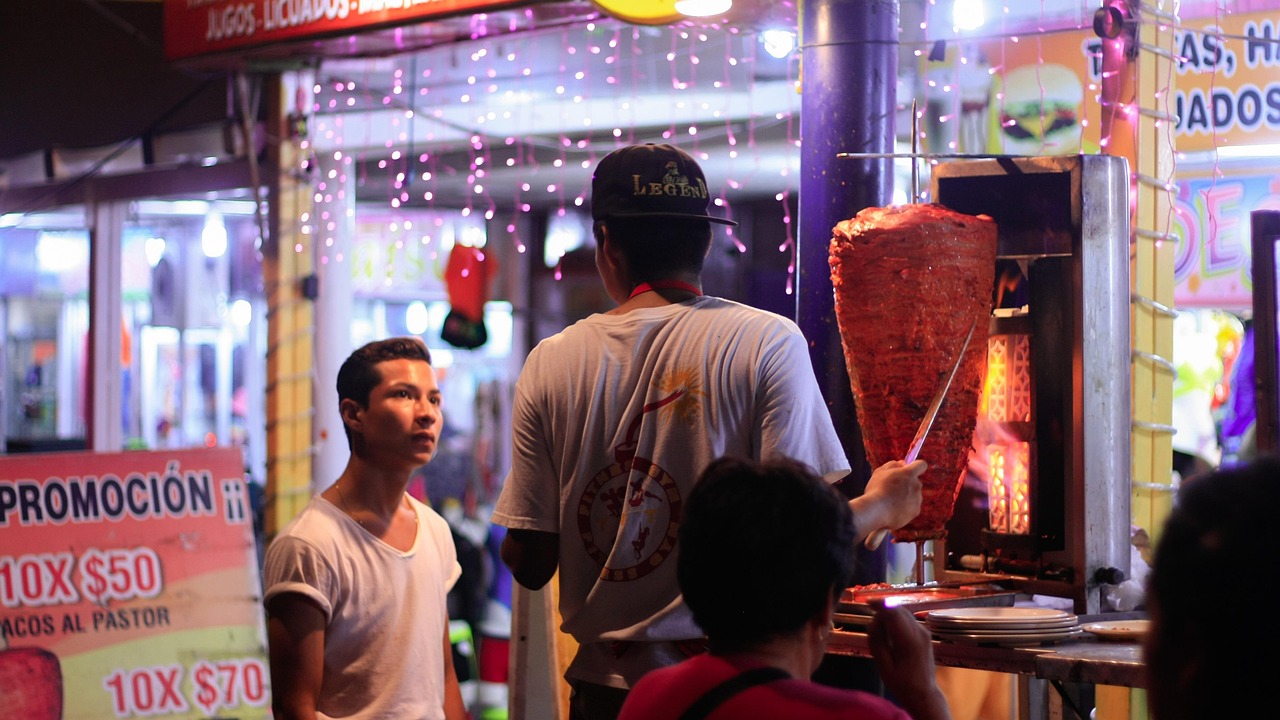
Food is half the reason I keep coming back. You can build an entire 5 day itinerary for Mexico City around eating and never repeat a dish.
Street Food Essentials
- Tacos al pastor – Marinated pork on a vertical spit, usually with pineapple, onion, and cilantro. I like to find spots where the trompo (spit) is busy; turnover means freshness.
- Tacos de suadero, campechano, lengua – For more adventurous palates; suadero is a tender cut between brisket and belly, campechano mixes meats, lengua is beef tongue.
- Quesadillas & gorditas – Often sold from comal stands in markets or on corners. Ask whether they use cheese by default (in Mexico City, “quesadilla” doesn’t always mean cheese).
- Tamales & atole – Perfect for breakfast. Listen for vendors calling “¡Tamales oaxaqueños!” in the morning.
Markets I Return To
Mercado Medellín in Roma Sur for fruit, juices, and casual comida corrida lunches. Mercado de Coyoacán for tostadas and churros. Mercado de San Juan if I’m in the mood for something bold.
Drinks to Try
- Mezcal – Sipped, not shot. Look for mezcalerías that list the agave species and region.
- Pulque – A fermented agave drink with a long history. Slightly sour, sometimes flavored. Try it in a traditional pulquería.
- Aguas frescas – Fruit waters like jamaica (hibiscus), horchata (rice, cinnamon), and tamarindo.
Saving Money on Food
One of my favorite travel tips for Mexico City is to do your main meal at lunch. Many restaurants offer comida corrida, a set menu that’s affordable and filling. Street food is generally safe if it’s busy and the turnover is high; I avoid stalls where food looks like it’s been sitting.
Nightlife, Entertainment & Cultural Experiences
From quiet wine bars to full-blast clubs and late-night taco runs, Mexico City’s nightlife is as varied as its neighborhoods.
Bars & Cantinas
Roma and Condesa have an almost endless selection of cocktail bars, mezcalerías, and casual spots. Traditional cantinas in Centro offer a more old-school vibe; some include botanas (snacks) with drinks.
Cultural Nights Out
- Lucha libre – High-energy, fun, and social.
- Palacio de Bellas Artes – Check for classical concerts, opera, or ballet.
- Casa de cultura & small venues – Neighborhood cultural centers often host music, dance, and theater. Posters around town will clue you in.
Safety at Night
Stick to well-known neighborhoods (Roma, Condesa, Polanco, Coyoacán, Centro’s main streets). Use authorized taxis or ride-hailing apps to move between areas, especially late.
Best Day Trips from Mexico City
Beyond Teotihuacan, there are several rewarding day trips you can add to a 4 or 5 day itinerary for Mexico City if you want to extend your stay.
Teotihuacan
Covered above, but worth emphasizing again—it’s the classic day trip and an essential part of many travel guides for Mexico City.
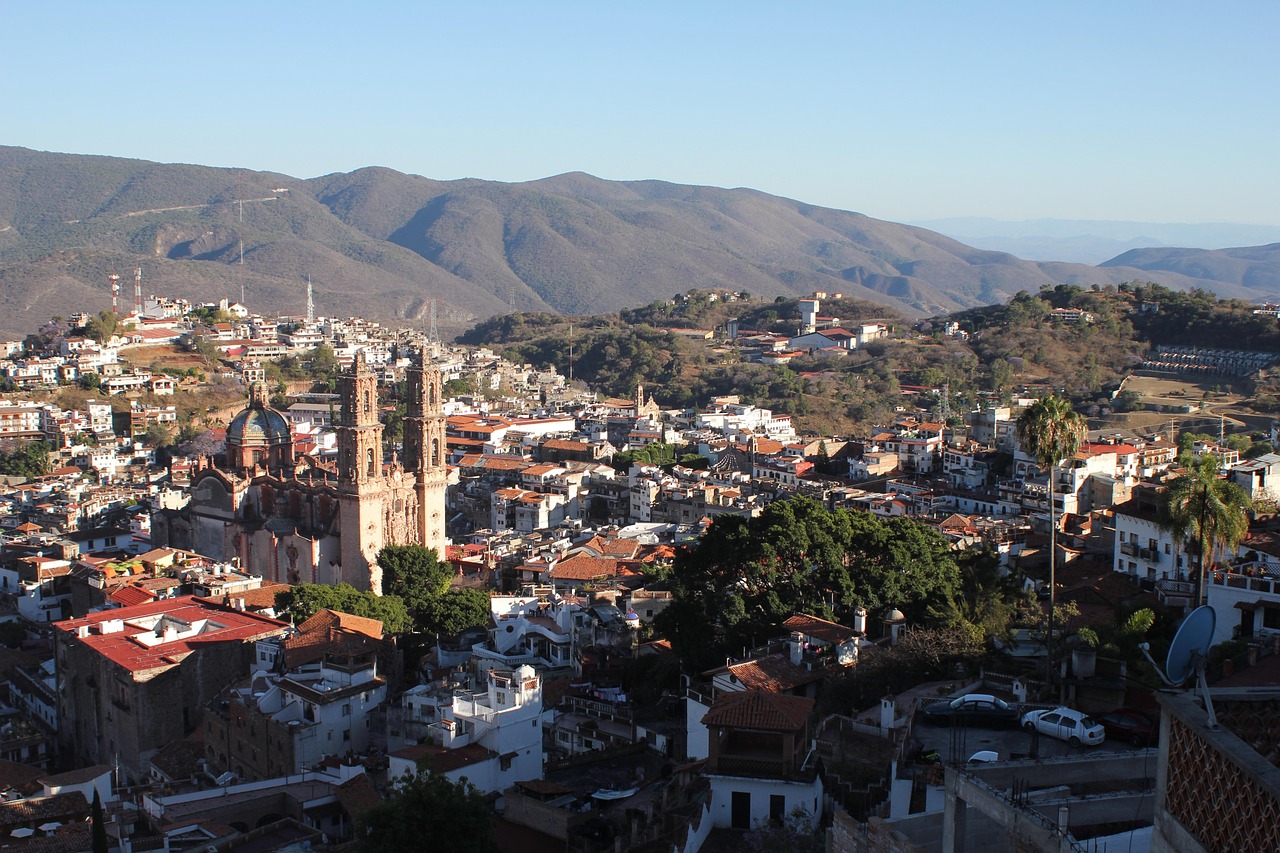
Taxco
A whitewashed silver-mining town clinging to hillsides, about 2.5–3 hours away. Cobblestone streets, a beautiful church, and many silver shops. Not ideal for those with mobility issues due to steep streets, but gorgeous for photos and atmosphere.
Puebla & Cholula
Colonial architecture, great food (mole poblano, chiles en nogada in season), and the world’s largest pyramid by volume in Cholula. It’s a long day trip but doable with an early start.
Major Events & Festivals in Mexico City (2026–2027)
Mexico City’s calendar is packed. Exact dates can shift year to year, so always confirm closer to your trip, but here are some highlights for 2026–2027:
- Día de Muertos (Day of the Dead) – Late October to November 2. Expect altars, marigolds, and a large parade through Reforma and Centro. It’s one of the most visually striking times to visit.
- Independence Day – Night of September 15 and day of September 16. The President gives the “Grito” from the National Palace; fireworks and celebrations follow.
- Festival del Centro Histórico – Cultural events, concerts, and performances centered in the historic core, usually in spring.
- Art fairs & design weeks – Zona Maco and Design Week Mexico often draw international crowds; great if you’re into contemporary art and design.
Cultural Etiquette & Local Customs in Mexico City
Understanding basic local customs in Mexico City goes a long way.
Greetings & Politeness
People tend to be courteous. A simple “buenos días,” “buenas tardes,” or “buenas noches” when entering small shops or restaurants is appreciated. “Por favor” and “gracias” are used liberally.
Tipping
In restaurants, 10–15% is standard; 15–20% in higher-end places. Tip hotel staff and guides if you’re happy with their service. Round up taxi and app rides.
Dress
CDMX is fairly cosmopolitan; jeans and casual clothes are fine almost everywhere. In churches and more formal restaurants, avoid beachwear and very revealing outfits.
Environmental Consideration
Mexico City struggles with air quality and traffic. Using public transport, walking, and biking when possible is both practical and appreciated.
Practical Travel Advice for Mexico City (2026)
Arriving & Getting Around
Airport: Mexico City International Airport (AICM) is close to the center. Use authorized airport taxis or ride-hailing apps. There is also the newer Felipe Ángeles airport farther out; check which one you’re flying into.
Metro & Metrobús: Cheap and extensive. Avoid at rush hour if you don’t like crowds. Keep valuables in front of you.
Ride-hailing apps: Widely used and convenient at night or for longer distances.
Car rental: I rarely recommend renting a car in the city itself. Traffic and parking can be stressful. It can make sense if you’re doing a broader road trip beyond CDMX.
SIM Cards & Connectivity
For 2026, major providers like Telcel, AT&T, and Movistar offer prepaid SIMs with data. You can buy them in official shops, some convenience stores, or at the airport. Bring your passport. Alternatively, eSIMs are increasingly common if your phone supports them.
Money & Budget
Cash (pesos) is still important for street food, small shops, and markets, but cards are widely accepted in midrange and upscale places. ATMs from major banks are generally reliable.
You can eat very well on a budget if you lean on street food and mercados. Splurge meals are still often cheaper than equivalent restaurants in North America or Europe.
Safety
Like any big city, Mexico City has safer and less safe areas. Stick to well-known neighborhoods, especially at night. Avoid flashing expensive jewelry or electronics. Use registered transport options.
Health & Altitude
Mexico City sits at about 2,250 meters (7,382 feet). You might feel short of breath or more tired for the first couple of days. Hydrate, go easy on alcohol, and don’t plan your most strenuous day on arrival.
Visa Requirements & Driving Licenses
Many nationalities receive a visa-free entry or visa-on-arrival for tourism (typically up to 180 days), but regulations evolve; always check current rules before travel. Foreign driver’s licenses are generally accepted for car rentals; an International Driving Permit can be useful but is not always required.
Best Seasons for Activities
- November–March: Cooler, drier weather; great for walking-heavy itineraries and clear-ish views from towers and hills.
- Spring (March–April): Jacarandas bloom, making the city especially beautiful. Temperatures are pleasant but can be warm by midday.
- Rainy season (roughly June–September): Expect afternoon showers; mornings are usually clear. Still very visitable if you plan indoor activities later in the day.
- Día de Muertos (late October–early November): High in color and culture; also high in demand. Book early.
How to Save Money
- Use public transport and walk when distances are manageable.
- Eat your main meal at lunchtime, especially with comida corrida.
- Visit free or low-cost attractions: many museums have free days (often Sundays).
- Stay in midrange guesthouses or apartments in Roma Sur, Narvarte, or Santa María la Ribera instead of the priciest corners of Polanco.
Summary & Final Recommendations: When to Visit Mexico City
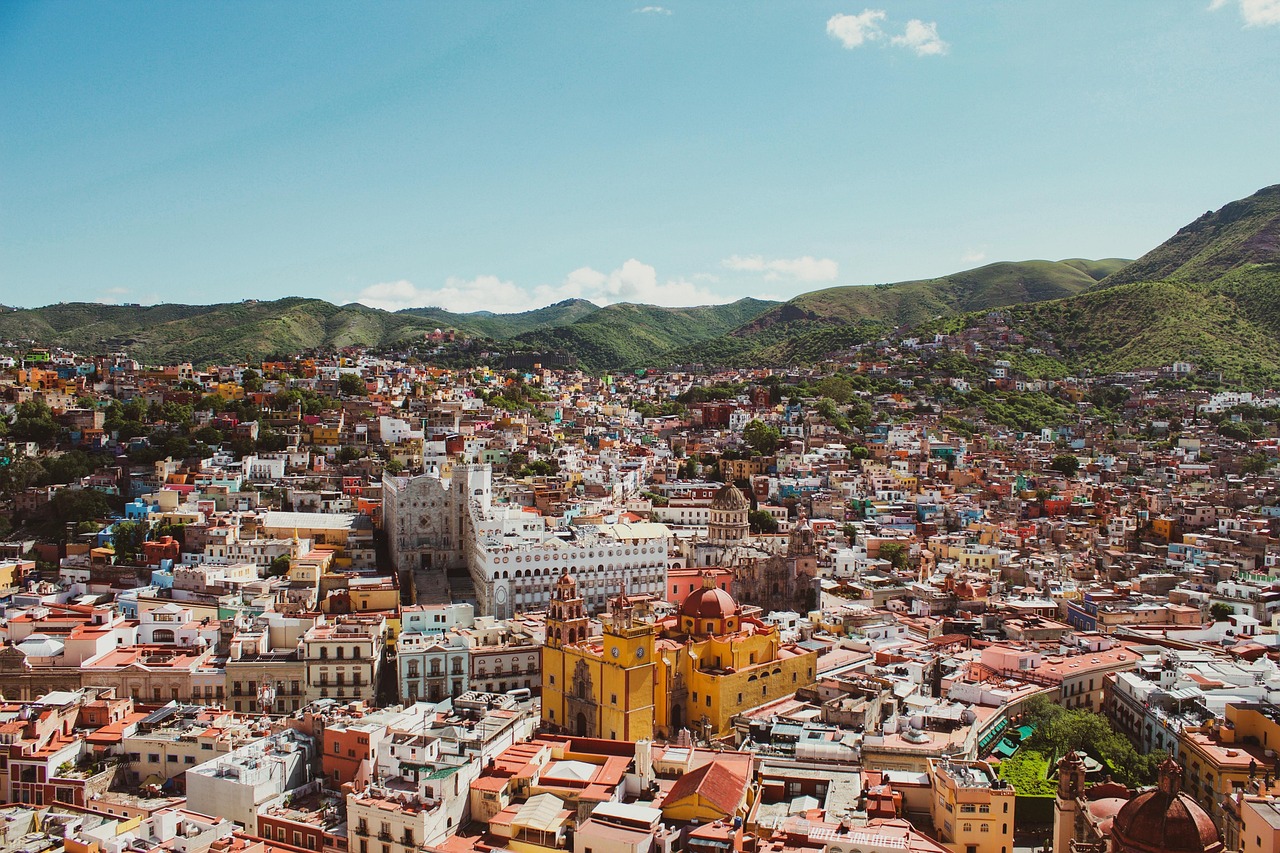
Mexico City is one of those places that keeps unfolding the more time you give it. In 3 days in Mexico City, you can cover the historic center, Chapultepec, and Coyoacán. With 4 days in Mexico City, you add Teotihuacan or more neighborhoods. A full 5 day itinerary for Mexico City lets you explore beyond the obvious, discover hidden gems, and settle into the city’s rhythm.
Best overall time to visit: I personally love late February to April for jacarandas and comfortable weather, and late October to early November for Día de Muertos if you don’t mind crowds and higher demand. Winter is also lovely, with cool, often clear days.
No matter when you come, focus on a balance: hit a few big-ticket attractions, but leave room to wander, linger over coffee in Roma, get lost in a market, or watch the city roll by from a park bench. That’s where Mexico City really gets under your skin.