Why Visit Atlanta in 2026
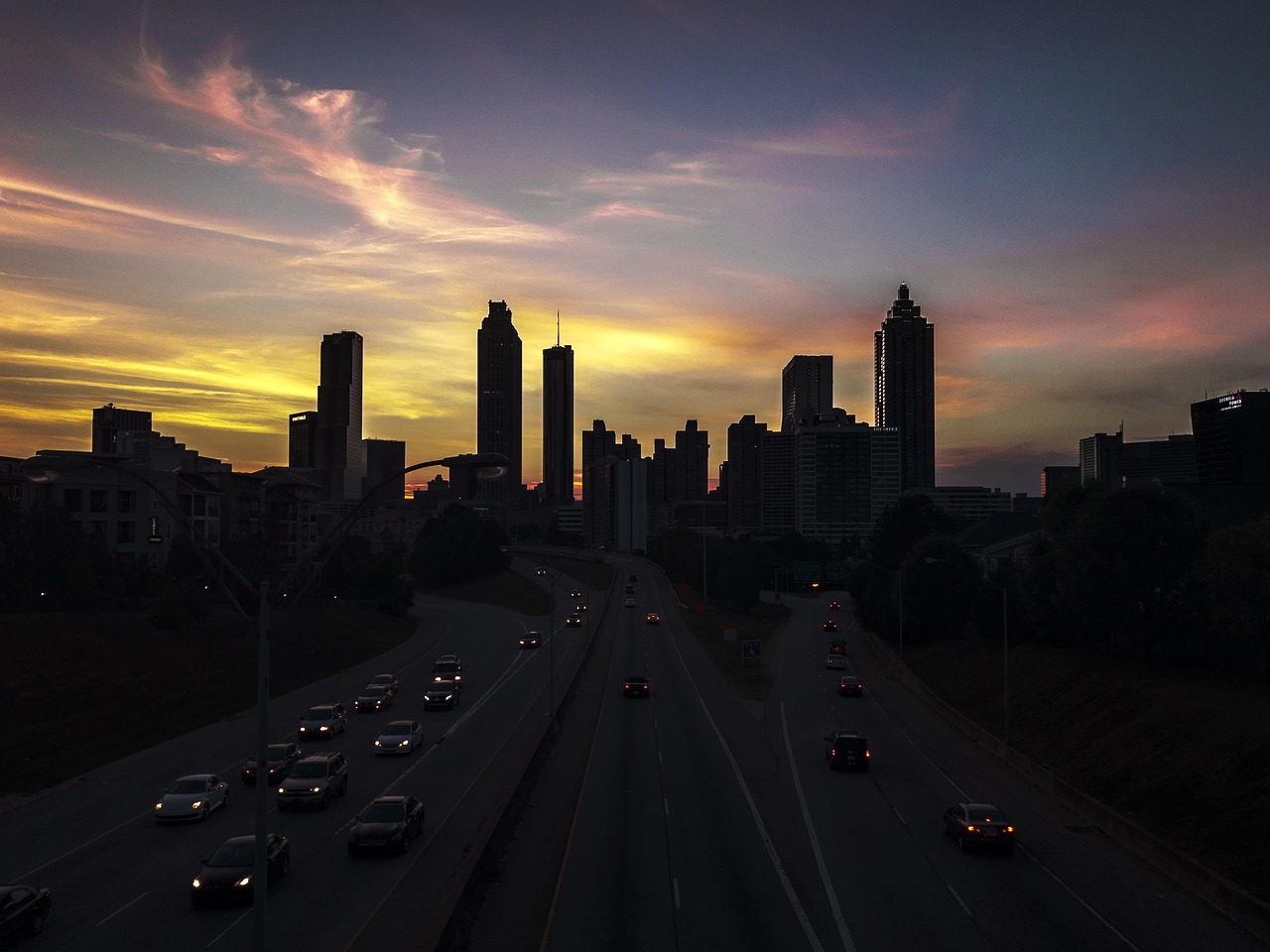
I’ve lived in and around Atlanta for years, and I still get that little rush every time the skyline appears on the horizon along I‑75. Atlanta is a city that refuses to be just one thing: it’s Southern and global, lush and urban, steeped in history yet obsessed with what’s next. In 2026, it’s also buzzing with new cultural projects, restaurant openings, and a packed events calendar.
Think of Atlanta as a collage: civil rights landmarks, towering glass skyscrapers, tree‑lined neighborhoods with front-porch swings, trap music blasting from car windows, and the smell of hickory smoke from impromptu backyard barbecues. It’s a city of stories, and if you give it 3–5 days, it will absolutely get under your skin.
Travelers come for different reasons: some for the must‑see attractions like the Georgia Aquarium or the World of Coca‑Cola, others for the booming film scene (“Y’allywood”), foodie pilgrims chasing hot chicken and collard greens, or families who want something fun and educational that doesn’t feel like homework. Whatever your reason, this travel guide for Atlanta will help you plan a 3, 4, or 5 day itinerary that balances the blockbuster sights with the little local corners that most visitors miss.
Table of Contents
- Why Visit Atlanta
- Atlanta at a Glance (2026)
- Suggested 3–5 Day Itineraries
- 20 Must-See Attractions with Local Stories
- Neighborhoods & Districts to Explore
- Best Local Food & Drink in Atlanta
- Nightlife, Entertainment & Cultural Experiences
- Major Events & Festivals 2026–2027
- Best Day Trips from Atlanta
- Cultural Etiquette & Local Customs
- Practical Travel Advice for Atlanta
- Summary & Best Time to Visit Atlanta
Atlanta at a Glance (2026)
Atlanta in 2026 is a city in motion. Tech startups cluster around Midtown, new mixed-use developments keep popping up along the BeltLine, and old industrial spaces are reborn as creative hubs. Yet the city’s roots—its role in the Civil Rights Movement, its Black cultural leadership, its music and food—remain front and center.
- Population: ~6 million in the metro area
- Vibe: Big city energy with a neighborhood soul and a lot of greenery
- Best for: Food lovers, history buffs, families, music fans, film lovers, urban explorers
- Ideal trip length: 3–5 days in Atlanta for a solid introduction
- Getting around: MARTA (rail/bus), rideshare, scooters, walking in central neighborhoods, and often…a car
Suggested 3–5 Day Itineraries in Atlanta
These itineraries are based on how I personally show friends around when they visit. You can treat them as a 3 day itinerary for Atlanta, or add Days 4 and 5 for a deeper dive.
3 Days in Atlanta: Iconic Highlights & Essential Experiences
If you only have 3 days in Atlanta, you’ll want to focus on the must‑see attractions clustered around Downtown and Midtown, plus a taste of the BeltLine and a neighborhood or two.
Day 1: Downtown Icons – Aquarium, World of Coca‑Cola & Centennial Olympic Park
On my ideal first morning with visitors, we start early in Downtown to beat the crowds.
Morning: Georgia Aquarium & Centennial Olympic Park
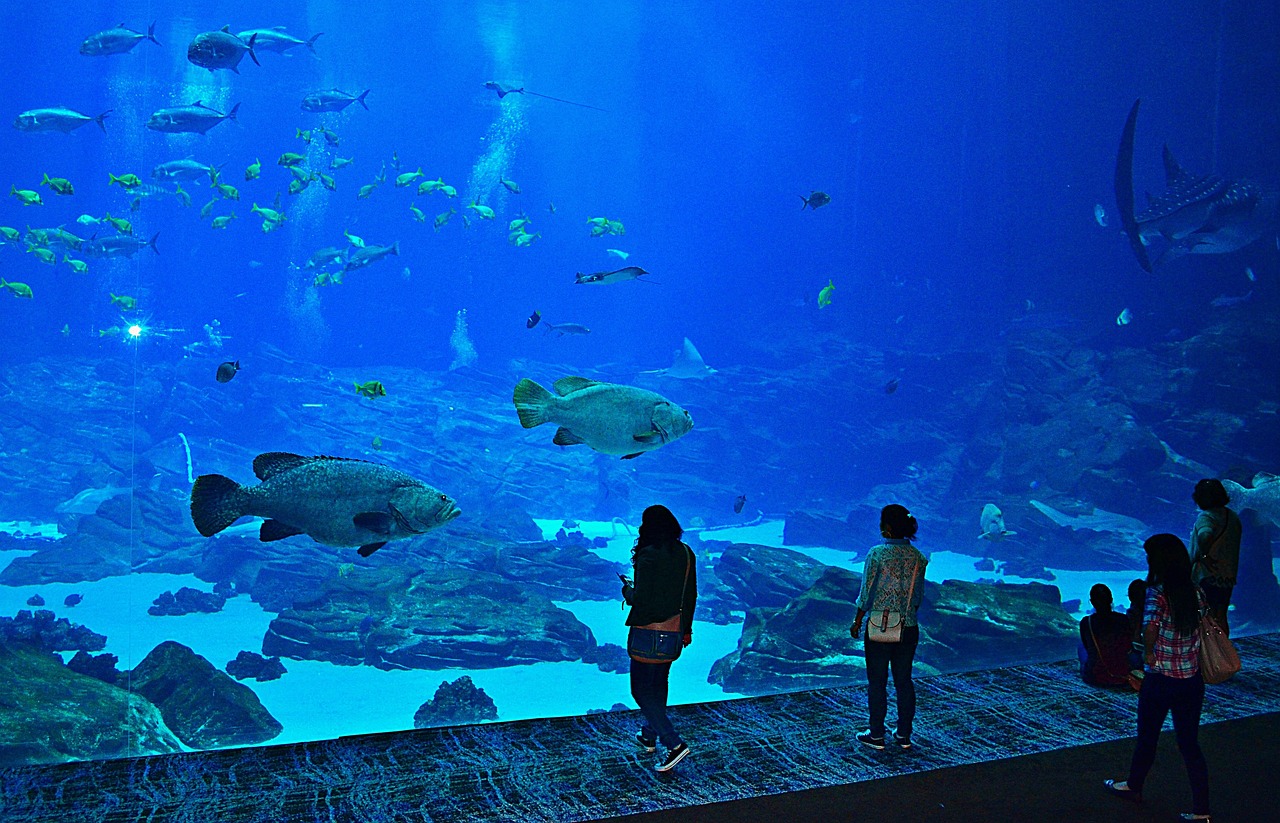
I still remember my first time walking into the Georgia Aquarium’s Ocean Voyager tunnel—whale sharks gliding over my head like slow-moving zeppelins. It’s one of those rare “hyped” attractions that actually delivers. Arrive right as doors open; school groups tend to swarm in by late morning.
- What to do: Don’t rush. Spend at least 3 hours. Prioritize the Ocean Voyager gallery, the Cold Water Quest (for belugas and penguins), and the dolphin presentation. Families: there are plenty of interactive touch pools.
- Local tip: Book a timed ticket online, especially on weekends. If you’re planning multiple attractions, consider the Atlanta CityPASS for savings.
- Food: I usually grab a light breakfast near my hotel and snack inside the aquarium café if needed, but you’ll find better options nearby for lunch.
After the aquarium, walk a few minutes to Centennial Olympic Park, the legacy of the 1996 Olympics.
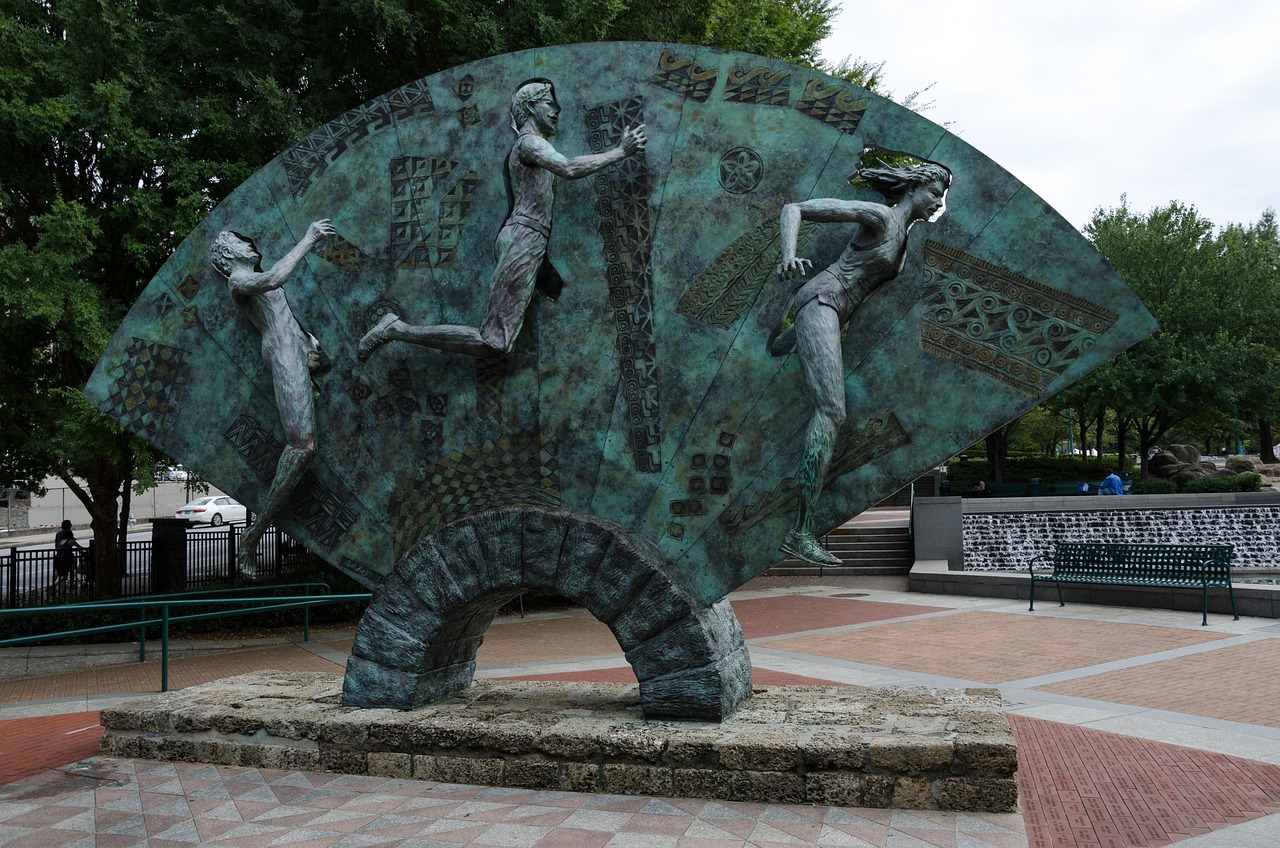
- What to do: Check out the Fountain of Rings, people-watch, or just lie on the grass with the skyline framing your photos.
- Romantic angle: At sunset, the park is surprisingly peaceful. I’ve had a few “is this really Downtown?” moments here.
Afternoon: World of Coca‑Cola & SkyView Atlanta
Even if you’re not a soda fan, the World of Coca‑Cola is worth a visit once in your life, simply because Coca‑Cola is so tied to Atlanta’s identity.
- What to do: The tasting room is the chaotic, fizzy highlight. Try international flavors (my friends dare each other to sip the infamous bitter “Beverly”). The memorabilia and old ads are a nice dose of nostalgia.
- Time needed: 1.5–2 hours.
- Local tip: It’s heavily air-conditioned—a blessing in July, a shock in January. Pack a light layer.
Later, head to SkyView Atlanta, the giant Ferris wheel.
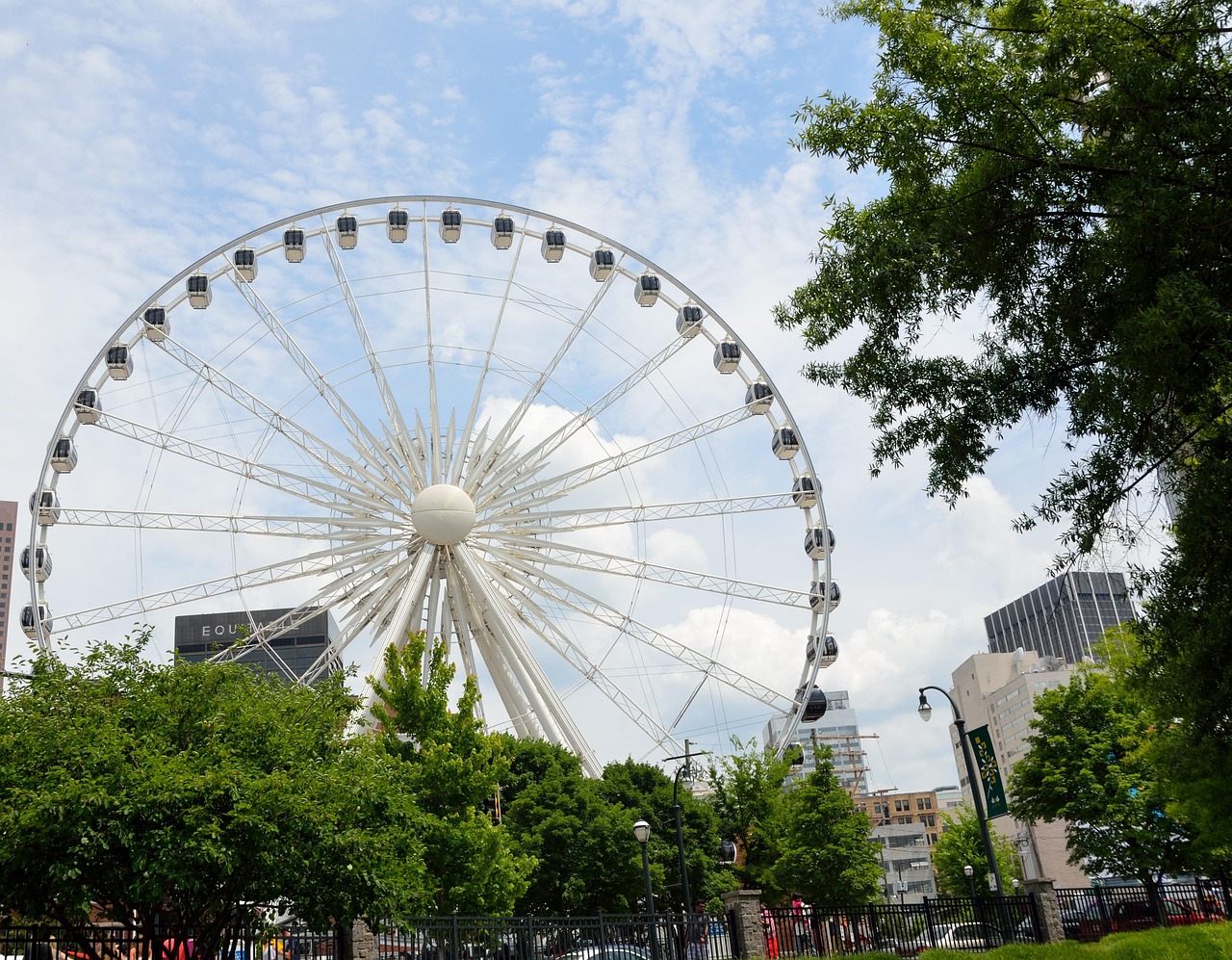
- Best time: Dusk. You’ll catch daylight views and watch the city lights flicker on.
- Family friendly: Kids usually love naming the buildings; the ride feels safe and smooth.
Evening: Dinner & a Downtown Stroll
For dinner, I often steer visitors to Spin or Max’s Coal Oven Pizzeria if they’re craving something simple, or over to Sweet Auburn Curb Market (earlier in the evening) for a more local mix of vendors.
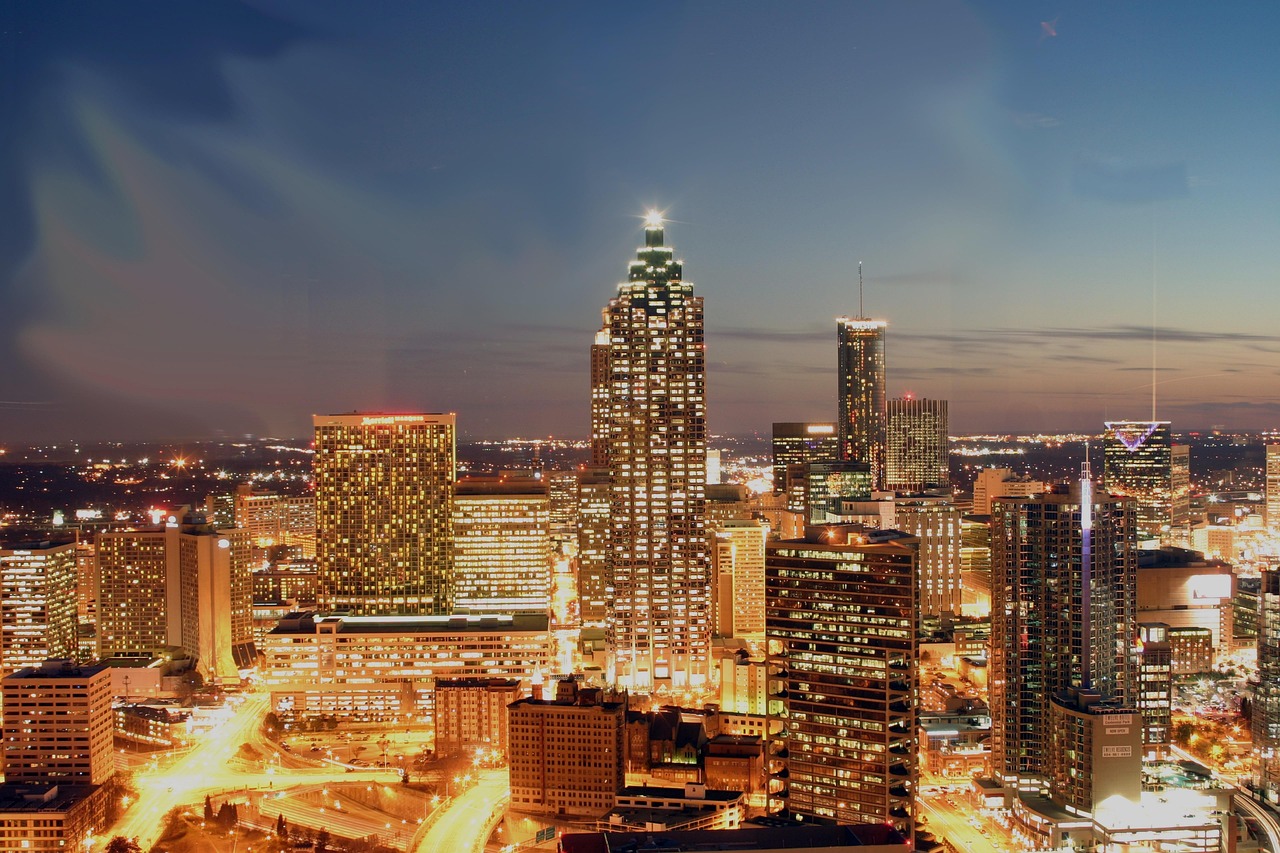
If you’ve still got energy, walk through the nearby Fairlie-Poplar district to admire some of Downtown’s older architecture. It’s one of those areas where Atlanta’s past really peeks through the modern glass.
Day 2: Civil Rights History & Old Fourth Ward + BeltLine
Day 2 is all about Atlanta’s heart and conscience, then easing into one of its coolest neighborhoods.
Morning: Martin Luther King Jr. National Historical Park
This is the part of the city that still gives me chills, no matter how many times I visit. The Martin Luther King Jr. National Historical Park in the Sweet Auburn district encompasses Dr. King’s birth home, Ebenezer Baptist Church, and the King Center.
- What to do: Start at the Visitor Center for context, then visit the church and the eternal flame. If you can, join a ranger-led tour of the birth home (reserve early; spots fill up).
- Emotional impact: The audio of Dr. King’s sermons in Ebenezer always silences the room. Bring tissues if you’re easily moved.
- Time needed: 2–3 unrushed hours.
Afternoon: Sweet Auburn & Edgewood → BeltLine Eastside Trail
After the park, stroll along Auburn Avenue, once called “the richest Negro street in the world.” Pop into the small businesses if they’re open; you’re walking a living history corridor.
Grab lunch at Sweet Auburn Curb Market or a casual spot along Edgewood Avenue, then make your way toward Old Fourth Ward and the BeltLine Eastside Trail.
- What to do: Rent a bike or just walk. Street art, skyline views, and a constant parade of dogs and joggers make this one of the best free things to do in Atlanta.
- Stop at: Ponce City Market for shopping, rooftop fun, and snacks (more on that later).
Evening: Ponce City Market Rooftop
The rooftop at Ponce City Market—called Skyline Park—is one of my go‑to spots when I want to show off Atlanta’s skyline without a stuffy vibe.
- Vibe: Carnival games, mini golf, cocktails, and great views. It’s fun, a little kitschy, and very photogenic.
- Romantic: Time it for sunset; share a drink overlooking Midtown’s high-rises.
- Family friendly: Kids love the games; just budget for the extra costs up there.
Day 3: Midtown Museums & Piedmont Park
For the final day of a 3 day itinerary for Atlanta, we slow down a bit and lean into culture and green space in Midtown.
Morning: High Museum of Art or Atlanta Botanical Garden
I usually ask my visitors: “Plants or paintings?” Art lovers get the High Museum of Art, while garden people head to the Atlanta Botanical Garden.
- High Museum: Beautiful white modernist building, strong permanent collection plus rotating exhibits. I love their photography shows and the way they spotlight Southern artists.
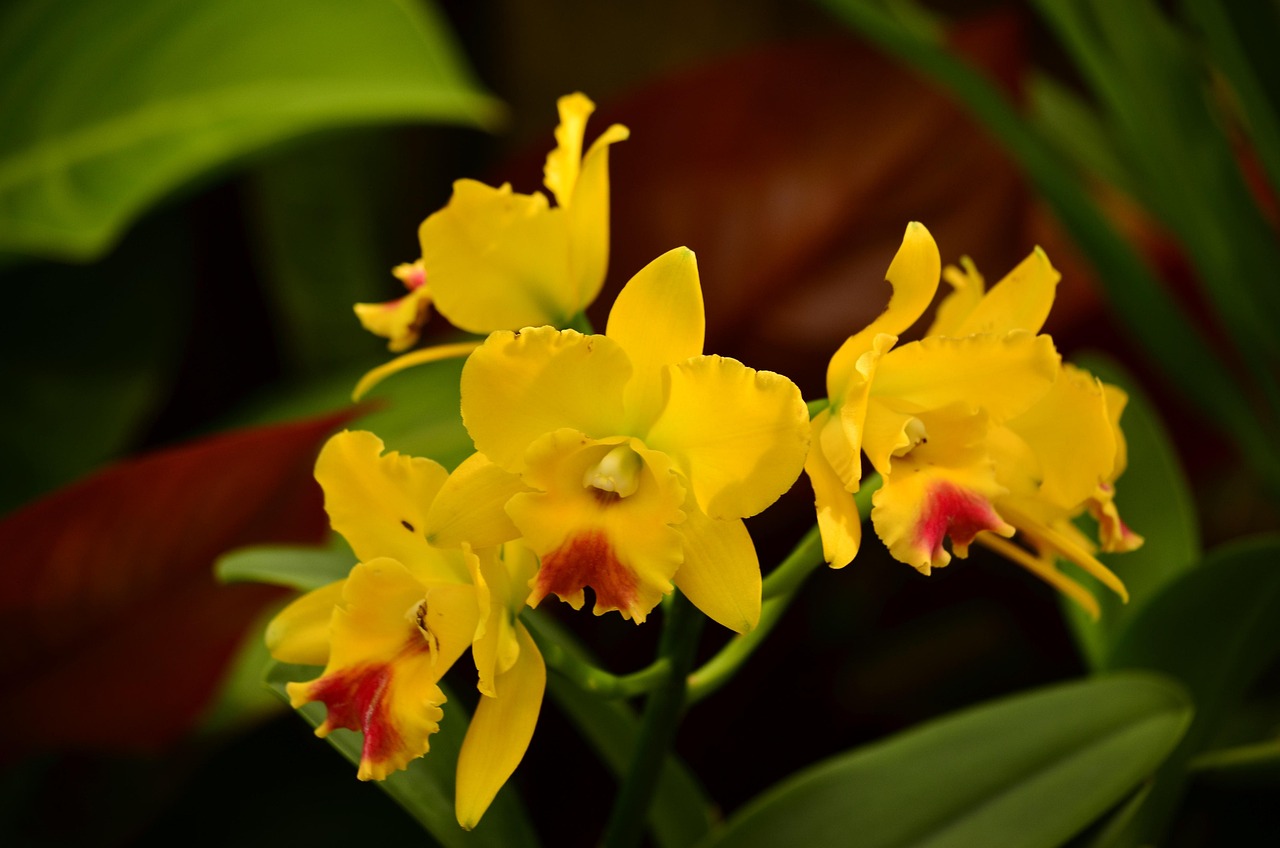
- Atlanta Botanical Garden: Enchanting year-round, but extra magical during seasonal exhibitions. The Canopy Walk and the orchid center are musts.
Afternoon: Piedmont Park
Piedmont Park is Atlanta’s “Central Park,” and I probably spend an embarrassing portion of my weekends here.
- What to do: Walk the loop, people-watch on the Meadow, take skyline photos from the lake, or just sprawl on a blanket with a picnic.
- Local tip: On warm weekends, food trucks often cluster near Park Tavern; check social media for schedules.
Evening: Midtown Nightlife or a Show at the Fox Theatre
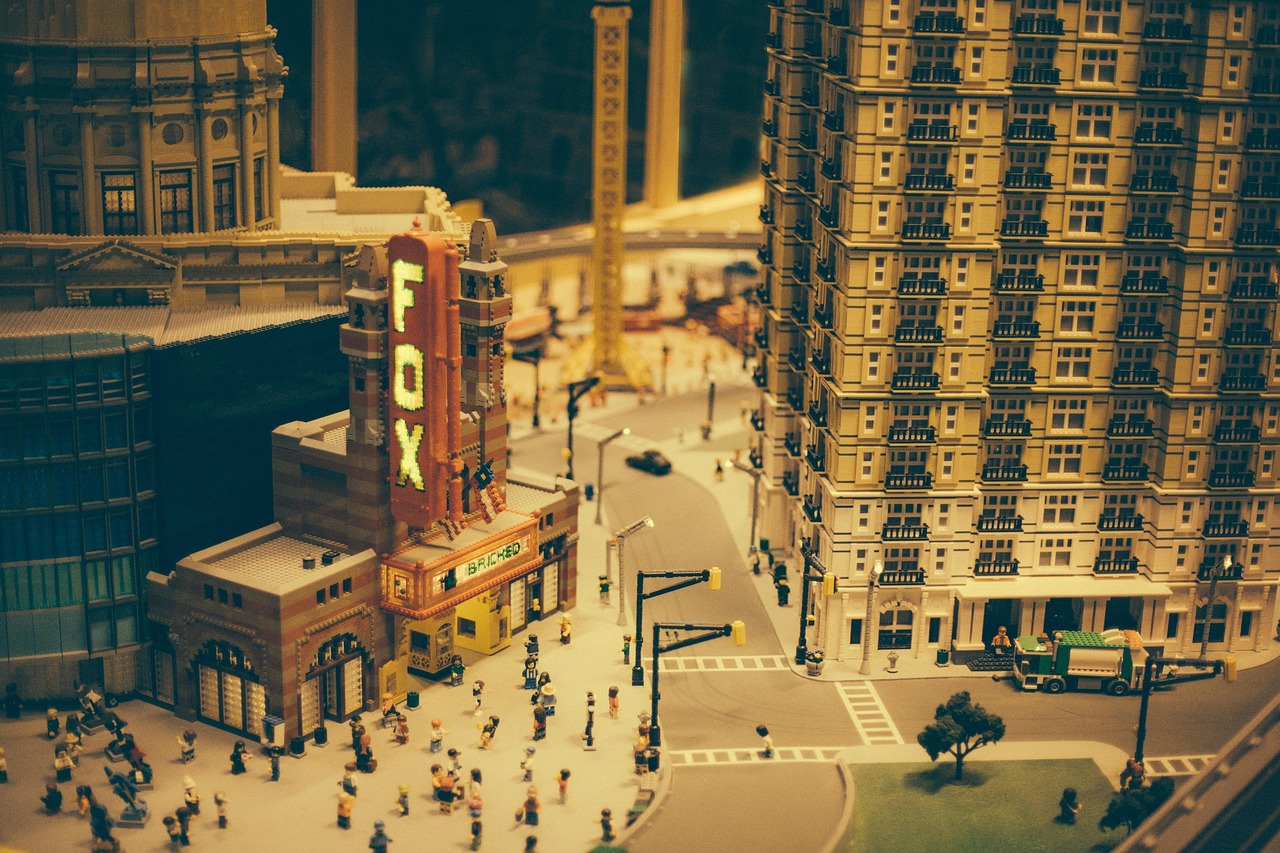
If you can snag tickets, seeing a performance at the Fox Theatre is a quintessential Atlanta experience: twinkling “night sky” ceiling, Moorish architecture, and a sense of old Hollywood glamour.
- Alternative: Bar-hop around Crescent Avenue or West Peachtree for a more casual Midtown night out.
4 Days in Atlanta: Adding Neighborhood Flavor
With 4 days in Atlanta, you can slow down and explore more neighborhoods. Add this as Day 4 to the 3-day plan.
Day 4: Inman Park, Little Five Points & Krog Street
Morning: Inman Park’s Historic Streets
Inman Park might be Atlanta’s prettiest neighborhood: Victorian homes, leafy streets, and a slightly sleepy vibe that makes you forget you’re near a major city.
- What to do: Self-guided walking tour of the homes, coffee at a local café, and a stroll along the BeltLine spur.
- Personal note: I love wandering here in spring when the azaleas explode. It feels like walking through a movie set.
Afternoon: Little Five Points & Krog Street Market
Little Five Points is Atlanta’s alternative heart: vintage shops, record stores, street art, and a little bit of grit.
- What to do: Browse vintage clothing, comic shops, and music stores. Check out the murals—this is prime Instagram territory, even if you’re not trying.
- Local tip: This is one of the best places to pick up unique Atlanta souvenirs that aren’t airport generic.
Walk or rideshare over to Krog Street Market, a food hall in a renovated warehouse, for lunch or early dinner.
- Food: I usually graze: tacos, a craft beer, something sweet. Great for groups with mixed tastes.
Evening: Krog Street Tunnel & BeltLine Night Walk
Don’t leave without walking through the Krog Street Tunnel, covered in layers of ever-changing graffiti.
- What to do: Take photos, respect the art (don’t tag or touch), and then follow the BeltLine at night—safe in busy sections and full of illuminated art installations.
5 Days in Atlanta: Going Deeper & Day Trips
With 5 days in Atlanta, you can add a day trip or explore more offbeat spots.
Day 5 Option A: Day Trip to Stone Mountain Park
Stone Mountain Park is a classic Atlanta outing: a massive granite dome rising out of the forest, with hiking, a gondola, and lake views.
- What to do: Hike up the mountain (moderate, but hot in summer), or take the Summit Skyride for easier access. Families can enjoy the park’s kid-friendly attractions.
- Context: The carved Confederate memorial on the mountain’s face is controversial; I always recommend reading about its history before visiting to understand the full picture.
Day 5 Option B: Westside Provisions & Atlanta History Center
If you prefer to stay in the city, spend your last day exploring the Atlanta History Center in Buckhead and wandering through trendy Westside Provisions District for food and shopping.
- Atlanta History Center: Excellent exhibits on Atlanta’s past, beautiful grounds, and the historic Swan House, which Hunger Games fans may recognize.
- Westside Provisions: Industrial-chic warehouses turned into boutiques, restaurants, and design shops. A favorite for brunch and home goods browsing.
20 Must-See Attractions in Atlanta (with Local Stories & Tips)
Below are deeper dives into at least 20 of the best places to visit in Atlanta. Think of this as your menu of things to do in Atlanta—mix and match depending on your interests and how many days you have.
1. Georgia Aquarium
The Georgia Aquarium is the blockbuster of Atlanta’s attractions, and for good reason. I’ve been more times than I can count—on dates, with friends’ kids, playing hooky on a rainy Tuesday—and it still feels magical.
History & Significance: Opened in 2005, it was once the largest aquarium in the world and remains one of the few places outside Asia where you can see whale sharks. It helped transform this part of Downtown into a major tourist hub.
What I usually do: I always head straight to the Ocean Voyager tunnel to beat the crowds. From there, I wander through the galleries in a loose loop, saving shows (dolphins, sea lions) for last. When visiting with kids, we slow down at the touch pools; when it’s adults only, we linger longer at the huge viewing windows with coffee in hand.
- Family friendly: Extremely. Strollers welcome, plenty of restrooms, and interactive exhibits.
- Romantic: Go for one of the after-hours or “Sips Under the Sea” events (check 2026 schedule); the mood lighting plus wine and whale sharks is surprisingly romantic.
- Adventurous: If budget allows, look into the “Swim with Gentle Giants” experience for certified divers—unforgettable.
- Getting there: MARTA to CNN Center/ GWCC station, short walk.
- Time needed: 3–4 hours.
2. World of Coca‑Cola
The World of Coca‑Cola is equal parts museum, brand temple, and sensory overload. I don’t go often, but when out-of-town friends insist, I always end up having more fun than I expect.
History & Significance: Coca‑Cola was born in Atlanta in 1886, and the company has been part of the city’s identity ever since. This attraction charts its growth into a global icon.
My routine: I move quickly through the intro film (a bit cheesy), slow down at the vintage ad displays, and then dive into the tasting room. I always challenge my friends to try the weirdest-looking flavors first.
- Family: Kids love the tasting and the polar bear photo op.
- Tip: This pairs well with the aquarium in one day; they’re next door to each other.
3. Martin Luther King Jr. National Historical Park
This is the most powerful place in Atlanta, hands down. Every time I walk into Ebenezer Baptist Church and hear Dr. King’s voice echoing over the speakers, the noise of the city dissolves.
History & Significance: This site preserves key locations in Dr. King’s life: his birth home, the church where he preached, and his final resting place. It anchors the story of the Civil Rights Movement in the neighborhood that shaped him.
How I visit: I start at the Visitor Center to orient myself, then walk to the church, pausing at the memorial and reflecting pool. If I’ve reserved a birth home tour, I plan the rest of my time around that. Finally, I take a slow walk down Auburn Avenue, reading plaques and imagining the street in its heyday.
- Best for: Anyone interested in history, social justice, or understanding Atlanta beyond its skyline.
- Time needed: 2–3 hours.
- Cost: Free, though donations are welcome.
4. Atlanta BeltLine Eastside Trail
If you want to see what “new Atlanta” looks like, walk the BeltLine Eastside Trail. I bike this stretch more than any other place in the city, and every few months there’s a new mural or café to discover.
History: The BeltLine repurposes old railroad corridors into multi-use trails, connecting neighborhoods that used to feel very far apart. It’s reshaped growth, for better and worse, and is central to any modern travel guide for Atlanta.
What to expect: Joggers, cyclists, strollers, dog walkers, street performers, pop-up markets. On sunny weekends, it feels like the whole city is here.
- Highlights: Art installations, skyline views, access to Ponce City Market and Krog Street Market.
- Best time: Early morning or late afternoon to avoid the mid-day heat.
5. Ponce City Market
Built in a former Sears distribution center, Ponce City Market is now one of Atlanta’s coolest mixed-use spaces. When I’m not sure what I’m in the mood to eat, I come here and let the food stalls decide for me.
What to do: Eat your way through the food hall, browse local boutiques, and head to the rooftop for Skyline Park. It’s especially lively on weekends.
Personal tip: I like to start here with brunch, then walk or bike the BeltLine in either direction—it’s a perfect Midtown/Old Fourth Ward combo.
6. Piedmont Park
Piedmont Park is where Atlanta comes to exhale. I’ve picnicked here with visiting friends, trained for 5Ks along its paths, and watched fireworks over the lake more times than I can count.
History: Dating back to the late 19th century, it was once fairgrounds; now it’s home to some of the city’s biggest festivals, from music events to Pride celebrations.
- Best spots: The Meadow for sunbathing, Lake Clara Meer for skyline photos, the dog park for canine antics.
- Family friendly: Playgrounds, open spaces, and seasonal events make it perfect for kids.
7. Atlanta Botanical Garden
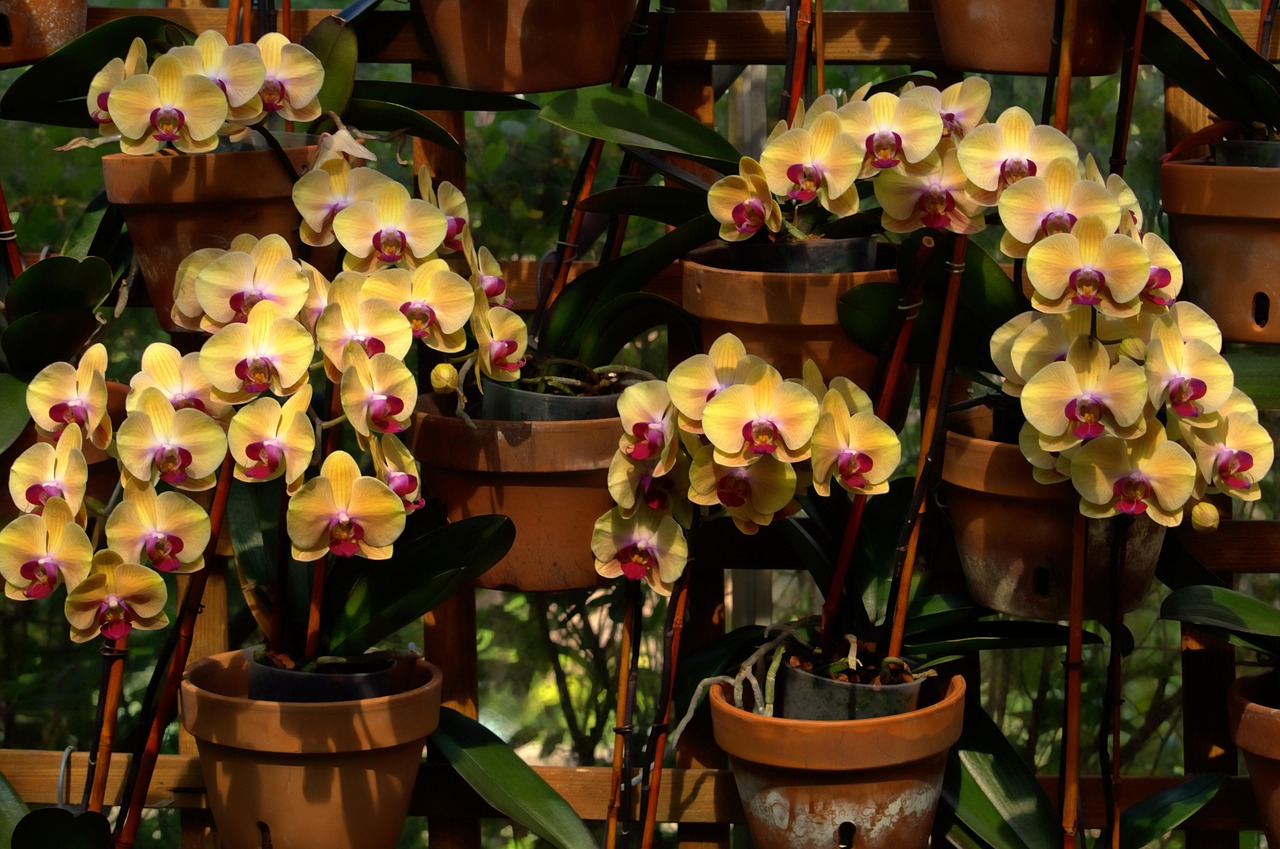
Just off Piedmont Park, the Atlanta Botanical Garden feels like a secret world. On hot summer days, the shaded paths and water features are a lifesaver.
Highlights: The canopy walk through the treetops, the orchid center, and seasonal exhibitions—giant plant sculptures, holiday lights, and more.
Personal moment: One of my favorite dates was a “Cocktails in the Garden” evening here: live music, drinks, and the gardens glowing at dusk. Magical.
8. High Museum of Art
The High Museum is Atlanta’s premier art museum, and its white, geometric building is almost as photogenic as the works inside.
Collections: American art, European paintings, African art, contemporary works, and strong rotating exhibitions. I’ve seen everything from fashion retrospectives to immersive installations here.
Tip: Check for free or discounted admission days—great for saving money on a culture-heavy 3 day itinerary for Atlanta.
9. Fox Theatre
The Fox Theatre is one of Atlanta’s architectural jewels: an opulent, Moorish-style 1929 movie palace turned performance venue. I still remember the first time the “sky” twinkled overhead as the house lights dimmed.
What to see: Broadway tours, concerts, comedy, classic film screenings. Even if you can’t catch a show, consider a guided tour just to see the interior.
10. CNN Center & State Farm Arena Area
The CNN Center (currently in transition as CNN shifts operations) has long been a landmark near the aquarium and State Farm Arena. While the studio tours have changed over the years, the area remains a hub for sports and events.
What I do here: I come mainly for Hawks games or concerts at State Farm Arena, sometimes grabbing food in the complex beforehand.
11. Mercedes‑Benz Stadium
Home to the Falcons (NFL) and Atlanta United (MLS), Mercedes‑Benz Stadium is also a marvel of modern architecture with its retractable “camera lens” roof.
Why go: Even non-sports fans I’ve taken here have been impressed by the sheer scale and the surprisingly affordable concessions (seriously, for a stadium, prices are reasonable).
12. Zoo Atlanta
Located in historic Grant Park, Zoo Atlanta is a family favorite. I’ve visited with friends’ kids and found it manageable in size, with shady paths that make summer visits more tolerable.
Highlights: Gorillas, giant pandas (check their status in 2026, as panda loans sometimes change), and an excellent reptile house.
13. Oakland Cemetery
Oakland Cemetery is one of my favorite hidden gems in Atlanta—a beautiful, historic cemetery that doubles as a park and outdoor museum.
Why go: Stunning Victorian monuments, skyline views, and the graves of notable Atlantans. In fall, the foliage and quiet paths make for a contemplative walk.
14. Atlanta History Center & Swan House
The Atlanta History Center is my go-to recommendation for visitors who want an in-depth sense of where Atlanta came from, beyond quick soundbites.
What to see: Atlanta history exhibits, Civil War displays, historic farm, and the elegant Swan House. Hunger Games fans will recognize it as President Snow’s mansion.
15. Stone Mountain Park
Stone Mountain Park is a classic Atlanta outing: I’ve hiked it at sunrise, sweated up it in full summer sun, and watched fireworks from the lawn.
What to know: The hike is about a mile up, with some steep sections but doable for reasonably fit travelers. The panoramic view at the top stretches across the metro area.
Context: The Confederate carving is a significant and controversial feature—important to understand before you go.
16. Little Five Points
Little Five Points is Atlanta’s bohemian playground: punk vibes, vintage shops, street art, and dive bars. When I need a break from polished developments, I come here.
What to do: Shop for vintage clothes and records, grab a slice of pizza, and people-watch from a café window.
17. Inman Park
Inman Park feels like a movie set of “historic Southern neighborhood,” with grand homes and leafy streets. It’s calm, walkable, and a lovely counterpoint to Downtown’s bustle.
Best time: Spring, during the Inman Park Festival (details in events section) when home tours and street parades animate the neighborhood.
18. Krog Street Market & Tunnel
Krog Street Market is one of my favorite food halls: cozy, curated, and attached to the BeltLine. The nearby Krog Street Tunnel is a constantly evolving graffiti canvas.
Tip: Visit mid-afternoon to avoid peak meal crowds; then walk the BeltLine as the sun drops.
19. Buckhead Village & Peachtree Road
Buckhead is where luxury shopping, upscale dining, and gleaming office towers congregate. I don’t hang out here as much as I used to, but for certain visitors—especially shoppers—it’s a must.
What to do: Browse high-end boutiques at Buckhead Village, have a cocktail on a rooftop, or explore nearby parks for a different side of the district.
20. Westside Provisions District
Westside Provisions District is a former industrial area turned design and dining hotspot. Brick warehouses, steel bridges, and chic storefronts make it one of the best places to visit in Atlanta for architecture and ambiance.
My routine: Brunch at a café, browse home and clothing boutiques, then walk over to nearby galleries or breweries.
Atlanta Neighborhoods & Districts to Explore
Atlanta is famously “a city of neighborhoods.” Here are some of the most interesting ones for visitors, and how I experience them.
- Downtown: Tourist core with the aquarium, World of Coca‑Cola, Centennial Olympic Park. Useful as a base if you want to walk between major attractions.
- Midtown: Artsy, central, walkable: High Museum, Fox Theatre, Piedmont Park. My favorite area to recommend for first-timers staying 3–4 days in Atlanta.
- Old Fourth Ward (O4W): Hip, rapidly evolving, full of BeltLine access, Ponce City Market, and inventive restaurants.
- Inman Park: Historic and leafy, great for strolling and admiring architecture.
- Little Five Points: Alternative, artsy, a bit gritty around the edges, full of personality.
- Virginia‑Highland: Bungalow-lined streets, wine bars, boutiques—very “neighborhood-y” and walkable.
- Grant Park: Beautiful historic homes, tree-lined streets, Zoo Atlanta, and Oakland Cemetery nearby.
- Buckhead: Upscale shopping, dining, and high-rise living.
- West Midtown / Westside: Industrial chic, design shops, craft breweries, and trendy restaurants.
Best Local Food & Drink in Atlanta
Local food in Atlanta is a mashup of Southern comfort, global flavors, and inventive modern cooking. I’ve spent years eating my way through the city; here’s how I’d introduce you to its culinary soul.
Classic Southern & Soul Food
Must-try dishes: Fried chicken, collard greens, mac and cheese, biscuits, shrimp and grits, peach cobbler.
- Busy Bee Cafe (Vine City): Iconic soul food joint. The line is worth it. I still dream about their fried chicken and candied yams.
- Mary Mac’s Tea Room (Midtown): Old-school Southern hospitality. Touristy but charming—perfect for first-timers.
Barbecue
Atlanta takes barbecue seriously: pork, beef, smoked wings, and all the sides.
- Fox Bros. Bar‑B‑Q (Little Five Points/Edgewood): My go-to recommendation. Get the brisket and smoked wings.
- Heirloom Market BBQ (near Vinings): Korean-Southern fusion barbecue; tiny, always busy, always worth it.
Global Eats
Drive up Buford Highway and you’ll traverse the world in a few exits.
- Buford Highway: Vietnamese pho, Korean BBQ, Chinese dim sum, Mexican taquerias, and more. I often do progressive dinners here: appetizers at one spot, mains at another, desserts somewhere else.
Cafés & Craft Coffee
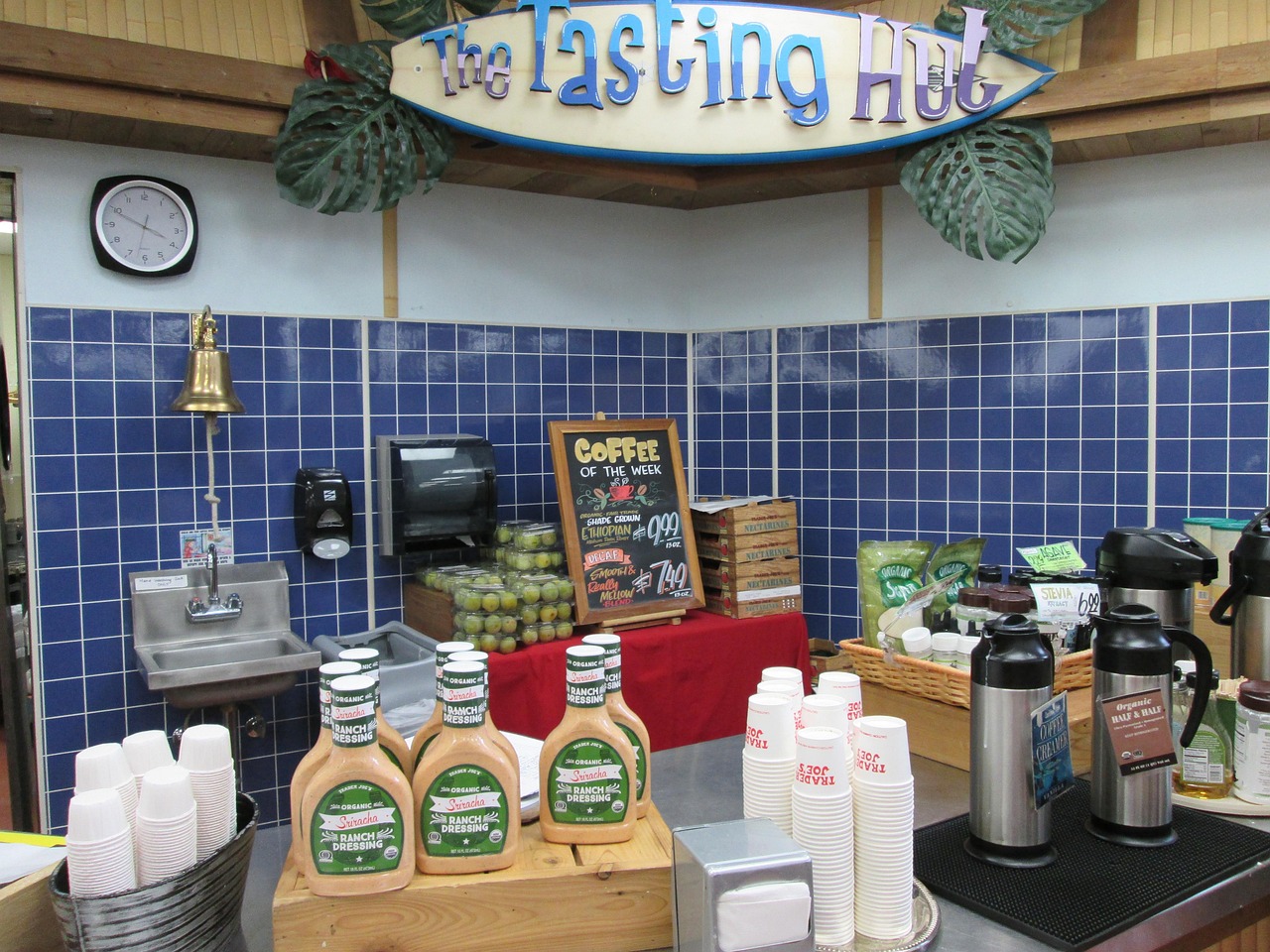
Atlanta’s coffee scene has grown fast.
- Look for small roasters around Midtown, Old Fourth Ward, and Westside for third-wave coffee and good remote-work vibes.
Drinks & Breweries
Craft breweries have popped up across the metro area—great casual spots for evenings.
- Check out West Midtown and the BeltLine-adjacent breweries for easy access from central neighborhoods.
Saving Money on Food
- Food halls: Ponce City Market, Krog Street Market, and others let you sample small portions from multiple vendors.
- Lunch vs dinner: Many nicer restaurants offer cheaper lunch menus—plan your splurge meals at midday.
- Grocery stores: Stock up on snacks and breakfast items if you’re staying in an Airbnb.
Nightlife, Entertainment & Cultural Experiences
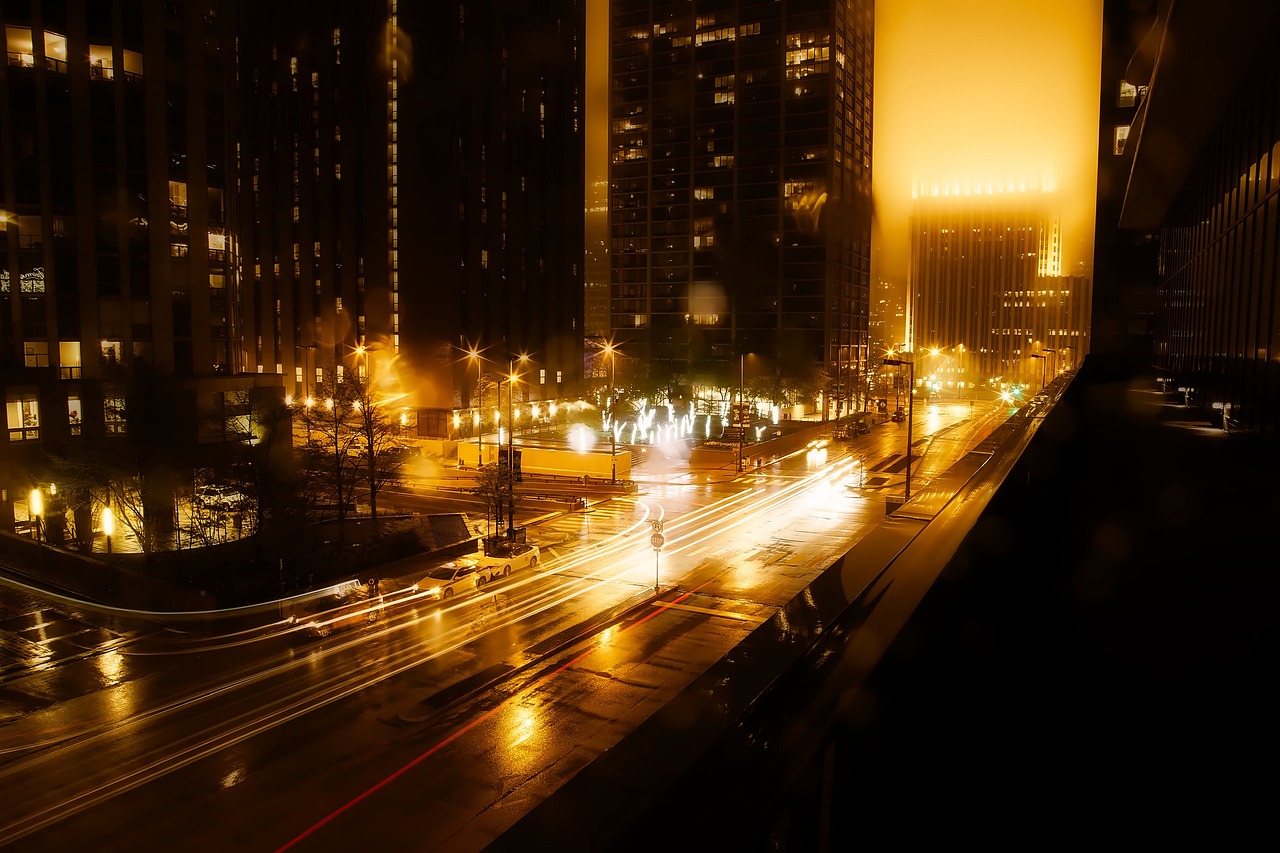
Atlanta at night is all about music, comedy, rooftop bars, and late-night eats.
Live Music & Clubs
- Midtown & Buckhead: Mix of lounges, dance clubs, and upscale bars.
- Edgewood & Old Fourth Ward: Livelier, more eclectic nightlife—great for bar hopping and hearing local DJs.
Cultural Experiences
- Alliance Theatre (Midtown): Top-tier regional theater.
- Atlanta Symphony Orchestra: For a more classical evening.
- Trap Music Museum (Westside): Celebrates Atlanta’s pivotal role in hip-hop; a very “only in Atlanta” experience.
Family-Friendly Evenings
- SkyView Ferris wheel, Centennial Olympic Park fountains, BeltLine at dusk, or a Braves game at Truist Park (Northwest Atlanta).
Major Events & Festivals in Atlanta (2026–2027)
Atlanta’s event calendar keeps growing. Dates shift slightly year to year, so confirm closer to your trip, but here are recurring highlights for 2026–2027.
- January–February: Atlanta Jewish Film Festival, often using Midtown theaters.
- March–April: Atlanta Dogwood Festival (Piedmont Park), Inman Park Festival (parades, home tours, street fairs).
- June: Atlanta Jazz Festival (often around Memorial Day into early June), cultural events celebrating Black music and arts.
- July–August: Braves home games, outdoor concerts in parks and amphitheaters.
- September: Dragon Con (massive multi-genre fan convention Downtown), Music Midtown (multi-day music festival in Piedmont Park, schedule depending on local regulations), Atlanta Pride events may shift between fall and October.
- October: Atlanta Pride (when scheduled in October), Little Five Points Halloween Festival & Parade.
- November–December: Holiday lights at Atlanta Botanical Garden, Stone Mountain Christmas events, ice skating rinks in parks.
For 2026–2027, expect continued growth in film festivals, tech conferences in Midtown, and food & wine events highlighting Atlanta’s restaurant scene. Always check updated listings as new festivals appear each year.
Best Day Trips from Atlanta
Once you’ve spent 4 or 5 days in Atlanta, you might be ready for a change of scenery. These are my favorite day trips.
Stone Mountain Park
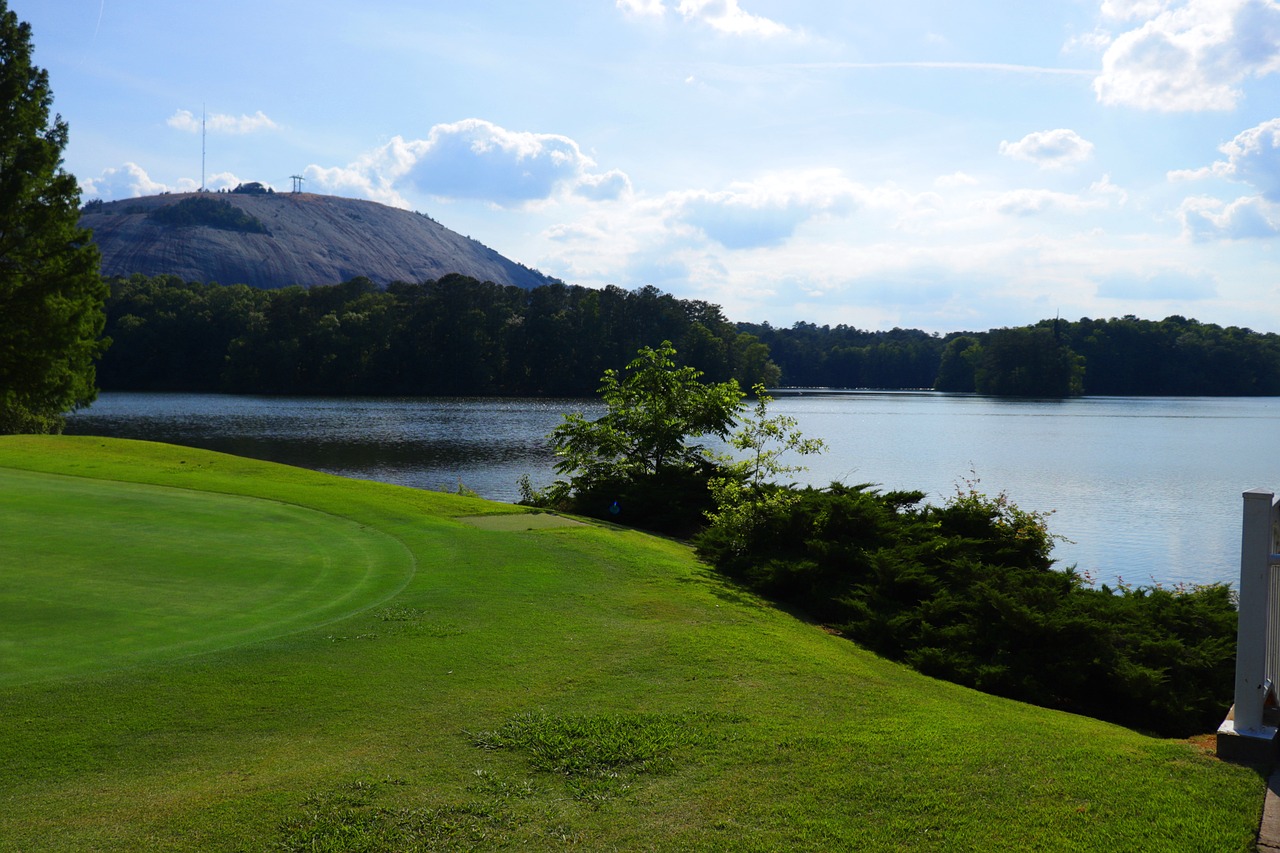
- Distance: ~30 minutes east by car.
- What to do: Hike or ride to the summit, boat on the lake, explore family attractions.
Chattahoochee River National Recreation Area
- Distance: 20–40 minutes north by car, depending on which unit.
- Activities: Tubing, kayaking, riverside hikes. Locals say “shooting the Hooch” for a reason.
Serenbe & Chattahoochee Hills
- Distance: ~45 minutes southwest by car.
- Vibe: Planned wellness community with farm-to-table restaurants, trails, and a slower pace.
Cultural Etiquette & Local Customs in Atlanta
Atlanta is friendly, casual, and diverse, but there are a few local customs worth knowing.
- Southern politeness: “Yes, ma’am/sir” isn’t mandatory, but basic courtesy goes a long way. Holding doors, saying “thank you,” and small talk are normal.
- Respecting history: At civil rights sites, churches, and cemeteries, dress modestly and keep voices low. These are living, sacred spaces for many locals.
- Driving culture: Traffic can be intense; merging can be aggressive. Don’t take honking personally—stay calm and alert.
- Race & identity: Atlanta is a Black cultural capital and an LGBTQ+ friendly hub. Approach conversations about race and history thoughtfully and with openness.
- Tipping: In restaurants and bars, 18–22% is standard if service is good.
Practical Travel Advice for Atlanta (2026)
How to Get Around
- MARTA Rail: Connects airport to Downtown, Midtown, Buckhead, and some suburbs. Ideal for avoiding traffic when possible.
- MARTA Bus: Fills in gaps, but routes can be confusing; use apps for real-time info.
- Rideshare: Uber and Lyft are ubiquitous and often the most convenient option at night.
- Walking: Great in Midtown, Old Fourth Ward, Inman Park, and along the BeltLine; less so on major arterial roads without sidewalks.
- Car rental: Helpful if you’re planning day trips or staying outside central neighborhoods. Beware weekday rush hours (roughly 7–10am, 3:30–7pm).
- Scooters & bikes: Shared scooters and bikes appear around Midtown and the BeltLine—handy for short hops, but follow local rules and ride safely.
SIM Cards & Connectivity
- eSIMs: Many international visitors use eSIMs from providers like Airalo or Holafly before arrival.
- Physical SIM: Major carriers (AT&T, T‑Mobile, Verizon) have stores across the city and at the airport; prepaid plans are widely available.
- Wi‑Fi: Most hotels, cafés, and attractions offer free Wi‑Fi.
Money-Saving Tips
- CityPASS & combo tickets: If you’re hitting multiple must-see attractions in 3 days, passes can save a decent amount.
- Free attractions: BeltLine, Piedmont Park, Martin Luther King Jr. National Historical Park, Oakland Cemetery, many street festivals.
- Happy hours & lunch specials: Use them to sample high-end spots on a budget.
Visas & Entry (for International Visitors)
- USA entry: Check if you qualify for the Visa Waiver Program (ESTA) or need a tourist visa. Requirements can change—always confirm with official government sources before travel.
- Atlanta airport (ATL): One of the busiest in the world; allow extra time for immigration and security.
Driving & Foreign Licenses
- Foreign licenses: Many visitors can drive with a valid home-country license for short stays; an International Driving Permit is recommended. Check current Georgia regulations before your trip.
- Parking: Expect paid parking in central areas; apps often allow you to pay by phone.
Weather & Best Seasons
- Spring (March–May): My favorite season. Dogwoods and azaleas bloom; ideal for parks and walking tours. Occasional storms.
- Summer (June–August): Hot and humid, with afternoon thunderstorms. Great for river trips, indoor attractions, and nightlife, but plan midday breaks in A/C.
- Fall (September–November): Lovely temperatures, colorful foliage, lots of festivals. A top pick for 3–5 day visits.
- Winter (December–February): Mild compared to many US cities, occasional cold snaps and rare snow/ice. Good for avoiding crowds and enjoying indoor culture.
Safety Tips
- Use the same city sense you would anywhere: be aware of your surroundings, especially at night, and avoid flashing valuables.
- Stick to well-lit, populated areas after dark, and use rideshare if you’re unsure about walking distances.
- Weather can change quickly—summer storms roll in fast; check forecasts if planning outdoor time.
Hidden Tips Only Locals Tend to Share
- Plan around traffic: If you can, schedule long drives outside peak rush hours. For a 3 day itinerary for Atlanta, cluster attractions by area to minimize cross-city trips.
- Use MARTA from the airport: It’s often faster and cheaper than a rideshare into Midtown or Downtown.
- Early bird advantage: Outdoor attractions like the BeltLine, Piedmont Park, and Stone Mountain are far more pleasant before 10am in warm months.
- Watch local calendars: Big events (Dragon Con, home games, major concerts) can spike hotel prices and crowd certain areas—fun if you’re into it, frustrating if you’re not expecting it.
Summary: Key Takeaways & Best Time to Visit Atlanta
Atlanta rewards curiosity. It’s not a city you fully “get” from a single angle: you need to stand under whale sharks at the Georgia Aquarium, walk Auburn Avenue in the footsteps of Dr. King, bike the BeltLine past murals, eat way too much fried chicken, and watch the sun set over Midtown from a rooftop bar.
If you’re planning 3 days in Atlanta, focus on Downtown, Midtown, and one or two neighborhoods like Old Fourth Ward and Inman Park. For 4 days in Atlanta, add deeper neighborhood exploration and a food-focused day. With 5 days in Atlanta, layer in a day trip (Stone Mountain, Chattahoochee River) or more niche interests (Atlanta History Center, Westside design district).
Best seasons to visit Atlanta:
- Spring (March–May): Ideal mix of pleasant temperatures, blooming parks, and outdoor festivals.
- Fall (September–November): Another top choice, with comfortable weather, colorful foliage, and a busy cultural calendar.
- Summer: Vibrant and energetic, but plan around heat and humidity; prioritize indoor attractions mid-day.
- Winter: Quieter and more affordable, best for museum-hopping and cozy dining.
However long you stay, use this travel guide for Atlanta as a starting point, then leave space in your itinerary for the unexpected: the tiny coffee shop you stumble on in Old Fourth Ward, the street musician under a Midtown overpass, the conversation with a local on the BeltLine. That’s where Atlanta really shines.