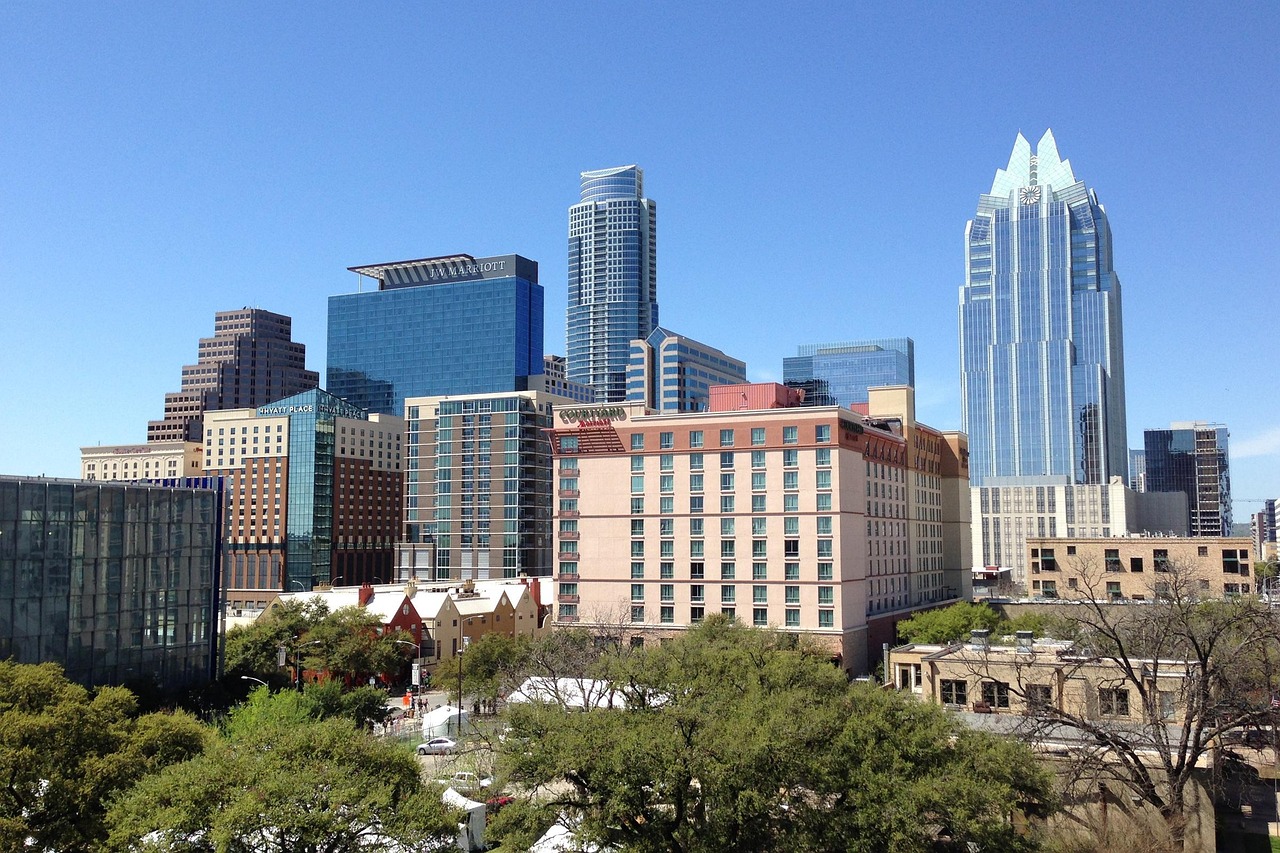
Why Visit Austin in 2026: What Makes It Special
If you only know Austin from the “Keep Austin Weird” bumper stickers and tales of wild SXSW nights, you’re missing the best parts. Over several trips here between 2018 and 2025—and now again in 2026—I’ve watched Austin grow, stumble, reinvent itself, and somehow still hang on to its soul: live music on a Tuesday, strangers chatting in line for tacos, and sunsets that turn Lady Bird Lake into a sheet of copper.
Austin is one of the rare cities where you can:
- Kayak past the skyline in the morning,
- Work or wander in indie coffee shops by afternoon,
- Eat world-class barbecue and brisket for dinner,
- Then hop between live music venues and rooftop bars long into the night.
It’s an easy city to slip into: friendly, casual, and surprisingly green. Yet it’s also changing fast—rents are rising, new towers keep appearing, and the tech scene is booming. Visiting in 2026 means you get the best of both worlds: the iconic Austin staples (BBQ, Barton Springs, Sixth Street, live music) plus an evolving food and art scene that’s more diverse and experimental than ever.
This travel guide for Austin is written the way I wish someone had written it for me the first time I came: part story, part strategy. I’ll walk you through the must-see attractions, the hidden gems in Austin, how to plan 3, 4, or 5 days in Austin, where to eat, where to explore, and how to avoid rookie mistakes (looking at you, July-in-Texas-without-sunscreen traveler).
Table of Contents
- Why Visit Austin in 2026
- Austin at a Glance (2026 Snapshot & Upcoming Events)
- Neighborhoods & Areas to Explore
- 20 Must-See Attractions in Austin (Deep Dive Guides)
- Suggested Itineraries: 3, 4 & 5 Days in Austin
- Best Local Food & Drinks in Austin
- Nightlife, Live Music & Cultural Experiences
- Day Trips & Nearby Getaways
- Local Customs, Cultural Etiquette & Austin Vibe
- Practical Travel Tips for Austin (Money, Transport, SIMs, Visas)
- Summary & Best Time to Visit Austin
Austin at a Glance (2026 Snapshot & Upcoming Events)
Austin is the capital of Texas, home to the University of Texas at Austin, and one of the fastest-growing cities in the United States. It’s known as the “Live Music Capital of the World,” and even in 2026 that’s not just marketing—live bands still play in bars, food truck parks, and tucked-away patios almost every night.
Climate-wise, prepare for hot summers, mild winters, and shoulder seasons (March–May and October–November) that feel made for walking, biking, and patio dining. If you’re planning 3 days in Austin or a 5 day itinerary for Austin, aim for those months.
Major 2026–2027 Events & Festivals in Austin
- South by Southwest (SXSW) – March 2026 & March 2027: A mashup of music, film, tech, and art. The city is packed, prices are higher, but the energy is incredible.
- Austin City Limits Music Festival (ACL) – October 2026 & 2027: Two weekends of big-name and indie artists in Zilker Park. Plan well ahead for hotels.
- Formula 1 United States Grand Prix – Late October 2026 & 2027 at Circuit of the Americas: Brings racing fans (and traffic) from all over the world.
- Texas Book Festival – Fall 2026 & 2027 at the Texas State Capitol grounds.
- Pecan Street Festival – Spring & Fall 2026 & 2027 on historic Sixth Street: arts, crafts, food, and live music.
- Trail of Lights – December 2026 & 2027 in Zilker Park: a family-friendly holiday tradition, magical if you’re visiting in winter.
Neighborhoods & Areas to Explore in Austin
Before diving into individual attractions and itineraries, it helps to understand how Austin is laid out. On my first visit, I stayed too far north and spent half my trip in rideshares. Since then, I’ve tried almost every area. Here’s how I’d describe the main neighborhoods you’ll likely visit.
Downtown Austin
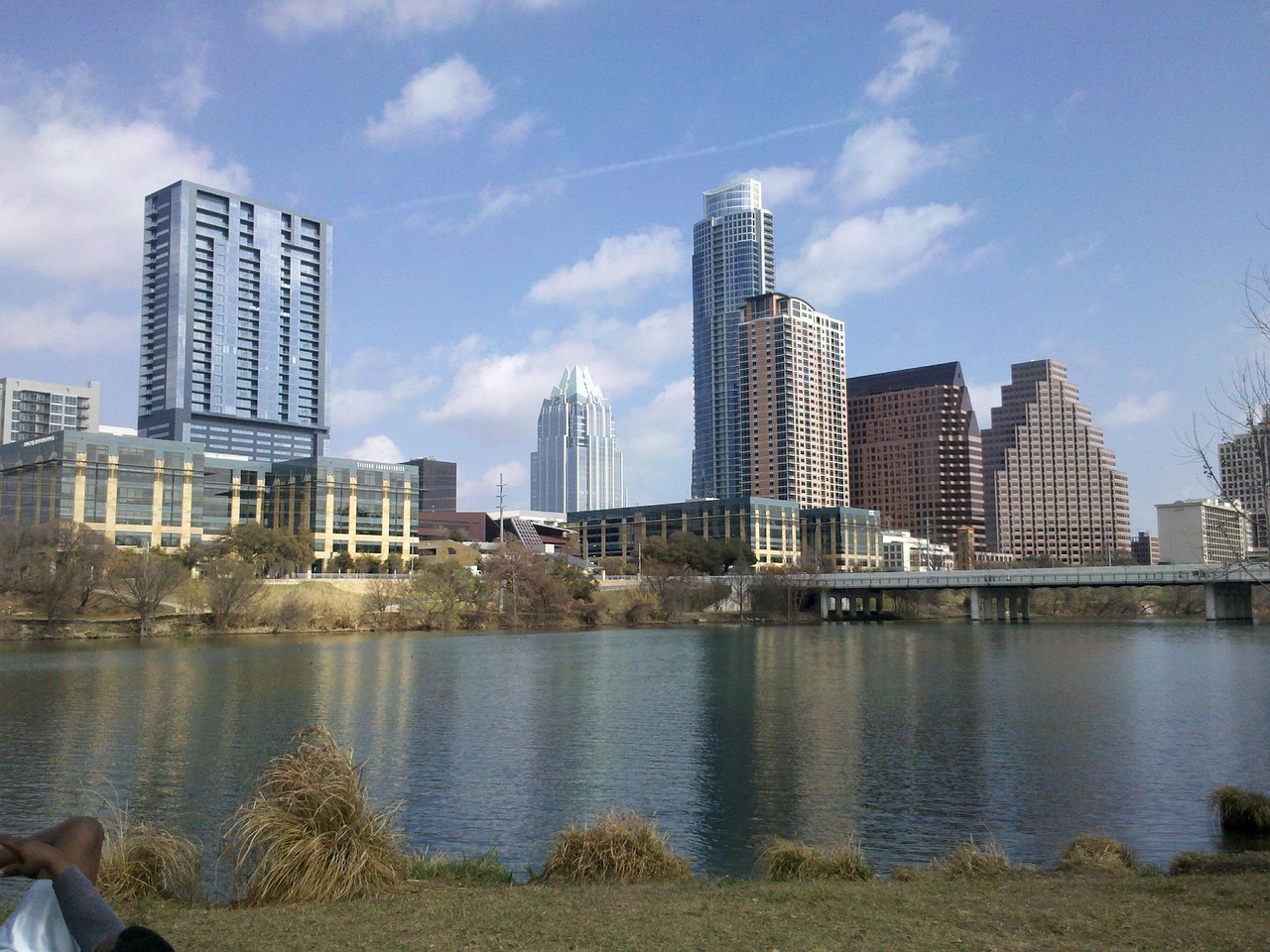
Downtown is where the skyline, Lady Bird Lake, the Texas State Capitol, and many of the biggest hotels are. If you only have 3 days in Austin and want to maximize your time, staying downtown makes sense.
- Best for: First-time visitors, short trips, walkers, business + leisure.
- Vibe: Busy, shiny, a mix of office towers, bars, and riverfront trails.
- Highlights: Lady Bird Lake Hike-and-Bike Trail, Congress Avenue Bridge bats, 2nd Street District, Warehouse District bars.
South Congress (SoCo)
SoCo is the Instagram-famous corridor that still feels surprisingly chill in the early mornings. I love staying within walking distance of South Congress when I want a balance of nightlife and neighborhood charm.
- Best for: Couples, friends, food lovers, people who like to walk.
- Vibe: Trendy yet casual; boutiques, murals, taco joints, coffee, and rooftop bars.
- Highlights: “I love you so much” mural, Continental Club, views of the Capitol from the bridge.
East Austin
My personal favorite area to eat and wander. East Austin is where you’ll find some of the best local food in Austin, plus murals, coffee shops, craft breweries, and small music venues. It’s changed a lot over the years, but it still feels more neighborhood than tourist strip.
- Best for: Foodies, art lovers, repeat visitors, budget-conscious travelers.
- Vibe: Creative, evolving, walkable in pockets, with a mix of old bungalows and new builds.
- Highlights: Franklin Barbecue area, East 6th and East 11th corridors, street art, food truck parks.
South Lamar & Zilker
If you want to be close to Barton Springs, Zilker Park, and still a quick rideshare from downtown, this is a great base. I often stay here when I’m building a 4 day itinerary for Austin with a lot of outdoor time built in.
- Best for: Families, nature lovers, ACL visitors.
- Vibe: Laid-back, residential, leafy, with plenty of restaurants and bars along South Lamar.
- Highlights: Zilker Park, Barton Springs Pool, Alamo Drafthouse on South Lamar.
The University Area (UT & West Campus)
Home to the University of Texas at Austin, this area feels very “college town” in the best way. Think cheap eats, spirited game days, and lots of student energy.
- Best for: Budget travelers, sports fans, younger crowds.
- Vibe: Lively during the school year; quieter in summer.
- Highlights: UT Tower, LBJ Presidential Library, campus museums, stadium.
North Loop, Hyde Park & Beyond
These residential neighborhoods are where you go when you want to feel like you live in Austin—tree-lined streets, coffee shops, vintage stores, and fewer tourists.
- Best for: Longer stays, digital nomads, quiet nights.
- Vibe: Local, quirky, slower-paced.
- Highlights: Local cafes, vintage shops, neighborhood parks, easy access to highways.
20 Must-See Attractions in Austin (With Stories, Tips & History)
Below are twenty of the best places to visit in Austin. I’ve visited each of these across different trips and seasons. For each attraction, I’ll share what it’s like, a bit of background, and how to make the most of your time there, whether you have 3 days in Austin or a full 5 days.
1. Lady Bird Lake Hike-and-Bike Trail
My first morning in Austin, I woke up disoriented in a downtown hotel, threw on running shoes, and simply followed the nearest people in athletic gear. They led me straight to the Lady Bird Lake Trail, and within ten minutes I understood why locals swear this is their happy place.
Lady Bird Lake is actually a dammed section of the Colorado River, right in the heart of Austin. A roughly 10-mile loop encircles the water, weaving under bridges, past skyline views, and through shaded sections of trail. It’s where Austin goes to walk dogs, run, bike, and paddle.
Why it’s special: Few cities let you feel this immersed in nature while never straying far from skyscrapers. Morning light on the water, rowing crews gliding past, and the distant hum of the city—it’s the perfect start or end to any day.
What I usually do here: I like to rent a bike near the trail and do a partial loop, stopping at one of the lakeside overlooks to just sit and watch the paddleboarders. If it’s a hot day, I’ll time my ride to end near Barton Springs (more on that later) for a cold plunge.
Tips:
- Best time: Early morning or just before sunset to avoid the heat.
- Family-friendly: Absolutely. Wide paths, lots of benches, and easy access from downtown.
- Romantic: An evening stroll followed by dinner on 2nd Street or Rainey Street makes a great date.
- Adventurous: Combine the trail with kayaking or stand-up paddleboarding on the lake.
2. Barton Springs Pool
The first time I jumped into Barton Springs Pool, it was a 100°F (38°C) day, and the 68°F (20°C) spring water felt like a controlled shock to the system. I resurfaced grinning like a fool.
Barton Springs is a spring-fed pool in Zilker Park, with natural limestone sides and a mix of grass and concrete lounging areas. It’s been a beloved local hangout for generations, and on hot days it feels like half the city is here.
Why it’s special: It’s not a typical chlorinated swimming pool. You’ll see fish, natural vegetation, and locals doing laps alongside families and sunbathers. In winter, brave souls still swim; the water stays the same temperature year-round.
My routine: I like to come in the late afternoon, after a walk in Zilker Park. I bring a towel, a book, and cash for entry. After a couple of icy plunges, I’ll lay out on the hillside and watch the sun sink, then head to South Lamar for dinner.
Tips:
- Bring: Towel, water shoes if you have sensitive feet (the bottom is rocky), and a refillable water bottle.
- Season: Best in late spring through early fall. In summer, come early to avoid crowds.
- Family-friendly: Yes, but keep an eye on kids—the water gets deep.
- Budget tip: Check for “free swim” hours early in the morning or late at night (policies can change year to year).
3. Texas State Capitol
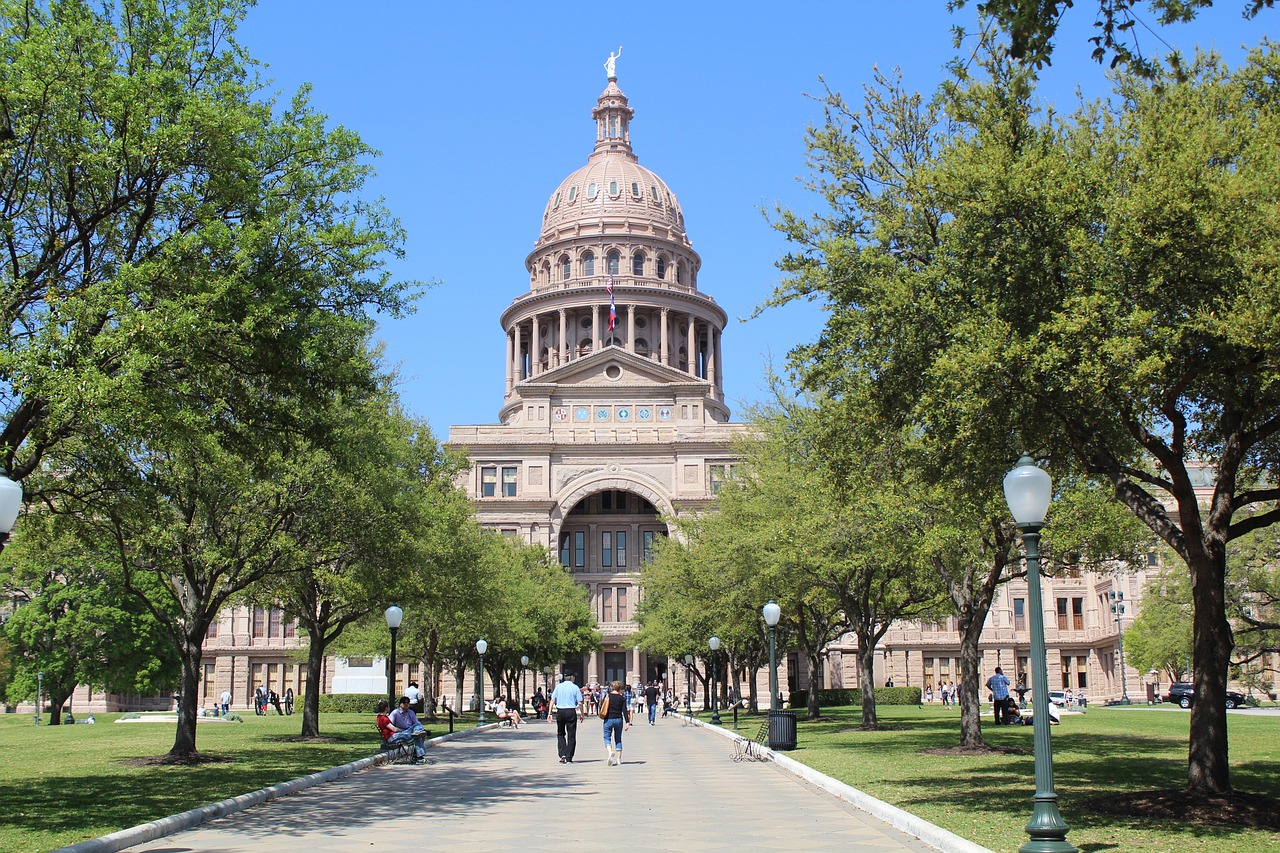
I’ll admit: I didn’t expect to enjoy the Texas State Capitol as much as I did. But one steamy afternoon when I needed air conditioning and a break from walking, I ducked in—and ended up spending almost two hours wandering its polished halls.
The Capitol, completed in 1888, is an imposing pink granite structure that’s actually taller than the U.S. Capitol in Washington, D.C. Inside, you’ll find portraits of every Texas governor, ornate chambers, and an impressive rotunda.
Why it’s special: It’s not just about politics; it’s about understanding the state’s identity, from its days as a republic to its current role as a tech and cultural hub.
How I visit: I like to start with the free guided tour (usually around 30–45 minutes) to get the context, then wander on my own. The grounds are surprisingly peaceful, with statues, monuments, and shady spots to sit.
Tips:
- Cost: Free entry and tours (subject to security screening).
- Dress: Casual is fine, but avoid anything too revealing or noisy out of respect.
- Photography: Allowed in most areas; don’t use flash in sensitive spaces.
- Good for: History buffs, families (older kids), hot or rainy days.
4. Congress Avenue Bridge Bats
One of the most memorable evenings I’ve had in Austin involved standing on the grassy banks of Lady Bird Lake with a couple hundred strangers, all craning our necks toward a bridge. The sky darkened, people fell quiet, and then—like smoke rising—the bats emerged.
From roughly March to October, up to 1.5 million Mexican free-tailed bats roost under the Congress Avenue Bridge. Around sunset, they swirl out in a long, undulating ribbon to feed.
Why it’s special: It’s a natural spectacle right in the middle of the city. Kids love it, photographers love it, and honestly, even after seeing it multiple times, I still find it magical.
Best ways to watch:
- From the bridge: Stand on the east side of Congress Avenue Bridge and look west.
- From the trails: The grassy area just east of the bridge along the trail is one of my go-tos.
- From the water: Book a sunset kayak or boat tour for an up-close perspective (bring a light jacket).
Tips: Arrive 30–45 minutes before sunset, especially on weekends. In early or late season, bat numbers may be lower, but the experience is still worth it.
5. Zilker Metropolitan Park
If Austin had a backyard, it would be Zilker Park. I’ve seen it full of festival stages during ACL, and almost empty on a chilly weekday morning. Either way, it’s where people go to play.
This 350+ acre park is home to Barton Springs Pool, the Zilker Botanical Garden, sports fields, and wide-open lawns with downtown views. On any given day, you’ll see frisbee games, dogs, slackliners, and families picnicking.
Why it’s special: It’s the city’s green lung and the backdrop for some of Austin’s biggest events, including ACL and Trail of Lights.
What I like to do: I’ll grab tacos or a picnic from a nearby spot on Barton Springs Road, spread a blanket with a view of the skyline, and just watch the city go by. In the evenings, I’ve joined friends for casual games and sunset hangs.
Tips:
- Best seasons: Spring and fall, when the weather makes outdoor lounging a joy.
- Family-friendly: Very—plenty of space for kids to run and play.
- Traffic: During big events, parking and rideshares can be tricky; plan extra time or walk from farther away.
6. South Congress Avenue (SoCo)
South Congress is where I always end up when I don’t know exactly what I want to do, but I know I want to do something. Coffee, shopping, people-watching, live music—it’s all here, and it’s easy to mix and match.
From the iconic “I love you so much” mural to the neon signs of vintage motels, SoCo is a walkable strip with a mix of local boutiques, restaurants, bars, and street performers.
My ideal SoCo afternoon: Start with coffee at one of the local cafes, browse shops (from high-end boots to quirky souvenirs), grab tacos from a food truck, and time it so you’re on the Congress Avenue Bridge for sunset and bats. Then, end the night with live music at the Continental Club.
Tips:
- Best time: Late morning through evening; weekday mornings are quieter if you hate crowds.
- Romantic: Very—especially if you cap it off with a rooftop drink overlooking downtown.
- Budget note: Shopping here can be pricey; window-shopping and people-watching are free.
7. Rainey Street Historic District
The first time I walked down Rainey Street, I thought I’d stumbled into a backyard party that had taken over an entire neighborhood. Old bungalows have been turned into bars, patios are strung with lights, and music spills into the street.
Why it’s special: It’s a night-out zone that still has hints of old residential charm, right by the lake and the trail. Food trucks line some of the lots, so you can hop between drinks and snacks.
My Rainey ritual: I’ll come here for an early evening drink, when it’s lively but not yet chaotic. I like to order a local craft beer, grab something from a food truck, and claim a spot on a patio to watch the vibes shift as the night deepens.
Tips:
- Best for: Groups of friends, social travelers, nightlife fans.
- Noise: It gets loud and crowded later in the evening—less ideal for kids or quiet dates.
- Nearby: It’s an easy walk back to downtown hotels along the lakefront trail.
8. East Austin (Murals, Food & Coffee)
Every time I come back to East Austin, something has changed: a new coffee shop, an expanded patio, a mural I swear wasn’t there last time. But the things that keep me coming back—amazing food, laid-back bars, and creative energy—are still going strong.
Walking East 6th and East 11th, you’ll find murals splashed across buildings, food trucks parked in clusters, and neighbors chatting on porches. It’s one of the best places to taste the local food in Austin, from classic BBQ to inventive plant-based dishes.
What I like to do: I’ll pick a coffee shop as a home base, grab breakfast tacos, then wander on foot, taking photos of street art and making spontaneous food and drink stops. It’s an easy half-day or full-day exploration zone.
Tips:
- Best time: Late morning through evening; some places open later in the day.
- Hidden gems: Look for small galleries, backyard bars, and tiny venues with live music.
- Respect: This is still a residential area; keep noise down late at night and be mindful when photographing homes.
9. Franklin Barbecue
Franklin Barbecue is one of those places people will stand in line for hours to experience. I’ve done the line twice—once with friends on a cool spring morning (fun), once alone on a hot day (less fun). Both times, the brisket was incredible.
Why it’s famous: Consistently ranked among the best BBQ spots in America, Franklin specializes in Central Texas–style smoked meats: brisket, ribs, pulled pork, sausage. The meat is smoked low and slow, and when it’s gone, it’s gone.
How to do Franklin without losing your mind:
- Arrive early: People often queue before opening; by midday, popular items may sell out.
- Bring: Hat, water, maybe a small foldable chair, and friends to pass the time.
- Alternative: Order ahead for pickup if your dates and schedule allow—this can be a sanity saver.
Is it worth it? If you’re serious about BBQ, yes—at least once. If you’re just curious, there are other excellent spots with shorter waits (more on those later).
10. University of Texas at Austin Campus & UT Tower
I have a soft spot for university campuses, and UT Austin is one of my favorites. Red-tile roofs, wide lawns, and the landmark UT Tower make it a great place for a leisurely stroll.
Highlights: The UT Tower (often lit up for special occasions), the Main Building, and shaded walkways lined with live oaks. On game days, the area transforms with burnt orange everything and crowds heading to the stadium.
How I visit: I’ll usually combine a campus walk with a visit to one or two museums (like the Blanton or LBJ Library) and then grab a budget-friendly meal nearby—student areas are great for saving money.
11. Blanton Museum of Art
The Blanton is my go-to when I want a quiet, contemplative break from the city. Located on the UT campus, it houses an impressive collection ranging from European paintings to contemporary American and Latin American art.
Why it’s special: The architecture itself is striking, and recent additions (like outdoor installations) make the museum feel modern and airy. It’s also a good cultural counterbalance to all the eating and bar-hopping.
Tips:
- Best for: Art lovers, couples, solo travelers.
- Timing: Combine with a campus walk and the nearby Capitol for a culture-packed day.
- Budget: Watch for free days or reduced admission times.
12. LBJ Presidential Library
The LBJ Presidential Library surprised me. I went expecting dry politics and left thinking about civil rights, social programs, and how much one presidency can shape a country.
What you’ll see: Exhibits on Lyndon B. Johnson’s life and presidency, including the Civil Rights Act, Great Society programs, and Vietnam. There’s also a replica of the Oval Office and rotating special exhibits.
Why visit: It’s a powerful, nuanced look at a complex era in U.S. history, and it gives depth to the stories you might have only skimmed in school.
13. Mount Bonnell (Covert Park)
One of my favorite viewpoints in Austin is at the end of a short staircase: Mount Bonnell. The “hike” is really just a set of steps, but at the top, you’re rewarded with sweeping views over the Colorado River (Lake Austin) and the hills beyond.
Why it’s special: It’s one of the most romantic spots in the city at sunset, and you’ll often see couples and small groups gathered along the stone walls taking in the view.
My visits: I like to come on clear evenings with a light snack and just sit for a while. Crowds thin out the later you stay, and the changing colors over the water are worth lingering for.
Tips:
- Access: You’ll likely need a car or rideshare to get here.
- Footwear: Sneakers are fine; the stairs can be a bit uneven.
- Romantic: Very—great for proposals and anniversary trips.
14. Baylor Street / Hope Outdoor Gallery Legacy & Street Art
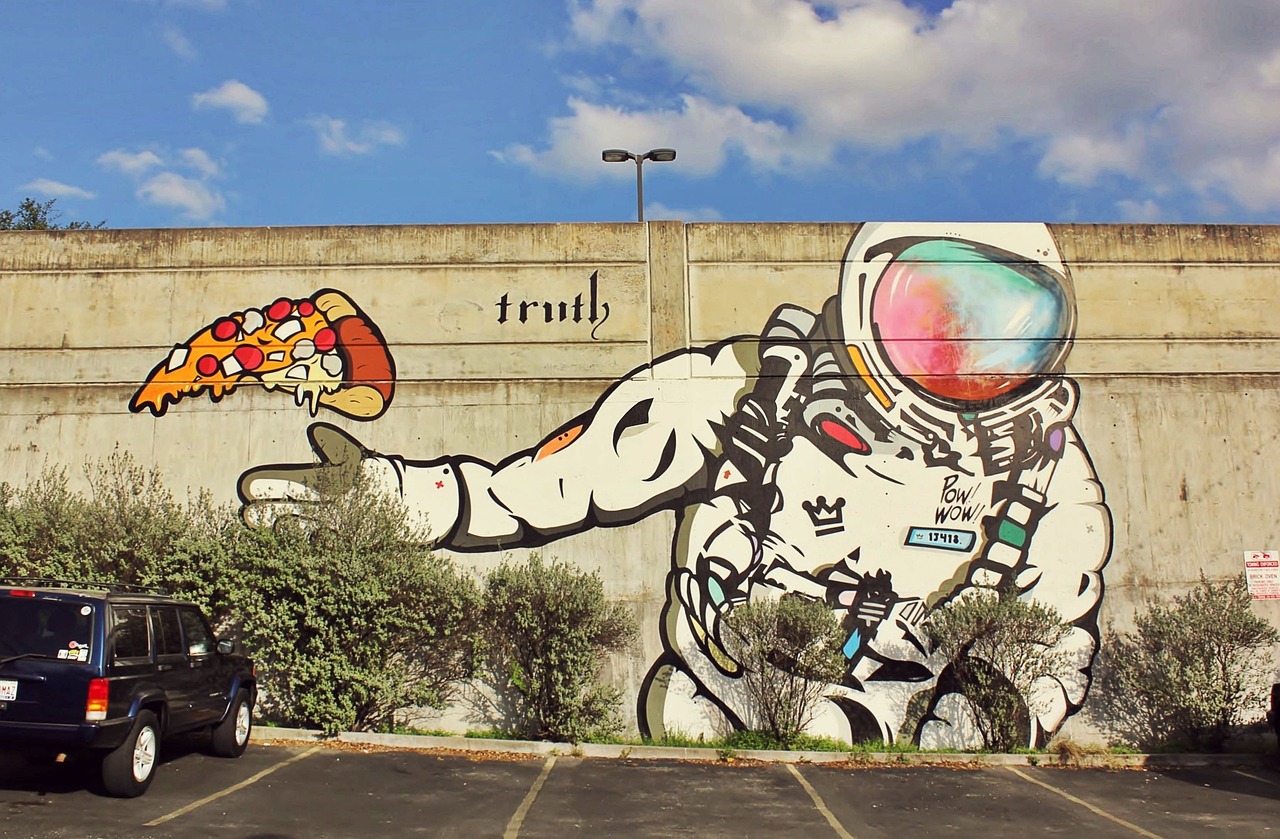
Austin’s street art scene has evolved a lot since the original HOPE Outdoor Gallery days, but the city’s love for murals and graffiti has only grown. While the original site closed, you’ll still find vivid walls scattered around Baylor Street and across the city.
Why it’s special: The art changes, reflects local issues, and offers endless photo ops without feeling overly staged.
What I do: I’ll map a loose route past known murals, but some of the best finds happen when I wander off the main streets. Keep your eyes open on side alleys and building backs.
15. Barton Creek Greenbelt
On my third trip to Austin, a local friend finally dragged me away from the usual sights and into the Barton Creek Greenbelt. Within minutes, the noise of the city faded, replaced by the sounds of cicadas and running water.
The Greenbelt is a network of trails and swimming holes that follows Barton Creek through limestone cliffs and wooded areas. Depending on rainfall, you’ll find pools deep enough for swimming or dry creek beds perfect for scrambling and exploring.
Why it’s special: It’s a genuine escape into nature within city limits—great for hikers, trail runners, and adventurous families.
Tips:
- Check water levels: Conditions vary by season and recent rain.
- Bring: Sturdy shoes, plenty of water, and a swimsuit if you plan to swim.
- Adventurous: This is one of the better spots for a more rugged outing in your 4 or 5 day itinerary for Austin.
16. Sixth Street (Dirty, West & East)
Sixth Street has multiple personalities. “Dirty Sixth” (the central stretch) is all neon, shot specials, and college-energy chaos on weekend nights. West Sixth is more polished and bar-forward. East Sixth leans hip and creative.
My honest take: I’ve had fun nights on Sixth, but I don’t love Dirty Sixth on peak weekend hours anymore—it feels more like a rite of passage than a must for everyone. That said, it’s worth walking through once to see the spectacle, then gravitate toward the side that fits you best.
Tips:
- For live music: Seek out specific venues rather than bar-hopping blindly.
- For families: Visit during the day—at night, it’s more of an adults-only zone.
- Safety: As with any party district, keep an eye on your belongings and drink responsibly.
17. ACL Live at The Moody Theater
ACL Live is the home of the iconic Austin City Limits television show and one of the best venues in town to catch a concert. The sound is excellent, the sightlines are good, and there’s something special about seeing a show in such a storied space.
My experience: I once planned a trip around a specific band playing here, and it was totally worth it. I grabbed dinner nearby on 2nd Street, walked over for the show, and ended with a night stroll through downtown.
Tip: Check the schedule well before your trip; even if you’re only in town for 3 days, you might be able to sync a show into your itinerary.
18. The Long Center for the Performing Arts
For a different flavor of Austin’s cultural experiences, the Long Center hosts symphony performances, theater, dance, and community events with a stunning view of the skyline across the lake.
Why I like it: Even if you’re not catching a show, the outdoor terrace is a gorgeous place to take photos of the skyline and the lawn in front is often used for festivals and gatherings.
19. Zilker Botanical Garden
Tucked within Zilker Park, the botanical garden feels like a secret oasis. On a particularly hot afternoon, I wandered through the shaded paths, past koi ponds, a Japanese garden, and cactus displays, and forgot for a moment that I was in the middle of a booming city.
Best for: Families, couples, and anyone needing a slower-paced hour or two. Photographers will find plenty of interesting compositions here.
20. Circuit of the Americas (COTA)
About 15–20 miles outside downtown, Circuit of the Americas is a major draw for motorsports fans. I visited during an off-peak event and was still impressed by the scale of the track and the observation tower.
Why go: For Formula 1, MotoGP, concerts, and major events. If your 2026–2027 travel dates overlap with the United States Grand Prix, expect higher prices and packed hotels—but also a unique electric atmosphere citywide.
Tip: If you’re visiting specifically for F1 or a big event, book accommodations and transport well in advance and budget extra time to get to and from the track.
Suggested Itineraries: 3, 4 & 5 Days in Austin
I’ve structured these itineraries like I plan my own trips—anchored around neighborhoods so you’re not zigzagging all over the city, with a mix of big sights, hidden gems, and breathing room. You can treat them as a 3 day itinerary for Austin, expand to 4 days in Austin, or go all-in with a 5 day itinerary for Austin.
3 Days in Austin: Classic Highlights
Day 1: Downtown, Lady Bird Lake & Congress Bats
I like starting my first day downtown—it orients you to the city and hits several must-see attractions in Austin without too much transport hassle.
- Morning: Walk or bike the Lady Bird Lake Trail, then grab breakfast tacos from a downtown spot.
- Midday: Visit the Texas State Capitol and maybe pop into a nearby museum or the UT campus if you’re up for more walking.
- Afternoon: Chill at your hotel or a coffee shop; wander 2nd Street District for shopping.
- Evening: Head to the Congress Avenue Bridge for the bats, then dinner along South Congress or downtown.
- Night: Finish with a drink at a rooftop bar or a low-key live music venue.
Day 2: Zilker Park, Barton Springs & South Austin
Day two leans into Austin’s outdoorsy side.
- Morning: Head to Zilker Park and walk around; visit the Zilker Botanical Garden if you like gardens.
- Midday: Cool off at Barton Springs Pool. Eat on Barton Springs Road or South Lamar.
- Afternoon: Explore South Congress (SoCo)—shopping, coffee, murals.
- Evening: Dinner on SoCo, then live music at the Continental Club or a nearby venue.
Day 3: East Austin, BBQ & Nightlife
Your last day is for food and culture.
- Morning: Breakfast tacos and coffee in East Austin; mural hunting.
- Midday: BBQ lunch (Franklin if you’re committed; otherwise another top spot).
- Afternoon: Choose between the Blanton Museum of Art, LBJ Library, or a UT campus wander.
- Evening: Drinks and bites on Rainey Street or a curated Sixth Street venue for live music.
4 Days in Austin: Add Nature & Neighborhoods
With 4 days in Austin, you can slow down and add more local experiences.
Day 4: Barton Creek Greenbelt & Mount Bonnell
- Morning: Hike or walk a section of the Barton Creek Greenbelt; pack snacks and water.
- Midday: Late lunch on South Lamar or in a nearby neighborhood.
- Afternoon: Rest back at your accommodation or check out a local coffee shop or brewery.
- Evening: Head to Mount Bonnell for sunset views, then dinner nearby or back in town.
5 Days in Austin: Deeper Dive & Day Trip Options
If you’re lucky enough to have 5 days in Austin, you can treat it less like a checklist and more like a temporary home.
Day 5 Option A: Culture & Campus
- Morning: Blanton Museum of Art.
- Midday: Lunch near UT campus; walk around the university, visit the UT Tower area.
- Afternoon: LBJ Presidential Library or a second museum of your choice.
- Evening: Catch a performance at the Long Center or ACL Live if there’s a show.
Day 5 Option B: Day Trip (Hill Country)
Alternatively, use your fifth day for a day trip to the Texas Hill Country—wineries near Driftwood or Dripping Springs, swimming holes, or small towns like Wimberley. More on day trips below.
Best Local Food & Drinks in Austin
If I had to pick one reason I keep coming back to Austin, it would be the food. BBQ, tacos, Tex-Mex, breakfast tacos (a category of their own), food trucks, and a growing scene for everything from vegan to fine dining.
Essential Austin Foods to Try
- Brisket & BBQ: Franklin, la Barbecue, Micklethwait, Terry Black’s, Valentina’s Tex Mex BBQ.
- Breakfast Tacos: Veracruz All Natural, TacoDeli, Tyson’s, food trucks all over.
- Tex-Mex: Enchiladas, queso, fajitas—look for local institutions and newer spots alike.
- Food Trucks: East Austin, Rainey Street, and random lots across the city.
- Craft Beer & Cocktails: Austin has a strong brewery and cocktail bar culture; ask bartenders for local recommendations.
Money-Saving Food Tips
On longer stays, I balance splurge meals (BBQ, special dinners) with cheaper eats (breakfast tacos, food trucks, campus-area spots). Portions are often generous—splitting dishes can stretch your budget and your stomach.
Nightlife, Music & Cultural Experiences in Austin
Austin’s nightlife ranges from raucous to refined. You can go full party mode on Sixth Street, sip cocktails in a quiet speakeasy, or watch a world-class band in an intimate venue.
Live Music
- Classic venues: Continental Club, Antone’s, Mohawk, ACL Live.
- Smaller gems: Little bars and cafes often host local singer-songwriters—ask around or check listings.
Nightlife Zones
- Rainey Street: Bungalow bars, patios, food trucks.
- Sixth Street: Party central; choose your segment wisely.
- East Side: Trendy cocktails, breweries, and more relaxed bars.
Cultural Experiences
- Performing arts: Long Center, smaller theaters, improv and comedy clubs.
- Festivals: SXSW, ACL, book and film festivals throughout the year.
Day Trips & Nearby Attractions from Austin
Once you’ve covered the core things to do in Austin, consider venturing out into the Texas Hill Country. If you have 4 or 5 days in Austin, you can easily add one of these.
Hamilton Pool Preserve
A beautiful collapsed grotto and swimming hole (reservation system often in place). Check current conditions and rules in 2026 before going.
Dripping Springs & Driftwood
Hill Country wineries, breweries, and BBQ (including the legendary Salt Lick). Great for a romantic or adults’ day out.
Wimberley & San Marcos
Charming small towns with river tubing, swimming spots, and local shops. Family-friendly and relaxed.
Local Customs, Cultural Etiquette & Austin Vibe
Austin is casual, friendly, and generally open-minded, but a few local customs are worth noting.
Etiquette & Behavior
- Dress code: Casual almost everywhere. Jeans and a nice top are fine for most restaurants; shorts are common in warm months.
- Politeness: “Yes, ma’am” and “Yes, sir” are still common, especially with older folks, but not obligatory for visitors.
- Tipping: 18–20% in restaurants and bars is standard if service is good.
- Music venues: Be respectful—don’t talk loudly over performers in smaller rooms.
Local Culture
Austin prides itself on supporting local businesses—coffee shops, food trucks, boutiques. When in doubt, choosing local over chains is both appreciated and more fun. The city is also dog-friendly; you’ll see pups on patios all over town.
Practical Travel Tips for Austin (2026 Edition)
Getting Around
- On foot: Downtown, South Congress, and pockets of East Austin are walkable.
- Rideshares: Uber, Lyft, and local options are widely available.
- Public transport: Capital Metro buses and limited rail; useful but not as comprehensive as some big cities.
- Scooters & bikes: Rental scooters and bikes are common; use helmets and ride carefully.
- Car rental: Helpful if you plan lots of day trips or are staying farther out.
Money & Saving Tips
- Costs: Austin isn’t as cheap as it used to be, but you can still eat well on a budget with tacos, food trucks, and campus-area spots.
- Happy hours: Many bars and restaurants run good deals; ask locals or check boards.
- Free activities: Lady Bird Lake trail, Zilker Park (outside special events), murals and street art, window-shopping in SoCo.
SIM Cards & Connectivity
Major U.S. carriers (AT&T, Verizon, T-Mobile) have strong coverage. For international visitors, consider:
- eSIMs: Easy to purchase online before arrival.
- Prepaid SIMs: Available at major electronics stores, big-box retailers, and carrier shops.
Visas & Entry Requirements
Requirements vary by nationality. In general:
- Visa waiver countries: Many travelers can enter the U.S. with ESTA for short stays (check current rules).
- Others: May need a B-1/B-2 tourist visa. Start the process well in advance.
- Documents: Always travel with a valid passport and any required visas or approvals.
Driving & Foreign Licenses
Many foreign driver’s licenses are accepted for short-term car rentals, especially if in English or accompanied by an International Driving Permit. Check with your rental company before booking. Remember: in Texas, you drive on the right-hand side.
Weather & Best Seasons
- Spring (March–May): Ideal for 3–5 day itineraries; wildflowers, festivals, pleasant temps.
- Summer (June–August): Very hot; great for swimming (Barton Springs, lakes), but plan for air-conditioned breaks.
- Fall (September–November): Another sweet spot; ACL, F1, and comfortable evenings.
- Winter (December–February): Mild with occasional cold snaps; fewer crowds, Trail of Lights in December.
Hidden Tips from Multiple Visits
- Start early: Beat both heat and crowds at outdoor attractions.
- Book key meals: Popular restaurants and BBQ joints fill fast—reserve when possible.
- Stay central if short on time: For 3 days in Austin, downtown or South Congress bases minimize commuting.
- Ask locals: Austinites are usually happy to share favorite taco trucks, bars, and hidden gems.
Summary & Final Recommendations
Austin in 2026 is a city in motion—growing, experimenting, but still anchored by the things that made travelers fall in love with it in the first place: music, food, and a laid-back, come-as-you-are spirit.
If you’re planning 3 days in Austin, focus on downtown, Lady Bird Lake, Zilker & Barton Springs, South Congress, and a taste of East Austin and Rainey Street. For 4 or 5 days in Austin, add in Barton Creek Greenbelt, Mount Bonnell, UT campus and museums, and a Hill Country day trip.
Best seasons to visit: Spring and fall are ideal for most travelers, balancing comfortable weather with the city’s best festivals. Summer is for heat lovers and swimmers; winter is quieter and more affordable with a few festive highlights.
However long you stay, don’t try to do everything. Pick a few must-see attractions in Austin that excite you, leave space for wandering, and let the city’s patios, food trucks, and trails pull you into their rhythm. That’s when Austin feels most like home—even if you’re just here for a few days.