Why Visit Baltimore in 2026?
Every time I step off the train at Baltimore Penn Station and see that glowing “BALTIMORE” sign, I get the same feeling: this city is rough around the edges in the best possible way. It’s real, it’s layered, and it rewards anyone who looks beyond the headlines. If you’re planning 3 days in Baltimore or stretching to a 4 or 5 day itinerary for Baltimore, you’ll find a city that feels intimate yet packed with things to do.
Baltimore is a waterfront city of brick rowhouses, quirky murals, legendary crab feasts, and some of the best neighborhoods to wander anywhere on the East Coast. It’s a place where you can spend the morning with sharks at the National Aquarium, the afternoon exploring Black history at the Reginald F. Lewis Museum, and the evening watching a sunset over the Inner Harbor with a cold Natty Boh or a craft IPA in hand.
What makes Baltimore special for travelers in 2026:
- Walkable waterfront core packed with must-see attractions like the National Aquarium, Historic Ships in Baltimore, and Federal Hill.
- Authentic neighborhoods like Fells Point, Hampden, and Station North that feel lived-in and local, not curated for tourists.
- Exploding food scene that goes far beyond crab cakes: think wood-fired pizza in converted mills, West African stews, Korean BBQ, and James Beard–nominated chefs.
- Powerful cultural experiences around African American history, labor history, and the arts.
- Easy to reach from Washington, DC, Philadelphia, and New York, making it perfect for a long weekend or part of a broader East Coast route.
In 2026–2027, Baltimore is also seeing new waterfront development, expanded bike lanes, and a more vibrant festival calendar, making this the perfect time to plan your visit.
Table of Contents
- Suggested 3–5 Day Itineraries in Baltimore
- Top 20 Must-See Attractions in Baltimore (In-Depth)
- Best Neighborhoods & Districts to Explore
- Best Local Food in Baltimore & Where to Eat
- Nightlife, Entertainment & Cultural Experiences
- Major Events & Festivals in 2026–2027
- Day Trips & Nearby Getaways from Baltimore
- Cultural Etiquette & Local Customs
- Practical Travel Advice for Baltimore
- Summary & Best Time to Visit Baltimore
Suggested 3–5 Day Itineraries for Baltimore
If you’re planning 3 days in Baltimore, 4 days in Baltimore, or even 5 days in Baltimore, these itineraries blend must-see attractions with hidden gems and local hangouts. I’ve structured them as a 5-day plan; if you have fewer days, start with Days 1–3 and then cherry-pick from Days 4–5.
Day 1: Inner Harbor Icons & Federal Hill Views
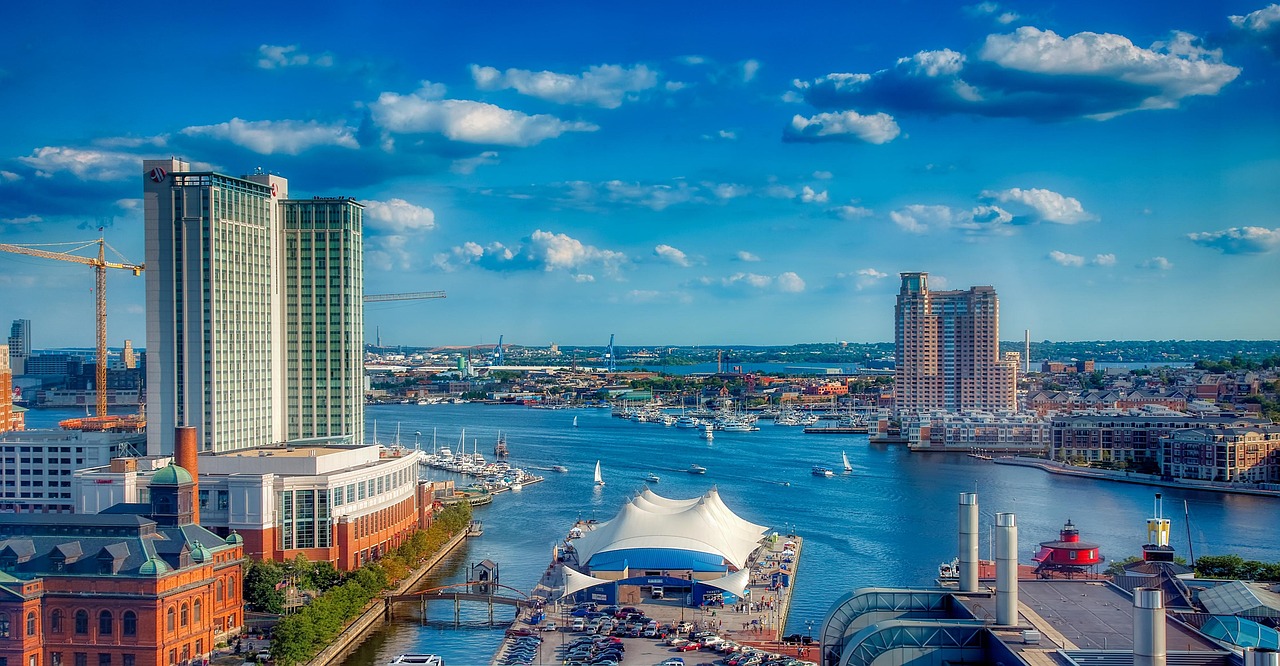
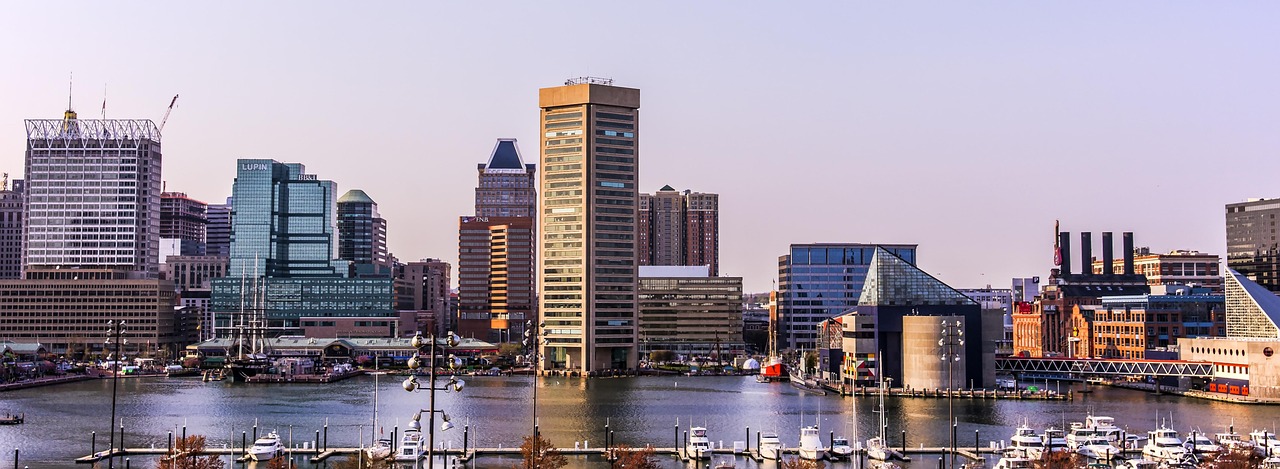
My first stop on almost every Baltimore trip is the Inner Harbor. It’s touristy, sure, but there’s a reason it’s on every travel guide for Baltimore: everything is walkable, it’s packed with must-see attractions, and the skyline views are gorgeous.
Morning: National Aquarium & Harbor Stroll
I like to book a 9:00–9:30 a.m. entry at the National Aquarium to beat the crowds, especially if I’m traveling with kids. I remember one February visit when I showed up right at opening, and for the first 30 minutes it felt like we had the shark tank to ourselves.
- Location: Inner Harbor
- Time needed: 2.5–4 hours (with kids, lean toward 4)
- Highlights: Blacktip Reef, Jellies Invasion, Amazon River Forest, Australia: Wild Extremes
- Family-friendly? Very – stroller-friendly and lots of interactive elements.
Tips from experience:
- Buy tickets online in advance, especially on weekends and holidays.
- Start at the top and work your way down; it feels more natural than constantly going up ramps.
- If you’re doing multiple Inner Harbor attractions, compare prices with combo tickets and city passes.
After the Aquarium, I like to walk the promenade past the Historic Ships in Baltimore. Even if you’re not boarding, you get great harbor and ship views.
Lunch: Harbor Eats (Saving Money vs. Views)
If I’m splurging, I’ll sit down at a harbor-view restaurant (check out Lebanese Taverna in Harborplace for decent Mediterranean with a view). When I’m in budget mode, I walk 10 minutes up to Power Plant Live or over to Fells Point for cheaper and better food. For a quick, local-feeling lunch near the Harbor, try:
- Miss Shirley’s Café (Inner Harbor) – Southern-influenced brunch dishes; big portions, expect a wait on weekends.
- Faidley’s Seafood in Lexington Market (10–15 min walk or short rideshare) – iconic crab cakes; more detail later.
Afternoon: Historic Ships & Federal Hill
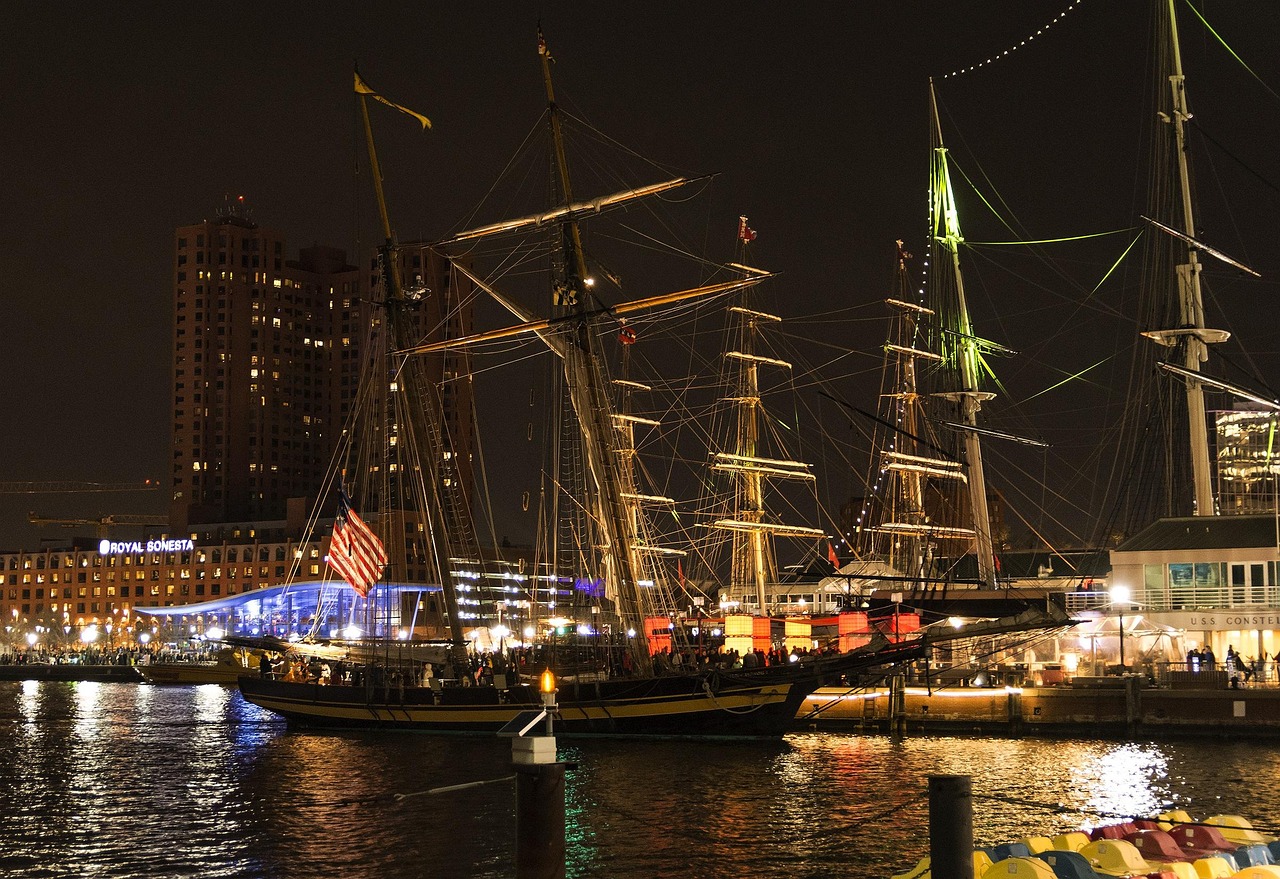
Next, I like to pick one or two of the Historic Ships in Baltimore to actually board. The USS Constellation is my go-to – if you’re into maritime history, you can easily spend an hour imagining what life was like on board.
- Best for: History buffs, families, anyone who loves nautical stuff.
- Accessibility: Some areas have steep steps and narrow passages; not great for mobility issues.
Then I walk or take the free Charm City Circulator (Purple Route) or Harbor Connector boat over to Federal Hill.
Federal Hill Park is one of my favorite viewpoints in the city. I usually time it for late afternoon so I can watch the light change over the skyline. On one summer trip, I grabbed ice cream from a nearby shop and joined locals hanging out on the hill – couples, kids flying kites, joggers doing laps around the park.
- View: Best skyline photo spot in Baltimore – Inner Harbor, skyscrapers, and ships in one frame.
- Romantic? Yes. Pack a blanket and watch the sunset.
Evening: Dinner & Drinks in Federal Hill
Federal Hill has a dense cluster of bars and restaurants. My usual routine:
- Ryleigh’s Oyster – for oysters and local seafood in a lively setting.
- Abbey Burger Bistro – build-your-own burgers; great for casual groups or families.
- Pub Dog – laid-back pizza and beer spot.
For nightlife, Federal Hill skews young and energetic – lots of sports bars and casual pubs. If I’m doing a low-key night before a big Day 2, I just wander back down to the harbor and take an evening stroll along the water.
Day 2: Fells Point, Little Italy & Waterfront Vibes
Day 2 in a 3 day itinerary for Baltimore is all about historic cobblestones, rowhouse charm, and eating your way through multiple neighborhoods.
Morning: Fells Point Stroll & Coffee
Fells Point is where I’d live if I moved to Baltimore. I usually start my morning at Daily Grind or Pitango Bakery + Café, sipping coffee while watching boats on the water.
- What to do: Wander Thames Street, poke into independent shops, and walk the waterfront promenade.
- Hidden gem: The small piers behind the shops where locals sit and read – great quiet spot.
Harbor Cruise or Water Taxi
If it’s nice out, I love hopping on the Baltimore Water Taxi for a short cruise. It’s both transport and sightseeing, with routes connecting Inner Harbor, Fells Point, Canton, and Locust Point.
Money-saving tip: Instead of a pricey harbor cruise, use the water taxi for “DIY sightseeing” – pick the longest route and enjoy the ride.
Lunch: Little Italy or Fells Point
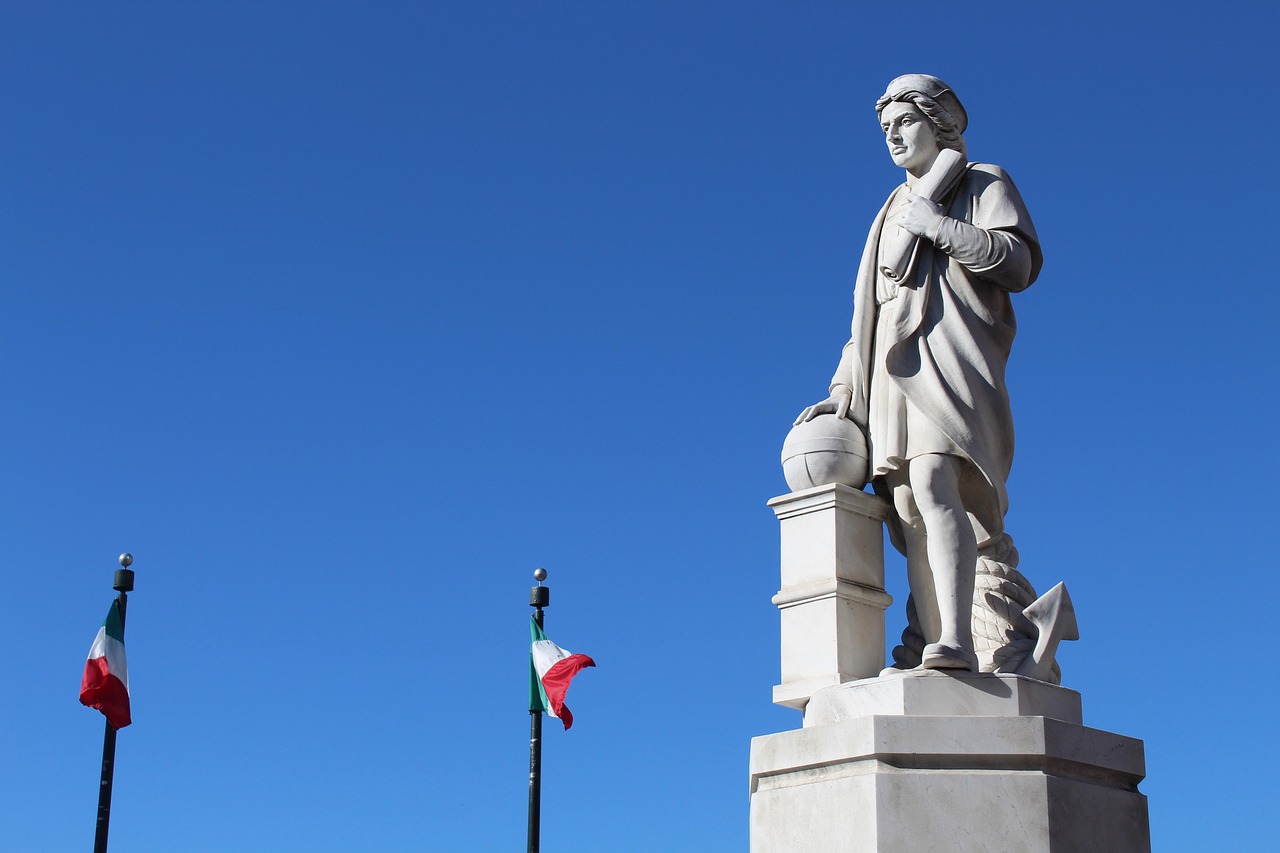
From Fells Point, it’s a short walk to Little Italy, one of the city’s most beloved food neighborhoods. I’ve had long, lazy lunches here that turned into afternoons of espresso and cannoli.
- Favorite sit-down spots:
- Sabatino’s – old-school, red-sauce Italian; generous portions, cozy vibe.
- La Tavola – slightly more contemporary but still classic.
- For dessert: Vaccaro’s Italian Pastry Shop – cannoli, gelato, and coffee.
Afternoon: Museum Choice – American Visionary Art Museum or Reginald F. Lewis Museum
Depending on your interests, I recommend one of two powerful museums for the afternoon.
Option 1: American Visionary Art Museum (AVAM)
The American Visionary Art Museum is one of my favorite places in the entire city – a colorful, funky museum dedicated to self-taught, “outsider” artists. The first time I visited, I expected to stay an hour and ended up there for three.
- Best for: Art lovers, creatives, anyone who likes offbeat, thought-provoking art.
- Don’t miss: The mirrored mosaic facade, the kinetic sculptures, and the gift shop (one of the best in Baltimore).
Option 2: Reginald F. Lewis Museum of Maryland African American History & Culture
If you want a deeper understanding of Baltimore’s soul, spend the afternoon at the Reginald F. Lewis Museum. Exhibits explore slavery, civil rights, and the contributions of African Americans in Maryland.
I remember leaving one exhibit about local civil rights leaders with goosebumps – it adds a whole new dimension when you later walk streets you’ve seen in historical photos.
Evening: Fells Point Pubs & Live Music
Fells Point comes alive at night with pubs, live music, and waterfront bars. For a romantic evening, I like to stroll along the piers at dusk, then duck into one of these spots:
- Thames Street Oyster House – excellent seafood; book ahead.
- Cat’s Eye Pub – live music, long-time local favorite.
- The Horse You Came In On Saloon – claims to be the last bar Edgar Allan Poe visited; very atmospheric.
Day 3: History, Mount Vernon & Station North Arts
On Day 3 of a 3 day itinerary for Baltimore, I like to trade the waterfront for culture and history inland.
Morning: Fort McHenry National Monument
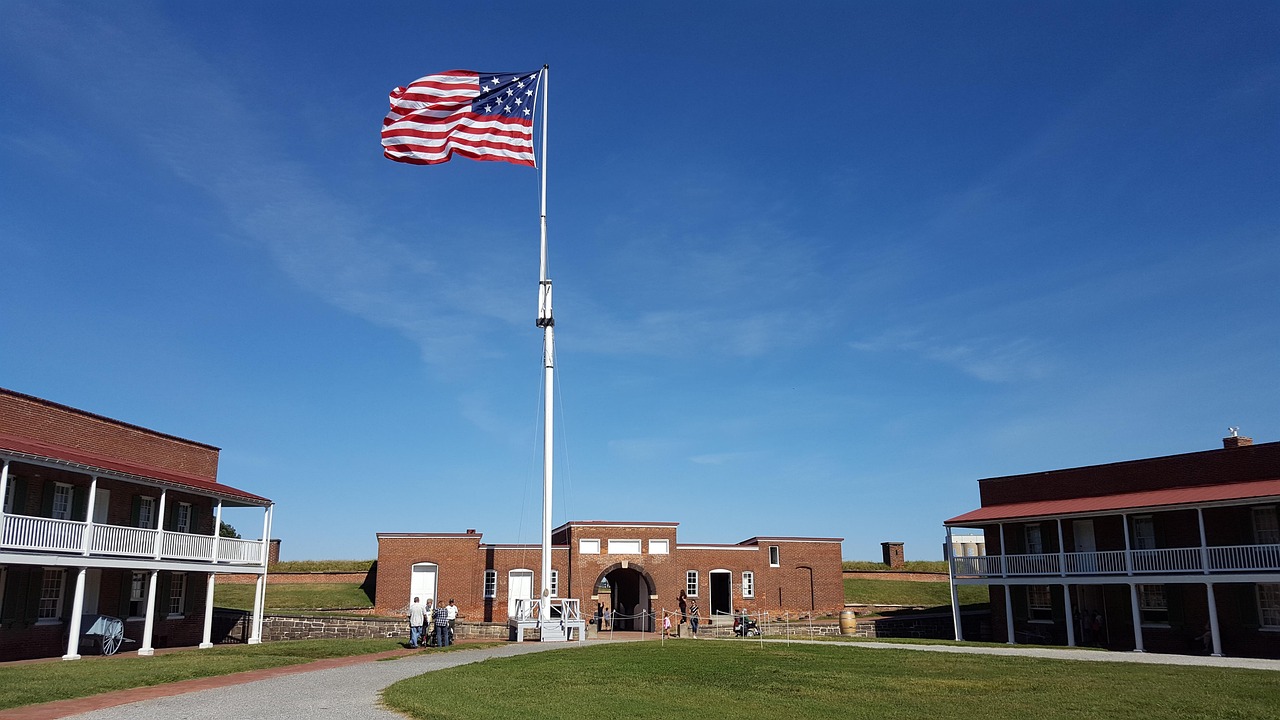
Start with a trip to Fort McHenry, the birthplace of the U.S. national anthem. It’s a short drive or rideshare from downtown; you can also reach it via water taxi from certain piers.
- Time needed: 2–3 hours, including the visitor center film and walking the ramparts.
- Family-friendly: Yes – open grounds for kids to run, ranger programs, flag ceremonies.
- Best moment: Standing on the fort’s walls looking out at the harbor while the flag flies above – incredibly moving.
Lunch: Locust Point or Back Downtown
Nearby Locust Point has some good neighborhood spots. I like grabbing a casual lunch at a local café or heading back toward the Inner Harbor area where options are denser.
Afternoon: Mount Vernon – Culture & Architecture
Mount Vernon is where Baltimore shows off its refined side: beaux-arts architecture, leafy parks, and grand cultural institutions.
- First stop: Washington Monument (yes, Baltimore’s is older than DC’s) – you can climb the interior spiral staircase for a view.
- Next: Walters Art Museum – free admission, with everything from ancient Egyptian artifacts to European paintings.
- Also nearby: Peabody Library – a stunning, multi-level library that looks like something out of Harry Potter (check open hours; often limited).
Late Afternoon & Evening: Station North Arts District
From Mount Vernon, you can walk or take the light rail up to Station North Arts & Entertainment District. This is one of Baltimore’s creative hubs.
I like to grab an early dinner at a neighborhood spot, then check what’s happening that night – film screenings, gallery openings, or live shows are common. For something iconic, see what’s playing at the Charles Theatre, a beloved art-house cinema.
Day 4: Hampden, Johns Hopkins & Local Life
If you have 4 days in Baltimore, Day 4 is where you start to feel like a local. This day is all about quirky neighborhoods and slower exploring.
Morning: Hampden & “The Avenue”
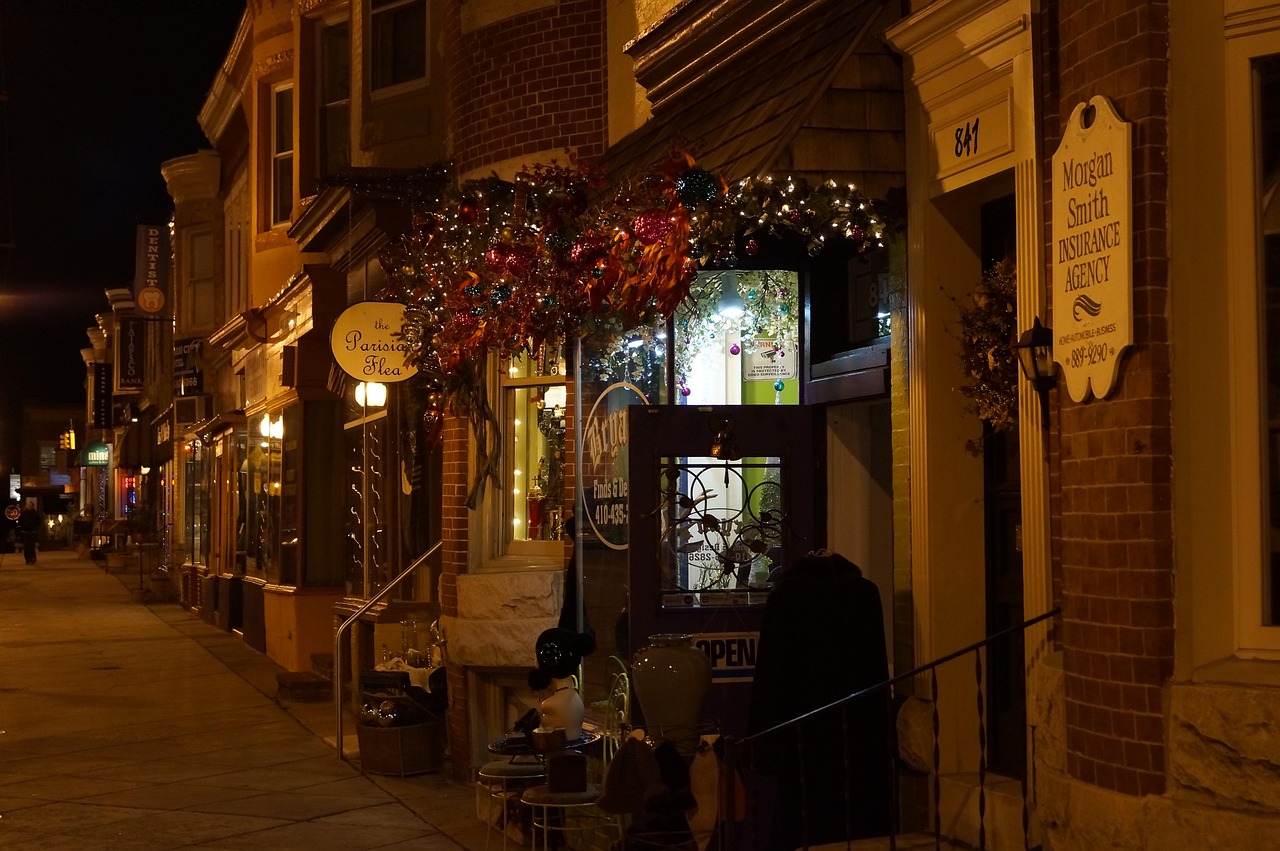
Hampden is Baltimore’s hipster-meets-working-class neighborhood, centered around 36th Street (called “The Avenue”). Every time I go, I find a new mural, vintage shop, or café that makes me linger.
- Breakfast: Golden West Café – Southwestern-influenced dishes; colorful, eclectic decor.
- Shopping: Vintage stores, local boutiques, record shops, and quirky gift stores.
- Photo spots: Rowhouses with front-porch “Baltimore stoops,” seasonal decorations, and murals.
Afternoon: Johns Hopkins Homewood Campus & Baltimore Museum of Art
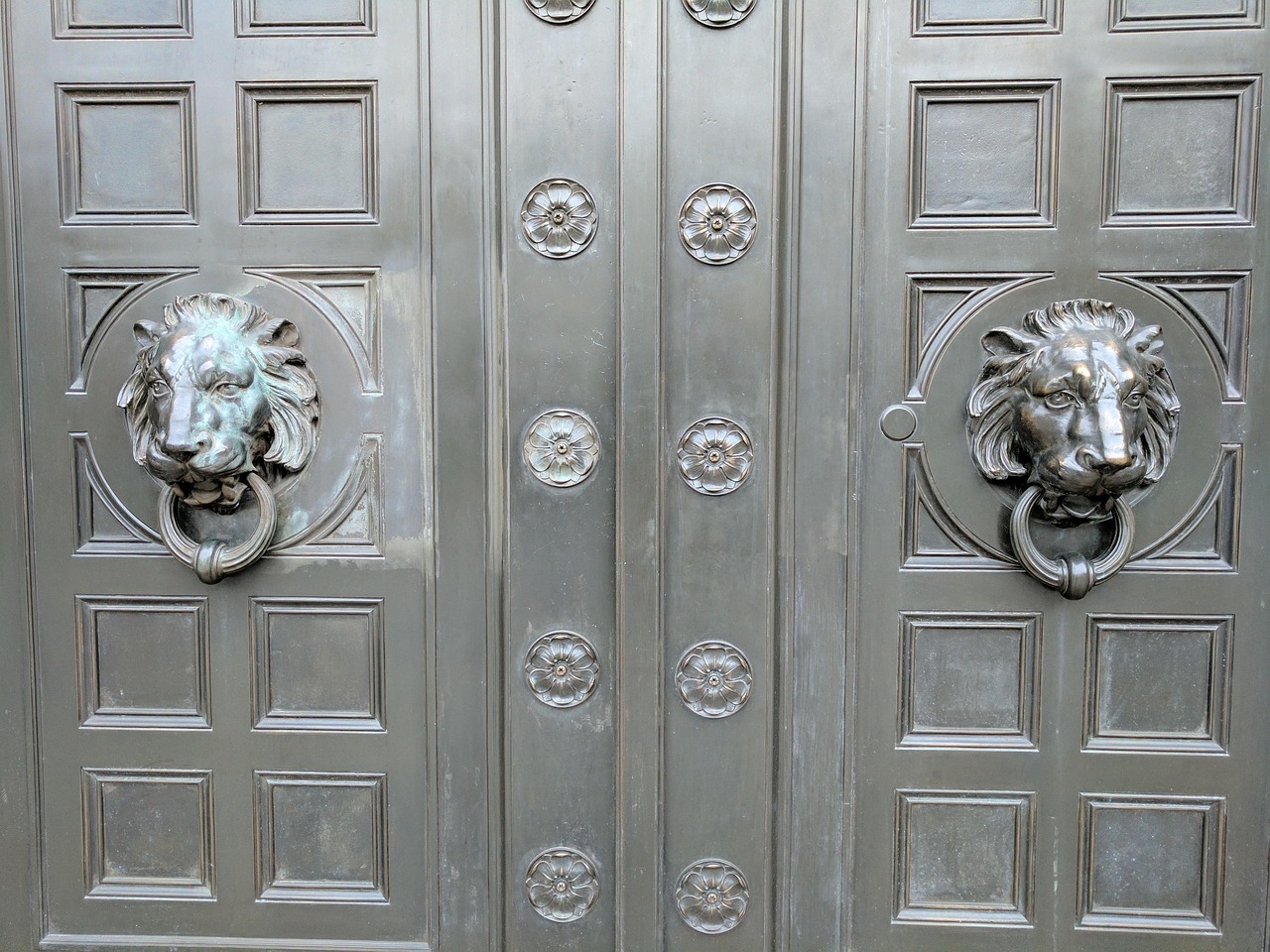
From Hampden, it’s a quick bus or rideshare to the Johns Hopkins University Homewood campus and the Baltimore Museum of Art (BMA).
- BMA: Free admission; known for its Cone Collection of Matisse and modern art, plus an excellent sculpture garden.
- Campus stroll: The Homewood campus is peaceful, with red brick and green lawns – a nice break from city streets.
Evening: Back to Hampden or Charles Village
On one trip, I spent a perfect evening in Hampden: early dinner at a farm-to-table restaurant, then drinks at a low-key neighborhood bar. It’s not as “nightlife-heavy” as Fells Point, but feels authentically local. If you’re craving something livelier, you can always head back downtown or to Federal Hill.
Day 5: Markets, Neighborhood Wandering & Flex Day
For those lucky enough to have 5 days in Baltimore, Day 5 is your flex day: revisit a favorite spot, or dig into more hidden gems in Baltimore.
Morning: Lexington Market & Downtown History
Start at Lexington Market, one of the country’s oldest markets. The revamped building is modern, but the spirit remains: stalls selling seafood, soul food, baked goods, and more.
- Must-try: Faidley’s Seafood for a classic crab cake (more on this in the food section).
- Budget tip: You can get a filling meal here for much less than at the Inner Harbor.
Afternoon: Choose Your Own Adventure
Depending on your interests, I recommend one of these:
- Sports fan? Tour Oriole Park at Camden Yards or catch a game if the Orioles are in town.
- Science & kids? Head to the Maryland Science Center on the south side of the Inner Harbor.
- Street art & culture? Explore more of Station North or check out neighborhood murals.
- Day trip? Hop to nearby Annapolis or DC – see the day trips section below.
Evening: Last-Night Views & Seafood
For my final night in Baltimore, I like to book a relaxed seafood dinner – maybe back in Fells Point or in Canton – and take one last harbor walk. Watching the city lights reflected on the water is the perfect way to wrap up a 4 or 5 day itinerary for Baltimore.
Top 20 Must-See Attractions in Baltimore (With Local Insights)
Below are 20 of the best places to visit in Baltimore. For each, I’ll share history, what to expect, and personal tips from my repeated visits.
1. Inner Harbor
Why go: The Inner Harbor is the beating heart of most visitors’ experiences. It’s where you’ll find the National Aquarium, harbor cruises, and sweeping skyline views.
History: Once a working port of warehouses and shipyards, the Inner Harbor was redeveloped in the late 20th century as a model of urban waterfront renewal. Today, it’s ringed by museums, hotels, and promenades.
My experience: I’ve visited the harbor in every season – from frozen winter mornings to humid summer nights. My favorite time is just after sunset, when the lights from the high-rises reflect on the water and street musicians start playing.
Tips: Walk the full loop if you can, including Harbor East and Federal Hill sides. Bring a light jacket – the wind off the water can be chilly, even in spring.
2. National Aquarium
Why go: Consistently ranked among the top aquariums in the U.S., this is a centerpiece of any 3 day itinerary for Baltimore, especially for families.
Highlights: Giant sharks, colorful reef fish, jellyfish, a rainforest habitat, and interactive exhibits on conservation. The architecture itself – with glass pyramids and multi-level habitats – is striking.
My anecdote: On a quiet weekday morning in 2024, I lingered so long at the Jellies Invasion exhibit that a staff member laughed and said, “They’re hypnotic, aren’t they?” He was right.
Tips: Go early, bring a water bottle (there are refill stations), and plan your route so you don’t backtrack. Check for special behind-the-scenes tours if you’re a marine life nerd.
3. Fort McHenry National Monument and Historic Shrine
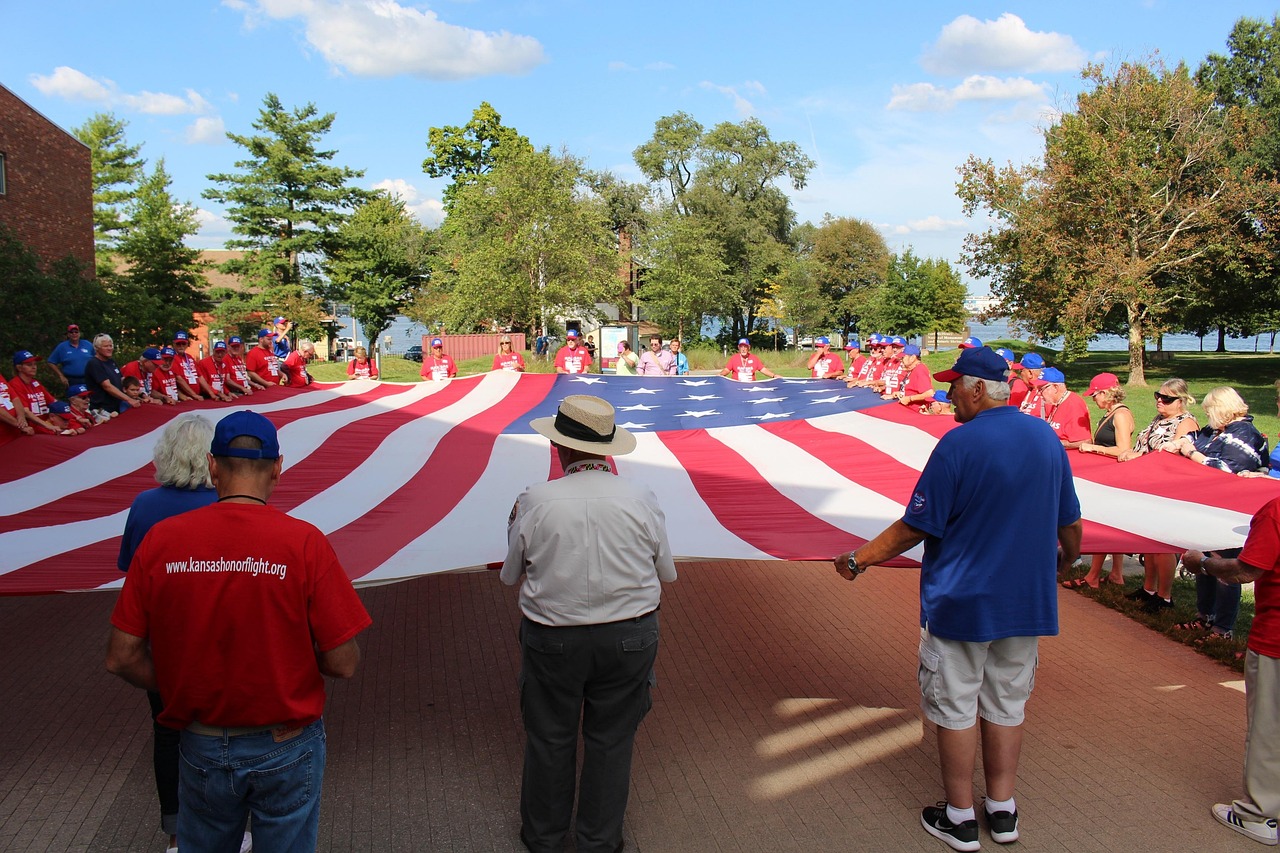
Why go: This is where the “Star-Spangled Banner” was born during the War of 1812. It’s not just a fort; it’s a symbol.
History: In 1814, British forces bombarded Fort McHenry for 25 hours. When the smoke cleared, the American flag still flew, inspiring Francis Scott Key to write the poem that became the national anthem.
My experience: Watching the short film in the visitor center that ends with the curtains lifting to reveal the real flag outside was surprisingly emotional. I’ve done it three times and it still gets me.
Tips: Visit on a clear day to walk the grounds; bring a picnic if the weather’s nice. Check for ranger talks and flag-changing ceremonies.
4. American Visionary Art Museum (AVAM)
Why go: One of the most unique museums in the country, AVAM celebrates self-taught artists and visionary creativity.
Atmosphere: Expect giant sculptures, wild mosaics, and deeply personal, often moving works about spirituality, mental health, and the human condition.
My anecdote: I once spent 20 minutes listening to a recorded story from an artist about how art helped him through trauma. I walked out of that gallery feeling like I’d had a conversation with an old friend.
Tips: Leave enough time for the sculpture garden and the gift shop. Photography is allowed in many areas but double-check signage.
5. Fells Point
Why go: A 18th-century waterfront neighborhood with cobblestone streets, brick rowhouses, and lively pubs.
History: Founded in 1763 as a shipbuilding and trade hub, Fells Point has long been tied to the sea and immigration. It was also a major shipyard for privateer vessels during the War of 1812.
My experience: I’ve done everything in Fells Point from quiet solo sunrise walks to rowdy nights bar-hopping with friends. It’s one of the few places that works equally well for families by day and night owls later on.
Tips: Wear comfortable shoes (the cobblestones are unforgiving). If you’re sensitive to noise, avoid staying in a hotel directly above Thames Street bars.
6. Federal Hill & Federal Hill Park
Why go: For the best view of the Inner Harbor and a lively neighborhood atmosphere.
History: Federal Hill was a defensive position during the Civil War and has long been a lookout point over the harbor. Today, it’s surrounded by rowhouses, bars, and restaurants.
My anecdote: One summer evening, I watched a couple get engaged at the top of the hill while a small crowd below started clapping. It’s that kind of place.
Tips: The hill is a bit steep but short; there are stairs and paths. Come at golden hour for photos, then stay for dinner nearby.
7. Mount Vernon Place & Washington Monument
Why go: For elegant architecture, leafy squares, and a sense of “old Baltimore” refinement.
History: Mount Vernon was home to the city’s 19th-century elite. The Washington Monument here, completed in 1829, predates the more famous one in DC.
My experience: On a crisp fall day, I climbed the narrow spiral staircase of the monument and watched the city unfold in every direction – church spires, rowhouse roofs, and the harbor glinting in the distance.
Tips: Check opening hours for monument climbs; they can vary. Combine with the Walters Art Museum and Peabody Library for a full Mount Vernon afternoon.
8. Walters Art Museum
Why go: One of the best free art museums in the U.S., with a surprisingly global, encyclopedic collection.
Highlights: Ancient Egypt, Greek and Roman artifacts, medieval armor, Renaissance paintings, and Asian art. It’s the kind of place where you wander and constantly say, “Wait, they have this too?”
My anecdote: I once ducked into the Walters just to “kill an hour” on a rainy day and ended up staying until closing, nursing a coffee in the courtyard between galleries.
Tips: Free admission; donations appreciated. Great option on a hot or rainy day.
9. Baltimore Museum of Art (BMA)
Why go: Renowned for its modern and contemporary art, especially the Cone Collection (Matisse, Picasso, etc.), and a lovely sculpture garden.
My experience: I love wandering the sculpture garden on a spring afternoon, then grabbing a coffee nearby. The indoor galleries are manageable in size, so you don’t feel overwhelmed.
Tips: Also free admission. Combine with a stroll through Johns Hopkins’ Homewood campus or nearby Charles Village.
10. Oriole Park at Camden Yards
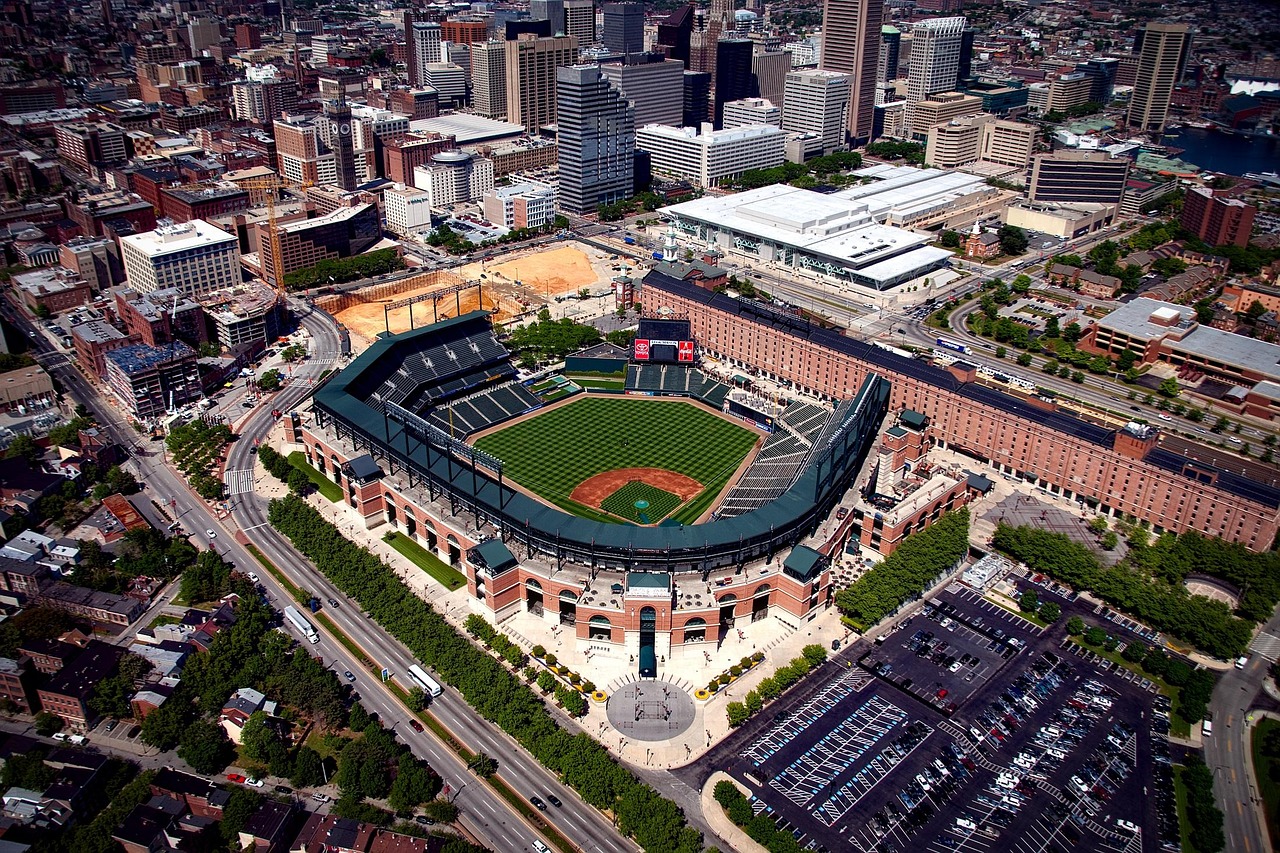
Why go: Even if you’re not a hardcore baseball fan, Camden Yards is a beautiful, retro-style ballpark and a Baltimore icon.
History: Opened in 1992, it sparked a movement toward “retro-classic” stadiums across the U.S.
My anecdote: I still remember my first game here: bright orange jerseys everywhere, the smell of Old Bay, and the crowd erupting when “Thank God I’m a Country Boy” played during the 7th inning stretch.
Tips: Consider a daytime tour if you’re visiting outside baseball season. For games, arrive early to explore the concourses and historic B&O Warehouse backdrop.
11. M&T Bank Stadium
Why go: Home of the NFL’s Baltimore Ravens, this stadium is electric on game days.
My experience: Attending a Ravens game is a full-day cultural experience – tailgating, purple jerseys everywhere, and the roar when the team takes the field. If you’re a sports fan, it’s worth aligning your trip with a home game.
Tips: Check for stadium tours in the offseason. On non-game days, you can still walk around the exterior and see the statues of legends like Ray Lewis.
12. Lexington Market
Why go: A historic public market and a perfect introduction to local food in Baltimore.
History: Operating since 1782, Lexington Market has survived fires, relocations, and redevelopment. The current building is new, but many of the legacy vendors remain.
My experience: I always make a beeline for Faidley’s for a crab cake and then wander the other stalls, nibbling on samples. It’s a great way to see everyday Baltimore life.
Tips: Go by day. It’s walkable from downtown hotels, but if you’re unsure, a short rideshare is cheap and easy.
13. Hampden & “The Avenue”
Why go: For quirky shops, good food, and a strong sense of neighborhood identity.
My anecdote: One December, I visited during the “Miracle on 34th Street” holiday lights spectacle – an entire block of rowhouses covered in over-the-top decorations. It was cold, crowded, and absolutely delightful.
Tips: Visit by day for shopping and people-watching; evenings can be lively but still laid-back. Great place to pick up unique souvenirs.
14. Johns Hopkins University Homewood Campus
Why go: A peaceful, collegiate oasis of brick buildings and green lawns, close to the BMA and Hampden.
My experience: I often use the campus as a “reset” during city trips – a quiet walk, a coffee, and some people-watching among students.
Tips: Respect campus rules and privacy; stick to public paths and quads.
15. Station North Arts & Entertainment District
Why go: For street art, creative venues, and indie theaters.
My experience: I once stumbled into a pop-up art show here after dinner and ended up talking with local artists about their work and the neighborhood’s changes for over an hour.
Tips: Best explored in the afternoon and early evening. Check local listings for events at galleries and theaters.
16. Little Italy
Why go: For hearty Italian meals, dessert, and a neighborhood that feels like a time capsule.
My anecdote: On a summer night, I watched an outdoor movie screening in Little Italy’s square with locals who clearly all knew each other. It felt like stepping into a small-town festival.
Tips: Come hungry. Make reservations at popular restaurants on weekends. Save room for cannoli.
17. Canton Waterfront Park & Canton Square
Why go: For a slightly more residential waterfront vibe, with parks, marinas, and bars around Canton Square.
My experience: I love grabbing a takeaway coffee and sitting by the water here, watching joggers and dog walkers. It feels very “everyday Baltimore.”
Tips: Combine with Fells Point via water taxi or waterfront walk if you’re up for it.
18. Maryland Science Center
Why go: A hands-on science museum on the Inner Harbor, especially great for kids.
My experience: The last time I visited with friends and their children, we had trouble dragging the kids away from the interactive exhibits. The planetarium shows are a nice bonus.
Tips: Good rainy-day backup plan. Look for combo tickets with other Inner Harbor attractions.
19. Reginald F. Lewis Museum of Maryland African American History & Culture
Why go: For deep, powerful context on Maryland’s African American history and culture.
My anecdote: I left this museum with pages of notes in my phone – names, dates, and stories to look up later. It made the rest of my walks through Baltimore feel richer and more grounded.
Tips: Give yourself at least 2 hours. Emotionally heavy in parts; take breaks if needed.
20. Edgar Allan Poe House & Poe’s Grave
Why go: For literature lovers and anyone fascinated by Poe’s life and mysterious death.
History: Poe lived in this small brick house in the 1830s. He died in Baltimore in 1849 under still-debated circumstances; his grave is at Westminster Hall & Burying Ground.
My experience: The house itself is tiny, and standing in Poe’s former bedroom feels strangely intimate. Later, paying respects at his grave, I found a small group of fans quietly reciting his poems.
Tips: Check opening hours (they can be limited). The neighborhood around the house is not touristy; I usually use rideshare directly there and back.
Neighborhoods & Districts to Explore in Baltimore
Inner Harbor & Harbor East
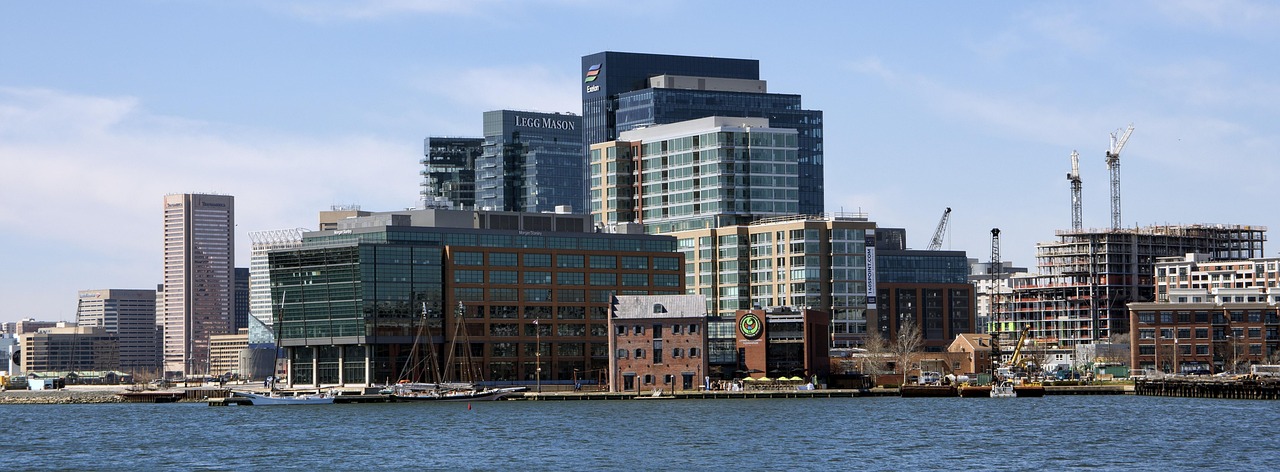
Vibe: Tourist-friendly, polished, and walkable. Harbor East is the more upscale, modern extension with high-rise apartments, hotels, and chic restaurants.
Best for: First-time visitors, families, short stays, and anyone wanting to be close to major attractions.
Fells Point
Vibe: Historic, lively, and a little bohemian.
Best for: Nightlife, waterfront walks, and staying in character-filled hotels or Airbnbs.
Federal Hill
Vibe: Young professionals, rowhouse streets, lots of bars and restaurants.
Best for: Social travelers, those who want nightlife without sacrificing safety or aesthetics.
Mount Vernon
Vibe: Artsy, historic, and a bit quieter than the harbor.
Best for: Culture lovers, architecture fans, and more affordable, central stays.
Hampden
Vibe: Quirky, artsy, and fiercely local.
Best for: Repeat visitors, travelers who like neighborhoods over tourist zones, and great dining.
Station North Arts District
Vibe: Creative, transitional, and full of potential.
Best for: Nighttime events, film and art shows, street art.
Canton
Vibe: Residential waterfront with a strong bar and restaurant scene around Canton Square.
Best for: Longer stays and travelers who want a local neighborhood base with easy harbor access.
Best Local Food in Baltimore & Where to Eat
Classic Baltimore Dishes You Have to Try
- Crab Cakes: The city’s signature dish. Look for jumbo lump crab, minimal filler, and Old Bay seasoning.
- Steamed Blue Crabs: Whole crabs dumped on paper-covered tables, doused in Old Bay, eaten with mallets and your hands.
- Pit Beef: Charcoal-grilled beef, thinly sliced, served on a roll with onions and “tiger sauce.”
- Berger Cookies: Fudgy, iced shortbread-style cookies – very sweet, very Baltimore.
- Lake Trout (which is not actually trout): Deep-fried fish sandwich, a Baltimore staple.
Where I Actually Eat in Baltimore
Some personal favorites for different budgets and moods:
- Faidley’s Seafood (Lexington Market) – For classic crab cakes in a no-frills setting. I stand at the counter with locals and tourists alike, savoring every bite.
- Thames Street Oyster House (Fells Point) – For a romantic seafood dinner; make reservations.
- LP Steamers (Locust Point) – For steamed crabs at picnic tables; bring friends and get messy.
- Miss Shirley’s Café (Inner Harbor, Roland Park) – For Southern-style brunch; huge portions, great for families.
- Golden West Café (Hampden) – For quirky, veggie-friendly, and Southwestern-influenced dishes.
- Ekiben (multiple locations) – For Asian-fusion buns and bowls; casual and delicious.
Money-saving tip: Eat your big meal at lunch when some places have cheaper menus, then go lighter at dinner.
Local Drinks & Breweries
Baltimore’s craft beer scene is strong, and you’ll also see plenty of National Bohemian (“Natty Boh”) – the nostalgic local beer mascot you’ll spot on signs and murals.
- Union Craft Brewing – Large taproom, great selection; often food trucks.
- Diamondback Brewing Co. – Near Locust Point with a relaxed vibe.
- Suspended Brewing Company – Creative beers in a unique space.
Nightlife, Entertainment & Cultural Experiences in Baltimore
Nightlife Hotspots
Fells Point: Pubs, live music, and late-night bars. Great for bar-hopping.
Federal Hill: Sports bars, rooftop spots, and a young, energetic crowd.
Canton Square: More local-feeling bars and restaurants around the square.
Performing Arts & Live Music
- Joseph Meyerhoff Symphony Hall: Home of the Baltimore Symphony Orchestra.
- Hippodrome Theatre: Touring Broadway shows and big performances.
- Ottobar & Metro Gallery: Smaller venues for indie bands and local acts.
- Cat’s Eye Pub: Live music in Fells Point almost every night.
Cultural Experiences in Baltimore
Beyond museums and theaters, Baltimore’s culture is in its murals, stoop culture, and festivals.
- Take a street art walk in Station North or along certain corridors like the Waverly or Highlandtown arts districts.
- Join a food or history walking tour in Fells Point or Mount Vernon to hear local stories.
- Time your visit for events like the HonFest in Hampden or neighborhood block parties in summer.
Major Events & Festivals in Baltimore (2026–2027)
Exact dates change yearly, but here’s what to watch for in 2026–2027 when planning your travel guide for Baltimore–inspired trip:
- Light City / Brilliant Baltimore (Spring 2026): Light installations, projections, and performances around the Inner Harbor and downtown.
- Baltimore Pride (June 2026 & 2027): Parade, block party, and events across the city.
- Artscape (Expected Summer/Fall 2026): Large arts festival with installations, performances, and vendors; historically centered around Station North and Mount Vernon.
- HONfest (June 2026 & 2027): Hampden’s celebration of “Hon” culture – beehive hair, leopard print, and all things kitschy Baltimore.
- Baltimore Book Festival (Fall 2026): Author talks, book stalls, and readings, often combined with other downtown festivals.
- Lighted Boat Parade (December 2026 & 2027): Decorated boats cruising the Inner Harbor and Fells Point.
- Ravens & Orioles Seasons (2026–2027): NFL and MLB games bringing sports energy and tailgates.
As 2026 approaches, check Visit Baltimore’s official site for updated festival schedules and any new waterfront events tied to ongoing harbor redevelopment.
Day Trips & Nearby Getaways from Baltimore
Annapolis
Distance: ~35–45 minutes by car.
Why go: Colonial streets, the U.S. Naval Academy, and a pretty harbor. Great complement to a Baltimore trip if you love historic towns.
Washington, DC
Distance: ~40 minutes by Amtrak or MARC train.
Why go: National Mall, Smithsonian museums, monuments – easy to do as a long day trip if you’re using Baltimore as a cheaper base.
Chesapeake Bay Towns
Explore smaller waterfront communities like Havre de Grace or Kent Island for quieter walks, lighthouses, and seafood.
Cultural Etiquette & Local Customs in Baltimore
Baltimore is friendly but no-nonsense. A few things I’ve picked up over repeated visits:
- Be polite and relaxed: A simple “Good morning” or “How you doing?” goes a long way, especially in neighborhoods where tourists are less common.
- Respect stoops: Rowhouse stoops are semi-private spaces. Don’t sit on someone’s steps or porch without permission.
- Tipping: Standard U.S. tipping applies – 18–20% in restaurants, $1–2 per drink at bars, $2–5 for hotel housekeeping per day.
- Photography: Ask before photographing people, especially in markets or residential areas.
- Sports loyalties: Baltimoreans are fiercely loyal to the Orioles and Ravens. Light-hearted team banter is fine, but don’t be rude about local teams.
- Safety awareness: Like any city, some areas are safer than others, especially at night. Locals will usually be honest if you ask whether it’s okay to walk somewhere after dark.
Practical Travel Advice for Baltimore (2026)
Getting Around Baltimore
- On foot: Inner Harbor, Fells Point, Federal Hill, and Mount Vernon are all very walkable within their own zones.
- Public transit:
- Charm City Circulator: Free bus routes connecting key neighborhoods (Purple Line, Orange Line, etc.). Great for budget travelers.
- Light Rail & Metro: Useful for getting to/from the airport, stadiums, and some neighborhoods.
- Water transport:
- Baltimore Water Taxi: Scenic and practical between harbor neighborhoods.
- Harbor Connector: Some routes act as commuter ferries; check current schedules.
- Rideshare & taxis: Uber and Lyft are widely available and often the simplest option at night.
- Driving: A car is useful for day trips and some outer neighborhoods, but parking downtown can be pricey. Many hotels charge for parking.
SIM Cards, Connectivity & Money-Saving Tips
- SIM cards: For international visitors, grab an eSIM or a prepaid SIM from carriers like T-Mobile or AT&T at major airports or electronics retailers. Coverage in Baltimore is generally solid.
- Wi-Fi: Most hotels, many cafés, and some public spaces offer free Wi-Fi.
- Saving money:
- Use the Charm City Circulator instead of rideshares for short hops.
- Eat at markets and neighborhood spots rather than waterfront tourist traps.
- Take advantage of free museums like the Walters and BMA.
Where to Stay in Baltimore (on Different Budgets)
- Inner Harbor / Harbor East: Best for first-time visitors; mostly mid-range to higher-end hotels.
- Mount Vernon: Slightly cheaper, full of character, still central.
- Fells Point / Canton: Great for apartments and boutique stays; better for longer trips.
- Budget tip: Look for deals on weekends outside major events; some business hotels lower rates on Fridays and Saturdays.
Visa Requirements & Driving Rules for International Visitors
Visas: Baltimore follows U.S. federal rules. Many travelers from Europe, parts of Asia, and other regions can use the Visa Waiver Program (ESTA); others need to apply for a tourist visa in advance. Always check the latest requirements on official U.S. government sites before 2026 travel.
Driving:
- Visitors can usually drive with a valid foreign driver’s license for a limited period; an International Driving Permit is recommended and sometimes required by rental agencies.
- Driving is on the right-hand side. Seatbelts are mandatory; phone use while driving is restricted.
- Downtown parking can be expensive; use garages and avoid leaving valuables in plain sight.
Best Seasons to Visit Baltimore & What They’re Good For
- Spring (April–June): My personal favorite. Mild weather, blooming trees in Mount Vernon and along residential streets, and lots of festivals. Great for walking-heavy itineraries and harbor views.
- Summer (July–August): Hot and humid, but lively – outdoor events, baseball games, and long evenings by the water. Perfect if you want to eat steamed crabs outside and stay up late. Plan for AC breaks and sun protection.
- Fall (September–November): Comfortable weather, fewer crowds, and beautiful foliage in parks and neighborhoods. Excellent for a 3 or 4 day itinerary for Baltimore focused on culture and food.
- Winter (December–March): Cold, with occasional snow. Fewer tourists and lower prices on flights and hotels. Good for museum-hopping and holiday events like Hampden’s lights and Inner Harbor festivities.
Summary: Key Takeaways for Planning Your Trip to Baltimore
Planning 3 days in Baltimore? Focus on the Inner Harbor, Fells Point, Federal Hill, and Mount Vernon – you’ll cover most must-see attractions in Baltimore while still tasting the city’s character.
With 4 days in Baltimore, add a day for Hampden, the BMA, and Johns Hopkins, and start to explore more hidden gems in Baltimore like Station North.
Give yourself 5 days in Baltimore and you can add day trips, dive deeper into neighborhoods like Canton and Locust Point, and really eat your way through the city’s local food in Baltimore.
Overall, the best time to visit Baltimore is spring (April–June) and fall (September–October), when weather is comfortable and outdoor exploring is a joy. Summer is great if you love festivals and don’t mind heat; winter is ideal if you prioritize museums, indoor cultural experiences in Baltimore, and cheaper prices.
Come with curiosity, comfortable shoes, and an appetite. Leave with Old Bay on your fingers, photos from Federal Hill, and a deeper appreciation for a city that truly earns its nickname: Charm City.