Why Visit Boston in 2026?
Boston is one of those rare cities where you can stand on a cobblestone street older than your country, then turn the corner into a glass-and-steel tech hub and a bustling waterfront in the same breath. In 2026, the city feels especially alive: new restaurants are opening in former industrial spaces, the Seaport skyline keeps climbing, and long-time neighborhoods like the North End and Jamaica Plain are as fiercely local—and delicious—as ever.
I’ve visited Boston more times than I can count—solo, with friends, as a couple, and with kids in tow. I’ve walked the Freedom Trail in blazing July heat, ice-skated on the Frog Pond in January, and watched the Charles River glow orange at sunset in October. Each trip feels familiar yet different, like revisiting an old friend who always has a new story.
This 2026 travel guide to Boston is designed to be both a story and a toolkit: you’ll get detailed 3–5 day itineraries, deep dives into more than 20 major attractions, neighborhood breakdowns, local food and drink tips, and practical travel advice—from public transport and SIM cards to cultural etiquette and seasonal strategies. Whether you have 3 days in Boston or a full 5 day itinerary, you’ll be able to craft a trip that feels personal, not pre-packaged.
Table of Contents
- Why Visit Boston in 2026?
- Boston at a Glance
- Suggested 3–5 Day Itineraries
- 20+ Must-See Attractions in Boston (Local Stories & Tips)
- Neighborhoods & Districts to Explore
- Best Local Food & Drink in Boston
- Nightlife, Entertainment & Cultural Experiences
- Major Events in 2026–2027
- Best Day Trips from Boston
- Cultural Etiquette & Local Customs
- Practical Travel Tips & Money-Saving Hacks
- Summary & Best Time to Visit Boston
Boston at a Glance
Boston is compact, walkable, and layered with history. You can cross the main downtown area on foot in under 30–40 minutes, yet within that radius you’ll touch the Financial District, the Freedom Trail, the North End, Beacon Hill, Back Bay, Chinatown, and the Seaport.
- Population: ~700,000 (city), ~5 million (metro)
- Vibe: Historic, intellectual, sports-obsessed, surprisingly laid-back once you step off the main arteries
- Best for: History lovers, foodies, families, couples, culture seekers, and anyone who likes to explore on foot
- Good to know: Boston drivers have a reputation (earned). Thankfully, you don’t need a car unless you’re doing day trips.
Suggested 3–5 Day Itineraries for Boston
These itineraries build on each other: use the 3 day itinerary for Boston as a core, then add extra days to deepen your experience.
3 Days in Boston: Classic Highlights (First-Timers)
If it’s your first time and you only have 3 days in Boston, focus on the classics: the Freedom Trail, the waterfront, Cambridge, and a taste of local food. Here’s how I usually plan a friend’s first 3 day itinerary for Boston.
Day 1: Freedom Trail, North End & Waterfront
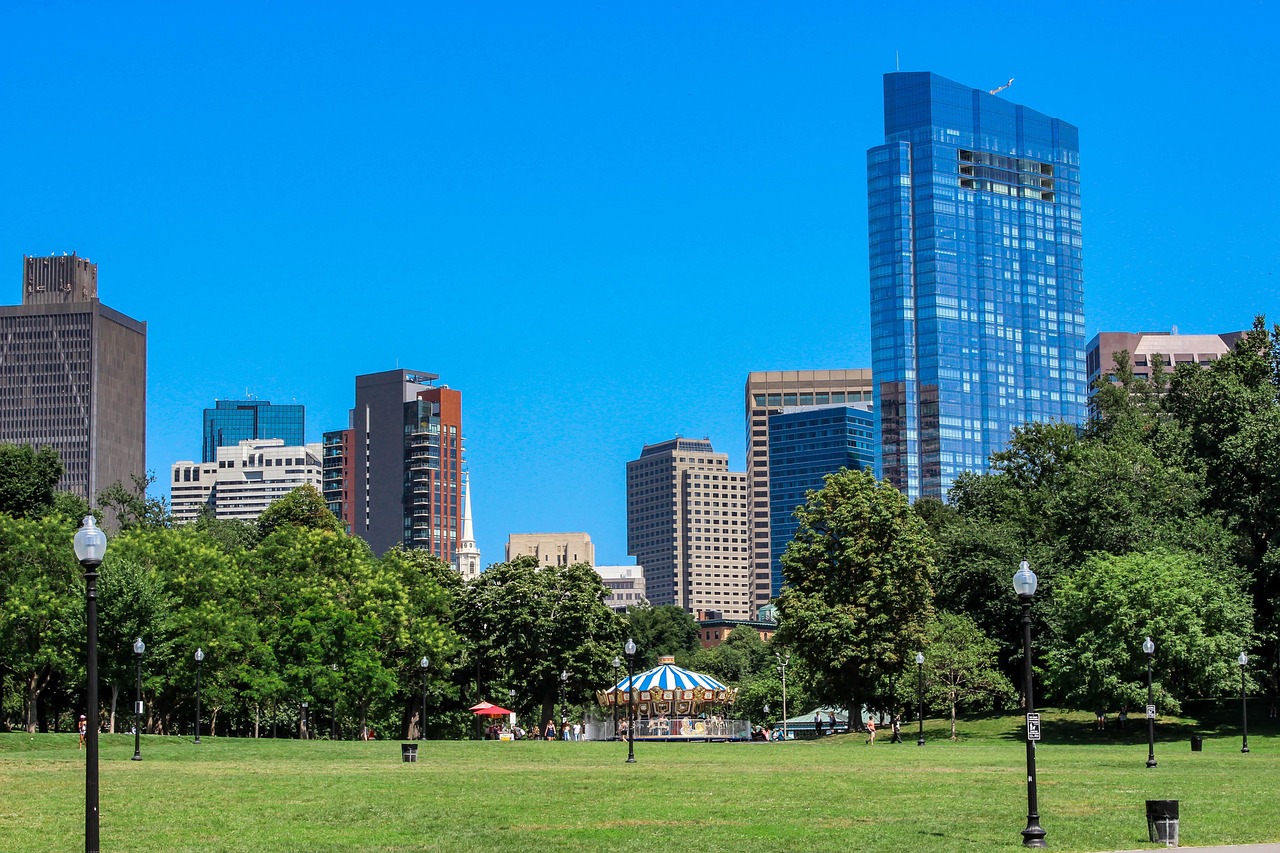
I like to start early at Boston Common, before the tour groups thicken. Watching dog walkers and joggers weave through America’s oldest public park sets the tone: historic but lived-in, not a museum piece.
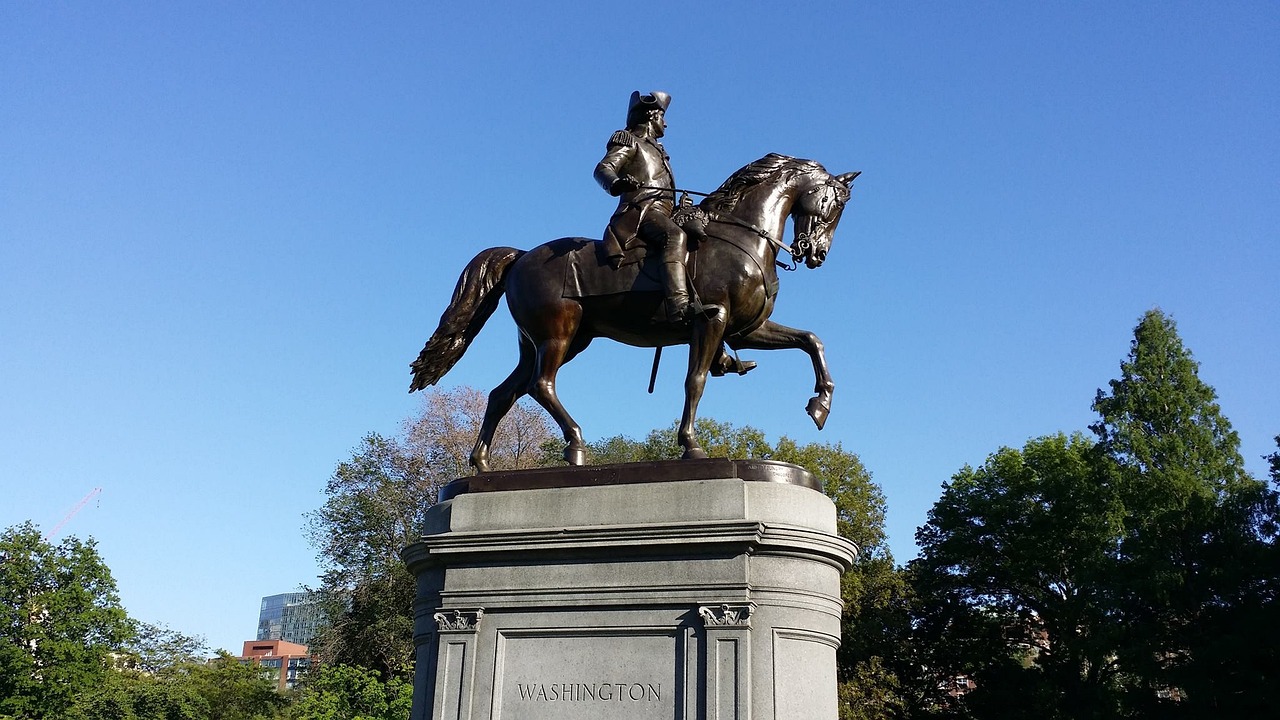
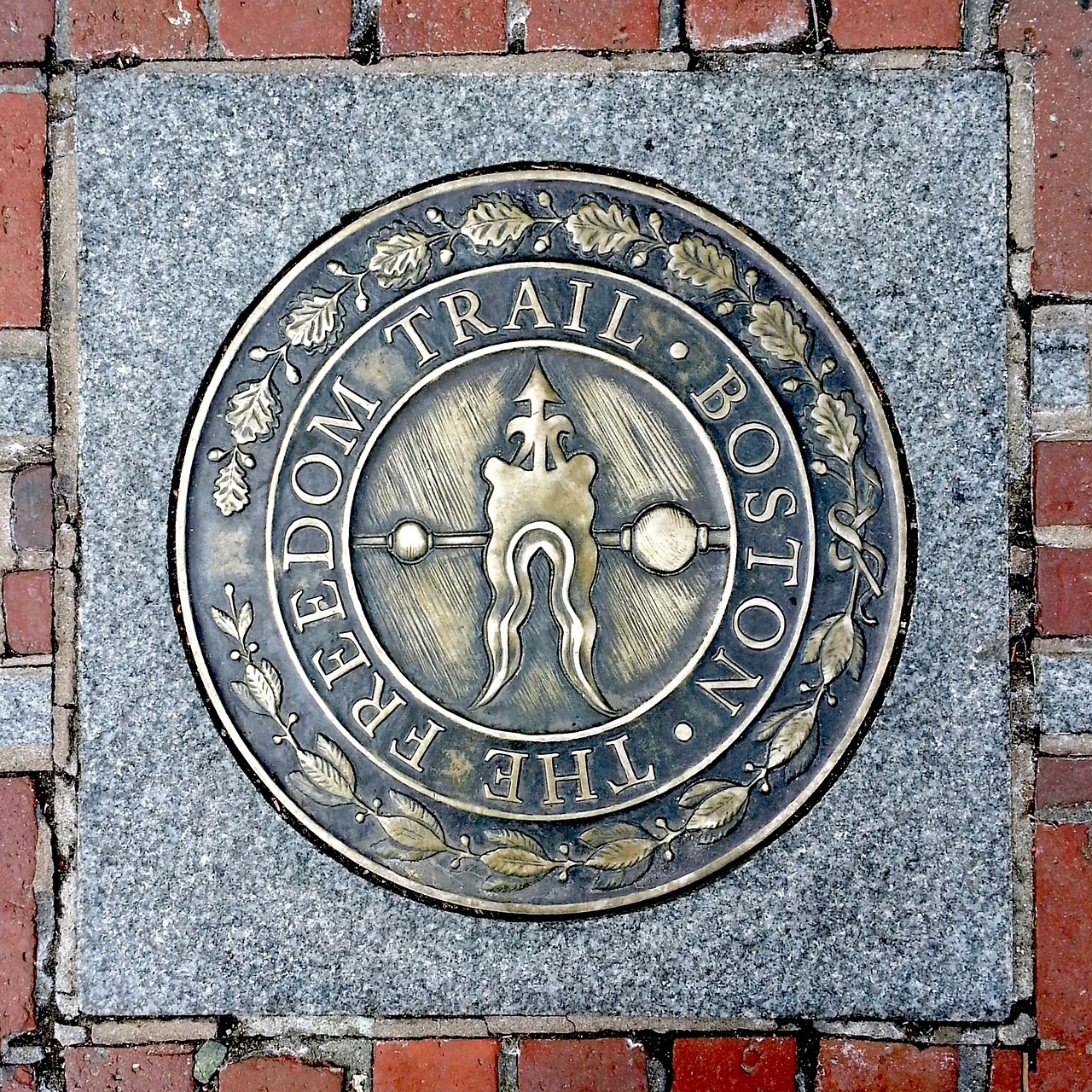
Follow the Freedom Trail toward Faneuil Hall, but don’t rush it. On one of my spring trips, I lingered at the Granary Burying Ground, reading tombstones of Paul Revere and Samuel Adams while a school group practiced Revolutionary War songs nearby. Cheesy? A little. Memorable? Absolutely.
- Morning: Boston Common → Massachusetts State House (quick peek) → Park Street Church → Granary Burying Ground → King’s Chapel.
- Lunch: Head to Faneuil Hall / Quincy Market for an easy, touristy-but-fun lunch. Grab a lobster roll (yes, even if it’s not the “best” in the city) to set the tone.
- Afternoon: Continue the Freedom Trail into the North End, Boston’s Little Italy. Visit the Paul Revere House and Old North Church if you like history, or just wander narrow streets and smell the garlic and coffee.
- Evening: Dinner in the North End (I love tiny side-street trattorias), then a stroll along the Boston Harborwalk at sunset.
Family-friendly: Kids tend to love the “treasure hunt” feel of following the red line of the Freedom Trail. Bring snacks; there’s a lot of walking.
Romantic touch: Book a harbor sunset sail from Long Wharf after your North End dinner.
Day 2: Back Bay, Copley Square & Fenway
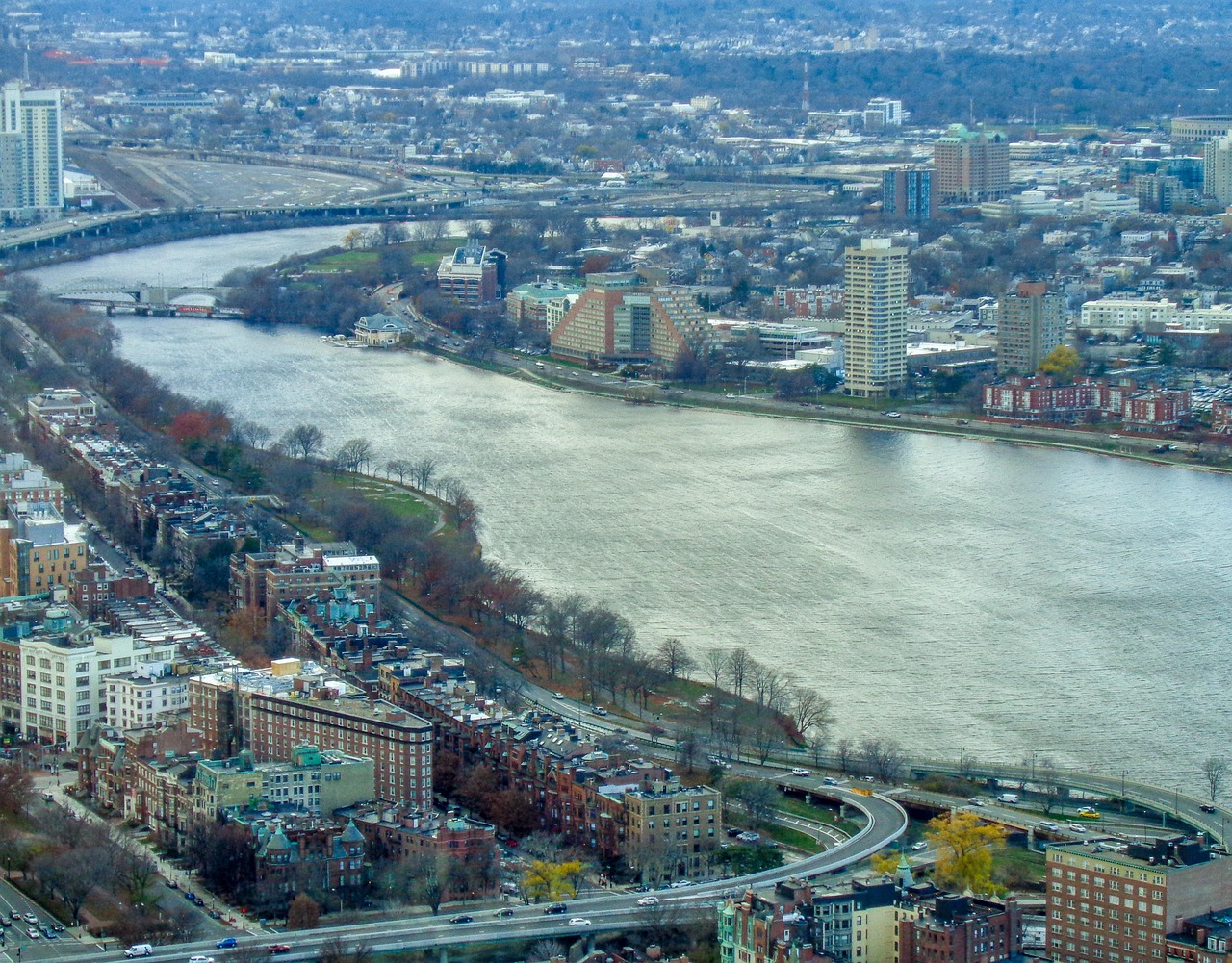
On my favorite fall visit, I spent a whole day just drifting between Back Bay and the Esplanade, and it felt like stepping into an old novel—brownstone facades, bookstore browsing, and rowers sliding down the Charles River.
- Morning: Start at Copley Square. Pop into Trinity Church and admire the contrast with the glassy Hancock Tower. Then wander down Newbury Street for boutiques, galleries, and coffee.
- Lunch: Grab a sandwich or salad on Newbury, or head to the Prudential Center food options if it’s cold.
- Afternoon: Walk up to the Charles River Esplanade. On warm days I like to rent a Bluebike and ride along the river; on cooler days, I just walk and people-watch.
- Late afternoon / Evening: Head to Fenway. Even if you’re not a baseball fan, the atmosphere around Fenway Park on game days is pure Boston. If the Red Sox are playing, snag tickets or just soak in the energy at a sports bar nearby.
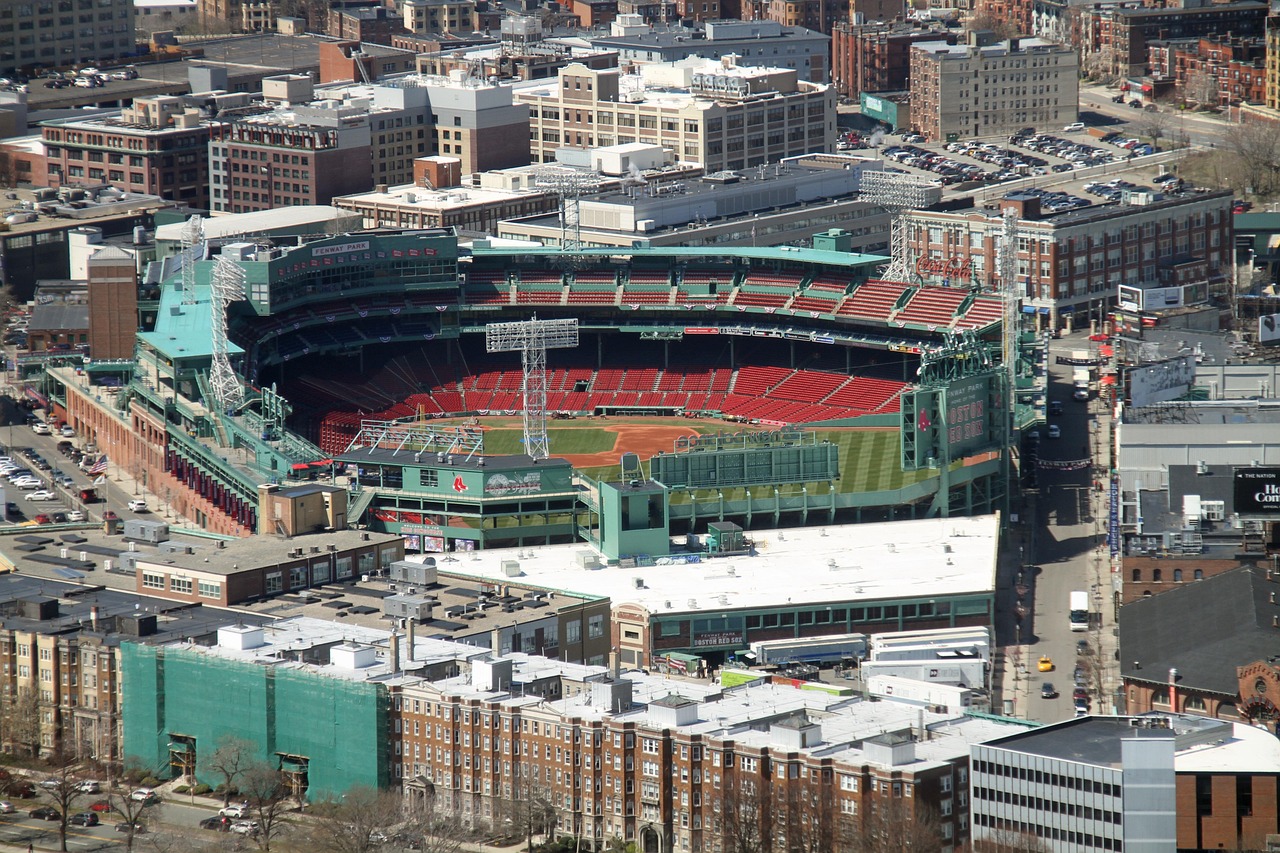
Budget tip: Standing-room tickets at Fenway can be surprisingly affordable and give you an authentic fan experience.
Day 3: Cambridge & Museums
Cambridge always feels like a second city within the city: quirkier, more academic, a little less polished. I like to cross the river early, before the Harvard crowds appear.
- Morning: Take the Red Line to Harvard Square. Wander Harvard Yard, browse the Harvard Book Store, and duck into side streets.
- Lunch: Eat around Harvard Square (there’s everything from ramen to cheap falafel).
- Afternoon: Choose one major museum:
- Museum of Fine Arts (MFA): For classic and global art.
- Isabella Stewart Gardner Museum: For atmosphere and a stunning courtyard; my personal favorite.
On one rainy November afternoon, I spent nearly three hours in the Gardner Museum’s courtyard room, listening to the rain while staring at the lush greenery. It felt like being transported to another continent.
Evening: Return to Boston and wrap up with a casual dinner in the South End or Back Bay.
4 Day Itinerary for Boston: Add Neighborhoods & Harbor Islands
If you have 4 days in Boston, use the 3-day plan above and add:
Day 4: South End, Seaport & Harbor Islands (Seasonal)
The South End is one of my favorite parts of Boston: leafy streets, bow-front brick townhouses, and some of the city’s best restaurants and brunch spots. On a sunny April trip, I wandered from a tiny coffee shop to an art gallery to a park filled with dogs, then ended the day watching the sun sink behind the skyline from the Seaport.
- Morning: Brunch in the South End. Stroll through Tremont Street and Union Park, and peek into local galleries.
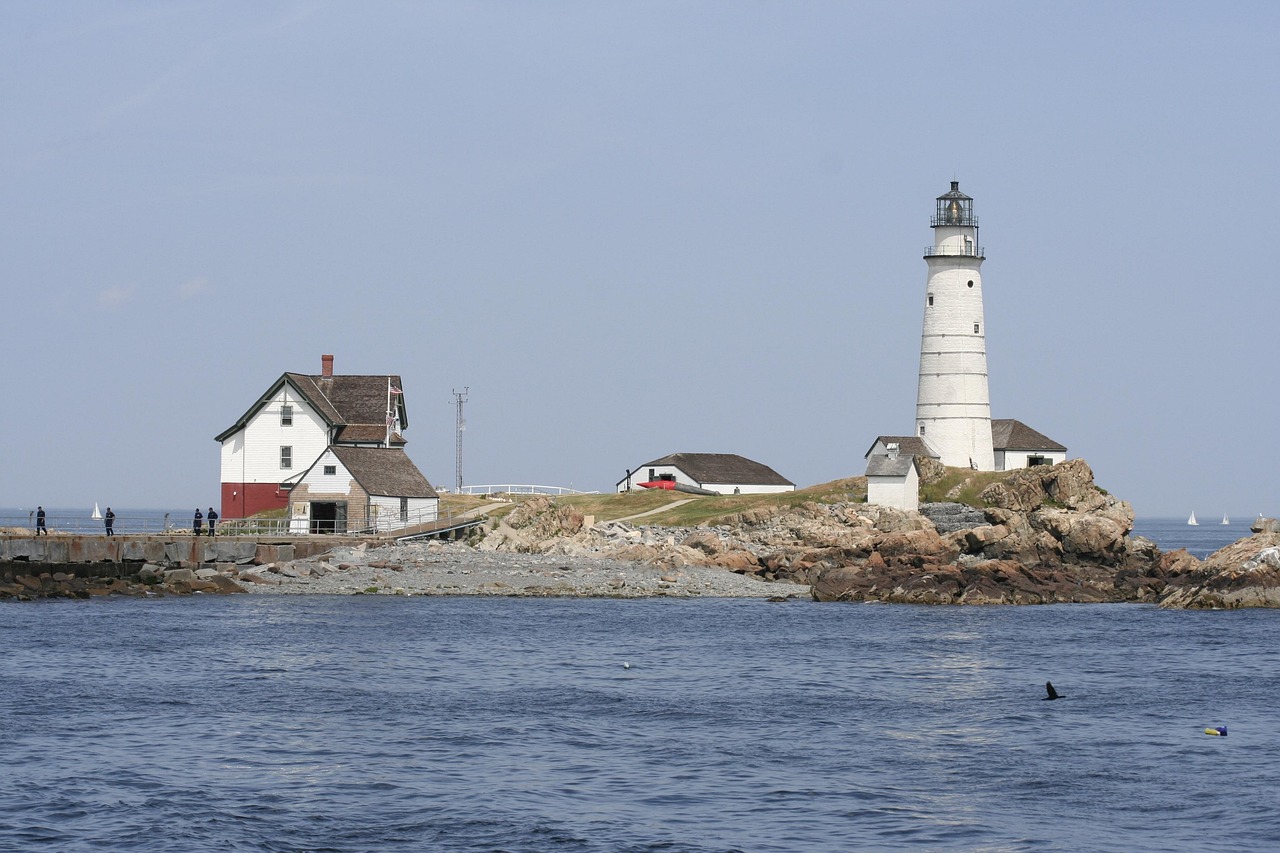
- Afternoon (warm months): Take a ferry to one of the Boston Harbor Islands (like Spectacle or Georges Island) for walking trails, fort ruins, and harbor views.
- Afternoon (cold months): Swap the islands for more museum time (MFA, Gardner, or the Institute of Contemporary Art in the Seaport).
- Evening: Head to the Seaport District for a waterfront dinner. The neighborhood’s mix of glass towers and harbor views makes for a dramatic, modern Boston experience.
5 Day Itinerary for Boston: Dive Deeper into Local Life
With 5 days in Boston, you can slow down, add hidden gems, and maybe even a half-day trip. Extend the 4-day itinerary and add:
Day 5: Jamaica Plain, Arnold Arboretum & Offbeat Corners
When I need a break from downtown energy, I head to Jamaica Plain (JP). It feels like a small town folded into the city: diverse, artsy, and community-focused.
- Morning: Take the Orange Line to Forest Hills and walk into the Arnold Arboretum. In May, the lilacs are unforgettable; in October, the fall colors are cinematic.
- Lunch: Cafés along Centre Street in JP offer everything from vegan bowls to empanadas.
- Afternoon: Stroll around Jamaica Pond or head back toward the city and explore the Charles River Esplanade more deeply, or visit another smaller museum (like the MIT Museum or Harvard Art Museums).
- Evening: Finish with a neighborhood dinner in JP, the South End, or Allston/Brighton for a more student-heavy, budget-friendly vibe.
20+ Must-See Attractions in Boston (With Stories & Local Tips)
Below are more detailed looks at Boston’s biggest attractions and a few that don’t always make the lists, but should. Think of these as chapters in a long, meandering walk through the city.
1. The Freedom Trail
The Freedom Trail is Boston’s spine—a 2.5-mile red brick (or painted) line that strings together 16 historic sites. I’ve walked it in full three times and in bits and pieces on practically every trip. Each time, some small detail jumps out: a carving on a tombstone, a street performer outside Faneuil Hall, a snippet of tour-guide storytelling you overhear while just passing by.
History & significance: The trail was created in the 1950s to make Boston’s Revolutionary War sites easier to follow. It connects churches, burying grounds, meeting houses, and battle sites that shaped early American history.
My favorite stretch: The walk from the Granary Burying Ground to the North End. You feel the city shift under your feet—from grand civic buildings to narrow, Mediterranean-feeling side streets.
- Best time to go: Early morning or late afternoon to avoid mid-day tour crowds.
- Guided vs self-guided: If you’re into history, a guide adds depth; otherwise, grab a map or audio guide and wander at your own pace.
- Family tip: Turn it into a scavenger hunt for kids (“find the oldest date on a gravestone,” “spot the steeple,” etc.).
2. Boston Common & Public Garden
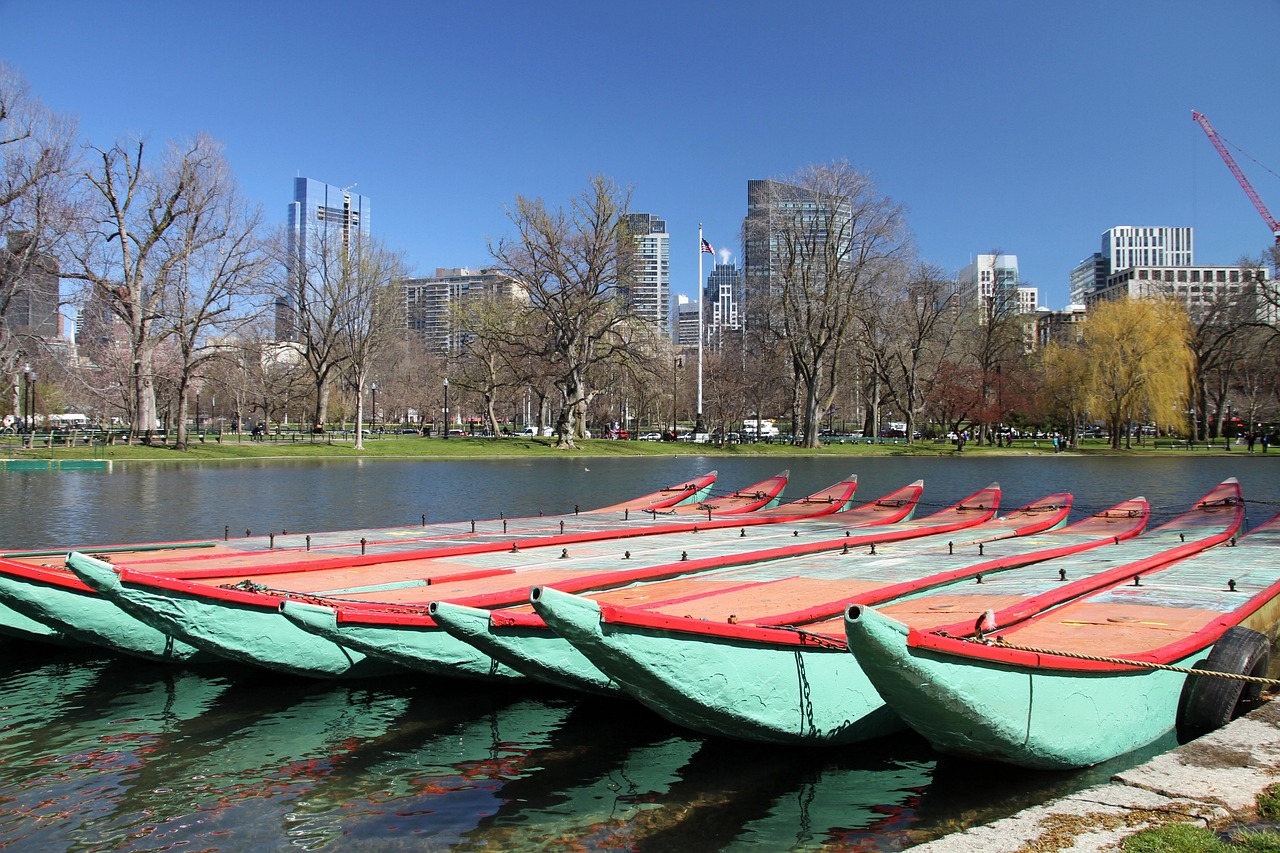
Boston Common and the adjacent Public Garden are the city’s green heart. On one June trip, I spent a morning just circling the lagoon, watching kids feed ducks while the famous swan boats glided past. It felt like the entire city had decided to play hooky and show up there.
History: Boston Common dates back to 1634, originally used for cattle grazing and public gatherings. The Public Garden, established in 1837, was the first public botanical garden in the U.S.
- Don’t miss: The Make Way for Ducklings statues (kids adore them), the Swan Boats (seasonal), and the weeping willows around the lagoon.
- Seasonal magic: In spring, tulips and flowering trees explode; in fall, the foliage is stunning; in winter, the Frog Pond transforms into an ice rink.
- Romantic tip: Sunset walk across the Public Garden’s suspension bridge, then dinner in nearby Back Bay.
3. The North End (Little Italy)
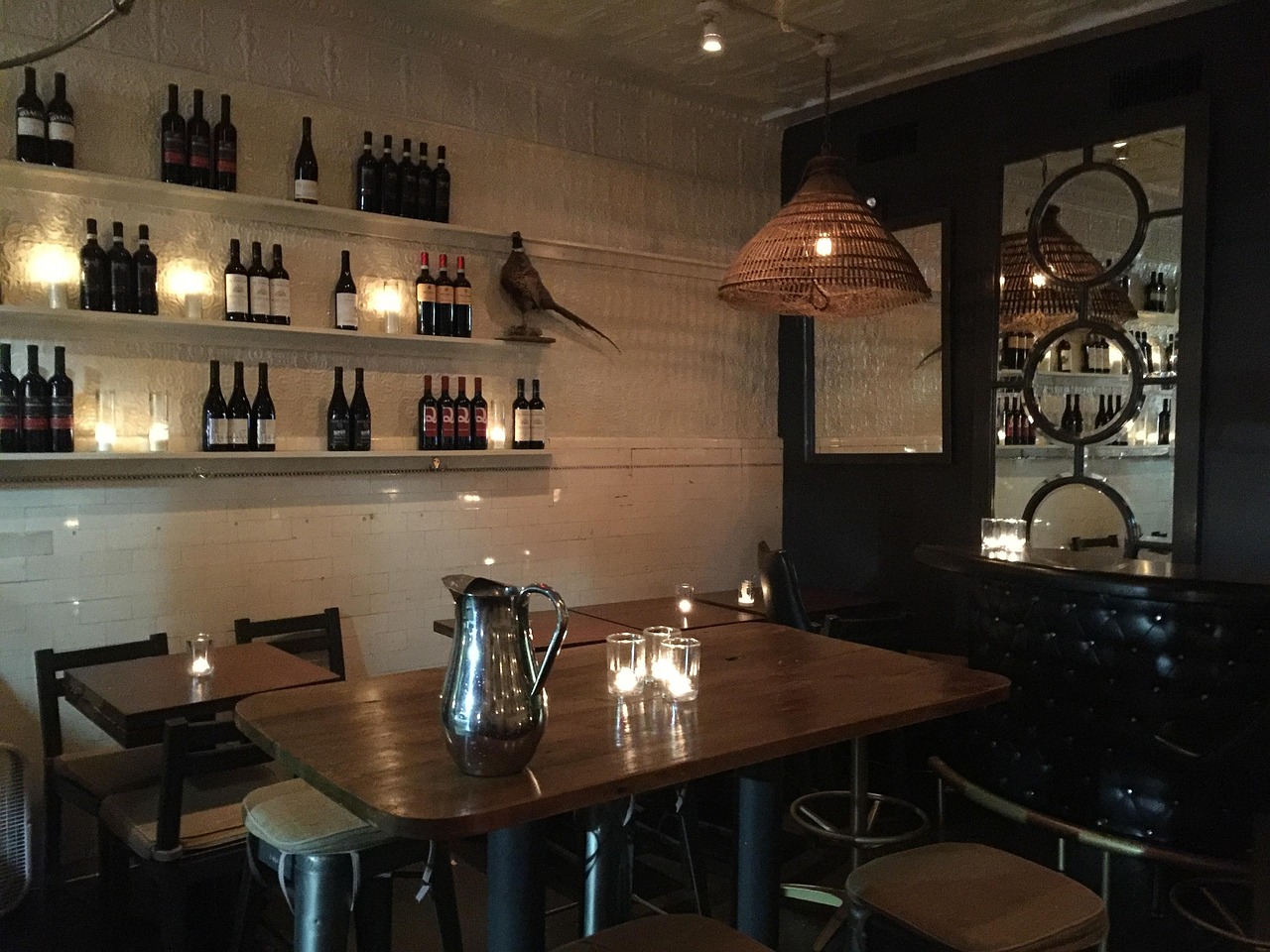
The North End is where I’ve had some of my best meals and best late-night walks in Boston. It’s compact but dense with Italian restaurants, bakeries, and history. I love ducking down side streets like Prince or Salem Street, where you catch whiffs of simmering tomato sauce through open windows.
Highlights: Paul Revere House, Old North Church, narrow streets, and endless pasta and cannoli options.
- When I go: I try to book an early dinner midweek to avoid long waits; on weekends, I embrace the chaos and plan to wander while waiting for a table.
- What to eat: Arancini, fresh seafood pasta, and cannoli from a bakery with a line (usually a good sign). Don’t be afraid to try a lesser-known spot off the main drag.
- Romantic angle: Late dinner, a shared bottle of wine, then a slow walk to the Harborwalk to look back at the skyline.
4. Faneuil Hall & Quincy Market
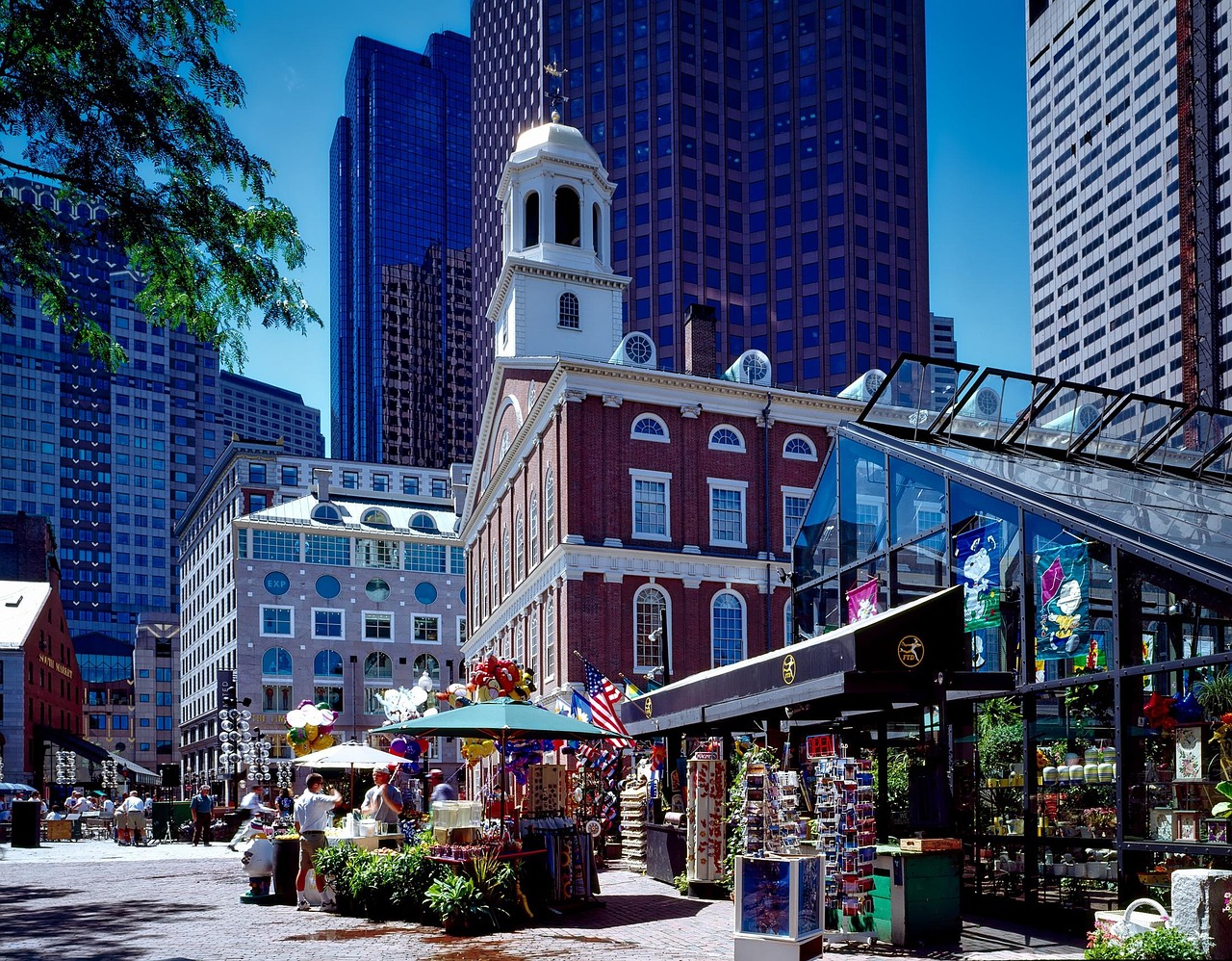
Faneuil Hall is touristy, no doubt—but it’s also historic and lively. I think of it as Boston’s front porch: buskers, street performers, food stalls, and crowds of visitors.
History: Faneuil Hall, built in 1742, has been a meeting hall and marketplace for centuries. It’s sometimes called the “Cradle of Liberty” for its role in pre-Revolution debates.
- Good for: Quick, casual food; people-watching; souvenir shopping.
- Family-friendly: Kids tend to enjoy the performers and food-court style options.
- Tip: I rarely eat big meals here, but I’ll grab a snack or coffee and use it as a pit stop between sights.
5. Beacon Hill
Beacon Hill is the Boston you see on postcards: gas lamps, brick sidewalks, and stately rowhouses. On one snowy January evening, I trudged up Charles Street and turned into a side lane lit only by warm, soft gas lamps—it felt like walking into a period movie set.
Highlights: Acorn Street (famously photographed), Louisburg Square, and the boutique-lined Charles Street.
- Best time: Early morning for quiet photos, or golden hour for dreamy light.
- What to do: Wander without a strict plan; grab coffee, browse independent shops, and peek down side alleys.
- Accessibility note: Brick sidewalks can be uneven; wear good shoes.
6. Back Bay & Newbury Street
Back Bay is elegant and symmetrical, all tree-lined streets and brownstones. It’s also where I usually base myself when I want to be central but not right in the financial core.
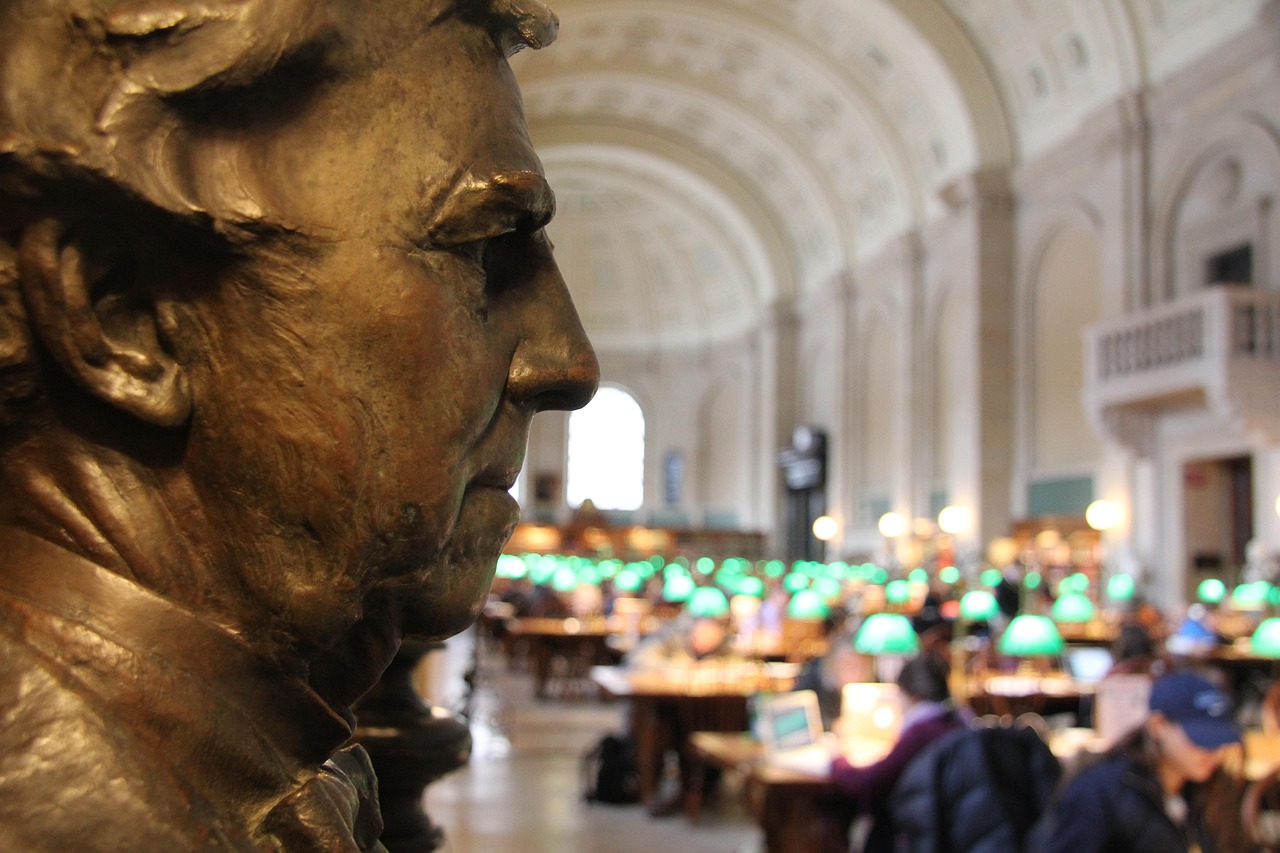
Key sights: Copley Square, Trinity Church, Boston Public Library (don’t skip the reading room!), Newbury Street, and the Prudential Center.
- What I love: Sitting on the library steps with a coffee, watching commuters and students swirl by.
- Shopping & cafés: Newbury Street has a mix of high-end and indie spots, perfect for slow browsing.
- Romantic: Evening window-shopping, followed by a cozy dinner on a side street.
7. Fenway Park
I’m not a hardcore baseball fan, but my first Red Sox game at Fenway Park converted me to at least being a hardcore Fenway fan. The chants, the organ, the smell of grilled sausages—it’s pure Boston.
History: Opened in 1912, Fenway is the oldest Major League Baseball stadium still in use.
- Game day: Arrive early, walk around the outside streets, grab a Fenway Frank or sausage.
- Tours: If there’s no game, stadium tours are fun and surprisingly informative.
- Family-friendly: Yes, though younger kids may fade before the 9th inning; aisle seats help.
8. Museum of Fine Arts (MFA)
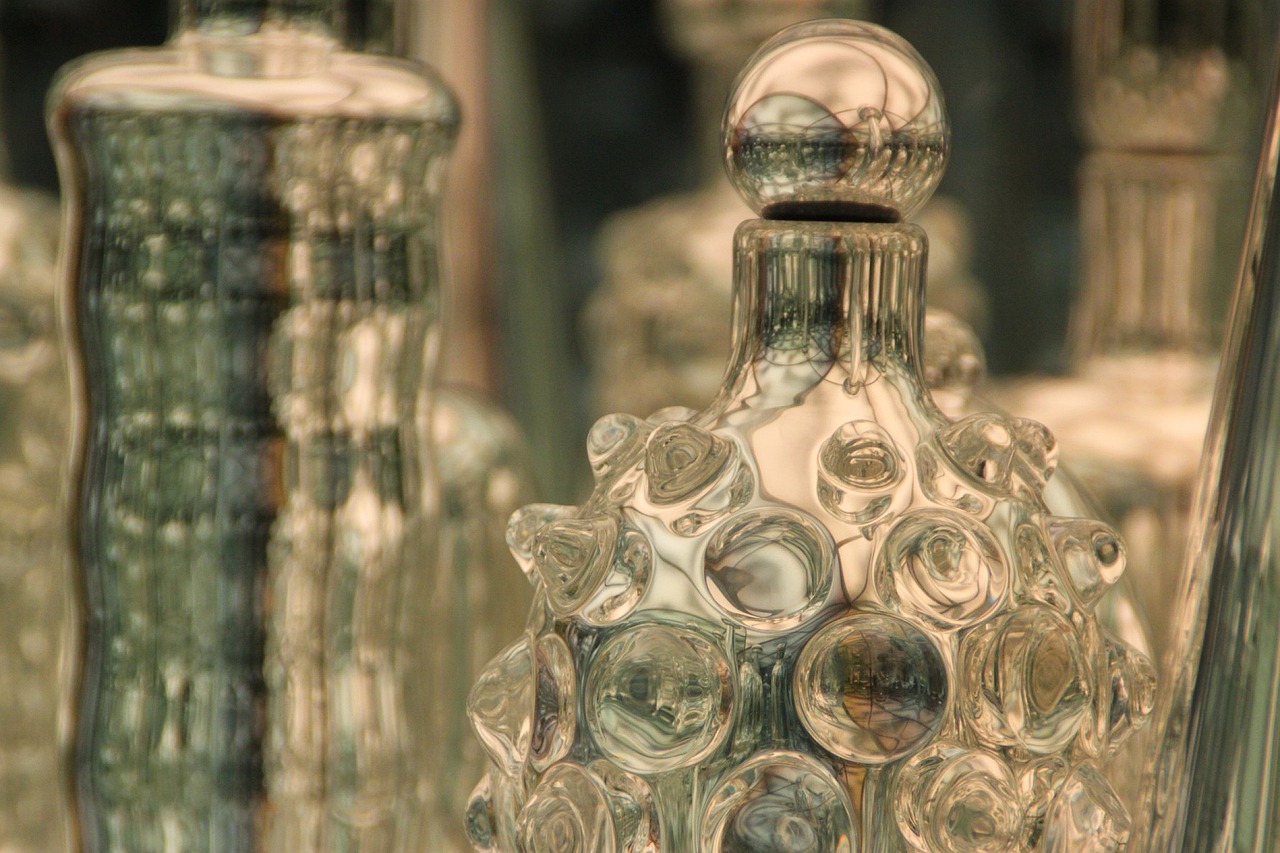
The MFA is massive, and each time I go I focus on just one or two sections. On a chilly March day, I lost two hours in the American wing, lingering over portraits of New Englanders whose world must have looked so different—and yet not.
Collections: Ancient Egyptian artifacts, Asian art, European masters, and extensive American art.
- Tip: Don’t try to see it all in one go. Pick a wing, take a break in the café, then decide if you have energy for more.
- Good for: Rainy or cold days; culture lovers; couples and solo travelers.
9. Isabella Stewart Gardner Museum
This is my personal favorite museum in Boston. The Isabella Stewart Gardner Museum feels like stepping into someone’s private, eccentric palace—because it basically is. The central courtyard, lush with plants and tiled floors, is one of my happy places.
History: Built by art collector Isabella Stewart Gardner in the early 1900s, with a stipulation that the arrangement of the art never be changed. The infamous 1990 art heist still leaves empty frames on the walls.
- How I visit: I arrive right when it opens, head straight to the courtyard, then wander the upper floors at a slow pace.
- Romantic: Extremely. Quiet corners, soft light, and a sense of discovery.
10. Harvard Square & Harvard Yard
Harvard Square is a mix of students, buskers, bookstores, and chain stores. I love the energy, especially during the school year when the sidewalks hum with languages from all over the world.
What to do: Walk through Harvard Yard, visit the Harvard Art Museums if you like, and browse indie bookstores and record shops.
- Food: Plenty of budget-friendly eats, from ramen to burritos.
- Family-friendly: Kids often enjoy the campus feel and the open greens.
11. MIT Campus & Kendall Square
If Harvard feels old-world and traditional, MIT feels futuristic. I once spent a sunny afternoon doing nothing but photographing quirky buildings: the Frank Gehry–designed Stata Center, sleek labs, and surprising sculptures.
Kendall Square: A major tech hub with modern eateries, outdoor seating, and a growing nightlife scene.
- Good for: Architecture buffs, tech lovers, and anyone curious about Boston’s innovation side.
12. Seaport District & Institute of Contemporary Art (ICA)
The Seaport District is Boston’s shiny new waterfront: glass towers, wide promenades, and the ICA perched right over the harbor. On a clear summer evening, the light here is magical.
ICA: A small but thoughtfully curated contemporary art museum with an incredible harbor-facing deck.
- My move: Afternoon ICA visit, sunset photos, then seafood dinner nearby.
- Romantic: Yes—modern, sleek, and perfect for a dressed-up night out.
13. Boston Harborwalk
The Harborwalk is a continuous public walkway along much of Boston’s waterfront. I’ve walked long stretches of it from the North End through the Seaport, stopping for coffee and just watching the boats glide by.
- Good for: Strolls, running, sunset views, and connecting neighborhoods without main-road traffic.
- Family-friendly: Wide paths for strollers, plus benches and occasional playgrounds.
14. Bunker Hill Monument & Charlestown
Across the river in Charlestown, the Bunker Hill Monument marks one of the key early battles of the American Revolution. The surrounding neighborhood is picturesque, with brick townhouses and quieter streets.
- Climb: You can climb the monument’s steps for views if you’re up for the workout.
- Combine with: A visit to the USS Constitution in nearby Charlestown Navy Yard.
15. USS Constitution & Charlestown Navy Yard
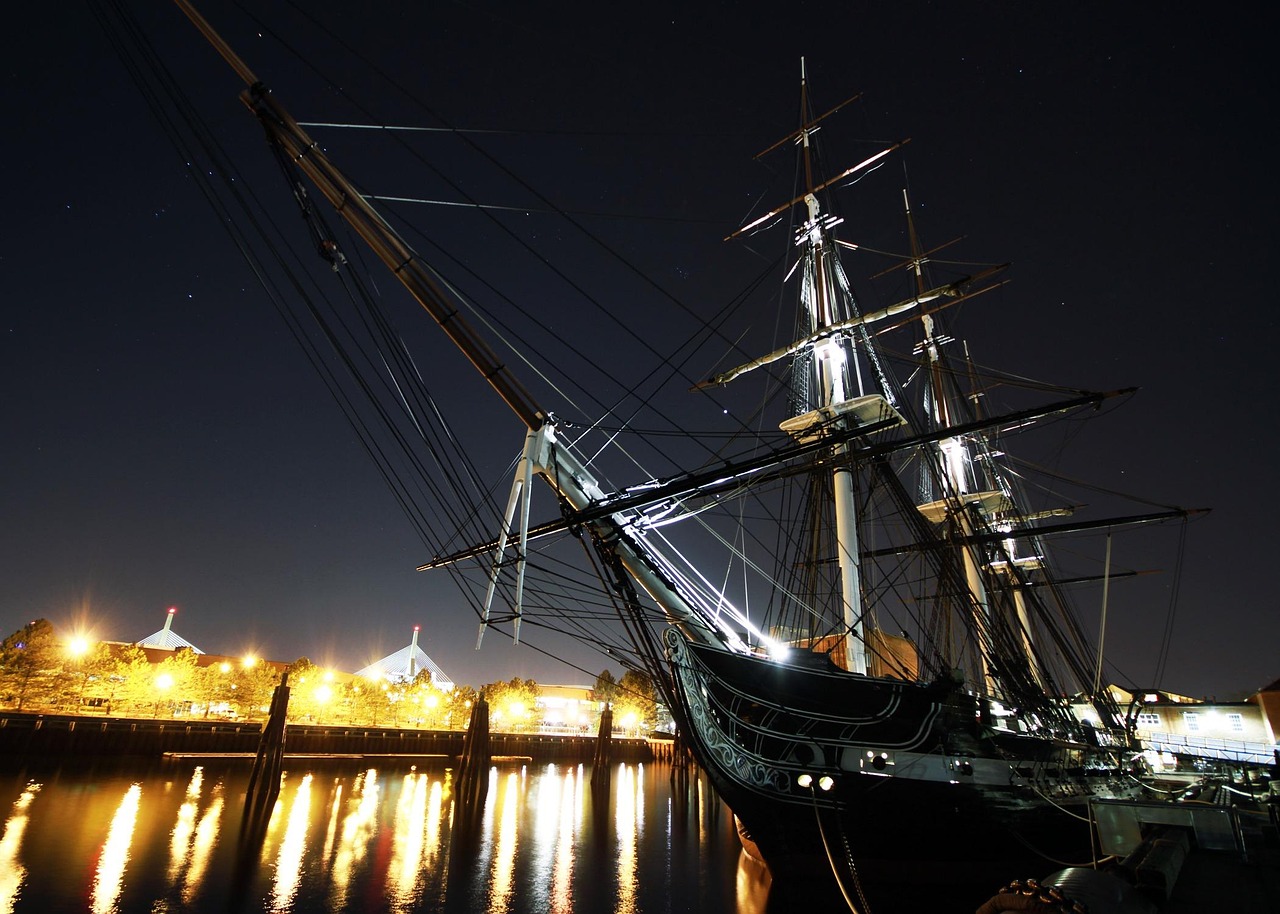
The USS Constitution, “Old Ironsides,” is the world’s oldest commissioned warship still afloat. I still remember the first time I stepped onto the wooden deck and tried to imagine sailing into battle on something powered only by wind and will.
- Good for: History buffs, families, and anyone who loves tall ships.
- Tip: Give yourself time for the small but informative museum next door.
16. Boston Tea Party Ships & Museum
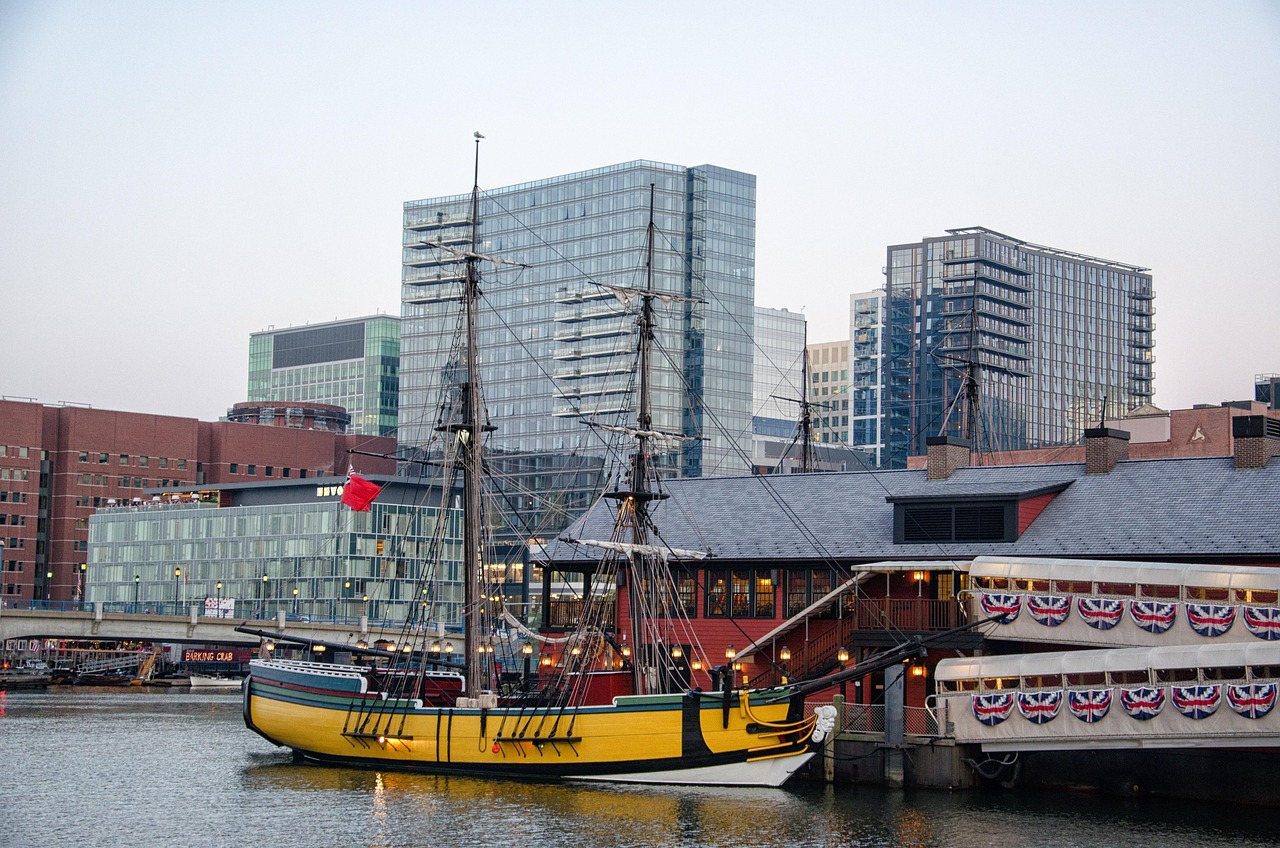
This attraction leans into immersive storytelling, and it’s more fun than I expected. You board replica ships, toss (fake) tea crates overboard, and watch costumed interpreters re-enact the famous protest.
- Family-friendly: Very—interactive and theatrical.
- Time needed: 1.5–2 hours.
17. New England Aquarium
The New England Aquarium sits right on the waterfront and is a hit with families. I’ve gone both with kids and solo, and the central giant ocean tank never fails to impress.
- Highlights: Penguins, sea turtles, and the central tank spiraling upwards.
- Combine with: Whale-watching tours that leave from nearby docks (seasonal).
18. Charles River Esplanade
The Esplanade is my go-to spot for a mental reset. Joggers, cyclists, dog walkers, and kayakers share the space, and the views of both Boston and Cambridge are gorgeous.
- Activities: Walking, running, cycling, picnics, kayaking (rentals in season).
- Romantic: Sunset picnic with a takeout spread and a view of the river.
19. South End & SoWa Arts District
The South End is vibrant and creative, with galleries, design shops, and some of Boston’s best restaurants. On one Sunday visit, I stumbled upon the SoWa Open Market: food trucks, artisan vendors, and live music tucked among old industrial buildings.
- Good for: Foodies, art lovers, brunch hunters.
- Tip: Check SoWa’s schedule; summer Sundays are especially lively.
20. Arnold Arboretum
The Arnold Arboretum feels miles away from the city, even though it’s easily reached by subway. On a misty October morning, I wandered among maples and conifers, the only sounds the crunch of leaves and the occasional jogger.
- Best seasons: Spring for blossoms, fall for foliage.
- Family-friendly: Yes—lots of space to roam.
More Notable Spots & Hidden Gems
- Boston Public Library: A quiet architectural gem; don’t miss the courtyard.
- Boston Chinatown: Great for dim sum and late-night eats.
- Allston & Brighton: Student-heavy neighborhoods with cheap eats and live music.
- Fort Point: Old brick warehouses turned into studios and cafés.
Boston Neighborhoods & Districts to Explore
Boston’s charm lies in its distinct neighborhoods. Each has its own flavor, and with 4 or 5 days in Boston, you can sample several.
- Downtown & Financial District: Skyscrapers, historic sites, and busy weekday energy.
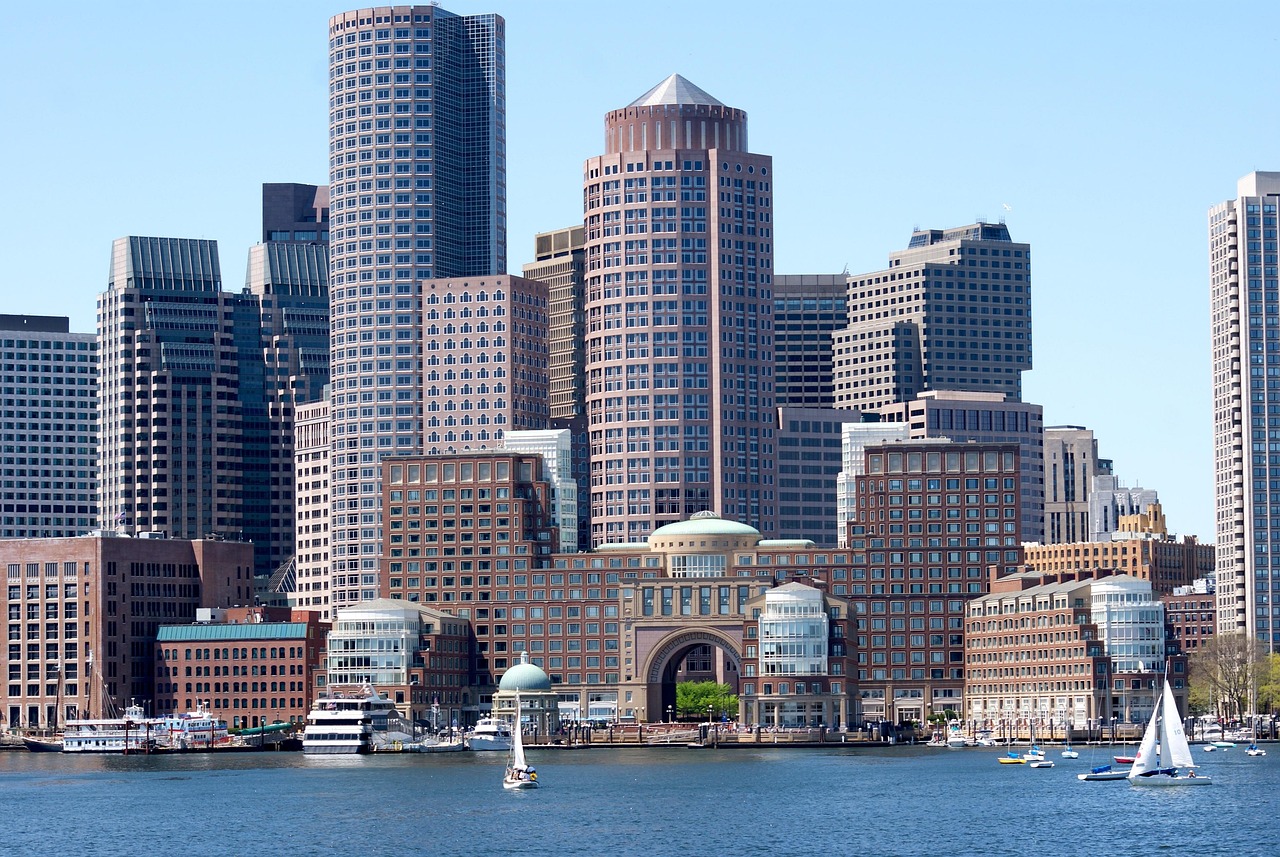
Boston Financial District skyline - North End: Italian heritage, tight-knit community feel, and legendary food.
- Beacon Hill: Historic, affluent, and postcard-pretty.
- Back Bay: Shopping, brownstones, and cultural landmarks.
- South End: Artsy, diverse, with excellent dining.
- Seaport & Fort Point: Modern, up-and-coming, with a strong restaurant scene.
- Cambridge (Harvard Square, Kendall, Central): Academic and techy, across the river.
- Jamaica Plain & Roslindale: Residential, green, and community-oriented.
- Allston/Brighton: Young, budget-friendly, and lively at night.
Best Local Food & Drink in Boston
Boston’s food story is part classic New England, part immigrant flavors, part modern experimentation. If you only remember a few dishes, let them be: clam chowder, lobster roll, oysters, cannoli, and something Italian in the North End.
Classic Boston & New England Dishes
- Clam Chowder: Creamy, hearty, and perfect on a cold day. Try it by the waterfront for extra ambiance.
- Lobster Roll: Hot buttered or cold with mayo; both have their fans.
- Oysters & Seafood: The harbor and nearby Cape supply fantastic shellfish.
- Boston Cream Pie: More cake than pie, but very Boston.
- Italian in the North End: Eggplant parm, linguine with clams, cannoli.
Where I Love to Eat (Representative Types)
(Specific venues change quickly, but here’s how I choose.)
- Seafood shacks & oyster bars: I look for spots with raw bars near the waterfront or in Back Bay/South End—freshness matters.
- North End trattorias: I favor side streets over main drags; a short, focused menu is a good sign.
- South End bistros: Ideal for brunch or a slightly splurgey dinner.
- Casual student spots: In Allston, Brighton, and around Harvard Square, you’ll find excellent cheap eats (ramen, Korean, Middle Eastern, etc.).
Cafés, Breweries & Nightcaps
- Third-wave coffee: Scattered through the South End, Cambridge, and downtown.
- Local breweries: Look for taprooms in the Seaport, Fort Point, and emerging industrial areas.
- Classic pubs: Near Faneuil Hall, Beacon Hill, and Fenway—great for pre- or post-game drinks.
Money-Saving Food Tips
- Do a big sit-down meal once a day; keep the other meals casual (food trucks, markets, bakeries).
- Lunch specials are often cheaper than dinner for similar menus.
- In student-heavy neighborhoods, you’ll find generous portions and lower prices.
Nightlife, Entertainment & Cultural Experiences
Boston’s nightlife skews bars, breweries, live music, and performance rather than all-night clubs—but that suits the city’s personality.
Live Music & Theater
- Theater District: Broadway tours, local productions, and comedy clubs.
- Small venues: Cambridge and Allston have intimate spots for indie bands and jazz.
- Summer concerts: Outdoor shows by the river or in parks are common in warm months.
Bars, Breweries & Pubs
- Seaport & Fort Point: Sleek cocktail bars with waterfront views.
- Allston/Brighton & Cambridge: Laid-back bars, divey spots, craft beer.
- Near Fenway: Sports bars that come alive on game nights.
Cultural Experiences
- Boston Symphony & Pops: Classical and pops performances, especially popular around holidays.
- Museums at night: Some museums offer late hours and special events.
- Festivals: Neighborhood festivals, food fairs, and cultural celebrations pop up throughout the year.
Major Events & Festivals in Boston (2026–2027)
Event schedules evolve, but these recurring highlights give a sense of what to expect in 2026–2027.
- Boston Marathon (April): One of the world’s most famous marathons. Marathon Monday is practically a city holiday.
- Patriots’ Day (mid-April): Historical reenactments, including the “shot heard ’round the world” in nearby Lexington and Concord.
- Boston Harborfest (early July): Celebrating Boston’s maritime and Revolutionary heritage with events and fireworks.
- Fourth of July on the Esplanade: Boston Pops concert and fireworks over the Charles River.
- Head of the Charles Regatta (October): Massive rowing event that fills the river with boats and spectators.
- Holiday Markets & Ice Skating (Nov–Dec): Seasonal markets, lights, and rinks in the Common and Seaport.
As 2026 approaches, keep an eye out for expanded waterfront programming in the Seaport, evolving open-air markets in SoWa, and special museum exhibits commemorating historical anniversaries.
Best Day Trips from Boston
With 4 or 5 days in Boston, adding a day trip is very doable. Here are a few favorites:
- Salem: Famous for the 1692 witch trials. Easy train ride; compact and walkable once there.
- Concord & Lexington: Revolutionary War sites, literary history, and leafy New England streets.
- Cape Cod (seasonal): Beaches, lighthouses, and seafood; best with a car and in warmer months.
- Rockport & Gloucester: Classic fishing towns and rocky coastline north of the city.
Practical tip: For Salem and Concord/Lexington, public transit works well. For Cape Cod and coastal towns, a rental car gives you more flexibility.
Cultural Etiquette & Local Customs in Boston
Bostonians can seem brusque, but underneath the directness is a strong sense of community and pride in the city.
- Direct communication: People tend to be straightforward; don’t mistake brevity for rudeness.
- Sports loyalty: The Red Sox, Celtics, Bruins, and Patriots inspire fervent feelings. Joking is fine; insults are not.
- Tipping: 18–20% at restaurants, $1–2 per drink at bars if not on a tab, 10–15% for taxis.
- Public transit etiquette: Let people off before you board, stand right/walk left on escalators, keep backpacks off during rush hour.
- Noise: Residential areas expect quiet late at night; be mindful when leaving bars or events.
- Respect for history: Cemeteries and historic sites are treated with seriousness; no climbing on monuments or loud behavior.
Practical Travel Tips for Boston (2026)
Getting Around Boston
- On foot: The core of the city is very walkable; expect uneven brick sidewalks.
- Public transit (MBTA): The “T” includes subway, buses, and commuter rail.
- Rechargeable cards or contactless payments make riding easy.
- Subways and key bus routes cover most sights.
- Rideshares & taxis: Widely available, useful late at night or for cross-town trips.
- Driving: I rarely recommend driving within the city; traffic and parking are challenging. Rent a car only for day trips.
- Bikes: Bluebikes (public bike share) are great for the Esplanade and short hops in good weather.
Saving Money in Boston
- Use multi-day transit passes if you’ll ride the T often.
- Take advantage of free or “pay what you wish” museum days and late evenings where available.
- Picnic in parks instead of always eating out; local markets and bakeries are your friends.
- Stay in Cambridge or slightly outside downtown for better-value accommodation, especially in peak seasons.
SIM Cards & Connectivity
- eSIMs: In 2026, many travelers use eSIM plans purchased online before arrival.
- Physical SIMs: Available at major carriers and electronics stores in shopping districts and malls.
- Wi-Fi: Free in many cafés, libraries, and some public spaces.
Visa Requirements & Driver’s Licenses
- Visas: Requirements depend on nationality. Check official U.S. government sites or your local embassy before travel. Many visitors use the Visa Waiver Program (ESTA) if eligible.
- Driver’s license: Many foreign licenses are accepted for short-term tourist driving; an International Driving Permit can help alongside your national license. Always check current Massachusetts regulations if you plan to rent a car.
Best Seasons for Different Activities
- Spring (April–June): Ideal for 3–5 day itineraries in Boston. Blooming parks, moderate temps, and lively streets.
- Summer (July–August): Great for Harbor Islands, outdoor concerts, and long evening walks. Expect higher prices and humidity.
- Fall (September–October): My favorite: crisp air, foliage, and fewer crowds than peak summer. Perfect for history walks and day trips to Concord or Salem.
- Winter (Nov–March): Cold and sometimes snowy, but cozy—great for museums, cafés, and lower hotel rates (outside holiday peaks).
Hidden Tips Only Frequent Visitors Mention
- Layer up: Weather changes quickly; I always carry an extra layer and a light rain shell, even in summer.
- Book key attractions in advance: Especially Fenway games, popular museum time slots, and top Seaport restaurants in peak months.
- Use the river: Ferries, harbor cruises, and even kayaks give you a completely different perspective on the skyline.
- Wander side streets: Some of the best finds—cafés, murals, small parks—are one block off the main routes.
Summary & Final Recommendations: When to Visit Boston
Boston packs a remarkable amount into a compact footprint: Revolutionary history, leafy parks, world-class universities, waterfront promenades, and neighborhoods that each feel distinct. Whether you’re planning 3 days in Boston or stretching to a full 5 day itinerary, you can balance must-see attractions with quiet, local moments—coffee on a brownstone stoop, a sunset on the Esplanade, or a rainy afternoon in a museum courtyard.
Best overall time to visit: Late April to early June and September to mid-October. In these windows, the weather supports lots of walking, the parks look gorgeous, and crowds are manageable.
For history lovers, families, couples, and solo explorers, Boston in 2026 is as compelling as ever—rooted in the past, but constantly reinventing itself. Arrive with good walking shoes, a flexible plan, and an appetite, and the city will do the rest.